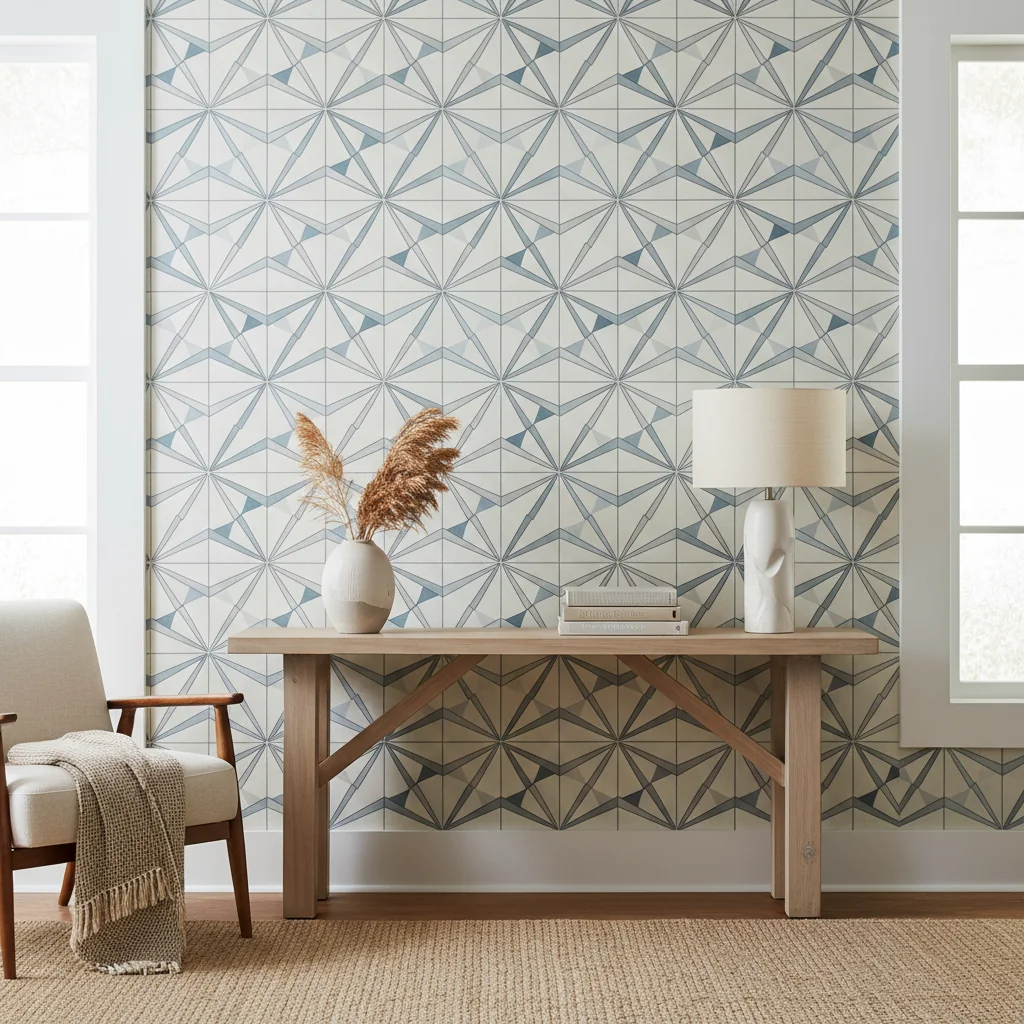
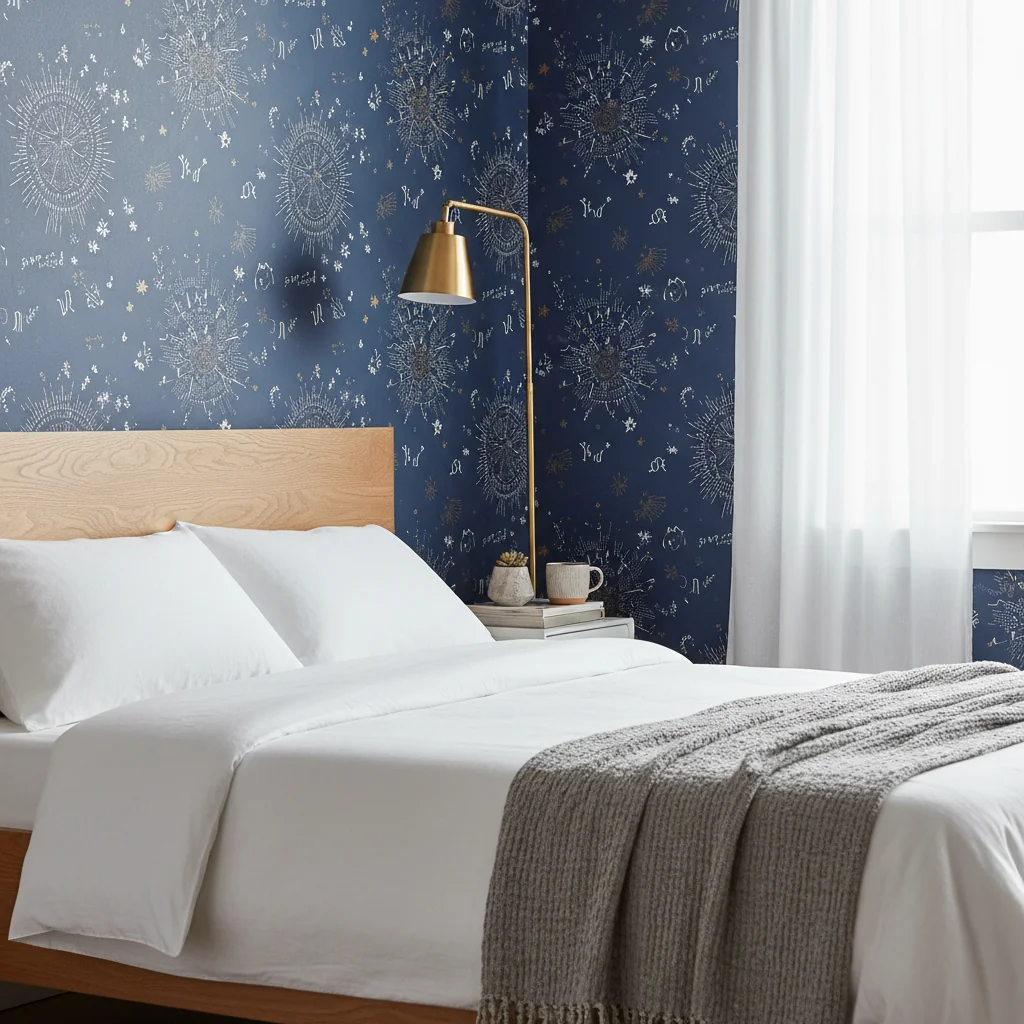
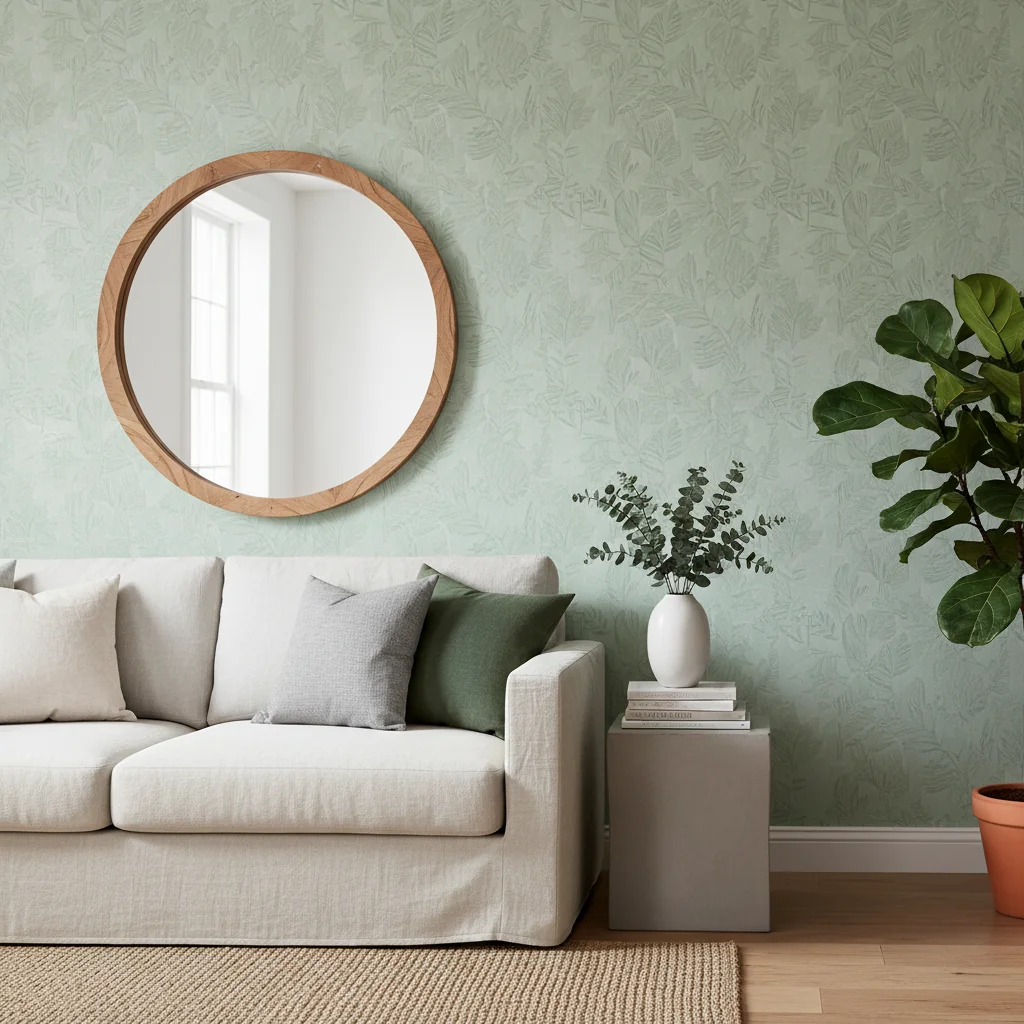
Wallpaper for walls is a transformative design element, offering unparalleled depth, texture, and pattern to elevate any interior space beyond the capabilities of paint alone. It is essentially a decorative material, typically made from paper, non-woven fabric, or vinyl, that is applied to vertical surfaces using adhesive to create a cohesive aesthetic or a striking focal point. From historical patterns that evoke classic elegance to contemporary designs that push the boundaries of modern artistry, wallpaper provides a unique opportunity to infuse personality and sophisticated style into residential and commercial environments across the United States.
Key Takeaways
- Wallpaper offers diverse types and materials, from traditional paper and vinyl to innovative peel-and-stick and natural grasscloth, each with distinct aesthetic and functional properties.
- Selecting the ideal wallpaper requires considering room function, lighting, existing decor, desired mood, and durability to ensure a harmonious and lasting design.
- Accurate measurement and preparation are critical for successful wallpaper installation, including calculating roll quantities, understanding pattern repeats, and ensuring a smooth, clean wall surface.
- Current design trends favor biophilic patterns, maximalist expressions, rich textures, and metallic accents, alongside a resurgence of classic, timeless motifs.
- Proper care, specific to the wallpaper material, extends its longevity and preserves its appearance, often involving gentle cleaning methods and prompt repair of minor damage.
- Strategic styling involves pairing wallpaper with complementary furniture, artwork, textiles, and lighting to create a cohesive and sophisticated interior narrative.
Exploring the Diverse Types of Wallpaper
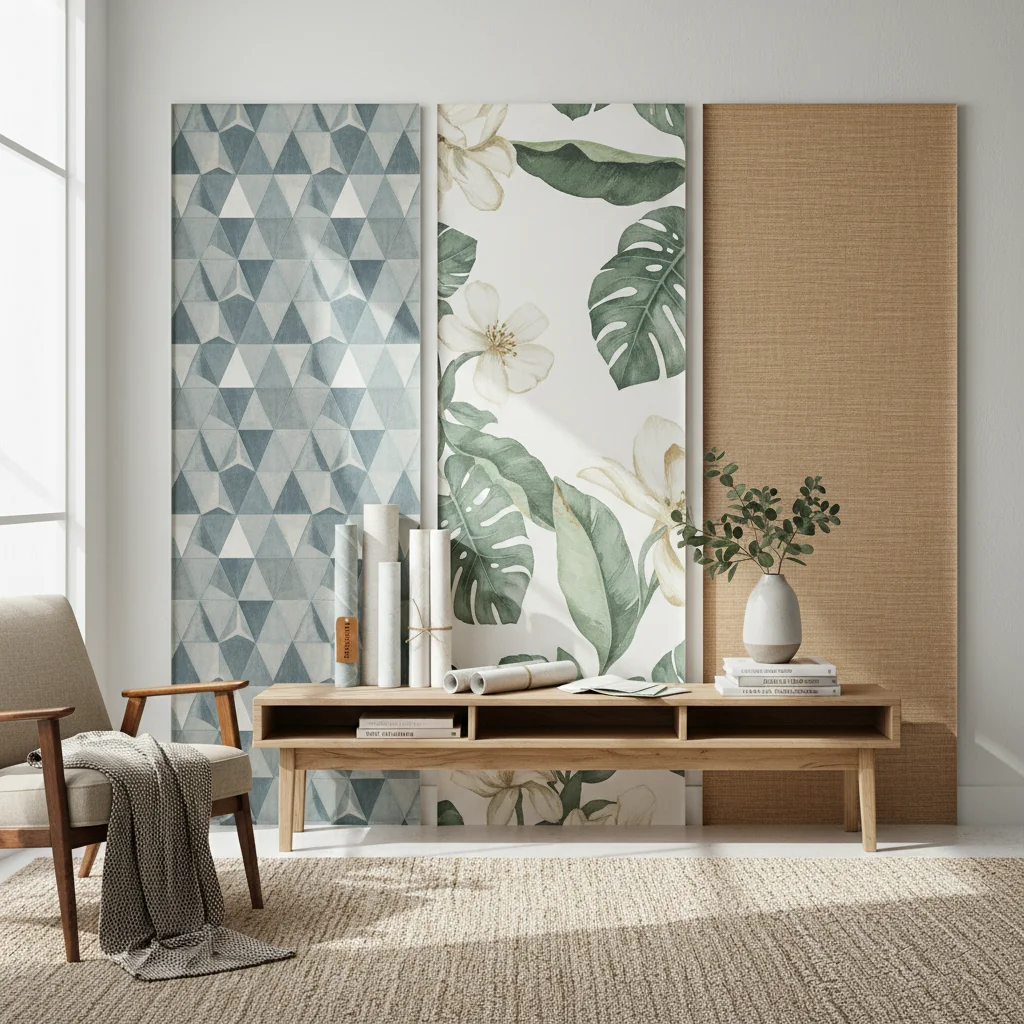
Wallpaper encompasses a broad spectrum of products, each designed with specific installation methods, durability levels, and aesthetic qualities to suit various applications and design preferences. Understanding these distinct types is fundamental to selecting the most appropriate solution for your home or commercial space.
Traditional (Unpasted) Wallpaper
Traditional wallpaper, also known as unpasted wallpaper, requires the application of a separate adhesive to its back before installation, offering a classic and durable wall covering solution. This type typically comes in rolls and is affixed to the wall using a paste, which allows for precise positioning during application and forms a strong, lasting bond once dry. Traditional wallpaper varieties are renowned for their wide range of patterns, textures, and material compositions, making them a staple in interior design for centuries.
Key Characteristics of Traditional Wallpaper:
- Installation: Requires a separate wallpaper paste, applied either to the paper itself (booking method) or directly to the wall (paste-the-wall method). This process allows for meticulous alignment and adjustment.
- Durability: Highly durable, especially when made from robust materials like vinyl-coated paper or fabric-backed vinyl. It offers significant longevity, often lasting 15 years or more with proper care.
- Aesthetic Range: Unrivaled in its variety of finishes, from matte and satin to embossed and flocked, accommodating virtually any design style.
- Removal: Can be more challenging to remove than peel-and-stick, often requiring steaming, scoring, and chemical removers, though modern versions are often designed for easier stripping.
Pre-Pasted Wallpaper
Pre-pasted wallpaper features an adhesive backing that is activated by water, simplifying the installation process by eliminating the need for a separate paste application. This type of wallpaper is a convenient option for DIY enthusiasts, as it streamlines the preparation steps and reduces potential mess. The pre-applied adhesive, typically a dry paste, becomes tacky when moistened, allowing the paper to adhere directly to the wall.
Key Characteristics of Pre-Pasted Wallpaper:
- Installation: Activates with water, usually by dipping the roll in a water tray or spraying the back directly. This method is generally quicker and cleaner than traditional unpasted wallpaper.
- Convenience: Ideal for DIY projects due to its reduced complexity and fewer required tools.
- Adhesion: While convenient, the adhesive bond may not always be as robust or long-lasting as that of traditional pasted wallpaper, particularly in high-humidity environments.
- Removal: Often designed for easier removal than traditional unpasted papers, sometimes stripping off in full sheets, especially if installed correctly on a properly primed wall.
Peel-and-Stick Wallpaper
Peel-and-stick wallpaper, also known as self-adhesive or removable wallpaper, is backed with a pressure-sensitive adhesive that allows for easy application by simply peeling off a protective backing and pressing the material onto the wall. This innovative type of wallpaper is celebrated for its user-friendliness, making it an excellent choice for renters, temporary installations, or those who enjoy frequently updating their decor. Its non-damaging adhesive ensures that walls remain pristine upon removal.
Key Characteristics of Peel-and-Stick Wallpaper:
- Installation: Effortless to install and reposition, requiring no water, paste, or specialized tools beyond a utility knife and smoothing tool. The backing is simply peeled away as you apply it to the wall.
- Removability: Designed for clean removal without leaving sticky residue or damaging underlying paint, making it perfect for temporary decor or commitment-phobes.
- Versatility: Suitable for a wide array of smooth, clean surfaces beyond just walls, including furniture, backsplashes, and shelves.
- Durability: Generally less durable than traditional wallpaper, with a typical lifespan of 3-5 years, depending on environmental factors and quality. Not ideal for high-traffic or high-humidity areas unless specifically designed for such conditions.
Wallpaper Murals
Wallpaper murals are large-format wall coverings designed to create a single, continuous image or scene across an entire wall or a significant portion of it, transforming a space with immersive visual storytelling. Unlike repeating patterns, murals offer a cohesive artistic statement, ranging from expansive landscapes and cityscapes to abstract art and custom photographic reproductions. They serve as a powerful focal point, adding dramatic impact and a personalized touch to any room.
Key Characteristics of Wallpaper Murals:
- Visual Impact: Creates a singular, often breathtaking, artistic statement that can define the entire mood and theme of a room.
- Customization: Often available in custom sizes or with personalized imagery, allowing for truly unique installations.
- Installation: Typically comes in multiple panels that must be carefully aligned to form the complete image. Available in both traditional (pasted) and peel-and-stick formats.
- Application: Requires meticulous planning and precise installation to ensure seamless alignment of the image across panels.
Liquid Wallpaper
Liquid wallpaper is a unique wall covering composed of natural fibers, binders, and decorative additives that is applied to surfaces as a wet mixture, drying to form a seamless, textured finish. This innovative material, also known as silk plaster or textile plaster, offers a breathable, sound-absorbing, and insulating alternative to traditional wallpaper, providing a soft, luxurious feel. It is highly valued for its ability to conceal minor wall imperfections and its eco-friendly composition.
Key Characteristics of Liquid Wallpaper:
- Application: Applied with a trowel or sprayer, similar to plaster, creating a seamless, joint-free surface.
- Texture: Dries to a soft, tactile, often fibrous texture, offering a distinct aesthetic that cannot be achieved with traditional paper.
- Benefits: Provides thermal and acoustic insulation, is breathable, and can conceal minor wall cracks and imperfections effectively. It is also often repairable by re-wetting and smoothing.
- Composition: Typically made from natural cellulose, cotton, silk fibers, and mineral additives, making it an environmentally conscious choice.
Grasscloth and Natural Fiber Wallpaper
Grasscloth wallpaper is an exquisite wall covering crafted from natural woven fibers such as jute, hemp, sisal, or bamboo, offering unparalleled texture, depth, and an organic aesthetic. Each roll is unique due to the inherent variations in natural materials, creating a subtle, sophisticated warmth and bringing an element of the outdoors inside. This type of wallpaper is highly prized for its artisanal quality and ability to add a serene, tactile dimension to any room.
Key Characteristics of Grasscloth Wallpaper:
- Texture: Distinctive woven texture adds significant depth and visual interest, creating a luxurious, organic feel.
- Material Variation: Expect slight color and texture variations between rolls and seams, which are part of its natural charm and not considered defects.
- Durability: Generally durable, but can be delicate during installation and susceptible to moisture and staining. Not recommended for high-humidity areas like bathrooms.
- Installation: Typically unpasted and requires a clear, non-staining adhesive. Professional installation is often recommended due to its delicate nature and the need for precise alignment.
Fabric-Backed Vinyl Wallpaper
Fabric-backed vinyl wallpaper is a robust and highly durable wall covering consisting of a solid or expanded vinyl surface laminated to a woven fabric backing, providing exceptional strength and longevity. This construction makes it particularly suitable for high-traffic commercial environments and active residential areas where resistance to abrasion, impact, and moisture is paramount. It combines the aesthetic versatility of vinyl with the structural integrity of fabric.
Key Characteristics of Fabric-Backed Vinyl Wallpaper:
- Durability: Extremely durable and resistant to tears, scratches, and impacts, making it ideal for demanding environments.
- Cleanability: Highly washable and scrubbable, allowing for easy maintenance and sanitation.
- Installation: Typically unpasted and requires a strong adhesive. The fabric backing provides stability, making it easier to handle and less prone to tearing during installation.
- Applications: Widely used in hotels, hospitals, offices, and residential kitchens or bathrooms due to its performance characteristics.
Decoding Wallpaper Materials: From Paper to Natural Fibers
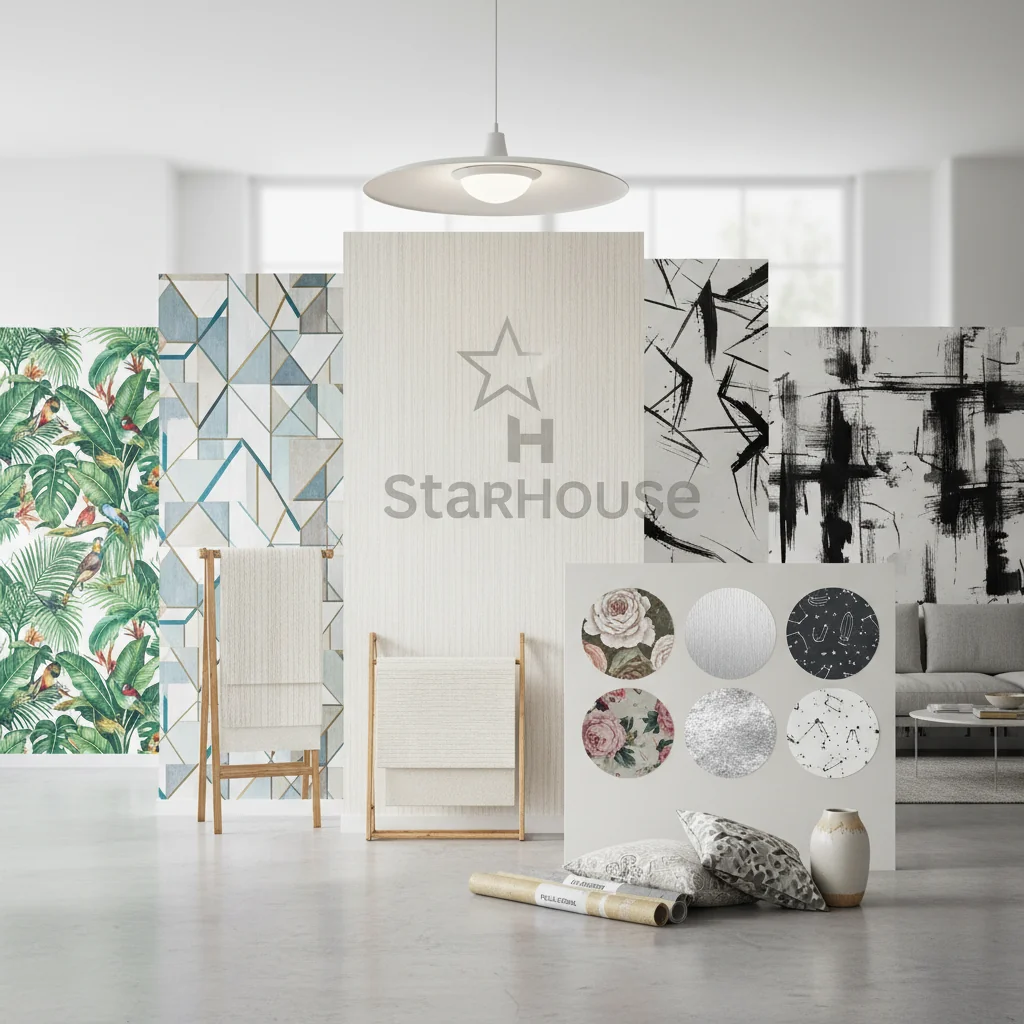
The material composition of wallpaper fundamentally dictates its appearance, texture, durability, and suitability for different environments, influencing both its aesthetic appeal and its practical performance. Understanding these various materials is essential for making an informed choice that aligns with your design vision and functional requirements.
Paper Wallpaper
Paper wallpaper consists of a decorative design printed directly onto a paper substrate, offering a classic and environmentally conscious option with a vast array of patterns and finishes. This traditional material is known for its breathability and ability to produce intricate details and vibrant colors, making it a popular choice for bedrooms, living rooms, and low-traffic areas. Paper wallpaper provides a timeless aesthetic and can be a cost-effective solution for refreshing an interior.
Characteristics of Paper Wallpaper:
- Aesthetics: Offers a soft, matte finish that can be beautifully printed with fine details and rich colors.
- Breathability: Allows walls to breathe, which can be beneficial in older homes or for preventing moisture buildup.
- Durability: Less durable than vinyl or non-woven options; susceptible to tearing, moisture damage, and fading in direct sunlight. Not recommended for high-humidity or high-traffic areas.
- Care: Generally not washable; spot cleaning with a dry cloth is usually the safest method.
Non-Woven Wallpaper
Non-woven wallpaper is crafted from a blend of natural and synthetic fibers, making it a highly durable, breathable, and user-friendly material that is increasingly popular for its ease of installation and removal. This advanced material resists tearing and shrinking, providing a stable and long-lasting wall covering that is also environmentally friendlier than many vinyl alternatives. Non-woven wallpaper is excellent for almost any room in the house, offering both practicality and sophisticated design.
Characteristics of Non-Woven Wallpaper:
- Durability: Exceptionally strong, tear-resistant, and dimensionally stable, meaning it won’t expand or contract significantly when wet.
- Installation: Often “paste-the-wall” friendly, meaning adhesive is applied directly to the wall, not the paper, simplifying the process.
- Removability: Designed for easy, dry stripping in full sheets, leaving minimal residue and making future redecorating significantly easier.
- Breathability: Allows air and moisture to pass through, reducing the risk of mold and mildew, making it suitable for bathrooms and kitchens.
- Cleanability: Typically washable and sometimes scrubbable, depending on the specific finish.
Vinyl Wallpaper
Vinyl wallpaper features a printed paper or fabric backing coated with a layer of vinyl (PVC), providing exceptional durability, washability, and resistance to moisture, making it an ideal choice for high-traffic areas and humid environments. This material is widely recognized for its robust performance, offering a practical yet stylish solution for kitchens, bathrooms, kids’ rooms, and commercial spaces. Vinyl wallpaper can mimic various textures, from fabric to stone, offering broad design versatility.
Characteristics of Vinyl Wallpaper:
- Durability: Highly resistant to scratches, scuffs, and impacts, ensuring a long lifespan even in demanding conditions.
- Washability: Extremely easy to clean; most vinyl wallpapers are fully washable and scrubbable with mild soap and water.
- Moisture Resistance: Excellent for areas exposed to humidity and splashes, as the vinyl layer acts as a protective barrier.
- Types: Available in various forms, including solid vinyl (most durable), vinyl-coated paper (more breathable but less durable), and fabric-backed vinyl (very strong, often commercial-grade).
- Aesthetics: Can replicate a wide range of textures and finishes, from smooth and glossy to deeply embossed, offering extensive design possibilities.
Fabric Wallpaper
Fabric wallpaper, often made from textiles like silk, linen, cotton, or even velvet, offers a luxurious, soft, and highly tactile wall covering that brings unparalleled warmth and sophistication to an interior. This premium material is celebrated for its rich textures, subtle sheen, and ability to create a truly bespoke atmosphere, typically found in formal living areas, dining rooms, or master bedrooms. Fabric wallpaper elevates a space with its inherent elegance and depth.
Characteristics of Fabric Wallpaper:
- Texture and Feel: Provides a soft, warm, and inviting tactile experience, often with visible weaves or fibers that add organic interest.
- Aesthetics: Exudes luxury and sophistication, enhancing a room’s acoustics by absorbing sound.
- Durability: Can be delicate; prone to staining and not suitable for high-traffic or high-humidity areas. Requires careful handling during installation.
- Care: Generally requires professional cleaning or very gentle spot cleaning, as it is not typically washable.
Natural Fiber Wallpaper (e.g., Grasscloth)
Natural fiber wallpaper, such as grasscloth, is composed of hand-woven plant materials like jute, hemp, sisal, or bamboo, providing an organic, textured, and environmentally friendly wall covering. Each roll is inherently unique, displaying slight variations in color and weave that contribute to its artisanal charm and create a serene, earthy ambiance. This material is highly sought after for its ability to introduce warmth, depth, and a connection to nature into interior spaces.
Characteristics of Natural Fiber Wallpaper:
- Unique Texture: Offers a distinctive, tactile surface that adds significant depth and visual interest to walls.
- Eco-Friendly: Made from sustainable, renewable resources, appealing to environmentally conscious designers and homeowners.
- Variations: Inherent color and texture variations are expected and celebrated as part of its natural beauty; seams may be visible.
- Durability: Can be delicate; susceptible to moisture and staining. Not recommended for high-humidity areas or areas prone to splashes.
- Installation: Typically unpasted and requires specialized clear, non-staining adhesives. Professional installation is highly recommended due to its delicate nature.
Metallic Wallpaper
Metallic wallpaper incorporates foils, inks, or embossed patterns with a metallic sheen, introducing a sophisticated shimmer and reflective quality that can dramatically enhance a room’s lighting and sense of grandeur. This material can range from subtle pearlescent finishes to bold, highly reflective surfaces in gold, silver, bronze, or copper tones, adding a touch of glamour and contemporary edge. Metallic wallpaper is particularly effective in creating focal points or accent walls.
Characteristics of Metallic Wallpaper:
- Reflective Qualities: Brightens rooms by reflecting light, making spaces feel larger and more luminous.
- Aesthetics: Adds a luxurious, glamorous, or industrial-chic aesthetic depending on the pattern and finish.
- Durability: Varies greatly depending on the base material (paper, non-woven, vinyl). Foil-based metallics can show imperfections in the wall if not properly prepared.
- Installation: Requires meticulous surface preparation and careful handling to avoid creasing or damaging the metallic surface.
Flock Wallpaper
Flock wallpaper features raised, velvety patterns created by applying finely cut textile fibers onto a pre-printed adhesive base, resulting in a distinctively luxurious and tactile surface. This material offers a rich, three-dimensional texture that evokes historical elegance and opulence, making it a sophisticated choice for formal living rooms, dining areas, or master suites. Flock wallpaper adds depth and a sumptuous feel to any interior.
Characteristics of Flock Wallpaper:
- Texture: Provides a soft, velvety, raised pattern that is highly tactile and visually striking.
- Aesthetics: Creates a feeling of historical luxury and depth, often seen in classic damask or ornate patterns.
- Durability: Can be delicate; prone to crushing of the flock fibers if subjected to heavy friction. Not suitable for high-traffic areas.
- Care: Typically not washable; requires very gentle cleaning, often with a soft brush or vacuum attachment.
Glass Bead Wallpaper
Glass bead wallpaper is characterized by its surface adorned with tiny glass beads, creating a sparkling, textured effect that captures and reflects light, adding a dazzling and luxurious dimension to walls. This unique material offers a glamorous, high-end aesthetic, often used for accent walls or in spaces where a captivating visual impact is desired. The beads catch the light, creating an ever-changing shimmer that can transform a room.
Characteristics of Glass Bead Wallpaper:
- Sparkle and Texture: Produces a shimmering, textured effect that is highly reflective and visually dynamic.
- Aesthetics: Offers a luxurious and sophisticated look, ideal for creating a focal point or adding a touch of glamour.
- Durability: Relatively durable, but care must be taken to avoid abrasion that could dislodge the beads.
- Installation: Requires careful handling due to the delicate nature of the beads. Professional installation is often recommended.
Navigating Styles and Patterns: Crafting Your Aesthetic Narrative
Wallpaper patterns and styles are central to defining the aesthetic narrative of a room, offering an extensive palette from which to build a specific mood, era, or design theme. The choice of pattern can dramatically alter perceptions of space, light, and overall ambiance, making it a critical decision in interior design.
Geometric Patterns
Geometric patterns feature repeating shapes, lines, and angles, providing a structured, contemporary, and often bold aesthetic that can introduce dynamism and order to a space. These patterns range from subtle tessellations to vibrant, interlocking designs, capable of creating a sense of rhythm and modern sophistication. Geometric wallpaper is versatile, fitting well into minimalist, mid-century modern, or even eclectic interiors.
Key Characteristics of Geometric Wallpaper:
- Visual Impact: Creates a strong visual statement, adding energy and a sense of movement.
- Versatility: Adapts to various design styles, from sleek modern to playful retro.
- Space Illusion: Can be used to create illusions of height, width, or depth depending on the scale and direction of the pattern.
- Precision: Requires careful alignment during installation to maintain the integrity of the repeating pattern.
Floral and Botanical Patterns
Floral and botanical patterns draw inspiration from nature, showcasing flowers, leaves, vines, and other organic elements to infuse a space with freshness, elegance, or whimsical charm. These patterns range from delicate, traditional chintz to bold, oversized tropical prints, offering a timeless way to bring the beauty of the natural world indoors. Floral wallpaper can evoke a romantic, serene, or vibrant atmosphere, adapting to various design aesthetics.
Key Characteristics of Floral/Botanical Wallpaper:
- Mood Creation: Can create calming, romantic, energetic, or luxurious moods depending on color and scale.
- Natural Connection: Brings elements of nature indoors, fostering a sense of peace and vitality.
- Variety: Encompasses a vast range of styles, from realistic depictions to abstract interpretations.
- Timeless Appeal: Floral motifs have enduring popularity and seamlessly integrate into both classic and contemporary interiors.
Damask Patterns
Damask patterns are characterized by their ornate, often symmetrical, and typically large-scale designs, originating from historical weaving techniques that create a distinctive raised effect. These patterns usually feature botanical or animal motifs woven into a monochromatic or subtly contrasting background, exuding an air of classical luxury, formality, and timeless elegance. Damask wallpaper is ideal for creating a sophisticated and grand statement in traditional or transitional spaces.
Key Characteristics of Damask Wallpaper:
- Historical Elegance: Evokes a sense of grandeur and formality, with roots in ancient textile artistry.
- Rich Texture: Often features a subtle raised or flocked texture, adding depth and a luxurious feel.
- Symmetry: Typically symmetrical and elaborate, creating a balanced and formal aesthetic.
- Statement Piece: Best used in formal living rooms, dining rooms, or master bedrooms to create a focal point.
Abstract and Artistic Patterns
Abstract and artistic patterns break away from literal representations, offering non-objective designs, painterly strokes, and interpretive forms that stimulate creativity and modern expression. These wallpapers are perfect for spaces seeking a contemporary, avant-garde, or gallery-like feel, allowing for personal interpretation and adding a unique, artistic dimension to walls. Abstract patterns can introduce dynamic movement, subtle textures, or bold color fields.
Key Characteristics of Abstract Wallpaper:
- Modern Aesthetic: Aligns with contemporary and artistic design sensibilities, offering a unique visual experience.
- Dynamic Visuals: Can create a sense of movement, depth, or quiet contemplation, depending on the design.
- Personal Expression: Allows for a high degree of personalization, reflecting individual taste and artistic preference.
- Versatility: Can be a subtle backdrop or a dramatic focal point, depending on the pattern’s intensity and scale.
Scenic and Mural Patterns
Scenic and mural patterns depict expansive landscapes, cityscapes, fantastical worlds, or large-scale artistic compositions that cover an entire wall, transforming a room into an immersive visual experience. Unlike repeating patterns, murals tell a story or present a continuous image, acting as a dramatic focal point and expanding the perceived boundaries of a space. They are ideal for creating a sense of escapism, grandeur, or a specific thematic environment.
Key Characteristics of Scenic/Mural Wallpaper:
- Immersive Impact: Creates a complete visual environment, making a strong and memorable design statement.
- Depth Perception: Can make a room feel larger and more open by extending the view beyond the physical walls.
- Customization: Often available with options for custom sizing or personalized imagery.
- Focal Point: Acts as the primary design element in a room, requiring careful consideration of complementary furnishings.
Textural Patterns
Textural patterns mimic the look and feel of natural materials like grasscloth, wood grain, stone, brick, or fabric, adding tactile depth and visual interest without the actual material’s weight or cost. These patterns create an illusion of dimension and can soften or industrialize a space, offering a sophisticated way to introduce an organic or rustic element. Textural wallpaper enhances a room’s sensory experience and adds understated elegance.
Key Characteristics of Textural Wallpaper:
- Sensory Experience: Engages both sight and touch, adding a rich, multi-dimensional quality.
- Versatile Aesthetics: Can evoke natural warmth (wood, grasscloth), industrial chic (concrete, brick), or subtle elegance (linen).
- Conceals Imperfections: The subtle variations and depth of texture can help to camouflage minor wall flaws.
- Understated Elegance: Provides visual interest without overwhelming a space, often serving as a sophisticated backdrop.
Striped Patterns
Striped patterns feature parallel lines of varying widths, colors, and orientations, offering a classic and versatile design element that can influence the perceived dimensions of a room. Vertical stripes can make ceilings appear higher, while horizontal stripes can make a room feel wider or longer, adding a sense of order, rhythm, or playful energy. Striped wallpaper is a timeless choice that adapts to both traditional and modern interiors.
Key Characteristics of Striped Wallpaper:
- Space Illusions: Verticals stripes visually lift ceilings; horizontal stripes expand rooms.
- Order and Rhythm: Creates a sense of structure and repetition that can be calming or dynamic.
- Versatility: Available in countless color combinations and stripe widths, fitting diverse design themes.
- Timeless Appeal: A classic pattern that remains consistently stylish across different eras.
Plaid and Tartan Patterns
Plaid and tartan patterns, characterized by intersecting horizontal and vertical bands of different colors and widths, bring a sense of rustic charm, traditional comfort, or preppy sophistication to an interior. These patterns are deeply rooted in heritage and evoke feelings of warmth, coziness, and classic style, often associated with country homes, libraries, or masculine studies. Plaid wallpaper adds a distinctive, tailored look.
Key Characteristics of Plaid/Tartan Wallpaper:
- Heritage Aesthetic: Connects to traditional, rustic, or academic design themes.
- Warmth and Coziness: Creates an inviting and comfortable atmosphere, particularly in darker hues.
- Structured Look: The intersecting lines provide a sense of order and tailored elegance.
- Specific Use: Best in studies, dens, country-style bedrooms, or accent walls for a sophisticated, traditional touch.
Toile Patterns
Toile de Jouy, commonly known as toile, is a classic pattern featuring detailed pastoral or historical scenes, often in a single color (typically blue, red, or green) on a contrasting light background. This elegant and charming pattern evokes a sense of French country style and historical romance, adding a sophisticated narrative to traditional bedrooms, dining rooms, or powder rooms. Toile wallpaper offers intricate artistry and a timeless appeal.
Key Characteristics of Toile Wallpaper:
- Narrative Design: Depicts intricate scenes, telling a visual story that adds character and historical charm.
- Classic Elegance: Exudes a refined, traditional, and romantic aesthetic, originating from 18th-century France.
- Monochromatic Palette: Typically presented in one color on a light background, allowing the intricate details to stand out.
- Versatility: While traditional, it can be used in modern settings for a whimsical or eclectic touch.
The Art of Selection: Choosing the Right Wallpaper for Your Space
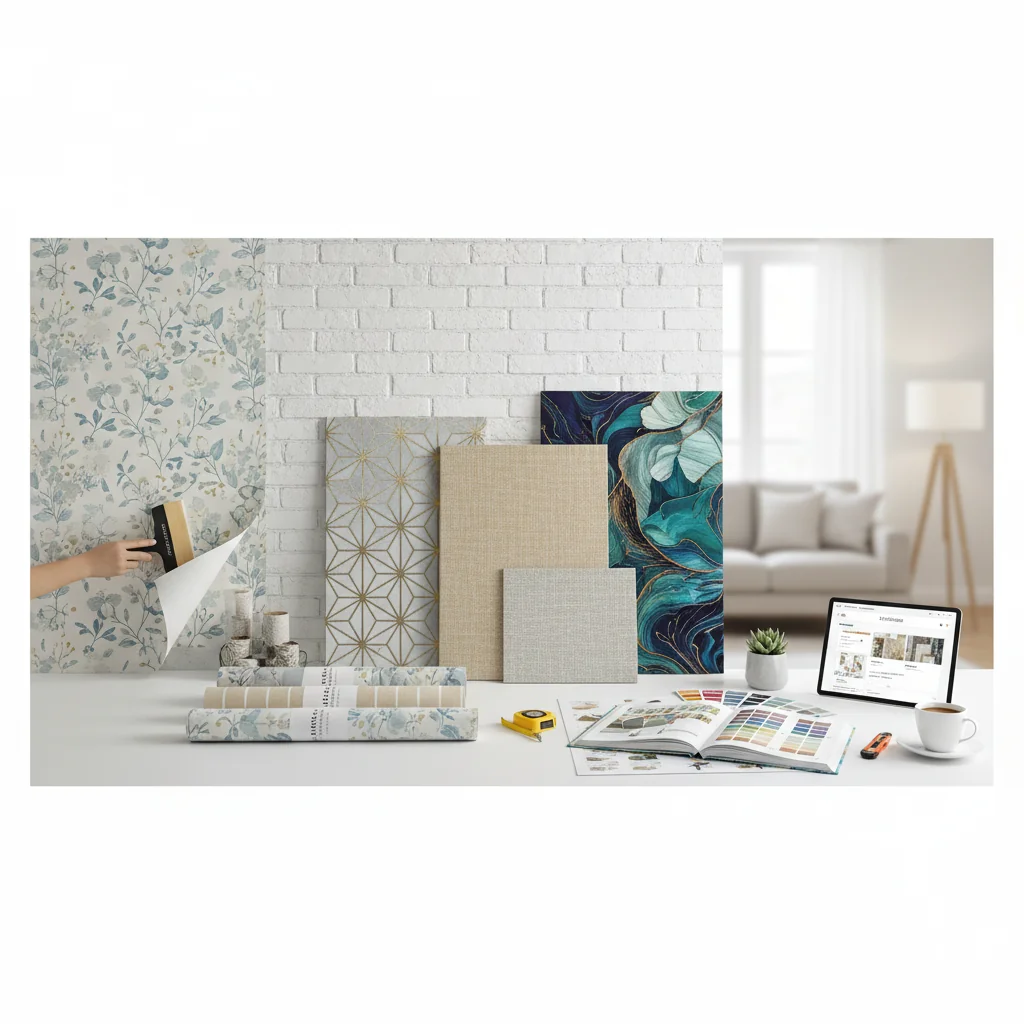
Choosing the right wallpaper is a nuanced process that involves harmonizing aesthetic desires with practical considerations, ensuring the final selection enhances the room’s function, mood, and overall design integrity. A thoughtful approach to selection prevents common pitfalls and guarantees a successful, lasting transformation.
Consider the Room’s Function and Traffic
The function of a room directly dictates the required durability and cleanability of its wallpaper, influencing the material choice for optimal performance and longevity. High-traffic areas like hallways, kids’ rooms, or kitchens demand robust, washable, and often scrubbable materials, while low-traffic, formal spaces allow for more delicate, luxurious options. For instance, a durable vinyl wallpaper is practical for a bustling kitchen, resisting moisture and stains, whereas a delicate grasscloth or fabric wallpaper is suitable for a serene master bedroom or formal dining room.
Assess Existing Decor and Architectural Style
Wallpaper should complement the existing furniture, textiles, artwork, and architectural features of a room, creating a cohesive and harmonious design narrative rather than clashing elements. Consider the style of your home—Victorian, Mid-Century Modern, Contemporary, Farmhouse—and select patterns and colors that enhance, rather than detract from, its inherent character. A bold geometric might suit a modern aesthetic, while a classic damask or toile would elevate a traditional setting.
Evaluate the Impact of Light and Space
The amount of natural and artificial light a room receives, along with its overall size, significantly impacts how wallpaper appears and influences perceptions of space. Lighter colors and subtle patterns can make a small room feel larger and brighter, reflecting light and creating an airy ambiance. Conversely, darker colors and large, bold patterns can make a spacious room feel cozier and more intimate, adding depth and drama. Metallic or reflective wallpapers can further amplify light in dim spaces.
Define the Desired Mood and Ambiance
Wallpaper is a powerful tool for establishing the emotional tone and ambiance of a room, directly impacting how a space feels to its occupants. Warm colors, soft textures, and organic patterns can create a cozy, inviting, or serene atmosphere, ideal for bedrooms or living areas. Bold colors, sharp geometrics, or dramatic murals can inject energy, sophistication, or avant-garde flair, suitable for accent walls, dining rooms, or creative offices. The chosen pattern and color palette should align with the emotional experience you wish to cultivate.
Budget Considerations
Wallpaper prices vary significantly based on material, brand, design complexity, and type, ranging from approximately $20-$200 per roll for standard options to $300-$800+ for premium or artisanal materials. Establishing a clear budget for both the wallpaper itself and potential professional installation is crucial to guide your selection process and avoid unexpected costs. While peel-and-stick options are generally more budget-friendly for DIY, luxurious natural fibers or custom murals represent a higher investment.
Pattern Repeat and Scale
The pattern repeat, which is the vertical distance before a wallpaper pattern begins again, and the scale of the design are critical factors that influence both the visual impact and the quantity of wallpaper needed. A large pattern repeat (e.g., 20-30 inches) requires more material to ensure proper alignment and a seamless flow across walls, often creating a more dramatic visual. Smaller patterns (e.g., 5-10 inches) are more forgiving in terms of waste and can make a room feel busier or more textured. Always consider how the pattern’s scale will appear in the context of your room’s dimensions.
Sample Testing
Always order wallpaper samples and live with them in your space for several days, observing them under different lighting conditions and at various times of day. This crucial step allows you to accurately assess how the color, texture, and pattern interact with your room’s existing elements, preventing costly mistakes and ensuring satisfaction with your final choice. A sample can reveal subtle undertones or reflective qualities that are not apparent online or in a showroom.
Precision in Preparation: Sizing, Measuring, and Installation Essentials
Accurate sizing, meticulous measuring, and thorough surface preparation are the foundational steps for any successful wallpaper installation, ensuring a professional finish and maximizing the longevity of your wall covering. Overlooking these crucial elements can lead to visible seams, peeling, or premature material degradation.
Essential Tools for Wallpaper Installation
Having the correct tools on hand streamlines the installation process, ensures precision, and helps achieve a professional-quality finish, regardless of whether you’re working with traditional or peel-and-stick wallpaper. Investing in quality tools is a wise decision for any DIY project.
| Tool | Purpose | Notes |
|---|---|---|
| Tape Measure | Accurate measurement of walls and wallpaper panels. | Metal, retractable, at least 25 feet long. |
| Pencil | Marking walls and wallpaper for cuts. | Light graphite for easy erasure. |
| Utility Knife/Snap-off Blade Knife | Precise trimming of excess wallpaper at edges. | Always use a sharp blade for clean cuts. |
| Smoothing Tool/Smoothing Brush | Removing air bubbles and creases from applied wallpaper. | Plastic smoother or soft-bristled brush. |
| Seam Roller | Ensuring tight, invisible seams between panels. | Rubber roller is best for most wallpapers; avoid for delicate flock/natural fibers. |
| Level/Plumb Bob | Establishing a perfectly straight vertical line for the first strip. | Crucial for ensuring all subsequent strips are straight. |
| Wallpaper Paste (for unpasted) | Adhesive for traditional wallpapers. | Specific type depends on wallpaper material (e.g., heavy-duty, clear). |
| Paste Brush/Roller (for unpasted) | Applying adhesive evenly to wallpaper or walls. | Dedicated tools for efficient paste application. |
| Water Tray/Bucket (for pre-pasted) | Activating adhesive on pre-pasted wallpaper. | Large enough to submerge a rolled strip. |
| Sponge/Cloth | Wiping away excess paste and cleaning surfaces. | Damp, clean sponge for immediate cleanup. |
| Drop Cloths | Protecting floors and furniture from paste or water. | Essential for a clean workspace. |
Thorough Surface Preparation
Proper wall preparation is the most critical step in wallpaper installation, as it ensures optimal adhesion, a smooth finish, and prevents common issues like bubbling, peeling, or visible imperfections. Neglecting this stage can compromise the entire project.
Steps for Surface Preparation:
- Clean the Walls: Wash walls thoroughly with a mild detergent solution (e.g., TSP substitute) to remove dirt, grease, and grime. Rinse with clean water and allow to dry completely, typically 24 hours.
- Repair Imperfections: Fill any holes, cracks, or dents with spackle or joint compound. Sand smooth once dry, ensuring the repaired areas are flush with the rest of the wall. Skim-coating may be necessary for heavily textured or damaged walls.
- Smooth the Surface: Lightly sand existing paint with fine-grit sandpaper (120-180 grit) to create a slightly abraded surface, which improves adhesion. Remove all sanding dust with a damp cloth.
- Prime the Walls: Apply a high-quality, oil-based or acrylic-based wallpaper primer (often called “sizing” or “wall prep”) specifically designed for wallpaper. Primer seals porous surfaces, promotes adhesion, and facilitates easier removal in the future. Allow adequate drying time as per manufacturer instructions, typically 24-48 hours. For dark walls, a white primer ensures true wallpaper color.
- Remove Obstacles: Take off outlet covers, switch plates, and any wall-mounted fixtures. Turn off power to outlets and switches at the circuit breaker for safety, especially when working near them. While OSHA’s general workplace safety guidelines are paramount for professional contractors, ensuring personal safety during DIY projects, such as turning off power before working around electrical outlets, is a fundamental practice for all homeowners. For comprehensive workplace safety information, the OSHA Cares Job Safety and Health Workplace Poster provides essential guidance.
Accurate Wall Measurement and Roll Calculation
Precise measurement of your walls is paramount for calculating the correct number of wallpaper rolls, minimizing waste, and ensuring you have enough material to complete the project, accounting for pattern repeats. Underestimating can lead to costly delays and difficulty matching dye lots.
Steps for Measuring and Calculating:
- Measure Wall Dimensions: Measure the height of each wall from baseboard to ceiling and the width of each wall. For walls with windows or doors, measure the total wall area first, then subtract the area of the openings.
- Calculate Total Square Footage: Multiply the height by the width for each wall and sum these values to get the total square footage to be covered.
- Consult Roll Specifications: Check the square footage coverage listed on your chosen wallpaper roll. Standard U.S. double rolls typically cover approximately 56 square feet, but always verify the exact specification from the manufacturer.
- Account for Pattern Repeat: This is crucial. If your wallpaper has a pattern repeat, you must add extra inches per strip to allow for matching. A general rule of thumb is to add one pattern repeat length to each strip after the first, or simply add 15-20% to your total square footage calculation to account for waste. For large pattern repeats (e.g., 25 inches or more), consider adding up to 25% extra.
- Divide and Round Up: Divide your adjusted total square footage by the square footage per roll. Always round up to the nearest whole number of rolls. It is always better to have an extra roll than to run short, as dye lots can vary between batches, making it impossible to get a perfect match later.
Understanding Pattern Match and Repeat
Pattern match refers to how the design aligns from one strip of wallpaper to the next, while pattern repeat is the vertical distance before the pattern begins again. These factors dictate how wallpaper strips are cut and aligned to create a continuous, seamless design across the wall.
Types of Pattern Matches:
- Random Match: The pattern matches no matter how the strips are hung. This is the easiest to install with minimal waste.
- Straight Match: The pattern matches at the same height on adjacent strips. Strips are cut to the same length, and the pattern lines up horizontally.
- Drop Match: The pattern matches across strips, but each subsequent strip is “dropped” by half the pattern repeat. This requires more careful planning and often results in more waste.
Installation Process (General Overview)
While specific instructions vary by wallpaper type, the general installation process involves preparing the first strip, applying it straight, and then aligning subsequent strips.
General Installation Steps:
- Mark Your Starting Line: Using a level or plumb bob, draw a perfectly vertical line on the wall, typically 20-22 inches from a corner or door frame (depending on your wallpaper width), to guide your first strip.
- Cut the First Strip: Measure the wall height and add 4-6 inches for trimming at the top and bottom. Cut the first strip.
- Apply Adhesive/Activate (if necessary): For unpasted, apply paste to the back of the paper (booking) or directly to the wall (paste-the-wall). For pre-pasted, wet the backing. For peel-and-stick, simply begin peeling the backing.
- Hang the First Strip: Align the edge of the strip with your plumb line, starting from the top. Smooth it down with your smoothing tool, working from the center outwards to remove air bubbles.
- Trim Excess: Use a utility knife and a straight edge (like a 6-inch putty knife) to carefully trim excess wallpaper at the ceiling and baseboard.
- Hang Subsequent Strips: Cut the next strip, carefully aligning the pattern with the previous strip. Butt the edges tightly together without overlapping. Repeat the smoothing and trimming process.
- Clean Up: Immediately wipe away any excess paste with a damp sponge.
DIY vs. Professional Installation
Deciding between DIY and professional installation depends on your skill level, the complexity of the wallpaper, and your budget. Peel-and-stick wallpaper is generally suitable for DIY, while delicate materials like grasscloth, complex murals, or traditional unpasted papers with large pattern repeats often benefit from professional expertise. Professionals offer precision, efficiency, and a guarantee of quality, especially for intricate designs or challenging wall conditions.
Current Trends and Timeless Appeal: What’s Enhancing Walls Now
Wallpaper trends are continually evolving, reflecting broader shifts in interior design, yet many classic styles maintain a timeless appeal, offering enduring beauty and sophistication. Understanding both the contemporary movements and the perennial favorites allows for informed design choices that are both current and lasting.
Biophilic Designs
Biophilic designs, characterized by patterns that mimic natural elements like lush foliage, floral motifs, organic textures, and serene landscapes, are a prominent trend, bringing a sense of calm and connection to the natural world indoors. This trend emphasizes well-being and tranquility, often featuring rich greens, earthy tones, and fluid lines that create an immersive, restorative environment. Biophilic wallpaper enhances spaces by fostering a harmonious balance between human habitation and nature.
Key Aspects of Biophilic Wallpaper:
- Nature Connection: Reduces stress and improves mood by integrating natural patterns and imagery.
- Color Palette: Dominance of greens, blues, browns, and earthy neutrals.
- Patterns: Large-scale botanicals, tropical leaves, subtle tree textures, abstract organic forms, and scenic landscapes.
- Application: Ideal for bedrooms, bathrooms, living rooms, and offices to create a serene backdrop.
Maximalism and Bold Patterns
Maximalism, a design philosophy that embraces abundance, rich textures, vibrant colors, and eclectic patterns, is a burgeoning trend that encourages bold and expressive wallpaper choices. This style rejects minimalism in favor of layered, personality-driven interiors, often featuring large-scale florals, dramatic geometrics, animal prints, or highly intricate damasks. Maximalist wallpaper serves as a central element in creating visually stimulating and uniquely personal spaces.
Key Aspects of Maximalist Wallpaper:
- Expressive Design: Encourages bold, statement-making patterns and color combinations.
- Layering: Often combined with other rich textures, art, and varied furnishings.
- Patterns: Oversized florals, exotic animal prints, dramatic scenic murals, intricate damasks, and eclectic mixes.
- Impact: Creates a luxurious, visually stimulating, and highly personalized environment.
Textured and Embossed Wallpapers
Textured and embossed wallpapers, which add a tangible dimension and subtle depth to walls, are consistently popular for their ability to introduce tactile interest and understated elegance without overwhelming a space. These wallpapers can mimic natural materials like linen, grasscloth, plaster, or concrete, or feature raised patterns that catch the light, adding a sophisticated layer to any room. They are excellent for concealing minor wall imperfections and creating a cozy, inviting atmosphere.
Key Aspects of Textured/Embossed Wallpaper:
- Tactile Appeal: Engages the sense of touch, adding a multi-dimensional quality.
- Subtle Sophistication: Provides visual interest without bold patterns, ideal for a refined backdrop.
- Conceals Flaws: The inherent texture helps to camouflage minor wall imperfections.
- Versatility: Works well in any room, from modern minimalist to traditional, adding depth to solid colors or enhancing subtle patterns.
Metallic and Shimmering Finishes
Metallic and shimmering finishes continue to be a strong trend, introducing glamour, reflectivity, and a touch of luxury to interiors by catching and diffusing light. These wallpapers feature elements of gold, silver, bronze, or pearlescent sheens, whether as full foil backings, subtle accents within a pattern, or glass bead embellishments. Metallic wallpaper can brighten a room, create a sense of spaciousness, and add a sophisticated, opulent touch.
Key Aspects of Metallic Wallpaper:
- Light Enhancement: Reflects light, making rooms appear brighter and often larger.
- Glamorous Aesthetic: Adds a luxurious, high-end, and contemporary feel.
- Variety: Ranges from subtle metallic accents to full reflective surfaces.
- Application: Perfect for accent walls, powder rooms, or dining rooms where a touch of drama is desired.
Large-Scale Murals and Panoramics
Large-scale murals and panoramics are increasingly favored for their ability to transform an entire wall into a singular, immersive work of art, offering a dramatic and personalized statement that expands the perceived boundaries of a room. These expansive designs feature landscapes, abstract art, or custom photography, creating a powerful focal point that defines the room’s character. Murals are an excellent way to introduce a unique narrative or a sense of escapism into a space.
Key Aspects of Large-Scale Murals:
- Immersive Experience: Creates a complete visual environment, acting as a window to another world.
- Dramatic Impact: Serves as the primary design element, demanding attention and defining the room’s theme.
- Customization: Often available in custom sizes or with personalized imagery for a unique touch.
- Space Illusion: Can make a room feel larger and more open, especially with landscape designs.
Classic Revival and Timeless Patterns
Classic revival trends see a resurgence of timeless patterns like updated damasks, sophisticated toile, traditional florals, and elegant stripes, reimagined with fresh color palettes or subtle contemporary twists. These enduring designs offer a sense of heritage, comfort, and refined style that transcends fleeting fads, providing a foundation of elegance that remains perpetually chic. Classic revival wallpaper ensures a sophisticated and lasting aesthetic for any home.
Key Aspects of Classic Revival Wallpaper:
- Enduring Elegance: Provides a sophisticated, time-honored aesthetic that never goes out of style.
- Versatility: Adapts to both traditional and transitional interiors, often bridging old and new design elements.
- Patterns: Updated damasks, classic stripes, refined toile, traditional botanicals, and subtle geometrics.
- Comfort and Familiarity: Evokes a sense of heritage and established taste, creating inviting spaces.
At Starhouse, we are dedicated to curating a collection that reflects both these exciting trends and the enduring appeal of classic designs. We believe every wall has a story to tell, and the right wallpaper is the perfect medium.
Maintaining Your Investment: Care and Longevity of Wallpaper
Proper care and maintenance are essential for preserving the beauty and extending the lifespan of your wallpaper, protecting your investment and ensuring your walls remain pristine for years to come. The specific cleaning methods depend heavily on the material composition of the wallpaper.
General Cleaning Guidelines
Most wallpapers benefit from regular, gentle cleaning to remove dust and light surface dirt, preventing buildup that can dull its appearance over time. Always test any cleaning method in an inconspicuous area first to ensure it does not damage the wallpaper or alter its color.
Routine Cleaning Practices:
- Dust Regularly: Use a soft, dry cloth, a feather duster, or a vacuum cleaner with a brush attachment to gently remove dust from the surface of the wallpaper. This prevents dust from settling into textures or patterns.
- Avoid Harsh Chemicals: Never use abrasive cleaners, strong detergents, or solvents, as these can strip the pattern, damage the material, or cause discoloration.
- Blot, Don’t Rub: When dealing with spills or stains, always blot gently with a clean cloth rather than rubbing, which can spread the stain or damage the wallpaper fibers.
Cleaning Specific Wallpaper Materials
Different wallpaper materials require distinct cleaning approaches due to their varying levels of durability and water resistance. Understanding these differences is crucial for effective and safe maintenance.
- Vinyl Wallpaper: Vinyl wallpaper is highly durable and washable. It can be cleaned with a damp sponge or cloth using a mild soap solution (e.g., dish soap diluted in water). For tougher stains, a soft brush can be used, but always rinse thoroughly with clean water to remove soap residue and dry with a clean cloth.
- Non-Woven Wallpaper: Non-woven wallpaper is generally washable and resistant to tearing. Light dirt can be wiped away with a damp cloth. For more stubborn marks, a very mild soap solution can be used, followed by a clean water rinse and gentle drying.
- Paper Wallpaper: Paper wallpaper is the most delicate and typically not washable. For dust, use a dry, soft cloth or a very light vacuum attachment. For minor marks, a clean art gum eraser can sometimes be used very gently. Avoid all moisture as it can cause damage and staining.
- Grasscloth and Natural Fiber Wallpaper: Grasscloth and other natural fiber wallpapers are extremely delicate and not washable. Dust regularly with a soft brush or vacuum attachment. Any liquid spills should be blotted immediately with a dry cloth. For deeper cleaning, professional dry cleaning methods may be required.
- Fabric Wallpaper: Similar to natural fibers, fabric wallpapers are delicate and generally not washable. Dust with a soft brush. For spills, blot immediately. Professional textile cleaning is recommended for significant stains.
- Flock Wallpaper: Flock wallpaper’s raised, velvety texture is delicate. Use a soft brush or a vacuum cleaner with an upholstery attachment for dusting. Avoid rubbing or getting it wet, as moisture can damage the flock fibers.
- Metallic and Glass Bead Wallpaper: These wallpapers are typically more durable than paper but still require gentle care. Dust with a dry, soft cloth. For metallic, avoid abrasive cleaners that could scratch the finish. For glass bead, be gentle to avoid dislodging beads; light dusting is usually sufficient.
Addressing Common Issues and Repairs
Even with the best care, minor issues can arise. Addressing them promptly can prevent further damage and maintain the wallpaper’s aesthetic.
- Peeling Seams: If seams begin to peel, reattach them promptly with a seam adhesive or a small amount of wallpaper paste. Apply a thin layer to the underside of the seam, press firmly, and wipe away any excess.
- Bubbles: Small air bubbles can sometimes be smoothed out with a wallpaper smoothing tool, working from the center outward. For stubborn bubbles, a small amount of wallpaper paste can be injected with a syringe into the bubble, then smoothed flat.
- Minor Tears or Scratches: For small tears, carefully apply a small amount of wallpaper paste to the underside of the torn piece and press it back into place. For larger damage, a patch from a leftover roll is the best solution. Cut a piece slightly larger than the damaged area, align the pattern, and cut through both layers to create a perfect patch.
- Stains: For washable wallpapers, attempt to clean stains as per the material-specific guidelines. For non-washable types, professional intervention may be required, or, if a small area, consider a discreet patch.
Long-Term Preservation Tips
To ensure your wallpaper remains beautiful for as long as possible, consider these long-term preservation strategies.
- Control Humidity: Maintain consistent indoor humidity levels (ideally between 40-50%). High humidity can cause wallpaper to peel or warp, while excessively dry conditions can lead to shrinking.
- Avoid Direct Sunlight: Direct, prolonged exposure to sunlight can cause wallpaper colors to fade over time. Use blinds, curtains, or UV-filtering window treatments to protect your wallpaper.
- Proper Ventilation: Ensure good ventilation in bathrooms and kitchens to minimize moisture buildup, which can damage wallpaper and encourage mold growth.
- Store Leftover Rolls: Always keep a leftover roll or two of your wallpaper in case repairs are needed. Store them in a cool, dry place away from direct sunlight to preserve their color and integrity.
Elevating Interiors: Expert Styling and Pairing with Wallpaper
Wallpaper is a powerful design tool that, when thoughtfully styled and paired with other interior elements, can elevate a room from ordinary to extraordinary, creating a cohesive, sophisticated, and deeply personal space. Strategic pairing enhances the wallpaper’s impact and integrates it seamlessly into the overall design narrative.
Harmonizing with Furniture
When pairing wallpaper with furniture, consider the scale, style, and color palette of both elements to achieve a balanced and intentional aesthetic. A bold, large-scale wallpaper often demands simpler, more understated furniture to avoid overwhelming the space, allowing the walls to be the focal point. Conversely, if your furniture is highly decorative or ornate, opt for a more subtle, textured, or small-patterned wallpaper that provides a complementary backdrop without competing for attention.
Key Considerations for Furniture Pairing:
- Scale: Match the scale of the pattern to the scale of the furniture. Large patterns work with substantial pieces, while small patterns suit delicate furniture.
- Style: Ensure the wallpaper’s style complements the furniture’s era and aesthetic (e.g., modern geometrics with contemporary furniture, classic damask with traditional pieces).
- Color Palette: Choose wallpaper colors that either echo hues found in your furniture or provide a harmonious contrast.
- Texture: Consider the interplay of textures—a smooth, glossy wallpaper might contrast beautifully with a plush velvet sofa.
Integrating with Artwork and Wall Decor
Wallpaper can serve as an exquisite backdrop for artwork and other wall decor, enhancing their presentation or even becoming a piece of art itself. For busy or large-patterned wallpapers, select artwork with simple frames and ample matting to create visual breathing room. In contrast, a subtle textured or solid-colored wallpaper provides a gallery-like setting that allows intricate or colorful artwork to truly pop. Layering different scales of art against wallpaper can create dynamic compositions.
Key Considerations for Artwork Pairing:
- Focal Point: Decide if the wallpaper or the artwork is the primary focal point. If the wallpaper is bold, choose subtle art; if the art is bold, choose subtle wallpaper.
- Framing: Use frames that complement both the artwork and the wallpaper. Simple frames often work best with busy patterns.
- Placement: Arrange artwork strategically to interact with the wallpaper’s pattern, rather than getting lost in it.
- Gallery Walls: A well-curated gallery wall can be stunning against a textured or subtly patterned wallpaper.
Complementing with Lighting
Lighting plays a crucial role in highlighting wallpaper’s texture, color, and reflective qualities, creating depth and enhancing its visual impact throughout the day and night. Metallic or shimmering wallpapers, for instance, dramatically interact with both natural and artificial light, appearing different from various angles. Uplighting can emphasize textured wallpaper, while carefully placed sconces can draw attention to a specific pattern.
Key Considerations for Lighting Pairing:
- Reflectivity: Metallic, glass bead, or glossy wallpapers benefit from strategic lighting to maximize their shimmer and reflective properties.
- Texture Emphasis: Directional lighting (e.g., spotlights, wall washers) can enhance the tactile quality of textured or embossed wallpapers.
- Color Rendition: Ensure your lighting (warm or cool tones) complements the wallpaper’s color palette, as different light temperatures can alter perceived hues.
- Atmosphere: Use dimmable lighting to adjust the ambiance, allowing the wallpaper to transition from bright and energetic to soft and moody.
Coordinating with Textiles and Accessories
The interplay between wallpaper and textiles (curtains, rugs, throw pillows) and accessories (vases, sculptures) is vital for creating a fully integrated and layered design. Draw colors from your wallpaper pattern to use in your textiles, or introduce complementary textures to add depth. For example, a botanical wallpaper might be paired with linen curtains and a jute rug for an organic feel, while a geometric pattern could be complemented by velvet pillows and sleek metallic accessories for a contemporary look.
Key Considerations for Textile and Accessory Pairing:
- Color Harmony: Echo colors from the wallpaper in your textiles and accessories to create a cohesive palette.
- Texture Contrast: Combine different textures (e.g., smooth wallpaper with plush fabrics) for sensory richness.
- Pattern Play: Mix patterns carefully. If your wallpaper is busy, opt for solid or subtly textured textiles. If the wallpaper is simple, introduce patterned textiles.
- Balance: Ensure accessories enhance, rather than compete with, the wallpaper. Choose pieces that pick up on the wallpaper’s style or color.
Leveraging Architectural Features
Wallpaper can accentuate or soften architectural features like crown molding, wainscoting, niches, or fireplaces, integrating them into the room’s design. Use wallpaper above wainscoting to add a decorative top half, or inside a recessed niche to create a charming focal point. A bold wallpaper can draw attention to a fireplace, while a subtle pattern can soften the lines of a complex ceiling.
Key Considerations for Architectural Features:
- Accentuation: Use wallpaper to highlight specific architectural details, drawing the eye to them.
- Framing: Wallpaper can be framed by molding to create large-scale art panels.
- Contrast: Create contrast between painted trim and wallpaper for a crisp, defined look.
- Integration: Select patterns that complement the architectural style of your home, whether traditional or modern.
The art of styling with wallpaper is about creating a dialogue between all elements in a room. At Starhouse, we are curating a collection that empowers you to achieve these sophisticated pairings. We invite you to share your vision and tell us what you’re looking for to transform your space.
Tell us what you’re looking for and get early access to our curated collection.
Common Mistakes to Avoid When Working with Wallpaper
Avoiding common pitfalls during wallpaper selection and installation is crucial for achieving a professional, lasting, and aesthetically pleasing result, saving both time and money. Awareness of these mistakes ensures a smoother process and a more satisfying outcome.
Underestimating Surface Preparation
Failing to adequately clean, repair, and prime walls is one of the most frequent and detrimental mistakes in wallpaper installation. Imperfections like holes, cracks, or textured surfaces will show through, and improper priming can lead to poor adhesion, bubbling, or difficulty removing the wallpaper in the future. Always dedicate sufficient time to surface preparation; it is the foundation of a successful wallpaper project.
Incorrectly Measuring and Calculating Rolls
Underestimating the number of wallpaper rolls needed is a common error that results in running out of material mid-project, potentially leading to delays and the difficulty of matching dye lots if new rolls must be purchased. Over-ordering, while less problematic, can be costly. Always factor in pattern repeat and add a buffer (15-25%) for waste and future repairs. Measure multiple times and use a reliable calculation method.
Ignoring Pattern Match and Repeat
Disregarding the pattern match (random, straight, or drop) and pattern repeat length during cutting and installation leads to misaligned designs and an unprofessional, disjointed appearance. This mistake not only wastes material but also compromises the entire aesthetic continuity of the wallpaper. Always understand your specific wallpaper’s pattern match and carefully cut and align each strip according to its requirements.
Choosing the Wrong Type for the Room
Selecting a wallpaper material unsuitable for the room’s function and conditions (e.g., delicate paper wallpaper in a high-humidity bathroom or high-traffic hallway) will lead to premature wear, damage, and dissatisfaction. Always match the wallpaper’s durability, washability, and moisture resistance to the demands of the environment it will inhabit. Vinyl or non-woven options are best for high-moisture or high-traffic areas, while delicate materials are reserved for low-stress spaces.
Overlooking the Impact of Light and Scale
Failing to consider how natural and artificial light interacts with the wallpaper, or choosing a pattern scale that clashes with the room’s dimensions, can drastically alter the desired effect. A large, busy pattern in a small room can feel overwhelming, while a tiny pattern in a vast space might get lost. Similarly, a dark wallpaper in a dimly lit room can make it feel even smaller and gloomier. Always test samples in situ and visualize the pattern’s scale within the context of your room.
Rushing the Installation Process
Rushing through wallpaper installation, especially for traditional or complex patterns, often leads to errors such as misaligned strips, trapped air bubbles, or damaged material. Take your time, work methodically, and follow manufacturer instructions precisely. Patience and attention to detail are paramount for a smooth, bubble-free, and perfectly aligned finish.
Skipping Sample Testing
Deciding on wallpaper solely based on online images or small swatches without testing samples in your actual room is a significant mistake. Colors can appear differently under various lighting conditions, and a pattern’s scale or texture can have an unexpected impact in person. Always order samples and observe them on your walls for several days before committing to a purchase.
Sources
Frequently Asked Questions About Wallpaper
What is the difference between traditional and peel-and-stick wallpaper?
Traditional wallpaper requires a separate adhesive to be applied during installation, offering a durable and long-lasting bond, while peel-and-stick wallpaper has a self-adhesive backing that allows for easy, temporary application and clean removal without damaging walls.
Can wallpaper be installed in bathrooms or kitchens?
Yes, wallpaper can be installed in bathrooms and kitchens, but it is crucial to choose moisture-resistant materials like vinyl or non-woven wallpaper to prevent damage from humidity and splashes. Delicate materials like paper or grasscloth are not recommended for these high-humidity areas.
How do I calculate how many rolls of wallpaper I need?
To calculate the number of rolls, measure the total square footage of your walls (height x width for each wall, then sum them). Divide this by the square footage covered by one roll (typically 56 sq ft for a standard U.S. double roll), and then add 15-25% extra for waste and pattern repeat, always rounding up to the nearest whole roll.
Is wallpaper difficult to remove?
The difficulty of wallpaper removal varies significantly by type. Peel-and-stick wallpaper is designed for easy, dry removal. Modern non-woven wallpapers are often dry-strippable. Traditional paper-backed vinyls or older unpasted papers may require steaming, scoring, and chemical removers, making them more challenging to remove.
Can I wallpaper over textured walls?
Wallpapering over textured walls is generally not recommended, as the texture will likely show through, compromising the smooth appearance of the wallpaper. For best results, walls should be smoothed by skim-coating with joint compound or hiring a professional to achieve a flat surface before installation.
How long does wallpaper typically last?
The lifespan of wallpaper depends on its material, installation quality, and environmental factors. High-quality traditional or vinyl wallpapers can last 15 years or more. Peel-and-stick options typically last 3-5 years, while delicate natural fibers may last 5-10 years with careful maintenance.
What is the best way to clean wallpaper?
The best way to clean wallpaper depends on its material. Vinyl and non-woven types are washable with a damp cloth and mild soap. Paper, grasscloth, and fabric wallpapers are typically not washable and should be dusted with a soft, dry cloth or vacuum attachment. Always test cleaning methods in an inconspicuous area first.
Conclusion
Wallpaper for walls stands as a profoundly impactful and versatile design element, offering an unparalleled ability to define the character and mood of any interior space. From the tactile richness of grasscloth to the vibrant narrative of a mural, and the timeless elegance of a damask, the choices are as diverse as the stories homeowners wish to tell. A thoughtful selection, guided by an understanding of material properties, aesthetic impact, and precise installation techniques, ensures a lasting and visually stunning transformation. By embracing wallpaper, you unlock a world of design possibilities, injecting personality, sophistication, and depth into your home.
As Starhouse curates its premier collection of home & décor essentials, we are committed to bringing you wallpaper options that meet the highest standards of design, quality, and functionality. We believe your walls are a canvas for your unique style, and we are here to provide the inspiration and materials to help you realize that vision.
We are eager to understand your specific design aspirations. Share your vision with us and be among the first to explore our meticulously curated offerings.
Tell us what you’re looking for and get exclusive early access to the Starhouse collection.