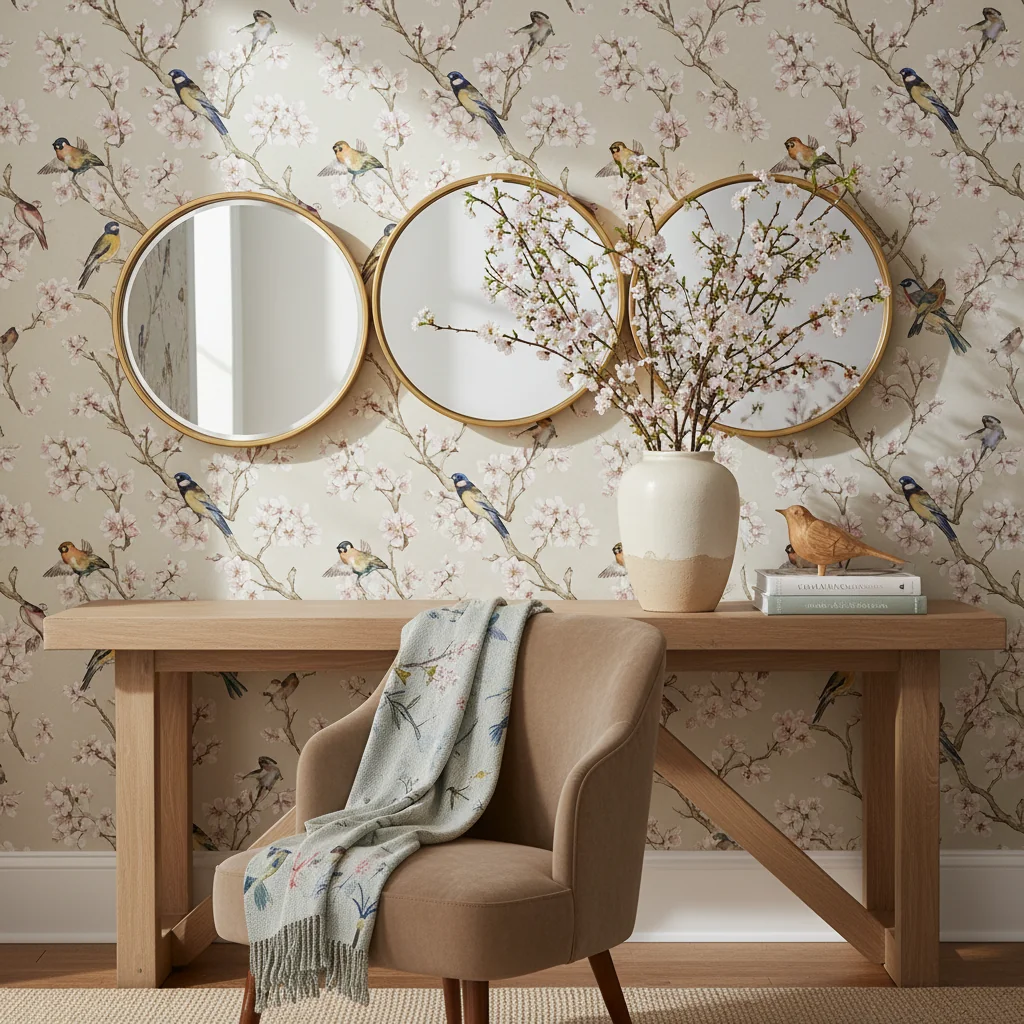
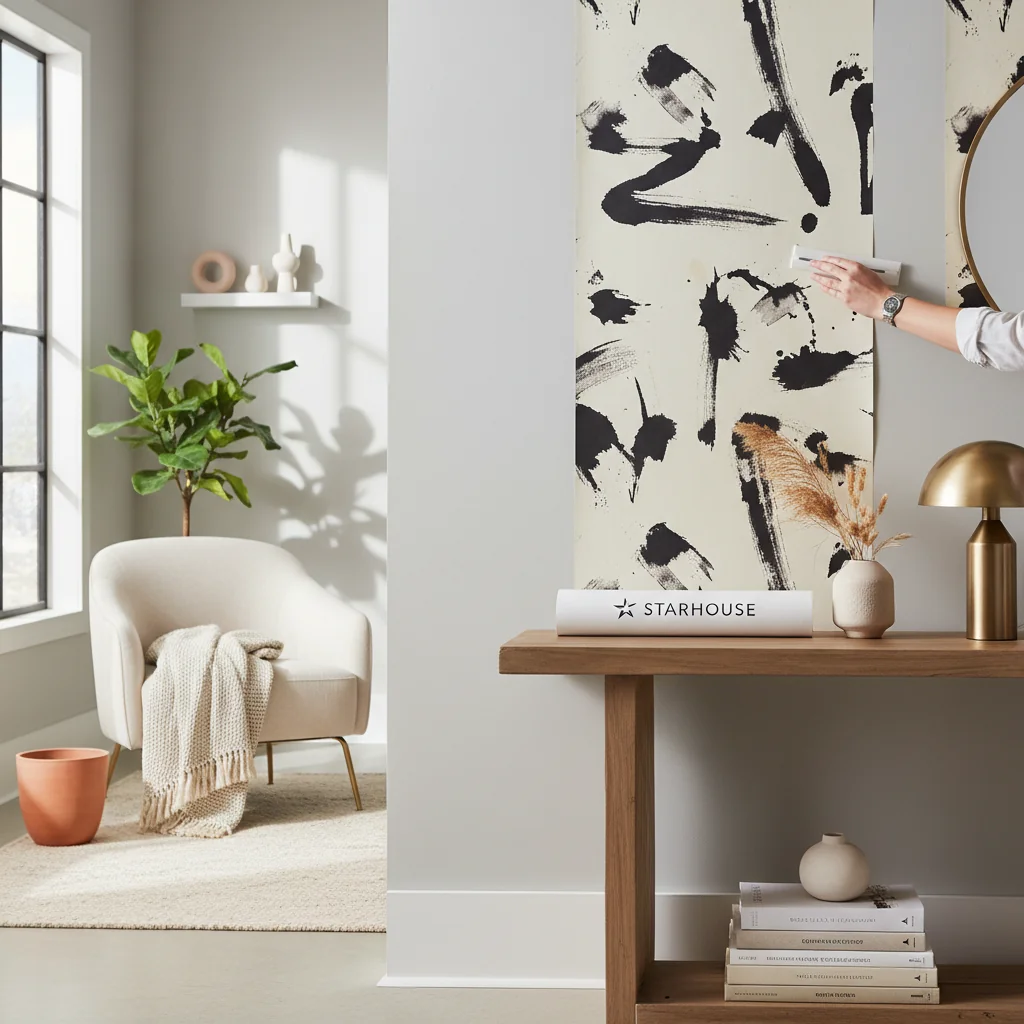
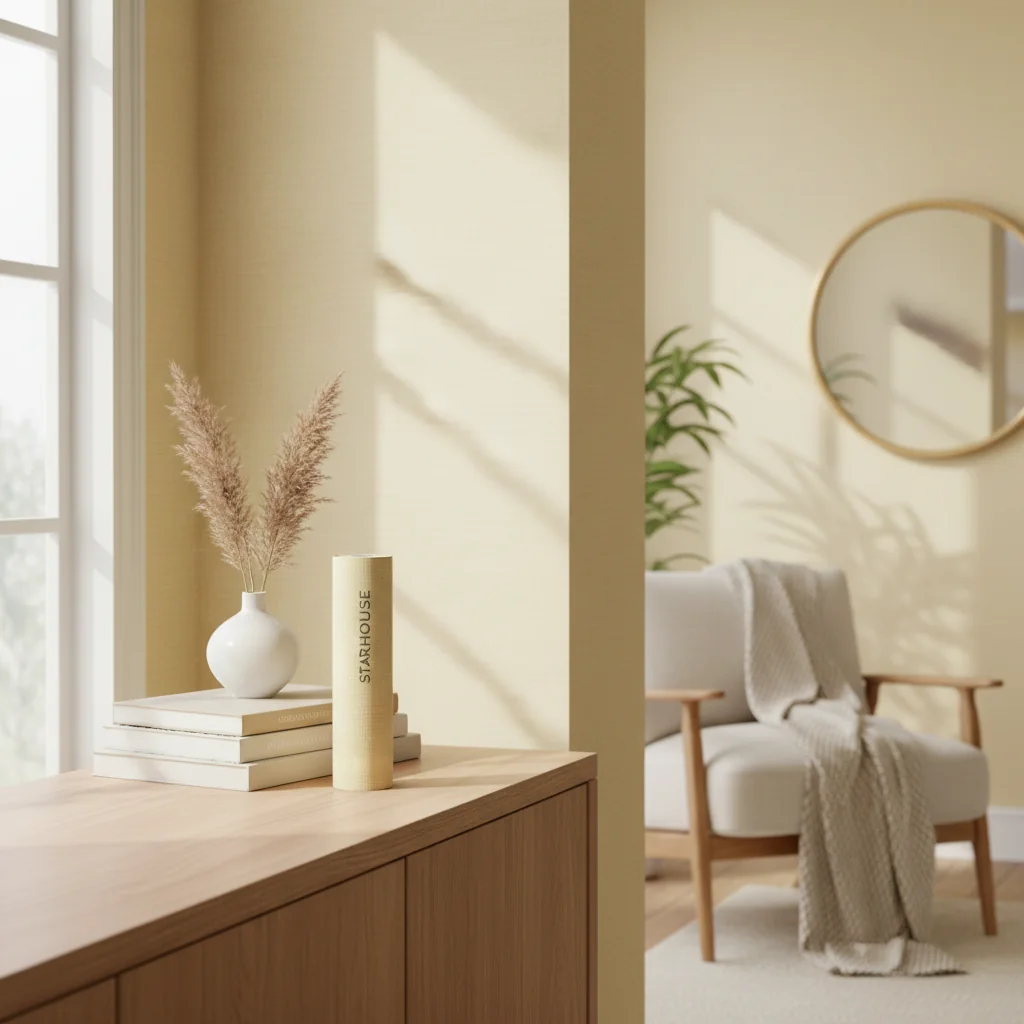
Floral wallpaper, a timeless design element, transforms interiors by introducing the beauty and vitality of the natural world directly onto walls. This decorative wallcovering, characterized by patterns featuring flowers, leaves, vines, and other botanical motifs, offers a sophisticated method to imbue a space with character, depth, and a unique aesthetic narrative. From delicate blossoms to bold, oversized botanicals, floral wallpapers are meticulously designed to complement various interior styles, acting as a focal point or a subtle backdrop that enhances a room’s overall ambiance.
The selection of floral wallpaper involves considering not only the visual appeal of the pattern but also the material composition, such as non-woven substrates known for their durability and ease of installation, and the specific application method, whether traditional paste-the-wall or convenient peel-and-stick options. Understanding these technical aspects is crucial for achieving a refined and lasting design statement.
Key takeaways
- Floral wallpaper encompasses a vast range of styles, from traditional chintz and toile to contemporary abstract and large-scale botanical prints, offering versatility for any interior design vision.
- Material choice significantly impacts durability, installation, and environmental footprint; non-woven wallpapers are highly recommended for their ease of use and longevity.
- Accurate measurement and understanding pattern repeat are essential for seamless installation and minimizing waste, requiring precise calculations for wall dimensions.
- Strategic selection of floral patterns can manipulate perceptions of space, making small rooms feel larger with delicate prints or grounding expansive areas with bold motifs.
- Proper care, often involving gentle cleaning with a damp cloth, ensures the longevity and vibrant appearance of floral wallpaper, preserving its aesthetic integrity for years.
- Styling floral wallpaper requires balancing its inherent visual impact with complementary furnishings, textiles, and lighting to create a cohesive and harmonious design scheme.
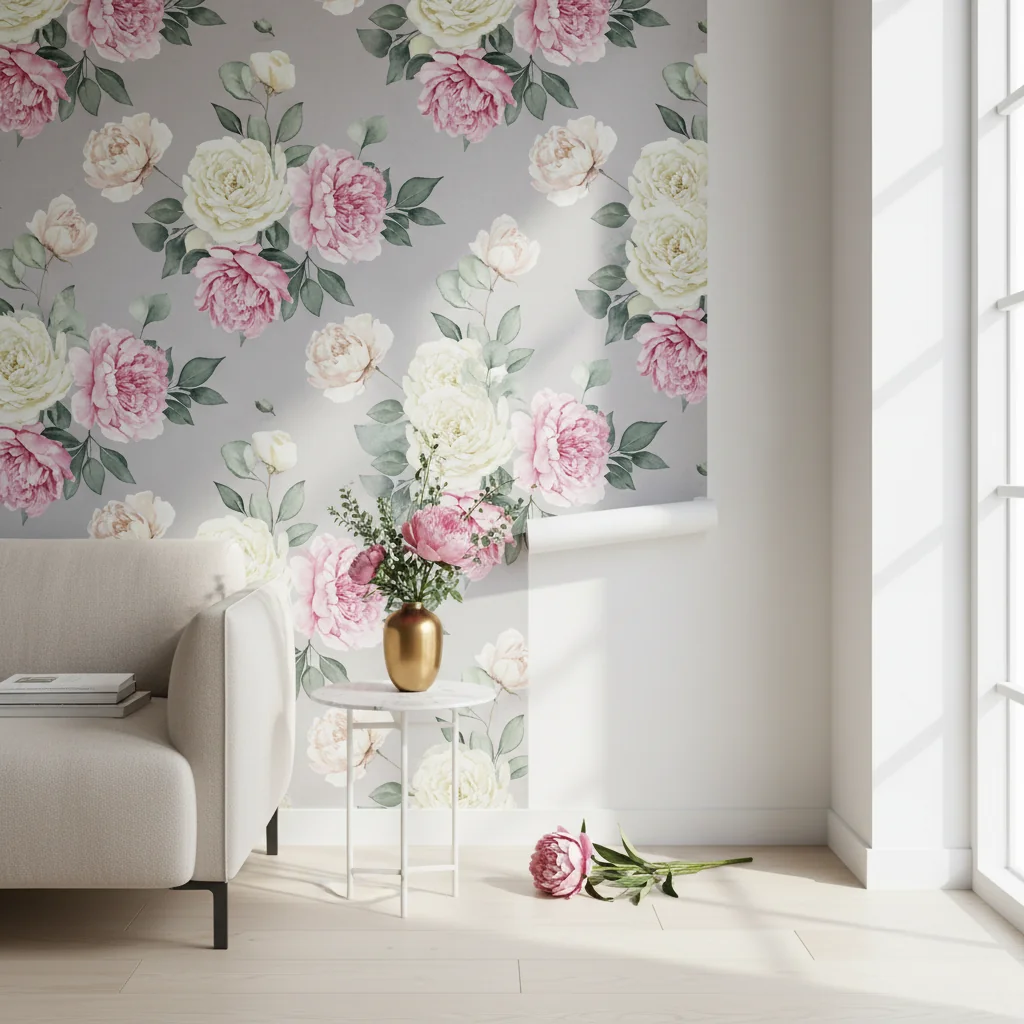
Introduction to Floral Wallpaper: A Timeless Design Element
Floral wallpaper, a cornerstone of interior design for centuries, offers an unparalleled method to infuse a space with natural beauty, intricate patterns, and a distinct sense of character. This decorative wallcovering, featuring an expansive array of botanical motifs, transforms plain walls into vibrant canvases that reflect personal style and enhance a room’s atmosphere. Its enduring appeal lies in its ability to adapt to diverse aesthetic preferences, from the understated elegance of a monochromatic pattern to the bold statement of a maximalist floral mural.
The evolution of floral wallpaper has seen it transition from traditional hand-painted designs in grand estates to modern, digitally printed patterns accessible for every home. Today, advancements in printing technology and material science allow for exceptional detail, color vibrancy, and durability, making floral wallpapers a practical and impactful design choice. Starhouse curates an extensive selection of these wallcoverings, ensuring that every customer finds the perfect bloom to adorn their sanctuary.
Exploring the Diverse Types, Styles, and Motifs of Floral Wallpaper
Floral wallpaper patterns are highly diverse, encompassing a wide spectrum of visual styles, scales, and botanical motifs that cater to virtually any interior design aesthetic. Understanding these distinctions is fundamental to selecting a design that harmonizes with your space and personal vision, ensuring the wallpaper acts as an integrated element rather than a disparate addition.
The classification of floral wallpaper often begins with the scale of the pattern, which significantly influences the perception of a room’s size and atmosphere.
Scale of Floral Patterns
- Micro-Prints: These patterns feature tiny, often repeating floral elements that create a subtle texture from a distance. Micro-prints are ideal for smaller rooms where an overwhelming pattern might feel claustrophobic, or for spaces where a quiet, understated elegance is desired. They can also serve as a sophisticated backdrop that doesn’t compete with other décor elements.
- Medium-Scale Prints: Offering a balanced visual impact, medium-scale prints showcase flowers that are discernible without being overly dominant. This versatility makes them suitable for a wide range of rooms, from bedrooms to dining areas, providing a comfortable visual rhythm that is neither too busy nor too sparse.
- Large-Scale Prints: Featuring prominent flowers and botanical elements, large-scale prints make a bold statement. These are particularly effective in larger rooms or on accent walls, where their dramatic presence can truly shine. They command attention and can establish a strong thematic direction for the entire space.
- Oversized Botanicals and Murals: These are the most dramatic expression of floral wallpaper, often depicting single, magnified flowers or sprawling garden scenes that cover an entire wall or even multiple walls. Oversized botanicals act as true works of art, creating immersive environments and significant focal points. They are perfect for spaces demanding a grand and unforgettable impact.
Common Styles and Motifs
Beyond scale, floral wallpapers are distinguished by their stylistic interpretations and specific botanical motifs.
- Traditional Chintz: Originating from Indian textiles, chintz wallpaper is characterized by its vibrant, glazed finish and often features dense, repeating patterns of flowers, birds, and foliage. This style evokes a sense of classic English country charm and warmth, ideal for creating cozy and inviting spaces.
- Toile de Jouy (Toile): While not exclusively floral, toile patterns frequently incorporate pastoral scenes with delicate floral elements. Toile typically features a monochromatic design on a light background, depicting rural life, historical events, or romantic landscapes. It offers a sophisticated, classic European aesthetic, often used in bedrooms, nurseries, or bathrooms for a serene and elegant feel.
- Botanical Illustrations: These wallpapers mimic scientific botanical drawings, showcasing individual flowers, leaves, or plants with precise detail and often labeled names. They offer an educational yet artistic appeal, perfect for studies, libraries, or creating a sophisticated, natural history-inspired look. The palette is often muted, emphasizing the intricate lines and forms.
- Art Nouveau Florals: Characterized by flowing, organic lines, asymmetrical compositions, and stylized natural forms, Art Nouveau floral wallpapers emerged in the late 19th and early 20th centuries. They often feature elongated stems, swirling leaves, and exotic blooms, creating a sense of movement and ethereal beauty. This style is ideal for adding historical elegance and artistic flair.
- Tropical/Exotic Florals: Bursting with vibrant colors and lush foliage, tropical floral wallpapers feature plants like monstera leaves, hibiscus, palm fronds, and birds of paradise. These designs instantly transport a space to an exotic paradise, perfect for creating a lively, energetic, and vacation-inspired ambiance in living rooms, bathrooms, or sunrooms.
- Abstract Florals: Moving beyond literal representation, abstract floral wallpapers interpret botanical forms through color, shape, and texture. These designs can range from soft, watercolor-inspired blurs to bold, geometric interpretations of petals and leaves. Abstract florals offer a contemporary and artistic feel, suitable for modern interiors seeking a unique and expressive touch.
- Watercolor Florals: Emulating the soft, translucent quality of watercolor paintings, these patterns feature blurred edges and layered colors, creating a dreamy and artistic effect. Watercolor florals are often delicate and serene, perfect for bedrooms, nurseries, or any space where a gentle, artistic touch is desired.
- Vintage/Retro Florals: Drawing inspiration from past decades, these wallpapers might feature bold, stylized flowers of the 1960s and 70s, or the delicate, faded blooms of earlier eras. Vintage florals introduce a nostalgic charm and can be excellent for creating eclectic or period-specific interiors.
- Dark Floral/Moody Botanicals: Characterized by rich, deep backgrounds (often black, navy, or charcoal) adorned with vibrant or muted floral motifs, these patterns create a dramatic and luxurious atmosphere. Dark florals are excellent for adding depth, sophistication, and a touch of moody romance to dining rooms, powder rooms, or accent walls.
The choice among these diverse types is a critical design decision, influencing not only the aesthetic but also the emotional resonance of a room. Starhouse’s collection spans this entire spectrum, offering meticulously curated options to match every design aspiration.
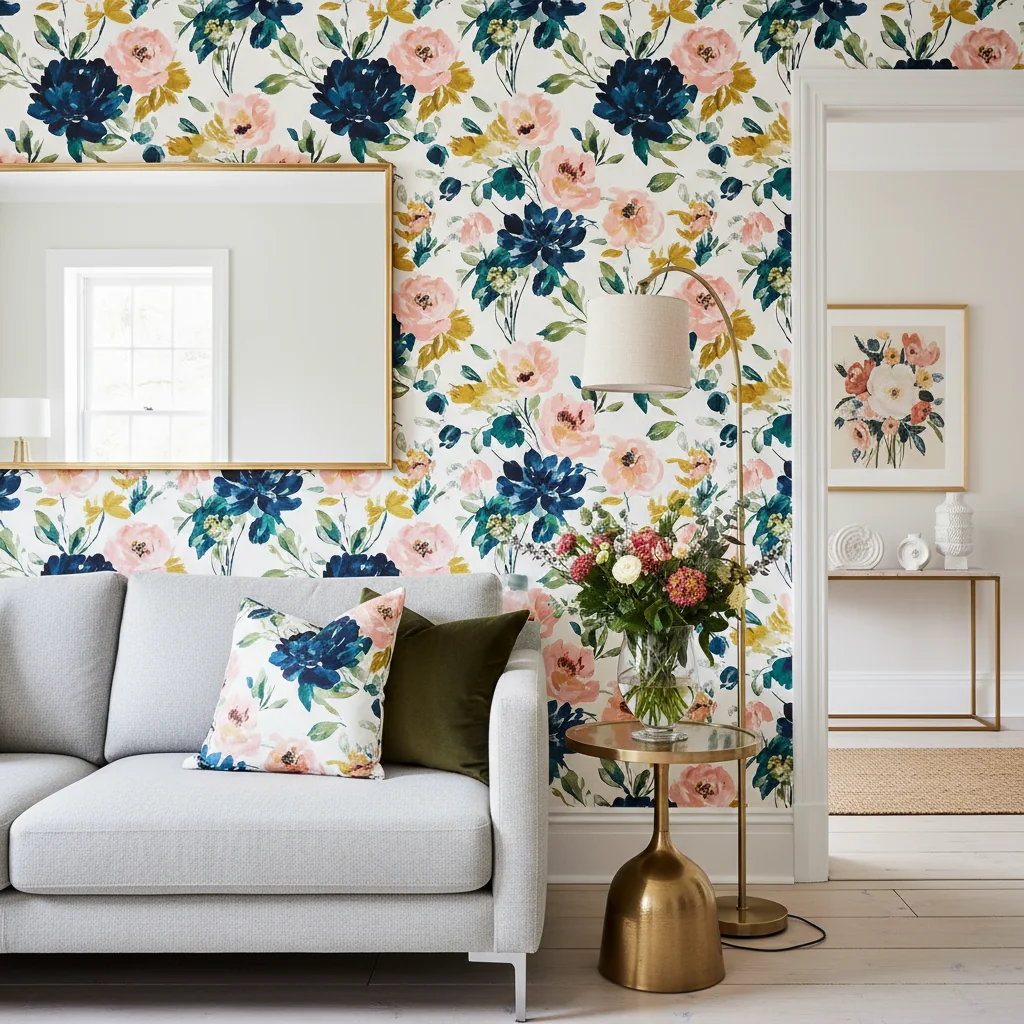
Understanding Wallpaper Materials and Finishes: Durability Meets Design
The material composition and finish of floral wallpaper are crucial factors that dictate its durability, ease of installation, cleanability, and overall aesthetic impact. Selecting the appropriate substrate and finish ensures the wallpaper not only looks exceptional but also performs effectively in its intended environment, standing up to the demands of daily life.
Wallpaper is primarily composed of a decorative surface layer and a backing material, with various combinations offering distinct advantages.
Common Wallpaper Materials
- Non-Woven Wallpaper: This is a highly popular and modern material, composed of a blend of natural and synthetic fibers. Non-woven wallpaper is celebrated for its exceptional durability, breathability, and ease of installation and removal. It is often referred to as “paste-the-wall” wallpaper because the adhesive is applied directly to the wall, not the backing, making alignment and repositioning simpler. Non-woven materials are also typically tear-resistant and do not expand or contract when wet, ensuring a smooth, seamless finish. This material is an excellent choice for high-traffic areas and for those seeking a long-lasting, low-maintenance option.
- Vinyl Wallpaper: Vinyl wallpaper features a printed paper or fabric backing coated with a layer of vinyl (PVC). This construction makes it highly durable, washable, and moisture-resistant, making it ideal for bathrooms, kitchens, and other areas prone to humidity or splashes. Vinyl wallpapers are available in various weights, from lightweight paper-backed vinyl to heavy-duty solid vinyl, offering different levels of resilience. While highly practical, it is important to consider the environmental impact of PVC; however, some manufacturers offer phthalate-free or low-VOC vinyl options.
- Paper Wallpaper: Traditional paper wallpaper consists of a printed paper sheet, sometimes coated for added durability. It offers a classic aesthetic and can be very breathable, making it suitable for bedrooms and living areas. However, paper wallpaper is generally less durable than non-woven or vinyl options, more susceptible to tears, and typically not washable. Installation requires careful handling, as it can be prone to shrinking or stretching when wet.
- Grasscloth and Natural Fiber Wallcoverings: These luxurious wallcoverings are crafted from natural materials like woven grasses, jute, sisal, or bamboo, often backed with paper. Grasscloth offers unparalleled texture, depth, and organic beauty, providing a unique tactile experience. Each roll is unique, showcasing natural variations in color and weave. Installation can be more challenging due to the material’s rigidity and the need for a specific adhesive, and it is generally less durable and harder to clean than synthetic options, making it best suited for low-traffic areas.
- Fabric-Backed Vinyl Wallpaper: Combining the strength of a fabric backing with a durable vinyl surface, this material is extremely robust and often used in commercial settings. It resists tears and abrasions, making it suitable for very high-traffic areas or spaces requiring maximum durability.
- Peel-and-Stick Wallpaper (Removable Wallpaper): This innovative type of wallpaper features an adhesive backing that is protected by a removable liner. Made from various substrates, often vinyl or fabric-based, peel-and-stick is renowned for its ease of installation and removal, making it perfect for renters, temporary design changes, or DIY enthusiasts. It requires no paste and can be repositioned multiple times, offering flexibility without damaging the underlying wall surface. While highly convenient, it is essential to ensure the wall surface is clean, smooth, and properly primed for optimal adhesion.
Wallpaper Finishes
The finish of a floral wallpaper significantly influences how it interacts with light and contributes to the room’s overall mood.
- Matte: A non-reflective finish that absorbs light, creating a soft, subtle appearance. Matte finishes are excellent for achieving a sophisticated, understated look and can help to conceal minor wall imperfections. They are often preferred for botanical illustrations or designs aiming for an artistic, painterly feel.
- Satin/Eggshell: Offering a slight sheen, satin or eggshell finishes provide a subtle luster that reflects a small amount of light, adding a touch of elegance without being overly glossy. These finishes are generally more durable and easier to clean than matte options.
- Gloss/High-Gloss: A highly reflective finish that bounces light, creating a vibrant and often dramatic effect. Gloss finishes can make colors appear richer and are particularly striking with bold floral patterns. However, they tend to highlight wall imperfections and can be too intense for some spaces.
- Textured: Many wallpapers incorporate physical texture, such as embossed patterns, raised elements, or the natural texture of grasscloth. Texture adds depth and dimension to a wall, enhancing the visual interest and tactile experience. Embossed florals can create a luxurious, three-dimensional effect.
When considering the environmental impact of wallcoverings, it’s worth noting that manufacturers are increasingly adopting sustainable practices. For instance, York Wallcoverings highlights its commitment to environmental stewardship through responsible sourcing and manufacturing processes, demonstrating a broader industry trend towards more eco-conscious production. This commitment to environmental promise ensures that designers and homeowners can choose products that align with their values without compromising on style or durability.
The interplay of material and finish ultimately defines the character and longevity of your floral wallpaper. Starhouse curates options across all these categories, ensuring both aesthetic excellence and practical performance.
How to Choose the Right Floral Wallpaper for Your Space
Selecting the ideal floral wallpaper for your home requires a thoughtful evaluation of several key design principles, ensuring the pattern harmonizes with the room’s function, existing décor, and desired ambiance. The right choice will elevate your space, creating a cohesive and visually appealing environment that reflects your personal style.
This systematic approach will guide you through the decision-making process:
1. Consider the Room’s Function and Mood
- Bedrooms: Opt for softer, more subdued floral patterns, such as watercolor botanicals or delicate chintz, to foster a serene and restful atmosphere. Muted color palettes and smaller-scale prints contribute to a calm sanctuary.
- Living Rooms: This space often benefits from more expressive patterns. Medium to large-scale florals, or even a dramatic floral mural on an accent wall, can serve as a captivating focal point. Consider patterns that complement your furniture and textile choices.
- Dining Rooms: Floral wallpaper can add elegance and sophistication. Dark floral patterns with rich backgrounds or classic botanical illustrations can create a luxurious and inviting dining experience.
- Bathrooms/Powder Rooms: These smaller spaces are excellent candidates for bold, unexpected patterns. Tropical florals can infuse a sense of exotic escape, while whimsical patterns add charm. Vinyl or non-woven materials are recommended for their moisture resistance.
- Nurseries/Children’s Rooms: Choose playful, often whimsical floral designs in soft, cheerful colors. Cartoonish florals or simplified botanical motifs can create an enchanting and stimulating environment.
- Home Offices/Studies: Botanical illustrations or subtle, nature-inspired patterns can promote focus and tranquility. Avoid overly busy designs that might distract.
2. Evaluate Room Size and Light Conditions
The scale and color of your floral wallpaper can significantly impact the perceived size and brightness of a room.
- Small Rooms: Generally, smaller-scale patterns or designs with light backgrounds work best, as they can make a room feel more expansive. However, a single, oversized floral mural on one wall can also create depth and visual interest without overwhelming the space.
- Large Rooms: Larger rooms can comfortably accommodate medium to large-scale patterns, bold colors, and even dense floral designs. These patterns help to fill the space, add warmth, and prevent the room from feeling too vast or empty.
- Low-Light Rooms: In rooms with limited natural light, opt for floral wallpapers with lighter backgrounds and brighter colors to maximize reflectivity and enhance the sense of openness. Patterns with metallic accents can also help bounce light around the room.
- Bright Rooms: Spaces with abundant natural light can handle a wider range of patterns and colors, including darker, moodier florals, without feeling oppressive.
3. Harmonize with Existing Décor and Color Palette
Your chosen floral wallpaper should integrate seamlessly with your current furniture, textiles, and overall color scheme.
- Color Matching: Identify key colors in your existing décor (furniture, rugs, artwork) and select a wallpaper that either incorporates those colors or introduces complementary shades. Consider the dominant color of the wallpaper and how it will interact with the room’s existing palette.
- Pattern Play: If your room already features patterned upholstery or rugs, choose a floral wallpaper that either has a different scale (e.g., a large floral with small geometric patterns) or a more subdued, less competing design. Alternatively, embrace maximalism by layering diverse patterns, ensuring a common thread in color or style.
- Style Cohesion: Ensure the floral style aligns with your room’s aesthetic. A rustic farmhouse might pair well with vintage country florals, while a minimalist modern space could benefit from abstract or graphic botanical prints.
4. Consider the Wallpaper Material and Its Practicality
As discussed in the previous section, the material choice is critical for durability and maintenance.
- High-Traffic Areas: For hallways, kitchens, or children’s rooms, choose durable, washable options like vinyl or robust non-woven wallpaper.
- Bathrooms/Humid Areas: Moisture-resistant materials like vinyl are essential to prevent peeling and mold growth.
- DIY Projects/Temporary Updates: Peel-and-stick wallpaper offers unparalleled ease of installation and removal, perfect for renters or those who enjoy frequent design changes.
5. Test Samples
Always obtain samples of your preferred floral wallpapers. A small swatch viewed online or in a store can look very different when applied to your wall under your room’s unique lighting conditions. Hang samples on your wall for a few days, observing them at different times of day to see how the colors and patterns change with varying light. This step is invaluable for making an informed decision.
By carefully considering these factors, you can confidently select a floral wallpaper that not only beautifies your space but also enhances its functionality and contributes to a harmonious interior design.
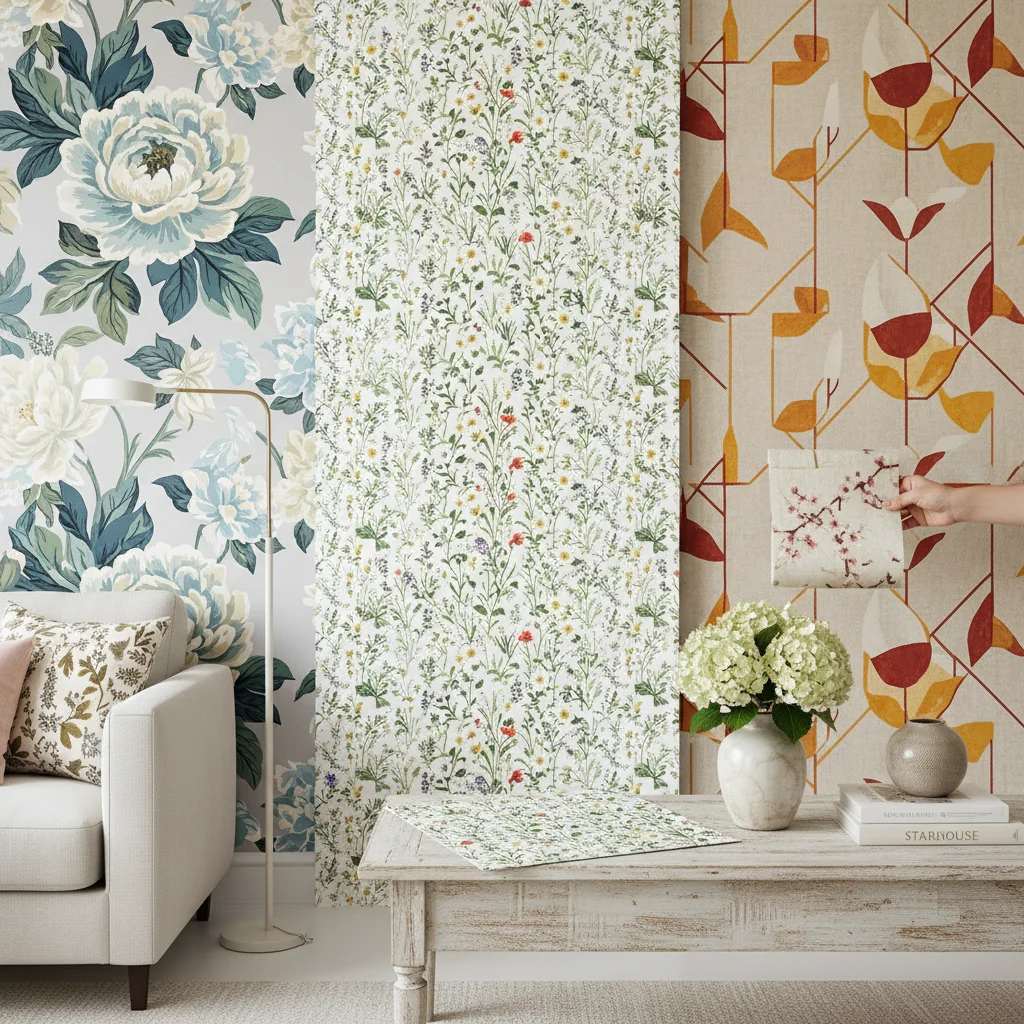
Precision in Practice: Sizing and Measuring for Flawless Floral Wallpaper Installation
Accurate sizing and meticulous measurement are critical prerequisites for a successful floral wallpaper installation, ensuring a seamless pattern match, minimizing waste, and achieving a professional finish. Underestimating this stage can lead to costly errors, including insufficient material or visible seams and misaligned patterns, compromising the entire aesthetic.
The process involves calculating the total square footage of the walls, accounting for pattern repeat, and then determining the number of rolls required.
Step-by-Step Measuring Guide
-
Measure Wall Dimensions:
- Measure the height of each wall from the baseboard to the ceiling. If there are variations, use the greatest height.
- Measure the width of each wall.
- For irregular walls or those with architectural features, measure each distinct section separately.
-
Calculate Total Square Footage:
- For each wall, multiply its height by its width to get the square footage (e.g., 8 feet high x 12 feet wide = 96 sq ft).
- Sum the square footage of all walls to get the total area to be covered.
-
Account for Doors and Windows:
- While you won’t wallpaper over these, it’s generally recommended to include their area in your initial calculation. Wallpaper rolls are sold in fixed lengths, and the cut-outs from these areas can often be used for smaller sections above or below windows and doors, or for areas with complex cuts. This approach helps ensure you have enough material for pattern matching and unexpected cuts.
- For very large openings (e.g., a wall largely composed of glass patio doors), you might subtract half of the opening’s area, but never the full amount.
-
Understand Pattern Repeat:
Pattern repeat is the vertical distance on a wallpaper roll before the pattern begins to repeat itself. This measurement is crucial for aligning consecutive strips of wallpaper to create a continuous, unbroken design.
- Locate the pattern repeat information on the wallpaper product description or sample. It is usually expressed in inches (e.g., “21-inch repeat”).
- A larger pattern repeat means more waste per roll because you need to cut each strip to align with the previous one, often sacrificing several inches or even a foot to find the matching point.
- Solid colors or random patterns have zero pattern repeat, resulting in minimal waste.
-
Calculate Number of Strips per Roll:
- Determine the usable length of a single wallpaper roll. Standard double rolls are typically 33 feet long and 20.5 to 27 inches wide.
- Divide the usable length of the roll by the height of your wall, adding the pattern repeat to the wall height for each strip after the first. For practical purposes, a simpler method is to assume the wall height plus one pattern repeat for each strip. For example, if your wall is 8 feet (96 inches) high and the pattern repeat is 21 inches, each strip needs to be cut to at least 96 + 21 = 117 inches to allow for alignment and trimming.
- Divide the total usable length of a roll (e.g., 396 inches for a 33-foot roll) by the adjusted strip length (e.g., 117 inches) to find out how many full strips you can get from one roll. (396 / 117 ≈ 3.38, so 3 full strips).
-
Determine Total Number of Strips Needed:
- Divide the total width of the walls (in inches) by the width of one wallpaper strip (e.g., 20.5 inches). This gives you the total number of strips required to cover all walls.
- For example, if your total wall width is 480 inches (40 feet) and the wallpaper is 20.5 inches wide, you need 480 / 20.5 ≈ 23.4 strips, so round up to 24 strips.
-
Calculate Total Rolls Needed:
- Divide the total number of strips needed (e.g., 24) by the number of strips you can get from one roll (e.g., 3). This gives you the number of rolls (24 / 3 = 8 rolls).
-
Add for Waste and Future Repairs:
- Always order an extra 15-20% (at least one full roll) to account for cutting errors, pattern alignment waste, and potential future repairs. This is particularly important for large-scale floral patterns with significant repeats. It is far better to have a leftover roll than to run short mid-project and risk color dye lot differences from a new batch.
Example Calculation
Let’s assume a room with four walls, each 8 feet (96 inches) high. Two walls are 10 feet (120 inches) wide, and two walls are 12 feet (144 inches) wide. The wallpaper has a width of 20.5 inches and a pattern repeat of 21 inches.
- Wall Heights: 96 inches.
- Wall Widths: Two at 120 inches, two at 144 inches.
- Total Wall Width: (2 * 120) + (2 * 144) = 240 + 288 = 528 inches.
- Adjusted Strip Length (including repeat): 96 inches (wall height) + 21 inches (pattern repeat) = 117 inches.
- Strips per standard double roll (33 feet = 396 inches): 396 inches / 117 inches per strip ≈ 3.38. So, 3 full strips per roll.
- Total Strips Needed: 528 inches (total width) / 20.5 inches (wallpaper width) ≈ 25.75. Round up to 26 strips.
- Total Rolls Needed: 26 strips / 3 strips per roll ≈ 8.67. Round up to 9 rolls.
- Add for Waste/Future Repairs: Add 1-2 extra rolls, so purchase 10-11 rolls.
Important Considerations
- Dye Lots: Always purchase all rolls for a single project at the same time to ensure they come from the same dye lot. Slight color variations can occur between different production batches, which would be noticeable on the wall.
- Trimming: Always leave a few extra inches at the top and bottom of each strip for trimming after installation, typically 2-3 inches on each end.
- Professional Installers: If hiring a professional, they will often perform their own measurements. However, understanding the process helps you verify their estimates and communicate effectively.
By adhering to these precise measurement and calculation guidelines, you can ensure your floral wallpaper project proceeds smoothly, resulting in a beautifully finished space that showcases the pattern as intended.
Current Trends in Floral Wallpaper Design: From Classic Revival to Modern Interpretations
The world of floral wallpaper is in a constant state of evolution, blending timeless appeal with contemporary aesthetics, ensuring there is a style to suit every design inclination. Current trends reflect a dynamic interplay between a reverence for historical patterns and a bold embrace of modern artistry, offering designers and homeowners an expansive palette of options to refresh and redefine their spaces.
These trends represent a move towards more personalized and expressive interiors, where floral patterns play a pivotal role.
Key Floral Wallpaper Trends for 2026
-
Maximalist and Grandmillennial Florals:
This trend celebrates abundance and a curated sense of nostalgia. Maximalist florals feature dense, often large-scale patterns with a rich interplay of colors and botanical elements, covering entire walls to create an immersive, art-gallery-like effect. The “Grandmillennial” twist reinterprets traditional chintz, toile, and classic English garden motifs with a fresh, often bolder color palette or unexpected pairings, embracing a sophisticated, layered look that feels both historic and current. This trend moves away from sparse minimalism, favoring patterns that tell a story and add deep character.
-
Dark Floral / Moody Botanicals:
Continuing its strong presence, the dark floral trend utilizes deep, saturated backgrounds—think charcoal, navy, forest green, or even black—as a canvas for vibrant or subtly contrasting floral arrangements. These designs evoke a sense of drama, luxury, and intimacy. They are particularly effective in creating cozy dining rooms, sophisticated powder rooms, or opulent bedrooms, adding depth and a touch of mysterious elegance. The contrast between the dark ground and the luminous blooms creates a captivating visual tension.
-
Abstract and Impressionistic Florals:
Moving beyond literal botanical renderings, this trend focuses on the essence of flowers through abstract forms, blurred lines, and painterly strokes. Watercolor effects, fragmented shapes, and large-scale, impressionistic compositions give a room an artistic and contemporary edge. These patterns often feature softer color transitions and can range from subtle background textures to bold, expressive statements, making them ideal for modern and eclectic interiors seeking a unique artistic touch.
-
Vintage Revival: Art Deco and Mid-Century Modern Botanicals:
Designers are increasingly drawing inspiration from specific historical periods. Art Deco florals feature stylized, geometric interpretations of flowers and leaves, often with metallic accents, reflecting the glamour and sophistication of the 1920s and 30s. Mid-Century Modern botanicals, conversely, offer simpler, often more graphic and organic forms with a retro color palette, harking back to the optimism and sleek lines of the 1950s and 60s. These revivals add a distinct period charm and character to contemporary spaces.
-
Monochromatic and Tonal Florals:
For those who appreciate subtlety and sophistication, monochromatic floral wallpapers are gaining traction. These designs use varying shades and tones of a single color to create depth and texture within a floral pattern, resulting in an elegant and understated effect. Tonal florals provide visual interest without overwhelming the space, perfect for creating serene bedrooms, sophisticated living rooms, or hallways where a quiet elegance is preferred. They allow other elements in the room to stand out while still providing a textured backdrop.
-
Chinoiserie and Exotic Botanicals:
The intricate and often vibrant patterns of Chinoiserie, inspired by traditional Chinese art, are seeing a resurgence. These designs often feature exotic birds, flowering trees, and lush landscapes, bringing a sense of global elegance and artistic flair. Similarly, exotic botanicals, with their vibrant tropical leaves and flowers, continue to be popular for creating lively, escapist environments, particularly in bathrooms, sunrooms, or accent walls.
-
Biophilic Design Integration:
Reflecting a broader desire to connect with nature, biophilic floral wallpapers emphasize naturalistic designs that bring the outdoors in. This includes highly detailed botanical illustrations, realistic garden scenes, and patterns that mimic dense foliage. The goal is to create a sense of calm, well-being, and a direct connection to the natural world, often using muted, earthy tones alongside vibrant greens and subtle floral accents.
These trends highlight a shift towards more expressive and personal design choices, where floral wallpaper is not just a background but a central element that defines the character and mood of a space. Starhouse remains at the forefront of these evolving aesthetics, curating a collection that embodies both classic beauty and contemporary innovation.
Care and Maintenance for Floral Wallpaper: Preserving Beauty and Longevity
Proper care and regular maintenance are essential for preserving the vibrant beauty and extending the lifespan of your floral wallpaper, ensuring it remains a captivating feature in your home for years to come. The specific cleaning methods depend largely on the wallpaper’s material and finish, with some types offering greater durability and washability than others.
Understanding your wallpaper’s material is the first step toward effective maintenance. Always refer to the manufacturer’s specific care instructions, typically found on the roll’s label or product description.
General Care Guidelines
-
Identify Your Wallpaper Type: Before attempting any cleaning, determine if your wallpaper is washable, scrubbable, or delicate. This information is usually indicated by symbols on the wallpaper label:
- Washable: Can be gently wiped with a damp cloth and mild soap.
- Scrubbable: Can withstand more vigorous cleaning with a brush and detergent.
- Delicate/Non-Washable: Requires very gentle care, often limited to dusting or careful spot cleaning.
- Regular Dusting: The simplest and most crucial step in wallpaper maintenance is regular dusting. Use a soft, clean cloth, a feather duster, or the brush attachment of your vacuum cleaner on a low setting. Dusting prevents accumulation that can dull the pattern and make deeper cleaning more challenging. Perform this weekly or bi-weekly, especially in rooms with higher dust levels.
-
Immediate Spot Cleaning: Address spills and marks immediately. Fresh stains are much easier to remove than those that have set.
- For washable wallpapers, gently blot (do not rub) the stain with a clean, white cloth dampened with plain water.
- If water alone is insufficient, add a tiny amount of mild, non-abrasive soap (like dish soap) to the water. Lightly dab the stain, then follow with a clean, damp cloth to remove any soap residue.
- Always test any cleaning solution on an inconspicuous area first to ensure it does not cause discoloration or damage.
- Avoid Harsh Chemicals: Never use abrasive cleaners, scouring pads, bleach, or strong chemical solvents on wallpaper, regardless of its type. These can strip colors, damage the finish, or degrade the material.
- Control Humidity: High humidity can cause wallpaper to peel, especially in bathrooms. Ensure adequate ventilation in humid areas. A dehumidifier can be beneficial in chronically damp environments. Conversely, extremely dry conditions can sometimes lead to shrinkage or cracking, particularly with paper-based wallpapers.
- Protect from Direct Sunlight: Prolonged exposure to direct sunlight can cause wallpaper colors to fade over time, especially with darker or more vibrant patterns. Use blinds, curtains, or UV-filtering window films to protect your floral wallpaper from intense sun exposure.
-
Repair Minor Damage:
- Lifting Seams: If seams begin to lift, reapply them using a seam roller and a small amount of wallpaper adhesive.
- Tears: For small tears, carefully apply a small amount of adhesive to the back of the torn piece and press it back into place. For larger tears, a patch from leftover wallpaper (ensuring pattern match) may be necessary.
Specific Material Care Notes
Different wallpaper materials require tailored care approaches:
| Material Type | Cleanability | Durability | Key Care Tips |
|---|---|---|---|
| Non-Woven | Washable to Scrubbable | High | Dust regularly. Wipe with damp cloth and mild soap for stains. Resists tearing and fading. |
| Vinyl (Paper-Backed) | Washable to Scrubbable | High | Excellent for high-moisture areas. Wipe clean with mild detergent. Very durable against scuffs. |
| Solid Vinyl | Scrubbable | Very High | Most durable and washable. Can handle more rigorous cleaning. Ideal for heavy-use areas. |
| Paper | Delicate/Non-Washable | Low to Medium | Dust only. Avoid moisture. Spot clean with a very slightly damp cloth if absolutely necessary, testing first. Prone to tearing. |
| Grasscloth/Natural Fiber | Delicate/Non-Washable | Medium (can be fragile) | Dust with a soft brush or vacuum attachment. Blot spills immediately with a dry cloth. Do NOT use water, as it can stain or warp. |
| Peel-and-Stick | Washable (varies by substrate) | Medium to High | Follow base material (e.g., vinyl, fabric) instructions. Generally wipeable with a damp cloth. Avoid harsh scrubbing which can damage adhesive. |
By adhering to these detailed care instructions and understanding the nuances of your specific floral wallpaper, you can ensure its beauty endures, providing a lasting and delightful aesthetic to your home.
Styling and Pairing Floral Wallpaper: Creating Cohesive and Captivating Interiors
Styling and pairing floral wallpaper effectively transforms a room into a cohesive, captivating space, moving beyond merely applying a pattern to crafting a complete design narrative. The key lies in balancing the visual impact of the floral pattern with complementary furnishings, textiles, lighting, and accessories, ensuring every element contributes to a harmonious aesthetic.
Achieving a well-integrated design involves thoughtful consideration of scale, color, and texture across all elements within the room.
1. Harmonizing with Furniture
- Balance Scale: If your floral wallpaper features a large, bold pattern, pair it with furniture that has clean lines and a simpler silhouette to prevent the room from feeling too busy. Conversely, a delicate floral print can be beautifully complemented by more ornate or substantial furniture pieces.
- Color Coordination: Select furniture pieces whose upholstery or finish colors are either directly present in the wallpaper’s pattern or are complementary neutrals. For instance, a sofa in a solid color that matches a subtle hue within the floral design creates a sophisticated, unified look.
- Style Alignment: Ensure the furniture style aligns with the floral pattern. A vintage floral might pair beautifully with antique or distressed wooden furniture, while an abstract botanical print would suit modern, minimalist pieces.
2. Integrating Textiles and Soft Furnishings
Textiles—curtains, rugs, throw pillows, and upholstery—are crucial for softening a space and layering patterns.
-
Curtains and Drapes:
- Solid Colors: Choose curtains in a solid color extracted from the floral wallpaper pattern. This creates a refined and cohesive look.
- Subtle Textures: Opt for curtains with a subtle texture (e.g., linen, velvet) in a neutral or complementary color to add depth without competing with the wallpaper.
- Contrasting Patterns (Carefully): For a maximalist approach, introduce another pattern on curtains, ensuring its scale is significantly different from the wallpaper’s, or that it shares a common color palette to tie them together. Geometric patterns or stripes can work well with florals if executed thoughtfully.
- Rugs: A solid-colored rug can ground a room with busy floral wallpaper. If opting for a patterned rug, choose one with a simple, understated design or a large-scale abstract pattern that doesn’t clash with the florals. Natural fiber rugs (jute, sisal) provide texture and neutrality.
- Throw Pillows and Blankets: These are excellent for introducing pops of color, additional patterns, and tactile interest. Mix solid pillows in colors from the wallpaper with pillows featuring small-scale geometric prints, stripes, or even complementary floral patterns if the scale is varied.
3. Enhancing with Lighting
Lighting plays a pivotal role in highlighting the floral wallpaper and setting the room’s mood.
- Accent Lighting: Use picture lights or wall sconces to illuminate specific sections of a floral mural or a particularly intricate pattern, drawing attention to its artistic qualities.
- Ambient Lighting: Ensure overall room lighting is sufficient to showcase the wallpaper’s colors and details. Warmer light temperatures (2700K-3000K) can enhance the richness of dark florals, while cooler temperatures (3500K-4000K) might brighten more delicate patterns.
- Fixture Style: Select light fixtures that align with the wallpaper’s style. A vintage floral might call for a chandelier or traditional sconces, while an abstract floral could be complemented by sleek, modern pendants.
4. Accessorizing with Intent
Accessories provide the finishing touches, reinforcing the design theme without overwhelming the floral backdrop.
- Mirrors: Mirrors reflect light and the wallpaper pattern, making a room feel larger and brighter. Choose frames that complement the wallpaper’s style—ornate for traditional, minimalist for modern.
- Artwork: If the wallpaper is a dominant feature, opt for minimal artwork or pieces with simple frames and ample white space. Abstract art in complementary colors or botanical prints that echo the wallpaper’s theme can also work. Ensure artwork doesn’t compete for attention.
- Greenery and Fresh Flowers: Real or high-quality faux plants and fresh flowers are natural companions to floral wallpaper, enhancing the biophilic connection. Choose plants with textures or colors that complement the wallpaper, rather than directly mimicking it.
- Decorative Objects: Select decorative objects (vases, sculptures, books) that echo the colors or stylistic elements of the wallpaper. Keep arrangements uncluttered to allow the wallpaper to shine.
5. Strategic Placement and Accent Walls
Floral wallpaper doesn’t need to cover every wall. Using it strategically can create powerful design statements:
- Accent Wall: Applying a bold floral pattern to a single wall (e.g., behind a bed or sofa) creates a dramatic focal point without overwhelming the entire room. Paint the remaining walls in a solid color pulled from the wallpaper.
- Ceiling Application: For a truly unexpected and luxurious touch, consider applying a delicate floral pattern to the ceiling, transforming it into a fifth wall.
- Within Paneling/Built-ins: In traditional homes, placing floral wallpaper within recessed wall panels or the back of built-in bookshelves adds a charming, curated detail.
By carefully considering these styling techniques, you can ensure your floral wallpaper acts as a foundational element in a beautifully composed and inviting interior. The goal is to create a space where the flowers blossom in harmony with every other design choice.
Common Mistakes to Avoid When Designing with Floral Wallpaper
While floral wallpaper offers immense potential for transforming a space, certain design missteps can diminish its impact or even create an undesirable aesthetic. Awareness of these common pitfalls enables homeowners and designers to make informed choices, ensuring their floral wallcovering enhances rather than detracts from their interior design vision.
Avoiding these errors will contribute significantly to a polished and professional result.
1. Overlooking Scale and Room Size
- Mistake: Using a very large, busy floral pattern in a small room, which can make the space feel cramped and overwhelming. Conversely, a tiny, sparse floral in a vast room might get lost and fail to make an impact.
- Correction: For small rooms, opt for smaller, delicate prints or consider using a large-scale mural on a single accent wall to create depth without visual clutter. In larger rooms, embrace medium to oversized florals to fill the space and provide a strong design statement.
2. Ignoring Natural Light and Room Orientation
- Mistake: Selecting a dark floral wallpaper for a room with minimal natural light, leading to a cave-like, oppressive atmosphere. Or, choosing a highly reflective, glossy finish in a room with harsh direct sunlight, which can create glare and wash out the pattern.
- Correction: In low-light rooms, choose lighter backgrounds and brighter floral patterns, or consider metallic accents to reflect light. For rooms with abundant direct sunlight, select matte or satin finishes to reduce glare and protect against fading. Always observe samples on your wall at different times of day.
3. Clashing Patterns and Colors
- Mistake: Pairing a vibrant, multi-colored floral wallpaper with equally bold, competing patterns in upholstery, rugs, or curtains, resulting in visual chaos.
- Correction: When the wallpaper is the dominant pattern, balance it with solid-colored furnishings and textiles that pick up one or two subtle hues from the wallpaper. If layering patterns, ensure they vary significantly in scale and style (e.g., a large floral with a small geometric or stripe) and share a cohesive color story.
4. Neglecting the Room’s Existing Style and Architecture
- Mistake: Installing a highly modern, abstract floral in a very traditional home with ornate trim, or a classic chintz in a sleek, minimalist apartment, creating a disjointed aesthetic.
- Correction: Choose a floral pattern that respects and enhances the architectural style and existing décor of your home. A contemporary space might benefit from stylized or abstract botanicals, while a historic home could embrace traditional chintz, toile, or botanical illustrations. The wallpaper should feel like a natural extension of the space.
5. Inaccurate Measurement and Insufficient Material
- Mistake: Underestimating the number of rolls needed, especially for patterns with large repeats, leading to running out of wallpaper mid-project and potentially encountering dye lot differences when reordering.
- Correction: Meticulously measure your walls and calculate the required rolls, always accounting for pattern repeat and adding an extra 15-20% (at least one full roll) for waste and future repairs. Purchase all rolls from the same dye lot to ensure color consistency.
6. Forgetting Surface Preparation
- Mistake: Applying wallpaper to unprepared walls (e.g., dirty, uneven, unprimed surfaces), which can lead to poor adhesion, visible imperfections, and a less durable finish.
- Correction: Ensure walls are clean, dry, smooth, and properly primed before installation. Repair any holes or cracks, sand rough patches, and apply a high-quality wallpaper primer to create an ideal surface for adhesion and easier future removal.
7. Over-Wallpapering Every Wall
- Mistake: Applying a bold floral pattern to all four walls in every room, which can be overwhelming and visually exhausting.
- Correction: Consider using bold floral wallpaper on a single accent wall to create a dramatic focal point. For a more subtle approach, use it on the upper half of a wall with wainscoting, or inside recessed panels. In smaller spaces like powder rooms, a full floral application can be charming, but in larger rooms, strategic placement often yields a more sophisticated result.
By being mindful of these common design and installation errors, you can confidently integrate floral wallpaper into your home, creating a space that is both beautiful and thoughtfully designed.
Sources
Frequently Asked Questions About Floral Wallpaper
Can I use floral wallpaper in a small room without making it feel smaller?
Yes, you can effectively use floral wallpaper in a small room by choosing patterns with a smaller scale or a light background, which tend to make a space feel more open. Alternatively, a single accent wall with a large, dramatic floral mural can create depth and visual interest without overwhelming the room.
What is the difference between peel-and-stick and traditional floral wallpaper?
Peel-and-stick floral wallpaper features an adhesive backing protected by a liner, making it easy to install and remove without paste, ideal for renters or temporary updates. Traditional floral wallpaper requires a separate adhesive (paste) applied to the wall or the paper itself, offering a more permanent and often more durable solution.
How do I clean floral wallpaper?
Cleaning methods depend on the wallpaper material; washable types (like non-woven or vinyl) can be gently wiped with a damp cloth and mild soap, while delicate types (like paper or grasscloth) typically require only dusting. Always consult the manufacturer’s instructions for specific care guidelines to prevent damage.
Is floral wallpaper currently in style?
Yes, floral wallpaper is very much in style, experiencing a significant resurgence with trends ranging from maximalist and dark botanicals to abstract and vintage revivals. Its versatility allows it to adapt to various contemporary design aesthetics, making it a popular choice for adding character and warmth to interiors.
Can I mix floral wallpaper with other patterns in the same room?
Yes, mixing floral wallpaper with other patterns is a sophisticated design technique, but it requires careful consideration of scale and color. Pair a large-scale floral with smaller-scale geometrics, stripes, or subtle textures, ensuring a cohesive color palette runs through all patterns to create a harmonious and layered look.
How much extra wallpaper should I order to account for pattern repeat and waste?
It is highly recommended to order an additional 15-20% of your calculated wallpaper needs, which typically equates to at least one extra full roll. This surplus accounts for pattern repeat alignment, cutting errors, and provides material for future repairs, ensuring color consistency from the same dye lot.
What types of rooms are best suited for dark floral wallpaper?
Dark floral wallpaper excels in spaces where you want to create a dramatic, luxurious, or intimate atmosphere, such as dining rooms, powder rooms, bedrooms, or as an accent wall in a living room. The deep backgrounds enhance sophistication and depth, making it an excellent choice for creating a moody and elegant ambiance.
Conclusion: Cultivating Beauty with Floral Wallpaper
Floral wallpaper stands as an enduring testament to the power of natural beauty in interior design, offering an unparalleled method to transform ordinary walls into vibrant, evocative canvases. From the subtle charm of delicate blossoms to the dramatic statement of oversized botanicals, its versatility allows for the creation of spaces that are deeply personal, profoundly stylish, and inherently welcoming. The careful consideration of pattern scale, material composition, and harmonious pairing with furnishings and accessories ensures that each floral design flourishes as a cornerstone of your home’s aesthetic.
At Starhouse, we are dedicated to curating a collection that spans the rich spectrum of floral wallpaper, alongside a full range of furnishings, textiles, lighting, and accessories, to inspire and equip you in crafting your ideal living environment. We believe that every home deserves to bloom with beauty and character. As our definitive collection is launching soon, we invite you to be part of our journey.
Tell us what you’re looking for in your dream space and gain early access to our curated selections. Visit starhouseusa.online to share your vision and discover how Starhouse can help cultivate beauty in your home.