Black ink wallpaper transcends mere wall covering; it is a definitive design statement, offering unparalleled depth, contrast, and sophistication to any interior. This versatile décor element utilizes the dramatic power of black ink to create patterns, illustrations, and textures that range from subtly elegant to boldly artistic, transforming a room with its graphic intensity and timeless appeal. At Starhouse, we understand that selecting the right wallpaper is pivotal to defining your home’s aesthetic, which is why we’ve curated this comprehensive guide to navigating the world of black ink wallpaper, ensuring you make an informed choice that resonates with your personal style and functional needs. From understanding different materials and installation methods to mastering styling techniques, we provide the authoritative insights necessary to integrate this powerful design tool into your living space, elevating its character with precision and confidence.
Key takeaways
- Black ink wallpaper offers diverse design possibilities, from abstract and botanical to geometric and calligraphic, providing dramatic contrast and sophisticated depth to interiors.
- Choosing the right black ink wallpaper depends on factors such as room function, lighting conditions, pattern scale, and existing décor, ensuring harmonious integration.
- Both peel-and-stick and traditional wallpaper options are available, each with distinct installation processes, durability, and suitability for various applications.
- Accurate measurement, accounting for pattern repeat and waste, is crucial for a seamless installation and to avoid material shortages.
- Proper care, tailored to the wallpaper’s material, is essential for maintaining its aesthetic integrity and extending its lifespan.
- Current trends favor sustainable materials, biophilic designs, and the strategic use of black ink to define focal points or create atmospheric moods.
What is Black Ink Wallpaper?
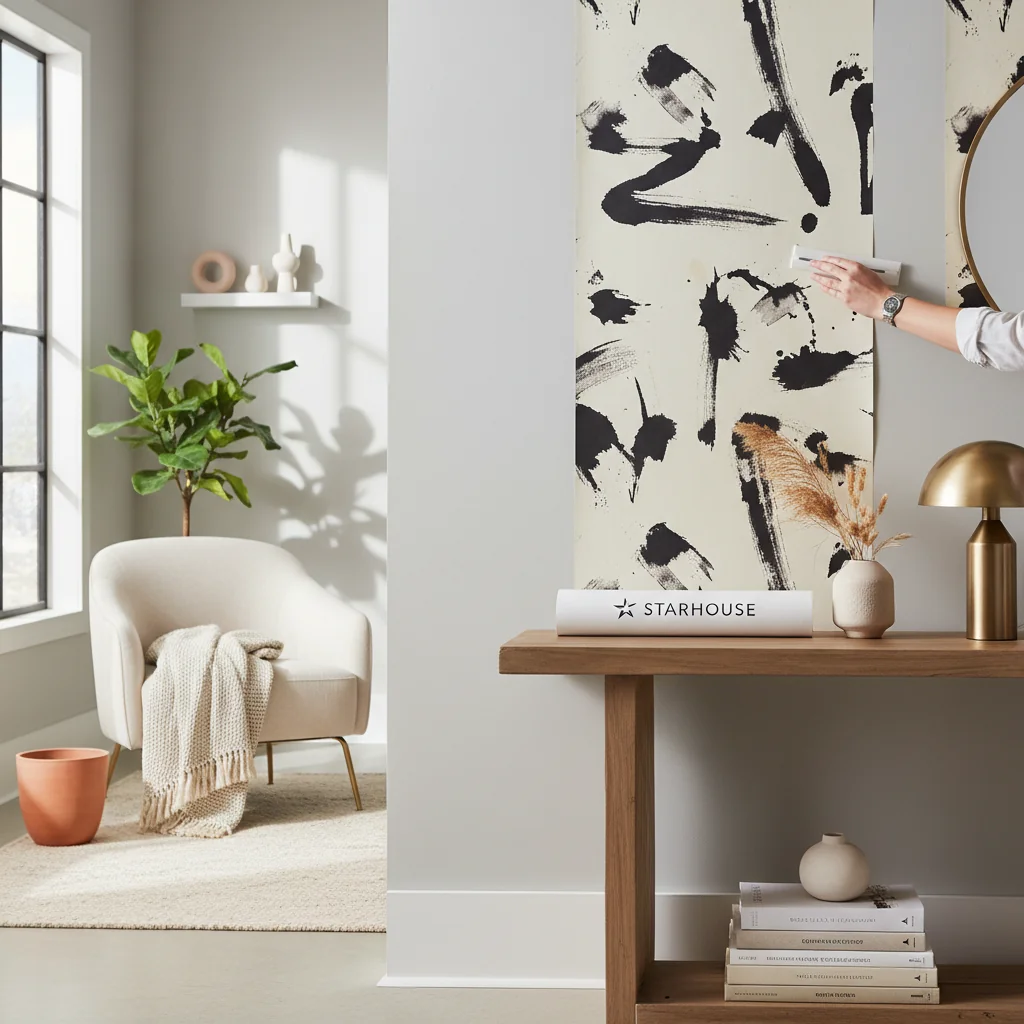
Black ink wallpaper is a decorative wall covering characterized by designs, patterns, or illustrations rendered primarily in black ink on a contrasting background, typically white, off-white, or a lighter neutral tone. This aesthetic leverages the inherent graphic power of black to create visual interest, depth, and a sophisticated focal point in any room. Unlike solid black wallpaper, which aims for a monolithic statement, black ink wallpaper uses the ink as a medium for artistic expression, allowing for intricate details, bold strokes, and compelling narratives to unfold across the wall surface.
The appeal of black ink wallpaper lies in its versatility and dramatic flair. It introduces a sense of elegance and modernity, capable of transforming a mundane wall into a captivating art piece. The stark contrast between black and a lighter ground ensures that patterns are crisp and defined, drawing the eye and adding architectural interest without overwhelming the space. This category encompasses a vast array of artistic interpretations, from delicate botanical etchings to abstract expressionist splatters, each contributing a unique character to the interior.
The Allure of Black and White Contrast
The enduring appeal of black and white in design stems from its fundamental ability to create clarity, drama, and timeless sophistication. Black ink wallpaper capitalizes on this classic dichotomy, offering a design language that is both bold and understated. The absence of color allows the pattern, texture, and line work to take center stage, making these wallpapers particularly effective in spaces where a strong visual anchor is desired without introducing additional hues.
This high-contrast approach ensures that patterns are immediately discernible and impactful. Whether it’s a finely detailed toile or a broad, abstract brushstroke, the black ink stands out, creating a dynamic interplay with the background. This characteristic makes black ink wallpaper an exceptional choice for establishing a sophisticated palette that can be easily complemented by other elements in the room, from furniture to textiles and art.
Beyond the Traditional: Modern Interpretations
While the concept of black ink designs is rooted in traditional art forms like calligraphy and etching, contemporary black ink wallpapers embrace a wide spectrum of modern aesthetics. Designers now employ digital printing techniques to achieve unprecedented levels of detail and complexity, allowing for photorealistic imagery, intricate geometric patterns, and experimental abstract compositions. These modern interpretations often incorporate subtle textures, metallic accents, or varying shades of black and charcoal to add further dimension and luxury.
For instance, a black ink wallpaper might feature a hand-drawn botanical motif with a slight sheen, mimicking the look of traditional block printing but with the durability of contemporary materials. Another design might showcase an abstract splatter pattern, evoking a sense of raw artistic energy. These innovations ensure that black ink wallpaper remains a relevant and exciting option for a diverse range of interior styles, from minimalist urban lofts to richly layered traditional homes.
Black Ink Wallpaper: A Definition
Black ink wallpaper is a decorative wall covering featuring patterns, illustrations, or textures rendered primarily in black ink on a contrasting lighter background, utilized to create visual depth, dramatic contrast, and sophisticated design statements in interior spaces. Its versatility allows for integration into various aesthetic schemes, from classic to contemporary.
Exploring the Diverse Types and Styles of Black Ink Wallpaper
Black ink wallpaper encompasses a broad spectrum of types based on material and installation method, as well as an extensive array of styles, each offering a distinct aesthetic and functional advantage. Understanding these distinctions is crucial for selecting a wallpaper that not only aligns with your design vision but also meets the practical demands of your space. From the ease of peel-and-stick to the luxurious feel of grasscloth, and from intricate botanicals to bold geometrics, the options are plentiful and designed to cater to diverse preferences and applications.
Material and Application Types
The choice of wallpaper material significantly impacts its durability, texture, appearance, and ease of installation. Starhouse curates options that balance aesthetic appeal with practical performance, ensuring a lasting and beautiful result.
- Peel-and-Stick Wallpaper (Removable): This type features an adhesive backing that is protected by a liner. Installation involves simply peeling off the liner and sticking the paper to the wall. It is ideal for renters, temporary installations, or those who enjoy frequently updating their décor, as it can be removed without damaging the underlying surface. Most peel-and-stick options are made from vinyl or non-woven materials, offering good durability and cleanability.
- Traditional Unpasted Wallpaper: This classic type requires the application of a separate adhesive (wallpaper paste) to the back of the paper before hanging. Unpasted wallpapers offer the widest range of materials and finishes, including delicate papers and heavy-duty vinyls. They are generally more durable and offer a professional, long-lasting finish, making them suitable for permanent installations.
- Traditional Pre-pasted Wallpaper: Pre-pasted wallpaper comes with a dry adhesive applied to its back, which is activated by dipping the paper in water. This method simplifies the traditional wallpapering process by eliminating the need for separate paste, offering a middle ground between peel-and-stick convenience and traditional durability.
Common Wallpaper Materials
The substrate material also plays a significant role in the wallpaper’s performance and aesthetic characteristics.
- Non-Woven Wallpaper: Composed of a blend of natural and synthetic fibers, non-woven wallpaper is celebrated for its breathability, durability, and tear resistance. It is also “paste-the-wall” friendly, meaning paste is applied directly to the wall, simplifying installation and making removal easier than traditional paper-backed options. This material is an excellent choice for a variety of rooms due to its stability and environmental benefits.
- Vinyl Wallpaper: Highly durable and moisture-resistant, vinyl wallpaper is perfect for high-traffic areas like hallways, kitchens, and bathrooms. It is easy to clean and maintain, making it a practical choice for busy households. Black ink designs on vinyl often feature a smooth or subtly textured finish that enhances the graphic quality of the ink.
- Paper-Backed Vinyl: Combining a vinyl surface with a paper backing, this material offers a good balance of durability and flexibility. The vinyl surface provides resistance to wear and moisture, while the paper backing allows for easier handling during installation.
- Grasscloth Wallpaper: For a touch of natural texture and organic sophistication, grasscloth wallpaper made from woven natural fibers (like jute, sisal, or seagrass) offers a unique backdrop for black ink patterns. The inherent texture adds depth and warmth, creating a more tactile experience. Black ink patterns on grasscloth are often simpler to allow the material’s texture to shine through.
- Fabric-Backed Vinyl: This heavy-duty option features a solid vinyl surface laminated to a fabric backing, providing exceptional durability and tear resistance. It’s often used in commercial settings but can also be chosen for residential areas requiring maximum resilience.
Diverse Design Styles for Black Ink Wallpaper
The artistic expressions possible with black ink are virtually limitless, allowing for an incredible range of design styles suitable for any interior aesthetic.
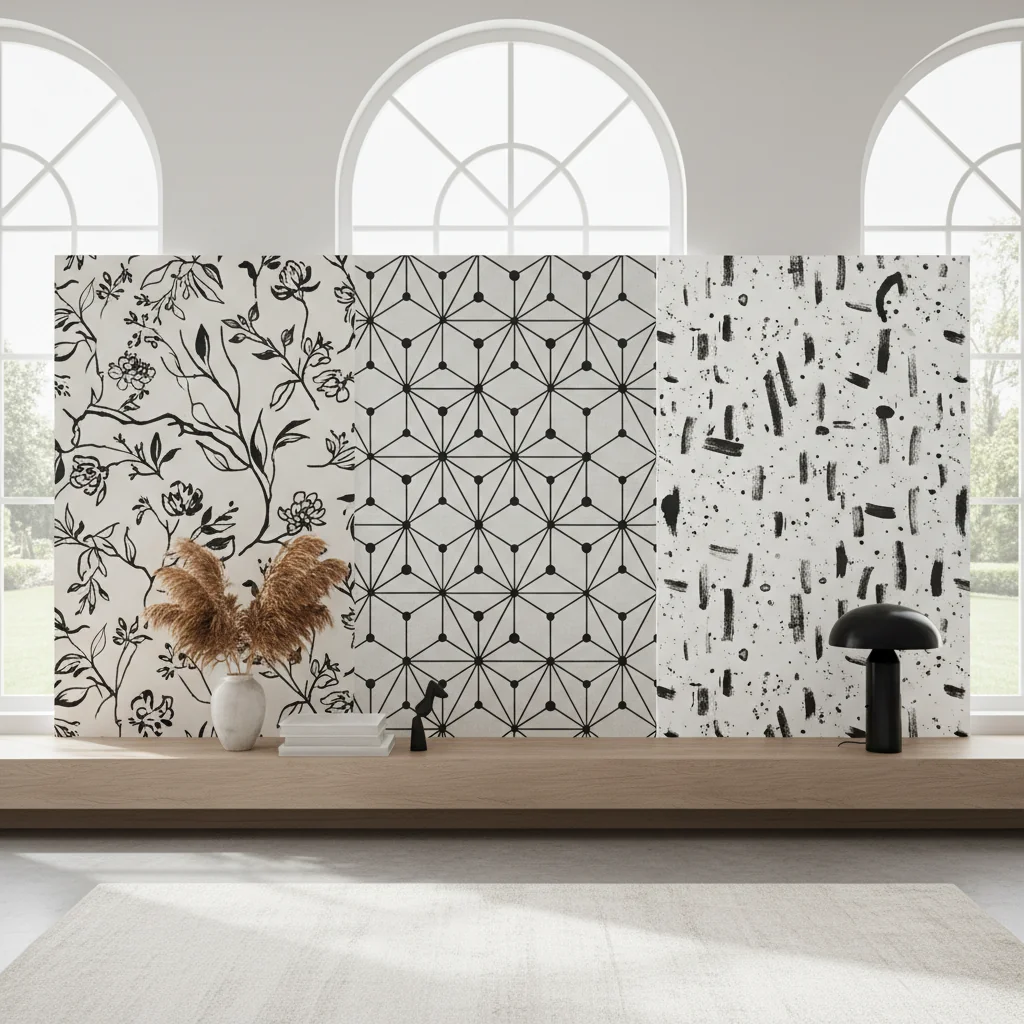
- Abstract & Artistic: Featuring fluid lines, bold brushstrokes, splatters, or amorphous shapes, abstract black ink wallpaper creates a modern, artistic focal point. These designs often evoke a sense of movement and spontaneity, perfect for contemporary spaces or as a statement wall in an art lover’s home.
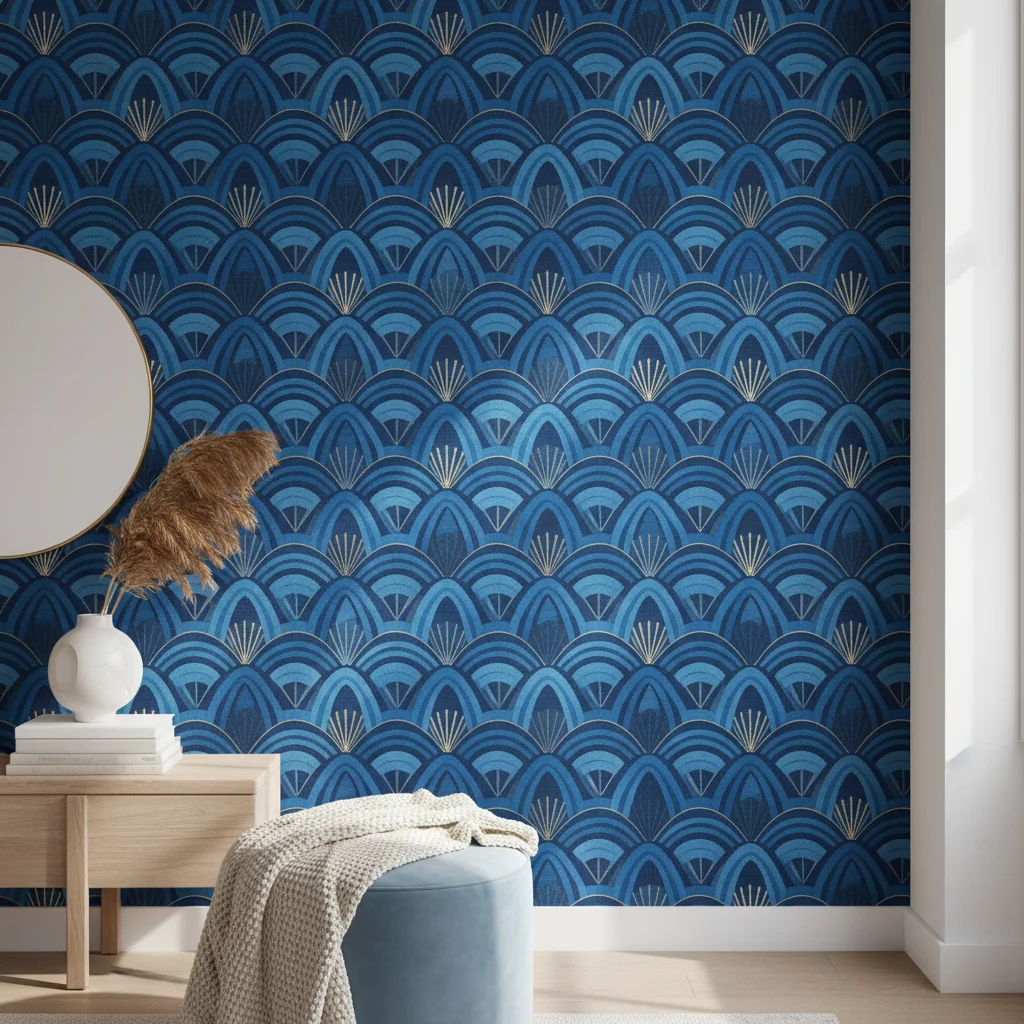
- Geometric: Sharp lines, repeating shapes, and intricate patterns define geometric black ink wallpapers. From simple stripes and polka dots to complex tessellations and Art Deco motifs, these designs offer structure and order, ideal for modern, minimalist, or industrial interiors.
- Botanical & Nature-Inspired: Delicate or dramatic renderings of leaves, flowers, trees, and landscapes in black ink bring the tranquility of nature indoors. These can range from detailed scientific illustrations to sprawling, illustrative murals, creating a serene or vibrant atmosphere depending on the scale and style.
- Figurative & Illustrative: Showcasing human figures, animals, or narrative scenes, illustrative black ink wallpapers tell a story on your walls. These designs can be whimsical, dramatic, or classic, offering a unique and personalized touch to a space. Think vintage etchings or modern graphic novel aesthetics.
- Calligraphy & Typography: Elegant script, bold lettering, or repeating literary passages transform walls into textual art. Calligraphic black ink wallpaper adds a sophisticated and intellectual vibe, suitable for studies, libraries, or creating a focal point with meaningful words.
- Chinoiserie: This classic style features intricate scenes of pagodas, birds, flowers, and landscapes, often with a delicate, hand-painted feel. Rendered in black ink, Chinoiserie wallpaper offers a refined, exotic elegance that can be both traditional and surprisingly modern.
- Damask & Toile: Traditional patterns like damask (ornate, woven designs) and toile (repeating pastoral scenes) gain a contemporary edge when presented in stark black ink on a light background. These styles maintain their classic charm while offering a fresh, updated look.
- Watercolor & Brushstroke: Mimicking the soft, diffused look of watercolor or the distinct texture of a brushstroke, these designs offer a more organic and artistic feel. The black ink can appear washed out or intensely saturated, creating varied visual effects.
- Industrial & Urban: Designs that mimic concrete textures, architectural blueprints, or cityscapes in black ink can lend an edgy, metropolitan feel to a room. These are often characterized by stark lines, distressed effects, or minimalist compositions.
How to Choose the Perfect Black Ink Wallpaper for Your Space
Selecting the ideal black ink wallpaper involves a thoughtful consideration of your room’s function, existing aesthetics, and personal preferences to ensure a cohesive and impactful design. The right choice will enhance your interior, creating a harmonious balance between visual drama and functional practicality. We guide you through the essential factors to evaluate, guaranteeing that your black ink wallpaper selection perfectly complements your home.
Consider the Room’s Function and Mood
The primary use of the room should dictate the style and material of your black ink wallpaper. For a bedroom, a serene botanical or abstract pattern with a softer hand might be preferred to promote relaxation, while a living room could handle a bolder geometric or illustrative design to serve as a conversation starter. In high-moisture areas like bathrooms or kitchens, selecting a durable, washable material like vinyl or non-woven wallpaper is paramount to ensure longevity and ease of maintenance. The mood you wish to evoke—whether tranquil, energetic, sophisticated, or whimsical—will significantly influence your pattern choice.
Assess Scale and Pattern Repetition
The scale of the black ink pattern is a critical factor in how the wallpaper will appear in your room. Large-scale patterns make a dramatic statement and work best in spacious rooms or on a single accent wall, where they can be appreciated without feeling overwhelming. Smaller, more intricate patterns, on the other hand, can add subtle texture and depth to smaller rooms or be used throughout an entire space without making it feel claustrophobic. Consider the pattern repeat—the distance before a design repeats itself—as this affects both the visual flow and the amount of wallpaper you’ll need.
Evaluate Natural and Artificial Lighting
Lighting profoundly impacts how black ink wallpaper is perceived. In rooms with abundant natural light, bolder, more intricate black ink patterns can truly shine, their details highlighted by the sun. In dimly lit spaces, a black ink design with a lighter background and more open, airy patterns can prevent the room from feeling too heavy or enclosed. Consider the artificial lighting as well; strategically placed sconces or track lighting can illuminate specific features of the wallpaper, enhancing its visual appeal and creating captivating shadows.
Integrate with Existing Décor and Color Palette
Black ink wallpaper, by its nature, introduces a strong graphic element. It pairs exceptionally well with a wide range of existing décor styles, from minimalist to maximalist. When selecting, consider your current furniture, textiles, and art. Black ink designs often complement neutral color palettes (grays, whites, creams, natural wood tones) by adding contrast and definition. They can also anchor a room with vibrant accents, allowing colorful accessories to pop against the monochromatic backdrop. Ensure the style of the black ink pattern harmonizes with the overall aesthetic of your home—a rustic space might benefit from a hand-drawn botanical, while a modern loft could embrace a sharp geometric.
Prioritize Durability and Maintenance
The lifespan and appearance of your black ink wallpaper depend heavily on its material and how well it withstands the demands of its environment. For high-traffic areas, or spaces prone to spills and moisture, opt for vinyl or non-woven options that are scrubbable and resistant to wear. For less demanding areas, more delicate materials like traditional paper or grasscloth might be suitable for their unique textures. Always check the manufacturer’s cleaning instructions to ensure the wallpaper can be maintained effectively over time.
Black Ink Wallpaper: A Design Anchor
Black ink wallpaper serves as a powerful design anchor, grounding a room’s aesthetic with its graphic contrast and timeless appeal, allowing other design elements to coalesce around its sophisticated presence. It establishes a visual rhythm and depth that can define the character of an entire space.
At Starhouse, we are curating a collection that reflects the unique visions of homeowners like you.
Tell us what you’re looking for in your space and get early access to our exclusive selections.
Accurate Sizing and Measurement for Flawless Installation
Accurate sizing and meticulous measurement are the foundational steps for any successful wallpaper installation, preventing frustrating shortages, excessive waste, and an uneven finish. Precision in these initial stages ensures that you order the correct amount of black ink wallpaper and that each strip aligns perfectly, creating a seamless and professional appearance. By following a systematic approach, you can confidently prepare for your project and achieve an impeccable result.
Measuring Your Walls with Precision
Before ordering any wallpaper, it is imperative to precisely measure the dimensions of the walls you intend to cover. This involves more than just a quick estimate; careful attention to detail will save time and money in the long run.
- Measure Height: Measure the height of your wall from the baseboard to the ceiling in several places. Walls are rarely perfectly uniform, so use the tallest measurement for your calculations. For walls with varying heights (e.g., sloped ceilings), measure the highest point.
- Measure Width: Measure the total width of each wall you plan to wallpaper. Add these widths together to get the total perimeter.
- Account for Openings: While you won’t wallpaper over windows or doors, it’s generally recommended to include these areas in your initial width calculation. This provides a buffer for pattern matching and unexpected cuts. You will trim around them during installation.
- Note Irregularities: Identify any architectural features like built-in shelving, archways, or intricate trim. These may require more complex cuts and potentially extra material.
Record all measurements carefully, ideally sketching a simple diagram of your room with dimensions noted on each wall.
Calculating the Number of Rolls Needed
Calculating the correct number of wallpaper rolls is crucial and requires more than just dividing total wall area by roll area. Pattern repeat and waste factor must be taken into account to ensure you have enough material for a perfect match.
- Determine Total Square Footage: Multiply the total height (using the tallest measurement) by the total width (sum of all walls). For example, if your walls are 8 feet tall and the total width is 40 feet, your total square footage is 320 sq ft.
- Factor in Pattern Repeat: Black ink wallpapers often have distinct patterns that must align from one strip to the next. The “pattern repeat” is the vertical distance between one point in the pattern and the identical point directly above or below it. This measurement, usually listed on the wallpaper specifications, dictates how much extra material you’ll need for each strip to match the pattern seamlessly. For each strip, you’ll cut it to the wall height plus one pattern repeat.
- Estimate Roll Coverage: Standard U.S. wallpaper rolls typically measure 20.5 inches wide by 33 feet long, covering approximately 56 square feet. However, always check the specific dimensions and coverage area provided by the manufacturer, as these can vary.
- Calculate Number of Strips per Roll: Divide the roll length (e.g., 33 feet or 396 inches) by the cut length of each strip (wall height + pattern repeat). Round down to the nearest whole number to find how many usable strips you can get from one roll.
- Calculate Total Strips Needed: Divide the total wall width (in inches) by the width of one wallpaper strip (e.g., 20.5 inches). Round up to the nearest whole number to find the total number of strips required.
- Determine Total Rolls: Divide the total strips needed by the number of usable strips per roll. Always round up to the nearest whole number.
- Add a Waste Factor: It is highly recommended to purchase at least one extra roll, or approximately 10-15% more than your calculated amount, to account for errors, trimming around windows/doors, and future repairs. This is particularly important for large patterns or intricate black ink designs.
Example: A room with 8 ft (96 inch) high walls and a total width of 40 ft (480 inch). Wallpaper roll is 20.5 inches wide, 33 ft (396 inch) long, with a 21-inch pattern repeat.
- Cut length per strip: 96 inches (wall height) + 21 inches (pattern repeat) = 117 inches.
- Usable strips per roll: 396 inches (roll length) / 117 inches (cut length) = 3.38, so 3 usable strips.
- Total strips needed: 480 inches (total width) / 20.5 inches (strip width) = 23.41, so 24 strips.
- Total rolls needed: 24 strips / 3 strips per roll = 8 rolls.
- Add waste: Purchase 9-10 rolls to be safe.
Understanding Standard Roll Dimensions
While the example above uses common U.S. dimensions, wallpaper rolls come in various sizes. It is crucial to verify the specific dimensions of the black ink wallpaper you choose. Common roll sizes include:
- Single Roll: Approximately 20.5 inches wide x 16.5 feet long (30 sq ft coverage). Often sold as “double rolls” which are twice this length.
- Double Roll: Approximately 20.5 inches wide x 33 feet long (56 sq ft coverage). This is a very common standard.
- European Roll: Approximately 21 inches wide x 33 feet long (57.75 sq ft coverage).
- Wide Roll: Some specialty wallpapers, particularly murals or commercial-grade options, may come in wider formats (e.g., 27 inches, 36 inches, or even wider).
Always confirm the manufacturer’s stated coverage for a single roll, as this is the most accurate figure for your calculations.
Professional vs. DIY Installation Considerations
While DIY installation of black ink wallpaper is achievable, especially with peel-and-stick options, complex patterns, delicate materials, or irregularly shaped rooms may benefit significantly from professional installation. A professional installer possesses the expertise, specialized tools, and experience to handle intricate pattern matching, tricky corners, and ensure a flawless, long-lasting finish. For high-value wallpapers or murals, the investment in professional installation often outweighs the risks and potential re-work associated with a DIY approach.
Installation: A Step-by-Step Guide for Both Types
Successful black ink wallpaper installation hinges on meticulous preparation and adherence to specific techniques tailored to the wallpaper type, whether it’s peel-and-stick or traditional. A well-prepared surface and careful execution are critical to achieving a seamless, professional finish that enhances the dramatic appeal of your chosen design. This guide outlines the essential steps for both popular installation methods, empowering you to approach your project with confidence and precision.
Essential Tools for Wallpaper Installation
Regardless of the wallpaper type, having the right tools on hand is crucial for a smooth and efficient installation. Gather these items before you begin:
- Tape measure and pencil
- Long level or plumb bob
- Utility knife with plenty of fresh blades
- Smoothing tool (plastic smoother or wallpaper brush)
- Seam roller (for traditional wallpaper)
- Large sponge and clean water
- Step ladder or stepladder
- Drop cloths to protect flooring
- Bucket for water (for pre-pasted) or paste (for unpasted)
- Wallpaper paste and paste brush/roller (for unpasted)
- Clean cloths or towels
- Straight edge or metal ruler
Surface Preparation: The Foundation of Flawless Finish
Proper wall preparation is non-negotiable for any wallpaper project; it ensures optimal adhesion and a smooth, blemish-free surface. Neglecting this step can lead to bubbling, peeling, and visible imperfections.
- Clean Walls: Wash walls thoroughly with a mild detergent solution (e.g., sugar soap) to remove dirt, grease, and grime. Rinse well with clean water and allow to dry completely, typically 24 hours.
- Repair Imperfections: Fill any holes, cracks, or dents with spackle or joint compound. Sand smooth once dry, ensuring the surface is perfectly flush.
- Remove Old Wallpaper: If applicable, completely remove existing wallpaper. Residual adhesive or paper can interfere with new wallpaper adhesion.
- Prime Walls: Apply a high-quality wallpaper primer (often called “sizing” or “wall prep”) to all surfaces. Primer seals porous surfaces, promotes better adhesion, and makes future wallpaper removal easier. For dark walls or walls with contrasting colors, use a white, opaque primer to prevent the underlying color from showing through your black ink wallpaper. Allow primer to dry fully according to manufacturer instructions, usually 24 hours.
Peel-and-Stick Wallpaper Installation
Peel-and-stick wallpaper is designed for ease of application and removal, making it a popular choice for DIY enthusiasts. Its self-adhesive backing simplifies the process considerably.
- Mark Your Starting Point: Using a level or plumb bob, draw a vertical line on your wall where the first strip will be placed. Start in an inconspicuous corner or near a doorframe, allowing the pattern to flow outwards.
- Cut First Strip: Measure and cut your first strip, adding 2-4 inches to the top and bottom for trimming. This excess allows for minor adjustments and ensures a clean edge.
- Apply First Strip: Peel back a few inches of the liner from the top of the strip. Align the wallpaper with your plumb line, allowing the excess to extend onto the ceiling. Press the top firmly to the wall.
- Smooth and Peel: Slowly peel away the backing liner downwards, simultaneously smoothing the wallpaper onto the wall with your smoothing tool. Work from the center outwards to push out any air bubbles. If a bubble persists, gently lift the wallpaper and re-smooth.
- Trim Excess: Once the strip is fully applied, use your utility knife and a straight edge to carefully trim the excess wallpaper at the ceiling and baseboard.
- Match and Repeat: For the next strip, align the pattern precisely with the edge of the previous strip. Repeat the peel, smooth, and trim process. Ensure seams are tightly butted together, not overlapped (unless specified by the manufacturer).
Traditional Wallpaper Installation (Unpasted & Pre-pasted)
Traditional wallpaper requires a bit more effort but offers a classic, durable finish. The main difference between unpasted and pre-pasted is how the adhesive is applied.
For Unpasted Wallpaper:
- Cut Strips: Measure and cut your strips, adding 4-6 inches to the top and bottom for trimming.
- Apply Paste: Lay a strip face down on a clean work surface. Apply a thin, even layer of wallpaper paste to the entire back of the strip using a paste brush or roller. Ensure edges are well-covered.
- Book the Wallpaper: Gently fold the pasted strip onto itself, paste-to-paste, without creasing. Allow it to “book” for 5-10 minutes (check manufacturer’s instructions). This allows the paste to activate and the paper to relax, preventing bubbling.
- Hang First Strip: Carry the booked strip to the wall. Unfold the top portion and align it with your plumb line, leaving excess at the ceiling. Press firmly.
- Smooth and Unfold: Unfold the bottom portion and smooth the entire strip onto the wall using a smoothing tool or brush, working from the center outwards to eliminate air bubbles.
- Trim and Seam Roll: Trim excess at the ceiling and baseboard. Use a seam roller to gently press down the edges of the strip, ensuring a tight, invisible seam.
- Match and Repeat: For subsequent strips, align the pattern carefully with the previous strip. Repeat the pasting, booking, hanging, and smoothing process. Immediately wipe away any excess paste from the surface with a damp sponge.
For Pre-pasted Wallpaper:
- Cut Strips: Cut strips with 4-6 inches excess for trimming.
- Activate Paste: Roll a cut strip loosely, paste-side out. Submerge the rolled strip in a tray of clean water for the time specified by the manufacturer (usually 10-30 seconds).
- Book (Optional but Recommended): Some pre-pasted papers benefit from a short booking period (a few minutes) after soaking to allow the adhesive to fully activate and the paper to relax.
- Hang and Smooth: Proceed with hanging and smoothing the strip as described for unpasted wallpaper, aligning with your plumb line and removing air bubbles.
- Trim and Clean: Trim excess and wipe away any residual paste or water from the surface with a clean, damp sponge.
Common Installation Pitfalls to Avoid
Even with careful planning, certain issues can arise during wallpaper installation. Being aware of these can help you prevent them:
- Ignoring Surface Prep: Bumps, dirt, or unsealed walls will lead to poor adhesion and visible flaws.
- Improper Pattern Match: Failing to account for pattern repeat or rushing the alignment between strips results in a disjointed design.
- Bubbles and Wrinkles: Caused by insufficient smoothing, improper booking (for traditional), or inadequate surface preparation.
- Seam Gaps or Overlaps: Incorrect alignment of strips can create visible gaps or unsightly overlaps.
- Running Out of Material: Underestimating the quantity needed, especially without accounting for waste and pattern repeat, is a common and frustrating error.
By following these detailed steps and exercising patience, you can successfully install your black ink wallpaper, transforming your space with its captivating design.
Current Trends and Enduring Appeal of Black Ink Wallpaper
Black ink wallpaper remains a perennial favorite in interior design, constantly evolving to reflect contemporary aesthetics while retaining its timeless appeal through its inherent drama and versatility. Current trends highlight its use in creating sophisticated, impactful statements, often incorporating sustainable materials and innovative design techniques. Its enduring popularity stems from its ability to provide strong visual contrast and graphic interest that transcends fleeting fads, making it a reliable choice for homeowners seeking both modern relevance and lasting elegance.
Modern Interpretations: Texture, Metallics, and Scale
Contemporary black ink wallpapers are pushing boundaries beyond flat, two-dimensional patterns. Designers are integrating subtle textures, such as embossed finishes or tactile surfaces that mimic fabric or natural materials, adding a sensory dimension to the visual. Metallic accents, particularly gold, silver, or copper, are frequently woven into black ink designs, providing a luxurious shimmer that catches the light and introduces an element of glamour. Furthermore, there’s a strong trend towards varying scales, from micro-patterns that create a rich texture from a distance to oversized, mural-like designs that command attention and transform an entire wall into a piece of art.
Biophilic Designs and Nature’s Embrace
The biophilic design movement, which emphasizes connecting interiors with nature, finds a striking expression in black ink wallpaper. Intricate botanical illustrations, sprawling jungle motifs, delicate floral patterns, and serene landscape etchings, all rendered in black ink, bring the outdoors in with sophisticated restraint. These designs offer a calming yet dramatic backdrop, fostering a sense of tranquility and connection to the natural world without introducing a riot of color. They are particularly popular in bedrooms, bathrooms, and living spaces where a serene yet impactful atmosphere is desired.
The Power of Maximalism and Minimalist Statements
Black ink wallpaper adeptly serves both the maximalist and minimalist design philosophies. For maximalists, bold, intricate, and densely patterned black ink designs can contribute to a rich, layered aesthetic, creating a sense of opulence and visual intrigue. Paired with vibrant colors, eclectic furnishings, and diverse textures, these wallpapers become a key component of a lavish interior. Conversely, minimalists appreciate black ink’s ability to make a strong, clean statement. Simple geometric patterns, sparse abstract designs, or subtle textures in black ink can define a space with understated elegance, providing visual interest without clutter, perfectly aligning with a less-is-more approach.
Sustainability in Wallpaper: A Growing Imperative
As environmental consciousness grows, the demand for sustainable and eco-friendly home décor options has surged, and wallpaper is no exception. Manufacturers are increasingly producing black ink wallpapers from recycled content, sustainably sourced paper, or non-woven materials that are free from harmful chemicals like PVC and VOCs. This commitment to environmental responsibility resonates with homeowners seeking to create beautiful spaces that also align with their values. For instance, York Wallcoverings emphasizes their dedication to environmental stewardship, including efforts to reduce their carbon footprint and ensure their products meet rigorous sustainability standards. When selecting black ink wallpaper, looking for certifications or manufacturer statements regarding environmental practices is a prudent choice.
Black Ink Wallpaper: A Timeless Design Element
Black ink wallpaper is a timeless design element, offering enduring sophistication and graphic impact through its high-contrast aesthetic, which continuously adapts to contemporary trends while maintaining its classic appeal. It provides a foundational visual anchor in diverse interior styles.
Care and Maintenance to Preserve Your Investment
Proper care and routine maintenance are essential for preserving the pristine appearance and extending the lifespan of your black ink wallpaper, ensuring your investment continues to enhance your home for years to come. The specific cleaning methods depend heavily on the wallpaper’s material, as different substrates react uniquely to moisture and cleaning agents. Understanding these nuances allows for targeted care that prevents damage and keeps your walls looking as vibrant as the day they were installed.
Understanding Wallpaper Washability Ratings
Before cleaning any black ink wallpaper, it is crucial to consult the manufacturer’s care instructions, usually found on the roll label or product information. Wallpaper washability is typically categorized as follows:
- Non-Washable: These delicate papers (e.g., natural grasscloth, some specialty papers) should only be dusted or very lightly wiped with a dry cloth. Any moisture can cause damage or discoloration.
- Spongeable: Can withstand light cleaning with a damp sponge and mild soap, but avoid excessive rubbing or saturation. Ideal for minor surface dirt.
- Washable: More durable, these wallpapers can be cleaned with a damp sponge and a mild, non-abrasive detergent. They are suitable for areas that might accumulate light grime.
- Scrubbable: Designed for high-traffic areas, scrubbable wallpapers (often vinyl or heavy-duty non-wovens) can withstand more vigorous cleaning with a brush and stronger cleaning solutions without damage.
General Cleaning Guidelines for Black Ink Wallpaper
For most black ink wallpapers, especially those that are washable or scrubbable, follow these general guidelines:
- Dust Regularly: Use a soft, dry cloth, a feather duster, or a vacuum cleaner with a brush attachment to gently remove surface dust and cobwebs. This prevents dirt buildup that can become harder to remove later.
- Spot Clean Promptly: Address spills or marks as soon as they occur. For spongeable or washable papers, use a clean, soft sponge or cloth slightly dampened with clean water. For more stubborn marks, add a small amount of mild, non-abrasive soap (e.g., dish soap) to the water.
- Test in an Inconspicuous Area: Always test any cleaning solution or method on a hidden section of the wallpaper (e.g., behind furniture or in a closet) to ensure it does not cause discoloration or damage.
- Wipe Gently: Work from the bottom up to avoid streaks, but apply gentle pressure. Avoid harsh scrubbing, which can damage the ink or surface texture.
- Rinse and Dry: After cleaning, wipe the area with a clean, damp cloth (water only) to remove any soap residue. Then, lightly blot dry with a clean, dry cloth to prevent water spots.
- Avoid Harsh Chemicals: Never use abrasive cleaners, bleach, or strong chemical solvents, as these can strip the color, damage the material, or leave permanent marks on your black ink wallpaper.
Addressing Minor Damage and Longevity Tips
Even with the best care, minor issues can arise. Knowing how to address them can prolong your wallpaper’s pristine appearance.
- Peeling Seams/Edges: If a seam or edge begins to lift, apply a small amount of clear wallpaper adhesive (available at home improvement stores) to the back of the peeling section. Press firmly with a seam roller or clean cloth until it re-adheres. Wipe away any excess adhesive immediately.
- Scuffs and Marks: For non-washable papers, a clean art eraser can sometimes gently lift pencil marks or light scuffs. For washable papers, follow the spot cleaning instructions above.
- Bubbles: Small bubbles can sometimes be flattened by gently smoothing them with a clean, dry cloth. For larger, persistent bubbles, a tiny pinhole can be made at the edge of the bubble, allowing air to escape, then pressed flat. For traditional wallpaper, a small amount of adhesive can be injected into the pinhole before pressing.
- Avoid Direct Sunlight: Prolonged exposure to direct sunlight can cause fading over time, especially for certain ink types. Consider sheer curtains or blinds to protect your wallpaper in sun-drenched rooms.
- Maintain Consistent Humidity: Extreme fluctuations in humidity can cause wallpaper to expand or contract, potentially leading to peeling or bubbling. Maintaining a relatively consistent indoor humidity level (e.g., with a humidifier/dehumidifier) can help.
By integrating these care practices into your routine, your black ink wallpaper will remain a captivating and elegant feature in your home for many years.
Styling and Pairing Black Ink Wallpaper for Impact
Styling and pairing black ink wallpaper effectively transforms a room into a cohesive, sophisticated, and visually compelling space, ensuring the wallpaper acts as a powerful design element rather than an isolated feature. Its inherent graphic quality and monochromatic palette offer remarkable versatility, allowing it to seamlessly integrate with diverse furniture styles, color schemes, and lighting strategies. The key lies in strategic coordination, leveraging the wallpaper’s dramatic contrast to enhance other decorative elements and define the room’s overall character with precision and confidence.
Mastering Color Palettes with Black Ink
The beauty of black ink wallpaper lies in its ability to anchor almost any color palette. It provides a strong foundation that allows other colors to truly pop or to create a serene, sophisticated scheme.
- Neutral Harmony: Pair black ink wallpaper with a palette of whites, creams, grays, and natural wood tones for a serene, sophisticated, and timeless look. The black ink adds necessary contrast and visual interest without overwhelming the subtle hues.
- Metallic Glamour: Introduce metallic accents in gold, brass, silver, or copper through lighting fixtures, decorative objects, or furniture frames. These reflective surfaces beautifully complement the black ink, adding a touch of luxury and sparkle.
- Vibrant Pops: Use black ink wallpaper as a dramatic backdrop for vibrant accent colors. Emerald green, sapphire blue, ruby red, or mustard yellow in cushions, art, or small furniture pieces will stand out brilliantly against the monochromatic wall, creating a dynamic and energetic space.
- Earthy Tones: Combine black ink designs with terracotta, olive green, rust, or deep browns for an organic, grounded feel. This pairing creates a sophisticated, natural aesthetic that is both calming and visually engaging.
Integrating with Furniture Styles
Black ink wallpaper is remarkably adaptable, complementing a wide array of furniture styles, from sleek modern pieces to ornate traditional heirlooms.
- Modern & Minimalist: Pair geometric or abstract black ink wallpaper with clean-lined, minimalist furniture in solid colors or natural wood. The wallpaper adds the necessary visual texture and interest without cluttering the simple aesthetic.
- Traditional & Classic: A damask, toile, or Chinoiserie black ink pattern can enhance traditional furniture with carved details, rich fabrics, and classic silhouettes. The monochromatic palette updates the traditional elements, giving them a fresh, contemporary edge.
- Eclectic & Bohemian: Mix and match styles with confidence. A botanical black ink wallpaper can provide a unifying backdrop for a collection of diverse furniture pieces, vintage finds, and global textiles, adding depth and narrative to an eclectic space.
- Industrial: Black ink wallpaper with concrete textures, architectural drawings, or urban motifs pairs perfectly with raw materials like exposed brick, metal, and reclaimed wood furniture, enhancing an edgy, industrial aesthetic.
Lighting Considerations for Enhanced Impact
Strategic lighting can significantly enhance the visual impact of black ink wallpaper, highlighting its patterns and textures while setting the mood of the room.
- Accent Lighting: Use picture lights, wall-mounted spotlights, or recessed lighting to directly illuminate the wallpaper, drawing attention to intricate details and creating dramatic shadows that add depth.
- Ambient Lighting: Ensure overall room lighting is sufficient to prevent the black ink from making the space feel too dark. Layered lighting from overhead fixtures, floor lamps, and table lamps creates a balanced and inviting atmosphere.
- Natural Light: In rooms with ample natural light, black ink wallpaper can truly shine, its contrast accentuated by daylight. For rooms with less natural light, opt for black ink patterns with more white space or subtle reflective elements to keep the room feeling bright.
Accessorizing and Art Integration
Accessories and art are crucial for completing the look and tying the black ink wallpaper into the broader design scheme.
- Mirrors: Large mirrors with elegant frames reflect light and the wallpaper pattern, making the room feel more expansive and visually interesting.
- Artwork: Choose artwork that either complements the wallpaper’s style (e.g., black and white photography, line drawings) or provides a contrasting pop of color. Ensure frames are chosen to harmonize with the overall aesthetic.
- Textiles: Incorporate throws, cushions, and rugs in textures and colors that echo or contrast with the wallpaper. Think plush velvets, crisp linens, or woven patterns.
- Greenery: Live plants or high-quality artificial greenery add an organic touch and a splash of natural color that beautifully complements black ink designs, especially botanical patterns.
Creating Focal Points with Black Ink Wallpaper
Black ink wallpaper is inherently suited for creating powerful focal points. Use it on a single accent wall behind a bed, sofa, or dining table to draw the eye and define a specific area within an open-concept space. For smaller rooms or powder rooms, wallpapering all walls can create an immersive, jewel-box effect, enveloping the space in sophisticated drama. The careful selection of a pattern that aligns with the room’s purpose and your desired aesthetic will ensure your black ink wallpaper makes a truly impactful statement.
To further illustrate the differences between common wallpaper types, consider the following comparison:
| Feature | Peel-and-Stick Wallpaper | Traditional Wallpaper (Unpasted/Pre-pasted) |
|---|---|---|
| Installation | Self-adhesive backing, peel and stick. Generally easier for DIY. | Requires separate paste application or water activation. More involved process. |
| Removal | Designed for clean, damage-free removal, often reusable. Ideal for renters. | More permanent; removal can be more challenging, potentially requiring steaming or chemical removers. |
| Durability | Good, but sometimes less robust than traditional. Can be prone to minor shrinking over time. | Excellent, often thicker and more resistant to wear and tear. Long-lasting finish. |
| Material Range | Often vinyl or non-woven, limited texture options. | Wide range: paper, vinyl, non-woven, fabric, grasscloth, offering diverse textures and finishes. |
| Cost (approx. per roll) | Generally starts from $30-$60 USD per roll, varying by design. | Starts from $20-$100+ USD per roll, with specialty materials being much higher. Installation costs can add significantly. |
| Ideal Use | Temporary décor, renters, accent walls, DIY projects, low-moisture areas. | Permanent installations, high-traffic areas, bathrooms/kitchens (vinyl), luxurious finishes, long-term commitment. |
| Surface Prep | Requires very smooth, clean, primed surface for best adhesion. | Requires smooth, clean, primed surface; slight imperfections may be less visible with thicker papers. |
Common Mistakes to Avoid When Choosing and Installing Black Ink Wallpaper
Avoiding common pitfalls during the selection and installation of black ink wallpaper is as crucial as understanding the correct procedures, as these errors can significantly detract from the desired aesthetic and functional outcome. Many challenges arise from overlooking seemingly minor details, leading to frustrating imperfections or costly re-work. By being aware of these frequent mistakes, you can proactively prevent them, ensuring your black ink wallpaper project is a resounding success and delivers the precise, sophisticated look you envision for your home.
1. Underestimating the Impact of Pattern Scale
One of the most frequent errors is misjudging how a black ink pattern’s scale will translate to the size of the room. A large, bold pattern can overwhelm a small room, making it feel cramped and busy, while a tiny, intricate pattern might get lost in a vast space, failing to make any visual impact. Always obtain a sample and visualize it on the wall, considering the room’s dimensions and the distance from which the pattern will be viewed. For smaller rooms, consider a more open, less dense pattern or use a large pattern only on an accent wall.
2. Neglecting Thorough Surface Preparation
The foundation of a flawless wallpaper installation is a perfectly prepared wall. Skipping steps like cleaning, repairing imperfections, or priming can lead to disastrous results. Dust, grease, or uneven surfaces will prevent proper adhesion, causing bubbles, peeling, or visible bumps. Failure to prime, especially over dark or glossy paint, can lead to poor adhesion, difficulty repositioning, or even the underlying wall color bleeding through the lighter background of your black ink wallpaper.
3. Inaccurate Measurement and Insufficient Material
Running out of wallpaper mid-project is a frustrating and avoidable mistake. Many homeowners underestimate the amount needed by failing to account for pattern repeat and a waste factor (typically 10-15%). Always double-check your calculations, include extra for cuts around windows/doors, and purchase an additional roll to ensure you have enough material for future repairs or mistakes. Different dye lots can result in slight color variations, making it crucial to purchase all rolls from the same batch.
4. Ignoring Lighting Conditions
The interplay between black ink wallpaper and a room’s lighting is critical. Inadequate natural or artificial light can make a room with a predominantly black pattern feel dark, heavy, and uninviting. Conversely, overly bright, harsh lighting can wash out subtle details. Consider the light sources in your room and how they will interact with the wallpaper’s finish and pattern. For dimly lit spaces, opt for black ink designs with more white space, reflective elements, or pair with ample supplemental lighting.
5. Overlooking the Room’s Existing Elements
Choosing black ink wallpaper in isolation, without considering existing furniture, flooring, textiles, and architectural features, can lead to a disjointed aesthetic. While black ink is versatile, a clash in style or mood can occur. Ensure the wallpaper’s pattern, texture, and overall feel harmonize with the room’s current décor. For example, a highly modern geometric black ink design might conflict with a very traditional, ornate furniture collection unless balanced with other transitional elements.
6. Rushing the Installation Process
Wallpapering requires patience and precision. Rushing through steps like alignment, smoothing, or trimming can result in crooked strips, visible seams, bubbles, or ragged edges. Take your time to align each strip perfectly, especially when matching patterns. Use the correct tools and technique for smoothing out air bubbles and ensure your utility knife blades are always sharp for clean cuts. A methodical approach yields a far superior and more satisfying result.
7. Improper Adhesive Application (for Traditional Wallpaper)
For traditional unpasted wallpaper, incorrect adhesive application is a common pitfall. Applying too little paste can lead to peeling, while too much can cause oozing at the seams and make the paper difficult to handle. Uneven application can result in bubbles or areas that don’t stick properly. Always apply a consistent, thin layer of high-quality paste, ensuring edges are well-covered, and allow for proper booking time.
By consciously avoiding these common mistakes, your black ink wallpaper project will proceed more smoothly, resulting in a stunning and lasting transformation of your space.
Sources
Frequently Asked Questions
Can black ink wallpaper make a room feel smaller?
Yes, heavily patterned black ink wallpaper with a dense design can make a room feel smaller, particularly if used on all walls in a compact space. To counteract this, choose black ink designs with more white space, use it on a single accent wall, or ensure ample lighting to open up the room.
Is black ink wallpaper suitable for bathrooms or kitchens?
Black ink wallpaper can be suitable for bathrooms or kitchens, but it is crucial to select a material specifically designed for high-moisture environments, such as vinyl or scrubbable non-woven wallpaper. These materials offer superior durability and resistance to humidity and splashes, making them practical choices for these functional spaces.
How do I clean black ink wallpaper without damaging it?
To clean black ink wallpaper, first determine its washability rating from the manufacturer’s instructions. For most washable types, use a soft, damp sponge with a mild, non-abrasive soap. Always test in an inconspicuous area, wipe gently from bottom to top, and rinse with a clean damp cloth, then blot dry.
Can I paint over black ink wallpaper?
While it is technically possible to paint over black ink wallpaper, it is generally not recommended. Painting over wallpaper can lead to bubbling, peeling, and visible seams, especially if the wallpaper itself is not perfectly adhered. For the best and most durable finish, it is always recommended to remove wallpaper before painting a wall.
What is pattern repeat and why is it important for black ink wallpaper?
Pattern repeat is the vertical distance between one point in a wallpaper pattern and the identical point directly above or below it. It is crucial for black ink wallpaper because it dictates how much extra material you need for each strip to ensure the design aligns seamlessly across the wall, preventing a disjointed or misaligned look.
Is peel-and-stick black ink wallpaper truly removable without damage?
Yes, high-quality peel-and-stick black ink wallpaper is generally designed to be fully removable without damaging properly prepared walls, making it ideal for renters or those who frequently update their décor. Ensure the wall surface is clean, smooth, and primed before application for optimal removal results.
How can I make black ink wallpaper appear less stark?
To make black ink wallpaper appear less stark, pair it with softer, warmer elements in the room such as natural wood tones, plush textiles, and warm metallic accents (like brass or gold). Incorporating ample ambient lighting and choosing patterns with more open space or subtle textures can also soften its dramatic contrast.
Conclusion
Black ink wallpaper stands as a testament to the enduring power of high-contrast design, offering a sophisticated and dramatic means to transform any interior. From the delicate artistry of a botanical etching to the bold statement of an abstract geometric, its versatility allows for an unparalleled range of aesthetic expressions, anchoring a room with graphic precision and timeless elegance. By understanding the diverse types, meticulous installation requirements, and strategic styling techniques, homeowners can confidently integrate this impactful décor element, creating spaces that are both aspirational and deeply personal.
At Starhouse, we are dedicated to curating exceptional home décor that empowers you to define your unique living environment. As we build our collection, your vision guides our selection. We invite you to be part of our journey, sharing your design aspirations and discovering the perfect elements to complete your home.
Tell us what you’re looking for and get early access to Starhouse’s curated collection.