Updated: June 2026
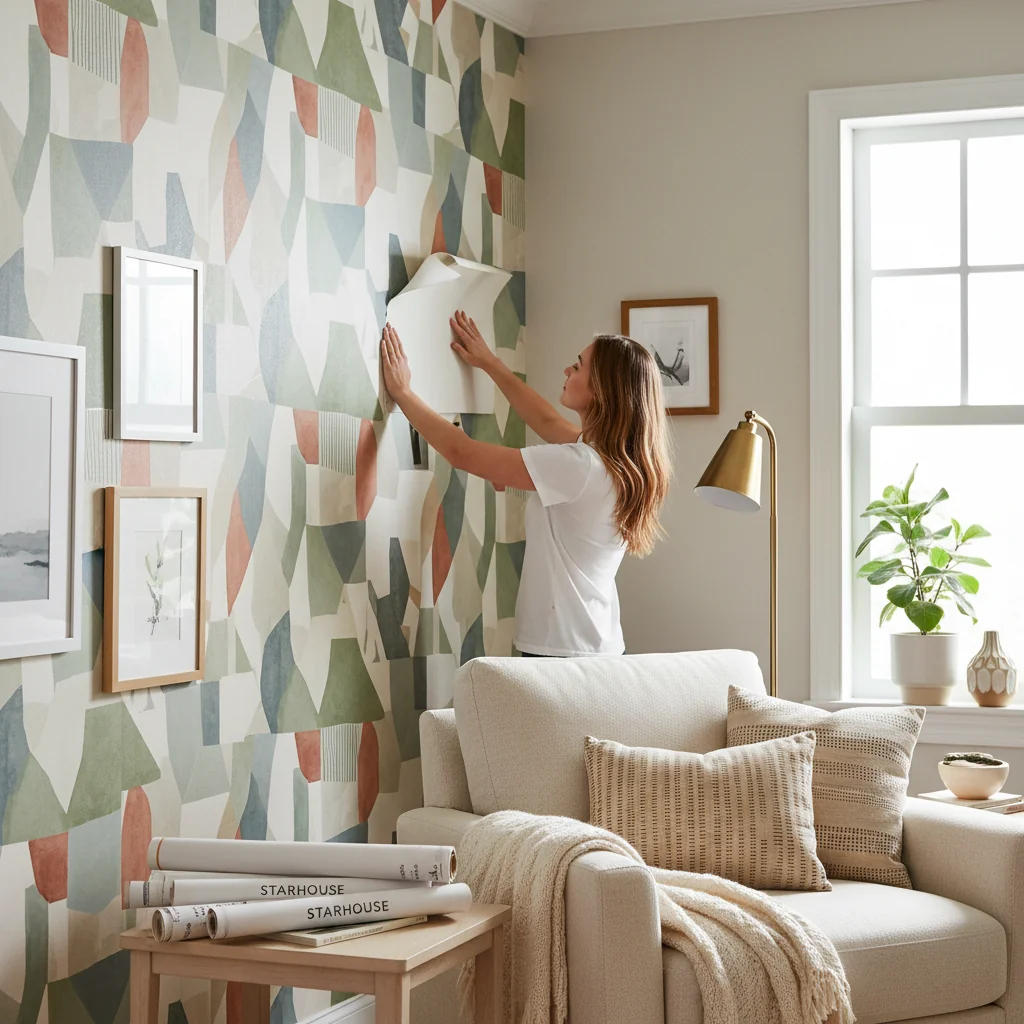
Wallpaper texture is the tactile and visual surface quality of wallpaper, ranging from subtly raised patterns to deeply embossed designs and natural fiber weaves, fundamentally influencing a room’s aesthetic and sensory experience. It adds depth, dimension, and character to walls, transforming a flat surface into a dynamic focal point that interacts uniquely with light and shadow. At Starhouse, we understand that selecting the right texture is as critical as choosing a pattern or color, as it dictates the mood, sophistication, and overall ambiance of any interior space.
Key takeaways
- Wallpaper texture introduces depth and dimension, significantly impacting a room’s visual and tactile appeal.
- A diverse range of textures exists, including embossed, flocked, grasscloth, and faux finishes, each offering distinct aesthetic and functional properties.
- Material choice, such as vinyl, natural fibers, or non-woven substrates, directly dictates the texture’s durability, cleanability, and overall look.
- Proper selection considers room function, lighting, existing decor, and desired mood to achieve a cohesive and impactful design.
- Accurate measurement, accounting for pattern repeat and waste, is essential for a seamless installation and to avoid material shortages.
- Current trends favor natural, tactile, and sophisticated faux textures, emphasizing biophilic design and subtle metallic accents.
- Care and maintenance vary significantly by texture type; understanding these requirements ensures the longevity and pristine appearance of your wallpaper.
Understanding Wallpaper Texture: More Than Just a Look
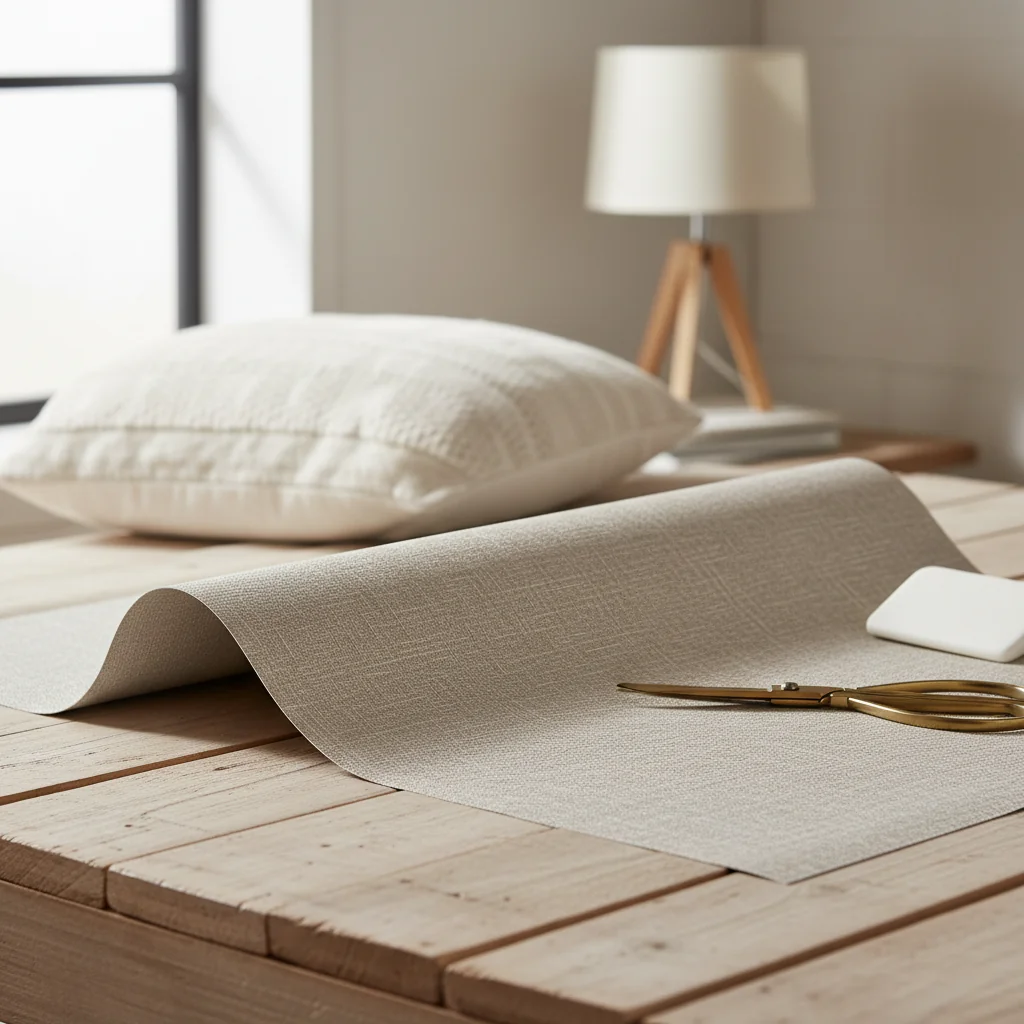
Wallpaper texture refers to the physical feel and visual appearance of a wallpaper’s surface, providing a tangible element that goes beyond flat color or pattern. This tactile quality is crucial in interior design, as it adds a layer of sophistication and sensory richness that flat surfaces cannot achieve. Texture interacts dynamically with light, creating subtle shadows and highlights that give walls depth and visual interest, making a room feel more inviting and layered.
The significance of texture extends to the overall perception of a space. A smooth, reflective texture can make a room feel expansive and modern, while a deeply embossed or natural fiber texture can imbue a space with warmth, coziness, and a sense of history. These textural variations are not merely aesthetic choices; they are strategic design elements that manipulate light, sound, and the perceived size of a room. For instance, a highly textured wall can absorb sound, contributing to a quieter environment, while a metallic texture can reflect light, brightening a dim space.
At Starhouse, we recognize that texture is a fundamental component of effective wall décor. It can evoke emotions, establish a design theme, and provide a sophisticated backdrop for furnishings and art. Understanding the nuances of different textures empowers you to make informed decisions that elevate your home’s interior, creating environments that are both visually stunning and physically engaging.
Wallpaper texture is the inherent surface characteristic of a wallpaper, offering both a visual and tactile quality that adds depth, dimension, and sensory appeal to walls. This characteristic can range from subtle, barely perceptible variations to prominent, three-dimensional designs. It is a critical design element that influences how a room feels and how light interacts with its surfaces. For example, a texture with a slight sheen will reflect more light, brightening a room, while a matte, deeply textured surface will absorb light, creating a cozier, more intimate atmosphere.
The tactile experience of texture is often overlooked but profoundly impacts our perception of a space. Running a hand across a grasscloth wall evokes a connection to nature, while touching a flocked pattern provides a luxurious, soft sensation. These sensory inputs contribute to the overall mood and comfort of a room. Designers frequently employ textured wallpapers to introduce a layer of complexity and refinement, preventing a room from appearing flat or one-dimensional. A textured wallpaper can serve as a subtle backdrop that complements other design elements or stand as a bold statement piece, depending on its specific characteristics and the overall design intent.
Furthermore, wallpaper texture plays a vital role in the acoustics of a room. Highly textured surfaces, particularly those made from natural fibers or deeply embossed materials, can help to diffuse sound waves, reducing echo and improving sound quality. This functional benefit is particularly valuable in large, open-plan spaces or rooms with hard flooring surfaces where sound reverberation can be an issue. In contrast, very smooth or metallic textures tend to reflect sound, which can be desirable in certain commercial or minimalist settings but less so in a residential living area aiming for tranquility.
The visual impact of texture is also deeply intertwined with the play of light. Natural light from a window or artificial light from a fixture will cast shadows and highlight the raised areas of a textured wallpaper, creating a dynamic effect that changes throughout the day. This interaction adds a living quality to the walls, making them feel less static. A finely woven texture might reveal intricate details under direct light, while a deeply grooved texture might create dramatic contrasts. This interplay of light and shadow is a powerful tool for adding visual interest and making a room feel more engaging and sophisticated.
Ultimately, choosing a wallpaper texture involves considering both its aesthetic contribution and its practical implications. It is about understanding how a particular texture will integrate with your existing furnishings, how it will perform in a specific environment, and what emotional response it will evoke. Starhouse curates options that allow you to explore this multifaceted aspect of design, ensuring that your walls become a testament to thoughtful and intentional styling.
The Spectrum of Textured Wallpaper Types
Different types of textured wallpaper offer distinct visual and tactile experiences, each bringing a unique character and functional advantage to an interior space. These variations stem from both the manufacturing process and the materials used, resulting in a broad spectrum of options from subtly raised patterns to highly three-dimensional surfaces. Understanding these types is essential for selecting a wallpaper that not only looks appealing but also performs optimally in its intended environment.
The diverse array of textured wallpapers allows for precise design choices, enabling homeowners and designers to achieve specific aesthetic goals, whether that’s adding rustic charm, modern sophistication, or classic elegance. Each type has inherent properties regarding durability, cleanability, and ease of installation, which are critical considerations beyond mere appearance. For example, a heavily embossed vinyl wallpaper will offer different practical benefits than a delicate natural grasscloth. At Starhouse, we emphasize the importance of matching the wallpaper type to the room’s function and desired ambiance, ensuring a harmonious and enduring design solution.
Here are some of the most prominent types of textured wallpaper:
- Embossed Wallpaper: This type features patterns that are pressed into the surface of the wallpaper during manufacturing, creating a raised, three-dimensional effect. The texture can vary from subtle, almost imperceptible undulations to prominent, sculptural designs. Embossed wallpapers add significant depth and interest without necessarily introducing a bold color or pattern. They are often paintable, allowing for custom color schemes while retaining the tactile dimension. Common applications include living rooms, dining rooms, and bedrooms where a refined, classic look is desired. The raised surfaces can also help to mask minor wall imperfections, making them a practical choice for older homes.
- Flocked Wallpaper: Flocked wallpaper is characterized by a soft, velvet-like texture created by applying tiny fibers (flock) onto a pattern or design on the wallpaper’s surface. This technique results in a luxurious, tactile finish that is reminiscent of traditional damask fabrics. Flocked wallpapers are typically used in formal settings such as master bedrooms, dining rooms, or powder rooms where a sense of opulence and grandeur is desired. Due to their delicate nature, they are generally less suitable for high-traffic areas or spaces prone to moisture. The soft surface also contributes to sound absorption, enhancing a room’s acoustic comfort.
- Grasscloth Wallpaper: Grasscloth is a natural fiber wallpaper made from woven plant materials such as sisal, jute, hemp, or reeds, backed with paper. Its distinctive texture is inherently organic, showcasing visible knots, strands, and variations in color that contribute to its unique, handcrafted appeal. Grasscloth introduces warmth, natural beauty, and a subtle, earthy elegance to a room. It is highly sought after for its biophilic qualities, connecting interiors with the natural world. Ideal for living rooms, studies, and bedrooms, it requires careful handling during installation and is generally not washable, making it less suitable for kitchens or bathrooms. The natural variations mean that seams are often visible, which is considered part of its charm rather than a flaw.
- Lincrusta Wallpaper: Lincrusta is a deeply embossed, highly durable wallcovering made from a gel of linseed oil and wood flour pressed onto a paper base. Invented in the late 19th century, it is renowned for its intricate, often architectural patterns that mimic carved wood, plasterwork, or leather. Lincrusta is exceptionally robust and long-lasting, capable of withstanding heavy wear and tear. It is typically supplied in its natural state and then painted, allowing for personalized finishes, including glazing or antiquing to highlight its detailed relief. It is ideal for grand entrances, historical restorations, and high-traffic commercial spaces where durability and a classic, ornate aesthetic are paramount.
- Anaglypta Wallpaper: Similar to Lincrusta in its embossed nature, Anaglypta is a more economical alternative, typically made from paper pulp and cotton. It features raised, often repetitive patterns that are designed to be painted. Anaglypta is highly effective at camouflaging imperfect walls due to its robust texture and ability to be painted multiple times. It offers a classic, decorative finish that can be customized with any paint color or finish, from matte to high-gloss. It is a versatile choice for hallways, living areas, and ceilings, providing architectural detail and texture at a more accessible price point than Lincrusta.
- Vinyl Wallpaper (Textured): Textured vinyl wallpapers are extremely popular due to their durability, washability, and versatility. They consist of a vinyl layer laminated to a paper or fabric backing, with textures often embossed directly into the vinyl. These textures can mimic a vast array of materials, including fabric weaves (linen, silk), faux leather, wood grain, stucco, or subtle geometric patterns. Solid vinyl and fabric-backed vinyl are particularly robust, making them excellent choices for high-traffic areas, kitchens, and bathrooms where moisture and frequent cleaning are concerns. They are resistant to scuffs and stains, offering long-term aesthetic appeal and functional performance.
- Beaded/Glass Bead Wallpaper: This luxurious type of wallpaper features tiny glass beads or other reflective particles adhered to its surface, creating a shimmering, sparkling effect. When light hits the beads, they refract and reflect, adding significant glamour and luminescence to a room. Beaded wallpapers are typically used as accent walls in bedrooms, powder rooms, or formal living areas where a dramatic, high-end statement is desired. Due to the delicate nature of the beads, these wallpapers require gentle handling and are not suitable for high-traffic or moisture-prone areas.
- Sand/Gritty Wallpaper: Characterized by a subtle, fine-grained texture that mimics the feel of sand or a lightly stuccoed wall, this wallpaper type adds a natural, understated depth. The texture is often created by incorporating fine particles into the wallpaper coating or by specific embossing techniques. It provides a soft, matte finish that can add warmth and organic appeal without being overtly patterned. Ideal for creating a serene backdrop in minimalist or contemporary spaces, it offers a tactile experience that is both subtle and engaging.
- Cork Wallpaper: Made from thin slices of natural cork bark adhered to a paper or non-woven backing, cork wallpaper offers a distinct, rustic, and organic texture. Its natural variations in color and pattern, along with its inherent tactile quality, bring warmth and an earthy feel to interiors. Cork is also known for its sound-dampening properties and sustainability. It is often used in studies, living rooms, and bedrooms to create a cozy, nature-inspired atmosphere. Like grasscloth, it requires careful installation and is not typically washable.
- Mica Wallpaper: Mica wallpaper incorporates small flakes of the mineral mica into its surface, creating a shimmering, iridescent, and somewhat crystalline texture. The metallic flecks catch and reflect light, adding a subtle sparkle and sophisticated glamour. Depending on the size and density of the mica flakes, the texture can appear subtly glittery or intensely reflective. It is often used in contemporary and luxurious settings, such as accent walls in living rooms, dining rooms, or powder rooms, to introduce a unique, high-end finish.
-
Faux Textures Wallpaper: This category encompasses wallpapers designed to mimic the appearance and often the texture of other materials. These are typically vinyl or non-woven papers with highly realistic printed designs and embossed textures. Popular faux textures include:
- Faux Wood Grain: Mimics various wood species, from rustic barn wood to polished oak, complete with grain patterns and sometimes embossed knots.
- Faux Brick/Stone: Replicates the rough, uneven surface of brick or natural stone, often with realistic mortar lines and color variations.
- Faux Concrete/Plaster: Creates the industrial chic look of raw concrete or the artistic, imperfect finish of Venetian plaster, complete with subtle irregularities.
- Faux Leather: Emulates the rich, supple texture of leather, often with stitching details or animal hide patterns.
- Faux Fabric Weaves: Replicates the look and feel of linen, tweed, burlap, or other woven textiles, adding a soft, inviting texture.
Faux textures offer the aesthetic benefits of costly or complex materials with the ease of wallpaper installation and often superior durability and cleanability. They are versatile and can be used to introduce specific architectural or material themes into a space without the associated expense or structural changes.
| Type | Primary Material | Key Characteristic | Durability/Cleanability | Ideal Application |
|---|---|---|---|---|
| Embossed | Paper, Vinyl, Non-woven | Raised, pressed patterns; often paintable. | Moderate to High; generally wipeable. | Living rooms, bedrooms, hallways; good for masking wall imperfections. |
| Flocked | Paper or Non-woven with fiber flocking | Soft, velvet-like tactile surface. | Low; delicate, not washable. | Formal living rooms, master bedrooms, powder rooms; accent walls. |
| Grasscloth | Natural fibers (sisal, jute) on paper backing | Organic, woven texture with visible strands/knots. | Moderate; not washable, delicate. | Living rooms, studies, bedrooms; biophilic designs. |
| Lincrusta | Linseed oil, wood flour on paper | Deeply embossed, highly sculptural, extremely durable. | Very High; washable, paintable. | Grand entrances, historical restorations, high-traffic areas. |
| Anaglypta | Paper pulp, cotton | Paintable, raised patterns; good for covering imperfections. | High; washable when painted, durable. | Hallways, living areas, ceilings; versatile for custom colors. |
| Vinyl (Textured) | Vinyl layer on paper or fabric backing | Mimics various materials; highly durable and washable. | Very High; highly washable, scuff-resistant. | Kitchens, bathrooms, high-traffic commercial and residential areas. |
| Beaded/Glass Bead | Paper or non-woven with glass beads | Shimmering, reflective, luxurious sparkle. | Low; delicate, not washable. | Accent walls in formal spaces, bedrooms, powder rooms. |
| Cork | Thin cork slices on paper/non-woven backing | Natural, rustic, organic, sound-dampening. | Moderate; not washable, delicate. | Studies, living rooms, bedrooms; nature-inspired themes. |
| Mica | Paper or non-woven with mica flakes | Iridescent, shimmering, crystalline surface. | Moderate; generally wipeable, can be delicate. | Accent walls in contemporary or luxurious settings. |
| Faux Textures | Vinyl or Non-woven with printed/embossed designs | Realistic imitation of wood, brick, concrete, fabric, leather. | High; often washable depending on base material. | Any room where a specific material aesthetic is desired without the cost/complexity. |
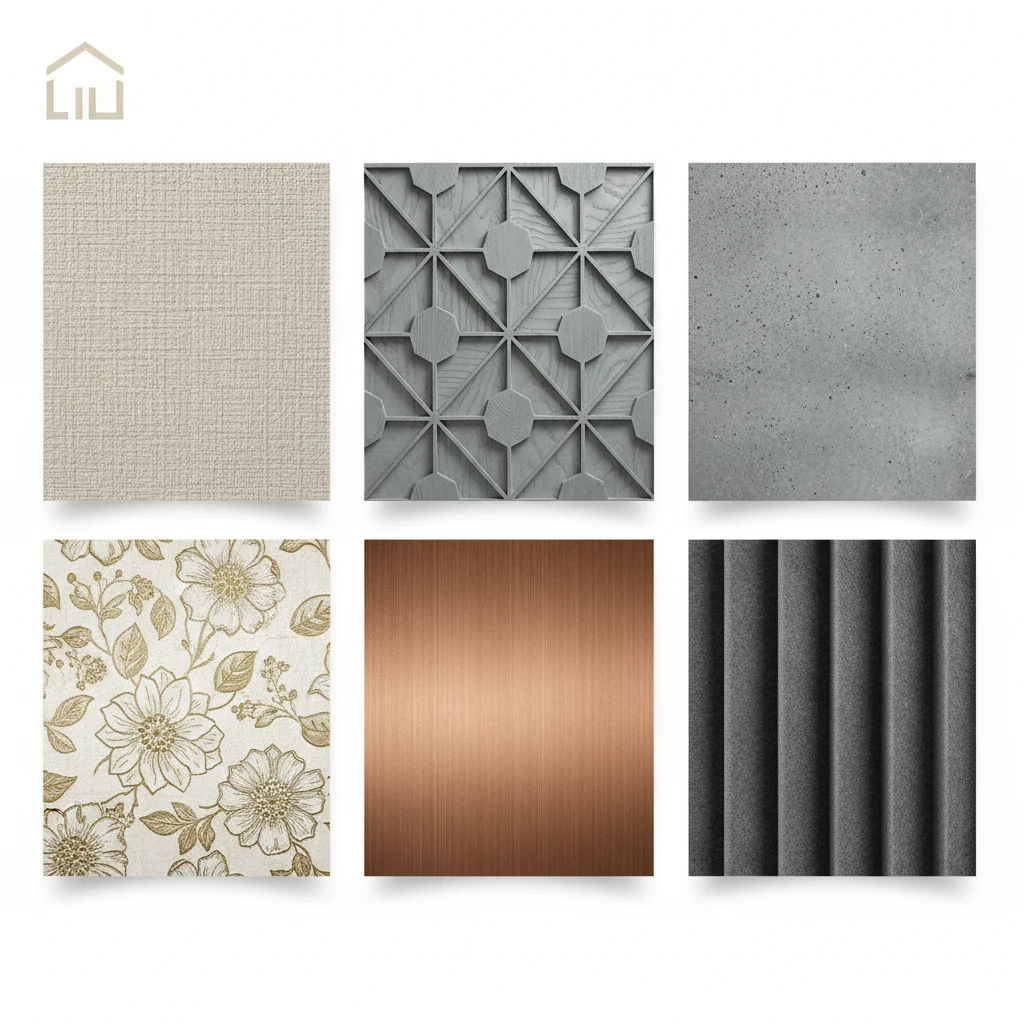
Exploring Common Materials and Their Textural Qualities
The material composition of wallpaper profoundly dictates its textural qualities, influencing not only its aesthetic appeal but also its durability, cleanability, and suitability for various environments. Understanding the base material is crucial for making an informed choice, as it directly impacts how the texture will look, feel, and perform over time. Each material category offers distinct advantages and inherent characteristics that contribute to the overall design impact of the wallpaper.
From robust vinyls designed for high-traffic areas to delicate natural fibers that bring organic warmth, the choice of material is a foundational decision in wallpaper selection. These materials are often combined or treated in specific ways to enhance their inherent textures or to create entirely new ones. For instance, paper can be embossed, while natural fibers are woven. At Starhouse, we emphasize that the material is not just a substrate; it is an integral part of the texture itself, defining its visual depth, tactile response, and long-term resilience.
Here’s an exploration of common wallpaper materials and their textural contributions:
-
Vinyl Wallpaper: Vinyl is one of the most versatile and durable wallpaper materials, widely used for its ability to mimic various textures and its practical benefits.
- Solid Vinyl: This type features a solid layer of vinyl laminated to a paper or fabric backing. The vinyl surface is highly durable, water-resistant, and washable, making it ideal for high-traffic areas, kitchens, and bathrooms. Textures are typically embossed into the vinyl, creating realistic simulations of fabric weaves, stucco, leather, or subtle geometric patterns. The texture is usually consistent and maintains its integrity even with frequent cleaning.
- Fabric-backed Vinyl: Also known as commercial-grade vinyl, this material is composed of a solid vinyl surface laminated to a fabric backing (usually cotton or polyester). It is exceptionally robust and tear-resistant, designed for demanding environments. The heavier vinyl layer allows for deeper, more pronounced embossing, creating highly dimensional textures that can mimic natural materials like stone or wood with remarkable realism. Its durability and cleanability are paramount for commercial and heavy-duty residential applications.
- Non-Woven Wallpaper: Non-woven wallpaper is a highly breathable and durable wallcovering made from a blend of natural and synthetic fibers, offering excellent dimensional stability and ease of installation and removal. This material is increasingly popular due to its eco-friendly properties and user-friendliness. While inherently smooth, non-woven substrates can be printed with textured patterns or lightly embossed to create subtle tactile effects. They often feature a matte finish, which enhances the perception of depth when textured. Non-woven wallpapers are known for their “paste the wall” application, making them easier to hang and remove without damaging the wall. They are suitable for various rooms, offering good durability and breathability.
-
Natural Fiber Wallpaper: This category encompasses wallpapers made from organic plant materials, bringing inherent texture, warmth, and a connection to nature.
- Grasscloth: As detailed previously, grasscloth is made from woven natural fibers like jute, sisal, or hemp. Its texture is characterized by visible strands, knots, and slight irregularities, which are part of its appeal. It offers a unique organic, tactile surface that adds depth and understated elegance. Its natural variations mean that no two rolls are identical, contributing to a unique, handcrafted look.
- Cork: Thin sheets of cork bark, typically from sustainable sources, are adhered to a paper or non-woven backing. Cork wallpaper offers a distinct, rustic texture with visible pores and natural patterns. It is naturally sound-absorbent and adds a warm, earthy feel.
- Linen/Silk Blends: Some wallpapers incorporate actual textile fibers like linen or silk (or their synthetic imitations) into their surface, creating a soft, fabric-like texture. These can be woven or pressed onto a backing, offering a luxurious, tactile finish that mimics fine drapery.
-
Paper-Based Wallpaper: Traditional paper wallpapers serve as a base for various textures, though they are generally less durable than vinyl or non-woven options.
- Uncoated Paper: This offers a matte, soft finish that can be embossed to create subtle textures like fine lines, stipples, or delicate patterns. It is breathable but less durable and washable than coated papers.
- Coated Paper: A layer of acrylic or PVC is applied to the paper surface, making it more durable, wipeable, and capable of holding more pronounced embossed textures. The coating also allows for richer color saturation and printed textures that can mimic other materials.
- Anaglypta/Lincrusta: These are specialized paper-based wallcoverings where the paper pulp is deeply embossed to create significant three-dimensional patterns, designed for painting. Their texture is a defining characteristic, providing architectural detail and hiding wall imperfections.
- Textile Wallpaper: True textile wallpapers feature fabric woven onto a paper or non-woven backing. These offer genuine fabric textures, from the plushness of velvet to the crispness of linen or the intricate patterns of jacquard. They are typically luxurious and add significant warmth and sound absorption. However, they are often delicate, not washable, and can be more challenging to install. The texture is authentic, providing a rich, soft, and inviting surface.
-
Metallic Wallpaper: These wallpapers incorporate metallic elements to create reflective and shimmering textures.
- Foil Wallpaper: Features a thin layer of metallic foil (often aluminum) laminated to a paper backing. The foil can be smooth and highly reflective, or it can be embossed, crumpled, or distressed to create textured effects that catch and diffuse light. This creates a dramatic, glamorous, or industrial look.
- Mica Wallpaper: As mentioned, mica flakes embedded in the surface create a sparkling, crystalline texture that offers a subtle shimmer and depth.
- Iridescent/Pearlescent Finishes: These are applied to various base materials to create a subtle, shifting sheen that hints at texture, even on relatively smooth surfaces. The light refraction creates a perceived texture that changes with viewing angles.
Each material brings its own set of aesthetic and functional attributes. Vinyl offers unparalleled durability and versatility in texture imitation, making it a workhorse in both residential and commercial settings. Natural fibers provide an authentic, organic feel that connects spaces to the outdoors, albeit with specific care requirements. Non-wovens balance ease of use with good durability, while specialized paper-based textures like Lincrusta offer historical depth and robustness. The careful consideration of these materials and their inherent textures is fundamental to achieving a cohesive and enduring design vision.
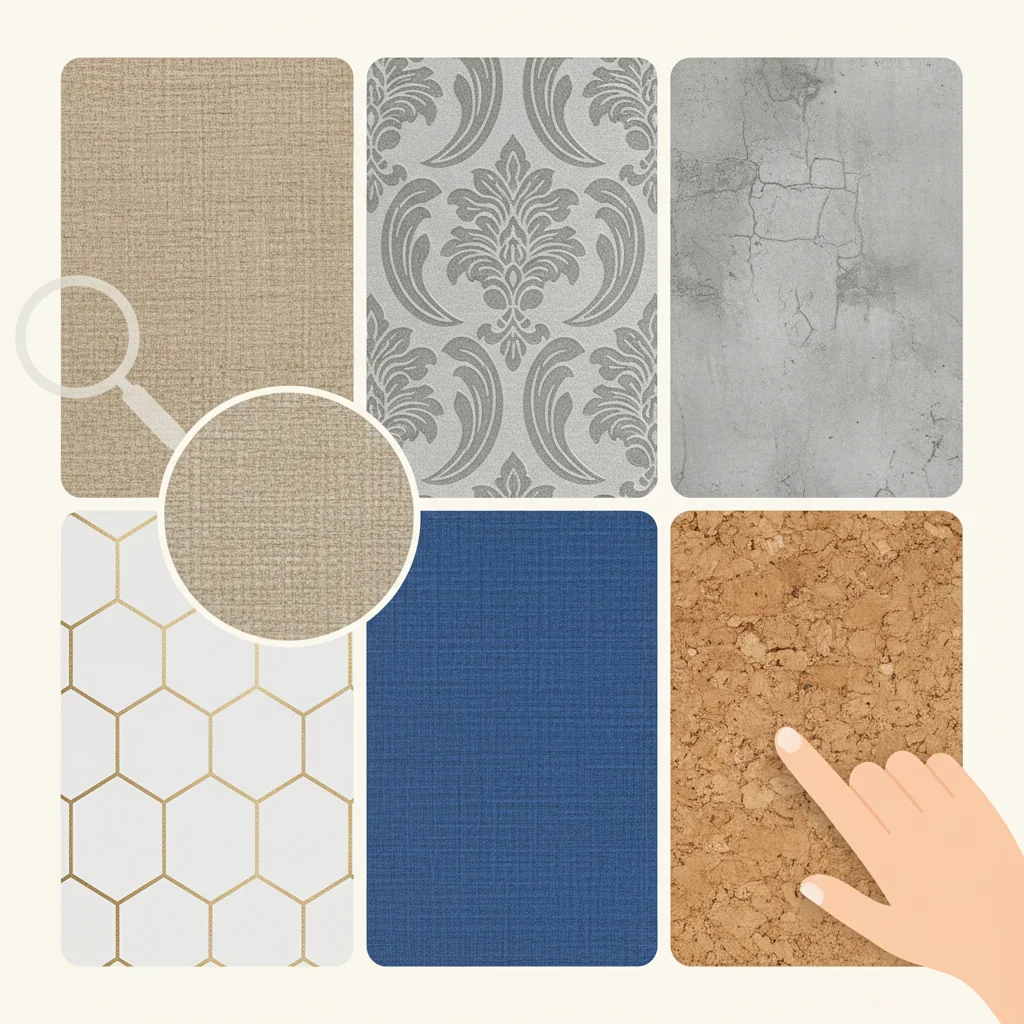
How to Choose the Right Textured Wallpaper for Your Space
Selecting the right textured wallpaper involves a strategic assessment of your room’s function, existing decor, lighting conditions, and the desired aesthetic mood, ensuring the chosen texture enhances rather than overwhelms the space. This deliberate approach ensures that the wallpaper contributes positively to the room’s overall design narrative and practical requirements. A well-chosen texture can elevate a room from ordinary to extraordinary, adding layers of visual interest and tactile appeal.
The decision-making process requires more than just visual appeal; it demands consideration of how the texture will perform in a specific environment, how it interacts with other design elements, and what kind of atmosphere it will cultivate. For example, a heavily textured wallpaper in a small, dimly lit room might feel oppressive, whereas the same texture in a large, bright space could provide inviting depth. Starhouse recommends a holistic view, integrating both form and function to achieve a harmonious and effective design solution.
Consider the following factors when making your selection:
1. Room Function and Traffic Level
- High-Traffic Areas (Hallways, Entryways, Kids’ Rooms): These spaces demand highly durable and washable textures. Textured vinyl wallpapers, especially fabric-backed commercial grades, are excellent choices. They resist scuffs, are easy to clean, and their embossed textures can effectively hide minor impacts or imperfections. Avoid delicate materials like grasscloth, flocked, or beaded wallpapers in these areas, as they are prone to damage and difficult to clean.
- Moisture-Prone Areas (Kitchens, Bathrooms, Laundry Rooms): Washability and moisture resistance are paramount here. Textured vinyl wallpapers are the clear winner due to their ability to withstand humidity and splashes. Look for textures that are specifically labeled as “scrubbable” or “washable.” Natural fibers like grasscloth or cork are generally not suitable as they can absorb moisture and are difficult to clean.
- Formal Spaces (Dining Rooms, Master Bedrooms, Formal Living Rooms): These rooms allow for more luxurious and delicate textures. Flocked, beaded, silk, or deeply embossed Lincrusta wallpapers can create an opulent and sophisticated atmosphere. Grasscloth or fine linen textures can add understated elegance and warmth. Since these areas typically experience less wear and tear, the focus can shift more towards aesthetic richness.
- Studies and Home Offices: Consider textures that evoke calm, focus, or inspiration. Cork wallpaper provides natural sound absorption and an organic feel. Subtle faux textures like linen or plaster can create a serene yet sophisticated backdrop. Avoid overly busy or reflective textures that might be distracting.
2. Lighting Conditions
- Rooms with Abundant Natural Light: These spaces can handle a wider range of textures. Deeply embossed or heavily patterned textures will create dynamic shadows and highlights throughout the day, adding visual interest. Metallic or mica textures will shimmer and sparkle beautifully, enhancing the brightness. Even matte, natural textures will appear rich and inviting.
- Rooms with Limited Natural Light: In darker rooms, choose textures that reflect light to brighten the space. Subtle metallic finishes, pearlescent textures, or lightly embossed vinyls with a slight sheen can help. Avoid very dark, matte, or heavily textured wallpapers that absorb light, as they can make the room feel smaller and more enclosed. Lighter colors with subtle texture are often best.
- Artificial Lighting: Consider how your artificial light sources (overhead, task, accent) will interact with the texture. Uplighting or downlighting can dramatically emphasize a raised texture, creating dramatic effects. Beaded or metallic wallpapers will sparkle under direct light, while deeply embossed patterns will cast pronounced shadows. Test samples under your actual lighting conditions.
3. Scale and Proportion
- Small Rooms: Generally, opt for smaller, more subtle textures. Overly large or busy textures can overwhelm a small space, making it feel cramped. Fine grasscloth, subtle linen weaves, or lightly embossed patterns in light colors work well. Vertical textures can help to visually heighten a low ceiling.
- Large Rooms: Large spaces can accommodate bolder, more expansive textures. Deeply embossed Lincrusta, large-scale faux brick, or prominent geometric textures can fill the wall space without feeling overwhelming. These textures can help to define zones or create a grand statement.
- Ceiling Height: Vertical textures can make a ceiling appear higher, while horizontal textures can make a room feel wider. Consider the overall proportion of the room when selecting a texture’s directionality.
4. Existing Decor and Style
- Complement or Contrast: Decide if you want the textured wallpaper to blend seamlessly with your existing furniture and textiles or to provide a deliberate contrast. For example, a smooth, modern sofa might be beautifully complemented by a rustic faux concrete texture, or a traditional antique piece might be enhanced by a classic damask flock.
- Color Palette: Ensure the texture’s color and undertones harmonize with your room’s existing palette. Even neutral textures have subtle undertones (warm beige, cool gray) that must be considered.
-
Overall Aesthetic:
- Modern/Minimalist: Subtle sand textures, faux concrete, or fine linen weaves in muted tones.
- Rustic/Farmhouse: Faux wood, faux brick, grasscloth, cork.
- Traditional/Classic: Embossed damask, flocked patterns, Lincrusta, classic Anaglypta.
- Glamorous/Luxurious: Beaded, mica, metallic foil, silk-effect vinyl.
- Industrial: Faux concrete, distressed metallic, brick.
The texture should reinforce your chosen design style, not conflict with it.
5. Desired Mood and Ambiance
- Cozy and Intimate: Deep, matte textures like grasscloth, cork, or deeply embossed patterns in warm, darker tones create a sense of enclosure and comfort.
- Grand and Formal: Flocked, Lincrusta, or richly embossed patterns with a subtle sheen in classic colors evoke elegance and formality.
- Serene and Calm: Subtle, fine textures like linen weaves, sand textures, or light non-wovens in soft, muted colors promote tranquility.
- Energetic and Dynamic: Bold geometric textures, highly reflective metallics, or vibrant faux textures can inject energy and visual excitement.
6. Sample Testing
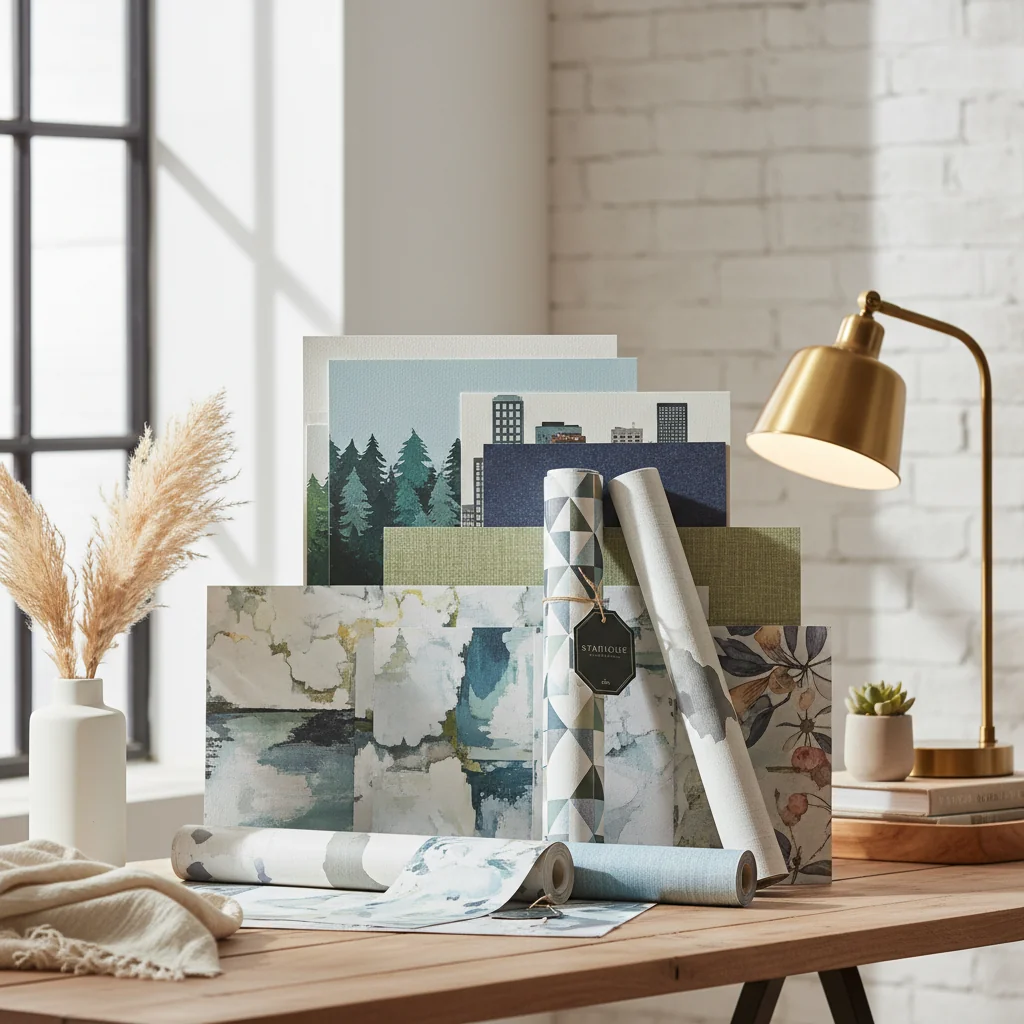
Always order samples of your preferred textured wallpapers. Hang them on your wall and observe them at different times of day and night, under both natural and artificial light. This allows you to see how the texture interacts with your specific room conditions, furniture, and paint colors. What looks perfect in a small swatch might appear different on a large wall.
Choosing the right textured wallpaper is a process of thoughtful consideration and visualization. By carefully evaluating these factors, you can select a texture that not only meets your aesthetic desires but also performs optimally, creating a space that feels uniquely yours.
As you envision the perfect textured wallpaper to transform your home, remember that Starhouse is curating a collection designed to meet every aesthetic and functional need. We invite you to share your vision and tell us what you’re looking for, helping us tailor our offerings to your precise desires. Tell us what you’re looking for and get early access to our exclusive collection.
Precise Sizing and Measurement for Textured Wallpaper
Accurate sizing and measurement are absolutely crucial for a successful textured wallpaper installation, ensuring a seamless finish, minimizing waste, and preventing costly shortages. Unlike flat wallpapers, textured patterns, especially those with significant repeats or natural variations like grasscloth, demand even more meticulous calculation to align patterns correctly and account for material characteristics. Precise measurements are the foundation of a professional-looking result, guaranteeing that your chosen texture can be installed without visible discrepancies or frustrating gaps.
Underestimating the importance of precise measurements can lead to visible seams, misaligned patterns, or running out of wallpaper mid-project, which can be particularly problematic with natural or custom-run textures that are hard to match. Starhouse emphasizes that investing time in thorough measurement and calculation prevents common installation pitfalls, ensuring that the beauty of your textured wallpaper is fully realized. This process requires a few simple tools and a systematic approach to account for all variables in your space.
Tools You Will Need:
- Measuring tape (preferably a long, retractable one)
- Pencil
- Notebook or paper for calculations
- Level or laser level (for ensuring straight lines)
- Calculator
Step-by-Step Measurement Guide:
1. Measure Wall Height and Width:
Measure each wall individually, even if they appear to be the same size. Walls are rarely perfectly square or uniform. Measure from the top of the baseboard to the ceiling line for height, and from corner to corner for width.
- Height: Measure the height of each wall in at least three different places (left, center, right). Use the tallest measurement for your calculations to ensure you have enough length for each strip.
- Width: Measure the width of each wall from corner to corner.
2. Account for Doors, Windows, and Architectural Features:
While you subtract the area of large openings like doors and windows from the total square footage to reduce waste, you still need to ensure you have enough material to go around them. Treat these areas as if they were solid walls for initial strip calculations, then adjust for cutouts.
- Measure the width and height of all doors, windows, and built-in features (e.g., shelving units, fireplaces) on each wall.
- Calculate their individual square footage.
3. Calculate Total Square Footage:
- For each wall, multiply its measured width by its measured height to get the square footage.
- Sum the square footage of all walls you intend to wallpaper to get the total gross square footage.
- Subtract the square footage of doors and windows from the total gross square footage to get a net square footage. This net figure is useful for estimating, but the number of rolls needed will primarily be determined by the number of strips.
4. Understand Wallpaper Roll Dimensions:
Wallpaper is sold in rolls, and dimensions can vary. In the U.S., standard single rolls are typically 20.5 inches wide by 33 feet long (approximately 56 square feet). However, wallpaper is often packaged and sold as “double rolls,” which are twice the length of a single roll (e.g., 20.5 inches wide by 66 feet long, covering ~112 square feet). Always verify the exact dimensions and square footage coverage per roll provided by the manufacturer.
5. Factor in Pattern Repeat:
This is a critical step for textured wallpapers, especially those with a distinct pattern or visual flow (e.g., faux brick, large geometric textures). Pattern repeat is the vertical distance between where the pattern exactly repeats itself. You must account for this repeat when cutting strips to ensure a continuous pattern across your wall.
- No Match/Random Match: No pattern repeat to worry about. You can reverse strips if desired (check manufacturer guidelines).
- Straight Match: The pattern matches across strips at the same height. Add the pattern repeat length to your cut strip length for every *other* strip to ensure alignment.
- Drop Match (Offset Match): The pattern matches every other strip, but it’s offset horizontally. This requires more material as you need to shift the pattern to align. Add half the pattern repeat to your cut length for each strip.
- Natural Textures (e.g., Grasscloth, Cork): While they don’t have a repeating pattern, they have natural variations. You still need to consider a small buffer for trimming and matching the natural flow or color variation between strips. Seams are often visible and considered part of the charm.
For each strip, you will need to cut a length equal to your wall height PLUS the pattern repeat (if applicable) PLUS an extra 4-6 inches for trimming at the top and bottom. This trim allowance is essential for achieving perfectly straight lines at the ceiling and baseboard.
6. Calculate the Number of Strips Needed:
- Divide the total width of your wall(s) (in inches) by the width of one wallpaper strip (in inches). This gives you the total number of strips required.
- Example: A 12-foot wide wall (144 inches) with 20.5-inch wide wallpaper: 144 / 20.5 = 7.02. You will need 8 full strips. Always round up to the next whole number.
7. Calculate the Number of Rolls Needed:
- Determine how many full strips you can get from one roll.
- Convert the roll length to inches (e.g., 33 feet * 12 inches/foot = 396 inches for a single roll).
- Divide the roll length (in inches) by the length of one cut strip (wall height + pattern repeat + trim allowance). Round down to the nearest whole number to get the number of usable strips per roll.
- Divide the total number of strips needed for your room by the number of usable strips per roll. Round up to the next whole number. This is the minimum number of rolls you should purchase.
8. Add a Waste Factor (Overage):
Always purchase an additional 10-15% more wallpaper than your calculated minimum, especially for textured patterns or natural materials. This overage accounts for:
- Pattern matching adjustments.
- Minor installation errors (e.g., miscuts, tears).
- Future repairs (having a leftover roll ensures a perfect match if a section needs replacement years down the line).
- Natural variations in materials like grasscloth, where you might need to select specific parts of a roll for best aesthetic matching.
It is far better to have a leftover roll than to run out and find that your specific dye lot or texture is no longer available. Different dye lots can have subtle color or texture variations that will be noticeable on the wall.
By following these precise measurement and calculation steps, you ensure that your textured wallpaper project proceeds smoothly, resulting in a beautifully finished space that highlights the unique character of your chosen texture.
Current Trends in Textured Wallpaper Design
Current trends in textured wallpaper design emphasize natural materials, tactile experiences, and sophisticated faux textures, reflecting a broader shift towards biophilic design, comfort, and sustainable aesthetics. These trends move beyond purely visual patterns, focusing on surfaces that engage multiple senses and contribute to a more holistic and inviting interior environment. The demand for depth and authenticity drives the innovation in textured wallpaper, offering solutions that are both visually captivating and tangibly engaging.
Designers and homeowners are increasingly seeking ways to add character and warmth to their spaces without overwhelming them with bold colors or intricate motifs. Textured wallpapers provide this solution, offering a subtle yet impactful way to introduce personality and refinement. From the serene appeal of woven fibers to the urban edge of faux concrete, these trends reflect a desire for spaces that feel lived-in, layered, and deeply connected to their surroundings. Starhouse observes these shifts, curating options that align with contemporary desires for sophisticated, sensory-rich interiors.
Key Trends Shaping Textured Wallpaper in 2026:
-
Biophilic and Natural Textures: This trend is paramount, reflecting a universal desire to connect with nature indoors.
- Grasscloth and Woven Naturals: Always a classic, grasscloth (jute, sisal, linen) continues its strong presence, offering organic variations, visible weaves, and earthy tones that bring warmth and tranquility. New iterations include finer weaves and more varied natural fiber blends.
- Cork and Wood Veneer: Thin slices of cork and even real wood veneers applied to wallpaper backings provide authentic, sustainable textures with inherent sound-dampening qualities and a unique tactile experience.
- Botanical Textures: While not strictly natural fibers, wallpapers with embossed leaf patterns, subtle floral motifs in relief, or textures mimicking tree bark fall under this biophilic umbrella, offering a subtle nod to the natural world.
-
Subtle Metallic Sheens and Iridescence: Metallics are evolving from overt glitter to sophisticated, understated sheens.
- Mica and Mineral Flakes: Wallpapers incorporating fine mica or other mineral flakes create a delicate shimmer and crystalline texture that catches light subtly, adding luxury without being ostentatious.
- Brushed Metals: Faux textures mimicking brushed brass, aged bronze, or oxidized copper offer an industrial-chic yet refined look, providing a gentle metallic luster rather than a high-gloss reflection.
- Iridescent Finishes: Surfaces with a pearlescent or iridescent quality shift color and sheen depending on the viewing angle, creating dynamic, living textures that are constantly evolving.
-
Faux Concrete, Plaster, and Stucco Effects: The industrial and wabi-sabi aesthetics continue to drive demand for textures that mimic raw, architectural surfaces.
- Distressed Concrete: Wallpapers that replicate the subtle imperfections, color variations, and granular texture of raw or distressed concrete add an urban, minimalist edge.
- Venetian Plaster/Stucco: Faux finishes that emulate the layered, often subtly variegated texture of traditional plasterwork create depth and a handcrafted feel, ranging from smooth to subtly rough.
-
Large-Scale Abstract Textures: Moving beyond repetitive patterns, designers are embracing abstract, organic textures that cover entire walls as art installations.
- These can be subtle undulating waves, geological formations, or abstract interpretations of natural elements, often in monochromatic or tonal palettes, relying entirely on texture and shadow for impact.
-
Woven Textiles and Fabric Mimicry: The comfort and warmth of textiles are being translated into durable wallpaper formats.
- Linen and Tweed Looks: Wallpapers that realistically mimic the weave and feel of linen, tweed, burlap, or raw silk add a soft, inviting texture and sophisticated depth. These often come in neutral or muted colorways, allowing the texture to be the star.
- Subtle Geometric Weaves: Textured wallpapers with very fine, almost imperceptible geometric weaves add a modern touch without being overtly patterned, relying on light to highlight their intricate structure.
-
Geometric Textures in Relief: While bold geometric patterns are classic, the trend is towards geometric shapes created through embossed relief rather than just printed lines.
- These textures create a sculptural effect, with light and shadow emphasizing the angles and curves, adding architectural interest and a contemporary feel.
-
Ombre and Gradient Textures: The seamless transition of color, combined with a subtle texture, creates a soft, ethereal effect.
- These textures often feature a fine stipple or linen-like weave that enhances the color gradient, adding depth to the transition.
- Sustainable and Eco-Friendly Textures: Beyond natural fibers, there is a growing demand for wallpapers made from recycled content or produced with environmentally responsible methods, often featuring inherent, subtle textures from their composition.
These trends collectively point towards a preference for wallpapers that offer more than just a visual experience. They seek to engage the sense of touch, interact dynamically with light, and contribute to the overall well-being and aesthetic richness of a space. Textured wallpaper is no longer just a background; it is a key player in defining the character and sensory landscape of modern interiors.
Mastering Care and Maintenance for Textured Surfaces
Proper care and maintenance are essential for preserving the beauty and extending the lifespan of textured wallpaper, with specific cleaning methods varying significantly based on the material and texture type. Understanding these distinct requirements ensures that your investment remains pristine and continues to enhance your home’s aesthetic for years to come. Neglecting proper care can lead to premature wear, damage, or discoloration, diminishing the very qualities that make textured wallpaper so appealing.
The intricate surfaces of textured wallpapers, whether deeply embossed or naturally woven, can trap dust and require gentle handling to avoid damage. A “one-size-fits-all” cleaning approach is ineffective and potentially harmful. Starhouse advocates for a tailored maintenance strategy, acknowledging that the durability and washability classifications provided by manufacturers are critical guidelines. Adhering to these specific care instructions is paramount for maintaining the integrity and visual appeal of your textured wallcoverings.
General Guidelines for All Textured Wallpapers:
- Regular Dusting: The most fundamental step for all textured wallpapers is regular, gentle dusting. Use a soft, clean microfiber cloth, a feather duster, or the brush attachment of your vacuum cleaner on a low setting. Dusting prevents buildup in the crevices of embossed patterns or between the fibers of natural materials, which can be harder to remove later. Perform this weekly or bi-weekly.
- Test in an Inconspicuous Area: Before applying any cleaning solution or method to a visible part of your wallpaper, always test it on a small, hidden area (e.g., behind a door, inside a closet, or a leftover scrap). This ensures the solution will not cause discoloration, damage, or alter the texture.
- Avoid Abrasive Cleaners and Tools: Never use harsh chemical cleaners, abrasive sponges, or stiff brushes on any wallpaper, especially textured varieties. These can strip finishes, damage delicate fibers, or abrade embossed patterns, leading to irreversible damage.
- Immediate Spot Cleaning: Address spills or stains immediately. The longer a stain sits, the harder it is to remove, particularly on porous or absorbent textured surfaces.
Specific Care by Wallpaper Type:
1. Washable and Scrubbable Vinyl (Textured):
Washable wallpaper is a wallcovering designed to withstand gentle cleaning with a damp cloth and mild soap without causing damage or fading.
- Characteristics: Highly durable, water-resistant, often embossed to mimic other textures. These are typically labeled “washable,” “scrubbable,” or “extra-scrubbable.”
- Cleaning Method:
- For light dirt: Wipe gently with a soft, damp (not soaking wet) cloth.
- For heavier stains: Use a soft sponge or cloth dampened with a solution of mild dish soap and warm water. Wipe the stained area gently.
- Rinse: Wipe again with a clean, damp cloth to remove any soap residue.
- Dry: Pat dry with a clean, soft towel to prevent water spots.
- Frequency: As needed for spills, or periodically for general cleaning in high-traffic areas.
2. Natural Fiber Wallpapers (Grasscloth, Cork):
- Characteristics: Made from woven plant fibers or natural cork; porous, delicate, and generally not washable. Visible seams and natural variations are inherent.
- Cleaning Method:
- Dusting: Essential and often the only safe cleaning method. Use a soft, dry cloth, feather duster, or vacuum with a brush attachment on a very low setting. Always dust in the direction of the weave.
- Spot Cleaning (Extreme Caution): For very minor, non-greasy marks, you might try gently dabbing with a clean, dry white eraser (gum eraser). For liquid spills, blot immediately with a clean, dry cloth; do NOT rub. Any liquid will likely leave a permanent mark or stain the fibers.
- Avoid Moisture: Do not use water or liquid cleaners. Moisture can cause shrinking, discoloration, mildew, or damage to the fibers and backing.
- Frequency: Regular dusting (weekly/bi-weekly) is crucial. Spot clean only when absolutely necessary and with extreme care.
3. Flocked Wallpaper:
- Characteristics: Features a raised, velvet-like fiber texture; delicate and easily damaged by moisture or abrasion.
- Cleaning Method:
- Dusting: Use a soft, dry brush (like a soft-bristled clothes brush) or a feather duster. Gently brush downwards to remove dust from the flock. A vacuum with a very soft brush attachment on the lowest setting can also be used carefully.
- Avoid Moisture: Flocked wallpaper is not washable. Water can flatten the flock, cause discoloration, or damage the adhesive.
- Spot Cleaning: For very light, dry debris, a lint roller might be used with extreme caution. For any stains, professional cleaning is recommended, but success is not guaranteed.
- Frequency: Regular, gentle dusting.
4. Embossed and Anaglypta Wallpaper (Paintable):
- Characteristics: Raised patterns designed to be painted. The durability and washability depend heavily on the type of paint used.
- Cleaning Method:
- Dusting: Use a soft brush or vacuum attachment to remove dust from the raised patterns.
- Painted Surfaces: If painted with washable latex or acrylic paint, clean as you would a painted wall – gentle wiping with a damp cloth and mild soap. Ensure the paint is fully cured before cleaning.
- Unpainted: Unpainted embossed paper is generally not washable and should only be dry-dusted.
- Frequency: As needed, according to the paint’s durability.
5. Beaded and Mica Wallpaper:
- Characteristics: Features delicate beads or mica flakes adhered to the surface; prone to shedding or damage with rough handling.
- Cleaning Method:
- Dusting: Use a very soft, dry brush or feather duster to gently remove dust. Avoid rubbing or applying pressure, which can dislodge the beads or flakes.
- Avoid Moisture: Generally not washable. Water can loosen adhesive or dull the sparkle.
- Frequency: Gentle, regular dusting.
Tips for Longevity:
- Control Humidity: Maintain consistent indoor humidity levels (typically 30-50%) to prevent wallpaper from lifting, shrinking, or developing mildew, especially for natural fiber and paper-based textures.
- Protect from Direct Sunlight: Prolonged exposure to direct sunlight can fade colors and degrade materials, particularly natural fibers. Use blinds or curtains to protect walls.
- Ventilate Rooms: Ensure good ventilation in kitchens and bathrooms to minimize moisture buildup, even with washable wallpapers.
By adhering to these specific care instructions, you can ensure your textured wallpaper maintains its exquisite appearance and tactile appeal for many years, preserving the aesthetic integrity of your interior design.
Styling and Pairing Textured Wallpaper with Your Decor
Textured wallpaper enhances a room’s aesthetic by introducing depth, visual interest, and a unique tactile dimension, requiring careful consideration of complementary elements to achieve a cohesive and sophisticated design. Its ability to transform a flat surface into a dynamic backdrop makes it a powerful tool for layering, defining zones, and establishing a distinct mood within any space. Effective styling means integrating the wallpaper seamlessly with furniture, textiles, lighting, and art, ensuring every component contributes to a unified vision.
The tactile nature of textured wallpaper invites interaction and adds a sensory richness that printed patterns alone cannot provide. When paired thoughtfully, it can elevate a room’s perceived value and comfort, creating an environment that feels both luxurious and inviting. Starhouse believes that successful styling is about balance—contrasting smooth with rough, soft with hard, and subtle with bold—to create an engaging and harmonious interior that reflects personal style and sophistication.
Key Strategies for Styling and Pairing:
1. Layering Textures for Depth and Interest:
One of the most effective ways to use textured wallpaper is as a foundational layer in a rich textural palette. Don’t let the wallpaper be the only texture in the room; instead, build upon it.
- Mix and Match: If your wallpaper is a rough, organic grasscloth, pair it with soft velvet upholstery, sleek metallic accents, and smooth ceramic or glass decor. Conversely, a smooth, subtly embossed wallpaper can be contrasted with chunky knit throws, woven baskets, and wooden furniture to add warmth.
- Vary Finishes: Combine matte textured walls with glossy furniture, polished metals, or reflective surfaces. The contrast in finishes will highlight both the wallpaper’s texture and the smoothness of other elements, creating visual intrigue.
- Consider Textiles: Introduce throws, pillows, rugs, and curtains in varying textures (silk, linen, wool, faux fur) that either complement or provide a soft counterpoint to the wall texture. For instance, a faux concrete wallpaper can be softened by a plush rug and linen drapes.
2. Complementary Colors and Patterns:
Textured wallpaper often comes in solid colors or subtle patterns, making it an excellent choice for pairing with more pronounced patterns elsewhere in the room.
- Monochromatic Schemes: Use a textured wallpaper in a slightly different shade or tone than your paint color to add depth to a monochromatic room. The texture itself becomes the “pattern” and adds visual interest without introducing new colors.
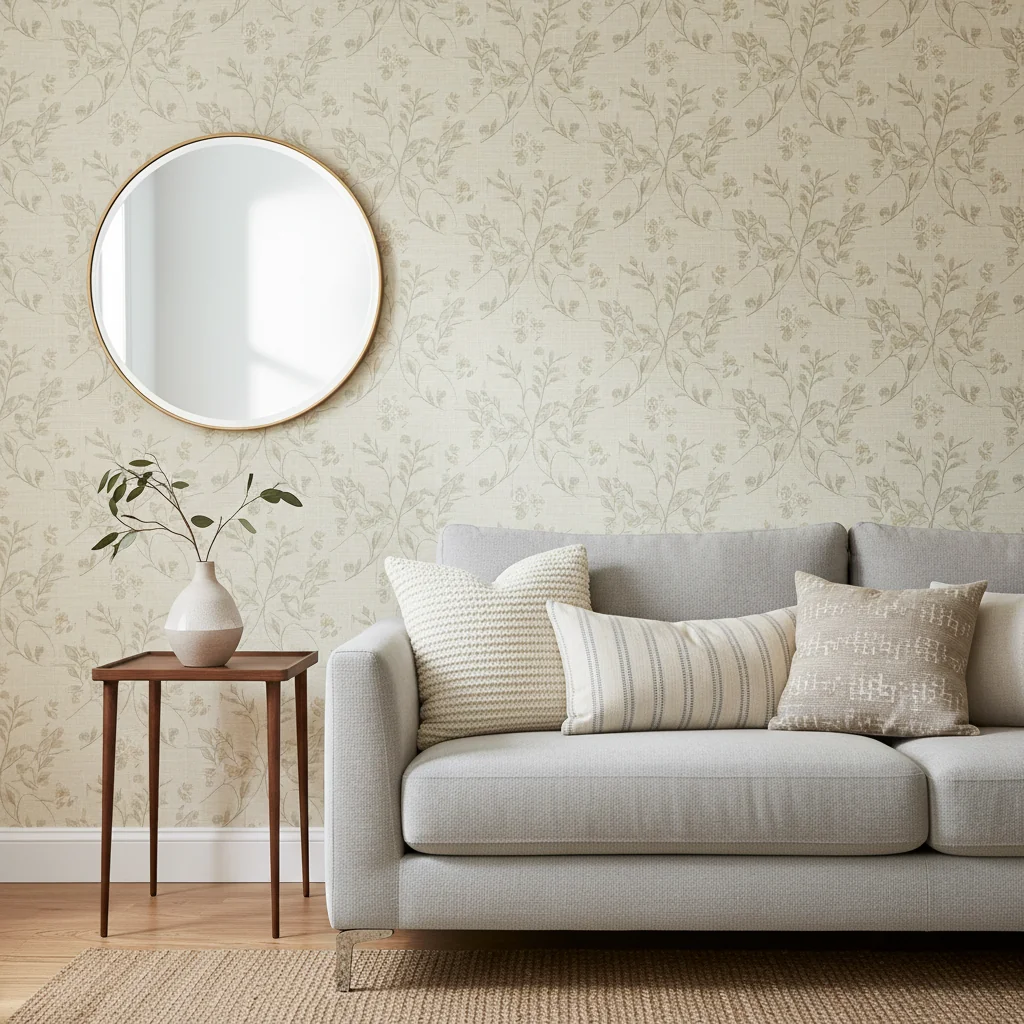
- Patterned Accents: If your wallpaper has a subtle texture (e.g., a linen weave or fine sand texture), it provides a perfect backdrop for patterned fabrics on pillows, an area rug, or artwork with bold designs. This allows the patterns to stand out without competing with the walls.
- Tonal Variations: Select a wallpaper texture that has subtle tonal variations within its surface (e.g., grasscloth with natural highs and lows, faux plaster with slight color shifts). These variations add organic interest and prevent the wall from looking flat, even in a solid color.
3. Using Texture to Define Zones or Create Focal Points:
Textured wallpaper is highly effective for delineating areas within an open-plan space or for drawing attention to a specific feature.
- Accent Wall: A single wall covered in a bold texture (e.g., faux brick, deep geometric emboss, beaded wallpaper) immediately becomes a focal point, grounding the room and adding a dramatic statement.
- Behind a Headboard: Applying a luxurious textured wallpaper behind a bed creates an instant, high-impact feature wall in a bedroom, adding softness or drama.
- In a Nook or Alcove: A distinct texture can visually separate a reading nook, home office area, or dining space from the rest of an open room, giving it a unique identity.
- On a Ceiling: Don’t overlook the “fifth wall.” A subtle textured wallpaper on the ceiling (e.g., Anaglypta, fine linen weave) can add architectural interest and make a room feel more complete, especially in older homes.
4. Balancing with Smooth Surfaces:
To prevent a room from feeling overly busy or heavy, it is crucial to balance textured walls with smooth elements.
- Furniture: Pair heavily textured walls with furniture that has clean lines and smooth finishes (e.g., polished wood, metal, glass). This creates a sophisticated contrast.
- Paint: Adjacent walls painted in a complementary smooth finish can provide a visual break and allow the textured wall to shine.
- Art and Mirrors: Smooth frames around artwork or mirrors can provide a visual “rest” from the texture, allowing the eye to appreciate both.
5. Lighting to Highlight Texture:
Lighting is a powerful tool to enhance and reveal the intricacies of textured wallpaper.
- Grazing Light: Install wall sconces or recessed lighting close to the wall surface, so the light “grazes” across the texture. This will create dramatic shadows and highlights, emphasizing the three-dimensional quality of embossed, flocked, or deeply woven textures.
- Uplighting/Downlighting: Use floor lamps or picture lights that cast light upwards or downwards along the wall to accentuate the texture’s relief.
- Natural Light: Observe how natural light changes the appearance of your textured wallpaper throughout the day. A texture that looks subtle in the morning might cast dramatic shadows in the afternoon.
6. Furniture Selection and Scale:
The scale of your furniture should be considered in relation to the texture of your wallpaper.
- Large-Scale Textures: Pair bold, large-scale textures (like faux brick or deeply embossed patterns) with substantial furniture pieces that can hold their own against the strong wall treatment.
- Subtle Textures: Finer textures provide a versatile backdrop for a range of furniture styles, from delicate antiques to modern modular pieces.
7. Art and Accessories:
When hanging art on textured wallpaper, consider how the texture will affect the artwork.
- Floating Art: For deeply textured wallpaper, art with a slight standoff from the wall can prevent it from looking swallowed by the texture.
- Complementary Frames: Choose frames that either blend with the wallpaper’s color or provide a sharp contrast to make the art pop.
- Minimalism: Sometimes, a beautiful textured wallpaper needs minimal art. Let the wall itself be the artwork.
By thoughtfully applying these styling and pairing strategies, you can transform your space into a sophisticated, multi-layered environment where textured wallpaper plays a starring role, reflecting a refined sense of design and personal flair.
Common Mistakes to Avoid When Working with Textured Wallpaper
Working with textured wallpaper presents unique challenges compared to smooth wallcoverings, and avoiding common pitfalls is crucial for a successful and visually appealing installation. These mistakes often stem from underestimating the material’s specific properties or neglecting diligent preparation and planning. An awareness of these potential errors allows for proactive measures, ensuring the textured wallpaper enhances your space as intended, rather than creating a source of frustration or an imperfect finish.
The intricate nature of textured surfaces, whether deeply embossed or naturally woven, demands a higher degree of precision and understanding. From improper material selection to inadequate surface preparation, each misstep can compromise the final aesthetic and longevity of the wallpaper. At Starhouse, we advocate for a thorough understanding of these common errors, empowering you to approach your textured wallpaper project with confidence and achieve professional-grade results. Forewarned is forearmed when dealing with the nuanced demands of textured wallcoverings.
1. Underestimating Pattern Repeat and Overlap:
- Mistake: Not accurately calculating the pattern repeat when ordering and cutting, leading to insufficient material or visible misalignments. For textured patterns like faux brick or large geometrics, even a slight miscalculation can ruin the visual flow. For natural textures like grasscloth, not accounting for natural variations and potential visible seams is also a common oversight.
- Solution: Always identify the pattern repeat specified by the manufacturer and incorporate it into your measurement calculations (see “Precise Sizing and Measurement” section). Order at least 10-15% extra material as a waste factor. For natural textures, understand that visible seams are often inherent and part of the material’s charm; plan your installation to minimize their visual impact by selecting rolls carefully for best color/texture match.
2. Ignoring Room Conditions and Material Suitability:
- Mistake: Installing delicate textures like grasscloth or flocked wallpaper in high-traffic areas, kitchens, or bathrooms where they are prone to damage, moisture, or frequent cleaning. Conversely, using highly durable, commercial-grade vinyl in a formal living room might feel overly utilitarian.
- Solution: Match the wallpaper’s material and texture type to the room’s function and environmental conditions. Choose washable and scrubbable vinyls for high-traffic and moisture-prone areas. Reserve delicate, luxurious textures for low-traffic, formal spaces. Always check the manufacturer’s recommendations for suitability.
3. Improper Surface Preparation:
- Mistake: Applying textured wallpaper to walls that are not clean, smooth, dry, and properly primed. Textures, especially subtle ones, can sometimes highlight underlying wall imperfections if not properly prepped. Deeper textures might mask minor flaws, but major bumps or holes will still show through.
- Solution: Repair all holes and cracks, sand rough patches smooth, and clean the walls thoroughly. Apply a high-quality wallpaper primer (often called a “sizing” or “wall-prep”) designed for wallpaper installation. This ensures proper adhesion and makes future removal easier. For very deep textures, ensure the wall is as smooth as possible to prevent any underlying irregularities from creating shadows or unevenness.
4. Incorrect Adhesive Selection or Application:
- Mistake: Using the wrong type of adhesive for the specific wallpaper material, or applying too little/too much paste. Some heavy textured wallpapers, like Lincrusta or natural fibers, require a stronger, heavier-duty adhesive than standard paper-backed options. Peel-and-stick textures have their own adhesive system, but surface prep is still paramount.
- Solution: Always follow the wallpaper manufacturer’s adhesive recommendations precisely. Use a high-quality, pre-mixed clear wallpaper adhesive for most traditional wallpapers. For heavier textures, a clay-based or heavy-duty clear adhesive is often required. Ensure even application of paste to the wall or the back of the paper, avoiding lumps or dry spots.
5. Not Ordering Enough Material (Under-ordering):
- Mistake: Running out of wallpaper before the project is complete, especially problematic with textured patterns or natural materials that can vary slightly between dye lots. Finding a matching dye lot later can be impossible, leading to visible seams or an incomplete project.
- Solution: Always calculate your needs meticulously, including the pattern repeat and a 10-15% waste factor. Purchase all rolls from the same dye lot number to ensure consistent color and texture. If in doubt, err on the side of ordering an extra roll; unopened rolls can often be returned.
6. Overlooking Scale and Proportion of Texture:
- Mistake: Choosing a texture that is too large or too busy for a small room, making it feel cramped and overwhelming. Conversely, selecting a texture that is too subtle for a very large wall, where its impact is lost.
- Solution: Consider the size of the room and the desired visual impact. Small, subtle textures work best in confined spaces. Larger, bolder textures are suitable for expansive walls or accent features. Always use samples to visualize how the texture will appear on a larger scale in your specific room.
7. Neglecting to Test Samples:
- Mistake: Buying wallpaper based solely on online images or small swatches without seeing how the texture interacts with the room’s lighting, paint colors, and existing decor. Textures can look dramatically different under various light conditions.
- Solution: Order several large samples of your preferred textured wallpapers. Tape them to your walls and observe them throughout the day and night, under both natural and artificial light. This is the only way to truly assess the texture’s color, sheen, and how it casts shadows in your specific environment.
8. Improper Installation Techniques for Textured Materials:
- Mistake: Applying too much pressure when smoothing down delicate textures (e.g., flocked, beaded), causing damage. Or, conversely, not applying enough pressure for heavy materials, leading to air bubbles or poor adhesion. Using the wrong tools for smoothing (e.g., a hard plastic smoother on a delicate texture).
- Solution: Use appropriate tools and techniques for the specific texture. For delicate textures, use a soft wallpaper brush or a felt-covered smoothing tool. For heavier vinyls, a plastic smoother can be used, but always with controlled pressure. Follow manufacturer installation guidelines, especially regarding overlapping seams or butt-joining for specific textured types.
By consciously avoiding these common mistakes, you ensure that your textured wallpaper installation is not only aesthetically pleasing but also durable and long-lasting, providing the desired impact in your home.
Frequently Asked Questions
What is the most durable textured wallpaper?
The most durable textured wallpaper is typically fabric-backed vinyl, also known as commercial-grade vinyl, due to its exceptional resistance to tears, scuffs, and moisture. This material is designed for high-traffic areas and public spaces, offering superior longevity and washability compared to other types.
Can textured wallpaper be painted?
Yes, certain types of textured wallpaper are specifically designed to be painted, most notably Anaglypta and Lincrusta, which feature deep, embossed patterns. Other plain embossed or non-woven textures may also be paintable, but it is crucial to verify the manufacturer’s instructions to ensure the material and adhesive can withstand paint application without damage or loss of texture.
Is textured wallpaper hard to remove?
The ease of textured wallpaper removal depends significantly on its material and installation method; non-woven peel-and-stick or paste-the-wall types are generally the easiest to remove, often peeling off in full sheets without damaging the wall. Older, traditional paper-backed or heavy vinyl wallpapers installed with strong adhesives can be more challenging, sometimes requiring steaming or chemical removers.
Does textured wallpaper make a room feel smaller?
Textured wallpaper does not inherently make a room feel smaller; its impact on perceived room size depends on the texture’s scale, color, and how it interacts with light. Large, dark, or very busy textures can visually enclose a space, whereas subtle, light-colored textures with a slight sheen can reflect light and add depth, making a room feel more expansive and layered.
How do I clean grasscloth wallpaper?
Grasscloth wallpaper should primarily be cleaned by gentle, regular dusting with a soft, dry microfiber cloth, a feather duster, or a vacuum cleaner with a brush attachment on a low setting. It is generally not washable, as moisture can cause discoloration, shrinking, or damage to the natural fibers; avoid any liquid cleaners or excessive rubbing.
What’s the difference between embossed and Anaglypta wallpaper?
Embossed wallpaper is a general term for any wallpaper with a raised, three-dimensional pattern pressed into its surface, while Anaglypta is a specific brand and type of deeply embossed, paintable wallpaper made from paper pulp and cotton. All Anaglypta is embossed, but not all embossed wallpaper is Anaglypta; Anaglypta is known for its robust, classic patterns specifically designed to be painted over.
Can I use textured wallpaper in a bathroom?
Yes, you can use textured wallpaper in a bathroom, but you must select a type specifically designed for high-humidity environments, such as washable or scrubbable vinyl. Natural fibers like grasscloth or cork are generally unsuitable for bathrooms as they absorb moisture, leading to damage or mildew; ensure adequate ventilation regardless of the wallpaper type chosen.
Conclusion
Wallpaper texture is an indispensable element in sophisticated interior design, offering a unique opportunity to infuse depth, character, and tactile richness into any space. It transcends mere visual appeal, engaging the senses and influencing the perceived ambiance of a room in profound ways. From the organic warmth of grasscloth to the refined elegance of embossed vinyl, the right texture has the power to transform a flat wall into a dynamic focal point, reflecting a homeowner’s discerning taste and design acumen.
The journey through the diverse world of textured wallpapers reveals a spectrum of materials, styles, and applications, each promising distinct aesthetic and functional benefits. By understanding how texture interacts with light, complements existing decor, and fulfills the practical demands of a room, you are empowered to make choices that resonate with both beauty and purpose. Precision in measurement, diligent care, and a keen eye for styling are the hallmarks of a successful textured wallpaper installation, ensuring a lasting impression of refined design.
At Starhouse, we are dedicated to curating a collection that embodies this philosophy — offering wallcoverings that are not just beautiful but genuinely transformative. We believe that your home should be a reflection of your unique style and aspirations, built upon foundational elements that speak to quality and thoughtful design. As we prepare to launch our comprehensive catalog, we invite you to be a part of this exciting journey.
We are actively building our collection with you in mind, seeking to understand the specific textures, styles, and solutions that will bring your vision to life. Share your design preferences and needs with us, helping shape the future of Starhouse offerings. Tell us what you’re looking for, and gain early access to our exclusive selections, tailored to create the home you’ve always dreamed of.