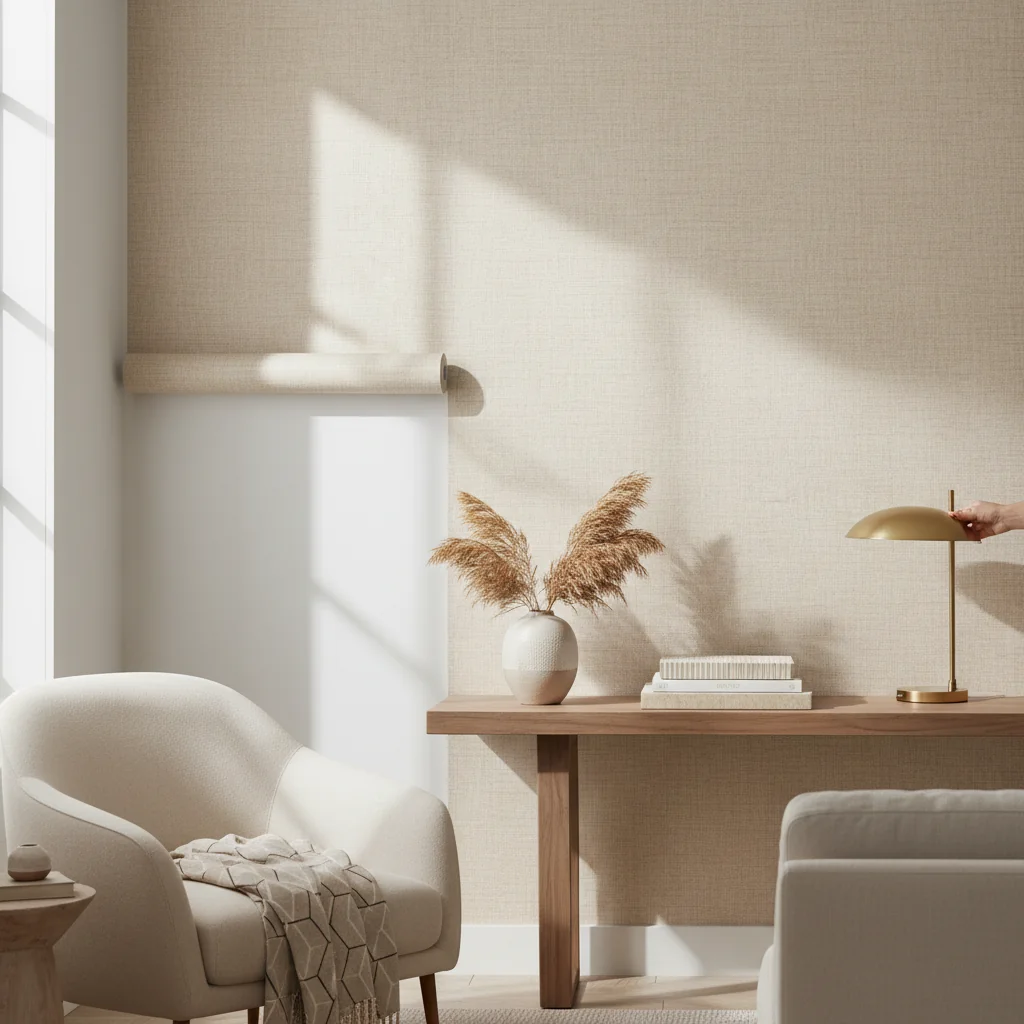
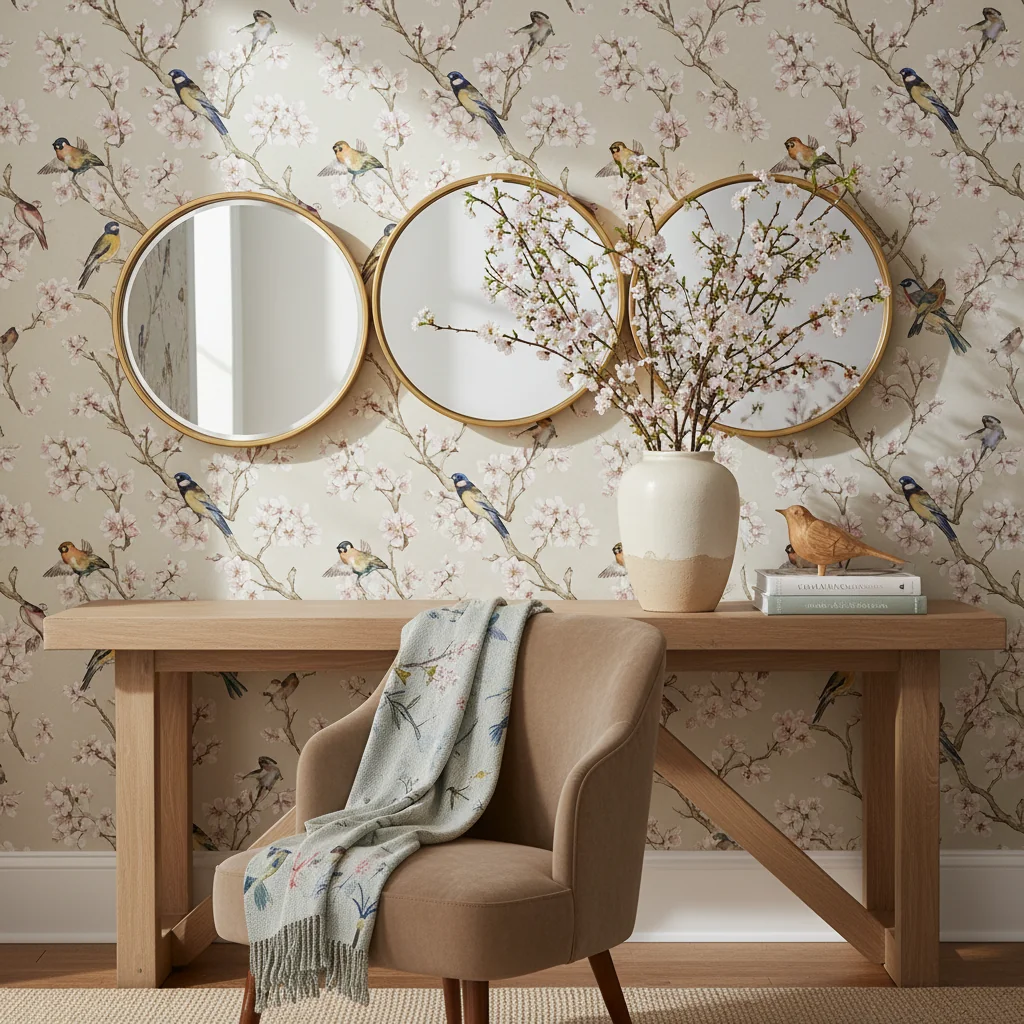
Wallpaper has transcended its traditional role to become a pivotal element in contemporary interior design, offering unparalleled opportunities for personal expression and transformative aesthetics. The choice of a wallpaper brand, however, is far more intricate than simply selecting a pattern; it involves understanding the brand’s commitment to material quality, design innovation, environmental responsibility, and ease of installation. This comprehensive guide delves into the multifaceted world of wallpaper brands, providing the precise knowledge required to navigate the vast market and make an informed decision that elevates your home’s unique character.
From the foundational types and materials to the nuances of sizing, installation, and care, we explore how different brand philosophies translate into tangible product attributes. We will dissect the characteristics that distinguish a luxury brand from a sustainable one, an artisanal producer from a peel-and-stick innovator, ensuring you grasp the full spectrum of options available. This understanding empowers you to select a brand whose offerings align perfectly with your design aspirations, practical needs, and values, guaranteeing a sophisticated and enduring aesthetic for any room in your home.
Key Takeaways
- Selecting a wallpaper brand requires evaluating its material quality, design range, sustainability practices, and ease of installation to ensure alignment with your project’s needs and aesthetic goals.
- Wallpaper types, such as peel-and-stick, traditional, and natural fiber, each offer distinct advantages in terms of durability, installation complexity, and visual texture, directly influencing your choice of brand.
- Accurate measurement and understanding pattern repeat are crucial for successful wallpaper application, necessitating precise calculations to avoid material shortages or excessive waste.
- Leading wallpaper brands differentiate themselves through specialization, offering collections that focus on luxury textiles, eco-friendly materials, innovative peel-and-stick solutions, or bespoke artisanal designs.
- Proper wall preparation, adherence to installation guidelines, and appropriate cleaning routines significantly extend the lifespan and preserve the aesthetic integrity of your chosen wallpaper.
- Current trends emphasize biophilic patterns, rich textures, large-scale murals, and sustainable materials, reflecting a broader movement towards personalized and environmentally conscious interiors.
Understanding Wallpaper: Types and Materials
Wallpaper encompasses a diverse range of products, each characterized by its base material, method of application, and inherent durability, directly influencing its suitability for various environments and design objectives. Understanding these fundamental differences is the first step in appreciating the offerings of various wallpaper brands. The primary types include traditional (pre-pasted or unpasted), peel-and-stick, and advanced wallcoverings like fabric-backed vinyl or natural fiber, each designed for specific aesthetic and functional outcomes.
The material composition of wallpaper dictates its texture, washability, lightfastness, and overall longevity. Brands specialize in different material types, from classic paper to resilient vinyl, breathable non-wovens, and luxurious natural fibers, each contributing unique properties to the finished product.
Primary Wallpaper Types
Traditional Wallpaper: This category includes both unpasted and pre-pasted options, requiring either external adhesive application or activation of pre-applied paste.
- Unpasted Wallpaper: This type requires a separate adhesive (paste) to be applied to the back of the paper or directly to the wall. It offers excellent durability and a wide range of material options, often favored by professionals for its precise alignment and long-term adhesion. Brands specializing in high-end, designer collections frequently offer unpasted options.
- Pre-pasted Wallpaper: Featuring a dry adhesive on the back, this wallpaper is activated by wetting it with water before application. It simplifies the installation process compared to unpasted varieties, making it a popular choice for confident DIYers. Many mid-range brands offer extensive pre-pasted collections.
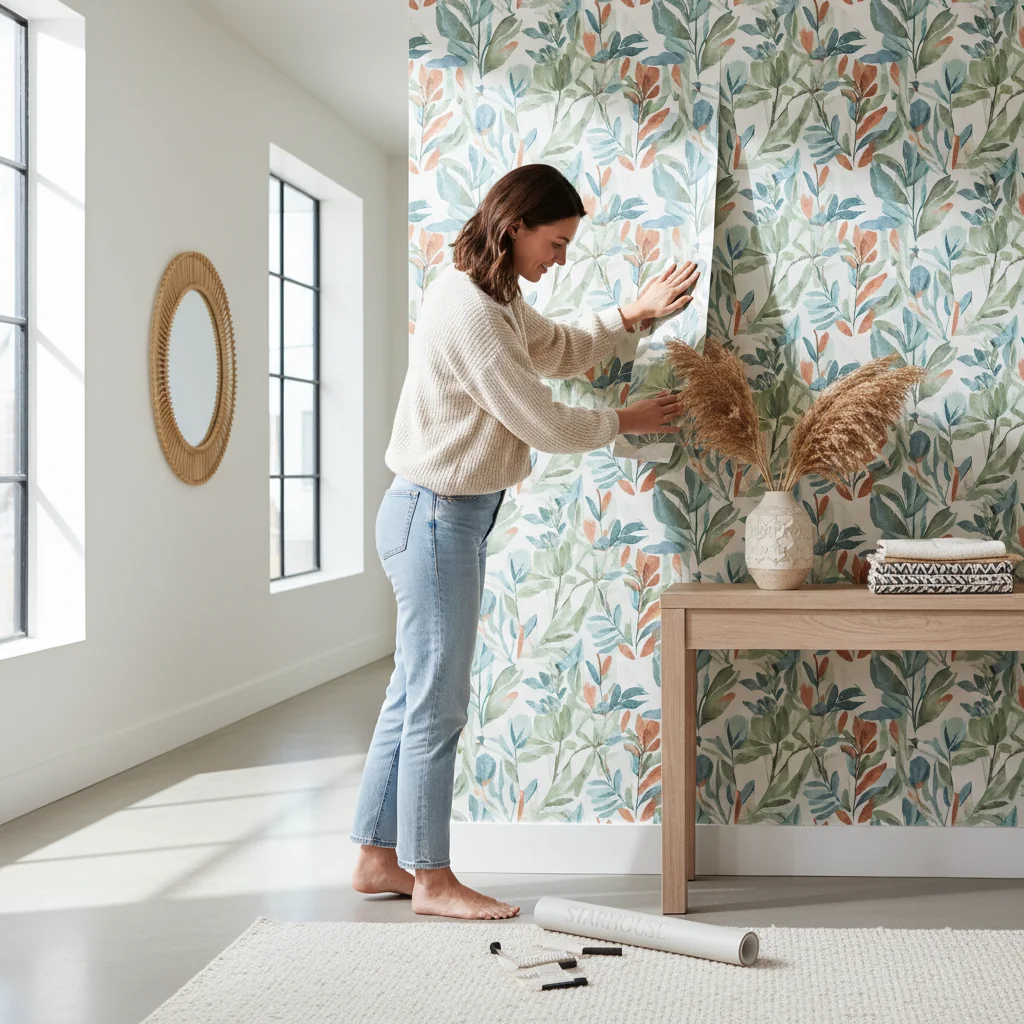
Peel-and-Stick Wallpaper: Also known as self-adhesive or removable wallpaper, this type features an adhesive backing protected by a removable liner. It is designed for easy application and, crucially, clean removal without damaging the underlying wall surface, making it ideal for renters, temporary installations, or frequent design updates. Brands focusing on modern aesthetics and DIY accessibility often prioritize peel-and-stick options.
Liquid Wallpaper: While less common in the U.S. residential market compared to traditional rolls, liquid wallpaper is a decorative plaster or coating applied directly to the wall. It dries to create a seamless, textured finish, often with insulation and sound-dampening properties. Brands offering this are typically specialized in architectural finishes rather than conventional rolled wallpaper.
Fabric-Backed Vinyl Wallpaper: This heavy-duty wallcovering features a vinyl surface laminated to a woven fabric backing. It is exceptionally durable, washable, and often resistant to tearing and abrasion, making it suitable for high-traffic residential areas or commercial applications. Brands specializing in performance-oriented or hospitality-grade wallcoverings frequently offer this type.
Solid Vinyl Wallpaper: Comprising a single layer of vinyl, this type is highly resistant to moisture and stains, making it an excellent choice for kitchens, bathrooms, and laundry rooms. It is generally easy to clean and maintain. Many brands offer solid vinyl collections for functional spaces.
Non-Woven Wallpaper: This innovative material is made from a blend of natural and synthetic fibers, offering a highly breathable, tear-resistant, and dimensionally stable product. Non-woven wallpaper is typically “paste-the-wall,” meaning the adhesive is applied directly to the wall, simplifying installation and removal. It is a favored material for many contemporary and eco-conscious brands due to its ease of use and often PVC-free composition.
Key Wallpaper Materials and Their Properties
The substrate and surface finish are critical to a wallpaper’s performance and aesthetic.
- Paper: Traditional paper wallpaper offers a classic, matte finish that is highly breathable. It is often used for delicate, intricate designs and is available in both unpasted and pre-pasted formats. Paper wallpaper is generally less durable and less washable than vinyl or non-woven options. Brands specializing in historical reproductions or fine art prints often use paper substrates.
- Vinyl: Vinyl wallpapers are renowned for their durability, washability, and resistance to moisture and stains. They are typically composed of a vinyl surface layer on a paper or fabric backing. Vinyl offers a wide range of textures, from smooth to embossed, and is suitable for high-traffic areas and humid environments. Many mainstream brands incorporate vinyl into their diverse collections.
- Non-Woven: As detailed above, non-woven materials offer a superior combination of strength, breathability, and ease of installation and removal. They are often chosen for their eco-friendly properties and are increasingly popular across a spectrum of brands due to their versatility.
- Fabric/Textile: This category includes wallpapers made from natural fibers like grasscloth, silk, linen, or jute. They offer rich, tactile textures and a luxurious, organic aesthetic. Fabric wallpapers are typically unpasted and require specialized installation due to their delicate nature and natural variations. High-end and artisanal brands often feature extensive collections of fabric wallcoverings.
-
Natural Fibers: This specific subset of fabric wallpaper includes materials like grasscloth, cork, bamboo, and mica.
Grasscloth wallpaper is a wallcovering made from natural woven fibers, such as jute, sisal, or arrowroot, typically backed with paper, offering a distinct organic texture and visual depth. These materials are highly valued for their unique textures, warmth, and natural variations, providing an artisanal touch. They require careful handling and professional installation due to their delicate nature and visible seams. Brands focused on organic, sustainable, or luxury aesthetics frequently offer these specialized natural fiber options. - Mylar: Mylar wallpapers feature a metallic or highly reflective surface, often with a foil backing. They create a dramatic, glamorous effect, reflecting light and making a space feel larger and brighter. Mylar is durable and washable but can highlight wall imperfections due to its reflective nature. Brands offering contemporary or opulent designs may include Mylar options.
- Flock: Flock wallpaper features a raised, velvet-like pattern created by applying tiny fibers to the surface. This technique adds tactile dimension and a luxurious, often traditional, aesthetic. Flock wallpapers require careful cleaning and are typically found in collections from brands specializing in classic or opulent designs.
Understanding these material distinctions is crucial for selecting a brand that aligns with your functional requirements and desired aesthetic outcome. Each material offers a unique combination of visual appeal, tactile sensation, and performance characteristics, directly impacting the long-term satisfaction with your chosen wallcovering.
Prominent Wallpaper Brands and Their Specialties
The wallpaper market is rich with diverse brands, each carving out a niche through specialized materials, distinctive design philosophies, or innovative application methods. While Starhouse is curating its collection, understanding these broad categories of brands allows consumers to identify the types of offerings that best suit their specific design needs, budget, and values. These specializations range from high-end artisanal craftsmanship to accessible, eco-conscious options and technologically advanced removable solutions.
The landscape of wallpaper brands is segmented by their core competencies, whether that’s luxurious handcrafted textiles, environmentally friendly production, or user-friendly DIY formats. This specialization ensures a wide array of choices for every design project, from a grand statement wall to a subtle textural backdrop.
| Brand Category | Key Focus/Specialty | Typical Materials | Design Aesthetic | Installation Ease | Approx. Price Range (per sq ft) | Ideal Use Cases |
|---|---|---|---|---|---|---|
| Luxury & Designer Brands | Bespoke designs, premium materials, artistic collaborations, heritage patterns. | Hand-printed paper, silk, grasscloth, velvet flock, custom digital prints. | Opulent, classic, avant-garde, highly curated, sophisticated. | Professional recommended (often unpasted, delicate). | $5.00 – $20.00+ | Formal living areas, master suites, boutique commercial spaces, statement walls. |
| Boutique & Artisanal Brands | Unique, small-batch designs, handcrafted quality, often artist-driven, distinct narratives. | Hand-screened paper, natural fibers, specialty non-wovens, unique textures. | Eclectic, organic, whimsical, vintage-inspired, personalized. | Moderate to Professional (often unpasted, unique repeats). | $3.00 – $12.00 | Accent walls, nurseries, creative studios, personalized residential spaces. |
| Eco-Friendly & Sustainable Brands | Low VOCs, recycled/FSC-certified materials, non-PVC, sustainable manufacturing. | Non-woven (PVC-free), recycled paper, natural fibers (grasscloth, cork), water-based inks. | Biophilic, minimalist, modern, natural textures, muted palettes. | Easy to Moderate (often paste-the-wall non-woven). | $2.50 – $10.00 | Children’s rooms, bedrooms, health-conscious homes, sustainable projects. |
| Peel-and-Stick Innovators | Easy DIY installation & removal, renter-friendly, diverse patterns, often repositionable. | Vinyl (often PVC-free), polyester fabric, self-adhesive backing. | Modern, geometric, playful, temporary, graphic, trending patterns. | Very Easy (DIY-friendly). | $1.50 – $6.00 | Rental properties, dorm rooms, temporary décor, DIY projects, accent walls, furniture upcycling. |
| Mainstream & Value-Oriented Brands | Broad accessibility, wide range of styles, cost-effective solutions, mass production. | Paper, standard vinyl, pre-pasted paper. | Traditional, contemporary, classic, functional, wide appeal. | Moderate (pre-pasted or unpasted). | $0.75 – $4.00 | Entire homes, renovations, budget-conscious projects, high-volume needs. |
| Specialty & Commercial Brands | High-performance, extreme durability, specific functional properties (e.g., fire-rated, anti-microbial). | Heavy-duty fabric-backed vinyl, woven fiberglass, specialized coatings. | Functional, subtle textures, architectural, often custom options. | Professional recommended (heavy-duty, precise installation). | $4.00 – $15.00+ | Commercial spaces, healthcare facilities, hospitality, high-traffic residential areas. |
Detailed Brand Category Specializations
Luxury & Designer Brands
These brands represent the pinnacle of wallpaper design, often collaborating with renowned artists and interior designers to create exclusive collections. Their focus is on unparalleled aesthetics, exceptional material quality, and often, a storied heritage. They utilize premium substrates such as hand-printed paper, fine silks, woven grasscloths, and intricate flocking techniques. Designs typically feature complex patterns, sophisticated color palettes, and often require professional installation due to the delicate nature of the materials and precise pattern matching. The investment reflects the craftsmanship, exclusivity, and artistic value embedded in each roll. These brands are favored for creating truly unique and aspirational interiors.
Boutique & Artisanal Brands
Boutique and artisanal brands distinguish themselves through a commitment to unique, small-batch production and a distinctive artistic vision. They often prioritize handcrafted techniques, such as hand-screen printing, which results in slight variations that add to the character and authenticity of the product. These brands appeal to consumers seeking wallpaper with a story, often featuring designs inspired by nature, historical motifs, or abstract art. Materials might include specialty papers, natural fibers, or unique non-woven blends. While often requiring careful installation, the result is a highly personalized and distinctive aesthetic that mass-produced options cannot replicate.
Eco-Friendly & Sustainable Brands
Environmental responsibility is the core tenet of these brands. They meticulously source materials that are FSC-certified, utilize recycled content, and prioritize non-toxic, low-VOC or zero-VOC formulations. Many offer PVC-free non-woven wallpapers, which are breathable, durable, and often easier to remove. Their designs frequently draw inspiration from nature, featuring biophilic patterns, organic textures, and muted, earthy color palettes. These brands appeal to health-conscious consumers and those committed to reducing their ecological footprint, offering beautiful design without compromise to environmental values.
Peel-and-Stick Innovators
This category is defined by convenience and versatility. Brands specializing in peel-and-stick wallpaper focus on developing advanced adhesive technologies that allow for easy application, repositioning, and clean removal without damaging walls. They typically offer a vast array of contemporary designs, from bold geometrics and graphic prints to realistic textures like faux wood or brick. Materials are often vinyl or polyester fabric with a self-adhesive backing. These brands are highly popular among renters, DIY enthusiasts, and individuals who enjoy updating their decor frequently, providing a low-commitment, high-impact design solution.
Mainstream & Value-Oriented Brands
Mainstream and value-oriented brands aim for broad appeal and accessibility, offering a wide selection of styles at competitive price points. They typically leverage efficient mass production techniques, making wallpaper available to a larger consumer base. Materials often include pre-pasted paper and standard vinyl, which offer a good balance of durability and ease of installation for the average homeowner. Their collections cover a spectrum of traditional, transitional, and contemporary designs, providing reliable options for general home renovations and widespread application.
Specialty & Commercial Brands
These brands cater to specific functional requirements, often for commercial or high-performance residential settings. Their products are engineered for extreme durability, fire resistance, anti-microbial properties, or other specialized attributes. Materials typically include heavy-duty fabric-backed vinyl, woven fiberglass, or custom-engineered textiles. Designs often emphasize subtle textures, architectural finishes, or bespoke patterns tailored for large-scale projects. While sometimes used in residential applications requiring robust performance, their primary market is commercial, hospitality, and healthcare sectors where stringent performance standards are paramount.
By understanding these distinct categories, you can effectively narrow your search for a wallpaper brand whose offerings align precisely with your project’s demands, from aesthetic aspirations to practical considerations like durability and budget.
Choosing the Right Wallpaper Brand for Your Space
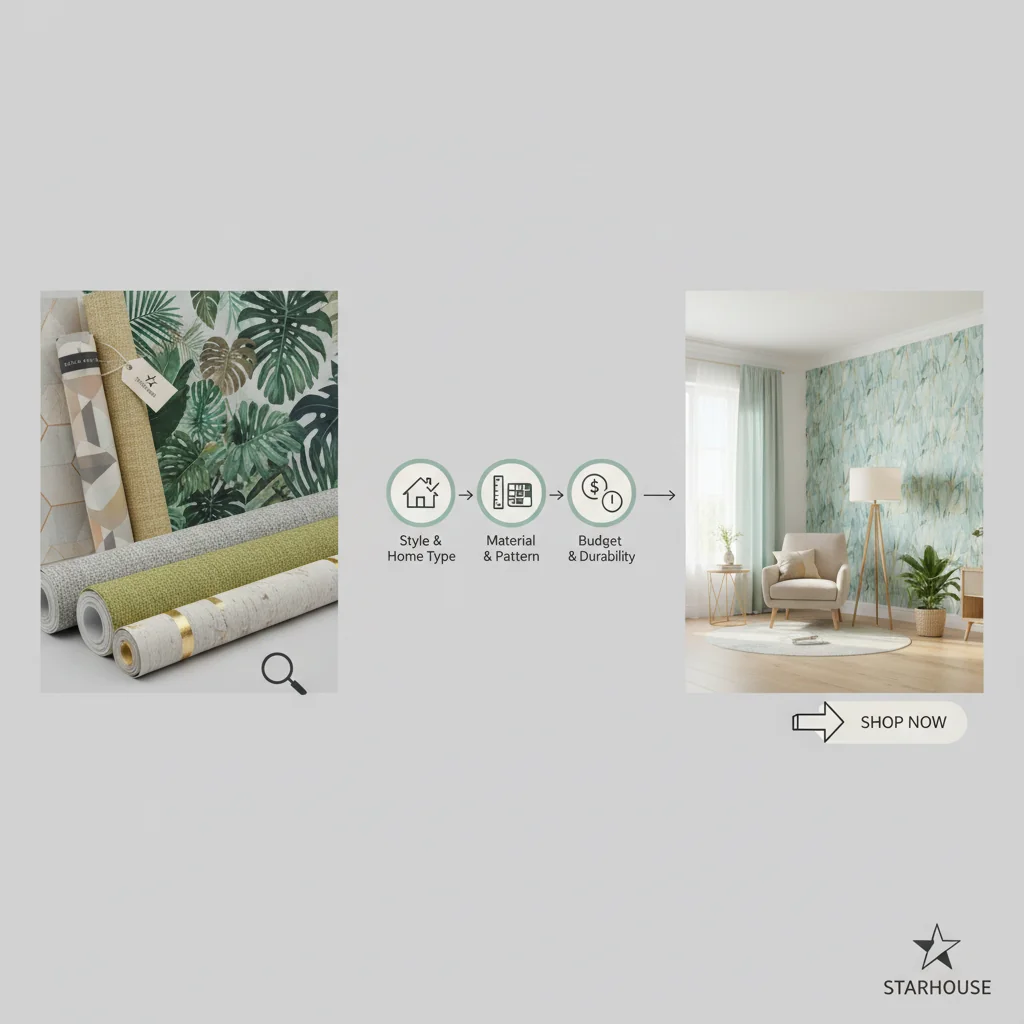
Selecting the ideal wallpaper brand for your home involves a thoughtful integration of your lifestyle, aesthetic preferences, room functionality, installation comfort, and budget. The right brand will offer products that not only visually enhance your space but also perform optimally under your specific living conditions. This decision requires a systematic evaluation of how a brand’s offerings align with your unique requirements, ensuring a harmonious and practical outcome.
The process moves beyond mere pattern selection, demanding consideration of material suitability, design longevity, and the brand’s overarching philosophy. By aligning these factors, you ensure your chosen wallpaper contributes positively to both the beauty and functionality of your home.
Consider Your Lifestyle and Durability Needs
Your daily living dictates the level of durability your wallpaper requires.
- High-Traffic Areas: For hallways, entryways, or family rooms, opt for brands specializing in highly durable and scrubbable wallpapers, such as solid vinyl or fabric-backed vinyl. These materials withstand frequent contact and are easier to clean, making them practical for busy households.
- Homes with Children or Pets: Brands offering vinyl or non-woven wallpapers with high washability ratings are essential. These materials resist stains and can be wiped clean, crucial for maintaining a fresh look despite spills and smudges.
- Low-Traffic or Formal Spaces: In areas like formal living rooms, dining rooms, or master bedrooms, where wear and tear are minimal, you have more flexibility. Luxury brands offering delicate paper, silk, or grasscloth wallpapers can introduce exquisite texture and sophistication without concern for heavy use.
Define Your Aesthetic and Match Brand Style
Aligning the brand’s design aesthetic with your personal style is paramount for a cohesive interior.
- Modern and Minimalist: Look for brands known for clean lines, geometric patterns, subtle textures, and a restrained color palette. These brands often feature non-woven or smooth vinyl options that complement contemporary furniture and decor.
- Traditional and Classic: Explore brands specializing in damasks, toile, floral motifs, or historical reproductions. These often come in paper or flock wallpaper, with richer colorways that evoke a sense of timeless elegance.
- Bohemian or Organic: Seek out boutique or eco-friendly brands offering natural fiber wallpapers like grasscloth, cork, or designs with botanical prints and earthy tones. These create a relaxed, natural, and textured environment.
- Bold and Eclectic: Brands known for vibrant colors, large-scale murals, abstract patterns, or unique artistic collaborations will allow you to make a strong design statement. Peel-and-stick innovators often lead with trending, graphic designs.
Assess Room Functionality and Environmental Factors
The specific conditions of each room influence the most suitable wallpaper material.
- Bathrooms and Kitchens: These high-humidity environments demand moisture-resistant and washable wallpapers. Brands offering solid vinyl or specifically treated non-woven wallpapers are ideal, as they prevent mold and mildew growth and are easy to clean. Avoid delicate paper or natural fiber options in these spaces.
- Sunny Rooms: For rooms with significant exposure to direct sunlight, choose brands that specify high lightfastness ratings. This prevents premature fading of the pattern and color, ensuring the wallpaper retains its vibrancy over time.
- Bedrooms and Nurseries: Prioritize brands offering low-VOC or PVC-free options, particularly non-woven wallpapers, to ensure optimal indoor air quality. Softer textures and calming patterns are often preferred here.
Evaluate Installation Preference and Skill Level
Your comfort level with DIY projects or willingness to hire a professional should guide your brand choice.
- DIY Enthusiast: Brands specializing in peel-and-stick or paste-the-wall non-woven wallpapers are excellent choices for self-installation. These are generally more forgiving and easier to manage without professional experience.
- Professional Installation: If you plan to hire an installer, you have access to the full spectrum of brands, including those offering complex, unpasted, or delicate natural fiber wallcoverings. Professionals possess the expertise to handle intricate patterns and sensitive materials, ensuring a flawless finish.
Allocate Your Budget
Wallpaper prices vary significantly, so establish a realistic budget early in the selection process.
- Budget-Conscious: Mainstream and value-oriented brands offer aesthetically pleasing options at more accessible price points, often in vinyl or pre-pasted paper.
- Mid-Range Investment: Brands offering high-quality non-woven wallpapers or specialty vinyl provide a balance of durability, design, and cost-effectiveness.
- Luxury Investment: If budget allows, luxury and designer brands offer unparalleled quality, unique artistry, and premium materials that create a truly distinctive and enduring statement.
Prioritize Sustainability Goals
If environmental impact is a concern, actively seek out brands with transparent sustainability practices.
- Eco-Certified Products: Look for certifications like FSC for paper content, and inquire about low-VOC or PVC-free formulations. Many eco-friendly brands prominently highlight these attributes.
- Ethical Manufacturing: Research brands that demonstrate a commitment to sustainable production processes, including responsible waste management and energy efficiency.
By systematically addressing these considerations, you can confidently select a wallpaper brand that not only fulfills your aesthetic desires but also performs exceptionally in your specific home environment, creating a space that is both beautiful and functional.
Sizing, Measuring, and Estimating for Wallpaper Projects
Accurate sizing, precise measurement, and careful estimation are foundational to a successful wallpaper project, preventing costly material shortages or excessive waste. The process involves calculating the total square footage of the walls, understanding standard wallpaper roll dimensions, and accounting for pattern repeat to ensure seamless visual continuity. Without meticulous planning, even the most exquisite wallpaper from a top brand can result in a frustrating and imperfect installation.
Mastering these calculations ensures you order the correct quantity of wallpaper, minimizing both financial expenditure and environmental impact. This methodical approach is critical for achieving a professional-grade finish, regardless of whether you choose a simple pattern or a complex mural.
Step-by-Step Measurement Guide
Before ordering any wallpaper, precisely measure your walls.
- Measure Wall Height: Measure from the top of the baseboard to the ceiling line for each wall. If there is no baseboard or crown molding, measure from floor to ceiling. Take multiple measurements across the wall and use the tallest measurement for accuracy.
- Measure Wall Width: Measure the width of each wall from corner to corner. Again, take multiple measurements and use the widest to ensure full coverage.
-
Calculate Total Wall Area: For each wall, multiply its height by its width to get the square footage. Sum the square footage of all walls you plan to wallpaper.
Example: A wall is 8 feet high and 12 feet wide. Area = 8 ft * 12 ft = 96 sq ft. -
Subtract Openings (Optional, but Recommended for Large Openings): For very large windows or doors (typically larger than 20 sq ft), calculate their area and subtract it from the total wall area. For smaller openings, it’s often safer to include them in the total, as the waste from cutting around them will consume the ‘saved’ material.
Example: A window is 4 feet high and 6 feet wide. Area = 4 ft * 6 ft = 24 sq ft. If total wall area is 200 sq ft, then 200 – 24 = 176 sq ft.
This total square footage provides the base for estimating your wallpaper needs.
Understanding Wallpaper Roll Dimensions
Wallpaper is typically sold in rolls, but their dimensions vary by manufacturer and region. In the U.S., standard dimensions are crucial.
- Single Roll: A common single roll in the U.S. measures approximately 20.5 inches wide by 16.5 feet long. This yields about 28 square feet of usable wallpaper.
- Double Roll: Many brands sell wallpaper in “double rolls,” which are essentially two single rolls packaged as one continuous length. A standard double roll is approximately 20.5 inches wide by 33 feet long, yielding about 56 square feet of usable wallpaper. Always confirm the exact dimensions specified by the brand you are purchasing from, as variations exist.
- European Rolls: Some imported wallpapers may adhere to European standards, often measuring 21 inches wide by 33 feet long (approximately 57 sq ft).
- Wide-Width Rolls: Specialty and commercial brands often offer wide-width rolls, which can be 27, 36, 48, or even 54 inches wide, designed for efficiency in larger spaces and to reduce seams.
Usable Square Footage: The stated square footage on a roll typically refers to its total area. However, the “usable” square footage, after accounting for trimming and pattern matching, will be slightly less. Always use the brand’s stated usable square footage per roll for your calculations, if provided.
Accounting for Pattern Repeat
Pattern repeat is the vertical distance on a wallpaper roll before a design element repeats itself, requiring installers to align subsequent strips to maintain visual continuity. This is a critical factor for both aesthetic continuity and material estimation.
- No Repeat: Solid colors or random textures have no pattern repeat, minimizing waste.
- Straight Match: The pattern matches across strips at the same height. This is straightforward but still requires some waste for alignment.
- Drop Match (Offset Match): The pattern matches across strips, but each subsequent strip must be dropped (or raised) by a specific distance (e.g., half the pattern repeat) to align. This generates the most waste.
Estimating with Pattern Repeat:
For patterns with a repeat, you must add extra material to each strip to ensure the pattern aligns from one strip to the next.
General Rule:
- Calculate the number of strips needed for each wall’s width: Divide the wall’s total width (in inches) by the wallpaper’s width (in inches). Round up to the nearest whole number.
- Multiply the number of strips by the wall’s height (in inches).
- Add the pattern repeat length (in inches) to the height of EACH strip before cutting, especially for drop matches. For a standard 8-foot (96-inch) wall and a 20-inch pattern repeat, each strip needs to be at least 96 + 20 = 116 inches long to allow for matching and trimming. Some professionals add an additional 4-6 inches per strip for safety.
- This modified strip length is then used to determine how many strips can be cut from a single roll.
Example: You need 5 strips for an 8-foot (96-inch) wall. The pattern repeat is 20 inches. You need approximately 5 strips * (96 inches + 20 inches extra for matching/trimming) = 5 * 116 inches = 580 inches of wallpaper. If a double roll is 33 feet (396 inches), you would need 580 / 396 = 1.46 double rolls. Always round up to 2 double rolls.
Calculating Number of Rolls Needed
There are two primary methods for calculating the number of rolls:
-
The “Strip” Method (More Accurate for Patterns):
- Calculate the number of strips needed for the entire room: Divide the total perimeter of the room (excluding large openings) by the width of one wallpaper strip. Round up.
- Determine the maximum length of each strip, accounting for wall height, pattern repeat, and a few inches for trimming (e.g., 4-6 inches).
- Calculate how many of these maximum-length strips can be cut from one roll. Divide the total length of the roll by the maximum strip length. Round down to the nearest whole number.
- Divide the total number of strips needed for the room by the number of strips per roll. Round up to the nearest whole roll.
-
The “Square Footage” Method (Simpler, but Less Accurate for Patterns):
- Calculate the total square footage of your walls (as above, subtracting large openings).
- Divide this total by the usable square footage of one roll (as specified by the brand).
- Add 15-20% for waste, especially for patterns with large repeats or complex room layouts. Round up to the nearest whole roll.
Always order an extra roll (or two) beyond your calculation. Dye lots can vary slightly between production batches, meaning colors might not perfectly match if you need to reorder later. An extra roll ensures color consistency for repairs or future projects. Many brands advise ordering all wallpaper for a single project from the same dye lot.
By carefully following these measuring and estimating steps, you ensure you have sufficient material for a flawless installation, avoiding frustrating delays and ensuring your chosen wallpaper brand’s design shines through perfectly.
Installation & Care: Maximizing Your Wallpaper’s Lifespan
Proper installation and diligent care are paramount to maximizing the aesthetic longevity and structural integrity of your wallpaper, regardless of the brand’s quality. A meticulous approach to wall preparation, precise application techniques, and adherence to specific cleaning guidelines will preserve the vibrancy and finish of your chosen design for years. Neglecting these steps can lead to premature wear, peeling, or discoloration, diminishing the impact of your investment.
Understanding the nuances of different installation methods and material-specific care instructions is crucial. This proactive maintenance ensures your wallpaper remains a stunning feature in your home, reflecting the enduring quality of the brand you selected.
Essential Wall Preparation
The foundation of a successful wallpaper installation is a perfectly prepared wall surface.
- Clean the Walls: Thoroughly clean walls to remove dirt, grease, and grime. A mild detergent solution followed by a clean water rinse is usually sufficient. Allow walls to dry completely.
- Smooth the Surface: Fill any holes or cracks with spackle, sand them smooth, and wipe away dust. Even minor imperfections can be magnified under wallpaper, especially with highly reflective or thin materials.
- Prime the Walls: Apply a high-quality wallpaper primer (often called “sizing” or “wall prep”). Primer serves multiple critical functions: it creates a uniform surface for adhesion, seals porous walls, prevents paste from absorbing too quickly, and facilitates easier removal in the future. For dark walls being covered with light wallpaper, a tinted primer can prevent show-through.
- Remove Old Wallpaper: Ensure all existing wallpaper is completely removed. New wallpaper rarely adheres well over old, and lumps or seams will show through.
Installation Techniques by Wallpaper Type
The installation method varies significantly based on the wallpaper type. Always refer to the specific instructions provided by your chosen brand, as techniques can differ.
-
Peel-and-Stick Wallpaper:
- Measure and cut strips slightly longer than needed, accounting for trimming.
- Peel back a few inches of the liner from the top edge.
- Align the wallpaper strip at the ceiling, ensuring it is plumb (straight). Use a level to draw a vertical guide line for the first strip.
- Slowly peel off the backing liner while smoothing the wallpaper onto the wall with a felt-tipped squeegee or smoothing tool, working from the center outwards to remove air bubbles.
- Trim excess at the ceiling and baseboard with a sharp utility knife.
-
Pre-Pasted Wallpaper:
- Cut strips to length, adding extra for pattern repeat and trimming.
- “Book” the wallpaper: Roll the cut strip, paste-side in, to allow the adhesive to activate (usually 5-10 minutes, refer to brand instructions). This process is crucial for proper adhesion.
- Apply the strip to the wall, smoothing it with a wallpaper brush or plastic smoother, working from the top down and center out.
- Align subsequent strips, ensuring pattern match, and gently press seams together with a seam roller.
- Trim excess.
-
Unpasted (Paste-the-Wall) Wallpaper:
- Cut strips to length, adding extra for pattern repeat and trimming.
- Apply a high-quality wallpaper paste directly to the wall section where the first strip will be placed, covering an area slightly wider than the strip.
- Hang the dry wallpaper strip directly onto the pasted wall, smoothing it from the top down and center out.
- Align subsequent strips edge-to-edge.
- Trim excess. This method is often preferred for non-woven wallpapers due to their dimensional stability.
-
Unpasted (Paste-the-Paper) Wallpaper:
- Cut strips to length.
- Apply wallpaper paste evenly to the back of the cut strip using a paste brush or roller.
- “Book” the wallpaper (fold pasted edges together without creasing) and allow it to “relax” for the time specified by the brand (usually 5-15 minutes). This allows the paper to expand before hanging, preventing bubbles and shrinking after installation.
- Hang the pasted strip, smooth, align, and trim as with other methods.
Common Installation Pitfalls to Avoid
- Skipping Wall Preparation: Unprepared walls lead to poor adhesion, visible imperfections, and difficult removal.
- Incorrect Measurements: Leads to shortages, mismatched patterns, and wasted material. Always double-check.
- Ignoring Pattern Repeat: Results in disjointed designs and an unprofessional finish.
- Insufficient Paste/Activation Time: Causes bubbling, peeling, or weak adhesion for traditional wallpapers.
- Overlapping Seams (unless specified): Most modern wallpapers are designed for butt joints (edges meet precisely without overlapping) to create a seamless look. Overlapping can create visible ridges.
- Using Dull Blades: Results in ragged cuts and damages the wallpaper. Change utility knife blades frequently.
- Applying to Unsuitable Surfaces: Wallpaper performs best on smooth, clean, dry, and primed surfaces. Avoid highly textured walls or glossy paints without proper preparation.
Cleaning and Maintenance
Regular and appropriate cleaning preserves your wallpaper’s appearance. Always consult the brand’s specific care instructions and test any cleaning method in an inconspicuous area first.
- Dusting: Regularly dust wallpaper with a soft, dry cloth or a feather duster to prevent buildup.
- Washable Wallpaper: For wallpapers rated “washable,” gently wipe with a damp sponge or soft cloth using a very mild, non-abrasive soap solution. Avoid saturating the paper. Rinse with a clean, damp cloth and pat dry.
- Scrubbable Wallpaper: These can withstand more vigorous cleaning. Use a soft brush or sponge with a mild detergent. Always rinse thoroughly and dry.
- Delicate Materials (e.g., Grasscloth, Silk, Flock): These often require special care or professional cleaning. Generally, only light dusting is recommended. Avoid water or harsh chemicals, as they can damage the fibers or cause staining.
- Stain Removal: Address stains promptly. For most washable wallpapers, a gentle wipe with a damp cloth is effective. For oil-based stains, a small amount of rubbing alcohol on a cotton swab might work, but always test first.
- Avoid Harsh Chemicals: Never use abrasive cleaners, bleach, or solvents, as these can damage the finish, fade colors, or weaken the material.
Repairing Minor Damage
Minor damages can often be repaired to extend your wallpaper’s life.
- Loose Seams: For traditional wallpapers, apply a small amount of seam adhesive behind the lifting edge and press firmly with a seam roller. Wipe away excess adhesive immediately.
- Bubbles: For small bubbles, use a sharp utility knife to make a tiny incision, gently release the trapped air, and apply a small amount of wallpaper adhesive using a syringe or fine brush. Smooth down.
- Small Tears/Patches: If you have leftover wallpaper from the same dye lot, you can cut a patch slightly larger than the damaged area. Align the pattern, and carefully cut through both the patch and the damaged wallpaper with a sharp knife. Remove the damaged section, apply adhesive to the wall, and press the new patch into place.
By meticulously following these guidelines for installation and ongoing care, you ensure that your chosen wallpaper brand’s product remains a beautiful and resilient feature in your home for many years.
Current Trends in Wallpaper Design from Leading Brands
The world of wallpaper design is dynamic, with leading brands constantly innovating to reflect evolving aesthetic preferences and technological advancements. Currently, prominent trends emphasize a return to nature through biophilic designs, the embrace of tactile textures, and the dramatic impact of large-scale murals, all while prioritizing sustainability. These trends move beyond superficial patterns, focusing on creating immersive environments that evoke emotion and connection.
Brands are responding to consumer demand for unique, personalized spaces that blend comfort with sophisticated style. The prevailing design narratives showcase an appreciation for organic forms, rich material depth, and the transformative power of art on walls.
Biophilic Designs and Natural Motifs
A profound connection to the natural world is a cornerstone of contemporary wallpaper trends.
- Botanical Prints: Lush, oversized floral and foliage patterns, often with a hand-drawn or painterly quality, bring the outdoors in. These range from vibrant tropical scenes to delicate wildflowers and abstract botanical forms.
- Scenic Landscapes: Wallpapers depicting serene forests, expansive mountain ranges, tranquil coastlines, or abstract natural vistas create a sense of calm and escape.
- Organic Textures: Patterns mimicking wood grain, stone, marble, or woven natural fibers (even if digitally printed) add depth and an earthy feel without the maintenance of actual natural materials.
Rich Textures and Tactile Surfaces
Beyond visual patterns, wallpaper is increasingly valued for its tactile qualities, adding sensory depth to a room.
- Grasscloth and Natural Fibers: Authentic grasscloth, cork, jute, and linen wallpapers remain highly sought after for their organic textures, subtle variations, and ability to add warmth and sophistication. These materials are often featured by luxury and boutique brands.
- Embossed and Raised Patterns: Wallpapers with raised designs create subtle shadows and highlights, adding architectural interest and a sense of luxury. Flocked wallpapers, with their velvet-like texture, also fall into this category.
- Faux Finishes: Advanced printing techniques allow for incredibly realistic reproductions of materials like distressed concrete, exposed brick, aged plaster, or even fabric weaves, offering a high-impact textural effect without the material’s weight or cost.
Large-Scale Murals and Scenic Wallcoverings
Wallpaper is increasingly used as a singular, expansive piece of art, transforming an entire wall into a focal point.
- Panoramic Scenes: From idyllic pastoral landscapes to bustling cityscapes or abstract artistic compositions, full-wall murals create immersive environments and make dramatic statements.
- Oversized Florals and Geometrics: Patterns scaled up to monumental proportions offer a contemporary and bold alternative to traditional repeating designs, often appearing as a single, striking image rather than a continuous repeat.
- Architectural Illusions: Murals that create the illusion of depth, such as arched doorways, windows looking out onto a scene, or trompe l’oeil effects, are gaining popularity for adding character and expanding perceived space.
Bold Geometrics and Abstract Artistry
Geometric patterns continue to evolve, moving beyond simple shapes to embrace more complex and artistic forms.
- Art Deco Revival: Influences from the Art Deco era bring forth elegant fan patterns, sunbursts, and intricate linear designs, often with metallic accents.
- Mid-Century Modern: Retro-inspired geometric shapes, often in vibrant or muted color palettes, evoke a sense of nostalgic sophistication.
- Abstract Expressionism: Wallpapers featuring painterly strokes, watercolor effects, and fluid, non-representational designs offer a contemporary and artistic alternative to traditional patterns.
Rich, Saturated Colors and Metallics
Color palettes are becoming more adventurous, with deep, jewel tones and luxurious metallic finishes taking center stage.
- Deep Hues: Emerald greens, sapphire blues, ruby reds, and charcoal grays create dramatic and luxurious backdrops, often paired with subtle patterns or textures.
- Metallic Accents: Gold, silver, copper, and bronze elements are integrated into patterns, adding a subtle shimmer and a touch of glamour, reflecting light and enhancing the depth of the design. Mylar wallpapers are also experiencing a resurgence.
- Monochromatic with Texture: While bold, some trends also embrace monochromatic schemes, relying on texture and subtle shifts in tone to create interest rather than contrasting colors.
Sustainable and Ethical Choices
Beyond aesthetics, the demand for environmentally friendly and ethically produced wallpaper is a significant trend.
- Low-VOC and PVC-Free: Consumers are actively seeking wallpapers made with minimal volatile organic compounds and without PVC, contributing to healthier indoor air quality. Brands specializing in eco-conscious products are leading this movement.
- Recycled and Sustainably Sourced Materials: Wallpapers made from recycled content or FSC-certified paper are gaining traction, reflecting a broader commitment to environmental stewardship.
- Water-Based Inks: Brands are increasingly using water-based, non-toxic inks for printing, further reducing the environmental impact of their products.
These current trends highlight a shift towards more thoughtful, sensory, and impactful design choices in wallpaper. Brands are embracing innovation in materials and printing techniques to meet the sophisticated demands of modern homeowners, offering products that are not only beautiful but also align with contemporary values.
Styling and Pairing Wallpaper with Your Decor
Integrating wallpaper effectively into your home décor involves more than simply hanging it; it requires a strategic approach to styling and pairing with existing furnishings, lighting, and art. The goal is to create a cohesive and harmonious environment where the wallpaper enhances, rather than overwhelms, the overall aesthetic. Thoughtful consideration of color, scale, texture, and room function ensures your wallpaper choice elevates the entire space.
Successful styling transforms wallpaper from a mere wall covering into a foundational design element, acting as a backdrop or a focal point that ties together all other decorative components. This nuanced approach ensures a sophisticated and personalized interior.
Strategic Application: Accent Walls vs. Whole Room
The extent of wallpaper application dramatically impacts a room’s character.
- Accent Walls: Applying a bold or highly patterned wallpaper to a single wall creates an immediate focal point, drawing the eye and adding dramatic impact without overwhelming the space. This strategy is ideal for introducing complex designs, vibrant colors, or large-scale murals from luxury or boutique brands. Choose a wall that naturally serves as a backdrop, such as behind a bed, a sofa, or a dining table.
- Whole Room Application: Covering all walls with wallpaper creates an immersive, enveloping experience. This works best with subtle patterns, textures, or cohesive monochromatic designs from brands offering extensive collections. It lends a sense of grandeur and completeness, particularly effective in bedrooms, dining rooms, or powder rooms. Ensure the pattern and color palette are not too busy for this approach.
- Half Walls or Wainscoting: Combining wallpaper with painted wainscoting or paneling adds architectural interest and can balance a bold pattern. This technique is often seen in traditional or transitional styles, allowing you to introduce a playful or intricate design above a more subdued lower half.
Mixing Patterns and Textures
Successfully combining patterns and textures requires careful attention to scale, color, and visual weight.
- Vary Scale: When mixing patterns (e.g., wallpaper with patterned upholstery or rugs), ensure they are of different scales. Pair a large-scale wallpaper pattern with smaller-scale patterns on textiles, or vice versa. This prevents visual competition and creates depth.
- Color Harmony: Stick to a consistent color palette across all patterns. Even if patterns differ, sharing one or two core colors will tie them together harmoniously. Brands often offer coordinating fabric collections or paint colors to simplify this process.
- Introduce Solids: Balance busy patterns with solid-colored furnishings and accessories. This provides visual resting points and prevents the room from feeling too chaotic.
- Layer Textures: Combine your wallpaper’s texture (e.g., smooth, embossed, grasscloth) with other tactile elements like velvet upholstery, chunky knit throws, wooden furniture, or metallic accents. This adds richness and sensory interest to the space.
Complementing Furnishings and Accessories
Your wallpaper should enhance, not detract from, your furniture and decorative items.
- Color Coordination: Use the wallpaper’s color palette as a guide for selecting furniture, textiles, and accessories. Pick out accent colors from the wallpaper to use in throw pillows, artwork, or decorative objects.
- Style Harmony: Match the wallpaper’s aesthetic with your furniture style. A modern geometric wallpaper pairs well with contemporary furniture, while a botanical print might complement traditional or bohemian pieces.
- Balance Visual Weight: If your wallpaper features a bold, busy pattern, opt for simpler, streamlined furniture to avoid visual clutter. Conversely, a subtle or textured wallpaper can provide a quiet backdrop for more ornate or statement furniture pieces.
- Accessorize Thoughtfully: Choose accessories that either blend with the wallpaper (e.g., art with a similar color scheme) or stand out as contrasting elements (e.g., a metallic sculpture against a muted pattern).
Lighting Considerations
Lighting plays a crucial role in how wallpaper appears and interacts with the room.
- Natural Light: Consider how natural light hits the wallpaper throughout the day. Reflective wallpapers (e.g., Mylar, metallic accents) will shimmer and change appearance, while matte finishes will absorb light, creating a softer look.
- Artificial Lighting: Evaluate how artificial light sources (overhead, task, accent lighting) illuminate the wallpaper. Directional lighting can highlight texture and sheen, while ambient lighting creates a softer glow. Ensure light fixtures complement the wallpaper’s style.
- Color Perception: Different light temperatures (warm vs. cool) can alter the perceived color of your wallpaper. Always view wallpaper samples in the actual room and under various lighting conditions before making a final decision.
Art and Wall Decor
Wallpaper can serve as a powerful backdrop for art or be a piece of art itself.
- Wallpaper as Art: For large-scale murals or highly artistic patterns from boutique or designer brands, the wallpaper itself may be the primary artwork, requiring minimal additional wall decor.
- Layering Art: On subtle or textured wallpapers, art can be layered directly. Choose frames that complement the wallpaper’s style and color. For busy patterns, select art with simple frames or strong contrasting elements to ensure it stands out.
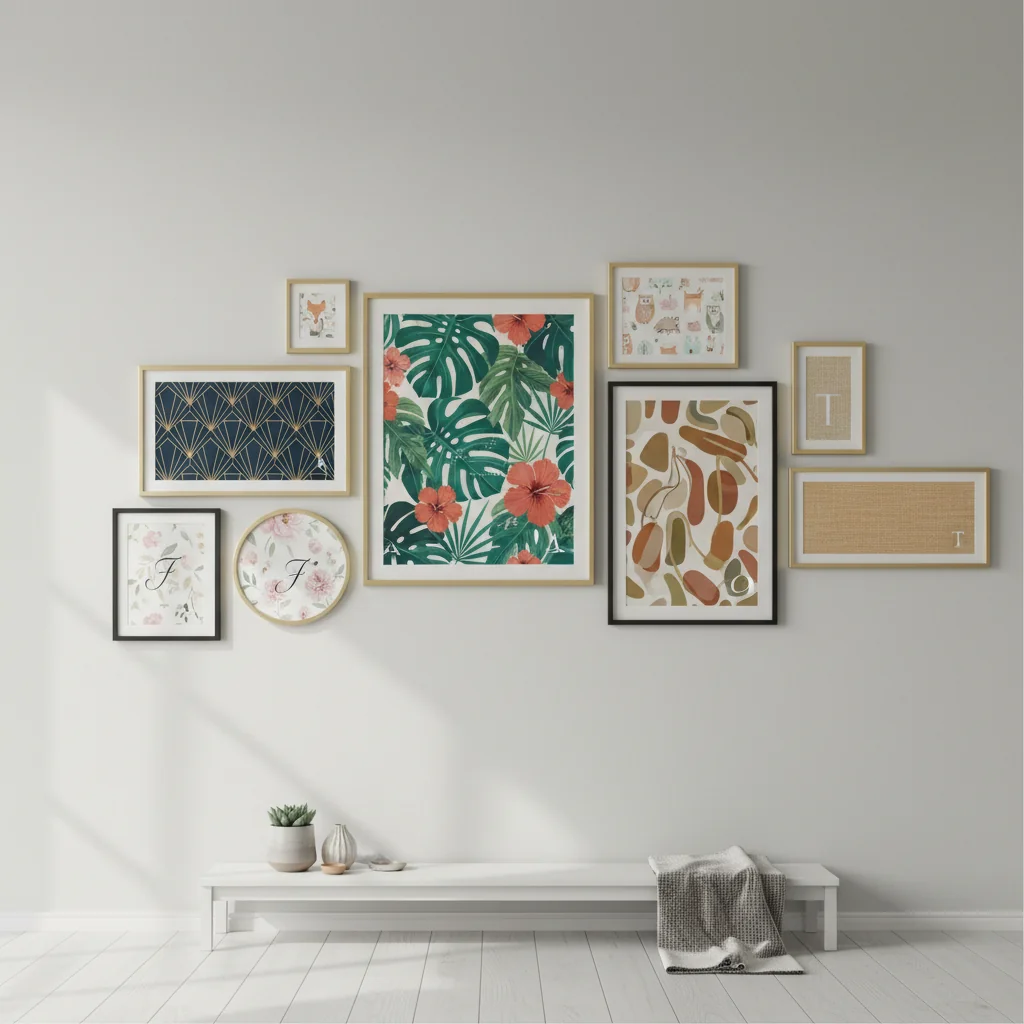
- Gallery Walls: A gallery wall can be particularly striking against a solid-colored, textured, or subtly patterned wallpaper, adding another layer of interest.
By carefully considering these styling and pairing principles, you can transform your wallpaper from a simple wall covering into an integral and impactful component of your home’s sophisticated design narrative.
As you explore the vast possibilities that wallpaper brands offer, remember that the right choice transcends mere aesthetics. It’s about finding a product that resonates with your lifestyle, complements your existing décor, and contributes to the overall ambiance of your home. Starhouse is dedicated to curating a selection that meets these discerning standards, bringing you the finest in home décor. Tell us what you’re looking for, and join our community for early access to our curated collections and exclusive design insights.
Share your design vision with Starhouse.
Common Mistakes to Avoid When Selecting and Installing Wallpaper
Navigating the world of wallpaper can be complex, and several common pitfalls can derail even the most carefully planned project, leading to frustration, wasted resources, and an unsatisfactory finish. Avoiding these mistakes, from incorrect material selection to improper installation techniques, is crucial for achieving a professional and enduring result. Awareness of these errors empowers you to make informed decisions that safeguard your investment and aesthetic vision.
Proactive prevention of these common missteps ensures a smoother process and a superior outcome, transforming your space with confidence and precision.
1. Not Ordering Samples
One of the most frequent and easily avoidable mistakes is purchasing full rolls of wallpaper without first ordering samples.
- Why it’s a mistake: Colors, textures, and patterns can appear significantly different in person than on a screen or in a small swatch. Lighting conditions in your home (natural vs. artificial, warm vs. cool) drastically alter how wallpaper looks. A pattern that seems subtle online might be overwhelming in a large format.
- How to avoid: Always order samples from your chosen brand. Place them on the wall where they will be installed and observe them throughout the day and night. This allows you to assess the true color, scale, and texture in your specific environment.
2. Incorrect Measurements and Under-ordering
Underestimating the required quantity of wallpaper is a common and costly error.
- Why it’s a mistake: Running out of wallpaper mid-project means reordering, which can lead to delays, additional shipping costs, and the risk of receiving rolls from a different dye lot. Even slight variations in dye lots can result in noticeable color differences on the wall.
- How to avoid: Meticulously measure your walls using the guidelines provided in the “Sizing, Measuring, and Estimating” section. Always account for pattern repeat and add at least 15-20% extra for trimming, waste, and future repairs. It is always better to have an extra roll from the same dye lot than to be short.
3. Ignoring Pattern Repeat
Failing to factor in the pattern repeat during measurement and installation can lead to a disjointed look.
- Why it’s a mistake: If you don’t account for the pattern repeat, your wallpaper strips won’t align correctly, resulting in an unprofessional, mismatched design. This also leads to significant material waste if you have to re-cut strips.
- How to avoid: Understand the pattern repeat of your chosen wallpaper (straight match, drop match, or no match). Integrate this measurement into your strip length calculations, adding sufficient extra length to each strip for seamless alignment.
4. Skipping Wall Preparation
Improper or neglected wall preparation is a primary cause of wallpaper failure.
- Why it’s a mistake: Applying wallpaper to dirty, uneven, or unprimed walls leads to poor adhesion, visible bumps or imperfections, peeling seams, and difficulty in future removal. Moisture or grease on the wall can prevent the paste from bonding correctly.
- How to avoid: Thoroughly clean, patch, sand, and prime your walls before installation. Use a high-quality wallpaper primer (sizing) to create a uniform, sealed surface that promotes adhesion and facilitates removal.
5. Choosing the Wrong Type of Wallpaper for the Room
Selecting a wallpaper based solely on aesthetics without considering its functional properties for the specific room.
- Why it’s a mistake: Delicate paper or natural fiber wallpapers will not withstand the humidity and moisture of a bathroom or kitchen, leading to damage, peeling, or mold growth. Similarly, a non-scrubbable paper in a high-traffic hallway will quickly show wear and tear.
- How to avoid: Match the wallpaper’s material and durability ratings (washability, lightfastness, moisture resistance) to the demands of the room. Opt for vinyl or highly scrubbable non-woven options in kitchens and bathrooms, and consider lightfastness for sunny rooms.
6. Underestimating Installation Difficulty (Especially for DIY)
Many DIYers underestimate the precision and patience required for wallpaper installation.
- Why it’s a mistake: Rushing the installation or lacking proper technique can result in crooked strips, air bubbles, mismatched patterns, visible seams, or torn wallpaper. Complex patterns, delicate materials, and large rooms significantly increase difficulty.
- How to avoid: Be realistic about your DIY skills. For intricate patterns, delicate materials, or large projects, consider hiring a professional wallpaper installer. If DIYing, start with a small, less visible area, watch tutorial videos, and follow the brand’s instructions meticulously. Choose beginner-friendly options like peel-and-stick or paste-the-wall non-wovens for your first project.
7. Neglecting Care Instructions
Improper cleaning and maintenance can prematurely age or damage your wallpaper.
- Why it’s a mistake: Using harsh chemicals, abrasive scrubbers, or excessive water on non-washable wallpaper can fade colors, damage the surface, or cause peeling. Ignoring small issues like lifting seams can lead to larger problems.
- How to avoid: Always read and adhere to the specific care instructions provided by the wallpaper brand. Understand its washability rating. Perform regular, gentle dusting and address spills promptly with the recommended cleaning method.
By being mindful of these common mistakes and implementing preventative measures, you can ensure your wallpaper project is a resounding success, creating a beautiful and lasting impact in your home.
How do I know if a wallpaper brand is good quality?
A good quality wallpaper brand is characterized by its use of durable materials (e.g., non-woven, high-grade vinyl), high washability and lightfastness ratings, precise printing, and consistent pattern matching. Look for brands that offer samples, have transparent product specifications, and receive positive customer reviews regarding their products’ longevity and ease of installation.
What’s the difference between peel-and-stick and traditional wallpaper brands?
Peel-and-stick wallpaper brands specialize in self-adhesive products with a removable backing, designed for easy, temporary application and clean removal without wall damage, making them ideal for renters or frequent redecorating. Traditional wallpaper brands offer products that require external paste or water activation of pre-applied paste, providing a more permanent and durable installation, often with a wider range of high-end materials like natural fibers or embossed paper.
Can I use wallpaper in a bathroom or kitchen?
Yes, you can use wallpaper in bathrooms and kitchens, but it requires selecting brands that offer moisture-resistant and highly washable materials. Opt for solid vinyl or fabric-backed vinyl wallpapers, as these are specifically designed to withstand humidity, resist stains, and be easily cleaned. Avoid delicate paper or natural fiber wallpapers in these high-moisture environments to prevent damage and premature wear.
How much wallpaper should I order?
To determine the correct quantity, measure the total square footage of your walls (height x width for each wall, then sum). Divide this by the usable square footage per roll specified by the brand. Crucially, add 15-20% extra for waste, trimming, and pattern repeat, especially for complex designs. Always order at least one extra roll from the same dye lot to ensure color consistency for any future repairs or miscalculations.
Are eco-friendly wallpaper brands truly sustainable?
Truly sustainable wallpaper brands prioritize materials like FSC-certified paper, recycled content, and PVC-free non-wovens, using low-VOC or water-based inks. They also often focus on responsible manufacturing processes that minimize energy consumption and waste. While “eco-friendly” can be a broad term, reputable brands provide transparent information about their sourcing, materials, and certifications, allowing consumers to verify their commitment to sustainability.
What are the latest trends in wallpaper?
Current wallpaper trends feature prominent biophilic designs, including oversized botanicals and scenic murals, which connect interiors to nature. Textured wallpapers, such as grasscloth and embossed patterns, are popular for adding sensory depth. Large-scale, dramatic murals that transform entire walls into art are also significant. Additionally, bold geometrics, rich, saturated colors, metallic accents, and an overarching focus on sustainable materials are defining contemporary wallpaper aesthetics.
Is it worth paying more for a luxury wallpaper brand?
Paying more for a luxury wallpaper brand is often justified by superior material quality, unique artisanal designs, intricate printing techniques, and enhanced durability. These brands typically use premium substrates like silk or hand-printed paper, offering exclusive aesthetics and a more refined finish that significantly elevates a space. The investment provides a distinct, long-lasting design statement that mass-produced options cannot replicate, making it worthwhile for those prioritizing bespoke quality and unique artistry.
Conclusion
The journey through the diverse world of wallpaper brands reveals that selecting the perfect wallcovering is a nuanced decision, far beyond a simple aesthetic choice. It involves a sophisticated understanding of material science, design philosophy, environmental impact, and practical application. From the luxurious textures of artisanal collections to the functional versatility of peel-and-stick innovations, each brand category offers unique advantages tailored to specific needs and aspirations. By meticulously evaluating factors like durability, design range, sustainability, and ease of installation, you empower yourself to make a decision that transcends fleeting trends, resulting in an interior that is both deeply personal and enduringly stylish.
The right wallpaper brand transforms a room, imbuing it with character, depth, and a narrative that reflects your individual taste and lifestyle. It is a powerful design tool that, when chosen with precision and confidence, elevates your home into a truly curated sanctuary. As you embark on your next design endeavor, remember that Starhouse is dedicated to bringing you the finest in home décor, meticulously curating collections that embody quality, artistry, and thoughtful design. We invite you to share your unique vision with us, helping shape a collection that perfectly aligns with your aspirations.
Tell us what you’re looking for, and get early access to Starhouse’s curated collections and exclusive design insights.
Share your design vision with Starhouse today.
“`html
Wallpaper has transcended its traditional role to become a pivotal element in contemporary interior design, offering unparalleled opportunities for personal expression and transformative aesthetics. The choice of a wallpaper brand, however, is far more intricate than simply selecting a pattern; it involves understanding the brand’s commitment to material quality, design innovation, environmental responsibility, and ease of installation. This comprehensive guide delves into the multifaceted world of wallpaper brands, providing the precise knowledge required to navigate the vast market and make an informed decision that elevates your home’s unique character.
From the foundational types and materials to the nuances of sizing, installation, and care, we explore how different brand philosophies translate into tangible product attributes. We will dissect the characteristics that distinguish a luxury brand from a sustainable one, an artisanal producer from a peel-and-stick innovator, ensuring you grasp the full spectrum of options available. This understanding empowers you to select a brand whose offerings align perfectly with your design aspirations, practical needs, and values, guaranteeing a sophisticated and enduring aesthetic for any room in your home.
Key Takeaways
- Selecting a wallpaper brand requires evaluating its material quality, design range, sustainability practices, and ease of installation to ensure alignment with your project’s needs and aesthetic goals.
- Wallpaper types, such as peel-and-stick, traditional, and natural fiber, each offer distinct advantages in terms of durability, installation complexity, and visual texture, directly influencing your choice of brand.
- Accurate measurement and understanding pattern repeat are crucial for successful wallpaper application, necessitating precise calculations to avoid material shortages or excessive waste.
- Leading wallpaper brands differentiate themselves through specialization, offering collections that focus on luxury textiles, eco-friendly materials, innovative peel-and-stick solutions, or bespoke artisanal designs.
- Proper wall preparation, adherence to installation guidelines, and appropriate cleaning routines significantly extend the lifespan and preserve the aesthetic integrity of your chosen wallpaper.
- Current trends emphasize biophilic patterns, rich textures, large-scale murals, and sustainable materials, reflecting a broader movement towards personalized and environmentally conscious interiors.
Understanding Wallpaper: Types and Materials
Wallpaper encompasses a diverse range of products, each characterized by its base material, method of application, and inherent durability, directly influencing its suitability for various environments and design objectives. Understanding these fundamental differences is the first step in appreciating the offerings of various wallpaper brands. The primary types include traditional (pre-pasted or unpasted), peel-and-stick, and advanced wallcoverings like fabric-backed vinyl or natural fiber, each designed for specific aesthetic and functional outcomes.
The material composition of wallpaper dictates its texture, washability, lightfastness, and overall longevity. Brands specialize in different material types, from classic paper to resilient vinyl, breathable non-wovens, and luxurious natural fibers, each contributing unique properties to the finished product.
Primary Wallpaper Types
Traditional Wallpaper: This category includes both unpasted and pre-pasted options, requiring either external adhesive application or activation of pre-applied paste.
- Unpasted Wallpaper: This type requires a separate adhesive (paste) to be applied to the back of the paper or directly to the wall. It offers excellent durability and a wide range of material options, often favored by professionals for its precise alignment and long-term adhesion. Brands specializing in high-end, designer collections frequently offer unpasted options.
- Pre-pasted Wallpaper: Featuring a dry adhesive on the back, this wallpaper is activated by wetting it with water before application. It simplifies the installation process compared to unpasted varieties, making it a popular choice for confident DIYers. Many mid-range brands offer extensive pre-pasted collections.
Peel-and-Stick Wallpaper: Also known as self-adhesive or removable wallpaper, this type features an adhesive backing protected by a removable liner. It is designed for easy application and, crucially, clean removal without damaging the underlying wall surface, making it ideal for renters, temporary installations, or frequent design updates. Brands focusing on modern aesthetics and DIY accessibility often prioritize peel-and-stick options.
Liquid Wallpaper: While less common in the U.S. residential market compared to traditional rolls, liquid wallpaper is a decorative plaster or coating applied directly to the wall. It dries to create a seamless, textured finish, often with insulation and sound-dampening properties. Brands offering this are typically specialized in architectural finishes rather than conventional rolled wallpaper.
Fabric-Backed Vinyl Wallpaper: This heavy-duty wallcovering features a vinyl surface laminated to a woven fabric backing. It is exceptionally durable, washable, and often resistant to tearing and abrasion, making it suitable for high-traffic residential areas or commercial applications. Brands specializing in performance-oriented or hospitality-grade wallcoverings frequently offer this type.
Solid Vinyl Wallpaper: Comprising a single layer of vinyl, this type is highly resistant to moisture and stains, making it an excellent choice for kitchens, bathrooms, and laundry rooms. It is generally easy to clean and maintain. Many brands offer solid vinyl collections for functional spaces.
Non-Woven Wallpaper: This innovative material is made from a blend of natural and synthetic fibers, offering a highly breathable, tear-resistant, and dimensionally stable product. Non-woven wallpaper is typically “paste-the-wall,” meaning the adhesive is applied directly to the wall, simplifying installation and removal. It is a favored material for many contemporary and eco-conscious brands due to its ease of use and often PVC-free composition.
Key Wallpaper Materials and Their Properties
The substrate and surface finish are critical to a wallpaper’s performance and aesthetic.
- Paper: Traditional paper wallpaper offers a classic, matte finish that is highly breathable. It is often used for delicate, intricate designs and is available in both unpasted and pre-pasted formats. Paper wallpaper is generally less durable and less washable than vinyl or non-woven options. Brands specializing in historical reproductions or fine art prints often use paper substrates.
- Vinyl: Vinyl wallpapers are renowned for their durability, washability, and resistance to moisture and stains. They are typically composed of a vinyl surface layer on a paper or fabric backing. Vinyl offers a wide range of textures, from smooth to embossed, and is suitable for high-traffic areas and humid environments. Many mainstream brands incorporate vinyl into their diverse collections.
- Non-Woven: As detailed above, non-woven materials offer a superior combination of strength, breathability, and ease of installation and removal. They are often chosen for their eco-friendly properties and are increasingly popular across a spectrum of brands due to their versatility.
- Fabric/Textile: This category includes wallpapers made from natural fibers like grasscloth, silk, linen, or jute. They offer rich, tactile textures and a luxurious, organic aesthetic. Fabric wallpapers are typically unpasted and require specialized installation due to their delicate nature and natural variations. High-end and artisanal brands often feature extensive collections of fabric wallcoverings.
-
Natural Fibers: This specific subset of fabric wallpaper includes materials like grasscloth, cork, bamboo, and mica.
Grasscloth wallpaper is a wallcovering made from natural woven fibers, such as jute, sisal, or arrowroot, typically backed with paper, offering a distinct organic texture and visual depth. These materials are highly valued for their unique textures, warmth, and natural variations, providing an artisanal touch. They require careful handling and professional installation due to their delicate nature and visible seams. Brands focused on organic, sustainable, or luxury aesthetics frequently offer these specialized natural fiber options. - Mylar: Mylar wallpapers feature a metallic or highly reflective surface, often with a foil backing. They create a dramatic, glamorous effect, reflecting light and making a space feel larger and brighter. Mylar is durable and washable but can highlight wall imperfections due to its reflective nature. Brands offering contemporary or opulent designs may include Mylar options.
- Flock: Flock wallpaper features a raised, velvet-like pattern created by applying tiny fibers to the surface. This technique adds tactile dimension and a luxurious, often traditional, aesthetic. Flock wallpapers require careful cleaning and are typically found in collections from brands specializing in classic or opulent designs.
Understanding these material distinctions is crucial for selecting a brand that aligns with your functional requirements and desired aesthetic outcome. Each material offers a unique combination of visual appeal, tactile sensation, and performance characteristics, directly impacting the long-term satisfaction with your chosen wallcovering.
Prominent Wallpaper Brands and Their Specialties
The wallpaper market is rich with diverse brands, each carving out a niche through specialized materials, distinctive design philosophies, or innovative application methods. While Starhouse is curating its collection, understanding these broad categories of brands allows consumers to identify the types of offerings that best suit their specific design needs, budget, and values. These specializations range from high-end artisanal craftsmanship to accessible, eco-conscious options and technologically advanced removable solutions.
The landscape of