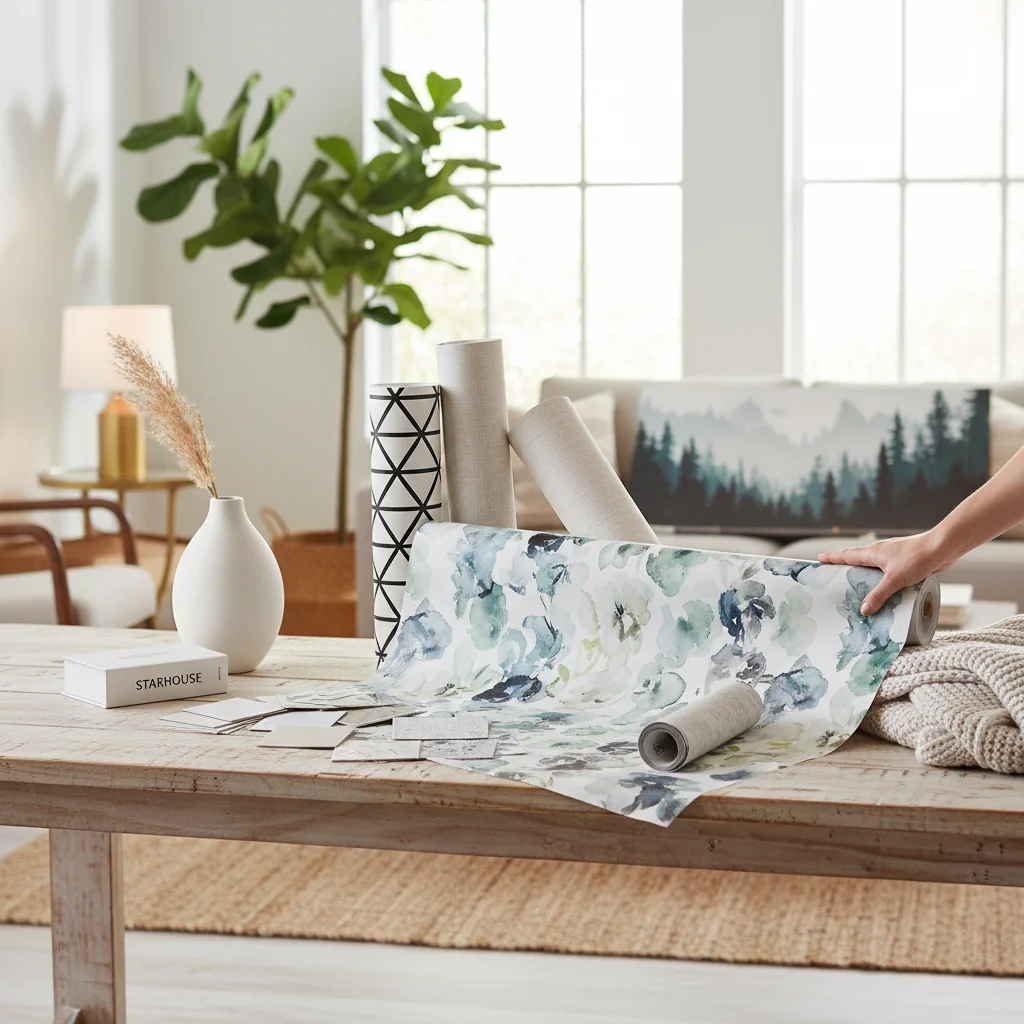
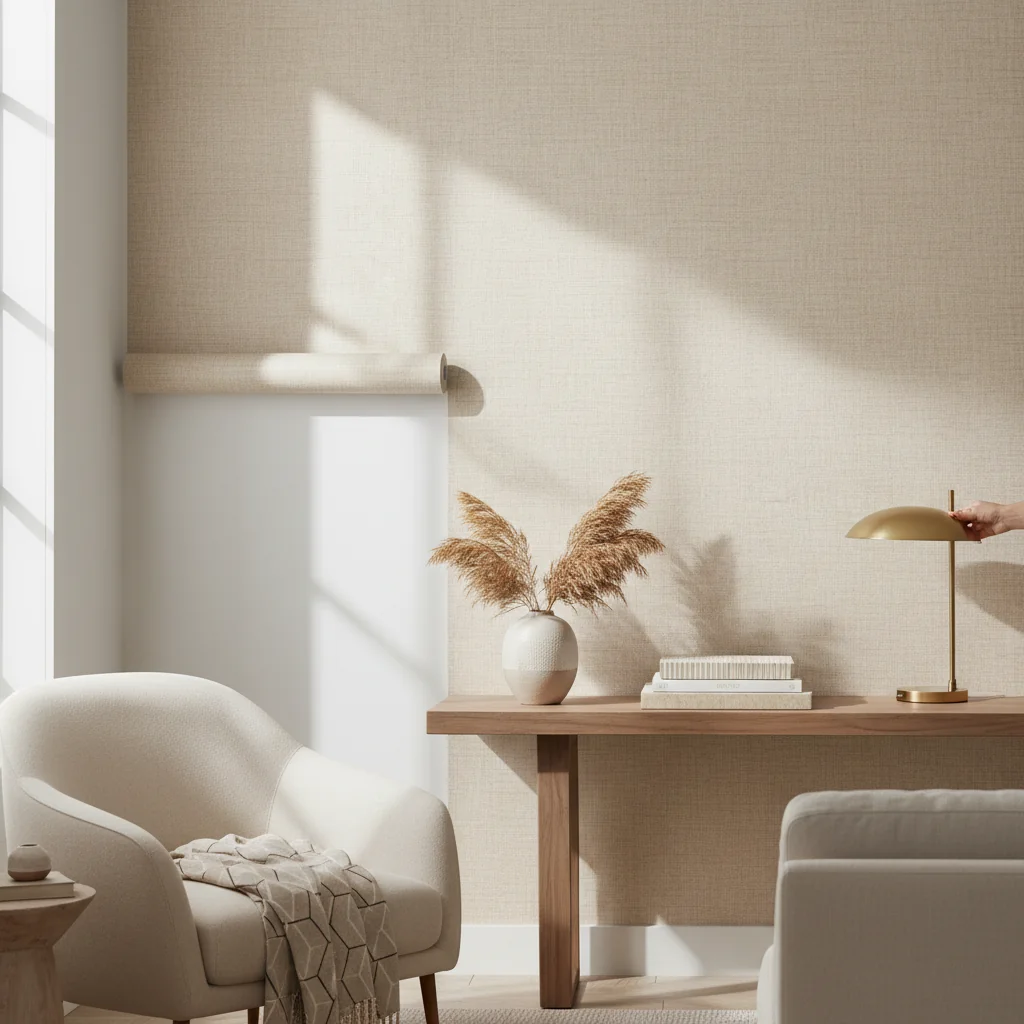
For those in York, Pennsylvania, and indeed across the United States, the choice of wallpaper offers an unparalleled opportunity to imbue a space with character, depth, and a distinctive aesthetic that paint alone cannot achieve. Far from being a relic of the past, contemporary wallpaper is a sophisticated design tool, offering an expansive palette of textures, patterns, and materials to transform any room. This comprehensive guide from Starhouse delves into every facet of selecting, installing, and maintaining wallpaper, drawing on our expertise in curating exceptional home décor to help you make informed and inspired choices for your residence, whether you reside in the historic Susquehanna Valley or beyond.
Key Takeaways
- Wallpaper offers unique aesthetic depth, texture, and pattern that paint cannot replicate, making it a powerful tool for personalized interior design.
- Understanding different wallpaper types—from durable vinyl to breathable non-woven and easily removable peel-and-stick—is crucial for selecting the right material for a room’s function and desired longevity.
- Accurate measurement and calculation, including accounting for pattern repeat and adding a 15-20% buffer, are essential for purchasing the correct quantity of wallpaper rolls.
- Modern wallpaper trends favor biophilic designs, rich textures, metallic accents, and large-scale murals, alongside an increasing demand for sustainable and low-VOC options.
- Proper wall preparation, precise installation techniques, and regular, gentle maintenance are critical for achieving a flawless finish and extending the lifespan of your wallpaper.
- Strategic styling, whether as an accent wall, full room application, or ceiling treatment, allows wallpaper to seamlessly integrate with existing furnishings and lighting, enhancing overall décor.
The Enduring Appeal of Wallpaper: More Than Just a Wall Covering
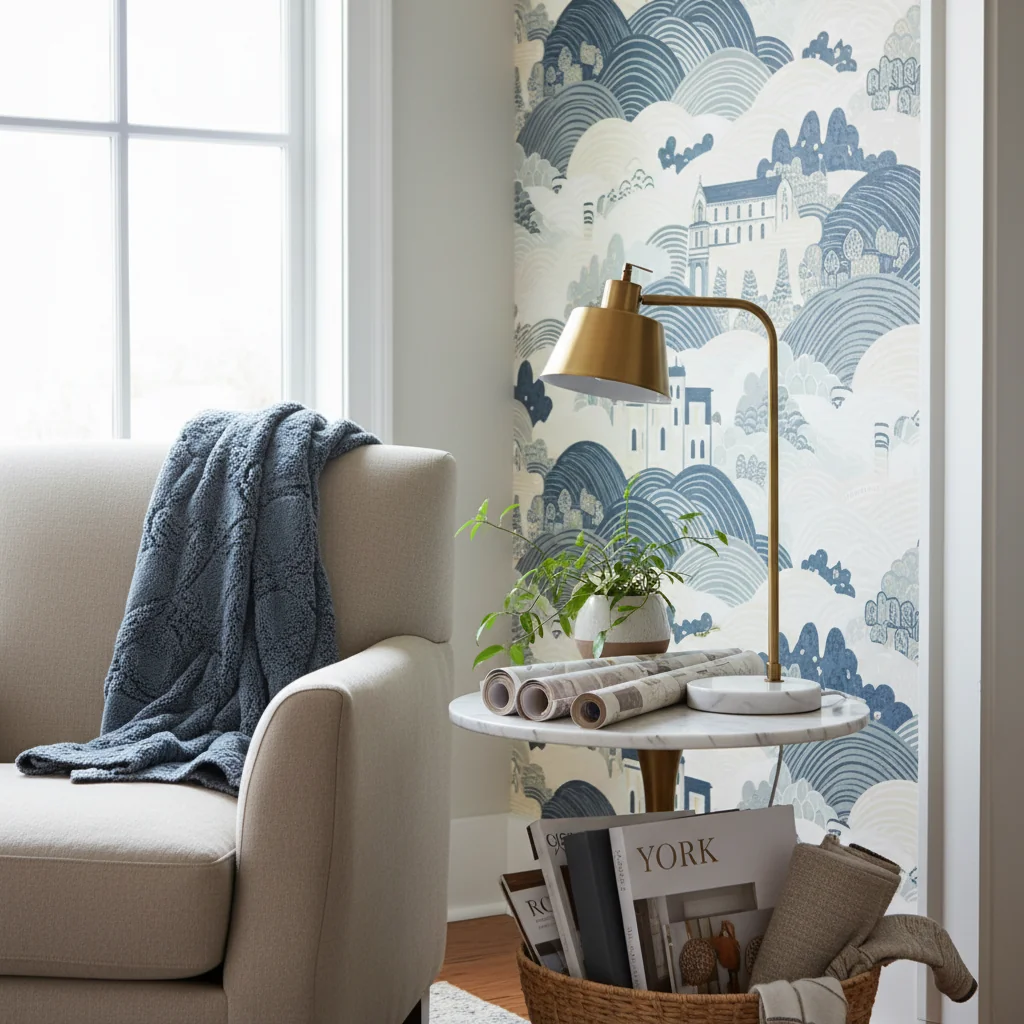
Wallpaper transforms spaces by introducing depth, texture, and intricate patterns that paint simply cannot replicate, making it a definitive statement in interior design. It possesses a unique ability to define a room’s character, create an immediate focal point, or infuse an entire space with a bespoke atmosphere. From its origins as a practical and artistic wall treatment, wallpaper has evolved into a sophisticated design element, experiencing a significant resurgence in contemporary interiors.
Historically, wallpaper emerged in Europe as an economical alternative to tapestries and hand-painted wall decorations, gaining widespread popularity in the 18th and 19th centuries. Its evolution reflects shifts in art, technology, and social tastes, transitioning from labor-intensive block printing to mass-produced rolls. In the 20th century, it moved through various phases, from the bold patterns of the Art Deco era to the psychedelic designs of the 1960s, eventually facing a decline in favor of simpler painted walls. However, the 21st century has witnessed a dramatic revival, driven by advancements in digital printing, new material innovations, and a renewed appreciation for personalized, layered interiors.
The choice between wallpaper and paint is not merely aesthetic; it involves practical considerations. Wallpaper offers superior durability in many instances, protecting walls from minor scuffs and marks more effectively than a standard paint finish. It can also expertly disguise minor wall imperfections, such as hairline cracks or uneven plaster, providing a smooth and polished surface. Beyond its functional benefits, wallpaper delivers an unparalleled visual impact. A well-chosen pattern can expand a small room, add warmth to a minimalist space, or create a luxurious backdrop that elevates all other design elements. At Starhouse, we understand that wallpaper is not just a covering; it is an integral component of a cohesive and compelling design narrative.
Decoding Wallpaper Types: A Guide to Materials and Their Characteristics
Wallpaper types are primarily defined by their material composition, which dictates their durability, texture, installation method, and suitability for various environments. Understanding these distinctions is fundamental to selecting a product that not only meets your aesthetic desires but also performs optimally within your home.
Wallpaper is a decorative material applied to walls using adhesive, typically sold in rolls, and designed to enhance interior aesthetics through patterns, textures, and colors. The base material, along with any finishes or coatings, determines its key properties:
-
Paper-Backed Vinyl
This is a widely popular and versatile option, featuring a decorative vinyl surface laminated to a paper backing. Paper-backed vinyl wallpapers are generally durable, washable, and resistant to moisture, making them suitable for moderate-traffic areas like living rooms, dining rooms, and bedrooms. They offer a vast array of patterns and textures, from subtle embossed designs to bold graphic prints, and are relatively easy to install and remove compared to pure paper options.
-
Solid Vinyl
Comprising a solid sheet of vinyl with a decorative surface, solid vinyl wallpaper is exceptionally durable and highly resistant to moisture, humidity, and staining. This makes it an ideal choice for high-traffic areas, kitchens, bathrooms, and even commercial settings. It is typically scrubbable and can withstand rigorous cleaning, offering long-term resilience. However, its non-porous nature can sometimes make it less breathable than other types.
-
Non-Woven
Non-woven wallpaper is manufactured from a blend of natural and synthetic fibers, making it one of the most user-friendly and environmentally conscious options available. It is breathable, resistant to tearing, and remarkably easy to install using the “paste-the-wall” method, where adhesive is applied directly to the wall rather than the paper. Crucially, non-woven wallpaper is celebrated for its complete removability in full sheets, often without damaging the underlying wall surface, making it excellent for renters or those who frequently update their décor. Many non-woven options also feature low-VOC formulations.
-
Fabric-Backed Vinyl
Primarily used in commercial or very high-traffic residential applications, fabric-backed vinyl consists of a heavy-duty vinyl surface bonded to a fabric substrate. This construction provides exceptional strength, durability, and resistance to impact and abrasion. It is often thicker and more rigid than other vinyl types, requiring professional installation due to its weight and specific adhesive requirements.
-
Grasscloth and Natural Fibers
Grasscloth wallpaper, crafted from woven natural fibers such as jute, sisal, or bamboo, offers unparalleled texture and organic warmth. Each roll is unique, with subtle variations in color and weave, creating a sophisticated, handcrafted look. While highly desirable for its aesthetic, grasscloth is more delicate than vinyl; it is not washable and can be susceptible to moisture and staining. Installation requires careful handling, and seams are typically visible, which is considered part of its natural charm.
-
Textile (Fabric)
Textile wallpapers are made from natural or synthetic fabrics like silk, linen, cotton, or rayon, often backed with paper or non-woven material. They exude luxury and softness, adding a rich, tactile dimension to walls. These wallpapers are generally delicate, not washable, and can be more challenging to install, often requiring professional expertise. They are best suited for low-traffic areas where their opulent texture can be appreciated without risk of damage.
-
Mylar/Foil
Mylar and foil wallpapers feature a thin metallic layer that provides a highly reflective, often shimmering or mirrored finish. These types can dramatically brighten a room, create a sense of expansive space, and add a touch of glamour or retro flair. They are generally wipeable but can highlight wall imperfections due to their reflectivity, necessitating extremely smooth wall preparation. The metallic surface can also be prone to creasing during installation.
-
Flocked
Flocked wallpaper is characterized by a raised, velvety pattern created by applying tiny fibers onto a paper or vinyl backing. This technique adds a luxurious, three-dimensional texture reminiscent of velvet or damask fabrics, often associated with traditional or opulent décor styles. Flocked wallpapers are typically delicate and not washable, requiring careful cleaning with a soft brush or vacuum.
-
Peel-and-Stick (Removable)
Peel-and-stick wallpaper is a type of wall covering with an adhesive backing that allows for easy application and removal without the need for traditional paste. This innovative solution has revolutionized DIY décor, offering unparalleled convenience and flexibility. It is ideal for renters, temporary installations, accent walls, or for those who enjoy frequent design updates. Available in a vast array of patterns and textures, most peel-and-stick options are made from vinyl or non-woven materials, making them durable and often washable. Their key advantage lies in their non-damaging removal, leaving no sticky residue or wall damage when correctly applied and removed.
-
Murals
Wallpaper murals are large-format designs printed across multiple panels to create a single, continuous image or scene. They offer an immersive and dramatic statement, capable of transforming an entire wall into a landscape, abstract artwork, or custom graphic. Murals are available in various materials, including non-woven and peel-and-stick, offering flexibility in installation and durability. They require precise alignment during installation to ensure the image flows seamlessly.
-
Liquid Wallpaper
Also known as silk plaster or textile plaster, liquid wallpaper is a decorative wall covering applied like paint but dries to a soft, seamless texture reminiscent of fabric or plaster. It is typically made from natural fibers (cotton, silk) and binders, offering insulation and sound absorption properties. While not a traditional rolled wallpaper, it presents an interesting alternative for those seeking a textured, seamless finish with DIY application potential.
The Art of Selection: Choosing the Perfect Wallpaper for Your Space
Selecting the ideal wallpaper involves a thoughtful and strategic consideration of the room’s intended function, its existing décor, the desired mood you wish to evoke, and practical requirements such as durability and ease of maintenance. A successful choice harmonizes with its surroundings while fulfilling specific design and functional needs.
Room Function and Traffic
The purpose of a room dictates the practical requirements of your wallpaper. For instance, kitchens and bathrooms demand wallpapers with high moisture resistance and washability, making solid vinyl or certain non-woven options excellent choices. These materials can withstand splashes, steam, and frequent cleaning. In contrast, bedrooms and formal living areas, which experience lower traffic and moisture, allow for a broader range of materials, including more delicate options like grasscloth or textile wallpapers, where aesthetic appeal takes precedence over extreme durability.
Light and Space Dynamics
The interplay of light and space is crucial in wallpaper selection. Dark patterns and deeply saturated colors tend to make a room feel smaller and more intimate, best suited for spacious areas or for creating a cozy, dramatic effect in smaller rooms. Conversely, light-colored wallpapers with subtle patterns or reflective surfaces (like mylar) can visually expand a space, making it feel brighter and more open. Consider the amount of natural light a room receives; a north-facing room might benefit from warm, light-colored patterns, while a south-facing room can handle cooler, richer tones.
Existing Décor and Color Palette
Your wallpaper should either complement or thoughtfully contrast with your existing furniture, textiles, and overall color scheme. If your room features strong patterns in upholstery or rugs, a more understated or textured wallpaper might be appropriate to avoid visual clutter. Alternatively, if your furnishings are monochromatic, a bold wallpaper can serve as the room’s central design statement. We recommend selecting a wallpaper that incorporates at least one or two colors already present in your room, ensuring a cohesive flow.
Mood and Atmosphere
Wallpaper is a powerful tool for establishing a room’s emotional tenor. Large-scale, vibrant patterns can inject energy and playfulness, suitable for a child’s room or an eclectic living space. Soft, muted tones with subtle textures create a calming and serene atmosphere, ideal for bedrooms or reading nooks. Luxurious textures like silk or flocking can evoke opulence and sophistication, perfect for a formal dining room or master suite. Define the desired mood before exploring patterns.
Pattern Scale and Repeat
The scale of a wallpaper pattern significantly impacts a room’s perception. Large-scale patterns work best in larger rooms, where they can be fully appreciated without overwhelming the space. In smaller rooms, large patterns can feel cramped. Conversely, small-scale patterns or subtle textures can add interest without dominating a compact area. Pay attention to the pattern repeat—the distance before the pattern begins again—as this affects both the visual flow and the amount of wallpaper required for installation.
Durability and Washability
Assess the practical needs of your space. For areas prone to spills or dirt, such as hallways, playrooms, or kitchens, prioritize wallpapers labeled as “scrubbable” or “washable.” These typically have a vinyl or robust non-woven surface that can withstand cleaning with a damp cloth and mild detergent. Delicate materials like grasscloth or natural textiles are best reserved for low-traffic, low-moisture areas where their unique aesthetic can be preserved.
Sustainability and Health Considerations
For health-conscious consumers, investigating the environmental impact and chemical composition of wallpaper is increasingly important. Many manufacturers now offer eco-friendly options made from recycled materials, sustainably sourced fibers, or printed with water-based, non-toxic inks. Furthermore, the presence of volatile organic compounds (VOCs) in building materials can impact indoor air quality. The U.S. Environmental Protection Agency (EPA) provides guidance on volatile organic compounds (VOCs) in household products, noting that while they do not directly regulate VOCs in wallpaper, manufacturers are increasingly offering low-VOC or VOC-free options to meet consumer demand for healthier indoor air quality. US EPA. Always check product specifications for certifications like GREENGUARD or OEKO-TEX, which indicate lower chemical emissions.
Sample Testing
Before committing to a full purchase, acquiring wallpaper samples is a non-negotiable step. Tape samples to your wall and observe them at different times of day, under various lighting conditions (natural light, artificial light, evening light). This allows you to assess how the color, pattern, and texture truly appear in your space and how they interact with existing elements. This simple step can prevent costly mistakes and ensure your final selection is perfect.
Precision Planning: Measuring and Estimating Wallpaper Needs
Accurate measurement of your wall surfaces and precise estimation of the required wallpaper rolls are critical steps to ensure you have sufficient material for a seamless installation and to minimize waste. Underestimating can lead to delays and color mismatches if subsequent batches vary, while overestimating can result in unnecessary expense.
Tools Required
Before you begin, gather the following essential tools:
- A reliable metal tape measure (at least 25 feet long).
- A pencil and notepad for recording measurements.
- A calculator for precise computations.
- A step stool or ladder to reach high points accurately.
Measuring Walls: The Foundation of Accuracy
Measure each wall individually, even if they appear to be the same size. Variations of even a quarter-inch can impact pattern matching and roll allocation. For each wall, measure:
- Height: From the top of the baseboard to the ceiling line. Take measurements at several points across the wall and use the tallest measurement to ensure all strips are long enough.
- Width: Measure the width of each wall.
- Obstructions: For windows, doors, and other architectural features, measure their width and height. While you will not wallpaper these areas, understanding their dimensions helps in calculating usable wall space and planning cuts.
Calculating Square Footage
The standard method for estimating wallpaper is based on total square footage. Follow these steps:
- Calculate Total Wall Area: For each wall, multiply its height by its width to get the square footage (e.g., 8 feet high x 12 feet wide = 96 sq ft).
- Sum All Walls: Add the square footage of all walls you intend to cover to get the total gross square footage.
- Deduct Large Openings (Optional but Recommended): For very large windows or doors (typically over 20 sq ft), you can deduct their area from the total. For smaller openings, it is generally safer to include them in the total to account for cutting waste. Example: A door measuring 3 feet wide x 7 feet high is 21 sq ft.
Understanding Roll Coverage and Pattern Repeat
Wallpaper is typically sold in single, double, or triple rolls, though most manufacturers refer to “double rolls” as a standard unit for coverage. A standard American wallpaper roll is approximately 20.5 inches wide and 33 feet long, covering about 56 square feet. However, this is a theoretical coverage; actual usable coverage is always less due to pattern repeat and trimming.
Pattern Repeat: This is the vertical distance on the wallpaper before the pattern repeats itself. It is a critical factor for accurate estimation because you must align patterns between adjacent strips, leading to waste. The repeat length is usually indicated on the wallpaper label.
- Straight Match: The pattern matches straight across at the same height on adjacent strips. This is the most straightforward to install but requires careful alignment.
- Drop Match: The pattern matches across adjacent strips, but one strip is dropped (offset) by half the pattern repeat. This creates a more staggered, intricate look but often results in more waste.
- Random Match: There is no discernible pattern repeat, allowing strips to be hung side-by-side without alignment. This minimizes waste and simplifies installation.
| Characteristic | Description | Impact on Estimation | Typical Waste Factor (Approx.) |
|---|---|---|---|
| Standard Roll Size (US) | Approximately 20.5 inches wide x 33 feet long (single roll) or 66 feet long (double roll). | Determines base square footage per roll. Most calculations assume ‘double roll’ coverage for practical use. | N/A (base unit) |
| Theoretical Coverage | A standard double roll covers about 56 sq ft (for 20.5″ x 33′ single roll, 112 sq ft for double roll). | The absolute maximum coverage; actual coverage is always less due to cuts and pattern matching. | N/A (ideal scenario) |
| Pattern Repeat Length | Vertical distance (in inches) before the design repeats. Listed on the wallpaper label. | Longer repeats require more material for matching, increasing waste. Shorter repeats or random matches reduce waste. | Varies: 0-25% depending on match type and repeat length. |
| Straight Match | Pattern matches horizontally at the same height on adjacent strips. | Requires cutting strips to align the pattern, leading to some waste, especially with large repeats. | 5-10% extra for small repeats, up to 15% for large repeats. |
| Drop Match (Half-Drop/Offset) | Pattern matches on adjacent strips, but one strip is offset vertically by half the repeat length. | Often the most wasteful type, as more material is needed to find the pattern match for staggered alignment. | 10-20% extra, sometimes more for very large repeats. |
| Random Match | No discernible pattern repeat; strips can be hung side-by-side without alignment. | Minimizes waste significantly, as strips can be cut sequentially from the roll. | Minimal (2-5% for trimming errors). |
| Usable Coverage (Realistic) | Actual square footage a roll will cover after accounting for pattern match waste and trimming. | This is the critical number for purchasing. Always lower than theoretical coverage. | Typically 15-20% less than theoretical coverage, depending on pattern repeat. |
Adding a Buffer: The Golden Rule
Once you have calculated your total adjusted square footage, it is imperative to add a buffer to your order. We strongly recommend adding an additional 15-20% to your total. This buffer accounts for:
- Cutting Waste: Especially with pattern repeats, you will inevitably trim off excess.
- Mistakes: Everyone makes them, and having extra material prevents a halt in your project.
- Future Repairs: Having a leftover roll or two allows you to repair damaged sections years down the line, ensuring a perfect match.
- Batch Variations: Wallpaper colors can vary slightly between production batches. Buying all your rolls at once from the same batch number ensures color consistency.
Example Calculation:
Room dimensions: 8 ft high x 10 ft wide (two walls), 8 ft high x 12 ft wide (two walls).
Total gross square footage = (8×10) + (8×10) + (8×12) + (8×12) = 80 + 80 + 96 + 96 = 352 sq ft.
Assume a standard double roll covers approximately 50 sq ft (after accounting for average pattern repeat and trim).
Number of rolls needed = 352 sq ft / 50 sq ft/roll = 7.04 rolls. Round up to 8 rolls.
Add 15% buffer: 8 rolls * 1.15 = 9.2 rolls. Round up to 10 rolls.
For this room, you would purchase 10 double rolls to be safe.
Measuring for Ceilings
If you plan to wallpaper a ceiling, treat it as a single large wall. Measure the length and width of the ceiling and calculate its square footage. Apply the same pattern repeat and buffer considerations as you would for walls.
By meticulously following these measuring and estimation guidelines, you will equip yourself with the correct amount of wallpaper, ensuring a smooth and successful installation that brings your design vision to life.
Installation Insights: From DIY to Professional Application
Proper wallpaper installation, whether undertaken as a dedicated DIY project or entrusted to a skilled professional, demands meticulous surface preparation, precise alignment, and strict adherence to specific application techniques to achieve a flawless, durable, and aesthetically pleasing finish. The quality of the installation directly impacts the longevity and visual appeal of the wallpaper.
Surface Preparation: The Critical First Step
The success of any wallpaper installation hinges on the condition of the wall surface. Neglecting proper preparation is the most common cause of bubbles, visible seams, and premature peeling. Follow these essential steps:
- Clean the Walls: Thoroughly wash walls with a mild detergent solution (e.g., TSP substitute) to remove dirt, grease, and grime. Rinse with clean water and allow to dry completely, typically 24 hours.
- Repair Imperfections: Fill all holes, cracks, and gouges with spackle or joint compound. Sand smooth once dry. Any imperfection on the wall will likely show through the wallpaper, especially with thinner materials or reflective finishes.
- Remove Old Wallpaper (If Applicable): If old wallpaper is present, it must be removed. Old paste can react with new adhesive, and layering can lead to an uneven finish. Use a wallpaper stripper solution and scraper for efficient removal, then clean and rinse the walls thoroughly.
- Prime the Walls: Apply a high-quality wallpaper primer, also known as “sizing” or “wall-size.” Primer serves several crucial functions:
- It seals porous surfaces, preventing the wall from absorbing too much adhesive.
- It creates a consistent surface for the adhesive to bond to, promoting better adhesion.
- It facilitates easier removal of the wallpaper in the future by creating a protective barrier between the adhesive and the drywall.
- For dark walls or light wallpaper, a white-pigmented primer ensures true color representation.
Allow the primer to dry completely according to the manufacturer’s instructions, typically 24-48 hours.
Essential Tools for Installation
Having the right tools simplifies the process and improves the outcome:
- Tape Measure and Pencil: For accurate measuring and marking.
- Utility Knife with Snap-Off Blades: Essential for clean, sharp cuts. Keep extra blades on hand.
- Long Level or Plumb Line: Critical for ensuring the first strip is perfectly vertical, setting the alignment for the entire room.
- Smoothing Tool: A plastic smoother, wallpaper brush, or damp sponge to remove air bubbles and creases.
- Seam Roller: To press down seams for a tight, invisible finish.
- Paste Brush or Roller (for Traditional Wallpaper): To apply adhesive evenly.
- Water Tray (for Pre-Pasted Wallpaper): For activating the adhesive.
- Bucket and Sponges: For cleaning excess paste.
- Drop Cloths: To protect floors.
- Step Stool or Ladder: For reaching high areas safely.
Traditional Wallpaper Installation Steps (Paste-the-Paper)
- Layout and Cut Strips: Unroll your wallpaper and cut the first strip a few inches longer than your wall height, allowing for trimming at the top and bottom. Lay out subsequent strips, carefully matching the pattern repeat across the width. Cut all strips for one wall at a time, labeling the back of each strip (e.g., W1-1, W1-2) with an arrow indicating the top.
- Apply Paste (Booking): Lay the first strip face down on a clean, protected surface. Apply an even layer of wallpaper paste to the entire back of the strip, working from the center outwards. Fold the pasted ends towards the center, paste-to-paste, without creasing the paper. This technique, called “booking,” allows the paper to relax and the paste to fully activate, typically for 5-10 minutes, depending on the wallpaper type.
- Hang the First Strip: Using your plumb line or level, draw a faint vertical line on the wall, approximately 1/2 inch less than the width of your wallpaper strip from a corner. This ensures your first strip is perfectly plumb. Unfold the top portion of your booked strip and align its edge with your plumb line, starting from the ceiling, leaving 2-3 inches of excess at the top.
- Smooth and Align: Gently press the strip onto the wall. Unfold the bottom portion and continue pressing. Using your smoothing tool, work from the center of the strip outwards, pushing out any air bubbles or excess paste.
- Trim Excess: Once the strip is smoothly applied, use your utility knife and a straightedge (like a wide putty knife) to carefully trim the excess wallpaper at the ceiling and baseboard. Change blades frequently for clean cuts.
- Hang Subsequent Strips: For the next strip, apply paste and book as before. Align its edge precisely with the previous strip, carefully matching the pattern. Ensure there are no overlaps; seams should be “butted” together. Smooth and trim as before.
- Seam Rolling and Cleaning: After each strip is hung, use a seam roller to gently press down the seams, ensuring a secure bond. Immediately wipe away any excess paste that squeezes out with a damp sponge, as dried paste can be difficult to remove and may leave a shine.
Peel-and-Stick Wallpaper Installation Steps
- Prepare the Wall: Ensure the wall is clean, smooth, dry, and primed (priming is often recommended for best adhesion and removal, even for peel-and-stick).
- Measure and Cut: Measure your wall height and cut your first strip, again allowing a few inches of overlap at the top and bottom.
- Align the First Strip: Peel back only about 6-12 inches of the backing paper from the top of the first strip. Align the exposed adhesive edge with your plumb line at the ceiling, leaving overlap.
- Apply and Smooth: Gently press the top portion onto the wall. Slowly peel off more of the backing paper as you work your way down the wall, simultaneously smoothing the wallpaper onto the surface with your hand or a soft smoothing tool. Work from the center outwards to prevent bubbles. If a bubble appears, gently lift the paper and re-apply.
- Trim Excess: Once the strip is fully applied and smoothed, use your utility knife and a straightedge to trim the excess at the ceiling and baseboard.
- Hang Subsequent Strips: For the next strip, align its edge closely with the previous one, matching the pattern. Do not overlap. Peel and stick, smoothing as you go.
When to Hire Professional Installation
While DIY installation is feasible for many, certain situations warrant professional expertise:
- Complex Patterns: Large pattern repeats or intricate designs can be challenging to align perfectly.
- Delicate Materials: Grasscloth, textile, or highly reflective foil wallpapers are often delicate and prone to damage during installation.
- Irregular Walls: Walls with many angles, arches, or architectural features require advanced cutting and fitting skills.
- High Ceilings: Working on tall ladders requires specialized equipment and safety knowledge. For professional installers, adherence to safety guidelines, such as those published by the Occupational Safety and Health Administration (OSHA), is paramount to ensure a safe working environment, particularly when dealing with ladders, elevated platforms, or chemicals. Occupational Safety and Health Administration.
- Time Constraints: Professionals work efficiently and can complete projects much faster than most DIYers.
- Guaranteed Results: A professional installer typically guarantees their work, providing peace of mind.
Whether you choose to install wallpaper yourself or hire a professional, meticulous preparation and careful execution are the hallmarks of a beautiful and lasting finish. Starhouse advocates for informed choices, ensuring your walls become the exquisite backdrop your home deserves.
Modern Trends in Wallpaper: Inspiring Contemporary Interiors
Contemporary wallpaper trends emphasize bold self-expression, incorporating elements like large-scale botanicals, rich textured surfaces, sophisticated metallic accents, and immersive digitally printed murals to create personalized and impactful interior statements. These trends reflect a desire for unique, layered, and character-filled spaces.
Biophilic Designs: Connecting with Nature
Biophilic design is an architectural and interior design approach that connects building occupants with nature to improve health and well-being. In wallpaper, this translates to an abundance of designs inspired by the natural world. Expect to see lush botanical prints featuring oversized leaves, exotic flowers, and dense jungle motifs. Landscapes, abstract natural forms, and even subtle organic textures also fall under this category, bringing a sense of calm, vitality, and connection to the outdoors into indoor environments.
Textural Wallpapers: Adding Depth and Tactility
Beyond visual patterns, texture plays a significant role in modern wallpaper. Trends lean towards materials that offer a palpable surface, such as authentic grasscloth and woven textures that add warmth and organic appeal. Faux textures mimicking concrete, brick, plaster, or even wood paneling continue to be popular, allowing for the industrial or rustic aesthetic without the structural commitment. These tactile surfaces add a sophisticated layer of depth to walls.
Geometrics & Abstracts: Modern Symmetry and Artistic Expression
Geometric patterns remain a cornerstone of contemporary design, evolving with new interpretations. Current trends feature larger-scale geometrics, often with a more fluid or organic feel, moving beyond rigid lines. Abstract designs, inspired by art and modern painting, offer a sense of artistic expression, featuring painterly strokes, watercolor effects, and free-form patterns that create dynamic and unique backdrops.
Metallic & Iridescent Finishes: A Touch of Glamour
The incorporation of metallic elements—gold, silver, copper, and bronze—or iridescent sheens adds a luxurious and glamorous dimension to wallpaper. These finishes catch and reflect light, creating subtle shimmer or dramatic highlights that change throughout the day. Metallic accents are often integrated into geometric patterns, abstract designs, or even subtle textural wallpapers, elevating the overall aesthetic with a touch of refined sparkle.
Murals & Panoramas: Immersive Statement Walls
Digitally printed murals and panoramic wallpapers are experiencing a significant surge in popularity. These large-format designs transform an entire wall into a captivating scene, whether it’s a serene landscape, an abstract art piece, an urban cityscape, or a whimsical narrative. Murals create an immersive experience, acting as a powerful focal point and eliminating the need for additional wall art on that surface.
Dark & Moody Hues: Dramatic Sophistication
A departure from bright, airy interiors, the trend towards dark and moody wallpaper palettes is gaining traction. Deep greens, rich blues, charcoal grays, and even black wallpapers create dramatic, sophisticated, and intimate atmospheres. These dark hues often serve as a backdrop for bold patterns or metallic accents, adding a sense of luxury and depth to rooms like dining areas, studies, or master bedrooms.
Sustainable & Eco-Friendly Options: Conscious Design
As environmental awareness grows, so does the demand for sustainable wallpaper choices. Manufacturers are responding with innovations such as wallpapers made from recycled materials, sustainably sourced fibers (e.g., bamboo, cork), and those printed with water-based, non-toxic, or low-VOC inks. These options allow consumers to make environmentally responsible design choices without compromising on style or quality.
Peel-and-Stick Advancements: Style Meets Convenience
The peel-and-stick category continues to expand, offering an ever-wider range of sophisticated designs, textures, and finishes. Improvements in adhesive technology mean these wallpapers are more durable and genuinely removable without damage, making them a viable and stylish option for long-term décor as well as temporary updates. This convenience factor, combined with elevated design, ensures its continued prominence in modern interiors.
These trends highlight wallpaper’s versatility as a design tool, moving beyond simple decoration to become a key element in crafting highly personalized, functional, and aesthetically rich interiors.
Care and Maintenance: Preserving Your Wallpaper’s Beauty
Proper care and routine maintenance are essential practices for extending the lifespan and preserving the pristine aesthetic appeal of your wallpaper, typically involving gentle cleaning methods and prompt attention to any minor issues. Adhering to these guidelines ensures your investment remains a beautiful feature in your home for years.
Understanding Washability Symbols
Wallpaper labels often include symbols indicating their washability. Understanding these is crucial for appropriate cleaning:
- Spongeable: Can be gently wiped with a damp sponge to remove light dirt. Do not scrub.
- Washable: Can be cleaned with a damp cloth and mild soap solution. Gentle rubbing is acceptable.
- Scrubbable: Can withstand more vigorous cleaning with a brush and detergent, suitable for tougher stains.
- Extra Scrubbable: Designed for heavy-duty cleaning and high-traffic areas.
- Non-Washable: Typically delicate materials like grasscloth or flocked paper. Avoid moisture; use dry cleaning methods only.
General Cleaning Guidelines
For most washable and scrubbable wallpapers, routine cleaning is straightforward:
- Dusting: Periodically dust your wallpaper with a soft, clean cloth or a vacuum cleaner brush attachment to prevent dust buildup.
- Gentle Wiping: For general dirt or smudges, use a soft, damp sponge or cloth. Lightly wipe the surface, starting from the bottom and working your way up to avoid streaks.
- Mild Soap Solution: For more persistent marks, mix a small amount of mild, non-abrasive soap (like dish soap) with warm water. Dampen a sponge in the solution, wring it out thoroughly, and gently wipe the affected area. Rinse the sponge frequently and wipe with clean water to remove soap residue.
- Avoid Harsh Chemicals: Never use abrasive cleaners, bleach, or strong chemical solvents, as these can damage the wallpaper’s finish, fade colors, or compromise its integrity.
Spot Cleaning Specific Stains
Address spills and stains immediately to prevent them from setting:
- Grease/Oil: For fresh grease stains, blot gently with a paper towel. For washable wallpapers, a mild degreasing agent diluted in water can be used sparingly.
- Ink/Marker: These are notoriously difficult to remove. For washable vinyl, a small amount of rubbing alcohol on a cotton swab might work, but always test in an inconspicuous area first. For delicate papers, professional cleaning may be the only option.
- Food Stains: Blot solid food particles. For washable papers, use the mild soap solution.
Specific Material Care
- Grasscloth and Natural Fibers: These are generally non-washable. Use a vacuum cleaner with a brush attachment to remove dust and debris. For spills, blot immediately with a dry cloth. Avoid any moisture, as it can stain or damage the fibers.
- Textile Wallpapers: Similar to grasscloth, these are often delicate. Vacuum gently. For stains, consult a professional wallpaper cleaner or follow specific manufacturer instructions.
- Metallic/Foil Wallpapers: Wipe gently with a soft, damp cloth. Avoid abrasive materials or harsh chemicals that could scratch the metallic finish.
- Flocked Wallpapers: These have a raised, velvety texture that can be easily damaged by moisture. Use a soft brush or vacuum with a brush attachment for dusting.
Preventing Damage and Prolonging Life
- Humidity Control: Maintain consistent indoor humidity levels. Excessive humidity can cause wallpaper to peel or bubble, while extreme dryness can lead to shrinking and seam separation. A dehumidifier or humidifier can help.
- Avoid Direct Sunlight: Prolonged exposure to direct sunlight can cause wallpaper colors to fade, especially with darker or vibrant hues. Use curtains, blinds, or UV-filtering window films to protect your walls.
- Protect from Physical Damage: Be mindful of furniture placement, pets, and children who might scuff, tear, or mark the wallpaper.
Addressing Minor Repairs
- Lifting Seams: For minor seam separation, apply a small amount of seam adhesive (available at hardware stores) directly under the lifted edge using a fine-tipped applicator. Press firmly with a seam roller or clean cloth.
- Bubbles: For small air bubbles, you can sometimes gently press them out with a smoothing tool. For larger, persistent bubbles, a wallpaper repair kit with a syringe can be used to inject adhesive and then smooth the area.
- Tears: For small tears, carefully apply a tiny amount of wallpaper adhesive to the back of the torn piece and press it back into place. For larger or more visible tears, a patch from leftover wallpaper may be required, carefully cut to match the pattern.
By integrating these care and maintenance practices into your routine, your wallpaper will continue to be a source of beauty and inspiration in your home for many years to come.
Styling and Pairing: Integrating Wallpaper Seamlessly into Your Decor
Seamlessly integrating wallpaper into your existing décor involves strategic pairing with furnishings, textiles, and lighting to create a cohesive and harmonious design narrative that amplifies the room’s overall aesthetic. The goal is to ensure the wallpaper acts as an integral part of the design, rather than an isolated element.
Accent Walls: A Focused Statement
The most common and impactful way to introduce wallpaper is through an accent wall. This approach allows for bold patterns, vibrant colors, or rich textures without overwhelming the entire space. Choose a wall that naturally draws attention, such as behind the bed in a bedroom, behind the sofa in a living room, or the wall that greets you upon entering. The accent wall should complement the other painted walls, either by contrasting dramatically or by picking up a subtle color from the wallpaper’s pattern. This technique is particularly effective in smaller rooms where a full wallpaper application might feel too busy.
Full Room Application: Immersive Experience
Wallpapering an entire room creates an immersive and enveloping experience. This approach works best with more understated patterns, subtle textures, or tone-on-tone designs that provide a consistent backdrop without visual fatigue. For larger rooms, a full application of a sophisticated pattern can create a grand and luxurious atmosphere. In a small powder room, a daring, vibrant pattern can turn the space into a jewel box, defying its size with a powerful design statement.
Ceiling Application: The Fifth Wall
Often overlooked, the ceiling is sometimes referred to as the “fifth wall” and presents a unique opportunity for design. Applying wallpaper to the ceiling can add unexpected depth, texture, and visual interest. A metallic wallpaper can reflect light and expand the sense of height, while a subtle pattern can add architectural detail. This technique is particularly effective in dining rooms, bedrooms, or entryways, drawing the eye upward and creating a truly bespoke feel.
Wallpaper in Small Spaces: Maximizing Impact
Small spaces like powder rooms, entryways, or even closets are ideal canvases for bold wallpaper choices. Because the area is contained, you can experiment with dramatic patterns, rich colors, or luxurious textures that might be overwhelming in a larger room. This creates a memorable, jewel-box effect, transforming a utilitarian space into a delightful design moment. Peel-and-stick options are particularly versatile for these smaller, often temporary, applications.
Mixing Patterns: The Art of Layering
Mastering the art of mixing patterns involves a careful balance to avoid visual chaos. When combining wallpaper with patterned furnishings or textiles, consider these guidelines:
- Vary Scale: Pair a large-scale wallpaper pattern with smaller-scale patterns in upholstery or rugs.
- Common Color Palette: Ensure there is at least one unifying color that ties all the patterns together.
- Mix Pattern Types: Combine organic florals with geometric stripes, or abstract patterns with a subtle texture.
- Introduce Solids: Break up patterned areas with solid-colored elements to provide visual rest.
Complementing Furniture and Textiles
Your wallpaper should enhance, not compete with, your furniture and textiles. If your wallpaper features a dominant pattern, opt for simpler, solid-colored upholstery and drapery. If your furniture is minimalist, a richly patterned or textured wallpaper can add the necessary warmth and character. Consider the period and style of your furniture; a vintage-inspired wallpaper will naturally pair well with mid-century modern pieces, while a classic damask suits traditional furnishings.
Lighting Considerations
Lighting plays a crucial role in how wallpaper is perceived. The texture, sheen, and color of wallpaper can change dramatically under different lighting conditions. Metallic wallpapers will shimmer under direct light, while deeply textured papers will cast interesting shadows. Test wallpaper samples in your room to observe how they appear throughout the day and under various artificial light sources. Strategically placed lighting can highlight a beautiful pattern or texture.
Layering Art and Mirrors
Do not shy away from hanging art or mirrors over wallpaper. This layering technique adds depth and sophistication. When selecting art, ensure its frame style and subject matter complement the wallpaper. A large, simple mirror can break up a busy pattern, while a gallery wall can create a dynamic contrast. The key is to ensure both the art and the wallpaper have space to breathe and contribute to the overall narrative.
Highlighting Architectural Elements
Wallpaper can be used to emphasize architectural features such as niches, alcoves, coffered ceilings, or even the inside of bookshelves. A contrasting pattern or color within these elements can draw attention to them, transforming them into focal points and adding bespoke detail to your home.
By thoughtfully considering these styling and pairing techniques, you can ensure your chosen wallpaper integrates seamlessly into your décor, elevating your space into a curated masterpiece that truly reflects your personal style.
Common Wallpaper Mistakes to Avoid
Avoiding common wallpaper mistakes, such as inadequate surface preparation or underestimating material needs, ensures a professional-looking finish and prevents costly rework, ultimately saving time and frustration during your design project.
-
Inadequate Wall Preparation
This is the most frequent and detrimental mistake. Failing to clean, repair, and prime walls properly leads to bubbles, visible imperfections, poor adhesion, and eventual peeling. Old wallpaper or adhesive must be fully removed. A smooth, clean, and primed surface is paramount for a professional finish.
-
Underestimating Material Quantity
Not accounting for pattern repeat waste, especially with large or intricate designs, can result in running out of wallpaper mid-project. This forces you to reorder, risking batch variations in color and incurring delays. Always add a 15-20% buffer to your calculated needs.
-
Ignoring Pattern Repeat
Failing to understand and properly align the pattern repeat between strips leads to a disjointed, unprofessional appearance. Each strip must be cut and positioned to ensure the design flows seamlessly across the wall. This is particularly crucial for drop-match patterns.
-
Not Using a Plumb Line for the First Strip
The first strip of wallpaper sets the alignment for the entire room. If it’s even slightly crooked, every subsequent strip will be off, resulting in a visibly skewed pattern. Always use a level or a plumb line to ensure the initial strip is perfectly vertical.
-
Over-Saturating Traditional Wallpaper (Booking Too Long)
For paste-the-paper wallpapers, allowing the pasted strips to “book” (fold and rest) for too long can cause the paper to become overly saturated and flimsy, making it difficult to handle and prone to tearing. Conversely, not booking long enough can lead to bubbling. Follow manufacturer guidelines precisely.
-
Not Smoothing Out Bubbles and Wrinkles
Air bubbles and creases must be smoothed out immediately during installation, working from the center of the strip outwards. Once the adhesive dries, these imperfections become permanent and highly visible.
-
Applying Wallpaper in Unsuitable Conditions
Extremes in temperature and humidity can negatively affect wallpaper adhesion and drying. Avoid installing wallpaper in very cold, hot, or excessively humid conditions. Ideal conditions are typically room temperature (65-75°F or 18-24°C) with moderate humidity.
-
Neglecting to Test Samples
Skipping the crucial step of testing wallpaper samples on your wall in various lighting conditions can lead to disappointment. Colors and patterns can look significantly different in your home than in a showroom or online image.
-
Choosing the Wrong Type for the Room’s Function
Using delicate, non-washable wallpaper in a high-moisture area like a bathroom or a high-traffic zone like a hallway will inevitably lead to premature damage and frustration. Always match the wallpaper type to the functional demands of the space.
-
Overlapping Seams (for most types)
With the exception of a few specialized types, wallpaper strips should be butted edge-to-edge, not overlapped. Overlapping creates visible ridges and can lead to peeling over time. Proper trimming and seam rolling ensure a smooth, nearly invisible seam.
By being aware of these common pitfalls and taking proactive steps to avoid them, you can ensure a successful wallpaper project that enhances your home’s beauty and provides lasting satisfaction.
Sources
- Does EPA regulate volatile organic compounds (VOCs) in household products? | US EPA
- About OSHA | Occupational Safety and Health Administration
- U.S. Consumer Product Safety Commission (CPSC) – Fire Safety for the Home
Frequently Asked Questions About Wallpaper
What is the best type of wallpaper for a bathroom?
The best type of wallpaper for a bathroom is solid vinyl or paper-backed vinyl because these materials are highly resistant to moisture, humidity, and are typically scrubbable, allowing for easy cleaning of splashes and condensation.
How do I remove old wallpaper?
To remove old wallpaper, first score the surface with a scoring tool, then apply a wallpaper stripping solution with a spray bottle or sponge, allowing it to soak for 15-20 minutes. Finally, use a broad putty knife or scraper to gently lift and peel the wallpaper off the wall.
Can I wallpaper over textured walls?
Wallpapering directly over heavily textured walls is not recommended as the texture will likely show through, creating an uneven and unprofessional finish. For best results, textured walls should be smoothed by skimming with joint compound or by applying a lining paper before wallpaper installation.
Is peel-and-stick wallpaper truly removable without damage?
Yes, high-quality peel-and-stick wallpaper is designed to be removable without damaging properly prepared and primed walls, leaving no sticky residue. However, improper wall preparation (e.g., unprimed drywall or peeling paint) can still lead to damage upon removal.
How long does wallpaper typically last?
The lifespan of wallpaper varies significantly based on its material, installation quality, and environmental conditions, but well-installed, high-quality wallpaper can last anywhere from 10 to 15 years, and sometimes even longer, outperforming paint in durability.
What does ‘washable’ wallpaper mean?
‘Washable’ wallpaper means its surface can be gently cleaned with a damp sponge or cloth and a mild soap solution to remove dirt or light stains without damaging the material or fading the colors. This term indicates a higher level of durability than ‘spongeable’ but less than ‘scrubbable’.
Can I use wallpaper in commercial spaces?
Yes, wallpaper is widely used in commercial spaces, but specific commercial-grade wallcoverings are required. These are typically fabric-backed vinyl or other heavy-duty materials designed for extreme durability, fire resistance, and ease of maintenance in high-traffic environments, often meeting specific ASTM E84 fire ratings.
Conclusion: Your Walls, Reimagined
From the historic manufacturing legacy in York, Pennsylvania, to the dynamic design trends shaping homes across the nation, wallpaper stands as a testament to transformative power in interior design. It offers an unmatched ability to infuse personality, texture, and artistic flair into any space, moving far beyond mere decoration to become a foundational element of your home’s character. At Starhouse, we understand that selecting the right wallpaper involves a blend of aesthetic vision and practical consideration, from deciphering material types and understanding pattern repeats to mastering installation and maintaining its enduring beauty.
This comprehensive guide has equipped you with the precise knowledge and authoritative insights needed to navigate the vast world of wallpaper. Whether you are envisioning a dramatic accent wall, an immersive full-room transformation, or a subtle textural enhancement, the possibilities are virtually limitless. The modern market offers innovative solutions for every need, from eco-friendly options to convenient peel-and-stick designs, ensuring that your walls can reflect your unique style with confidence and sophistication.
As Starhouse curates its premier collection of home décor, including an exquisite range of wallpapers, furnishings, textiles, and lighting, we are committed to bringing you pieces that embody both timeless elegance and contemporary relevance. We believe your home should be a true reflection of your aspirations and taste, a sanctuary crafted with intention and precision. We invite you to be part of our journey as we build this exceptional collection. Share your vision and tell us what you’re looking for in your dream space, and gain early access to our curated offerings designed to inspire and elevate every room in your home.