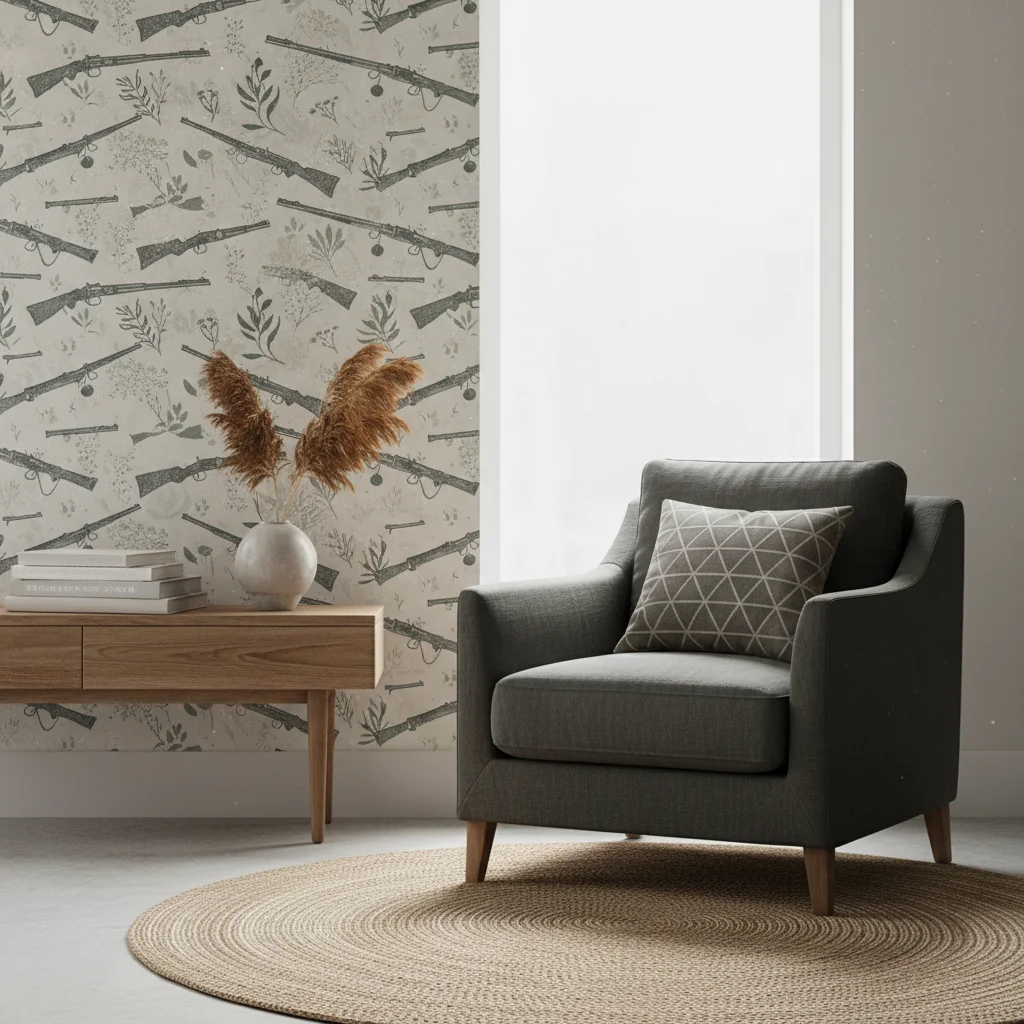
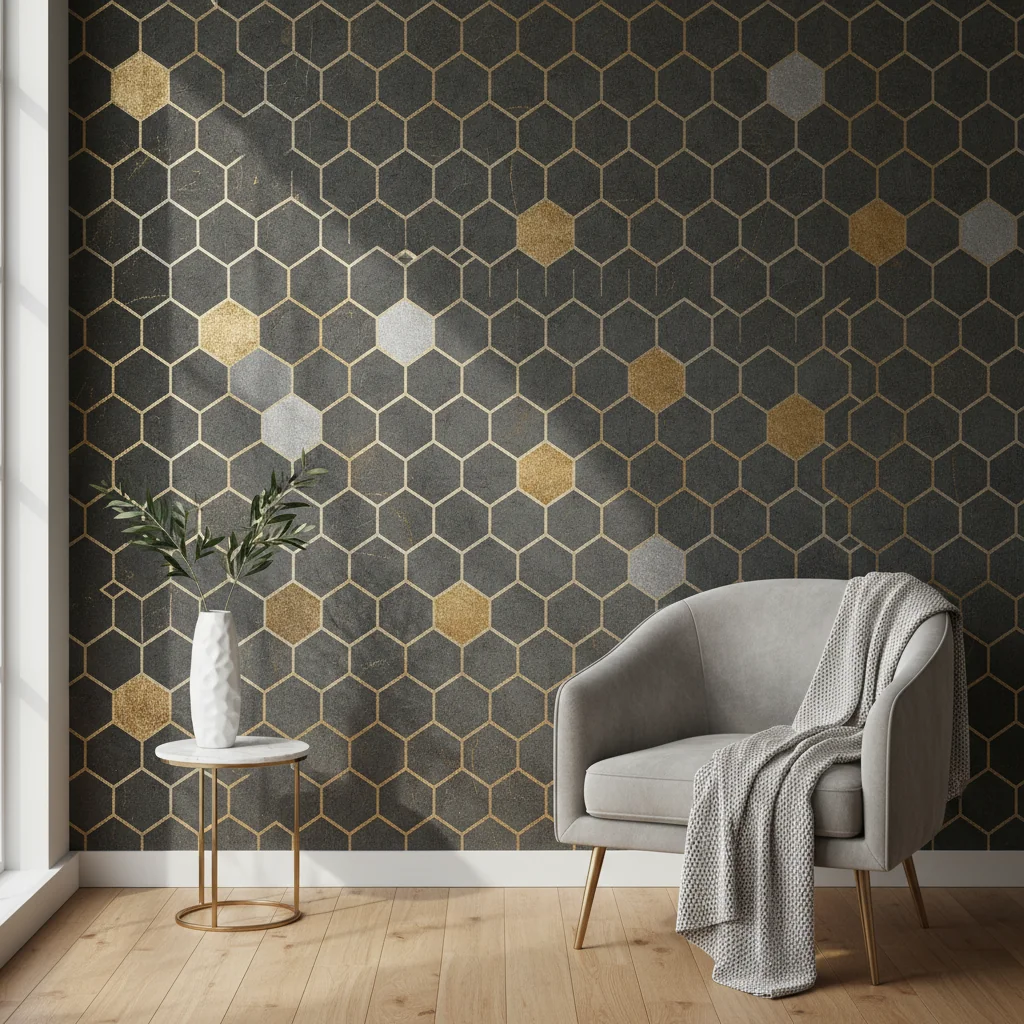
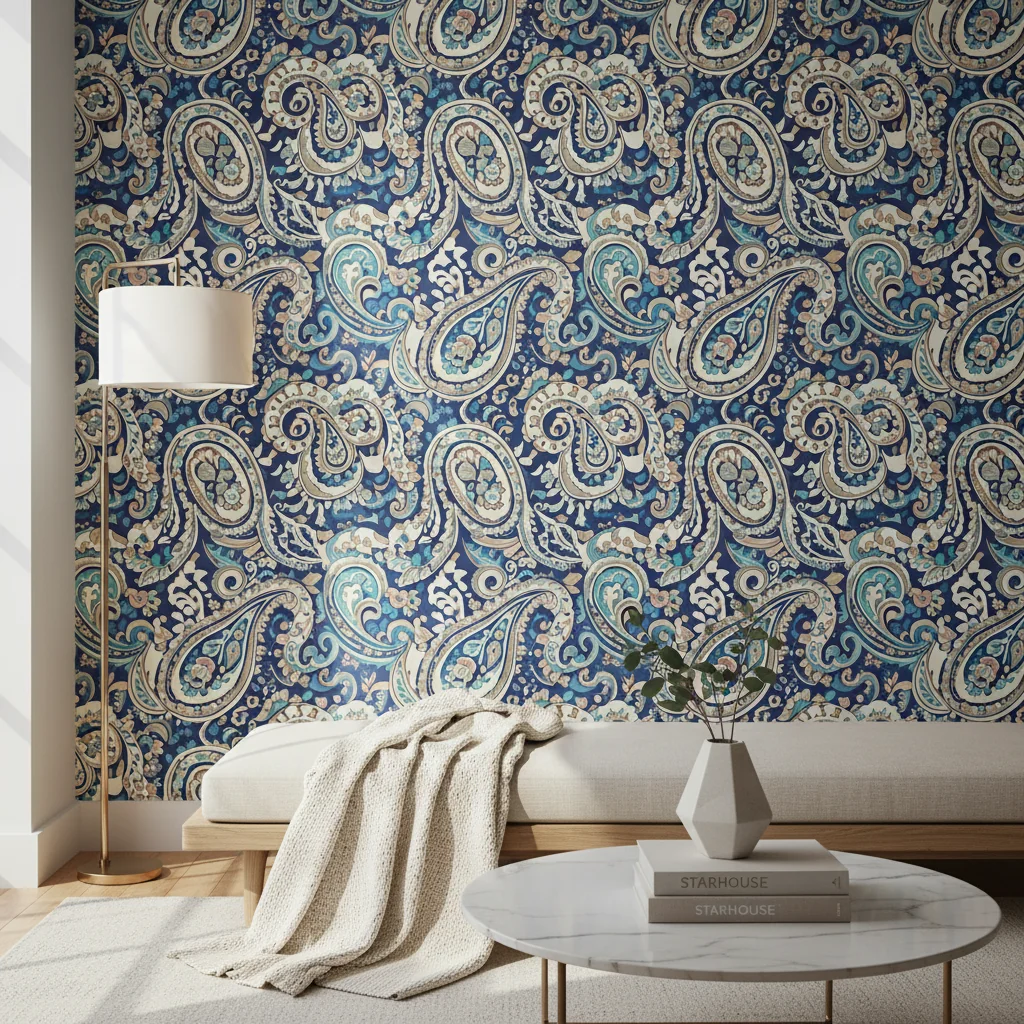
Wallpaper companies are specialized entities that design, manufacture, and distribute an expansive range of wallcoverings, providing both aesthetic and functional solutions for interior spaces across residential and commercial sectors. These firms are pivotal in shaping interior design trends, offering products that range from traditional paper-backed designs to advanced peel-and-stick technologies, each engineered with specific material compositions and installation requirements. Understanding the landscape of wallpaper companies involves recognizing their roles as innovators in material science, curators of design aesthetics, and providers of essential resources for homeowners, designers, and installers. They are the driving force behind the diverse patterns, textures, and finishes that transform walls from mere structural elements into dynamic canvases of personal expression.
From intricate historical reproductions to cutting-edge contemporary motifs, the offerings from these companies reflect a deep understanding of decorative arts, architectural styles, and evolving consumer preferences. They often invest heavily in research and development to produce wallcoverings that are not only visually striking but also durable, easy to maintain, and environmentally responsible. Navigating the choices presented by various wallpaper companies requires a discerning eye for quality, an appreciation for design integrity, and a practical understanding of application and longevity. This comprehensive guide will illuminate the multifaceted world of wallpaper companies, empowering you to make informed decisions for your home décor projects.
Key takeaways
- Wallpaper companies offer a vast spectrum of wallcovering types, including traditional, non-woven, vinyl, grasscloth, and peel-and-stick, each with distinct material compositions and performance characteristics.
- Selecting the right wallpaper involves considering material durability, pattern scale, desired aesthetic, and the specific functional requirements of the room, such as moisture resistance or light reflection.
- Accurate measurement and calculation are crucial for ordering the correct quantity of wallpaper, accounting for pattern repeat and potential waste to ensure a seamless and cost-effective installation.
- Adherence to proper installation techniques, whether DIY or professional, significantly impacts the finished appearance and longevity of the wallcovering.
- Ongoing care and maintenance, tailored to the wallpaper’s material, are essential for preserving its aesthetic appeal and extending its lifespan.
- The intellectual property of wallpaper designs, including patterns and textures, is protected under federal law, ensuring the originality and integrity of manufacturers’ creative works, as outlined by resources such as the U.S. Copyright Office.
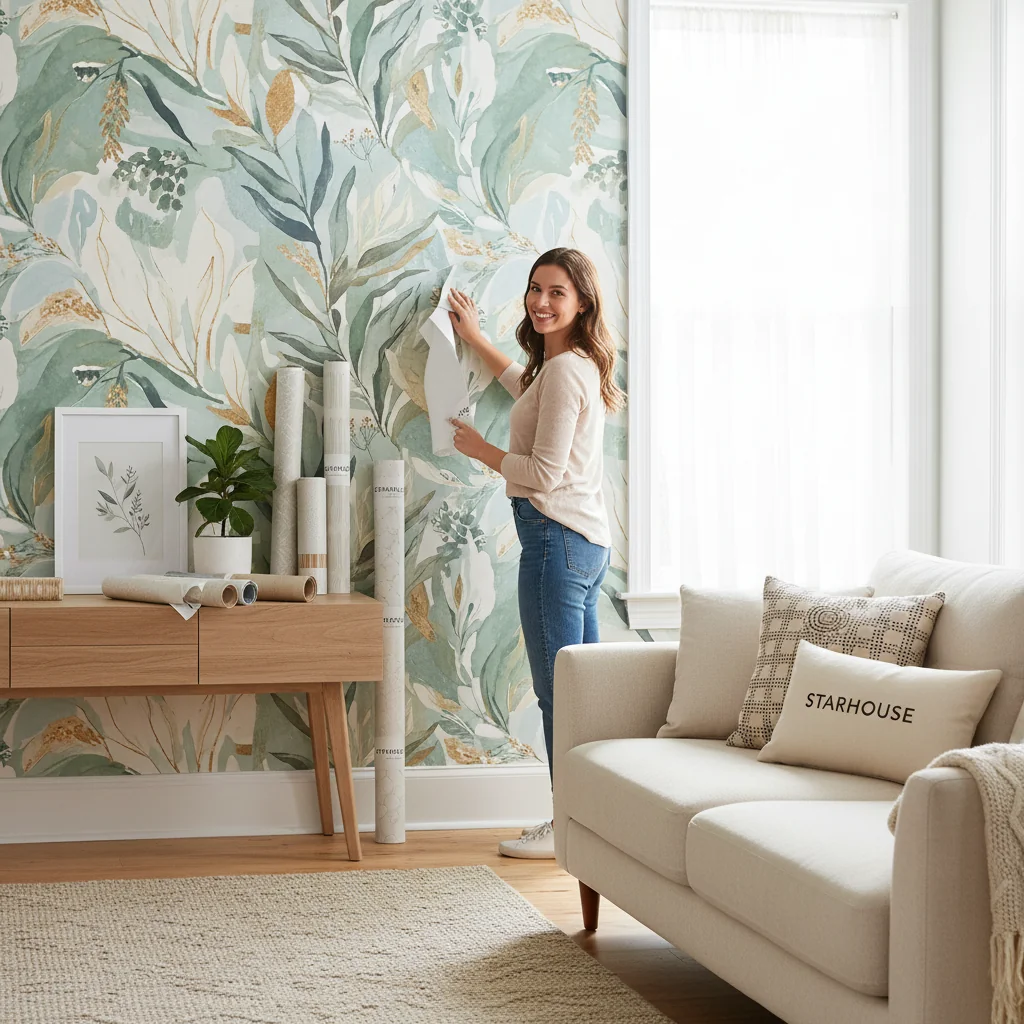
Understanding Wallpaper Companies: Beyond the Roll
Wallpaper companies are specialized entities that design, manufacture, and distribute an expansive range of wallcoverings, providing both aesthetic and functional solutions for interior spaces across residential and commercial sectors. These firms are pivotal in shaping interior design trends, offering products that range from traditional paper-backed designs to advanced peel-and-stick technologies, each engineered with specific material compositions and installation requirements. They act as more than just suppliers; they are innovators, trendsetters, and custodians of design integrity, often holding the copyrights to their distinctive patterns and textures, a protection overseen by entities such as the U.S. Copyright Office.
The role of a wallpaper company extends far beyond simply producing decorative paper. These organizations are integral to the entire lifecycle of a wallcovering, from conceptual design and material sourcing to manufacturing, quality control, and distribution. Many companies maintain extensive archives of historical patterns while simultaneously investing in contemporary design research, ensuring a continuous evolution of their product lines. This dual focus allows them to cater to a broad spectrum of tastes, from classical elegance to modern minimalism.
Furthermore, wallpaper companies often provide crucial resources and support to their customers, including detailed installation guides, care instructions, and sometimes even design consultation services. Their expertise encompasses not only the visual appeal of a product but also its practical performance, such as durability, scrubbability, lightfastness, and environmental impact. They are responsible for ensuring that the wallcoverings meet industry standards for quality and safety.
Key functions of wallpaper companies include:
- Design and Development: Conceptualizing new patterns, color palettes, and textures, often collaborating with renowned artists and designers. This involves extensive trend forecasting and market research.
- Material Sourcing and Innovation: Identifying and procuring raw materials, from various paper pulps and non-woven substrates to vinyl films and natural fibers, and innovating new material composites for enhanced performance.
- Manufacturing and Printing: Utilizing diverse printing techniques such as surface printing, gravure, flexography, and digital printing to reproduce designs with precision and consistency. Quality control at this stage is paramount.
- Quality Control and Testing: Ensuring products meet rigorous standards for colorfastness, washability, durability, fire ratings, and adherence, often testing against specific performance criteria.
- Distribution and Logistics: Managing the supply chain to deliver products efficiently to retailers, designers, and directly to consumers across the country.
- Customer Support and Education: Providing guidance on product selection, installation, maintenance, and troubleshooting, often through detailed product specifications and online resources.
In essence, a wallpaper company serves as a comprehensive partner in transforming interior spaces, offering not just a product, but a complete solution backed by expertise, innovation, and a commitment to design excellence. Their collective efforts define the aesthetic possibilities of wall décor, making them indispensable to the home and design industry.
Exploring the Spectrum: Types and Materials of Wallcoverings
Wallcoverings encompass a wide range of types, from traditional paper-backed designs to modern peel-and-stick options, each crafted from distinct materials like vinyl, non-woven fibers, grasscloth, and textile, offering varied textures, durability, and installation methods suitable for diverse aesthetic and functional requirements. Understanding these distinctions is fundamental to selecting a wallcovering that performs optimally in its intended environment and achieves the desired visual impact. The properties of these materials, such as washability, scrubbability, and lightfastness, are critical considerations, often detailed in wallpaper specifications provided by manufacturers.
The diversity in wallpaper types stems from advancements in manufacturing processes and material science, allowing for a broader application in various settings, from high-traffic commercial spaces to intimate residential rooms. Each material brings its unique benefits and considerations, influencing not only the aesthetic but also the installation process, durability, and maintenance requirements.
Primary Types of Wallpaper
- Traditional Wallpaper (Paper-Backed): This classic type consists of a decorative paper layer printed with a pattern, backed by a paper substrate. It is typically installed using a separate adhesive paste applied to the back of the paper or the wall. Paper-backed wallpapers offer excellent breathability and a wide range of intricate designs, but they can be more delicate during installation and less resistant to moisture compared to other types. They are ideal for low-traffic areas where a refined, classic look is desired.
- Non-Woven Wallpaper: Non-woven wallpaper is composed of a blend of natural and synthetic fibers, making it a highly durable and breathable option. It is celebrated for its “paste the wall” installation method, where adhesive is applied directly to the wall, significantly simplifying the process and making removal much easier and often dry-strippable. This type is dimensionally stable, meaning it resists shrinking and expanding, and is generally more tear-resistant than traditional paper. It is suitable for most rooms, including kitchens and bathrooms with adequate ventilation, due to its moisture resistance.
-
Vinyl Wallpaper: Vinyl wallpaper is a highly durable and washable wallcovering characterized by a paper or fabric backing topped with a printed vinyl layer. This construction makes it exceptionally resistant to moisture, stains, and wear, making it an excellent choice for high-traffic areas like hallways, children’s rooms, kitchens, and bathrooms. Vinyl wallpapers are typically scrubbable and easy to clean. They come in various finishes, from smooth to textured, and can mimic other materials like fabric or stone. While durable, some older vinyl types may not be as breathable as non-woven options.
* Solid Sheet Vinyl: The most durable form, with a solid vinyl film laminated to a fabric or paper backing.
* Vinyl Coated Paper: A lighter, more breathable option where a liquid vinyl coating is applied over a paper substrate. - Peel-and-Stick Wallpaper (Removable Wallpaper): This innovative type features an adhesive backing that is protected by a release liner, allowing for easy application and removal without the need for additional paste. Peel-and-stick is often made from vinyl or fabric substrates and is designed for temporary or low-commitment décor changes. It is particularly popular for renters, DIY enthusiasts, and accent walls due to its user-friendly nature. While generally less durable than traditional pasted wallpapers, its removability without damaging walls is a significant advantage.
- Fabric-Backed Vinyl Wallpaper: Combining the strength of a fabric substrate with the protective qualities of vinyl, this type is exceptionally robust and often used in commercial settings but also gaining popularity in residential areas requiring maximum durability. It can withstand significant wear and tear and is highly washable.
- Grasscloth Wallpaper: Grasscloth wallpaper is a natural wallcovering crafted from woven natural fibers such as jute, sisal, seagrass, or hemp, adhered to a paper backing. It offers a unique organic texture and warmth, adding depth and sophistication to any room. Due to its natural composition, grasscloth is not washable and can be delicate, requiring careful installation and maintenance. Variations in color and texture are inherent to natural fibers, contributing to its unique charm. It is best suited for low-traffic areas like bedrooms, living rooms, and dining rooms.
- Textile Wallpaper: Made from woven textiles like silk, linen, cotton, or synthetic fibers, textile wallpapers provide a luxurious, tactile surface. They offer unparalleled depth and softness, enhancing the acoustics of a room. Installation can be challenging, and they are typically not washable, requiring professional care. Textile wallpapers are ideal for creating a high-end, sophisticated ambiance in formal living spaces or bedrooms.
- Mural Wallpaper: Murals are large-scale images or designs printed on several panels that, when installed together, create a single, continuous picture across a wall or multiple walls. They can be made from various materials, including non-woven, vinyl, or paper-backed substrates. Murals are designed to create a dramatic focal point or immerse a room in a specific theme, offering a unique artistic statement.
Material Composition and Properties
Beyond the general types, the specific material composition dictates many of a wallpaper’s performance characteristics. Key properties to consider include:
- Substrate: The backing material (paper, non-woven, fabric) determines the wallpaper’s stability, ease of installation, and removal. Non-woven backings are generally preferred for ease of use.
- Surface Material: The decorative layer (vinyl, paper, natural fiber, textile) dictates the visual and tactile qualities, as well as the durability and cleanability.
- Washability/Scrubbability: This refers to the ability to clean the wallpaper surface. Washable wallpaper can be gently wiped with a damp cloth, while scrubbable wallpaper can withstand more vigorous cleaning with a mild detergent and brush. Vinyl is typically scrubbable, while paper and natural fibers are often merely wipeable or not cleanable.
- Lightfastness: This property indicates how resistant the wallpaper is to fading when exposed to light. High lightfastness is crucial for rooms with abundant natural light to prevent premature discoloration.
- Breathability: The ability of the wallcovering to allow moisture vapor to pass through. This is important in preventing mold and mildew, particularly in humid environments. Non-woven and paper-based wallpapers tend to be more breathable than solid vinyl.
- Fire Rating: Wallpapers are often tested and rated for their fire resistance, especially for commercial applications.
Choosing the correct type and material for your wallcovering project is a critical decision that balances aesthetic desire with practical considerations for longevity, maintenance, and environmental suitability.
The Art of Selection: Styles, Patterns, and Textures
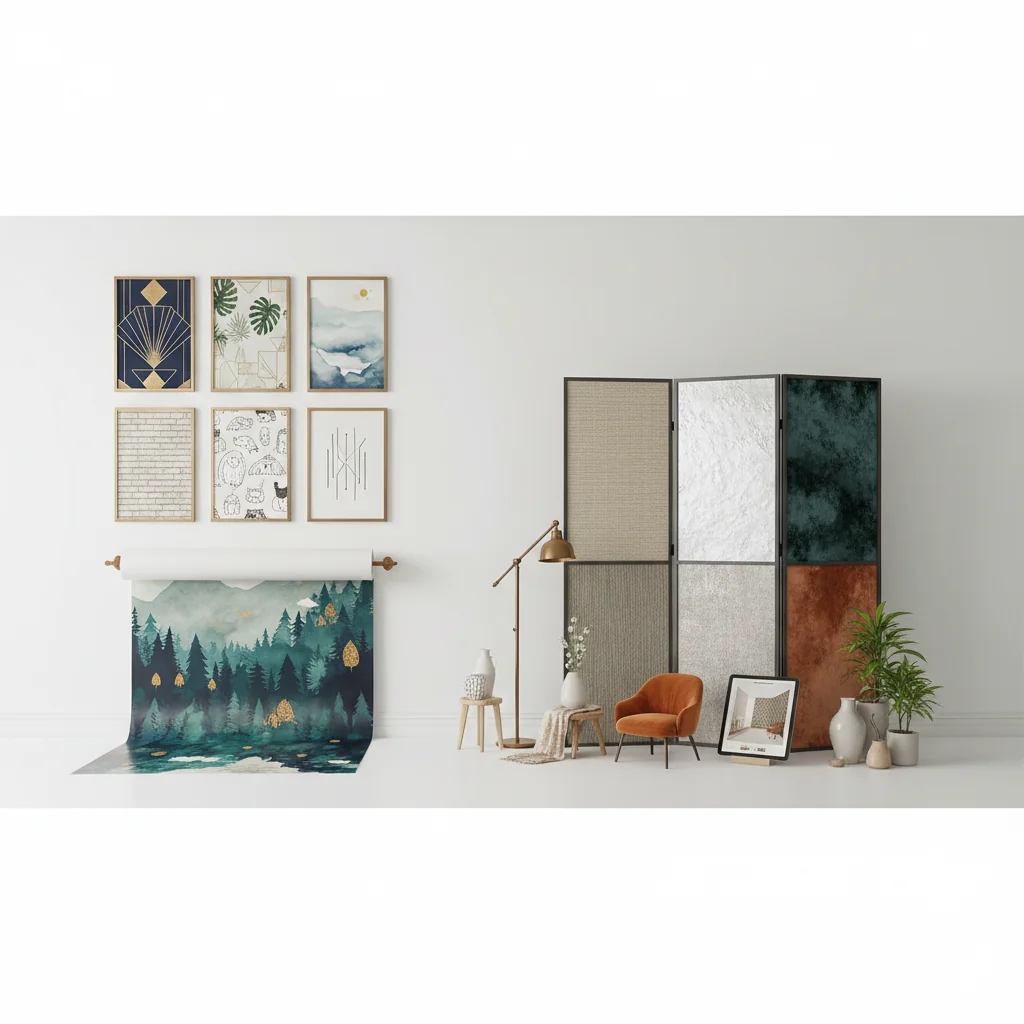
Selecting the appropriate style, pattern, and texture for your wallpaper involves aligning the design with your home’s architectural character, existing furnishings, and desired mood, with options ranging from classic damasks and contemporary geometrics to organic botanicals and subtle textural weaves, each contributing uniquely to the spatial ambiance. The interplay of these elements is crucial in defining the overall aesthetic of a room, transforming it from a functional space into a reflection of personal style and design intent. A well-chosen wallcovering can elevate a room, creating a focal point, adding depth, or simply providing a sophisticated backdrop.
When embarking on this selection process, consider the existing elements of your room: furniture style, color palette, lighting conditions, and the room’s function. These factors will guide you toward patterns and textures that complement rather than clash, ensuring a harmonious and cohesive design.
Exploring Wallpaper Styles
Wallpaper styles are as varied as design preferences themselves, often categorized by historical period, artistic movement, or thematic inspiration.
- Traditional/Classical: Characterized by timeless elegance, often featuring damasks, toile, stripes, florals, and Chinoiserie patterns. These designs evoke a sense of heritage and formality, perfect for dining rooms, formal living areas, or master bedrooms. Color palettes tend to be muted or rich, drawing from historical precedents.
- Contemporary/Modern: Defined by clean lines, geometric shapes, abstract motifs, and often a minimalist approach. Colors can range from stark neutrals to bold, saturated hues. Modern styles are ideal for creating a sleek, updated look in living rooms, home offices, or open-plan spaces.
- Mid-Century Modern: Reflects designs from the mid-20th century, featuring organic shapes, atomic patterns, and a playful yet sophisticated use of color. Think starbursts, boomerangs, and abstract forms in earthy tones or vibrant accents.
- Transitional: A blend of traditional and contemporary elements, offering a balanced and versatile aesthetic. It might feature classic patterns rendered in modern colors or simplified traditional motifs. This style appeals to those who appreciate both timelessness and a fresh perspective.
- Farmhouse/Rustic: Evokes a sense of warmth, comfort, and natural simplicity. Patterns often include shiplap, reclaimed wood textures, subtle plaids, or botanical prints. Colors are typically soft, earthy, and inviting.
- Bohemian: Characterized by eclectic, free-spirited designs, often featuring global influences, intricate patterns, vibrant colors, and natural textures. Think mandalas, ethnic prints, or lush botanical imagery.
- Art Deco: Bold geometric patterns, metallic accents, and luxurious motifs inspired by the 1920s and 30s. This style exudes glamour and sophistication, often featuring strong lines, fan shapes, and sunbursts.
The Impact of Patterns and Scale
The pattern you choose significantly influences the perceived size and mood of a room.
- Large-Scale Patterns: Can make a grand statement in spacious rooms, creating a dramatic focal point. In smaller rooms, they can feel overwhelming if not used judiciously, though a single large motif on an accent wall can be effective.
- Small-Scale Patterns: Offer a subtle texture or background, making rooms feel larger and less cluttered. They are versatile and work well in various settings, from powder rooms to entire living spaces.
- Vertical Stripes: Create an illusion of height, making ceilings appear taller. They are excellent for rooms with lower ceilings.
- Horizontal Stripes: Can make a room feel wider and more expansive, adding a sense of calm and stability.
- Geometric Patterns: Introduce a sense of order, rhythm, and modernity. Their impact varies with scale and color contrast.
- Botanical/Floral Patterns: Bring nature indoors, creating a serene or vibrant atmosphere depending on the design. From delicate watercolors to bold tropical leaves, they offer endless possibilities.
- Damask/Toile Patterns: Offer classic elegance and sophistication, often in monochromatic or two-tone schemes.
Consider the pattern repeat, which is the vertical distance at which the pattern duplicates. A larger pattern repeat means more waste during installation, as panels must be aligned precisely.
Embracing Texture
Texture adds another dimension to wallpaper, providing tactile interest and visual depth, even in monochromatic schemes.
- Smooth: Offers a clean, understated look, allowing the pattern or color to be the primary focus.
- Embossed: Features raised designs that add three-dimensional interest. This can mimic plasterwork, fabric, or other surfaces.
- Flocked: Created by applying short fibers to the paper, giving a velvet-like, raised texture. It adds a luxurious, traditional feel.
- Natural Textures (Grasscloth, Cork, Jute): Provide organic warmth and a unique, handcrafted feel. These textures introduce subtle variations and depth, making them ideal for creating a serene, earthy ambiance.
- Faux Textures: Wallpapers designed to mimic the look of other materials like brick, wood, concrete, marble, or fabric. These offer the aesthetic without the cost or installation challenges of the real material.
When combining styles, patterns, and textures, aim for balance. If your furniture is ornate, a simpler wallpaper might be best. If your room lacks architectural detail, a bolder pattern can provide the necessary visual interest. Always obtain samples to see how the wallpaper interacts with your room’s lighting throughout the day before making a final decision.
Mastering the Measurements: Sizing, Calculation, and Ordering
Accurate measurement for wallpaper involves calculating the total square footage of the walls to be covered, accounting for pattern repeat and waste, and then translating this into the correct number of rolls based on standard roll dimensions, ensuring sufficient material for a seamless installation. Precision in this stage is paramount to avoid costly shortages or excessive waste, both of which can derail a project’s timeline and budget. A meticulous approach to measuring guarantees that you order exactly what is needed for a professional and cohesive finish.
Wallpaper is typically sold in rolls, but these rolls come in various widths and lengths, depending on the manufacturer and region. In the U.S., standard single rolls are often 20.5 or 27 inches wide and approximately 16.5 feet long, covering about 28 to 35 square feet. However, many manufacturers sell wallpaper in what are referred to as “double rolls,” which are effectively two single rolls packaged as one, offering greater length and reducing the number of seams. Always confirm the specific dimensions of the rolls you intend to purchase.
Step-by-Step Measurement Guide
-
Measure Wall Dimensions:
- Measure the height of each wall from the baseboard to the ceiling molding. Record this measurement in feet and inches.
- Measure the width of each wall from corner to corner. Record this measurement in feet and inches.
- For walls with varying heights (e.g., sloped ceilings), measure the highest point.
-
Calculate Total Square Footage:
- Multiply the height of each wall by its width to get the square footage of that wall.
- Add the square footage of all walls you plan to cover to get the total square footage.
- Example: A wall 8 feet high and 12 feet wide is 96 sq ft (8 x 12). If you have four such walls, the total is 384 sq ft.
-
Account for Openings (Windows and Doors):
- Measure the height and width of each window and door. Calculate their square footage.
- Subtract the square footage of these large openings from your total wall square footage. For smaller openings or architectural features, it’s often best to include them in your total as they require cuts and potential waste.
-
Determine Roll Coverage:
- Check the product specifications for the square footage covered by a single or double roll of your chosen wallpaper. This information is usually provided by the manufacturer or retailer.
* Example: A typical U.S. double roll might cover 56 sq ft (20.5 inches wide x 33 feet long) or 72 sq ft (27 inches wide x 33 feet long).
- Check the product specifications for the square footage covered by a single or double roll of your chosen wallpaper. This information is usually provided by the manufacturer or retailer.
-
Factor in Pattern Repeat:
- Pattern repeat is the vertical distance on a wallpaper roll before the design begins to repeat itself, requiring extra material for matching adjacent strips. A larger pattern repeat (e.g., 25 inches or more) will lead to more wasted material.
- For patterns with a repeat, you must add extra length to each strip to ensure the pattern aligns across panels. A common rule of thumb is to add one full pattern repeat to every three strips you cut.
- To simplify, a general waste factor of 15-20% is often added for patterned wallpapers, while solid or random-match papers might only need 10%.
-
Calculate Number of Rolls Needed:
- Divide your adjusted total square footage (total wall area minus large openings, plus waste factor for pattern repeat and trimming) by the square footage covered by one roll.
- Always round up to the nearest whole number.
- It is always advisable to purchase one extra roll, especially for patterned wallpaper, to account for errors, future repairs, or dye lot variations. Dye lots refer to batches of wallpaper printed at the same time, and colors can vary slightly between different dye lots. Having an extra roll from the same dye lot ensures perfect color matching for repairs.
Example Calculation
Let’s say you have a room with four walls, each 8 feet high and 10 feet wide.
- Wall Area: 8 ft x 10 ft = 80 sq ft per wall.
- Total Wall Area: 80 sq ft/wall x 4 walls = 320 sq ft.
- Openings: One door (7 ft x 3 ft = 21 sq ft) and one window (4 ft x 5 ft = 20 sq ft). Total openings = 41 sq ft.
- Adjusted Wall Area: 320 sq ft – 41 sq ft = 279 sq ft.
- Waste Factor: For a patterned wallpaper with a 24-inch (2 ft) repeat, add 20% for waste: 279 sq ft * 1.20 = 334.8 sq ft.
- Roll Coverage: Assume a double roll covers 56 sq ft.
- Rolls Needed: 334.8 sq ft / 56 sq ft/roll = 5.98 rolls. Round up to 6 rolls.
- Recommended Purchase: 6 rolls + 1 extra = 7 double rolls.
This detailed approach to measurement and calculation minimizes potential issues during installation and ensures a smooth, successful wallpapering project. Always double-check your measurements and the manufacturer’s specifications before placing an order.
Choosing Your Partner: Factors in Selecting a Wallpaper Company
Selecting a wallpaper company requires evaluating their product range, material quality, design originality, customer support, and commitment to sustainable practices, ensuring their offerings align with your project’s specific aesthetic, functional, and ethical considerations. A discerning choice of supplier can significantly impact the success and longevity of your wallpaper installation, as well as your overall satisfaction with the finished space. It is not merely about finding a pretty pattern, but about partnering with a company that delivers on quality, service, and design integrity.
The market for wallcoverings is vast, with companies ranging from small artisanal studios to large international manufacturers. Each company often brings a unique philosophy, design aesthetic, and specialization to the table. By systematically assessing key factors, you can identify a company that best meets your needs.
Key Factors to Consider:
| Factor | Description | Why it Matters |
|---|---|---|
| Product Range & Diversity | The breadth and variety of wallpaper types, materials, styles, and patterns offered. | Ensures you find a design that perfectly matches your aesthetic vision and functional requirements (e.g., peel-and-stick for temporary, vinyl for high-traffic). |
| Material Quality & Durability | The inherent quality of the substrates, inks, and coatings used, impacting longevity, washability, and resistance to wear. | High-quality materials ensure the wallpaper lasts longer, resists fading, and stands up to cleaning, providing better value over time. Refer to wallpaper properties for specific durability metrics. |
| Design Originality & Aesthetic | The uniqueness and creative integrity of the patterns, colors, and textures, reflecting artistic vision. | Original designs contribute to a distinctive and sophisticated interior. Companies with strong design teams often set trends. Ensure designs are not infringing on others’ intellectual property, as protected by the U.S. Copyright Office. |
| Environmental & Ethical Practices | Commitment to sustainability, use of eco-friendly materials, responsible manufacturing, and fair labor practices. | Supports responsible consumption and ensures your home environment is healthy. Look for certifications like FSC (Forest Stewardship Council) or low-VOC (Volatile Organic Compound) products. |
| Customer Support & Resources | Availability of samples, detailed product information, installation guides, return policies, and responsive assistance. | Good support ensures a smoother project from selection to installation. Clear guides reduce errors, and helpful staff can answer complex questions. |
| Reputation & Reviews | Feedback from other designers, homeowners, and industry professionals regarding product quality, reliability, and service. | Provides insight into real-world experiences with the company’s products and services, indicating trustworthiness and satisfaction levels. |
| Price Point & Value | The cost of the wallpaper relative to its quality, design, and expected lifespan. | Aligns with your budget while ensuring you receive appropriate value. Higher initial cost may be justified by superior durability and design. |
| Sampling Policy | Ease of obtaining samples, cost of samples, and how representative they are of the full product. | Seeing and feeling samples in your home’s lighting is crucial for making an informed decision about color and texture. |
Evaluating a Company’s Offerings
When you begin to narrow down your choices, pay close attention to the details provided by each company. Examine their websites for comprehensive product descriptions, high-resolution images, and customer reviews. Do they offer detailed specifications on scrubbability, lightfastness, and fire ratings? A company that provides this level of detail demonstrates transparency and confidence in its products.
Consider the narrative behind their designs. Do they collaborate with artists? Do they have a signature aesthetic that resonates with you? A company with a strong design philosophy often produces collections that feel cohesive and thoughtfully curated.
For brands that emphasize sustainability, look for verifiable certifications or clear explanations of their eco-friendly initiatives. Terms like “low-VOC inks,” “FSC-certified paper,” or “PVC-free vinyl” are indicators of a commitment to environmental responsibility.
Finally, assess their customer service. Are they responsive to inquiries? Do they offer clear guidance on installation and care? A company that supports its customers throughout their design journey is a valuable partner. By carefully weighing these factors, you can confidently choose a wallpaper company that not only supplies beautiful wallcoverings but also stands behind its products and values.
At Starhouse, we are meticulously curating a collection of wallcoverings that exemplify superior design, exceptional quality, and diverse styles to inspire your home. We invite you to tell us what you’re looking for in wall décor and furnishings, and gain early access to our forthcoming selections.
Seamless Application: Installation Techniques and Best Practices
Achieving a professional wallpaper installation depends on meticulous wall preparation, precise cutting and hanging techniques, and careful pattern matching, whether undertaking a DIY project or engaging a certified professional installer. The quality of the installation directly impacts the final aesthetic and longevity of the wallcovering, making adherence to best practices non-negotiable for a flawless finish. Even the highest quality wallpaper can look subpar if installed incorrectly.
While some modern wallcoverings, like peel-and-stick, simplify the process, traditional and more delicate materials still demand a high level of skill and patience. Understanding the fundamental steps and nuances of installation is crucial for anyone looking to transform their walls with wallpaper.
I. Wall Preparation: The Foundation of Success
Proper wall preparation is the most critical step, ensuring optimal adhesion and a smooth surface.
- Clean the Walls: Thoroughly wash walls with a mild detergent and water, or a specialized wallpaper cleaner, to remove dirt, grease, and grime. Rinse thoroughly and allow to dry completely, typically 24 hours.
- Repair Imperfections: Fill any holes, cracks, or dents with spackle or joint compound. Sand smooth once dry. Even minor imperfections can show through wallpaper, especially thinner or lighter patterns.
-
Prime the Walls: Apply a high-quality primer specifically designed for wallpaper. This serves multiple purposes:
- Seals the surface: Prevents the adhesive from soaking into porous walls, ensuring better adhesion.
- Promotes slip: Allows you to reposition strips during installation, which is crucial for pattern matching.
- Aids in removal: Creates a barrier that protects the wall from damage when the wallpaper is eventually removed.
- Evens porosity: Ensures a consistent drying time for the adhesive across the entire wall.
Allow the primer to dry completely according to manufacturer instructions, usually 24-48 hours.
- Remove Obstacles: Take off all switch plates, outlet covers, and light fixtures. Turn off power to these areas at the breaker box for safety.
II. Measuring and Cutting Wallpaper Strips
Precision here prevents waste and ensures proper alignment.
- Measure Wall Height: Measure the height of the wall from baseboard to ceiling.
- Add for Trim and Pattern Match: Add 4-6 inches to your wall height measurement for trimming at the top and bottom. For patterned wallpaper, you must also account for the pattern repeat. Lay out your first strip, identify the pattern repeat, and then cut subsequent strips to align perfectly, ensuring a seamless flow of the design. Always cut strips slightly longer than needed.
- Label Strips: Number each strip on the back in the order it will be hung (e.g., 1, 2, 3) and mark the top direction with an arrow. This prevents confusion during installation.
III. Hanging Techniques (General Principles)
While specific methods vary by wallpaper type (paste-the-wall, paste-the-paper, self-adhesive), core principles apply.
- Start Point: Begin hanging wallpaper in an inconspicuous corner, or if using a prominent pattern, in the center of a focal wall, working outwards. Use a plumb line (a weighted string) to draw a perfectly vertical line on the wall, ensuring your first strip is straight. This sets the foundation for all subsequent strips.
-
Apply Adhesive (if necessary):
- Paste-the-Wall: Apply a thin, even layer of adhesive directly to the wall section where the first strip will go, slightly wider than the strip itself.
- Paste-the-Paper: Apply adhesive evenly to the back of the wallpaper strip. “Book” the paper (fold paste-to-paste) and let it “relax” for the recommended time (5-10 minutes) to allow the adhesive to activate and the paper to expand.
- Peel-and-Stick: Slowly peel back a few inches of the backing paper from the top of the strip.
- Hang the First Strip: Align the top of the strip with your plumb line and the ceiling line (leaving excess for trimming). Smooth the wallpaper onto the wall using a smoothing tool (like a wallpaper brush or plastic smoother), working from the center outwards to remove air bubbles.
- Match and Hang Subsequent Strips: For the next strip, align its edge perfectly with the previous strip, ensuring the pattern matches precisely. Do not overlap unless specified by the manufacturer (e.g., some commercial vinyls). Smooth thoroughly.
- Trim Excess: Once a strip is smoothed and positioned, use a sharp utility knife and a straightedge to carefully trim the excess wallpaper at the ceiling and baseboard. Change your blade frequently for clean cuts.
- Seam Rolling: Gently roll the seams with a seam roller (a small, rubber roller) to ensure they are firmly adhered and lie flat. Avoid pressing too hard, especially on delicate papers.
- Clean Up: Immediately wipe off any excess adhesive from the wallpaper surface and surrounding trim with a damp sponge. Dried adhesive can be difficult to remove and may stain.
IV. Professional vs. DIY Installation
While DIY installation of peel-and-stick or simple non-woven wallpapers is achievable for many, complex patterns, delicate materials like grasscloth, or large-scale murals often benefit significantly from professional installation. Professional installers possess specialized tools, extensive experience, and techniques to handle challenging situations, ensuring a flawless, long-lasting result. They can also often manage wall imperfections more adeptly and provide guarantees on their work. Considering the investment in quality wallpaper, professional installation can be a worthwhile expense to protect that investment.
Preserving Perfection: Care, Maintenance, and Longevity
Proper care and maintenance for wallpaper involve regular gentle cleaning appropriate for its material type, prompt attention to minor repairs, and adherence to manufacturer guidelines, which collectively extend its lifespan and preserve its aesthetic appeal. The longevity and pristine appearance of your wallcoverings are largely dependent on how diligently they are maintained, safeguarding your investment and keeping your interiors looking fresh and vibrant for years. Neglecting proper care can lead to premature wear, discoloration, and damage that may necessitate costly replacement.
Different types of wallpaper require specific care routines based on their material composition, as highlighted in wallpaper specifications. Always consult the manufacturer’s instructions for the most accurate care recommendations for your specific product.
I. General Care Principles
- Dust Regularly: Use a soft, dry cloth, a feather duster, or a vacuum cleaner with a brush attachment to gently remove dust and cobwebs. This prevents buildup that can dull the wallpaper’s appearance over time.
- Address Spills Immediately: For any spills, blot gently with a clean, dry cloth as soon as possible. Avoid rubbing, as this can spread the stain or damage the surface.
- Avoid Harsh Chemicals: Never use abrasive cleaners, scouring pads, or strong chemical solvents, as these can strip colors, damage finishes, or dissolve adhesives.
- Protect from Direct Sunlight: Prolonged exposure to direct sunlight can cause wallpaper to fade over time. Use blinds, curtains, or UV-filtering window films in rooms with strong sun exposure to minimize this effect.
- Maintain Stable Humidity: Extreme fluctuations in humidity can affect wallpaper adhesion, causing bubbling or peeling. Maintain a relatively stable indoor humidity level, especially in seasons prone to extremes, using humidifiers or dehumidifiers as needed.
II. Care by Wallpaper Type
The washability and scrubbability ratings are critical indicators for cleaning.
-
Vinyl and Fabric-Backed Vinyl:
- Cleaning: These are generally the most durable and easiest to clean. Most are scrubbable. Use a soft sponge or cloth dampened with warm water and a mild, non-abrasive detergent (e.g., dish soap). Gently wipe the surface, then rinse with a clean, damp cloth to remove soap residue. Dry thoroughly with a soft, dry cloth.
- Stains: For tougher stains, a diluted solution of bleach (check manufacturer’s recommendation) can sometimes be used on solid vinyl, but test in an inconspicuous area first.
-
Non-Woven Wallpaper:
- Cleaning: Often washable or wipeable. Use a soft, damp cloth with plain water or a very mild soap solution. Gently wipe and then dry immediately. Avoid excessive moisture.
-
Traditional Paper-Backed Wallpaper:
- Cleaning: Typically wipeable or delicate. Use a barely damp, soft cloth to gently blot or wipe any marks. Avoid rubbing or saturating the paper, as this can cause it to tear or buckle. Some very delicate papers may only be dry-cleanable with a specialized wallpaper dough or eraser.
-
Peel-and-Stick Wallpaper:
- Cleaning: Usually made from vinyl or fabric, making them wipeable or washable. Follow the guidelines for vinyl or non-woven, using a damp cloth and mild soap. Be gentle at the edges to avoid lifting.
-
Natural Fibers (Grasscloth, Jute, etc.):
- Cleaning: These are generally not washable and can be easily damaged by moisture. Dust regularly with a soft brush or vacuum with a brush attachment. For spills, blot immediately with a clean, dry white cloth. Do not rub. For specific stains, consult a professional wallcovering cleaner.
- Note: Natural fibers are prone to color variation and may show seams more prominently, which is part of their inherent charm.
-
Textile Wallpaper:
- Cleaning: Not typically washable. Dust gently. For stains, immediate blotting is key. Professional dry cleaning services specializing in textiles may be required for deeper cleaning. Test any cleaning agent in an inconspicuous area first.
III. Addressing Minor Repairs
- Bubbles: For small air bubbles, use a sharp utility knife to make a tiny slit in the center of the bubble, then gently press out the trapped air. If needed, inject a small amount of wallpaper adhesive with a syringe before pressing.
- Lifting Seams/Edges: Apply a small amount of seam adhesive (available at hardware stores) with a brush or syringe directly under the lifting edge. Press firmly with a seam roller or clean cloth until adhered. Wipe away any excess adhesive immediately.
- Tears: For small tears, carefully apply a thin layer of wallpaper adhesive to the underside of the torn piece and gently press it back into place. For larger tears or damaged sections, if you have extra wallpaper from the same dye lot, you can cut out a patch. Match the pattern precisely, apply adhesive to the patch, and carefully adhere it over the damaged area, blending the edges.
By adhering to these care and maintenance guidelines, your wallpaper will remain a beautiful and integral part of your home décor for many years, preserving its visual impact and contributing to the overall elegance of your space.
Harmonizing Your Home: Styling and Pairing Wallpaper with Decor
Effectively styling wallpaper involves integrating its patterns, colors, and textures with existing furnishings, lighting, and accessories to create a cohesive and visually balanced interior, using the wallcovering as either a focal point or a complementary backdrop. The art of pairing ensures that the wallpaper enhances the room’s overall design narrative, rather than overwhelming it, resulting in a space that feels curated, intentional, and inviting. A successful pairing transforms individual elements into a harmonious composition, reflecting a sophisticated design sensibility.
Wallpaper is a powerful design tool, capable of setting the mood, defining zones, and adding personality. Its integration into the broader décor scheme requires thoughtful consideration of scale, color theory, material interplay, and the room’s function.
I. Defining the Role of Wallpaper
Before choosing a pattern, decide if the wallpaper will be:
- A Focal Point: A bold, large-scale pattern or a dramatic mural can serve as the primary visual anchor in a room. In this scenario, other décor elements should be more subdued to allow the wallpaper to shine.
- A Complementary Backdrop: Subtle patterns, textures, or solid-colored wallpapers can provide a rich, layered background that supports and enhances the furniture and accessories without competing for attention.
- A Zonal Element: Wallpaper can visually define specific areas within an open-plan space, such as a dining nook, a reading corner, or an entryway.
- An Architectural Enhancer: Patterns like stripes can alter the perception of room dimensions, while textured wallpapers can add depth to flat walls.
II. Pairing with Furniture
The relationship between wallpaper and furniture is symbiotic; they should enhance each other.
- Balance Scale: If your wallpaper has a large, busy pattern, opt for furniture with simpler lines and solid colors. Conversely, if your furniture is ornate or features complex patterns, a more understated wallpaper will provide balance.
- Color Harmony: Select furniture colors that either complement the dominant hues in the wallpaper (e.g., blues with greens) or provide a subtle contrast (e.g., a neutral sofa against a colorful floral). Use the wallpaper’s secondary colors as inspiration for upholstery or accent pieces.
- Style Cohesion: Ensure the aesthetic of the wallpaper aligns with your furniture style. Traditional damasks pair well with classic upholstered pieces, while geometric patterns complement sleek, modern designs. Transitional furniture offers flexibility, bridging different styles.
- Material & Texture: Consider the texture of both. A raw, natural grasscloth might beautifully offset smooth, polished wood furniture, while a luxurious flocked wallpaper could be paired with velvet or silk upholstery for an opulent feel.
III. Integrating with Lighting and Accessories
Lighting and accessories are the finishing touches that bring the entire room together.
-
Lighting:
- Ambiance: Wallpaper can look vastly different under various lighting conditions. Test samples in your room to see how the pattern and color react to natural daylight, warm incandescent light, and cool LED light.
- Highlighting: Use accent lighting, such as picture lights or wall sconces, to highlight a particularly beautiful wallpaper design or a mural, drawing attention to its details.
- Reflectivity: Metallic or highly textured wallpapers can reflect light differently, adding sparkle or depth. Consider this in rooms where you want to maximize or minimize light.
-
Accessories:
- Color Echoes: Pull accent colors from your wallpaper pattern and repeat them in throw pillows, decorative objects, vases, or artwork. This creates a cohesive color story.
- Texture Play: Introduce varying textures in your accessories to add richness. A smooth wallpaper can be contrasted with a chunky knit throw, a woven basket, or a ceramic lamp.
- Art Placement: When hanging art on wallpaper, ensure the art’s frame and subject matter either complement or provide a deliberate contrast to the wallpaper pattern. Large, simple pieces often work best on busy patterns, while intricate art can be showcased against a subtle backdrop.
- Mirrors: Mirrors can amplify a wallpaper’s effect, especially in smaller rooms, by reflecting the pattern and making the space feel larger.
IV. Practical Styling Tips
- Start with Samples: Always order large samples and tape them to your walls. Observe them at different times of day to see how light affects the color and pattern.
- Don’t Overdo It: If you choose a bold wallpaper, keep other elements simpler. If you have busy patterns elsewhere (e.g., on rugs or upholstery), opt for a more subdued wallpaper.
- Consider the Ceiling: Don’t forget the “fifth wall.” A subtle textured or patterned wallpaper on the ceiling can add unexpected elegance and depth.
- Think About Transitions: If using different wallpapers in adjacent rooms or on different walls, ensure there’s a smooth visual transition, perhaps using a unifying color or style element.
By thoughtfully considering these styling principles, you can transform your home into a cohesive and captivating environment where every element, from the walls to the smallest accessory, works in harmony to tell a beautiful design story.
Avoiding Missteps: Common Wallpaper Mistakes and Solutions
Common wallpaper mistakes include inaccurate measurements leading to material shortages, neglecting proper wall preparation, choosing unsuitable patterns for a room’s scale, and improper installation techniques, all of which can be mitigated through careful planning, research, and professional guidance. Recognizing and proactively addressing these potential pitfalls is essential for achieving a successful and enduring wallpaper installation, preventing frustration, wasted resources, and an unsatisfactory final appearance. A little foresight can save significant time and expense.
Even experienced DIYers can stumble, and understanding where things typically go wrong can empower you to avoid these common errors.
1. Inaccurate Measurements and Ordering
- Mistake: Underestimating the amount of wallpaper needed, leading to shortages mid-project or having to order more from a different dye lot, which can result in noticeable color variations. Conversely, over-ordering significantly wastes material and money.
- Solution: Measure meticulously, double-check all calculations, and always account for pattern repeat and a 15-20% waste factor for patterned papers (10% for solids). Purchase at least one extra roll from the same dye lot to ensure continuity for future repairs or unexpected installation issues. Refer back to the “Mastering the Measurements” section for detailed guidance.
2. Neglecting Wall Preparation
- Mistake: Hanging wallpaper on dirty, uneven, or unprimed walls. This can lead to poor adhesion, visible imperfections (bumps, cracks), mildew growth, and difficulty in future removal.
- Solution: Thoroughly clean, patch, and sand walls smooth. Apply a high-quality wallpaper primer, allowing it to dry completely. Primer seals porous surfaces, aids adhesion, allows for repositioning, and protects walls during removal. This step is non-negotiable for a professional finish.
3. Choosing the Wrong Wallpaper Type or Pattern for the Space
- Mistake: Selecting a delicate paper for a high-traffic or high-moisture area (e.g., paper-backed in a bathroom), or choosing a large, busy pattern that overwhelms a small room. Using a pattern that clashes with existing decor.
- Solution: Consider the room’s function and traffic level. For bathrooms and kitchens, opt for washable, moisture-resistant vinyl or non-woven options. In smaller rooms, use subtle textures, small-scale patterns, or vertical stripes to visually expand the space. For larger rooms, bolder patterns can create impact. Always obtain samples and view them in the actual room’s lighting.
4. Improper Installation Techniques
- Mistake: Not using a plumb line for the first strip, resulting in crooked wallpaper; improper pattern matching; air bubbles or wrinkles; visible seams; or applying too much/too little adhesive.
- Solution: Start with a perfectly vertical plumb line. Take time to precisely match patterns at the seams. Use the correct adhesive for your wallpaper type and apply it evenly. Smooth out air bubbles as you go, working from the center outwards. Use a seam roller gently. Read and follow the manufacturer’s specific installation instructions carefully. If uncertain, consider hiring a professional installer.
5. Ignoring Dye Lots
- Mistake: Purchasing rolls from different dye lots, resulting in slight but noticeable color variations between strips on the wall.
- Solution: Always check that all rolls have the same dye lot number printed on the label before beginning installation. If ordering additional rolls, specify that they must match the original dye lot.
6. Rushing the Process
- Mistake: Trying to complete the project too quickly, leading to errors in measurement, cutting, or hanging.
- Solution: Allocate ample time for each stage: preparation, measuring, cutting, and hanging. Wallpapering is a project that rewards patience and precision. Don’t rush; take breaks when needed.
7. Not Turning Off Power
- Mistake: Failing to turn off electricity to outlets and switches before working around them, posing a significant safety hazard.
- Solution: Always turn off the power at the circuit breaker before removing switch plates or working near electrical outlets. This is a fundamental safety precaution.
By being aware of these common mistakes and implementing the recommended solutions, you can approach your wallpaper project with confidence, ensuring a beautiful, long-lasting, and professionally finished result that enhances your home’s aesthetic.
Sources
- Learn about copyright and federal government materials | USAGov
- U.S. Copyright Office | U.S. Copyright Office
- Wallpaper Specifications | Properties of Wallpaper | Brewster Home Fashions
Frequently Asked Questions (FAQ)
What is the difference between traditional and peel-and-stick wallpaper?
Traditional wallpaper requires a separate adhesive paste applied to the paper or wall for installation, and it is typically more permanent. Peel-and-stick wallpaper features a self-adhesive backing with a release liner, allowing for easy, temporary application and removal without damaging walls.
How do I choose the right wallpaper pattern for a small room?
For small rooms, opt for small-scale patterns, subtle textures, or vertical stripes to create an illusion of space and height. Light colors also help make a room feel larger and more open, while large, busy patterns can overwhelm a confined area.
Is wallpaper durable in high-moisture areas like bathrooms and kitchens?
Yes, specific types of wallpaper are highly durable in high-moisture areas. Vinyl and fabric-backed vinyl wallpapers are excellent choices for bathrooms and kitchens because they are typically scrubbable, moisture-resistant, and can withstand humidity and splashes, provided there is adequate ventilation.
What is a “dye lot” and why is it important when buying wallpaper?
A dye lot refers to a specific batch of wallpaper printed at the same time. Colors can vary slightly between different dye lots due to manufacturing processes. It is crucial to purchase all rolls for a single project from the same dye lot number to ensure consistent color matching across your walls.
Can I install wallpaper myself, or should I hire a professional?
DIY installation is feasible for many, especially with peel-and-stick or non-woven wallpapers. However, complex patterns, delicate materials like grasscloth, or large-scale murals often benefit significantly from professional installation. Professionals possess specialized tools and experience to ensure a flawless, long-lasting result and can often handle wall imperfections more adeptly.
How do I clean and maintain my wallpaper?
Cleaning and maintenance depend on the wallpaper’s material. Most vinyl and non-woven types are washable with a damp cloth and mild soap. Natural fibers like grasscloth are typically not washable and require gentle dusting. Always consult the manufacturer’s specific care instructions for your wallpaper to avoid damage.
What is the purpose of priming walls before wallpaper installation?
Priming walls before wallpaper installation serves to seal porous surfaces, ensuring better adhesion of the wallpaper paste and preventing it from soaking into the drywall. It also creates a smooth surface for easier repositioning of strips and protects the wall, facilitating easier removal of wallpaper in the future without damage.
Conclusion
The world of wallpaper companies is a dynamic and essential segment of the home décor industry, offering an unparalleled array of options to personalize and elevate any interior space. From the foundational understanding of their diverse roles—as designers, manufacturers, and innovators—to the intricate details of material science, pattern selection, and meticulous installation, each aspect plays a crucial role in transforming your vision into reality. We’ve explored the spectrum of types from traditional to peel-and-stick, delved into the artistry of styles and textures, and underscored the importance of precise measurements and proper care for longevity.
Choosing the right wallpaper company is not merely a transaction; it’s a partnership in design, where quality, originality, and customer support are paramount. By applying the authoritative guidance presented in this comprehensive guide, you are now equipped with the knowledge to navigate this exciting landscape with confidence and precision. You can select wallcoverings that not only reflect your personal aesthetic but also meet the functional demands of your home, ensuring a beautiful and enduring result.
At Starhouse, we are dedicated to curating an exquisite collection of wall décor that embodies sophistication, quality, and timeless design. As we prepare to launch our full catalog, we are eager to understand what truly inspires your home design aspirations. We invite you to tell us what you’re looking for in wallcoverings and furnishings, and gain exclusive early access to our meticulously selected offerings. Your insights will help us shape a collection that perfectly aligns with your vision for a beautiful home.