Updated: June 2026
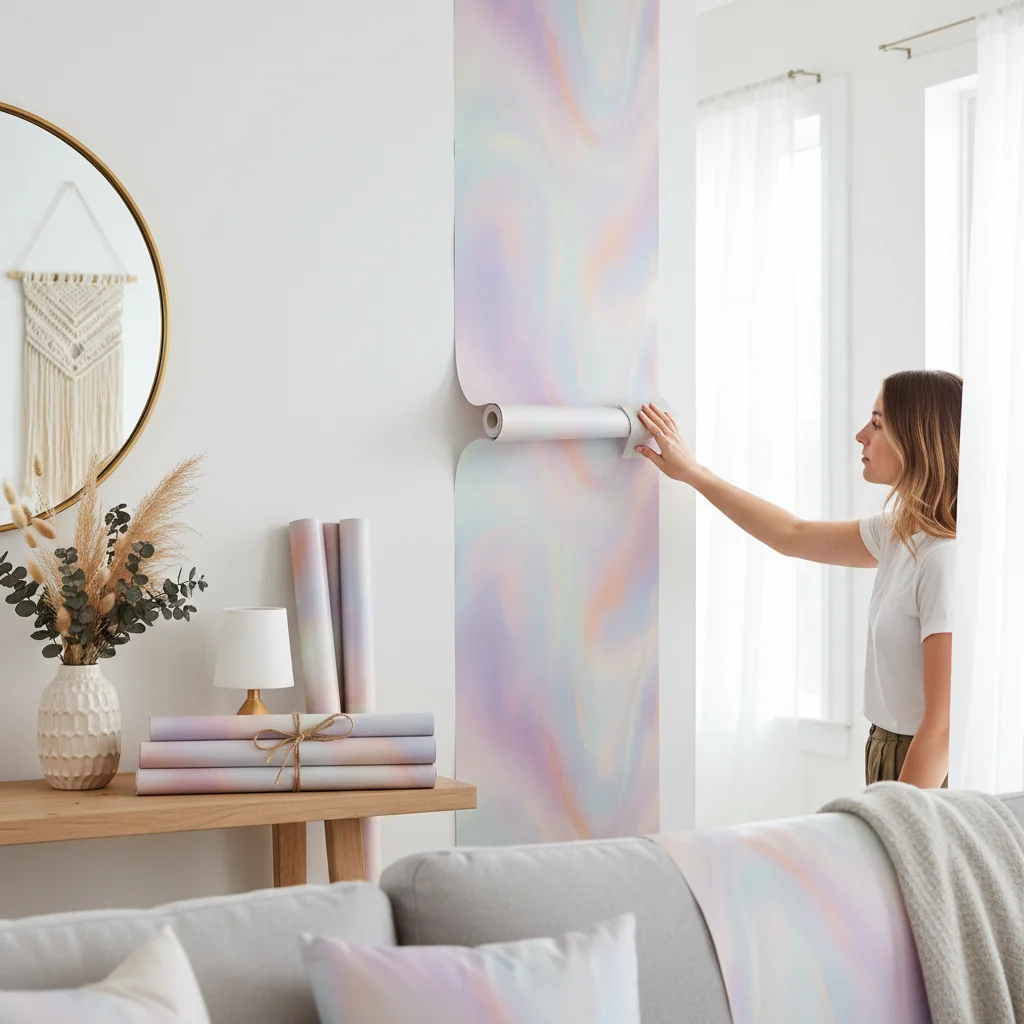
Peel and stick wallpaper, a revolutionary innovation in home décor, is a self-adhesive wallcovering designed for effortless application and removal, featuring a pre-applied adhesive backing protected by a removable liner, typically made from vinyl or fabric-based materials. This modern solution empowers homeowners and renters alike to transform their spaces with unparalleled ease, offering a vast array of designs, textures, and finishes without the commitment or complexity of traditional wallpaper installation. Its growing popularity stems from its versatility, cost-effectiveness, and the significant reduction in installation time and effort, making sophisticated design accessible to everyone.
Key Takeaways
- Peel and stick wallpaper is a self-adhesive, removable wallcovering that offers a convenient and flexible solution for home decor.
- It provides significant advantages over traditional wallpaper, including easier installation, damage-free removal, and suitability for temporary design changes.
- Available in diverse materials like vinyl, fabric, and even natural fibers, and a vast array of styles from minimalist to maximalist, it caters to every aesthetic.
- Accurate measurement and surface preparation are critical for a successful, long-lasting application, ensuring a smooth, clean, and primed substrate.
- Proper care involves gentle cleaning with a soft cloth and mild detergent, avoiding harsh chemicals to preserve its finish and adhesive integrity.
- Choosing the right type depends on the room’s function, desired aesthetic, durability needs, and environmental considerations, with options for moisture resistance and low-VOC formulations.
What is Peel and Stick Wallpaper?
Peel and stick wallpaper, also known as removable wallpaper or self-adhesive wallpaper, is a modern wallcovering solution featuring a pre-applied adhesive backing that allows for easy application and removal without the need for traditional paste. This innovative material typically consists of a durable substrate, often vinyl or fabric, printed with various designs, and a protective release liner that is peeled away during installation to expose the adhesive. Its design prioritizes user-friendliness, making it an accessible option for both seasoned DIY enthusiasts and first-time decorators seeking a versatile and commitment-free way to update their interiors.
The fundamental principle behind peel and stick wallpaper lies in its pressure-sensitive adhesive. This adhesive forms a strong bond with smooth, clean surfaces but allows for repositioning during installation and clean removal later, often without damaging the underlying paint or drywall. Unlike traditional wallpaper, which requires messy glues and specialized tools for both application and strenuous removal, peel and stick simplifies the entire process. It arrives ready to install, eliminating the need for additional adhesives, booking times, or professional installation for many projects.
The construction of peel and stick wallpaper typically involves several layers. The base layer is the printable substrate, which can vary widely in material composition, influencing the product’s texture, durability, and visual effect. This is followed by the adhesive layer, carefully formulated to provide secure adhesion while remaining fully removable. Finally, a release liner, usually made of treated paper, protects the adhesive until it is ready for application. This multi-layered design ensures both aesthetic appeal and functional performance.
At Starhouse, we recognize that the appeal of peel and stick wallpaper extends beyond its convenience; it represents a paradigm shift in how people approach interior design. It democratizes design, enabling rapid transformations that reflect evolving tastes and trends, or simply offering a temporary refresh for a rented space. This accessibility makes it a powerful tool for personal expression within the home, providing both flexibility and aesthetic impact without the typical challenges associated with permanent wall treatments.
This type of wallpaper is particularly favored in spaces where flexibility is key, such as rental properties, children’s rooms, or accent walls that may be updated frequently. Its ability to be removed cleanly and without residue makes it an ideal choice for those who enjoy experimenting with different looks or who anticipate moving in the future. The product’s inherent versatility means it can be applied to a wide range of smooth, non-porous surfaces beyond just walls, including furniture, stair risers, and even appliance fronts, expanding its utility far beyond conventional wall décor.
The Evolution and Advantages of Peel and Stick Wallpaper
Peel and stick wallpaper has evolved significantly from its early iterations, transitioning from basic, often less durable options to sophisticated, high-quality wallcoverings that rival the aesthetic and tactile qualities of traditional papers, primarily driven by advancements in adhesive technology and printing capabilities. This evolution has cemented its position as a preferred choice for homeowners seeking both convenience and elevated design, offering a compelling array of benefits that address common challenges associated with conventional wall treatments. Its primary advantages include ease of installation, damage-free removal, versatility in design, and suitability for temporary applications.
Historically, wallpaper installation was a labor-intensive and often messy endeavor, requiring specific tools, glues, and a degree of skill to achieve a professional finish. The removal process was equally daunting, frequently involving steaming, scraping, and potential wall damage. Peel and stick wallpaper emerged as a direct response to these pain points, offering a streamlined, user-friendly alternative. Early versions, while convenient, sometimes lacked the durability or sophisticated aesthetic of traditional options. However, continuous innovation in materials and printing technology has transformed peel and stick into a premium product category.
Key Advantages of Peel and Stick Wallpaper:
- Effortless Installation: The self-adhesive backing eliminates the need for messy glues, making the application process significantly faster and cleaner. Most installations require only basic tools like a utility knife, squeegee, and measuring tape, making it an ideal DIY project.
- Damage-Free Removal: Formulated with a low-tack, pressure-sensitive adhesive, peel and stick wallpaper can typically be removed cleanly without damaging painted walls or leaving sticky residue, a crucial benefit for renters or those who frequently update their decor.
- Repositionable During Installation: Many peel and stick products allow for slight repositioning during application, providing a margin of error that is invaluable for achieving perfect alignment and a seamless finish, especially for those new to wallpapering.
- Versatile Application: Beyond walls, this adaptable material can transform furniture, cabinets, stair risers, and even appliance fronts, offering creative solutions for refreshing various surfaces throughout the home.
- Cost-Effective Design Updates: Compared to hiring professional wallpaper installers or undertaking extensive renovations, peel and stick wallpaper offers a budget-friendly way to achieve significant visual impact and refresh a space.
- Wide Array of Designs and Textures: Modern manufacturing techniques allow for an almost limitless range of patterns, colors, and realistic textures, including faux wood, brick, concrete, and fabric effects, enabling sophisticated design statements.
- Reduced Commitment: The temporary nature of peel and stick wallpaper makes it perfect for trend-driven designs, seasonal updates, or for those who appreciate the flexibility to change their interiors without long-term commitment.
- Ideal for Renters: Its removable and non-damaging properties make it the perfect solution for individuals living in rented spaces who wish to personalize their environment without violating lease agreements.
- Low VOC Options: Many contemporary peel and stick wallpapers are manufactured with low or zero volatile organic compounds (VOCs), contributing to healthier indoor air quality, a significant consideration for environmentally conscious consumers. The U.S. Environmental Protection Agency (EPA) emphasizes the importance of selecting products with low VOC emissions to reduce indoor air pollution, and many reputable brands in the peel and stick market now adhere to these principles, offering safer choices for your home environment. The EPA’s recommendations for greener products highlight the benefits of low-VOC materials.
The continuous innovation in materials, adhesives, and printing technologies ensures that peel and stick wallpaper is not just a temporary fix but a robust and stylish design option. Starhouse is committed to curating collections that reflect these advancements, providing our customers with durable, beautiful, and easy-to-use solutions for every design vision.
Types of Peel and Stick Wallpaper: Materials and Finishes
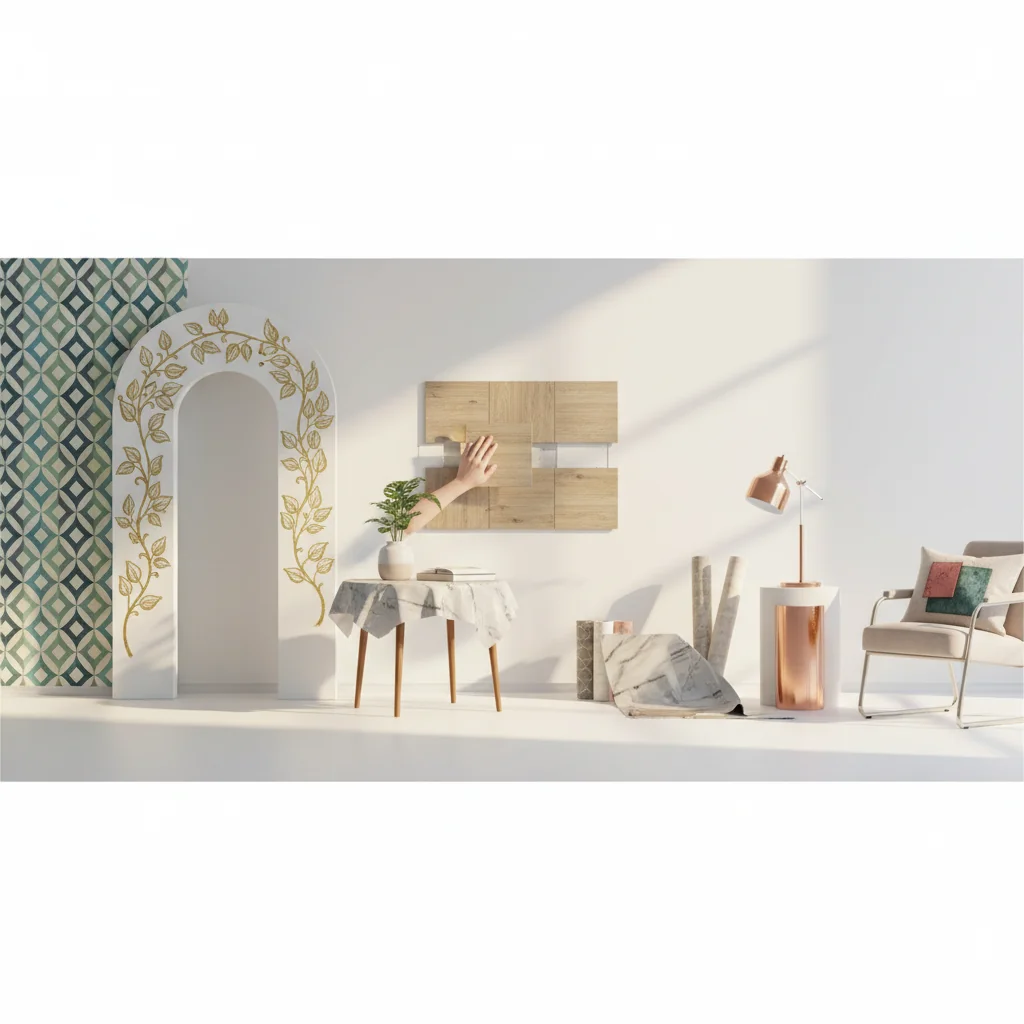
Peel and stick wallpaper is available in a diverse range of materials and finishes, each offering distinct aesthetic qualities, durability characteristics, and suitability for different applications, allowing designers and homeowners to select the perfect option for their specific project needs. Understanding these material differences is crucial for achieving the desired look and ensuring the longevity and performance of the wallcovering in various environments. The most common materials include vinyl, fabric, and increasingly, options with natural fibers or specialized textures.
The substrate material significantly impacts the overall feel, appearance, and resilience of the wallpaper. From the smooth, practical nature of vinyl to the tactile warmth of fabric-based options, each material brings its own set of advantages to the design table. Finishes, ranging from matte to high-gloss and textured, further enhance the visual and sensory experience, mimicking everything from natural stone to woven textiles.
Common Materials:
-
Vinyl (PVC) Peel and Stick Wallpaper:
Vinyl is the most prevalent material for peel and stick wallpaper due to its exceptional durability, moisture resistance, and ease of cleaning. It is highly resistant to tears, scratches, and fading, making it an excellent choice for high-traffic areas like entryways, kitchens, and bathrooms. Vinyl wallpapers are also often washable, allowing for easy maintenance of spills and marks. They typically offer a smooth surface, though textured vinyl options are also available, mimicking materials like stucco or leather. The robust nature of vinyl also contributes to its longevity, ensuring that designs remain vibrant and intact for years.
-
Fabric (Textile) Peel and Stick Wallpaper:
Fabric-based peel and stick wallpapers, often made from polyester or a blend of synthetic fibers, provide a softer, more luxurious feel compared to vinyl. They typically have a subtle texture that adds depth and warmth to a room, often resembling linen, canvas, or woven grasscloth. While generally less moisture-resistant than vinyl, fabric options offer superior breathability and a more tactile experience. They are ideal for bedrooms, living rooms, and dining areas where a sophisticated, inviting atmosphere is desired. Fabric wallpapers are also often favored for their matte finish, which absorbs light and creates a softer visual effect, minimizing glare.
-
Woven and Non-Woven Backings:
While not a material in itself, the backing type is critical. Many peel and stick options utilize non-woven synthetic fibers for their backing, which contribute to the wallpaper’s strength, breathability, and ease of removal. Non-woven backings are highly stable, resisting expansion and contraction, which helps prevent seams from gapping over time. Woven backings, while less common in peel and stick, offer additional durability and a more traditional feel, often found in higher-end, heavier wallcoverings.
-
Specialty Materials (e.g., Metallic, Natural Fibers):
Beyond vinyl and fabric, the market offers specialty peel and stick options. Metallic wallpapers incorporate metallic inks or foils to create shimmering, reflective surfaces that add glamour and sophistication. Natural fiber options, such as those made from paper pulp or even thin wood veneers, provide an organic, earthy aesthetic, though they typically require more careful handling and may not be as durable or moisture-resistant as synthetic alternatives. These specialty materials are often used for accent walls or areas where a unique, high-impact statement is desired.
Available Finishes:
- Matte: A non-reflective finish that absorbs light, creating a soft, understated, and sophisticated look. Matte finishes are excellent for hiding minor wall imperfections and providing a subtle backdrop for furniture and art. They are particularly popular for achieving a modern, minimalist, or rustic aesthetic.
- Satin/Eggshell: A slightly lustrous finish with a soft sheen, offering a balance between matte and gloss. Satin finishes are more durable and easier to clean than matte, making them a versatile choice for various rooms. They reflect a small amount of light, adding a gentle glow without being overly reflective.
- Gloss/High-Gloss: A highly reflective finish that bounces light, creating a vibrant, modern, and sometimes dramatic effect. Gloss finishes are very durable and easy to clean, making them suitable for kitchens and bathrooms, but they can highlight wall imperfections. They are often used for bold patterns or to create a sleek, contemporary look.
- Textured: Finishes that replicate the tactile qualities of other materials, such as linen, grasscloth, plaster, wood grain, or brick. Textured peel and stick wallpapers add depth and dimension to walls, providing visual interest and often helping to conceal minor surface flaws. These are particularly effective for creating immersive faux finishes.
The combination of material and finish dictates the overall character and functional suitability of the peel and stick wallpaper. For instance, a matte fabric wallpaper might be perfect for a cozy bedroom, while a high-gloss vinyl option could invigorate a laundry room. Starhouse curates a diverse selection, ensuring that every material and finish meets our rigorous standards for quality, durability, and aesthetic excellence, empowering you to make informed design choices for your home.
Peel and Stick Material Comparison
| Material Type | Durability | Moisture Resistance | Texture/Feel | Ideal Use | Approx. Price Range (per sq ft) |
|---|---|---|---|---|---|
| Vinyl (PVC) | High (Tear/Scratch Resistant) | Excellent | Smooth, sometimes embossed | Kitchens, Bathrooms, High-Traffic Areas, Kids’ Rooms | $1.50 – $4.00 |
| Fabric (Polyester/Blends) | Medium (Softer, less scratch-resistant than vinyl) | Good (Breathable, but can absorb moisture) | Soft, woven, tactile, matte | Bedrooms, Living Rooms, Dining Rooms, Accent Walls | $2.00 – $5.50 |
| Textured (Specialty Vinyl/Fabric) | High (Depends on base material) | Varies (Often good for vinyl-based) | Embossed, mimics wood, brick, plaster, linen | Feature Walls, Adding Depth, Hiding Imperfections | $2.50 – $6.00 |
| Metallic Accents | Medium to High (Depends on base material, can scratch) | Varies (Often good for vinyl-based) | Smooth, reflective, sometimes embossed | Glamorous Spaces, Accent Walls, Art Deco styles | $3.00 – $7.00 |
Styles and Designs: Transforming Your Space
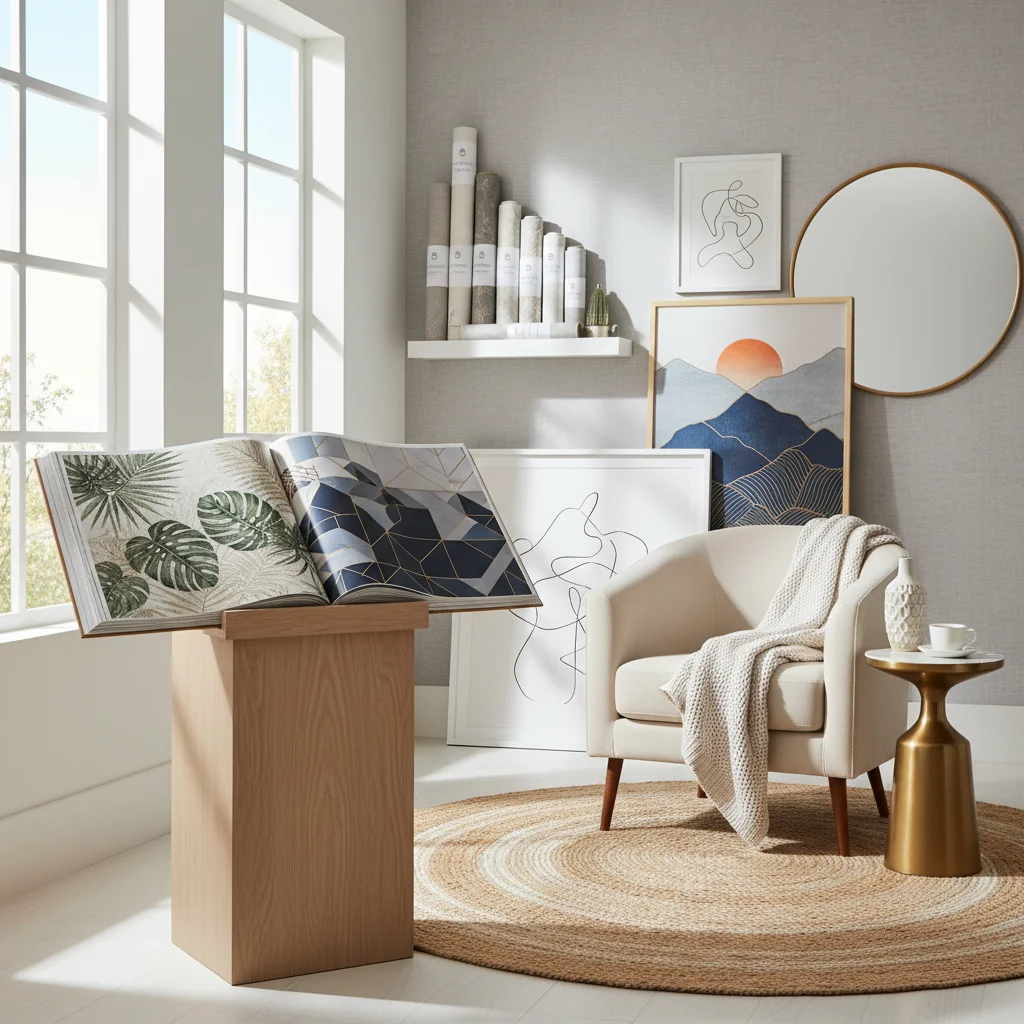
The vast array of styles and designs available in peel and stick wallpaper allows for unparalleled creative expression, enabling homeowners to instantly transform any space to reflect their personal aesthetic, from minimalist serenity to maximalist grandeur. This expansive selection encompasses everything from intricate patterns and realistic faux textures to bold geometrics and serene botanicals, providing a versatile tool for achieving any desired interior design vision. Designers can leverage these diverse options to create feature walls, add subtle texture, or completely redefine a room’s character without the permanence of traditional wall treatments.
The versatility of peel and stick designs means that there is a suitable option for every room, every mood, and every design philosophy. Whether you are aiming for a classic look, a contemporary edge, or an eclectic bohemian vibe, the market offers an abundance of choices. Starhouse meticulously curates collections that span this entire spectrum, ensuring access to the latest trends and timeless classics.
Popular Styles and Design Categories:
-
Botanical and Floral:
These designs bring the tranquility and beauty of nature indoors. From delicate, ethereal watercolors to bold, oversized tropical leaves and vibrant floral bouquets, botanical patterns create a refreshing and inviting atmosphere. They are ideal for bedrooms, bathrooms, and sunrooms, promoting a sense of calm and connection to the natural world. Modern botanical designs often feature abstract interpretations or rich, moody color palettes, moving beyond traditional chintz to offer sophisticated, contemporary options.
-
Geometric and Abstract:
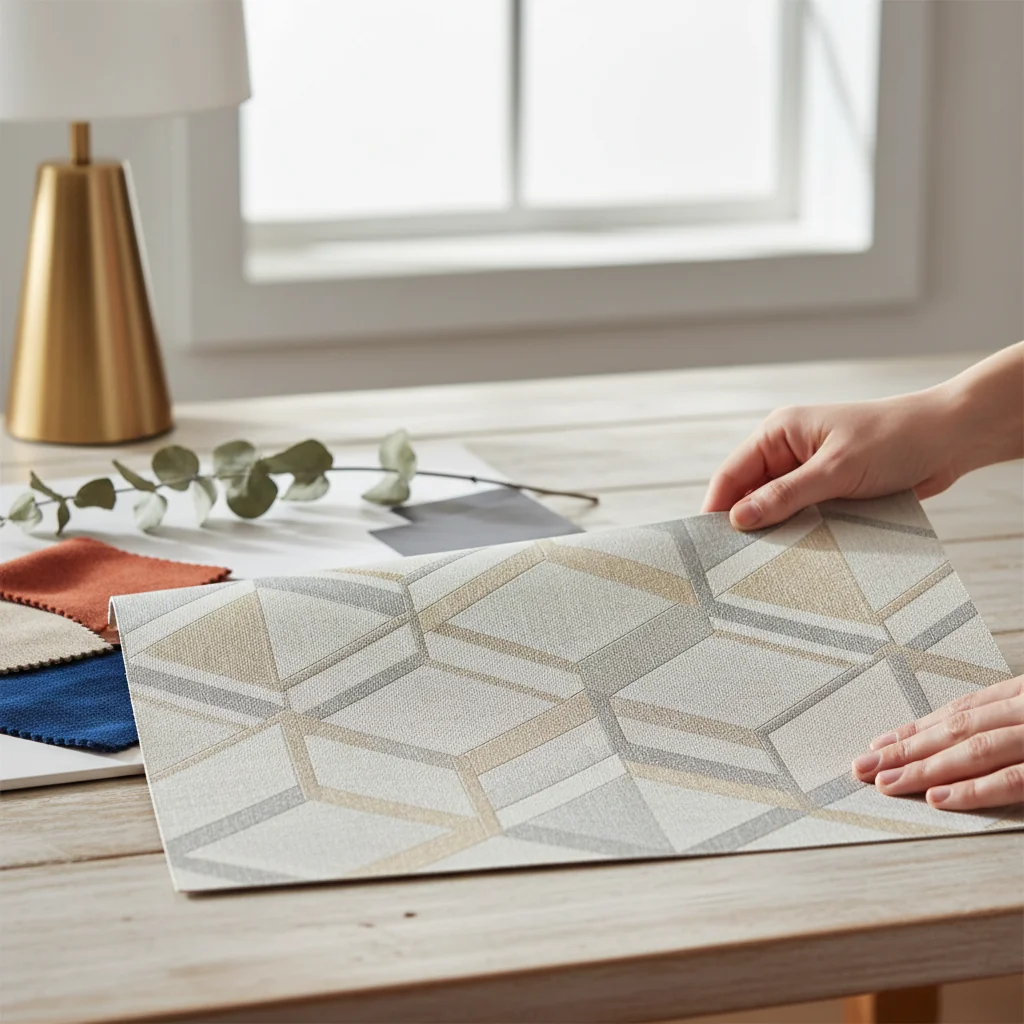
Characterized by clean lines, repetitive shapes, and often striking color combinations, geometric and abstract patterns lend a modern, dynamic, and sophisticated feel to a space. Think chevron, hexagons, stripes, or free-flowing abstract forms. These designs are excellent for creating a focal point, adding architectural interest, or infusing a room with contemporary energy. They are particularly effective in living rooms, home offices, and entryways where a strong visual statement is desired.
-
Faux Finishes and Textures:
Peel and stick wallpaper excels at replicating the look and feel of expensive or difficult-to-install materials. Popular faux finishes include realistic wood grains (shiplap, reclaimed wood), exposed brick, concrete, marble, stone, and even linen or grasscloth textures. These designs offer the aesthetic appeal of natural materials without the cost, weight, or complex installation, making them perfect for creating industrial, rustic, or luxurious atmospheres in any room.
-
Murals and Scenic Designs:
For a truly immersive experience, peel and stick murals transform an entire wall into a breathtaking landscape, cityscape, abstract art piece, or fantastical scene. These large-format designs create an instant focal point and can dramatically alter the perception of space, adding depth and narrative. Murals are particularly impactful in expansive rooms, children’s play areas, or as a statement piece in a dining room or master bedroom.
-
Transitional and Classic:
These styles bridge the gap between traditional elegance and contemporary simplicity. Think subtle damasks, refined toile patterns, classic stripes, or understated medallions. Transitional designs offer timeless appeal, providing a sophisticated backdrop that complements a wide range of furniture styles. They are excellent for creating an enduringly chic and harmonious interior.
-
Kids’ and Novelty Designs:
Peel and stick wallpaper is a dream for children’s rooms, offering playful patterns, whimsical characters, educational maps, and vibrant colors that can be easily updated as a child grows. Its removable nature makes it a practical choice for evolving tastes, allowing for frequent room refreshes without extensive redecoration. From outer space adventures to enchanted forests, the possibilities are endless for sparking imagination.
The choice of design should harmonize with the room’s function, existing furnishings, and your personal style. A bold geometric might energize a home office, while a soft botanical could enhance the serenity of a bedroom. Starhouse understands that each design choice is a reflection of individuality, and our collections are curated to inspire and facilitate these personal transformations. We invite you to explore the myriad possibilities and tell us what you’re looking for to create your ideal space.
Choosing the Right Peel and Stick for Your Project
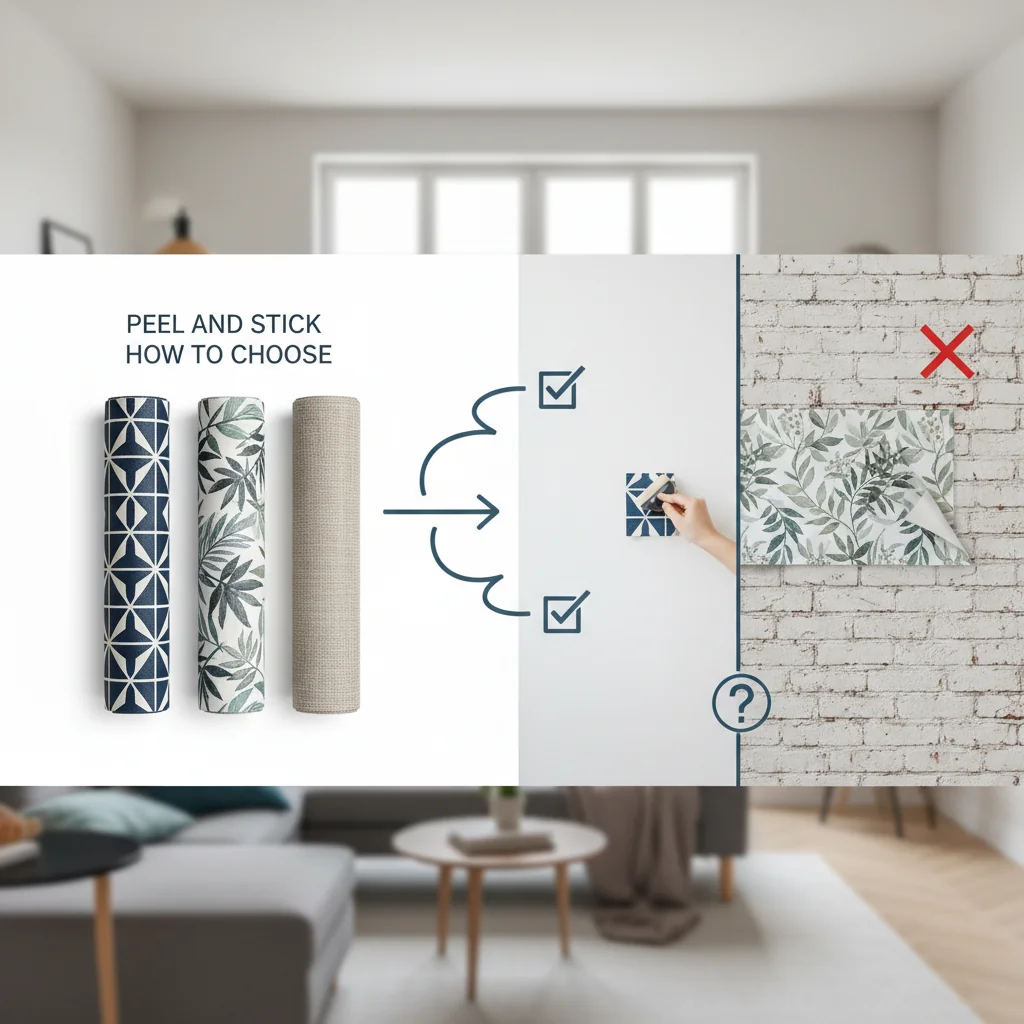
Selecting the appropriate peel and stick wallpaper requires careful consideration of several factors, including the room’s function, existing decor, desired aesthetic, durability needs, and environmental impact, to ensure a successful and satisfying outcome. The right choice will not only enhance your space visually but also perform optimally under specific conditions, making it crucial to align material properties with practical requirements. This thoughtful approach guarantees that your chosen design not only looks beautiful but also withstands the demands of daily life in its intended environment.
Navigating the extensive options can be daunting, but by breaking down the decision-making process into key considerations, you can confidently select the perfect peel and stick wallpaper for any project. At Starhouse, we guide our customers to make informed choices that blend style with functionality.
Key Considerations for Selection:
-
Room and Environment:
The room’s specific conditions dictate material suitability. For high-moisture areas like bathrooms and kitchens, or zones prone to splashes such as laundry rooms, vinyl-based peel and stick wallpaper is the definitive choice due to its superior water resistance and ease of cleaning. In contrast, bedrooms, living rooms, and dining areas, which typically experience less wear and tear and lower humidity, offer more flexibility, allowing for the use of fabric-based or specialty papers for a softer or more luxurious feel. Consider also the amount of direct sunlight a wall receives, as prolonged exposure can affect colorfastness, particularly in lower-quality products.
-
Aesthetic and Existing Decor:
The wallpaper should complement your current furniture, textiles, and overall design scheme. Determine whether you want the wallpaper to be a bold focal point or a subtle backdrop. For smaller rooms, lighter colors and smaller patterns can make the space feel larger and airier, while larger rooms can accommodate bolder designs and darker hues. Consider the existing color palette; choose patterns with colors that either harmonize or provide a deliberate, impactful contrast. A cohesive design ensures visual flow and a polished finish.
-
Durability and Maintenance:
Assess the level of traffic and potential for wear and tear. For children’s rooms, playrooms, or busy hallways, opt for durable, washable vinyl options that can withstand frequent cleaning and minor scuffs. In low-traffic areas like guest bedrooms or formal living rooms, less robust but perhaps more aesthetically intricate fabric or textured papers may be suitable. Always check the manufacturer’s cleaning instructions, but generally, vinyl is wipeable, while fabric may require spot cleaning.
-
Surface Compatibility:
Peel and stick wallpaper adheres best to smooth, clean, and properly primed surfaces. It typically does not adhere well to highly textured walls (like orange peel or knockdown textures), unprimed drywall, or surfaces with chalky or peeling paint. For optimal adhesion and a seamless appearance, ensure your walls are smooth, clean, dry, and painted with an eggshell, satin, or semi-gloss finish. Matte paints can sometimes be too porous for optimal adhesion, so a primer may be necessary.
-
Budget:
Peel and stick wallpaper comes in a wide price range per square foot, influenced by material quality, design complexity, and brand. Establish a budget for your project and explore options within that range. Remember that while some options may have a higher initial cost, their durability and ease of installation can offer long-term value. Starhouse offers a curated selection designed to provide exceptional quality at various price points.
-
Environmental Considerations:
For health-conscious consumers, look for peel and stick wallpapers labeled as low-VOC (Volatile Organic Compound) or PVC-free. These options contribute to better indoor air quality and are often made with more sustainable manufacturing practices. Certifications such as GREENGUARD Gold or OEKO-TEX Standard 100 indicate adherence to strict environmental and health standards. Prioritizing these features aligns with a commitment to creating a healthier home environment.
-
Sampling:
Before committing to a large purchase, always order samples. Colors can appear differently on screen than in person, and textures are best judged tactilely. Apply samples to your wall in various lighting conditions throughout the day to see how the pattern and color interact with your space. This crucial step helps prevent costly mistakes and ensures satisfaction with your final choice.
By systematically addressing these points, you can confidently select a peel and stick wallpaper that not only transforms your space but also aligns perfectly with your lifestyle and design aspirations. Starhouse is dedicated to helping you discover the ideal wallcovering that speaks to your unique vision, ensuring both beauty and lasting quality.
Sizing and Measuring: Precision for a Flawless Installation
Accurate sizing and precise measurement are foundational to a successful peel and stick wallpaper installation, ensuring a seamless finish, minimizing waste, and preventing unsightly gaps or misaligned patterns. Proper measurement accounts for wall dimensions, pattern repeat, and an essential buffer for trimming, guaranteeing that you order the correct quantity of wallpaper for your project. This meticulous preparation is critical for achieving a professional-grade result and avoiding common installation pitfalls.
Underestimating or overestimating your wallpaper needs can lead to significant frustration, either by running out of material mid-project or incurring unnecessary costs. Starhouse emphasizes the importance of careful measurement as the first step towards a beautifully transformed space.
Step-by-Step Measuring Guide:
-
Gather Your Tools:
Before you begin, assemble the necessary tools: a metal measuring tape (at least 25 feet long), a pencil, a notepad, and a calculator. A level can also be helpful for ensuring your measurements are perfectly horizontal or vertical.
-
Measure Wall Height:
Measure the height of your wall from the baseboard to the ceiling. Take this measurement in at least three different spots across the wall (left, center, right), as walls are rarely perfectly uniform. Use the tallest measurement for your calculations to ensure you have enough material for the entire height. If you have crown molding or unique architectural features, measure from the highest point where the wallpaper will begin to the lowest point where it will end.
-
Measure Wall Width:
Measure the total width of the wall or walls you intend to cover. Again, take measurements in multiple places (top, middle, bottom) and use the widest measurement. If you are covering multiple walls, measure each wall individually.
-
Account for Pattern Repeat:
The pattern repeat is the distance on the wallpaper roll before the pattern begins to repeat itself. This measurement is crucial for ensuring that adjacent panels align seamlessly. It is usually indicated on the product specifications. For instance, if a pattern has a 24-inch repeat, you will need to add a full repeat length to each panel’s height calculation, especially for the first panel, and consider how subsequent panels will align. This extra length allows for matching the pattern across seams. Always round up to the nearest full repeat to ensure you have enough.
A Repeat Pattern is the vertical distance at which a wallpaper design begins to duplicate itself, ensuring seamless visual flow when multiple panels are hung side-by-side.
-
Add a Buffer (Overage):
Always add a safety margin to your measurements. We recommend adding at least 2-4 inches to both the height and width measurements of each panel. This extra material accounts for uneven walls, minor installation errors, and allows for precise trimming at the ceiling and baseboard. For complex patterns or first-time installers, adding an extra 10-15% to the total square footage is a wise precaution.
-
Calculate Total Square Footage:
Multiply the adjusted height (including repeat and buffer) by the adjusted width to get the total square footage needed for each wall. Sum these totals for all walls to get your project’s total square footage. For example, if your wall is 10 feet (120 inches) high and 12 feet (144 inches) wide, and your pattern repeat is 24 inches, you would calculate:
- Panel Height: 120 inches (wall height) + 24 inches (repeat) + 4 inches (buffer) = 148 inches per panel.
- Number of Panels: Divide the wall width (144 inches) by the width of one wallpaper roll (e.g., 20.5 inches). 144 / 20.5 = 7.02. Always round up, so you need 8 panels.
- Total Length Needed: 8 panels * 148 inches/panel = 1184 inches, or approximately 98.67 feet.
Check the product’s roll dimensions (width and length) and calculate how many rolls you need based on your total required length and number of panels. Most manufacturers provide coverage estimates per roll, but always perform your own calculations for precision.
-
Account for Doors and Windows:
Do not subtract the square footage of doors and windows from your total. While you won’t cover these areas, you will need the material to cut around them. It’s better to have extra material for trimming and pattern matching around these architectural elements.
-
Order Extra Rolls:
It is always prudent to order one extra roll beyond your calculated minimum, especially for large projects or intricate patterns. Dye lots can vary slightly between batches, so having an extra roll from the same dye lot ensures color consistency if you need to replace a damaged section or cover an unforeseen area. This small investment can save significant headaches and potential delays later.
By following these precise measuring techniques, you set the stage for a smooth and successful peel and stick wallpaper installation, resulting in a beautifully finished space that reflects your design intentions. Starhouse is dedicated to providing not only exquisite designs but also the expert guidance needed to achieve flawless results.
Installation Guide: A Step-by-Step Approach
Installing peel and stick wallpaper is a straightforward process that, with careful preparation and methodical execution, yields professional-looking results, making it an accessible DIY project for transforming any room. The key to a successful application lies in meticulous surface preparation, precise alignment, and patient execution of each step, ensuring a smooth, bubble-free, and perfectly aligned finish. This guide provides a comprehensive framework to confidently undertake your peel and stick wallpaper project.
While peel and stick simplifies the traditional wallpapering process, attention to detail remains paramount. Rushing or skipping steps can compromise the final appearance and longevity of your wallcovering. Starhouse empowers you with the knowledge to achieve a pristine application.
Tools You Will Need:
- Measuring tape (metal, at least 25 ft)
- Pencil
- Level or plumb bob
- Utility knife with fresh blades
- Smoothing tool/squeegee (felt-edged recommended)
- Scissors
- Clean, damp cloth
- Step stool or ladder
- Optional: Primer (for porous or matte painted walls), painter’s tape
Preparation is Key:
-
Clean the Walls:
Thoroughly clean your walls to remove any dust, dirt, grease, or grime. Use a mild detergent solution (e.g., dish soap and water) or a wall cleaner. Rinse the walls with clean water and allow them to dry completely, typically 24-48 hours. Any residue or moisture can compromise adhesive performance.
-
Repair and Smooth Surfaces:
Fill any holes, cracks, or imperfections with spackle and sand them smooth once dry. Peel and stick wallpaper, especially matte finishes, can highlight bumps and divots. A perfectly smooth surface is essential for a flawless finish.
-
Prime the Walls (If Necessary):
For newly painted walls (allow 3-4 weeks for paint to fully cure), walls painted with flat/matte paint, or highly porous surfaces, apply a high-quality, water-based primer. This creates a uniform surface for the adhesive to bond to and facilitates easier removal later. Allow the primer to dry completely according to manufacturer instructions.
-
Remove Obstacles:
Remove switch plates, outlet covers, and any wall art or fixtures. This ensures a clean, uninterrupted application surface.
Installation Steps:
-
Measure and Mark Your First Line:
Begin in an inconspicuous corner or near a doorframe. Measure the width of your wallpaper roll. From the corner, measure in slightly less than the roll width (e.g., if your roll is 20.5 inches wide, measure 20 inches) and use your level or plumb bob to draw a perfectly vertical line down the wall. This line will serve as the guide for the edge of your first panel, ensuring it hangs straight. Do not start directly in a corner, as corners are rarely perfectly plumb.
-
Cut Your First Panel:
Unroll your wallpaper and measure the height of your wall, adding 2-4 inches of buffer to the top and bottom. Cut the first panel with scissors or a utility knife. For patterned wallpaper, ensure you understand the pattern repeat and cut accordingly to match subsequent panels.
-
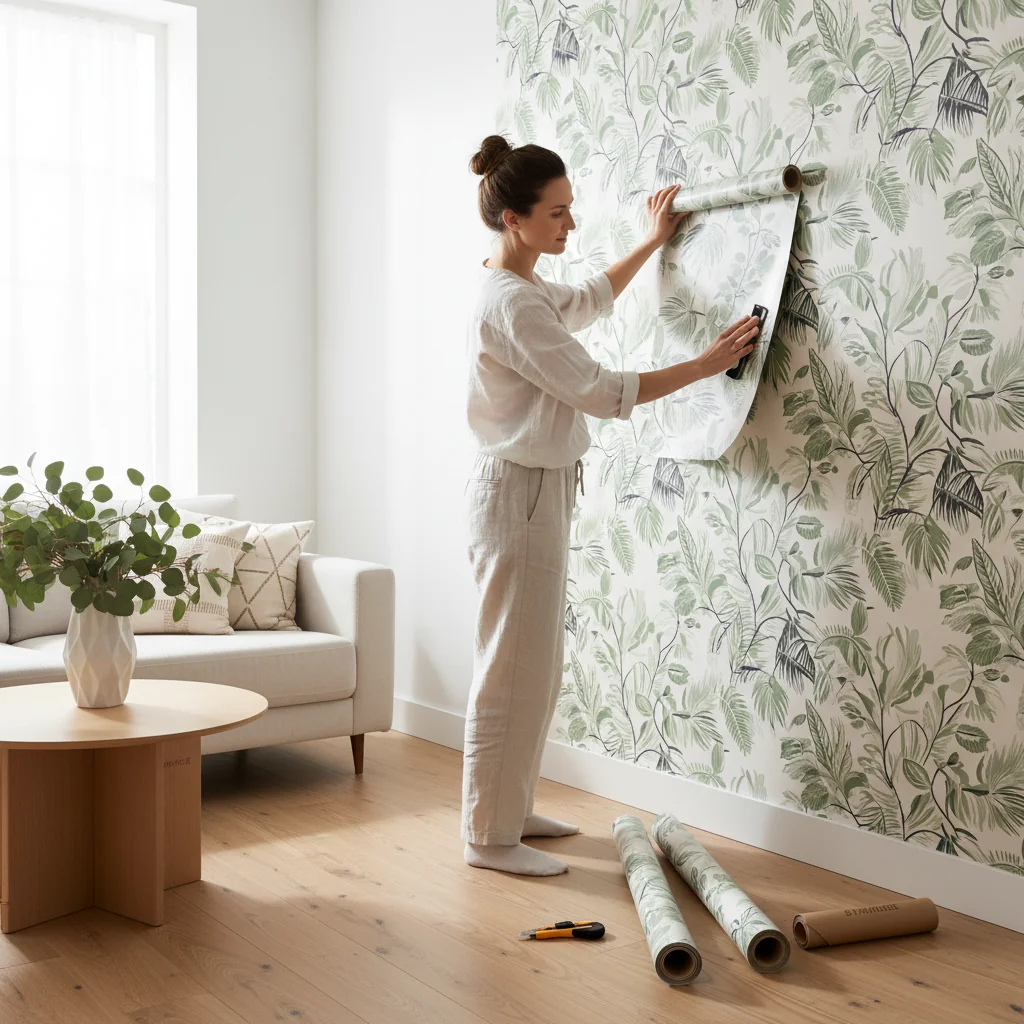
Apply the First Panel:
Carefully peel back about 6-12 inches of the backing paper from the top of your first panel. Align the top edge of the wallpaper with your ceiling (or desired starting point), ensuring the side edge aligns perfectly with your plumb line. Lightly press the top section onto the wall. Once satisfied with the alignment, slowly peel down more of the backing paper, smoothing the wallpaper onto the wall from the center outwards using your squeegee. Work in small sections, smoothing as you go to prevent air bubbles. If a bubble appears, gently lift the wallpaper and re-smooth. The Lowe’s installation guide provides detailed visual instructions on smoothing techniques.
-
Trim Excess:
Once the entire panel is applied, use your utility knife with a fresh blade and a straightedge (like your squeegee or a metal ruler) to carefully trim the excess wallpaper at the ceiling and baseboard. Ensure a clean, sharp cut for a professional finish.
-
Apply Subsequent Panels:
For the next panel, repeat the cutting process, ensuring you match the pattern precisely with the previous panel. Butt the new panel’s edge tightly against the previous one, avoiding overlaps (unless specifically instructed by the product). Continue to peel, align, and smooth as before. Pay close attention to pattern alignment at the seams. If the pattern doesn’t align perfectly, gently peel back the panel and adjust.
-
Working Around Obstacles:
When you encounter outlets or switches, apply the wallpaper over them. Once smoothed, use your utility knife to carefully cut around the fixture. Replace the cover plate after all wallpapering is complete. For windows and doors, apply the wallpaper over the opening, then make relief cuts and trim precisely along the frame.
-
Corners:
Do not wrap a single piece of wallpaper around an interior or exterior corner. Instead, run the panel into the corner, leaving about 1/2 inch to 1 inch to wrap onto the adjacent wall. Cut the excess and then start your next panel on the new wall, overlapping the wrapped portion slightly. This technique ensures a smooth, durable corner that won’t lift.
-
Final Touches:
Once all panels are installed, gently wipe down the wallpaper with a clean, damp cloth to remove any pencil marks or residue. Admire your transformed space!
With these detailed steps, you are well-equipped to undertake your peel and stick wallpaper installation with confidence. Remember that patience and precision are your best allies in achieving a stunning, professional result. Starhouse is here to support your design journey, from selection to successful installation.
Care and Maintenance: Preserving Your Design
Proper care and routine maintenance are essential for preserving the beauty, integrity, and longevity of your peel and stick wallpaper, ensuring that your transformed space remains pristine for years to come. While peel and stick wallpapers are generally durable, specific cleaning methods and preventive measures are crucial to avoid damage to the material or its adhesive backing. Adhering to these guidelines will protect your investment and keep your walls looking fresh and vibrant.
The ease of maintenance for peel and stick wallpaper is one of its significant advantages, but understanding the correct techniques for different material types is vital. Starhouse advocates for informed care to maximize the lifespan of your chosen wallcovering.
General Care Guidelines:
-
Identify Your Wallpaper Material:
Before cleaning, confirm whether your peel and stick wallpaper is vinyl-based, fabric-based, or a specialty material. This information, usually found in the product specifications, dictates the appropriate cleaning method. Vinyl is generally more robust and washable, while fabric requires gentler care.
-
Dust Regularly:
To prevent dust and grime buildup, regularly dust your wallpaper using a soft, dry cloth or a feather duster. For textured wallpapers, a soft-bristled brush can help dislodge dust from crevices. This simple step significantly reduces the need for more intensive cleaning.
-
Avoid Harsh Chemicals and Abrasives:
Never use abrasive cleaners, scouring pads, strong chemical solvents, or ammonia-based products on peel and stick wallpaper. These can damage the print, fade colors, compromise the adhesive, or even cause the material to degrade. Stick to mild, pH-neutral solutions.
-
Test in an Inconspicuous Area:
Before applying any cleaning solution to a visible area, always perform a patch test in an inconspicuous spot (e.g., behind furniture or near a baseboard). This verifies that the cleaner will not cause discoloration, damage, or affect the adhesive.
Cleaning Specific Materials:
-
Vinyl Peel and Stick Wallpaper:
Vinyl is the most forgiving material. For most stains and marks, gently wipe the surface with a soft cloth dampened with warm water and a very mild, non-abrasive soap (like dish soap). Immediately follow with a clean, damp cloth to rinse off any soap residue, and then thoroughly dry the area with a soft, dry towel. Avoid saturating the paper, especially near seams, as excessive moisture can weaken the adhesive over time.
-
Fabric Peel and Stick Wallpaper:
Fabric-based wallpapers require more delicate handling. For light marks, gently blot the stain with a clean, white cloth dampened with plain water. For tougher spots, a mild, diluted fabric cleaner or a mixture of water and a tiny drop of clear dish soap can be used, but always blot, never rub vigorously. Avoid excessive moisture. Allow the area to air dry completely. Spot test is absolutely crucial for fabric wallpapers to prevent water spots or discoloration.
-
Textured and Specialty Finishes:
For textured wallpapers, a soft brush can help clean grooves. For metallic or other specialty finishes, follow the care instructions specific to that product. Generally, gentle wiping with a dry or slightly damp cloth is recommended, avoiding anything that could scratch or dull the finish.
Preventive Measures:
-
Control Humidity:
In high-humidity environments like bathrooms, ensure adequate ventilation to prevent moisture buildup, which can affect adhesive performance and potentially lead to mildew. Use exhaust fans and consider a dehumidifier if necessary.
-
Avoid Direct Heat Sources:
Keep peel and stick wallpaper away from direct, continuous heat sources like radiators, heat vents, or certain kitchen appliances, as prolonged heat can cause the adhesive to weaken or the material to warp.
-
Protect from Direct Sunlight:
While many modern peel and stick wallpapers are fade-resistant, prolonged exposure to intense direct sunlight can still cause colors to fade over time. Consider using blinds, curtains, or UV-filtering window films on windows that receive strong, direct sun.
-
Address Lifting Edges Promptly:
If you notice any edges or seams starting to lift, gently press them back down. For persistent lifting, a small amount of spray adhesive specifically designed for wallpaper (test first!) can be used as a temporary fix, but ideally, ensure proper surface preparation from the outset to prevent this.
By integrating these care and maintenance practices into your routine, your peel and stick wallpaper will continue to be a stunning feature in your home for its intended lifespan. Starhouse is committed to providing high-quality wallcoverings that are not only beautiful but also manageable, supporting your desire for a well-maintained and stylish living environment.
Styling and Pairing: Integrating Peel and Stick into Your Decor
Integrating peel and stick wallpaper into your home décor offers a dynamic opportunity to enhance existing styles, introduce new aesthetics, and create cohesive, visually compelling spaces through thoughtful pairing with furnishings, textiles, and accessories. Its versatility allows it to serve as a bold statement piece, a subtle textural backdrop, or a unifying element that ties a room’s design together. Effective styling involves considering color palettes, pattern scale, and the overall mood you wish to evoke, ensuring a harmonious and impactful design.
Peel and stick wallpaper is not merely a wall covering; it is a powerful design tool that can dramatically alter the perception and ambiance of a room. Starhouse believes in empowering our customers to create spaces that truly reflect their personality and vision.
Strategies for Seamless Integration:
-
The Accent Wall (Feature Wall):
This is arguably the most popular and impactful application. Choose a wall that naturally draws the eye, such as the wall behind a bed, sofa, or dining table. Select a peel and stick design with a bold pattern, vibrant color, or striking texture that complements the room’s existing color scheme. The accent wall becomes the focal point, allowing other elements in the room to remain more understated. For example, a large-scale botanical print behind a minimalist bed can create a serene yet dramatic effect.
-
Cohesive Color Palette:
Ensure the colors within your chosen wallpaper pattern are echoed in other elements of the room. Pull out one or two colors from the wallpaper and incorporate them into throw pillows, blankets, curtains, or decorative objects. This creates a visually cohesive and intentional look, making the wallpaper feel like an integral part of the design rather than an afterthought. For instance, if your wallpaper has hints of sage green, introduce sage green cushions or a ceramic vase.
-
Mixing Patterns and Textures:
Don’t shy away from mixing patterns, but do so thoughtfully. If your wallpaper features a busy pattern, pair it with textiles that have simpler, larger patterns or solid colors with interesting textures (e.g., chunky knits, velvet, linen). Conversely, a subtle, textured wallpaper can be a beautiful backdrop for patterned rugs or upholstery. Varying the scale of patterns (one large, one small) and incorporating different textures adds depth and visual interest without overwhelming the space.
-
Furniture and Art Harmony:
Consider how your furniture and artwork will interact with the wallpaper. A busy pattern might require simpler, cleaner-lined furniture to avoid visual clutter. Conversely, a minimalist wallpaper can be a perfect canvas for bold, eclectic furniture or a gallery wall. Ensure that artwork frames complement the wallpaper’s aesthetic; metallic frames might pop against a dark, moody floral, while natural wood frames suit a bohemian or rustic design.
-
Ceiling and Small Space Applications:
Peel and stick wallpaper isn’t just for walls. Applying a subtle pattern or texture to a ceiling can add unexpected elegance and draw the eye upward, making a room feel grander. In small spaces like powder rooms, laundries, or entryways, a bold, immersive pattern can create a jewel-box effect. Use it to line the back of bookshelves, cabinet interiors, or even as a temporary backsplash in a rental kitchen, offering creative design solutions beyond traditional wall coverage.
-
Thematic Cohesion:
If your room has a specific theme (e.g., coastal, mid-century modern, industrial), select a wallpaper that reinforces that theme. A shiplap-effect wallpaper enhances a farmhouse aesthetic, while a geometric pattern perfectly suits a mid-century modern space. This ensures every element contributes to a unified design narrative.
-
Lighting Considerations:
Lighting plays a crucial role in how wallpaper appears. Test samples in your space under different lighting conditions (natural daylight, artificial evening light) to see how the colors and textures change. Matte finishes absorb light, creating a softer ambiance, while glossy or metallic finishes reflect light, adding sparkle and vibrancy. Consider how your lighting fixtures (e.g., sconces, lamps) will illuminate the wallpaper and enhance its features.
By thoughtfully considering these styling and pairing strategies, you can leverage peel and stick wallpaper to create a truly personalized and polished interior. It’s an accessible way to infuse your home with character and sophistication. At Starhouse, we are dedicated to helping you discover the perfect peel and stick designs to complement and elevate your unique décor. We invite you to explore our curated selection and share your vision with us, so we can help you bring your dream space to life.
Common Mistakes to Avoid with Peel and Stick Wallpaper
Avoiding common mistakes during the selection and installation of peel and stick wallpaper is crucial for achieving a professional, long-lasting, and aesthetically pleasing result, preventing frustration and ensuring your investment enhances your home. Many issues arise from inadequate preparation, incorrect measurement, or improper application techniques, all of which are entirely preventable with careful attention to detail and adherence to best practices. Understanding these pitfalls allows for a smoother project and a more satisfying outcome.
Even with its user-friendly nature, peel and stick wallpaper requires a methodical approach. Starhouse emphasizes proactive problem-solving by highlighting these frequent missteps, enabling you to confidently transform your space.
Mistakes to Sidestep:
-
Inadequate Surface Preparation:
This is the most common and critical mistake. Applying peel and stick wallpaper to dirty, dusty, greasy, or textured walls will result in poor adhesion, bubbles, and peeling edges. The adhesive cannot properly bond to an uneven or contaminated surface. Always clean, repair, and smooth walls thoroughly. For matte or unprimed walls, applying a high-quality primer is essential to create a consistent, non-porous surface for optimal adhesion.
-
Not Measuring Accurately or Ordering Enough Material:
Underestimating the required amount of wallpaper is a frequent error. Failing to account for pattern repeat, adding insufficient buffer for trimming, or not ordering an extra roll can lead to running out of material mid-project. This often results in delays, color discrepancies if a new dye lot is purchased, and increased stress. Always measure meticulously, add a generous overage (10-15%), and consider an extra roll.
-
Ignoring Pattern Repeat During Cutting:
For patterned wallpaper, cutting panels without considering the pattern repeat will lead to misaligned designs at the seams, disrupting the visual flow and making the wall look unprofessional. Always lay out your panels and match the pattern before making your final cuts, ensuring continuity from one panel to the next.
-
Not Using a Plumb Line for the First Panel:
Starting the first panel freehand, especially in a corner, is a recipe for disaster. Walls and corners are rarely perfectly straight or plumb. Without a vertical guide (drawn with a level or plumb bob), your first panel will likely be crooked, causing subsequent panels to follow suit and resulting in an increasingly noticeable slant across the wall. Always start with a precisely marked plumb line.
-
Pulling the Entire Backing Off at Once:
Attempting to apply the entire panel of wallpaper by peeling off the full backing at once makes the wallpaper unmanageable, prone to sticking to itself, wrinkling, or adhering incorrectly. Always peel the backing gradually, in small sections (6-12 inches at a time), as you smooth the wallpaper onto the wall. This allows for better control and repositioning.
-
Not Smoothing Out Air Bubbles Promptly:
Air bubbles trapped under the wallpaper are unsightly and can compromise adhesion over time. As you apply each section, use a smoothing tool or squeegee to work out any bubbles from the center outwards to the edges. If a bubble persists, gently lift the wallpaper and re-smooth, or carefully prick it with a pin and press the air out.
-
Overlapping Panels (Unless Specified):
Most peel and stick wallpapers are designed for butt-joint installation, where panels meet edge-to-edge without overlapping. Overlapping can create visible seams, shadows, and areas where the adhesive is compromised, leading to lifting. Only overlap if the product instructions specifically state it (e.g., certain mural types).
-
Using Dull Blades for Trimming:
A dull utility knife blade will tear and fray the wallpaper edges instead of providing clean, crisp cuts. This results in ragged seams and an unfinished appearance. Always use a fresh, sharp blade for trimming excess material at the ceiling, baseboards, and around obstacles. Change blades frequently during the project.
-
Impatience and Rushing the Process:
Peel and stick wallpaper installation, while easier than traditional methods, still requires patience and a methodical approach. Rushing through steps, especially alignment and smoothing, increases the likelihood of mistakes. Take your time, work in small sections, and don’t be afraid to gently peel back and reposition if necessary.
-
Not Considering the Room Environment:
Choosing a non-moisture-resistant wallpaper for a high-humidity bathroom or a delicate fabric paper for a high-traffic kids’ room will lead to premature wear, damage, and disappointment. Always select the material type that is best suited for the specific environmental conditions and functional demands of the room.
By being aware of these common pitfalls and actively avoiding them, you can ensure a successful and satisfying peel and stick wallpaper project. Starhouse is dedicated to providing not only beautiful products but also the knowledge and guidance to help you achieve flawless results and a truly transformed home.
Sustainability and Eco-Friendly Options
The growing demand for environmentally conscious home decor has driven manufacturers to produce peel and stick wallpaper options that prioritize sustainability, featuring materials and production processes designed to minimize ecological impact and improve indoor air quality. These eco-friendly choices often incorporate recycled content, use water-based inks, are free from harmful chemicals like PVC, and adhere to stringent certifications, offering consumers responsible alternatives for their interior design projects. Selecting sustainable options contributes to a healthier living environment and supports broader environmental stewardship.
At Starhouse, we recognize the importance of offering products that align with our customers’ values for both style and environmental responsibility. The evolution of peel and stick wallpaper now includes a robust category of eco-conscious choices.
Key Aspects of Eco-Friendly Peel and Stick Wallpaper:
-
Low VOCs (Volatile Organic Compounds):
Many eco-friendly peel and stick wallpapers are formulated with low or zero VOCs. VOCs (Volatile Organic Compounds) are gases emitted from certain solids or liquids that can have adverse health effects, contributing to indoor air pollution. Products with low VOC emissions significantly improve indoor air quality, making them a healthier choice for homes, especially for individuals with respiratory sensitivities or allergies. When selecting wallpaper, look for certifications like GREENGUARD Gold, which verifies products meet strict chemical emission limits.
-
PVC-Free Materials:
Traditional vinyl (PVC) can release phthalates and other chemicals during its lifecycle. Sustainable alternatives often use non-PVC materials like polyester fabric, natural fibers, or innovative composite materials. These alternatives offer comparable durability and aesthetic appeal without the associated environmental concerns of PVC production and disposal.
-
Water-Based Inks:
Eco-friendly wallpapers typically utilize water-based inks, which contain fewer harmful chemicals compared to solvent-based inks. These inks reduce air pollution during manufacturing and minimize the release of toxins into your home environment, contributing to safer production practices and healthier living spaces.
-
Recycled Content:
Some sustainable peel and stick wallpapers incorporate post-consumer or post-industrial recycled materials in their substrate or backing. Utilizing recycled content reduces demand for virgin resources and diverts waste from landfills, closing the loop on material consumption and promoting a circular economy.
-
Certifications and Ecolabels:
Look for third-party certifications and ecolabels that verify a product’s environmental claims. Examples include:
- GREENGUARD Gold: Certifies products for low chemical emissions, contributing to healthier indoor air.
- OEKO-TEX Standard 100: Ensures textiles are free from harmful substances at all stages of production.
- FSC (Forest Stewardship Council) Certified: For paper-based wallpapers, this certification ensures the paper comes from responsibly managed forests.
The U.S. Environmental Protection Agency (EPA) provides guidance on selecting greener products and services, highlighting the importance of such certifications in reducing environmental impact. Their recommendations for specifications, standards, and ecolabels for federal purchasing underscore the benefits of choosing products that meet rigorous environmental criteria.
-
Durability and Longevity:
A truly sustainable product is one that lasts. High-quality, durable peel and stick wallpaper, regardless of its material composition, reduces the frequency of replacement and thus minimizes waste over time. Choosing a well-made product that stands up to wear and tear is an inherently eco-friendly decision.
-
Ease of Removal:
The removable nature of peel and stick wallpaper contributes to sustainability by allowing for damage-free updates. This reduces the need for extensive repairs or repainting when changing designs, thereby conserving resources and minimizing waste associated with renovation.
By opting for eco-friendly peel and stick wallpaper, consumers can make design choices that are not only beautiful and convenient but also responsible and beneficial for both their households and the planet. Starhouse is committed to offering a curated selection of sustainable options, allowing you to create a stylish and healthy home environment with confidence and peace of mind.
Sources
Frequently Asked Questions About Peel and Stick Wallpaper
Can peel and stick wallpaper be applied over textured walls?
Peel and stick wallpaper adheres best to smooth, clean, and properly primed surfaces. It is generally not recommended for highly textured walls (e.g., orange peel, knockdown, or stucco) because the adhesive cannot create a strong, uniform bond, leading to bubbles, lifting, and an uneven appearance. For lightly textured walls, a skim coat of drywall compound to smooth the surface, followed by priming, is necessary for optimal adhesion and a professional finish.
How long does peel and stick wallpaper typically last?
The lifespan of peel and stick wallpaper varies depending on the quality of the material, proper installation, and the environmental conditions of the room, but generally, high-quality products can last anywhere from 3 to 10 years or more. Factors such as direct sunlight, high humidity, frequent physical contact, and inadequate surface preparation can reduce its longevity. Proper care and maintenance, as outlined in our guide, significantly contribute to extending its life.
Is peel and stick wallpaper truly removable without damaging paint?
Yes, peel and stick wallpaper is designed for damage-free removal, especially from properly prepared, smooth, painted walls. The key is that the underlying paint must be fully cured (typically 3-4 weeks after painting) and in good condition (not peeling or chalky), and the surface should be primed if it’s a matte finish. When removing, peel slowly and at a 45-degree angle to minimize any risk to the wall surface. While generally safe, older, delicate, or poorly applied paint may still be at risk.
Can I use peel and stick wallpaper in a bathroom or kitchen?
Yes, peel and stick wallpaper can be used in bathrooms and kitchens, but it is crucial to select a vinyl-based, moisture-resistant option. These materials are more durable, wipeable, and better able to withstand humidity and splashes. Ensure proper ventilation in bathrooms to prevent excessive moisture buildup, which can compromise adhesive over time. Avoid applying directly inside showers or areas with constant water exposure.
How do I clean peel and stick wallpaper?
Cleaning methods depend on the material. For most vinyl peel and stick wallpapers, gently wipe with a soft cloth dampened with warm water and a mild, non-abrasive soap, then wipe with a clean, damp cloth and dry. For fabric-based options, spot clean gently with a clean, white cloth and plain water, avoiding saturation. Always test any cleaning solution in an inconspicuous area first and avoid harsh chemicals or abrasive scrubbers.
Can peel and stick wallpaper be applied over existing wallpaper?
It is strongly recommended to remove existing wallpaper before applying peel and stick wallpaper. Applying over old wallpaper often leads to poor adhesion, bubbling, and the underlying texture or seams of the old paper showing through. The adhesive of the new wallpaper may also react with the old paper’s paste, causing issues. A clean, smooth, and dry surface is critical for a successful application.
What is the difference between peel and stick and traditional wallpaper?
The primary difference lies in the adhesive and application method. Peel and stick wallpaper has a pre-applied, pressure-sensitive adhesive backing and is self-adhesive, allowing for easy peel-and-stick application and damage-free removal. Traditional wallpaper requires separate paste or glue, booking time, and is typically a more permanent installation that is harder to remove. Peel and stick offers greater flexibility, making it ideal for temporary updates or renters, while traditional wallpaper often provides a more robust, long-term solution.
Conclusion: Your Vision, Unveiled
Peel and stick wallpaper stands as a definitive game-changer in the realm of home décor, offering an unparalleled blend of aesthetic versatility, installation ease, and commitment-free design flexibility. From its diverse material compositions and finishes to its expansive array of styles, it empowers homeowners and renters alike to transform their spaces with confidence and creativity. By understanding the nuances of selection, adhering to precise measurement and installation techniques, and committing to thoughtful care, you can unlock the full potential of this innovative wallcovering, creating interiors that are both stunning and deeply personal.
This comprehensive guide has illuminated the path to successful peel and stick integration, addressing everything from the practicalities of measurement to the art of styling and the importance of sustainable choices. It is a testament to how accessible sophisticated design has become, allowing for rapid, impactful changes without the permanence or complexity of traditional methods. The ability to refresh, reimagine, and personalize your environment with such ease makes peel and stick wallpaper an indispensable tool for modern living.
At Starhouse, we are passionate about curating exceptional home décor elements that inspire and facilitate your design aspirations. We believe that your home should be a true reflection of your style, a sanctuary that evolves with your tastes and lifestyle. Our forthcoming collection of peel and stick wallpaper, alongside a full spectrum of furnishings, textiles, lighting, and accessories, is meticulously chosen to meet our rigorous standards for quality, design, and environmental consciousness.
As we finalize our curated collection, we are eager to understand what truly resonates with your unique vision. We invite you to tell us what you’re looking for to create your ideal space. Share your design dreams with us, and be among the first to gain early access to Starhouse’s exquisite offerings, designed to help you unveil the home you’ve always envisioned.