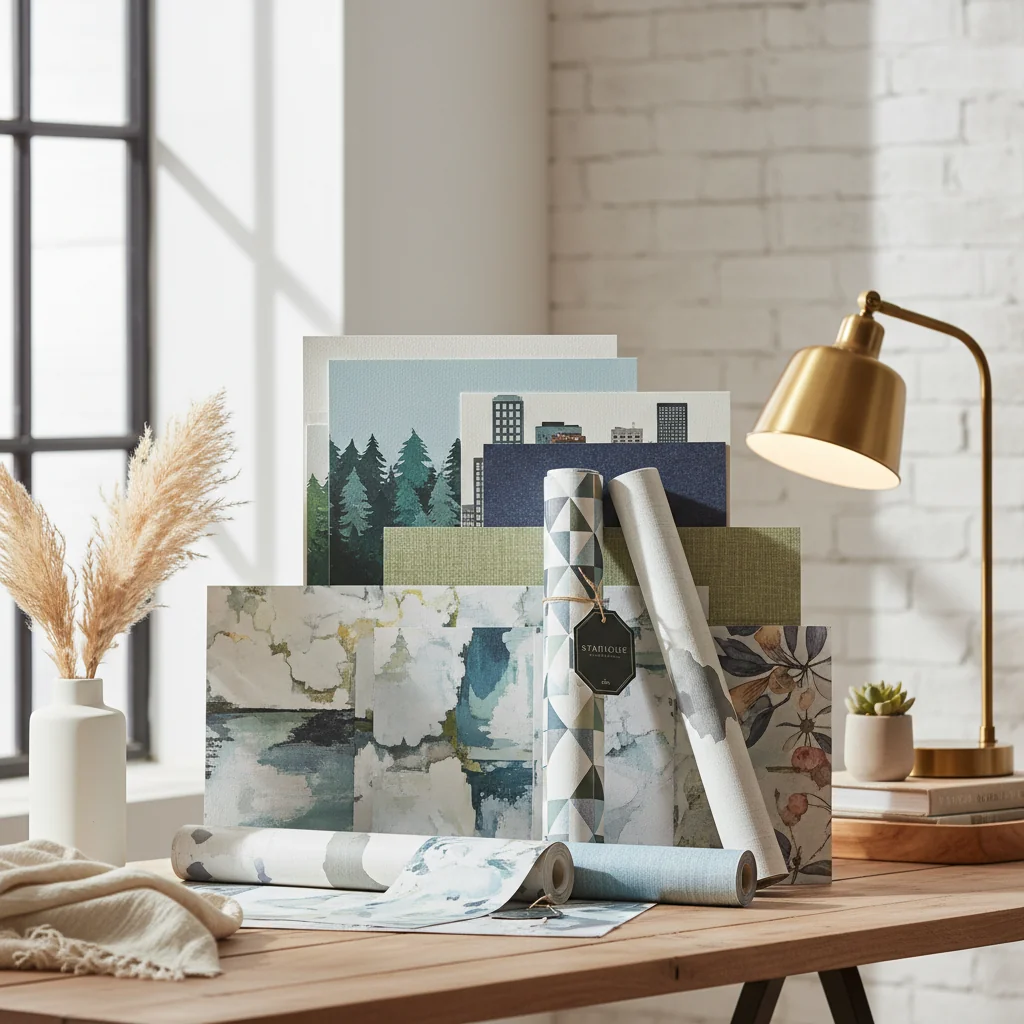
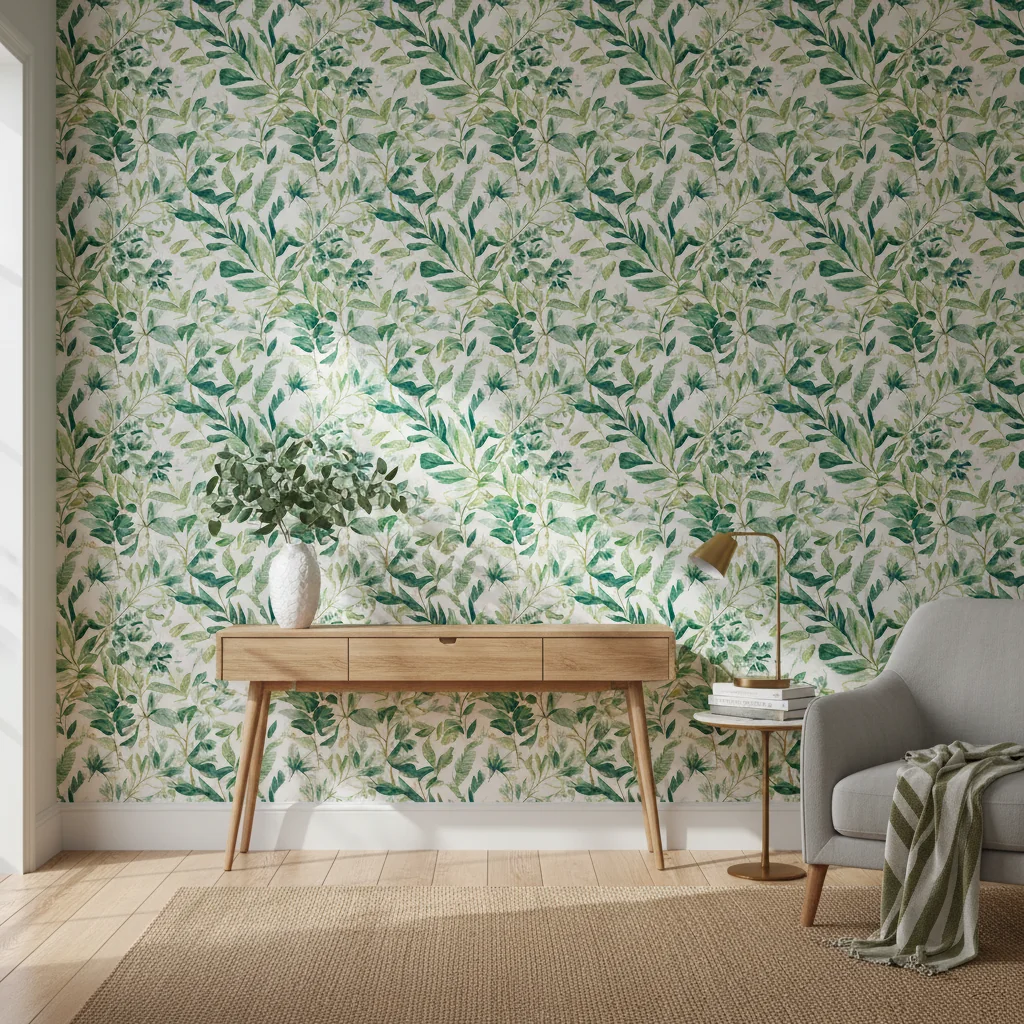
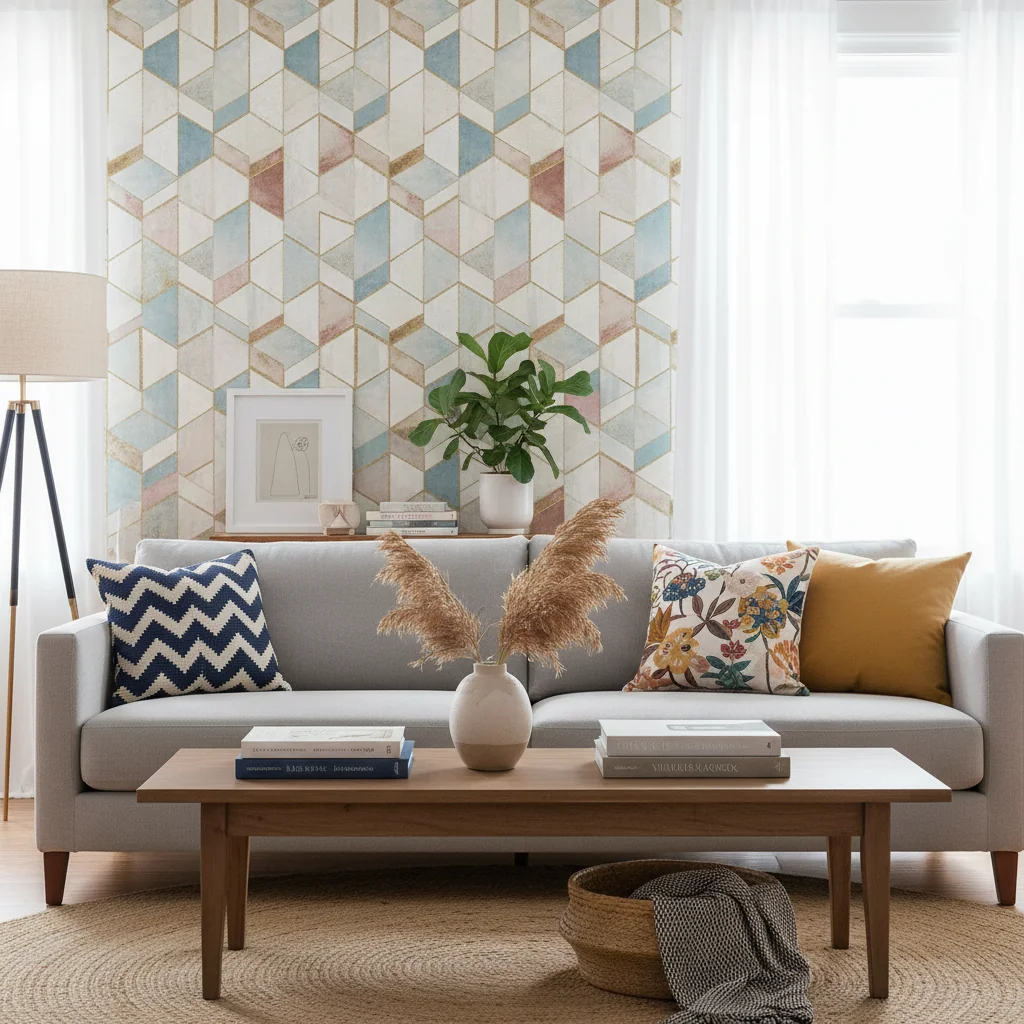
Shopping for wallcoverings online through a dedicated wallcoverings online shop offers unparalleled access to a vast and diverse selection, allowing homeowners and designers across the U.S. to transform spaces with sophisticated textures, patterns, and visual narratives from the comfort of their home. This digital convenience provides a curated experience, presenting everything from traditional wallpapers to innovative peel-and-stick options and bespoke murals, all designed to enhance your interior aesthetic with precision and style. At Starhouse, we understand that selecting the right wallcovering is a pivotal design decision, influencing the mood, depth, and character of any room. Our commitment is to provide a comprehensive resource that guides you through every facet of this exciting journey, ensuring your online purchase translates into a stunning reality.
Key Takeaways
- Wallcoverings offer a dynamic and sophisticated alternative to paint, providing texture, depth, and unique visual interest that significantly elevates interior aesthetics.
- A diverse range of wallcovering types exists, including vinyl, non-woven, fabric-backed, grasscloth, and peel-and-stick, each suited for different applications, durability needs, and aesthetic preferences.
- Accurate measurement is paramount for online wallcovering purchases; precise calculations prevent material shortages or excessive waste and ensure a seamless installation.
- Understanding material composition, such as vinyl’s durability or grasscloth’s natural texture, is crucial for selecting a wallcovering that meets specific functional and design requirements.
- Careful consideration of style, pattern scale, and color palette ensures the wallcovering harmonizes with existing decor and the room’s intended atmosphere.
- Proper installation, whether DIY or professional, is key to achieving a flawless finish and maximizing the longevity of your wallcovering investment.
The Resurgence of Wallcoverings: Elevating Interiors with Style and Substance
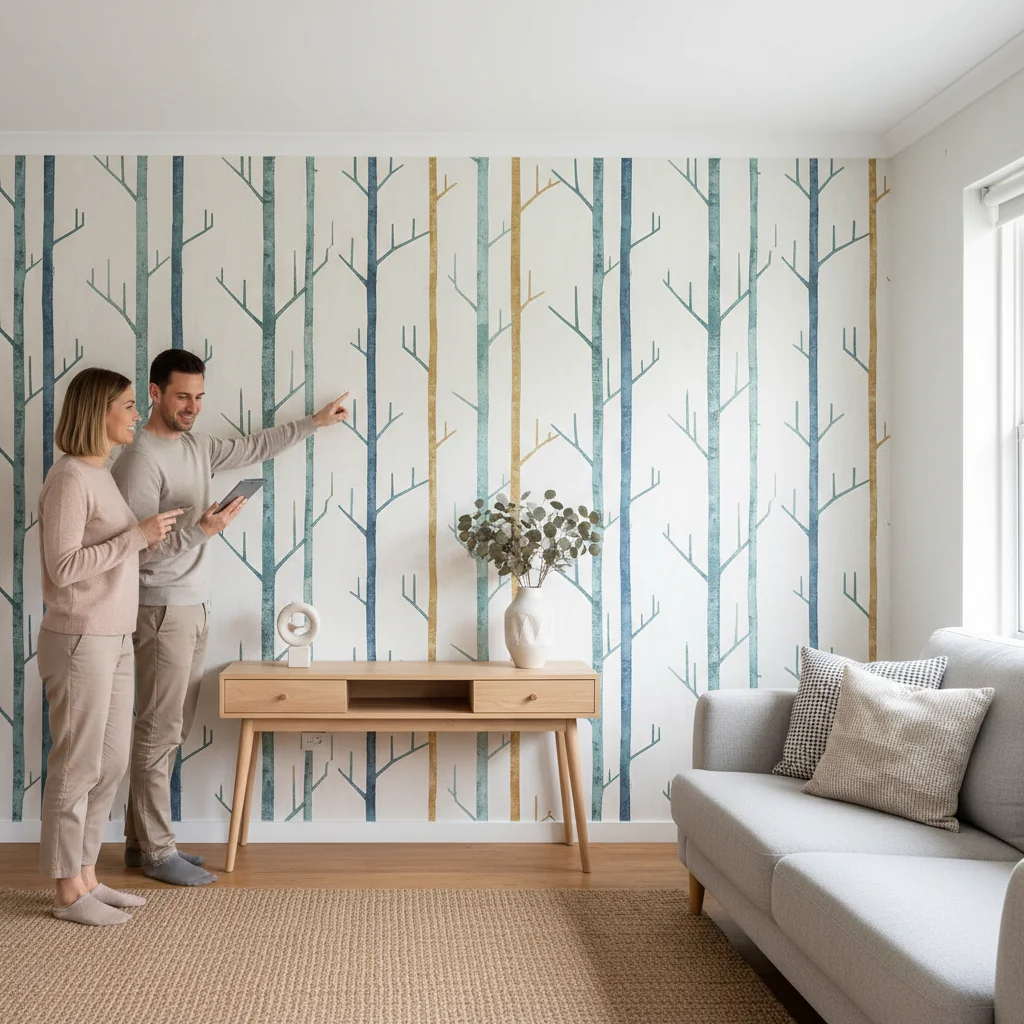
Wallcoverings have experienced a significant resurgence in contemporary interior design, moving beyond traditional applications to become a sophisticated and versatile tool for creating distinctive and personalized spaces. They offer a dynamic alternative to paint, providing texture, depth, and intricate patterns that paint alone cannot achieve, thereby transforming a room’s atmosphere and aesthetic appeal with unparalleled impact. This renewed popularity stems from advancements in material technology, diverse design capabilities, and an increasing desire among homeowners to infuse their spaces with unique character and visual interest.
The modern wallcovering market caters to every design sensibility, from minimalist textures to maximalist patterns, enabling a highly customized approach to interior decoration. Designers and homeowners alike are leveraging wallcoverings to define zones within open-concept layouts, create striking accent walls, or envelop entire rooms in a cohesive, immersive design. The ability of wallcoverings to introduce specific moods—be it serene, dramatic, playful, or elegant—makes them an indispensable element in crafting truly memorable interiors. Furthermore, their functional benefits, such as durability, ease of cleaning, and ability to conceal minor wall imperfections, contribute to their practical appeal in busy households and commercial settings.
At Starhouse, we curate a collection that reflects this evolution, offering wallcoverings that are not only visually stunning but also engineered for performance and longevity. Our selection spans a spectrum of materials and finishes, ensuring that whether you seek a subtle backdrop or a bold focal point, you will find a solution that aligns with your design vision and lifestyle requirements. The accessibility of a wallcoverings online shop streamlines the selection process, providing detailed product specifications, high-resolution imagery, and expert guidance to help you make informed decisions for your home.
Decoding Wallcovering Types: A Comprehensive Guide for Online Shoppers
Understanding the distinct characteristics of various wallcovering types is crucial for making an informed online purchase, as each type offers unique benefits in terms of durability, texture, application, and aesthetic. The market presents a rich array of options, from highly durable vinyl to naturally textured grasscloth, each designed to meet specific functional requirements and design aspirations. Selecting the correct type ensures both the longevity of your investment and the successful realization of your interior design vision.
**Vinyl Wallcoverings:** Vinyl wallcoverings are exceptionally durable, washable, and resistant to moisture, making them ideal for high-traffic areas such as kitchens, bathrooms, and hallways. They consist of a paper or fabric backing coated with a layer of vinyl, which can be embossed to mimic various textures like fabric, plaster, or even wood. Their robust nature ensures they withstand wear and tear effectively, offering an excellent long-term solution for demanding environments.
**Non-Woven Wallcoverings:** Non-woven wallcoverings are composed of a blend of natural and synthetic fibers, making them breathable, tear-resistant, and remarkably easy to install and remove. Often referred to as “paste the wall” products, they simplify the application process by allowing adhesive to be applied directly to the wall, which significantly reduces installation time and mess. Their breathable quality also makes them less prone to mold and mildew, a beneficial feature in humid climates.
**Fabric-Backed Vinyl Wallcoverings:** These are among the most robust wallcovering options, featuring a woven fabric substrate laminated with a solid vinyl surface, providing superior tear strength and dimensional stability. Fabric-backed vinyl is particularly suited for commercial applications or high-abuse residential areas where extreme durability and longevity are paramount. They are highly scrubbable and resistant to impact, maintaining their appearance even under rigorous conditions.
**Grasscloth Wallcoverings:** Grasscloth wallcoverings are natural and artisanal, crafted from woven natural fibers like jute, sisal, or bamboo, which are then adhered to a paper backing. They introduce an organic texture and a subtle, sophisticated warmth to any space, characterized by inherent variations in color and weave that contribute to their unique charm. Due to their natural composition, grasscloth is more delicate and generally less washable than vinyl, making it best suited for low-traffic areas like bedrooms or dining rooms where its aesthetic can be preserved.
**Digital Murals:** Digital murals are custom-printed designs that cover an entire wall, creating a large-scale artistic statement or an immersive scenic view. These are typically printed on various substrates, including non-woven or vinyl materials, offering flexibility in terms of durability and finish. Murals provide an impactful way to define a space, introduce a narrative, or create a unique focal point that reflects personal style or brand identity.
**Peel-and-Stick Wallpapers:** Peel-and-stick wallpapers are a convenient and temporary wallcovering solution, featuring an adhesive backing that allows for easy application and removal without damaging the underlying wall surface. This makes them ideal for renters, temporary installations, or those who enjoy frequently updating their decor. While generally less durable than traditional paste-applied options, advancements in technology have improved their adhesion and aesthetic quality significantly.
To further clarify the distinctions, consider the following comparison table:
| Type of Wallcovering | Key Characteristics | Durability & Care | Application Method | Ideal Use Cases |
|---|---|---|---|---|
| **Vinyl** | Paper or fabric backing with vinyl layer; embossed textures. | High durability; washable, moisture-resistant. | Paste-the-paper or paste-the-wall (depending on backing). | Kitchens, bathrooms, hallways, high-traffic areas. |
| **Non-Woven** | Blend of natural/synthetic fibers; breathable, tear-resistant. | Good durability; wipeable, easy to remove. | Paste-the-wall. | Living rooms, bedrooms, dining rooms, general residential. |
| **Fabric-Backed Vinyl** | Woven fabric substrate with solid vinyl surface; heavy-duty. | Superior durability; scrubbable, impact-resistant, commercial grade. | Paste-the-wall; often requires professional installation. | Commercial spaces, high-abuse residential areas, large-scale projects. |
| **Grasscloth** | Woven natural fibers (jute, sisal, bamboo) on paper backing. | Delicate; typically not washable, requires careful handling. | Paste-the-paper; careful application to avoid damage. | Bedrooms, dining rooms, low-traffic areas seeking natural texture. |
| **Digital Murals** | Large-scale custom-printed designs; various substrates. | Varies by substrate (e.g., vinyl for durability, non-woven for ease). | Paste-the-wall or peel-and-stick, depending on material. | Accent walls, children’s rooms, feature walls, commercial branding. |
| **Peel-and-Stick** | Self-adhesive backing; often vinyl or fabric-based. | Moderate durability; wipeable, temporary, easy removal. | Self-adhesive; simply peel off backing and apply. | Rentals, temporary decor, DIY projects, low-commitment updates. |
Materials and Textures: Crafting Sensory Experiences on Your Walls
The material composition of a wallcovering profoundly influences its tactile quality, visual depth, and functional attributes, making the choice of material as critical as the pattern itself. Different materials offer distinct textures that can evoke specific moods and add a sensory dimension to your interiors, ranging from the smooth, sleek finish of certain vinyls to the organic, woven feel of natural grasscloth. Understanding these material properties is essential for selecting a wallcovering that not only looks beautiful but also performs optimally in its intended environment.
**Vinyl:** As previously noted, vinyl wallcoverings are celebrated for their durability and ease of maintenance. Beyond their practical benefits, vinyl can be engineered to mimic a vast array of textures, including linen, silk, stucco, or even wood grain. This versatility allows for the replication of high-end finishes at a more accessible price point, providing a smooth or subtly embossed surface that is both visually appealing and highly functional. Modern vinyls are often low-VOC, addressing environmental concerns.
**Non-Woven:** Made from a blend of natural and synthetic fibers, non-woven materials typically have a soft, matte finish that feels more like paper or fabric than plastic. This material is highly breathable, which is advantageous in preventing moisture buildup behind the wallcovering. Its smooth, uniform surface is ideal for intricate patterns and vibrant colors, offering a refined aesthetic that is also practical due to its tear resistance and clean removal properties.
**Grasscloth:** Grasscloth wallcoverings are defined by their inherent, organic texture derived from natural fibers. Each strand, woven by hand, contributes to a unique surface variation and subtle sheen that changes with light. The natural irregularities and visible seams are part of its charm, offering an authentic, artisanal feel that evokes warmth and tranquility. Grasscloth is a premium material choice for spaces where a sophisticated, natural element is desired.
**Flocked:** Flocked wallcoverings feature a raised, velvety pattern created by applying tiny fibers onto the paper or vinyl base. This technique adds a luxurious, tactile dimension and a sense of opulence to the wall, often associated with traditional damasks or contemporary geometric designs. The soft, fuzzy texture absorbs light, adding depth and a rich, muted appearance to the pattern.
**Mica/Metallics:** Wallcoverings incorporating mica chips or metallic inks introduce shimmer and reflective qualities to a room, creating a luxurious and often dramatic effect. Mica adds a subtle, natural sparkle, while metallic finishes, such as gold, silver, or bronze, can create a bold, contemporary statement, reflecting light and making a space feel more expansive and glamorous. These materials are particularly effective in spaces designed for evening entertaining or where a touch of lavishness is desired.
**Textile/Fabric:** True textile wallcoverings are made from woven fabrics like silk, linen, or jute, often backed with paper for stability. They offer unparalleled softness, warmth, and a rich, sophisticated texture that synthetic materials cannot fully replicate. Textile wallcoverings are generally delicate and require professional installation and careful maintenance, but they deliver an exquisite, high-end finish that exudes luxury and comfort.
When selecting wallcoverings from an online shop, pay close attention to the material specifications listed. High-resolution images can convey texture to an extent, but requesting samples is highly recommended to experience the true tactile quality and how the material reacts to light in your specific space. This ensures that the wallcovering you choose not only aligns with your aesthetic preferences but also meets your expectations for texture and functionality.

Mastering Measurement and Sizing: Precision for Your Online Wallcovering Order
Accurate measurement is the most critical step when purchasing wallcoverings online, as precise calculations prevent costly material shortages, minimize waste, and ensure a seamless installation process. Incorrect measurements can lead to mismatched patterns, visible seams, or the need to reorder, causing delays and additional expense. A meticulous approach to measuring ensures you order the correct quantity of rolls, aligning perfectly with your project’s scope.
**Step-by-Step Measurement Guide:**
- **Measure Height and Width of Each Wall:** Use a steel tape measure to determine the height from the baseboard to the ceiling and the width of each wall you intend to cover. Measure in at least three different spots for both height and width, as walls are rarely perfectly plumb or square. Always use the greatest measurement for each dimension to ensure sufficient material.
- **Calculate Total Square Footage:** Multiply the height of each wall by its width to get the square footage for that wall. Sum these figures to obtain the total square footage of the area to be covered.
- **Account for Openings:** For doors and windows, measure their height and width, calculate their square footage, and subtract this from the total wall square footage. However, do not subtract small areas like switch plates or minor trim.
- **Determine Number of “Drops” per Roll:** Wallcoverings are typically sold in rolls of a specific width (e.g., 20.5 inches, 27 inches, 36 inches). Divide the width of each wall by the width of the wallcovering roll to determine how many vertical strips (drops) are needed per wall. Round up to the nearest whole number.
- **Factor in Pattern Repeat:** Pattern repeat is the vertical distance between one point on a pattern and the identical point directly above or below it. This measurement is crucial for aligning patterns seamlessly across strips. Add the pattern repeat length to your wall height measurement for each drop. For example, if your wall is 8 feet high and the pattern repeat is 21 inches, you need to cut each strip to 8 feet + 21 inches.
- **Add Buffer for Trimming:** Always add an extra 4-6 inches to the top and bottom of each cut strip to allow for trimming and pattern matching. This buffer is critical for achieving clean lines and professional results.
- **Calculate Total Linear Feet Needed:** Multiply the number of drops needed for all walls by the adjusted length of each drop (wall height + pattern repeat + buffer). This gives you the total linear feet of wallcovering required.
- **Convert to Rolls:** Divide the total linear feet needed by the linear feet contained in one roll of your chosen wallcovering (this information is provided in product specifications). Round up to the nearest whole roll.
- **Order Extra:** It is standard practice to order at least one extra roll, especially for patterned wallcoverings, to account for errors, future repairs, or pattern matching challenges. Dye lots can vary slightly between production batches, so having an extra roll from the same lot is invaluable.
**Definition:** A **dye lot** is a specific batch of wallcovering produced at one time, ensuring consistent color and shade. Variations can occur between different dye lots.
When ordering from a wallcoverings online shop, thoroughly review the product description for roll dimensions (length and width), pattern repeat, and coverage area per roll. Many online retailers provide a calculator tool; however, understanding the manual calculation process empowers you to double-check and ensure accuracy. At Starhouse, we emphasize transparent product details to facilitate your precise ordering.
Choosing Your Aesthetic: Styles, Patterns, and the Art of Selection
Selecting the ideal wallcovering aesthetic involves a thoughtful consideration of your personal style, the existing architectural elements of your home, and the desired mood for each space, ensuring the chosen pattern and style harmonize with your overall interior design vision. The vast array of options available through a wallcoverings online shop allows for precise articulation of any design narrative, from understated elegance to bold, contemporary statements. This decision is pivotal in defining the character and ambiance of a room.
**Understanding Design Styles:**
- **Traditional:** Often features damasks, toile, florals, and classic stripes. Colors tend to be more muted or rich, incorporating historical motifs and intricate detailing. This style evokes a sense of timeless elegance and formality.
- **Modern/Contemporary:** Characterized by geometric patterns, abstract designs, bold graphics, and often metallic or textured finishes. Focuses on clean lines, simplicity, and a minimalist approach, often using a limited color palette.
- **Transitional:** Blends traditional and modern elements, offering a balanced and sophisticated look. It might feature classic patterns rendered in contemporary colors or simplified traditional motifs.
- **Farmhouse/Rustic:** Emphasizes natural textures, distressed finishes, and patterns like shiplap, brick, or subtle plaids. Colors are often neutral, earthy, and warm, creating a cozy and inviting atmosphere.
- **Bohemian:** Celebrates eclectic patterns, global influences, vibrant colors, and organic motifs. It embraces a free-spirited, layered look that feels relaxed and personal.
- **Art Deco:** Known for its geometric shapes, symmetrical patterns, metallic accents, and luxurious materials. This style exudes glamour and sophistication, often featuring bold contrasts and stylized motifs.
**Pattern Scale and Placement:** The scale of a pattern is crucial for visual impact. Large-scale patterns can make a statement and work well in spacious rooms or on accent walls, but can overwhelm smaller spaces. Small-scale patterns or subtle textures are more versatile and can create a cohesive backdrop without dominating the room. Consider the room’s dimensions and the furniture layout when evaluating pattern scale. For example, a grand floral print might be stunning in a formal dining room but too busy for a small powder room.
**Color Palette:** The colors within a wallcovering pattern will significantly influence the room’s mood. Light colors tend to make a space feel larger and airier, while dark colors can create a sense of intimacy and drama. Warm colors (red, orange, yellow) evoke energy and comfort, whereas cool colors (blue, green, purple) promote tranquility and serenity. Ensure the wallcovering’s colors complement your existing furnishings, textiles, and lighting fixtures.
**Texture Integration:** Beyond visual patterns, the tactile texture of a wallcovering adds another layer of sophistication. A textured wallcovering can introduce depth and interest even in a monochromatic scheme. Consider how the texture will interact with light throughout the day, creating subtle shadows and highlights that enhance the room’s dynamic quality. Grasscloth offers natural texture, while embossed vinyl can mimic fabric or plaster, each contributing a unique sensory experience.
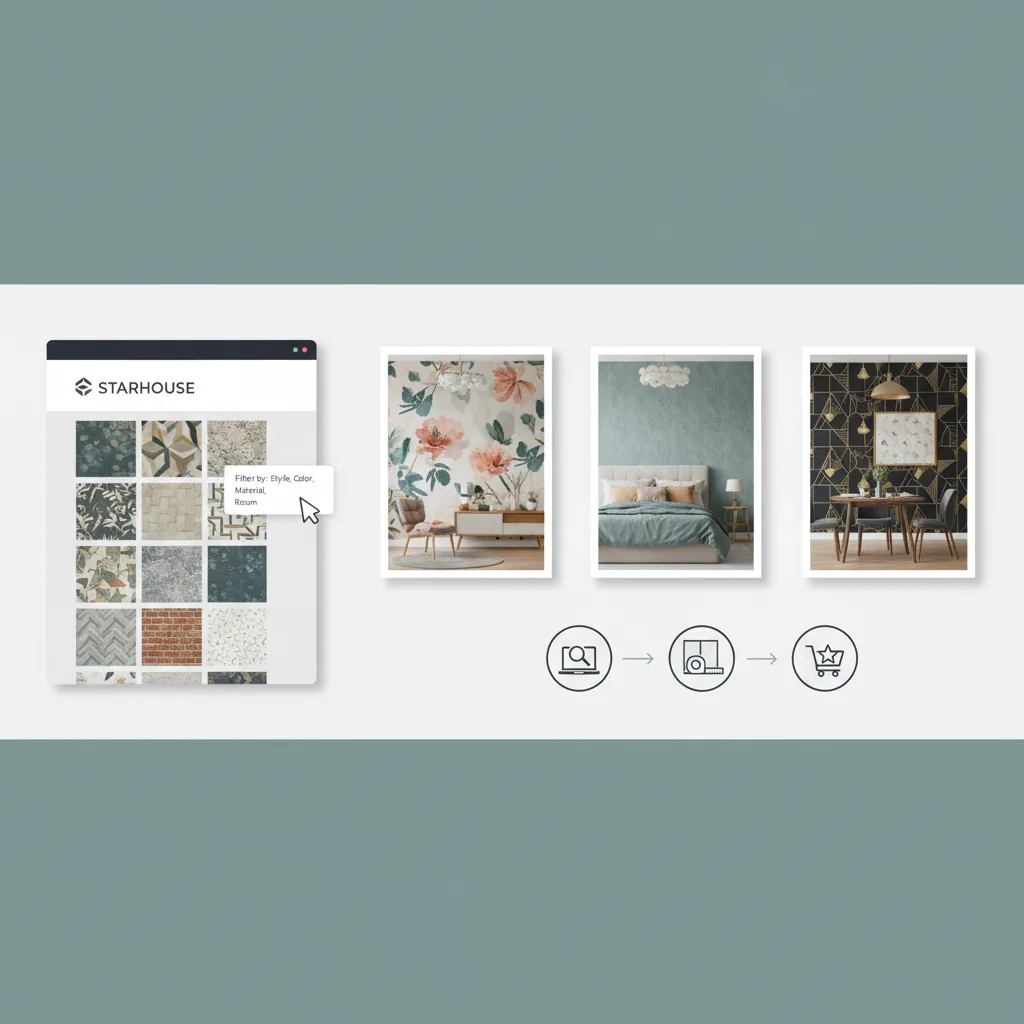
When exploring a wallcoverings online shop, utilize filtering options for style, color, and pattern type to narrow down your choices. Always order samples to see how the chosen wallcovering looks in your home’s specific lighting conditions and alongside your existing decor. This crucial step prevents disappointment and ensures the final selection perfectly aligns with your aesthetic goals.
Installation Insights: Preparing for a Flawless Wallcovering Application
Achieving a professional and durable finish for your wallcoverings relies heavily on meticulous preparation of the wall surface and a clear understanding of the installation process, whether you plan a DIY project or opt for professional assistance. Proper preparation ensures optimal adhesion, prevents imperfections from showing through, and significantly extends the lifespan of your wallcovering. A flawless application transforms your space exactly as envisioned.
**Wall Preparation is Paramount:**
- **Clean the Walls:** Thoroughly clean all surfaces to be covered, removing dust, dirt, grease, and any residue. Use a mild detergent and water solution, then rinse thoroughly and allow to dry completely. Any contaminants can compromise adhesion.
- **Repair Imperfections:** Fill any holes, cracks, or dents with spackle or joint compound. Sand these areas smooth once dry, ensuring a completely flat and even surface. Even minor imperfections can be magnified once the wallcovering is applied.
- **Remove Old Wallcoverings:** If old wallpaper is present, remove it completely. Residual adhesive or layers of old paper can create bumps and prevent new wallcovering from adhering properly. Steamers and wallpaper removers can aid this process.
- **Prime the Walls:** Apply a high-quality, oil-based or acrylic-based primer specifically designed for wallcoverings. This step is non-negotiable. Primer seals the surface, promotes better adhesion, and makes future removal easier. It also helps to equalize absorption rates, preventing the wallcovering adhesive from drying too quickly or unevenly. Allow the primer to dry fully according to manufacturer instructions.
- **Ensure Proper Ambient Conditions:** Maintain a consistent room temperature (typically between 65-75°F or 18-24°C) and moderate humidity levels (around 50%) during installation and for 24-48 hours afterward. Extreme temperatures or humidity can affect adhesive drying times and wallcovering stability.
**DIY vs. Professional Installation:**
While peel-and-stick options are generally suitable for confident DIYers, traditional paste-the-wall or paste-the-paper wallcoverings, especially those with intricate patterns, delicate materials like grasscloth, or large-scale murals, often benefit immensely from professional installation.
- **DIY Considerations:** If undertaking a DIY project, ensure you have the right tools: a sharp utility knife with plenty of fresh blades, a smoothing brush or squeegee, a plumb bob or laser level, a measuring tape, a bucket for paste, and a clean sponge. Watch reputable tutorial videos, read instructions thoroughly, and consider starting in a less conspicuous area to build confidence.
- **Professional Advantages:** Professional installers possess specialized tools, extensive experience, and an understanding of various wallcovering materials and adhesives. They can expertly handle pattern matching, tricky corners, and irregular surfaces, ensuring a seamless, bubble-free, and long-lasting finish. For high-value or delicate wallcoverings, the investment in a professional is often justified by the superior results and peace of mind.
**Definition:** **Plumb** refers to a perfectly vertical line, essential for ensuring that the first strip of wallcovering is applied straight, setting the foundation for all subsequent strips.
Regardless of your chosen installation method, remember that patience and precision are key. Rushing the process or skipping preparation steps inevitably leads to unsatisfactory results. When you purchase from a wallcoverings online shop like Starhouse, always refer to the specific installation guidelines provided with your chosen product, as techniques can vary slightly by material.
Caring for Your Investment: Maintaining the Beauty of Your Wallcoverings
Proper care and maintenance are essential for preserving the aesthetic appeal and extending the lifespan of your wallcoverings, ensuring they remain a vibrant and integral part of your home’s design for years to come. The specific cleaning regimen depends directly on the wallcovering’s material composition and its designated washability rating. Adhering to manufacturer guidelines is paramount to avoid damage and maintain the integrity of the finish.
**Understanding Washability Ratings:**
- **Washable:** These wallcoverings can be gently wiped with a damp cloth and mild soap solution to remove light dirt and smudges. They are typically vinyl or coated paper products.
- **Scrubbable:** More durable than washable types, scrubbable wallcoverings (often heavy-duty vinyl or fabric-backed vinyl) can withstand more vigorous cleaning with a brush and stronger cleaning solutions without damage.
- **Non-Washable/Delicate:** Materials like grasscloth, natural textiles, or uncoated paper wallcoverings are generally non-washable. They should only be dusted gently with a dry, soft cloth or a vacuum cleaner with a brush attachment. Liquid cleaners can cause staining or damage to these delicate surfaces.
**General Maintenance Tips:**
- **Regular Dusting:** For all wallcovering types, regular dusting with a soft, dry cloth or a feather duster helps prevent the buildup of airborne particles that can dull the surface or become embedded over time.
- **Spot Cleaning:** Address spills or marks immediately. For washable and scrubbable wallcoverings, use a clean, white, damp sponge or cloth with a small amount of mild, non-abrasive detergent. Always test in an inconspicuous area first to ensure no discoloration occurs. Blot, do not rub, to lift the stain.
- **Avoid Harsh Cleaners:** Never use abrasive cleaners, strong chemicals, bleach, or solvents on any wallcovering, as these can strip finishes, fade colors, or cause irreparable damage.
- **Control Humidity:** Maintain consistent indoor humidity levels to prevent issues like peeling seams, mold growth, or material shrinkage/expansion. A dehumidifier in humid climates or a humidifier in very dry climates can be beneficial.
- **Protect from Direct Sunlight:** Prolonged exposure to direct sunlight can cause colors to fade over time, particularly with natural fiber or heavily pigmented wallcoverings. Consider UV-protective window treatments in sun-drenched rooms.
- **Address Damage Promptly:** If a seam begins to lift or a small tear occurs, address it quickly. Use a seam roller to re-adhere lifting seams or a small amount of appropriate adhesive for minor repairs. Having an extra roll from the original dye lot is invaluable for patching larger damaged areas seamlessly.
At Starhouse, we provide detailed care instructions for each wallcovering product. Consulting these specific guidelines ensures you are employing the most effective and appropriate methods to maintain the pristine condition of your chosen wallcovering. Consistent and gentle care will ensure your walls continue to inspire and delight for many years.
Styling Beyond the Wall: Integrating Wallcoverings into Your Decor Scheme
Integrating wallcoverings seamlessly into your broader decor scheme transforms them from mere wall coverings into foundational elements that define the character and sophistication of an entire room. Effective styling involves harmonizing the wallcovering’s pattern, color, and texture with furnishings, textiles, lighting, and accessories to create a cohesive and visually rich environment. This thoughtful integration elevates the wallcovering to an art form, influencing every other design choice.
**Creating Cohesion with Color and Pattern:**
- **Color Harmony:** Pull accent colors from your wallcovering pattern and repeat them in smaller elements throughout the room, such as throw pillows, decorative objects, or framed art. This creates a visually linked narrative. Alternatively, choose furniture in neutral tones to allow a vibrant wallcovering to be the undisputed focal point.
- **Pattern Play:** When combining patterns, vary their scale and type. If your wallcovering features a large floral, opt for a smaller geometric on a rug or a subtle stripe on upholstery. Ensure there’s enough “breathing room” with solid colors or understated textures to prevent visual clutter.
- **Texture layering:** A wallcovering with a discernible texture (e.g., grasscloth, embossed vinyl) can be complemented by layering other textures in the room. Think velvet upholstery, a chunky knit throw, a jute rug, or sleek metallic accents. This tactile diversity adds depth and interest without relying solely on color or pattern.
**Furnishings and Layout:**
The furniture you choose and its arrangement should complement the wallcovering. For a bold, dynamic wallcovering, consider simpler, more streamlined furniture to avoid competition. Conversely, a subtle textured wallcovering can serve as an elegant backdrop for more ornate or statement furniture pieces. Ensure that key furniture items do not completely obscure the most captivating parts of a large-scale pattern or mural. For accent walls, position a bed, sofa, or console table centrally against the wall to emphasize the design.
**Lighting Considerations:**
Lighting plays a crucial role in how a wallcovering is perceived. Natural light can highlight textures and metallic elements, making them shimmer throughout the day. Artificial lighting, such as recessed lights, wall sconces, or table lamps, can be used to accentuate specific areas or create dramatic shadows. Consider the finish of the wallcovering; a matte finish absorbs light, creating a softer look, while a glossy or metallic finish reflects light, adding brilliance and making a space feel more expansive.
**Accessorizing with Intention:**
Accessories are the final layer of styling. Artwork, mirrors, and decorative objects should be chosen to enhance, not compete with, the wallcovering.
- **Artwork:** For highly patterned wallcoverings, opt for artwork with simple frames and minimal matting, or consider gallery walls where the frames themselves create a pattern. For subtle or textured wallcoverings, bolder art pieces can provide a striking contrast.
- **Mirrors:** Mirrors are excellent for reflecting the wallcovering, amplifying its effect, and making a room feel larger. Choose a mirror frame that complements the wallcovering’s style – a sleek metal frame for modern patterns or an ornate wooden frame for traditional designs.
- **Shelving:** Open shelving can showcase curated collections that tie into the wallcovering’s color scheme or theme, adding personal touches without overwhelming the wall.
When envisioning your space, remember that the wallcovering is a significant design investment. At Starhouse, we encourage you to visualize how each element interacts. Consider how you can bring your vision to life and tell us what you’re looking for in your ideal wallcovering and home decor elements.
Currents and Classics: Exploring Enduring and Emerging Wallcovering Trends
The world of wallcoverings is a dynamic landscape where timeless classics continually evolve alongside exciting new trends, offering a rich tapestry of options for every aesthetic preference and design direction. While certain patterns and textures maintain enduring appeal due to their versatility and sophistication, emerging trends push boundaries with innovative materials, digital artistry, and a renewed focus on sustainability. Staying abreast of these developments allows for informed selections that keep interiors fresh and relevant.
**Enduring Classics:**
- **Damask:** A traditional pattern characterized by elaborate, reversible woven designs, often featuring floral or geometric motifs. Damask wallcoverings exude formality and luxury, remaining a staple in classic and opulent interiors.
- **Toile de Jouy:** Originating in 18th-century France, toile features pastoral scenes, historical events, or romantic vignettes, typically in a single color on a light background. It offers a charming, narrative quality that is perpetually chic in traditional, shabby chic, and even some eclectic settings.
- **Stripes:** Vertical, horizontal, or even diagonal stripes offer incredible versatility. They can elongate walls, widen rooms, or add a playful touch. From bold, graphic stripes to subtle pinstripes, this pattern is a timeless choice that can adapt to almost any design style.
- **Geometric Patterns:** From simple chevrons and trellises to intricate tessellations, geometric wallcoverings provide structure, rhythm, and a sense of order. They are a classic choice for adding visual interest without overwhelming a space and are easily integrated into modern, transitional, and even some traditional designs.
- **Grasscloth and Natural Textures:** The appeal of natural fibers and textures is timeless. Grasscloth, cork, and woven textures bring an organic warmth, depth, and a connection to nature indoors, offering a sophisticated and calming backdrop that never goes out of style.
**Emerging Trends:**
- **Biophilic Designs:** Reflecting a growing desire to connect with nature, biophilic wallcoverings feature lush botanical prints, oversized florals, jungle motifs, and natural landscapes. These designs create serene, vibrant, and calming environments, blurring the lines between indoor and outdoor spaces.
- **Textural Minimalism:** Moving beyond flat walls, this trend embraces subtle textures that add depth and sophistication without relying on bold patterns. Think plaster effects, raw concrete looks, linen weaves, and muted tone-on-tone textures that provide a rich, tactile experience while maintaining a minimalist aesthetic.
- **Artistic Murals and Bespoke Designs:** Custom-printed digital murals are increasingly popular, offering homeowners the opportunity to create truly unique, large-scale art pieces on their walls. From abstract expressions to personalized landscapes, these bespoke designs turn walls into canvases.
- **Metallic Accents and Shimmer:** Wallcoverings featuring metallic inks, mica flecks, or subtle glitter infusions are gaining traction, adding a touch of glamour and reflectivity. These elements catch the light, creating dynamic effects and making spaces feel more luxurious and expansive.
- **Sustainable and Eco-Friendly Materials:** A strong emphasis on sustainability is driving demand for wallcoverings made from recycled content, FSC-certified paper, natural fibers, and low-VOC (Volatile Organic Compound) inks. Consumers are increasingly seeking products that are beautiful, durable, and environmentally responsible.
Whether you lean towards the enduring elegance of a classic damask or the contemporary allure of a biophilic mural, the extensive selection available at a wallcoverings online shop ensures that your chosen wallcovering will reflect current design sensibilities while standing the test of time. Starhouse meticulously curates its collection to include both established favorites and avant-garde designs, ensuring you have access to the finest options available.
Avoiding Pitfalls: Common Mistakes in Online Wallcovering Selection and Application
Navigating the extensive options of a wallcoverings online shop can be exhilarating, but certain common mistakes can lead to disappointment or costly rework. Being aware of these pitfalls, from misjudging scale to overlooking crucial preparation, is essential for a successful and satisfying wallcovering project. Avoiding these errors ensures your investment yields the desired aesthetic and functional outcomes.
- **Underestimating the Importance of Samples:** This is arguably the most frequent and impactful mistake. Digital images, no matter how high-resolution, cannot fully convey a wallcovering’s true color, texture, and how it reacts to your home’s unique lighting conditions. Always order samples and view them on your walls at different times of day before committing to a full purchase.
- **Incorrect Measurement and Ordering Quantity:** As detailed in our measurement guide, precise calculations are non-negotiable. Ordering too little material leads to delays and potential dye lot mismatches, while ordering too much is wasteful. Always re-measure, double-check your calculations, and factor in pattern repeat and a buffer.
- **Neglecting Wall Preparation:** Skipping cleaning, repairing imperfections, or priming the walls is a recipe for disaster. Imperfections will show through, adhesion will be compromised, and bubbling or peeling can occur prematurely. Proper preparation is the foundation of a flawless finish.
- **Ignoring Pattern Repeat:** For patterned wallcoverings, failing to account for the pattern repeat during cutting and installation results in mismatched seams and a disjointed appearance. This is a critical detail for achieving a professional, continuous design.
- **Choosing the Wrong Material for the Space:** Selecting a delicate grasscloth for a high-traffic bathroom or a non-washable paper for a child’s playroom will inevitably lead to premature wear and dissatisfaction. Match the wallcovering’s durability and care requirements to the room’s function and expected wear.
- **Disregarding Scale and Proportion:** A pattern that looks stunning in a large showroom image might overwhelm a small powder room or appear lost on an expansive wall. Consider the room’s dimensions and the scale of the pattern. Large patterns often need space to be appreciated, while small patterns can add subtle interest without dominating.
- **Poor Lighting Consideration:** How a wallcovering appears is heavily influenced by light. A metallic finish might be too reflective in a brightly lit room, while a dark, textured pattern could make a north-facing room feel gloomy. Evaluate samples under both natural and artificial light sources in your actual space.
- **Rushing Installation:** Whether DIY or professional, rushing the installation process often leads to mistakes like misaligned seams, air bubbles, or adhesive issues. Patience, proper tools, and adherence to manufacturer instructions are vital for a clean, lasting application.
- **Not Factoring in Dye Lots:** When ordering additional rolls later, there’s a risk of receiving a different dye lot, which can result in noticeable color variations. Always order enough material initially, plus an extra roll, to ensure consistency across your entire project.
By carefully considering these common pitfalls, you can approach your wallcovering project with confidence, ensuring a beautiful, long-lasting result that truly enhances your home. Starhouse aims to provide all the information and support needed to make your online wallcovering purchase a resounding success.
Frequently Asked Questions About Wallcoverings
What is the difference between wallpaper and wallcovering?
While often used interchangeably, “wallcovering” is the broader, more inclusive term encompassing all materials applied to walls for decorative or protective purposes, whereas “wallpaper” typically refers to paper-based or vinyl-coated paper products. Wallcoverings include a wider array of materials such as natural textiles, grasscloth, fabric-backed vinyl, and digital murals, offering diverse textures and functionalities beyond traditional paper. At Starhouse, we use “wallcovering” to reflect the comprehensive range of options we curate for modern interiors.
Can I install wallcoverings myself, or should I hire a professional?
The decision to DIY or hire a professional depends on the wallcovering type, your experience level, and the complexity of the pattern. Peel-and-stick options are generally beginner-friendly for DIY installation, requiring basic tools and careful alignment. However, traditional paste-applied wallcoverings, especially those with intricate patterns, delicate materials like grasscloth, or large murals, often yield superior results and longevity when installed by an experienced professional. Professionals possess the specialized tools and expertise to ensure seamless pattern matching and a flawless, bubble-free finish.
How do I choose the right wallcovering for a high-moisture area like a bathroom?
For high-moisture areas like bathrooms and kitchens, selecting a wallcovering specifically rated as “washable” or “scrubbable” and ideally made of vinyl or fabric-backed vinyl is crucial. These materials are inherently resistant to humidity, moisture, and mildew, and they can withstand regular cleaning without deteriorating. Avoid natural fibers or unsealed paper wallcoverings in these environments, as they are susceptible to water damage and mold growth. Ensure proper ventilation is also in place to minimize moisture buildup.
What is pattern repeat, and why is it important for wallcoverings?
Pattern repeat refers to the vertical distance on a roll of wallcovering before the design repeats itself. It is critical for achieving a continuous, seamless pattern across multiple strips of wallcovering. When cutting strips, you must add the pattern repeat measurement to your wall height to ensure you have enough material to align the design perfectly from one strip to the next. Failing to account for pattern repeat will result in a disjointed pattern and potential material waste, making accurate calculation essential for a professional finish.
How do I clean my wallcoverings without damaging them?
The cleaning method depends entirely on the wallcovering’s material and washability rating. For “washable” or “scrubbable” vinyl wallcoverings, use a soft, clean, white damp cloth or sponge with a mild, non-abrasive detergent, testing in an inconspicuous area first. Gently blot, do not rub, to remove stains. For delicate or “non-washable” materials like grasscloth or natural textiles, simply dust regularly with a dry, soft cloth or a vacuum cleaner with a brush attachment. Never use harsh chemicals, abrasive cleaners, or excessive water on any wallcovering, as this can cause irreversible damage or discoloration.
Why do I need to prime my walls before installing wallcoverings?
Priming walls before wallcovering installation is a crucial step that ensures optimal adhesion, prevents paste from soaking into porous walls too quickly, and facilitates easier removal in the future. A high-quality wallcovering primer seals the wall surface, creating a consistent, uniform base for the adhesive to bond to. This prevents bubbling, ensures a smooth finish, and protects the underlying drywall from damage during future redecoration. Skipping this step can lead to installation difficulties and compromised longevity of your wallcovering.
Can wallcoverings be used in small rooms to make them appear larger?
Yes, wallcoverings can effectively make small rooms appear larger, provided the right pattern and color choices are made. Light-colored wallcoverings with subtle patterns, delicate textures, or vertical stripes can draw the eye upwards and create a sense of expanded space. Reflective finishes, such as those with metallic accents or a slight sheen, also bounce light around the room, contributing to a more open and airy feel. Avoid large, busy patterns or very dark colors, which tend to make small spaces feel more enclosed.
Conclusion: Your Vision, Our Expertise
The journey of selecting and applying wallcoverings is a transformative one, offering an unparalleled opportunity to infuse your home with personality, depth, and sophisticated style. From understanding the nuances of different materials to mastering precise measurements and envisioning how patterns will interact with your existing decor, each step is critical to achieving a truly stunning outcome. A well-chosen and expertly installed wallcovering transcends mere decoration; it becomes a foundational element that dictates the mood, character, and overall aesthetic of your living spaces.
At Starhouse, we are dedicated to curating a collection that embodies exceptional design, quality, and versatility, ensuring that every homeowner across the United States can find the perfect wallcovering to express their unique vision. Our commitment extends beyond providing beautiful products; we strive to be your authoritative resource, equipping you with the knowledge and confidence required to make informed decisions for your home.
As we continue to expand our offerings and bring you the finest in home and decor, we invite you to be a part of our journey. Your insights are invaluable as we shape a collection that truly resonates with your aspirations. Tell us what you’re looking for in your ideal wallcoverings and home furnishings, and gain early access to our meticulously curated selections. Let Starhouse help you craft spaces that are not just lived in, but truly loved.