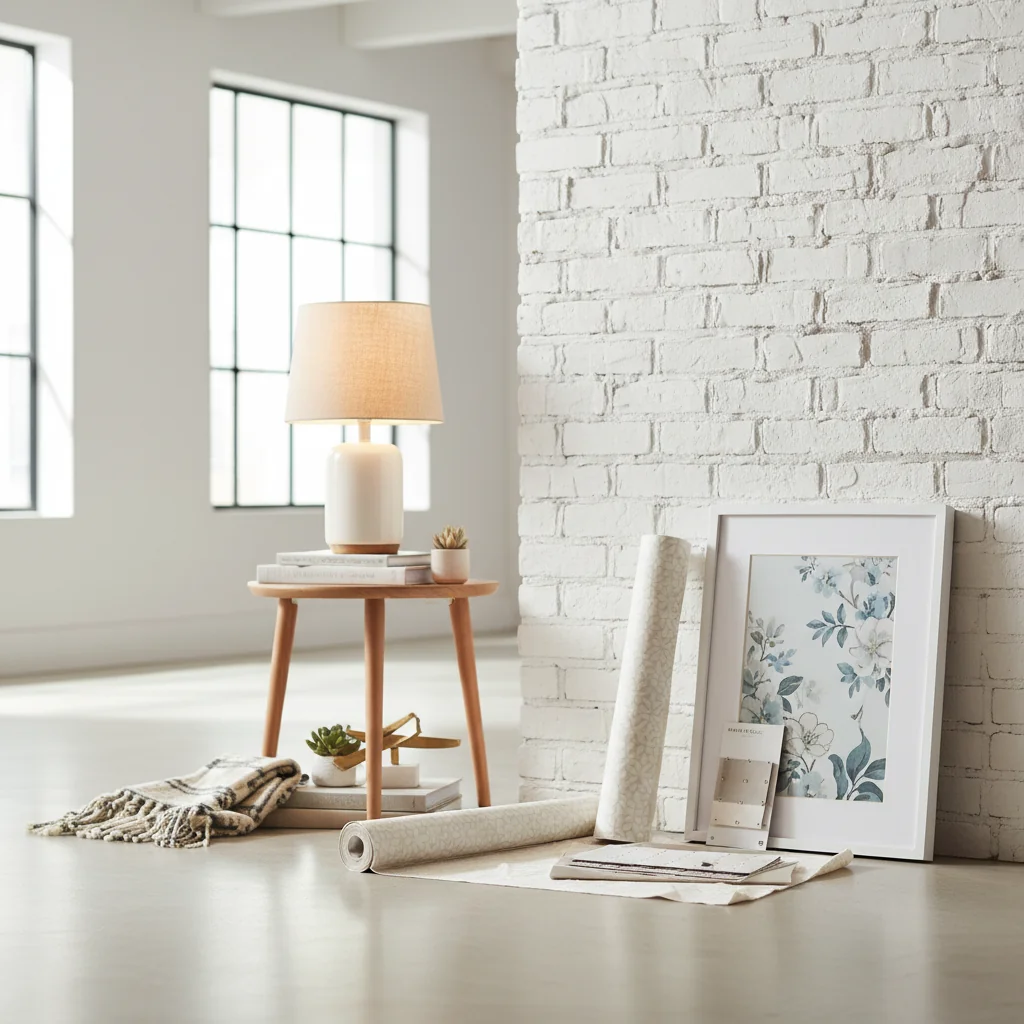
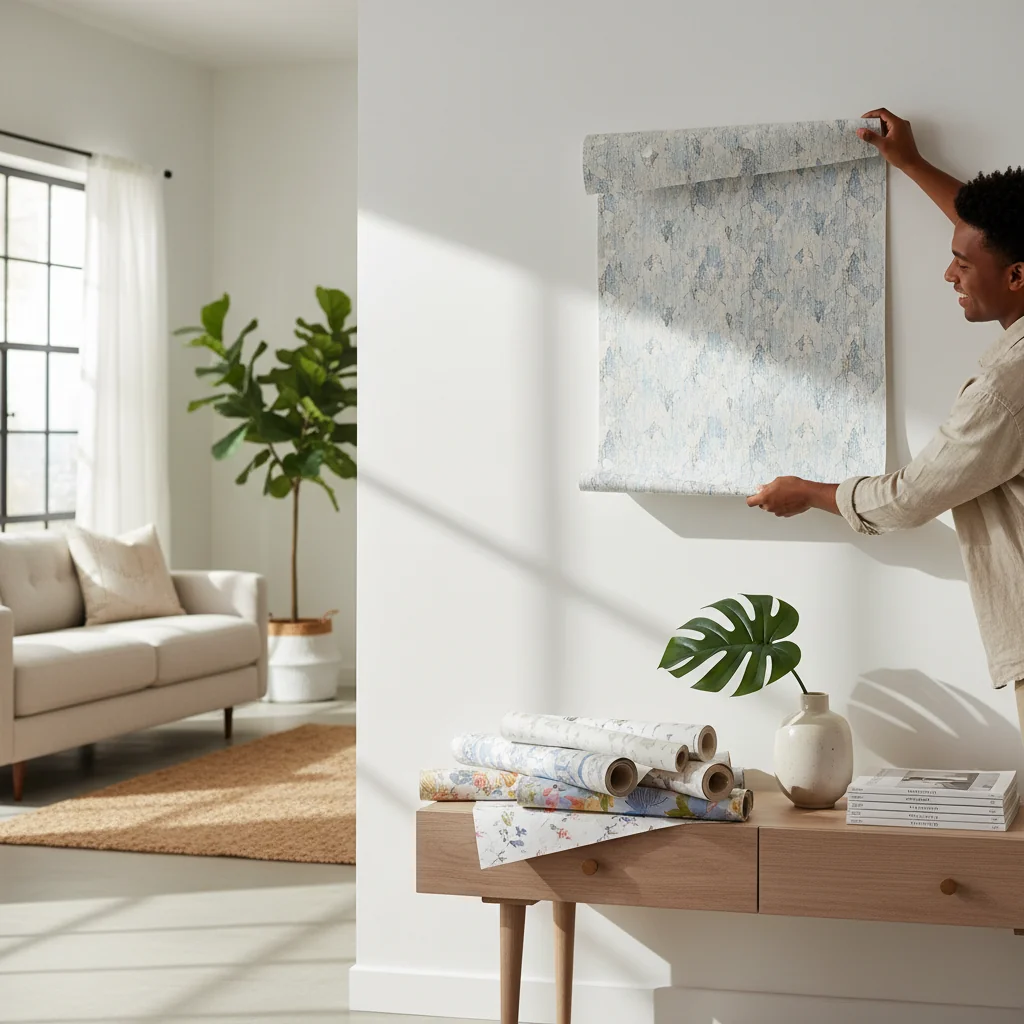
York Wallcoverings, a venerated American brand with a legacy spanning over a century, specializes in crafting premium wallcoverings that define and elevate interior spaces. Their extensive catalog encompasses a diverse array of wallpapers, from classic damasks to contemporary geometrics and intricate murals, each produced with meticulous attention to detail and often utilizing advanced printing techniques like surface printing for tactile texture or digital printing for photo-realistic imagery. Starhouse recognizes York’s commitment to design integrity and manufacturing excellence, curating selections that offer homeowners and designers unparalleled options for expressing personal style and enhancing architectural features across the United States.
Key Takeaways
- York Wallcoverings is a leading American brand with over 125 years of expertise, renowned for its diverse range of high-quality wallpapers.
- Their offerings span various types, including traditional unpasted, pre-pasted, and modern peel-and-stick options, catering to different installation preferences and durability needs.
- York utilizes advanced printing methods, such as surface printing for textural depth and digital printing for intricate designs, ensuring superior aesthetic and tactile qualities.
- When selecting York wallpaper, consider the room’s function, lighting, existing decor, and the desired aesthetic to ensure a cohesive and lasting design statement.
- Accurate measurement, proper surface preparation, and adherence to installation guidelines are crucial for achieving a professional finish and maximizing the wallpaper’s longevity.
- York is committed to environmental stewardship, employing sustainable practices and materials in its manufacturing processes, as detailed in their environmental promise.
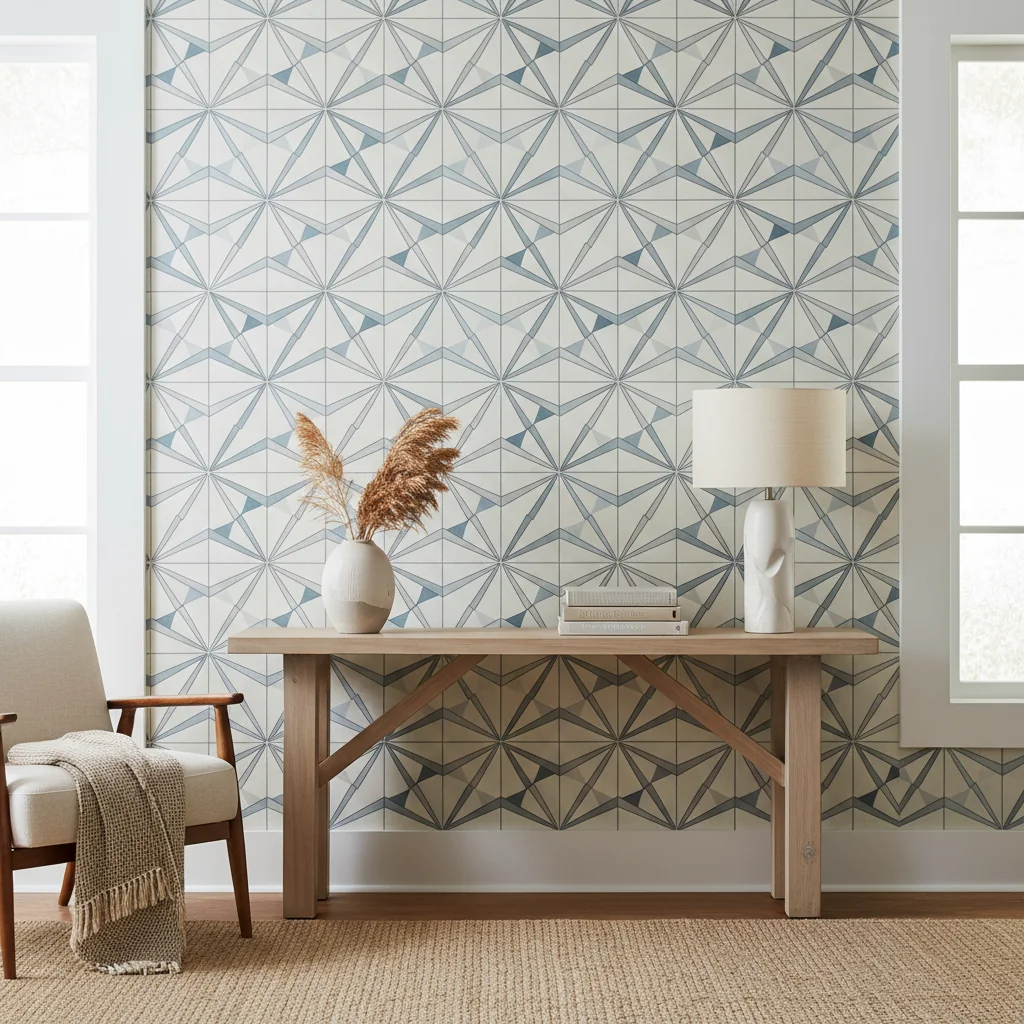
What is York Wallpaper?
York Wallpaper refers to wallcoverings produced by York Wallcoverings, an American company established in 1895 in York, Pennsylvania, making it the oldest and largest wallpaper manufacturer in the United States. York Wallcoverings is distinguished by its commitment to quality craftsmanship, design innovation, and a vast portfolio that includes everything from traditional printed papers to modern peel-and-stick options and expansive mural designs, catering to a wide spectrum of interior design aesthetics. The brand is recognized for its meticulous attention to detail, diverse material selection, and collaborative efforts with renowned designers and heritage brands, ensuring a product that is both aesthetically compelling and structurally sound.
For over 125 years, York Wallcoverings has been a cornerstone of American interior design, adapting to evolving trends while preserving the artistry of traditional wallpaper manufacturing. Their extensive archives provide a rich source of inspiration, allowing them to reissue classic patterns with contemporary color palettes or reinterpret historical motifs for modern tastes. This blend of heritage and innovation positions York as a premier choice for homeowners and designers seeking to impart character, texture, and visual interest to their spaces. The company’s manufacturing facility in York, Pennsylvania, employs skilled artisans and advanced machinery, ensuring consistent quality and an unparalleled range of finishes, from subtle textures to bold, embossed patterns.
Beyond aesthetics, York Wallcoverings prioritizes the functional aspects of their products. Many of their wallpapers are designed for durability, ease of cleaning, and simplified installation or removal, addressing practical concerns for busy households. They invest in research and development to create wallcoverings that are not only beautiful but also perform reliably in various environments, from high-traffic living areas to moisture-prone bathrooms. This comprehensive approach, combining design excellence with practical utility, solidifies York Wallpaper’s reputation as a leader in the wallcovering industry, offering solutions that transform ordinary walls into extraordinary focal points.
Types of York Wallpapers
York Wallcoverings offers an extensive range of wallpaper types, each designed with specific characteristics for installation, durability, and aesthetic impact. Understanding these distinctions is crucial for selecting the ideal wallcovering that aligns with your project’s requirements, from a temporary decorative accent to a long-lasting, high-performance surface. The primary types include traditional unpasted wallpaper, convenient pre-pasted wallpaper, and modern peel-and-stick options, alongside variations in material composition like non-woven and solid vinyl.
Traditional Unpasted Wallpaper
Traditional unpasted wallpaper requires the application of a separate adhesive to its back before hanging. This type offers the greatest flexibility in terms of paste choice, allowing installers to select specific formulations for different substrates or environmental conditions, such as high-humidity areas. Unpasted wallpapers typically provide a more robust and permanent installation, making them suitable for areas where long-term durability is paramount. They are often favored by professional installers due to the precision and control over the adhesive application, which can lead to seamless seams and a highly polished finish.
The material composition of unpasted wallpapers can vary widely, including paper-backed vinyl, fabric-backed vinyl, or solid paper. Paper-backed vinyl offers a balance of durability and design versatility, while fabric-backed vinyl provides exceptional strength and tear resistance, making it ideal for commercial settings or high-traffic residential areas. Solid paper wallpapers are often chosen for their classic aesthetic and breathability, though they require more delicate handling during installation.
Pre-Pasted Wallpaper
Pre-pasted wallpaper comes with a dry adhesive already applied to the back, which is activated by simply wetting the paper, typically by submerging it in a water tray or misting it with water. This type significantly simplifies the installation process by eliminating the need to apply liquid paste, reducing mess and time. Pre-pasted options are a popular choice for DIY enthusiasts and those seeking a more straightforward application.
While easier to install, the adhesive on pre-pasted wallpaper is generally formulated for moderate durability and might not be as robust as a separately applied commercial-grade paste. However, modern pre-pasted formulations have improved considerably, offering reliable adhesion and often featuring “sure-strip” or “strippable” properties for easier removal in the future. This makes them an excellent choice for bedrooms, dining rooms, or living areas where a refreshed look might be desired down the line.
Peel-and-Stick Wallpaper
Peel-and-stick wallpaper, also known as self-adhesive or temporary wallpaper, features an adhesive backing protected by a removable liner. Installation involves simply peeling off the liner and pressing the wallpaper onto a clean, smooth surface. This type is celebrated for its extreme ease of application and, more notably, its ease of removal, often without damaging the underlying wall surface or leaving residue.
Peel-and-stick wallpapers are ideal for renters, dorm rooms, accent walls, or for those who enjoy frequently changing their decor without a long-term commitment. While generally less durable than traditional vinyl wallpapers for high-traffic areas, their convenience and versatility are unmatched. York offers a wide array of designs in peel-and-stick format, from sophisticated patterns to playful motifs, allowing for creative expression without the permanence of traditional wallcoverings. Most peel-and-stick wallpapers are made from vinyl or a polyester fabric blend, providing a degree of washability and resilience.
Non-Woven Wallpaper
Non-woven wallpaper is a high-performance wallcovering made from a blend of natural and synthetic fibers, offering exceptional durability, breathability, and ease of installation and removal. This material is dimensionally stable, meaning it resists shrinking and expanding when paste is applied, which minimizes seam gaps. Non-woven wallpapers are typically “paste-the-wall” products, where the adhesive is applied directly to the wall rather than the paper, making installation cleaner and faster.
Non-woven material is also highly breathable, which helps prevent mold and mildew growth, making it suitable for kitchens and bathrooms. Its tear-resistant nature allows for easy dry-stripping when it’s time for a change, removing in full sheets without residue or damage to the wall. This combination of durability, breathability, and ease of use makes non-woven wallpaper a premium choice for both residential and commercial applications.
Solid Vinyl Wallpaper
Solid vinyl wallpaper is constructed from a single layer of vinyl, making it exceptionally durable, washable, and resistant to moisture and stains. This robust construction makes it an excellent choice for high-traffic areas such as hallways, children’s rooms, kitchens, and bathrooms, where frequent cleaning and resistance to wear are essential. Solid vinyl wallpapers are typically unpasted and require a strong adhesive for proper installation.
While highly functional, solid vinyl wallpapers are less breathable than non-woven types, so proper wall preparation and a mold-inhibiting primer are recommended, especially in humid environments. They offer a vast array of textures and finishes, capable of mimicking everything from natural fibers to intricate embossed patterns, providing both aesthetic appeal and practical resilience.
As you explore these diverse types of York Wallpapers, consider how each can transform your living spaces. The right choice hinges on your aesthetic vision, practical needs, and installation preferences. At Starhouse, we are dedicated to curating collections that align with your unique design aspirations.
What kind of wallcoverings do you envision for your home? Tell us what you’re looking for and get early access to our carefully selected collections.
Popular Styles and Collections
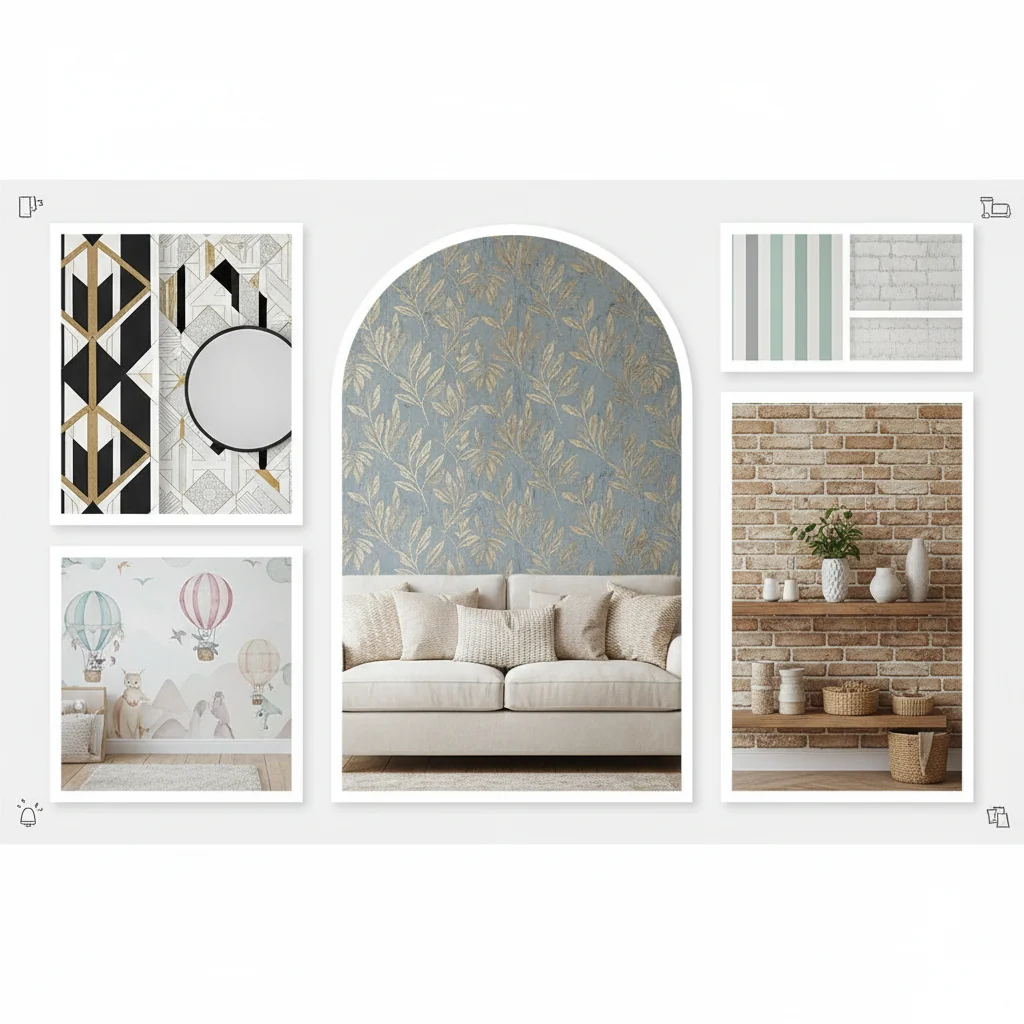
York Wallcoverings excels in offering an expansive portfolio of styles, ensuring there is a design to complement every interior aesthetic, from historic homes to cutting-edge contemporary spaces. Their collections are meticulously curated, often collaborating with renowned designers or drawing inspiration from their vast archives, resulting in patterns that are both timeless and on-trend. These styles encompass a broad spectrum, including traditional, modern, transitional, and specialized textural or mural designs.
Traditional Styles
Traditional York wallpapers often feature classic motifs such as damasks, toile, floral chintz, stripes, and trellises. These designs are frequently rendered in sophisticated color palettes, ranging from muted neutrals to rich jewel tones, evoking a sense of heritage and refined elegance. Traditional patterns are ideal for formal living rooms, dining rooms, and master bedrooms, where a stately and enduring aesthetic is desired. They can lend a sense of history and grandeur, particularly when paired with antique furnishings and classic architectural details. The precision of York’s printing techniques ensures that even the most intricate traditional patterns are reproduced with exceptional clarity and depth.
Modern and Contemporary Styles
For those favoring a more current aesthetic, York offers a robust selection of modern and contemporary wallpapers. These styles often feature geometric patterns, abstract designs, bold graphics, and minimalist textures. Color schemes can range from monochromatic grays and whites to vibrant, saturated hues, reflecting current design trends. Modern wallpapers are perfect for creating dynamic accent walls, adding visual interest to open-plan living spaces, or enhancing the sleek lines of contemporary furniture. York’s digital printing capabilities allow for complex, large-scale modern patterns and murals that truly make a statement.
Transitional Designs
Transitional wallpaper styles bridge the gap between traditional and modern aesthetics, offering a sophisticated blend of classic elements with contemporary sensibilities. These designs might feature simplified damasks, updated florals, or subtle geometric textures that feel both familiar and fresh. Transitional wallpapers are incredibly versatile, fitting seamlessly into a wide range of homes and allowing for an eclectic mix of furnishings. They provide a refined backdrop that is neither overtly traditional nor strictly modern, appealing to those who appreciate a balanced and enduring style.
Textural and Specialty Wallcoverings
Beyond printed patterns, York Wallcoverings also specializes in textural and specialty wallcoverings that add tactile depth and visual intrigue. These include grasscloth, sisal, faux grasscloth, cork, and various embossed vinyls that mimic natural materials like wood grain, plaster, or fabric. Textural wallpapers are excellent for adding warmth, dimension, and a sense of luxury to a space without relying on overt patterns. They are particularly effective in creating a serene atmosphere or highlighting architectural features. Specialty wallcoverings like these provide a unique sensory experience and contribute significantly to the overall ambiance of a room.
Murals and Large-Scale Designs
York’s murals and large-scale designs offer a dramatic way to transform an entire wall into a work of art. These can range from scenic landscapes and intricate cityscapes to oversized florals and abstract compositions. Murals are designed to cover a significant portion of a wall, creating an immersive visual experience. They are ideal for making a bold statement in living rooms, bedrooms, or even commercial spaces, serving as an instant focal point. York’s advanced digital printing ensures high-resolution imagery and vibrant colors for these impactful designs.
Designer Collaborations
York frequently collaborates with celebrated interior designers and lifestyle brands to create exclusive collections. These partnerships bring fresh perspectives and signature styles to their offerings, often resulting in highly sought-after patterns that reflect the specific aesthetic of the collaborating designer. Examples might include collections inspired by iconic fashion houses, renowned textile artists, or influential interior decorators, providing access to unique and trend-setting designs. These collaborations ensure that York remains at the forefront of design innovation.
Materials and Manufacturing Excellence
York Wallcoverings’ reputation for quality is deeply rooted in its meticulous selection of materials and its sophisticated manufacturing processes, which combine traditional craftsmanship with cutting-edge technology. The brand utilizes a variety of substrates and inks, ensuring both the aesthetic appeal and the functional durability of its products, while also maintaining a strong commitment to environmental responsibility. This careful approach to materials and production allows York to create wallcoverings that are not only beautiful but also resilient and sustainably produced.
Substrate Materials
The foundation of any quality wallpaper is its substrate, and York employs several types, each chosen for specific performance characteristics:
- Paper: Traditional paper substrates offer a classic look and feel, known for their breathability. They are often used for historical reproductions or delicate patterns where a matte, natural finish is desired. Paper wallpapers require careful handling during installation but provide a timeless aesthetic.
- Non-Woven: Composed of a blend of natural and synthetic fibers, non-woven substrates are highly regarded for their dimensional stability, preventing shrinkage or expansion. They are breathable, tear-resistant, and typically “paste-the-wall” for easier installation and dry-strippable for clean removal. This makes them a premium choice for durability and convenience.
- Solid Vinyl: Made entirely of vinyl, this substrate is exceptionally durable, washable, and resistant to moisture, stains, and abrasions. It is ideal for high-traffic areas like kitchens, bathrooms, and commercial spaces where robustness is paramount. Solid vinyl wallpapers are typically unpasted.
- Paper-Backed Vinyl: This popular construction features a decorative vinyl surface laminated to a paper backing. It offers a good balance of durability, washability, and ease of handling. The vinyl surface provides resilience against wear and tear, while the paper backing allows for easier installation than solid vinyl.
- Fabric-Backed Vinyl: Offering superior strength and tear resistance, fabric-backed vinyl consists of a vinyl surface bonded to a woven fabric backing. This heavy-duty substrate is often used in commercial settings or high-traffic residential areas where maximum durability is required.
Printing Techniques
York’s manufacturing facility in Pennsylvania utilizes a range of advanced printing methods, each contributing to the unique character and quality of their wallcoverings:
- Surface Printing: This historic method uses raised rollers to apply ink, creating a hand-printed look with a tactile, slightly textured finish. It’s often employed for traditional patterns, florals, and damasks, giving them an authentic, artisanal quality and a noticeable depth.
- Rotary Screen Printing: Utilizing cylindrical screens, this method applies ink through perforations, allowing for vibrant colors and precise patterns. It’s versatile and can produce a wide range of designs, from bold geometrics to intricate textures, with excellent color saturation.
- Gravure Printing: Also known as intaglio printing, gravure uses engraved cylinders to transfer ink, producing very fine detail, smooth tonal gradations, and a highly polished finish. It’s ideal for photorealistic designs, intricate textures, and subtle shading.
- Digital Printing: For custom designs, murals, and large-scale patterns, digital printing offers unparalleled flexibility and precision. This method allows for a vast color spectrum, intricate details, and the ability to produce unique, bespoke wallcoverings without the need for traditional plates or screens.
- Embossing: Beyond printing, many York wallpapers feature embossed textures, where a pattern is pressed into the surface of the material. This adds three-dimensional depth, mimics natural textures like fabric or plaster, and enhances the overall tactile experience of the wallcovering.
Environmental Commitment
York Wallcoverings demonstrates a strong commitment to environmental stewardship throughout its manufacturing process. The company actively pursues sustainable practices, including the use of water-based inks, which are free of heavy metals, formaldehyde, and phthalates, making them safer for indoor air quality. They also prioritize the use of responsibly sourced papers and vinyls, and many of their products are recyclable or contain recycled content. Their dedication extends to reducing waste and energy consumption in their manufacturing facility. York’s commitment to eco-friendly practices ensures that their beautiful wallcoverings are also a responsible choice for your home and the planet. This commitment is detailed in their Environmental Promise, outlining their continuous efforts towards sustainability.
How to Choose the Right York Wallpaper for Your Space
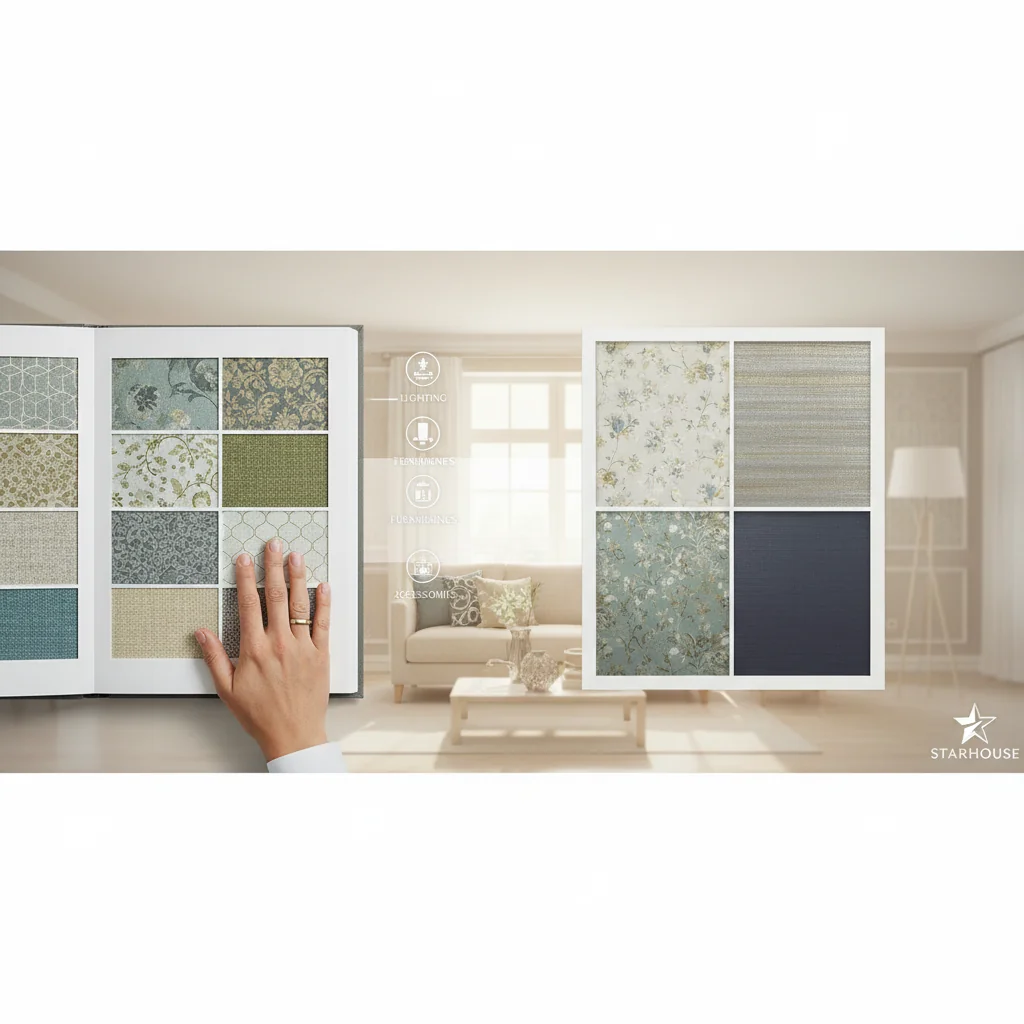
Selecting the perfect York wallpaper involves a thoughtful consideration of several key factors, including the room’s function, its existing decor, natural light, and your personal style preferences. A well-chosen wallpaper can dramatically transform a space, adding character, warmth, and visual interest, so a systematic approach ensures a cohesive and satisfying outcome. This decision-making process should integrate both aesthetic aspirations and practical requirements to achieve a harmonious design.
Consider the Room’s Function and Traffic
The purpose of the room dictates the practical requirements of the wallpaper. For high-traffic areas like hallways, entryways, or children’s rooms, opt for durable, washable, and scrubbable options such as solid vinyl or paper-backed vinyl. These materials can withstand frequent cleaning and resist scuffs and stains. In kitchens and bathrooms, moisture resistance is paramount; look for vinyl or non-woven wallpapers specifically designed to handle humidity and splashes. For low-traffic areas like formal dining rooms, master bedrooms, or guest rooms, you have more flexibility to choose delicate paper-based wallcoverings or intricate textural designs that prioritize aesthetic appeal over rugged durability.
Assess Natural Light and Room Size
Natural light profoundly influences how wallpaper appears. In rooms with abundant natural light, you have the freedom to experiment with darker colors and bolder patterns without making the space feel confined. Conversely, in rooms with limited natural light, lighter colors and patterns with reflective qualities (like metallics or subtle sheens) can help brighten the space and make it feel more expansive.
Room size also plays a crucial role. Large-scale patterns and murals can make a dramatic statement in spacious rooms, while in smaller rooms, they can feel overwhelming. For compact spaces, consider smaller, more delicate patterns or textured wallpapers that add interest without dominating. Vertical stripes can visually heighten a low ceiling, while horizontal patterns can make a narrow room appear wider.
Harmonize with Existing Decor and Color Palette
The chosen wallpaper should seamlessly integrate with your existing furniture, textiles, and overall color scheme. Consider the dominant colors in the room and select a wallpaper that either complements them, provides a subtle contrast, or introduces an accent color already present in your decor. If your furniture is ornate, a simpler wallpaper pattern might be best to avoid visual clutter. If your furnishings are minimalist, a bold or textured wallpaper can add much-needed character. Always obtain samples and view them in your space under different lighting conditions before making a final decision.
Define Your Personal Style and Aesthetic
Ultimately, the wallpaper should reflect your personal taste and the desired ambiance of the room. Do you prefer a classic, traditional look with damasks and florals? Or are you drawn to modern geometrics and abstract designs? Perhaps a serene, natural aesthetic with grasscloth or subtle textures? York offers collections across all styles, from the timeless elegance of their historical archives to collaborations with contemporary designers. Trust your instincts and choose a pattern that genuinely resonates with you and makes you feel comfortable and inspired in your home.
Pattern Repeat and Scale
Pattern repeat is the vertical distance on a wallpaper roll before the pattern begins again. It is a critical measurement for calculating how much wallpaper you need and for ensuring a continuous design across your walls. Smaller repeats are easier to match and result in less waste, while larger repeats require more careful planning and can lead to more discarded material. The scale of the pattern should also be considered relative to the room’s size; a large-scale pattern in a small room can feel overpowering, whereas a small, intricate pattern might get lost in a vast space.
Durability and Washability Ratings
York Wallcoverings provides specific ratings for durability and washability, which are essential for practical application.
| Rating Category | Description | Recommended Use | Example Material |
|---|---|---|---|
| Washable | Can be lightly cleaned with a damp cloth and mild soap. | Low-traffic areas, bedrooms, dining rooms. | Paper-backed vinyl, some non-wovens. |
| Scrubbable | Withstands more vigorous cleaning with a sponge and mild detergent. | Medium-traffic areas, living rooms, guest baths. | Most non-wovens, durable paper-backed vinyl. |
| Solid Vinyl | Highly durable, fully washable, and moisture-resistant. | High-traffic areas, kitchens, bathrooms, kids’ rooms. | Solid vinyl. |
| Type I (Light Duty) | Commercial rating for light to moderate traffic. | Offices, hotel rooms. (Some residential) | Fabric-backed vinyl. |
| Type II (Medium/Heavy Duty) | Commercial rating for high-traffic and public areas. | Hospitality, healthcare, retail. (Very durable residential) | Heavy fabric-backed vinyl. |
Always check the product specifications for these ratings to ensure the wallpaper will perform as expected in your chosen environment. Investing in a higher durability rating for high-wear areas will prevent premature deterioration and maintain the aesthetic integrity of your walls for years to come.
Sizing, Measuring, and Estimation for York Wallpaper
Accurate sizing, precise measuring, and careful estimation are critical steps to ensure a successful wallpaper installation, preventing both shortages and excessive waste. York Wallcoverings typically provides wallpaper in standard roll dimensions, but understanding how to calculate your specific needs, accounting for pattern repeat and potential waste, is essential for a professional finish. This process, while seemingly intricate, can be broken down into straightforward steps to ensure you purchase the correct quantity.
Understanding Wallpaper Roll Dimensions
York wallpaper is primarily sold in two standard North American roll widths:
- 20.5 inches wide: This is a common width for residential wallpapers. A single roll typically covers approximately 56 square feet, though this can vary slightly based on the pattern repeat.
- 27 inches wide: Often found in more designer or contract-grade wallpapers, a single roll of this width typically covers around 60 square feet.
It is important to note that while wallpaper is often sold in “single rolls,” it is frequently packaged as “double rolls” or “bolts” for commercial efficiency. A double roll contains twice the length of a single roll (e.g., a 20.5-inch wide single roll might be 16.5 feet long, making a double roll 33 feet long). Always refer to the product specifications for the exact square footage coverage per roll or bolt, as this is the most reliable metric.
Step-by-Step Measuring Guide
Follow these steps to accurately measure your walls:
- Measure Wall Height: Measure the height of your walls from the top of the baseboard to the ceiling. If there’s crown molding, measure from the top of the baseboard to the bottom of the crown molding. Measure in several places around the room to account for any variations. Use the tallest measurement for your calculations.
- Measure Wall Width: Measure the total width of each wall you intend to wallpaper. Add these widths together to get the total perimeter of the room (excluding walls you won’t cover).
- Calculate Total Square Footage: Multiply the total height (from Step 1) by the total width (from Step 2). This gives you the total square footage of the wall surface.
- Account for Doors and Windows: While some guides suggest subtracting the area of doors and windows, it’s generally recommended to *not* subtract these areas for residential wallpapering. This approach accounts for the necessary waste due to pattern matching and trimming, ensuring you have enough material. For very large openings (e.g., a wall-to-wall sliding door), you might subtract half the area. When in doubt, err on the side of overestimation.
Estimating Number of Rolls Needed
Once you have your total square footage, you can estimate the number of rolls:
- Determine Yield Per Roll: Find the stated square footage coverage per single or double roll for your chosen York wallpaper. This information is crucial and can be found on the product page or packaging.
-
Divide Total Area by Roll Yield: Divide your calculated total wall square footage by the yield per roll.
For example, if your total wall area is 400 sq ft and a double roll covers 60 sq ft, you would need 400 / 60 = 6.67 rolls. -
Factor in Pattern Repeat: This is a critical adjustment. For patterns with a repeat, you will always need to trim some material to ensure the pattern aligns across strips.
- For small or no pattern repeat (less than 6 inches), add 10-15% to your total.
- For medium pattern repeat (6-18 inches), add 15-20%.
- For large pattern repeat (over 18 inches), add 20-25%, or even an extra full roll, especially if the repeat is very large (e.g., 25 inches or more).
In the example above (6.67 rolls), with a medium repeat, adding 20% would bring it to 6.67 * 1.20 = 8.00 rolls.
- Round Up: Always round up to the nearest whole number of rolls. In our example, 8 rolls would be the minimum. It is always better to have a little extra for mistakes, future repairs, or pattern matching. Unopened, untrimmed rolls can often be returned.
Example Calculation
Let’s assume a room with four walls, each 8 feet high. Two walls are 12 feet wide, and two are 10 feet wide. The chosen York wallpaper is 20.5 inches wide, with 56 sq ft per single roll (meaning 112 sq ft per double roll), and has a 21-inch pattern repeat.
- Total Wall Width: (12 ft + 10 ft + 12 ft + 10 ft) = 44 ft
- Total Wall Height: 8 ft
- Total Square Footage: 44 ft * 8 ft = 352 sq ft
- Roll Coverage (Double Roll): 112 sq ft
- Initial Roll Estimate: 352 sq ft / 112 sq ft/roll = 3.14 double rolls
- Pattern Repeat Adjustment: For a 21-inch repeat, add 20-25%. Let’s use 20%.
- Adjusted Roll Estimate: 3.14 * 1.20 = 3.768 double rolls
- Final Purchase: Round up to 4 double rolls.
This detailed approach ensures you have sufficient material, minimizing stress during installation and guaranteeing a flawless finish for your York wallpaper project.
Installation Considerations and Best Practices
Proper installation is paramount to achieving a professional and lasting finish for your York wallpaper. Whether you opt for a DIY approach or enlist a professional, meticulous preparation, the right tools, and adherence to specific techniques are crucial for success. Neglecting any of these steps can lead to undesirable outcomes such as bubbling, peeling, or visible seams, compromising the aesthetic integrity of your chosen wallcovering.
Surface Preparation: The Foundation of Success
The wall surface must be clean, smooth, dry, and consistently colored for optimal adhesion and appearance.
- Clean the Walls: Thoroughly wash walls with a mild detergent solution (like TSP substitute) to remove dirt, grease, and grime. Rinse completely with clean water and allow to dry fully.
- Repair Imperfections: Fill any holes, cracks, or dents with spackle or joint compound. Sand these areas smooth once dry. Even minor imperfections can show through wallpaper, especially thinner materials or those with a sheen.
- Remove Old Wallpaper: All existing wallpaper must be completely removed. Residual adhesive or paper can prevent new wallpaper from adhering properly and may lead to bubbling. Use a wallpaper stripper or steamer for effective removal.
- Prime the Walls: Applying a high-quality primer specifically designed for wallpaper (often called a “sizing” or “wallpaper primer”) is non-negotiable. Primer seals porous surfaces, promotes adhesion, and makes future removal easier. It also creates a uniform color base, preventing old wall colors or patches from showing through lighter wallpapers. Allow primer to dry completely according to manufacturer instructions, typically 24 hours.
Essential Tools for Installation
Having the right tools on hand will streamline the installation process and ensure a cleaner, more precise result.
- Tape measure and pencil
- Long level or plumb bob for straight vertical lines
- Utility knife with plenty of fresh blades
- Smoothing brush or plastic smoother
- Seam roller (for traditional wallpapers)
- Water tray (for pre-pasted wallpaper)
- Wallpaper paste and paste brush/roller (for unpasted wallpaper)
- Clean sponges and buckets of water
- Drop cloths to protect floors
- Step ladder or scaffold
- Scissors
DIY vs. Professional Installation
Deciding between DIY and professional installation depends on several factors:
- Complexity of Wallpaper: Large patterns, murals, or delicate materials (like grasscloth) are more challenging to install and often benefit from professional expertise. Simple patterns or peel-and-stick options are more suitable for DIY.
- Room Features: Rooms with many windows, doors, or architectural angles (e.g., sloped ceilings, built-ins) increase installation difficulty.
- Experience Level: If you have prior wallpapering experience, a DIY approach might be feasible. First-timers may find traditional wallpapering daunting.
- Time Commitment: Proper wallpaper installation is time-consuming. Professionals complete jobs efficiently.
- Budget: Professional installation adds to the overall cost, but it guarantees a high-quality finish and can prevent costly mistakes.
For intricate York designs or if you desire a truly flawless, long-lasting application, investing in a professional wallpaper hanger is often the most prudent choice. They possess specialized knowledge in handling various materials, matching patterns seamlessly, and addressing challenging wall conditions.
Key Installation Techniques
While specific steps vary by wallpaper type, general techniques include:
- Starting Point: For rooms, typically start near a corner that is least conspicuous or behind a door. For accent walls, center the first strip on the wall for symmetry.
- Plumb Line: Always use a plumb line (or a long level) to draw a perfectly vertical line for your first strip. This ensures subsequent strips are straight. Do not rely on the corner of the room, as walls are rarely perfectly plumb.
- Cutting Strips: Cut strips a few inches longer than your wall height, allowing for trimming at the top and bottom and for pattern matching.
- Pasting (if applicable): For unpasted wallpaper, apply an even layer of paste to the back of the strip, allowing it to “book” (fold paste-to-paste) for a few minutes to relax. For paste-the-wall non-wovens, apply paste directly to the wall section.
- Hanging: Align the first strip with your plumb line, working from top to bottom. Smooth out bubbles with a brush or smoother, working from the center outwards.
- Pattern Matching: Carefully align subsequent strips, matching the pattern precisely at the seams. This is where the extra length and pattern repeat knowledge are crucial.
- Trimming: Use a sharp utility knife and a straightedge to trim excess wallpaper at the ceiling, baseboards, and around windows/doors. Change blades frequently for clean cuts.
- Seams: For traditional wallpapers, use a seam roller to gently flatten seams, ensuring they are tightly adhered without squeezing out excess paste. For peel-and-stick, simply smooth firmly.
- Cleaning: Immediately wipe away any excess paste with a clean, damp sponge to prevent it from drying on the wallpaper surface, which can leave a sheen or stain.
By following these considerations and best practices, your York wallpaper installation will be a rewarding process, culminating in a beautifully transformed space.
Care and Maintenance for Lasting Beauty
Proper care and maintenance are essential for preserving the beauty and longevity of your York wallpaper, ensuring it remains a vibrant and integral part of your home’s design for years to come. The specific cleaning methods will depend on the wallpaper’s material and washability rating, so always consult the product’s care instructions provided by York Wallcoverings. Generally, routine dusting and gentle cleaning are sufficient to keep most wallpapers looking their best.
Routine Cleaning and Dusting
For most wallpapers, regular dusting is the simplest and most effective way to prevent dirt and grime buildup.
- Soft Cloth or Duster: Use a clean, dry, soft cloth, a microfiber duster, or a soft-bristled brush attachment on your vacuum cleaner to gently remove dust from the wallpaper surface. Work from top to bottom.
- Frequency: Dusting once a month or as needed, especially in rooms prone to dust accumulation, will help maintain a fresh appearance.
Spot Cleaning and Stain Removal
For more stubborn marks or spills, spot cleaning is necessary. Always test any cleaning solution on an inconspicuous area first to ensure it does not damage or discolor the wallpaper.
-
Identify Washability: Determine if your wallpaper is “washable,” “scrubbable,” or “solid vinyl” based on its specifications.
- Washable: Can be lightly wiped with a damp cloth and mild soap.
- Scrubbable: Can withstand more vigorous cleaning with a sponge and mild detergent.
- Solid Vinyl: Highly durable and can be cleaned more aggressively.
- Mild Soap Solution: For washable and scrubbable wallpapers, mix a small amount of mild, non-abrasive dish soap with warm water. Dampen a clean, soft sponge or cloth with the solution, wring it out thoroughly so it is barely damp.
- Gentle Wiping: Gently wipe the stained area. Avoid rubbing vigorously, as this can damage the surface or push the stain deeper. Work from the outside of the stain inwards to prevent spreading.
- Rinse and Dry: Immediately wipe the area with a clean cloth dampened with plain water to remove any soap residue. Then, lightly blot the area dry with a fresh, dry cloth. Do not oversaturate the wallpaper with water.
- For Solid Vinyl: These can typically handle slightly stronger cleaning agents (e.g., diluted all-purpose cleaner), but always test first.
- Grease Stains: For fresh grease stains, a small amount of cornstarch or talcum powder can sometimes absorb the grease. Lightly sprinkle, let sit for a few minutes, then gently brush off.
Special Considerations for Delicate Wallpapers
Certain York wallpapers, particularly those made of natural fibers like grasscloth or delicate paper-based designs, require specialized care.
- Grasscloth/Natural Fibers: These materials are generally not washable. Dusting with a soft brush or vacuum attachment is the primary cleaning method. Avoid water, as it can cause staining or damage the fibers. For spills, blot immediately with a dry cloth. Professional cleaning may be required for significant stains.
- Flocked or Embossed Wallpapers: These textured surfaces can trap dust. Use a soft brush or vacuum attachment. Avoid aggressive scrubbing, which can flatten the flocking or damage the embossed pattern.
- Metallic or Foiled Wallpapers: These may be susceptible to scratching. Use only very soft cloths and mild, non-abrasive cleaners. Avoid harsh chemicals that could dull the metallic finish.
Preventative Measures
Proactive steps can significantly reduce the need for intensive cleaning:
- Ventilation: Ensure good ventilation in bathrooms and kitchens to minimize moisture buildup, which can lead to mold or mildew, especially with less breathable wallpaper types.
- Sunlight Protection: Prolonged exposure to direct sunlight can cause wallpaper colors to fade. Consider using UV-filtering window treatments (blinds, shades, or curtains) in rooms with intense sun exposure.
- Avoid Abrasions: Be mindful of furniture placement and movement to prevent scrapes or tears to the wallpaper.
Repairing Minor Damage
For small tears or lifted seams:
- Re-adhere Lifted Seams: Use a small amount of wallpaper seam adhesive (available at hardware stores) applied with a fine brush. Press the seam firmly with a seam roller or clean cloth until it adheres.
- Repair Small Tears: For minor tears, carefully apply a tiny amount of clear-drying craft glue or wallpaper paste to the underside of the torn piece and press it back into place. For larger tears, you may need to patch the area using a spare piece of wallpaper from an extra roll, carefully matching the pattern.
By adhering to these care guidelines, your investment in York wallpaper will continue to enhance your home’s aesthetic with enduring beauty and pristine condition.
Styling and Pairing York Wallpaper with Your Decor
Styling and pairing York wallpaper effectively involves integrating its patterns, textures, and colors seamlessly with your existing furnishings, lighting, and accessories to create a cohesive and harmonious interior. Wallpaper is not merely a wall covering; it is a powerful design element that can define a room’s character, create focal points, and even influence the perceived size and mood of a space. Thoughtful coordination ensures that the wallpaper enhances, rather than competes with, other decorative elements.
Creating a Focal Point
An accent wall adorned with a bold York wallpaper pattern or a striking mural can instantly transform a room and draw attention to a specific area.
- Behind the Bed: In a bedroom, a patterned or textured wallpaper behind the headboard creates a luxurious and inviting focal point, often negating the need for elaborate wall art.
- Dining Room Wall: A sophisticated damask or a scenic mural on one wall in the dining room can elevate the space, making it feel grander and more refined.
- Living Room Feature: Use a geometric or abstract pattern on the wall behind your sofa or entertainment center to add depth and visual interest to a living area.
When using wallpaper as a focal point, keep the other walls in a complementary, neutral paint color to allow the wallpaper to truly shine.
Coordinating with Furniture and Textiles
The interplay between your wallpaper and your furniture and textiles is crucial for a balanced design.
- Pattern Play: If your wallpaper features a busy pattern, opt for solid-colored or subtly textured upholstery and curtains to avoid visual clutter. Conversely, if your wallpaper is a subtle texture or a small-scale print, you can introduce patterned cushions, rugs, or drapes.
- Color Harmony: Pick out one or two accent colors from your wallpaper pattern and repeat them in your furniture, throw pillows, or decorative objects. This creates a sense of unity and intentional design. For example, if your wallpaper has a subtle blue floral, incorporate blue pillows or a blue ceramic vase.
- Material Mix: Pair the tactile qualities of your wallpaper with complementary furniture materials. A rustic grasscloth wallpaper looks stunning with natural wood furniture, linen upholstery, and woven baskets. A sleek metallic geometric wallpaper pairs well with glass, chrome, and minimalist furniture.
Integrating Lighting and Accessories
Lighting and accessories are the finishing touches that bring a wallpapered room to life.
- Lighting: Consider how lighting interacts with your wallpaper. Wallpapers with a sheen or metallic elements will reflect light, adding sparkle and brightness. Textured wallpapers create interesting shadows and depth under directional lighting. Use sconces or picture lights to highlight a particularly beautiful pattern or mural.
- Mirrors and Art: Mirrors can amplify light and expand a space, and their reflective surfaces can beautifully interact with wallpaper patterns. Choose frames that complement the wallpaper’s style – ornate frames for traditional patterns, sleek frames for modern designs. When hanging art over wallpaper, select pieces that have enough contrast to stand out, or choose art that picks up colors from the wallpaper. Avoid overwhelming a detailed pattern with too many small art pieces; sometimes one large, impactful piece is more effective.
- Accessories: Use decorative accessories to echo themes or colors present in your wallpaper. For a botanical wallpaper, incorporate potted plants or nature-inspired sculptures. For a geometric wallpaper, use geometric-patterned vases or abstract sculptures. Keep accessories proportionate to the scale of the room and the wallpaper pattern.
Room-Specific Styling Ideas
The best way to style wallpaper varies by room:
- Living Room: A large-scale abstract or a subtle texture can provide a sophisticated backdrop. Pair with comfortable, well-proportioned seating and layered lighting.
- Bedroom: Soft, romantic florals or calming geometric patterns create a serene retreat. Complement with plush textiles, gentle lighting, and personal touches.
- Dining Room: Elegant damasks, intricate chinoiserie, or a bold mural can elevate formal entertaining. Coordinate with a striking chandelier and a refined dining set.
- Powder Room: This is an excellent space to experiment with bold, unexpected patterns or luxurious textures, as it’s a small area where you can take a design risk.
- Home Office: A calming, subtle pattern or a sophisticated faux texture can inspire productivity and focus.
By meticulously considering how your York wallpaper interacts with every element of your interior, you can craft a space that is not only visually stunning but also deeply reflective of your personal style and taste. The goal is always to achieve a harmonious balance where each component enhances the others.
Common Mistakes to Avoid When Working with Wallpaper
Working with wallpaper, particularly premium wallcoverings from brands like York, requires precision and foresight to achieve a flawless and lasting result. Several common pitfalls can undermine even the most beautiful wallpaper, leading to frustration and an unsatisfactory finish. Awareness of these mistakes and how to prevent them is crucial for any successful wallpaper project, whether you’re a DIY enthusiast or overseeing a professional installation.
1. Inadequate Wall Preparation
This is arguably the most critical and frequently overlooked step. Failing to properly prepare your walls can lead to a host of problems.
-
Mistake: Not cleaning the walls thoroughly, leaving behind dirt, grease, or old adhesive residue.
Solution: Always wash walls with a TSP substitute or mild detergent, rinse well, and allow to dry completely. -
Mistake: Neglecting to repair holes, cracks, or uneven surfaces.
Solution: Fill all imperfections with spackle and sand smooth. Even minor flaws will show through wallpaper, especially those with a sheen or thin material. -
Mistake: Skipping the priming step.
Solution: Apply a high-quality wallpaper primer (sizing) to seal porous surfaces, improve adhesion, and ensure easier future removal. This also creates a uniform base color, preventing underlying wall colors from showing through.
2. Incorrect Measurement and Estimation
Underestimating the amount of wallpaper needed or failing to account for pattern repeat can halt your project mid-way or result in visible seams.
-
Mistake: Not factoring in pattern repeat or trimming waste.
Solution: Always add 15-25% extra material, depending on the pattern repeat size, to your initial square footage calculation. It is better to have an extra roll than to run short. -
Mistake: Not measuring wall height in multiple places.
Solution: Walls are rarely perfectly uniform. Measure the height at several points and use the tallest measurement for cutting strips, allowing for trimming at the top and bottom. -
Mistake: Not accounting for standard roll sizes or double rolls.
Solution: Understand that wallpaper is often sold in double rolls, and always check the precise square footage coverage per unit for your specific York product.
3. Ignoring the Plumb Line
Starting your first strip without a perfectly vertical guide is a recipe for disaster, as subsequent strips will follow any initial misalignment.
-
Mistake: Relying on the corner of a room or window frame as a straight edge.
Solution: Always use a plumb bob or a long level to draw a perfectly vertical line for your first strip. This ensures all subsequent strips are straight and parallel.
4. Improper Paste Application or Activation
Whether using unpasted or pre-pasted wallpaper, incorrect adhesive handling can lead to bubbles, peeling, or visible seams.
-
Mistake (Unpasted): Applying too little or too much paste, or not allowing wallpaper to “book” properly.
Solution: Apply an even, consistent layer of high-quality wallpaper paste. For paper-backed wallpapers, “book” the strips (fold paste-to-paste) for the recommended time to allow the paper to relax and expand, preventing bubbles and shrinking after installation. -
Mistake (Pre-pasted): Not fully activating the adhesive or letting it dry out.
Solution: Ensure the entire back of the pre-pasted strip is thoroughly wet for the specified time, usually by submerging it in a water tray, to fully activate the adhesive.
5. Rushing the Installation Process
Wallpapering requires patience. Rushing leads to sloppy cuts, misaligned patterns, and trapped air bubbles.
-
Mistake: Not smoothing out air bubbles completely or cutting corners roughly.
Solution: Take your time to smooth each strip thoroughly with a smoothing tool, working from the center outwards. Change utility knife blades frequently (every 2-3 strips) for consistently clean, sharp cuts. -
Mistake: Not wiping away excess paste immediately.
Solution: Always have a clean, damp sponge on hand to immediately wipe off any paste that oozes from seams or gets on the face of the wallpaper. Dried paste can leave a permanent sheen or stain.
6. Neglecting Pattern Matching
For patterned wallpapers, failing to correctly align the design between strips is a glaring error.
-
Mistake: Cutting strips without considering the pattern repeat and how they will align horizontally.
Solution: Lay out multiple cut strips before pasting to ensure the pattern flows seamlessly from one strip to the next. This is where the extra material for pattern repeat is vital.
7. Choosing the Wrong Wallpaper for the Environment
Selecting a wallpaper that isn’t suited for the room’s conditions will result in premature wear or damage.
-
Mistake: Using delicate, non-washable paper in a high-moisture bathroom or high-traffic hallway.
Solution: Always match the wallpaper’s durability and washability rating (e.g., solid vinyl, scrubbable non-woven) to the room’s function and expected wear.
By being mindful of these common mistakes, you can significantly increase the likelihood of a successful and beautiful York wallpaper installation, enjoying your transformed space for many years.
Trends in York Wallpaper Design
York Wallcoverings, with its deep historical roots and continuous innovation, remains at the forefront of interior design trends, consistently offering collections that reflect current aesthetics while maintaining timeless appeal. The brand’s ability to blend heritage with modernity ensures that its offerings are always relevant, catering to evolving tastes and design philosophies. Current trends in York wallpaper design emphasize a return to nature, a celebration of texture, bold maximalism, and the enduring allure of classic patterns reimagined.
Biophilic and Nature-Inspired Designs
A dominant trend is the integration of biophilic design elements, bringing the calming and restorative qualities of nature indoors. York offers an extensive array of wallpapers featuring:
- Botanicals: Lush tropical leaves, delicate floral motifs, and intricate garden scenes are popular, often in rich greens, deep blues, or soft pastels. These designs create serene and vibrant spaces.
- Scenic Murals: Large-scale landscape murals depicting forests, mountains, or coastal scenes are highly sought after, transforming entire walls into immersive natural vistas.
- Faux Natural Textures: Wallpapers mimicking the look and feel of wood grain, stone, marble, or woven grasscloth continue to be popular, offering the aesthetic of natural materials with the durability and ease of installation of wallpaper.
Emphasis on Texture and Tactility
Beyond visual patterns, there is a strong trend towards tactile experiences. Wallpapers that offer a three-dimensional quality add depth and sophistication to a room.
- Embossed Patterns: Designs with raised surfaces, such as faux plaster, hammered metal, or intricate damasks, create subtle shadow play and a luxurious feel.
- Grasscloth and Weaves: Authentic grasscloth and woven textile wallpapers provide organic texture and warmth, adding a layer of natural elegance. Faux grasscloth options offer a similar aesthetic with enhanced durability and washability.
- Suede and Velvet Finishes: Specialty wallpapers with soft, tactile finishes like faux suede or velvet add a touch of opulence and comfort, particularly in bedrooms or cozy living spaces.
Maximalism and Bold Statements
In contrast to minimalist trends, maximalism is experiencing a resurgence, with homeowners embracing bold patterns, vibrant colors, and layered designs.
- Large-Scale Geometrics: Oversized geometric patterns in contrasting colors or metallic finishes make a dramatic statement, especially in modern and eclectic interiors.
- Chinoiserie and Grandmillennial: Reimagined traditional patterns like chinoiserie (often with vibrant birds and blossoms) and “grandmillennial” styles (a modern twist on classic, often floral, patterns) are gaining popularity, blending vintage charm with contemporary flair.
- Dark and Moody Palettes: Deep greens, charcoals, navy blues, and even black wallpapers, often with metallic accents or intricate patterns, create sophisticated and intimate atmospheres.
Art Deco Revival
The glamour and geometric precision of the Art Deco era continue to inspire, offering a sense of timeless luxury.
- Geometric Motifs: Fan patterns, chevrons, and interlocking shapes, often with metallic gold or silver accents, evoke the opulence of the 1920s and 30s.
- Rich Colors: Jewel tones such as emerald, sapphire, and ruby, paired with black or cream, are prominent in these designs, creating a lavish feel.
Sustainable and Health-Conscious Choices
Beyond aesthetics, there’s a growing demand for wallpapers that are environmentally friendly and promote healthy indoor air quality. York Wallcoverings addresses this with:
- Eco-Friendly Materials: Increased use of responsibly sourced paper, non-woven substrates, and recycled content.
- Low-VOC Inks: Utilization of water-based inks free from heavy metals, formaldehyde, and phthalates, contributing to better indoor air quality.
- Breathable Wallcoverings: Non-woven options that allow walls to breathe, helping to prevent mold and mildew, particularly in humid environments.
These trends reflect a desire for personalized, expressive, and thoughtful interiors. York Wallcoverings continues to innovate, offering designs that not only beautify spaces but also align with broader lifestyle and environmental considerations, ensuring that there is a perfect wallcovering for every evolving design vision.
Frequently Asked Questions About York Wallpaper
Is York wallpaper good quality?
Yes, York Wallcoverings is renowned for its high-quality wallpaper, backed by over 125 years of manufacturing expertise. Their products utilize durable substrates, advanced printing techniques, and meticulous attention to detail, resulting in wallcoverings that are both aesthetically superior and long-lasting.
Can York peel-and-stick wallpaper be removed easily?
York peel-and-stick wallpaper is designed for easy, damage-free removal, making it ideal for temporary decor or renters. It typically peels off in full sheets without leaving sticky residue or damaging the underlying wall surface, provided the wall was properly prepared (clean, smooth, primed) before application.
How do I clean York wallpaper?
Cleaning methods depend on the specific York wallpaper type and its washability rating. Most washable or scrubbable vinyl and non-woven wallpapers can be gently cleaned with a damp cloth and mild soap. Delicate materials like grasscloth are typically only suitable for dry dusting. Always refer to the product’s care instructions for precise guidance.
Do I need to prime my walls before installing York wallpaper?
Yes, priming your walls is a crucial step before installing any wallpaper, including York products. A high-quality wallpaper primer (sizing) seals porous surfaces, promotes better adhesion, ensures easier removal in the future, and provides a uniform base color, preventing underlying wall imperfections or colors from showing through.
Where is York wallpaper manufactured?
York Wallcoverings are proudly manufactured in the United States, at their facility in York, Pennsylvania. This ensures rigorous quality control and supports American craftsmanship in the wallcovering industry.
Can York wallpaper be used in bathrooms or kitchens?
Yes, many York wallpapers are suitable for bathrooms and kitchens, particularly those made from solid vinyl or durable non-woven materials. These types are designed to withstand moisture and are often washable or scrubbable. Always check the specific product’s durability and washability ratings to ensure it is appropriate for high-humidity or high-traffic areas.
What is pattern repeat, and why is it important?
Pattern repeat is the vertical distance on a wallpaper roll before the pattern begins again. It is critical for ensuring that the design aligns seamlessly across multiple strips of wallpaper. Understanding the pattern repeat is essential for accurate measurement and estimation, as it dictates how much extra material you need to purchase to match the pattern correctly and minimize waste.
Sources
- York Wallcoverings. Our Environmental Promise | York Wallcoverings | https://www.yorkwallcoverings.com/our-environmental-promise
From its deep-rooted heritage in American manufacturing to its continuous pursuit of design innovation, York Wallcoverings stands as a testament to enduring quality and style. Their diverse portfolio, encompassing everything from timeless traditional patterns to cutting-edge contemporary designs and environmentally conscious materials, offers unparalleled options for transforming any space. At Starhouse, we understand the profound impact that a meticulously chosen wallcovering can have on a home’s aesthetic and ambiance. We are dedicated to curating collections that not only meet the highest standards of beauty and durability but also inspire our customers to create interiors that truly reflect their unique vision.
As we finalize our curated collection for Starhouse, your insights are invaluable. What designs, textures, or styles of wallpaper do you dream of incorporating into your home? What elements would make your space feel truly exceptional? We invite you to share your preferences and design aspirations with us.
Tell us what you’re looking for, and be among the first to receive exclusive early access to our launch collection, meticulously selected to inspire and delight.