Plain chocolate brown wallpaper offers a sophisticated and versatile foundation for interior design, providing a deep, grounding hue that can transform a space with understated elegance. This enduring choice brings warmth, depth, and a touch of organic luxury to any room, serving as a powerful neutral that complements a vast array of design aesthetics from minimalist to maximalist. Its inherent richness makes it an invaluable tool for creating inviting and visually compelling environments.
Key Takeaways
- Plain chocolate brown wallpaper is a highly versatile and sophisticated design element, offering deep warmth and a grounding effect suitable for diverse interior styles.
- Key types include non-woven for ease of installation and removal, vinyl for superior durability and washability, and natural fibers for unique texture and organic appeal.
- When selecting, consider the room’s natural light, existing color palette, and desired mood, opting for matte finishes for understated elegance or subtle textures for added dimension.
- Accurate measurement is critical, typically requiring a calculation of wall square footage plus an additional 15-20% for pattern matching and waste.
- Styling plain chocolate brown wallpaper involves pairing with contrasting colors like crisp whites, soft creams, or vibrant teals, and complementing with natural materials such as wood, brass, and linen.
- Proper care varies by material, with vinyl options offering the easiest maintenance through gentle wiping, while natural fibers require more delicate, dry cleaning methods.
The Enduring Appeal of Plain Chocolate Brown Wallpaper
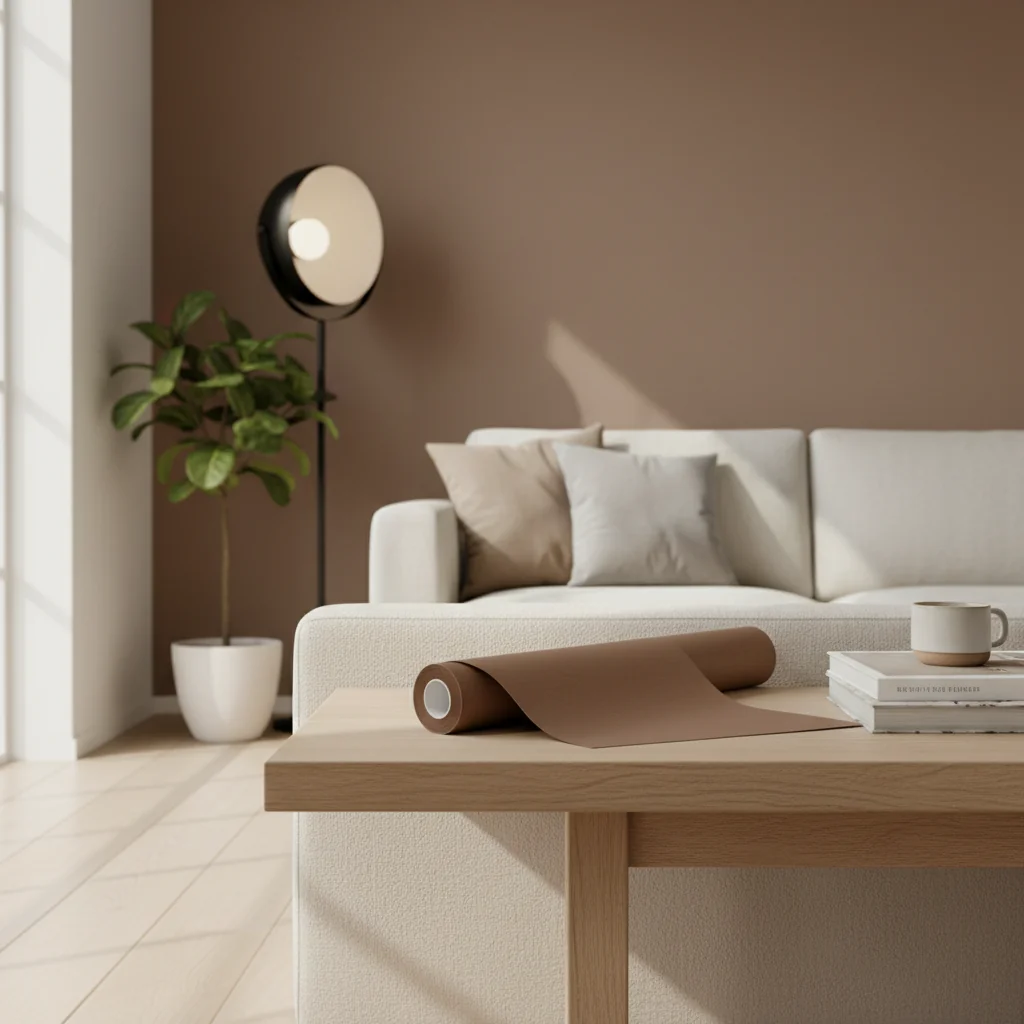
Plain chocolate brown wallpaper is a design staple that offers profound versatility and a comforting aesthetic, establishing a sophisticated backdrop that works across numerous interior design styles. This rich, earthy tone provides an immediate sense of warmth and stability, making it an excellent choice for creating grounded and inviting spaces. Unlike more vibrant colors, chocolate brown acts as a powerful neutral, allowing other design elements to truly shine while maintaining its own distinct character.
The beauty of a plain chocolate brown lies in its depth and organic connection to nature, evoking the warmth of rich earth, dark wood, or decadent cocoa. It is a color that signifies comfort, reliability, and understated luxury. This shade is particularly effective in spaces designed for relaxation and contemplation, such as bedrooms, living rooms, and studies, where its enveloping quality fosters a sense of retreat.
Choosing a plain wallpaper means the focus remains entirely on the color’s inherent qualities and any subtle textures present in the material. This allows for a clean, uninterrupted visual flow that can make rooms feel larger and more cohesive. The absence of an overt pattern directs attention to the room’s architecture, furniture, and decorative accessories, establishing a balanced and harmonious environment.
At Starhouse, we understand the nuanced power of color and material in home décor. We believe that a well-chosen plain chocolate brown wallpaper can elevate a room from merely functional to truly transformative. Its ability to absorb light creates an intimate atmosphere, while its natural depth provides a striking contrast for lighter furnishings and metallic accents. This color is not merely a background; it is an active participant in defining the mood and character of a space.
The precision in selecting the right shade and finish of plain chocolate brown is paramount. A matte finish will absorb light, creating a softer, more enveloping feel, while a subtle sheen can introduce a touch of glamour and reflect light to prevent the space from feeling too enclosed. Understanding these subtleties is key to harnessing the full potential of this sophisticated color in your home.
Types of Plain Chocolate Brown Wallpaper: Material and Construction
The type of plain chocolate brown wallpaper you select is primarily determined by its material and construction, which dictate its durability, ease of installation, and textural qualities. Each material offers distinct benefits, influencing the overall aesthetic and functional performance within a specific environment. Understanding these differences is crucial for making an informed decision that aligns with your design vision and practical needs.
Non-Woven Wallpaper: Non-woven wallpaper is a high-performance material composed of a blend of natural and synthetic fibers, making it one of the most popular and versatile choices available. It is renowned for its durability, breathability, and ease of installation and removal. Non-woven wallpapers are typically “paste-the-wall,” meaning the adhesive is applied directly to the wall rather than the paper, which simplifies the process and reduces mess. This material is also tear-resistant and does not expand or contract when wet, ensuring a seamless finish. For plain chocolate brown designs, non-woven options can range from smooth, matte finishes to those with subtle, embossed textures.
Vinyl Wallpaper: Vinyl wallpaper is celebrated for its exceptional durability, washability, and moisture resistance, making it an ideal choice for high-traffic areas like hallways, kitchens, and bathrooms. It consists of a PVC (polyvinyl chloride) layer laminated to a paper or fabric backing. There are several sub-types of vinyl wallpaper:
- Paper-Backed Vinyl: Features a thin layer of vinyl laminated to a paper backing. It offers good durability and washability but is less robust than solid vinyl.
- Solid Vinyl: Comprised of a thick vinyl layer, making it highly durable, scrubbable, and resistant to moisture and stains. This type is excellent for creating a long-lasting finish in demanding environments.
- Fabric-Backed Vinyl: Offers the highest level of durability, with a solid vinyl surface bonded to a woven fabric backing. This heavy-duty option is often used in commercial settings but can provide superior longevity and impact resistance in residential applications.
Plain chocolate brown vinyl wallpapers can convincingly mimic other materials like leather, wood grain, or subtle textile weaves, providing textural interest without overt patterns.
Paper Wallpaper: Traditional paper wallpaper is made entirely from paper, offering a classic aesthetic and a wide range of finishes from matte to slightly glossy. While less durable and washable than non-woven or vinyl options, paper wallpaper provides a refined look and is often chosen for its eco-friendliness (when sourced responsibly). It requires careful handling during installation as it can tear and stretch when wet. Plain chocolate brown paper wallpapers excel at showcasing the pure depth of the color without any textural interference, ideal for a minimalist approach.
Natural Fiber Wallpaper: Natural fiber wallpapers, such as grasscloth, jute, sisal, or cork, are handcrafted by weaving or pressing natural materials onto a paper backing. These materials introduce unparalleled organic texture, depth, and subtle variations in color, making each roll uniquely beautiful. A plain chocolate brown grasscloth, for instance, offers a sophisticated, tactile dimension that cannot be replicated by synthetic materials. However, natural fibers are typically less durable, more delicate to install, and difficult to clean, often requiring professional care. They are best suited for low-traffic areas where their inherent beauty can be appreciated without risk of damage.
Flocked Wallpaper: Flocked wallpaper features a raised, velvety pattern created by applying tiny fibers onto the paper’s surface. While often associated with intricate patterns, plain flocked wallpaper can feature a subtle, all-over velvet texture in chocolate brown, adding a luxurious, tactile dimension. This type offers a unique sensory experience and a soft, muted appearance, absorbing light rather than reflecting it. Flocked wallpapers are delicate and generally not washable, making them suitable for formal living areas or bedrooms.
Embossed Wallpaper: Embossed wallpaper features a raised, three-dimensional pattern created by pressing the material between rollers. For plain chocolate brown designs, this might involve subtle striae, linen textures, or geometric micro-patterns that become visible under certain lighting conditions. Embossing adds depth and visual interest without introducing a distinct printed pattern, making the “plain” brown truly dynamic. These are often made from paper or vinyl and can vary in durability based on the base material.
Peel-and-Stick Wallpaper: Peel-and-stick, or self-adhesive, wallpaper has gained significant popularity for its ease of installation and removal, making it an excellent choice for renters or those who frequently update their décor. It consists of a vinyl or fabric-based material with an adhesive backing protected by a removable liner. While primarily associated with temporary applications, many high-quality peel-and-stick options offer impressive durability. Plain chocolate brown peel-and-stick wallpaper provides an accessible way to experiment with this rich color without a long-term commitment, often available in smooth or subtly textured finishes.
Each type of plain chocolate brown wallpaper contributes distinctly to a room’s atmosphere and functionality. Selecting the appropriate material is a fundamental decision that impacts both the aesthetic outcome and the practical longevity of your design.
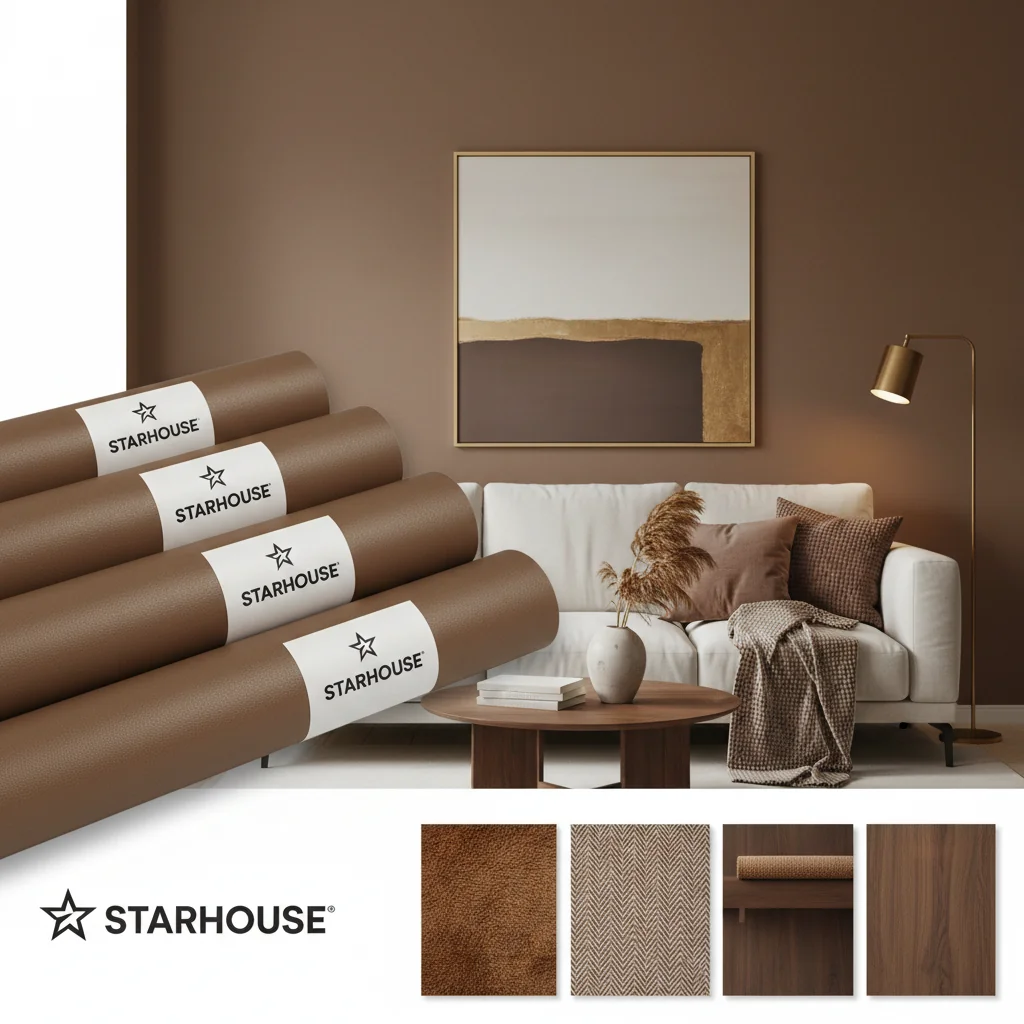
Styles and Finishes: Elevating Plain Brown with Texture and Sheen
The “plain” in plain chocolate brown wallpaper refers to the absence of overt patterns, but this does not imply a lack of style or visual interest; instead, it emphasizes the importance of texture and finish in defining the wallpaper’s character. These subtle elements elevate the inherent richness of the chocolate brown hue, adding depth, sophistication, and tactile appeal to a space. The choice of finish and texture can dramatically alter how light interacts with the wall, influencing the perceived warmth and overall mood of a room.
Matte Finish: A matte finish absorbs light rather than reflecting it, resulting in a soft, non-reflective appearance that creates a warm, enveloping, and understated elegance. This finish is ideal for achieving a cozy, intimate atmosphere, particularly in bedrooms, studies, or formal living rooms. Matte plain chocolate brown wallpaper can make a room feel more grounded and serene, providing a sophisticated backdrop that recedes slightly, allowing furniture and artwork to take prominence. It is particularly effective in spaces where a soft, diffused light is desired.
Slight Sheen / Eggshell Finish: A subtle sheen, often described as an eggshell or satin finish, offers a delicate balance between matte and glossy. It reflects a small amount of light, adding a hint of luminosity and preventing the deep brown from feeling too heavy or flat. This finish introduces a touch of quiet glamour and can make the walls appear slightly more expansive. It is a versatile choice that works well in various rooms, providing a sophisticated yet approachable aesthetic.
Subtle Textures: Textures are paramount in plain wallpapers, providing visual and tactile interest without relying on printed patterns. These textures can be embossed into the wallpaper or inherent in the material itself:
- Linen or Textile Weave: Embossed to mimic the subtle crosshatch pattern of woven fabric, a linen texture adds a sophisticated, tailored feel. It offers a soft visual depth that is both classic and contemporary.
- Stria or Fine Stripe: Featuring very fine, irregular vertical lines, stria wallpaper creates a subtle linear movement that can visually heighten a room. The texture is gentle, adding dimension without being distracting.
- Faux Grasscloth/Jute: These textures replicate the organic, woven appearance of natural fibers. They introduce an earthy, tactile quality and subtle variations in tone that make the plain chocolate brown feel more dynamic and natural.
- Faux Suede or Velvet (Flocked): As discussed, flocked wallpaper creates a soft, tactile surface that absorbs light, offering a luxurious and opulent feel. The velvety touch adds a rich sensory dimension.
- Concrete or Plaster Effect: For a more contemporary, industrial-inspired look, some plain wallpapers feature subtle textures that mimic raw concrete or lightly troweled plaster. In chocolate brown, this creates an unexpected juxtaposition of modern edge and traditional warmth.
- Leather Effect: A faux leather texture in chocolate brown can evoke a sense of masculine sophistication and luxury, perfect for a study, library, or a dramatic accent wall.
Metallic Accents (Subtle): While the core is plain, some chocolate brown wallpapers incorporate very subtle metallic threads or flecks within the texture, or a metallic underprint that peeks through. This is not a pattern but a finish detail that adds a luxurious shimmer, particularly when light hits the wall. This is a sophisticated way to introduce glamour without overwhelming the design.
The choice between these styles and finishes depends on the desired atmosphere and the interplay of light in the room. A matte, textured chocolate brown will create a cozy, cocooning effect, ideal for a serene retreat. Conversely, a plain chocolate brown with a slight sheen or a subtle metallic thread will introduce a more refined, expansive feel, suitable for a sophisticated living area. At Starhouse, we emphasize selecting these nuanced details to ensure the plain chocolate brown wallpaper truly enhances your home’s aesthetic.
Curating the perfect home environment requires attention to every detail, from the foundational elements like wallpaper to the finishing touches. If you’re envisioning a specific look or seeking that ideal shade of chocolate brown for your walls, we invite you to share your preferences with us. Starhouse is meticulously building its collection to meet the discerning tastes of our customers. Tell us what you’re looking for, and gain early access to our curated selections.
How to Choose the Right Plain Chocolate Brown Wallpaper for Your Space
Choosing the right plain chocolate brown wallpaper involves a thoughtful consideration of your room’s existing elements, natural light, and desired aesthetic, ensuring the chosen shade and finish harmonize with your overall design vision. This decision goes beyond merely selecting a color; it encompasses understanding how the wallpaper will interact with its environment to create a cohesive and inviting atmosphere. Precision in this selection process is paramount to achieve the desired impact.
1. Assess Your Room’s Natural Light
Natural light is the most significant factor influencing how any color, especially a deep one like chocolate brown, appears in a space. Rooms with abundant natural light can effectively carry deeper, richer shades of chocolate brown without feeling oppressive. Conversely, rooms with limited natural light may benefit from a chocolate brown with a slightly lighter undertone or a finish that reflects more light, such as a subtle sheen or a textured surface that creates visual depth.
- North-facing rooms: These rooms receive cooler, indirect light. A chocolate brown with warm red or gold undertones can counteract the coolness and add warmth.
- South-facing rooms: Bathed in bright, warm light throughout the day, these rooms can handle almost any shade of chocolate brown. Deep, matte finishes will create drama and intimacy.
- East-facing rooms: Receive bright morning light. A chocolate brown can create a cozy, welcoming feel in the afternoon as the light fades.
- West-facing rooms: Experience warm, intense afternoon light. This can bring out the richness of chocolate brown, making it appear vibrant.
2. Consider the Room’s Function and Desired Mood
The purpose of the room should guide your wallpaper choice. Chocolate brown inherently conveys comfort, sophistication, and a sense of grounding.
- Bedrooms: Opt for softer, matte chocolate browns to create a serene and restful sanctuary. Textures like faux linen or subtle stria can enhance the feeling of calm.
- Living Rooms: A deeper, more dramatic chocolate brown can create a sophisticated and inviting space for entertaining or relaxation. Consider a slight sheen for added elegance.
- Dining Rooms: Rich, perhaps slightly darker chocolate browns can foster an intimate and luxurious dining experience, especially when paired with metallic accents.
- Studies/Libraries: Deep, traditional chocolate browns evoke a sense of gravitas and intellectualism, perfect for concentration. A faux leather texture can be particularly impactful.
- Hallways/Entryways: A durable vinyl chocolate brown wallpaper can make a strong first impression, offering both style and practicality in high-traffic areas.
3. Harmonize with Existing Color Palettes and Furnishings
Plain chocolate brown wallpaper serves as a powerful neutral, but its undertones must complement your existing decor. Identify the predominant colors and materials in your furniture, flooring, and textiles.
A chocolate brown with red undertones pairs beautifully with warm woods, creams, and golds. One with cooler gray or black undertones might better suit modern, minimalist spaces with chrome and cooler color accents. Hold samples against your existing furniture, flooring, and paint swatches to ensure a cohesive blend. The goal is to create a harmonious backdrop that allows your furnishings to stand out without clashing.
4. Evaluate Finishes and Textures
As discussed, the finish and texture profoundly influence the wallpaper’s appearance. A matte finish will create a softer, more intimate feel, absorbing light and reducing reflections. A subtle sheen, like an eggshell or satin, will reflect some light, adding a touch of sophistication and making the color feel slightly brighter. Textures, such as linen, stria, or faux grasscloth, add visual depth and tactile interest, preventing the “plain” brown from appearing flat. For example, a plain chocolate brown wallpaper with a subtle Albion Texture can introduce a sophisticated, naturalistic depth to a wall.
5. Consider Durability and Maintenance Requirements
The practical aspects of wallpaper performance are as important as aesthetics. In high-traffic areas or rooms prone to moisture (e.g., kitchens, bathrooms, kids’ playrooms), a durable, washable vinyl wallpaper is the most practical choice. For bedrooms or formal living rooms where wear and tear are minimal, more delicate options like natural fibers or flocked wallpaper can be considered. Always check the manufacturer’s cleaning instructions before purchasing.
6. Obtain Samples and Test Them in Your Space
Never commit to a large purchase without first obtaining samples. Wallpaper colors can appear significantly different in person than on a screen, and they will vary under your home’s specific lighting conditions. Tape large samples to your walls and observe them throughout the day and night. This crucial step allows you to see how the chocolate brown interacts with natural and artificial light, and how it harmonizes with your existing decor, ensuring confidence in your final decision.
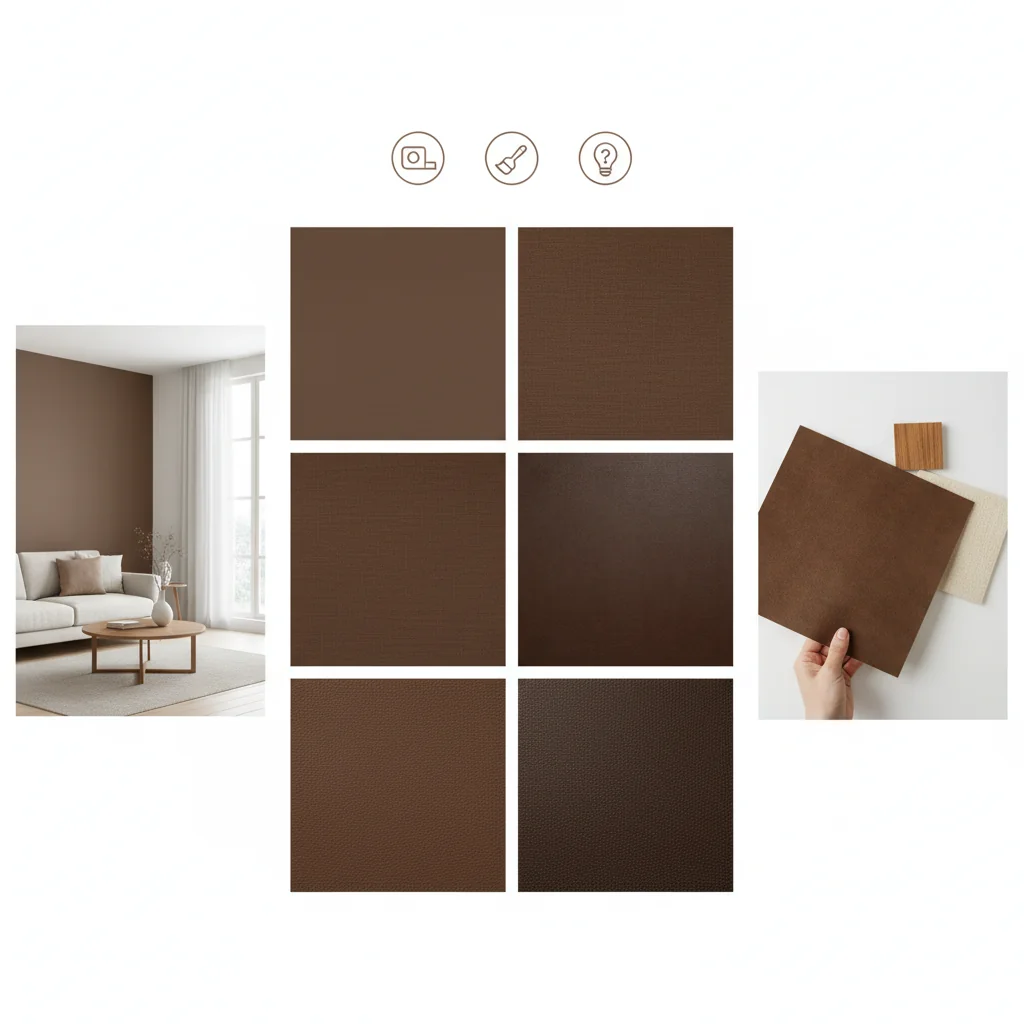
Sizing and Measuring: Ensuring a Flawless Plain Chocolate Brown Wallpaper Installation
Accurate sizing and meticulous measuring are foundational to a successful plain chocolate brown wallpaper installation, preventing costly waste and ensuring a seamless, professional finish. Precision in these initial steps is paramount, as wallpaper rolls come in standard widths and lengths, and miscalculations can lead to either running short or purchasing excessive material. Proper planning accounts for wall irregularities, pattern repeats (even with plain textures), and necessary trimming.
1. Gather Your Tools
Before you begin, ensure you have the following:
- Metal tape measure (at least 25 feet)
- Pencil
- Notepad or tablet
- Calculator
- Step ladder (if walls are tall)
2. Measure the Height and Width of Each Wall
Measure each wall individually, even if they appear to be the same size, as slight variations are common. For each wall:
- Height: Measure from the top of the baseboard to the ceiling line. Take measurements at several points across the wall’s width and use the tallest measurement to ensure sufficient length for each strip.
- Width: Measure the entire width of the wall from corner to corner.
Record these measurements meticulously, noting which measurement corresponds to which wall (e.g., “Living Room North Wall: 9 ft H x 12 ft W”).
3. Calculate the Total Square Footage
Multiply the height by the width for each wall to get its square footage. Then, sum the square footage of all walls you intend to wallpaper.
Formula: (Height in feet × Width in feet) = Square Footage per Wall
Example: A wall is 9 feet high and 12 feet wide. 9 ft × 12 ft = 108 sq ft.
4. Account for Doors and Windows (Optional, but Recommended for Accuracy)
While some guides suggest deducting the area of doors and windows, it is often safer to include them in the initial calculation and simply accept the slight overage. This method simplifies the process and provides a built-in buffer. However, for large openings (e.g., an entire wall of windows or multiple large doorways), you can calculate their area and subtract it from the total wall square footage. Be conservative with deductions to avoid running short.
Formula for Deductions: (Door/Window Height × Door/Window Width) = Square Footage to Deduct
5. Determine the Number of Strips per Roll
Wallpaper rolls typically come in standard widths, such as 20.5 inches (approx. 1.71 feet), 21 inches (1.75 feet), 27 inches (2.25 feet), or 36 inches (3 feet). The length of a standard single roll is usually 16.5 feet, while a double roll is 33 feet. Always check the specific dimensions of the plain chocolate brown wallpaper you intend to purchase.
Divide your wall height by the working length of a single strip from the roll.
Formula: (Roll Length in feet / Wall Height in feet) = Number of Strips per Roll (round down to the nearest whole number)
Example: For a 9-foot high wall and a 33-foot double roll: 33 ft / 9 ft = 3.66. This means you will get 3 full strips per double roll.
6. Calculate the Number of Rolls Needed
Divide the total width of your walls by the width of one wallpaper strip. This tells you how many strips you’ll need to cover all walls.
Formula: (Total Wall Width in inches / Wallpaper Roll Width in inches) = Total Number of Strips Required (round up)
Then, divide the total number of strips required by the number of strips you can get from each roll (calculated in step 5).
Formula: (Total Number of Strips Required / Number of Strips per Roll) = Total Number of Rolls Needed (round up)
Example (continued): If total wall width is 144 inches (12 ft) and wallpaper roll width is 20.5 inches: 144 inches / 20.5 inches = 7.02. So, you need 8 strips.
If you get 3 strips per double roll: 8 strips / 3 strips/roll = 2.66. You will need 3 double rolls.
7. Add for Waste and Pattern Match (Critical for Plain Textures)
Even with plain wallpaper, subtle textures can have a “pattern repeat” that requires alignment, or you may need extra for trimming and mistakes. Always add an overage:
- Standard Overage: Add 15% to 20% to your total calculated square footage or roll count. This buffer is crucial for cutting errors, misalignments, or future repairs.
- Textured Wallpaper: For plain chocolate brown wallpapers with subtle embossed textures (like stria or faux linen) that require careful alignment, aim for the higher end of the overage (20%).
It is always better to have a little extra wallpaper than to run short, especially since dye lots can vary between batches, making it difficult to match later. When ordering, ensure all rolls come from the same dye lot number.
8. Special Considerations
- Ceilings: If wallpapering a ceiling, treat it as a single large wall and follow the same measuring principles.
- Sloped Ceilings/Irregular Walls: For complex architectural features, measure at the longest and widest points, and add a more generous overage (25% or more) to accommodate difficult cuts.
- Wallpaper Borders: Measure the perimeter of the room (or area where the border will be applied) and add 10% for waste.
By following these precise measuring and calculation steps, you can confidently determine the exact amount of plain chocolate brown wallpaper required for a flawless and efficient installation, ensuring your design vision is realized without unnecessary complications.
| Wallpaper Type | Key Characteristics | Durability & Washability | Installation Ease | Ideal Use Cases |
|---|---|---|---|---|
| Non-Woven | Breathable, tear-resistant, dimensionally stable. Often with subtle textures. | High durability, generally washable (wipeable). | Easy (“paste the wall”), strippable. | Living rooms, bedrooms, dining rooms, high-traffic areas. |
| Vinyl (Solid/Fabric-Backed) | Thick PVC layer, can mimic textures (leather, wood). | Excellent durability, highly scrubbable, moisture-resistant. | Moderate (paste the paper or wall), strippable. | Kitchens, bathrooms, hallways, commercial spaces. |
| Paper | Traditional, natural material, smooth or lightly textured. | Moderate durability, generally not washable (delicate). | Moderate (paste the paper), can be delicate. | Formal living rooms, bedrooms, low-traffic areas. |
| Natural Fiber (e.g., Grasscloth) | Hand-woven natural fibers (jute, sisal), unique texture, subtle variations. | Low durability, not washable (dry clean only). | Difficult (delicate, requires specific adhesive), not strippable. | Accent walls, formal spaces, low-traffic areas where texture is paramount. |
| Peel-and-Stick | Self-adhesive vinyl or fabric, temporary, easily removable. | Moderate durability, wipeable. | Very Easy (no paste), fully removable. | Rentals, temporary designs, DIY projects, accent walls. |
Current Trends and Timeless Applications for Plain Chocolate Brown Wallpaper
Plain chocolate brown wallpaper, while a classic, is experiencing a significant resurgence in contemporary interior design, aligning with current trends that prioritize natural materials, understated luxury, and a return to warm, earthy palettes. Its inherent versatility ensures it remains a timeless choice, capable of adapting to evolving aesthetics while consistently providing a grounding and sophisticated foundation for any space. This color embodies both enduring elegance and modern relevance.
Current Trends Embracing Chocolate Brown:
- Biophilic Design: This trend emphasizes connecting occupants with nature. Plain chocolate brown wallpaper, especially with subtle textures like grasscloth or faux wood grain, directly supports biophilic principles by bringing earthy tones and organic textures indoors, fostering a sense of calm and well-being.
- Quiet Luxury and Understated Elegance: The current demand for “quiet luxury” eschews overt opulence for refined quality and subtle sophistication. Plain chocolate brown, particularly in a matte or subtly textured finish, perfectly embodies this trend. It suggests depth, richness, and enduring style without being ostentatious.
- Warm Neutrals and Earth Tones: Moving away from cooler grays, contemporary design is embracing warmer neutral palettes, including various shades of brown, beige, and terracotta. Plain chocolate brown serves as a strong anchor in these schemes, providing a deep, grounding element that complements lighter earth tones.
- Maximalism (as a grounding element): While chocolate brown is often associated with minimalism, in a maximalist context, a plain chocolate brown wall can act as a sophisticated, unifying backdrop for a vibrant collection of art, eclectic furniture, and diverse patterns. It provides a necessary anchor for visual complexity.
- Modern Heritage: This trend blends classic design elements with contemporary sensibilities. A plain chocolate brown wallpaper can serve as a bridge, offering a traditional, rich color updated with modern textures or applied in a minimalist setting.
- Dark and Moody Interiors: For those seeking to create intimate, dramatic spaces, plain chocolate brown is an ideal choice. When paired with low lighting and luxurious textures, it can transform a room into a cozy, enveloping retreat.
Timeless Applications of Plain Chocolate Brown Wallpaper:
Beyond fleeting trends, plain chocolate brown wallpaper holds a permanent place in classic design for its fundamental qualities:
- Creating Depth and Warmth: Chocolate brown inherently adds visual depth and a profound sense of warmth to any room. It can make a large, impersonal space feel more intimate and inviting, or provide a comforting cocoon in a smaller area.
- Sophisticated Neutral: Unlike stark black or white, chocolate brown functions as a “soft” neutral. It pairs effortlessly with a wide spectrum of colors—from crisp whites and creams to vibrant blues, greens, and oranges—providing a sophisticated foundation that allows other colors to pop.
- Architectural Enhancement: When applied to a single wall, plain chocolate brown wallpaper can highlight architectural features, create a focal point, or define distinct zones within an open-plan space. Its solid color draws attention to the wall itself, emphasizing its structure.
- Background for Art and Furniture: The understated nature of plain chocolate brown makes it an exceptional backdrop for displaying art, photographs, or showcasing statement furniture pieces. Its deep hue allows colors and forms to stand out with clarity and intensity.
- Evoking Nature and Organic Luxury: Chocolate brown is intrinsically linked to natural elements like wood, earth, and stone. Using it in wallpaper creates a sense of organic luxury, contributing to a calm and grounded environment that feels authentic and enduring.
- Versatility Across Styles: From traditional and transitional to modern, minimalist, and even industrial, plain chocolate brown wallpaper adapts seamlessly. Its lack of pattern allows it to be dressed up or down with furniture and accessories, making it a truly flexible design choice.
Whether you are aiming for a cutting-edge contemporary look or a timeless, classic aesthetic, plain chocolate brown wallpaper offers a reliable and impactful solution. Its ability to combine warmth, sophistication, and adaptability ensures its continued relevance in the world of interior design, providing a canvas that is both rich in character and endlessly accommodating.
Care and Maintenance for Plain Chocolate Brown Wallpaper
Proper care and maintenance are essential for preserving the aesthetic integrity and extending the lifespan of your plain chocolate brown wallpaper, ensuring its rich hue and subtle textures remain vibrant for years. The specific cleaning regimen depends critically on the wallpaper’s material, as different constructions possess varying degrees of durability and moisture resistance. Adhering to manufacturer guidelines is paramount to avoid damage and maintain the wallpaper’s pristine appearance.
General Principles for All Wallpaper Types:
- Dust Regularly: Use a soft, dry cloth, a feather duster, or a vacuum cleaner with a brush attachment on a low setting to gently remove dust and cobwebs. Regular dusting prevents dirt buildup and maintains the color’s vibrancy.
- Act Quickly on Spills: Address spills or marks immediately. The longer a substance sits on the wallpaper, the harder it will be to remove, and the higher the risk of permanent staining.
- Test in an Inconspicuous Area: Before applying any cleaning solution to a visible area, always test it on a small, hidden section (e.g., behind a furniture piece or near a baseboard). This ensures the solution does not cause discoloration or damage.
- Avoid Harsh Chemicals: Never use abrasive cleaners, scouring pads, or harsh chemical solvents, as these can damage the wallpaper’s surface, fade its color, or compromise its integrity.
Specific Care Instructions by Wallpaper Material:
1. Non-Woven Wallpaper
Non-woven wallpapers are generally durable and “wipeable” or “washable.”
- Cleaning: Use a soft sponge or cloth dampened with lukewarm water and a mild, non-abrasive soap (like dish soap). Gently wipe the stained area. Rinse the cloth frequently and wring out excess water to prevent oversaturation.
- Drying: Pat the area dry with a clean, soft towel immediately after cleaning to prevent watermarks.
- Stains: For tougher stains, a slightly stronger solution of water and mild detergent can be used, but always test first.
2. Vinyl Wallpaper (Paper-Backed, Solid, Fabric-Backed)
Vinyl wallpapers are among the most durable and washable, making them ideal for high-traffic or moisture-prone areas.
- Cleaning: Solid and fabric-backed vinyl wallpapers are typically “scrubbable.” Use a soft brush or sponge with warm water and a mild detergent. You can apply slightly more pressure than with non-woven paper.
- Drying: Wipe down the cleaned area with a clean, damp cloth to remove soap residue, then immediately dry with a soft, clean towel.
- Grease/Grime: For kitchen grease or heavy grime, a diluted all-purpose cleaner (ensure it’s safe for vinyl) can be effective, but always test first.
3. Paper Wallpaper
Traditional paper wallpaper is the most delicate and is usually only “wipeable” or not washable at all.
- Cleaning: For light marks, use a dry, soft art gum eraser (ensure it’s clean and doesn’t leave residue). For very light, non-greasy stains, a barely damp, soft cloth with plain water might be used, but with extreme caution and minimal pressure.
- Avoid: Do not use soap or excessive moisture. Water can cause paper wallpaper to bubble, tear, or lose its color.
- Stains: Most significant stains on paper wallpaper are permanent. Prevention is key.
4. Natural Fiber Wallpaper (e.g., Grasscloth, Jute)
Natural fiber wallpapers, including plain chocolate brown grasscloth, are highly textural but delicate and generally not washable. They require specialized care.
- Dusting: Regular, gentle dusting with a soft, dry cloth or a vacuum cleaner with a brush attachment is the primary method of cleaning.
- Stains: For spills, blot immediately with a clean, dry cloth. Do not rub, as this can embed the stain or damage the fibers.
- Moisture: Avoid all moisture. Water can cause natural fibers to expand, shrink, or stain permanently.
- Professional Cleaning: For significant stains or general refreshment, professional dry cleaning or specialized wallpaper cleaning services may be necessary.
5. Peel-and-Stick Wallpaper
Peel-and-stick wallpapers are typically vinyl or fabric-based and are usually wipeable.
- Cleaning: Use a soft, damp cloth with plain water or a very mild soap solution. Gently wipe the surface.
- Drying: Pat dry with a clean towel.
- Avoid: Do not scrub vigorously, as this can lift the adhesive or damage the surface over time.
By understanding the material of your plain chocolate brown wallpaper and following these specific care instructions, you can ensure its lasting beauty and maintain the sophisticated ambiance it brings to your home.
Styling and Pairing Plain Chocolate Brown Wallpaper: A Design Masterclass
Styling and pairing plain chocolate brown wallpaper effectively involves a nuanced understanding of color theory, material juxtaposition, and spatial dynamics, transforming this deep hue into a sophisticated design anchor. Its versatility allows it to serve as either a dramatic backdrop or a grounding element, capable of harmonizing with a diverse range of furniture, textiles, lighting, and decorative accents. The key is to leverage its inherent warmth and depth to create a balanced and visually compelling interior.
1. Color Palettes: Complementing the Richness
Plain chocolate brown, as a robust neutral, pairs exceptionally well with a wide spectrum of colors, each combination evoking a distinct mood:
- Crisp Whites and Creams: This classic pairing creates a striking contrast that feels fresh, clean, and modern. White trim, ceilings, and light-colored furniture pop against the deep brown, enhancing its richness while preventing the space from feeling too heavy. Think of creamy linen sofas, white ceramic lamps, and sheer curtains.
- Soft Golds and Brass: Metallic accents in gold, brass, or brushed bronze introduce warmth and a touch of glamour. These metals reflect light, adding sparkle and sophistication to the deep brown backdrop. Consider gold picture frames, brass light fixtures, or a coffee table with a brass base.
- Vibrant Blues and Greens: Teal, emerald green, sapphire blue, or even a soft sage green create a sophisticated and naturalistic palette. These colors, found in nature, harmonize beautifully with chocolate brown, evoking lush landscapes or deep ocean hues. Incorporate these through accent pillows, artwork, or upholstered chairs.
- Terracotta and Burnt Orange: For an earthy, bohemian, or southwestern-inspired aesthetic, pair chocolate brown with warm, rustic tones like terracotta, rust, or burnt orange. This combination feels organic, cozy, and inviting.
- Blush Pink and Rose Gold: For a softer, more feminine touch, blush pink or rose gold offers a delicate contrast to the deep brown. This unexpected pairing can feel luxurious and contemporary, especially in a bedroom or dressing area.
- Deep Grays and Charcoals: For a monochromatic or industrial-chic look, blend chocolate brown with varying shades of deep gray and charcoal. This creates a sophisticated, moody, and masculine aesthetic, often seen in modern urban interiors.
2. Furniture Styles and Materials: Enhancing the Foundation
The furniture you choose should either complement or contrast the plain chocolate brown wallpaper, creating visual interest and balance:
- Light-Colored Upholstery: Sofas and armchairs in white, cream, beige, or light gray linen, velvet, or boucle will stand out beautifully against a chocolate brown wall, providing visual relief and a sense of airiness.
- Dark Wood Furniture: Rich, dark wood pieces (walnut, mahogany, ebony) can create a cohesive, traditional, or masculine look. Ensure there’s enough contrast in texture or sheen to prevent the room from feeling monolithic.
- Mid-Century Modern Pieces: Teak or walnut furniture with clean lines and organic shapes offers a timeless pairing with chocolate brown, creating a sophisticated and enduring aesthetic.
- Metallic Furniture: Tables with brass or chrome bases, or wrought iron accents, introduce an industrial or glamorous edge, providing textural and reflective contrast.
- Rattan and Woven Materials: For a more relaxed, natural, or bohemian vibe, incorporate furniture made from rattan, wicker, or woven grasses. Their light, airy texture provides a beautiful counterpoint to the solid brown.
3. Textiles: Adding Layers of Comfort and Pattern
Textiles are crucial for softening the visual impact of a plain wall and introducing tactile luxury:
- Rich Textures: Velvets, silks, wools, and cashmere in complementary colors add depth and opulence. Think chocolate brown velvet curtains or a cream wool rug.
- Geometric or Abstract Patterns: While the wall is plain, textiles are an excellent place to introduce patterns. Geometric prints, abstract designs, or subtle stripes in the chosen accent colors can add dynamism without clashing.
- Natural Fibers: Linen, cotton, and jute textiles contribute to an organic, grounded feel, enhancing the natural appeal of the chocolate brown.
- Rugs: A large area rug in a lighter color or with an interesting pattern can anchor the room and provide a soft break from the deep wall color.
4. Lighting: Shaping the Mood
Lighting plays a critical role in how plain chocolate brown wallpaper is perceived. Strategically placed lighting can highlight textures, create drama, and prevent the room from feeling too dark.
- Layered Lighting: Combine ambient (general room light), task (for specific activities), and accent lighting (to highlight features).
- Warm Light Bulbs: Use bulbs with a warm color temperature (2700K-3000K) to enhance the cozy and inviting nature of chocolate brown.
- Metallic Fixtures: Gold, brass, or copper light fixtures will pop against the brown and add a luxurious glow.
- Dimmers: Install dimmer switches to adjust the intensity of light, allowing you to control the mood from bright and functional to soft and intimate.
5. Accessories and Artwork: Personalizing the Space
Accessories and artwork are where you inject personality and complete the design story:
- Bold Artwork: Against a plain chocolate brown backdrop, colorful or large-scale artwork truly stands out. Choose pieces with vibrant hues or strong contrasts to create focal points.
- Mirrors: Large mirrors with metallic frames (gold, silver, bronze) will reflect light, making the room feel brighter and larger, while adding a decorative element.
- Greenery: Live plants, especially those with vibrant green foliage, provide a refreshing contrast and reinforce the biophilic connection to nature. Consider large potted plants or hanging planters.
- Decorative Objects: Vases, sculptures, and decorative bowls in contrasting materials (ceramic, glass, metal) or colors can add curated interest.
By thoughtfully integrating these elements, plain chocolate brown wallpaper transcends its role as a simple wall covering, becoming a powerful design statement that grounds, enriches, and defines a sophisticated and welcoming interior.
Common Mistakes to Avoid When Designing with Plain Chocolate Brown Wallpaper
While plain chocolate brown wallpaper offers immense design potential, certain missteps can undermine its sophisticated appeal and lead to a less-than-optimal outcome. Avoiding these common errors ensures that the deep, rich hue enhances your space rather than detracting from it, maintaining a balanced and intentional aesthetic. Precision in planning and execution is key to harnessing its full transformative power.
1. Underestimating the Impact of Natural Light
One of the most frequent errors is failing to consider how natural light interacts with a deep color like chocolate brown. In rooms with very limited natural light, a dark, matte chocolate brown can make the space feel smaller, heavier, and even gloomy. It is crucial to assess the light conditions throughout the day.
Correction: For dimly lit rooms, opt for a chocolate brown with a subtle sheen or a lighter undertone. Incorporate ample artificial lighting, including layered sources like overhead, task, and accent lighting, to brighten the space and highlight the wallpaper’s texture. Consider using it on an accent wall rather than all four walls.
2. Neglecting to Balance with Lighter Elements
A room dominated solely by deep brown can feel monotonous and oppressive. The absence of contrasting lighter elements is a common pitfall.
Correction: Introduce balance through light-colored furniture (e.g., cream sofas, white dining chairs), crisp white trim and ceilings, light-hued flooring (light wood, beige carpet), and vibrant artwork. These lighter elements provide visual relief, allowing the chocolate brown to serve as a sophisticated backdrop rather than an overwhelming presence.
3. Overlooking the Importance of Texture
The term “plain” can sometimes lead designers to choose a completely flat, textureless wallpaper, which in a deep color like chocolate brown, can appear one-dimensional and uninteresting.
Correction: Even without a pattern, texture is vital. Opt for plain chocolate brown wallpapers with subtle embossed textures such as faux linen, stria, grasscloth, or a suede effect. These textures add depth, visual interest, and a tactile quality that makes the wall dynamic, catching light in various ways throughout the day.
4. Inadequate Artificial Lighting
Deep wall colors absorb more light, making a room feel darker if not adequately illuminated by artificial sources. Relying solely on a single overhead fixture is insufficient.
Correction: Implement a comprehensive lighting plan. Use a combination of ambient lighting (recessed lights, chandeliers), task lighting (table lamps, floor lamps for reading), and accent lighting (picture lights, wall sconces) to illuminate corners, highlight features, and prevent dark spots. Use warm-toned bulbs (2700K-3000K) to enhance the cozy feel of the brown.
5. Ignoring the Room’s Existing Undertones
Chocolate brown can have warm (red, orange) or cool (gray, black) undertones. Choosing a brown with clashing undertones to existing furniture, flooring, or paint can create an unsettling disharmony.
Correction: Pay close attention to the undertones of your existing decor. If your wood furniture has a reddish tint, a chocolate brown with warm undertones will be more harmonious. If your space features cool grays and chrome, a cooler chocolate brown might integrate better. Always test samples in your space to observe how the undertones interact.
6. Failing to Provide Contrast with Metallic Accents
Without metallic or reflective surfaces, a deep brown room can lack sparkle and dimension, appearing dull.
Correction: Incorporate metallic accents generously. Gold, brass, copper, and even polished chrome or nickel can provide a striking contrast and introduce a touch of glamour. Use them in light fixtures, mirror frames, decorative objects, or furniture hardware to bounce light and add visual interest.
7. Over-reliance on Dark Accessories
While a chocolate brown wall is a strong statement, filling the room with equally dark furniture, textiles, and accessories can lead to an overly heavy and somber atmosphere.
Correction: Balance the deep wall color with lighter, brighter, or more colorful accessories. Introduce vibrant cushions, colorful artwork, light-colored throws, and plants with lush green foliage. These elements provide necessary breaks in color and texture, preventing the space from feeling overwhelmed by darkness.
8. Skipping Samples and Testing
Making a wallpaper purchase based solely on an online image or a small swatch is a significant risk, especially with a color as nuanced as chocolate brown.
Correction: Always obtain large samples of your chosen plain chocolate brown wallpaper. Affix them to your walls and observe them throughout different times of day and under various lighting conditions. This allows you to see how the color, finish, and texture truly appear in your specific environment before committing to the entire project.
By consciously avoiding these common design pitfalls, you can ensure your plain chocolate brown wallpaper installation achieves its full potential, creating a sophisticated, warm, and inviting space that reflects expert design principles.
Sources
Frequently Asked Questions About Plain Chocolate Brown Wallpaper
Is plain chocolate brown wallpaper a good choice for small rooms?
Plain chocolate brown wallpaper can be an excellent choice for small rooms, provided it is used strategically. While dark colors can sometimes make a room feel smaller, a deep chocolate brown can also create a cozy, intimate, and sophisticated “jewel box” effect. To prevent it from feeling overwhelming, balance it with ample lighting (both natural and artificial), light-colored furnishings, and reflective surfaces like mirrors. Using it on an accent wall can add depth without enclosing the entire space.
How do I prevent a plain chocolate brown room from looking too dark or heavy?
To prevent a room with plain chocolate brown wallpaper from appearing too dark or heavy, integrate lighter elements, varied textures, and strategic lighting. Incorporate crisp white or cream trim, ceilings, and textiles. Use furniture in lighter woods or upholstery. Introduce metallic accents (gold, brass) and mirrors to reflect light. Ensure a layered lighting scheme with ambient, task, and accent lights using warm-toned bulbs (2700K-3000K). Live plants also add a refreshing contrast.
What types of plain chocolate brown wallpaper are easiest to clean?
Vinyl wallpapers, particularly solid vinyl or fabric-backed vinyl, are the easiest types of plain chocolate brown wallpaper to clean due to their durable and moisture-resistant PVC surface. These are typically classified as “scrubbable” and can be gently cleaned with a soft cloth, warm water, and mild soap. Non-woven wallpapers are also highly durable and generally “wipeable,” allowing for easy maintenance with a damp cloth.
Can plain chocolate brown wallpaper be used in a bathroom or kitchen?
Yes, plain chocolate brown wallpaper can be used in bathrooms and kitchens, but the material choice is crucial. For these high-moisture and high-traffic areas, solid vinyl or fabric-backed vinyl wallpaper is highly recommended. These types are specifically designed to withstand humidity, splashes, and frequent cleaning, ensuring durability and longevity. Paper or natural fiber wallpapers are generally unsuitable for these environments due to their susceptibility to moisture damage.
What colors pair best with plain chocolate brown wallpaper?
Plain chocolate brown wallpaper pairs exceptionally well with a variety of colors. Classic pairings include crisp whites, soft creams, and various shades of beige for a sophisticated contrast. For vibrant accents, consider teal, emerald green, sapphire blue, or burnt orange. Metallic tones like gold, brass, and rose gold also complement chocolate brown beautifully, adding warmth and luxury. Even deep grays and charcoals can create a moody, monochromatic scheme.
Is plain chocolate brown wallpaper considered a modern or traditional design choice?
Plain chocolate brown wallpaper is a remarkably versatile design choice that can be both modern and traditional, depending on its application and surrounding decor. In traditional settings, it evokes a sense of classic elegance and warmth, often paired with antique furniture and rich textiles. In modern contexts, particularly with subtle textures or matte finishes and combined with minimalist furniture and metallic accents, it contributes to a sophisticated, contemporary aesthetic. Its timelessness lies in its ability to adapt to diverse styles.
What is the difference between “paste-the-wall” and “paste-the-paper” wallpaper?
“Paste-the-wall” wallpaper refers to a type of wallpaper, typically non-woven, where the adhesive is applied directly to the wall surface before hanging the dry wallpaper strip. This method is generally easier and less messy, as it eliminates the need for a pasting table and reduces the risk of the paper stretching or tearing. “Paste-the-paper” wallpaper, conversely, requires the adhesive to be applied to the back of the wallpaper strip itself, which then needs to “book” (fold in on itself) for a few minutes before hanging. This method is traditional for paper-backed wallpapers.
Conclusion: The Transformative Power of Chocolate Brown
Plain chocolate brown wallpaper stands as a testament to the enduring power of color and texture in interior design, offering a depth and sophistication that few other hues can match. It is not merely a background but a foundational element that can profoundly influence the mood, warmth, and perceived elegance of a space. From its diverse material compositions—each offering unique benefits in durability and tactile appeal—to its nuanced finishes that play with light, chocolate brown provides a rich canvas for personal expression.
We have explored its ability to anchor a room, harmonize with an extensive palette of colors, and adapt seamlessly to both cutting-edge trends and timeless aesthetics. The precision in selecting the right type, meticulously measuring for installation, and understanding the specific care requirements ensures that this investment in your home’s design yields lasting beauty and satisfaction. Avoiding common design pitfalls, such as insufficient lighting or a lack of contrasting elements, is crucial to harnessing its full potential, transforming a room into a sophisticated, inviting, and truly personal sanctuary.
At Starhouse, we are dedicated to curating collections that embody quality, style, and enduring design. The versatility and inherent elegance of plain chocolate brown wallpaper exemplify the kind of thoughtful design choices that elevate a home. We believe in providing the resources and insights you need to make informed decisions that reflect your unique taste and vision.
As Starhouse meticulously curates its collection to bring you the finest in home décor, we are eager to understand what truly resonates with you. Your vision helps shape our offerings. Tell us what you’re looking for in your dream space, and gain exclusive early access to our carefully selected range of wall décor, furnishings, textiles, and lighting.