Floral wallpaper, an enduring design element, transforms interiors by introducing nature’s artistry and a distinct visual narrative to any room. It is a versatile and impactful choice for homeowners and designers seeking to infuse spaces with elegance, vibrancy, or serene tranquility, offering a vast spectrum of patterns, scales, and color palettes to suit every aesthetic. From delicate, intricate blossoms to bold, abstract botanicals, floral wallpaper consistently provides a sophisticated backdrop or a captivating focal point, elevating the home’s overall design.
Key Takeaways
- Floral wallpaper offers immense versatility, ranging from classic damasks and Chinoiserie to modern abstract and large-scale botanical prints, suitable for diverse interior aesthetics.
- Selecting the appropriate material—such as non-woven, vinyl, or grasscloth—is crucial for durability, maintenance, and suitability for specific environments like high-traffic areas or humid bathrooms.
- Accurate measurement and accounting for pattern repeat are essential for calculating the correct number of rolls, typically requiring a 15-20% buffer to accommodate cuts and potential errors.
- Styling floral wallpaper involves harmonizing its pattern scale, color palette, and texture with existing furnishings, lighting, and accessories to create a cohesive and balanced design scheme.
- Current trends in floral wallpaper emphasize large-scale, dramatic botanicals, dark and moody palettes, and biophilic designs that connect indoor spaces with the natural world.
- Proper care, dictated by the wallpaper material, ensures longevity, with most modern options offering enhanced cleanability and resistance to fading when maintained correctly.
Introduction to Floral Wallpaper
Floral wallpaper serves as a sophisticated and transformative design element, capable of infusing any interior with character, depth, and a connection to the natural world. Its rich history spans centuries, evolving from hand-painted tapestries to mass-produced rolls, yet its core function remains consistent: to adorn walls with botanical beauty and establish a distinct mood within a space. From subtle, monochromatic patterns that add texture to bold, vibrant murals that command attention, floral wallpaper offers unparalleled versatility in interior design.
The enduring popularity of floral motifs in home decor stems from their inherent ability to evoke feelings of tranquility, joy, and natural elegance. This comprehensive guide explores the multifaceted world of floral wallpaper, providing precise insights into its types, materials, selection, installation, and styling. We aim to equip you with the knowledge to confidently choose and implement floral wallpaper, transforming your home into a personalized sanctuary.
The Enduring Appeal of Floral Wallpaper
The enduring appeal of floral wallpaper lies in its timeless aesthetic and remarkable adaptability, allowing it to seamlessly integrate into virtually any design scheme from traditional to ultra-modern. Floral patterns possess a unique ability to introduce organic forms and a sense of vitality into indoor environments, appealing to our innate connection with nature, a concept known as biophilia. This connection fosters a calming and inviting atmosphere, contributing to overall well-being.
Historically, floral motifs have symbolized various cultural values, from prosperity and love to renewal and growth, embedding deeper meaning into decorative choices. In contemporary design, floral wallpaper continues to evolve, embracing new artistic interpretations, color palettes, and production techniques. It offers a powerful tool for defining spaces, whether creating a serene bedroom retreat with delicate blossoms or a dramatic dining room with oversized tropical leaves. Its capacity to act as both a subtle backdrop and a dominant artistic statement ensures its sustained relevance in the world of interior design.
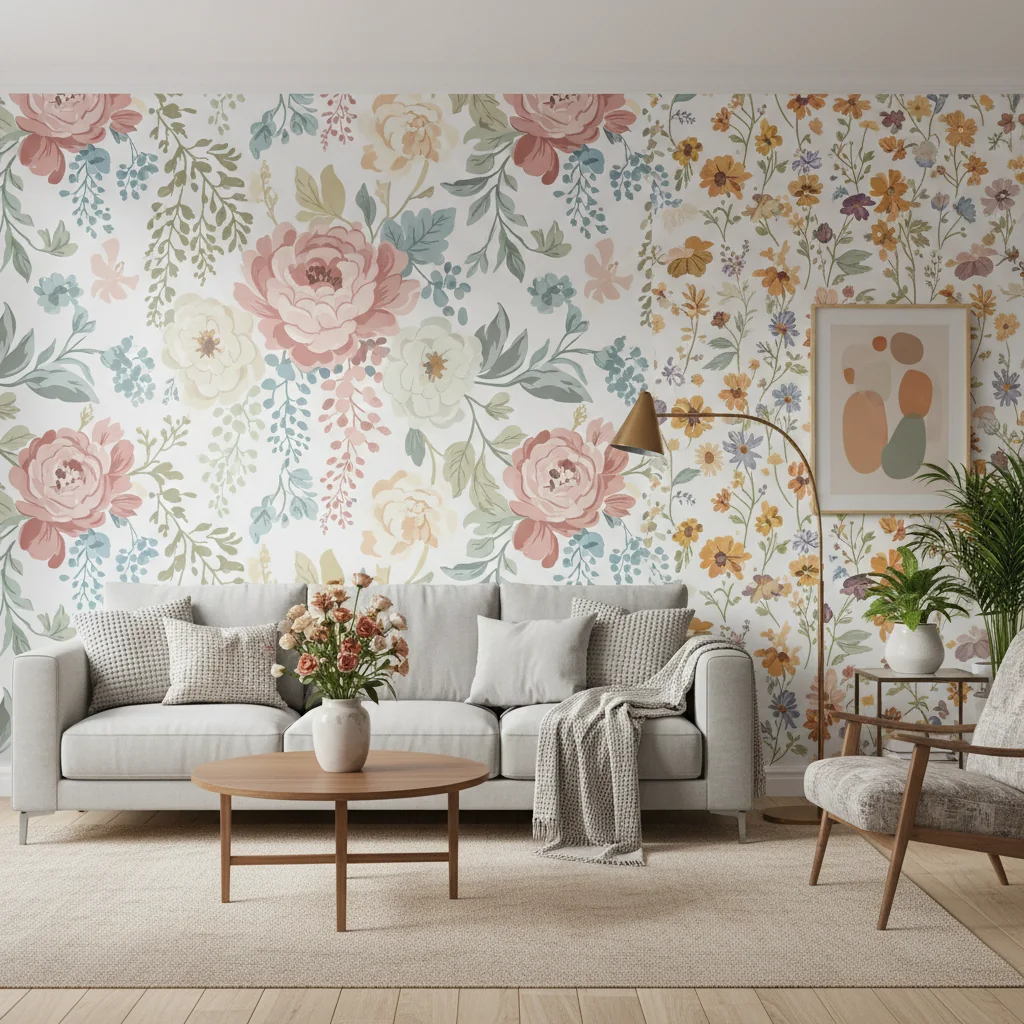
Types and Styles of Floral Wallpaper
Floral wallpaper encompasses a vast array of designs, each contributing a distinct aesthetic and mood to an interior space, ranging from historically inspired patterns to cutting-edge contemporary interpretations. Understanding these various types and styles is crucial for selecting a design that harmonizes with your home’s architecture and your personal design preferences. The choice of style dictates the overall ambiance, whether you seek a vibrant, energetic space or a serene, understated retreat.
Traditional Floral Wallpaper
Traditional floral wallpaper styles are characterized by their classic motifs, often drawing inspiration from historical periods and botanical illustrations. These patterns typically feature realistic or semi-realistic depictions of flowers, leaves, and vines, arranged in repeating symmetrical or asymmetrical designs.
- Damask: Damask patterns, while not exclusively floral, often incorporate highly stylized floral elements, featuring large, intricate repeating motifs in a single or two-tone color scheme. They exude formality and opulence, ideal for grand living rooms or formal dining areas.
- Toile de Jouy: Commonly known as Toile, this style features pastoral scenes, often with people and animals, but frequently includes delicate floral and botanical elements intertwined throughout the narrative. Toile typically comes in a single color (e.g., blue, red, green) against an off-white or cream background, offering a romantic, antique charm perfect for bedrooms or nurseries.
- Chinoiserie: Chinoiserie wallpaper is characterized by intricate, hand-painted or printed scenes inspired by East Asian art, frequently depicting lush gardens, exotic birds, and flowering branches like cherry blossoms or peonies. These grand, often panoramic designs are highly decorative and bring a sense of luxury and exoticism to spaces.
- Botanical Prints: Botanical prints focus on realistic, scientific illustrations of individual plants, flowers, or leaves. These designs often have a vintage feel, resembling old botanical charts, and are excellent for creating an academic or natural history-inspired aesthetic in studies, powder rooms, or sunrooms.
Contemporary Floral Wallpaper
Contemporary floral wallpaper designs break from traditional realism, often featuring abstract forms, bold scales, and unconventional color palettes to create modern and dynamic interiors. These styles are ideal for spaces that aim for a fresh, current, and often artistic statement.
- Abstract Florals: Abstract floral patterns reinterpret botanical forms using non-representational shapes, lines, and colors. They offer a modern, artistic flair, often focusing on color blocking or graphic interpretations rather than realistic depictions. These are suitable for minimalist or avant-garde interiors.
- Large-Scale Florals: These designs feature oversized flowers or botanical elements that can span significant portions of a wall, often creating a dramatic, immersive effect. Large-scale florals are particularly effective in making a bold statement in living rooms, master bedrooms, or accent walls, drawing the eye and making a room feel expansive.
- Watercolor Florals: Watercolor floral wallpaper mimics the soft, fluid appearance of watercolor paintings, with blended colors and often a delicate, ethereal quality. These designs introduce a serene and artistic touch, perfect for creating a calming atmosphere in bedrooms or bathrooms.
- Geometric Florals: This style combines natural floral motifs with structured geometric patterns, creating a modern and often playful visual contrast. Geometric florals can add a sophisticated edge to contemporary spaces, balancing organic softness with architectural precision.
- Tropical Florals: Tropical floral wallpaper features lush, vibrant depictions of exotic plants like monstera leaves, palm fronds, and hibiscus flowers. These patterns evoke a sense of vacation and warmth, ideal for creating an energetic and lively atmosphere in sunrooms, bathrooms, or accent walls.
Specialty Floral Wallpaper Designs
Beyond traditional and contemporary categories, certain floral wallpaper designs offer unique applications and visual effects, catering to specific design needs and preferences. These specialized options provide distinct approaches to incorporating botanical themes into your home.
- Floral Murals: Floral murals are single, large-format images that cover an entire wall or a significant portion of it, rather than repeating patterns. They create a breathtaking, immersive scene, acting as a dramatic focal point. Murals are perfect for creating an expansive garden view or a striking artistic statement in living rooms, dining rooms, or hallways.
- Metallic Florals: These wallpapers incorporate metallic accents—gold, silver, bronze, or rose gold—into floral patterns, adding shimmer and a luxurious sheen. Metallic florals catch the light beautifully, enhancing depth and sophistication, making them ideal for elegant powder rooms, entryways, or formal living spaces.
- Textured Florals: Textured floral wallpapers feature raised patterns or tactile finishes, adding a three-dimensional quality to the design. This texture can range from subtle embossing to flocking, providing a rich, sensory experience. They are excellent for adding depth and warmth, especially in spaces where you want to enhance tactile engagement.
Each type of floral wallpaper offers a unique opportunity to express personal style and enhance the atmosphere of a room. By considering the scale, color, and artistic interpretation of the floral motifs, you can select a design that precisely aligns with your interior design vision.
Materials and Construction of Floral Wallpaper
The material composition of floral wallpaper significantly impacts its durability, ease of installation, cleanability, and overall aesthetic, making material selection a critical decision in the design process. Different materials offer distinct tactile qualities, visual finishes, and levels of resistance to wear and moisture, directly influencing the longevity and maintenance requirements of your wall covering. Understanding these material characteristics ensures you choose a wallpaper that performs optimally in its intended environment.
Common Wallpaper Materials
Modern wallpaper is available in a variety of materials, each with specific attributes suited for different applications and design preferences.
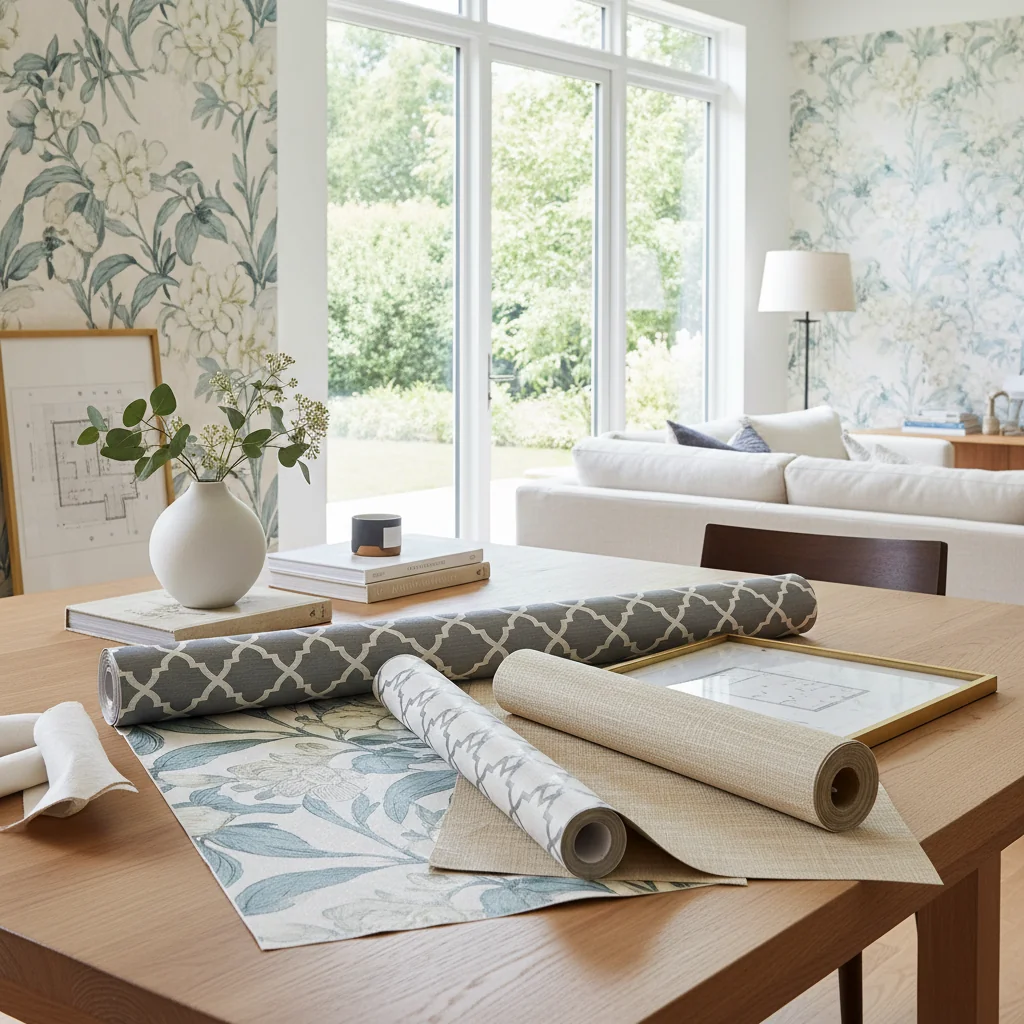
- Non-Woven (Fleece): Non-woven wallpaper is made from a blend of natural and synthetic fibers, making it exceptionally durable, breathable, and tear-resistant. It is celebrated for its “paste the wall” application method, which simplifies installation and makes removal relatively easy without damaging the wall. Non-woven options are dimensionally stable, meaning they resist shrinking or expanding, and are often washable, making them suitable for various rooms, including bedrooms, living rooms, and low-humidity bathrooms.
- Vinyl (Solid Sheet Vinyl or Fabric-Backed Vinyl): Vinyl wallpaper is highly durable, water-resistant, and easily washable, making it an excellent choice for high-traffic areas like hallways, kitchens, and bathrooms with moderate humidity. Solid sheet vinyl has a paper backing with a solid vinyl surface, while fabric-backed vinyl (Type I, II, or III commercial grade) offers even greater durability and is often used in commercial settings due to its superior resistance to abrasion and tearing. Its robust nature makes it ideal for patterns requiring frequent cleaning.
- Paper (Uncoated or Coated): Traditional paper wallpaper is made from printed paper, offering a classic, matte finish. Uncoated paper is the most breathable but also the least durable and most susceptible to moisture damage, typically requiring careful handling. Coated paper has a thin layer of vinyl or acrylic applied to its surface, enhancing its durability and making it somewhat washable. Paper wallpapers are generally more delicate to install and remove but offer a wide range of aesthetic possibilities, often with intricate, fine-art floral details.
- Grasscloth: Grasscloth wallpaper is a natural product made from woven natural fibers like jute, sisal, or arrowroot, typically backed with paper. It offers a unique, organic texture and a luxurious, artisanal appearance that cannot be replicated by printed patterns. Grasscloth is non-washable and delicate, susceptible to water damage and staining, making it best suited for low-traffic, dry areas like formal living rooms, dining rooms, or bedrooms where its natural beauty can be preserved. Each roll is unique, and slight variations in color and texture are inherent to the material.
- Mylar (Foil): Mylar wallpaper features a thin layer of polyester film (Mylar) laminated to a paper backing, providing a highly reflective, metallic, or glossy finish. This material creates a dramatic, light-catching effect, often used to make small rooms appear larger or to add glamour. Mylar is somewhat washable but can show imperfections on the wall surface due to its reflective nature, requiring meticulous wall preparation.
- Fabric/Textile: Fabric-backed wallpapers use natural or synthetic textiles like silk, linen, or cotton laminated to a paper or non-woven backing. These offer luxurious textures and depth, often with a soft, warm feel. Fabric wallpapers are typically delicate, requiring professional installation and specialized cleaning, making them suitable for low-traffic, high-end residential spaces where tactile elegance is prioritized.
Peel-and-Stick vs. Traditional Paste Wallpaper
Beyond material composition, the installation method is a key differentiator, particularly between peel-and-stick and traditional paste wallpapers.
- Peel-and-Stick Wallpaper: Also known as self-adhesive or removable wallpaper, peel-and-stick wallpaper features an adhesive backing that is protected by a release liner. Installation involves simply peeling off the liner and pressing the wallpaper onto a clean, smooth, primed wall. Its primary advantage is its ease of installation for DIY enthusiasts and its complete removability without damaging the wall, making it ideal for renters, temporary decor, or those who frequently update their interiors. Most peel-and-stick options are made from vinyl or non-woven materials, offering varying degrees of durability and washability.
- Traditional Paste Wallpaper: Traditional wallpaper requires the application of a separate adhesive (paste) to either the back of the wallpaper (paste the paper) or directly to the wall (paste the wall). This method generally provides a more permanent and durable installation. While requiring more skill and time, traditional wallpaper often offers a wider range of high-quality materials, textures, and finishes, including specialty options like grasscloth or heavy vinyl. Removal can be more involved, often requiring steaming or soaking, though modern non-woven varieties are designed for easier dry-stripping.
The choice between peel-and-stick and traditional paste wallpaper depends on your skill level, desired permanence, and the specific material properties you prioritize.
Comparison Table: Wallpaper Materials
| Material Type | Durability | Cleanability | Best Use Cases | Texture/Finish | Installation/Removal |
|---|---|---|---|---|---|
| Non-Woven | High; tear-resistant, dimensionally stable | Washable (damp cloth) | Living rooms, bedrooms, low-humidity bathrooms, dining rooms | Smooth, matte, or subtle texture | Paste the wall; easy dry-strippable removal |
| Vinyl | Very High; water-resistant, scrubbable | Scrubbable (soap & water) | Kitchens, high-traffic hallways, bathrooms, commercial spaces | Smooth, embossed, various textures | Paste the paper/wall; durable, can be harder to remove |
| Paper | Low to Medium; susceptible to moisture | Delicate (light wipe for coated) | Low-traffic areas, formal rooms, bedrooms (uncoated) | Smooth, matte, fine detail printing | Paste the paper; can be delicate, harder removal |
| Grasscloth | Medium; delicate, prone to damage | Non-washable; dust only | Formal living rooms, dining rooms, bedrooms, studies (dry areas) | Natural, woven, organic, visible seams | Paste the paper; professional recommended, difficult removal |
| Mylar (Foil) | Medium; can show wall imperfections | Washable (gentle wipe) | Accent walls, powder rooms, dramatic spaces | Highly reflective, metallic, glossy | Paste the paper; meticulous wall prep needed |
| Fabric/Textile | Medium; delicate, prone to staining | Specialized cleaning only (dry clean) | Luxury spaces, formal living rooms, master bedrooms | Soft, rich, tactile (silk, linen, velvet) | Paste the paper; professional recommended, difficult removal |
Selecting the right material for your floral wallpaper is as crucial as choosing the pattern itself. It dictates not only the initial visual impact but also the long-term performance, maintenance, and overall satisfaction with your investment. Consider the room’s function, expected traffic, and environmental conditions when making your material choice.
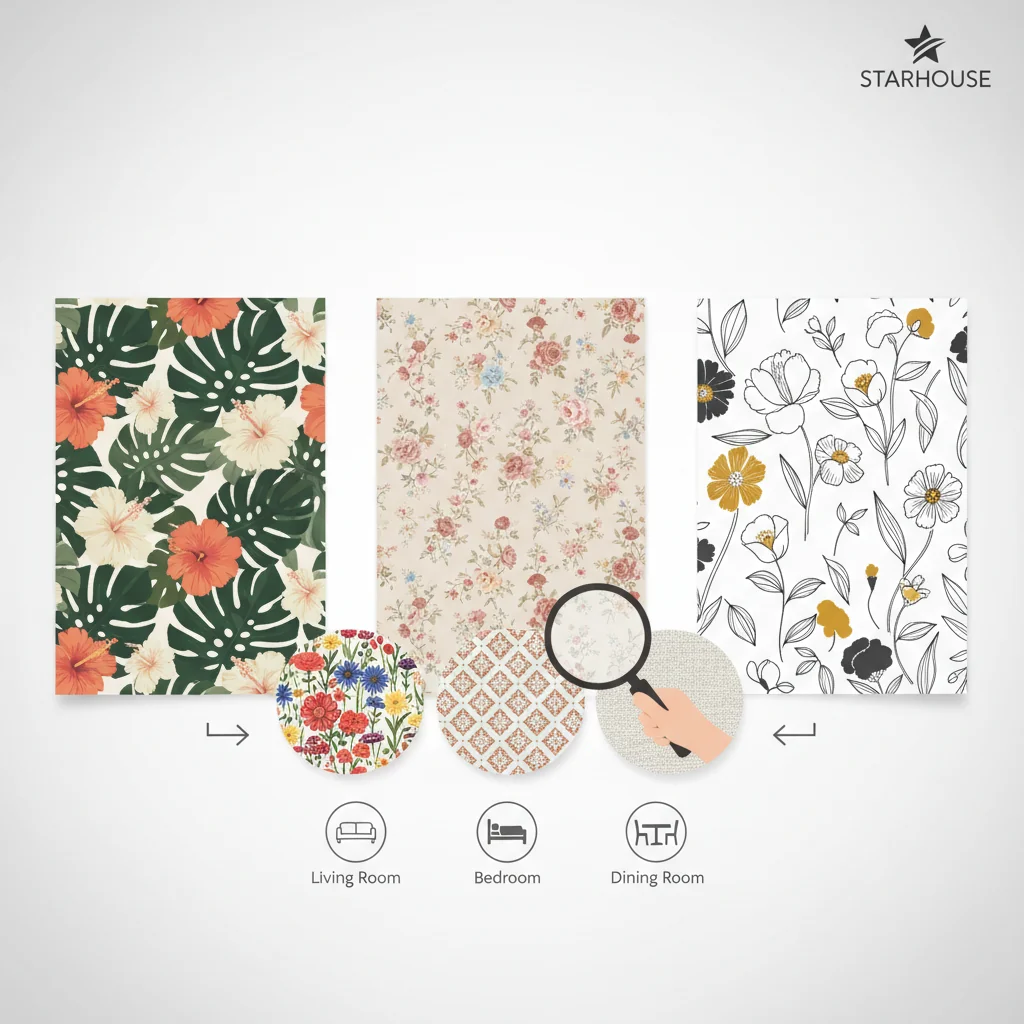
Choosing the Right Floral Wallpaper for Your Space
Selecting the ideal floral wallpaper involves a thoughtful consideration of various factors, including the room’s function, size, natural light, existing decor, and your desired aesthetic, to ensure a cohesive and impactful design. The right choice can dramatically enhance a room’s atmosphere, making it feel larger, cozier, more vibrant, or more serene, while an ill-suited pattern can overwhelm or diminish the space. This process requires a precise understanding of how different floral styles interact with their environment.
Consider the Room’s Function
The purpose of a room heavily influences the most suitable floral wallpaper choice, dictating the desired mood, durability requirements, and level of visual engagement.
- Bedrooms: For bedrooms, prioritize patterns that promote tranquility and relaxation. Delicate, soft-hued florals, watercolor effects, or subtle botanical prints are excellent choices. Large-scale, muted patterns can create a serene backdrop, while smaller, intricate designs can add a romantic touch. Avoid overly busy or high-contrast patterns that might disrupt a restful atmosphere.
- Living Rooms: Living rooms offer more flexibility, allowing for bolder statements or sophisticated elegance. Consider a large-scale botanical mural for a dramatic focal point, or a classic damask or Chinoiserie for a refined look. The pattern should complement your furniture and overall design theme, serving as either a vibrant backdrop for social gatherings or a sophisticated element in a more formal setting.
- Dining Rooms: Dining rooms are often ideal for more formal or artistic floral wallpapers. Chinoiserie, rich botanical prints, or metallic-accented florals can create an elegant and inviting ambiance for entertaining. The pattern can be a conversation starter, adding a layer of visual interest to mealtime experiences.
- Bathrooms & Powder Rooms: Due to potential humidity, vinyl or non-woven wallpapers are highly recommended for bathrooms, especially those with showers. Smaller powder rooms are excellent spaces to experiment with bold, dramatic florals, tropical prints, or even dark, moody botanicals, as their compact size can handle intense patterns without feeling overwhelmed. Ensure the material is washable and moisture-resistant.
- Nurseries & Children’s Rooms: For children’s spaces, consider whimsical, playful floral patterns with soft colors or charming illustrations. Peel-and-stick options are particularly practical here, allowing for easy updates as the child grows. Opt for durable, washable materials to withstand spills and wear.
- Entryways & Hallways: These high-traffic areas benefit from durable, washable wallpapers. Floral patterns can create a welcoming first impression. Consider patterns that visually expand the space, such as those with vertical elements, or use a bold, impactful floral to make a strong design statement upon entry.
Assess Room Size and Natural Light
The physical characteristics of a room, specifically its dimensions and the amount of natural light it receives, profoundly influence how a floral wallpaper pattern will be perceived.
- Small Rooms: In smaller rooms or those with limited natural light, lighter floral patterns with open backgrounds can make the space feel more expansive and airy. Delicate, small-scale prints or subtle tone-on-tone botanicals are generally preferred. While bold, dark florals can create a cozy, dramatic “jewel box” effect in very small spaces like powder rooms, this approach requires careful consideration to avoid overwhelming the area.
- Large Rooms: Large rooms with ample natural light can accommodate a wider range of floral patterns, including dramatic large-scale designs, bold colors, and intricate murals. These patterns can help to define zones, add warmth, and prevent the room from feeling stark or empty. A large room can effectively carry a statement floral without feeling crowded.
- Rooms with Low Light: For rooms with minimal natural light, choose floral wallpapers with lighter backgrounds or metallic accents that reflect light, brightening the space. Avoid overly dark or dense patterns that can make the room feel smaller and more enclosed.
Harmonize with Existing Decor and Color Palette
The most successful floral wallpaper installations integrate seamlessly with your home’s existing furnishings, textiles, and overall color scheme, creating a cohesive and visually pleasing environment.
- Color Matching: Pull colors directly from the floral wallpaper pattern to inform your choices for upholstery, throw pillows, curtains, and accessories. This creates a harmonious and intentional look. If the wallpaper is monochromatic, introduce accent colors through other decor elements.
- Furniture Style: Consider the style of your furniture. A vintage floral might pair beautifully with antique or traditional furniture, while an abstract or geometric floral could complement modern or minimalist pieces. Ensure the scale of the floral pattern is proportionate to the scale of your furniture; a huge pattern might dwarf delicate pieces, and a tiny pattern might get lost against bulky furniture.
- Overall Aesthetic: If your home leans towards a farmhouse style, consider rustic botanical prints. For a bohemian vibe, tropical florals or intricate, colorful patterns work well. A sophisticated, contemporary home might benefit from a large-scale, muted floral or an abstract botanical. The wallpaper should enhance, not clash with, your established aesthetic.
Determine the Desired Mood and Atmosphere
Floral wallpaper is a powerful tool for establishing the desired mood within a room, from serene and calming to energetic and dramatic.
- Calm and Serene: Opt for soft, muted colors, delicate patterns, and open, airy designs. Watercolor florals or subtle tone-on-tone botanicals contribute to a peaceful atmosphere.
- Vibrant and Energetic: Choose bright, bold colors, large-scale tropical prints, or high-contrast patterns. These designs infuse a room with dynamism and excitement.
- Sophisticated and Elegant: Consider classic Chinoiserie, damask, or intricate botanical prints with rich color palettes or metallic accents. These patterns elevate the room’s perceived luxury.
- Playful and Whimsical: Look for stylized, illustrative florals, often with a hand-drawn feel or unexpected color combinations, suitable for children’s rooms or creative spaces.
By meticulously evaluating these factors, you can confidently select a floral wallpaper that not only beautifies your space but also perfectly aligns with its function, scale, and your personal design vision.
At Starhouse, we understand that selecting the perfect wall decor is a deeply personal journey. We are curating an exquisite collection designed to empower your design aspirations. We invite you to tell us what you’re looking for in floral wallpaper and other home furnishings, and get early access to our upcoming launch. Your input helps us refine our offerings to perfectly match your vision.
Sizing and Measuring for Floral Wallpaper Installation
Accurate sizing and meticulous measurement are paramount for a successful floral wallpaper installation, ensuring you purchase the correct quantity of rolls and minimize waste. Underestimating the required amount or miscalculating pattern repeats can lead to costly delays, mismatched batches, and an unprofessional finish. Precision in this stage prevents common installation frustrations and ensures a seamless, visually continuous pattern across your walls.
Step-by-Step Measurement Guide
Follow these precise steps to measure your space accurately and determine the wallpaper quantity needed.
- Measure Wall Height: Measure the height of each wall from the baseboard to the ceiling. If there are variations, use the greatest height for your calculations. For sloped ceilings, measure the highest point.
- Measure Wall Width: Measure the width of each wall. For walls with doors or windows, measure the full width as if they were solid walls; these openings will be cut out later, but you still need the material for matching patterns around them.
-
Calculate Total Square Footage: For each wall, multiply its height by its width to get the square footage. Sum the square footage of all walls to get the total area to be covered.
Example: A wall is 8 feet high and 10 feet wide. Its area is 8 ft * 10 ft = 80 sq ft. If you have four such walls, the total area is 320 sq ft. -
Account for Pattern Repeat:
Pattern repeat is the vertical distance between where the pattern exactly repeats itself on the wallpaper roll. This measurement is crucial for ensuring the pattern aligns seamlessly across strips. The pattern repeat is typically listed on the wallpaper product specifications, often in inches.
- No Match: The pattern does not need to be aligned; strips can be hung side-by-side without matching. This is common for textures or subtle patterns.
- Random Match: Strips can be hung in any order without worrying about pattern alignment. Similar to no match, but patterns might still be present.
- Straight Match: The pattern matches across strips at the same height. This is the most common type for floral patterns. You’ll need to cut each strip to align with the previous one.
- Drop Match (Half-Drop or Quarter-Drop): The pattern matches across strips, but the subsequent strip is dropped (offset) by a certain distance (e.g., half the pattern repeat). This requires more material and careful planning.
When calculating the length of each strip, you must add the pattern repeat to the wall height. For instance, if your wall is 8 feet (96 inches) tall and the pattern repeat is 24 inches, each cut strip needs to be at least 96 inches + 24 inches = 120 inches long to allow for alignment and trimming.
-
Calculate Number of Strips Per Roll:
First, determine the usable length of a single wallpaper roll. A standard U.S. double roll is typically 20.5 inches wide and 33 feet (396 inches) long.
Divide the total usable length of the roll by the length of each cut strip (wall height + pattern repeat).
Example: Roll length = 396 inches. Strip length (wall height + pattern repeat) = 120 inches.
Number of strips per roll = 396 inches / 120 inches = 3.3 strips. Always round down, so 3 usable strips per roll. -
Calculate Total Number of Strips Needed:
Divide the total width of your walls by the width of the wallpaper roll.
Example: Total wall width = 40 feet (480 inches). Wallpaper width = 20.5 inches.
Total strips needed = 480 inches / 20.5 inches = 23.4 strips. Always round up, so 24 strips needed. -
Calculate Total Rolls Needed:
Divide the total number of strips needed by the number of usable strips per roll.
Example: Total strips needed = 24. Usable strips per roll = 3.
Total rolls = 24 / 3 = 8 rolls. -
Add a Buffer for Waste and Future Repairs:
Always add an additional 15% to 20% to your final roll count to account for trimming, pattern matching waste, mistakes during installation, and potential future repairs. This buffer is crucial, especially for complex floral patterns with large repeats.
Example: 8 rolls * 1.20 (20% buffer) = 9.6 rolls. Always round up to the nearest whole roll, so 10 rolls.
Important Considerations for Measuring
Beyond the basic calculations, several nuanced factors can influence your wallpaper order.
- Batch Numbers (Dye Lots): Always order all rolls at once to ensure they come from the same manufacturing batch (dye lot). Slight color variations can occur between different batches, which will be noticeable on the wall. The batch number is usually printed on the label.
- Irregular Walls and Features: For walls with numerous doors, windows, or architectural features (e.g., fireplaces, built-ins), these calculations provide a baseline. You may need slightly more material than a perfectly rectangular wall, as cutting around these features can increase waste, especially with pattern matching.
- Ceilings: If wallpapering a ceiling, treat it as an additional wall. Measure its length and width, calculate its square footage, and factor in pattern repeat as you would for a wall. Ceiling installations are often more challenging and may require professional assistance.
- Peel-and-Stick vs. Traditional: While the measuring principles remain the same, peel-and-stick often has a smaller pattern repeat or no match, potentially reducing waste. However, the buffer is still essential. Traditional wallpaper, especially with large drop matches, typically requires more generous over-ordering.
By diligently following these measuring and calculation steps, you can approach your floral wallpaper project with confidence, ensuring you have ample material for a flawless and beautiful installation. Precision at this stage is a direct investment in the final aesthetic quality of your decorated space.
Installation Considerations and Techniques
Proper installation of floral wallpaper is fundamental to achieving a professional and lasting finish, requiring careful surface preparation, the right tools, and adherence to specific techniques for each wallpaper type. A meticulous approach to installation ensures pattern alignment, prevents common issues like bubbles or peeling, and maximizes the visual impact of your chosen design. Neglecting key steps can compromise the aesthetic and durability of the wallpaper.
Surface Preparation: The Foundation of Success
The quality of your wall surface directly impacts the final appearance and adhesion of the wallpaper. This step is non-negotiable for a smooth, durable finish.
- Clean the Walls: Thoroughly clean walls to remove dirt, dust, grease, and grime. A mild detergent solution (like sugar soap) followed by a clean water rinse is effective. Allow walls to dry completely, typically 24 hours.
- Repair Imperfections: Fill any holes, cracks, or dents with spackle or joint compound. Sand these areas smooth once dry. Even minor imperfections can be visible through wallpaper, especially with reflective or light-colored patterns.
- Remove Old Wallpaper: If old wallpaper is present, it must be completely removed. Attempting to wallpaper over existing wallpaper can lead to bubbling, peeling, and an uneven surface. Use a wallpaper steamer or a commercial wallpaper stripper for efficient removal.
- Prime the Walls: Apply a high-quality primer specifically designed for wallpaper (often called a “sizing” or “wallpaper primer”). Primer seals porous surfaces, promotes better adhesion, and makes future removal easier. It also provides a uniform surface color, preventing old wall colors or stains from showing through lighter wallpapers. Allow the primer to dry completely according to manufacturer instructions.
Essential Tools for Installation
Having the right tools on hand streamlines the installation process and ensures a professional result.
- Measuring Tape: For precise measurements of walls and wallpaper strips.
- Pencil: For marking plumb lines and cutting guides.
- Level or Plumb Bob: Crucial for ensuring the first strip is perfectly vertical, which dictates the straightness of all subsequent strips.
- Utility Knife with Snap-Off Blades: For clean, sharp cuts. Always use a fresh blade for each major cut to prevent tearing.
- Smoothing Tool/Squeegee: A plastic smoother or wallpaper brush to press out air bubbles and ensure firm adhesion.
- Seam Roller: To secure seams without damaging the wallpaper surface (use carefully, especially on delicate materials).
- Wallpaper Paste (for traditional): The correct type of paste for your chosen wallpaper material.
- Paste Brush/Roller (for traditional): For even application of paste.
- Water Bucket and Sponge: For cleaning excess paste from seams and tools.
- Step Ladder: For reaching high areas safely.
Installation Techniques: Peel-and-Stick vs. Traditional
The technique varies significantly based on the wallpaper type.
Peel-and-Stick Wallpaper:
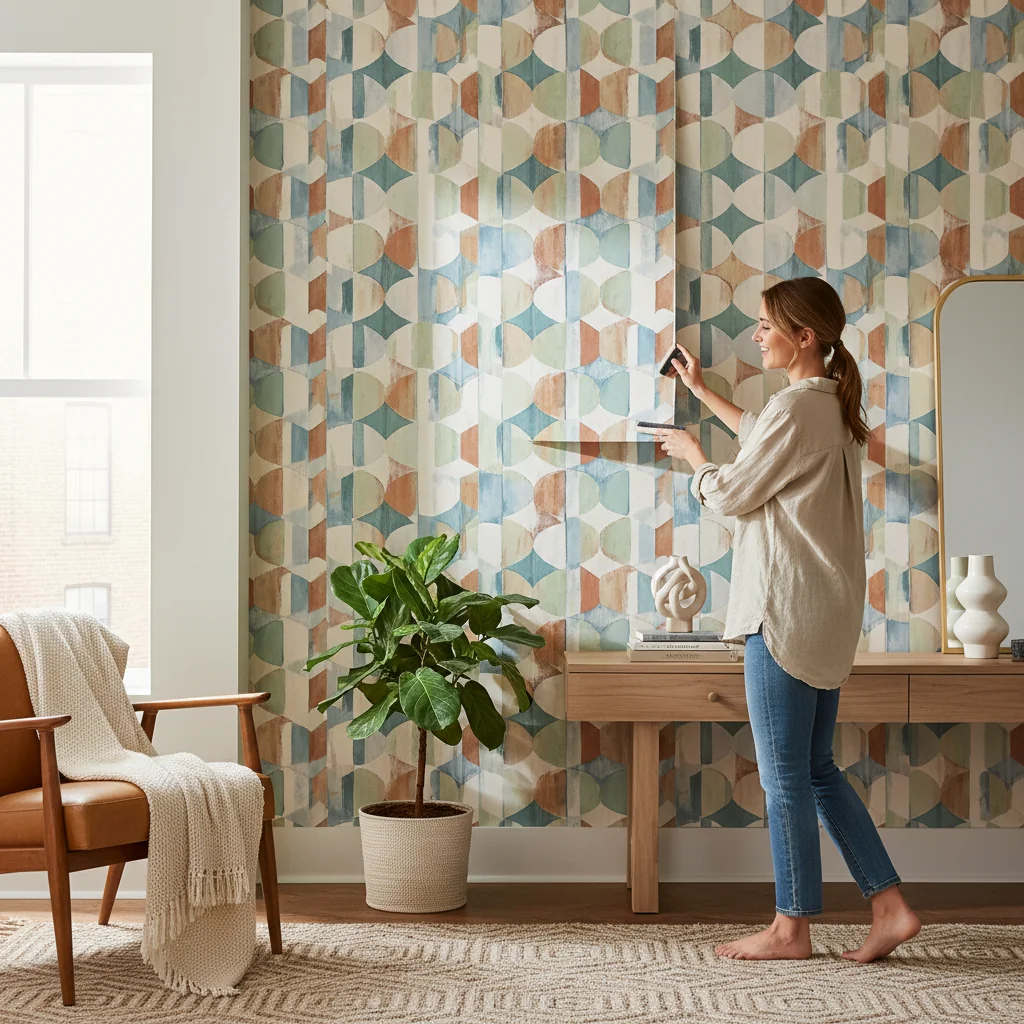
- Measure and Cut: Measure the wall height and cut your first strip, adding a few inches at the top and bottom for trimming.
- Establish Plumb Line: Use a level or plumb bob to draw a perfectly vertical line on the wall, about 20 inches from a corner (or slightly less than the wallpaper width). This is your guide for the first strip.
- Apply Top First: Peel a few inches of the backing from the top of the first strip. Align the top edge with the ceiling and the side edge with your plumb line.
- Smooth Down: Slowly peel more of the backing while smoothing the wallpaper downwards with your squeegee, working from the center outwards to remove air bubbles.
- Trim Edges: Once the strip is applied, use a utility knife and a straightedge to carefully trim excess at the ceiling and baseboard.
- Repeat and Match: For subsequent strips, align the pattern carefully with the previous strip. Overlap slightly if recommended by the manufacturer, then butt seams tightly.
Traditional Paste Wallpaper (Paste the Wall):
- Measure and Cut: Cut all your strips to length, adding several inches for top/bottom trimming and accounting for pattern repeat. Lay them out to ensure pattern alignment.
- Establish Plumb Line: As with peel-and-stick, draw a plumb line for your first strip.
- Paste the Wall: Apply wallpaper paste directly to the wall section where your first strip will go, slightly wider than the wallpaper itself. Use a roller or brush for even coverage.
- Hang the Strip: Carefully align the top of your first strip with the ceiling line and the side with your plumb line. Gently press it onto the pasted wall.
- Smooth and Trim: Use a smoothing tool to work out air bubbles, moving from the center outwards. Trim excess at the top and bottom with a utility knife.
- Butt Seams and Match Pattern: For subsequent strips, apply paste to the next section of the wall. Carefully butt the edge of the new strip against the previous one, aligning the pattern precisely. Use a seam roller gently to secure the seams.
- Clean Excess Paste: Immediately wipe away any excess paste from the wallpaper surface or seams with a damp sponge to prevent staining.
Professional vs. DIY Installation
While peel-and-stick wallpaper is designed for DIY, traditional wallpaper, especially delicate materials like grasscloth or those with complex pattern repeats, often benefits significantly from professional installation.
- DIY Installation: Suitable for those with patience, attention to detail, and a willingness to learn. Peel-and-stick is the most forgiving for beginners.
- Professional Installation: Recommended for large or complex rooms, expensive or delicate wallpaper materials, intricate patterns (e.g., large drop matches, murals), or if you lack confidence in your DIY skills. Professionals possess the experience, specialized tools, and techniques to ensure a flawless, long-lasting finish and can often handle difficult architectural features with ease.
Regardless of your chosen method, always refer to the specific installation instructions provided by the wallpaper manufacturer, as techniques can vary slightly by product. A well-installed floral wallpaper is a testament to meticulous planning and execution, providing lasting beauty to your home.
Styling and Pairing Floral Wallpaper in Your Home
Styling and pairing floral wallpaper effectively is an art that transforms a room from merely decorated to thoughtfully curated, requiring a precise balance of color, texture, and scale with existing furnishings and accessories. The goal is to create a cohesive and harmonious environment where the wallpaper enhances, rather than overwhelms, the overall design narrative. Successful integration ensures that the floral pattern feels intentional and integrated, contributing positively to the room’s aesthetic and mood.
Complementary Furniture Styles
The style of your furniture should harmonize with the chosen floral wallpaper, creating a unified design language.
- Traditional and Antique Furniture: Classic floral patterns, such as damask, Chinoiserie, or delicate botanical prints, pair beautifully with ornate, dark wood, or upholstered antique pieces. These combinations evoke a sense of timeless elegance and historical richness. Consider a floral with a muted color palette to allow the intricate details of antique furniture to shine.
- Modern and Mid-Century Modern Furniture: For contemporary spaces, abstract florals, large-scale graphic botanicals, or geometric floral patterns are ideal. These designs complement the clean lines and often minimalist forms of modern furniture, adding visual interest without clashing. Opt for patterns with bold colors or a limited, sophisticated color palette.
- Farmhouse and Rustic Furniture: Simple, naturalistic floral or botanical prints, often with a hand-drawn quality or muted, earthy tones, work well with distressed wood, linen, and other natural textures characteristic of farmhouse style. These patterns contribute to a cozy, inviting, and organic atmosphere.
- Minimalist Furniture: In minimalist settings, floral wallpaper can serve as a powerful accent. Choose a single, dramatic large-scale floral mural for one wall, or a subtle, tone-on-tone botanical pattern to add texture and depth without introducing clutter. The key is restraint and intentionality, ensuring the floral element enhances the simplicity rather than detracting from it.
Color Palette Integration
Effective color integration is crucial for a harmonious space. The wallpaper’s colors should inform or complement the room’s overall palette.
- Pulling Colors: Identify the dominant and accent colors within your floral wallpaper. Use these colors in your upholstery, throw pillows, curtains, rugs, and decorative accessories. This technique creates a cohesive and professional look, making the wallpaper feel like a natural extension of the room’s design. For instance, if your wallpaper features pink peonies and green leaves on a cream background, introduce soft pinks and sage greens through cushions or artwork.
- Complementary Colors: If the wallpaper is rich in color, balance it with neutral furnishings (grays, whites, creams, natural wood) to prevent the room from feeling overwhelming. Conversely, a subtle, monochromatic floral can be energized by introducing vibrant accent colors in other decor elements.
- Monochromatic Schemes: For a sophisticated, subtle effect, choose a floral wallpaper where the pattern and background are in varying shades of the same color. Pair this with furniture and textiles in similar tones, relying on texture and varying shades to create depth.
Textiles and Fabrics
The interplay of floral wallpaper with textiles adds layers of comfort and visual interest to a room.
- Solid Colors and Subtle Textures: When your floral wallpaper is a prominent feature, pair it with solid-colored or subtly textured textiles (e.g., linen, velvet, bouclé). This allows the wallpaper to be the star without creating visual competition.
-
Mixing Patterns (Advanced): For a maximalist or eclectic look, you can mix other patterns with floral wallpaper, but proceed with caution.
- Vary Scale: Combine a large-scale floral wallpaper with small-scale geometric or stripe patterns in textiles.
- Shared Color Palette: Ensure all patterns share at least one common color to maintain cohesion.
- Different Pattern Types: Mix organic florals with structured geometrics or classic stripes for contrast and interest.
Lighting Considerations
Lighting profoundly affects how floral wallpaper appears, influencing its colors, textures, and overall impact.
- Natural Light: Rooms with abundant natural light can handle bolder, darker floral patterns, as the light will prevent them from feeling heavy. In low-light rooms, choose lighter floral wallpapers or those with metallic accents to help reflect light and brighten the space.
- Artificial Lighting: Experiment with different types of artificial lighting (warm vs. cool bulbs, dimmers) to see how they interact with your wallpaper. Uplighting can highlight textures, while spotlights can draw attention to specific floral motifs. Metallic or glossy floral wallpapers will shimmer more under direct light.
Accessories and Decor
Thoughtfully chosen accessories can either complement the floral wallpaper or serve as contrasting elements that enhance its beauty.
- Mirrors: Large mirrors can reflect the floral pattern, making a room feel more expansive and amplifying the design. Choose frames that complement the wallpaper’s style (e.g., ornate for traditional, sleek for modern).
- Artwork: If the floral wallpaper is intricate, opt for minimal, complementary artwork or pieces with significant negative space. Conversely, if the wallpaper is subtle, you can introduce bolder art. Consider abstract art that picks up colors from the wallpaper, or botanical prints that continue the natural theme.
- Plants and Greenery: Live plants naturally extend the biophilic theme of floral wallpaper, adding freshness and organic texture. Choose plants with contrasting leaf shapes or flower colors to create visual interest.
- Vases and Decorative Objects: Select vases, sculptures, or decorative objects that echo the colors, shapes, or overall mood of the floral pattern. For instance, a delicate floral might be paired with porcelain vases, while a bold tropical print could work with ceramic or rattan accents.
Accent Wall vs. Full Room Application
The extent of wallpaper application dramatically affects its styling.
- Accent Wall: Applying floral wallpaper to a single accent wall is a popular approach, particularly for bold or dramatic patterns. This creates a focal point without overwhelming the entire room. Paint the remaining walls in a solid color pulled from the wallpaper to ensure cohesion.
- Full Room Application: Covering all walls with floral wallpaper creates an immersive, enveloping experience. This works well for more subtle, tone-on-tone patterns, or for creating a “jewel box” effect in smaller spaces like powder rooms. For larger rooms, ensure the pattern is not too busy or dark, which could make the space feel smaller.
By carefully considering these styling principles, you can transform floral wallpaper from a simple wall covering into a sophisticated design statement that reflects your personal aesthetic and enhances the comfort and beauty of your home. The key is to approach design with precision and an understanding of how each element interacts.
Care and Maintenance for Floral Wallpaper
Proper care and consistent maintenance are essential for preserving the beauty and extending the lifespan of your floral wallpaper, ensuring it remains vibrant and pristine for years. Different wallpaper materials require specific cleaning methods and protective measures to prevent damage, discoloration, or premature deterioration. Adhering to manufacturer guidelines for cleaning and protection is the most precise way to maintain your investment and keep your walls looking freshly adorned.
General Care Guidelines
Regardless of the material, certain general practices help maintain the integrity of your wallpaper.
- Regular Dusting: Dust your wallpaper periodically with a soft, dry cloth or a feather duster. This prevents dust accumulation, which can dull the pattern and make deeper cleaning more challenging. For textured wallpapers, a soft brush attachment on a vacuum cleaner can be effective.
- Immediate Spot Cleaning: Address spills or stains immediately. The longer a stain sits, the harder it is to remove without damaging the wallpaper. Always test any cleaning solution on an inconspicuous area first.
- Avoid Harsh Chemicals: Never use abrasive cleaners, strong solvents, or harsh scrubbing brushes, as these can strip the pattern, damage the material, or leave permanent marks. Stick to mild, pH-neutral cleaners specifically designed for wallpaper, or simple soap and water.
- Protect from Direct Sunlight: Prolonged exposure to direct sunlight can cause wallpaper colors to fade over time, especially with natural fiber or paper-based materials. Use curtains, blinds, or UV-filtering window films to protect your floral wallpaper from intense sun exposure.
- Maintain Room Humidity: Extreme fluctuations in humidity can affect wallpaper adhesion and material integrity. Maintain consistent indoor humidity levels, ideally between 30% and 50%, using humidifiers or dehumidifiers as needed.
Material-Specific Cleaning Instructions
The washability and cleaning method for floral wallpaper are directly determined by its material composition. Always consult the manufacturer’s care label.
- Non-Woven Wallpaper: Most non-woven wallpapers are “washable” or “scrubbable.” For washable types, gently wipe with a damp cloth and mild soap. For scrubbable varieties, you can use a bit more pressure and a soft sponge with a mild detergent solution to remove tougher stains. Rinse with a clean, damp cloth and pat dry.
- Vinyl Wallpaper (Solid Sheet & Fabric-Backed): Vinyl wallpapers are highly durable and typically “scrubbable” or “highly scrubbable.” They can withstand thorough cleaning with a sponge, mild soap, and water. For stubborn stains, a diluted all-purpose cleaner may be used, but always test first. Vinyl’s robust nature makes it resilient to moisture and friction during cleaning.
- Paper Wallpaper (Coated): Coated paper wallpapers are usually “wipeable” or “lightly washable.” This means they can be gently wiped with a slightly damp, soft cloth to remove surface dirt. Avoid excessive moisture or scrubbing, as this can damage the paper or pattern. Uncoated paper wallpaper is generally not washable and should only be dusted.
- Grasscloth Wallpaper: Grasscloth is a natural fiber and is generally “non-washable.” It should only be dry-cleaned or gently dusted. Use a soft, dry cloth or a vacuum cleaner with a brush attachment on a low setting. Any liquid will likely stain or damage the fibers. Spot cleaning is extremely difficult and often leaves a mark.
- Mylar (Foil) Wallpaper: Mylar is typically “washable” or “scrubbable.” It can be gently wiped with a damp cloth and mild soap. Be careful not to scratch the metallic surface with abrasive materials.
- Fabric/Textile Wallpaper: Fabric wallpapers are often “non-washable” and may require specialized cleaning, similar to upholstery. Consult a professional cleaner or follow manufacturer instructions precisely. Dry dusting with a soft brush is usually the safest daily maintenance. Avoid water, which can cause shrinking or staining.
Addressing Common Issues
Proactive measures and timely interventions can resolve minor wallpaper issues before they escalate.
- Bubbles: Small bubbles can sometimes be smoothed out with a wallpaper smoother. For persistent bubbles, gently pierce the center with a fine needle, then press out the air and re-adhere. For larger bubbles, a syringe with a small amount of wallpaper adhesive can be injected, then smoothed.
- Peeling Seams/Edges: If seams or edges begin to peel, re-apply them with a seam adhesive or a small amount of wallpaper paste. Press firmly with a seam roller or a clean cloth until secure.
- Scratches/Tears: For minor scratches, a touch-up pen in a matching color might disguise the damage. For small tears, a tiny amount of paste can re-adhere the flap. For larger tears or irreparable damage, carefully cut out the damaged section and patch it with a piece of leftover wallpaper from the same batch, meticulously matching the pattern. This is why ordering extra rolls (the 15-20% buffer) is critical.
- Mold/Mildew: In humid environments, mold or mildew can sometimes form behind wallpaper. This is often an indication of moisture issues in the wall or inadequate ventilation. The wallpaper usually needs to be removed, the mold treated, and the underlying moisture problem resolved before re-wallpapering.
By understanding the specific requirements of your floral wallpaper material and implementing these precise care and maintenance practices, you can ensure its lasting beauty and contribute to a well-maintained, aesthetically pleasing home environment. Consistent attention to detail in maintenance reflects the same precision applied in its initial selection and installation.
Current Trends in Floral Wallpaper Design
Current trends in floral wallpaper design reflect a dynamic shift towards bold statements, deeper connections to nature, and an appreciation for artistic expression, moving beyond traditional interpretations. These evolving preferences emphasize large-scale motifs, rich color palettes, and innovative textures that transform walls into captivating focal points or immersive backdrops. Understanding these trends allows you to select a floral design that feels both contemporary and timeless, aligning your home with current aesthetic movements.
Large-Scale and Dramatic Florals
One of the most prominent trends is the embrace of oversized floral patterns that command attention and create a sense of grandeur.
- Maximalist Botanicals: These designs feature flowers and leaves rendered in exaggerated proportions, often spanning the entire height of a wall. They are not merely decorative but serve as a primary artistic statement, turning a room into an immersive garden experience. Think lush, abundant blooms that feel almost three-dimensional.
- Mural-Style Florals: Rather than repeating patterns, many contemporary floral wallpapers are designed as single, expansive murals. These often depict entire garden scenes, cascading blossoms, or abstract floral compositions that cover an entire wall, creating a breathtaking focal point in living rooms, dining rooms, or master bedrooms.
Dark and Moody Palettes
Moving away from light and airy pastels, a significant trend involves floral patterns set against deep, saturated backgrounds.
- Rich Jewel Tones: Florals on backgrounds of deep emerald green, sapphire blue, ruby red, or charcoal gray create a luxurious, dramatic, and intimate atmosphere. These designs often feature vibrant flowers that pop against the dark backdrop, adding depth and sophistication.
- Vintage-Inspired Darkness: Drawing inspiration from Dutch Golden Age paintings, these florals often have a slightly desaturated, antique quality, with blossoms emerging from shadowy backgrounds. They evoke a sense of history, romance, and artistic elegance, perfect for formal dining rooms or cozy studies.
Biophilic Design Integration
The concept of biophilia—our innate human tendency to connect with nature—is a powerful driving force behind current floral wallpaper trends.
- Naturalistic and Botanical Illustrations: These designs emphasize realistic, often detailed, depictions of plants, leaves, and flowers, reminiscent of scientific botanical drawings. They bring the outdoors in, fostering a sense of calm and well-being. Think delicate fern patterns or intricate wildflower compositions.
- Tropical and Exotic Foliage: Lush, vibrant patterns featuring oversized palm leaves, monstera plants, and exotic blooms continue to be popular, evoking a sense of vacation and natural abundance. These are perfect for creating an energetic, lively atmosphere, especially in sunrooms, bathrooms, or accent walls.
Textural and Artistic Finishes
Beyond flat prints, contemporary floral wallpapers are incorporating various textures and artistic effects.
- Watercolor and Hand-Painted Effects: Florals that mimic the soft, fluid, and often imperfect brushstrokes of watercolor or oil paintings add an artistic, artisanal touch. These designs offer a softer, more ethereal aesthetic compared to crisp, graphic prints.
- Embossed and Raised Textures: Wallpaper with embossed floral patterns or flocking adds a tactile dimension, creating shadows and depth that change with the light. These textures enhance the luxurious feel of the wallpaper and provide a sensory experience.
- Metallic Accents: Gold, silver, or bronze elements integrated into floral patterns continue to be popular, adding shimmer, glamour, and light-reflecting qualities. These accents elevate the design, making it feel more opulent and sophisticated.
Sustainable and Eco-Friendly Options
As environmental consciousness grows, there’s an increasing demand for sustainable wallpaper options.
- Recycled Materials: Wallpapers made from recycled content, such as post-consumer paper or plastics, are gaining traction.
- Non-Toxic Inks and VOC-Free: Manufacturers are increasingly using water-based, non-toxic inks and ensuring their products are free of volatile organic compounds (VOCs) for healthier indoor air quality.
- FSC-Certified Paper: Florals printed on paper sourced from sustainably managed forests (Forest Stewardship Council certified) are preferred by environmentally conscious consumers.
These trends highlight a desire for floral wallpaper that is not only beautiful but also expressive, engaging, and thoughtfully produced. By integrating these contemporary design directions, you can ensure your floral wallpaper choice resonates with current aesthetics and personal values.
Common Mistakes to Avoid with Floral Wallpaper
Avoiding common pitfalls when selecting and installing floral wallpaper is crucial for achieving a professional, aesthetically pleasing, and lasting result. Many issues arise from insufficient planning or overlooking critical details, leading to wasted materials, installation frustrations, or an undesirable final appearance. Awareness of these common mistakes allows for precise decision-making and a smoother, more successful project.
1. Underestimating Pattern Repeat and Roll Quantity
This is perhaps the most frequent and costly mistake. Many DIYers fail to account for the pattern repeat when calculating the number of strips per roll and the overall quantity needed.
- The Error: Calculating rolls based solely on square footage without adding the pattern repeat to each strip’s length, or neglecting the 15-20% waste buffer. This results in running out of wallpaper mid-project, potentially needing to re-order from a different dye lot.
- The Solution: Always meticulously follow the pattern repeat calculation outlined in the “Sizing and Measuring” section. Add the pattern repeat to your wall height for each strip, round down to determine usable strips per roll, and always add a 15-20% buffer to your final roll count. Order all rolls at once from the same batch number.
2. Poor Wall Preparation
The condition of your wall surface is paramount to the wallpaper’s adhesion and final look.
- The Error: Applying wallpaper to dirty, uneven, unprimed, or previously wallpapered surfaces. This leads to poor adhesion, visible imperfections (bumps, dents), mold growth (if moisture is trapped), or the old wall color showing through.
- The Solution: Clean walls thoroughly, repair all imperfections, sand smooth, and apply a high-quality wallpaper primer. Primer seals the wall, provides a consistent surface for adhesion, and makes future removal easier. Ensure walls are completely dry before installation.
3. Ignoring Room Scale and Light Conditions
Choosing a floral pattern without considering the room’s size and natural light can lead to an overwhelming or underwhelming effect.
- The Error: Using a large, busy, or dark floral pattern in a small, dimly lit room, making it feel cramped and oppressive. Conversely, a tiny, delicate pattern in a vast room can get lost and fail to make an impact.
- The Solution: For small rooms or those with low light, opt for lighter backgrounds, smaller or more open floral patterns, or patterns with metallic accents to reflect light. In larger rooms, you can confidently choose bold, large-scale florals or dramatic murals to create a statement and define the space.
4. Clashing with Existing Decor
Introducing a floral wallpaper without considering the room’s existing furniture, textiles, and color palette can result in a disjointed and visually chaotic space.
- The Error: Selecting a floral pattern that clashes in style, color, or scale with your current furnishings, creating visual discord. For example, pairing a rustic botanical with sleek modern furniture.
- The Solution: Choose floral wallpaper that complements your existing decor. Pull colors from the wallpaper for your textiles and accessories. Consider the overall style (traditional, modern, bohemian) and ensure the floral pattern enhances, rather than competes with, your established aesthetic.
5. Improper Pattern Matching and Alignment
Incorrectly matching the pattern between strips is a telltale sign of an amateur installation.
- The Error: Not aligning the pattern precisely between adjacent strips, resulting in a broken or misaligned design that is highly noticeable. This is particularly critical for straight match and drop match patterns.
- The Solution: Take your time. Lay out strips on the floor before hanging to visualize the match. Use a plumb line for the first strip to ensure it’s perfectly vertical. Carefully butt seams together and meticulously align the pattern for each subsequent strip, trimming excess only after alignment is perfect.
6. Neglecting Material-Specific Care
Treating all wallpapers the same during cleaning and maintenance can lead to damage.
- The Error: Scrubbing delicate paper or grasscloth wallpaper with water and harsh cleaners, leading to irreparable damage, staining, or peeling.
- The Solution: Always check the manufacturer’s care instructions for your specific wallpaper material. Use only recommended cleaning methods (dry dusting for grasscloth, gentle wiping for non-woven, scrubbing for vinyl). Test any cleaning solution on an inconspicuous area first.
7. Rushing the Installation Process
Wallpaper installation requires patience and attention to detail. Rushing often leads to mistakes.
- The Error: Hurrying through wall preparation, cutting, pasting, or smoothing, resulting in bubbles, wrinkles, misaligned patterns, or torn strips.
- The Solution: Allocate sufficient time for the project. Read all instructions beforehand. Take breaks if you feel frustrated. Work methodically and precisely, ensuring each step is completed correctly before moving to the next. Remember, a successful wallpaper installation is a marathon, not a sprint.
By being aware of and actively avoiding these common mistakes, you can ensure your floral wallpaper project is a rewarding experience, resulting in a beautifully adorned and long-lasting interior space. Precision and foresight are your greatest allies in achieving a flawless finish.
What types of floral wallpaper are currently trending?
Currently trending floral wallpaper styles include large-scale dramatic botanicals, dark and moody floral patterns often set against rich jewel tones, naturalistic illustrations that align with biophilic design principles, and designs featuring watercolor effects or metallic accents for added texture and sophistication.
How do I choose the correct scale of floral pattern for my room?
To choose the correct scale, consider the room’s size and natural light. Small rooms typically benefit from smaller, delicate patterns or lighter backgrounds to create an airy feel, while large rooms can accommodate bold, large-scale florals or murals that make a dramatic statement without overwhelming the space. In low-light rooms, lighter patterns or metallic accents can help brighten the area.
What is the difference between peel-and-stick and traditional floral wallpaper?
Peel-and-stick floral wallpaper features a self-adhesive backing, making it easy to install and fully removable without damaging walls, ideal for DIY projects and temporary decor. Traditional floral wallpaper requires a separate adhesive (paste) to be applied during installation, typically offering a more permanent and durable finish with a wider range of high-quality materials.
How do I calculate how many rolls of floral wallpaper I need?
To calculate the number of rolls, measure your wall height and width, then calculate the total square footage. Crucially, add the pattern repeat (typically listed on the product specifications) to your wall height for each strip. Divide the total wall width by the wallpaper roll width to find the total strips needed. Then, divide the total strips needed by the usable strips per roll, and add a 15-20% buffer for waste and matching, rounding up to the nearest whole roll.
Can I use floral wallpaper in a bathroom or kitchen?
Yes, you can use floral wallpaper in bathrooms and kitchens, but it is essential to choose moisture-resistant and washable materials like vinyl or durable non-woven wallpaper. These materials can withstand humidity and frequent cleaning, ensuring longevity in high-moisture or high-traffic environments. Avoid delicate materials like paper or grasscloth in these areas.
How do I care for and clean my floral wallpaper?
Care for floral wallpaper depends on its material. Generally, regular dusting with a soft, dry cloth is recommended. For washable materials like non-woven or vinyl, gently wipe with a damp cloth and mild soap, immediately cleaning any spills. Delicate materials such as grasscloth are non-washable and should only be dry dusted. Always refer to the manufacturer’s specific care instructions for your wallpaper to prevent damage.
Is it better to hire a professional for wallpaper installation?
Hiring a professional for wallpaper installation is often recommended for large or complex rooms, delicate or expensive materials like grasscloth, or intricate patterns with large pattern repeats. Professionals possess specialized tools, experience, and techniques to ensure a flawless, long-lasting finish, saving time and preventing costly mistakes compared to a DIY approach, especially for traditional wallpaper types.
Conclusion: Designing with Floral Wallpaper
Floral wallpaper stands as a testament to timeless design, continually evolving to meet contemporary aesthetics while retaining its inherent capacity to infuse spaces with beauty, character, and a profound connection to the natural world. From the delicate charm of a vintage botanical to the dramatic statement of a large-scale modern bloom, the versatility of floral patterns offers endless possibilities for personalized interior design. The precise selection of style, material, and scale, coupled with meticulous planning and installation, ensures that your chosen floral wallpaper transforms your home into a truly exceptional and inviting environment.
At Starhouse, we are dedicated to curating a collection that reflects the very best in home & décor, empowering you to create spaces that resonate with your individual style and aspirations. We understand that every detail contributes to the overall narrative of your home, and floral wallpaper offers a unique opportunity to tell a vibrant story.
As we prepare to launch our full catalog, we are eager to hear from you. Your vision helps us shape our offerings to perfectly suit the discerning tastes of U.S. homeowners. We invite you to tell us what you’re looking for in floral wallpaper and other home furnishings. Share your design desires and get exclusive early access to the Starhouse collection, where elegance and quality converge to define your home.