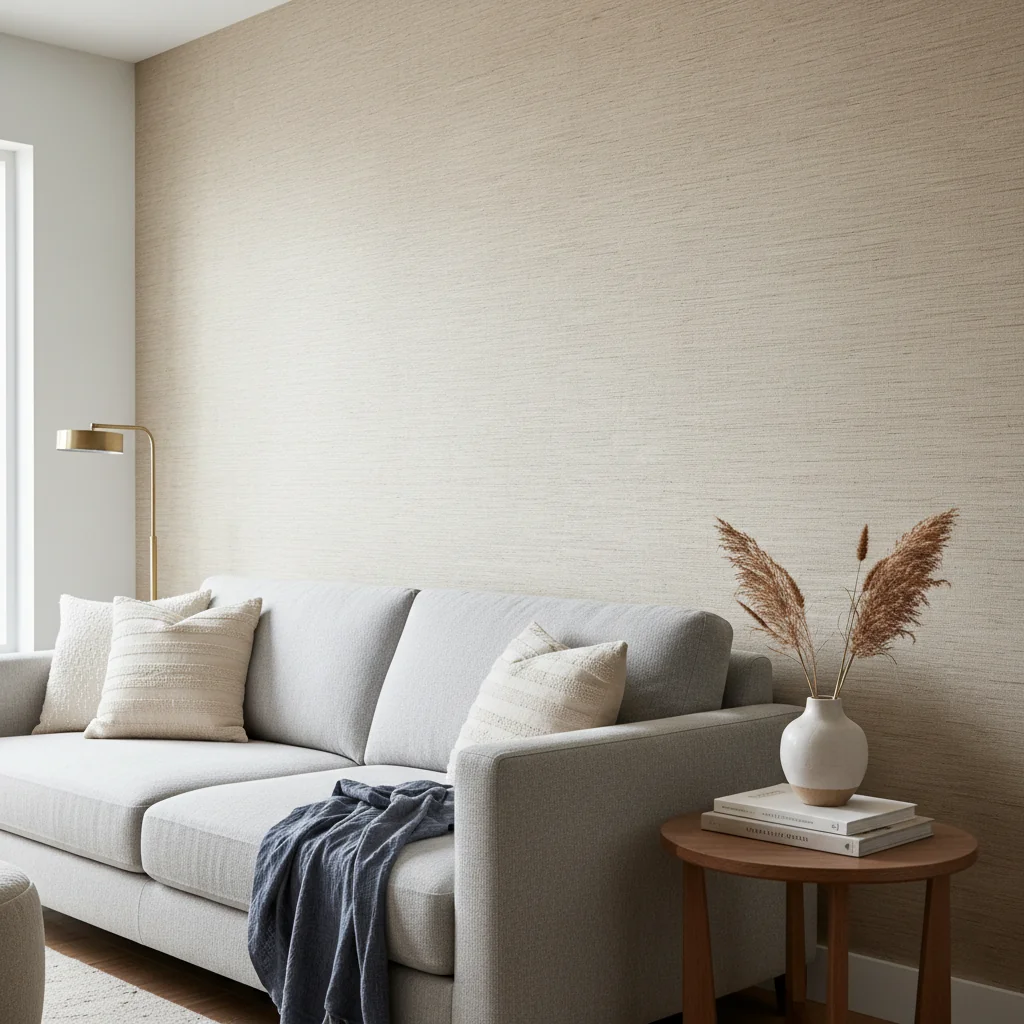
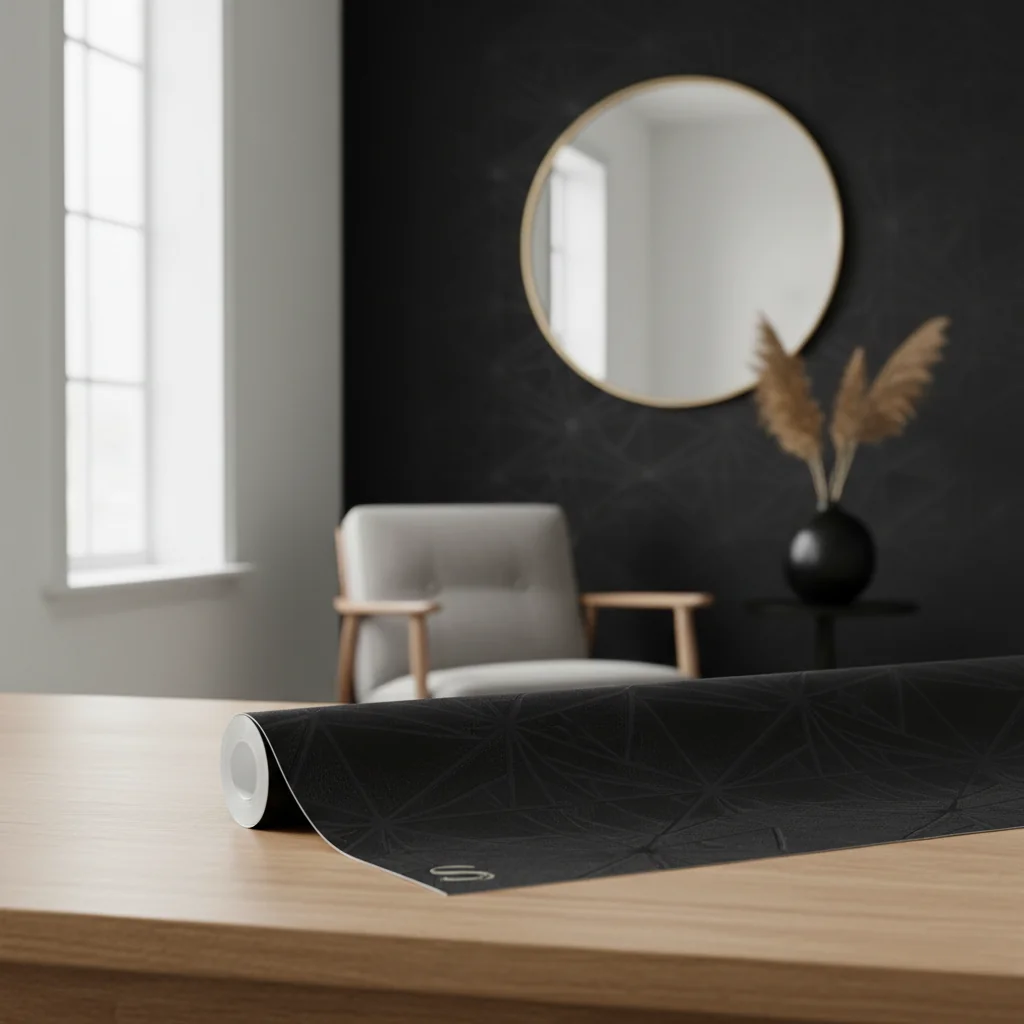
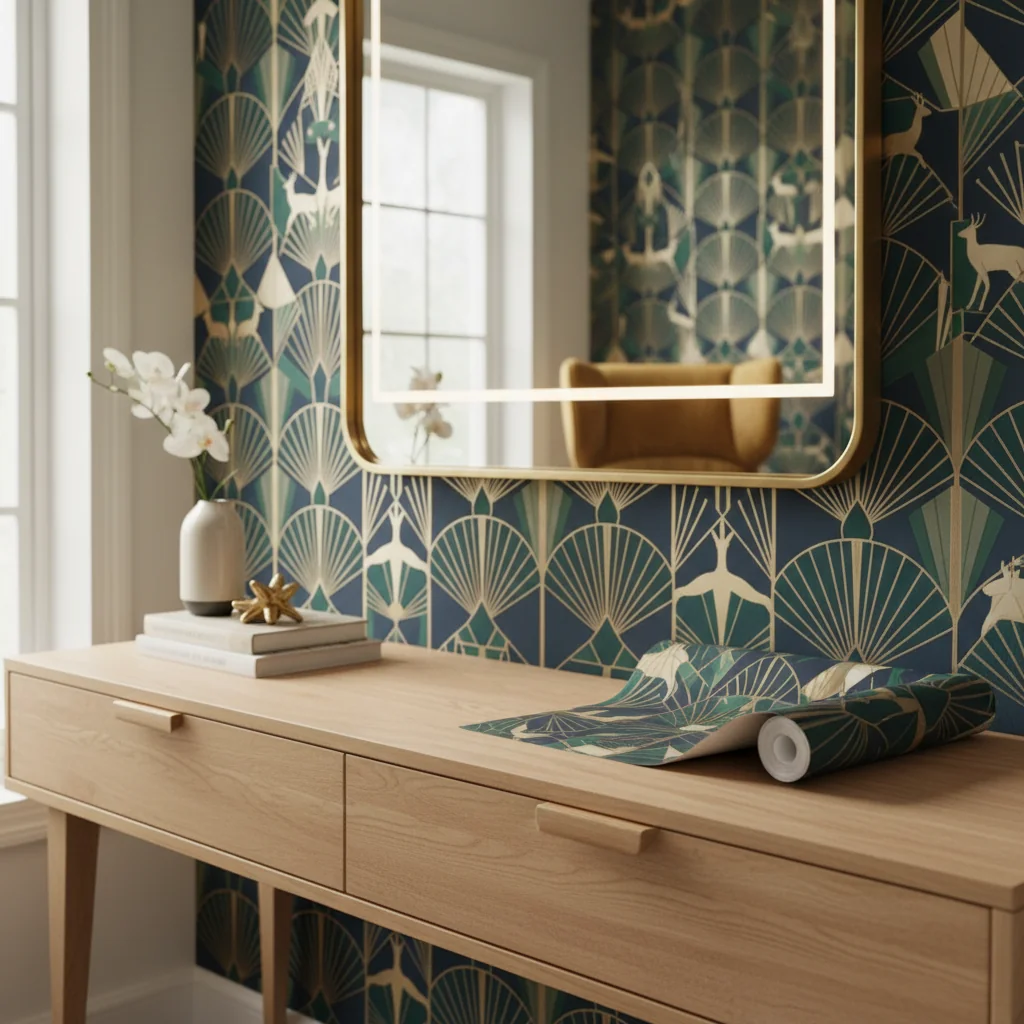
York Wallcoverings stands as a cornerstone in the American home décor landscape, renowned for its extensive collection of high-quality wallcoverings that blend historical artistry with contemporary design innovation. Established in 1895, this Pennsylvania-based manufacturer has consistently delivered a vast array of patterns, textures, and materials, establishing itself as a leading authority in transforming interior spaces with unparalleled style and durability. From sophisticated traditional motifs to cutting-edge modern designs, York Wallcoverings provides designers and homeowners across the United States with the definitive tools to express their unique vision, offering products that are not only aesthetically captivating but also engineered for performance and longevity. As Starhouse curates an exquisite collection for the discerning homeowner, understanding the depth and breadth of York’s offerings becomes paramount for creating truly aspirational living environments.
Key Takeaways
- York Wallcoverings is a historic U.S. manufacturer, established in 1895, known for its extensive range of high-quality and innovative wallcoverings.
- The brand offers diverse wallcovering types, including traditional paper, non-woven, solid vinyl, and specialty materials like grasscloth, each suited for specific aesthetic and functional needs.
- Selecting the right York wallcovering requires careful consideration of room function, desired style, durability needs, and precise measurements to ensure a successful and lasting installation.
- Proper wall preparation, understanding adhesive types, and meticulous installation techniques are critical for achieving a professional finish and maximizing the lifespan of York wallcoverings.
- York Wallcoverings offers a wide spectrum of styles, from classic damasks and botanicals to modern geometrics and textures, enabling comprehensive design integration across various interior aesthetics.
- Maintenance for York wallcoverings varies by material, but generally involves gentle cleaning methods to preserve their appearance and integrity over time.
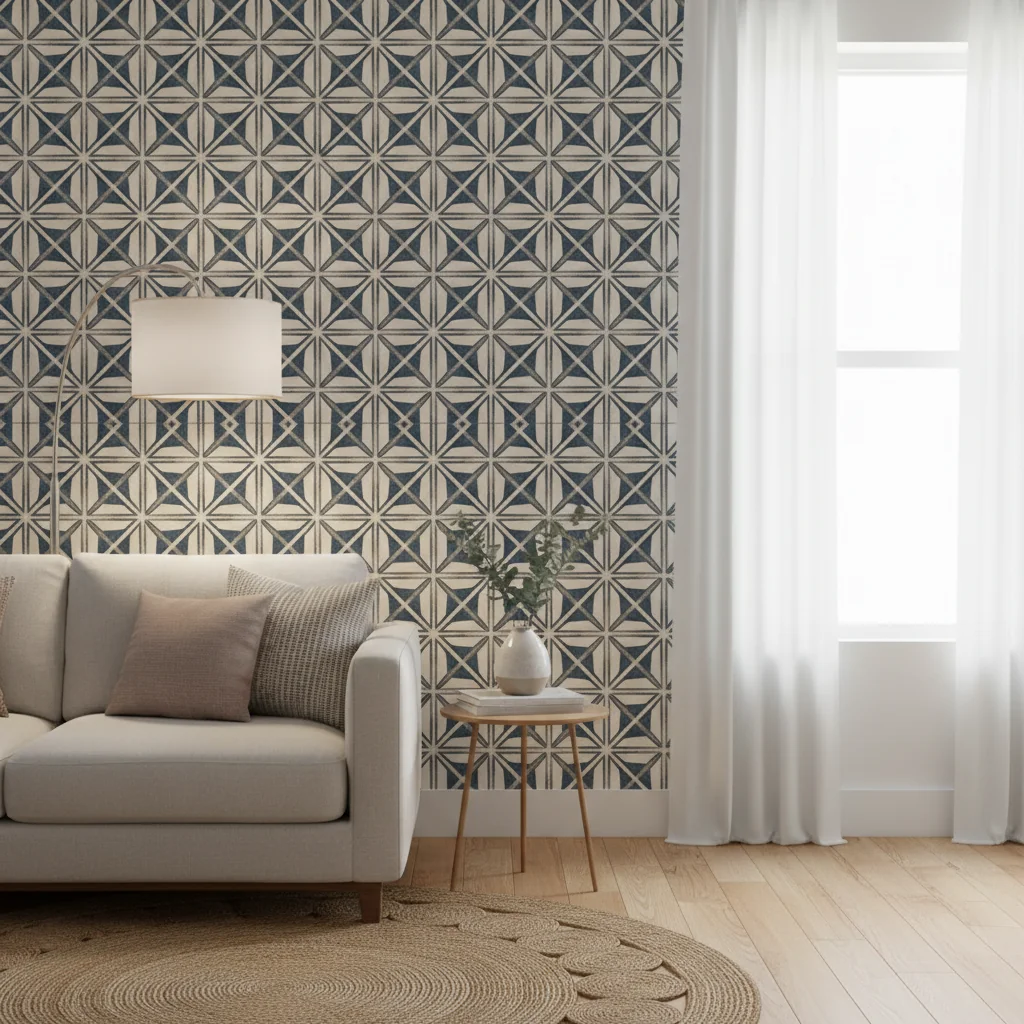
Understanding York Wallcoverings: A Legacy of Design Excellence
York Wallcoverings is a renowned U.S. manufacturer known for its extensive range of high-quality wallcoverings, established in 1895 and celebrated for innovative designs and diverse materials that elevate interior spaces. With a heritage spanning over a century, York has consistently demonstrated a commitment to craftsmanship, artistic integrity, and technological advancement in the wallcovering industry. Their expansive portfolio includes everything from timeless patterns inspired by historical archives to contemporary designs that reflect current trends, all produced with meticulous attention to detail at their facility in York, Pennsylvania.
The brand’s enduring appeal lies in its ability to offer both aesthetic beauty and practical functionality. York Wallcoverings are not merely decorative; they are engineered to provide durable, long-lasting solutions for various environments, from residential homes to commercial spaces. This dedication to quality ensures that every product contributes significantly to the overall ambiance and structural integrity of a room, making it a preferred choice for interior designers and homeowners seeking reliable and stylish wall décor.
A wallcovering, also often referred to as wallpaper, is a material used to cover and decorate the interior walls of homes, offices, and other buildings. It typically comes in rolls and is applied to walls using an adhesive, offering a vast range of patterns, colors, and textures that paint alone cannot achieve. York Wallcoverings’ expertise in this domain translates into products that are not only visually striking but also contribute to the acoustic and thermal properties of a room, enhancing overall comfort and appeal.
Starhouse recognizes the profound impact of high-quality wallcoverings on interior design. Our curation process emphasizes brands like York, which align with our philosophy of offering sophisticated, aspirational, and functional décor solutions. The precision and authority that York brings to its collections make it an indispensable partner in helping our customers create truly exceptional living spaces.
The Diverse World of York Wallcovering Types
York Wallcoverings offers a broad spectrum of types, including traditional paper, non-woven, vinyl-coated paper, solid vinyl, fabric-backed vinyl, and specialty options, each suited for different aesthetic and functional requirements. Understanding these distinctions is fundamental to selecting the appropriate wallcovering that will perform optimally and achieve the desired visual impact in any given space. The variety ensures that there is a York product perfectly tailored for every room, budget, and lifestyle.
Traditional Paper Wallcoverings
Traditional paper wallcoverings are crafted from printed paper and are often chosen for their classic appeal and breathable qualities. These types are typically unpasted and require a separate adhesive application. They are ideal for low-traffic areas such as bedrooms, formal living rooms, or dining rooms where durability is less of a concern than delicate aesthetics. While beautiful, they are generally less washable and more susceptible to moisture and damage compared to vinyl-based options. Their intricate prints and soft textures contribute to a refined and timeless interior.
Non-Woven Wallcoverings
Non-woven wallpaper is manufactured from a blend of natural and synthetic fibers, making it a highly durable, breathable, and easy-to-install option. This material is celebrated for its “paste-the-wall” application method, which simplifies installation and makes removal remarkably easy, often peeling off in full sheets without damaging the wall. These characteristics make non-woven wallcoverings an excellent choice for DIY enthusiasts and for spaces where future changes might be desired, such as nurseries or rental properties. They resist tearing and offer good dimensional stability, making them suitable for various rooms, including those with moderate humidity.
Vinyl-Coated Paper Wallcoverings
Vinyl-coated paper wallcoverings feature a paper substrate with a liquid vinyl coating, providing enhanced durability and washability compared to traditional paper. This coating acts as a protective layer, making the surface resistant to stains and moisture, which allows for gentle cleaning with a damp sponge. These wallcoverings are a versatile option for areas like hallways, children’s rooms, or even light-use kitchens and bathrooms where a balance of style and resilience is required. They offer a wider range of textures and finishes due to the vinyl application.
Solid Vinyl Wallcoverings (Type I & Type II)
Solid vinyl wallcoverings are composed of a solid layer of vinyl laminated to a paper or fabric backing, offering superior durability, washability, and resistance to wear and tear. These are often classified by their weight and suitability for different traffic levels:
- Type I (Light Duty Commercial): Generally weighing between 10-20 ounces per linear yard, Type I solid vinyl wallcoverings are robust enough for residential use and light-duty commercial applications. They provide excellent resistance to abrasions and can withstand frequent cleaning.
- Type II (Medium to Heavy Duty Commercial): Weighing 20 ounces or more per linear yard, Type II solid vinyl is designed for high-traffic commercial environments such as hospitals, hotels, and schools. This classification denotes exceptional durability, impact resistance, and scrubbability, making it the most resilient option. York Wallcoverings adheres to industry standards, ensuring their Type II products meet stringent performance criteria for commercial installations. According to York Wallcoverings’ technical specifications, these materials are engineered for maximum longevity and ease of maintenance in demanding settings.
Both Type I and Type II solid vinyl options are highly resistant to moisture, making them ideal for kitchens, bathrooms, and laundry rooms. They also offer a vast array of embossed textures that mimic natural materials like wood, stone, or fabric with remarkable realism.
Fabric-Backed Vinyl Wallcoverings
Fabric-backed vinyl wallcoverings feature a woven fabric backing (such as cotton or polyester) laminated to a solid vinyl surface, providing extreme durability and tear resistance. This construction makes them particularly suitable for heavy-duty commercial applications where walls are subjected to significant abuse. The fabric backing adds strength and helps prevent punctures, ensuring the wallcovering remains intact even in the most demanding environments. These are typically specified for large-scale projects and offer superior longevity.
Peel-and-Stick (Temporary/Removable) Wallcoverings
Peel-and-stick wallcoverings, often made from a non-woven or vinyl material with an adhesive backing, provide an innovative, commitment-free solution for wall décor. This type is designed for easy application and effortless removal, making it perfect for renters, dorm rooms, or those who enjoy frequently updating their interiors. Installation involves simply peeling off the backing and pressing the material onto the wall, without the need for additional paste. They are typically durable enough for residential use and offer a wide range of patterns, from bold geometrics to subtle textures.
Specialty Materials
York Wallcoverings also excels in offering a range of specialty materials that provide unique textures and luxurious finishes:
- Grasscloth: Made from natural fibers like sisal, jute, or bamboo woven onto a paper backing, grasscloth offers unparalleled texture and organic beauty. Each roll is unique, providing a handcrafted, sophisticated look. It is delicate and requires specialized installation and dry-dusting for care.
- Silk & Textile: These wallcoverings incorporate genuine silk or other fine textiles, offering a lavish, soft, and tactile surface. They are typically reserved for formal spaces and require professional installation and careful maintenance.
- Flock: Flock wallcoverings feature raised, velvet-like patterns created by applying finely chopped textile fibers onto the surface. This technique adds depth, dimension, and a luxurious tactile quality, often associated with traditional or opulent aesthetics.
- Mylar & Metallic: These types incorporate metallic foils or Mylar, creating reflective, shimmering surfaces that add glamour and drama to a room. They are excellent for enhancing light and creating a focal point.
- Embossed & Anaglypta: These wallcoverings feature raised patterns, often paintable, that add architectural interest and texture. Anaglypta, specifically, is a deeply embossed paper product designed to be painted, offering a durable and customizable textured surface.
The comprehensive selection from York Wallcoverings ensures that regardless of the functional demands or aesthetic aspirations for a space, there is a precisely engineered and beautifully designed option available. This diversity empowers homeowners and designers to make informed choices that perfectly align with their vision for aspirational living.
Exploring Styles and Aesthetics from York Wallcoverings
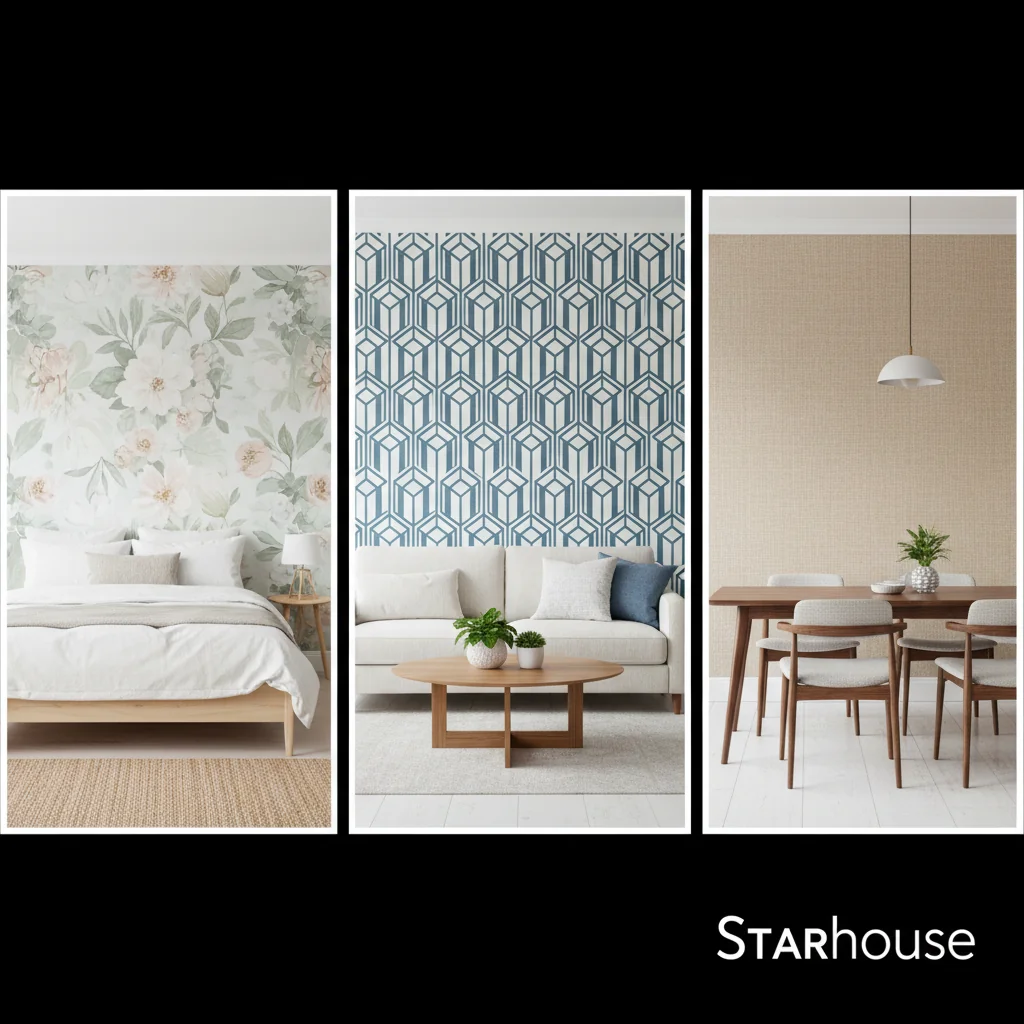
York Wallcoverings encompasses an extraordinary array of styles, from classic damasks and intricate botanicals to contemporary geometrics and abstract textures, allowing homeowners and designers to perfectly match any interior design vision. Their extensive design archive and continuous innovation ensure that every aesthetic preference, from historical elegance to cutting-edge modernity, is catered to with precision and flair. These diverse styles are not merely decorative elements; they are foundational components that define the character and mood of a room.
Traditional and Classic Styles
Traditional wallcoverings from York draw inspiration from historical patterns, offering timeless elegance and a sense of heritage.
- Damask: Characterized by ornate, symmetrical patterns, often featuring floral or scroll motifs. Damask adds a formal and luxurious feel, frequently seen in dining rooms or master bedrooms.
- Toile: Depicting pastoral scenes, landscapes, or mythological figures, typically in a single color on a contrasting background. Toile evokes a charming, romantic, and often French-inspired aesthetic.
- Floral: Ranging from delicate sprigs to bold, oversized blooms, floral patterns bring nature indoors and can create moods from serene to vibrant.
- Stripes: Classic stripes, whether narrow or wide, vertical or horizontal, offer a clean, structured look. Vertical stripes can visually heighten a room, while horizontal stripes can widen it.
- Botanical: More naturalistic than formal florals, botanical patterns often feature leaves, vines, and organic elements, creating a fresh and serene atmosphere.
Modern and Contemporary Styles
York’s modern collections reflect current design trends, featuring clean lines, abstract forms, and innovative textures.
- Geometric: Defined by repeating shapes such as circles, triangles, hexagons, or interlocking patterns. Geometrics provide a dynamic and structured contemporary look, often seen in living rooms or home offices.
- Abstract: Non-representational designs that prioritize color, form, and texture over recognizable objects. Abstract wallcoverings create a artistic, avant-garde statement.
- Minimalist: Subtle textures, monochromatic schemes, and understated patterns that contribute to a clean, uncluttered, and serene environment.
- Industrial: Designs mimicking raw materials like concrete, exposed brick, distressed metal, or salvaged wood, perfect for urban lofts or modern farmhouse interiors.
Transitional Styles
Transitional designs skillfully blend elements of traditional and modern aesthetics, creating spaces that are both classic and current. These patterns often feature simplified traditional motifs or softened geometric forms, offering versatility and broad appeal. They provide a sophisticated balance, avoiding overly ornate or starkly modern extremes.
Farmhouse and Rustic Styles
Inspired by rural charm and natural elements, these styles bring warmth and authenticity to interiors.
- Wood Planks: Realistic depictions of shiplap, reclaimed wood, or natural timber, adding rustic character without the challenges of real wood installation.
- Brick: Faux brick patterns that emulate the texture and appearance of exposed brick walls, lending an industrial-chic or cozy farmhouse vibe.
- Stone: Patterns mimicking natural stone, slate, or stacked rock, creating a grounded, earthy feel.
Coastal and Nautical Styles
Evoking the tranquility and freshness of the seaside, coastal patterns often feature marine life, seashells, coral, or classic nautical stripes and colors like blues, whites, and sand tones. These are perfect for beach houses or for bringing a relaxed, airy feel to any home.
Bohemian Styles
Bohemian wallcoverings embrace eclectic patterns, global influences, and vibrant colors. They often feature intricate mandalas, ikat prints, folk art motifs, or rich textural designs, creating a free-spirited and artistic atmosphere.
Art Deco and Mid-Century Modern
York also offers collections that pay homage to specific historical design movements. Art Deco patterns are characterized by geometric shapes, metallic accents, and luxurious symmetry, reflecting the glamour of the 1920s and 30s. Mid-Century Modern designs feature organic shapes, bold colors, and atomic-era motifs, capturing the optimistic spirit of the 1950s and 60s.
Children’s and Nursery Wallcoverings
Dedicated collections for children’s rooms and nurseries feature playful motifs, whimsical characters, gentle colors, and educational themes. These designs are often available in durable, washable materials or peel-and-stick options for easy updates as children grow.
The breadth of styles offered by York Wallcoverings allows for precise aesthetic tailoring. Whether the goal is to create a serene sanctuary, a vibrant entertainment hub, or a sophisticated formal space, York provides the patterns and textures to achieve that vision. The careful selection of a specific style can profoundly influence the perception of space, light, and overall architectural character, making it a critical decision in any interior design project.
Materials and Construction: What Makes York Wallcoverings Unique
York Wallcoverings utilizes a sophisticated range of base materials and printing technologies, such as paper, non-woven fibers, and vinyl, combined with various inks and embossing techniques to achieve its distinctive textures, durability, and aesthetic depth. This meticulous approach to material science and manufacturing processes ensures that each product not only looks exceptional but also performs reliably over time. The choice of substrate, surface finish, and printing method collectively determines the wallcovering’s texture, washability, lightfastness, and overall longevity.
Substrates (Backings)
The foundation of any wallcovering is its substrate, which significantly impacts its strength, installation method, and removal characteristics.
- Paper Backing: Traditional and common, paper backings provide a stable base for printing. They typically require paste application and can be more delicate during installation and removal compared to non-woven or fabric options.
- Non-Woven Backing: Composed of a blend of natural and synthetic fibers, non-woven backings are highly favored for their strength, breathability, and dimensional stability. They are often associated with “paste-the-wall” installation and “dry-strippable” removal, making them user-friendly.
- Fabric Backing: Generally made from cotton, polyester, or a blend, fabric backings provide exceptional tear resistance and durability. They are primarily used for heavy-duty vinyl wallcoverings, especially in commercial settings, offering superior resilience against impact and abrasion.
Surfaces and Finishes
The surface layer of a wallcovering is where the design is applied and where its protective qualities reside.
- Vinyl (PVC): Polyvinyl chloride is a highly versatile and durable material used as a coating or solid layer. Vinyl surfaces offer excellent washability, stain resistance, and longevity, making them suitable for high-traffic and moisture-prone areas. They can be embossed to mimic various textures.
- Acrylic: An acrylic coating can be applied to paper substrates to provide a degree of washability and protection, offering a more environmentally friendly alternative to vinyl in some applications.
- Flock: Created by electrostatically applying fine textile fibers (rayon, nylon) onto a printed adhesive pattern, flock results in a raised, velvety texture that adds luxurious depth and tactile appeal.
- Metallics: Incorporating metallic foils (gold, silver, copper) or specialized inks creates reflective, shimmering surfaces that enhance light and add a touch of glamour.
- Natural Fibers: Materials like grasscloth (sisal, jute, bamboo), cork, or mica are woven or adhered to a backing, offering organic textures and unique, handcrafted aesthetics. These are often delicate and require specific care.
Printing Techniques
York Wallcoverings employs various advanced printing techniques to achieve the intricate detail, color fidelity, and textural effects seen in their designs.
- Surface Print: This traditional method uses raised rollers to apply ink, resulting in a hand-printed, painterly look with a rich, tactile quality. It is excellent for achieving soft, layered colors.
- Gravure Printing: Gravure printing is a high-speed, high-quality printing process that uses an engraved cylinder to transfer ink, known for producing fine detail, smooth tonal gradations, and rich, consistent colors. This technique is often used for photorealistic designs and intricate patterns, offering exceptional clarity and depth.
- Screen Print: Using stencils (screens) to apply ink layer by layer, screen printing allows for vibrant, opaque colors and textural effects, especially on larger patterns. It can create a hand-crafted appearance.
- Digital Print: Modern digital printing allows for unlimited color palettes, intricate details, and custom designs without the need for plates or screens. It is ideal for murals, large-scale patterns, and personalized wallcoverings, offering flexibility and precision.
Embossing
Embossing is a crucial finishing technique that adds three-dimensional texture to wallcoverings, enhancing their visual and tactile appeal.
- Registered Embossing: The texture is precisely aligned with the printed pattern, creating a highly realistic effect, such as mimicking wood grain or fabric weave.
- Random Embossing: Texture is applied independently of the print, providing a general surface texture that can add depth and conceal minor wall imperfections.
- Anaglypta: A specific type of deeply embossed, often paintable, wallcovering that creates architectural relief and can be customized with paint.
The combination of these sophisticated materials and manufacturing processes is what gives York Wallcoverings its distinctive quality and appeal. From the robust durability of their Type II commercial vinyl to the delicate artistry of a hand-printed flock, each product is a testament to their engineering prowess and design excellence. This comprehensive understanding of materials allows Starhouse to confidently recommend York products, knowing they meet the highest standards of both beauty and performance.
Selecting the Perfect York Wallcovering for Your Space
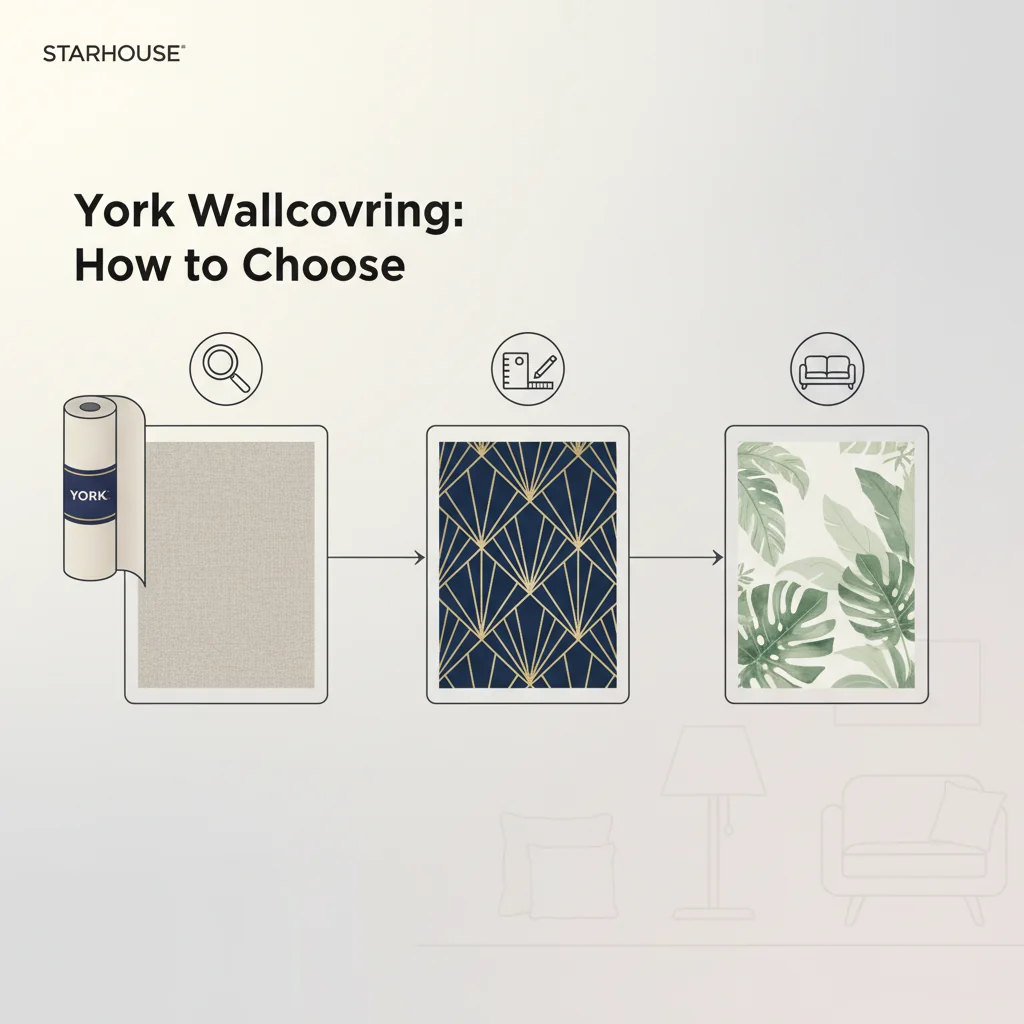
Choosing the ideal York wallcovering involves a careful consideration of the room’s function, existing décor, desired aesthetic, durability requirements, and lighting conditions to ensure a harmonious and lasting design outcome. This process moves beyond mere visual appeal, delving into the practicalities of a space and how the wallcovering will interact with its environment and inhabitants. A thoughtful selection ensures that your investment enhances both the beauty and functionality of your home.
Key Considerations for Selection
-
Room Function and Traffic:
The primary use of a room dictates the necessary durability and washability of the wallcovering. High-traffic areas like hallways, entryways, and children’s rooms demand highly durable, scrubbable options such as solid vinyl (Type I or Type II). Kitchens and bathrooms require moisture-resistant and easily cleanable surfaces, making vinyl-coated or solid vinyl wallcoverings ideal. For low-traffic, formal spaces like dining rooms or master bedrooms, delicate materials like traditional paper, silk, or grasscloth can be considered, prioritizing aesthetic luxury over extreme resilience.
-
Desired Aesthetic and Style:
Align the wallcovering pattern and texture with your overall interior design theme. A traditional home might benefit from damasks or florals, while a modern space could feature geometrics or abstract patterns. Consider whether you want to create a serene backdrop, a bold statement, or add subtle texture. York’s vast range of styles ensures there is a match for every preference, from minimalist to maximalist.
-
Color Palette and Mood:
The color of your wallcovering significantly influences the mood and perception of space. Light colors can make a room feel larger and brighter, while darker hues create intimacy and drama. Ensure the chosen colors complement existing furniture, textiles, and artwork. Consider the undertones of the colors – warm tones evoke coziness, cool tones promote tranquility.
-
Lighting Conditions:
Observe how natural and artificial light interacts with your walls throughout the day. In dimly lit rooms, lighter wallcoverings or those with metallic accents can help reflect light and brighten the space. In brightly lit rooms, darker or more saturated patterns can add depth without overwhelming. Textured wallcoverings can create intriguing shadow play under directional lighting.
-
Scale of Pattern:
The size of the pattern should be proportionate to the room’s dimensions. Large-scale patterns can overwhelm a small room but provide a dramatic statement in a spacious area. Conversely, small, intricate patterns can add detail and texture without making a small room feel cramped. Consider the “visual weight” of the pattern – busy patterns demand attention, while subtle textures recede.
-
Existing Décor and Furnishings:
The wallcovering should integrate seamlessly with your current furniture, flooring, and accessories. Bring samples home to see how they look against your existing items. Aim for cohesion rather than competition; if your furniture is bold, a more subtle wallcovering might be appropriate, and vice versa.
-
Installation Difficulty and Maintenance:
Evaluate your comfort level with DIY installation. Non-woven “paste-the-wall” or peel-and-stick options are generally easier for beginners. More complex or delicate materials might warrant professional installation. Also, consider the long-term maintenance. If you prefer low-maintenance, opt for scrubbable vinyl. If you appreciate delicate luxury and are willing to invest in careful upkeep, natural fibers could be an option.
-
Sustainability and Health:
If environmental impact is a concern, look for wallcoverings made with sustainable materials, water-based inks, or those certified for low VOC emissions. York Wallcoverings offers various eco-friendly options within its collections.
Wallcovering Selection Matrix
To aid in your decision-making, this table provides a comparative overview of popular York wallcovering types, highlighting their key attributes and ideal applications.
| Type | Durability Rating | Washability | Best Use Case | Key Feature |
|---|---|---|---|---|
| Traditional Paper | Low-Medium (Residential) | Not Washable / Delicate Wipe | Formal Living/Dining Rooms, Bedrooms (low traffic) | Breathable, Classic Aesthetics |
| Non-Woven | Medium-High (Residential) | Spongeable | Living Rooms, Bedrooms, Nurseries, Hallways (moderate traffic) | Easy “Paste-the-Wall” Installation & Dry Strippable Removal |
| Vinyl-Coated Paper | Medium (Residential) | Washable | Bedrooms, Dining Rooms, Light-use Kitchens/Bathrooms | Enhanced Durability, Moisture Resistance |
| Solid Vinyl (Type I) | High (Residential / Light Commercial) | Scrubbable | Kitchens, Bathrooms, Entryways, Children’s Rooms | Excellent Durability, Stain & Moisture Resistance |
| Solid Vinyl (Type II) | Very High (Heavy Commercial) | Scrubbable | Commercial Spaces, High-traffic Residential Areas | Extreme Durability, Impact Resistance |
| Peel-and-Stick | Medium (Residential) | Washable / Spongeable | Rentals, Nurseries, Accent Walls, Temporary Updates | Removable, DIY-Friendly |
| Grasscloth | Low (Residential) | Dry Dust Only | Formal Living/Dining Rooms, Master Bedrooms (accent walls) | Natural Texture, Organic Luxury |
By systematically evaluating these factors and utilizing resources like Starhouse’s curated collections, you can confidently select a York Wallcovering that not only meets your aesthetic desires but also performs beautifully for years to come. The right wallcovering transforms a house into a home, reflecting personal style and creating an atmosphere of refined comfort.
Sizing, Measuring, and Estimating for York Wallcoverings
Accurate sizing and measurement are crucial for any wallcovering project, and York Wallcoverings typically come in standard roll dimensions that require precise calculations of wall surface area to minimize waste and ensure sufficient material. Underestimating your needs can lead to costly delays and potential color batch discrepancies, while overestimating results in unnecessary expense. Precision in this phase guarantees a smooth installation and a professional finish.
Understanding York Roll Sizes
In the United States, wallcoverings are commonly sold in single or double rolls, though they are often packaged and priced as double rolls. It is essential to confirm the specific dimensions of the York product you intend to purchase, as sizes can vary slightly by collection and material type.
- Standard U.S. Single Roll: Typically measures 20.5 inches (approximately 1.7 feet) wide and 33 feet long. This yields approximately 56 square feet of usable wallcovering, assuming no pattern repeat.
- Standard U.S. Double Roll: Often sold as a single continuous roll that is twice the length of a single roll, measuring 20.5 inches wide and 66 feet long. This covers approximately 112 square feet. When purchasing, you will usually buy “double rolls,” even if the manufacturer lists dimensions for a “single roll.” Always check the product description for the actual linear footage and width.
- European/Metric Rolls: Some imported collections may follow metric standards, typically measuring 21 inches wide and 33 feet long (53 cm x 10 m), covering approximately 57 square feet. Ensure you verify the dimensions before calculating.
Step-by-Step Measuring Your Walls
To accurately determine how much wallcovering you need, follow these steps:
- Measure Wall Height: Measure the height of each wall from the baseboard to the ceiling. If your ceiling height varies, use the tallest measurement for that wall to ensure you have enough material for each strip.
- Measure Wall Width: Measure the width of each wall.
- Calculate Total Square Footage: For each wall, multiply its height by its width to get its square footage. Sum these totals for all walls you plan to cover.
- Measure Openings (Doors and Windows): Measure the height and width of all doors and windows within the area to be covered. Calculate their individual square footage.
- Subtract Openings (Optional but Recommended): For large openings (e.g., a large window or door occupying more than 20 sq ft), subtract their square footage from the total wall area. For smaller openings, it’s often simpler and safer to include them in your total, as the excess material accounts for pattern matching and trimming.
- Consider Pattern Repeat: This is a critical factor that dictates how much extra material you will need. The pattern repeat is the vertical distance between one point on a pattern and the identical point on the next repeat. This measurement is usually provided in inches on the wallcovering’s specification label. The larger the pattern repeat, the more waste you will incur to align patterns across strips.
- Add a Waste Factor: Always add a percentage for trimming, matching patterns, and potential errors. For small, non-repeating patterns, 10-15% is usually sufficient. For large, complex patterns with significant repeats, add 20-25%. This buffer is essential to avoid running short.
Calculating Rolls Needed
Once you have your total adjusted square footage and have considered pattern repeat, you can estimate the number of rolls.
Method 1: Using Usable Square Footage Per Roll
-
Divide your total adjusted square footage (including waste factor) by the usable square footage of a single roll (e.g., 56 sq ft).
Example: (Total Wall SF + Waste) / 56 = Number of Single Rolls. -
If you are buying double rolls, divide the number of single rolls by two. Round up to the nearest whole number.
Example: (Total Wall SF + Waste) / 112 = Number of Double Rolls.
Method 2: Strip Method (More Accurate for Patterned Papers)
This method directly accounts for pattern repeat.
-
Determine Strips Per Roll:
- Measure the length of one full pattern repeat (e.g., 21 inches).
- Add your wall height (e.g., 8 feet = 96 inches) to the pattern repeat to get the minimum cut length per strip (96 + 21 = 117 inches).
- Convert the double roll length to inches (66 feet * 12 inches/foot = 792 inches).
- Divide the total roll length by the minimum cut length per strip: 792 inches / 117 inches ≈ 6.76. This means you can get 6 full strips per double roll.
-
Calculate Total Strips Needed:
- Divide the total width of your walls (in inches) by the width of one wallcovering strip (20.5 inches).
Example: 300 inches (total wall width) / 20.5 inches ≈ 14.63. You need 15 strips.
- Divide the total width of your walls (in inches) by the width of one wallcovering strip (20.5 inches).
-
Calculate Total Rolls:
- Divide the total strips needed by the number of strips you can get per double roll: 15 strips / 6 strips/roll = 2.5 rolls.
- Always round up to the nearest whole number. You would need 3 double rolls.
Always purchase all rolls from the same dye lot (batch number) to ensure consistent color match. This batch number is typically found on the label of each roll. Discrepancies between dye lots can be noticeable, especially with subtle colors or patterns.
Tools for Measuring
- Steel Tape Measure: For accurate length and width measurements.
- Pencil: For marking measurements.
- Level or Laser Level: To ensure straight lines, especially for determining vertical plumb lines during installation.
- Calculator: For precise calculations.
Taking the time to measure meticulously and calculate accurately is an investment in the success of your wallcovering project. This careful planning stage prevents frustration, saves money, and ensures that your chosen York Wallcovering looks as impeccable on your walls as it did in your vision.
Ready to transform your space with the perfect wallcovering?
Starhouse is curating a collection of aspirational home décor. Tell us what you’re looking for and get early access to our exclusive offerings.
Installation Best Practices for York Wallcoverings
Proper installation of York wallcoverings requires meticulous surface preparation, correct adhesive application, and precise hanging techniques to achieve a seamless, professional finish and ensure longevity. While some wallcoverings are DIY-friendly, others, especially those with delicate materials or complex patterns, benefit significantly from professional expertise. Adhering to these best practices will maximize the beauty and lifespan of your chosen wallcovering.
I. Surface Preparation: The Foundation of Flawless Walls
The quality of your wallcovering installation is directly proportional to the quality of your wall preparation. This step cannot be rushed or overlooked.
- Clean Walls Thoroughly: Remove all dirt, dust, grease, and grime. Use a mild detergent and water, then rinse completely and allow the walls to dry for at least 24 hours.
- Repair Imperfections: Fill all holes, cracks, and dents with spackle or joint compound. Sand smooth and feather the edges so they are flush with the wall surface. Any unevenness will show through the wallcovering.
- Remove Old Wallcoverings: If existing wallcovering is present, it must be fully removed. Layering new wallcovering over old can lead to bubbling, peeling, and an uneven finish. Use a wallcovering remover solution and a scraping tool.
-
Prime the Walls: Apply a high-quality wallcovering primer/sealer. This step is critical for several reasons:
- It creates a uniform surface for the adhesive to bond to, preventing uneven drying and promoting better adhesion.
- It seals porous surfaces (like new drywall or patched areas) to prevent the adhesive from being absorbed too quickly.
- It makes future removal easier by creating a barrier between the wallcovering adhesive and the wall surface.
- It can block stains and prevent them from bleeding through the new wallcovering.
Allow the primer to dry completely according to the manufacturer’s instructions, typically 24-48 hours.
- Ensure Proper Environment: Maintain a consistent room temperature (65-75°F or 18-24°C) and moderate humidity (30-60%) for at least 24 hours before, during, and after installation to ensure proper drying and adhesion.
II. Adhesive Types and Application
The correct adhesive is paramount for a lasting installation. Always follow York Wallcoverings’ specific recommendations for your chosen product.
- Pre-pasted Wallcoverings: Some York wallcoverings come with a dry adhesive applied to the backing. These rolls are activated by wetting the backing, typically by submerging them in a water tray for a specified time.
-
Un-pasted Wallcoverings: These require a separate adhesive application. Common types include:
- Clay-based Adhesives: Strong and suitable for heavier wallcoverings.
- Clear Adhesives (Non-Staining): Ideal for delicate or light-colored wallcoverings where staining is a concern.
- Heavy-Duty Vinyl Adhesives: Formulated for heavier vinyl and fabric-backed wallcoverings, offering maximum grip.
- “Paste-the-Wall” Adhesives: Specifically designed for non-woven wallcoverings, applied directly to the wall rather than the back of the paper.
- Application: Use a roller or brush to apply a thin, even coat of adhesive to the back of the wallcovering strip (for traditional methods) or directly to the wall (for “paste-the-wall” products). Avoid excess adhesive, which can squeeze out and cause staining.
III. Hanging Techniques for a Professional Finish
Precision is key during the hanging process.
- Establish a Plumb Line: Using a level or laser level, draw a vertical plumb line on the wall, approximately 1/2 inch less than the width of your wallcovering strip from the corner or door frame. This ensures your first strip is perfectly straight, which is crucial for the entire installation.
- Cut Strips: Measure your wall height, add 4-6 inches for trimming at the top and bottom, and cut your first strip. For patterned wallcoverings, cut subsequent strips, aligning the pattern repeat to ensure a continuous design. Number the back of each strip in the order it will be hung.
- Booking (for Un-pasted): Fold the pasted strip inward, adhesive side to adhesive side, aligning the edges without creasing. This allows the adhesive to set (relax), preventing stretching and making the wallcovering more pliable for hanging. Follow the manufacturer’s recommended booking time.
- Hang the First Strip: Align the edge of the first strip with your plumb line, leaving excess material at the top and bottom. Smooth the strip onto the wall using a smoothing brush or plastic smoother, working from the center outwards to remove air bubbles.
- Match Patterns (for Patterned Wallcoverings): For subsequent strips, carefully align the pattern with the previous strip before pressing it fully onto the wall. Use a seam roller to gently flatten seams, but avoid pressing too hard, especially on delicate materials.
- Trim Excess: Once a strip is smoothed and positioned, use a sharp utility knife and a straightedge or wallcovering trimmer to cut away the excess material at the ceiling and baseboard. Change blades frequently for clean cuts.
- Clean Up: Immediately wipe away any excess adhesive that seeps out with a clean, damp sponge to prevent staining, especially on textured or delicate surfaces.
IV. Professional vs. DIY Installation
While many homeowners successfully install peel-and-stick or non-woven wallcoverings, certain situations warrant professional expertise:
- Complex Patterns: Large, intricate patterns with significant repeats are challenging to match seamlessly.
- Delicate Materials: Grasscloth, silk, or metallic wallcoverings are prone to damage if not handled correctly.
- Textured Surfaces: Embossed or deeply textured wallcoverings can be difficult to smooth without crushing the texture.
- High Ceilings or Irregular Walls: These present logistical challenges that professionals are equipped to handle.
- Time Constraints: Professionals work efficiently and have specialized tools.
Investing in professional installation for premium York Wallcoverings ensures that the material’s beauty and integrity are preserved, guaranteeing a flawless and long-lasting result that elevates your space.
Care and Maintenance for Lasting Beauty
Maintaining the beauty and integrity of York wallcoverings involves understanding the specific care instructions for its material type, generally ranging from simple dusting to gentle wiping with a damp cloth, to prevent damage and extend its lifespan. Proper care ensures that your investment remains a vibrant and pristine element of your interior design for years to come. Neglecting maintenance can lead to premature wear, discoloration, or damage to the wallcovering’s surface.
Understanding Cleaning Codes
York Wallcoverings, like most manufacturers, provides cleaning codes on their product labels. These codes are crucial for determining the appropriate cleaning method:
- Spongeable: Indicates the wallcovering can be lightly wiped with a damp sponge or cloth. It can withstand minimal moisture and gentle cleaning. This is common for traditional paper or some non-woven types.
- Washable: The wallcovering can be cleaned with a damp cloth and a mild detergent solution. It can tolerate more moisture and light scrubbing without damage. This often applies to vinyl-coated paper and some non-woven products.
- Scrubbable: Designed for more rigorous cleaning, these wallcoverings can withstand scrubbing with a brush and a stronger detergent solution without damage. This rating is typical for solid vinyl (Type I and Type II) and fabric-backed vinyl, making them ideal for high-traffic or moisture-prone areas like kitchens and bathrooms.
- Strippable: Refers to the ease of removal, indicating the wallcovering can be dry-stripped from the wall without steaming or chemical removers. (Note: This is a removal code, not a cleaning code, but often found on labels).
- Peelable: Indicates that the top layer of the wallcovering can be peeled off, leaving a backing paper that can then be removed or covered. (Also a removal code).
Always refer to the specific care instructions provided with your York Wallcovering product, as these can vary even within the same material type due to different finishes or printing techniques.
General Care Best Practices
- Regular Dusting: Use a soft, dry cloth or a feather duster to regularly remove dust and cobwebs. This prevents accumulation that can dull the surface and become harder to remove later.
- Avoid Harsh Chemicals: Never use abrasive cleaners, bleach, or solvent-based products on any wallcovering unless specifically instructed. These can strip the finish, cause discoloration, or damage the material.
- Immediate Spot Cleaning: Address spills or stains immediately. The longer a stain sits, the harder it is to remove. Blot (do not rub) the stain with a clean cloth, working from the outside in.
- Test in an Inconspicuous Area: Before applying any cleaning solution to a visible area, always test it on a hidden spot (e.g., behind a large piece of furniture or inside a closet) to ensure it does not cause discoloration or damage.
- Use Soft Tools: Always use soft sponges, cloths, or brushes. Abrasive scrubbers can scratch or mar the surface.
- Control Humidity: High humidity can cause wallcoverings to lift or develop mold/mildew, while excessively low humidity can make them brittle. Maintain consistent indoor humidity levels (ideally 30-60%) to prolong their life.
Specific Material Care
-
Vinyl and Vinyl-Coated Wallcoverings:
These are the most durable and easiest to clean. Use a solution of mild dish soap and warm water. Wipe gently with a soft sponge or cloth, then rinse with a clean, damp cloth to remove any soap residue. Dry thoroughly with a clean, soft towel to prevent water spots.
-
Non-Woven Wallcoverings:
Most non-woven types are washable or spongeable. Use a slightly damp cloth with mild soap for general cleaning. Avoid excessive moisture, as prolonged wetness can affect the adhesive. Blot stains gently.
-
Traditional Paper Wallcoverings:
These are the most delicate. They are typically not washable. For dust, use a dry, soft cloth or a vacuum cleaner with a brush attachment. For minor marks, a very soft art gum eraser may be used with extreme caution. Avoid all liquids.
-
Natural Fiber Wallcoverings (e.g., Grasscloth, Cork):
These materials are highly absorbent and should never be cleaned with water or liquid cleaners. They require dry cleaning only. Use a soft, dry brush or a vacuum cleaner with a brush attachment for dusting. For stains, consult a professional wallcovering cleaner, as DIY attempts can cause irreparable damage.
-
Flock and Textile Wallcoverings:
These delicate, textured surfaces require dry cleaning. Use a vacuum cleaner with a soft brush attachment to gently remove dust. Avoid rubbing or scrubbing, which can crush the flock fibers or damage the textile weave.
-
Metallic and Mylar Wallcoverings:
These are typically washable. Use a soft, damp cloth with plain water or a very mild, non-abrasive cleaner. Avoid anything that could scratch the reflective surface. Dry immediately to prevent water spots.
Repairing Minor Damage
- Lifting Seams or Edges: If a seam or edge begins to lift, apply a small amount of seam adhesive (available at hardware stores) with a fine brush underneath the lifted area. Press firmly with a seam roller and wipe away any excess adhesive immediately.
- Small Tears or Bubbles: For small tears, carefully apply a tiny amount of wallcovering adhesive to the back of the torn piece and press it back into place. For small bubbles, you can sometimes inject adhesive with a syringe and then smooth the area. For larger or persistent issues, professional repair may be necessary.
By adhering to these specific care and maintenance guidelines, your York Wallcoverings will retain their original beauty and contribute to a sophisticated and well-maintained interior for many years, reflecting the enduring quality that Starhouse champions.
Styling and Pairing York Wallcoverings with Your Décor
Effectively styling York wallcoverings involves harmonizing their patterns, colors, and textures with existing furniture, textiles, lighting, and accessories to create a cohesive and visually appealing interior design scheme. Wallcoverings are powerful design tools that can define a room’s character, introduce depth, and establish a focal point, thereby transforming a space from ordinary to extraordinary. The art lies in balancing their impact with other elements in the room.
Complementing Furniture
- Scale and Style Harmony: Ensure the scale of your wallcovering pattern complements the scale of your furniture. A large, bold pattern can overwhelm delicate furniture but works well with substantial pieces. Conversely, a subtle texture or small-scale pattern provides a sophisticated backdrop for intricate or ornate furniture. Pair modern geometric wallcoverings with sleek, contemporary furniture, and traditional damasks with classic, upholstered pieces.
- Color Coordination: Choose wallcovering colors that either match or elegantly contrast with your furniture upholstery. A monochromatic scheme using different shades of the same color can create a serene, sophisticated look, while complementary colors add vibrancy and energy.
Textiles & Fabrics
- Layering Patterns: When mixing patterns, vary their scale and type. If your wallcovering has a large floral pattern, choose textiles (curtains, throw pillows, rugs) with small-scale geometrics, subtle stripes, or solid textures. This creates visual interest without overwhelming the eye.
- Texture Play: Use textiles to introduce tactile contrast. A smooth, reflective metallic wallcovering can be softened by plush velvet curtains or a chunky knit throw. A natural grasscloth wallcovering can be enhanced by smooth linen drapes or silk pillows, creating a rich sensory experience.
- Color Echoes: Pull accent colors from your wallcovering pattern and repeat them in your textiles. This creates a cohesive and intentionally designed feel, guiding the eye through the room.
Lighting
- Enhancing Metallics and Textures: Strategically placed lighting can dramatically enhance certain wallcoverings. Uplighting or downlighting can highlight the raised textures of embossed or flock wallcoverings, creating intriguing shadow play. Metallic or Mylar wallcoverings will shimmer and reflect light, brightening a room and adding glamour.
- Mood Creation: The overall lighting scheme should align with the mood created by your wallcovering. Soft, diffused lighting complements serene, subtle patterns, while dramatic, focused lighting can accentuate bold, graphic designs or accent walls.
Accessories & Art
- Balancing Visual Weight: If your wallcovering is a busy pattern, opt for simpler, understated artwork and accessories to avoid visual clutter. Use frames that complement the wallcovering’s style but don’t compete with its pattern. For subtle or textured wallcoverings, you have more freedom to introduce bold artwork or intricate decorative objects.
- Creating Contrast: A dark, dramatic wallcovering can serve as a powerful backdrop for light-colored or metallic accessories, making them pop. Conversely, a light, airy wallcovering allows dark or colorful accessories to stand out.
- Mirror Placement: Mirrors reflect light and the wallcovering itself, which can be an effective way to expand a space or highlight a beautiful pattern. Position mirrors to capture and amplify the most appealing aspects of your wallcovering.
Creating Focal Points with Accent Walls
An accent wall is a powerful styling technique where one wall is covered in a particularly striking York Wallcovering, while the other walls remain painted or covered in a more subdued pattern.
- Strategic Placement: Choose a wall that naturally draws the eye, such as the wall behind a bed, a sofa, or a fireplace. This creates an immediate visual anchor in the room.
- Bold Choices: Accent walls allow for bolder pattern choices, such as large-scale murals, vibrant geometrics, or luxurious textures like grasscloth, which might be overwhelming if applied to all four walls.
- Defining Zones: In open-concept spaces, an accent wall can help define a specific zone, such as a dining area within a larger living space.
Room-Specific Styling Strategies
- Bedrooms: Opt for calming patterns and colors like soft botanicals, subtle textures, or serene landscapes to promote relaxation. An accent wall behind the headboard can add a touch of luxury or personal style.
- Dining Rooms: This is an ideal space for drama and sophistication. Consider rich damasks, metallic finishes, or bold geometric patterns. The wallcovering can serve as a conversation starter.
- Powder Rooms: Often small and self-contained, powder rooms are perfect for experimenting with bold, unexpected wallcoverings. A vibrant floral, an exotic animal print, or a shimmering metallic can create a jewel-box effect without overwhelming a larger space.
- Living Rooms: Depending on the desired mood, a living room can feature anything from a subtle textured backdrop to a dynamic statement wall. Consider how the wallcovering interacts with media centers and seating arrangements.
By thoughtfully integrating York Wallcoverings with your furniture, textiles, lighting, and accessories, you can craft spaces that are not only beautiful but also deeply personal and reflective of a sophisticated design sensibility. Starhouse champions this holistic approach to interior design, providing the insights and inspiration to bring your aspirational home to life.
Common Mistakes to Avoid When Working with Wallcoverings
Avoiding common pitfalls like inadequate wall preparation, underestimating material quantities, neglecting pattern match, or using incorrect adhesive is crucial for a successful and aesthetically pleasing wallcovering installation. Even the highest quality York Wallcovering can appear subpar if these fundamental errors are made. Awareness of these mistakes allows for proactive prevention, ensuring a professional and durable finish.
1. Inadequate Wall Preparation
This is arguably the most common and detrimental mistake. Failing to properly clean, repair, and prime walls leads to a host of problems.
- Not Cleaning Walls: Dust, grease, or grime prevent adhesive from bonding properly, leading to peeling.
- Ignoring Imperfections: Bumps, holes, or uneven surfaces will show through the wallcovering, especially with smooth or light-colored patterns, compromising the finish.
- Skipping Primer: Primer seals porous surfaces, promotes adhesion, and makes future removal easier. Without it, walls can absorb adhesive unevenly, causing bubbles or poor adhesion, and the wallcovering may damage the drywall upon removal.
- Not Removing Old Wallcovering: Applying new wallcovering over old is a recipe for disaster, leading to peeling, bubbling, and an uneven surface.
2. Incorrect Measurement and Ordering
Underestimating the amount of wallcovering needed is a frequent and frustrating error.
- Failing to Account for Pattern Repeat: For patterned wallcoverings, significant waste is generated to align the design. Not factoring this into your calculations will result in running out of material.
- Not Adding a Waste Factor: Even with careful measuring, errors can occur, or a piece might get damaged. Always add 10-20% extra to your order.
- Ignoring Dye Lots: Purchasing rolls from different dye lots (batch numbers) can result in noticeable color variations between strips, especially with subtle hues. Always check that all rolls have the same dye lot number.
3. Using the Wrong Adhesive or Application Method
The adhesive is crucial for the wallcovering’s longevity and appearance.
- Incorrect Adhesive Type: Using a light-duty adhesive for a heavy vinyl wallcovering, or vice-versa, will lead to poor adhesion or damage. Always use the adhesive recommended by York Wallcoverings for your specific product.
- Improper Adhesive Application: Applying too much adhesive can cause it to squeeze out and stain the wallcovering, especially on delicate or non-washable types. Applying too little leads to peeling. Uneven application causes bubbles and lifting.
- Not Allowing for “Booking”: For un-pasted wallcoverings, booking (folding the pasted strip on itself to let the adhesive relax) is vital. Skipping this step can cause the wallcovering to stretch or shrink on the wall, leading to unsightly gaps or misalignment.
4. Neglecting Pattern Match and Alignment
A mismatched pattern is immediately noticeable and detracts from the professional finish.
- Not Establishing a Plumb Line: Starting the first strip without a perfectly vertical plumb line will cause all subsequent strips to be crooked, creating a domino effect of misalignment.
- Poor Pattern Matching: Rushing or being imprecise when aligning patterns between strips creates visible breaks in the design.
- Ignoring Directional Patterns: Some patterns have a specific direction. Installing strips upside down will ruin the intended design.
5. Rushing the Installation Process
Wallcovering installation requires patience and attention to detail.
- Insufficient Drying Time: Not allowing primer or adhesive to fully dry before proceeding can lead to issues like bubbling or mold growth.
- Not Smoothing Out Bubbles: Air bubbles trapped beneath the wallcovering must be smoothed out immediately during installation. Once the adhesive dries, they become permanent.
- Using Dull Blades: Trimming excess wallcovering with a dull utility knife results in jagged, torn edges instead of clean, crisp lines. Change blades frequently.
6. Overlooking Environmental Factors
The ambient conditions in a room can affect installation and long-term performance.
- Extreme Temperatures or Humidity: Installing in excessively hot, cold, humid, or dry conditions can negatively impact adhesive drying and wallcovering adhesion. Maintain stable room conditions.
7. Neglecting Care and Maintenance Instructions
Improper cleaning can damage the wallcovering’s surface, finish, or color.
- Using Harsh Cleaners: Applying abrasive chemicals or solvents to non-washable wallcoverings will cause irreversible damage. Always refer to the product’s cleaning code and test in an inconspicuous area.
- Excessive Moisture: Over-wetting delicate wallcoverings can cause them to peel, bubble, or stain.
By being aware of these common pitfalls and approaching your York Wallcovering project with careful planning and execution, you can achieve a stunning, professional result that enhances your home’s aesthetic for years to come.
Sources
Frequently Asked Questions About York Wallcoverings
What is York Wallcoverings known for?
York Wallcoverings is primarily known for its extensive collection of high-quality, diverse, and innovative wallcoverings, backed by over a century of manufacturing experience in the United States. They are celebrated for their wide range of styles, from traditional to contemporary, and their commitment to both aesthetic appeal and product durability across various materials.
Are York wallcoverings easy to install?
The ease of installation for York wallcoverings varies significantly by type; peel-and-stick and non-woven (paste-the-wall) options are generally considered DIY-friendly due to their simpler application and removal processes. More delicate materials like grasscloth or complex patterns may require professional installation to ensure a flawless finish and prevent damage.
Can York wallcoverings be used in bathrooms?
Yes, many York wallcoverings are suitable for bathrooms, particularly those made from solid vinyl or vinyl-coated paper, which are specifically engineered to be moisture-resistant and scrubbable. These types withstand high humidity and can be easily cleaned, making them ideal for such environments. Delicate materials like traditional paper or natural fibers are not recommended for high-moisture areas.
How do I clean York wallcoverings?
To clean York wallcoverings, always refer to the specific cleaning code on the product label; “scrubbable” types can be cleaned with a mild detergent and brush, “washable” types with a damp cloth and mild soap, while “spongeable” types require only gentle wiping. Delicate materials like grasscloth typically require dry dusting only, as water can cause damage or staining.
What is the difference between a single roll and a double roll?
In the U.S. market, a single roll of wallcovering typically measures 20.5 inches wide by 33 feet long, covering approximately 56 square feet, while a double roll is a continuous length of two single rolls, measuring 20.5 inches wide by 66 feet long, covering about 112 square feet. Most York wallcoverings are sold and priced as double rolls, even if the packaging lists single roll dimensions, so always verify the total linear footage.
Are York wallcoverings sustainable?
York Wallcoverings offers various environmentally conscious options within its collections, including wallcoverings made with water-based inks, recycled content, and breathable non-woven materials that are free of PVC or heavy metals. They continually strive to improve their manufacturing processes and product formulations to reduce environmental impact, providing choices for eco-conscious consumers.
How do I choose the right pattern scale for my room?
To choose the right pattern scale, consider the room’s size: large-scale patterns tend to make small rooms feel overwhelmed but create a dramatic statement in spacious areas, while small-scale or subtle patterns add texture and detail without visually shrinking a compact room. Additionally, evaluate the visual weight of your furniture and other décor to ensure the wallcovering pattern harmonizes rather than competes with them.
Conclusion
York Wallcoverings stands as a testament to enduring quality, innovative design, and a profound understanding of interior aesthetics. From its century-old legacy to its diverse material offerings and vast array of styles, York provides an unparalleled resource for transforming any space into a reflection of aspirational living. Whether you seek the classic elegance of a damask, the modern appeal of a geometric, or the tactile luxury of a grasscloth, the precision and authority of York’s collections ensure a sophisticated and lasting impact.
At Starhouse, we are dedicated to curating the finest in home décor, and our exploration of York Wallcoverings underscores our commitment to providing our customers with meticulously selected, high-value products. The right wallcovering is more than just a decorative element; it is a foundational component that defines atmosphere, enhances architectural features, and expresses personal style with confidence and flair. By understanding the nuances of types, materials, installation, and care, you are empowered to make informed decisions that elevate your home to its fullest potential.
As Starhouse continues to build its curated collection of exquisite home furnishings, textiles, lighting, and wall décor, we are eager to understand what inspires your unique vision. Your preferences help us shape an offering that truly resonates with discerning homeowners across the United States.