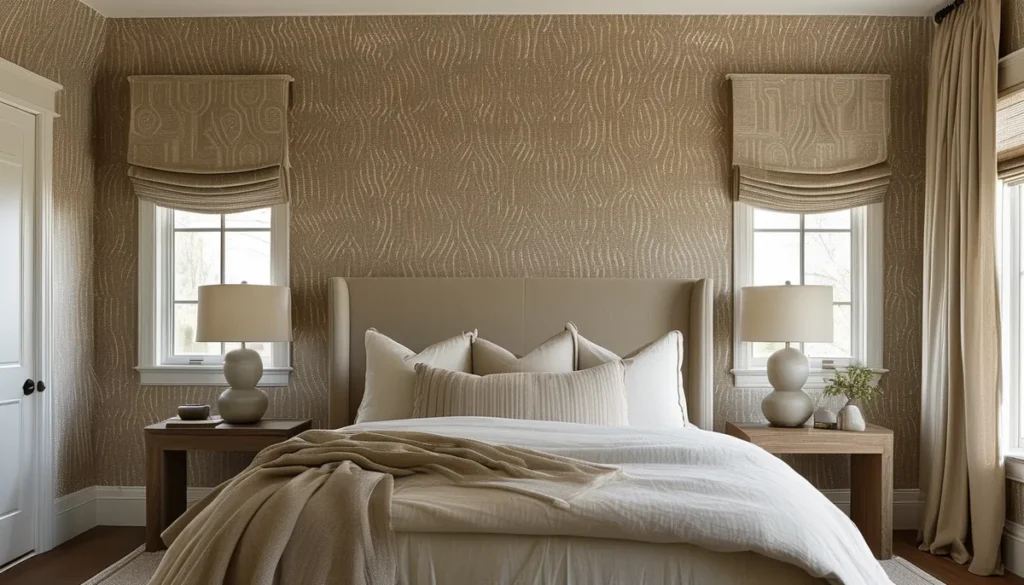
Selecting an accent wall when your main walls are grey requires careful consideration of color, texture, and material to avoid a monochromatic or jarring effect. Your primary goal is to introduce a complementary element that enhances, rather than competes with, the grey.
Choosing the right color for your accent wall
Grey isn’t just one color; it’s a spectrum with undertones of blue, green, or even purple. Understanding your specific grey shade is crucial. A cool, blue-toned grey can be dramatically contrasted with a warm, deep color like a rich burgundy or a forest green. A warmer, greige (grey-beige) might pair better with earthy tones such as terracotta, mustard yellow, or a deep navy.
Consider the mood you want to create. For a dramatic statement, think about deep jewel tones: emerald green, sapphire blue, or ruby red. For a more subtle approach, a slightly darker or lighter shade of grey, or a complementary neutral like a warm taupe or a soft cream, can work. If you’re looking for bold contrast, consider colors opposite grey on the color wheel, such as shades of orange or yellow, used judiciously.
When using a bold color, test it against your grey walls. Hold paint swatches or material samples in the room during different times of day to see how the light affects the perception of color. A color that looks stunning in the morning might appear too harsh or too dull in the evening.
Materials to consider for your accent wall
The material you choose for your accent wall significantly impacts its visual weight and texture. This is where you can introduce a different dimension to your grey backdrop.
Wood paneling and shiplap
Wood offers natural warmth and texture. Shiplap, with its horizontal lines, can make a room feel wider, while vertical planks can add height. You can paint wood panels to match or contrast with your grey walls. For instance, painting shiplap a deep charcoal or a crisp white provides a classic look. Stained wood, from a light oak to a dark walnut, adds organic richness. Consider reclaimed wood for a rustic feel or smooth, painted MDF for a modern aesthetic.
Wallpaper
Wallpaper is an incredibly versatile option. For grey walls, you can opt for:
- Textured wallpapers: Grasscloth, linen, or silk wallpapers add subtle depth and sophistication. These work well with almost any shade of grey.
- Patterned wallpapers: Geometric patterns, floral designs, or abstract prints can introduce color and visual interest. Ensure the pattern’s colors complement your grey. A popular choice is wallpaper with subtle metallic accents that catch the light. Explore designs like those from Rifle Paper Co. wallpaper for unique, artistic flair.
- Peel-and-stick wallpaper: This is a renter-friendly and DIY-friendly option. It allows for easy experimentation with bolder patterns or textures without a long-term commitment.
- Paintable wallpaper: If you love the texture of wallpaper but want to control the color precisely, paintable options are ideal. You can paint them to match your main walls for a subtle tonal shift, or a contrasting color for a bolder statement. Read our guide on transforming walls with paintable wallpaper for more insights.
When selecting wallpaper, consider the scale of the pattern. A large, bold pattern can dominate a small room, while a subtle texture might get lost in a large space.
Wainscoting and board and batten
These architectural elements add a classic or modern touch depending on the style. Wainscoting, typically installed on the lower half of the wall, can be painted a contrasting color to your grey walls. Board and batten, using wider boards and narrower strips, creates a more contemporary look. You can also apply these treatments to the entire wall for a more dramatic effect.
Tile
For areas like a living room fireplace or a dining room feature wall, tile can add significant texture and visual appeal. Consider natural stone tiles, decorative ceramic tiles, or even mosaic tiles. For grey walls, a textured stone tile, a deep-colored ceramic, or a metallic mosaic can create a luxurious accent.
Brick or stone veneer
Exposed brick or stone veneer offers an industrial or rustic charm. A wall clad in reclaimed brick or natural stone provides a rugged, textural contrast to smooth grey walls. Ensure the tones within the brick or stone complement your chosen grey.
Common mistakes to avoid
Several pitfalls can turn your accent wall from a showstopper into a design disaster.
Ignoring undertones
As mentioned, grey has undertones. A cool grey with a warm-toned accent color can clash. Similarly, a warm greige with a stark, cool-toned accent will feel off. Always test samples in your specific lighting conditions.
Overly busy patterns
If your grey walls are a solid, neutral shade, you might be tempted by a very loud wallpaper. However, an accent wall should complement, not overwhelm. If your grey is a complex shade with noticeable undertones, a simpler pattern or solid texture might be more appropriate. Conversely, if your grey is very plain, a bolder pattern can work.
Wrong scale
A large-scale pattern on a small accent wall in a small room can make the space feel cramped. Conversely, a tiny pattern on a vast wall might appear insignificant. Pay attention to the proportion of the pattern to the size of the wall and the room.
Lack of cohesion
Your accent wall should relate to the rest of your decor. If your room is filled with modern furniture, a rustic barn wood accent wall might feel out of place unless intentionally styled to bridge the gap. Look at your furniture, rugs, and art for clues on what colors and textures to incorporate into your accent wall choice.
Poor installation
Whether you’re painting, wallpapering, or installing panels, meticulous preparation and execution are key. Uneven lines, poorly matched seams on wallpaper, or crooked panels will detract from the overall look. If you’re not confident in your DIY skills, consider hiring a professional.
Accent wall ideas for specific rooms
Living room
Focus on the wall behind the sofa, the fireplace, or the TV. A textured wallpaper, wood paneling, or a deep, rich paint color can create a focal point. For a modern look, consider a geometric wallpaper or sleek, dark wood paneling. For a cozier feel, a deep teal or a warm terracotta works well with most greys. If your grey walls are in the kitchen, consult our guide on choosing the right shade of grey for kitchen walls to ensure harmony.
Bedroom
The wall behind the headboard is a natural choice for an accent. Consider a calming color like a deep navy or a sophisticated emerald green. Textured wallpaper, like a subtle linen or grasscloth, can add a touch of luxury. For a serene retreat, a muted sage green or a soft blush pink can offer a gentle contrast to grey.
Home office
An accent wall in a home office can boost productivity and visual interest, especially for video calls. A subtle geometric pattern, a deep blue, or a warm wood finish can create a professional yet inviting atmosphere. Consider how the accent wall will appear on camera. Bold colors or busy patterns might be distracting. Learn more about accent walls for a home office that hold up on camera.
Dining room
The wall behind a buffet or a piece of art is ideal. A sophisticated damask wallpaper, a deep plum, or a rich charcoal can add elegance. If you’re considering beige accent walls, understanding undertones is key, as detailed in our guide to beige accent walls.
Conclusion
Creating an effective accent wall with grey walls is about strategic contrast and texture. By understanding your grey’s undertones, choosing appropriate materials like wood, wallpaper, or architectural treatments, and avoiding common mistakes, you can successfully enhance your space. Whether you aim for dramatic flair or subtle sophistication, the right accent wall will significantly improve your room’s aesthetic appeal.