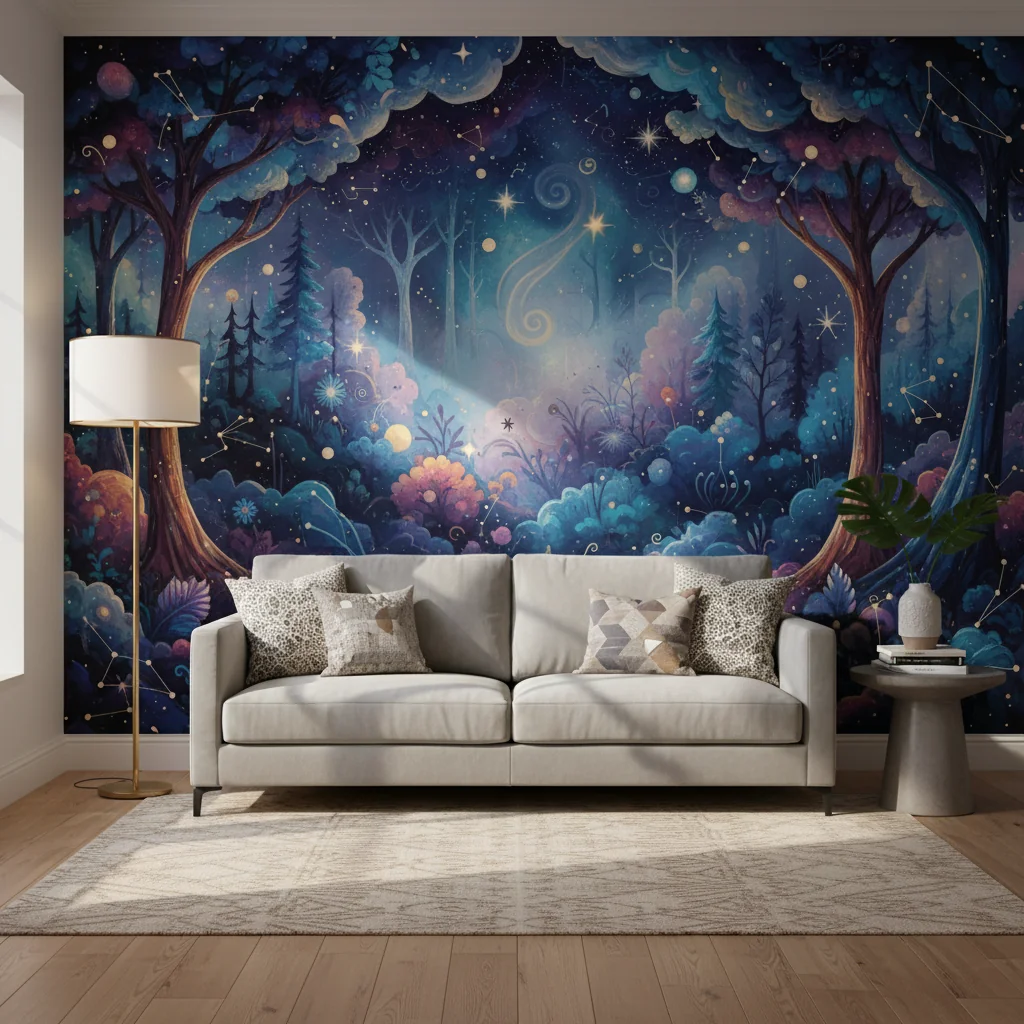
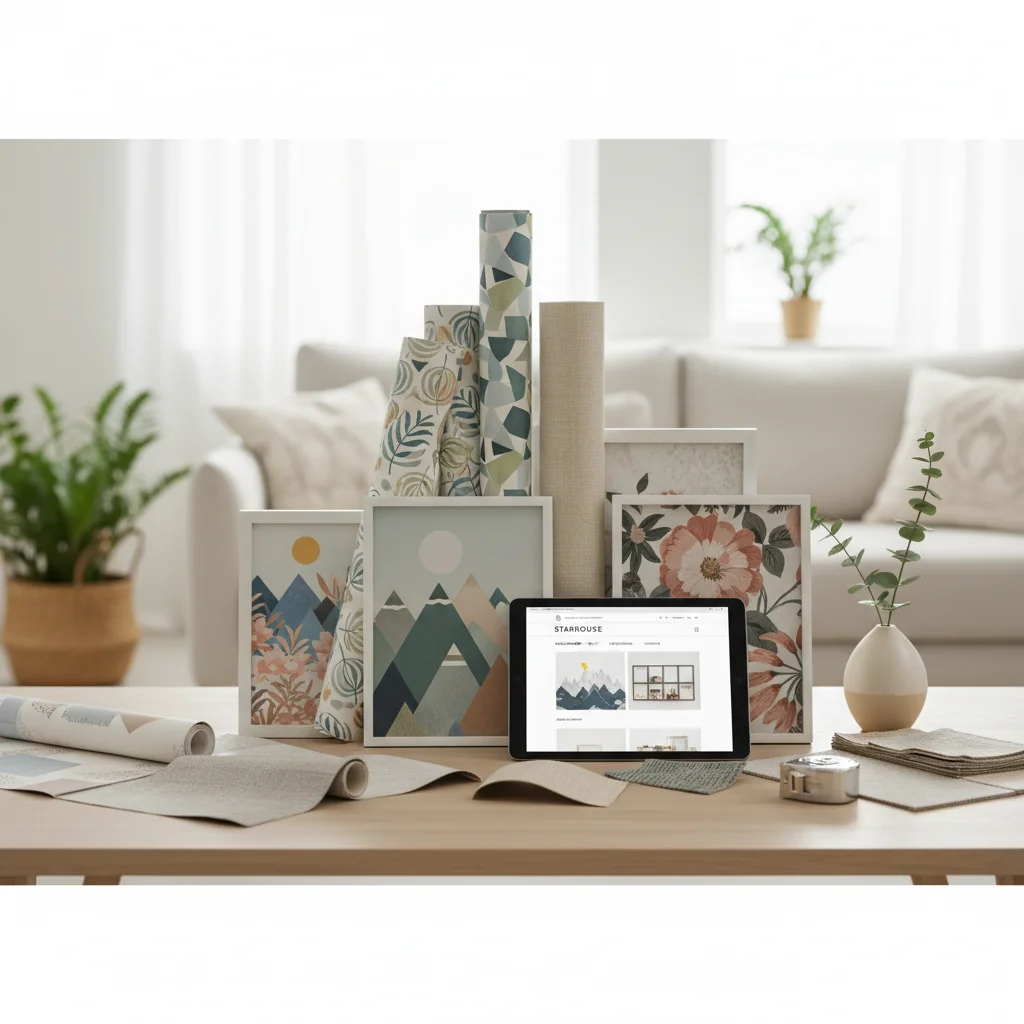
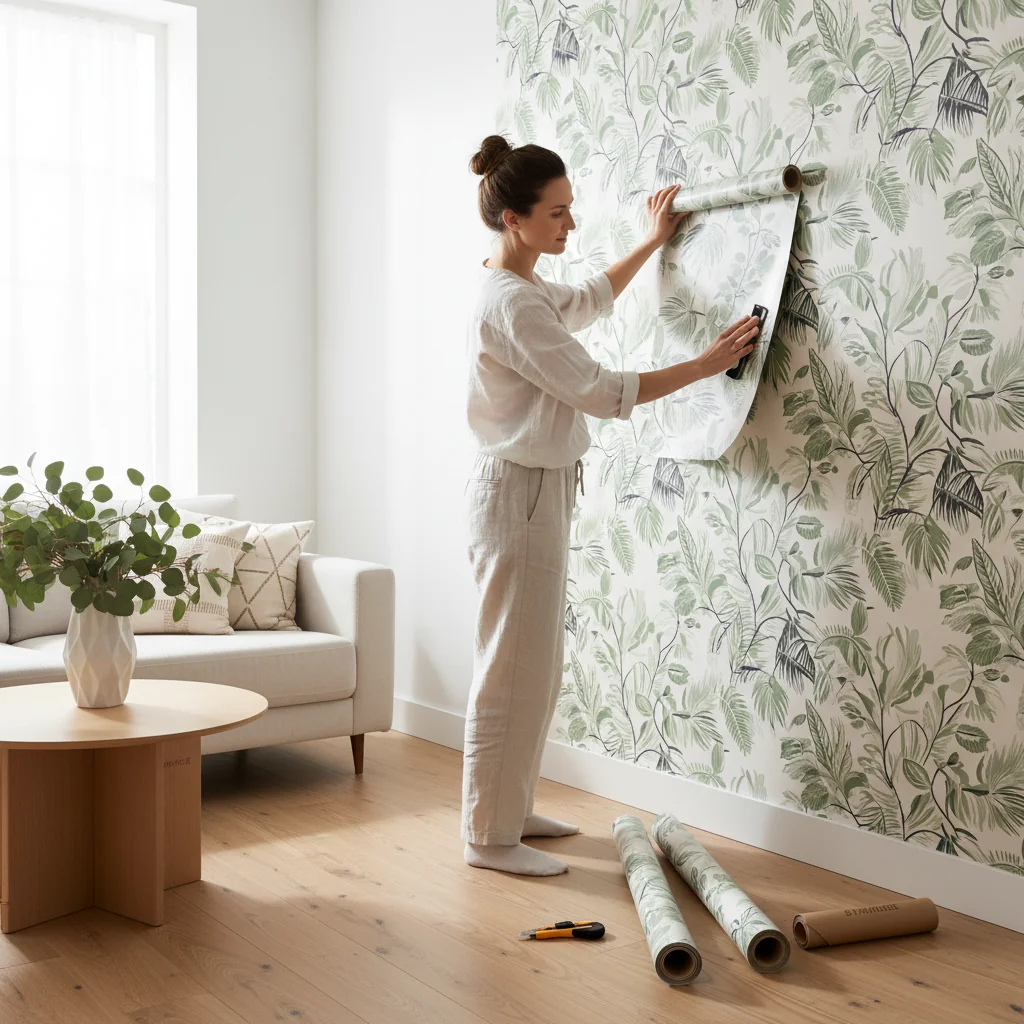
Rifle Paper Co. wallpaper offers a distinctive blend of whimsical charm and sophisticated artistry, transforming any interior into a curated, expressive space. Known for its hand-painted illustrations, vibrant botanical motifs, and narrative designs, this wallpaper collection provides a premium solution for homeowners seeking to infuse their rooms with unique character and timeless elegance. At Starhouse, we recognize the enduring appeal and design versatility that Rifle Paper Co. brings to the American home, curating an understanding of how these exceptional wallcoverings can elevate your design vision. Updated: June 2026.
Key Takeaways
- Rifle Paper Co. wallpaper is renowned for its signature hand-painted botanical and whimsical designs, offering a unique aesthetic.
- The collection includes both traditional unpasted and convenient peel-and-stick options, catering to diverse installation preferences and commitment levels.
- Premium materials, often non-woven substrates and high-quality printing, ensure durability, color vibrancy, and ease of maintenance.
- Accurate measurement, accounting for pattern repeat and waste, is critical for a seamless installation and to avoid material shortages.
- Effective styling involves harmonizing the wallpaper’s pattern and color with complementary furnishings, textiles, and lighting to create a cohesive interior.
- Proper wall preparation and adherence to installation guidelines, whether DIY or professional, are essential for achieving a flawless and lasting finish.
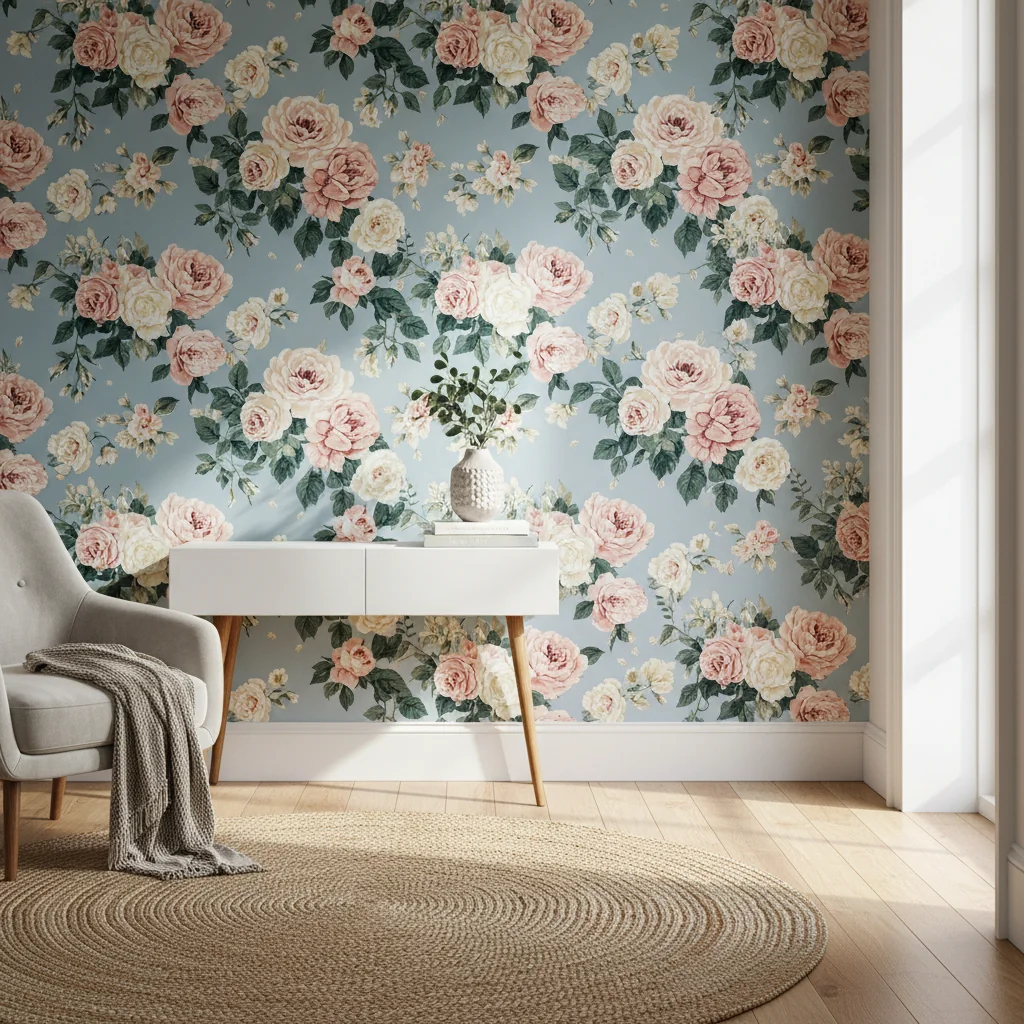
Understanding Rifle Paper Co. Wallpaper: A Design Legacy
Rifle Paper Co. wallpaper is a distinctive line of wallcoverings characterized by its unique aesthetic rooted in hand-painted illustrations, vibrant color palettes, and a blend of botanical, whimsical, and often narrative designs. This collection extends the beloved stationery brand’s iconic artistry into interior spaces, offering a sophisticated yet approachable way to introduce pattern and personality. It represents a collaboration with established wallpaper manufacturers, ensuring both artistic integrity and technical quality.
The brand, founded by Anna and Nathan Bond, began with stationery and quickly evolved into a lifestyle brand recognized for its distinctive artistic sensibility. This sensibility translates directly into their wallpaper collections, which are designed to be both aspirational and accessible. The collaboration with reputable wallpaper manufacturers ensures that the intricate designs are rendered with precision and durability, meeting the demands of residential and even light commercial applications.
At its core, Rifle Paper Co. wallpaper encapsulates a sense of timeless charm, often drawing inspiration from nature, travel, and vintage aesthetics. Each pattern tells a story, whether through a lush floral arrangement or a playful depiction of a cityscape. This narrative quality is a hallmark of the brand, inviting homeowners to create spaces that feel both personal and artfully composed.
Whimsical design in the context of Rifle Paper Co. wallpaper refers to patterns that evoke a sense of playfulness, fantasy, and lightheartedness, often featuring imaginative illustrations of flora, fauna, or narrative scenes that delight and surprise.
Exploring the Types of Rifle Paper Co. Wallpaper
Rifle Paper Co. offers several distinct types of wallpaper, primarily traditional unpasted and convenient peel-and-stick options, alongside select grasscloth designs, each providing specific benefits for different installation needs and aesthetic preferences. Understanding these types is crucial for selecting the appropriate wallcovering for your project, ensuring both visual appeal and practical application.
The choice between traditional and peel-and-stick, for instance, often hinges on the permanence desired and the level of installation experience. Grasscloth, on the other hand, offers a unique textural dimension that sets it apart.
Traditional Unpasted Wallpaper
Traditional unpasted wallpaper requires a separate adhesive, known as wallpaper paste, to be applied to the back of the paper or directly to the wall before installation. This type is generally considered a more permanent wallcovering solution, known for its longevity and durability when properly installed. It offers a classic, professional finish and is often preferred for rooms where a long-term design commitment is desired.
The installation process for unpasted wallpaper is more involved than its peel-and-stick counterpart, often requiring specific tools and techniques to achieve a flawless result. However, its robust nature makes it an excellent choice for high-traffic areas or spaces where durability is paramount. Many traditional wallpapers are made from non-woven substrates, which provide excellent tear resistance and dimensional stability, preventing stretching or shrinking during installation.
Peel-and-Stick Wallpaper
Peel-and-stick wallpaper, also known as removable or self-adhesive wallpaper, features an adhesive backing protected by a removable liner. This innovative type simplifies installation significantly, as it requires no paste and can be easily applied by peeling off the backing and pressing the paper onto the wall. Its primary advantage is its removability, allowing for temporary décor updates without damaging the underlying wall surface.
This type is particularly popular for renters, dorm rooms, nurseries, or anyone who enjoys frequently changing their interior design. While generally less durable than traditional wallpaper over extended periods, modern peel-and-stick options have improved considerably in quality, offering good adhesion and a smooth finish. It is ideal for accent walls, furniture facelifts, or other creative DIY projects where flexibility is key.
Grasscloth Wallcoverings
Grasscloth wallcoverings are a premium and textural option offered in select Rifle Paper Co. collections, distinguished by their natural fibers woven onto a paper backing. These wallcoverings introduce an organic, tactile dimension to a room, creating a sophisticated and understated elegance that differs significantly from printed patterns. Grasscloth typically features subtle variations in color and texture, which are inherent to natural materials and contribute to its unique charm.
Installation of grasscloth requires particular care due to its delicate nature and the visibility of seams. It is generally an unpasted product, and professional installation is often recommended to ensure a seamless and polished result. Grasscloth is celebrated for its ability to add warmth, depth, and a touch of organic luxury, making it suitable for sophisticated living rooms, serene bedrooms, or elegant dining areas. Its natural composition also lends a subtle acoustic benefit, absorbing sound to create a quieter environment.
Grasscloth is a type of natural fiber wallcovering made from hand-woven grasses, reeds, or other plant materials that are adhered to a paper backing, prized for its unique texture, organic variations, and sophisticated aesthetic.
Comparison Table: Wallpaper Types
| Feature | Traditional Unpasted | Peel-and-Stick | Grasscloth |
|---|---|---|---|
| Installation | Requires separate paste; more involved. | Self-adhesive; peel off backing and apply. | Requires paste; delicate, often professional installation. |
| Removability | Generally removable, but can be more challenging; may require steaming. | Easily removable without wall damage. | Can be difficult to remove without damage due to natural fibers. |
| Durability | Highly durable, long-lasting with proper care. | Good durability for temporary to medium-term use. | Durable, but natural fibers can be delicate; prone to sun fading. |
| Texture | Smooth or subtly textured (e.g., non-woven). | Smooth or subtly textured. | Highly textured, natural, woven surface. |
| Best Use | Permanent installations, high-traffic areas, professional finish. | Rentals, temporary updates, DIY projects, accent walls. | Luxury spaces, accent walls, seeking organic texture, lower traffic. |
| Cost (Relative) | Mid to High | Mid | High |
The Signature Styles and Patterns
Rifle Paper Co. wallpaper is instantly recognizable for its distinctive artistic style, which primarily features lush botanical motifs, whimsical narrative scenes, and elegant interpretations of classic patterns, all rendered with a unique hand-painted aesthetic. These signature styles are central to the brand’s identity, offering a diverse yet cohesive range of designs that appeal to various design sensibilities while maintaining a consistent artistic voice.
The patterns often incorporate rich, saturated colors and intricate details, making them focal points in any room. Their designs are not merely decorative; they evoke emotion and create a sense of wonder, making a space feel more inviting and personal.
Botanical and Floral Motifs
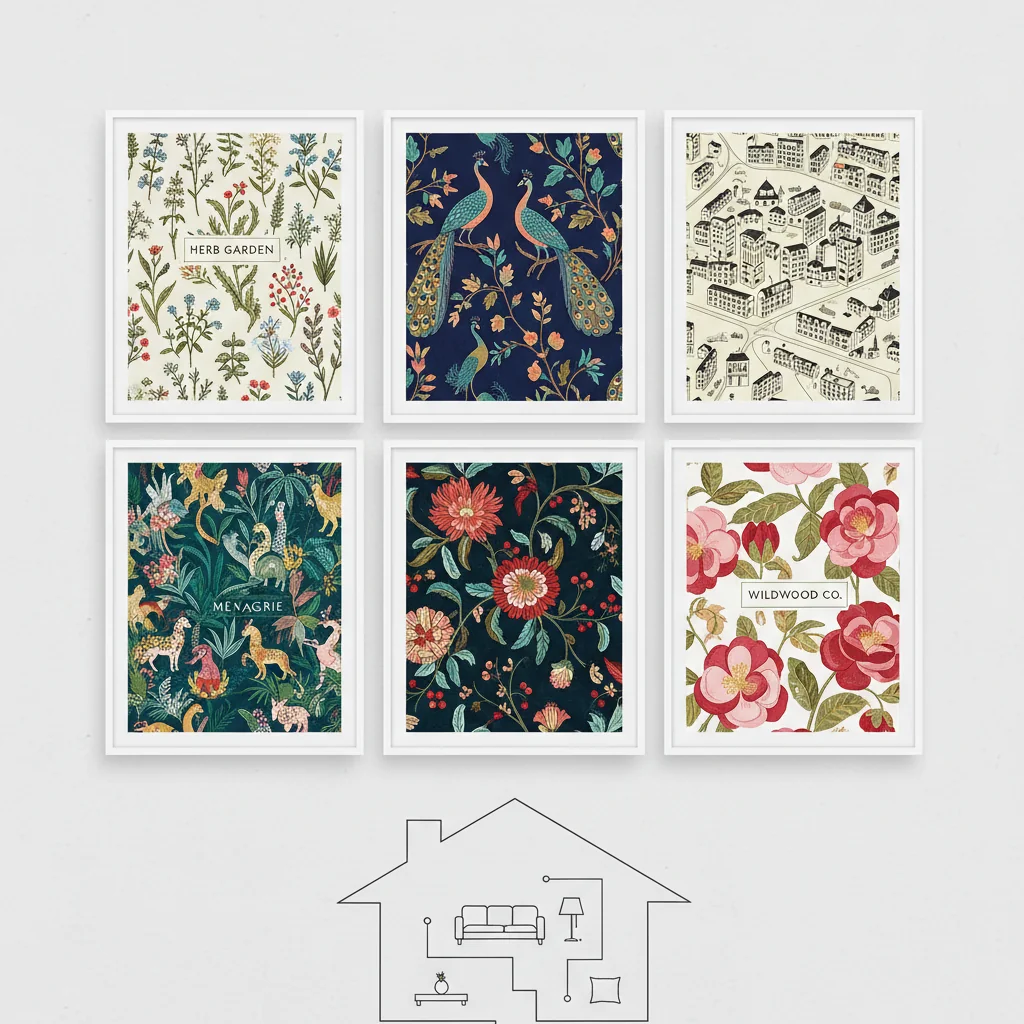
Botanical and floral motifs form the cornerstone of Rifle Paper Co.’s wallpaper collections, showcasing an unparalleled ability to capture the beauty of the natural world with an illustrative flair. Patterns like ‘Herb Garden’ feature detailed depictions of herbs and wildflowers, creating a sophisticated yet rustic feel. ‘Peacock’ introduces exotic birds amidst lush foliage, while ‘Juniper’ and ‘Wildwood’ offer dense, forest-inspired scenes that bring the outdoors in. These designs often feature large-scale repeats, making a bold statement, but are balanced by delicate brushstrokes and thoughtful color palettes that prevent them from overwhelming a space.
The brand excels at combining realism with a stylized interpretation, resulting in florals that feel both familiar and fantastical. Colorways range from bright and vibrant to muted and sophisticated, ensuring there is a botanical pattern to suit any interior, whether a vibrant living room or a serene bedroom.
Whimsical and Narrative Designs
Beyond botanicals, Rifle Paper Co. is celebrated for its whimsical and narrative designs that infuse spaces with charm and storytelling. These patterns often feature playful animal motifs, enchanting landscapes, or subtle pictorial elements that invite closer inspection. Examples include designs with charming animal illustrations, such as foxes, birds, or deer nestled within foliage, or patterns depicting cityscapes and travel-inspired scenes that transport the viewer to another place.
The whimsical nature of these designs makes them particularly popular for children’s rooms, nurseries, and powder rooms, where a touch of unexpected delight is welcomed. However, their sophisticated execution ensures they are equally at home in adult spaces, adding a layer of personality and artistic interest without being juvenile. The narrative quality encourages engagement and discovery, turning a wall into a conversation piece.
Geometric and Abstract Interpretations
While known for its illustrative style, Rifle Paper Co. also incorporates geometric and abstract elements, often subtly integrated within its more organic patterns or as standalone, refined designs. These patterns might feature stylized art deco-inspired shapes, elegant grids, or abstract textures that complement the brand’s core aesthetic. These designs typically maintain the brand’s signature color palettes, ensuring they feel cohesive within the broader collection.
These interpretations offer a contemporary edge, providing options for those who appreciate the brand’s artistry but prefer a less overtly illustrative wallcovering. They can serve as a sophisticated backdrop, allowing other design elements in the room to take center stage, or they can be used to add a subtle layer of visual interest and modern flair.
Toile Designs
Rifle Paper Co. offers its distinctive take on classic toile designs, reimagining this traditional French pattern with its unique illustrative style and modern color palettes. Toile, short for “toile de Jouy,” is a classic fabric or wallpaper pattern featuring a repeating decorative scene, typically pastoral or mythological, rendered in a single color on a light background. Rifle Paper Co.’s interpretations often feature scenes of global cities, lush gardens, or whimsical narratives, all executed with the brand’s characteristic hand-drawn charm.
These modern toile patterns provide a fresh, contemporary alternative to traditional designs, offering a sophisticated yet playful option for bedrooms, dining rooms, or powder rooms. They successfully blend historical elegance with contemporary artistry, creating a wallcovering that is both timeless and relevant.
Materials and Construction: What Makes It Premium
Rifle Paper Co. wallpaper is distinguished by its premium materials and construction, which contribute significantly to its durability, vibrant color reproduction, and overall aesthetic quality. The strategic choice of substrate materials, combined with advanced printing techniques, ensures that each roll not only looks exceptional but also performs reliably over time. This commitment to quality underpins the brand’s reputation for luxury wallcoverings.
The partnership with established manufacturers like York Wallcoverings is instrumental in maintaining these high standards, ensuring that artistic vision is matched with technical excellence.
Substrate Materials
The foundation of Rifle Paper Co. wallpaper lies in its carefully selected substrate materials, primarily non-woven fabrics. Non-woven wallpaper is a technologically advanced wallcovering material made from a blend of natural and synthetic fibers, offering superior durability, dimensional stability, and ease of removal compared to traditional paper-based wallpapers. This composition makes the wallpaper highly resistant to tearing and stretching during installation, providing a more forgiving experience for both DIY enthusiasts and professionals.
- Non-woven: This is a common and preferred substrate for many Rifle Paper Co. designs. Non-woven wallpapers are breathable, durable, and easy to install and remove. They resist shrinking and expanding, ensuring seams remain tight. Many non-woven wallpapers are also “paste-the-wall” products, which simplifies installation by allowing adhesive to be applied directly to the wall rather than the paper.
- Pre-pasted: Some collections feature pre-pasted wallpaper, where a dry adhesive is applied to the back of the paper during manufacturing. Activation simply requires wetting the backing, streamlining the installation process by eliminating the need for separate paste application.
- Unpasted: As discussed, traditional unpasted wallpapers require external paste. These are often made with high-quality paper or non-woven backings that are designed for longevity and a professional finish.
- Vinyl-Coated: Certain patterns, especially those intended for higher-moisture or higher-traffic areas, may feature a vinyl coating. This layer enhances durability, makes the wallpaper more washable, and offers increased resistance to stains and humidity, making it suitable for bathrooms or kitchens.
Printing Techniques
The vivid colors and intricate details synonymous with Rifle Paper Co. designs are achieved through sophisticated printing techniques that ensure fidelity to the original hand-painted artwork. These methods are chosen for their ability to reproduce fine lines, subtle color gradients, and rich saturation.
- Digital Printing: This technique allows for highly detailed, complex patterns and a vast spectrum of colors without the need for traditional printing plates. Digital printing is excellent for capturing the nuances of Rifle Paper Co.’s hand-painted illustrations, ensuring that each brushstroke and watercolor wash is faithfully reproduced. It also enables smaller print runs and greater flexibility in design variations.
- Surface Printing: While digital printing is prevalent, some traditional patterns may utilize surface printing, which can create a distinct, textured finish reminiscent of historic wallpaper production. This method involves applying ink from raised rollers, resulting in a slightly tactile surface that adds depth and character.
- Giclée Printing: While more commonly associated with fine art prints, the principles of high-resolution, multi-pass inkjet printing are applied to wallpaper production to achieve exceptional color accuracy and depth, ensuring the art on the wall matches the original vision.
Durability and Longevity
The combination of robust substrate materials and advanced printing techniques contributes directly to the durability and longevity of Rifle Paper Co. wallpaper. These wallcoverings are engineered to withstand the rigors of daily life in a residential setting, maintaining their aesthetic appeal for years.
- Fade Resistance: High-quality inks and printing processes are chosen to resist fading from exposure to natural light, preserving the vibrancy of the colors over time. While no material is entirely immune to prolonged, direct sunlight, Rifle Paper Co. wallpapers are designed for excellent colorfastness.
- Washability: Depending on the specific material, many Rifle Paper Co. wallpapers are washable or scrubbable, allowing for easy cleaning of minor marks or dust. Vinyl-coated options offer the highest degree of washability, making them practical for areas prone to splashes or spills.
- Tear and Abrasion Resistance: Non-woven substrates provide superior tear resistance compared to traditional paper, making the wallpaper more resilient during installation and less susceptible to damage from everyday wear and tear.
By prioritizing these premium materials and construction methods, Rifle Paper Co. ensures that its wallpaper is not merely decorative but a lasting investment in the beauty and character of a home.
How to Choose the Perfect Rifle Paper Co. Wallpaper for Your Space
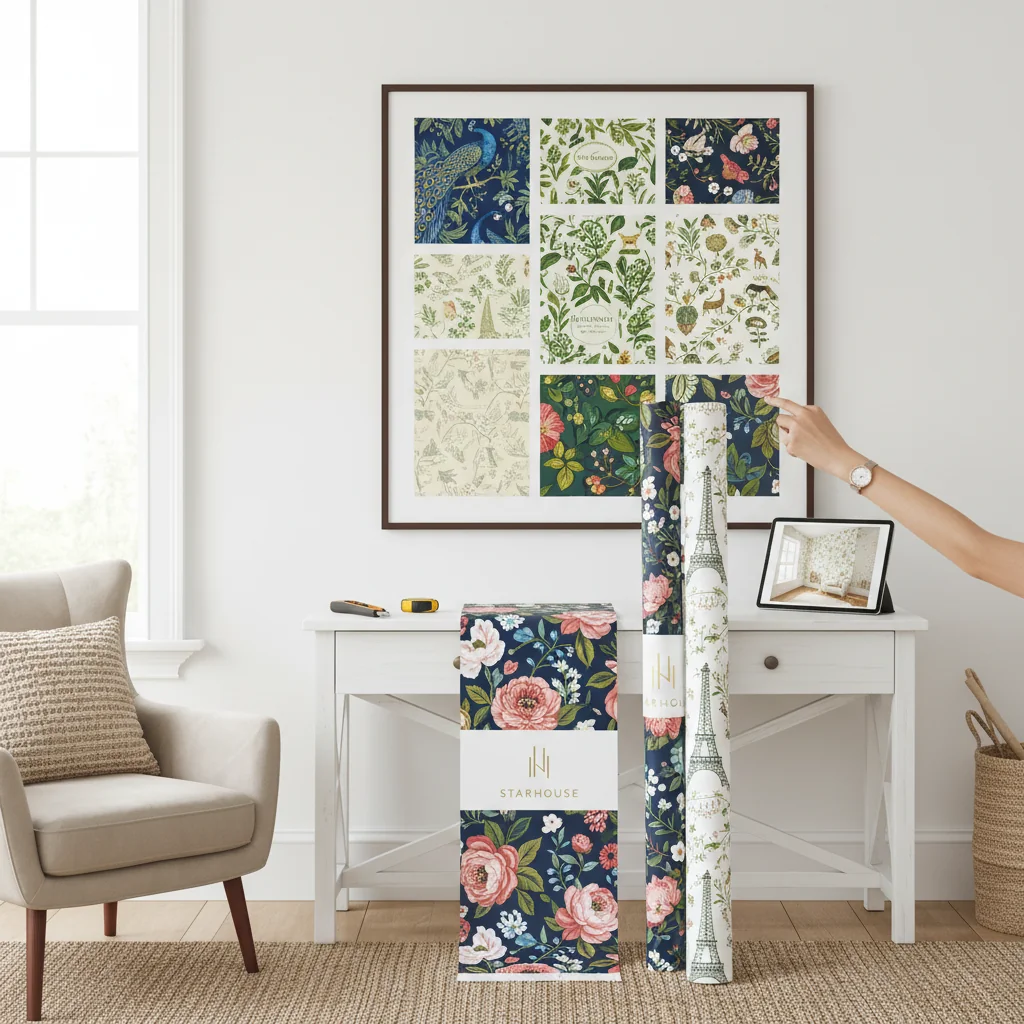
Selecting the ideal Rifle Paper Co. wallpaper involves a thoughtful consideration of your room’s function, desired mood, existing décor, and the practical implications of pattern scale and color palette. The right choice enhances the overall aesthetic and creates a cohesive, inviting environment. This process requires a holistic view of your space, moving beyond simple pattern preference to an understanding of how the wallpaper will interact with light, furnishings, and architectural elements.
A successful selection transforms a room, reflecting personal style while adhering to principles of good design.
Consider Your Room’s Function and Mood
The purpose and atmosphere of a room significantly influence wallpaper selection. A bedroom might benefit from serene, soft patterns, while a powder room offers an opportunity for bold, unexpected designs.
- Living Room: For a central gathering space, consider a design that makes a statement without overwhelming. Large-scale botanicals or a sophisticated toile can serve as a focal point, setting an inviting and elegant tone. Ensure the pattern complements existing furniture and art.
- Bedroom: Opt for patterns that promote relaxation and tranquility. Softer color palettes and more subdued floral or whimsical motifs can create a serene sanctuary. Avoid overly busy or high-contrast designs that might disrupt a restful atmosphere.
- Dining Room: This space often benefits from patterns that evoke sophistication and conversation. Rich, intricate designs or nature-inspired murals can add depth and character, making meals feel more special.
- Powder Room/Bathroom: Smaller spaces like powder rooms are ideal for experimenting with bolder, more dramatic patterns. A vibrant floral or a whimsical narrative can create an unexpected jewel box effect. Ensure the wallpaper is suitable for moisture levels; vinyl-coated options are often best for full bathrooms.
- Nursery/Kids’ Room: Playful and whimsical patterns are perfect here. Animal motifs, charming illustrations, or lighter botanical designs can stimulate imagination and create a joyful environment. Peel-and-stick options are excellent for these rooms, allowing for easy updates as children grow.
- Home Office: Choose a pattern that inspires creativity or promotes focus. A subtle geometric or a calming botanical can provide a pleasant backdrop for work, without being distracting.
Scale and Repeat: Impact on Perception
The scale of a wallpaper pattern and its repeat size profoundly affect how a room feels. A large pattern in a small room can feel overwhelming, while a tiny pattern in a vast space might get lost.
- Large-Scale Patterns: These make a dramatic statement and work well in larger rooms or on accent walls. They can visually expand a space by drawing the eye across the wall. Ensure there’s enough uninterrupted wall space to appreciate the full pattern repeat.
- Small-Scale Patterns: Ideal for smaller rooms or for creating a more subtle, textural backdrop. They add visual interest without dominating the space. Small patterns can also be more forgiving in rooms with many architectural features like windows and doors.
- Pattern Repeat: This is the vertical distance between where a pattern begins and ends on a roll. Larger repeats require more material to ensure proper alignment across strips, leading to more waste. Always factor this into your material calculations.
Color Palette: Integrating with Existing Décor
The color palette of your chosen wallpaper must harmonize with your existing furnishings, textiles, and overall color scheme. Rifle Paper Co. offers designs in a spectrum of colorways, from bright and bold to muted and sophisticated.
- Complementary Colors: Choose wallpaper colors that complement or subtly contrast with your current furniture and accessories. For example, a wallpaper with hints of green can beautifully accent a room with natural wood tones.
- Accent Walls: If using a bold pattern, consider it for an accent wall. This allows you to introduce a strong design element without overwhelming the entire room. Paint the remaining walls in a coordinating solid color pulled from the wallpaper pattern.
- Creating Cohesion: Ensure the wallpaper’s colors tie into other elements in the room, such as throw pillows, rugs, or artwork, to create a unified and polished look.
Lighting: Natural vs. Artificial Impact
The amount and type of light a room receives can dramatically alter how a wallpaper pattern appears. Always consider how the design will look under different lighting conditions.
- Natural Light: Rooms with abundant natural light can handle bolder, darker patterns, as the light prevents them from feeling too heavy. Light-colored wallpapers in bright rooms will feel even airier.
- Artificial Light: In rooms with limited natural light, artificial lighting will play a crucial role. Test samples under your room’s typical lighting (warm or cool bulbs) to see how colors and patterns are perceived. Darker patterns might appear even darker in poorly lit spaces.
Durability and Maintenance: Practical Considerations
Consider the practical aspects of the wallpaper, especially in high-traffic or moisture-prone areas.
- High-Traffic Areas: For hallways, mudrooms, or kitchens, prioritize durable, washable options, often those with a vinyl coating or robust non-woven construction.
- Moisture-Prone Areas: In bathrooms or laundry rooms, select wallpapers specifically rated for high humidity or choose vinyl-coated options to prevent peeling and mold growth.
Sample Testing: The Essential Step
Always order samples of your preferred Rifle Paper Co. wallpapers. This crucial step allows you to see the true colors, texture, and scale of the pattern in your actual space, under your specific lighting conditions, before making a significant investment. Place samples on different walls and observe them throughout the day to ensure satisfaction.
At Starhouse, we are passionate about helping you curate a home that reflects your unique style and needs. As we build our collection of exquisite home décor, we invite you to tell us what you’re looking for in your ideal space. Share your design aspirations and get early access to our carefully selected offerings by visiting telling us what you’re looking for.
Accurate Sizing and Measuring for Installation
Accurate sizing and measuring are foundational steps for a successful wallpaper installation, ensuring you purchase the correct quantity of material and minimize waste. Precise measurements account for wall dimensions, pattern repeat, and potential irregularities, preventing costly material shortages or an unfinished look. This methodical approach guarantees a seamless and professional finish for your Rifle Paper Co. wallpaper project.
Underestimating material needs is a common mistake that can delay your project and lead to color variations if subsequent rolls are from a different dye lot.
Tools Required
Before you begin, gather the following essential tools:
- Retractable Steel Tape Measure: For accurate measurements of walls.
- Pencil: For marking measurements.
- Level or Plumb Bob: To ensure vertical straightness when hanging the first strip.
- Calculator: For computing total square footage and roll requirements.
Step-by-Step Measurement Guide
Follow these steps to accurately measure your walls for Rifle Paper Co. wallpaper:
- Measure Wall Height: Measure the height of each wall from the baseboard to the ceiling. If your ceiling height varies, take measurements at several points and use the tallest measurement for that wall to ensure you have enough material for each strip. For a typical 8-foot ceiling, measure 96 inches.
- Measure Wall Width: Measure the width of each wall horizontally.
- Calculate Total Square Footage: For each wall, multiply its measured height by its measured width to get the square footage. Sum the square footage of all walls you plan to wallpaper.
- Example: If a wall is 8 feet (96 inches) high and 12 feet (144 inches) wide, its area is 96 inches * 144 inches = 13,824 square inches, or 8 feet * 12 feet = 96 square feet.
- Account for Doors and Windows: While you won’t wallpaper over these areas, it’s generally recommended to include them in your initial square footage calculation. This provides a buffer for pattern matching and trimming. For very large openings, you can subtract half of their area from the total.
- Factor in Pattern Repeat and Waste: This is a critical step for patterned wallpapers like Rifle Paper Co.’s.
- Pattern Repeat: Locate the pattern repeat information on the wallpaper product page or roll label (e.g., 27 inches). This is the distance before the pattern repeats itself vertically.
- Waste Calculation: You must add extra material to account for pattern matching and trimming. A common recommendation is to add 15-20% to your total square footage. For large pattern repeats (over 20 inches) or complex installations, consider adding closer to 25%.
- To calculate the number of strips per roll, divide the roll length by the wall height plus one pattern repeat. For example, if a roll is 33 feet long (396 inches), your wall is 96 inches high, and the pattern repeat is 27 inches: 396 inches / (96 inches + 27 inches) = 396 / 123 = 3.2 strips. You would get 3 full strips per roll.
- Determine Roll Dimensions: Rifle Paper Co. wallpapers typically come in standard U.S. double roll dimensions. A common double roll is approximately 27 inches wide by 27 feet long (or 8.23 meters), covering about 60.75 square feet. However, always verify the specific roll dimensions on the product page.
- Calculate Number of Rolls Needed:
- Divide your total adjusted square footage (including waste) by the square footage covered by one double roll.
- Example: If your total adjusted square footage is 500 sq ft, and one double roll covers 60.75 sq ft, you would need 500 / 60.75 = 8.23 rolls. Always round up to the nearest whole number, so you would need 9 double rolls.
- Alternatively, calculate the number of strips needed for each wall’s width (wall width / wallpaper width, rounded up) and then multiply by the number of strips per roll (as calculated in step 5). This method can be more precise for complex layouts.
Always purchase all rolls from the same dye lot to ensure consistent color. The dye lot number is usually printed on the roll label.
Professional Consultation
For rooms with complex architectural features, sloped ceilings, numerous windows, or if you feel uncertain about your calculations, consider consulting a professional wallpaper installer. They can provide precise measurements and often have access to tools and techniques that ensure optimal material usage and a flawless finish.
Installation Best Practices and Professional Tips
Successful wallpaper installation, whether for traditional unpasted or peel-and-stick types, hinges on meticulous preparation and adherence to established best practices. Proper techniques ensure a smooth, durable, and visually appealing result, transforming your space with the elegance of Rifle Paper Co. designs. Neglecting preparatory steps or using incorrect methods can lead to visible seams, bubbles, or eventual peeling, compromising the aesthetic integrity of the wallcovering.
A well-executed installation elevates the entire room, showcasing the wallpaper as a true design feature.
Preparation is Key: Wall Surface Readiness
The most critical step for any wallpaper installation is thorough wall preparation. A properly prepared surface ensures optimal adhesion and a smooth finish.
- Clean Walls: All walls must be clean, dry, and free of dust, grease, and grime. Use a mild detergent solution, rinse thoroughly, and allow walls to dry completely.
- Smooth Surface: Patch any holes or cracks with spackle, sand smooth, and wipe away dust. Imperfections on the wall will show through the wallpaper, especially with lighter or thinner patterns.
- Remove Old Wallpaper: If old wallpaper is present, remove it completely. Do not wallpaper over existing wallpaper, as it can lead to poor adhesion, bubbling, and an uneven finish.
- Prime Walls: Apply a high-quality wallpaper primer (often called a “sizing” primer) to all surfaces. Primer seals the wall, promotes better adhesion, allows for easier repositioning during installation, and makes future removal simpler. For dark walls being covered by light wallpaper, a tinted primer can prevent the underlying color from showing through.
- Allow to Dry: Ensure primer is completely dry according to manufacturer instructions, typically 24-48 hours, before proceeding.
Traditional Wallpaper Installation: Overview
Traditional unpasted wallpaper requires a more involved process, but yields a robust and long-lasting finish. For detailed, step-by-step instructions, consult authoritative sources like York Wallcoverings, a partner in producing many Rifle Paper Co. designs. York Wallcoverings provides comprehensive guides on proper installation techniques for their products, including material preparation and hanging methods. How to Hang Wallpaper | York Wallcoverings outlines essential steps for a successful application.
Key steps typically include:
- Cutting Strips: Cut wallpaper strips to wall height, adding 4-6 inches for trimming at the top and bottom, carefully matching the pattern repeat.
- Pasting: Apply a high-quality, clear wallpaper paste evenly to the back of the wallpaper strip (or directly to the wall for “paste-the-wall” non-wovens).
- Booking: Fold the pasted strip onto itself, paste-to-paste, without creasing. This allows the paste to soak in (relax the paper) and prevents premature drying.
- Hanging the First Strip: Use a plumb line (a weighted string) or a laser level to draw a perfectly vertical line on the wall, about 1-2 inches less than the wallpaper width from a corner. This ensures the first strip is straight, which is crucial for subsequent strips.
- Smoothing: Apply the strip to the wall, aligning with the plumb line. Use a smoothing brush or plastic smoother to remove air bubbles, working from the center outwards.
- Trimming: Use a sharp utility knife and a straightedge to trim excess paper at the ceiling and baseboard.
- Seams: Butt seams tightly together; avoid overlapping. Use a seam roller to gently flatten seams without squeezing out excessive paste.
Peel-and-Stick Installation: Simplified Approach
Peel-and-stick wallpaper offers a more forgiving installation process, ideal for temporary applications or DIY projects.
- Measure and Cut: Measure wall height and cut strips, adding a few inches for trimming.
- Peel and Stick: Start by peeling a few inches of the backing from the top of the strip. Align the top edge with the ceiling and the side edge with your plumb line.
- Smooth as You Go: Slowly peel more of the backing while smoothing the wallpaper down the wall with a felt-edged squeegee or smoothing tool. Work from the center outwards to eliminate bubbles.
- Repositioning: One of the key benefits is its repositionability. If a bubble or misalignment occurs, gently peel back the section and reapply.
- Trimming: Trim excess at the ceiling and baseboard with a sharp utility knife.
Tools for Success
Having the right tools is essential for a professional finish:
- Smoothing Brush/Squeegee: To remove air bubbles and ensure firm adhesion.
- Utility Knife with Snap-Off Blades: Keep blades sharp for clean cuts at edges.
- Straightedge/Metal Ruler: For precise trimming.
- Seam Roller: For traditional wallpaper, to secure seams (use sparingly on delicate papers).
- Wallpaper Paste/Adhesive: Specific to the type of unpasted wallpaper.
- Large Sponge and Bucket: For cleaning paste from surfaces and hands.
- Stepladder: For reaching high areas safely.
Hiring a Professional: When It’s Advisable
While DIY installation is possible, particularly with peel-and-stick, there are situations where hiring a professional installer is highly recommended:
- Complex Patterns: Large or intricate patterns with significant repeats require precise matching across strips, which professionals excel at.
- Delicate Materials: Grasscloth or other natural fiber wallcoverings are challenging to install without expertise, as seams can be more visible and the material less forgiving.
- Irregular Walls/Ceilings: Rooms with slanted ceilings, numerous windows, built-ins, or uneven walls benefit from a professional’s experience in navigating these complexities.
- Time Constraints: If you lack the time or patience for a meticulous DIY project, a professional can complete the job efficiently and flawlessly.
- Investment Protection: For expensive or high-end wallpaper, professional installation protects your investment by ensuring the best possible outcome.
A professional installer not only handles the physical application but also offers expertise in surface preparation, material estimation, and troubleshooting, ensuring a superior and lasting result.
Styling and Pairing Rifle Paper Co. Wallpaper with Your Décor
Styling Rifle Paper Co. wallpaper involves integrating its distinctive patterns and vibrant colors seamlessly with your existing furnishings, textiles, and accessories to create a cohesive and harmonious interior. The goal is to allow the wallpaper to enhance the room’s aesthetic without overwhelming it, establishing a balanced and inviting atmosphere. This process requires a discerning eye for color, texture, and scale, ensuring every element contributes to a unified design narrative.
Thoughtful pairing transforms a room from merely decorated to truly designed, reflecting a curated sensibility.
Complementary Furnishings
The wallpaper serves as a backdrop or a focal point, and furnishings should either complement its style or provide a sophisticated contrast.
- Solid Colors: Pair busy or vibrant Rifle Paper Co. patterns with solid-colored furniture in hues pulled directly from the wallpaper. This creates visual rest and allows the pattern to shine without competing. For example, a chair upholstered in a deep green or soft pink from a floral motif will harmonize beautifully.
- Natural Textures: Incorporate natural materials like wood, rattan, cane, linen, and wool. These textures provide a grounding effect and add warmth, contrasting nicely with the illustrative nature of the wallpaper. A light oak dresser or a woven jute rug can balance a bold floral pattern.
- Mid-Century Modern: The clean lines and organic shapes of mid-century modern furniture often pair exceptionally well with Rifle Paper Co.’s whimsical and botanical designs, creating a fresh, eclectic look.
- Traditional Elements: For a more classic or transitional aesthetic, pair the wallpaper with upholstered pieces featuring elegant silhouettes and subtle detailing. The wallpaper can inject a modern twist into a traditional setting.
Lighting Considerations
Lighting plays a crucial role in how wallpaper is perceived, affecting both color and pattern visibility.
- Ambient Lighting: Ensure adequate general lighting to brighten the room, especially if the wallpaper has a darker background or intricate details. Recessed lighting or a central chandelier can illuminate the entire wall.
- Accent Lighting: Use wall sconces or picture lights to highlight specific areas of the wallpaper, drawing attention to its artistic qualities. This is particularly effective for accent walls or areas where the pattern is especially intricate.
- Natural Light: Maximize natural light to keep the room feeling open and airy, which can prevent bolder patterns from feeling too heavy. Sheer curtains or minimal window treatments allow the wallpaper to be the star.
Textiles and Accessories
Layering textiles and choosing appropriate accessories can tie the entire room together, echoing the wallpaper’s theme or color palette.
- Pillows and Throws: Select pillows and throws in solid colors or subtle textures that pick up on accent colors within the wallpaper. Avoid competing patterns unless you are skilled at pattern mixing.
- Rugs: A solid-colored rug or one with a very subtle, abstract pattern can anchor the room and provide a soft counterpoint to the wallpaper. Natural fiber rugs (jute, sisal) are excellent for grounding a vibrant wallpaper.
- Curtains: Choose curtains in a solid color that matches a background hue in the wallpaper, or opt for a neutral linen or cotton. If the wallpaper is busy, keep curtains simple.
- Decorative Objects: Select accessories that either complement the wallpaper’s theme (e.g., botanical prints with real plants) or offer a clean, minimalist contrast. Metallic accents (gold, brass) often pair beautifully with Rifle Paper Co.’s rich colorways.
Art and Mirrors
Layering artwork or mirrors over wallpaper can be done effectively with careful consideration.
- Strategic Placement: Place artwork or mirrors in areas where they don’t obscure the most intricate parts of the wallpaper pattern.
- Framing: Choose simple frames (e.g., thin gold, black, or natural wood) that don’t compete with the wallpaper. A white mat can create a visual buffer between the art and the patterned wall.
- Mirrors: Mirrors can be particularly effective over wallpaper, as they reflect the pattern and light, adding depth without introducing a new design element.
- Gallery Walls: While possible, a gallery wall over a busy wallpaper requires careful curation. Ensure the frames and art have enough negative space or a unifying element to prevent visual clutter.
Mixing Patterns: Rules for Harmony
Mixing patterns requires a discerning eye, but can result in a dynamic and sophisticated space.
- Vary Scale: Combine patterns of different scales—a large-scale wallpaper with a small-scale geometric on a pillow, for example. This prevents patterns from competing.
- Unifying Color Palette: Ensure all patterns share at least one common color, or belong to the same overall color family, to create cohesion.
- Introduce Solids: Always intersperse solid colors or plain textures between patterns to provide visual breaks and prevent the room from feeling too chaotic.
- Consider Different Types: Mix different types of patterns—a floral wallpaper with a stripe or a subtle plaid in textiles.
Creating a Focal Point
Rifle Paper Co. wallpaper is often used to create a stunning focal point in a room.
- Accent Wall: Applying a bold pattern to a single wall, such as behind a bed, sofa, or dining table, immediately draws the eye and defines the space. Paint the remaining walls in a coordinating solid color.
- Architectural Features: Wallpapering inside built-in shelves, a recessed niche, or the back of a pantry door can add an unexpected pop of pattern and personality without overwhelming the room.
By thoughtfully considering these styling principles, you can maximize the impact of Rifle Paper Co. wallpaper, creating a space that feels both artful and uniquely yours.
Care and Maintenance for Lasting Beauty
Proper care and maintenance are essential for preserving the vibrant colors and structural integrity of Rifle Paper Co. wallpaper, ensuring its lasting beauty and performance in your home. Adhering to specific cleaning guidelines and preventative measures protects your investment and keeps your walls looking fresh and new. Different types of wallpaper—traditional, peel-and-stick, and especially grasscloth—require tailored care approaches to prevent damage and extend their lifespan.
Consistent, gentle care is less damaging than infrequent, aggressive cleaning methods.
General Cleaning and Dusting
Regular, gentle cleaning is the best defense against grime buildup and helps maintain the wallpaper’s fresh appearance.
- Dusting: Dust your wallpaper regularly using a soft, dry cloth, a microfiber duster, or a vacuum cleaner with a soft brush attachment. This prevents dust and cobwebs from accumulating and embedding into the surface.
- Gentle Wiping: For most Rifle Paper Co. wallpapers, a light wipe with a clean, damp (not wet) sponge or cloth is sufficient for general cleaning. Use plain water or a very mild, non-abrasive detergent solution. Always wring out the sponge thoroughly to avoid saturating the wallpaper.
- Avoid Harsh Chemicals: Never use abrasive cleaners, scouring pads, or harsh chemical solutions, as these can damage the wallpaper’s surface, fade colors, or compromise the adhesive.
Spot Cleaning: Immediate Action for Spills
Address spills and marks immediately to prevent them from setting into the wallpaper.
- Blot, Don’t Rub: For liquid spills, gently blot the area with a clean, dry cloth or paper towel to absorb as much liquid as possible. Rubbing can spread the stain or damage the pattern.
- Mild Soap Solution: For more stubborn marks, apply a very small amount of mild, diluted dish soap to a damp cloth. Gently dab the stained area. Rinse the cloth and wipe the area again with clean water to remove any soap residue.
- Test in an Inconspicuous Area: Before applying any cleaning solution, always test it on a small, hidden area of the wallpaper (e.g., behind a door or in a closet) to ensure it does not cause discoloration or damage.
- Specific Stains: For grease stains, a cornstarch paste (cornstarch mixed with a little water) can sometimes absorb the oil. Apply, let dry, then gently brush off. For crayon marks, a soft art gum eraser can sometimes lift the wax.
Care for Specific Wallpaper Types
Different materials require specific handling:
- Traditional Unpasted (Non-Woven/Vinyl-Coated): These are generally more robust. Non-woven types are often washable, and vinyl-coated options are highly scrubbable and resistant to moisture, making them suitable for kitchens and bathrooms.
- Peel-and-Stick: Typically washable with a damp cloth and mild soap. Be gentle to avoid lifting edges or damaging the adhesive. Avoid excessive scrubbing.
- Grasscloth Wallcoverings: These natural fiber wallpapers are the most delicate.
- No Water: Never use water or liquid cleaners on grasscloth, as it can stain, warp, or damage the natural fibers.
- Dust Only: Dust regularly with a dry, soft cloth or a vacuum cleaner with a brush attachment.
- Spot Cleaning: For minor marks, a dry art gum eraser can be used very gently. For more significant issues, professional cleaning may be required, but often, natural fiber stains are permanent.
- Sunlight: Grasscloth is prone to fading in direct sunlight. Consider window treatments to protect it.
Avoiding Damage and Longevity Tips
Preventative measures extend the life and beauty of your wallpaper.
- Direct Sunlight: Prolonged exposure to direct sunlight can cause colors to fade over time. Use curtains, blinds, or UV-filtering window films on windows facing intense sun to protect your wallpaper.
- Excessive Moisture: While some wallpapers are moisture-resistant, excessive humidity can cause peeling, bubbling, or mold growth. Ensure good ventilation in bathrooms and kitchens.
- Physical Damage: Be mindful of furniture placement, pets, and children who might scratch, tear, or mark the wallpaper.
- Humidity Control: Maintain consistent indoor humidity levels. Extreme fluctuations can cause wallpaper to expand, contract, or peel. A humidifier or dehumidifier can help regulate this.
- Professional Repairs: For significant damage, consult a professional wallpaper hanger for seamless repairs or touch-ups, especially for traditional installations.
By following these care and maintenance guidelines, your Rifle Paper Co. wallpaper will continue to be a stunning and cherished element of your home décor for many years.
Common Mistakes to Avoid When Choosing and Installing
Avoiding common pitfalls in both the selection and installation phases of Rifle Paper Co. wallpaper ensures a successful project and prevents costly errors. Many issues arise from inadequate planning or overlooking critical details, leading to disappointment or the need for rework. By being aware of these frequent mistakes, homeowners can navigate their wallpaper journey with greater confidence and achieve a polished, professional outcome.
Careful attention to detail in the initial stages saves significant time and expense in the long run.
Underestimating Pattern Repeat and Waste
One of the most frequent and costly mistakes is failing to adequately account for pattern repeat and waste when calculating the number of rolls needed. Rifle Paper Co. patterns often have significant repeats to showcase their intricate designs.
- Consequence: Running out of wallpaper mid-project, especially if subsequent rolls are from a different dye lot, leading to color discrepancies or project delays.
- Solution: Always add an extra 15-25% to your total square footage calculation, particularly for large pattern repeats or rooms with many windows/doors. Round up to the next whole roll.
Skipping Wall Preparation
Ignoring proper wall preparation is a recipe for a flawed finish, regardless of wallpaper quality.
- Consequence: Bubbles, visible seams, peeling edges, or imperfections on the wall showing through the wallpaper. Paint or dirt can also prevent proper adhesion.
- Solution: Clean, patch, sand, and prime all walls thoroughly. Use a high-quality wallpaper primer (sizing) to seal the surface and ensure optimal adhesion and future removability.
Ignoring Room Scale and Lighting
Choosing a pattern without considering the size of the room and its natural light can lead to an unbalanced or overwhelming aesthetic.
- Consequence: A small room feeling cramped with a large, busy pattern, or a subtle pattern being lost in a vast space. Colors can appear different under various lighting conditions.
- Solution: Order samples and tape them to your walls. Observe them throughout the day and under artificial light. Consider the scale of the pattern relative to the room’s dimensions and the amount of natural light it receives.
Not Ordering Samples
Making a final decision based solely on online images or small swatches is a common error.
- Consequence: Disappointment when the wallpaper’s color, texture, or scale doesn’t match expectations in your actual space.
- Solution: Always order physical samples. Live with them on your walls for a few days to see how they interact with your room’s light, existing décor, and overall ambiance.
Incorrect Adhesive (for Traditional Wallpaper)
Using the wrong type or amount of adhesive for traditional unpasted wallpaper can severely impact installation and longevity.
- Consequence: Poor adhesion, bubbling, mold growth, or difficulty during future removal.
- Solution: Always use the specific type of wallpaper paste recommended by the manufacturer for your chosen wallpaper (e.g., clear, heavy-duty, clay-based). Apply it evenly and according to instructions.
Poor Tool Selection and Use
Attempting installation with inadequate or dull tools compromises the quality of the finish.
- Consequence: Ragged edges, visible air bubbles, damaged wallpaper, or an amateurish appearance.
- Solution: Invest in proper wallpaper tools: a sharp utility knife with snap-off blades, a good smoothing tool/squeegee, a plumb line or laser level, and a seam roller (for traditional).
Overlapping Seams (for Most Wallpapers)
While some specialty wallpapers are designed to overlap, most modern wallpapers, including Rifle Paper Co.’s, are designed for butt joints.
- Consequence: Visible, raised seams that detract from the smooth appearance of the wallpaper.
- Solution: Ensure wallpaper strips are carefully butted together, edge-to-edge, without overlapping. Use a seam roller gently to secure the seam without flattening the paper too much.
By being mindful of these common mistakes, you can approach your Rifle Paper Co. wallpaper project with confidence, ensuring a beautiful and lasting result.
Sources
Frequently Asked Questions About Rifle Paper Co. Wallpaper
What is Rifle Paper Co. wallpaper known for?
Rifle Paper Co. wallpaper is primarily known for its distinctive hand-painted illustrations, vibrant botanical and floral motifs, and whimsical narrative designs that bring unique artistic charm to interior spaces. The brand’s aesthetic often features rich colors and intricate details.
Is Rifle Paper Co. wallpaper peel-and-stick or traditional?
Rifle Paper Co. offers both traditional unpasted wallpaper, which requires separate adhesive, and convenient peel-and-stick (self-adhesive) options, catering to different installation preferences and project permanence needs. Select collections also include natural grasscloth wallcoverings.
Can Rifle Paper Co. wallpaper be used in bathrooms?
Yes, Rifle Paper Co. wallpaper can be used in bathrooms, particularly in powder rooms or well-ventilated full bathrooms. For areas with higher moisture exposure, it is recommended to choose options that are specifically washable or vinyl-coated for increased durability and moisture resistance.
How do I clean Rifle Paper Co. wallpaper?
Most Rifle Paper Co. wallpapers, especially non-woven and peel-and-stick types, can be gently cleaned by dusting regularly and wiping with a clean, damp cloth using plain water or a very mild detergent. Grasscloth wallcoverings should only be dry-dusted, as water can cause staining.
How much wallpaper should I buy?
To determine the quantity, measure your wall’s total square footage and add 15-25% extra material to account for pattern repeat and waste, especially for large patterns. Then, divide this adjusted total by the square footage covered by one roll (typically around 60.75 sq ft for a double roll) and round up to the nearest whole number.
Is Rifle Paper Co. wallpaper easy to install?
Peel-and-stick Rifle Paper Co. wallpaper is generally considered easy for DIY installation due to its self-adhesive and repositionable nature. Traditional unpasted wallpaper requires more skill and tools, and professional installation is often recommended for intricate patterns or delicate materials like grasscloth to ensure a flawless finish.
What kind of aesthetic does Rifle Paper Co. wallpaper create?
Rifle Paper Co. wallpaper creates an aesthetic that is often described as sophisticated, whimsical, and artfully curated, blending classic charm with a fresh, contemporary feel. Its designs infuse spaces with personality, warmth, and a sense of unique storytelling, making rooms feel inviting and distinctive.
Conclusion: Elevate Your Home with Rifle Paper Co. Wallpaper
Rifle Paper Co. wallpaper offers a truly distinctive opportunity to infuse your home with unparalleled artistry, vibrant character, and a sophisticated sense of design. From lush botanical murals to charming whimsical patterns, each collection is a testament to the brand’s commitment to hand-painted beauty and quality craftsmanship. By understanding the various types, meticulous measuring, and thoughtful styling, you can transform any room into a curated space that reflects your unique aesthetic and brings joy to your everyday living.
Choosing Rifle Paper Co. wallpaper is more than a design decision; it is an investment in creating an environment that tells a story, evokes emotion, and stands apart with timeless elegance. As you embark on your journey to curate a home that truly speaks to you, consider the transformative power of these exquisite wallcoverings.
At Starhouse, we are dedicated to bringing you the finest in home & décor, meticulously selecting pieces that resonate with quality, style, and enduring appeal. We are currently curating our collection to meet the discerning tastes of homeowners like you. We invite you to be a part of this exciting launch by sharing your design desires and receiving early access to our exclusive offerings. Tell us what you’re looking for, and let us help you build the home of your dreams.