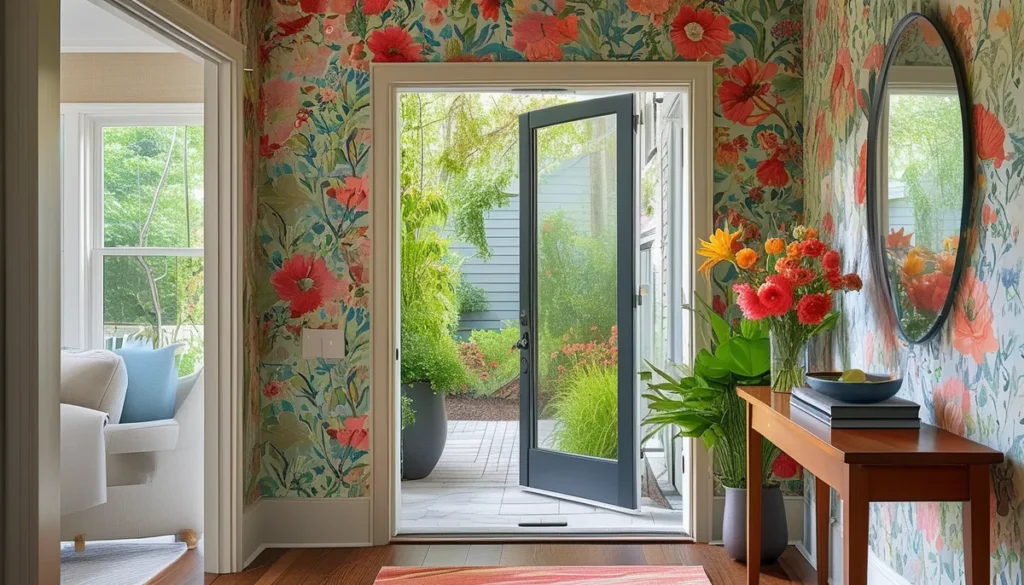
When considering 3D embossed peel and stick wallpaper, the first decision you face is material. Most options fall into two main categories: Vinyl and PVC (Polyvinyl Chloride) or non-vinyl materials like fabric or paper. Vinyl is the most common for textured wallpaper because it’s durable, water-resistant, and can hold intricate embossed patterns well. PVC-based options often offer more pronounced 3D effects and a higher level of washability, making them suitable for kitchens or bathrooms. Non-vinyl options can offer a more natural or premium feel, like fabric-backed vinyl or paper-backed embossed designs, but they might be less forgiving with moisture and cleaning.
Understanding embossed textures and their visual impact
The ’embossed’ aspect of this wallpaper refers to the raised texture that creates a three-dimensional effect. This isn’t just a printed pattern; the material itself is molded or pressed to create physical depth. The depth can range from subtle, like a fine linen texture, to dramatic, like deep geometric patterns or faux wood grain. The visual impact depends on the height and definition of the embossing. Deeper embossing catches light and shadows more effectively, enhancing the 3D illusion. Consider the scale of your room and the desired effect. For small spaces, a more subtle texture might prevent the room from feeling overwhelmed, while a bolder embossing can become a striking focal point in a larger area.
Assessing the quality of the embossing
High-quality 3D embossed peel and stick wallpaper will have crisp, well-defined edges on its raised patterns. You should be able to feel the texture distinctly with your fingertips. If the embossing looks soft, blurred, or shallow, it might not provide the impactful 3D effect you’re hoping for. Check product descriptions for details on the embossing depth or technique. Sometimes, the backing material also plays a role in the overall quality and durability of the embossed design.
Installation considerations for textured wallpaper
Installing 3D embossed peel and stick wallpaper requires a bit more care than standard flat wallpaper. The raised texture means you need to be extra vigilant about surface preparation. Walls must be smooth, clean, and dry. Any imperfections, such as bumps, cracks, or residual adhesive from previous wallpaper, will be amplified by the embossed pattern. You’ll likely need to use a smoothing tool (like a squeegee) to firmly press the wallpaper onto the wall, ensuring all edges adhere and that air bubbles are pushed out from beneath the raised areas. Don’t be afraid to apply firm pressure.
Surface preparation: the critical first step
Before you even unroll your wallpaper, ensure your walls are perfectly prepared. This typically involves patching any holes or cracks, sanding them smooth, and then wiping down the walls to remove dust. For glossy or semi-gloss painted surfaces, a light scuff sanding can help improve adhesion, followed by a thorough cleaning. If you’re applying over existing paint, test a small, inconspicuous area first to ensure the wallpaper will adhere properly and won’t pull off the paint when removed. A primer specifically designed for peel and stick wallpaper can also be beneficial, especially on new drywall or porous surfaces. This step is non-negotiable for a professional-looking finish.
Handling and cutting the wallpaper
When unrolling and cutting your 3D embossed wallpaper, be gentle. The raised patterns can be more susceptible to damage or creasing than flat designs. Use a sharp utility knife and a straight edge for clean cuts. When positioning the wallpaper on the wall, peel back only a few inches of the backing at a time, especially when starting. This allows you to reposition if needed without accidentally sticking large sections incorrectly. Work from top to bottom, smoothing as you go.
Dealing with seams and corners
Seams between panels can be more noticeable with embossed wallpaper because the texture might not align perfectly. Carefully align the patterns and textures as closely as possible. You might need to overlap slightly in some cases, although butt joints (where edges meet without overlap) are generally preferred for a seamless look. For corners, a technique called ‘wrapping’ or ‘relief cutting’ might be necessary. This involves cutting small slits into the wallpaper at the corner to allow it to lay flat. Some installers prefer to cut the wallpaper to fit the corner as precisely as possible, leaving a small gap that can be caulked or filled if needed, though this is less common with peel and stick.
Choosing the right pattern and color
The 3D embossed effect significantly influences how a pattern and color appear. A busy, intricate embossed pattern in a dark color might feel overwhelming in a small room. Conversely, a lighter color with a subtle texture can make a space feel larger and brighter. Consider the lighting in the room; shadows cast by the embossing will change throughout the day and will be more pronounced under direct light. This can either add to the ambiance or create an undesirable effect. Samples are invaluable here, allowing you to see how the wallpaper looks on your wall under your specific lighting conditions.
How texture affects color perception
The tactile quality of embossed wallpaper alters how you perceive color. Light reflects differently off raised surfaces compared to flat ones. A textured wallpaper can make colors appear richer or more muted depending on the depth and angle of the texture. For instance, a metallic embossed wallpaper will reflect light in dynamic ways, creating a shimmering effect that a flat metallic print wouldn’t achieve. Think about the mood you want to create. Deep, rich colors with bold embossing can create a dramatic, luxurious feel, while lighter, muted tones with subtle textures lend themselves to a more serene and sophisticated atmosphere.
Pattern scale and room size
The scale of the embossed pattern should be proportional to the size of your room. A large-scale, dramatic embossed pattern can be a fantastic statement piece in a spacious living room or dining area. However, the same pattern in a small bathroom or powder room might feel claustrophobic. For smaller spaces, opt for a smaller-scale pattern or a more subtle, all-over texture. This principle applies to the 3D effect as well; very deep, pronounced embossing might be better suited for larger walls where it can be fully appreciated without making the space feel cramped.
Durability and maintenance of 3D embossed wallpaper
The durability and maintenance of 3D embossed peel and stick wallpaper depend heavily on the material and the quality of the embossing. Vinyl and PVC-based wallpapers are generally the most durable and easiest to clean. They can often be wiped down with a damp cloth to remove smudges or light dirt. However, avoid abrasive cleaners, as these can damage the embossed texture or the print. For non-vinyl materials, cleaning instructions can vary significantly, and it’s best to follow the manufacturer’s guidance strictly.
Cleaning tips for textured surfaces
When cleaning, always start with the gentlest method. For most vinyl or PVC embossed wallpapers, a soft cloth dampened with water is sufficient. For tougher spots, a mild soap solution can be used, but ensure you rinse the area afterward with a clean, damp cloth to remove any soap residue. Never use harsh chemicals, scouring pads, or excessive water, as these can lift the wallpaper from the wall, damage the texture, or cause discoloration. Test any cleaning solution on a small, hidden area first.
Longevity and removability
The longevity of peel and stick wallpaper, including embossed varieties, can range from 5 to 10 years or more, depending on the quality of the product, installation, and environmental factors. High-quality embossed wallpapers, especially those made from thicker vinyl, tend to last longer. Removability is a key benefit of peel and stick, but the embossed texture might affect how cleanly it comes off. Generally, if installed correctly on a properly prepared surface, it should remove cleanly, often in large strips. Gentle heat from a hairdryer can sometimes help loosen stubborn adhesive, especially on older installations or if the wallpaper was exposed to significant heat.
Where to use 3D embossed peel and stick wallpaper
The versatility of 3D embossed peel and stick wallpaper means it can be used in almost any room, but certain applications are more popular and practical than others. Its ability to add significant visual interest makes it ideal for accent walls, but it can also be used to cover entire rooms for a bolder statement. Discover the best high-quality peel and stick wallpaper for your home and consider how texture can enhance different areas.
Accent walls for maximum impact
An accent wall is perhaps the most popular application for 3D embossed wallpaper. It allows you to introduce a dramatic texture and pattern without overwhelming the space. Whether it’s a geometric design behind a bed, a subtle linen texture in a living room, or a bold architectural pattern in a dining area, an accent wall can become a stunning focal point. The raised texture adds depth and sophistication that a flat print cannot replicate. You can achieve a dramatic change on one key wall with this type of covering.
Living rooms and bedrooms
In living rooms and bedrooms, 3D embossed wallpaper can add a layer of warmth, luxury, and personality. Consider a subtle, fabric-like texture for a cozy bedroom or a more graphic, architectural pattern for a modern living room. The tactile quality invites interaction and adds a sense of depth. For inspiration on updating your rooms, check out guides on how to apply peel and stick wallpaper easily.
Kitchens and bathrooms: material matters
For kitchens and bathrooms, material choice is critical due to moisture and potential splashes. High-quality vinyl or PVC-based 3D embossed wallpapers are recommended. They offer better resistance to humidity and are easier to clean. Look for wallpapers specifically marketed as washable or water-resistant. While it’s possible to use them in these areas, ensure proper ventilation, and avoid direct, prolonged contact with water. For a different textured look, explore grasscloth peel and stick wallpaper, which offers a natural texture but requires careful consideration for moisture-prone areas.
Hallways and entryways
Hallways and entryways are often the first spaces guests see, making them ideal for making a strong first impression. A 3D embossed wallpaper can add immediate character and visual interest. A textured geometric pattern can guide the eye down a long hallway, while a subtle all-over texture can make a narrow entryway feel more inviting. Since these areas often have less direct moisture and are areas of passage, durability and ease of cleaning are still important, but the material considerations might be slightly less stringent than in a bathroom.
Common mistakes to avoid with 3D embossed wallpaper
While 3D embossed peel and stick wallpaper offers a fantastic way to add dimension to your walls, a few common mistakes can derail your project. Being aware of these pitfalls beforehand will save you time, money, and frustration.
Poor surface preparation
This is, by far, the most common mistake. Applying textured wallpaper over unpatched holes, cracks, or uneven surfaces will result in a bumpy, unprofessional finish. The texture of the wallpaper will highlight every imperfection. Always ensure walls are clean, dry, and as smooth as possible. Think of it like preparing a canvas for a painting – the better the base, the better the final result.
Insufficient lighting assessment
The 3D effect is heavily influenced by light and shadow. Installing a wallpaper with deep embossing in a dimly lit room might result in the texture being barely visible. Conversely, a wallpaper with a very high-gloss finish or reflective texture in a room with harsh, direct lighting can be overwhelming or create unwanted glare. Always consider the natural and artificial lighting in the room and how it will interact with the chosen texture and pattern before purchasing.
Not ordering enough wallpaper
It’s crucial to order enough wallpaper, including extra for pattern matching and potential mistakes. Embossed patterns, especially intricate ones, require careful alignment, which often leads to more waste than with flat wallpapers. Always account for at least a 10-15% buffer for pattern repeat and cutting. Running out of wallpaper mid-project and not being able to find an exact batch match later can lead to noticeable color or texture variations.
Using the wrong tools
While peel and stick is DIY-friendly, using the right tools makes a significant difference. A cheap utility knife with a dull blade will tear the wallpaper rather than cut it cleanly. Similarly, a poor-quality squeegee can leave air bubbles or damage the embossed surface. Invest in a sharp knife, a good quality smoothing tool, and a seam roller if necessary for a professional finish.
Ignoring manufacturer instructions
Every wallpaper product is slightly different. Ignoring the manufacturer’s specific instructions regarding temperature for application, cleaning methods, or adhesive activation can lead to premature failure or damage. Always read and follow the product’s guide. This is particularly important for understanding the washability and suitability for high-moisture areas.
Cost considerations and value
The cost of 3D embossed peel and stick wallpaper can vary significantly based on material, brand, complexity of the design, and the quality of the embossing. While it’s generally more expensive than standard flat peel and stick wallpaper, the added dimension and visual impact can offer substantial value.
Price ranges and what to expect
You can expect to pay anywhere from $0.50 to $5.00 per square foot, or sometimes more for very high-end or custom designs. Basic vinyl embossed wallpapers might be at the lower end, while complex, multi-layered textures or premium materials will be at the higher end. When comparing prices, always look at the roll size (usually sold in rolls covering a specific number of square feet) and the quality of the embossing. A slightly higher price for a superior texture and durability can be a worthwhile investment.
DIY versus professional installation costs
For most DIYers, the primary cost is the wallpaper itself. However, if you’re not comfortable with installation or want a flawless finish, professional installation costs can add anywhere from $1 to $5 per square foot, depending on the complexity of the project and your local labor rates. For textured wallpapers, professionals might charge more due to the extra care and time required for pattern matching and smoothing. Weigh the cost of professional installation against the time and potential frustration of a DIY attempt.
Return on investment for your home
When considering the return on investment (ROI), 3D embossed peel and stick wallpaper offers a relatively high ROI for cosmetic upgrades. It can dramatically improve the aesthetic of a room at a fraction of the cost and effort of traditional wallpaper or other wall treatments. It’s a non-permanent solution, making it ideal for renters or those who like to change their decor frequently. The visual upgrade can significantly enhance the perceived value and appeal of your home.
Comparing 3D embossed wallpaper to other wall treatments
Understanding how 3D embossed peel and stick wallpaper stacks up against other options helps in making an informed decision. Each treatment has its own pros and cons regarding cost, installation, durability, and aesthetic impact.
Traditional wallpaper
Traditional wallpaper requires adhesive paste and is a more permanent application. While it can offer a vast array of textures and patterns, including embossed designs, installation is more labor-intensive and messy. Removal can also be challenging and may damage drywall. Peel and stick offers a significant advantage in ease of installation and removability.
Paint
Paint is the most affordable and simplest wall treatment. However, it lacks the tactile dimension and visual complexity that embossed wallpaper provides. While textured paints exist, they generally don’t achieve the crispness or depth of a true embossed pattern. Paint is easy to update, but it won’t offer the same statement-making quality.
Wood paneling or wainscoting
These are more permanent and costly options that offer significant texture and architectural interest. They require more complex installation, often involving carpentry skills. While they provide a high-end, durable finish, they lack the design flexibility and ease of application that peel and stick wallpaper offers. For a similar visual effect with less commitment, embossed wallpaper is a strong contender.
Faux finishes
Faux finishes, like Venetian plaster or textured stucco effects, can mimic a range of textures but often require professional application for a convincing look. They can be durable and add dimension but are typically more expensive and less forgiving than peel and stick options. The control and variety offered by 3D embossed wallpaper are often superior for DIYers.
The future of 3D embossed peel and stick wallpaper
Innovations in materials and printing technology are continuously expanding the possibilities for 3D embossed peel and stick wallpaper. Expect to see even more realistic textures, intricate designs, and sustainable material options emerging in the market. The trend towards textured interiors and personalized spaces suggests that this type of wallpaper will remain a popular choice for homeowners and designers alike.
Technological advancements
Manufacturing techniques are becoming more sophisticated, allowing for higher definition embossing, more complex multi-layered textures, and improved durability. Digital printing also enables a wider variety of designs and the potential for custom patterns. As technology advances, the quality and realism of embossed textures will continue to improve, offering even more compelling alternatives to traditional wall treatments.
Sustainability and eco-friendly options
As consumer demand for sustainable products grows, manufacturers are exploring eco-friendly materials for peel and stick wallpapers. This includes using recycled content, water-based inks, and phthalate-free vinyl. Look for certifications or product descriptions that highlight environmental considerations if this is a priority for you. The industry is moving towards more responsible production methods.
Emerging design trends
Biophilic design, maximalism, and the desire for unique, personalized spaces are driving new design trends. 3D embossed wallpaper fits perfectly into these trends, offering organic textures, bold patterns, and the ability to create truly custom feature walls. The tactile nature of these wallpapers adds a sensory element that is increasingly sought after in interior design.