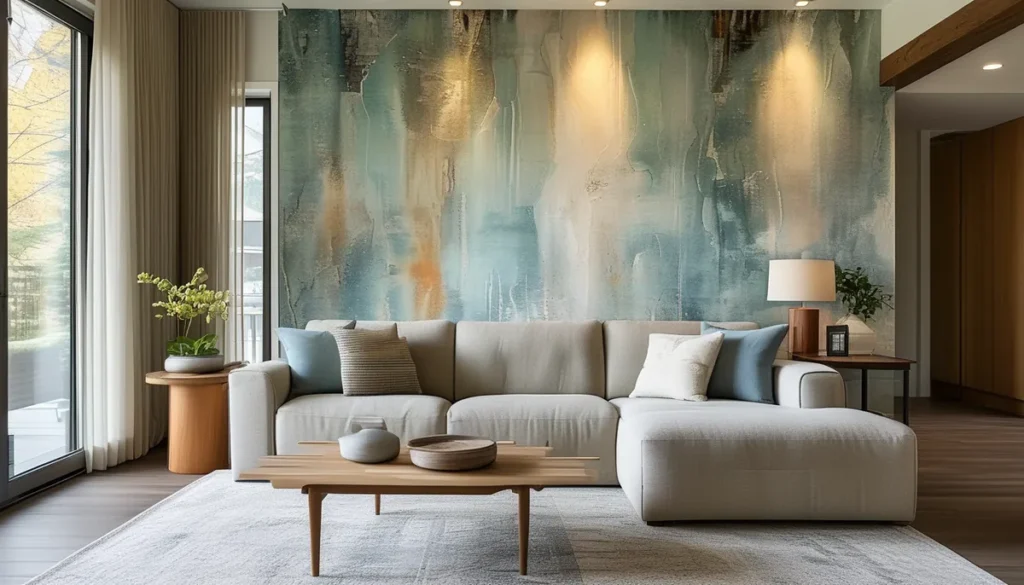
Before you buy a single roll, consider the scale of your room and the existing furniture. A large, bold geometric pattern might overwhelm a small living room, making it feel even more cramped. Conversely, a very subtle texture might get lost in a vast space. Think about the primary function of your living room: is it for quiet relaxation, entertaining guests, or family movie nights? This will influence the mood you want to create with your wallpaper.
How to choose the right modern wallpaper pattern for your lounge
When selecting modern wallpaper for your living room, pattern is paramount. Geometric patterns are a staple in modern design, offering clean lines and a sense of order. Think abstract shapes, repeating hexagons, or interlocking squares. These can add visual interest without being overly busy. For a softer modern aesthetic, consider organic or abstract patterns that mimic natural elements like marble, wood grain, or painterly strokes. These can bring a sense of warmth and sophistication. Damask and floral patterns, often associated with traditional decor, can also be modernized with contemporary color palettes and scaled-up designs. A large-scale floral print in muted tones or a monochromatic damask can provide a dramatic yet modern statement.
Consider the color scheme of your existing furniture and decor. Modern wallpaper can act as a focal point or a subtle backdrop. If your furniture is neutral, a vibrant wallpaper can inject personality. If your furniture is already colorful, opt for a more subdued wallpaper to maintain balance. High-contrast patterns, like black and white or navy and gold, are classic modern choices that offer a sophisticated and dynamic look.
Types of modern wallpaper materials and their durability
The material of your modern wallpaper directly impacts its durability, ease of installation, and maintenance. Here’s a breakdown:
- Paper-backed vinyl: This is a popular choice for living rooms due to its durability and washability. The vinyl coating protects the paper layer from moisture and stains, making it forgiving for everyday life. It’s relatively easy to hang and remove, especially if it’s strippable. Look for options with a matte finish to avoid glare.
- Solid vinyl: Even more robust than paper-backed vinyl, solid vinyl wallpapers are excellent for high-traffic areas. They are highly resistant to moisture, stains, and scuffs, making them ideal for a busy living room. These are typically thicker and more forgiving of minor wall imperfections.
- Non-woven (or ‘easy-hang’) wallpaper: Made from a blend of natural and synthetic fibers, non-woven wallpapers are breathable, durable, and easy to install. They don’t expand or contract with moisture changes, which prevents bubbling or tearing during application. Application is usually paste-the-wall, making the process quicker. They are also strippable when dry.
- Textured wallpaper: This category includes materials like grasscloth, linen, cork, or embossed vinyl. Grasscloth and linen offer a natural, organic texture that adds depth and warmth. Embossed vinyl can mimic plaster, stucco, or even raised patterns for a tactile experience. While beautiful, textured wallpapers can be more challenging to clean and may not be as durable against heavy scuffs as smooth vinyl.
- Peel-and-stick wallpaper: This is a renter-friendly and DIY-favorite option. Made from vinyl or fabric-like materials with a strong adhesive backing, it’s applied directly to the wall without paste. It’s repositionable and removable, but durability can vary. Thicker peel-and-stick options are generally more robust and can last for years in a low-traffic area like a living room.
When considering durability, think about your household. If you have children or pets, opt for solid vinyl or high-quality non-woven options that can withstand more wear and tear. For a less trafficked formal living room, a textured or even a high-quality paper-backed vinyl might suffice.
How to install modern wallpaper in your living room
Proper installation is key to achieving a seamless, professional look with your modern wallpaper. Here’s a general guide:
- Preparation is crucial: Start by cleaning your walls thoroughly. Remove any old wallpaper, fill holes, sand smooth, and prime the walls. A smooth, dry surface is essential for good adhesion. Ensure you have enough wallpaper, accounting for pattern repeat and potential mistakes.
- Measure and cut: Measure the height of your wall and add 4-6 inches (10-15 cm) for trimming at the top and bottom. Cut your wallpaper panels, ensuring the pattern matches correctly from one strip to the next. If your wallpaper has a pattern repeat, you’ll need to account for this when cutting subsequent strips to ensure the design flows seamlessly.
- Apply adhesive (if not paste-the-wall): If your wallpaper requires paste, mix it according to the manufacturer’s instructions. Apply an even layer to the back of the wallpaper panel or to the wall, depending on the type.
- Hang the first strip: Starting in a corner or from a focal point, align the first strip of wallpaper vertically using a level. Press it firmly against the wall, smoothing out air bubbles with a wallpaper brush or smoother, working from the center outwards.
- Continue hanging strips: Hang subsequent strips, butting the edges together. Avoid overlapping unless specifically instructed by the manufacturer, as this can create visible seams. Match the pattern carefully at each seam.
- Trim excess: Once a strip is in place and smoothed, use a sharp utility knife and a straight edge to trim the excess wallpaper at the ceiling and baseboard.
- Clean up: Wipe away any excess paste with a damp sponge immediately.
For peel-and-stick, the process is simpler: peel back the backing a few inches, align the top edge, and smooth the paper down as you pull the backing away. Repositioning is easy if you make a mistake. For paste-the-wall non-woven wallpaper, you apply the paste directly to the wall, then hang the dry paper strip. This significantly speeds up the process and reduces the risk of over-handling the paper.
Common installation mistakes to avoid
Even with the best modern wallpaper, installation errors can ruin the effect. Be mindful of these pitfalls:
- Improper wall preparation: Uncleaned, unprimed, or uneven walls will lead to poor adhesion, bubbles, and peeling.
- Not accounting for pattern repeat: This is the most common mistake that leads to misaligned patterns and obvious seams. Always check the pattern repeat on the roll and plan your cuts accordingly.
- Overlapping strips: Unless specified, butt your seams. Overlapping creates thick lines that attract dirt and look unprofessional.
- Using a dull blade: A dull utility knife will tear rather than cut, leaving a ragged edge that’s hard to hide.
- Not using a level: Hanging the first strip crooked will throw off the entire wall. Always start with a perfectly vertical strip.
- Applying wallpaper in extreme temperatures or humidity: This can affect the adhesive and the paper itself, leading to poor adhesion or warping.
Incorporating modern wallpaper in other rooms
While the living room is a prime candidate for modern wallpaper, don’t overlook other areas. In the bedroom, softer textures or subtle patterns can create a serene retreat. For a home office, consider patterns that promote focus, like subtle geometrics or even inspiring murals. A modern kitchen backsplash can be updated with durable, moisture-resistant vinyl wallpaper. Even hallways and entryways can benefit from a bold statement piece, setting the tone for the rest of your home. For bathrooms, ensure you use moisture-resistant vinyl or consider geometric bathroom wallpaper for a fresh, contemporary look.
Customer reviews on modern wallpaper for living rooms
When browsing modern wallpaper options online, customer reviews offer invaluable insights. Many users praise the transformative impact of wallpaper, noting how it instantly elevates a room’s aesthetic. Common positive feedback highlights the ease of application for peel-and-stick varieties, with reviewers often mentioning how repositionable they are, making DIY projects less daunting. Durability is another frequently mentioned factor; customers are pleased when wallpaper holds up well against minor scuffs and is easy to clean. Negative reviews sometimes point to issues with color accuracy compared to online photos, or difficulties with pattern matching for complex designs. Some also report that thicker, textured wallpapers can be more challenging to apply neatly. Always read reviews for specific products you’re considering to gauge real-world performance and user satisfaction.
Styling tips for modern wallpaper in a living room
Once your modern wallpaper is up, styling is next. The key is to create a cohesive look. If your wallpaper has a busy pattern, keep furniture and accessories relatively simple and clean-lined. If you have a bold geometric print, consider solid-colored furniture and minimal decorative items. Conversely, a more subdued wallpaper can be a canvas for more elaborate decor, perhaps with layered textures or decorative accent pieces. Consider the function of the room. For a cozy reading nook, pair textured wallpaper with plush seating and warm lighting. For a formal entertaining space, opt for elegant patterns and sophisticated metallic accents. Don’t forget to consider wallpaper borders for living room updates if you want to add an extra layer of design detail.
If you’re drawn to a statement wall, choose a wall that is naturally a focal point, like the one behind a sofa or a fireplace. Pair this bold wallpaper with neutral tones on the other walls to prevent the room from feeling overwhelming. For a cohesive feel throughout the space, echo colors from the wallpaper in your accent pieces, such as throw pillows, artwork, or rugs. Modern floral wallpaper designs can be paired with natural wood elements and greenery to enhance their organic feel. If you opt for a monochromatic scheme, use varying textures to add depth and interest.
When to use accent walls with modern wallpaper
An accent wall is a fantastic way to introduce modern wallpaper without committing the entire room. This works especially well if you’ve chosen a wallpaper with a very bold or dramatic pattern, or a strong color. The wall behind a sofa, a fireplace, or a bed (in a combined living/bedroom space) are common choices. It draws the eye and adds a significant design element without overwhelming the space. This is also a cost-effective approach, as you’ll need fewer rolls of wallpaper. For a truly impactful look, consider a dramatic wallpaper mural for your living room on a single accent wall. Ensure the accent wall is well-lit to showcase the wallpaper’s design. The other walls can be painted in a complementary neutral color that pulls a shade from the accent wallpaper, creating harmony.
Understanding wallpaper quality and price ranges
The cost of modern wallpaper can vary significantly, from under $20 per roll to over $200 per roll. Generally, higher prices indicate better quality materials, more intricate designs, superior printing techniques, and often greater durability.
- Budget-friendly ($20-$50 per roll): These are often paper-backed vinyl or standard non-woven options. They offer good designs and are suitable for many living rooms, but may not be as durable or as richly textured as premium options.
- Mid-range ($50-$100 per roll): You’ll find higher-quality non-woven, solid vinyl, and some premium textured papers in this range. Designs are often more unique, and the materials feel more substantial.
- Premium ($100+ per roll): This tier includes luxury papers, designer collections, natural textures like grasscloth or silk, and hand-printed wallpapers. These offer the highest quality, most unique aesthetics, and are designed for longevity and impact.
When evaluating quality, look at the weight of the paper (thicker is usually better), the clarity of the print, and the manufacturer’s reputation. Don’t just look at the price; consider the overall value in terms of appearance, durability, and ease of installation. For instance, a slightly more expensive but easier-to-install non-woven wallpaper might save you money on professional labor if you’re not a DIY expert. Remember to factor in the cost of adhesive, tools, and potentially professional installation if you’re not doing it yourself.
Choosing modern wallpaper for different living room styles
Modern design isn’t monolithic. Your wallpaper choice should reflect the specific style within the modern spectrum you’re aiming for:
- Minimalist: Opt for subtle textures, monochromatic schemes, or very simple geometric patterns in muted colors. Think soft grays, whites, or muted blues.
- Mid-century modern: Geometric patterns with organic shapes, starbursts, or atomic motifs are popular. Colors might include olive green, mustard yellow, teal, or burnt orange.
- Scandinavian: Light and airy is key. Stick to light colors, subtle natural textures, or very delicate, sparse patterns.
- Industrial: Consider wallpapers that mimic concrete, brick, or distressed metal. These add texture and raw character.
- Bohemian Modern: Here you can be a bit more adventurous. Think layered patterns, earthy tones, or even some subtle abstract or tribal-inspired designs.
Consider the overall mood you want to achieve. Do you want a calm and serene space, or a vibrant and energetic one? Your wallpaper choice is a powerful tool to set that tone. For inspiration on specific color palettes, explore modern blue wallpaper ideas for every room, as blue can be adapted to many modern styles.
The role of lighting on modern wallpaper
Lighting plays a critical role in how your modern wallpaper looks and feels. Natural light from windows can highlight the texture and color of the wallpaper throughout the day. In rooms with ample natural light, you can afford to use deeper colors or more complex patterns without making the space feel dark. Artificial lighting, including ambient, task, and accent lighting, should be considered. Uplighting can emphasize textures, while direct spotlights can highlight a feature wall. Matte finishes are generally more forgiving under various lighting conditions, as they reduce glare. High-gloss or metallic wallpapers, while stunning, can reflect light intensely and may show imperfections or create glare, especially under direct artificial lighting. Test samples under your room’s actual lighting conditions if possible before committing.
Maintaining your modern living room wallpaper
Keeping your modern wallpaper looking its best is straightforward with the right approach. For most vinyl and non-woven wallpapers, a gentle cleaning is sufficient. Use a soft, damp cloth or sponge with mild soap and water to wipe away dust and light marks. For textured wallpapers like grasscloth, it’s best to use a soft brush or a vacuum cleaner with a brush attachment to remove dust, as excessive moisture can damage them. Always test any cleaning solution on an inconspicuous area first. Avoid abrasive cleaners or harsh scrubbing, which can damage the surface or print. For tough stains, consult the wallpaper manufacturer’s care instructions, as specific treatments might be recommended.
Alternatives to traditional modern wallpaper
While traditional rolls are common, modern wall treatments offer variety:
- Wallpaper murals: These are large-scale, custom-printed designs that create a dramatic focal point. They can depict landscapes, abstract art, or custom graphics.
- Wall decals: These are adhesive stickers that can be applied to walls, offering a flexible and temporary way to add design elements.
- Textured wall panels: Made from materials like wood, MDF, or PVC, these 3D panels add architectural interest and a tactile dimension.
- Paint effects: Techniques like sponging, rag rolling, or color washing can mimic the look of wallpaper with paint.
Each alternative offers a different level of commitment, durability, and aesthetic. Wallpaper murals, for example, offer the most impact and can be a stunning alternative to patterned wallpaper. Wall decals are perfect for renters or those who like to change their decor frequently.
Where to buy modern wallpaper for your living room
You can find modern wallpaper from a variety of sources, each offering different price points and selection sizes.
- Online retailers: Websites like Amazon, Wayfair, and Overstock offer a vast selection from numerous brands. They often have customer reviews and comparison tools.
- Specialty wallpaper stores: Both online and brick-and-mortar stores that focus solely on wallpaper typically carry a wider range of high-quality and designer options. Examples include York Wallcoverings, Spoonflower (for custom prints), and local wallpaper shops.
- Big box home improvement stores: Home Depot and Lowe’s carry a selection of popular wallpaper brands, often with a focus on DIY-friendly options like peel-and-stick.
- Designer showrooms: For high-end, luxury wallpapers, designer showrooms often carry exclusive collections.
Consider your budget, the type of wallpaper you need, and how much guidance you require when making your purchase. Reading product descriptions carefully regarding material, durability, and installation instructions is always recommended.
Future trends in modern living room wallpaper
The world of interior design is ever-evolving. Expect to see continued innovation in modern wallpaper. Sustainable materials and eco-friendly printing processes are becoming increasingly important. Textural depth will likely remain a key trend, with wallpapers offering tactile experiences that mimic natural materials or create unique visual effects. Interactive or smart wallpapers, perhaps incorporating subtle lighting or changing patterns, might emerge. Bold, large-scale patterns and murals will continue to be popular for creating statement walls. We may also see a rise in customizable options, allowing homeowners to create truly unique designs. Expect a continued blend of bold artistic expression and subtle, sophisticated textures.