Black wallpaper is a powerful and sophisticated design element that transcends fleeting trends, offering depth, drama, and unparalleled versatility to any interior space. Far from being merely a dark backdrop, modern black wallpaper encompasses an expansive array of textures, patterns, and finishes, transforming walls into focal points that can make a room feel both grand and intimately inviting, providing a foundational layer for diverse aesthetic expressions within your home.
Key takeaways
- Black wallpaper is a versatile design tool, offering depth and sophistication through various types, materials, and patterns.
- Choosing the right black wallpaper requires assessing room size, lighting conditions, existing décor, and desired maintenance level.
- Materials like vinyl, non-woven, and paper each offer distinct durability, texture, and application characteristics that impact longevity and aesthetic.
- Accurate measurement and preparation are critical for successful installation, ensuring a seamless finish and minimizing waste.
- Styling black wallpaper involves careful consideration of complementary colors, layered lighting, reflective surfaces, and contrasting textures to create balanced and inviting spaces.
- Adhering to proper care instructions for the specific material ensures the longevity and pristine appearance of your black wallpaper.
- Starhouse curates a diverse collection of wall coverings designed to meet discerning aesthetic standards and functional requirements for every home.
What is Black Wallpaper? Exploring its Enduring Appeal and Definition
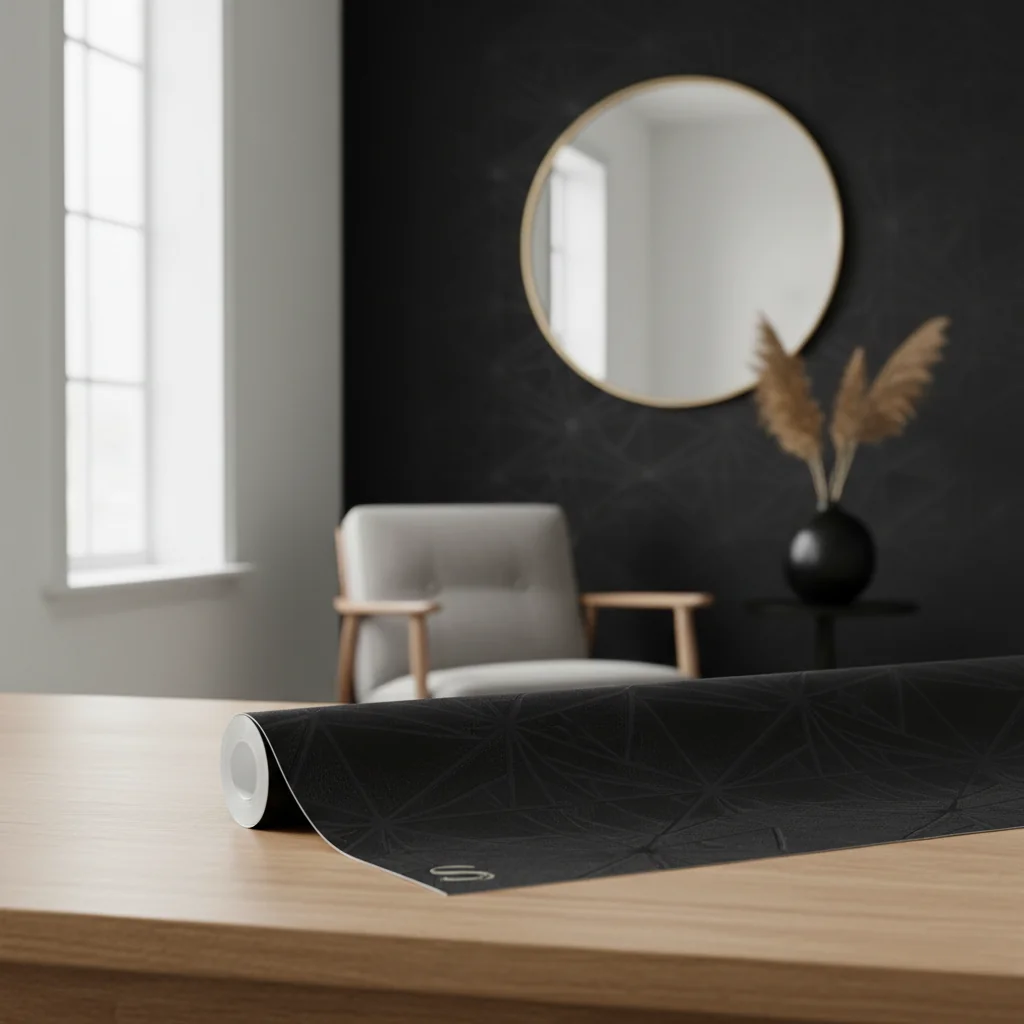
Black wallpaper is a sophisticated wall covering designed for interior spaces, utilized to create dramatic focal points, establish a sense of intimacy, or provide a bold backdrop for furnishings and art. Unlike digital backgrounds, this physical decor element is manufactured from various materials and features diverse textures and patterns, offering a tangible transformation to a room’s aesthetic.
Its enduring appeal lies in its inherent versatility and ability to evoke a range of emotions and styles. When deployed thoughtfully, black wallpaper can transform a space from ordinary to extraordinary, lending an air of luxury, modernity, or classic elegance.
Defining Wallpaper and its Role in Design
Wallpaper, at its core, is a material used to cover and decorate the interior walls of homes, offices, and other buildings. It typically comes in rolls and is affixed to walls using a special adhesive.
Wallpaper serves multiple purposes: it can introduce color, pattern, texture, and visual interest, conceal wall imperfections, and define the mood or theme of a room. Its application allows for a level of design sophistication often difficult to achieve with paint alone.
The Psychological Impact and Design Versatility of Black
Black, in interior design, is often misunderstood. Far from being a color of gloom, it is a color of power, sophistication, and depth. Psychologically, black can evoke feelings of elegance, formality, and strength. When used on walls, it creates a boundary that can make a large room feel more intimate and cozy, or a small room feel more expansive by blurring its edges.
The design versatility of black wallpaper is exceptional. It acts as a grounding element, allowing brighter colors and metallic accents to pop with greater intensity. It provides a striking contrast that highlights artwork, furniture, and decorative objects. Whether aiming for a minimalist aesthetic, a glamorous Art Deco look, or a moody, dramatic atmosphere, black wallpaper serves as an unparalleled foundation.
It can be both classic and contemporary, traditional and avant-garde, depending entirely on the pattern, texture, and accompanying decor. This adaptability makes it a perennial favorite for designers seeking to make a definitive statement.
The Spectrum of Black: Types of Black Wallpaper
Black wallpaper encompasses a diverse range of materials and application methods, each offering distinct advantages in terms of ease of installation, durability, and aesthetic impact. Understanding these types is crucial for selecting the most suitable option for your specific design vision and functional requirements.
Peel-and-Stick (Removable) Wallpaper
Peel-and-stick wallpaper, also known as temporary or self-adhesive wallpaper, features an adhesive backing that is protected by a removable liner. This type of wallpaper is designed for easy application and removal, making it an ideal choice for renters, commitment-phobes, or those who enjoy frequently updating their decor.
It typically consists of a vinyl or fabric-based substrate with a low-tack adhesive. Installation involves simply peeling off the backing and smoothing the paper onto a clean, smooth wall. Removal is equally straightforward, often leaving no residue or damage to the wall surface.
Peel-and-stick black wallpaper is excellent for accent walls, furniture facelifts, or temporary design statements. While generally less durable than traditional options, its ease of use and flexibility are unmatched.
Traditional (Non-Pasted) Wallpaper
Traditional wallpaper, or non-pasted wallpaper, requires the application of a separate adhesive (paste) to the back of the paper before hanging. This method has been a staple in interior design for centuries and offers a wide array of material options, patterns, and textures.
The application process is more involved than peel-and-stick, typically requiring a paste brush or roller, a smoothing tool, and a certain level of precision to ensure proper alignment and bubble-free installation. However, traditional wallpaper often offers superior durability and a more luxurious finish compared to its self-adhesive counterparts. It’s often chosen for permanent installations and high-traffic areas where longevity is key.
Pre-Pasted Wallpaper
Pre-pasted wallpaper bridges the gap between traditional and peel-and-stick options by having an adhesive already applied to its backing. This adhesive is activated by water, typically by submerging the rolled paper in a water tray or spraying the back with water.
This type simplifies the installation process compared to non-pasted wallpaper, eliminating the need for a separate paste. While easier to install, it still requires careful handling and alignment, and removal can sometimes be more challenging than peel-and-stick, potentially requiring steaming or soaking. Pre-pasted black wallpaper offers a good balance of durability and relative ease of application.
Liquid/Paintable Wallpaper
Liquid wallpaper, also known as “wallpaper in a can” or “paintable texture,” is a unique wall covering solution that offers a seamless, textured finish. It’s typically a cellulose-based product mixed with water to create a thick, plaster-like consistency that is then applied to walls with a trowel or roller.
Once dry, it can be painted over, allowing for complete customization of color. For black, this means achieving a custom shade and a rich, uniform texture. Paintable wallpaper, on the other hand, refers to traditional or non-woven wallpaper with an embossed pattern, designed specifically to be painted after installation. This allows for textural interest while still providing the flexibility of custom color, including any shade of black.
Both options are excellent for concealing minor wall imperfections and adding architectural depth.
Fabric-Backed Vinyl Wallpaper
Fabric-backed vinyl wallpaper is a robust and highly durable type, often considered commercial-grade but increasingly popular in high-end residential applications. It consists of a solid vinyl surface layer bonded to a fabric substrate, typically cotton or polyester.
This construction makes it exceptionally resistant to tears, scratches, and impacts, ideal for high-traffic areas like hallways, kitchens, or children’s rooms. The vinyl surface is also highly washable and resistant to moisture, making it a practical choice for bathrooms or other areas prone to splashes.
While installation can be more challenging due to its weight and rigidity, the longevity and performance of fabric-backed vinyl black wallpaper are superior, offering a lasting, sophisticated finish.
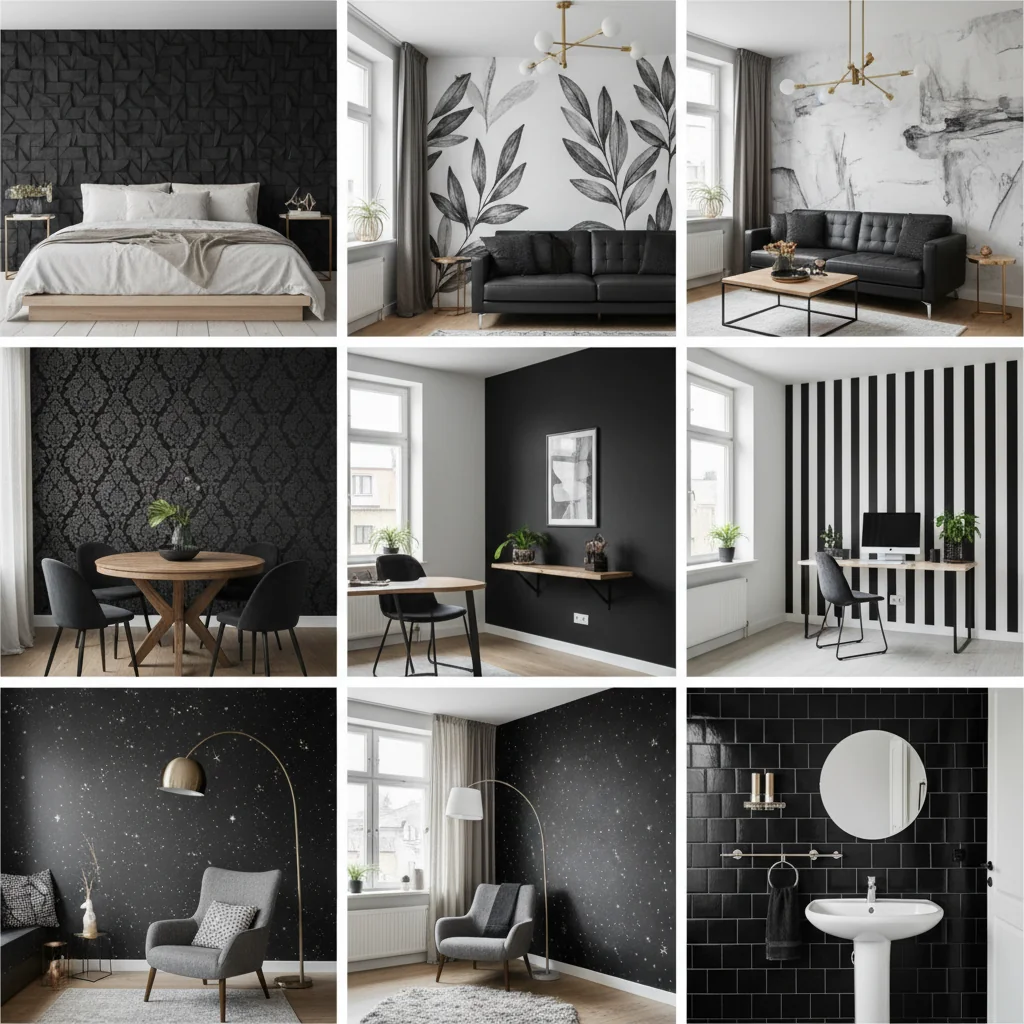
Unveiling the Styles: Patterns, Textures, and Visual Effects
Black wallpaper, far from being monolithic, offers an expansive array of styles through its patterns, textures, and visual effects, allowing for precise customization to match any design aesthetic. The choice of style dramatically influences the atmosphere and perceived spaciousness of a room.
Solid Black: Matte, Gloss, and Metallic Finishes
A solid black wallpaper can be one of the most impactful choices, relying on its finish to convey character. A **matte black** provides a velvety, sophisticated look that absorbs light, creating a deep, intimate, and often modern feel. It’s excellent for creating a minimalist backdrop or a dramatic accent wall.
**Gloss black** reflects light, adding a sleek, contemporary, and often glamorous touch. It can make a space feel more expansive due to its reflective qualities, and it’s easier to clean. **Metallic black** wallpapers incorporate subtle or overt metallic sheens, such as silver, gold, or copper flecks, or an overall metallic base. These finishes catch light beautifully, adding a luxurious shimmer and dynamic visual interest that shifts with the light, preventing the black from feeling flat.
Geometric Patterns: Art Deco, Modern, Abstract
Geometric patterns in black wallpaper introduce structure, rhythm, and a contemporary edge. **Art Deco** designs often feature bold, symmetrical patterns, often with metallic accents (like gold or silver lines on a black background), evoking the glamour and sophistication of the 1920s. These are perfect for creating a sense of opulence and historical flair.
**Modern geometric** patterns might include clean lines, interlocking shapes, or minimalist repeats that contribute to a crisp, current aesthetic. **Abstract geometric** patterns offer a more artistic and fluid approach, breaking away from strict symmetry to create dynamic, often thought-provoking visual narratives. These styles are ideal for adding a focal point and a sense of movement to a room.
Botanical & Nature-Inspired: Florals, Tropical, Forest
Black wallpaper with botanical and nature-inspired themes creates a striking contrast that highlights the organic forms within the pattern. **Black floral** wallpapers can range from delicate and traditional roses to large-scale, dramatic blooms, often in shades of white, gold, or vibrant colors against a dark background. This juxtaposition creates a moody yet romantic atmosphere.
**Tropical patterns** feature lush foliage, palm fronds, or exotic birds, often rendered in vibrant greens or muted golds against black, bringing a sense of exotic luxury. **Forest or woodland** designs might depict trees, branches, or subtle natural textures, creating a serene, immersive, and sometimes slightly mysterious ambiance. These styles connect interiors with the natural world in a sophisticated manner.
Textural Effects: Faux Concrete, Brick, Wood, Fabric, Grasscloth
Textural black wallpapers are designed to mimic the appearance and feel of other materials, adding depth and tactile interest without the expense or weight of the real thing. **Faux concrete or brick** patterns can introduce an urban, industrial, or loft-style aesthetic, providing a raw yet refined backdrop. They often feature subtle variations in tone to enhance realism.
**Faux wood grain** patterns, in shades of black or dark charcoal, offer a rustic or modern cabin feel, adding warmth and natural texture. **Faux fabric** textures, such as linen, silk, or velvet, lend a luxurious and soft appearance, often with a subtle sheen or woven effect. **Faux grasscloth** mimics the organic, woven texture of natural fibers, adding a sophisticated, earthy feel that is both visually and tactilely rich.
Damask & Traditional Patterns
Damask and other traditional patterns in black wallpaper exude classic elegance and formality. Damask patterns, characterized by their ornate, often symmetrical, and typically monochromatic designs, are historically associated with luxury and aristocracy. When rendered in black, often with a subtle sheen or contrasting matte finish, they create a dramatic and opulent backdrop.
Other traditional patterns might include toile, classical motifs, or intricate scrollwork. These styles are perfect for creating a formal dining room, an elegant bedroom, or a sophisticated living space, adding a sense of heritage and timeless beauty.
Abstract & Artistic Designs
Abstract and artistic black wallpapers function as large-scale works of art, offering unique and contemporary visual statements. These designs can range from bold, brushstroke-like patterns to subtle, ethereal washes of color, or intricate, non-representational forms. They often play with negative space, varying opacities, and unexpected compositions.
Abstract black wallpaper is ideal for creating a gallery-like atmosphere, sparking conversation, and injecting personality into a modern space. It allows for a high degree of individuality and can be a powerful focal point in minimalist or eclectic interiors.
Mural & Scenic Wallpapers
Black wallpaper murals and scenic designs transform an entire wall into a captivating landscape, cityscape, or artistic tableau. Unlike repeating patterns, murals are single, large-scale images that cover the wall entirely, creating an immersive experience. A black and white cityscape, a moody forest scene, or an abstract art piece predominantly featuring black can add incredible depth and narrative to a room.
These are particularly effective in larger rooms or on a single accent wall where they can be fully appreciated, turning a flat surface into a window to another world or a grand artistic statement.
Ombre & Gradient Effects
Ombre and gradient black wallpapers feature a gradual transition of color, typically from a lighter shade to a darker black, or from black to another color. This creates a soft, ethereal, and sophisticated effect that can add a sense of height or depth to a room.
A black ombre transitioning to a lighter gray or white can make ceilings appear higher, while a gradient fading to a deep, intense black can create a dramatic and moody atmosphere. These styles are subtle yet impactful, offering a contemporary and refined aesthetic.
Glow-in-the-Dark/Specialty Inks (Niche)
For a more playful or unique approach, some niche black wallpapers incorporate specialty inks such as glow-in-the-dark elements or thermochromic (heat-sensitive) designs. These add an unexpected, interactive dimension to the wall, revealing hidden patterns or changing appearances under different conditions. While less common, they offer a distinct opportunity for personalized and surprising design choices, particularly in children’s rooms or entertainment spaces.
Material Matters: Understanding Black Wallpaper Substrates
The material composition of black wallpaper significantly influences its durability, texture, ease of maintenance, and overall aesthetic impact. Understanding the properties of different substrates is essential for making an informed choice that aligns with both your design vision and practical needs for a specific area of your home.
Vinyl Wallpaper: Solid and Fabric-Backed
Vinyl wallpaper is defined as a wall covering with a vinyl surface layer, which provides exceptional durability and washability. It is one of the most popular and versatile types of wallpaper, particularly suitable for high-traffic areas and rooms exposed to moisture.
- Solid Vinyl: This type features a solid sheet of vinyl laminated to a paper or fabric backing. It is highly resistant to moisture, stains, and grease, making it an excellent choice for kitchens, bathrooms, and laundry rooms. Solid vinyl black wallpaper is typically easy to clean and maintain, often requiring just a damp cloth. Its robust nature makes it durable, though it can be less breathable than other options.
- Fabric-Backed Vinyl: As discussed previously, this is a heavy-duty option where a solid vinyl surface is bonded to a fabric backing (like cotton or polyester). This construction makes it incredibly strong, tear-resistant, and dimensionally stable. While often used in commercial settings, its superior durability and scrubbability make it ideal for residential areas that endure significant wear and tear, such as hallways, entryways, and children’s rooms.
Non-Woven Wallpaper: Fiberglass and Synthetic Blends
Non-woven wallpaper is defined as a breathable and durable wall covering made from a blend of natural and synthetic fibers, often featuring excellent dimensional stability. It is gaining popularity due to its ease of installation and removal, as well as its eco-friendlier composition compared to some vinyl options.
- Fiberglass Wallpaper: Made from woven glass fibers, this is an exceptionally strong, fire-resistant, and mold-resistant material. It’s often used in high-wear environments or to reinforce walls. Fiberglass wallpaper is typically paintable, allowing for a custom black finish, and can effectively mask significant wall imperfections.
- Synthetic Blends: Most non-woven wallpapers fall into this category, using a mixture of cellulose and textile fibers. These wallpapers are known for their “paste-the-wall” application method, where adhesive is applied directly to the wall, not the paper, simplifying installation. They are breathable, preventing moisture buildup, and are often strippable when it’s time for a change, making removal significantly easier than traditional paper-backed options.
Paper Wallpaper: Coated and Uncoated
Paper wallpaper is defined as a traditional wall covering made primarily from paper, offering a classic aesthetic and a wide range of print possibilities. It is one of the oldest forms of wallpaper, offering a classic and often artisanal feel.
- Coated Paper: This type has a protective layer (often acrylic or vinyl) applied to the surface of the paper. This coating improves its durability and makes it slightly more resistant to moisture and stains than uncoated paper, allowing for gentle wiping. Coated paper black wallpaper can offer a subtle sheen and enhanced color vibrancy.
- Uncoated Paper: This is the most traditional and delicate form of wallpaper. It is absorbent and typically not washable, making it best suited for low-traffic areas like bedrooms or formal living rooms. Uncoated paper black wallpaper often has a soft, matte finish that can lend a very sophisticated and understated elegance. Its breathability is excellent, but it requires careful handling during installation and maintenance.
Natural Fibers: Grasscloth, Silk, Linen
Natural fiber wallpapers offer unparalleled texture, warmth, and an organic aesthetic. They are often more delicate and require specialized installation and care.
- Grasscloth: Made from woven natural fibers like jute, sisal, or bamboo, grasscloth black wallpaper provides incredible texture and depth. Each roll is unique, offering subtle variations in color and weave. It is not washable and can be delicate, making it suitable for low-traffic, dry areas. The natural imperfections and visible seams are part of its charm.
- Silk and Linen: These luxurious materials are typically laminated to a paper backing. Silk wallpaper offers a subtle sheen and a refined, elegant appearance, while linen provides a more matte, woven texture. Both are delicate, not washable, and susceptible to fading, making them best for formal spaces with controlled light.
- Mica/Metallic Wallpapers: These are specialty papers that incorporate mica flakes or metallic foils into their construction. Mica wallpapers have a subtle sparkle and texture, while metallic foil wallpapers offer a high-gloss, reflective surface. Black versions of these materials create a truly dramatic and glamorous effect, catching and reflecting light beautifully. They are generally durable but can be prone to creasing during installation.
| Material Type | Durability | Application Ease | Approx. Cost (per roll) | Ideal Use Cases |
|---|---|---|---|---|
| Peel-and-Stick (Vinyl/Fabric) | Moderate (good for temporary) | Very Easy (DIY-friendly) | $30 – $100 | Accent walls, rentals, furniture, low-moisture areas |
| Traditional (Non-Pasted Paper/Non-Woven) | Good (long-lasting with care) | Moderate (requires paste, skill) | $40 – $150 | Living rooms, bedrooms, dining rooms, various styles |
| Pre-Pasted (Paper/Non-Woven) | Good | Moderate (water-activated) | $35 – $120 | Bedrooms, home offices, less high-traffic areas |
| Solid Vinyl | Excellent (highly scrubbable) | Moderate | $50 – $180 | Kitchens, bathrooms, laundry rooms, high-traffic areas |
| Fabric-Backed Vinyl | Superior (commercial grade) | Challenging (heavy, rigid) | $80 – $300+ | Hallways, entryways, commercial, very high-traffic residential |
| Non-Woven (Blends) | Very Good (breathable, strippable) | Easy (paste-the-wall) | $45 – $160 | Bedrooms, living rooms, good for varying humidity |
| Natural Fibers (Grasscloth, Silk) | Delicate (not washable) | Challenging (specialized) | $100 – $500+ | Formal living rooms, dining rooms, low-traffic, dry areas |
| Mica/Metallic | Good (durable surface) | Moderate (can crease) | $70 – $250+ | Accent walls, formal spaces, areas needing glamour |
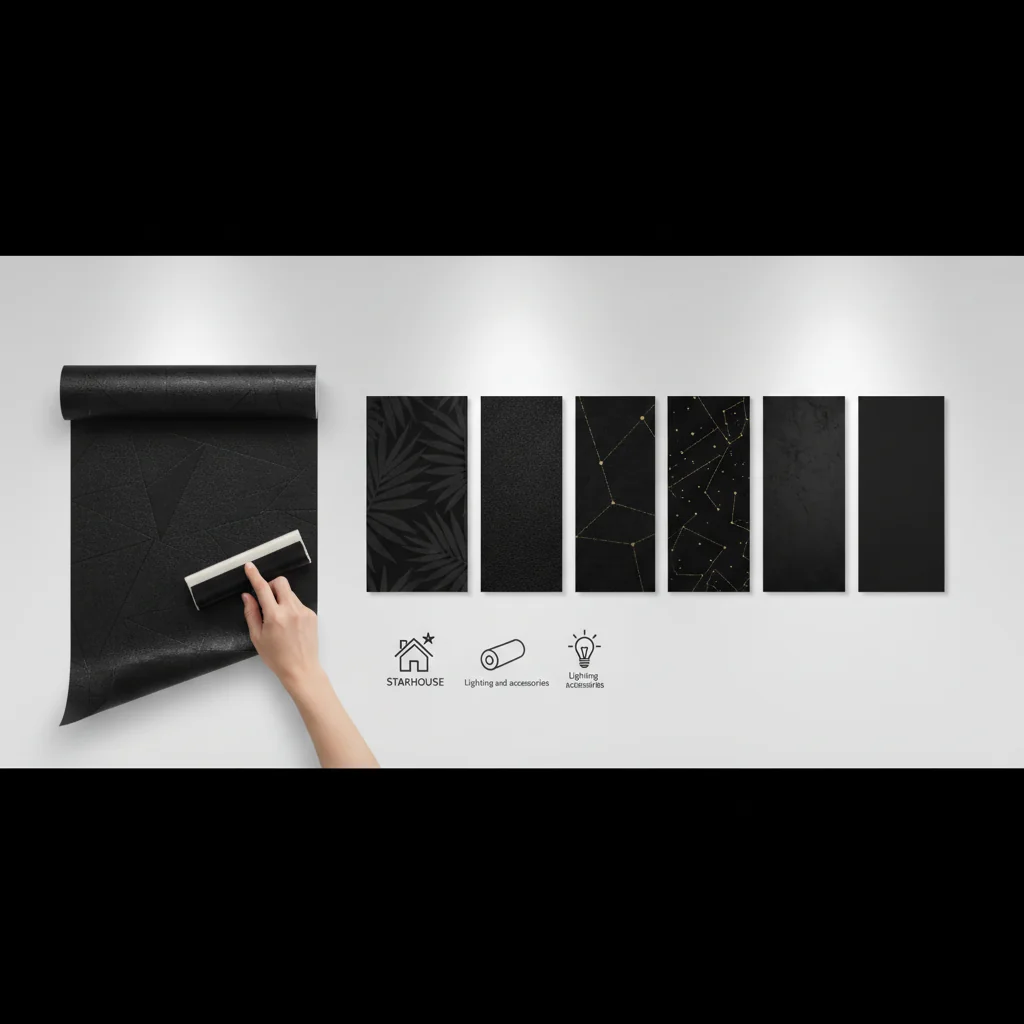
Choosing Your Statement: How to Select the Perfect Black Wallpaper
Selecting the ideal black wallpaper involves a thoughtful assessment of your space, desired aesthetic, and practical considerations to ensure a harmonious and functional outcome. A calculated approach guarantees that your chosen design not only looks stunning but also performs optimally for its intended environment.
Room Function and Traffic
The primary function of the room and the level of foot traffic it receives are paramount in wallpaper selection. For high-traffic areas like hallways, entryways, and children’s rooms, opt for highly durable, scrubbable materials such as solid vinyl or fabric-backed vinyl. These materials can withstand frequent cleaning and resist scuffs and tears.
In contrast, for low-traffic areas like formal living rooms, dining rooms, or bedrooms, more delicate options like natural fibers (grasscloth, silk) or uncoated paper can be considered, prioritizing aesthetic richness over rugged durability. Kitchens and bathrooms require moisture-resistant and washable options, making vinyl or certain non-woven types excellent choices.
Light Conditions: Natural and Artificial
Light plays a transformative role in how black wallpaper appears in a room. In spaces with abundant natural light, a matte black wallpaper can create a dramatic, sophisticated cocoon, absorbing light for an intimate feel. Conversely, a gloss or metallic black wallpaper will reflect light, making the room feel brighter and more expansive, even with a dark hue.
For rooms with limited natural light, strategic artificial lighting becomes crucial. Use layered lighting – ambient, task, and accent – to illuminate the wallpaper and prevent the space from feeling too dark or enclosed. Metallic or textured black wallpapers are particularly effective in low-light rooms, as they catch and refract light, adding visual interest and preventing flatness.
Room Size and Ceiling Height
Contrary to popular belief, black wallpaper can work in both small and large spaces. In a small room, a solid matte black can blur the boundaries, making the space feel more expansive and intimate rather than confined. A black wallpaper with a subtle vertical pattern can visually increase ceiling height, while a horizontal pattern can widen a narrow room.
In large rooms, black wallpaper can ground the space, making it feel less cavernous and more inviting. Bold patterns, large-scale murals, or highly textured black wallpapers can be used to create a powerful focal point without overwhelming the room. Always consider the scale of the pattern in relation to the room size; a large pattern in a tiny room might feel cramped, while a small pattern in a vast room could get lost.
Existing Decor and Color Palette Integration
Your chosen black wallpaper must integrate seamlessly with your existing furniture, artwork, and overall color scheme. Black serves as an excellent neutral foundation, allowing other colors to truly shine. Consider the undertones of your black wallpaper – some may lean cooler (blue-black), while others are warmer (brown-black).
Pair black with crisp whites, warm woods, vibrant jewel tones (emerald, sapphire, ruby), or metallic accents (gold, silver, bronze) for stunning contrast. Ensure the style of the wallpaper (e.g., Art Deco, botanical, industrial) complements the existing aesthetic of your decor, whether it’s modern, traditional, eclectic, or minimalist.
Maintenance Requirements
Different wallpaper materials have varying maintenance needs. If you anticipate frequent spills, smudges, or dust, opt for washable or scrubbable vinyl wallpapers. These can be easily cleaned with a damp cloth and mild detergent.
Delicate materials like uncoated paper or natural grasscloth are generally not washable and require careful handling to avoid damage. Understand the care instructions for your chosen black wallpaper before purchase to ensure it aligns with your lifestyle and willingness to maintain it. This prevents premature wear and preserves its appearance.
Budget Considerations
Wallpaper prices vary significantly based on material, brand, and complexity of design. Peel-and-stick options are generally the most budget-friendly, while high-end natural fibers, custom murals, or designer brands can be significantly more expensive. Factor in not just the cost per roll, but also the number of rolls required, adhesive (if not pre-pasted), and potential professional installation fees.
While an initial investment in high-quality wallpaper may seem higher than paint, its durability and unique aesthetic impact can offer long-term value. Always obtain samples to assess quality and appearance before committing to a full purchase.
The Crucial Step: Sample Testing
Never skip obtaining samples of your preferred black wallpapers. Hang them on your walls in various locations and observe them throughout the day under different lighting conditions – natural daylight, overcast light, and artificial evening light. This allows you to see how the color, pattern, and texture truly interact with your room’s environment, existing decor, and light sources.
What looks perfect online or in a small swatch can appear entirely different on a large wall. Sample testing is the single most effective way to prevent costly mistakes and ensure you are completely satisfied with your final selection.
Precision in Planning: Sizing, Measuring, and Quantity Calculation
Accurate sizing and measurement are paramount to a successful wallpaper installation, preventing waste, ensuring a seamless finish, and avoiding the frustration of running out of material mid-project. A methodical approach to calculation saves both time and resources.
Essential Tools for Measurement
Before you begin, gather the following tools to ensure accuracy:
- Steel Measuring Tape: A retractable tape measure, at least 25 feet long, for measuring wall dimensions.
- Pencil: For marking measurements lightly on walls or paper.
- Level or Laser Level: To ensure vertical lines are perfectly plumb, especially for pattern matching.
- Step Ladder: For reaching high areas safely.
- Calculator: For quick and accurate calculations.
Measuring Your Walls: Width, Height, and Openings
Begin by measuring each wall you intend to wallpaper. It is crucial to measure both the height and width of each distinct wall section.
- Measure Wall Height: Measure from the top of the baseboard to the ceiling line. Take this measurement in at least three different spots across the wall (left, center, right) as walls are rarely perfectly uniform. Use the tallest measurement for your calculations to ensure you have enough length for each strip, plus trimming.
- Measure Wall Width: Measure the total width of each wall from corner to corner.
- Account for Openings: Measure the width and height of any doors, windows, or built-in elements (e.g., cabinets, fireplaces) on each wall. You will typically subtract the area of these openings from the total wall area for a more precise estimation, though it’s often safer to calculate full wall coverage and then make minor adjustments for large, simple openings, ensuring enough material for cuts and pattern matching.
Calculating Rolls: Pattern Repeat and Waste Factor
Wallpaper is sold in rolls, and calculating the correct number of rolls is critical. Standard U.S. wallpaper rolls typically measure 20.5 inches or 27 inches wide and 33 feet long, covering approximately 56 square feet or 75 square feet, respectively. However, always refer to the specific coverage area listed on your chosen black wallpaper product.
The calculation method depends on whether your wallpaper has a pattern repeat.
For Random Match or Solid Black Wallpaper (No Pattern Repeat):
- Calculate Total Wall Area: Multiply the total height (using your tallest measurement) by the total width of all walls you plan to cover. For example, if your walls are 8 feet high and the total width is 40 feet, your total area is 320 sq ft.
- Account for Openings (Optional but Recommended): For very large openings (e.g., a large picture window or double door), calculate their area and subtract it from the total wall area. For smaller openings, it’s often best to ignore them to ensure sufficient material.
- Determine Usable Coverage Per Roll: Check the manufacturer’s stated square footage per roll.
- Calculate Initial Rolls Needed: Divide your total wall area by the usable square footage per roll.
- Add Waste Factor: Always add an additional 15-20% to your roll count for trimming, mistakes, and future repairs. Round up to the nearest whole roll. For example, if you need 5.5 rolls, purchase 7.
For Patterned Wallpaper (Straight, Drop, or Half-Drop Match):
Patterned wallpaper requires more careful calculation due to the need to align patterns across strips, which results in more waste.
- Measure Wall Height with Pattern Repeat: Add one full pattern repeat length to your wall height measurement. This ensures you have enough paper to align the pattern from strip to strip. For example, if your wall is 8 feet (96 inches) high and the pattern repeat is 24 inches, you will need 120 inches (10 feet) per strip.
- Calculate Number of Strips Per Roll: Divide the total length of one roll (e.g., 33 feet or 396 inches) by your adjusted strip length (e.g., 120 inches). Round down to the nearest whole number to find how many full strips you can get from one roll. (e.g., 396 / 120 = 3.3, so 3 strips per roll).
- Calculate Number of Strips Needed for Walls: Divide the total width of all walls by the width of one wallpaper roll (e.g., 20.5 inches). Round up to the nearest whole number. (e.g., 40 feet = 480 inches. 480 / 20.5 = 23.4, so 24 strips needed).
- Calculate Rolls Needed: Divide the total number of strips needed by the number of strips per roll. Round up to the nearest whole roll. (e.g., 24 strips / 3 strips/roll = 8 rolls).
- Add Extra Roll: It is highly recommended to purchase at least one extra roll, especially for complex patterns or if you are a first-time installer. This accounts for unforeseen errors or future repairs.
When in doubt, it is always better to over-order slightly than to under-order. Dye lots can vary, so purchasing all rolls from the same batch is critical for consistent color. If you need to order more later, the new rolls might have a slightly different hue, creating a noticeable discrepancy on your wall.
Professional Installation vs. DIY
While peel-and-stick and some pre-pasted wallpapers are often DIY-friendly, traditional and complex patterns, especially with delicate materials, greatly benefit from professional installation. A professional wallpaper hanger possesses the experience, tools, and techniques to ensure a flawless finish, precise pattern matching, and efficient installation, ultimately saving you time and potential frustration. For significant investments in high-end black wallpaper, professional installation is a wise choice to protect your investment.
Installation & Care: Ensuring Longevity and Pristine Appearance
Proper installation and diligent care are essential for preserving the beauty and extending the lifespan of your black wallpaper, ensuring it remains a striking feature in your home for years to come. Adhering to manufacturer guidelines is paramount for optimal results.
Surface Preparation: The Foundation of Success
The quality of your wallpaper installation is only as good as the surface beneath it. Proper preparation is non-negotiable:
- Clean Walls: Ensure walls are free of dust, dirt, grease, and grime. Use a mild all-purpose cleaner and a damp sponge, then rinse thoroughly and allow to dry completely.
- Repair Imperfections: Fill any holes, cracks, or dents with spackle or joint compound. Sand smooth once dry. Wallpaper will highlight, not hide, wall imperfections.
- Remove Old Wallpaper: If applicable, completely remove existing wallpaper. Residue can prevent new wallpaper from adhering properly.
- Prime Walls: Apply a high-quality wallpaper primer (often called a “sizing” or “wall prep”) to the walls. Primer seals the surface, promotes better adhesion, allows for easier repositioning during installation, and facilitates easier removal in the future. For dark wallpapers like black, a primer tinted to a similar dark gray can help prevent light-colored walls from showing through seams.
Adhesive Selection for Traditional Wallpaper
For non-pasted black wallpaper, selecting the correct adhesive is crucial. Adhesives vary in strength and type:
- Clear Adhesives: Ideal for lighter wallpapers to prevent discoloration.
- Clay-based Adhesives: Stronger and more forgiving, good for heavier papers.
- Heavy-Duty Adhesives: Recommended for commercial-grade or very heavy wallpapers like fabric-backed vinyl.
- Strippable Adhesives: Formulated for easier removal in the future.
Always consult the wallpaper manufacturer’s recommendations for the specific adhesive type to use with your black wallpaper material.
Application Techniques: General Overview
While specific techniques vary by wallpaper type (peel-and-stick, pre-pasted, non-pasted), general principles apply:
- Start with a Plumb Line: Use a level to draw a perfectly vertical line on your wall, typically 20-21 inches from a corner (slightly less than the roll width). This ensures your first strip is straight, which is critical for the entire installation.
- Cut Strips: Cut wallpaper strips to your wall height plus 4-6 inches extra for trimming at the top and bottom.
- Apply Adhesive (if non-pasted): Evenly apply paste to the back of the wallpaper strip, or activate pre-pasted paper. For “paste-the-wall” non-woven types, apply adhesive directly to the wall.
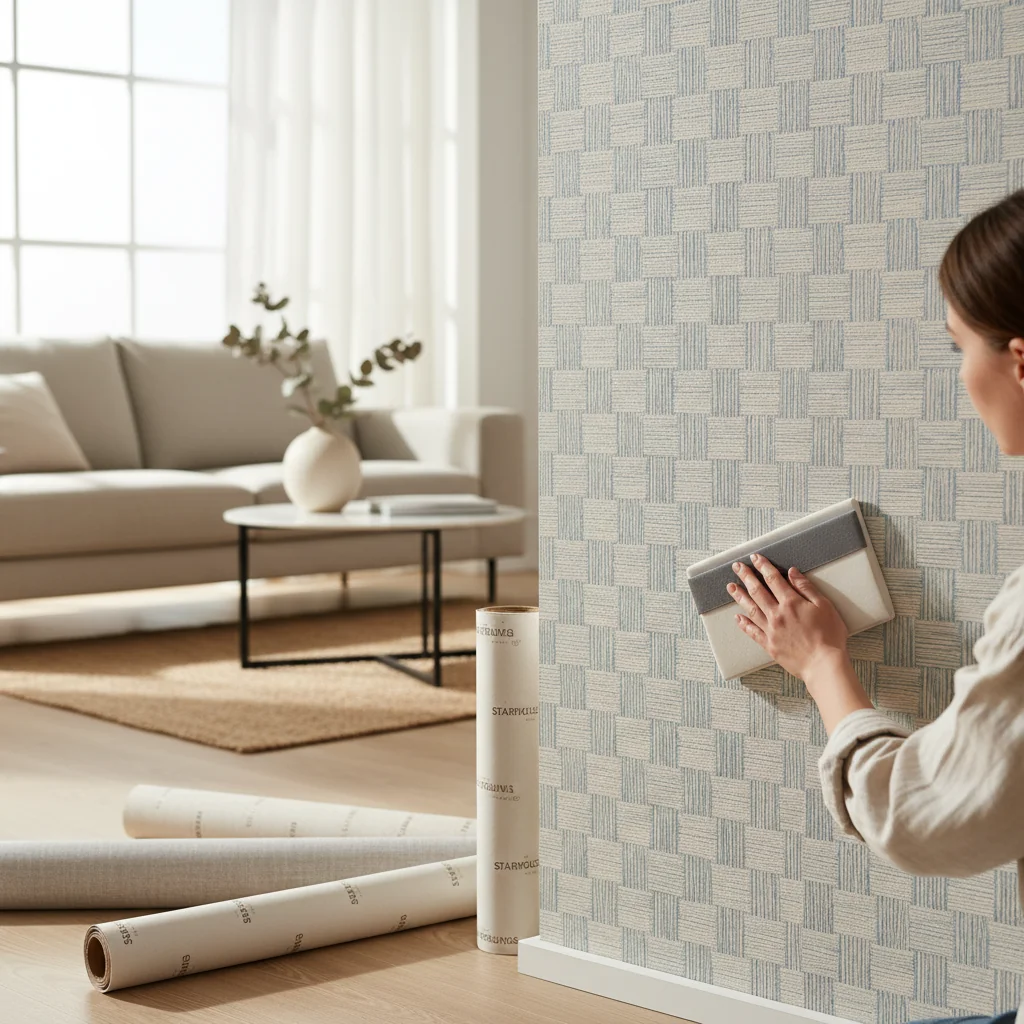
- Hang Strips: Align the first strip with your plumb line, starting from the ceiling. Smooth out bubbles and wrinkles using a wallpaper smoothing tool, working from the center outwards.
- Pattern Matching: For patterned black wallpaper, carefully align the pattern of the next strip with the previous one. This is where the extra length cut for each strip comes into play.
- Trim Excess: Use a sharp utility knife and a straightedge to trim excess paper at the ceiling and baseboard. Change your blade frequently for clean cuts.
Ventilation During and After Installation
Proper ventilation is important during and after wallpaper installation, especially when dealing with adhesives and certain wallpaper materials. Many adhesives and some vinyl wallpapers can emit Volatile Organic Compounds (VOCs).
The U.S. Environmental Protection Agency (EPA) emphasizes the importance of minimizing indoor air pollution, and VOCs are a significant component. Manufacturers of consumer products, including adhesives and wallpaper, are subject to regulations concerning VOC emissions. For instance, the EPA’s National Volatile Organic Compound Emission Standards for Consumer Products, under 40 CFR Part 59 Subpart C, establishes limits for VOC content in various product categories. Similarly, the Office of Information and Regulatory Affairs (OIRA) at OMB oversees the regulatory review process, including those related to environmental standards as detailed on sites like reginfo.gov for specific regulatory documents.
Ensure good airflow by opening windows and using fans during installation and for several days afterward to dissipate any odors or VOCs, contributing to healthier indoor air quality.
Cleaning & Maintenance: Material-Specific Guidance
The longevity of your black wallpaper hinges on appropriate cleaning methods. Always refer to the manufacturer’s specific care instructions, usually indicated by symbols on the roll label.
- Washable/Scrubbable Vinyl: These are the easiest to clean. Use a soft sponge or cloth dampened with mild soap and water. Gently wipe the surface, then wipe again with a clean, damp cloth to remove soap residue. Avoid abrasive cleaners or harsh scrubbing.
- Non-Woven: Typically wipeable. Use a slightly damp, soft cloth to gently clean. Avoid saturating the paper.
- Coated Paper: Generally wipeable with a very lightly damp cloth. Address spills immediately.
- Uncoated Paper & Natural Fibers (Grasscloth, Silk): These are usually not washable. For dust, use a soft, dry cloth or a vacuum cleaner with a brush attachment on a very low setting. For stains, consult a professional wallpaper cleaner as water or harsh chemicals can cause permanent damage.
- Metallic/Mica: Wipe gently with a dry or very slightly damp soft cloth. Avoid rubbing vigorously, which can dull the finish.
Repairing Minor Damage
Even with the best care, minor damage can occur. Having an extra roll of black wallpaper is invaluable for repairs.
- Small Tears/Bubbles: For small tears, use a thin layer of wallpaper adhesive to carefully reattach the torn piece. For bubbles, a small incision with a sharp blade and a dab of adhesive, followed by smoothing, can often fix the issue.
- Stains: If a stain occurs on a non-washable paper, try a dry art gum eraser first. If unsuccessful, you may need to patch the area.
- Patching: Cut a piece of new wallpaper slightly larger than the damaged area, matching the pattern precisely. Place it over the damaged section, align the pattern, and use a sharp knife to cut through both layers. Remove the damaged piece and install the new patch with adhesive, ensuring edges are smooth and flush.
Design with Confidence: Styling and Pairing Black Wallpaper
Styling black wallpaper effectively transforms a room into a sophisticated and inviting space, requiring intentional pairing with furnishings and accents to achieve balance and visual harmony. The key is to leverage black’s foundational strength without allowing it to overwhelm the room.
Complementary Color Palettes
Black wallpaper provides an exceptional backdrop that makes other colors pop. Consider these palettes:
- Monochromatic & Neutrals: Pair black with shades of gray, white, and cream for a chic, minimalist, and timeless aesthetic. This creates subtle depth and allows texture to come to the forefront.
- Metallics: Gold, brass, silver, and copper accents shine brilliantly against black. Use metallic frames, lighting fixtures, decorative objects, or furniture legs to add glamour and reflectivity.
- Jewel Tones: Deep emerald green, sapphire blue, ruby red, or amethyst purple create a luxurious, dramatic contrast with black. These rich colors become incredibly vibrant and saturated when placed against a dark background.
- Earthy Tones & Warm Woods: Natural wood tones (walnut, oak), warm leathers, and earthy greens or terracotta hues introduce warmth and organic balance, preventing black from feeling stark.
- Vibrant Pops: For a more playful or energetic look, introduce small, intentional bursts of bright colors like fuchsia, turquoise, or yellow through accessories, artwork, or textiles.
Furniture Styles that Harmonize
Black wallpaper can complement a wide range of furniture styles:
- Modern & Contemporary: Clean lines, minimalist forms, and materials like glass, chrome, and polished wood look incredibly sharp against black.
- Industrial: Exposed metal, dark wood, and utilitarian designs find a perfect partner in black wallpaper, enhancing a raw yet refined aesthetic.
- Art Deco & Glam: Velvet upholstery, mirrored surfaces, geometric furniture, and metallic details are amplified by black wallpaper, creating an opulent and luxurious atmosphere.
- Eclectic: Black provides a cohesive backdrop for a mix of styles, allowing diverse pieces to coexist without visual chaos.
- Classic & Traditional: Dark wood furniture, tufted upholstery, and ornate details gain a dramatic, sophisticated edge when placed against black, offering a contemporary twist on classic design.
The Importance of Layered Lighting
Layered lighting is paramount when designing with black wallpaper to prevent the room from feeling dim or cave-like. It creates depth, highlights features, and ensures functionality.
- Ambient Lighting: Overhead fixtures (pendants, chandeliers, recessed lights) provide general illumination. Choose fixtures that offer good light output and potentially dimming capabilities.
- Task Lighting: Floor lamps, table lamps, and under-cabinet lighting provide focused light for specific activities like reading or cooking.
- Accent Lighting: Wall sconces, picture lights, or LED strips can highlight the texture or pattern of the black wallpaper, draw attention to artwork, or create dramatic shadows.
Warm-toned light bulbs (2700K-3000K) often work best with black, creating a cozy and inviting glow. Consider fixtures with metallic finishes to add sparkle and reflect light.
Textiles & Accessories: Adding Softness and Contrast
Textiles and accessories are crucial for softening the intensity of black wallpaper and introducing tactile interest.
- Rugs: A large area rug in a contrasting color or texture (e.g., a plush white shag, a geometric pattern, or a natural jute rug) can anchor the room and add warmth.
- Curtains/Drapes: Choose curtains in a lighter color or a contrasting texture (velvet, sheer linen) to frame windows and add softness.
- Cushions & Throws: Introduce pops of color, pattern, or luxurious textures (faux fur, chunky knits, embroidered silks) through decorative pillows and throws on sofas and beds.
- Artwork: Art with vibrant colors, metallic frames, or strong white matting will stand out dramatically against black wallpaper, creating a gallery-like display.
Mirrors & Reflective Surfaces
Mirrors and other reflective surfaces are invaluable when designing with black wallpaper. They bounce light around the room, making it feel brighter and more expansive. A large mirror can almost double the perceived space and reflect the beauty of the wallpaper itself.
Consider mirrored furniture, polished metal accents, glass tabletops, or high-gloss finishes to enhance light reflection and add a touch of glamour.
Integrating Plants & Greenery
Lush green plants provide a vibrant, organic contrast to black wallpaper. The deep green hues become incredibly striking against a dark background, adding life, freshness, and a touch of biophilic design. Large potted plants, hanging planters, or even a small terrarium can soften the intensity of black and introduce natural beauty.
Using Black Wallpaper in Different Rooms
- Bedroom: Creates a serene, intimate, and luxurious retreat. Pair with soft lighting and plush textiles.
- Living Room: Establishes a sophisticated and dramatic entertaining space. Use it on an accent wall or throughout for a bold statement, balancing with light furniture.
- Dining Room: Adds elegance and formality. Excellent for creating a moody, sophisticated atmosphere for dinner parties.
- Powder Room/Bathroom: Transforms a small space into a jewel box. The drama of black can make a small bathroom feel grand. Ensure material is moisture-resistant.
- Home Office: Promotes focus and sophistication. A black wallpaper accent wall can create a professional and inspiring environment.
At Starhouse, we understand that every detail contributes to the overall ambiance of your home. We are meticulously curating a collection of wall coverings and furnishings that embody both timeless design and contemporary flair. We invite you to tell us what you’re looking for to help us tailor our offerings to your precise needs and gain early access to our exclusive selections at starhouseusa.online.
Current Trends in Black Wallpaper Design
Contemporary interior design embraces black wallpaper in innovative ways, showcasing its adaptability across diverse aesthetic movements and pushing the boundaries of traditional usage. Modern trends highlight black’s ability to create both bold statements and subtle, textured backdrops.
Biophilic Designs with Dark Backgrounds
A significant trend sees biophilic patterns—those inspired by nature—rendered against dark, often black, backgrounds. This includes large-scale botanical prints featuring lush foliage, exotic birds, or delicate florals in vibrant or metallic hues that pop dramatically against the deep black. The contrast intensifies the organic elements, creating a moody, sophisticated natural aesthetic that brings the outdoors in with an elevated sense of drama.
Textural Minimalism
Minimalism is evolving, and black wallpaper is at its forefront with a focus on texture over overt pattern. This trend favors solid black wallpapers with subtle, tactile surfaces, such as faux grasscloth, linen, concrete, or even a deep matte finish that absorbs light. The emphasis is on the sensory experience and the quiet sophistication that texture provides, adding depth and interest without visual clutter. It’s about creating a rich, layered look through touchable surfaces.
Bold Geometrics and Abstract Art
Geometric patterns remain popular, but current trends lean towards bolder, often oversized, and more abstract interpretations. Think large-scale interlocking shapes, architectural lines, or free-flowing abstract forms in black, often with contrasting white, gray, or metallic accents. These designs function as large-format art pieces, making a strong contemporary statement and adding dynamic energy to a space, moving beyond traditional repeats.
Metallic Accents and Shimmer
The integration of metallic elements within black wallpaper continues to be a strong trend, adding a touch of glamour and luxury. This includes wallpapers with subtle gold, silver, copper, or bronze flecks, shimmering mica particles, or full metallic foil patterns against a black base. These metallic accents catch and reflect light, preventing the black from feeling flat and introducing a dynamic visual play that changes with the angle of light, creating an opulent and sophisticated ambiance.
Dark Academia and Moody Interiors
Inspired by classic libraries and old-world charm, the “dark academia” aesthetic is a growing trend that black wallpaper perfectly complements. This style favors deep, rich colors, vintage elements, and a scholarly, introspective mood. Black wallpaper, especially with subtle patterns like damask, understated textures, or even faux wood panels, provides the ideal backdrop for creating these moody, intellectual, and cozy interiors. It pairs beautifully with dark wood furniture, leather, antique books, and brass accents.
Common Mistakes to Avoid When Using Black Wallpaper
While black wallpaper offers immense design potential, certain pitfalls can diminish its impact if not carefully considered. Awareness of these common errors ensures a more successful and aesthetically pleasing outcome for your interior design project.
Ignoring Room Size and Light Conditions
One of the most frequent mistakes is failing to assess how black wallpaper will interact with the room’s dimensions and natural light. In a very small room with minimal light, an untextured, solid matte black on all walls can make the space feel oppressive and claustrophobic, rather than intimate. Conversely, in a large, bright room, a glossy black might create too much reflection or feel overly stark without proper balance.
Correction: For smaller, darker rooms, consider black wallpaper on a single accent wall, opt for patterns with lighter elements (e.g., white or metallic), or choose textured blacks that absorb and play with light. In larger rooms, balance extensive black with lighter furnishings and ample lighting.
Overwhelming a Small Space with Heavy Patterns
While black can work in small spaces, a large, busy, or visually heavy black pattern can overwhelm tiny rooms, making them feel even smaller and cluttered. The scale of the pattern is crucial.
Correction: In compact areas, gravitate towards black wallpapers with subtle textures, small-scale patterns, or delicate metallic accents. If a bold pattern is desired, limit it to a single, well-defined accent wall to create impact without visual overload.
Poor Surface Preparation
Skipping essential wall preparation steps is a critical error, particularly with dark-colored wallpapers. Imperfections like bumps, divots, or unprimed surfaces will be highly visible through black wallpaper, compromising its smooth, luxurious finish.
Correction: Always clean, repair, and properly prime your walls. For black wallpaper, consider a primer tinted to a dark gray to ensure that any subtle gaps at seams do not reveal a stark white wall underneath.
Neglecting Pattern Match and Seam Alignment
For patterned black wallpaper, imprecise pattern matching and poorly aligned seams can ruin the aesthetic. A misaligned pattern is immediately noticeable and detracts significantly from the professional finish.
Correction: Take meticulous measurements, cut strips with ample overlap for pattern alignment, and use a plumb line to ensure the first strip is perfectly vertical. For complex patterns, consider professional installation.
Inadequate Lighting Strategy
Relying solely on ambient overhead lighting in a room with black wallpaper is a common oversight. Black absorbs light, and insufficient lighting can make the space feel dim, flat, and unwelcoming.
Correction: Implement a layered lighting scheme. Combine ambient lighting with task lighting (lamps) and accent lighting (sconces, picture lights) to illuminate the wallpaper, highlight features, and create depth. Use warm-toned bulbs to add coziness.
Failing to Balance with Other Elements
An all-black room without contrasting elements can feel monotonous or stark. The power of black wallpaper lies in its ability to highlight other design components, but it needs those elements to create balance.
Correction: Introduce contrasting colors through furniture, textiles, and artwork. Incorporate varying textures (wood, metal, velvet, linen) to add visual and tactile interest. Utilize reflective surfaces like mirrors and glass to bounce light and add sparkle.
Choosing the Wrong Material for the Function
Selecting a delicate paper wallpaper for a high-traffic area like a hallway or a non-washable material for a bathroom is a recipe for premature wear and damage.
Correction: Always match the wallpaper material to the room’s function and maintenance needs. Opt for durable, washable vinyl or non-woven options in high-traffic or moisture-prone areas. Reserve delicate materials like natural grasscloth for low-traffic, dry, and formal spaces.
Sources
- eCFR :: 40 CFR Part 59 Subpart C — National Volatile Organic Compound Emission Standards for Consumer Products
- reginfo.gov | Download Document (relevant to regulatory oversight)
Frequently Asked Questions About Black Wallpaper
Is black wallpaper suitable for small rooms?
Yes, black wallpaper can be highly effective in small rooms, creating a sense of intimacy and sophistication rather than making the space feel smaller. A solid matte black can blur the room’s boundaries, making it feel more expansive, while reflective black wallpapers (glossy or metallic) can bounce light and create an illusion of greater space. The key is to balance the black with ample lighting and lighter furnishings.
How do I prevent a room with black wallpaper from feeling too dark?
To prevent a room with black wallpaper from feeling too dark, implement a layered lighting strategy, including ambient, task, and accent lighting. Incorporate reflective surfaces such as mirrors, metallic accents (gold, silver), and glass. Use lighter-colored furniture, textiles (rugs, curtains, pillows), and artwork to create contrast and visual breaks. Natural light should be maximized where possible.
What colors pair best with black wallpaper?
Black wallpaper pairs exceptionally well with a wide range of colors. Neutrals like crisp white, cream, and various shades of gray create a sophisticated, monochromatic look. Metallic accents such as gold, brass, and silver add glamour and light reflection. Vibrant jewel tones like emerald green, sapphire blue, and ruby red pop dramatically against black, while warm wood tones and rich leathers introduce organic warmth and balance.
Is black wallpaper difficult to install?
The difficulty of installing black wallpaper varies by type. Peel-and-stick options are generally the easiest for DIY enthusiasts. Traditional non-pasted and pre-pasted wallpapers require more precision, especially with pattern matching, and may be more challenging for beginners. Heavy materials like fabric-backed vinyl or delicate natural fibers often benefit significantly from professional installation to ensure a flawless finish and prevent damage.
How do I clean black wallpaper?
Cleaning black wallpaper depends on its material. Washable or scrubbable vinyl wallpapers can be gently wiped with a soft, damp cloth and mild soap, then rinsed with a clean damp cloth. Non-woven wallpapers are typically wipeable with a slightly damp cloth. Delicate materials like uncoated paper or natural fibers are generally not washable and should only be dusted with a dry, soft cloth or a vacuum with a brush attachment on a low setting. Always consult the manufacturer’s specific care instructions.
Can black wallpaper hide wall imperfections?
No, black wallpaper, especially solid or smooth finishes, will often highlight rather than hide wall imperfections such as bumps, divots, or unpatched holes. Textured black wallpapers (e.g., faux concrete, grasscloth) can be more forgiving with minor imperfections due to their inherent surface variations. Proper wall preparation, including cleaning, repairing, and priming, is always essential before installing any wallpaper, particularly dark colors, to ensure a flawless result.
Is black wallpaper going out of style?
Black wallpaper is a timeless and enduring design element that consistently remains in style, evolving with contemporary trends rather than fading. Its versatility allows it to adapt to various aesthetics, from classic elegance to modern minimalism and dramatic statements. Current trends embrace black wallpaper in biophilic designs, textural applications, and bold geometrics, confirming its continued relevance and popularity in sophisticated interiors.
Conclusion: Embrace the Elegance of Black Wallpaper
Black wallpaper is undeniably a design powerhouse, offering unparalleled depth, sophistication, and versatility to any interior. From the subtle nuances of a matte finish to the dramatic flair of a metallic pattern, its ability to transform a space is profound. By understanding the various types, materials, and styling principles, you can confidently harness the elegance of black to create an interior that is both aspirational and deeply personal. It is a bold choice that, when executed with precision and thoughtful consideration, yields truly spectacular results, turning ordinary walls into extraordinary statements.
At Starhouse, we are dedicated to curating a selection of wall coverings and home furnishings that meet the highest standards of design and quality. We believe your home should be a reflection of your unique style and a sanctuary of beauty and comfort. As we prepare to launch our full collection, we are eager to hear from you. Tell us what you’re looking for to shape our offerings and gain early access to our exclusive selections designed to elevate every room in your home. Visit us at starhouseusa.online and share your vision with Starhouse.