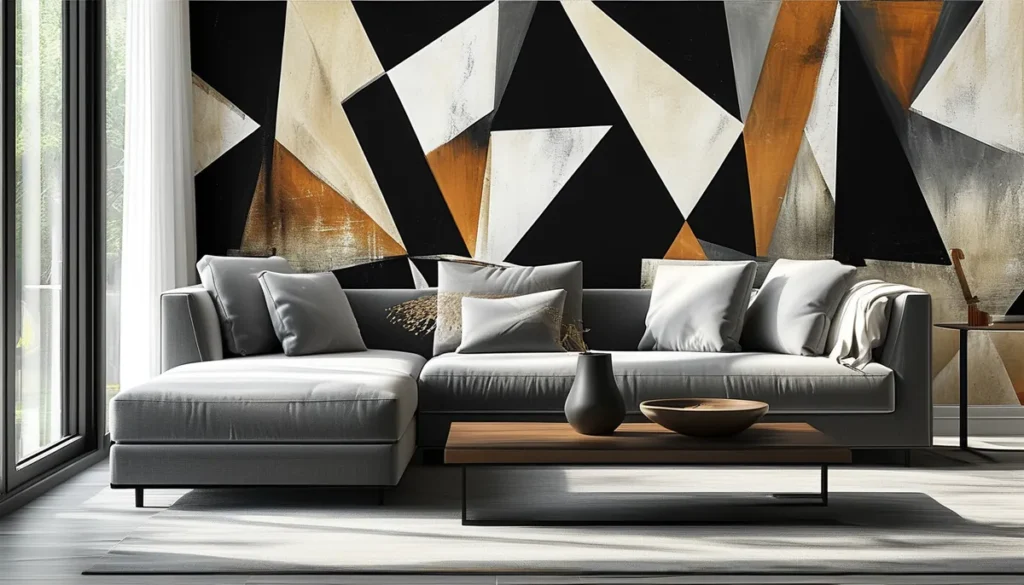
Choosing black wood wallpaper involves deciding between faux finishes and real wood textures, and understanding how each material performs in different spaces. The visual impact of black wood can range from rustic charm to sleek, modern sophistication. Consider where you’ll install it – a high-moisture area like a bathroom requires a different material than a low-traffic living room.
Types of black wood wallpaper and their pros and cons
When selecting black wood wallpaper, you’ll primarily encounter a few distinct categories, each with its own characteristics:
Vinyl wallpaper
Vinyl black wood wallpaper is a popular choice due to its durability and moisture resistance. It typically consists of a paper or fabric base coated with a vinyl layer. This makes it ideal for kitchens, bathrooms, and high-traffic areas where it might encounter moisture or require frequent cleaning. The vinyl surface can mimic various wood grains and textures effectively, offering a wide range of aesthetic options. It’s generally easy to clean with a damp cloth. Look for scrubbable vinyl if frequent cleaning is anticipated. The thickness can vary, but generally, it offers good opacity, which can help cover minor imperfections on the wall.
Peel-and-stick wallpaper
Peel-and-stick black wood wallpaper has gained immense popularity for its DIY-friendly nature. It features an adhesive backing, meaning no separate glue is required. You simply peel off the backing and stick it to the wall. This makes it a fantastic option for renters or for those who like to redecorate frequently. The material is usually a vinyl-based fabric or plastic, offering some durability. However, the adhesive quality can vary between brands. Some may leave residue upon removal, especially on delicate surfaces or if left for an extended period. It’s crucial to prepare the wall surface properly – clean, dry, and smooth – for optimal adhesion. For a more profound and sophisticated look, consider exploring black wallpaper designs.
Traditional (paste-the-wall or paste-the-paper) wallpaper
Traditional black wood wallpaper, often made of paper, fabric, or even textured vinyl, requires wallpaper paste for application. Paste-the-wall types are generally easier to hang than paste-the-paper, as you apply the paste directly to the wall, not the paper. This method often leads to a cleaner installation and easier removal. Paper-based options can offer a more authentic textured feel but are less resistant to moisture and staining compared to vinyl. Fabric-backed options can provide a richer, more luxurious look and feel but come at a higher price point.
Textured and 3D wallpapers
Beyond the basic material types, you can find black wood wallpapers with added texture or even 3D effects. These might incorporate raised patterns to mimic the knots and grain of real wood, or use advanced printing techniques to create a sense of depth. These options can add a significant tactile dimension to your walls, making the wood effect more convincing. However, they can also be more challenging to clean and may be more expensive.
Sizing and scale of black wood patterns
The scale of the wood grain pattern in your black wood wallpaper significantly impacts the overall look of your room. A large-scale, prominent grain can make a bold statement and is often best suited for larger rooms or accent walls. It can create a dramatic focal point. Conversely, a smaller, more subtle grain pattern can add a touch of warmth and texture without overwhelming the space, making it suitable for smaller rooms or for use on all four walls. Consider the visual weight of the pattern in relation to your furniture and decor. A tight, repeating pattern might feel busy, while a more varied or organic wood grain can feel more natural and calming.
Installation considerations for black wood wallpaper
Proper installation is key to achieving a professional and long-lasting finish with black wood wallpaper. The process varies depending on the type of wallpaper, but some general principles apply.
Surface preparation
This is perhaps the most critical step. The wall must be clean, dry, and free of any grease, dust, or old wallpaper residue. Fill any holes or cracks and sand them smooth. If you’re applying wallpaper over a glossy paint finish, lightly sanding the surface can improve adhesion, especially for peel-and-stick types. For traditional wallpapers, priming the wall with a wallpaper primer can ensure better adhesion and easier removal later. Ensure the primer is compatible with your wallpaper type.
Hanging technique
For peel-and-stick, start at the top of the wall, carefully aligning the edge of the first strip with a corner or ceiling line. Gently pull off the backing as you smooth the wallpaper onto the wall using a squeegee or smoothing tool. Overlap edges slightly if recommended by the manufacturer, or butt them up tightly for a seamless look. Work out any air bubbles by pushing them towards the nearest edge. For traditional wallpaper, follow the manufacturer’s instructions for paste application and hanging. Ensure patterns align correctly at the seams. Trim excess wallpaper at the ceiling, baseboard, and around outlets using a sharp utility knife.
Trimming and finishing
Use a sharp, fresh blade for trimming to avoid tearing the wallpaper. A straight edge or ruler can help guide your knife for clean cuts. Pay special attention to corners, around windows, and doors. For baseboards, you can either cut the wallpaper flush or tuck the edge slightly behind the baseboard for a cleaner finish. After hanging, gently run a seam roller over the edges to ensure they are firmly adhered. For vinyl wallpapers, a damp sponge can be used to wipe away any excess paste.
Where to use black wood wallpaper
Black wood wallpaper can be a versatile design element, suitable for various rooms and applications.
Accent walls
An accent wall covered in black wood wallpaper can create a dramatic focal point in a living room, bedroom, or dining area. It adds depth and texture without overwhelming the entire space. Consider pairing it with solid-colored furniture and decor to let the wallpaper stand out. For a cohesive look, you might explore black ink wallpaper designs for adjacent walls.
Full room coverage
In larger rooms or spaces where you want to create a cozy, enveloping atmosphere, covering all four walls with black wood wallpaper can be highly effective. This approach works particularly well in studies, dens, or even bedrooms where a sense of warmth and sophistication is desired. Ensure adequate lighting to prevent the space from feeling too dark.
Behind furniture
Applying black wood wallpaper behind a headboard in a bedroom or behind a sofa in a living room can add visual interest and texture without the expense of wallpapering an entire wall. This is a great way to introduce the look of wood paneling on a budget.
Entryways and hallways
These transitional spaces can benefit from the visual impact of black wood wallpaper. It sets a tone of style and sophistication as soon as guests enter your home. Ensure the pattern is not too busy for narrower hallways. Consider the durability if it’s a high-traffic area.
Kitchens and dining rooms
Vinyl or washable black wood wallpaper can be a stylish choice for kitchens and dining areas. It adds a touch of rustic elegance or modern flair, depending on the specific design. Ensure the chosen wallpaper is rated for moisture and is easy to clean, especially in a kitchen environment. For a refined look, consider black and gold wallpaper elements.
Maintaining your black wood wallpaper
The maintenance required for your black wood wallpaper depends heavily on the material.
Vinyl and washable wallpapers are the easiest to maintain. A soft, damp cloth is usually sufficient for cleaning. For tougher marks, a mild soap solution can be used. Always test any cleaning solution on an inconspicuous area first. Avoid abrasive cleaners or scrub brushes, which can damage the surface.
Paper-based wallpapers are more delicate. Dusting with a soft brush or a dry microfiber cloth is usually the safest way to clean them. Avoid moisture as much as possible, as it can cause the paper to bubble or stain.
Peel-and-stick wallpapers can typically be wiped down with a damp cloth. However, be gentle to avoid peeling up the edges or damaging the print. Check the manufacturer’s specific cleaning recommendations, as adhesive quality can affect how well the surface holds up to cleaning.
For all types, regular dusting will help keep the wallpaper looking its best and prevent the buildup of grime that can be harder to remove later. When in doubt, consult the manufacturer’s guidelines for your specific product. For a broader view of black options, see black home wallpaper options and advice.
Common mistakes to avoid
Several common mistakes can detract from the beauty and longevity of your black wood wallpaper installation.
- Poor surface preparation: Skipping cleaning, sanding, or priming can lead to peeling, bubbling, or an uneven finish.
- Using the wrong adhesive: For traditional wallpapers, using the wrong type or amount of paste can cause issues. For peel-and-stick, relying on old or low-quality adhesive can lead to failure.
- Not aligning patterns: Mismatched patterns at seams are very noticeable, especially with wood grain designs that have distinct lines.
- Over-trimming or under-trimming: Using a dull blade can tear the paper. Cutting too close to the edge can cause it to lift.
- Ignoring moisture ratings: Using non-washable wallpaper in a bathroom or kitchen is a recipe for disaster.
- Rushing the process: Taking your time with each step, especially alignment and smoothing, will result in a much better outcome.
By understanding the different types of black wood wallpaper, planning your installation carefully, and avoiding these common pitfalls, you can achieve a stunning and durable finish that enhances your home’s aesthetic. For high-quality options, consider brands like Lewis and Wood, known for their detailed finishes – learn more about Lewis and Wood wallpaper.