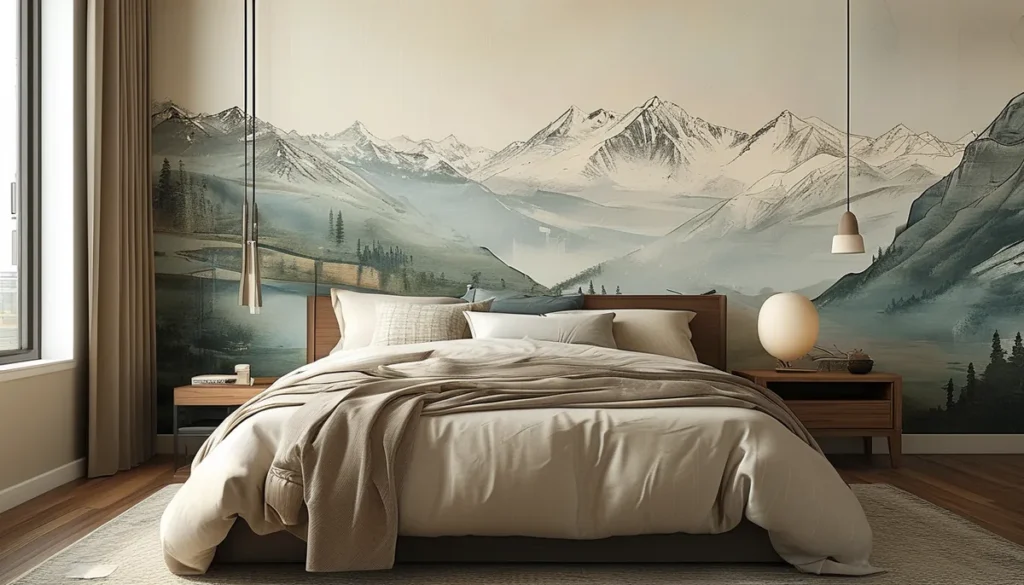
Choosing a vintage woodland wallpaper means selecting a design that captures the serene beauty of nature. These wallpapers often feature intricate illustrations of trees, ferns, mushrooms, and woodland creatures like deer, foxes, and birds. Unlike modern interpretations, vintage designs tend to have a softer color palette, drawing inspiration from natural dyes and classic art styles. This results in a cozy, nostalgic feel that can make any room feel like a secluded forest retreat.
Styles of vintage woodland wallpaper
When you think of vintage woodland wallpaper, several distinct styles come to mind. These variations cater to different aesthetic preferences and can dramatically alter the mood of your space.
Botanical illustrations
These designs focus on the flora of the forest. You’ll find detailed renderings of various trees, from oak to pine, often accompanied by undergrowth like ferns, moss, and wildflowers. The color palettes are typically muted, with earthy greens, browns, and soft blues. These are perfect for creating a calming atmosphere in a bedroom or study.
Animal motifs
These wallpapers bring the inhabitants of the forest to your walls. Expect to see elegant deer, playful foxes, wise owls, or chirping birds. The animals are often depicted in a stylized, almost storybook manner, adding a whimsical touch. This style works well in a nursery or a living area where you want to inject some personality.
Forest scenes and landscapes
These are more immersive designs, often depicting panoramic views of wooded areas, sometimes with winding paths or streams. They aim to create a sense of depth and transport you directly into the depicted environment. These can be quite dramatic and are ideal for a feature wall in a dining room or living room.
Folk art and storybook
Some vintage woodland wallpapers draw heavily from folk art traditions or classic children’s storybooks. These designs might feature more simplified, charming illustrations with a handmade feel. They often have a distinctly nostalgic and heartwarming quality.
Material and application: peel and stick vs. traditional
The way your vintage woodland wallpaper is applied significantly impacts the installation process and its suitability for different spaces. Today, peel and stick options are incredibly popular for DIY enthusiasts, but traditional paste-the-wall or paste-the-paper methods still have their place.
Peel and stick wallpaper
This is a self-adhesive vinyl material. You simply peel off the backing and stick it to the wall. It’s forgiving, allowing for repositioning during application, and is generally removable without damaging the underlying wall surface. This makes it ideal for renters or for areas where you might want to change the decor frequently. Many high-quality vinyl wallpapers are also moisture-resistant, making them suitable for bathrooms and kitchens, though always check the manufacturer’s specifications.
Pros: Easy to install, removable, no paste needed, often washable, good for renters.
Cons: Can be more expensive upfront, may not adhere well to heavily textured walls, quality varies greatly.
Traditional wallpaper (paste-the-wall/paper)
This type of wallpaper requires wallpaper paste, which is applied either to the back of the paper or directly to the wall. While the installation can be more involved and messier, traditional wallpapers often offer a wider range of textures and finishes, and some designs are only available in this format. They tend to be very durable once properly installed and can last for many years.
Pros: Wide variety of textures and finishes, often more durable long-term, can be more cost-effective for large projects.
Cons: More difficult and time-consuming to install, requires paste and tools, harder to remove, not ideal for renters.
When choosing between the two for your vintage woodland theme, consider your comfort level with DIY, whether you’re renting, and how permanent you want the installation to be. For many, the ease of peel and stick wallpaper makes it the preferred choice for bringing vibrant designs like vintage woodland scenes to life.
Where to use vintage woodland wallpaper
The versatility of vintage woodland wallpaper allows it to enhance various rooms. The key is to select a design and scale that complements the room’s function and size.
Bedrooms and nurseries
This is perhaps the most popular application. A vintage woodland theme in a bedroom or nursery creates a tranquil, enchanting, and cozy atmosphere. Delicate animal illustrations or soft forest scenes can make a child’s room feel magical. For adult bedrooms, a more subdued botanical print can offer a serene retreat. Consider using this style for a calming vintage nursery wallpaper to foster a peaceful environment.
Living rooms and dining rooms
A bold forest landscape or a detailed animal motif can serve as a stunning focal point on a feature wall in a living or dining room. This adds depth, character, and a touch of natural elegance. Pair it with natural materials like wood, rattan, and plants to enhance the woodland feel.
Home offices
For those who work from home, a vintage woodland wallpaper can transform a home office into an inspiring and focused space. The natural elements can be grounding and reduce stress, while intricate designs can provide visual interest without being overly distracting.
Powder rooms and bathrooms
Smaller spaces like powder rooms can handle bolder patterns. A whimsical woodland design can add a surprising and delightful touch. Ensure you choose a moisture-resistant vinyl, especially for bathrooms, as humidity can affect adhesion and longevity.
Choosing the right scale and color palette
The impact of your vintage woodland wallpaper hinges on two crucial factors: the scale of the pattern and its color palette. Getting these wrong can make a room feel cramped or overwhelming.
Pattern scale
Small-scale patterns: These are generally better for smaller rooms or for creating a subtle background effect. Intricate, small-scale botanical prints or scattered tiny animal figures work well without overpowering the space. They can make a small room feel larger by not breaking up the visual field too much.
Large-scale patterns: These make a statement and are best suited for larger rooms or as a dramatic accent on a single wall. A large, detailed forest scene or oversized animal illustrations can become the room’s focal point. In smaller rooms, a large pattern can feel overwhelming and make the space seem smaller.
Color palette
Vintage woodland wallpapers typically feature muted, earthy tones. Think soft greens, mossy browns, warm beiges, muted blues, and occasional pops of deeper colors like burgundy or ochre. These palettes contribute to the cozy, natural, and nostalgic feel. When selecting, consider the existing colors in your room – furniture, flooring, and decor. The wallpaper should harmonize with your current scheme or inspire a new one.
Installation tips for vintage woodland wallpaper
Proper installation is key to achieving a professional and lasting finish. Whether you’re using peel and stick or traditional paste-up, a few common steps are essential.
Preparation is crucial
Start by thoroughly cleaning your walls. Remove any old wallpaper, grease, or dirt. The wall surface should be smooth, dry, and sound. For traditional wallpaper, you might need to apply a primer to ensure good adhesion and easier removal later. For peel and stick, ensure the wall is clean and dry; a primer might be recommended by some manufacturers to improve adhesion and prevent damage upon removal.
Measure and cut
Carefully measure the height of your wall and add a few extra inches (about 4-6 inches total) to the top and bottom for trimming. When cutting your panels, pay close attention to the pattern repeat. Ensure that the design flows seamlessly from one strip to the next. It’s often best to cut your first panel and then align the second panel’s pattern to it before cutting. This is where having the right tools, like those found in guides on vintage wallpaper brushes and tools, can make a significant difference.
Application
For peel and stick: Start at the top, aligning the edge of the wallpaper with your ceiling line or a vertical guide. Slowly peel off the backing as you smooth the wallpaper onto the wall with a squeegee or smoothing tool, working from the center outwards to push out air bubbles. Overlap seams slightly if recommended by the manufacturer.
For traditional wallpaper: Apply paste evenly to the wall or paper according to the product instructions. Book the paper (fold pasted sides together) if required and let it rest for the recommended time. Then, apply the strip to the wall, starting at the top and smoothing it down with a brush or roller, working out air bubbles and excess paste.
Trimming and finishing
Once the wallpaper is in place, use a sharp utility knife or a rotary cutter and a straight edge to trim the excess paper at the ceiling and baseboard. For traditional wallpaper, gently wipe away any excess paste with a damp sponge. Allow the wallpaper to dry completely according to the manufacturer’s instructions.
Common mistakes to avoid
Even with the best intentions, installation errors can detract from the beauty of your vintage woodland wallpaper. Be mindful of these common pitfalls:
- Not preparing the wall surface: Painting over a dirty or uneven wall will result in bubbles, peeling, and a poor finish.
- Ignoring the pattern repeat: Failing to align the pattern between strips will create a disjointed and unprofessional look.
- Using too much or too little paste: Too much paste leads to mess and potential damage; too little causes adhesion issues.
- Not smoothing out air bubbles: Trapped air creates unsightly bumps and can lead to peeling.
- Cutting corners on tools: Using dull blades or inadequate smoothing tools will make the job harder and the result subpar.
By taking your time, following instructions carefully, and using the right tools, you can successfully install vintage woodland wallpaper and create a captivating, nature-inspired space. For inspiration on how to display wallpapered sections, consider the techniques for framed vintage wallpaper, which can be a great alternative or complement.