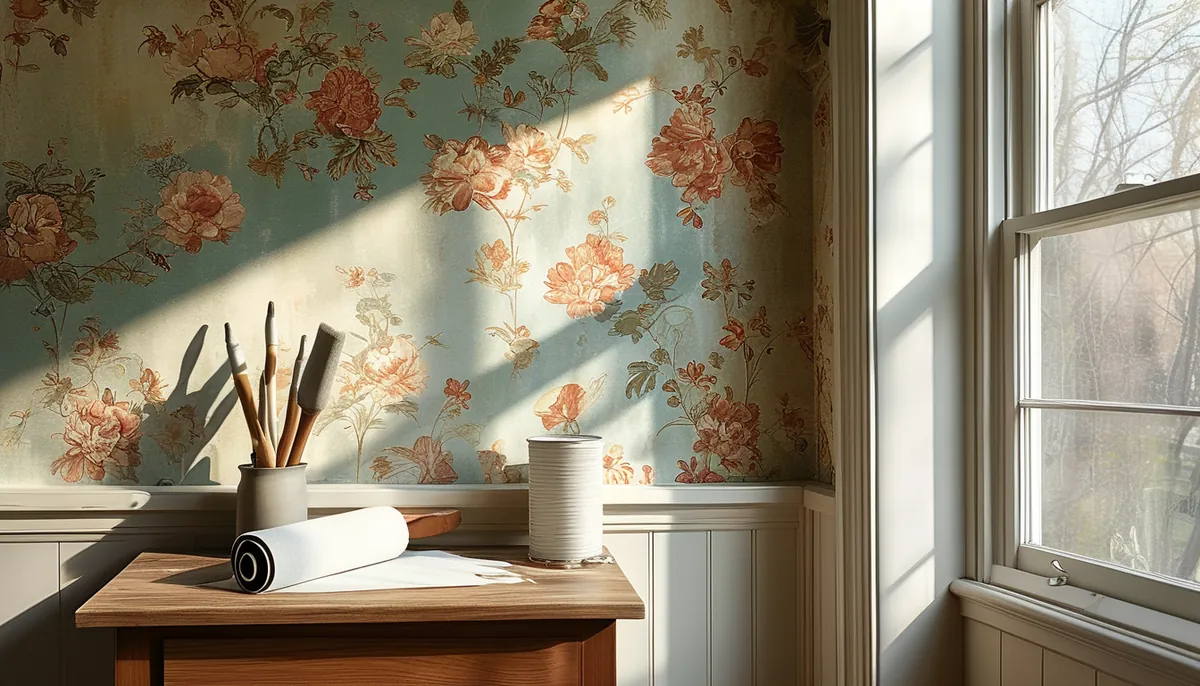
You can’t hang vintage wallpaper correctly without the right tools. Forget trying to smooth out bubbles with your hands or a kitchen spatula; you need specialized brushes designed to handle delicate papers and ensure a seamless application. The type of brush you need depends on the wallpaper material and the specific task, from applying paste to smoothing out air pockets.
Types of wallpaper brushes and their uses
Wallpaper brushes come in various shapes and sizes, each serving a distinct purpose. Understanding these differences is key to achieving a professional look.
Smoothing brushes
These are the workhorses of wallpapering. Smoothing brushes are typically wide and flat, with soft yet firm bristles. They are designed to gently press the wallpaper onto the wall, pushing out air bubbles and ensuring good adhesion without damaging the paper. The best smoothing brushes are made from natural bristles, which offer a good balance of flexibility and stiffness. Look for brushes that are at least 4 inches wide for efficient coverage on large areas.
Paste brushes
If you’re using traditional wallpaper that requires paste applied directly to the back, a paste brush is essential. These brushes are much larger and softer than smoothing brushes, often resembling large paint brushes. Their primary function is to apply an even, consistent layer of wallpaper paste across the entire surface of the paper. The bristles should be soft enough not to tear the paper when wet but dense enough to hold and spread the paste effectively. Some professionals prefer a roller for paste application, but a good paste brush offers more control, especially around edges and intricate patterns.
Seam rollers
Seam rollers are specialized tools used to press down wallpaper seams after application. They have a harder, often plastic or rubber wheel that gently rolls over the seam, ensuring it’s firmly adhered and creating a clean, tight line. Using a seam roller prevents wallpaper edges from lifting over time. It’s important to use a roller that’s not too aggressive, as excessive pressure can damage the wallpaper surface or squeeze out too much paste, which can stain lighter papers.
Edge brushes
For precise application along ceilings, baseboards, and around windows and doors, an edge brush is invaluable. These brushes are typically narrower and may have a specific shape to reach tight corners. They help ensure that paste or the wallpaper itself is applied neatly right up to the edge, preventing gaps or unsightly overlaps. Some edge brushes have angled bristles for better control in corners.
Corner brushes
When dealing with internal and external corners, a dedicated corner brush can make a huge difference. These brushes often have angled bristles that allow you to smooth wallpaper into a corner effectively, creating a crisp, clean line. They help avoid the bunching or creasing that can occur when trying to force flat wallpaper into a corner.
Detail brushes
For intricate patterns or areas that require very precise work, a small detail brush might be necessary. These are small, fine-bristled brushes that allow for detailed smoothing or paste application in tight spots.
Choosing the right vintage wallpaper brushes
Selecting the correct brushes will significantly impact the outcome of your wallpapering project. Consider these factors:
Material of the bristles
Natural bristles, usually from hog hair or badger hair, are generally preferred for wallpapering. They offer a good balance of flexibility and stiffness, allowing for effective smoothing without damaging the wallpaper. Synthetic bristles can also work, but they may be less forgiving and could potentially scratch or snag delicate vintage papers. For paste brushes, softer, synthetic bristles might be acceptable as they are less likely to tear the wet paper.
Brush size and width
The size of the brush should correspond to the size of the area you’re working on. Wider smoothing brushes (6-8 inches) are efficient for large, flat surfaces. Narrower brushes (3-4 inches) are better for smaller rooms, detailed work, or when using narrower rolls of wallpaper. For paste brushes, a wider brush means faster paste application.
Handle comfort and grip
You’ll be holding these brushes for extended periods, so comfort is key. Look for brushes with ergonomic handles that provide a good grip, even if your hands get a little sticky from paste. A comfortable handle reduces fatigue and improves control.
Durability and quality
Investing in high-quality brushes will pay off in the long run. Cheaper brushes may shed bristles, which can get stuck in your wallpaper paste and be very difficult to remove. They may also break or wear out quickly. Look for brands known for their durability and craftsmanship.
Specific needs for vintage wallpaper
Vintage wallpaper can be more delicate than modern vinyl-backed papers. It might be thinner, more prone to tearing, or have a textured surface that requires a gentler touch. For this reason, opting for brushes with softer, natural bristles is often a safer bet. Avoid brushes with very stiff or sharp bristles that could easily damage the paper. If you’re using a peel and stick wallpaper, which is often more forgiving and repositionable, you might still benefit from a good smoothing brush to ensure firm adhesion, but a heavy-duty seam roller might be less critical than with traditional paste-the-wall types.
How to use vintage wallpaper brushes effectively
Proper technique ensures your brushes work as intended.
Applying paste
If using a paste brush, load it evenly with paste and apply it to the back of the wallpaper in smooth, consistent strokes. Ensure full coverage, especially at the edges, but avoid overloading the paper, which can make it difficult to handle and prone to tearing. Work in manageable sections, applying paste only to the area you can wallpaper within the paste manufacturer’s recommended working time.
Smoothing the wallpaper
Once the wallpaper is on the wall, use your smoothing brush to work from the center outwards towards the edges. Use gentle, overlapping strokes. This action pushes out air bubbles and ensures the wallpaper conforms to the wall surface. For patterned wallpaper, pay attention to aligning patterns as you smooth.
Working with seams
After smoothing the main surface, use a seam roller to firmly press down the edges where two strips of wallpaper meet. Roll gently along the seam, ensuring good adhesion without damaging the paper. For very delicate vintage papers, you might opt for a softer smoothing brush to press seams instead of a hard roller.
Cleaning and maintenance
Proper cleaning extends the life of your brushes. For paste brushes, wash them thoroughly with warm water and soap immediately after use to remove all paste residue. For smoothing brushes, remove excess paste or adhesive, then wash with mild soap and water. Ensure brushes are dried completely before storing, ideally by hanging them bristles-down or laying them flat to prevent bristle distortion.
Common mistakes to avoid
Certain errors can sabotage your wallpapering efforts. Using the wrong tools is a primary culprit.
- Using household brushes: Kitchen brushes, paintbrushes not designed for wallpaper, or even brooms are not suitable. They lack the appropriate bristle type, density, and flexibility, leading to uneven application, tears, and visible brush marks.
- Applying too much pressure: Whether smoothing or rolling seams, excessive force can damage the wallpaper, especially delicate vintage designs. This can lead to tears, stretched patterns, or squeezed-out paste that stains the paper.
- Not cleaning brushes properly: Dried paste or adhesive will harden the bristles, making them ineffective and prone to shedding. It can also transfer to new wallpaper, ruining the finish.
- Ignoring edges and corners: Rushing through these detailed areas often results in gaps, lifts, or poorly aligned seams. Using appropriate edge and corner brushes, and taking your time, is crucial for a professional finish.
- Using the wrong brush for the material: A stiff brush that works fine on heavy vinyl might tear thin, antique paper. Always consider the specific type of wallpaper you’re working with.
The aesthetic of vintage wallpaper
Vintage wallpaper brings a unique charm and character to any space. Whether you’re drawn to the intricate floral patterns of the Victorian era, the bold geometric designs of the Art Deco period, or the whimsical motifs of the mid-century, vintage styles evoke a sense of nostalgia and timeless elegance. When selecting brushes for these delicate materials, remember that preserving the integrity of the design is paramount. This is where specialized tools truly shine. For instance, applying a high-quality paste evenly with a dedicated paste brush ensures the paper doesn’t become overly saturated and tear. Subsequently, using a soft, wide smoothing brush, like those often found in kits for applying easy peel and stick wallpaper, will gently coax out any trapped air without disturbing the intricate details of your chosen pattern.
The appeal of vintage wallpaper extends to creating specific moods. A room adorned with floral patterns, for example, can feel lush and romantic. You can explore beautiful flowers on wallpaper in various historical styles, and the right application tools ensure these designs are showcased perfectly. Similarly, if you’re aiming for a bolder statement, styles like the Yellowstone wallpaper designs, which often feature strong natural motifs, benefit from precise application to maintain their graphic impact. Even contemporary designers draw inspiration from the past; collections like Rifle Paper Co. wallpaper often feature vintage-inspired prints that require the same care during installation.
Ultimately, the success of your vintage wallpaper project hinges not just on the beauty of the paper itself, but on the meticulous application process. Using the right vintage wallpaper brushes is not an optional extra; it’s a fundamental step in achieving a flawless, lasting result that honors the charm and artistry of vintage design.
For those looking for visually striking designs that harken back to previous eras, exploring options that offer a high-quality finish is key. The best high-quality peel and stick wallpaper, for instance, mimics the look and feel of traditional paper but offers the convenience of modern application. Regardless of the type of wallpaper chosen, the brushes you use to apply it will be instrumental in achieving that desired vintage aesthetic.