Updated: June 2026
Yellowstone wallpaper, in its truest form for home décor, transcends simple digital backdrops; it represents a design movement that brings the awe-inspiring landscapes, rich wildlife, and rustic charm of Yellowstone National Park into your living space through physical wall coverings. At Starhouse, we understand that selecting the right wallpaper is a pivotal design decision, transforming a room into a sanctuary that reflects personal style and evokes a desired atmosphere. This comprehensive guide details everything from the various types and styles of Yellowstone-inspired wallpapers to precise measurement techniques, expert installation advice, and sophisticated styling strategies, ensuring your home resonates with the timeless beauty of America’s first national park.
Key takeaways
- Yellowstone wallpaper encompasses physical wall coverings inspired by the national park’s landscapes, wildlife, and rustic aesthetic, offering diverse design possibilities from photorealistic murals to subtle textural patterns.
- Choosing the optimal Yellowstone wallpaper requires careful consideration of the room’s function, lighting, existing decor, and the desired visual impact, ensuring harmony within your home.
- Both peel-and-stick and traditional wallpaper options are available, each offering distinct advantages in installation ease, durability, and long-term commitment, suitable for various project scopes and skill levels.
- Accurate measurement, proper surface preparation, and understanding pattern repeats are critical for a seamless and professional-looking installation, minimizing waste and maximizing aesthetic appeal.
- Styling Yellowstone-inspired wallpaper involves complementing its natural themes with appropriate furniture, textiles, lighting, and accessories to create a cohesive and immersive environment.
- Regular, gentle care and maintenance are essential for preserving the beauty and longevity of your wallpaper, protecting your investment in enduring design.
Types of Yellowstone-Inspired Wallpaper: Capturing the Spirit
Yellowstone-inspired wallpaper encompasses a diverse range of designs that draw directly from the iconic national park’s natural splendor, offering various aesthetic interpretations to suit any interior design scheme. These wall coverings translate the park’s majestic landscapes, unique wildlife, and rustic character into patterns and murals suitable for residential and commercial spaces. Understanding these types allows for a precise selection that aligns with your design vision.
The primary categories include photographic murals, artistic interpretations, wildlife motifs, and textural patterns that evoke the park’s rugged environment. Each type offers a distinct visual impact, from immersive realism to subtle atmospheric suggestions. Starhouse curates collections that honor these diverse expressions, ensuring a sophisticated and authentic representation of the Yellowstone aesthetic.
Scenic Murals: Immersive Landscapes
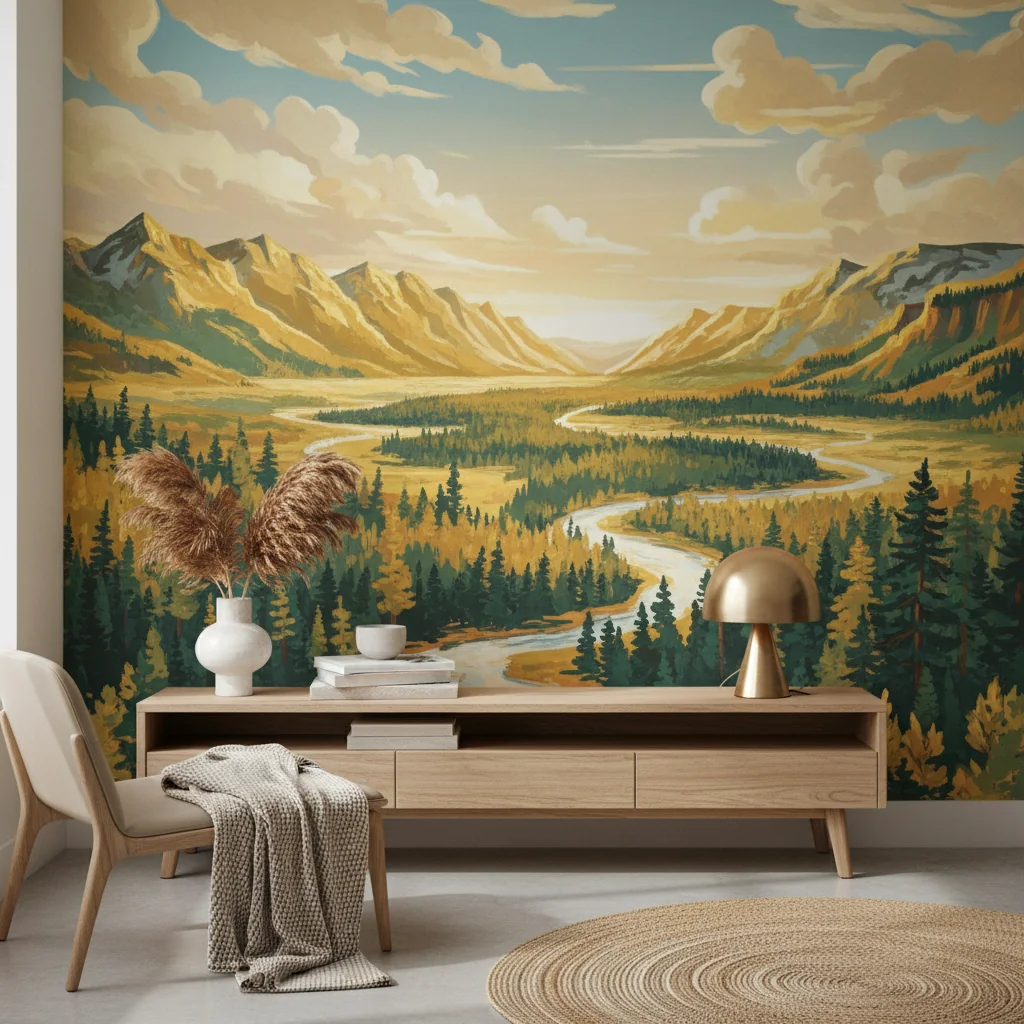
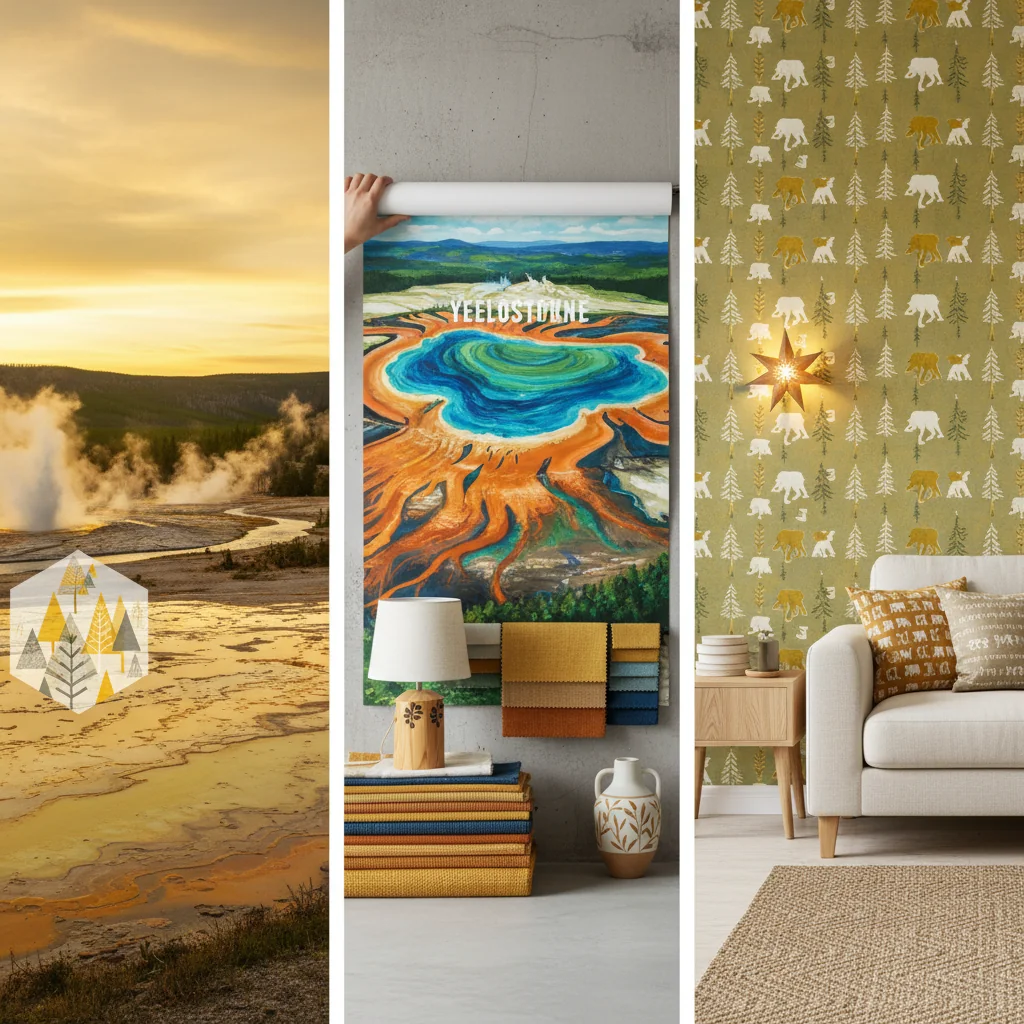
Scenic murals are large-format wallpapers that feature photographic or highly detailed artistic renderings of Yellowstone’s iconic landscapes, creating an immersive visual experience. These murals often depict breathtaking vistas such as Old Faithful, Grand Prismatic Spring, the Yellowstone River, or sweeping mountain ranges. The objective of a scenic mural is to transport the viewer directly into the environment, making it an ideal choice for creating a dramatic focal point in a living room, dining area, or master bedroom.
What is a mural? A mural is a large-scale artwork applied directly to a wall or ceiling, often depicting a continuous scene or image that covers a significant portion of the surface, creating an immersive visual experience.
When selecting a scenic mural, consider the scale of the image relative to your wall and room size. A panoramic view might overwhelm a smaller space but can be magnificent in a larger room. High-resolution imagery is paramount for photographic murals to maintain clarity and detail, preventing pixelation. The U.S. National Park Service offers extensive photo galleries of Yellowstone National Park, showcasing the visual richness available for inspiration.
Abstract Interpretations: Color Palettes and Textures
Abstract interpretations of Yellowstone wallpaper translate the park’s essence through color, texture, and pattern rather than literal imagery. This category includes designs that mimic the stratified colors of Grand Prismatic Spring, the earthy tones of thermal features, or the rugged textures of rock formations and geothermal vents. These wallpapers often feature subtle gradients, organic shapes, or textured finishes that evoke the natural world without explicit depiction.
This approach offers a sophisticated and understated way to incorporate the Yellowstone aesthetic, particularly suitable for modern or minimalist interiors where a literal mural might be too dominant. Examples include wallpapers with marbled patterns reflecting mineral deposits, ombré designs mirroring sunset over the mountains, or distressed textures reminiscent of aged wood or stone. These designs provide a sense of place through atmosphere and sensory experience, rather than direct representation.
Wildlife Motifs: The Park’s Iconic Inhabitants
Yellowstone is renowned for its abundant wildlife, and wallpaper featuring these iconic animals brings a distinct character to a space. Common motifs include bison, elk, bears, wolves, and eagles, often depicted in natural settings or stylized forms. These designs can range from realistic illustrations to whimsical sketches or repeating patterns.
Wildlife motifs are particularly effective in creating a lodge-like atmosphere in a den, study, or children’s room. The scale of the motif is crucial; a large, singular bison can serve as a powerful statement piece, while a repeating pattern of smaller elk might provide a more subtle, enveloping effect. Consider the overall balance of the room to ensure the wildlife motif enhances rather than overwhelms the space.
Rustic and Lodge Styles: Evoking Frontier Charm
Rustic and lodge-style wallpapers draw inspiration from the architectural and interior design traditions associated with national park lodges and frontier cabins. These designs often feature patterns that mimic natural materials like wood grain, stacked stone, plaid fabrics, or distressed leather. They frequently incorporate earthy color palettes of browns, greens, deep reds, and ochres.
This style is ideal for creating a warm, inviting, and cozy atmosphere. It pairs exceptionally well with natural wood furniture, leather upholstery, and elements like antler chandeliers or wrought iron accents. The goal is to evoke the comfort and rugged elegance of a mountain retreat. York Wallcoverings, for instance, offers collections that embody this aesthetic, such as their Yellowstone wallpaper collection, which often features patterns inspired by natural textures and the park’s environment.
Peel-and-Stick vs. Traditional Wallpaper: Application Methods
Beyond the aesthetic, Yellowstone wallpaper comes in two primary application types: peel-and-stick and traditional (paste-required). This distinction significantly impacts installation, removal, and overall commitment.
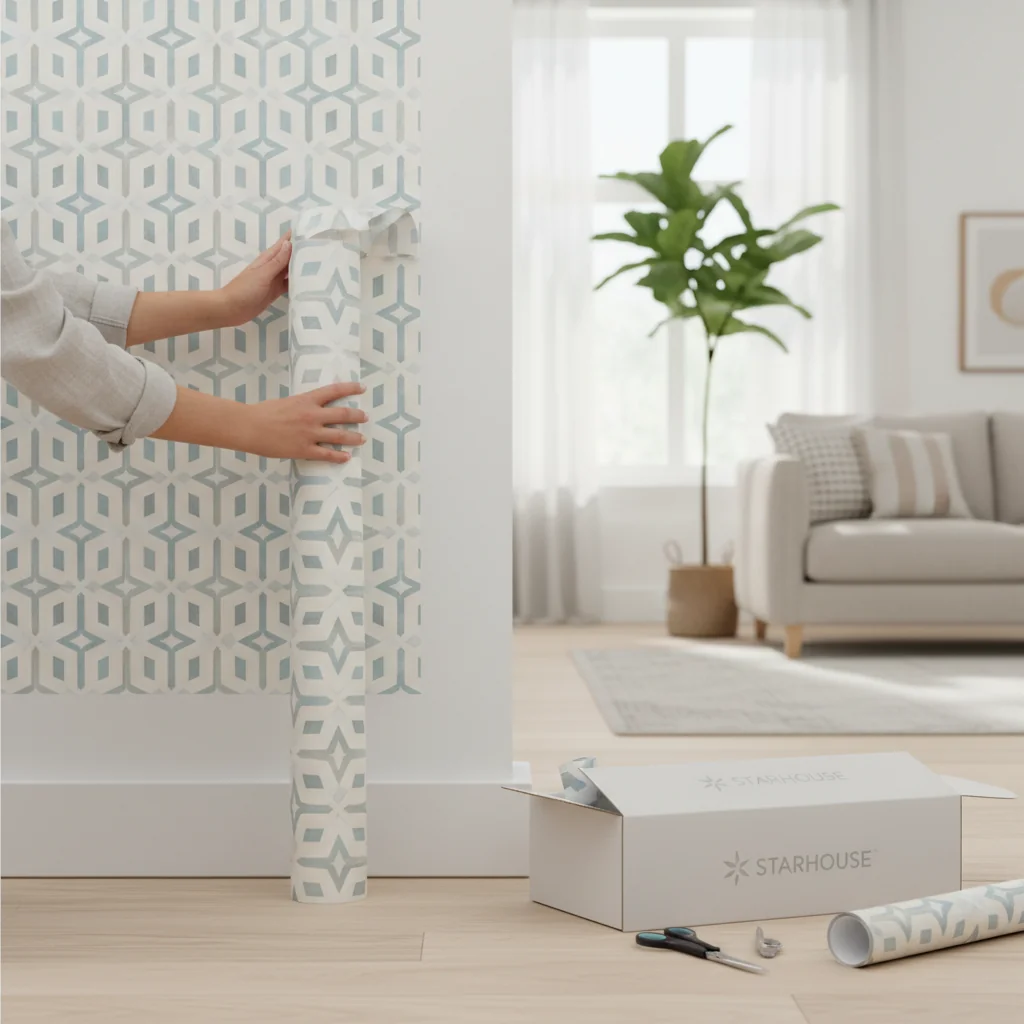
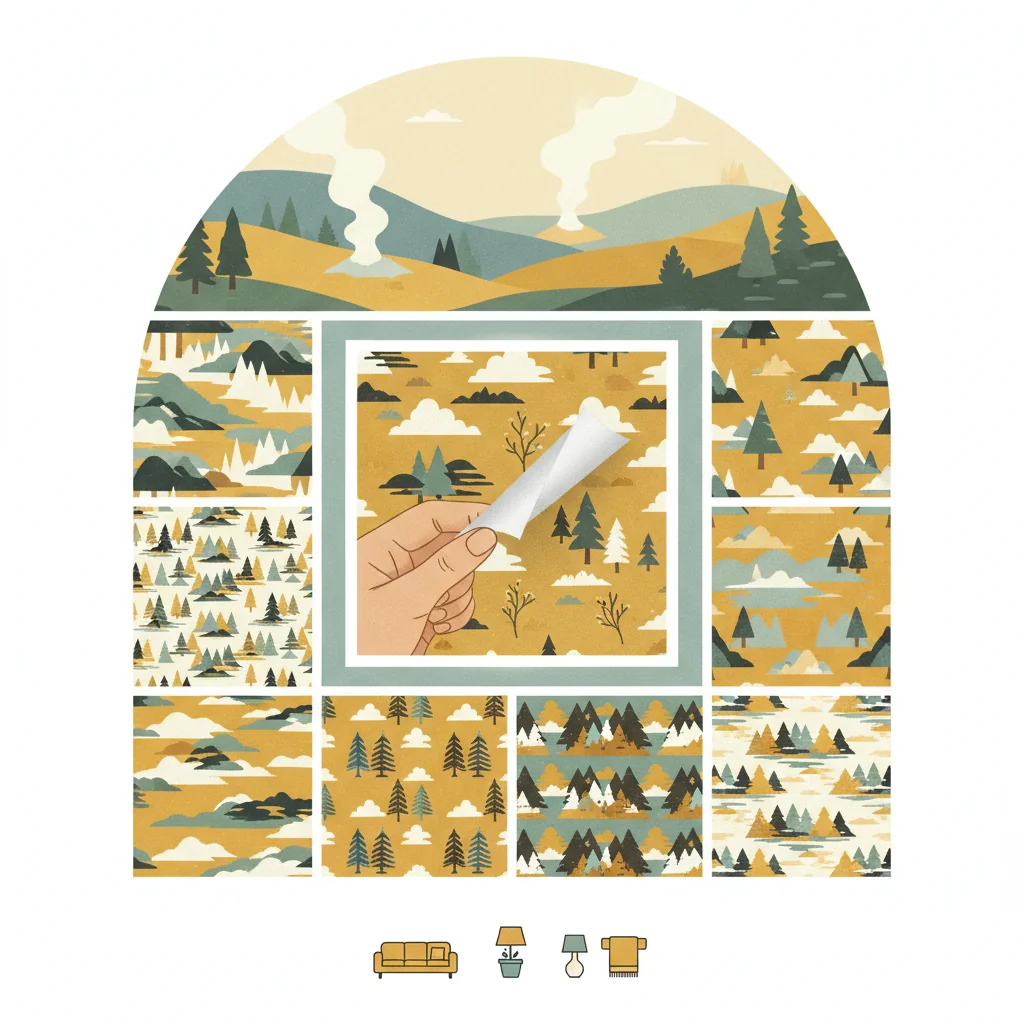
- Peel-and-Stick Wallpaper: Also known as removable or self-adhesive wallpaper, this type features an adhesive backing protected by a removable liner. Installation involves simply peeling off the liner and pressing the wallpaper onto the wall. It is highly favored for DIY projects, temporary installations, and rental properties due to its ease of application and clean removal without damaging the underlying surface.
- Traditional Wallpaper: This type requires the application of a separate adhesive (paste) to the back of the paper or directly to the wall before hanging. Traditional wallpaper typically offers greater durability and a more permanent finish, often favored for long-term design solutions. It comes in various materials, including non-woven, vinyl, and paper, each with specific paste requirements and installation nuances.
The choice between peel-and-stick and traditional depends on your project’s longevity, your comfort with DIY tasks, and the specific material properties desired for durability and finish. Each method offers a viable path to incorporating Yellowstone’s grandeur into your home.
Choosing the Right Yellowstone Wallpaper for Your Space: A Curated Approach
Selecting the optimal Yellowstone wallpaper for your home involves a thoughtful consideration of several key factors, ensuring the design harmonizes with your existing decor and enhances the room’s function and ambiance. This process requires a precise evaluation of the space, your personal aesthetic, and the practical implications of different wallpaper types. At Starhouse, we guide our clients to make informed decisions that result in a truly cohesive and impactful interior.
The right choice integrates seamlessly, creating a balanced and inviting environment that reflects the natural beauty and rugged elegance of Yellowstone. Conversely, a mismatched wallpaper can disrupt the room’s flow and diminish its aesthetic appeal. Therefore, a strategic approach to selection is paramount.
Consider Room Function: Tailoring the Aesthetic
The primary function of a room dictates the most appropriate type and style of Yellowstone wallpaper. A living room, for instance, often benefits from a striking scenic mural or a bold wildlife motif that serves as a conversation starter and central design element. For a bedroom, a more subdued, abstract interpretation or a rustic texture can foster a sense of calm and tranquility, promoting relaxation.
In a home office or study, a sophisticated geometric pattern inspired by natural elements or a subtle wood grain might provide an inspiring yet focused atmosphere. For high-traffic areas like hallways or children’s rooms, durability becomes a critical factor, favoring washable vinyl wallpapers that can withstand wear and tear. Always align the wallpaper’s visual impact and material properties with the room’s intended use.
Lighting Conditions: Enhancing Natural Illumination
The natural and artificial lighting within a room profoundly affects how wallpaper appears, influencing color perception and the visual depth of patterns. Rooms with abundant natural light can often accommodate darker, richer colors and bolder patterns without feeling constricted. Conversely, spaces with limited natural light benefit from lighter color palettes and designs that reflect light, such as those with metallic accents or subtle sheen, to brighten the area.
Test wallpaper samples in the actual room at different times of day to observe how light interacts with the colors and textures. A pattern that appears vibrant under bright daylight might seem muted or flat under evening artificial light. Darker Yellowstone murals featuring dense forests or night skies can create a dramatic, intimate atmosphere in a media room or a cozy den, but might make a small, poorly lit space feel claustrophobic.
Existing Decor Style: Achieving Cohesion
The existing decor style of your home provides a crucial framework for selecting Yellowstone wallpaper. The goal is to achieve cohesion, where the wallpaper complements rather than clashes with your furniture, textiles, and accessories. If your home leans towards a modern aesthetic, abstract interpretations of Yellowstone’s geology or minimalist wildlife silhouettes will integrate more effectively than a traditional, highly detailed scenic mural.
For a rustic or farmhouse interior, wood grain, plaid, or distressed texture wallpapers will enhance the existing charm. Transitional spaces can often accommodate a wider range, from sophisticated textural patterns to refined landscape motifs. Consider the dominant colors, materials (e.g., reclaimed wood, polished chrome, linen), and overall mood of your current furnishings. The wallpaper should feel like an organic extension of your established design narrative.
Scale and Impact: Defining the Statement
The scale of the wallpaper pattern or mural significantly influences its visual impact on a room. Large-scale patterns or expansive murals create a dramatic statement and can make a room feel grander, but they require ample wall space to be fully appreciated. In smaller rooms, an oversized pattern can overwhelm the space, making it appear cluttered or disproportionate.
Conversely, small, intricate patterns can add subtle texture and depth without dominating the room, making them suitable for smaller areas or as a backdrop to other design elements. When selecting, visualize the pattern repeating across your wall or the mural covering its intended surface. Consider whether you want the wallpaper to be the primary focal point or a complementary element within your design scheme. A single accent wall with a bold Yellowstone mural can deliver significant impact without overwhelming the entire room.
Personal Preference: The Ultimate Arbiter
Ultimately, personal preference is the decisive factor in choosing Yellowstone wallpaper. The design should resonate with you, evoking a sense of joy, tranquility, or inspiration. While expert advice and design principles offer valuable guidance, your home is a reflection of your individuality. Starhouse emphasizes that the chosen wallpaper should authentically represent your taste and enhance your daily living experience.
Take time to explore various options, gather samples, and envision how each design would feel in your space. Trust your instincts and select a wallpaper that genuinely captivates you and aligns with the atmosphere you wish to create. The emotional connection to your surroundings is a cornerstone of sophisticated interior design.
Comparison: Peel-and-Stick vs. Traditional Wallpaper
Understanding the fundamental differences between peel-and-stick and traditional wallpaper is essential for a successful project, influencing installation, durability, and future flexibility.
| Feature | Peel-and-Stick Wallpaper | Traditional Wallpaper |
|---|---|---|
| Installation | Self-adhesive, peel-and-apply. Easier for DIYers. No paste required. | Requires separate paste application (to wall or paper). More involved, often benefits from professional installation. |
| Removal | Removable and often reusable. Leaves no residue, ideal for rentals or temporary decor. | More permanent. Removal can be labor-intensive, may require steaming or scoring, and can damage drywall if not done carefully. |
| Durability | Good for moderate traffic areas. Some high-quality vinyl options offer enhanced durability. Generally less robust than traditional vinyl. | Highly durable, especially solid vinyl or fabric-backed options. Designed for long-term wear and tear in high-traffic areas. |
| Cost (Approx.) | Generally mid-range, from $0.50-$2.00 per sq ft. | Ranges from economical paper-backed to premium designer grades, $0.75-$5.00+ per sq ft. Installation costs can add significantly. |
| Ideal Use | Rentals, children’s rooms, accent walls, temporary decor, DIY projects. | Long-term installations, high-traffic areas (kitchens, bathrooms), entire rooms, luxury finishes. |
| Material Variety | Often vinyl or non-woven with adhesive. Less variety in texture and specialized finishes. | Extensive variety: paper, non-woven, vinyl, grasscloth, fabric, metallic, embossed textures. |
This comparison highlights that while peel-and-stick offers unparalleled convenience and flexibility, traditional wallpaper provides a wider array of textures, enhanced durability, and a more permanent, established aesthetic. Your choice should align with your project’s specific requirements and your long-term design goals.
As Starhouse curates its collection of premium home décor, we invite you to tell us what you’re looking for in Yellowstone-inspired wall coverings. Share your vision, and get early access to our exclusive offerings tailored to your design aspirations.
Materials and Finishes: Understanding Your Options for Enduring Beauty
The material composition and finish of Yellowstone wallpaper significantly influence its appearance, durability, and suitability for different environments within your home. Selecting the correct material is as crucial as choosing the design itself, directly impacting the wallpaper’s longevity, ease of maintenance, and how it interacts with light and texture. Starhouse emphasizes that informed material selection ensures both aesthetic appeal and practical performance.
From robust vinyl to delicate grasscloth, each material offers distinct advantages and characteristics. A precise understanding of these options empowers you to make a choice that withstands the test of time and fulfills your design intent.
Vinyl Wallpaper: Durability and Versatility
Vinyl wallpaper is one of the most popular and versatile options due to its exceptional durability and ease of maintenance. It consists of a vinyl surface layer bonded to a paper or fabric backing. This construction makes it highly resistant to moisture, stains, and scuffs, making it an ideal choice for high-traffic areas such such as kitchens, bathrooms, hallways, and children’s rooms.
There are several types of vinyl wallpaper:
- Solid Vinyl: Features a solid sheet of vinyl, making it extremely durable and scrubbable. It is highly resistant to humidity and excellent for demanding environments.
- Expanded Vinyl: Has a textured, raised surface created by a foaming process. This adds depth and can mimic natural textures like stone, stucco, or wood, providing a tactile dimension to Yellowstone-inspired designs.
- Fabric-Backed Vinyl: Offers increased tear resistance and durability, often used in commercial settings but also available for residential applications where maximum resilience is required.
Vinyl wallpapers are typically strippable, meaning they can often be removed in full sheets without extensive wall damage, though this can vary by adhesive and substrate. Their wide range of finishes, from matte to high-gloss, allows for diverse interpretations of Yellowstone’s natural elements.
Non-Woven Wallpaper: Breathability and Eco-Friendliness
Non-woven wallpaper is a modern material composed of a blend of natural and synthetic fibers, making it a highly breathable and environmentally conscious option. This construction prevents mold and mildew growth, making it suitable for various rooms, including those with moderate humidity. Non-woven wallpapers are renowned for their “paste-the-wall” application method, where adhesive is applied directly to the wall, simplifying installation and reducing mess.
What is non-woven wallpaper? Non-woven wallpaper is a durable and breathable wall covering made from a blend of natural and synthetic fibers, known for its easy “paste-the-wall” installation and clean peelable removal.
A key advantage of non-woven wallpaper is its “peelable” removal characteristic; it often comes off the wall in full dry strips without damaging the underlying surface, making it an excellent choice for those who anticipate changing their decor in the future. It offers a smooth, matte finish that renders detailed Yellowstone landscapes and subtle patterns with exceptional clarity and depth. Many contemporary Yellowstone-inspired designs, particularly those with intricate artistic details, are printed on non-woven substrates.
Paper-Backed Wallpaper: Traditional Elegance
Paper-backed wallpaper, the traditional form of wall covering, consists of a decorative paper layer bonded to a paper backing. While generally less durable than vinyl or non-woven options, it offers a classic aesthetic and can feature highly intricate patterns and delicate designs. Paper-backed wallpapers are often chosen for formal living areas, dining rooms, or bedrooms where durability is less of a concern than achieving a refined, traditional look.
This type of wallpaper typically requires careful handling during installation as it can tear more easily when wet. It is not recommended for high-humidity environments like bathrooms or kitchens. However, its ability to capture fine details and its soft, often matte finish can beautifully translate watercolor-style Yellowstone landscapes or vintage wildlife illustrations, offering a timeless appeal.
Grasscloth and Natural Fibers: Organic Texture and Warmth
Grasscloth and other natural fiber wallpapers bring an organic, tactile dimension to Yellowstone-inspired interiors. Grasscloth is made from woven natural fibers like jute, sisal, or seagrass, meticulously hand-applied to a paper backing. Each roll is unique, showcasing natural variations in color and texture that add depth and character to a wall. This material exudes a sophisticated, earthy elegance that perfectly complements rustic or biophilic design schemes.
While stunning, natural fiber wallpapers require specialized installation techniques and are generally less durable than vinyl, being susceptible to moisture and staining. They are best suited for low-traffic areas such as master bedrooms, dining rooms, or studies where their unique texture can be appreciated without risk of damage. The subtle, natural variations of grasscloth can evoke the rugged beauty of Yellowstone’s terrain, providing a luxurious and understated backdrop.
Metallic and Textured Finishes: Adding Dimension and Light
Beyond the primary material types, various finishes can significantly enhance the visual and tactile qualities of Yellowstone wallpaper. Metallic finishes incorporate subtle shimmer or bold reflective elements, adding a touch of glamour and helping to bounce light around a room. These can be particularly effective in highlighting specific elements of a Yellowstone design, such as the shimmer of a geyser or the glint of sunlight on a mountain peak.
Textured finishes, such as embossed patterns, raised inks, or faux effects (e.g., faux leather, faux stone), add physical dimension to the wallpaper. These textures can replicate the ruggedness of rock formations, the softness of animal fur, or the weathered look of reclaimed wood, adding depth and interest that a flat print cannot achieve. When applied to Yellowstone-inspired designs, these finishes make the walls feel more substantial and immersive, creating a multi-sensory experience.
Careful consideration of the material and finish ensures that your Yellowstone wallpaper not only looks stunning but also performs optimally within your home’s unique environment, delivering enduring beauty and functionality.
Sizing and Measuring for a Flawless Installation: Precision is Paramount
Accurate sizing and meticulous measurement are the foundational steps for any successful wallpaper installation, particularly when working with Yellowstone-inspired designs that may feature large-scale patterns or murals. Underestimating these critical preliminary stages can lead to costly errors, visible seams, and an unprofessional finish. Starhouse emphasizes that precision in measurement directly translates to a seamless and visually stunning result, preserving the integrity of your chosen design.
This section provides a detailed, authoritative guide to ensure you acquire the correct amount of wallpaper and prepare your walls for a flawless application. Proper preparation and calculation eliminate guesswork and ensure a smooth, efficient installation process.
Accurate Wall Measurements: The First Step to Success
Before purchasing any wallpaper, you must precisely measure the dimensions of the walls you intend to cover. This involves measuring both the height and width of each wall. Always measure at multiple points across the wall, as walls are rarely perfectly square or uniform. Use the longest height and widest width measurement for each wall to ensure adequate coverage.
- Measure Height: From the baseboard to the ceiling, measure the height of each wall in inches. If you have crown molding or unique architectural features, measure from the highest point where the wallpaper will begin to the lowest point where it will end.
- Measure Width: Measure the width of each wall from corner to corner in inches.
- Calculate Total Square Footage: Multiply the height by the width for each wall to get its square footage. Sum these values to find the total square footage requiring coverage.
- Account for Openings: While you will subtract the square footage of large openings like doors and windows, it is often safer to include them in your initial calculation to account for trimming and pattern matching waste, especially for complex patterns. For very large openings, subtract their area, but still add extra for cutting around them.
Double-check all measurements to minimize the risk of error. Use a steel measuring tape for accuracy, not a cloth one that can stretch.
Understanding Roll Dimensions: Unraveling the Numbers
Wallpaper is sold in rolls, but manufacturers use various standard dimensions, which can be confusing. Common roll widths include 20.5 inches, 21 inches, 27 inches, and 36 inches. Roll lengths also vary, typically ranging from 16.5 feet (a single roll) to 33 feet (a double roll) or longer for commercial applications. Always confirm the exact dimensions of the specific wallpaper roll you intend to purchase.
Most wallpaper calculators and purchasing guidelines are based on “single rolls” or “double rolls.” A double roll typically contains twice the lineal footage of a single roll, but it is often more cost-effective. Ensure you understand if the price quoted is for a single or double roll. For instance, a standard U.S. “single roll” often measures 20.5 inches wide by 16.5 feet long (approximately 28 sq ft), while a “double roll” is 20.5 inches wide by 33 feet long (approximately 56 sq ft).
Pattern Repeat Considerations: The Hidden Factor
What is a pattern repeat? A pattern repeat refers to the vertical distance between one point in a design and the identical point in the next repetition of that design on a wallpaper roll, dictating how much extra material is needed for matching. This measurement is crucial for ensuring that the pattern aligns seamlessly across adjacent strips of wallpaper, creating a continuous design.
Wallpaper patterns can have various types of repeats:
- No Repeat (Random Match): Designs with no specific pattern to match, such as textures or subtle abstract prints. This minimizes waste.
- Straight Match: The pattern matches straight across at the same height on adjacent strips. This is relatively easy to install.
- Drop Match (Half-Drop, Quarter-Drop): The pattern on the second strip drops down by a certain distance (e.g., half the pattern height) to align with the first strip. This creates more waste and requires more careful planning.
The larger the pattern repeat, the more extra wallpaper you will need to purchase to ensure proper matching and account for waste. For a drop match with a large repeat, it is common to add an extra 15-20% to your total square footage calculation. This is a critical factor often overlooked, leading to insufficient material and visible pattern misalignment.
Calculating Waste and Ordering Overage: The 10-15% Rule
Once you have your total square footage and have considered the pattern repeat, it is imperative to add an overage to your order. We recommend adding 10-15% to your final calculated square footage. This extra material accounts for:
- Trimming: Excess material at the top, bottom, and edges of each strip.
- Pattern Matching: Especially for large repeats, significant portions of the roll may be cut away to align patterns perfectly.
- Mistakes: Minor errors during cutting or installation.
- Future Repairs: Having a leftover roll or two allows for seamless repairs if a section of wallpaper becomes damaged years down the line, ensuring color and dye lot consistency.
It is always better to have a little extra wallpaper than to run short mid-project. If you do run short and need to order more, there’s a risk that the new batch will come from a different dye lot, resulting in subtle color variations that will be noticeable on the wall. Always order all your wallpaper at once to ensure it comes from the same dye lot, guaranteeing color consistency across your entire project.
Professional vs. DIY Installation: Knowing Your Limits
While peel-and-stick options empower many DIY enthusiasts, traditional wallpaper installation, especially with complex patterns or delicate materials like grasscloth, often benefits significantly from professional expertise. A professional installer possesses the tools, experience, and precision necessary to handle intricate pattern matching, difficult corners, and delicate materials, ensuring a flawless and lasting finish. They can also provide more accurate material estimates.
For DIY projects, consider starting with a smaller accent wall or a less visible area to gain experience. Always prioritize precision in measurement and surface preparation, regardless of who performs the installation. The investment in correct measurements and adequate material pays dividends in the final aesthetic and longevity of your Yellowstone-inspired wall covering.
Installation Guide: Bringing Yellowstone to Your Walls with Confidence
Successful wallpaper installation transforms a blank wall into a captivating canvas, but it requires meticulous preparation, precise execution, and patience. Whether you opt for the convenience of peel-and-stick or the permanence of traditional paste, understanding each step is crucial for achieving a professional, enduring finish for your Yellowstone-inspired wall covering. Starhouse provides this detailed guide to empower both DIY enthusiasts and those overseeing professional installations, ensuring every detail contributes to a flawless result.
Proper installation ensures the wallpaper adheres correctly, patterns align seamlessly, and the overall aesthetic impact of your chosen design is fully realized. Neglecting any stage can compromise the longevity and appearance of your investment.
Surface Preparation: The Foundation of a Flawless Finish
Thorough wall preparation is the single most critical step in wallpaper installation, directly impacting adhesion, appearance, and longevity. Neglecting this stage can lead to bubbling, peeling, or visible imperfections.
- Clean the Walls: Wash walls thoroughly with a mild detergent solution (e.g., TSP substitute) to remove dirt, grease, and grime. Rinse with clean water and allow to dry completely, typically 24 hours.
- Patch and Sand: Fill any holes, cracks, or imperfections with spackle or joint compound. Sand smooth once dry, ensuring the surface is perfectly flat. Even minor bumps will show through wallpaper.
- Remove Old Wallpaper (if applicable): If old wallpaper is present, it must be completely removed. Residual adhesive can react with new paste, causing issues. Use a wallpaper steamer or chemical remover for efficient stripping.
- Prime the Walls: Apply a high-quality primer specifically designed for wallpaper (often called “sizing” or “wallpaper primer”). This seals the surface, promotes adhesion, and makes future removal easier. For new drywall or porous surfaces, a primer is absolutely essential. Allow the primer to dry fully according to manufacturer instructions, typically 2-4 hours. For dark walls, a white primer ensures true color rendition of lighter wallpapers.
The wall surface must be clean, dry, smooth, and uniformly absorbent to ensure optimal adhesion and a professional appearance. Do not skip these steps.
Tools Required: Equipping for Success
Having the right tools on hand streamlines the installation process and helps achieve a professional finish. Gather these essential items before you begin:
- Measuring Tape: Steel tape for accurate measurements.
- Pencil: For marking plumb lines and cuts.
- Level or Plumb Bob: Crucial for ensuring the first strip is perfectly vertical.
- Utility Knife or Snap-Off Blade Knife: With plenty of sharp, new blades for clean cuts.
- Smoothing Tool (Smoother/Squeegee): Plastic or felt-edged tool to remove air bubbles.
- Seam Roller: For traditional wallpaper, to press seams flat.
- Scissors: For rough cuts.
- Bucket and Sponge: For paste application (traditional) and cleanup.
- Wallpaper Paste (Traditional): Appropriate type for your wallpaper material (e.g., clear, heavy-duty, clay-based).
- Work Table or Clean Drop Cloth: For cutting and pasting.
- Step Ladder: For reaching high areas.
Investing in quality tools simplifies the process and enhances the final outcome.
Step-by-Step for Peel-and-Stick Wallpaper: The DIY-Friendly Approach
Peel-and-stick wallpaper is designed for ease of installation, making it a popular choice for DIY projects. Follow these steps for a smooth application:
- Measure and Cut First Strip: Measure your wall height and add 2-4 inches for trimming at the top and bottom. Cut your first strip from the roll.
- Mark Plumb Line: Using your level or plumb bob, draw a light vertical pencil line on the wall, about 1/2 inch less than the width of your wallpaper strip, from the starting corner. This ensures your first strip is perfectly straight.
- Peel and Align: Peel back only a few inches of the backing paper from the top of your first strip. Align the top edge with your ceiling line (allowing for overage) and the side edge with your plumb line.
- Smooth Down: Slowly peel more of the backing paper down, a few inches at a time, while simultaneously using your smoothing tool to press the wallpaper onto the wall. Work from the center outwards to push out any air bubbles. Do not rush this step.
- Trim Excess: Once the strip is fully applied, use your utility knife and a straight edge (like a metal ruler) to carefully trim the excess wallpaper at the ceiling and baseboard.
- Repeat for Subsequent Strips: For the next strip, align it edge-to-edge with the first, carefully matching any pattern. Overlap slightly if recommended by the manufacturer, then trim. Continue this process until the wall is covered.
Peel-and-stick allows for repositioning if you don’t get it right the first time, offering flexibility.
Step-by-Step for Traditional Paste Wallpaper: The Enduring Finish
Traditional wallpaper installation requires more precision and a slightly different process due to the separate adhesive. Different wallpaper materials (e.g., non-woven, paper-backed vinyl) may have specific paste recommendations. Always use the paste type specified by the wallpaper manufacturer.
- Measure and Cut Strips: Measure your wall height and add 4-6 inches for trimming at the top and bottom. Cut all your strips for one wall at a time, ensuring pattern match across them. Number the back of each strip in the order they will be hung.
- Mark Plumb Line: Draw a light vertical pencil line on the wall, about 1/2 inch less than the width of your wallpaper strip, from the starting corner. This ensures your first strip is perfectly straight.
- Apply Paste:
- Paste-the-Paper: Lay a strip face down on your clean work table. Apply an even layer of paste to the back, working from the center outwards. “Book” the paper (fold each end towards the middle, paste-to-paste) and let it “relax” for 5-10 minutes according to manufacturer instructions. This allows the paper to expand.
- Paste-the-Wall (for non-woven): Apply paste directly to the wall section where the first strip will go, slightly wider than the strip itself.
- Hang the First Strip: Carefully carry the pasted (or booked) strip to the wall. Align the top edge with the ceiling line (allowing for overage) and the side edge with your plumb line. Gently press the top portion onto the wall.
- Smooth and Align: Unfold the rest of the strip (if booked) and use your smoothing tool to press the wallpaper onto the wall, working from the center outwards to remove air bubbles and excess paste. Ensure it is perfectly vertical.
- Trim Excess: Use a utility knife and a straight edge to trim excess at the ceiling and baseboard.
- Hang Subsequent Strips: For the next strip, align it edge-to-edge with the previous one, carefully matching the pattern. Use a seam roller to gently press down the seams, but avoid over-rolling, which can push out too much paste.
- Clean Up: Immediately wipe away any excess paste from the wallpaper surface or adjacent walls with a damp, clean sponge. Allow the wallpaper to dry completely, which can take 24-48 hours.
Traditional wallpaper offers a more permanent and often more textured finish, demanding precision but rewarding with lasting beauty.
Troubleshooting Common Issues: Expert Solutions
Even with careful preparation, minor issues can arise during installation. Knowing how to address them quickly ensures a professional finish:
- Bubbles: For small bubbles, use a utility knife to make a tiny slit and gently smooth the air out. For larger bubbles, carefully peel back the section and re-smooth. For traditional wallpaper, a hypodermic needle can inject a small amount of paste under the bubble, then smooth.
- Mismatched Seams: If seams don’t align perfectly, gently try to reposition the strip while the paste is still wet. For peel-and-stick, carefully peel back and reapply. If dry, sometimes a thin bead of seam adhesive can minimize visibility.
- Paste Bleed-Out: Immediately wipe off any excess paste that squeezes out of seams with a clean, damp sponge. Dried paste is much harder to remove and can leave a visible residue.
- Tears: For small tears, a tiny amount of wallpaper adhesive can be used to re-adhere the torn piece. For larger tears, you may need to patch the area using a leftover piece of wallpaper, carefully cutting around the pattern.
Patience and a methodical approach are your best allies during wallpaper installation. By adhering to these guidelines, you can confidently transform your space with the breathtaking beauty of Yellowstone.
Styling Your Yellowstone Wallpaper: Harmonizing Your Home with Nature’s Grandeur
Integrating Yellowstone-inspired wallpaper into your home is not merely about applying a pattern; it is about crafting a cohesive narrative that celebrates nature’s majesty within your interior design. Thoughtful styling ensures the wallpaper acts as a foundational element, harmonizing with furniture, textiles, lighting, and accessories to create a truly immersive and sophisticated environment. Starhouse emphasizes that successful styling creates a dialogue between the wall covering and the rest of the room, elevating the overall aesthetic.
This section provides precise strategies for pairing your Yellowstone wallpaper with other decor elements, transforming a room into a retreat that echoes the tranquility and rugged elegance of the park itself. The goal is to create a balanced and inviting space where every element feels intentionally placed.
Complementary Color Palettes: Building a Cohesive Scheme
The color palette of your Yellowstone wallpaper should inform and guide the selection of all other colors in the room. Draw inspiration directly from the natural hues present in the park: deep forest greens, earthy browns, warm ochres, cool blues of mountain lakes, and the muted grays of rock formations. If your wallpaper features a vibrant Grand Prismatic Spring motif, pull out key colors like turquoise, rust, and gold to use in smaller accents, while grounding the room with neutral tones for larger furniture pieces.
For a more subtle landscape or textural wallpaper, select 2-3 dominant colors from the design and use them for upholstery, throw pillows, or area rugs. Introduce secondary colors as accents to add depth without overwhelming the space. A monochromatic scheme, using varying shades of a single color found in the wallpaper, can create a serene and sophisticated effect. Always consider the undertones of your chosen colors to ensure they complement each other seamlessly.
Furniture Selection: Anchoring the Aesthetic
The furniture you choose must complement the rustic, natural, or elegant themes of Yellowstone wallpaper. Natural materials are paramount. Solid wood furniture, particularly in darker stains like oak, walnut, or reclaimed wood, provides a grounding presence. Leather upholstery, whether rich brown or distressed, evokes the rugged charm of a lodge. Consider pieces with clean lines for a modern rustic feel, or more ornate, traditional designs for a classic lodge aesthetic.
Avoid overly ornate or highly contemporary furniture that might clash with the natural inspiration. Metal accents, such as wrought iron or brushed bronze in lighting fixtures or table bases, can add an industrial-chic touch that still feels authentic to a wilderness setting. The scale of the furniture should also be proportionate to the room and the wallpaper’s impact; large, substantial pieces can anchor a room with a bold mural, while lighter, more delicate furniture suits subtle patterns.
Textiles and Soft Furnishings: Adding Warmth and Texture
Textiles are essential for adding layers of comfort, warmth, and tactile interest to a Yellowstone-inspired space. Embrace natural fabrics such as wool, linen, cotton, and faux fur. Think chunky knit throws draped over a sofa, plush area rugs in earthy tones, and decorative pillows with patterns that echo nature – perhaps a subtle plaid, a geometric mountain design, or a textured weave. Curtains or drapes should be in a complementary solid color or a very subtle pattern, allowing the wallpaper to remain the focal point.
Introduce textures through these textiles: a soft sheepskin rug, a woven jute pouf, or linen throw pillows. These elements create a sense of coziness and tactile richness that enhances the natural aesthetic of the wallpaper. Consider the weight and drape of fabrics; heavier textiles like wool or velvet can contribute to a luxurious, inviting atmosphere, while lighter linens maintain an airy feel.
Lighting: Illuminating the Natural Beauty
Lighting plays a crucial role in highlighting your Yellowstone wallpaper and setting the mood of the room. Aim for a layered lighting scheme that includes ambient, task, and accent lighting. Ambient lighting, such as recessed lights or a central chandelier, provides overall illumination. For a rustic feel, consider fixtures made of wrought iron, antler, or natural wood.
Task lighting, like reading lamps or desk lamps, should be functional yet stylish. Accent lighting is where you can truly showcase your wallpaper: strategically placed spotlights can highlight a specific feature of a mural, or wall sconces can cast a warm glow, enhancing textures. Warm-toned bulbs (2700K-3000K) create a cozy, inviting atmosphere that complements the natural color palette of Yellowstone designs. Avoid harsh, cool-toned lighting (above 4000K) which can wash out colors and create an artificial feel.
Accessories and Art: The Finishing Touches
Thoughtfully chosen accessories and additional art pieces can reinforce the Yellowstone theme without making the room feel overly thematic or kitschy. Look for items that bring the outdoors in:
- Natural Elements: Branches, pinecones, polished river stones, or potted plants (especially ferns or succulents) can add organic touches.
- Pottery and Ceramics: Hand-thrown pieces in earthy glazes or those with subtle patterns can enhance a rustic aesthetic.
- Framed Prints: Complementary artwork, such as black and white photographs of wildlife, abstract nature scenes, or vintage travel posters of national parks, can enrich the theme. Avoid competing with a bold wallpaper; instead, choose pieces that enhance it.
- Mirrors: A strategically placed mirror with a natural wood or metal frame can reflect the wallpaper, making a room feel larger and brighter.
- Books: Arrange nature-themed books or travel guides on shelves or coffee tables.
Key elements for rustic Yellowstone styling:
- Solid wood furniture (oak, walnut, reclaimed).
- Leather upholstery or accents.
- Natural fiber textiles (wool, linen, faux fur).
- Earthy color palettes (greens, browns, ochres, blues).
- Wrought iron or brushed metal lighting fixtures.
- Organic accessories (pinecones, river stones, pottery).
- Complementary artwork (wildlife photography, nature prints).
Less is often more; avoid clutter. Each accessory should contribute meaningfully to the overall design narrative. By meticulously selecting and arranging these elements, you create a cohesive and sophisticated space that truly embodies the spirit of Yellowstone.
Creating a Focal Point: Directing the Eye
If your Yellowstone wallpaper is a dramatic mural or a bold, repeating pattern, it naturally becomes the room’s focal point. In such cases, arrange furniture to face or highlight this wall. A sofa positioned opposite a scenic mural, or a dining table centered before it, encourages appreciation of the design. When the wallpaper is more subtle, it can serve as a sophisticated backdrop for another focal point, such as a fireplace, a large window with a view, or a prominent piece of art.
Ensure that other strong elements in the room do not compete directly with the wallpaper. Balance is key; if the wallpaper is visually busy, keep furniture and accessories simpler. If the wallpaper is understated, you can introduce more intricate patterns in textiles or bolder art pieces. The goal is to create a harmonious composition where the eye moves fluidly, appreciating each element without feeling overwhelmed.
Care and Maintenance: Preserving Your Wall’s Natural Beauty
Proper care and routine maintenance are essential for preserving the aesthetic integrity and extending the lifespan of your Yellowstone wallpaper, protecting your investment in enduring design. Just as the natural beauty of Yellowstone National Park requires stewardship, your wall coverings benefit from consistent, gentle attention. Starhouse emphasizes that understanding the specific care requirements for your wallpaper material is paramount to maintaining its pristine condition over time.
Neglecting appropriate cleaning and immediate attention to minor damages can lead to premature wear, fading, or irreversible blemishes. This section outlines precise strategies for keeping your Yellowstone wallpaper looking vibrant and fresh for years to come.
Daily Dusting: Preventing Buildup
Regular dusting is the simplest yet most effective maintenance practice for all types of wallpaper. Dust and airborne particles can accumulate on the surface, dulling its appearance and potentially embedding into textures. Use a soft, dry microfiber cloth, a feather duster, or a soft-brush vacuum attachment to gently remove dust from your wallpaper at least once a month, or more frequently in dusty environments.
Always dust from top to bottom to ensure any dislodged particles fall to the floor for easy cleanup. For textured wallpapers, pay extra attention to crevices where dust can settle. This preventative measure significantly reduces the need for more intensive cleaning and helps maintain the wallpaper’s original vibrancy.
Spot Cleaning Techniques: Addressing Spills and Marks
Accidents happen, and prompt, correct spot cleaning is crucial to prevent stains from setting. The method for spot cleaning depends heavily on the wallpaper material. Always test any cleaning solution on an inconspicuous area first (e.g., behind a door or a leftover scrap piece) to ensure it does not cause discoloration or damage.
- Vinyl Wallpaper: Highly durable and washable. Mix a small amount of mild dish soap with warm water. Dampen a clean, soft sponge or cloth with the solution (do not saturate). Gently wipe the stained area. Rinse the sponge, wring it almost dry, and wipe away any soap residue. Pat dry with a clean, dry cloth. Avoid abrasive cleaners or harsh scrubbing.
- Non-Woven Wallpaper: Often washable or wipeable. Use a slightly damp cloth with plain water or a very mild, diluted soap solution. Blot the stain gently rather than rubbing. Dry immediately with a clean cloth.
- Paper-Backed Wallpaper: Generally not washable. For dry marks (e.g., pencil), a rubber eraser might work gently. For liquid stains, blot immediately with a clean, dry cloth. Avoid water as it can damage the paper. Professional cleaning might be required for significant stains.
- Grasscloth/Natural Fibers: These are delicate and typically not washable. For dust, use a vacuum with a brush attachment. For light marks, a dry, soft cloth or a very gentle eraser might work. Avoid any liquid, as it can cause water spots or damage the fibers. Professional dry cleaning specialists might be able to address significant issues.
For any type of wallpaper, act quickly. The longer a stain sits, the harder it is to remove.
Avoiding Harsh Chemicals: Protecting the Finish
Never use abrasive cleaners, bleach, harsh detergents, or solvent-based products on any type of wallpaper unless specifically instructed by the manufacturer for a particular heavy-duty commercial product. These chemicals can strip colors, damage finishes, or degrade the material, leading to irreversible damage. Stick to mild soap and water for washable wallpapers, and dry methods for delicate ones.
Even for vinyl, prolonged exposure to strong cleaning agents can weaken the material or cause discoloration. Always opt for the gentlest cleaning method first.
Addressing Tears or Damage: Prompt Repair
Small tears or lifted seams should be addressed promptly to prevent them from worsening. For tears, use a small amount of clear wallpaper adhesive applied with a toothpick or cotton swab to the underside of the torn piece, then gently press it back into place. Wipe away any excess adhesive immediately.
For lifted seams, carefully lift the edge, apply a small amount of seam adhesive underneath, and press firmly with a seam roller or clean cloth. If you have leftover wallpaper from the original installation (which is why ordering overage is crucial), a larger damaged section can often be patched seamlessly by cutting a piece of the new wallpaper to match the pattern and carefully adhering it over the damaged area.
Longevity Tips: Maximizing Your Investment
- Control Humidity: In bathrooms or kitchens, ensure good ventilation to prevent excessive humidity, which can weaken adhesives and promote mold growth, especially with paper-based wallpapers.
- Protect from Direct Sunlight: Prolonged exposure to direct sunlight can cause wallpaper colors to fade over time. Use blinds, curtains, or UV-filtering window films to protect walls from intense sun.
- Avoid Impact: Be mindful of moving furniture or objects that could scuff or tear the wallpaper.
- Professional Installation: For delicate or expensive wallpapers, professional installation ensures correct application, which contributes significantly to its longevity and reduces the likelihood of premature issues.
By implementing these precise care and maintenance practices, your Yellowstone wallpaper will continue to provide a stunning and inspiring backdrop to your home for many years, reflecting the enduring beauty it represents.
Current Trends in Yellowstone-Inspired Wall Decor: Evolving Aesthetics
The appeal of Yellowstone-inspired wall decor continues to evolve, reflecting broader shifts in interior design towards natural aesthetics, sustainability, and personal expression. Contemporary trends move beyond literal interpretations, embracing nuanced artistic expressions and innovative material applications to capture the park’s essence. Starhouse meticulously tracks these trends to curate a collection that is both timeless and at the forefront of modern design, ensuring our offerings resonate with discerning homeowners seeking sophisticated and relevant styles.
These emerging trends highlight a refined approach to bringing the grandeur of Yellowstone into the home, emphasizing depth, texture, and a connection to the natural world. Understanding these shifts allows for forward-thinking design choices.
Large-Scale Murals: Immersive Storytelling
Large-scale photographic or artistic murals remain a dominant trend, but with an increased focus on hyper-realistic detail and dramatic compositions. Homeowners are seeking murals that not only depict a scene but also evoke the sensory experience of being in Yellowstone – the mist from a geyser, the vastness of a valley, or the quiet majesty of a forest. Advancements in printing technology allow for incredibly high-resolution imagery and richer color saturation, making these murals more immersive than ever. This trend often sees murals covering entire walls, serving as the primary artistic statement of a room.
Subtle Textures and Earth Tones: Understated Elegance
A significant trend is the move towards more understated, textural wallpapers in a refined palette of earth tones. These designs eschew overt imagery in favor of patterns that mimic natural surfaces like weathered rock, raw wood grain, petrified forests, or the subtle striations of geothermal formations. Colors are typically muted and organic: deep charcoal, warm taupe, sage green, and soft terracotta. This approach creates a sophisticated, calming backdrop that provides depth and interest without overwhelming the space, perfect for a modern minimalist or Scandinavian-inspired rustic aesthetic.
Artistic Interpretations: Watercolor and Abstract Forms
Beyond literal photographs, artistic interpretations of Yellowstone are gaining prominence. This includes watercolor-style murals that capture the ethereal beauty of mountain ranges or thermal features with a painterly touch, as well as abstract designs that translate the park’s geological formations or geothermal colors into fluid, organic patterns. These artistic renditions offer a softer, more interpretive approach to the Yellowstone theme, appealing to those who prefer art over direct representation. They allow for a more personalized and unique expression of nature’s influence.
Sustainable and Eco-Friendly Materials: Conscious Design
The demand for sustainable and eco-friendly home decor extends strongly to wallpaper. Trends favor materials like non-woven papers made from responsibly sourced fibers, wallpapers printed with water-based, non-toxic inks, and those free from VOCs (Volatile Organic Compounds). Grasscloth and other natural fiber wall coverings also align with this trend, offering a renewable and biodegradable option. Consumers are increasingly prioritizing products that minimize environmental impact while maintaining high aesthetic standards, making conscious design a key driver in wallpaper selection.
Integration with Biophilic Design: Connecting with Nature
Biophilic design, which seeks to connect occupants with the natural environment through design elements, is a powerful influence on Yellowstone wallpaper trends. This means not just depicting nature, but creating spaces that feel inherently connected to it. Wallpaper designs that feature subtle natural patterns, organic textures, or even muted, naturalistic color gradients contribute to a biophilic environment. This trend goes hand-in-hand with integrating indoor plants, natural light, and natural materials throughout the room, creating a holistic experience of well-being and connection to the outdoors.
Emerging trends in Yellowstone-inspired wallpaper:
- High-resolution, immersive scenic murals.
- Refined textures and muted earth tones.
- Artistic, interpretive designs (watercolor, abstract).
- Eco-friendly and sustainable material choices.
- Biophilic integration for a holistic natural connection.
These trends reflect a sophisticated desire to bring the essence of Yellowstone into the home in ways that are both aesthetically compelling and environmentally conscious, aligning with a broader appreciation for thoughtful, nature-inspired living.
Common Mistakes to Avoid When Choosing and Installing Wallpaper: Expert Guidance
While the allure of Yellowstone wallpaper can inspire grand design visions, certain common pitfalls in both selection and installation can derail a project, leading to frustration and an unsatisfactory outcome. Recognizing and actively avoiding these mistakes is crucial for achieving a professional, lasting finish that truly enhances your home. Starhouse, with its commitment to precision and excellence, highlights these frequent errors to empower you with the knowledge to navigate your wallpaper journey successfully.
Prevention is always superior to correction in wallpaper projects. By being aware of these common missteps, you can ensure your investment of time and resources culminates in a beautiful and enduring result.
Underestimating Measurements: The Costly Shortcut
The most frequent and costly mistake is underestimating the amount of wallpaper required. This often stems from failing to account for pattern repeat, windows, doors, or simply not adding enough overage for trimming and mistakes. Running short of wallpaper mid-project necessitates reordering, which can lead to delays and, more critically, receiving rolls from a different dye lot. Even subtle variations in color or sheen will be noticeable on the wall, compromising the seamless look you desire. Always measure meticulously, add 10-15% for waste and overage, and order all rolls from the same batch simultaneously.
Ignoring Surface Preparation: A Recipe for Failure
Skipping or rushing wall preparation is a guaranteed path to a poor installation. Wallpaper will not adhere properly to dirty, greasy, dusty, or uneven surfaces. Old paint chips, spackle bumps, or residual adhesive from previous wallpaper will telegraph through the new material, creating unsightly imperfections. Failing to prime porous surfaces like new drywall can lead to the wall absorbing the adhesive too quickly, resulting in poor adhesion and difficulty repositioning. Always ensure walls are clean, dry, smooth, and properly primed before hanging wallpaper.
Choosing the Wrong Material for the Room: Mismatching Function and Form
Selecting a wallpaper material unsuitable for the room’s environment leads to premature wear and dissatisfaction. For instance, using delicate paper-backed wallpaper in a high-humidity bathroom or a high-traffic kitchen will result in peeling, staining, and damage. Conversely, an overly robust commercial-grade vinyl might be overkill and lack the desired aesthetic for a formal living room. Always match the wallpaper’s material properties (washability, durability, breathability) to the specific demands of the room’s function and environment.
Overlooking Pattern Match: The Aesthetic Disconnect
For wallpapers with repeating patterns, failing to correctly account for the pattern match during cutting and installation creates jarring visual discontinuities. A misaligned pattern, especially with a prominent Yellowstone landscape or wildlife motif, immediately detracts from the professional appearance. Always identify the pattern repeat type (straight, drop, or random) and factor it into your cutting plan. Dry-lay strips on the floor or tape them to the wall temporarily to visualize the match before applying adhesive.
Rushing Installation: Patience is a Virtue
Wallpaper installation is a meticulous process that rewards patience. Rushing through steps, whether it’s insufficient drying time for primer, hasty application of paste, or fast smoothing of strips, increases the likelihood of bubbles, wrinkles, tears, or misalignments. Take your time, work methodically, and allow adequate drying time between steps. For traditional wallpaper, allowing “booking” time for the paper to relax is essential to prevent bubbling and ensure proper adhesion. A deliberate pace ensures a higher quality finish.
Neglecting Maintenance: Shortened Lifespan
Once installed, wallpaper is not maintenance-free. Neglecting regular dusting and appropriate spot cleaning can lead to gradual dulling, embedded dirt, or permanent stains. Different materials require different care; using incorrect cleaning agents or abrasive methods can damage the surface. Understand the specific care instructions for your Yellowstone wallpaper material and adhere to them. Proactive, gentle maintenance ensures its beauty endures for many years.
By consciously avoiding these common mistakes, you ensure your Yellowstone wallpaper project is a rewarding endeavor, culminating in a stunning and long-lasting transformation of your living space.
Sources
- Photo Galleries – Yellowstone National Park (U.S. National Park Service)
- York Wallcoverings. Yellowstone | York Wallcoverings
Frequently Asked Questions About Yellowstone Wallpaper
What is Yellowstone wallpaper?
Yellowstone wallpaper refers to physical wall coverings designed for home interiors that draw inspiration from Yellowstone National Park’s iconic landscapes, diverse wildlife, and rustic aesthetic, offering themes from photorealistic murals to abstract textures and wildlife motifs.
Can I install Yellowstone wallpaper myself?
Yes, many Yellowstone-inspired wallpapers, particularly peel-and-stick options, are designed for DIY installation, requiring basic tools and careful adherence to instructions for surface preparation and application. Traditional paste-required wallpapers can also be installed by experienced DIYers, though professional installation is often recommended for optimal results, especially with complex patterns or delicate materials.
How do I choose the right Yellowstone wallpaper for a small room?
For a small room, opt for Yellowstone wallpaper designs with lighter color palettes, subtle textures, or smaller-scale patterns to avoid overwhelming the space. A single accent wall with a captivating, but not overly busy, mural can create depth without making the room feel smaller, while lighter hues enhance natural light reflection.
Is Yellowstone wallpaper durable for high-traffic areas?
The durability of Yellowstone wallpaper depends entirely on its material. Vinyl wallpapers (solid or fabric-backed) are highly durable, scrubbable, and resistant to moisture and scuffs, making them ideal for high-traffic areas like hallways, kitchens, or bathrooms. Delicate materials like paper-backed or natural grasscloth are less suitable for such environments.
How do I clean Yellowstone wallpaper?
Cleaning methods vary by material: vinyl wallpaper can be gently wiped with a damp cloth and mild soap, while non-woven types are often wipeable with plain water. Delicate paper-backed or natural fiber wallpapers typically require dry dusting with a soft cloth or vacuum attachment, and liquids should be avoided to prevent damage. Always test cleaning solutions on an inconspicuous area first.
What kind of furniture pairs well with Yellowstone wallpaper?
Yellowstone wallpaper pairs exceptionally well with furniture made from natural materials such as solid wood (oak, walnut, reclaimed wood), leather upholstery, and metal accents like wrought iron or brushed bronze. Pieces with clean lines or a rustic, lodge-style aesthetic complement the theme effectively, creating a cohesive and inviting environment.
Why is it important to order extra wallpaper?
Ordering extra wallpaper (typically 10-15% overage) is crucial to account for trimming waste, pattern matching, potential installation mistakes, and future repairs. This ensures you have sufficient material from the same dye lot, preventing noticeable color variations and allowing for seamless touch-ups years down the line.
Conclusion: Embrace the Grandeur of Yellowstone in Your Home
Transforming your home with Yellowstone-inspired wallpaper is a sophisticated design choice that brings the unparalleled beauty and rugged elegance of America’s first national park into your everyday living. From the majestic sweep of its landscapes to the subtle textures of its geological wonders, these wall coverings offer a profound connection to nature, creating spaces that are both inspiring and deeply comforting. At Starhouse, we believe that your home should be a reflection of your aspirations and a sanctuary tailored to your unique taste, a belief that resonates deeply with the enduring appeal of the Yellowstone aesthetic.
By precisely selecting the right type, material, and style, meticulously planning your measurements, and executing a flawless installation, you create an environment that transcends mere decoration. It becomes a curated experience, a daily invitation to reconnect with the wild, untamed spirit of Yellowstone. We have provided you with comprehensive guidance on every aspect, ensuring your journey from concept to completion is confident and rewarding.
As Starhouse curates its exclusive collection of premium home décor, including an exquisite range of wall coverings, we are dedicated to bringing you pieces that embody quality, design excellence, and timeless appeal. We are passionate about helping you craft a home that tells your story and evokes the beauty you cherish. We invite you to be part of our journey as we build a collection that speaks to your deepest design desires. Share what you envision for your space and get early access to our curated selections tailored to your unique style. Visit us at starhouseusa.online to tell us what you’re looking for and embark on your next design adventure.