The corporate office of York Wallcoverings Inc. is located at 750 Linden Avenue, York, Pennsylvania 17404, serving as the central hub for one of the oldest and largest wallcovering manufacturers in the United States. This facility houses the company’s administrative, design, and operational leadership, orchestrating the creation and distribution of an extensive array of wallcoverings that define residential and commercial interiors nationwide. Understanding the foundational entity behind such a prominent brand provides crucial context for appreciating the innovation, quality, and legacy embedded in the wallcoverings themselves. As Starhouse curates an exquisite collection of home décor, including an expansive selection of wallcoverings, we recognize the significance of industry leaders like York Wallcoverings in setting benchmarks for design and manufacturing excellence. This comprehensive guide will not only detail the operational core of York Wallcoverings but also delve into the intricate world of wallcoverings, exploring their types, styles, materials, and the strategic considerations for integrating them into sophisticated interior design schemes.
Key Takeaways
- York Wallcoverings Inc.’s corporate office is situated at 750 Linden Avenue, York, PA 17404, functioning as the central command for its extensive operations.
- Wallcoverings offer unparalleled versatility in design, material, and texture, providing transformative aesthetic and functional benefits to any interior space.
- Selecting the optimal wallcovering involves evaluating material durability, pattern scale, color palette, and specific room conditions like moisture or traffic.
- Accurate measurement and precise installation are critical for achieving a flawless finish and maximizing the longevity of your wallcovering investment.
- Contemporary trends emphasize sustainable materials, large-scale murals, and sophisticated textures, while classic designs maintain enduring appeal.
- Proper care, tailored to the specific wallcovering material, ensures its beauty and structural integrity are preserved for years.
The Enduring Legacy of York Wallcoverings Inc.: A Cornerstone of American Design
The corporate office of York Wallcoverings Inc. is definitively located at 750 Linden Avenue, York, Pennsylvania 17404, serving as the strategic and operational nucleus for this historically significant American enterprise. This central location facilitates the leadership and innovation that have positioned York Wallcoverings as the oldest and largest wallcoverings manufacturer in the United States, a distinction that underscores its profound influence on interior design and manufacturing standards. The facility is not merely an administrative building but a testament to a legacy spanning over a century, embodying the company’s commitment to quality, craftsmanship, and design evolution.
The physical address, 750 Linden Avenue, York, PA 17404, is the primary point of contact for corporate inquiries, partnerships, and strategic communications. While specific internal departments and their direct phone lines vary, general corporate communication can be routed through this central office. York Wallcoverings has maintained its headquarters in York, Pennsylvania, since its inception in 1895, grounding its operations in a region with a rich industrial heritage. This long-standing presence in York, PA, reflects a deep-rooted commitment to American manufacturing and job creation, distinguishing the brand in a global market.
York Wallcoverings Inc. is defined by its comprehensive approach to wallcovering production, encompassing design, manufacturing, and distribution. Their reputation is built on a diverse portfolio that includes traditional wallpapers, innovative peel-and-stick options, and bespoke mural designs, catering to a broad spectrum of aesthetic preferences and functional requirements. The company’s expansive product range is a direct result of its continuous investment in advanced printing technologies and a keen understanding of evolving design trends, ensuring its offerings remain at the forefront of the industry.
The strategic importance of the corporate office extends beyond mere administration; it is the crucible where design concepts are refined, market analyses are conducted, and technological advancements are integrated into production processes. This integrated approach allows York Wallcoverings to maintain stringent quality control and respond adeptly to consumer demand, solidifying its position as a trusted name in interior décor. The company’s enduring success is inextricably linked to its ability to marry historical craftsmanship with contemporary innovation, a balance orchestrated from its York, PA, headquarters.
For specific inquiries related to commercial projects or contract dealings, York Wallcoverings provides dedicated channels. For instance, their contract division, York Contract, can be reached at 800-455-9913 or via email at contract@yorkwall.com, with all communications ultimately directed through the 750 Linden Ave, York, PA 17404 address. This structured approach ensures that both residential and commercial clients receive specialized attention tailored to their distinct needs. The corporate office functions as the nerve center for these diversified operations, ensuring consistent brand messaging and product quality across all market segments. The company’s official website, yorkwallcoverings.com, serves as the primary digital portal for product exploration and general information, reflecting the brand’s expansive reach and commitment to customer accessibility.
The operational scope of York Wallcoverings extends across the entire United States, serving a vast network of retailers, designers, and direct consumers. This national footprint is managed and supported by the corporate infrastructure in York, PA, which oversees logistics, supply chain management, and customer service operations. The enduring presence of York Wallcoverings Inc. in the American market is a testament to its robust corporate governance and its unwavering dedication to producing high-quality, inspiring wallcoverings that enhance countless homes and commercial spaces.
At Starhouse, we acknowledge the significant contributions of manufacturers like York Wallcoverings to the home décor industry. Their commitment to quality and design innovation aligns with our mission to curate exceptional pieces for every home. Understanding the bedrock of such companies helps us appreciate the craftsmanship and heritage behind the products we offer.
The York Wallcoverings corporate office serves as the central hub for one of the nation’s foremost wallcovering manufacturers. For specific details regarding their offerings, we recommend visiting their official website, York Wallcoverings.
Understanding Wallcoverings: A Definitive Classification of Types
Wallcoverings encompass a broad category of decorative and protective materials applied to interior walls, offering a distinct advantage over paint in terms of texture, pattern, and durability. These materials are meticulously designed to transform a space’s aesthetic, introduce tactile elements, and provide enhanced longevity compared to traditional paint finishes. The fundamental classification of wallcoverings is primarily based on their material composition and construction, which directly dictates their appearance, performance characteristics, and suitable applications.
Wallpaper is defined as a decorative paper or fabric-backed vinyl material, typically sold in rolls, designed for application to interior walls using adhesive. This traditional term often serves as a general descriptor, but within the broader category of wallcoverings, specific types offer distinct properties.
Primary Wallcovering Types by Material and Construction:
-
Paper-Based Wallcoverings:
These are the most traditional and often the most affordable type, consisting of a printed paper layer. Paper wallcoverings are breathable and excellent for achieving intricate patterns and fine details. However, they are generally less durable than other types, susceptible to moisture damage, and best suited for low-traffic areas or spaces where frequent redecoration is anticipated. They require careful handling during installation and are typically not washable.
-
Vinyl Wallcoverings:
Vinyl wallcoverings feature a vinyl surface layer laminated to a paper or fabric backing. This construction makes them exceptionally durable, washable, and resistant to moisture and stains, rendering them ideal for high-traffic areas such as kitchens, bathrooms, hallways, and commercial spaces. Vinyl wallcoverings are available in an extensive range of textures and patterns, including convincing imitations of natural materials like wood or stone. They are categorized by their weight and backing type, influencing their strength and ease of installation.
- Solid Sheet Vinyl: A thick vinyl film, extremely durable and often used in commercial settings.
- Fabric-Backed Vinyl: A woven fabric backing provides strength and dimensional stability, making it suitable for high-traffic environments.
- Paper-Backed Vinyl: A thinner vinyl layer on a paper backing, offering good durability for residential use.
-
Non-Woven Wallcoverings:
Composed of a blend of natural and synthetic fibers, non-woven wallcoverings are renowned for their breathability, tear resistance, and ease of removal. They are often marketed as “paste-the-wall” products, simplifying installation by applying adhesive directly to the wall rather than the backing. This type is dimensionally stable, meaning it resists shrinking or expanding, and is generally washable. Non-woven materials are an excellent choice for bedrooms, living rooms, and any area where ease of future redecoration is a priority.
-
Fabric Wallcoverings:
These luxurious options are crafted from natural textile fibers such as silk, linen, cotton, or jute, often backed with paper for stability. Fabric wallcoverings impart a rich, warm, and sophisticated ambiance, adding tactile depth and acoustic benefits to a room. They are typically more delicate and expensive than other types, requiring specialized installation and care. Fabric wallcoverings are best reserved for formal living areas, dining rooms, or master bedrooms where their aesthetic impact can be fully appreciated without exposure to high moisture or abrasion.
-
Grasscloth Wallcoverings:
Grasscloth is a distinctive natural wallcovering made from woven natural fibers like jute, sisal, or bamboo, often backed with paper. Its organic texture and subtle variations in color create a unique, earthy, and sophisticated look. Grasscloth is non-washable and can be delicate, showing seams and variations inherent to natural materials, which are considered part of its charm. It is particularly effective in creating a serene, natural, or bohemian aesthetic in living rooms, studies, or bedrooms.
-
Flocked Wallcoverings:
Flocked wallcoverings feature a pattern created by applying tiny fibers (flock) onto the surface of the paper or vinyl, giving it a velvety, raised texture. This technique dates back centuries and adds a tactile, opulent dimension to traditional or luxurious interiors. Flocked papers are generally not washable and require delicate handling. They are frequently used in formal dining rooms, powder rooms, or accent walls to create a sense of grandeur and historical elegance.
-
Mylar Wallcoverings:
Mylar wallcoverings possess a thin, reflective polyester film surface, often metallized, which creates a highly polished, mirror-like, or iridescent effect. These types are durable and washable, capable of brightening a room and adding a contemporary or glamorous touch. Mylar can highlight wall imperfections, so meticulous wall preparation is essential for a flawless finish. They are frequently utilized in modern designs, accent walls, or to enhance light in smaller spaces.
-
Peel-and-Stick Wallcoverings (Temporary/Removable):
Peel-and-stick wallcoverings are a modern innovation featuring an adhesive backing that is peeled away during installation, eliminating the need for traditional paste. These are typically made from vinyl or non-woven materials and are designed for easy application and removal without damaging the underlying wall surface. They are an ideal solution for renters, temporary installations, or individuals who enjoy frequently updating their décor. While generally less durable than permanent options, their convenience and versatility are unmatched.
-
Liquid Wallcoverings:
Liquid wallcoverings, also known as silk plaster or cotton plaster, are a blend of natural fibers (like cotton or silk), mineral additives, and binders, applied to the wall with a trowel. Once dry, they form a seamless, textured surface that offers thermal and acoustic insulation properties. They are breathable, repairable, and can cover minor wall imperfections. Liquid wallcoverings provide a unique, soft, and inviting finish, differing significantly from traditional rolled materials.
Each type of wallcovering offers a unique set of advantages and considerations, from ease of installation and maintenance to specific aesthetic and functional benefits. The careful selection of a wallcovering type is paramount to achieving both the desired visual impact and long-term performance in any given space. Starhouse curates options across these categories, ensuring a diverse selection for every design vision.
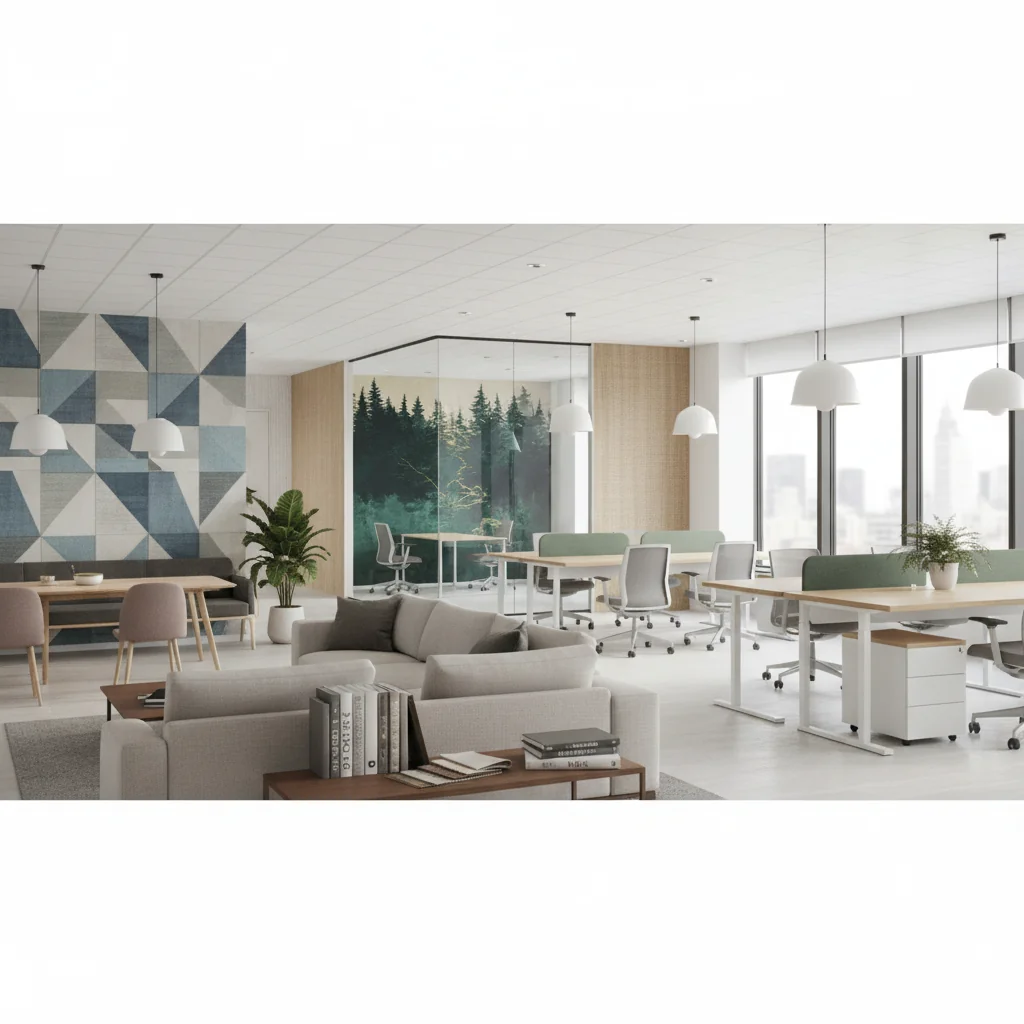
Navigating Aesthetic Landscapes: Styles and Patterns in Wallcoverings
Wallcovering styles and patterns offer an unparalleled spectrum of aesthetic possibilities, allowing designers and homeowners to imbue spaces with distinct character, mood, and visual interest. The choice of style and pattern is a critical determinant of a room’s overall ambiance, capable of transforming a minimalist interior into a maximalist haven or adding subtle sophistication to a contemporary setting. These aesthetic elements are not merely decorative; they are integral design tools that can influence perceived space, light, and architectural features.
Prominent Wallcovering Styles:
- Traditional: Characterized by classic motifs, such as damasks, florals, toile, stripes, and medallions. Traditional wallcoverings often feature rich color palettes and intricate details, drawing inspiration from historical design periods like Victorian, Baroque, or Rococo. They evoke a sense of timeless elegance, formality, and heritage, perfectly suited for formal living rooms, dining areas, or studies.
- Contemporary/Modern: Defined by clean lines, geometric shapes, abstract designs, and often a more restrained color palette. Contemporary wallcoverings prioritize simplicity, functionality, and a sense of freshness. They can incorporate metallic accents, bold graphics, or subtle textures, aligning with modern architectural aesthetics and furnishings.
- Transitional: A harmonious blend of traditional and contemporary elements, offering a balanced and sophisticated aesthetic. Transitional wallcoverings might feature updated classic patterns, softened traditional motifs, or textured plains that bridge the gap between old and new. This style is versatile and appeals to those seeking an elegant yet comfortable environment.
- Minimalist: Emphasizes simplicity, functionality, and uncluttered design. Minimalist wallcoverings typically feature solid colors, subtle textures, or very understated patterns, often in neutral tones. Their purpose is to create a serene, spacious, and calming atmosphere, allowing other design elements or the architecture itself to take center stage.
- Rustic/Farmhouse: Inspired by natural materials, country living, and a sense of warmth and comfort. Rustic wallcoverings often mimic the look of reclaimed wood, brick, stone, or feature simple pastoral scenes and distressed textures. They contribute to a cozy, inviting, and unpretentious ambiance.
- Bohemian: Characterized by eclectic patterns, vibrant colors, global influences, and a free-spirited aesthetic. Bohemian wallcoverings might include intricate mandalas, ethnic prints, large-scale botanicals, or patterns with a handcrafted feel. They create a relaxed, artistic, and personalized space.
- Industrial: Draws inspiration from urban lofts, factories, and utilitarian spaces. Industrial wallcoverings often replicate the appearance of concrete, exposed brick, distressed metal, or raw plaster. They contribute to a raw, edgy, and modern aesthetic, often paired with exposed structural elements and minimalist furnishings.
- Art Deco: A glamorous and elegant style from the 1920s and 30s, characterized by geometric patterns, bold lines, metallic accents, and rich, jewel-toned colors. Art Deco wallcoverings often feature fan shapes, sunbursts, chevrons, and stylized animal motifs, creating a luxurious and sophisticated atmosphere.
Common Wallcovering Pattern Types:
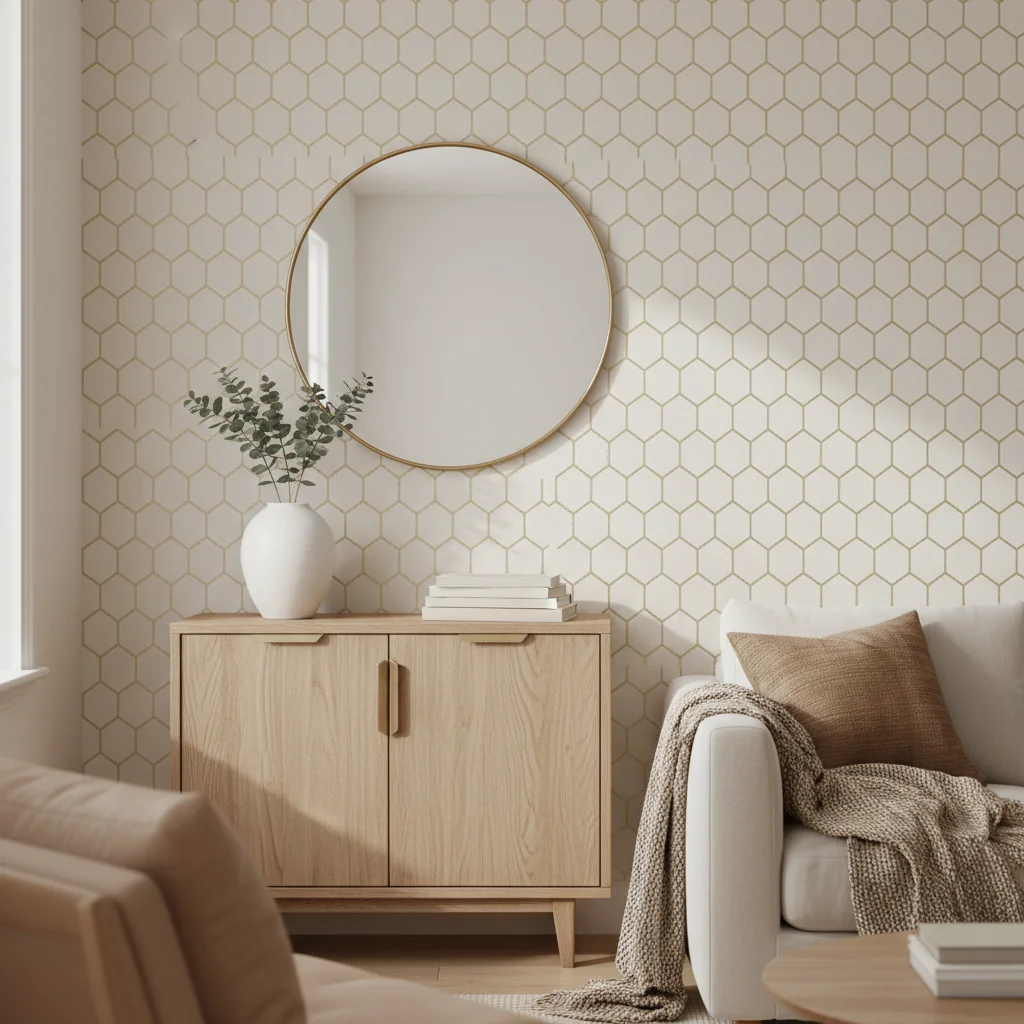
- Geometric: Includes patterns formed by repeating geometric shapes such as squares, circles, triangles, hexagons, or abstract configurations. These patterns can be bold and graphic or subtle and textural, adding a sense of order, rhythm, or modern dynamism to a space.
- Floral: Features botanical motifs ranging from delicate, realistic blossoms to stylized, abstract interpretations of flowers and foliage. Floral patterns can create a romantic, whimsical, natural, or sophisticated atmosphere, depending on their scale, color, and density.
- Damask: A classic and elegant pattern characterized by an intricate, reversible, often monochromatic woven design, typically featuring ornate floral or arabesque motifs. Damask wallcoverings exude formality and luxury, frequently used in traditional and transitional interiors.
- Stripes: Vertical, horizontal, or diagonal lines of varying widths and colors. Stripes can dramatically influence the perception of a room’s dimensions—vertical stripes can make ceilings appear higher, while horizontal stripes can make a room feel wider. They offer a clean, classic, and versatile aesthetic.
- Toile: A narrative pattern typically depicting pastoral scenes, historical events, or mythological figures in a single color against a lighter background. Toile patterns evoke a quaint, traditional, and often romantic ambiance, popular in French country and traditional décor.
- Textural/Faux Finishes: Patterns designed to mimic the look and feel of natural materials like wood grain, brick, stone, concrete, plaster, or woven fabrics (e.g., grasscloth prints). These patterns add depth and tactile interest without the weight or cost of the actual materials.
- Abstract: Non-representational designs that use color, form, and line to create visual interest without depicting recognizable objects. Abstract patterns can range from subtle washes of color to bold, expressive compositions, offering a modern and artistic statement.
- Murals/Scenic: Large-scale, non-repeating designs that create a continuous image across a wall, often depicting landscapes, cityscapes, abstract art, or stylized natural scenes. Murals serve as dramatic focal points, transforming a wall into a work of art and creating immersive environments.
The interplay of style, pattern, and color is paramount in selecting a wallcovering that complements the overall design vision. A well-chosen wallcovering not only enhances the aesthetic appeal but also contributes to the desired mood and functionality of a space. Starhouse emphasizes a curated selection that embraces both enduring classics and cutting-edge trends, ensuring every design preference is met with precision and taste.
Choosing the Ideal Wallcovering: A Strategic Approach for Every Space
Selecting the ideal wallcovering for a specific space requires a strategic evaluation of several key factors, ensuring that the chosen material not only aligns with aesthetic preferences but also meets practical demands. This meticulous process considers the room’s function, existing décor, lighting conditions, and the desired atmospheric impact, leading to a decision that enhances both beauty and utility. A well-chosen wallcovering can dramatically alter a room’s perceived size, brightness, and overall design cohesion.
Key Considerations for Selection:
-
Room Function and Traffic Level:
The primary function of the room dictates the necessary durability and maintenance requirements of the wallcovering. High-traffic areas, such as hallways, children’s rooms, kitchens, and bathrooms, demand highly durable, washable, and moisture-resistant materials like vinyl or scrubbable non-wovens. In contrast, low-traffic areas like formal dining rooms, master bedrooms, or home offices can accommodate more delicate, luxurious options such as paper, fabric, or grasscloth, where aesthetic impact takes precedence over robust durability.
-
Existing Décor and Furniture:
The wallcovering must harmonize with existing furniture, textiles, and architectural features. Consider the dominant colors, patterns, and textures already present in the room. If furniture is patterned, a more subdued or textured wallcovering might be appropriate. Conversely, plain furniture can serve as a backdrop for a bolder, more intricate wallcovering pattern. The goal is to create a cohesive and balanced visual narrative, not to introduce conflicting elements.
-
Lighting Conditions:
Natural and artificial light significantly impact how a wallcovering appears. In rooms with abundant natural light, darker colors and bolder patterns can be effectively utilized without making the space feel confined. For rooms with limited natural light, lighter colors, reflective surfaces (like mylar), or subtle patterns can help to brighten and expand the space. Consider samples in various lighting conditions throughout the day to accurately assess their appearance.
-
Desired Mood and Ambiance:
Wallcoverings are powerful tools for setting a room’s mood. Warm colors (reds, oranges, yellows) and large, inviting patterns tend to create a cozy, intimate, and energetic atmosphere. Cool colors (blues, greens, purples) and subtle, repetitive patterns can evoke a sense of calm, serenity, and spaciousness. Textural wallcoverings add depth and warmth, while metallic finishes introduce glamour and sophistication. Define the emotional response you wish to elicit before selecting a design.
-
Pattern Scale and Repeat:
The scale of the pattern should be proportionate to the room’s size. Large-scale patterns can overwhelm small rooms but make a dramatic statement in spacious areas. Small, intricate patterns work well in smaller rooms, adding detail without feeling crowded. Consider the pattern repeat—the distance between one identical point in a pattern to the next—as it affects both visual rhythm and the amount of material needed. A larger repeat often requires more waste during installation.
-
Color Palette:
The color of the wallcovering should complement or contrast effectively with other colors in the room. Use a color wheel to understand relationships between hues. Monochromatic schemes create a serene, sophisticated look, while complementary colors provide vibrant contrast. Consider the psychological impact of colors: blues for tranquility, greens for nature, reds for energy, and neutrals for versatility.
-
Durability and Maintenance:
Beyond the initial aesthetic, consider the long-term practicality. How easy is the wallcovering to clean? Is it scrubbable, washable, or merely wipeable? Does it resist fading from UV exposure? For families with children or pets, or in areas prone to spills, higher durability and ease of cleaning are paramount. Vinyl and non-woven options typically offer the best performance in these aspects.
-
Installation Complexity:
Some wallcoverings are more challenging to install than others. Peel-and-stick options are generally DIY-friendly. Non-woven “paste-the-wall” papers simplify the process. Traditional paper-backed vinyls and delicate fabrics may require professional installation for optimal results, especially with complex patterns or large repeats. Factor in potential professional installation costs when budgeting.
By systematically addressing these considerations, homeowners and designers can confidently select a wallcovering that not only elevates the aesthetic appeal of a space but also aligns seamlessly with its functional requirements and personal style. Starhouse is dedicated to providing comprehensive guidance and a diverse collection to facilitate these informed decisions.
Ready to transform your space with the perfect wallcovering? We’re curating an exquisite collection tailored to every design vision. Tell us what you’re looking for and get early access to our exclusive offerings.
Precision in Planning: Sizing, Measuring, and Estimating Wallcovering Needs
Accurate sizing, meticulous measuring, and precise estimation are foundational to a successful wallcovering project, preventing costly waste and ensuring a seamless, professional finish. Underestimating leads to delays and potential color batch discrepancies, while overestimating results in unnecessary expenditure. This systematic approach guarantees that sufficient material is acquired and that all aesthetic considerations, such as pattern matching, are adequately addressed.
Essential Tools for Measurement:
- Steel measuring tape (at least 25 feet)
- Pencil and notepad
- Calculator
- Level
- Step ladder or sturdy stool
Step-by-Step Measuring Process:
-
Measure Wall Height:
Measure the height of each wall from the top of the baseboard to the ceiling line. For walls with varying heights (e.g., sloped ceilings or architectural features), measure the tallest point. Record this measurement precisely in inches or feet and inches.
-
Measure Wall Width:
Measure the total width of each wall. For walls with multiple sections, measure each section individually and sum them up. Do not deduct for windows or doors at this stage; these deductions are handled later to ensure sufficient material for pattern matching and trimming.
-
Calculate Total Square Footage:
For each wall, multiply its height by its width to get the square footage. Sum the square footage of all walls to determine the total area to be covered. For example, a wall 8 feet high by 12 feet wide is 96 sq ft.
-
Measure Openings (Windows and Doors):
Measure the height and width of each window and door. Calculate their individual square footage. These areas will be deducted from the total, but only after accounting for pattern match.
Estimating Rolls Needed (The Crucial Step):
Wallcoverings are typically sold in single, double, or triple rolls, with standard dimensions varying by manufacturer and type. A standard single roll in the U.S. is approximately 20.5 inches wide by 16.5 feet long, covering about 28 square feet. However, it is imperative to consult the specific product label for the exact dimensions and coverage per roll, as these figures can vary significantly.
Formula for Estimating Rolls:
-
Determine Number of Strips per Roll:
Divide the length of one roll (in inches) by your wall height (in inches). Round down to the nearest whole number. This gives you the number of full strips you can get from one roll. For instance, if a roll is 198 inches long (16.5 ft) and your wall is 96 inches high (8 ft), you get 198 / 96 = 2.06, so 2 strips per roll.
-
Account for Pattern Repeat (CRITICAL):
If your wallcovering has a pattern repeat (indicated on the label in inches), you must add this length to your wall height for each strip, except for the first one, to ensure proper alignment. For example, if your wall is 96 inches high and the pattern repeat is 21 inches, each strip needs to be cut at 96 + 21 = 117 inches to allow for matching. This reduces the number of strips you can get from a roll. Re-calculate step 1 using (wall height + pattern repeat) for the cut length, then subtract the pattern repeat from the total length of the roll for subsequent cuts. A simpler, more conservative method is to add the pattern repeat to the wall height for *every* strip’s cut length. For example, if wall height is 96 inches and pattern repeat is 21 inches, each cut is 96 + 21 = 117 inches. Then, divide roll length by 117 inches to find strips per roll.
-
Calculate Total Number of Strips Needed:
Divide the total perimeter of the room (excluding openings for now) by the width of one strip (e.g., 20.5 inches). Round up to the nearest whole number. This gives you the total number of vertical strips required to cover all walls.
-
Calculate Rolls Based on Strips:
Divide the total number of strips needed (from step 3) by the number of usable strips per roll (from step 2, after accounting for pattern repeat). Round up to the nearest whole number. This is your initial roll estimate.
-
Factor in Waste and Trimming:
It is standard practice to add an additional 10-15% to your roll estimate to account for trimming, pattern matching, inevitable mistakes, and future repairs. This buffer is crucial. For large or complex patterns, or rooms with many architectural features, increase this buffer to 20%.
-
Deduct for Openings (Optional, but proceed with caution):
You can deduct the square footage of large openings (over 20 sq ft, like large windows or doors) from your total square footage calculation. However, do not deduct too aggressively, as you still need material to cut around these openings and for pattern matching above/below them. A common rule is to deduct for every two average-sized doors or windows, counting them as one full strip. For maximum safety and minimal risk of running short, many professionals advise against deducting for openings at all, especially with complex patterns.
Example Scenario:
* Room dimensions: 10 ft x 12 ft, 8 ft ceiling height.
* Wallcovering roll: 20.5 inches wide, 33 feet long (standard double roll, approx. 60 sq ft).
* Pattern repeat: 21 inches.
1. Wall Height: 8 feet = 96 inches.
2. Perimeter: (10+12) * 2 = 44 feet = 528 inches.
3. Cut Length per Strip (with repeat): 96 inches (height) + 21 inches (repeat) = 117 inches.
4. Roll Length: 33 feet = 396 inches.
5. Usable Strips per Roll: 396 inches / 117 inches = 3.38. Round down to 3 usable strips per roll.
6. Total Strips Needed: 528 inches (perimeter) / 20.5 inches (strip width) = 25.75. Round up to 26 strips.
7. Initial Roll Estimate: 26 strips / 3 strips per roll = 8.67. Round up to 9 rolls.
8. Add Buffer (15%): 9 rolls * 1.15 = 10.35. Round up to 11 rolls.
This precise methodology minimizes errors and ensures a seamless installation. Always purchase rolls from the same dye lot (batch number) to avoid subtle color variations. Starhouse provides detailed specifications for all wallcoverings to assist in these critical calculations, ensuring your project is executed flawlessly.
Currents and Classics: Dominant Trends in Wallcovering Design
The world of wallcoverings is a dynamic interplay of enduring classics and innovative trends, reflecting evolving aesthetic preferences, technological advancements, and a growing emphasis on personalized interior spaces. While certain patterns and textures maintain their timeless appeal, contemporary design pushes boundaries with novel materials, digital artistry, and sustainable practices. Understanding these currents and classics is essential for crafting interiors that are both stylish and sophisticated.
Dominant Current Trends (2024-2026):
-
Biophilic Designs:
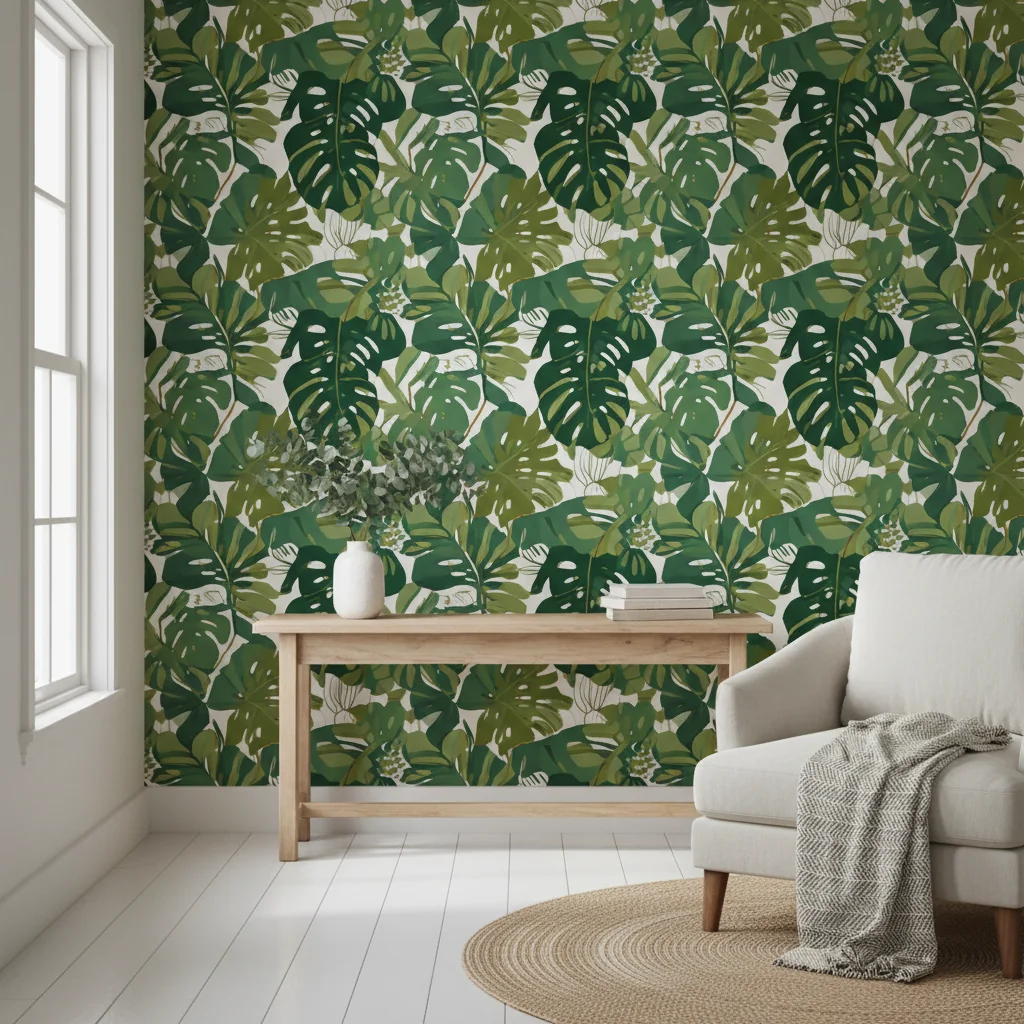
This trend emphasizes bringing the outdoors in, featuring large-scale botanical prints, lush tropical motifs, realistic leaf patterns, and organic textures. Biophilic wallcoverings create a calming, rejuvenating atmosphere, connecting inhabitants with nature. Think expansive jungle scenes, delicate fern patterns, or abstract interpretations of natural elements, often in rich greens, earthy browns, and muted natural tones.
-
Textural Sophistication:
Beyond visual patterns, there’s a strong movement towards tactile wallcoverings that add depth and sensory experience. Grasscloth, woven textiles, embossed vinyls mimicking plaster or concrete, and even subtle tone-on-tone textures are highly sought after. These materials provide a luxurious, understated elegance and are particularly effective in creating a serene, sophisticated backdrop without overwhelming the space with bold patterns.
-
Large-Scale Murals and Panoramics:
Moving beyond repetitive patterns, digitally printed murals are transforming entire walls into expansive works of art. From scenic landscapes and cityscapes to abstract art and custom illustrations, these murals create dramatic focal points and immersive environments. They are particularly popular for accent walls in living rooms, bedrooms, and commercial spaces, offering a personalized and impactful statement.
-
Geometric Abstraction:
While classic geometrics persist, the trend leans towards more abstract, fluid, and often hand-drawn interpretations of geometric shapes. These designs can range from subtle, interlocking patterns to bold, asymmetrical compositions, often incorporating metallic accents or contrasting textures. They offer a contemporary edge and a sense of dynamic movement without being overtly traditional.
-
Sustainable and Eco-Friendly Materials:
A significant trend driven by environmental consciousness is the demand for wallcoverings made from sustainable materials. This includes options crafted from recycled content, natural fibers (bamboo, cork, jute), water-based inks, and PVC-free formulations. Brands are increasingly offering certifications like FSC (Forest Stewardship Council) to guarantee responsible sourcing, appealing to environmentally conscious consumers.
-
Metallic Accents and Iridescence:
Gold, silver, bronze, and copper accents continue to be popular, adding a touch of glamour and reflectivity. These metallics are often integrated into patterns, used as subtle shimmers, or featured in full-coverage Mylar wallcoverings. Iridescent finishes that shift color with light also add a dynamic and luxurious dimension to interiors.
-
Earthy and Jewel-Toned Palettes:
While neutrals remain foundational, there’s a resurgence of rich, deep colors. Earthy tones like terracotta, sage green, deep ochre, and warm browns create a grounding and cozy atmosphere. Jewel tones such as emerald green, sapphire blue, ruby red, and amethyst purple are used to add drama, luxury, and a sense of opulence, often paired with traditional or Art Deco patterns.
Enduring Classic Styles:
- Damask: This opulent, often monochromatic, woven pattern featuring intricate floral or arabesque motifs remains a symbol of classic elegance and formality. Damask wallcoverings are a perennial favorite for traditional living rooms, dining rooms, and formal entries.
- Stripes: Universally appealing, stripes offer versatile design solutions. Vertical stripes can visually heighten a room, while horizontal stripes can broaden it. From delicate pinstripes to bold cabana stripes, this pattern adapts to various styles from traditional to contemporary.
- Toile de Jouy: Characterized by its narrative scenes, typically pastoral or mythological, rendered in a single color on a light background. Toile evokes a quaint, romantic, and distinctly French country charm, enduring in bedrooms, nurseries, and powder rooms.
- Small-Scale Geometrics (e.g., Trellis, Quatrefoil): Subtle, repeating geometric patterns provide visual interest without overwhelming a space. These designs offer a refined backdrop that complements both traditional and transitional décor, adding a touch of architectural detail.
- Chinoiserie: An enduring decorative style inspired by Chinese art, featuring exotic birds, pagodas, floral motifs, and scenic landscapes. Chinoiserie wallcoverings, often hand-painted or digitally printed, bring a sense of exoticism, luxury, and artistic flair to elegant interiors.
- Faux Textures (e.g., Linen, Silk, Grasscloth-look): While natural textures are a trend, their faux counterparts in durable vinyl or non-woven materials remain classic choices. They offer the sophisticated look of natural materials with enhanced durability and ease of maintenance, providing a versatile backdrop.
The successful integration of wallcoverings into an interior design scheme hinges on understanding the interplay between these contemporary currents and timeless classics. Whether opting for a bold, trend-driven mural or a subtle, classic damask, the chosen wallcovering should resonate with the homeowner’s personal style and the room’s functional requirements. Starhouse continuously updates its collection to reflect these diverse influences, ensuring access to both the avant-garde and the perpetually elegant.
Preserving Your Investment: Comprehensive Care and Maintenance for Wallcoverings
Proper care and routine maintenance are paramount to preserving the aesthetic integrity and extending the lifespan of your wallcoverings, safeguarding your investment and ensuring lasting beauty. The specific cleaning regimen is directly dictated by the wallcovering’s material composition and its designated washability rating, requiring a tailored approach to avoid damage. Adhering to manufacturer guidelines is crucial for optimal preservation.
Understanding Washability Ratings:
Before any cleaning attempt, consult the wallcovering’s label for its washability rating. These ratings indicate the level of moisture and abrasion the material can withstand:
| Rating | Description | Care Instructions | Ideal Use |
|---|---|---|---|
| Spongeable | Can be gently wiped with a damp sponge and plain water. | Use a soft, damp sponge. Avoid abrasive cleaners or excessive rubbing. | Low-traffic areas, bedrooms, formal living rooms. |
| Washable | Withstands cleaning with a damp cloth and mild soap solution. | Use a soft cloth with mild, non-abrasive soap and water. Rinse with a clean damp cloth. | Living rooms, dining rooms, hallways with moderate traffic. |
| Scrubbable | Can withstand scrubbing with a brush and strong detergent. | Use a soft brush or sponge with a stronger, non-abrasive detergent. Rinse thoroughly. | Kitchens, bathrooms, high-traffic areas, children’s rooms. |
| Extra Scrubbable | Highly durable; tolerates aggressive scrubbing with strong detergents. | Suitable for commercial-grade cleaning agents and vigorous scrubbing. | Commercial spaces, very high-traffic residential areas. |
| Non-Washable/Delicate | Cannot be cleaned with water; prone to damage. | Dust gently with a dry, soft cloth or vacuum with a brush attachment. Spot clean only with specialized dry-cleaning agents if recommended. | Very low-traffic, formal areas (e.g., grasscloth, certain fabrics). |
General Maintenance Practices:
-
Regular Dusting:
Dust accumulation can dull the appearance of any wallcovering. Regularly dust your walls with a soft, dry cloth, a microfiber duster, or a vacuum cleaner with a soft brush attachment. This prevents dust from embedding into textured surfaces or mixing with moisture to form stubborn stains.
-
Immediate Spot Treatment:
Address spills and marks immediately. For washable and scrubbable wallcoverings, gently blot (do not rub) the stain with a clean, damp cloth. For tougher stains, use a mild, non-abrasive soap solution. Always test any cleaning solution on an inconspicuous area first to ensure it does not cause discoloration or damage. For non-washable types, consult professional cleaners or specific product instructions.
-
Avoid Harsh Chemicals:
Never use abrasive cleaners, scouring pads, bleach, or strong chemical solvents unless explicitly specified by the manufacturer for specific commercial-grade products. These can strip finishes, fade colors, or permanently damage the wallcovering material.
-
Manage Humidity:
Excessive humidity can cause wallcoverings to peel, bubble, or develop mold and mildew, especially in bathrooms and kitchens. Ensure adequate ventilation in these areas, using exhaust fans during and after showers or cooking. Maintain consistent indoor humidity levels, ideally between 30-50%, to prevent moisture-related issues.
-
Protect from Direct Sunlight:
Prolonged exposure to direct sunlight can cause wallcoverings, particularly those with vibrant colors or delicate dyes, to fade over time. Use window treatments such as blinds, shades, or UV-filtering curtains to protect walls in sun-drenched rooms. This simple measure significantly extends the vibrancy of your wallcovering.
-
Handle Edge Peeling Promptly:
If edges begin to peel or lift, reapply them immediately with a suitable wallcovering adhesive. Addressing minor peeling early prevents further detachment and damage. Ensure the area is clean and dry before reapplication.
-
Professional Cleaning (for delicate materials):
For highly delicate materials like grasscloth, silk, or antique papers, professional wallcovering cleaning services are recommended. These specialists possess the expertise and specialized products to clean sensitive materials without causing damage.
Specific Care for Different Wallcovering Types:
- Vinyl Wallcoverings: Highly durable and generally scrubbable. Can be cleaned with a solution of mild dish soap and water. Rinse thoroughly to prevent soap residue.
- Non-Woven Wallcoverings: Often washable or scrubbable. Follow the same procedure as vinyl, but avoid excessive saturation due to their fibrous nature.
- Paper Wallcoverings: Usually only spongeable or non-washable. Dust regularly. For stains, use a very lightly damp sponge and blot, or use a dry art gum eraser for pencil marks. Extreme caution is advised.
- Grasscloth/Natural Fiber: Non-washable. Dust with a soft brush or vacuum. Avoid moisture, which can cause discoloration or damage. Spot clean with a dry cloth only for minor surface dust.
- Fabric Wallcoverings: Generally non-washable. Dust gently. Consult a professional cleaner for stains or extensive cleaning.
- Peel-and-Stick Wallcoverings: Typically washable vinyl. Clean with a damp cloth and mild soap. Their temporary nature means less long-term maintenance focus than permanent installations.
By integrating these meticulous care and maintenance practices into your routine, your wallcoverings will retain their original beauty and contribute to the elegance of your home for many years. Starhouse advocates for informed product care, ensuring that every element of your curated space remains pristine.
The Art of Integration: Styling and Pairing Wallcoverings with Your Décor
Styling and pairing wallcoverings with existing décor is an art form that elevates a room from merely furnished to thoughtfully designed, creating a cohesive and harmonious environment. The wallcovering acts as a foundational design element, influencing the mood, perceived scale, and overall aesthetic narrative of a space. Successful integration requires a nuanced understanding of color theory, pattern dynamics, and textural interplay, ensuring every element contributes to a unified vision.
Strategic Approaches to Styling:
-
Establishing a Focal Point:
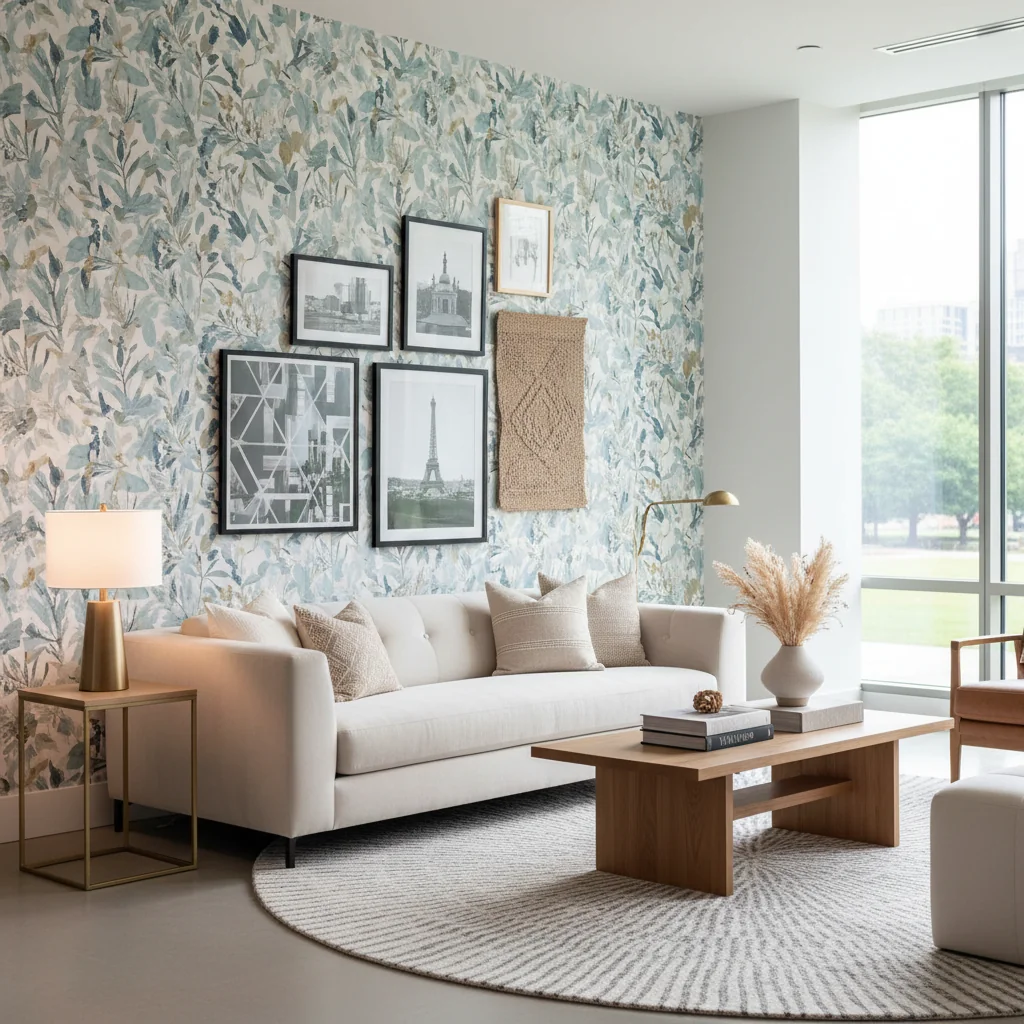
Utilize a bold or visually impactful wallcovering on a single accent wall to create a compelling focal point. This draws the eye to a specific area, such as behind a bed, sofa, or dining table, without overwhelming the entire room. Pair this accent wall with complementary solid colors or subtle textures on the remaining walls to maintain balance.
-
Enhancing Architectural Features:
Wallcoverings can highlight architectural details like recessed panels, alcoves, or coffered ceilings. Applying a distinct pattern or texture within these features can emphasize their form and add depth, transforming them from mere structural elements into decorative statements. For example, a metallic wallcovering in a ceiling recess adds unexpected glamour.
-
Defining Zones in Open-Concept Spaces:
In open-plan living areas, wallcoverings can subtly delineate different functional zones without the need for physical partitions. A distinct pattern or color on the wall of a dining nook or home office area can visually separate it from an adjacent living space, creating a sense of distinct purpose within a larger open layout.
-
Layering Textures for Depth:
Combine wallcoverings with different textures to create a rich, multi-dimensional sensory experience. For instance, pair a smooth, patterned wallpaper with upholstered furniture, textured rugs, and tactile throw pillows. Grasscloth, linen-look vinyls, or embossed papers are excellent for introducing textural depth that complements other soft furnishings.
-
Creating a Cohesive Color Palette:
Select a wallcovering that either reinforces or subtly contrasts with the dominant colors in your furniture, artwork, and accessories. Extract accent colors from a patterned wallcovering and repeat them in smaller decorative items (e.g., throw pillows, vases) to tie the room together. Alternatively, use a neutral textured wallcovering to allow colorful furnishings to pop.
Pairing Wallcoverings with Décor Elements:
-
With Furniture:
If your furniture is patterned, opt for a wallcovering with a simpler pattern, a subtle texture, or a solid color in a complementary hue. For solid-colored or minimalist furniture, a bold, intricate, or mural-style wallcovering can provide the necessary visual interest and personality. Consider the scale: large-scale patterns work well with substantial furniture, while delicate patterns suit lighter pieces.
-
With Textiles (Curtains, Rugs, Upholstery):
Ensure that the patterns and textures of your wallcoverings and textiles complement each other rather than competing. A good rule of thumb is to vary the scale of patterns: pair a large-scale wallcovering pattern with small-scale textile patterns, or vice versa. If both feature strong patterns, ensure their color palettes are harmonious or share a common neutral base. For example, a floral wallcovering might be paired with solid linen curtains or a geometric rug that echoes a color from the floral design.
-
With Artwork and Mirrors:
When hanging artwork or mirrors on a patterned wallcovering, ensure the pattern does not detract from the piece. A busy wallcovering might necessitate simpler, framed art or a large, impactful mirror that provides a visual break. For intricate or valuable artwork, a subtle texture or solid-colored wallcovering provides an ideal, non-distracting backdrop. Consider the frame style—a ornate frame on a minimalist wallcovering, or a simple frame on a detailed pattern.
-
With Lighting:
Lighting can dramatically enhance or alter the appearance of a wallcovering. Wall-mounted fixtures can create interesting shadows and highlight textures. Reflective wallcoverings (like metallics) can amplify light, brightening a room. Consider how both natural and artificial light interact with the chosen wallcovering throughout the day to ensure the desired effect is achieved.
-
With Flooring:
The flooring provides the base layer of your room’s design. A busy patterned floor might call for a simpler wallcovering, while a neutral floor can support a more elaborate wall design. Textural wallcoverings can complement natural wood or stone floors, while sleek, modern patterns pair well with polished concrete or contemporary tile.
The successful integration of wallcoverings into your décor is a testament to thoughtful design. By considering how each element interacts, you create a space that is not only visually appealing but also feels cohesive and intentionally curated. Starhouse offers a diverse range of wallcoverings, allowing you to master this art of integration and craft an environment that truly reflects your discerning taste.
Common Pitfalls in Wallcovering Selection and Application
Avoiding common pitfalls in wallcovering selection and application is crucial for achieving a professional, long-lasting finish and preventing costly mistakes. Many issues arise from inadequate preparation, miscalculation, or a lack of understanding of material properties, underscoring the importance of meticulous planning and execution. Recognizing these frequent errors enables homeowners and professionals to navigate wallcovering projects with greater confidence and success.
Selection Pitfalls:
-
Underestimating Pattern Repeat and Waste:
A frequent error is failing to account for pattern repeat when calculating the number of rolls needed. Large pattern repeats require significantly more material to ensure proper alignment between strips, leading to substantial waste. Under-ordering results in delays and the risk of receiving rolls from a different dye lot, causing noticeable color discrepancies. Always add 10-20% extra for waste, especially with complex patterns.
-
Ignoring Room Function and Durability:
Selecting a delicate paper wallcovering for a high-moisture bathroom or a high-traffic hallway is a common mistake. Such misapplications lead to rapid deterioration, peeling, and damage. Always match the wallcovering’s durability and washability rating (e.g., scrubbable vinyl for kitchens) to the specific demands of the room.
-
Overlooking Scale and Proportion:
A large, bold pattern can overwhelm a small room, making it feel cramped and busy. Conversely, a tiny, intricate pattern might get lost in a vast space. The scale of the pattern must be proportionate to the room’s dimensions and the amount of furniture. Always consider how the pattern will repeat across the entire wall, not just on a small sample.
-
Disregarding Lighting Conditions:
The appearance of a wallcovering can change dramatically under different lighting. A color that looks vibrant in natural light might appear dull under artificial light, and reflective surfaces can highlight imperfections. Always view samples in the actual room, at various times of day, to assess how light interacts with the color, texture, and sheen.
-
Failing to Order from the Same Dye Lot:
Wallcoverings are produced in batches, and subtle color variations can occur between different dye lots. Mixing rolls from different lots on the same wall can result in visible color banding or inconsistencies. Always check that all rolls have the same dye lot number before starting installation.
Application Pitfalls:
-
Inadequate Wall Preparation:
This is arguably the most common and detrimental mistake. Walls must be clean, dry, smooth, and primed. Any dirt, grease, loose paint, or imperfections (holes, bumps) will telegraph through the wallcovering, creating an unprofessional finish. Using a specialized wallcovering primer (like a “sizing” or “prep coat”) is essential to ensure proper adhesion and facilitate future removal.
-
Improper Adhesive Selection or Application:
Using the wrong type of adhesive for the wallcovering material (e.g., using light-duty paste for heavy vinyl) or applying it incorrectly (too much, too little, unevenly) leads to bubbles, seams lifting, or complete detachment. Always follow the manufacturer’s recommendations for the specific adhesive required for your wallcovering type.
-
Poor Pattern Matching:
Failing to correctly match the pattern between adjacent strips results in a disjointed and unprofessional appearance. This requires careful cutting, alignment, and trimming, especially with complex or large-scale designs. Patience and precision are paramount here.
-
Overlapping Seams:
Most modern wallcoverings are designed for butt joints, where edges meet precisely without overlapping. Overlapping seams create visible ridges, make the wallcovering look amateurish, and can lead to peeling. The only exceptions are specific types designed for overlap, which are rare.
-
Insufficient Smoothing and Air Bubble Removal:
Air bubbles trapped beneath the surface can create unsightly bulges. Proper smoothing with a wallcovering brush or smoother, working from the center outwards, is critical to eliminate air and ensure full adhesion. Small bubbles may dissipate as the adhesive dries, but large ones require immediate attention.
-
Rushing the Process:
Wallcovering installation is a meticulous process that cannot be rushed. Each step, from wall preparation and measuring to pasting and smoothing, requires patience and attention to detail. Rushing leads to errors, frustration, and a subpar finish.
-
Forgetting the “Booking” Time:
For traditional pasted wallpapers (not peel-and-stick or paste-the-wall), “booking” is the process of folding the pasted strip onto itself, paste-to-paste, for a specified time. This allows the paste to soak into the paper, making it more pliable and preventing bubbles. Skipping or shortening booking time can lead to tearing or poor adhesion.
By diligently avoiding these common pitfalls, individuals can achieve a stunning, durable, and professional wallcovering installation that enhances their space for years to come. Starhouse emphasizes thorough preparation and informed decision-making as the cornerstones of any successful home décor project.
Sources
Frequently Asked Questions (FAQ) About Wallcoverings
What is the corporate address for York Wallcoverings Inc.?
The corporate office for York Wallcoverings Inc. is located at 750 Linden Avenue, York, Pennsylvania 17404, serving as its primary administrative and operational headquarters.
How do I determine the right type of wallcovering for my bathroom?
For bathrooms, the ideal wallcovering type is vinyl or extra-scrubbable non-woven, as these materials are highly resistant to moisture, humidity, and are easily washable, preventing mold and peeling.
Can I install wallcoverings myself, or should I hire a professional?
While peel-and-stick and “paste-the-wall” non-woven wallcoverings are designed for DIY installation, complex patterns, delicate materials like grasscloth, or traditional pasted papers often benefit significantly from professional installation to ensure a flawless and long-lasting finish.
How do I clean a grasscloth wallcovering?
Grasscloth wallcoverings are typically non-washable and should only be cleaned by gently dusting with a soft, dry cloth or a vacuum cleaner with a brush attachment; avoid any moisture to prevent discoloration or damage.
What is pattern repeat, and why is it important when buying wallcoverings?
Pattern repeat is the vertical distance between one identical point in a design and the next, and it is crucial because it dictates how much extra material you need to purchase to ensure patterns align perfectly across multiple strips during installation, preventing visual breaks.
How do I prevent my wallcovering from fading in sunlight?
To prevent wallcoverings from fading in direct sunlight, install window treatments such as UV-filtering blinds, shades, or curtains that block harmful rays, thereby protecting the material’s color vibrancy over time.
What does “booking” mean in wallcovering installation?
Booking refers to the process of folding a pasted strip of wallcovering onto itself, paste-to-paste, for a few minutes before hanging; this allows the adhesive to thoroughly soak into the material, making it more pliable and preventing bubbles or seams from lifting.
Conclusion: Elevate Your Environment with Starhouse
The journey through the world of wallcoverings, from understanding the legacy of industry leaders like York Wallcoverings Inc. to mastering the nuances of selection, installation, and care, reveals the profound impact these materials have on interior design. Wallcoverings are not merely decorative elements; they are transformative tools that define character, enhance functionality, and imbue spaces with unparalleled texture and depth. By embracing a strategic approach, considering factors from material durability to pattern scale and light interaction, homeowners and designers can create environments that are both aesthetically compelling and enduringly practical.
At Starhouse, we believe that every home deserves to reflect the unique vision and discerning taste of its occupants. Our curated collection of wallcoverings, alongside an extensive range of furnishings, textiles, lighting, and accessories, is meticulously chosen to inspire and empower you in crafting your ideal living space. We are committed to providing not just products, but solutions that marry sophistication with precision, ensuring that your design aspirations are met with quality and confidence. As you embark on your next design endeavor, remember that the right wallcovering can elevate an ordinary room into an extraordinary sanctuary.
We are actively curating our initial collection to bring you the finest in home décor. We invite you to share your design aspirations and tell us what you’re looking for in your dream space. Join our community for early access and exclusive insights into our forthcoming offerings, and let Starhouse help you define the art of living beautifully.