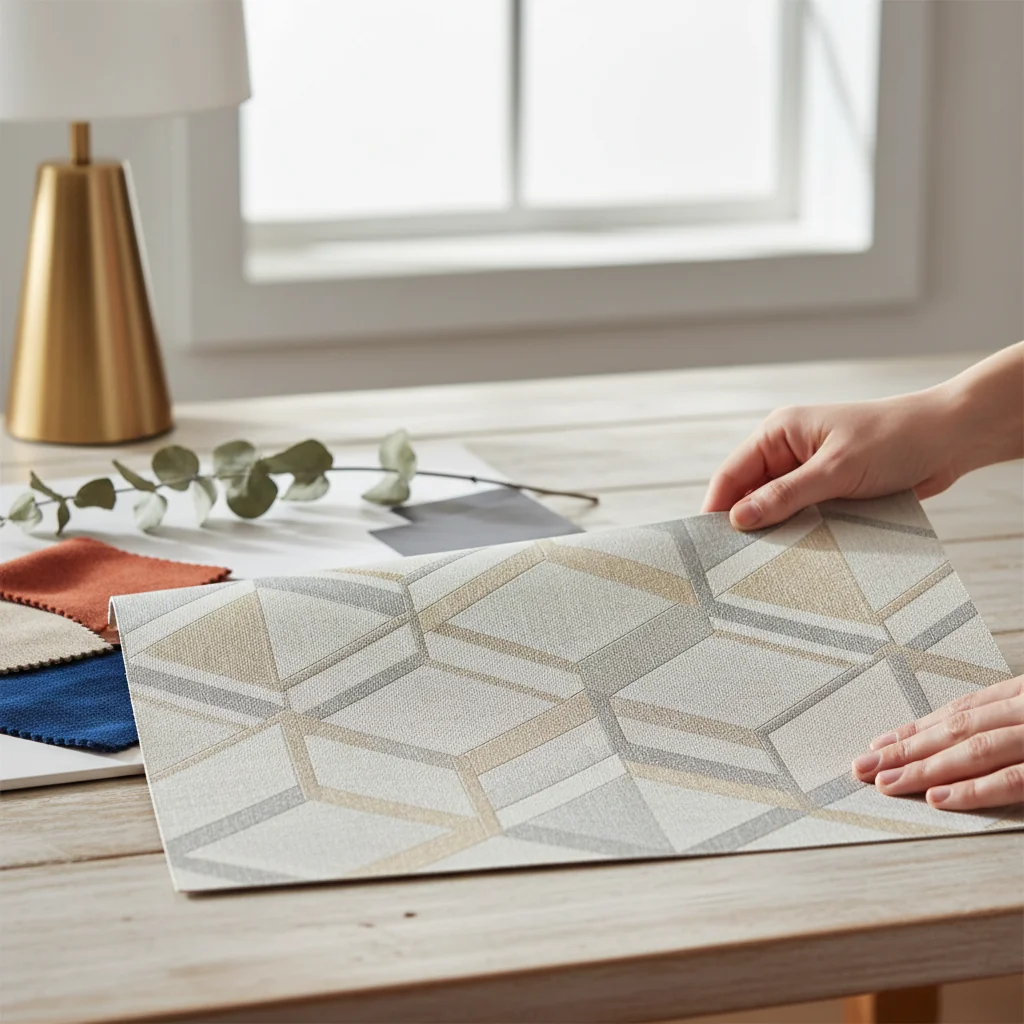
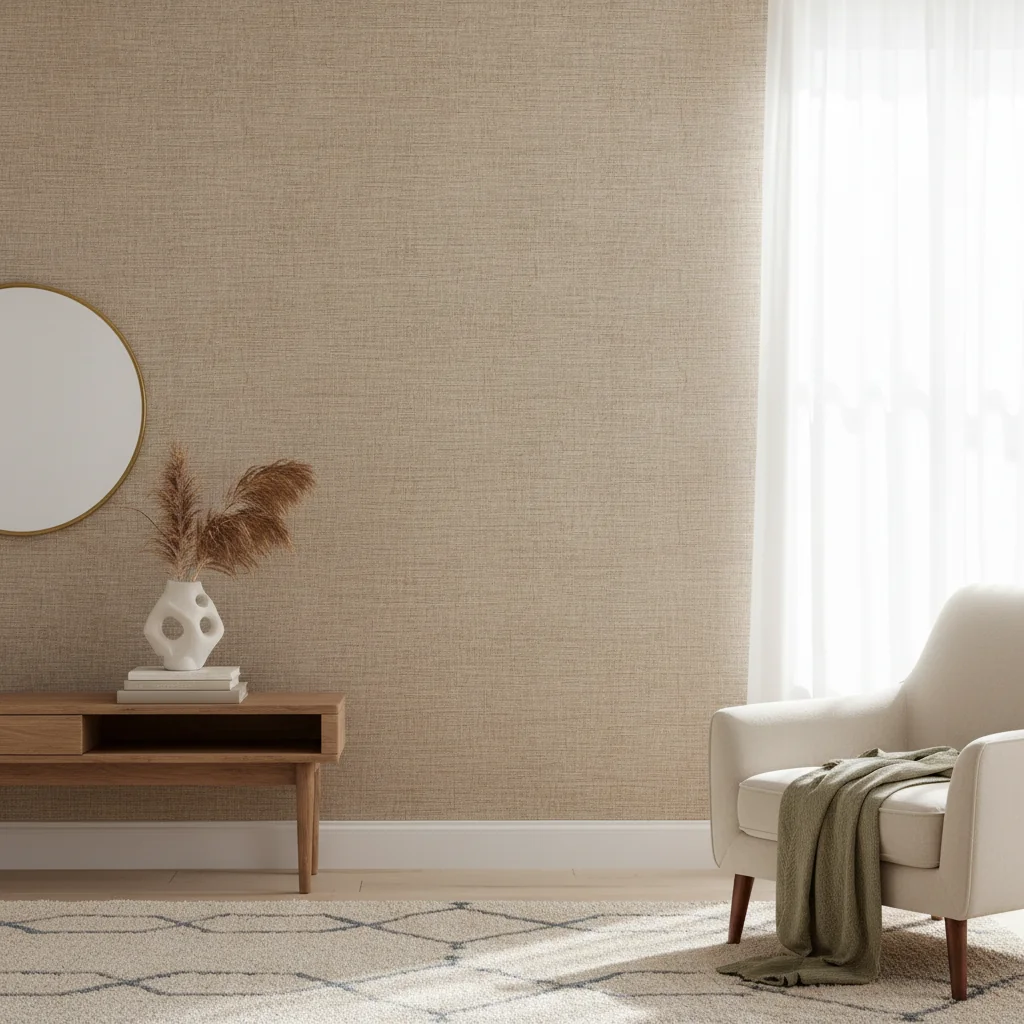
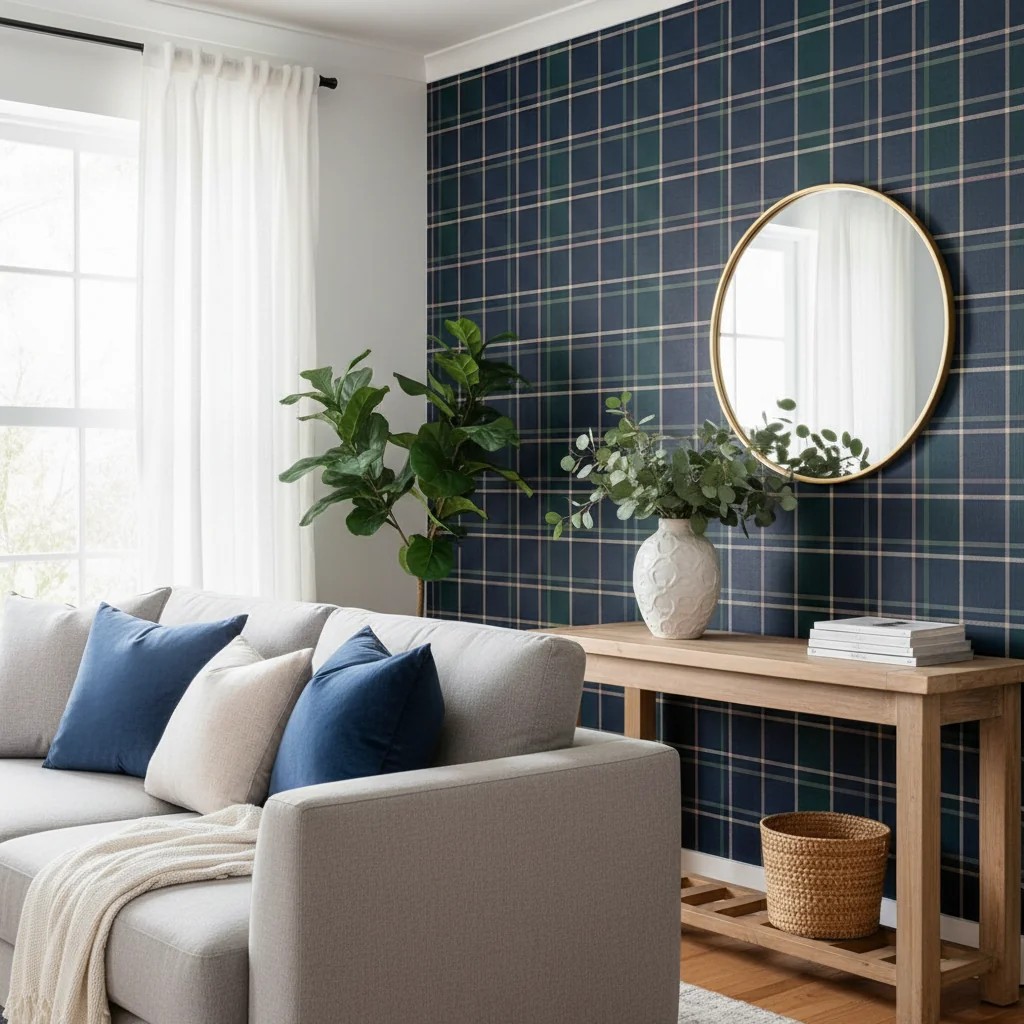
Red and brown wallpaper offers a sophisticated and grounding aesthetic, blending warmth and depth through its rich color palette to create inviting and impactful interiors. This classic combination, often rooted in natural elements and earthy tones, provides a versatile foundation for diverse design styles, from rustic farmhouse to modern minimalist, and is celebrated for its ability to infuse a space with both comfort and elegance. Understanding the nuances of materials, patterns, and application techniques is crucial for harnessing the full potential of this distinctive design choice, ensuring a cohesive and enduring result in any home.
Key Takeaways
- Red and brown wallpaper provides a warm, grounding aesthetic, offering significant versatility across various interior design styles.
- Choosing the right type involves considering material (e.g., peel-and-stick, non-woven, grasscloth) and its suitability for the room’s function and traffic.
- Successful application hinges on precise measurements, accounting for pattern repeat and waste, to achieve a professional and seamless finish.
- Current trends emphasize natural textures, biophilic patterns, and sophisticated muted tones that enhance warmth without overwhelming a space.
- Proper care, dictated by the wallpaper’s material, is essential for maintaining its beauty and extending its lifespan, protecting your investment.
- Effective styling pairs red and brown wallpaper with complementary colors, furniture, and lighting to create a balanced, harmonious, and inviting environment.
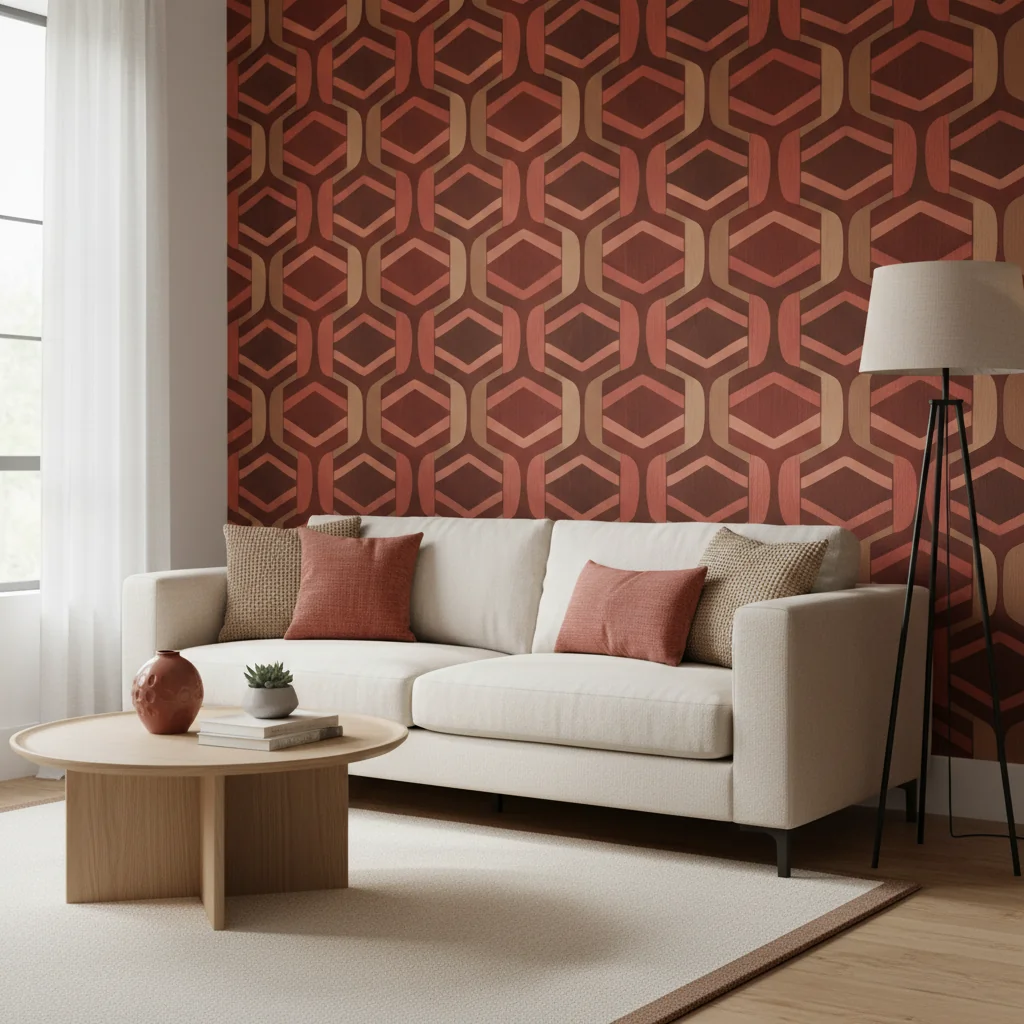
The Enduring Appeal of Red and Brown Wallpaper
Red and brown wallpaper consistently appeals due to its inherent warmth, grounding nature, and versatility in creating sophisticated and inviting interiors. This color combination evokes a sense of comfort, stability, and natural elegance, making it a timeless choice for homeowners seeking to infuse their spaces with character and depth. The psychological impact of these hues contributes significantly to their popularity, with red stimulating energy and passion, while brown provides a calming, earthy counterbalance.
Historically, red and brown tones have been prominent in interior design, reflecting a connection to natural materials like wood and clay, and signifying luxury and tradition in various cultures. From the rich tapestries of European estates to the earthy palettes of Southwestern homes, these colors have consistently been employed to create environments that feel both grand and intimate. Their enduring presence in design speaks to their fundamental ability to create spaces that resonate on a deeply human level, offering a sense of sanctuary and belonging.
The versatility of red and brown lies in their broad spectrum of shades and undertones. Reds can range from vibrant crimson and deep burgundy to muted terracotta and rust, each imparting a distinct energy. Browns vary from light taupe and sandy beige to rich chocolate and dark espresso, providing a foundational stability. When combined, these variations allow for an extensive array of moods and styles, from bold and dramatic to subtle and serene. This adaptability ensures that red and brown wallpaper can complement an extensive range of furnishings and architectural styles, making it a robust choice for any design aspiration.
Furthermore, red and brown wallpaper excels at adding texture and visual interest to walls. Whether through intricate patterns, subtle weaves, or designs mimicking natural materials, the tactile quality of wallpaper enhances the depth of these colors. This combination of rich color and engaging texture creates a sensory experience that goes beyond mere visual appeal, contributing to a truly immersive and inviting atmosphere within a room. The choice of pattern, from classic florals to modern geometrics, further refines this appeal, allowing for precise control over the room’s overall aesthetic.
Color palette is defined as the range of colors used in a particular design or artwork, often chosen to evoke a specific mood or theme. The careful selection of a red and brown color palette is critical to achieving the desired effect in a space.
Types of Red and Brown Wallpaper
Red and brown wallpaper encompasses a broad range of material and application types, each offering distinct aesthetic and functional properties for various design needs. Understanding these differences is essential for selecting a wallpaper that not only achieves the desired visual impact but also performs optimally in its intended environment, considering factors like durability, ease of installation, and maintenance requirements.
Peel-and-Stick Wallpaper
Peel-and-stick wallpaper, also known as self-adhesive or removable wallpaper, features an adhesive backing that is protected by a liner. To install, the liner is simply peeled away, and the wallpaper is pressed onto the wall. This type is highly favored for its ease of application and removal, making it an excellent choice for renters, temporary installations, or those who enjoy frequently updating their décor. It is typically made from vinyl or non-woven materials, offering varying degrees of durability and washability.
Pros: Simple DIY installation, easily removable without damaging walls, ideal for temporary décor, often repositionable during application.
Cons: May not adhere well to heavily textured walls, can be more expensive per roll than traditional options, limited lifespan compared to permanent wallpapers.
Best Use: Apartments, children’s rooms, accent walls, furniture upcycling, or any space where flexibility and frequent changes are desired.
Traditional Wallpaper (Pre-pasted and Unpasted)
Traditional wallpaper requires the use of adhesive for installation, coming in two primary forms: pre-pasted and unpasted. Pre-pasted wallpaper has a dried adhesive coating on its back that is activated by wetting it with water, often by dipping it in a water tray or spraying it. Unpasted wallpaper requires a separate adhesive (paste) to be applied to its back or directly to the wall before hanging.
Pros: Generally more durable and long-lasting, offers a vast array of patterns and textures, often more cost-effective per square foot for large areas.
Cons: More challenging and time-consuming to install, requires specific tools and techniques, removal can be more difficult and may damage walls if not done properly.
Best Use: Permanent installations in living rooms, dining rooms, bedrooms, or any space where a durable, long-term wall covering is desired.
Non-Woven Wallpaper
Non-woven wallpaper is constructed from a blend of natural and synthetic fibers, making it a highly durable and environmentally friendly option. It is breathable, which helps prevent mold and mildew growth, and is often applied using the “paste-the-wall” method, where adhesive is applied directly to the wall rather than the paper. This method simplifies installation and makes removal relatively easy, often peeling off in full sheets without leaving residue.
Pros: Very durable, breathable, easy to install (paste-the-wall), easily removable, often eco-friendly, resistant to tearing and shrinking.
Cons: Can be more expensive than vinyl or paper-backed options.
Best Use: High-traffic areas, kitchens, bathrooms, or any room where durability, breathability, and ease of removal are priorities.
Fabric-Backed Vinyl Wallpaper
Fabric-backed vinyl wallpaper features a solid vinyl surface laminated to a fabric or non-woven backing. This construction makes it exceptionally durable, washable, and resistant to stains and tears. It is a robust option often specified for commercial applications due to its longevity and performance, but it is also suitable for residential areas that demand high durability.
Pros: Extremely durable, highly washable and scrubbable, resistant to moisture and abrasion, excellent for high-traffic areas.
Cons: Can be heavy and more challenging to install, typically more expensive, less breathable than non-woven options.
Best Use: Bathrooms, kitchens, hallways, mudrooms, children’s playrooms, or commercial spaces where maximum durability and cleanability are paramount.
Grasscloth and Natural Fiber Wallpaper
Grasscloth wallpaper is crafted from natural fibers like sisal, jute, bamboo, or seagrass, woven onto a paper backing. Its distinctive texture and organic appearance bring a unique depth and warmth to any room, offering a tactile experience that synthetic materials cannot replicate. Each roll is unique, with subtle variations in color and weave that contribute to its artisanal charm. While beautiful, grasscloth requires careful handling and specific installation techniques.
Pros: Provides rich texture and natural beauty, eco-friendly, excellent for creating a warm and organic atmosphere, unique variations.
Cons: Difficult to install (seams are often visible), not easily washable, can be delicate and prone to damage, generally expensive.
Best Use: Living rooms, dining rooms, bedrooms, or studies where a luxurious, natural, and serene ambiance is desired, typically in low-traffic areas.
Wallpaper Murals
Wallpaper murals are large-scale images or designs printed on multiple panels that, when installed together, create a single, continuous work of art across an entire wall. Unlike repeating patterns, murals offer a unique, immersive visual experience. Red and brown murals might depict expansive landscapes, abstract art, or stylized natural scenes, providing a focal point that transforms the room.
Pros: Creates a dramatic focal point, highly personalized design, transforms a space into an art installation.
Cons: Requires precise alignment during installation, can be expensive, limited to specific wall dimensions, less flexible for future design changes.
Best Use: Accent walls in living rooms, bedrooms, or large entryways where a strong visual statement is desired.
Choosing the correct type of red and brown wallpaper involves balancing aesthetic preferences with practical considerations for the specific application. Each material offers distinct advantages and limitations regarding installation, maintenance, and longevity.
Styles and Patterns in Red and Brown Wallpaper
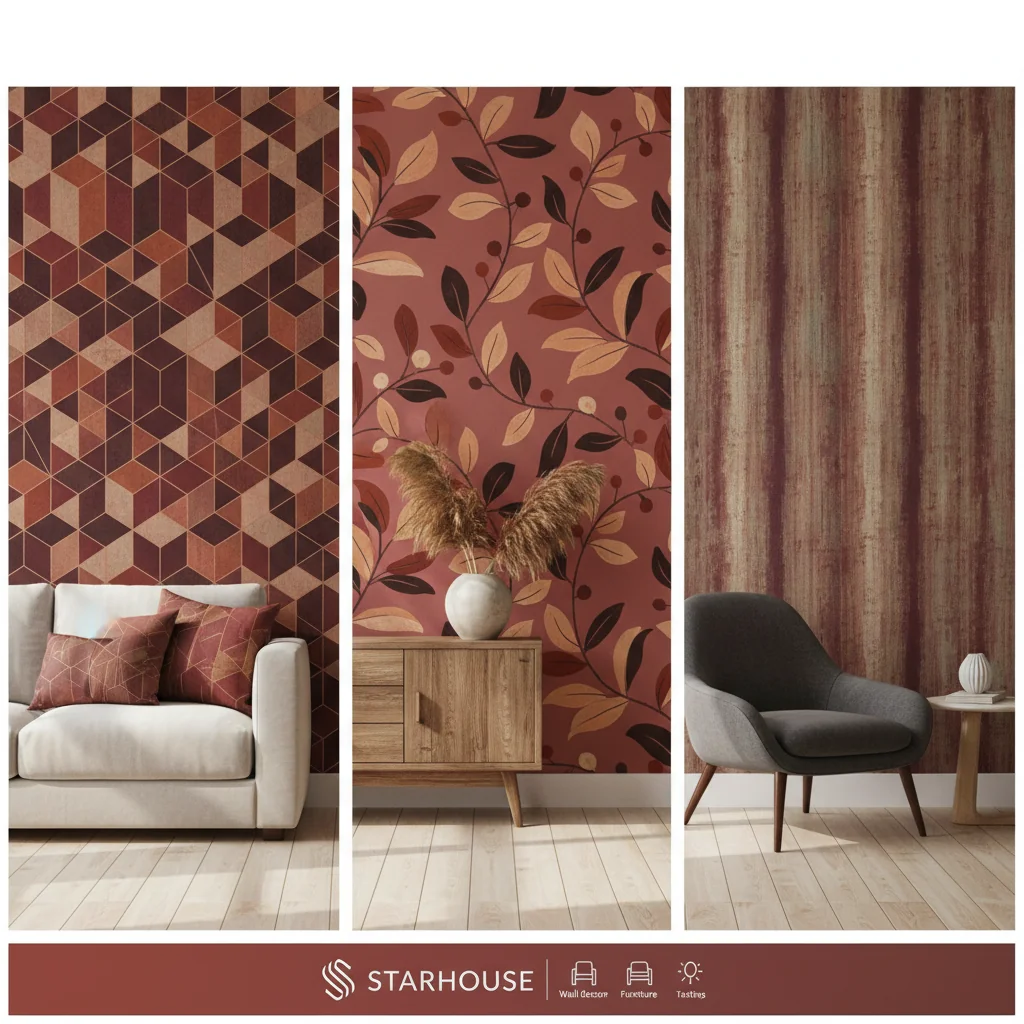
Red and brown wallpaper manifests in countless styles and patterns, from classic damasks to modern geometrics, providing diverse options to complement any interior design scheme. The choice of style and pattern dictates the overall mood and character of a room, allowing for precise customization that reflects personal taste and architectural context.
Traditional and Classic Styles
Traditional red and brown wallpapers often feature intricate, ornate designs that evoke a sense of heritage and formality. These patterns are typically symmetrical and draw inspiration from historical decorative arts.
Damask patterns are a prime example, characterized by their elaborate, reversible woven designs, often featuring floral or geometric motifs. In red and brown, damask wallpaper creates a luxurious and sophisticated backdrop, ideal for formal dining rooms, elegant living spaces, or classic bedrooms. Other traditional patterns include toile, featuring pastoral scenes, or intricate botanical prints that offer a refined aesthetic.
Definition: A damask pattern is a reversible figured fabric or wallpaper design, typically featuring floral, animal, or geometric motifs, woven or printed with a lustrous sheen that creates a contrast between the pattern and the background.
Contemporary and Modern Styles
For a more current aesthetic, contemporary red and brown wallpapers embrace clean lines, abstract forms, and minimalist motifs. Geometric patterns, such as interlocking shapes, abstract grids, or bold stripes, are popular choices. These designs often use a limited color palette within the red and brown spectrum, focusing on form and negative space to create visual interest. They are particularly effective in modern living rooms, home offices, or minimalist bedrooms, adding sophistication without clutter.
Rustic and Farmhouse Styles
Rustic and farmhouse styles leverage red and brown wallpaper to enhance a sense of warmth, coziness, and connection to nature. Patterns mimicking natural materials like distressed wood planks, exposed brick, or weathered stone are highly sought after. These designs provide texture and depth, creating an inviting atmosphere that complements natural wood furniture and organic textiles. Floral patterns with a hand-drawn or muted aesthetic, often featuring berries or autumn leaves, also fit well within this category, bringing a touch of natural charm to kitchens, mudrooms, or cozy bedrooms.
Bohemian and Eclectic Styles
Bohemian and eclectic red and brown wallpapers are characterized by their rich textures, global influences, and often unconventional patterns. These can include intricate mandalas, Moroccan-inspired tiles, or stylized ethnic prints. The appeal lies in their ability to layer patterns and colors, creating a vibrant and personalized space. Deep jewel-toned reds paired with earthy browns, often incorporating metallic accents or subtle shimmer, contribute to a sense of exotic luxury. These wallpapers are perfect for creating a statement wall in a living room, a vibrant bedroom, or a creative studio space.
Industrial and Urban Styles
In industrial and urban settings, red and brown wallpaper can mimic raw materials such as rusted metal, concrete, or aged leather. These patterns often feature a distressed or weathered look, providing an edgy, authentic backdrop that complements exposed brick, metal fixtures, and minimalist furnishings. The color palette typically leans towards deeper, more muted reds and grittier browns, creating a sophisticated yet rugged aesthetic for lofts, modern apartments, or creative workspaces.
Art Deco and Mid-Century Modern Styles
Red and brown wallpapers for Art Deco and Mid-Century Modern interiors feature bold geometric patterns, often with metallic accents or stylized motifs. Think of fan shapes, sunbursts, or abstract compositions that capture the glamour and optimism of these eras. Deep burgundy, terracotta, and chocolate brown are often combined with gold or brass elements, creating a luxurious and distinctive look. These wallpapers are ideal for adding character to a bar area, a sophisticated entryway, or a stylish lounge.
The vast selection of styles and patterns available in red and brown wallpaper ensures that there is an option to suit virtually any design preference. The key is to consider the overall architectural style of the home and the desired mood for the specific room to make an informed and impactful choice.
Choosing the Right Red and Brown Wallpaper for Your Space
Selecting the appropriate red and brown wallpaper requires careful consideration of room function, existing décor, natural light, and desired mood to ensure a cohesive and impactful design. A thoughtful approach to these elements prevents design mismatches and ensures the wallpaper enhances, rather than overwhelms, the space.
Consider the Room’s Function
- Living Rooms and Dining Rooms: These are often public or semi-public spaces where making a statement is desirable. Richer, more dramatic red and brown patterns, such as large-scale damasks or geometric designs, can create an elegant and inviting atmosphere. Durability is important, but washability may not be the absolute top priority.
- Bedrooms: For bedrooms, a calming and cozy ambiance is usually preferred. Softer, more muted reds and browns, perhaps in a subtle texture or a small-scale botanical print, contribute to relaxation. Peel-and-stick options are great for personalizing a headboard wall without permanent commitment.
- Kitchens and Bathrooms: High humidity and potential for splashes demand highly durable and washable wallpaper. Fabric-backed vinyl or non-woven options are excellent choices for these areas. Patterns should be resistant to moisture and easy to clean, such as a subtle tile-mimicking pattern in warm browns or a resilient abstract red.
- Home Offices and Studies: These spaces benefit from wallpapers that inspire focus and sophistication. Subtle stripes, textured browns, or even a geometric pattern in more subdued red and brown tones can create an environment conducive to work without being distracting.
- Hallways and Entryways: These high-traffic areas require durable, scuff-resistant wallpaper. Darker reds and browns can hide imperfections, while interesting patterns can create a welcoming first impression. Non-woven or fabric-backed vinyl are strong contenders here.
Assess Natural Light and Room Size
The amount of natural light a room receives significantly impacts how red and brown wallpaper appears. In rooms with abundant natural light, darker shades of red and brown can be used without making the space feel too confined. Conversely, in dimly lit rooms, opting for lighter reds like terracotta or rust, paired with warmer, lighter browns such as taupe or sand, will help to brighten the space and prevent it from feeling heavy. Large-scale patterns can overwhelm small rooms, making them feel even smaller. In such cases, consider small-scale patterns, subtle textures, or using red and brown wallpaper on a single accent wall to provide visual interest without dominating the space. Larger rooms, however, can accommodate bold, large-scale patterns and deeper color palettes, which can define zones and add grandeur.
Harmonize with Existing Décor and Furniture
Before selecting a red and brown wallpaper, evaluate your existing furniture, flooring, and decorative accessories. The wallpaper should complement these elements, not compete with them. If your furniture is predominantly dark wood, lighter red and brown wallpaper can provide contrast. If your space features neutral upholstery, a bold red and brown pattern can become a striking focal point. Consider the undertones of your existing colors: if they lean warm, choose warm reds and browns; if they are cooler, look for reds with blue undertones and browns with gray notes to maintain harmony. The goal is to create a cohesive narrative where the wallpaper feels like an integral part of the overall design.
Determine the Desired Mood or Atmosphere
Red and brown wallpaper can evoke a wide range of emotions and moods. A deep burgundy and chocolate brown combination can create a luxurious, intimate, and dramatic atmosphere, perfect for a formal dining room or a cozy library. Lighter terracotta and sandy brown tones, perhaps with a natural texture, will foster a warm, earthy, and relaxed ambiance, ideal for a bohemian living room or a rustic bedroom. Vibrant reds with brighter browns can inject energy and playfulness, suitable for a creative space or a child’s room. Clearly defining the desired mood for your space will guide your pattern and shade selection, ensuring the wallpaper contributes effectively to the room’s character.
| Wallpaper Type | Durability | Application Method | Best Use Cases | Approximate Price Range (per single roll) |
|---|---|---|---|---|
| Peel-and-Stick | Moderate; good for temporary use | Self-adhesive (peel & stick) | Rentals, accent walls, DIY projects, low-humidity spaces | $30 – $80 |
| Traditional (Unpasted) | High; long-lasting with proper care | Paste-the-paper or paste-the-wall | Formal living rooms, dining rooms, master bedrooms | $25 – $150+ |
| Non-Woven | High; breathable, tear-resistant | Paste-the-wall | High-traffic areas, kitchens, bathrooms, nurseries | $40 – $120+ |
| Fabric-Backed Vinyl | Very High; scrubbable, moisture-resistant | Paste-the-wall or paste-the-paper | Kitchens, bathrooms, hallways, commercial spaces | $50 – $180+ |
| Grasscloth / Natural Fiber | Moderate; delicate, not washable | Specialized paste-the-paper | Low-traffic living rooms, bedrooms, studies (for texture) | $80 – $300+ |
| Murals | Varies by material (often non-woven or vinyl) | Paste-the-wall or self-adhesive | Statement walls, large rooms, unique artistic expressions | $100 – $500+ (per mural set) |
Measuring and Sizing for Optimal Installation
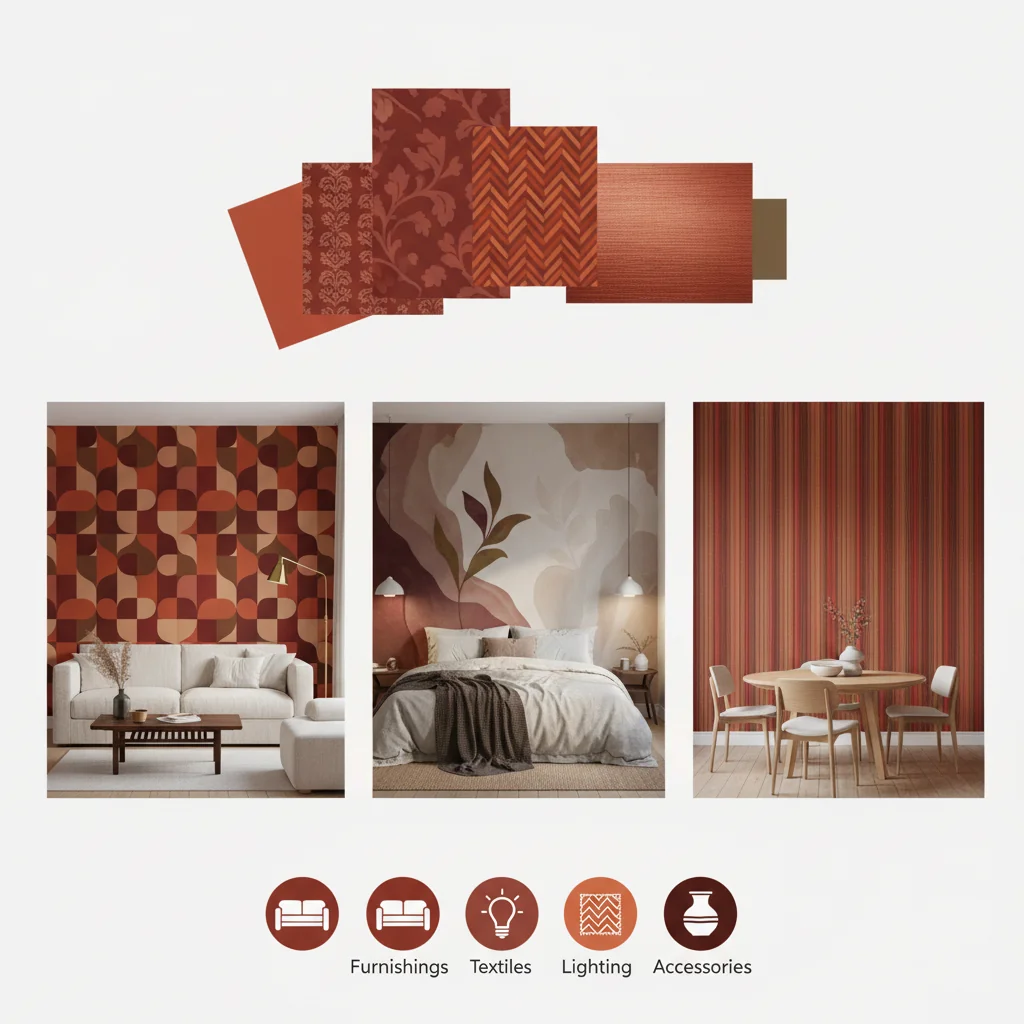
Accurate measuring and sizing are critical steps for wallpaper installation, preventing material waste and ensuring a seamless, professional finish. Underestimating or overestimating material needs can lead to costly delays or an unsatisfactory result, making precise calculation a foundational element of any successful wallpaper project.
Step-by-Step Measuring Guide
- Measure Wall Height: Measure the height of your wall from the baseboard to the ceiling. If the height varies, use the tallest measurement. For sloped ceilings or irregular features, measure the maximum height required for each strip.
- Measure Wall Width: Measure the total width of each wall you intend to cover. If you have multiple walls, measure each one separately.
- Calculate Total Square Footage: Multiply the total height by the total width to get the approximate square footage of the area to be covered.
- Account for Doors and Windows: While you won’t wallpaper over these areas, you still need to account for the material that will be cut around them. It’s generally safer to measure the wall as a solid surface and then subtract only very large openings (like a wall-to-wall sliding door) to avoid under-ordering. For standard doors and windows, it’s often simpler to include them in the overall wall measurement and factor in the waste.
Understanding Roll Dimensions and Pattern Repeat
Wallpaper is typically sold in rolls, and their dimensions can vary. Common roll sizes in the U.S. include single rolls (e.g., 20.5 inches wide by 16.5 feet long, covering about 28 sq ft) and double rolls (e.g., 20.5 inches wide by 33 feet long, covering about 56 sq ft). Always check the specific roll dimensions provided by the manufacturer.
Pattern repeat is the vertical distance between one point on a pattern and the identical point on the next repetition of the same pattern. This measurement is crucial because you must align the pattern from one strip of wallpaper to the next, which often requires cutting off excess material from the top or bottom of each strip. For example, if a wallpaper has a 24-inch pattern repeat, you will need to add at least 24 inches to each strip’s height to ensure proper alignment, plus an extra 2-4 inches for trimming at the top and bottom.
Calculating the Number of Rolls Needed
Here’s a simplified method for calculating rolls:
- Determine the number of strips per roll: Divide the total length of one roll (in inches) by the height of your wall (in inches) plus the pattern repeat (in inches). Round down to the nearest whole number to get the number of full strips you can get from one roll.
Example: Roll length = 396 inches (33 feet), Wall height = 96 inches (8 feet), Pattern repeat = 24 inches.
Length needed per strip = 96 + 24 = 120 inches.
Strips per roll = 396 / 120 = 3.3. So, you get 3 full strips per roll. - Calculate the total number of strips needed: Divide the total width of your walls (in inches) by the width of one wallpaper strip (in inches). Round up to the nearest whole number.
Example: Total wall width = 240 inches (20 feet), Wallpaper width = 20.5 inches.
Total strips = 240 / 20.5 = 11.7. So, you need 12 strips. - Calculate the total rolls needed: Divide the total number of strips needed by the number of strips per roll. Round up to the nearest whole number.
Example: Total strips = 12, Strips per roll = 3.
Total rolls = 12 / 3 = 4 rolls.
It is always recommended to purchase at least one extra roll beyond your calculation to account for mistakes, damage during installation, or future repairs. Dye lots can vary, so having an extra roll from the same batch ensures color consistency.
Professional vs. DIY Considerations
While peel-and-stick wallpaper is generally suitable for DIY installation, traditional and more intricate wallpapers often benefit from professional installation. A skilled installer possesses the experience and specialized tools to ensure precise pattern matching, seamless joins, and proper adhesion, especially for complex patterns or delicate materials like grasscloth. For a significant investment in high-quality red and brown wallpaper, the cost of professional installation can be justified by the superior finish and longevity it provides.
Trends in Red and Brown Wallpaper Design (Updated June 2026)
Current trends in red and brown wallpaper design emphasize natural textures, sophisticated geometric patterns, and rich, muted tones that provide warmth and depth without overwhelming a space. These trends reflect a broader desire for authenticity, comfort, and a connection to the natural world within home environments, while also embracing refined modern aesthetics.
Biophilic Designs and Natural Textures
A significant trend is the integration of biophilic design principles, which seek to connect occupants with nature. Red and brown wallpapers are showcasing patterns that mimic natural elements like wood grain, weathered stone, or abstract botanical motifs. Think terracotta hues with subtle leaf patterns or deep chocolate browns with textures resembling woven natural fibers. Grasscloth, jute, and cork wallpapers in earthy red and brown tones are particularly popular, offering tactile depth and an organic feel. These designs create serene and grounding spaces, aligning with a desire for wellness and tranquility in the home.
Sophisticated Geometrics and Abstract Forms
Geometric patterns remain a strong trend, evolving into more sophisticated and subtle iterations. Instead of bold, contrasting lines, current designs feature intricate, often interlocking, geometric shapes in tonal red and brown palettes. Abstract forms, such as flowing organic curves or diffused watercolor effects in rust, burgundy, and sepia, are also gaining traction. These patterns provide visual interest and a contemporary edge without being overly busy, making them suitable for accent walls in modern living spaces or home offices.
Muted and Earthy Tones
While red and brown are inherently warm colors, the current trend leans towards more muted and earthy versions of these hues. Deep brick reds, warm terracotta, and rust tones are popular, often paired with rich chocolate, espresso, or sandy browns. These palettes create a cozy, enveloping atmosphere that feels both luxurious and approachable. The emphasis is on depth and texture rather than vibrant saturation, allowing the wallpaper to serve as a sophisticated backdrop that complements a range of furniture and décor styles.
Artisanal and Hand-Crafted Aesthetics
There is a growing appreciation for wallpapers that evoke a sense of the artisanal and hand-crafted. This includes designs that appear hand-painted, block-printed, or feature imperfect, organic lines. Red and brown patterns in this category often have a slight irregularity or a matte finish, giving them a unique, bespoke quality. This trend speaks to a desire for individuality and a rejection of mass-produced uniformity, adding character and a personal touch to interiors.
Maximalism with Restraint
While minimalist aesthetics endure, a trend towards “maximalism with restraint” is emerging. This involves incorporating rich patterns and textures, but with a refined sense of balance. Red and brown wallpapers, especially those with intricate botanical or exotic patterns, fit well into this trend. They are used to create impactful statement walls, often paired with simpler furnishings and a cohesive color scheme, ensuring the room feels opulent and layered rather than cluttered. The key is strategic placement and thoughtful integration with other design elements.
Sustainable and Eco-Friendly Materials
As environmental consciousness grows, the demand for sustainable and eco-friendly wallpaper materials continues to rise. Non-woven wallpapers, made from natural and synthetic fibers, are popular for their durability and ease of removal. Additionally, wallpapers made from recycled content, FSC-certified paper, or natural fibers like grasscloth, bamboo, and cork are highly sought after. These options not only contribute to a healthier indoor environment but also align with the natural and earthy aesthetic often associated with red and brown palettes.
These trends highlight a shift towards more thoughtful, textured, and nature-inspired designs in red and brown wallpaper, offering diverse opportunities to create spaces that are both stylish and deeply comforting.
Care and Maintenance of Red and Brown Wallpaper
Proper care and maintenance are essential for preserving the beauty and longevity of red and brown wallpaper, extending its lifespan and maintaining its aesthetic integrity. Adhering to specific cleaning guidelines based on the wallpaper’s material type ensures that your investment remains vibrant and pristine for years.
General Cleaning Guidelines
Before attempting any cleaning, always identify the specific type of wallpaper and consult the manufacturer’s care instructions, usually found on the roll label. Different wallpapers have varying degrees of washability, indicated by symbols (e.g., sponge, brush). Always test any cleaning solution on an inconspicuous area first to ensure it does not cause discoloration or damage.
Dusting: Regular dusting with a soft, dry cloth, a feather duster, or a vacuum cleaner with a brush attachment is the first line of defense against dirt buildup. This prevents grime from becoming embedded in the wallpaper’s surface.
Specific Care by Wallpaper Type
- Wipeable/Washable Wallpaper (Vinyl, Non-Woven, some Traditional): These types can typically withstand light cleaning with a damp sponge or cloth. Use a mild, non-abrasive soap solution (e.g., a few drops of dish soap in warm water). Gently wipe the surface, starting from the bottom and working your way up to prevent streaks. Rinse with a clean, damp cloth and then dry immediately with a soft, dry towel to prevent water spots. Avoid excessive scrubbing, which can damage the surface or pattern.
- Scrubbable Wallpaper (Fabric-Backed Vinyl): Designed for higher durability, these wallpapers can tolerate more rigorous cleaning. Use a soft brush or sponge with a mild detergent solution. Scrub gently in a circular motion on stubborn spots, then rinse thoroughly and dry. These are ideal for kitchens, bathrooms, and high-traffic areas.
- Delicate or Non-Washable Wallpaper (Grasscloth, Natural Fibers, some Traditional Paper): These wallpapers require extreme caution. They are generally not washable and should only be dusted gently. Liquid cleaners can cause staining, swelling, or damage to the natural fibers. For minor smudges, a dry art gum eraser can sometimes carefully lift marks. Any significant stains often require professional intervention or replacement of the affected panel.
- Peel-and-Stick Wallpaper: Most peel-and-stick options are made from vinyl and are wipeable. Follow the guidelines for wipeable wallpaper, using a damp cloth and mild soap. Avoid harsh chemicals or abrasive cleaners, as they can damage the adhesive or the surface print.
Addressing Common Issues
- Seam Lifting: If seams begin to lift, a small amount of wallpaper paste or a seam adhesive can be applied with a fine brush underneath the lifted edge. Press firmly with a seam roller and wipe away any excess adhesive immediately.
- Bubbles: Small bubbles can often be smoothed out with a wallpaper smoother or a clean cloth, working from the center outwards. For persistent bubbles, a small incision with a utility knife may be needed to release trapped air, followed by applying adhesive and smoothing.
- Stains: Act quickly on stains. For washable wallpapers, blot (do not rub) with a clean cloth and a mild cleaner. For delicate wallpapers, consult a professional or consider spot replacement if the stain is significant.
- Fading: Prolonged exposure to direct sunlight can cause red and brown wallpaper to fade over time. Consider using UV-blocking window treatments (curtains, blinds, or films) in rooms with intense sunlight to mitigate this effect.
Lead-Based Paint Considerations
When removing old wallpaper, especially in homes built before 1978, be aware of the potential for lead-based paint underneath. Disturbing lead-based paint can release hazardous lead dust. The U.S. Environmental Protection Agency (EPA) provides comprehensive guidelines and regulations regarding lead-based paint. If you suspect lead-based paint is present, it is crucial to test for it and follow proper lead-safe work practices or hire a certified professional to ensure safety during removal.
Consistent, gentle care is the cornerstone of maintaining the beauty of your red and brown wallpaper. By understanding its material and following appropriate cleaning protocols, you ensure its lasting appeal.
Styling and Pairing Red and Brown Wallpaper
Successfully styling red and brown wallpaper involves harmonizing its rich palette with complementary furnishings, textiles, and lighting to create a balanced and inviting interior. This strategic coordination ensures the wallpaper acts as a cohesive element within the overall design, rather than an isolated feature, resulting in a sophisticated and comfortable space.
Complementary Color Palettes
The versatility of red and brown allows for numerous complementary color pairings, each creating a distinct mood:
- Neutrals (Creams, Beiges, Grays): Pairing red and brown wallpaper with neutral tones creates a sophisticated and balanced look. Cream or off-white upholstery, beige rugs, and light gray accents provide a calming contrast to the wallpaper’s richness, allowing the wall covering to be a focal point without overwhelming the room. This approach maintains warmth while introducing an element of softness.
- Metallics (Gold, Brass, Copper): Warm metallics enhance the inherent richness of red and brown. Gold or brass light fixtures, mirror frames, and decorative objects introduce a touch of luxury and shimmer, reflecting light and adding visual interest. Copper accents can bring out the earthy undertones of rust or terracotta reds, creating a harmonious, organic feel.
- Contrasting Accents (Teal, Sage Green, Deep Blue): For a more dynamic and vibrant scheme, introduce contrasting accent colors. Teal or deep blue throw pillows, artwork, or small decorative items can create a striking contrast against the warm red and brown, adding depth and a modern edge. Sage green or olive tones can reinforce the natural, earthy feel, providing a fresh counterpoint to the warmth.
- Monochromatic Tones: Utilizing varying shades of red and brown within the same space can create a deeply cohesive and enveloping atmosphere. For instance, a deep burgundy wallpaper could be paired with chocolate brown furniture, rust-colored textiles, and lighter taupe accessories, building layers of warmth and texture.
Furniture Styles and Materials
The choice of furniture should align with the specific style of your red and brown wallpaper. For rustic or traditional patterns, dark wood furniture (e.g., mahogany, walnut, cherry) complements the rich tones beautifully, fostering a classic and grounded aesthetic. Leather upholstery in deep browns or caramels also pairs exceptionally well, adding a tactile luxury. For contemporary or minimalist red and brown wallpapers, consider furniture with clean lines in lighter wood tones (e.g., oak, maple) or painted finishes (e.g., black, white, or charcoal gray) to create contrast and modernity. Mid-century modern pieces, with their organic shapes and warm wood finishes, also harmonize effectively with many red and brown patterns.
Textiles, Rugs, and Window Treatments
Textiles play a crucial role in softening the look of red and brown wallpaper and adding layers of comfort. Choose rugs in neutral tones (cream, jute, sisal) to ground the space, or opt for a rug with a subtle pattern that incorporates one of the accent colors. Curtains can either blend with the wallpaper (e.g., solid brown linen drapes for a natural look) or provide a soft contrast (e.g., cream silk panels for elegance). Throw pillows and blankets in complementary colors or textures (e.g., velvet, faux fur, chunky knits) further enhance the inviting atmosphere. The texture of textiles is just as important as their color, adding depth and tactile appeal.
Lighting and Accessories
Lighting is paramount in a room featuring red and brown wallpaper, as these colors absorb light. Incorporate multiple light sources, including ambient (ceiling lights), task (table lamps, floor lamps), and accent lighting (wall sconces, picture lights), to ensure the room feels bright and welcoming, not dim. Warm-toned light bulbs (2700K-3000K) enhance the cozy and inviting nature of red and brown. Accessories like framed artwork, decorative vases, and plants can introduce additional pops of color and texture. Mirrors with metallic frames can also reflect light, brightening the space and making it feel larger. Ensure accessories are thoughtfully curated to avoid visual clutter, allowing the wallpaper to shine.
As you envision these possibilities for your home, we invite you to share your design aspirations with Starhouse. Tell us what you’re looking for, and let us help you discover the perfect elements to create your dream space. Visit Starhouse USA to begin your design journey.
Common Mistakes to Avoid When Using Red and Brown Wallpaper
Avoiding common pitfalls like improper scale, neglecting room lighting, or overwhelming a small space ensures that red and brown wallpaper enhances rather than detracts from your interior design. Thoughtful planning and attention to detail are paramount for a successful and aesthetically pleasing outcome.
1. Overwhelming a Small Space with Bold Patterns or Dark Shades
One of the most frequent mistakes is using a large, busy pattern or very dark shades of red and brown in a small room. While dramatic, this can make the space feel cramped, heavy, and claustrophobic.
Solution: For smaller rooms, opt for lighter shades of red (like terracotta or rust) and brown (like taupe or sand), or choose wallpapers with subtle textures or small-scale, delicate patterns. Alternatively, use a bold red and brown wallpaper on only one accent wall to create a focal point without overwhelming the entire room.
2. Neglecting Room Lighting
Red and brown hues, especially darker ones, tend to absorb light, which can make a room feel dim or cave-like if not properly lit. Relying solely on a single overhead light source is a common oversight.
Solution: Implement a layered lighting scheme. Combine ambient lighting (overhead fixtures) with task lighting (floor and table lamps) and accent lighting (sconces or picture lights) to brighten the space and highlight the wallpaper’s features. Use warm-toned light bulbs (2700K-3000K) to enhance the cozy appeal of red and brown.
3. Ignoring Pattern Repeat and Waste During Measurement
Failing to account for pattern repeat when calculating the number of wallpaper rolls is a critical error that can lead to running out of material or having mismatched seams. Similarly, not factoring in extra for trimming and mistakes leads to shortages.
Solution: Always meticulously calculate your wallpaper needs, adding the pattern repeat to each strip’s length and purchasing at least one extra roll from the same dye lot. This ensures you have enough material for alignment and any unforeseen issues, maintaining color consistency across the entire installation.
4. Poor Wall Preparation
Applying wallpaper over unprepared walls (e.g., uneven surfaces, old paint, dirt, or moisture) leads to poor adhesion, visible imperfections, and ultimately, a compromised finish.
Solution: Thoroughly clean, patch, sand, and prime your walls before installation. Use a high-quality wallpaper primer, especially over porous or glossy surfaces, to ensure proper adhesion and easier removal in the future. For peel-and-stick, ensure surfaces are smooth and lint-free.
5. Mismatched Styles with Existing Décor
Introducing a red and brown wallpaper that clashes with your existing furniture, flooring, or overall design aesthetic creates a disjointed and uncomfortable space. For instance, a highly ornate traditional damask wallpaper might look out of place with sleek, minimalist furniture.
Solution: Consider your home’s architectural style and your current décor. Choose a red and brown wallpaper pattern and shade that harmonizes with these elements. If your existing pieces are contemporary, opt for geometric or abstract red and brown patterns. If your style is more rustic, look for textures mimicking wood or brick in earthy tones.
6. Overusing Red and Brown
While red and brown are beautiful together, using them excessively throughout a room without breaks or contrasting elements can make the space feel heavy, monotonous, or even dated.
Solution: Balance the richness of red and brown wallpaper with lighter, neutral elements in furniture, textiles, and accessories. Introduce complementary accent colors like sage green, teal, or cream. Use the wallpaper as a feature, perhaps on one or two walls, rather than covering every surface, allowing other elements to breathe and create visual relief.
7. Neglecting the Wallpaper’s Washability for High-Traffic Areas
Installing delicate or non-washable red and brown wallpaper in high-traffic or high-moisture areas like kitchens, bathrooms, or hallways will quickly lead to damage and dissatisfaction.
Solution: Always check the wallpaper’s washability rating. For areas prone to dirt, splashes, or humidity, select durable, scrubbable options like fabric-backed vinyl or non-woven wallpaper. Reserve delicate materials like grasscloth for low-traffic, dry spaces.
By being mindful of these common mistakes, you can ensure your red and brown wallpaper project is a success, creating a beautiful and enduring focal point in your home.
Sources
Frequently Asked Questions About Red and Brown Wallpaper
Is red and brown wallpaper outdated?
No, red and brown wallpaper is not outdated; it is a timeless and versatile color combination that remains relevant in contemporary design, especially with modern patterns and textures. Its enduring appeal lies in its ability to create warm, grounding, and sophisticated interiors, continually evolving with current trends like biophilic design and artisanal aesthetics.
What colors pair well with red and brown wallpaper?
Red and brown wallpaper pairs exceptionally well with a range of colors, including neutrals like cream, beige, and light gray for a sophisticated balance; warm metallics such as gold, brass, and copper for added luxury; and contrasting accents like teal, sage green, or deep blue to introduce vibrancy and depth. Monochromatic variations within the red and brown spectrum also create a cohesive and enveloping feel.
Can I use red and brown wallpaper in a small room?
Yes, you can use red and brown wallpaper in a small room, but strategic choices are essential. Opt for lighter shades of red (e.g., terracotta, rust) and brown (e.g., taupe, sand), or select wallpapers with subtle textures or small-scale patterns. Alternatively, apply a bolder red and brown design to a single accent wall to create visual interest without overwhelming the confined space.
Is peel-and-stick red and brown wallpaper durable?
Peel-and-stick red and brown wallpaper offers moderate durability, making it suitable for temporary installations, accent walls, and low-traffic areas. Most varieties are made from vinyl, allowing for easy wiping and cleaning. While generally durable for its intended use, it typically has a shorter lifespan and may not withstand the same level of wear and tear as traditional or fabric-backed vinyl options.
How do I clean red and brown wallpaper?
To clean red and brown wallpaper, first identify its washability rating from the manufacturer’s label. For wipeable types (vinyl, non-woven), gently wipe with a damp cloth and mild soap, then rinse and dry. For scrubbable types (fabric-backed vinyl), use a soft brush and mild detergent. Delicate materials like grasscloth should only be dusted or carefully spot-cleaned with a dry art gum eraser, avoiding liquids entirely.
What are the benefits of using red and brown wallpaper?
The benefits of using red and brown wallpaper include its ability to create a warm, inviting, and grounding atmosphere, its versatility across numerous design styles from traditional to modern, and its capacity to add significant depth and texture to a room. This color combination evokes feelings of comfort, stability, and sophistication, making any space feel more established and personal.
How do I choose the right pattern for red and brown wallpaper?
Choosing the right pattern for red and brown wallpaper involves considering the room’s size, natural light, and desired aesthetic. Large patterns suit spacious rooms, while small patterns or subtle textures are ideal for smaller areas. Match the pattern to your existing décor: traditional florals or damasks for classic styles, geometrics or abstracts for modern spaces, and natural textures for rustic or bohemian themes. Always consider how the pattern repeat will affect the overall visual flow.
Conclusion
Red and brown wallpaper offers an unparalleled opportunity to infuse your home with warmth, character, and sophisticated elegance. Its enduring appeal stems from a rich palette that grounds a space, providing comfort and depth that transcends fleeting trends. From the tactile allure of natural fibers to the crisp lines of contemporary geometrics, and from the ease of peel-and-stick applications to the lasting grandeur of traditional installations, the options are as diverse as the homes they adorn. By carefully considering the type, style, and scale, and by meticulously planning for installation and ongoing care, you can harness the full transformative power of this classic color combination.
At Starhouse, we believe your home should be a reflection of your unique vision, a sanctuary curated with intention and impeccable taste. As we thoughtfully assemble our premier collection of home & décor essentials, we are dedicated to bringing you pieces that resonate with quality, style, and enduring beauty. Your preferences and aspirations are invaluable to us in this process. Tell us what you’re looking for to elevate your space and become part of our design journey. We invite you to visit Starhouse USA to share your desires and gain early access to our meticulously curated offerings.