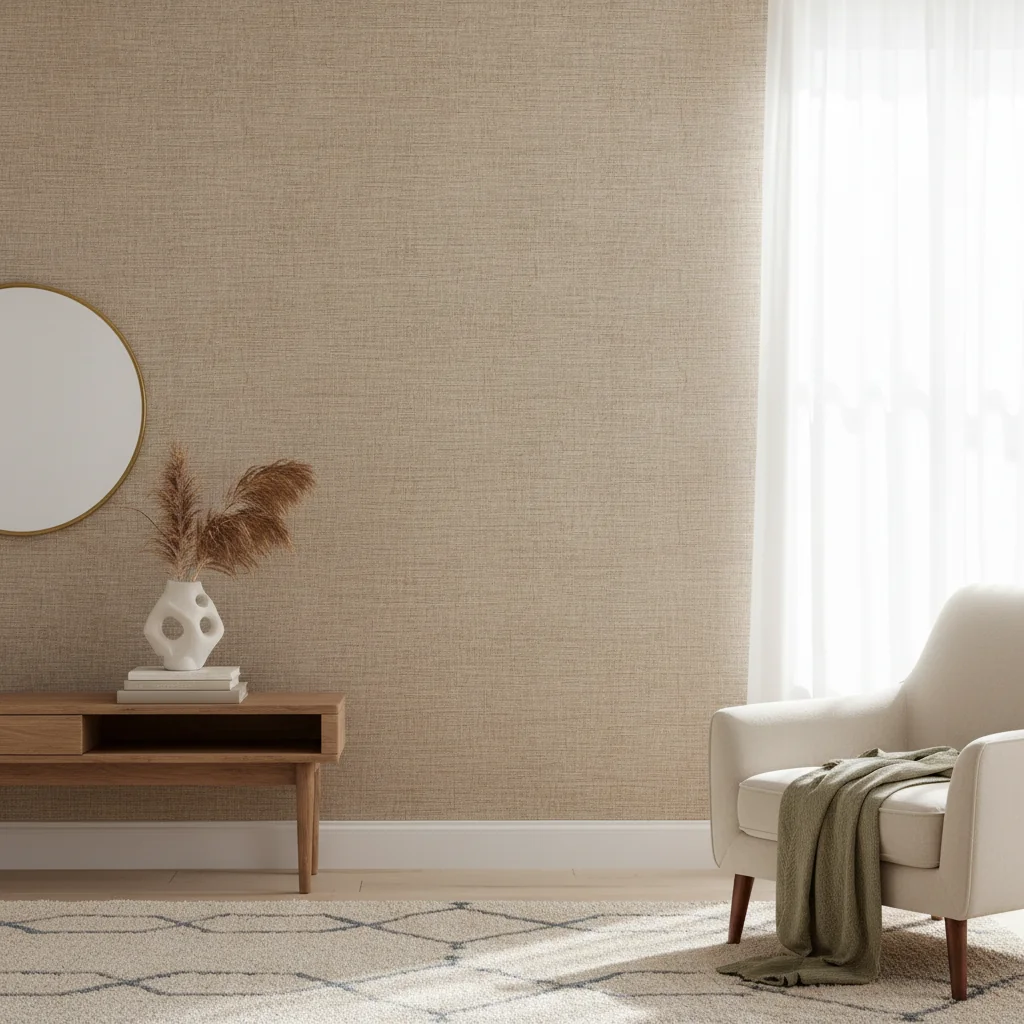
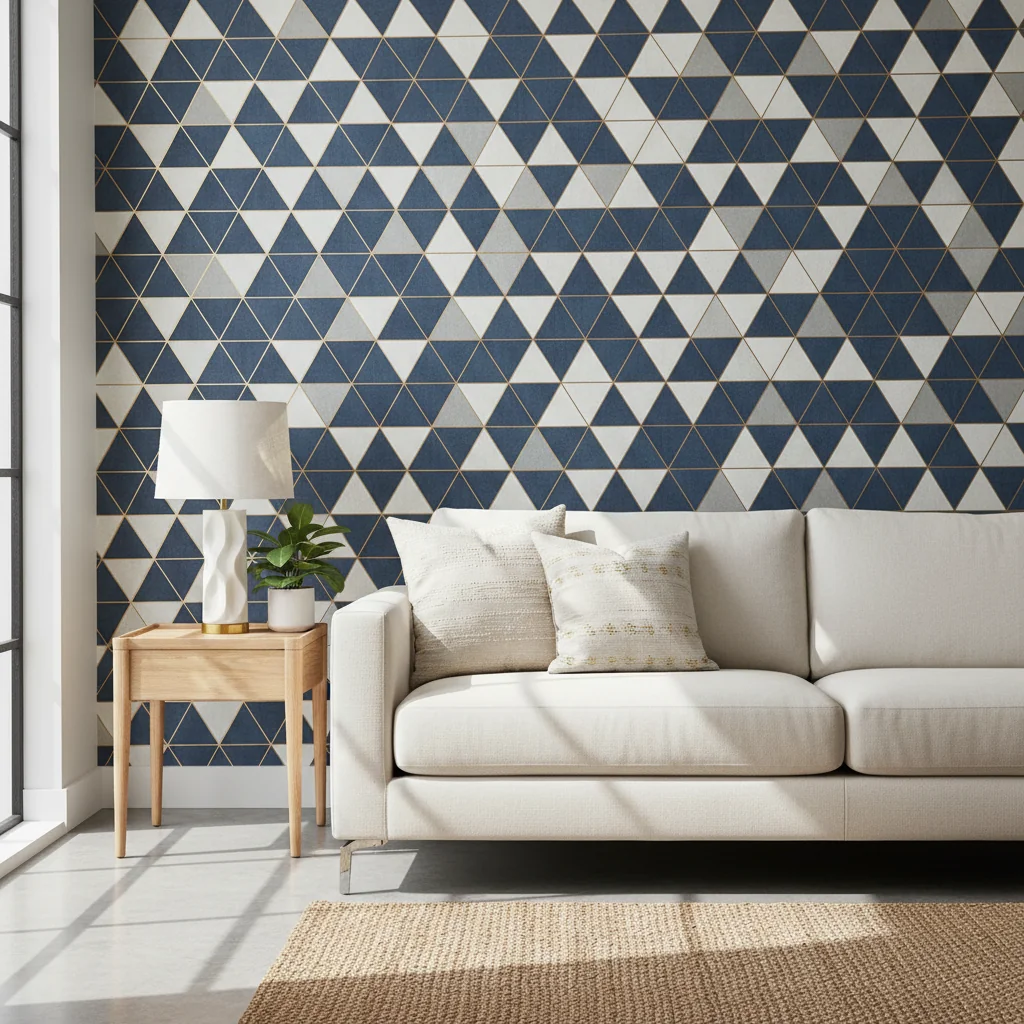
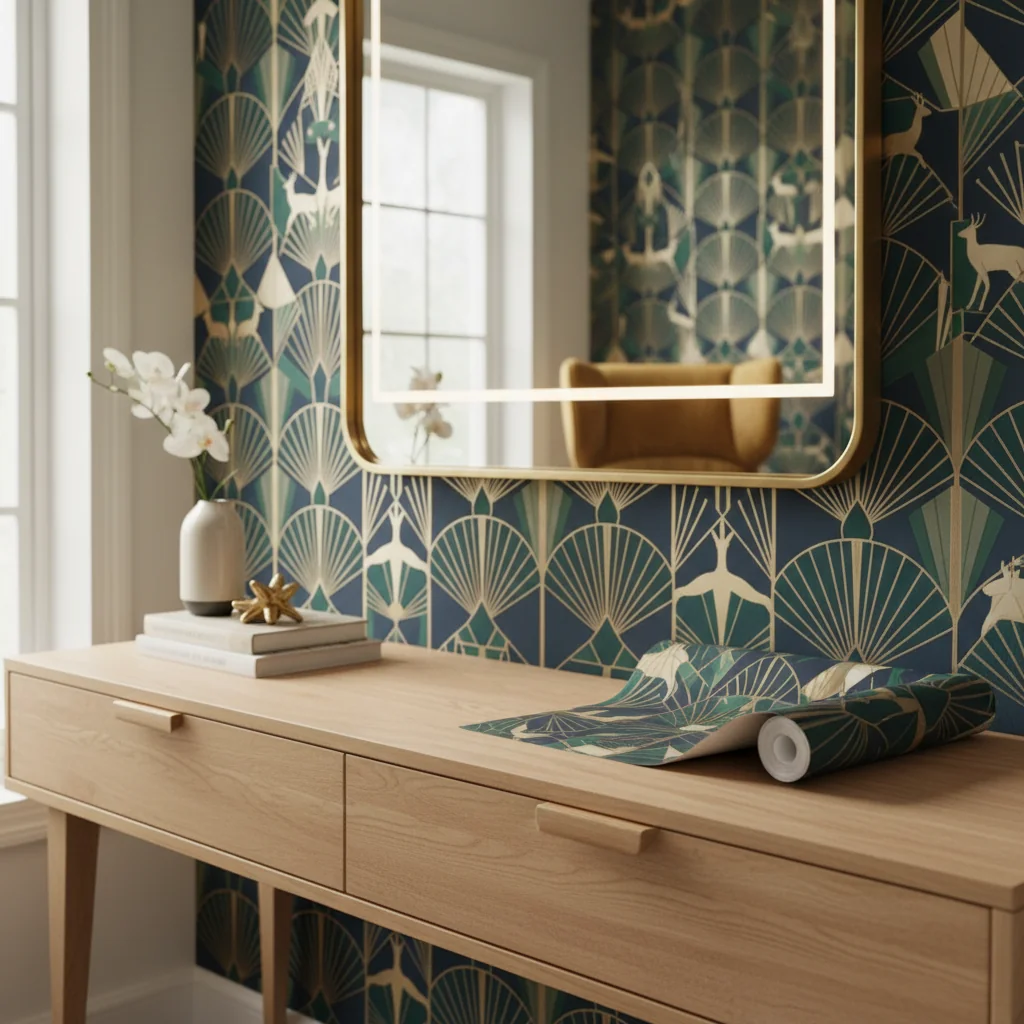
Botanical wallpaper, characterized by its intricate patterns of leaves, flowers, vines, and organic elements, offers a sophisticated and timeless method for introducing the serene beauty of the natural world into interior spaces. This versatile wall covering, available in materials ranging from durable non-woven fabrics to convenient peel-and-stick options, provides a dynamic visual texture that can transform any room into a vibrant sanctuary or a tranquil retreat. As a cornerstone of biophilic design, botanical wallpaper connects residents with nature, fostering environments that are both aesthetically pleasing and conducive to well-being.
Key takeaways
- Botanical wallpaper encompasses a diverse range of styles, from classic florals and tropical motifs to abstract foliage, allowing for precise aesthetic matching across various interior designs.
- Material selection—including non-woven, vinyl, and peel-and-stick—is critical for determining durability, ease of installation, and suitability for specific environments like high-humidity areas.
- Accurate measurement and careful consideration of pattern repeat are essential for a seamless and professional installation, minimizing waste and ensuring visual continuity.
- Styling botanical wallpaper effectively involves harmonizing its scale and color palette with existing furnishings and the room’s function, whether as a bold accent or a subtle backdrop.
- Proper care, typically gentle cleaning suited to the material, extends the life and preserves the vibrancy of botanical wallpaper, ensuring its lasting beauty.
- Avoiding common mistakes such as misjudging pattern scale or neglecting wall preparation is crucial for achieving a polished and impactful design.
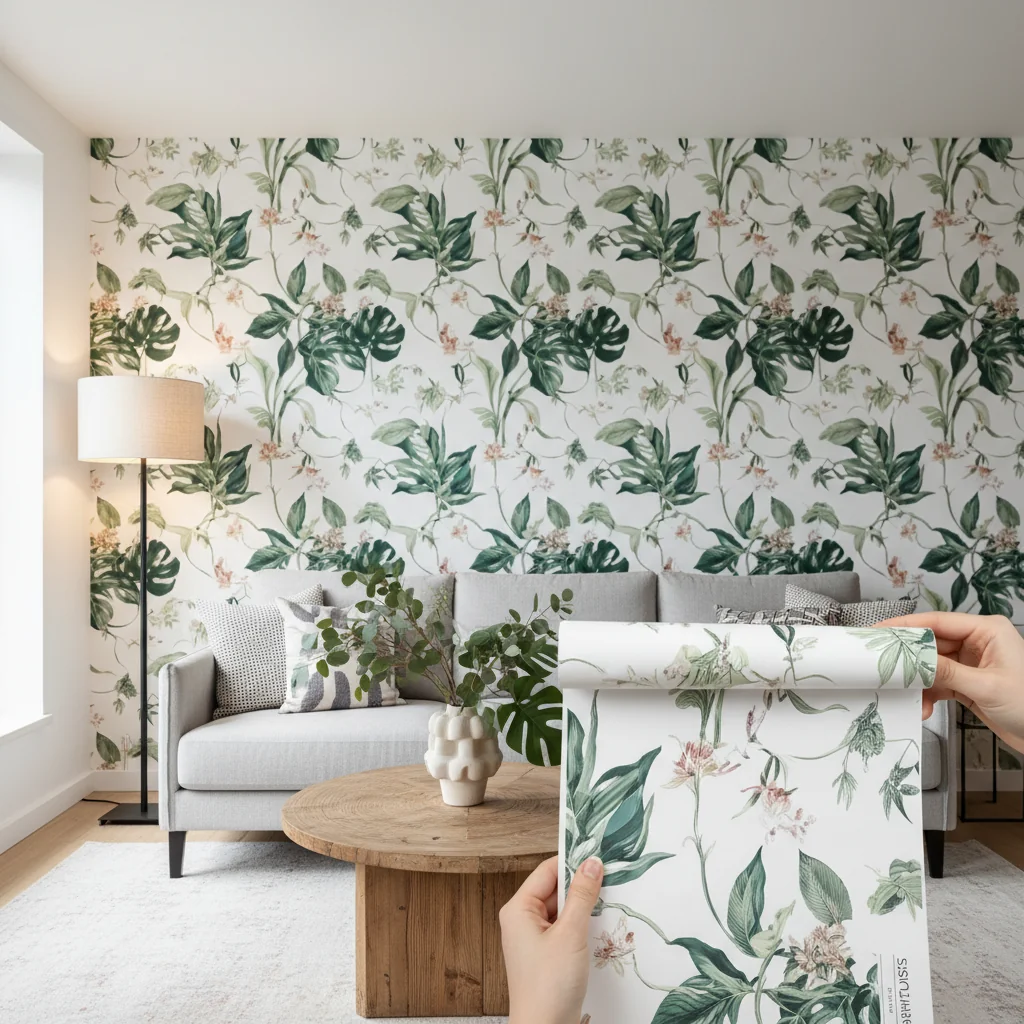
What is Botanical Wallpaper? Types and Definition
Botanical wallpaper features designs inspired by nature’s flora, encompassing patterns of leaves, flowers, vines, and organic elements, offering a dynamic way to introduce natural beauty into interior spaces. It typically comes in various forms, including traditional paste-the-wall, pre-pasted, and peel-and-stick options, each suited for different installation preferences. This category is not limited to hyper-realistic depictions but spans a broad spectrum of artistic interpretations, from scientific illustrations to abstract representations.
Botanical wallpaper is a wall covering adorned with patterns derived from plants, flowers, trees, and natural landscapes, designed to evoke the tranquility and beauty of the outdoors within an indoor setting. Its versatility allows it to adapt to numerous design aesthetics, providing either a bold statement or a subtle backdrop.
Core Types of Botanical Wallpaper Patterns
While the overarching theme is nature, botanical wallpaper designs can be broadly categorized by their primary focus and artistic rendering. Understanding these distinctions is crucial for selecting a pattern that aligns with your design vision.
- Floral: This is arguably the most recognized type, focusing exclusively on flowers. Designs can range from delicate, scattered blossoms to large-scale, dramatic bouquets. Floral patterns often evoke romance, tradition, or vibrant energy, depending on the flower species and color palette used.
- Foliage/Leafy: Emphasizing leaves, branches, and often trees, this type offers a more subdued yet equally impactful connection to nature. Patterns might feature dense jungle foliage, minimalist single leaves, or intricate tree-of-life motifs. These designs often promote a sense of calm and organic serenity.
- Tropical/Exotic: Characterized by large, bold leaves like monstera, banana, or palm fronds, often paired with exotic flowers or birds, tropical botanical wallpaper brings a vibrant, vacation-like atmosphere. These patterns typically feature lush greens, vivid blues, and bright accent colors.
- Botanical Illustration/Scientific: These designs mimic the precise, detailed drawings found in antique botanical texts. They often feature individual plants or flowers rendered with scientific accuracy, sometimes labeled, and typically presented on a neutral background. This style offers an intellectual and sophisticated aesthetic.
- Abstract Botanical: Moving beyond literal representation, abstract botanical patterns take inspiration from natural forms but interpret them through simplified shapes, colors, and textures. These designs can be highly modern, offering a contemporary twist on nature-inspired décor.
- Scenic Murals: Unlike repeating patterns, botanical murals present a single, large-scale image of a natural scene, such as a sprawling garden, a forest landscape, or an underwater vista. These are designed to cover an entire wall, creating an immersive and expansive effect.
Each type offers distinct aesthetic possibilities, enabling interior designers and homeowners to precisely tailor the mood and character of a room. The choice between a delicate floral and a bold tropical print significantly alters the spatial perception and emotional response within an environment.
The Enduring Appeal and History of Botanical Motifs
The enduring appeal of botanical motifs in design stems from humanity’s innate connection to nature, offering a sense of calm, vitality, and timeless elegance that has permeated interior décor for centuries. From ancient Egyptian frescoes to 18th-century Chinoiserie and the Arts and Crafts movement, botanical patterns have consistently symbolized growth, beauty, and renewal in home environments. This deep-seated appreciation for flora is not merely aesthetic; it is rooted in psychological and cultural significance.
The integration of natural elements into living spaces, known as biophilic design, demonstrably enhances well-being, reduces stress, and improves cognitive function. Botanical wallpaper directly addresses this human need by bringing the visual comfort of the outdoors inside. The history of botanical patterns in wall coverings is extensive, reflecting changing artistic movements and cultural values across different eras.
A Historical Tapestry of Botanical Design
The use of natural forms in art and decoration dates back millennia. Early civilizations, such as the Egyptians, adorned tombs and temples with stylized lotus flowers and papyrus reeds, symbolizing life and rebirth. Roman frescoes frequently depicted lush gardens and floral garlands, bringing the illusion of outdoor spaces into urban villas.
During the Renaissance, botanical motifs re-emerged with greater naturalism, influenced by scientific advancements and exploration that introduced new plant species to Europe. Tapestries and painted walls often showcased intricate floral designs. The 17th and 18th centuries saw the rise of Chinoiserie, a European interpretation of Chinese and East Asian artistic traditions, where delicate floral branches, exotic birds, and garden scenes became highly fashionable on textiles and early wallpapers.
The Victorian era (mid-19th century) marked a golden age for botanical wallpaper. Advances in printing technology made elaborate floral and foliage patterns accessible to the burgeoning middle class. Designers like William Morris championed stylized natural forms, emphasizing craftsmanship and organic beauty as a reaction against industrialization. His iconic patterns, often featuring intertwined leaves, flowers, and birds, remain influential today. The preservation of floral designs, as seen in historic American residences like the Texas White House, underscores the timeless value and cultural significance of botanical patterns in interior design, reflecting specific eras and personal tastes [nps.gov].
The Art Nouveau movement (late 19th and early 20th centuries) further embraced organic, flowing lines inspired by nature, transforming botanical elements into highly stylized, decorative motifs. Mid-century modern design, while generally favoring clean lines, also incorporated abstract botanical patterns, often in bold, graphic interpretations.
Today, botanical wallpaper continues its evolution, blending historical influences with contemporary aesthetics. Its enduring presence in design reaffirms our fundamental connection to the natural world and its unparalleled ability to imbue spaces with beauty, tranquility, and character.
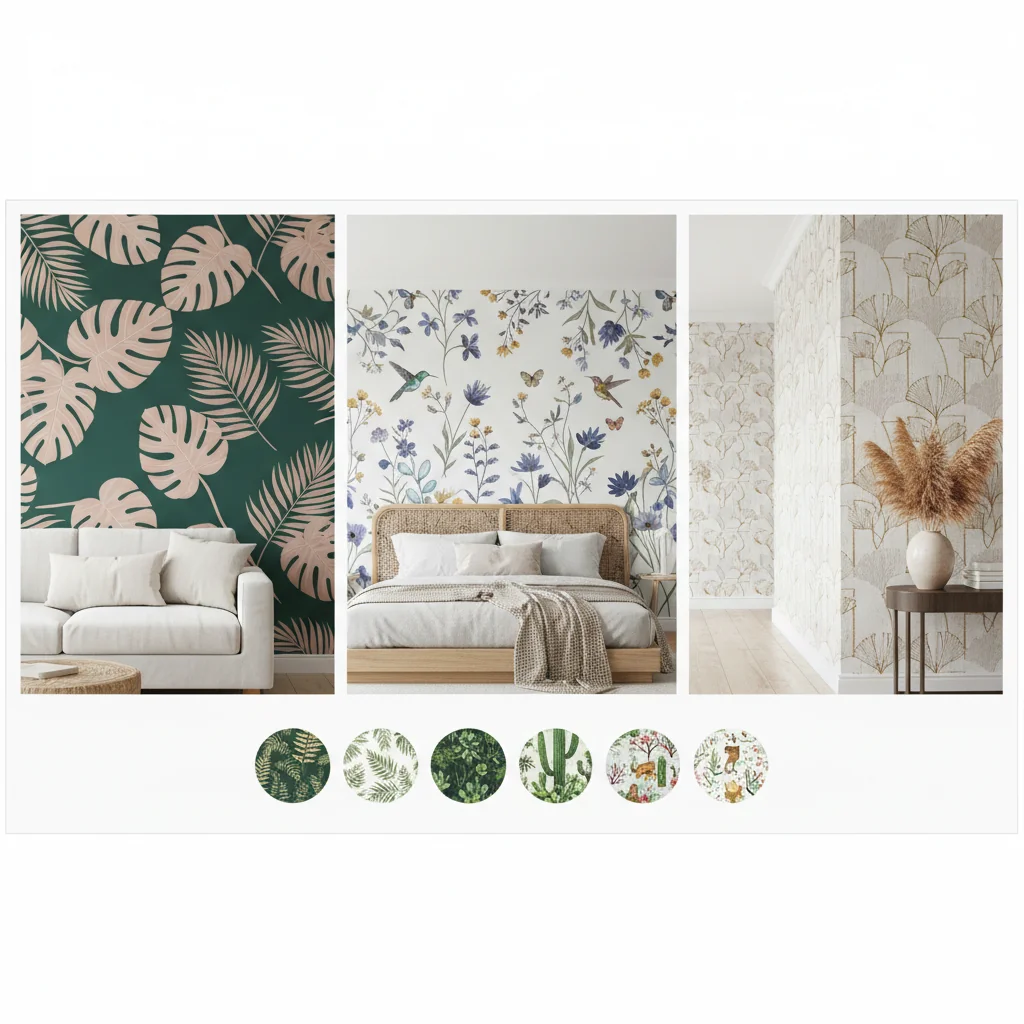
Exploring Styles and Aesthetics of Botanical Wallpaper
Botanical wallpaper encompasses a vast array of stylistic interpretations, ranging from classic Victorian florals to minimalist modern foliage and vibrant tropical prints, allowing designers to select a pattern that precisely complements any desired interior aesthetic. Each style conveys a distinct mood and visual narrative, influencing the overall atmosphere of a room. The diversity within this category ensures that there is a botanical pattern suitable for virtually any design preference, from rustic to ultra-contemporary.
A Spectrum of Botanical Expressions
The aesthetic impact of botanical wallpaper is largely determined by its style, color palette, and the scale of its pattern. Understanding these nuances is key to making an informed selection.
Classic Floral
Characterized by intricate, often symmetrical arrangements of traditional flowers such as roses, peonies, and hydrangeas, classic floral wallpaper typically evokes a sense of timeless elegance and formality. These patterns often feature rich, muted color palettes—think deep reds, forest greens, and soft creams—and are well-suited for traditional, transitional, or shabby chic interiors. They create a sophisticated and inviting atmosphere, particularly in dining rooms, formal living areas, or master bedrooms.
Tropical and Exotic
This style brings the lushness of a rainforest or a vibrant island paradise into your home. Dominated by large-scale leaves like monstera, banana leaf, and palm fronds, often interspersed with bright, exotic flowers or birds, tropical botanical wallpaper is inherently bold and energetic. The color schemes are typically vivid, featuring emerald greens, cerulean blues, and pops of fuchsia or golden yellow. Ideal for creating a lively accent wall in a living room, a playful atmosphere in a bathroom, or an adventurous touch in a sunroom.
Foliage and Leafy
Focusing primarily on leaves, branches, and often trees without prominent flowers, this style offers a more understated yet deeply organic connection to nature. Designs can range from dense, overlapping leaf patterns to sparse, delicate branches. Color palettes often lean towards natural greens, grays, and whites, promoting a serene and calming environment. This style is highly versatile, fitting seamlessly into modern, minimalist, Scandinavian, or rustic interiors, particularly in bedrooms, home offices, or hallways where a tranquil backdrop is desired.
Chinoiserie
A European interpretation of East Asian art, Chinoiserie botanical wallpaper features delicate, often hand-painted-effect designs of flowering trees, birds, pagodas, and garden scenes. These patterns are typically intricate and whimsical, often set against a pale, luxurious background like silk or linen texture. The aesthetic is one of refined elegance and exotic fantasy, making it a stunning choice for formal dining rooms, powder rooms, or grand entryways.
Botanical Illustration/Scientific
Inspired by antique botanical prints and scientific drawings, this style presents detailed, accurate renditions of individual plants, flowers, or insects. Often arranged in a grid or as standalone specimens on a neutral background, these patterns exude an academic and sophisticated charm. Muted tones and precise linework are common. This style is perfect for creating an intellectual focal point in a study, library, or a sophisticated kitchen.
Abstract Botanical
For those seeking a contemporary edge, abstract botanical wallpaper takes natural forms and reinterprets them through simplified shapes, graphic lines, and often unconventional color combinations. The patterns are less literal, focusing on the essence or movement of botanical elements. This style is ideal for modern, minimalist, or eclectic interiors, offering an artistic statement without being overtly illustrative. It can add a dynamic yet subtle layer of interest to living rooms, studios, or contemporary bedrooms.
Each of these styles offers unique opportunities to define the character of a space. The careful consideration of how a pattern’s scale, color, and specific botanical elements interact with the room’s architecture and furnishings is paramount to achieving a cohesive and impactful design.
Choosing the Right Material for Your Botanical Wallpaper
Selecting the appropriate material for botanical wallpaper is crucial for ensuring durability, ease of installation, and long-term aesthetic appeal, with common options including non-woven, vinyl, and traditional paper-backed varieties, each offering distinct advantages for different environments. The material choice directly impacts the wallpaper’s performance, maintenance requirements, and overall longevity. A well-chosen material ensures the beauty of your botanical pattern endures.
Understanding Wallpaper Material Properties
The substrate of your botanical wallpaper largely dictates its practical characteristics. Different materials excel in different applications, from high-traffic areas to moisture-prone bathrooms.
Non-Woven Wallpaper
Non-woven wallpaper is a high-performance wall covering made from a blend of natural and synthetic fibers, offering superior durability, breathability, and ease of installation and removal compared to traditional paper-backed options. It is considered one of the most user-friendly materials available today.
- Durability: Highly durable and tear-resistant. It holds up well in high-traffic areas.
- Installation: Typically “paste-the-wall,” meaning adhesive is applied directly to the wall, not the paper. This makes installation faster and cleaner. It is also dimensionally stable, meaning it won’t expand or contract when wet.
- Removal: Strips dry from the wall in full sheets without damaging the underlying surface, making it excellent for renters or those who frequently redecorate.
- Breathability: Allows walls to breathe, reducing the risk of mold and mildew, especially beneficial in humid climates or older homes.
- Care: Generally washable and easy to clean with a damp cloth.
- Ideal Use: Versatile for almost any room, including living rooms, bedrooms, hallways, and even well-ventilated bathrooms.
Vinyl Wallpaper
Vinyl wallpaper features a printed design layer laminated onto a vinyl surface, which is then backed with paper or fabric. Its primary advantage is its exceptional durability and resistance to moisture.
- Durability: Extremely durable, resistant to scratches, scuffs, and impacts. The vinyl surface makes it highly resilient.
- Installation: Can be paste-the-paper or paste-the-wall, depending on the backing. Some heavy-duty vinyls can be more challenging to work with due to their weight.
- Removal: Generally peelable or strippable, though some older vinyls may require more effort or steaming.
- Moisture Resistance: Highly water-resistant and often scrubbable, making it ideal for areas exposed to moisture and splashes.
- Care: Very easy to clean with soap and water, capable of withstanding vigorous scrubbing.
- Ideal Use: Excellent for bathrooms, kitchens, laundry rooms, children’s rooms, and high-traffic commercial spaces.
Traditional Paper-Backed Wallpaper
This classic material consists of a printed paper face with a paper backing. While it offers a traditional feel and can showcase intricate designs, it requires more delicate handling.
- Durability: Less durable than non-woven or vinyl, prone to tearing when wet or during installation.
- Installation: Requires “paste-the-paper” application, where the paste is applied to the back of the wallpaper, which then needs a “booking” (resting) time before hanging. This can be more time-consuming.
- Removal: Can be difficult to remove, often requiring steaming and scraping, and may damage drywall if not prepped correctly.
- Moisture Resistance: Not moisture-resistant and typically not washable.
- Care: Generally wipeable with a very lightly damp cloth or dry dusting.
- Ideal Use: Best for low-traffic areas like formal living rooms, dining rooms, or bedrooms where durability and moisture resistance are not primary concerns.
Peel-and-Stick Wallpaper (Self-Adhesive)
Often made from vinyl or fabric with an adhesive backing, peel-and-stick wallpaper is designed for maximum ease of installation and removal, making it a popular choice for DIY enthusiasts and temporary applications.
- Durability: Varies by material (vinyl or fabric). Generally less durable than traditional non-woven or heavy-duty vinyl, but sufficient for most residential uses.
- Installation: Extremely easy to install – simply peel off the backing and stick to the wall. No paste or water required. Can be repositioned during installation.
- Removal: Designed for easy, clean removal without residue or wall damage, making it ideal for temporary décor or rental properties.
- Moisture Resistance: Varies by specific product; many vinyl-based peel-and-stick options offer good moisture resistance.
- Care: Typically wipeable with a damp cloth.
- Ideal Use: Perfect for renters, accent walls, temporary décor, DIY projects, and low-moisture bathrooms or kitchens.
Here’s a comparative overview of common botanical wallpaper materials:
| Material Type | Durability | Ease of Installation | Ease of Removal | Moisture Resistance | Ideal Use Cases |
|---|---|---|---|---|---|
| Non-Woven | High; tear-resistant, dimensionally stable. | Easy (paste-the-wall); no booking time. | Very Easy; strips dry in full sheets. | Good; breathable, resists mold. | Living rooms, bedrooms, hallways, well-ventilated bathrooms. |
| Vinyl | Very High; scrubbable, resists scuffs. | Moderate; heavier, can be more rigid. | Moderate to Easy; peelable/strippable. | Excellent; highly water-resistant. | Bathrooms, kitchens, laundry rooms, high-traffic areas. |
| Traditional Paper | Low; prone to tearing, less robust. | Moderate (paste-the-paper); requires booking. | Difficult; often requires steaming/scraping. | Low; not washable, easily damaged by moisture. | Low-traffic areas, formal rooms, bedrooms (dry environments). |
| Peel-and-Stick | Moderate; depends on base material (vinyl/fabric). | Very Easy; self-adhesive, repositionable. | Very Easy; clean, residue-free removal. | Varies (Good for vinyl-based options). | Rentals, accent walls, DIY projects, temporary décor, low-moisture areas. |
When choosing, consider the room’s function, expected traffic, humidity levels, and your own comfort level with installation. For instance, a bathroom with high humidity demands a vinyl or moisture-resistant peel-and-stick option, while a formal dining room might accommodate a delicate paper-backed design.
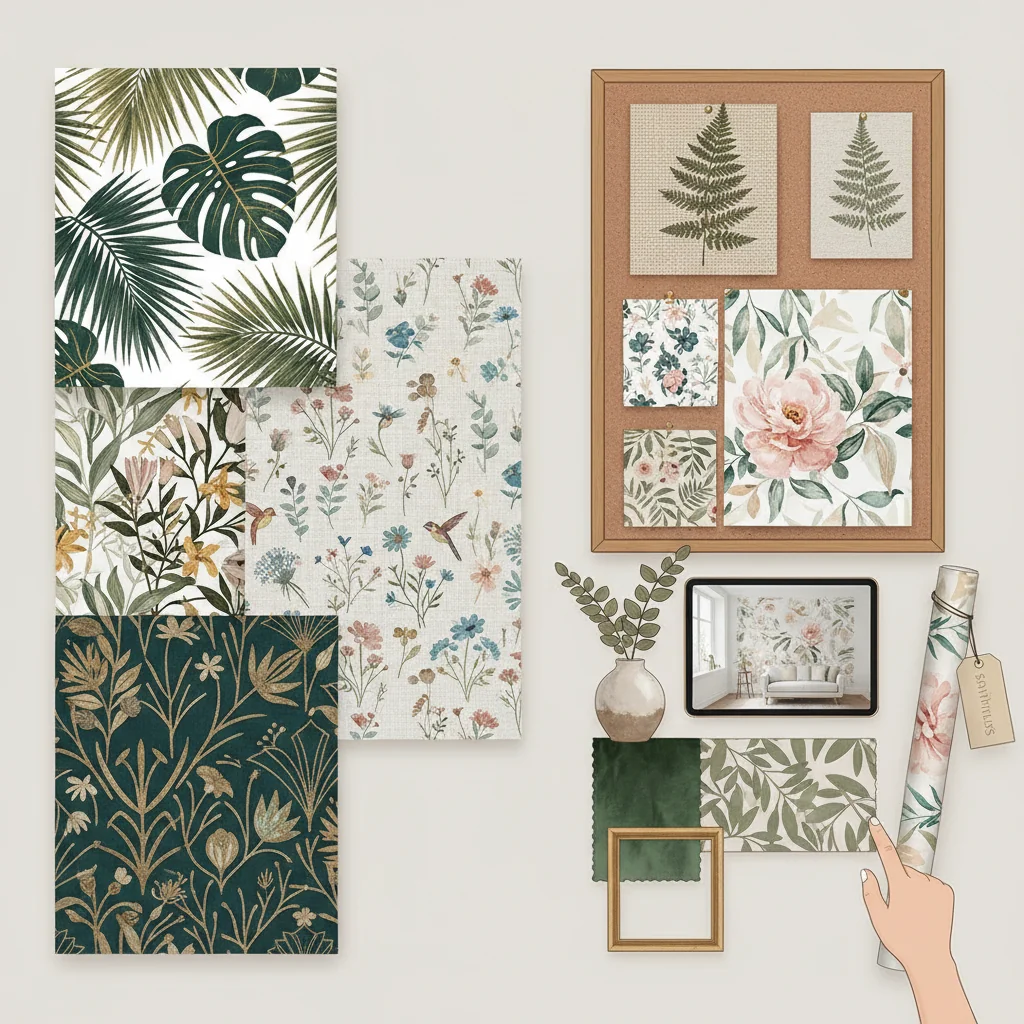
Sizing, Measuring, and Installation Considerations
Accurate sizing and precise measurement are foundational steps for a successful botanical wallpaper installation, ensuring proper pattern alignment and minimizing waste, while installation methods vary significantly depending on the wallpaper’s material type. Careful preparation of walls and understanding repeat patterns are essential for a professional finish. These crucial initial phases dictate the aesthetic outcome and longevity of your wallpaper.
The Art of Accurate Measurement
Before purchasing any wallpaper, meticulous measurement of your space is paramount. This prevents under-ordering, which can lead to frustrating delays and potential dye-lot differences, and over-ordering, which results in unnecessary expense.
- Measure Wall Height: Measure from the baseboard to the ceiling at several points along each wall you intend to cover. Use the tallest measurement for your calculations to ensure sufficient length for each strip.
- Measure Wall Width: Measure the total width of all walls to be covered. Add an extra 2-4 inches to both height and width measurements for trimming purposes.
- Calculate Square Footage: Multiply the total height by the total width (e.g., 8 feet tall x 12 feet wide = 96 sq ft). Repeat for all walls and sum the square footage.
- Account for Openings: While some suggest subtracting windows and doors, it is generally recommended to include them in your initial calculations, especially for patterns with large repeats. This ensures you have enough material for pattern matching around these obstacles. For very large openings, you may subtract half their area.
- Understand Roll Dimensions and Pattern Repeat: Standard wallpaper rolls in the U.S. typically measure around 20.5 inches wide by 33 feet long, covering approximately 56 square feet. The pattern repeat is the vertical distance before the pattern starts over. This is critical for matching seams and requires extra material.
- Calculate Number of Rolls: Divide the total square footage of your walls by the square footage per roll. Then, critically, factor in the pattern repeat. For every strip you cut, you must align the pattern with the previous strip. A larger repeat means more waste. A common rule of thumb is to add an additional 15-20% to your calculated roll count for waste due to trimming and pattern matching. For complex or large repeats (over 20 inches), consider adding 25-30%. Always consult the manufacturer’s specific guidelines or use an online wallpaper calculator for precision.
Always purchase all rolls from the same dye lot to ensure consistent color and pattern. This information is typically printed on the wallpaper label.
Wall Preparation: The Foundation of Success
Proper wall preparation is non-negotiable for a professional and lasting installation. Neglecting this step can lead to peeling, bubbling, and an unsightly finish.
- Clean Walls: Wash walls thoroughly with a mild detergent and water to remove dirt, grease, and grime. Rinse well and allow to dry completely.
- Repair Imperfections: Fill any holes or cracks with spackle, sand smooth, and prime. Wallpaper will highlight, not hide, imperfections.
- Remove Old Wallpaper: If old wallpaper is present, remove it entirely. Installing new wallpaper over old can lead to adhesion issues and an uneven surface.
- Prime Walls: Apply a high-quality wallpaper primer (often called a “sizing” primer). This creates a consistent surface for adhesion, makes future removal easier, and prevents absorption of paste, which can cause bubbling. For dark walls under light wallpaper, a tinted primer is recommended to prevent show-through.
Installation Methods and Considerations
The installation process varies significantly based on the wallpaper material.
Paste-the-Wall (Non-Woven)
This method involves applying adhesive directly to the wall rather than the back of the wallpaper. It is generally cleaner and faster.
- Process: Apply a consistent layer of paste to the wall section slightly wider than your wallpaper strip. Hang the dry wallpaper strip directly onto the pasted wall, aligning edges and patterns. Smooth out bubbles with a wallpaper brush or smoother.
- Benefits: Less mess, no booking time, easier to adjust strips, often easier to remove.
Paste-the-Paper (Traditional Paper-Backed)
This traditional method requires applying paste to the back of each wallpaper strip.
- Process: Apply paste evenly to the back of a cut strip. “Book” the paper by folding each end towards the middle, pasted side to pasted side, allowing it to rest for the manufacturer’s recommended time (usually 5-10 minutes). This allows the paper to relax and expand before hanging. Then, carefully hang the strip, aligning patterns.
- Considerations: Can be messier, requires booking space, and the paper can stretch or tear when wet.
Peel-and-Stick (Self-Adhesive)
The simplest method, requiring no additional adhesive.
- Process: Peel back a few inches of the backing paper from the top of the strip. Align the top edge with your ceiling line (or guide mark) and gently press onto the wall. Slowly peel more of the backing paper while smoothing the wallpaper down the wall with a squeegee, working from the center outwards to remove air bubbles.
- Benefits: No paste, no water, repositionable, ideal for temporary applications.
Essential Installation Tools
Having the right tools ensures a smoother, more professional installation.
- Tape Measure: For accurate wall and roll measurements.
- Pencil: For marking plumb lines and cuts.
- Level or Plumb Bob: Crucial for ensuring the first strip is perfectly straight, which dictates the alignment of all subsequent strips.
- Utility Knife with Snap-Off Blades: For precise trimming of excess paper. Sharp blades are essential to avoid tearing.
- Smoothing Tool/Squeegee: To remove air bubbles and creases.
- Seam Roller: To secure seams without damaging the paper (use gently, especially on delicate materials).
- Wallpaper Brush or Smoother: For smoothing larger areas and working from the center outwards.
- Bucket and Sponge: For paste application (if applicable) and cleaning up excess paste.
- Step Ladder: To reach high areas safely.
- Drop Cloths: To protect floors and furniture from paste or water.
- Paste (if not pre-pasted/peel-and-stick): Choose a high-quality, clear wallpaper adhesive appropriate for your wallpaper material.
Whether undertaking a DIY project or engaging a professional, understanding these steps and considerations will set the stage for a stunning botanical wallpaper installation that enhances your home’s aesthetic for years to come.
Styling and Pairing Botanical Wallpaper in Your Home
Botanical wallpaper serves as a powerful design element capable of transforming a room’s ambiance, and successful styling involves considering the scale of the pattern, the room’s existing furnishings, and the desired mood to create a cohesive and inviting space. It can act as a focal point or a subtle backdrop, depending on its application and design. The key lies in harmonizing the natural motifs with other elements within the interior.
Creating a Cohesive Botanical Aesthetic
Integrating botanical wallpaper effectively requires thoughtful planning. It’s not merely about hanging a beautiful pattern; it’s about crafting an entire sensory experience.
As a Focal Point
A single accent wall adorned with a bold botanical print can instantly become the room’s centerpiece. This approach is particularly effective in:
- Living Rooms: Behind a sofa, a large console table, or a fireplace, a vibrant tropical or large-scale floral mural creates a dramatic statement.
- Bedrooms: Applied to the wall behind the headboard, botanical wallpaper can define a serene retreat or a luxurious haven, drawing the eye and anchoring the bed.
- Dining Rooms: An accent wall can provide an elegant and conversation-starting backdrop for entertaining, especially with Chinoiserie or classic floral patterns.
When using botanical wallpaper as a focal point, keep other wall treatments and furnishings relatively simple to avoid overwhelming the space.
As a Subtle Backdrop
For a more understated approach, choose botanical patterns with smaller repeats, muted colors, or tone-on-tone designs. These can be applied to all walls, providing texture and depth without dominating the room.
- Hallways and Entryways: A continuous botanical pattern can create a welcoming and flowing transition, making these often-overlooked spaces feel more intentional and sophisticated.
- Home Offices: A leafy or botanical illustration print can foster a calm and inspiring environment conducive to focus and creativity.
- Powder Rooms: Even in small spaces, a delicate botanical can add charm and character without feeling claustrophobic, especially if the pattern scale is appropriate.
Considering Scale and Proportion
The size of the botanical elements within the pattern is crucial.
- Large Prints: Best suited for larger rooms or accent walls where their grandeur can be appreciated. A large-scale tropical print in a small room can feel overwhelming.
- Small Prints: Ideal for smaller rooms, powder rooms, or when you desire a subtle texture rather than a dominant pattern. They can also create a perception of greater space.
- Medium Prints: Highly versatile and can work well in most room sizes, offering a balance between impact and subtlety.
Harmonizing with Furniture and Textiles
Botanical wallpaper should complement, not compete with, your furniture and textiles.
- Modern Interiors: Pair sleek, minimalist furniture with abstract botanical prints or bold, graphic foliage patterns. Introduce solid-colored textiles in complementary hues found within the wallpaper.
- Traditional or Classic Interiors: Rich, dark wood furniture and upholstered pieces in luxurious fabrics (velvet, damask) pair beautifully with classic floral or Chinoiserie botanical wallpapers.
- Bohemian or Eclectic Spaces: Mix and match vintage finds, natural materials (rattan, jute), and varied textures with vibrant tropical or intricate foliage patterns.
- Color Palette: Extract 2-3 key colors from your botanical wallpaper to repeat in accessories, cushions, or artwork. Use neutral tones (creams, grays, whites) for larger furniture pieces to provide balance.
Integrating with Other Décor Elements
Lighting, artwork, and accessories play a vital role in completing the botanical theme.
- Lighting: Ensure adequate lighting to showcase the wallpaper’s details. Natural light enhances colors, while artificial lighting can create dramatic effects. Consider fixtures with natural materials like rattan or brass to echo the organic theme.
- Artwork: If the wallpaper is busy, opt for simple, framed prints or mirrors. For subtler patterns, botanical prints or abstract art can layer beautifully.
- Live Plants: Incorporating actual plants (potted ferns, orchids, or larger floor plants) enhances the biophilic connection and brings the wallpaper’s theme to life.
- Mirrors: Strategically placed mirrors can reflect the botanical pattern, expanding its perceived presence and adding depth to the room.
As you envision these transformative possibilities for your home, consider what specific botanical elements resonate most with your personal style. We invite you to tell us what you’re looking for to help us curate the perfect collection for you.
The versatility of botanical wallpaper allows for endless creative expression. By carefully considering scale, color, and how it interacts with other design elements, you can craft a space that feels uniquely yours—a true reflection of nature’s timeless beauty. Selecting the right scale and ensuring proper application are paramount for achieving a sophisticated look with botanical wallpaper, as emphasized by leading design publications that showcase diverse applications from subtle accents to bold feature walls [realhomes.com].
Care and Maintenance for Lasting Beauty
Proper care and maintenance are essential for preserving the vibrancy and longevity of botanical wallpaper, typically involving gentle cleaning methods tailored to the material type to prevent damage or discoloration. Regular, light cleaning ensures the wallpaper remains a beautiful focal point in your home for years. Understanding the specific cleaning instructions for your chosen wallpaper material is crucial for effective long-term preservation.
General Cleaning Practices
The first rule of wallpaper care is to always consult the manufacturer’s cleaning instructions, usually found on the roll label or product information. Different materials have varying tolerances for moisture and cleaning agents.
- Regular Dusting: For all types of wallpaper, regular dusting with a soft, dry cloth or a duster with a long handle is recommended. This prevents dust and cobwebs from accumulating and dulling the pattern.
- Spot Cleaning: Address spills and marks immediately. The longer a stain sits, the harder it is to remove. Always test any cleaning solution on an inconspicuous area first (e.g., behind furniture or a leftover scrap) to ensure it doesn’t cause discoloration or damage.
Material-Specific Care Guidelines
The material of your botanical wallpaper dictates the appropriate cleaning method.
Non-Woven Wallpaper
Non-woven wallpapers are generally durable and washable.
- Cleaning: Use a soft sponge or cloth dampened with lukewarm water and a very mild, non-abrasive soap (like dish soap). Gently wipe the stained area, working from the bottom up to prevent streaks. Rinse the sponge frequently with clean water.
- Drying: Pat the area dry with a clean, soft towel immediately to prevent water streaks or moisture absorption.
- Avoid: Harsh chemical cleaners, abrasive scrubbers, or excessive water, which can damage the fibers or fade the print.
Vinyl Wallpaper
Vinyl wallpaper is highly durable and often scrubbable, making it the easiest to clean.
- Cleaning: Mix a mild soap solution (e.g., all-purpose cleaner diluted with water). Use a soft brush or sponge to gently scrub soiled areas. Vinyl can withstand more vigorous cleaning than other types.
- Rinsing: Wipe down with a clean, damp cloth to remove all soap residue.
- Drying: Dry thoroughly with a clean towel.
- Avoid: While durable, avoid highly abrasive cleaners or steel wool, which can scratch the vinyl surface.
Traditional Paper-Backed Wallpaper
This type is the most delicate and requires the gentlest approach. It is typically not washable.
- Cleaning: For most paper wallpapers, dry cleaning is the only safe method. Use a kneaded eraser or a specialized wallpaper dough cleaner to gently lift marks.
- Moisture: Avoid water or liquid cleaners entirely, as they can cause the paper to warp, tear, or the colors to bleed.
- Avoid: Any scrubbing, harsh chemicals, or excessive pressure.
Peel-and-Stick Wallpaper
The care for peel-and-stick largely depends on its base material, which is often vinyl or a fabric blend.
- Cleaning: Most peel-and-stick wallpapers are wipeable. Use a soft, damp cloth with a very mild soap solution. Gently wipe the surface.
- Drying: Pat dry immediately.
- Avoid: Over-saturating the paper or scrubbing too hard, especially near seams, as this could compromise the adhesive or cause edges to lift.
Addressing Common Issues
- Lifting Seams: If seams begin to lift, apply a small amount of seam adhesive (available at hardware stores) with a fine brush underneath the edge, then gently press it back down with a seam roller. Wipe away any excess adhesive immediately.
- Minor Damage: For small tears or nicks, a carefully cut patch from leftover wallpaper (ensuring pattern match) can be applied with wallpaper paste.
- Bubbles: Small bubbles often disappear as the wallpaper dries. For persistent bubbles, you can use a fine needle to puncture the bubble and gently smooth out the air with a wallpaper brush. For larger bubbles, a small incision with a utility knife and re-adhesion may be necessary.
- Humidity and Temperature: Maintain consistent indoor humidity and temperature levels. Extreme fluctuations can cause wallpaper to expand, contract, or lift. A relative humidity between 30-50% is ideal.
By adhering to these care guidelines, your botanical wallpaper will maintain its exquisite appearance, continuing to enrich your home with its natural beauty for many years.
Common Mistakes to Avoid When Using Botanical Wallpaper
Avoiding common pitfalls when selecting and installing botanical wallpaper is crucial for achieving a polished and professional result, with frequent errors including misjudging pattern scale, neglecting proper wall preparation, and overlooking the impact of lighting on the design. Careful planning eliminates these issues and ensures satisfaction, transforming a potential design challenge into a stunning success. Awareness of these mistakes empowers homeowners to make informed decisions.
Navigating the Challenges of Botanical Wallpaper
Even with the most beautiful botanical pattern, certain missteps can detract from its intended effect. Recognizing and avoiding these common errors will ensure your investment enhances your home as envisioned.
1. Misjudging Pattern Scale and Room Size
One of the most frequent mistakes is selecting a botanical pattern whose scale is inappropriate for the room.
- The Error: Using a large, bold tropical print with oversized leaves in a small powder room or a tiny, intricate floral in a vast living room.
- The Impact: A large pattern in a small room can feel overwhelming and make the space appear even smaller. Conversely, a tiny pattern in a large room can get lost, appearing as a generic texture rather than a distinct design.
- The Solution: For small rooms, opt for smaller, delicate patterns or medium-scale prints with plenty of negative space. In larger rooms, embrace grand, impactful designs that can be fully appreciated from a distance. Always view a sample in your space before committing.
2. Neglecting Proper Wall Preparation
The quality of the wall surface beneath the wallpaper significantly affects the final outcome.
- The Error: Installing wallpaper over dirty, uneven, unprimed, or previously wallpapered walls.
- The Impact: Dirt and grease prevent proper adhesion, leading to peeling. Uneven surfaces (holes, bumps, old paint drips) will show through the wallpaper. Unprimed walls can absorb paste unevenly, causing bubbling, or make future removal difficult and damaging.
- The Solution: Thoroughly clean, patch, sand smooth, and prime all walls. Remove all existing wallpaper. A high-quality primer creates a uniform, receptive surface for the adhesive.
3. Ignoring Pattern Repeat During Calculation and Installation
Pattern repeat is a critical factor in both material estimation and installation.
- The Error: Not accounting for the pattern repeat when calculating the number of rolls needed, or failing to align the pattern correctly between strips during installation.
- The Impact: Under-ordering wallpaper means you might run out of material, and subsequent rolls from a different dye lot could have slight color variations. Improper pattern matching results in jarring, unprofessional seams and disrupts the visual flow of the design.
- The Solution: Always add 15-25% extra to your roll estimate to account for pattern repeat and trimming waste. During installation, dry-lay strips or carefully align each new strip with the previous one, ensuring the botanical design flows seamlessly.
4. Choosing the Wrong Material for the Environment
Different wallpaper materials are suited for different functional requirements of a room.
- The Error: Installing delicate paper-backed wallpaper in a high-humidity bathroom or a high-traffic entryway.
- The Impact: Paper-backed wallpaper will quickly warp, peel, or grow mold in moisture-prone areas. In busy spaces, it will tear, scuff, and stain easily, leading to rapid deterioration.
- The Solution: Select vinyl or moisture-resistant non-woven or peel-and-stick options for bathrooms, kitchens, and laundry rooms. Non-woven or durable vinyl is suitable for hallways and children’s rooms. Reserve delicate papers for low-traffic, dry areas.
5. Underestimating Installation Complexity (Especially for DIY)
While peel-and-stick options have simplified installation, not all wallpaper is a simple DIY project.
- The Error: Attempting to install complex patterns, murals, or traditional paste-the-paper wallpaper without prior experience or proper tools.
- The Impact: Frustration, wasted material, visible seams, bubbles, crooked strips, and an overall amateurish finish.
- The Solution: For intricate patterns, large murals, or traditional paste applications, consider hiring a professional wallpaper installer. For DIY, start with peel-and-stick or paste-the-wall non-woven options, and always watch tutorials and gather all necessary tools.
6. Clashing with Existing Décor Elements
A botanical wallpaper should complement, not overpower or clash with, other elements in the room.
- The Error: Introducing a bold, multi-colored botanical print into a room already featuring busy patterns on upholstery, rugs, or artwork.
- The Impact: The room becomes visually chaotic and overwhelming, lacking a clear focal point and creating a sense of unease.
- The Solution: If your wallpaper is a strong pattern, keep other textiles and furnishings in solid colors or subtle textures. If you have patterned furniture, choose a more understated, tone-on-tone, or small-scale botanical print. Ensure the color palette of the wallpaper harmonizes with existing colors in the room.
By being mindful of these common mistakes, you can approach your botanical wallpaper project with confidence, ensuring a beautiful, long-lasting, and expertly finished result that truly enhances your home.
Sources
- Simple Elegance and Vibrant Art: Preserving Floral Design in the Texas White House (U.S. National Park Service)
- Botanical wallpapers: 22 fabulous floral, leaf and plant-inspired designs (Real Homes)
Frequently Asked Questions About Botanical Wallpaper
Is botanical wallpaper still in style?
Yes, botanical wallpaper remains a highly relevant and enduring design trend, consistently featured in leading interior design publications and collections. Its timeless appeal is rooted in humanity’s innate connection to nature, and modern interpretations ensure it adapts to contemporary aesthetics, ranging from minimalist foliage to vibrant tropical prints.
Can I use botanical wallpaper in a small room?
Yes, botanical wallpaper can be used effectively in a small room, but careful selection of pattern scale and color is crucial. Opt for smaller, delicate prints, tone-on-tone designs, or patterns with ample negative space to avoid overwhelming the area. Lighter color palettes can also help a small room feel more expansive and airy.
What’s the difference between peel-and-stick and traditional botanical wallpaper?
The primary difference lies in their adhesive and installation method: peel-and-stick wallpaper features a self-adhesive backing that is simply peeled off and applied to the wall, requiring no additional paste, making it ideal for temporary or DIY projects. Traditional wallpaper, conversely, requires a separate adhesive (paste) to be applied either to the paper or the wall before hanging, offering a more permanent installation.
How do I choose the right botanical pattern for my home?
To choose the right botanical pattern, consider the room’s size, existing furnishings, and the desired mood. For larger rooms, bold, large-scale prints can make a statement; for smaller rooms, opt for delicate or medium-sized patterns. Ensure the color palette complements your décor, and select a style (e.g., tropical, classic floral, abstract) that aligns with your overall interior aesthetic.
Can botanical wallpaper increase my home’s value?
A tastefully selected and professionally installed botanical wallpaper can enhance a home’s aesthetic appeal and perceived value by adding character and a sophisticated design element. However, highly personal or overly bold patterns might be polarizing for some buyers. Neutral, classic, or understated botanical designs generally have broader appeal and can contribute positively to a home’s marketability.
How long does botanical wallpaper typically last?
The longevity of botanical wallpaper varies significantly by material and installation quality, but a well-maintained, high-quality wallpaper (such as non-woven or vinyl) can last 10 to 15 years or even longer. Peel-and-stick options, while durable, are often designed for shorter-term use (3-5 years) or for easy removal when redecorating.
Is botanical wallpaper suitable for bathrooms or kitchens?
Yes, botanical wallpaper is suitable for bathrooms and kitchens, provided you select a material specifically designed for high-humidity and high-traffic environments. Vinyl wallpaper and certain moisture-resistant non-woven or peel-and-stick options are ideal for these areas due to their durability and ability to withstand moisture and frequent cleaning.
Conclusion
Botanical wallpaper transcends mere decoration; it is a profound design statement that invites the tranquility and vibrant energy of the natural world into our homes. From the delicate artistry of classic florals to the bold exuberance of tropical foliage and the refined simplicity of abstract botanical forms, this versatile wall covering offers an unparalleled ability to define and elevate any interior space. Its enduring appeal is not just a trend but a testament to our innate desire for connection with nature, enriching our living environments with beauty, depth, and a sense of calm.
As you consider the transformative power of botanical wallpaper—its diverse styles, practical material choices, and the meticulous art of its installation and care—you are embarking on a journey to create a home that truly reflects your personal aesthetic and fosters well-being. At Starhouse, we are dedicated to curating collections that embody sophistication, taste, and timeless design. We understand that your home is a canvas for your life, and every detail matters.
We are actively building our exquisite collection of home and décor essentials, including a wide array of botanical wallpapers, to inspire and fulfill your design aspirations. We value your unique vision and insights as we shape our offerings. We invite you to be a part of this exciting journey: tell us what you’re looking for in your dream space and gain early access to our meticulously curated selections. Let us help you cultivate an environment where beauty blossoms effortlessly.