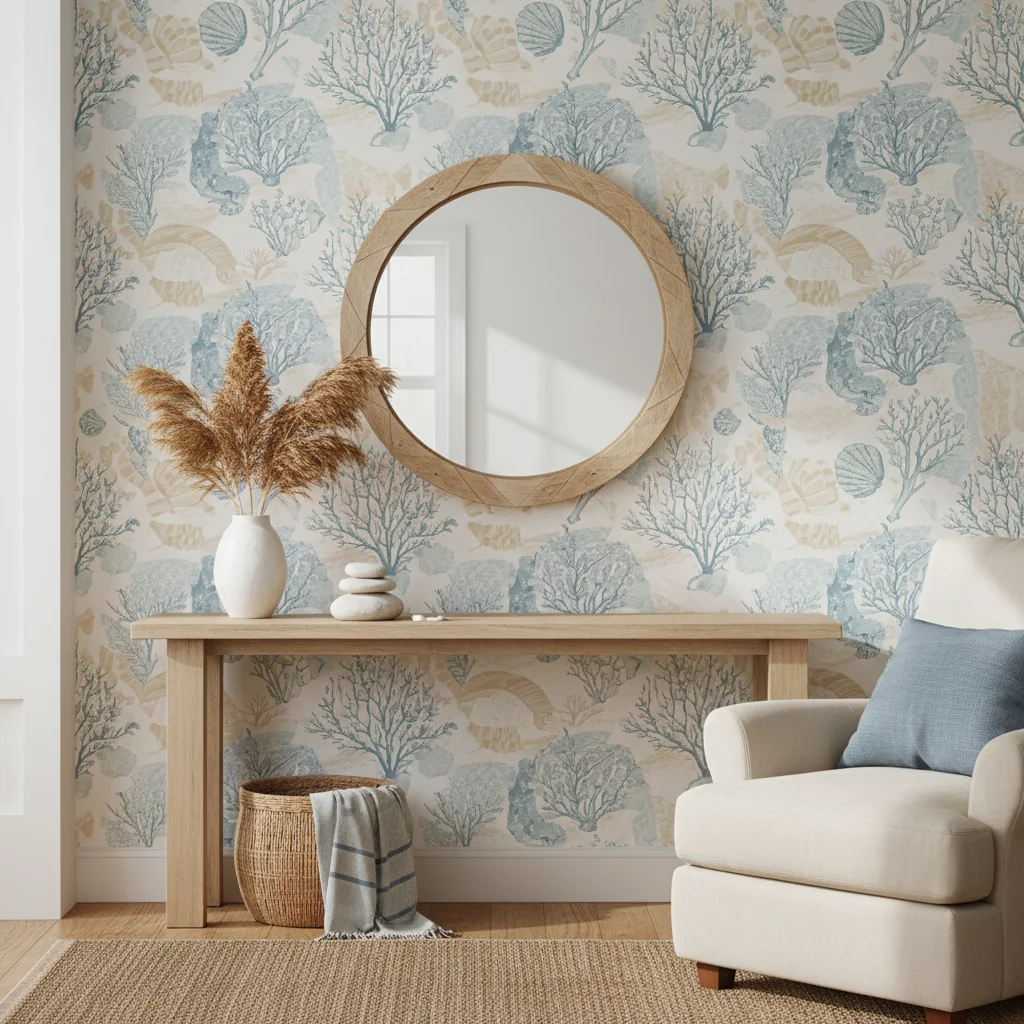
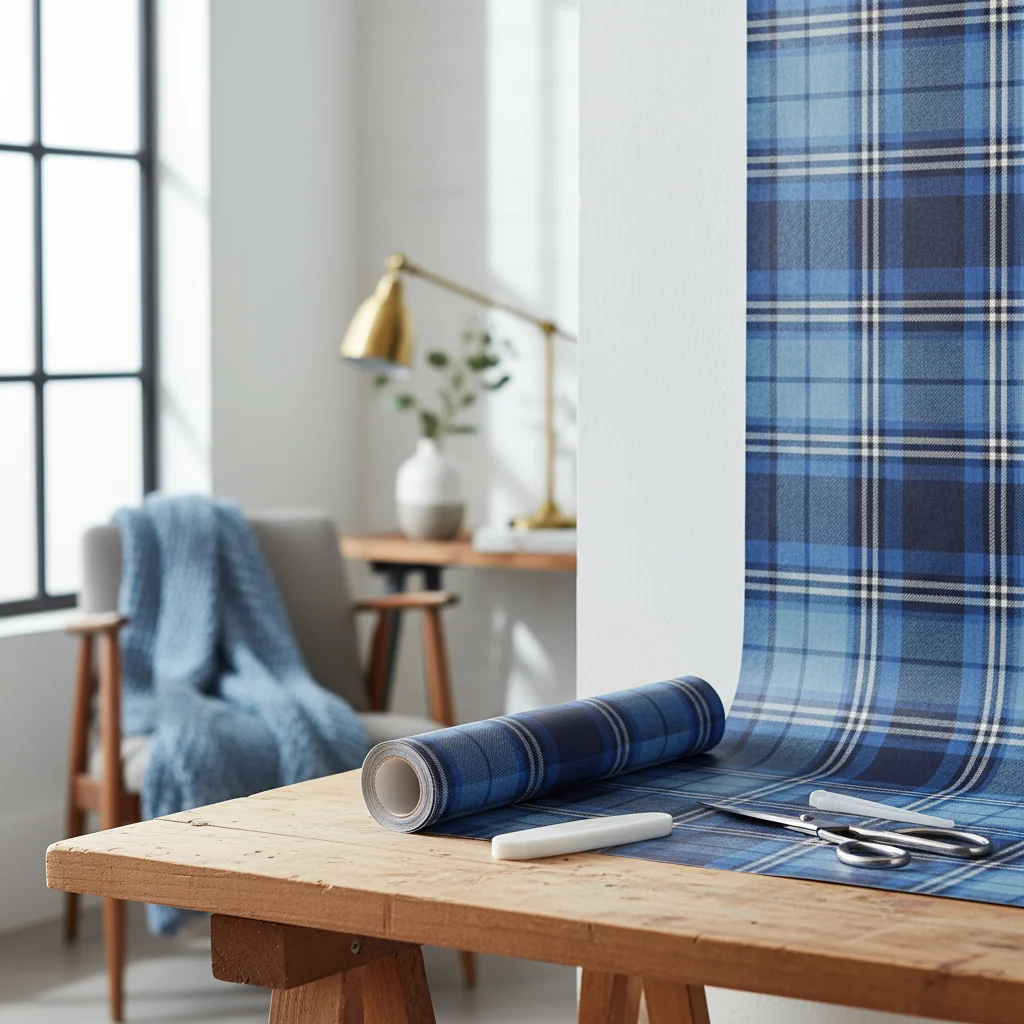
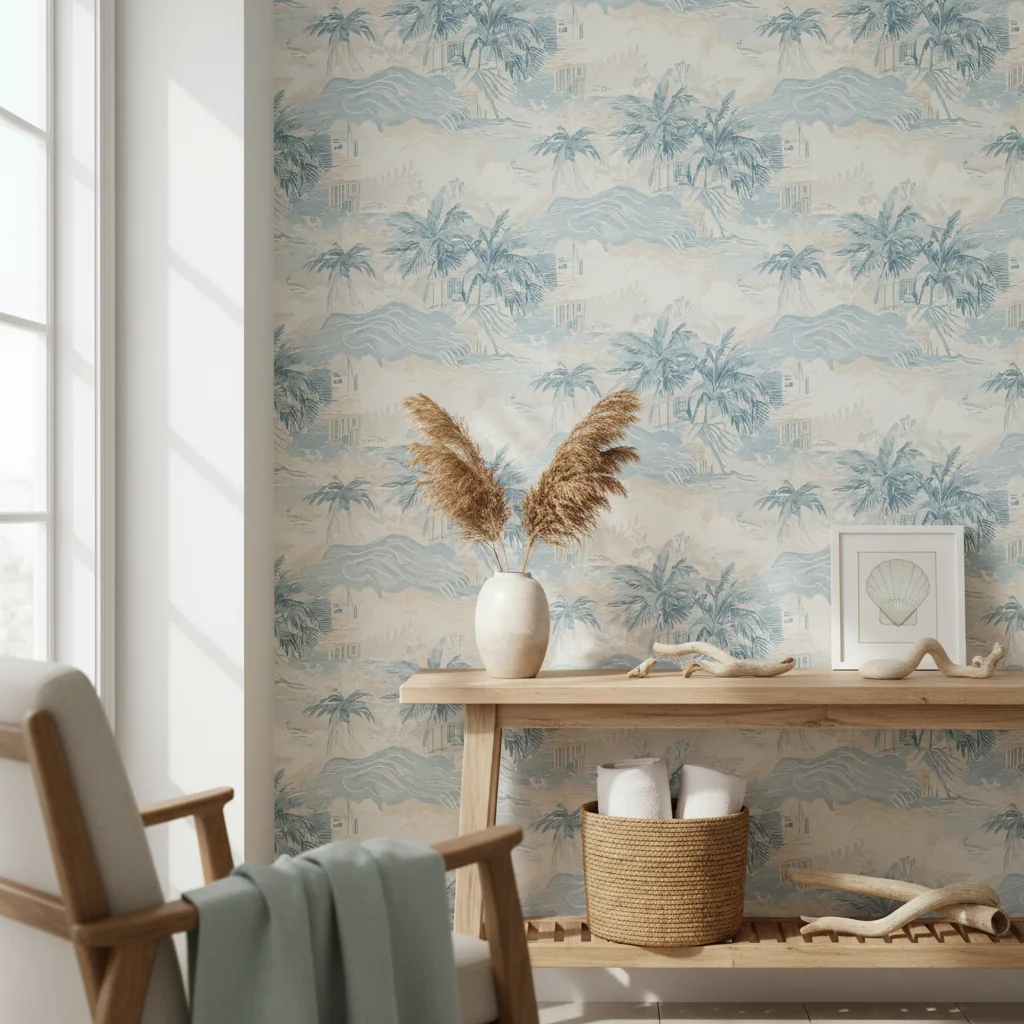
Grass wallpaper, often referred to as grasscloth, is an artisanal wallcovering celebrated for its distinctive natural texture and organic aesthetic. Crafted from renewable plant fibers woven onto a paper backing, it offers a sophisticated and tactile dimension to interior spaces that paint or synthetic wallpapers cannot replicate. This comprehensive guide from Starhouse delves into every facet of grass wallpaper, from its diverse types and materials to precise installation, care, and styling techniques, ensuring you possess the authoritative knowledge to integrate this timeless element into your home with confidence and discerning taste.
Key Takeaways
- Grass wallpaper, or grasscloth, is a natural wallcovering made from woven plant fibers, offering unique texture, warmth, and acoustic benefits to interiors.
- It encompasses a variety of natural materials, including jute, sisal, hemp, and arrowroot, each providing distinct textures, durability, and visual characteristics.
- Proper measurement, surface preparation, and the use of a professional-grade, clear, non-staining adhesive are crucial for a successful and seamless installation.
- Due to its natural composition, grasscloth exhibits inherent variations in color and texture, which are desirable features and not manufacturing flaws, contributing to its authentic charm.
- Care involves gentle dusting and immediate, careful spot cleaning, as grasscloth is not typically washable and susceptible to moisture damage.
- Styling grass wallpaper elevates diverse aesthetics, from coastal and bohemian to modern and traditional, pairing exquisitely with natural wood, metallic accents, and layered lighting.
What is Grass Wallpaper? A Foundation in Natural Elegance
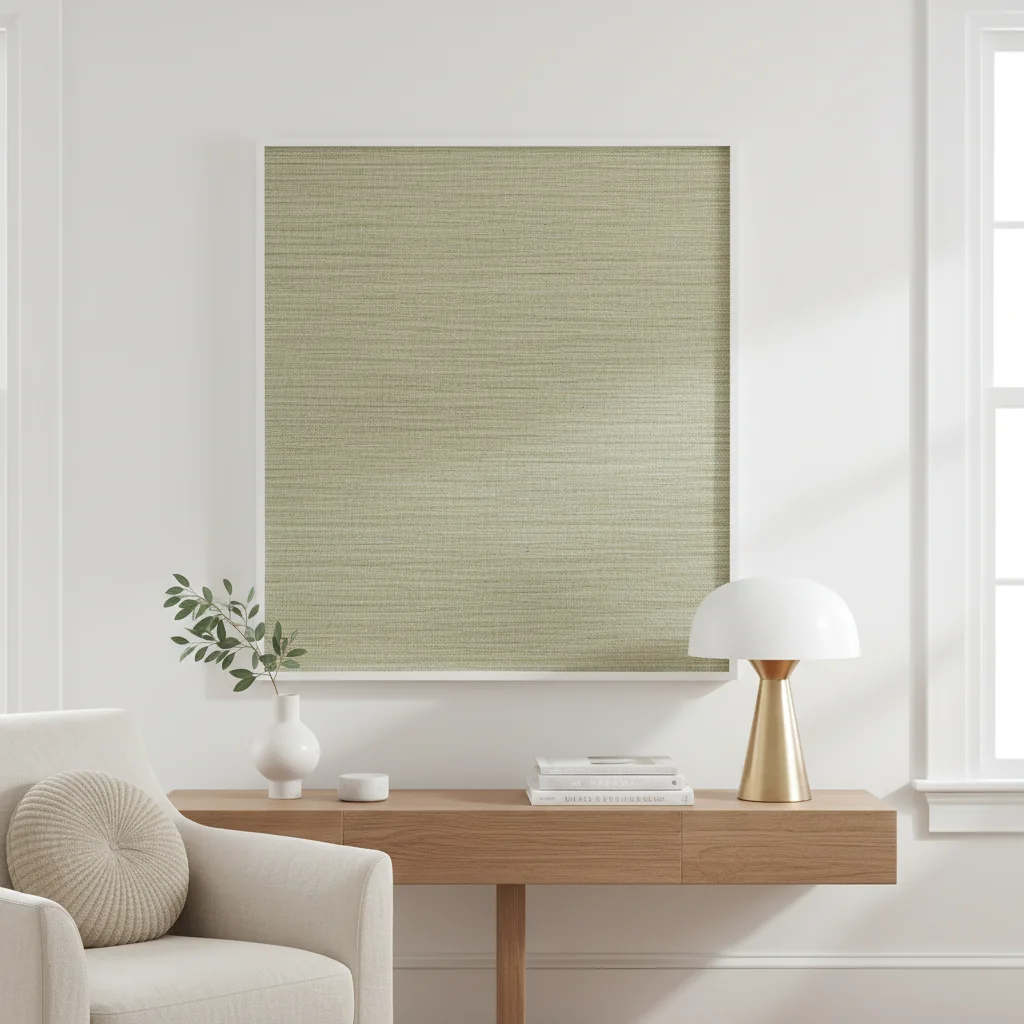
Grass wallpaper, commonly known as grasscloth, is a premium wallcovering meticulously crafted from natural plant fibers woven together and laminated onto a paper backing. This distinctive construction imbues walls with unparalleled texture, depth, and an organic warmth that elevates any interior design scheme. Its inherent beauty lies in the subtle variations and irregularities of its natural fibers, ensuring each installation is uniquely captivating.
The core material for grass wallpaper consists of various renewable plant resources, such as jute, sisal, hemp, reed, arrowroot, and even fine bamboo strands. These fibers are carefully harvested, dried, and often hand-woven by skilled artisans, creating intricate patterns and varying textures. The resulting woven material is then affixed to a stable paper substrate, typically rice paper or a non-woven synthetic backing, to facilitate installation and provide structural integrity.
Unlike printed wallpapers that mimic texture, grass wallpaper offers genuine, three-dimensional tactility. This authentic quality contributes to its sophisticated appeal and positions it as a favored choice among discerning designers and homeowners seeking to introduce natural elements and a sense of handcrafted luxury into their spaces. It is a testament to natural craftsmanship, bringing the serene beauty of the outdoors inside.
Grass wallpaper is a natural wallcovering made from woven plant fibers, such as jute or sisal, meticulously laminated onto a paper backing, providing genuine texture and organic warmth to interior walls. Its production often involves traditional hand-weaving techniques, resulting in a product that celebrates natural imperfections and unique variations.
The Allure of Natural Textures: Why Choose Grass Wallpaper?
Choosing grass wallpaper introduces a rich tapestry of benefits that transcend mere aesthetic appeal, fundamentally transforming the sensory experience of a room. Its unique composition offers a sophisticated blend of visual depth, tactile pleasure, and practical advantages, making it a distinguished choice for refined interiors. The enduring appeal of grasscloth lies in its ability to infuse spaces with an organic, handcrafted quality that synthetic materials cannot replicate.
One of the foremost reasons to select grass wallpaper is its unparalleled textural dimension. Unlike flat painted surfaces or digitally printed wallpapers, grasscloth presents a genuine three-dimensional surface that interacts dynamically with light. This interplay creates subtle shadows and highlights, imbuing walls with a living quality that shifts throughout the day, adding profound depth and character to a room. This tactile quality invites touch and contributes to a more engaging environment.
Beyond its visual and tactile attributes, grass wallpaper contributes significantly to a room’s acoustic comfort. The fibrous, uneven surface of grasscloth acts as a natural sound absorber, helping to dampen echoes and reduce ambient noise. This makes it an excellent choice for living rooms, bedrooms, and dining areas where a quieter, more intimate atmosphere is desired, enhancing overall comfort and tranquility.
Furthermore, grass wallpaper introduces a natural, organic element into interior design, fostering a connection to the outdoors. Its earthy tones and raw textures evoke a sense of calm and well-being, aligning with biophilic design principles that emphasize human connection to nature. This makes it particularly effective in creating serene retreats and grounding vibrant spaces. The natural variations in color and weave inherent to grasscloth ensure that each installation possesses a unique, artisanal quality, contributing to a bespoke aesthetic.
From an environmental perspective, many grasscloth varieties are made from renewable resources like jute, sisal, and hemp, appealing to those seeking sustainable and eco-conscious décor options. While installation requires careful attention, the longevity and timeless elegance of grass wallpaper ensure it remains a valuable and impactful design choice for years, offering a sophisticated alternative to conventional wall treatments. Its ability to elevate a room’s ambiance, enhance acoustics, and provide a unique visual narrative solidifies its status as a premier wallcovering.
Types of Grass Wallpaper: Exploring the Natural Spectrum
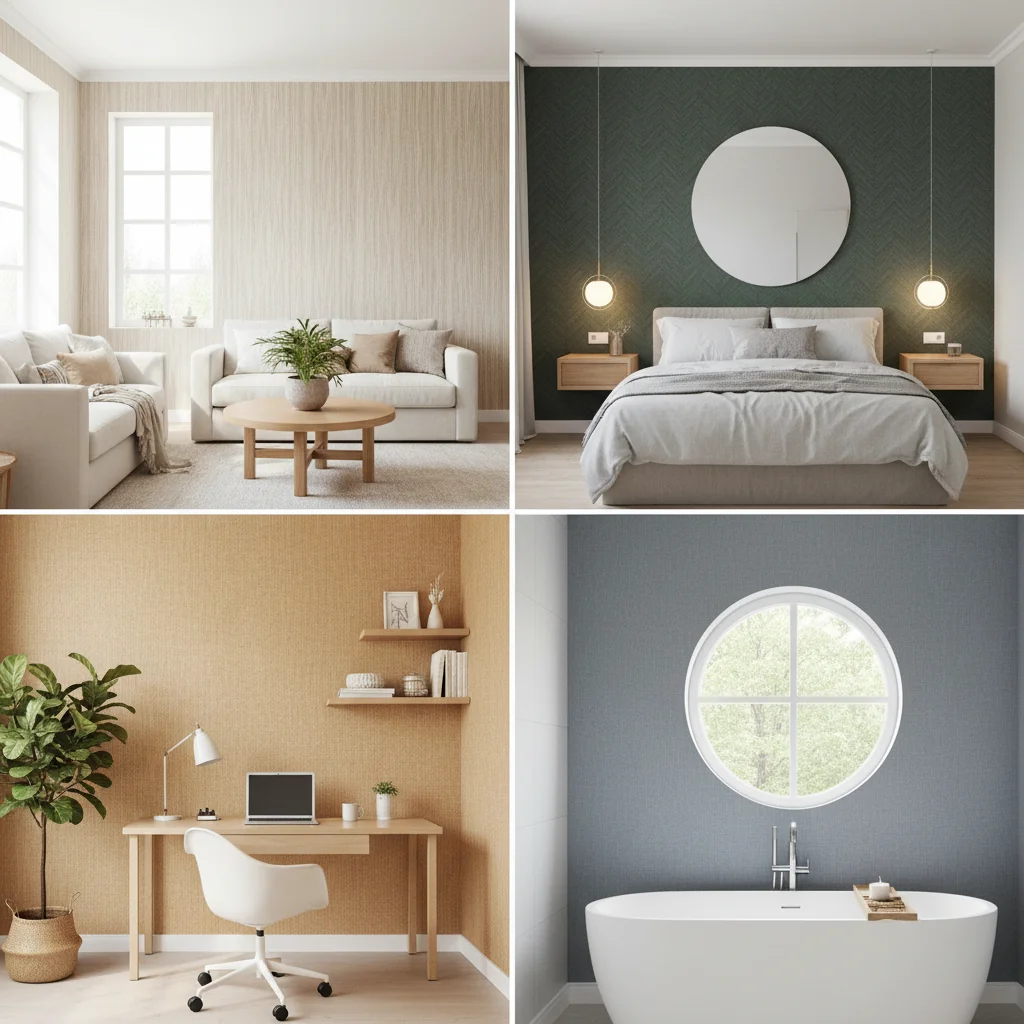
Grass wallpaper encompasses a diverse array of natural fibers, each contributing distinct textures, durability, and aesthetic qualities to the finished wallcovering. Understanding these variations is crucial for selecting the ideal grasscloth to match a specific design vision and functional requirement. The fiber choice dictates not only the visual appeal but also the tactile experience and the inherent characteristics of the material.
Primary Materials:
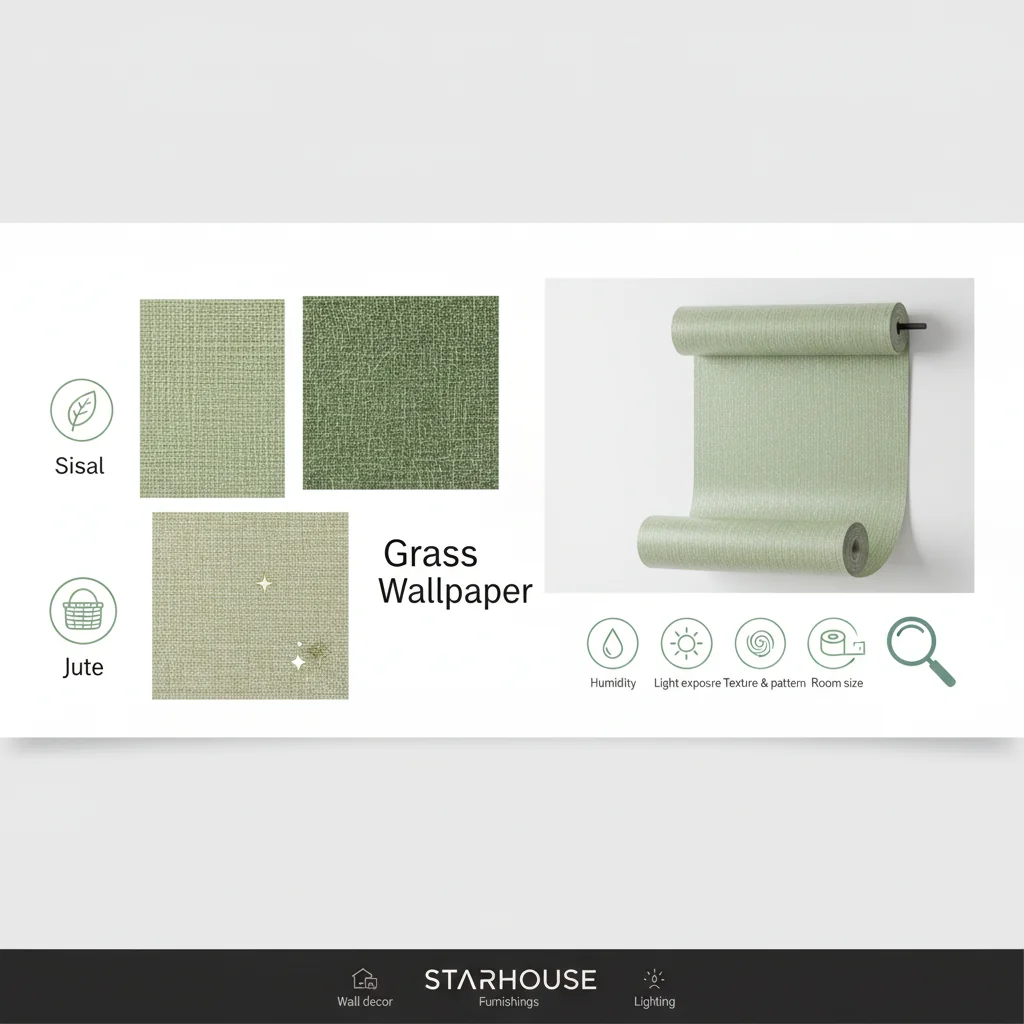
- Jute: Jute grasscloth is one of the most common and versatile types, known for its soft, somewhat coarse texture and often visible knots and slubs. It typically comes in a range of earthy, natural tones and accepts dyes well, offering a broad spectrum of colors. Jute provides significant texture and warmth, making it ideal for creating inviting and cozy spaces.
- Sisal: Derived from the agave plant, sisal grasscloth offers a more structured and often smoother texture than jute, with strong, resilient fibers. It is highly durable and resistant to stretching, making it suitable for higher-traffic areas. Sisal often presents a refined, slightly lustrous appearance and can be dyed in various sophisticated hues.
- Hemp: Hemp grasscloth features long, strong fibers that create a robust and often slightly rustic texture. It is prized for its exceptional durability and sustainability. Hemp can range from fine and soft to coarse and pronounced, offering versatility in texture while maintaining its inherent strength.
- Arrowroot: Arrowroot fibers are typically finer and more delicate than jute or sisal, resulting in a grasscloth with a subtle, almost silky sheen and a refined, uniform texture. It is often chosen for its elegant appearance and ability to create a soft, luxurious backdrop, though it may be less durable than coarser fibers.
- Reed: Reed grasscloth utilizes thin, flattened reeds, often woven into distinctive patterns like basketweave or herringbone. This type typically has a flatter profile than rounder fibers but offers a unique, linear texture. Reed wallpaper is known for its architectural quality and ability to add a subtle geometric interest.
- Bamboo: Bamboo grasscloth can vary widely, from finely split bamboo strips woven together to thicker, more pronounced stalks. It is celebrated for its distinctive grain, natural variations, and often a slight sheen. Bamboo offers a crisp, clean aesthetic, often associated with Asian-inspired or minimalist designs.
- Raffia: Raffia, derived from palm leaves, produces a softer, more pliable fiber that creates a grasscloth with a delicate, often slightly irregular texture. It is excellent for adding a light, airy, and artisanal feel, frequently seen in coastal or bohemian-inspired interiors.
Weave Patterns and Finishes:
Beyond the fiber type, the weaving technique significantly influences the grasscloth’s final appearance and texture. Common weaves include:
- Fine Weave: Fibers are tightly woven, resulting in a smoother, more uniform surface. This offers a subtle texture that reads as sophisticated and understated.
- Chunky Weave: Utilizes thicker fibers woven loosely, creating a pronounced, tactile texture with visible variations. This adds significant depth and a rustic charm.
- Basketweave: A classic over-and-under pattern using flattened or round fibers, creating a distinct grid-like texture that can be both casual and refined.
- Herringbone: Fibers are woven in a V-shaped or zigzag pattern, adding a subtle geometric interest and directional texture to the wall.
- Metallic Accents: Some contemporary grasscloth designs incorporate fine metallic threads woven alongside natural fibers, adding a touch of shimmer and modern elegance. This creates a sophisticated interplay of natural and artificial elements.
Backings:
The backing material is crucial for stability and installation. Most grass wallpapers are backed with either:
- Paper Backing: Traditionally, a rice paper backing is used, offering a stable surface for the woven fibers. This requires specific paste and careful handling during installation.
- Non-Woven Backing: A more modern option, non-woven backings are tear-resistant and allow for easier installation methods like “paste the wall.” They offer greater stability and can be more forgiving for DIY enthusiasts.
Each type of grass wallpaper presents a unique character, allowing for tailored design solutions that range from understated elegance to bold textural statements. The natural variations inherent in these materials are not imperfections but rather hallmarks of their authenticity and handcrafted appeal.
| Fiber Type | Texture Profile | Durability | Common Aesthetic Use | Typical Price Range (per single roll) |
|---|---|---|---|---|
| Jute | Soft, coarse, visible slubs/knots | Good, moderate traffic | Bohemian, rustic, cozy, earthy | $70 – $150 |
| Sisal | Structured, often smoother, resilient | Excellent, high traffic | Transitional, modern, refined, coastal | $90 – $200 |
| Hemp | Robust, slightly rustic, strong | Excellent, high traffic | Industrial, natural modern, farmhouse | $80 – $180 |
| Arrowroot | Fine, delicate, subtle sheen | Good, low to moderate traffic | Elegant, luxurious, understated, traditional | $100 – $250 |
| Reed | Linear, flatter profile, architectural | Good, moderate traffic | Modern, Japandi, minimalist, geometric | $85 – $170 |
| Bamboo | Distinct grain, crisp, sometimes shiny | Good, moderate traffic | Asian-inspired, minimalist, clean, contemporary | $95 – $220 |
| Raffia | Soft, pliable, often irregular, delicate | Moderate, low traffic | Coastal, bohemian, airy, artisanal | $75 – $160 |
Styles and Aesthetics: Integrating Grass Wallpaper into Your Design Vision
Grass wallpaper is a remarkably versatile design element, capable of enhancing a broad spectrum of interior aesthetics, from the overtly natural to the subtly sophisticated. Its inherent texture and organic qualities allow it to act as a grounding force or a dynamic accent, depending on the specific fiber, weave, and color chosen. Successfully integrating grasscloth involves understanding how its unique characteristics can complement and elevate various design styles.
Popular Design Styles Enhanced by Grass Wallpaper:
- Coastal and Beach House: Grasscloth, particularly in lighter, natural tones or those made from raffia or bamboo, perfectly captures the relaxed, airy essence of coastal design. It evokes sandy textures and woven natural elements, pairing seamlessly with whites, blues, and weathered wood finishes.
- Bohemian and Eclectic: The raw, handcrafted nature of jute or chunky-weave grasscloth resonates deeply with bohemian aesthetics. It provides a warm, earthy backdrop for vibrant textiles, global patterns, and eclectic furnishings, creating a layered and inviting atmosphere.
- Modern Minimalist: In minimalist designs, a fine-weave grasscloth in a neutral, monochromatic shade introduces subtle texture without overwhelming the clean lines and understated palette. It adds warmth and depth, preventing the space from feeling stark or cold, while maintaining a sophisticated simplicity.
- Japandi (Japanese-Scandinavian): This fusion style, emphasizing natural materials, craftsmanship, and serenity, finds an ideal partner in grass wallpaper. Bamboo or fine-reed grasscloth in muted tones complements the clean lines, functional furniture, and calm color palettes, fostering a tranquil and harmonious environment.
- Traditional and Transitional: Grasscloth in richer, deeper hues or with a subtle sheen, such as certain sisal or arrowroot varieties, can add a layer of understated luxury to traditional and transitional spaces. It provides a classic, timeless backdrop for antique furniture, elegant fabrics, and curated art, offering a refined alternative to painted walls.
- Natural Modern: This style celebrates natural materials within a contemporary framework. Grass wallpaper, especially those with visible texture and organic variations, grounds sleek furniture and modern art, creating a balanced space that is both current and connected to nature.
Color choice is paramount when integrating grass wallpaper. While natural, undyed tones are perennially popular for their organic appeal, dyed grasscloth offers expanded design possibilities. Deep jewel tones like emerald green or sapphire blue grasscloth can create dramatic accent walls, imbuing a space with opulence. Conversely, soft pastels or muted grays can provide a serene and sophisticated backdrop for a variety of furnishings. The inherent variations in natural fibers mean that even a single color can exhibit subtle shifts, adding to its dynamic visual interest.
Consider the interplay of grasscloth with other elements in the room. Its texture pairs beautifully with smooth surfaces like polished wood, glass, or metal, creating a compelling contrast. It also harmonizes with other natural textiles such as linen, wool, and cotton, amplifying the organic feel. The versatility of grass wallpaper allows it to be used sparingly as a feature wall to define a zone or extensively to envelop an entire room in its comforting embrace, always contributing a sophisticated and tactile dimension.
Choosing the Right Grass Wallpaper: A Guide to Informed Selection
Selecting the appropriate grass wallpaper requires a thoughtful consideration of several key factors to ensure it harmonizes with your space and meets your practical needs. The right choice will enhance your interior design vision, while an ill-suited one can detract from the overall aesthetic. This process involves evaluating the intended application, environmental conditions, desired aesthetic, and long-term maintenance expectations.
Key Considerations for Selection:
- Room Application and Traffic:
- High-Traffic Areas (Hallways, Entryways): Opt for more durable fibers like sisal or hemp, which are less prone to damage and can withstand occasional bumps. Consider darker colors or weaves that camouflage minor scuffs more effectively.
- Low-Traffic Areas (Bedrooms, Dining Rooms, Home Offices): Finer, more delicate fibers like arrowroot or delicate raffia can be used here, where their exquisite texture can be appreciated without risk of frequent contact.
- Moisture-Prone Areas (Bathrooms, Kitchens): Grass wallpaper is generally not recommended for full bathrooms or areas with high humidity or direct water contact. Its natural fibers are susceptible to moisture damage, warping, and potential mold growth. If used in a powder room with excellent ventilation, choose a synthetic grasscloth alternative or apply a protective sealant, but proceed with caution.
- Lighting Conditions:
- Rooms with Abundant Natural Light: Lighter grasscloth colors will reflect light, making the room feel brighter and more expansive. The natural texture will be beautifully highlighted, creating dynamic shadows and depth.
- Rooms with Limited Natural Light: Consider grasscloth with a subtle sheen or those incorporating metallic threads to help bounce light around the room. Alternatively, embrace the coziness with deeper, richer tones that create an intimate and enveloping atmosphere.
- Artificial Lighting: Experiment with samples under your room’s specific artificial lighting (warm vs. cool, direct vs. indirect) as this can significantly alter the perceived color and texture of the grasscloth.
- Color and Texture Matching:
- Existing Décor: Bring home samples to see how the grasscloth interacts with your existing furniture, textiles, and paint colors. The natural variations in grasscloth mean that online images may not fully capture its true appearance in your specific lighting.
- Desired Mood: Lighter, airier textures and colors create a serene or expansive feel. Chunkier, darker textures evoke warmth, intimacy, or a more dramatic statement.
- Pattern and Weave: Decide if you want a subtle, uniform texture (fine weave, arrowroot) or a more pronounced, rustic look (chunky jute, basketweave reed).
- Durability and Maintenance Expectations:
- Maintenance Level: Understand that natural grasscloth is not washable and requires gentle care (dusting, careful spot cleaning). If you need a highly durable, washable surface, a vinyl-backed grasscloth alternative might be more suitable, though it will lack the authentic natural texture.
- Longevity: High-quality grasscloth, properly installed and maintained, offers exceptional longevity and timeless appeal, often outlasting trends.
- Budget:
- Grass wallpaper is a premium product, and prices vary significantly based on fiber type, weave complexity, and brand. Establish a budget per square foot or per roll early in your selection process. Remember to factor in professional installation costs, which are often recommended for grasscloth.
By meticulously evaluating these factors, you can confidently select a grass wallpaper that not only beautifies your space but also aligns perfectly with your lifestyle and design aspirations. Always order samples to experience the true texture and color in your home’s unique environment before committing to a full purchase.
At Starhouse, we understand that selecting the perfect wallcovering is a deeply personal journey. We are curating a collection that speaks to diverse tastes and needs, ensuring every choice elevates your home. We invite you to share what you’re looking for in your ideal grass wallpaper, from fiber types to specific textures and colors, so we can tailor our offerings to your precise desires. Tell us what you’re looking for and get early access to our curated collections.
Sizing and Measuring for Flawless Installation
Accurate sizing and meticulous measuring are paramount to a successful grass wallpaper installation, minimizing waste and ensuring a seamless finish. Unlike standard wallpapers, grasscloth often comes in specific roll dimensions, and its natural variations necessitate careful planning. Precise calculations are essential to determine the correct quantity of rolls needed, accounting for pattern match, waste, and future repairs.
Step-by-Step Measuring Guide:
- Measure Wall Height: Measure the height of each wall from the baseboard to the ceiling. If your ceiling height varies slightly, use the tallest measurement for calculation. For walls with architectural features like windows or doors, measure the height of the wallpapered sections above and below these elements.
- Measure Wall Width: Measure the total width of each wall section you intend to cover. For walls with openings, measure the width of the wall space that will actually be covered, subtracting the width of windows, doors, or other non-wallpapered areas.
- Calculate Total Square Footage: Multiply the height by the width for each wall to get its square footage. Sum these individual square footages to determine the total area to be covered.
- Example: A wall 8 feet high and 12 feet wide is 96 sq ft (8 ft x 12 ft).
- Account for Pattern Repeat (Minimal for Grasscloth): Most grasscloth has little to no discernible pattern repeat, as its beauty lies in its organic variations. However, some specialty grasscloths with woven designs might have a slight repeat. Always check the manufacturer’s specifications. If there’s a repeat, add 6-12 inches per strip to account for matching.
- Understand Roll Dimensions: Grass wallpaper is typically sold in single or double rolls.
- Single Roll: Often around 28-36 inches wide and 12-15 feet long (approximately 28-45 sq ft).
- Double Roll: The most common format, usually around 28-36 inches wide and 24-30 feet long (approximately 56-90 sq ft). Always confirm the exact dimensions provided by the manufacturer.
- Calculate Number of Strips per Roll: Divide the length of one roll by your wall height (plus any pattern repeat or trim allowance).
- Example: A double roll is 30 feet long (360 inches). If your wall height is 8 feet (96 inches), you can get 3 strips per roll (360 / 96 = 3.75, round down to 3 full strips).
- Calculate Total Strips Needed: Divide the total width of your walls by the width of one strip of wallpaper.
- Example: Total wall width is 20 feet (240 inches). If wallpaper is 36 inches wide, you need 7 strips (240 / 36 = 6.67, round up to 7 strips).
- Determine Total Rolls Required: Divide the total strips needed by the number of strips you can get from one roll. Always round up to the nearest whole number.
- Example: If you need 7 strips and get 3 strips per double roll, you need 3 double rolls (7 / 3 = 2.33, round up to 3).
- Add for Waste and Future Repairs: It is crucial to purchase at least one extra double roll (or 15-20% extra) beyond your calculated requirement. This accounts for trimming, minor installation errors, and provides material for future repairs or patch-ups. Given the natural variations in grasscloth, matching dye lots for future purchases can be challenging, making an extra roll invaluable.
Always purchase all rolls from the same dye lot to ensure color consistency, as natural fibers can vary subtly between production batches. Double-check all measurements and calculations before ordering. For complex rooms or high ceilings, consulting with a professional wallpaper installer for an on-site measurement is highly recommended to guarantee accuracy.
Installation Best Practices: Achieving a Seamless Finish
Installing grass wallpaper demands precision and a nuanced understanding of its unique properties to achieve a flawless, sophisticated finish. Unlike vinyl or non-woven wallpapers, grasscloth is more delicate, less forgiving of moisture, and its natural variations require specific handling. Adhering to best practices ensures a durable, beautiful result that honors the material’s inherent elegance.
Crucial Steps for Professional-Grade Installation:
- Surface Preparation is Non-Negotiable:
- Clean Walls: Ensure walls are impeccably clean, dry, and free from dust, grease, or peeling paint. Wash walls with a mild detergent solution, rinse thoroughly, and allow to dry completely.
- Smooth Surface: Fill any holes or cracks with spackle, sand smooth, and wipe clean. Grasscloth is thin and will highlight any imperfections beneath it.
- Prime Walls: Apply a high-quality, oil-based, pigmented (white or off-white) primer. This step is critical for grasscloth. The primer seals the wall, provides a consistent, non-absorbent surface for the adhesive, and prevents adhesive from showing through the natural fibers. Do NOT skip priming.
- Consistent Wall Color: If using a light-colored grasscloth, paint the walls a similar light, neutral color (like white or off-white) before priming. This ensures that any slight gaps at seams or subtle transparency of the grasscloth does not reveal a contrasting wall color underneath.
- Choosing the Right Adhesive:
- Use a clear, non-staining, heavy-duty clay-based or clear vinyl adhesive specifically formulated for natural fiber wallcoverings. Avoid water-based glues that can bleed through or stain the natural fibers.
- Apply adhesive evenly to the back of the wallpaper strip (traditional method) or directly to the wall (paste-the-wall method, if specified by manufacturer for non-woven backed grasscloth).
- Precise Cutting and “Booking”:
- Measure and Cut: Cut strips to wall height plus 4-6 inches for trimming at the top and bottom.
- Booking: After applying adhesive to the back of the strip, fold the strip onto itself, paste-to-paste, allowing it to “book” for 10-15 minutes. This allows the paste to fully activate and the paper backing to relax, preventing bubbling and shrinking on the wall. Booking is the process of folding a freshly pasted wallpaper strip onto itself, paste-to-paste, and letting it rest for a specified time to allow the adhesive to activate and the material to relax before hanging.
- Hanging Techniques:
- Start in an Inconspicuous Corner: Begin hanging in a corner that is less visible, as the pattern of grasscloth does not typically wrap perfectly around corners.
- Plumb Line: Use a plumb line to ensure your first strip is perfectly vertical. This sets the standard for all subsequent strips.
- Smooth Gently: Hang the strip from top to bottom, using a soft wallpaper brush or a clean, soft cloth to smooth out air bubbles. Avoid using a hard plastic smoother or squeegee, which can damage the delicate fibers or push adhesive through. Work from the center outwards.
- Seams: Grasscloth seams are often visible due to the natural variations and thickness of the fibers. This is an inherent characteristic and part of its charm. Butt seams tightly together; do not overlap. Avoid applying excessive pressure at seams, which can squeeze out adhesive.
- Trimming: Use a very sharp utility knife with a fresh blade for each cut. Trim excess at the ceiling and baseboard immediately after hanging each strip, using a straightedge.
- Handling Natural Variations:
- Expect and embrace natural variations in color, texture, and weave from strip to strip, and even within a single strip. These are not defects but inherent qualities of natural fibers and contribute to the unique beauty of grasscloth.
- Hang strips in the order they come off the roll, or “reverse hang” every other strip if recommended by the manufacturer, to help blend natural variations.
- Cleanliness During Installation:
- Immediately wipe away any excess adhesive that seeps onto the face of the grasscloth with a clean, damp (not wet) sponge or cloth. Work carefully and gently, as dried adhesive can be very difficult to remove and may stain the fibers.
Given the delicate nature and specific installation requirements of grass wallpaper, professional installation is strongly recommended, especially for those without extensive wallpapering experience. A skilled installer possesses the expertise and tools to handle grasscloth effectively, ensuring a beautiful and lasting finish.
Care and Maintenance: Preserving the Natural Beauty of Your Walls
Proper care and diligent maintenance are essential for preserving the exquisite beauty and longevity of grass wallpaper, ensuring it remains a stunning feature in your home for years. Due to its natural fiber composition, grasscloth requires a specific approach to cleaning and protection that differs significantly from synthetic wallcoverings. Understanding these unique requirements is key to avoiding damage and maintaining its pristine appearance.
Key Maintenance Practices:
- Regular Dusting:
- The primary method of cleaning grass wallpaper is regular, gentle dusting. Use a soft, dry cloth, a feather duster, or the brush attachment of a vacuum cleaner on its lowest setting.
- Dusting should be performed periodically, typically once every few weeks, to prevent dust buildup from settling into the fibers. Accumulations of dust can dull the grasscloth’s appearance and be harder to remove over time.
- Immediate Spot Cleaning (with Caution):
- Grass wallpaper is not washable and is highly susceptible to water damage and staining. Any spills or marks should be addressed immediately and with extreme caution.
- For light, superficial marks, try gently dabbing with a clean, dry, white cloth. Avoid rubbing, as this can embed the stain or damage the fibers.
- If a dry cloth is ineffective, very lightly dampen a clean, white cloth with a tiny amount of clear water (distilled water is preferable to avoid mineral stains). Blot the stain very gently, working from the outside in. Do NOT saturate the grasscloth.
- Immediately blot dry with another clean, dry cloth. Allow the area to air dry completely. Test this method in an inconspicuous area first, as even water can leave a mark on some grasscloths.
- For tougher stains, professional cleaning is the only recommended recourse. Avoid harsh chemical cleaners, abrasive sponges, or excessive moisture at all costs, as these will almost certainly damage the natural fibers, causing discoloration, shrinking, or permanent staining.
- Protection from Moisture and Humidity:
- Grass wallpaper is inherently sensitive to moisture. Avoid installing it in high-humidity environments like full bathrooms, laundry rooms, or kitchens where it might be exposed to direct water splashes or steam.
- Excessive humidity can cause the fibers to expand, warp, or even develop mold. Ensure adequate ventilation in any room where grasscloth is installed.
- Protection from Direct Sunlight:
- Natural fibers are prone to fading when exposed to prolonged, direct sunlight. Over time, this can lead to uneven discoloration, particularly on walls facing south or west.
- Consider using UV-filtering window treatments (sheer curtains, blinds, or shades) to protect grasscloth on sun-exposed walls.
- Handling Accidental Damage:
- Small snags or loose fibers can sometimes occur. Do not pull them. Instead, use a sharp pair of scissors to carefully trim them flush with the surface.
- For larger damaged areas, if you have saved an extra roll from the original dye lot, a professional wallpaper installer may be able to patch the area discreetly.
By adhering to these careful maintenance guidelines, your grass wallpaper will retain its distinctive texture and rich aesthetic, continuing to provide a sophisticated and natural backdrop to your interior design for many years to come. Its natural composition demands respect and gentle care, which it repays with enduring beauty.
Styling and Pairing: Elevating Your Space with Grass Wallpaper
Styling grass wallpaper effectively involves a thoughtful orchestration of complementary elements that enhance its natural beauty and tactile appeal, creating a cohesive and sophisticated interior. Its unique texture provides a versatile backdrop that can be dressed up or down, making it a powerful tool for defining mood and elevating design aesthetics. The key is to balance its organic qualities with other materials, colors, and lighting to achieve a harmonious space.
Elements to Pair with Grass Wallpaper:
- Furniture Pairings:
- Natural Wood: Grasscloth beautifully complements furniture crafted from natural woods such as oak, walnut, teak, or rattan. The combined textures create an organic, earthy warmth that feels inviting and grounded.
- Sleek Metals: Introduce contrast and sophistication with metallic accents. Black iron, brushed brass, polished chrome, or bronze furniture frames and hardware offer a contemporary edge that plays well against the natural fibers, providing a touch of modern elegance.
- Upholstered Pieces: Soft, upholstered furniture in linen, velvet, or bouclé fabrics adds another layer of texture and comfort. Choose colors that either harmonize with the grasscloth’s natural tones or provide a tasteful pop of color.
- Textiles and Fabrics:
- Linen and Cotton: These natural fibers echo the organic feel of grasscloth, contributing to an airy, relaxed, or coastal aesthetic.
- Wool and Cashmere: For added warmth and luxury, incorporate throws, pillows, or rugs made from wool or cashmere. Their soft textures provide a delightful contrast to the structured weave of grasscloth.
- Silk and Velvet: To elevate the space with a touch of opulence, introduce silk drapes or velvet cushions. The smooth, lustrous surfaces create a sophisticated interplay with the grasscloth’s texture.
- Lighting:
- Natural Light: Grasscloth interacts dynamically with natural light, creating shifting shadows and highlights that emphasize its texture. Maximize natural light with sheer curtains or unobstructed windows.
- Layered Artificial Light: Use a combination of ambient (ceiling fixtures), task (table lamps, floor lamps), and accent (wall sconces, picture lights) lighting. Accent lighting can be particularly effective at grazing the wall, highlighting the grasscloth’s texture and adding dramatic depth. Warm-toned bulbs often enhance the natural colors of grasscloth.
- Art and Accessories:
- Framed Art: Choose art with simple frames (wood, metal) that don’t compete with the grasscloth’s texture. Abstract pieces, botanical prints, or minimalist photography often work well. Consider floating frames or art with significant white space to allow the grasscloth to peek through as part of the composition.
- Mirrors: A large mirror with an interesting frame can reflect light and the grasscloth’s texture, expanding the sense of space and adding visual interest.
- Ceramics and Pottery: Handmade ceramic vases, bowls, or sculptural pieces in earthy tones or complementary colors reinforce the organic and artisanal vibe.
- Greenery: Live plants, especially large-leafed varieties like Fiddle Leaf Figs or Snake Plants, introduce another natural element that harmonizes beautifully with grasscloth, enhancing the biophilic connection.
- Complementary Paint Colors:
- When grasscloth is used on an accent wall, select paint colors for adjacent walls that are either a subtle shade lighter or darker than a dominant tone in the grasscloth.
- Neutrals like warm whites, soft greys, or muted greens and blues often work best, allowing the grasscloth to be the star without clashing.
A successful approach to styling grass wallpaper involves creating a dialogue between textures and materials. Its inherent warmth and organic character provide an exceptional foundation, allowing other elements to shine while maintaining a cohesive and sophisticated aesthetic. Whether your goal is to create a serene retreat or a dynamic, layered space, grasscloth offers an unparalleled starting point for elegant design. According to House Beautiful, grasscloth adds an “instant layer of texture and sophistication” to any room, serving as a versatile backdrop that works with a range of styles from modern to traditional.
Current Trends in Grass Wallpaper: What’s New and Noteworthy
Grass wallpaper, while a timeless classic, continually evolves with contemporary design sensibilities, incorporating new techniques and aesthetic preferences. The current trends reflect a desire for both refined naturalism and subtle innovation, pushing the boundaries of traditional grasscloth to offer fresh, sophisticated options for modern interiors. These trends emphasize customization, subtle luxury, and a deeper connection to sustainable design principles.
Emerging and Enduring Trends:
- Subtle Metallic Inclusions:
- A significant trend involves grasscloth interwoven with fine metallic threads (gold, silver, bronze, or copper). These metallic accents provide a delicate shimmer and a touch of glamour, elevating the natural texture without overpowering it. This fusion creates a sophisticated interplay of organic and opulent, perfect for adding understated luxury to dining rooms, powder rooms, or feature walls.
- Geometric Weaves and Patterns:
- Beyond traditional horizontal or vertical weaves, designers are increasingly utilizing grasscloth with more intricate geometric patterns. Think subtle basketweaves, herringbone, or even small-scale diamond patterns created by varying the fiber direction. These patterns add a layer of visual interest and a contemporary edge, making grasscloth suitable for more architectural or modern spaces.
- Bold and Unexpected Colors:
- While natural, undyed tones remain popular, there’s a growing trend towards grasscloth in richer, more saturated hues. Deep forest greens, moody blues, charcoal grays, and even subtle terracotta tones are appearing, offering dramatic backdrops that still retain the material’s organic texture. These bold colors allow grasscloth to make a more pronounced design statement.
- Sustainable and Artisanal Focus:
- With a heightened awareness of environmental impact, there’s an increasing demand for grasscloth made from sustainably sourced, rapidly renewable fibers like hemp and bamboo, often produced through fair-trade practices. The emphasis is on the handcrafted nature and ethical production, appealing to consumers who value authenticity and eco-consciousness.
- Textural Contrast and Layering:
- Designers are using grasscloth to create dynamic textural contrasts within a room. This involves pairing it with smooth plaster, polished stone, sleek metals, or plush velvets. The layering of diverse textures adds depth and visual richness, creating a multi-sensory experience.
- Feature Walls and Defined Zones:
- While grasscloth is beautiful throughout an entire room, it is frequently used to define specific zones or create striking feature walls. In open-concept living spaces, a grasscloth wall can delineate a dining area or a cozy reading nook without the need for physical barriers. A feature wall is a single wall in a room that is decorated differently from the others to create a focal point and add visual interest.
- Faux Grasscloth and Vinyl Alternatives:
- For areas requiring higher durability and washability (e.g., commercial spaces, busy households), high-quality faux grasscloth made from vinyl or other synthetic materials is trending. These alternatives meticulously mimic the look and texture of natural grasscloth but offer enhanced performance characteristics, though they lack the authentic organic feel.
These trends highlight grass wallpaper’s enduring appeal and its adaptability to current design movements. By embracing new colors, weaves, and material combinations, grasscloth continues to cement its status as a sophisticated and versatile choice for adding natural elegance and textural depth to any interior. Veranda magazine often showcases how grasscloth is being incorporated into high-end design projects, emphasizing its ability to add “warmth and dimension” while maintaining a timeless aesthetic.
Common Mistakes to Avoid When Working with Grass Wallpaper
While grass wallpaper offers unparalleled beauty, its unique characteristics make it susceptible to specific pitfalls during selection, installation, and maintenance. Avoiding these common mistakes is crucial for ensuring a successful and lasting application, preserving the integrity of the material, and achieving the sophisticated finish you desire. Awareness of these issues will save time, effort, and potential disappointment.
Mistakes to Sidestep:
- Underestimating Natural Variation:
- Mistake: Expecting perfect uniformity in color and texture across all rolls or even within a single roll.
- Correction: Embrace the inherent natural variations, subtle color shifts, and visible seams as part of grasscloth’s unique charm and authenticity. These are not flaws but hallmarks of a handcrafted, organic product. Always purchase enough extra material to account for these variations and any potential errors.
- Improper Surface Preparation:
- Mistake: Skipping priming or failing to ensure walls are perfectly smooth, clean, and dry.
- Correction: Always prime walls with a high-quality, oil-based, pigmented primer. Fill all imperfections, sand smooth, and clean thoroughly. Grasscloth is thin and will reveal every bump, crack, or dark spot underneath.
- Using the Wrong Adhesive:
- Mistake: Using standard wallpaper paste or water-based glues.
- Correction: Only use a clear, non-staining, heavy-duty clay-based or clear vinyl adhesive specifically formulated for natural fiber wallcoverings. Water-based pastes can bleed through, stain, or cause the natural fibers to swell and warp.
- Over-Wetting During Installation or Cleaning:
- Mistake: Applying too much paste or attempting to wash the grasscloth with excessive water.
- Correction: Apply paste evenly and avoid saturation. During booking, ensure paste is activated but not overly wet. For cleaning, grasscloth is NOT washable. Use dry dusting or extremely gentle, minimal spot cleaning with a barely damp cloth, testing in an inconspicuous area first. Water can permanently stain, shrink, or damage the fibers.
- Ignoring Seam Visibility:
- Mistake: Expecting invisible seams, similar to some modern non-woven wallpapers.
- Correction: Visible seams are a characteristic of grasscloth due to its thickness and natural variations. While professional installation minimizes their appearance, they will always be present and are considered part of the material’s aesthetic. Do not attempt to overlap strips.
- Not Ordering Enough Material:
- Mistake: Calculating exact roll requirements without accounting for waste, trimming, or future repairs.
- Correction: Always order at least one extra double roll (or 15-20% more than calculated). Dye lots vary, and matching a future purchase to an existing installation can be impossible, leading to noticeable color differences if repairs are needed.
- Improper Trimming:
- Mistake: Using a dull blade or attempting to tear edges.
- Correction: Use an ultra-sharp utility knife with a fresh blade for every cut. Dull blades will snag and fray the delicate fibers. Trim immediately after hanging each strip for clean edges.
- Installing in High-Moisture Areas:
- Mistake: Applying grasscloth in full bathrooms, laundry rooms, or areas with direct water exposure.
- Correction: Grasscloth is not suitable for high-humidity or wet environments due to its susceptibility to warping, shrinking, and mold. Reserve it for dry, well-ventilated spaces.
By being mindful of these common pitfalls, you can navigate the process of selecting, installing, and maintaining grass wallpaper with greater confidence, ensuring its enduring beauty and sophisticated contribution to your home’s design.
Sources
Frequently Asked Questions About Grass Wallpaper
Is grass wallpaper durable?
Grass wallpaper’s durability varies by fiber type; sisal and hemp are generally more robust and suitable for moderate-traffic areas, while finer fibers like arrowroot are more delicate. It is generally durable against wear but sensitive to moisture and abrasion.
Can grass wallpaper be used in bathrooms or kitchens?
No, natural grass wallpaper is generally not recommended for full bathrooms, kitchens, or any high-humidity or moisture-prone areas. Its natural fibers are highly susceptible to moisture damage, warping, and potential mold growth. It may be used in a powder room with excellent ventilation, but with caution.
Are the seams visible with grass wallpaper?
Yes, visible seams are an inherent characteristic of natural grass wallpaper due to the thickness and organic variations of its fibers. While professional installation minimizes their prominence, expecting perfectly seamless walls like with some synthetic wallpapers is unrealistic, and the subtle seams are part of its authentic charm.
How do you clean grass wallpaper?
Grass wallpaper should primarily be cleaned by gentle, regular dusting with a soft, dry cloth or a brush attachment on a vacuum cleaner. For spot cleaning, lightly blot with a barely damp (not wet) white cloth, testing in an inconspicuous area first, and immediately blot dry, as water can stain natural fibers.
Does grass wallpaper fade in sunlight?
Yes, natural grass wallpaper is prone to fading and discoloration when exposed to prolonged, direct sunlight. It is recommended to use UV-filtering window treatments or avoid installing it on walls that receive intense, direct sun exposure to preserve its color consistency.
Can I install grass wallpaper myself?
While DIY installation is possible for experienced wallpaper hangers, grass wallpaper is delicate and challenging to install correctly due to its natural fibers, susceptibility to moisture, and visible seams. Professional installation is highly recommended to ensure a flawless and lasting finish, especially for those without prior experience with natural wallcoverings.
What is the difference between single and double rolls of grass wallpaper?
The primary difference lies in their length; a single roll typically measures around 12-15 feet long, while a double roll is approximately 24-30 feet long, both usually sharing the same width (e.g., 36 inches). Double rolls are more common and generally more cost-effective per square foot.
Conclusion: Embrace the Enduring Appeal of Grass Wallpaper
Grass wallpaper is more than just a wallcovering; it is a statement of sophisticated taste, an embrace of natural beauty, and an investment in tactile luxury for your home. Its unique blend of organic texture, visual depth, and inherent warmth offers an unparalleled aesthetic that transcends fleeting trends, providing a timeless backdrop for diverse interior design styles. From the rustic charm of jute to the refined elegance of arrowroot, each fiber tells a story, bringing a piece of the natural world indoors.
By understanding the nuances of its types, the precision required for installation, and the specific care it demands, you are empowered to integrate grass wallpaper into your space with confidence. It transforms ordinary walls into canvases of understated artistry, enhancing acoustics and imbuing rooms with a serene, grounded ambiance. The subtle imperfections and variations are not flaws, but rather the very essence of its authentic, handcrafted appeal, ensuring your home possesses a unique and personal touch.
At Starhouse, we are dedicated to curating collections that inspire and elevate your living spaces. As we build our comprehensive catalog of exquisite home décor, including the finest grass wallpapers, we invite you to be part of our journey. Share your vision with us – tell us what you’re looking for in your ideal grass wallpaper, from specific textures to desired hues, and gain early access to our meticulously selected offerings. We are committed to helping you discover the perfect pieces to create a home that truly reflects your discerning style.
Embrace the enduring allure of grass wallpaper and let its natural elegance redefine your interiors, crafting spaces that are both beautiful and profoundly inviting. Your home deserves the distinct character and sophisticated warmth that only this remarkable material can provide.
Ready to transform your walls with the unparalleled texture of grass wallpaper? Tell us what you’re looking for and get early access to Starhouse’s curated collection.