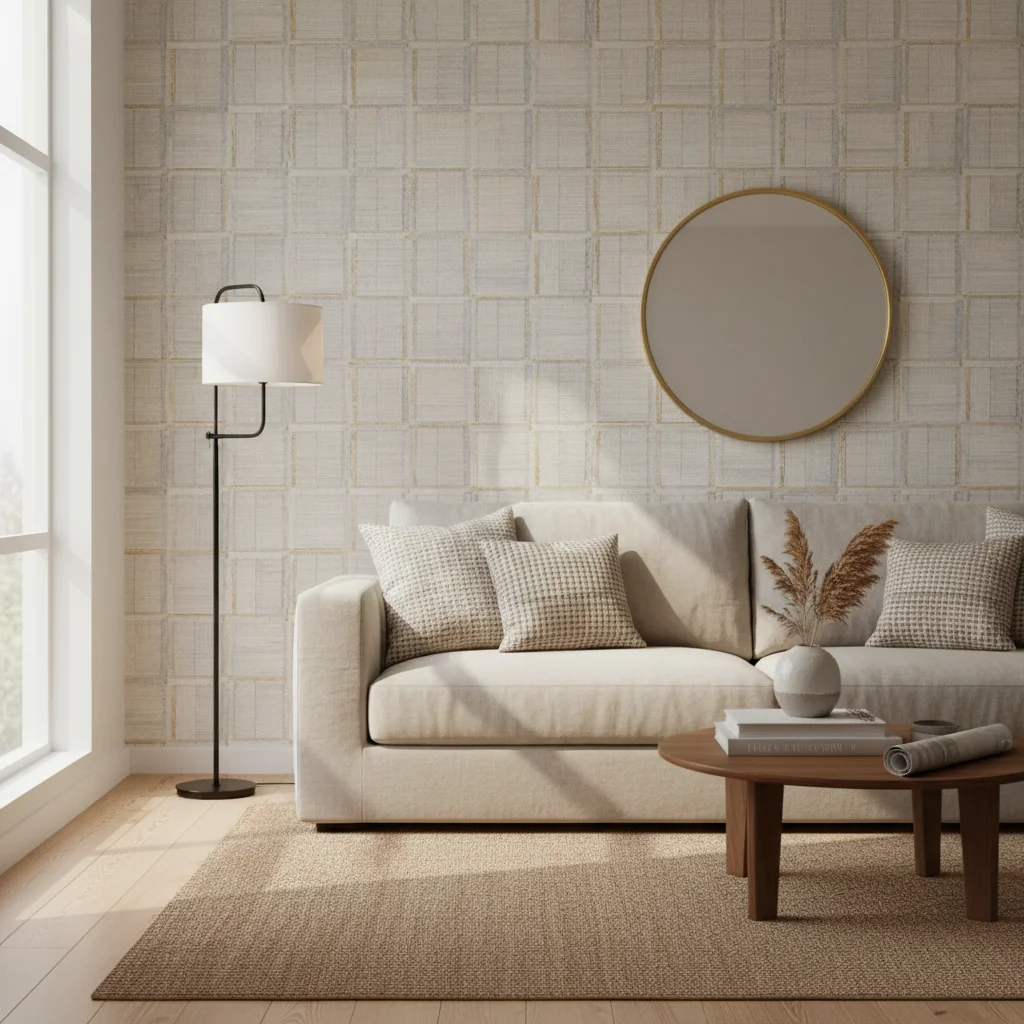
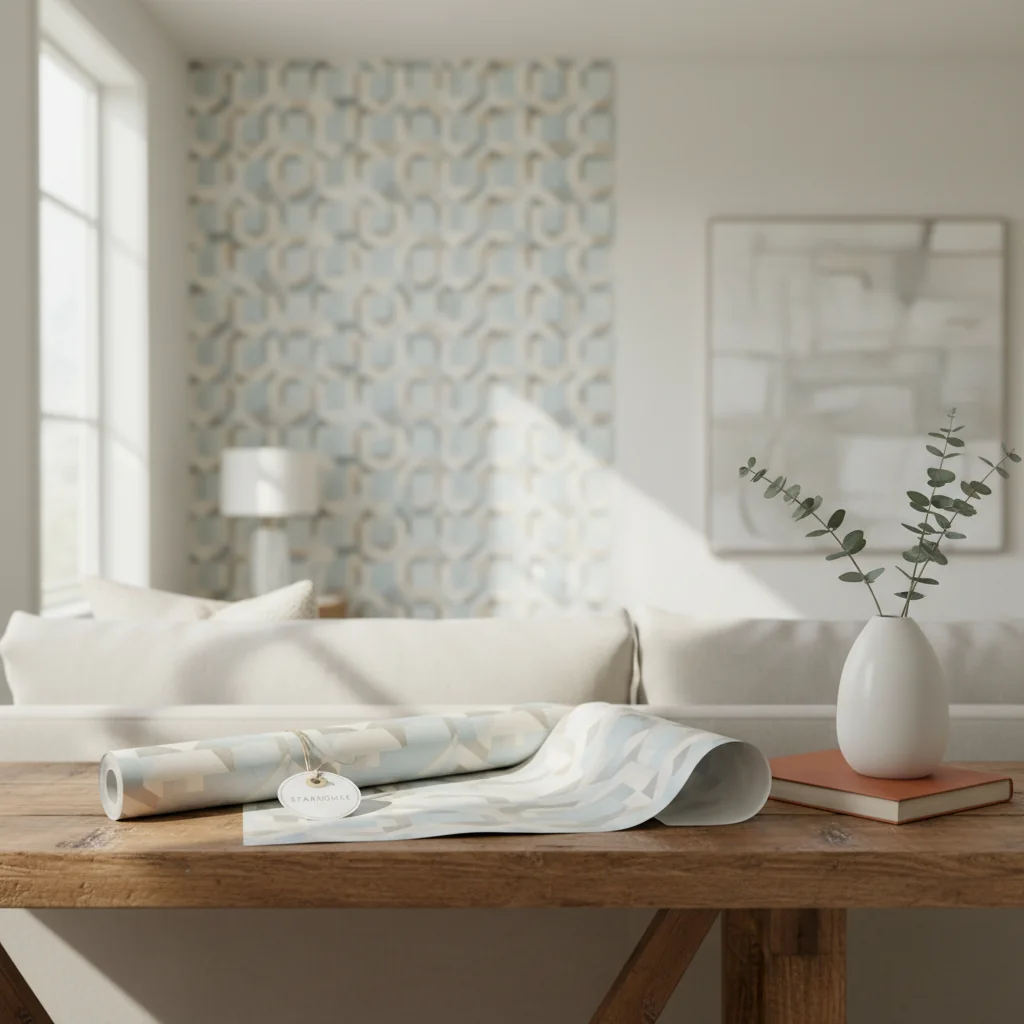
Textured wallpaper, often referred to as “textura papel wallpaper” in design circles, is a sophisticated wall covering that introduces tangible depth and visual interest to any interior space, moving beyond flat patterns to create a multi-sensory experience. It achieves its distinct character through processes like embossing, flocking, or integrating natural fibers, resulting in a surface that interacts dynamically with light and shadow, thereby transforming the ambiance of a room with unparalleled elegance and precision.
Key takeaways
- Textured wallpaper introduces significant depth and tactile interest, enhancing a room’s aesthetic beyond flat patterns.
- Key types include embossed, Anaglypta, grasscloth, and vinyl, each offering distinct visual and tactile properties.
- Choosing the right texture involves considering room function, lighting, desired aesthetic, and material properties like durability and washability.
- Accurate measurement and proper wall preparation are critical for a seamless and professional installation of textured wallpaper.
- Modern design trends emphasize natural, subtle, and biophilic textures that promote a sense of calm and sophistication.
- Care requirements vary by material, ranging from simple dusting for delicate textures to damp cloth cleaning for more durable vinyl options.
- Textured wallpaper effectively conceals minor wall imperfections, offering a practical solution for less-than-perfect surfaces.
What is Textured Wallpaper?
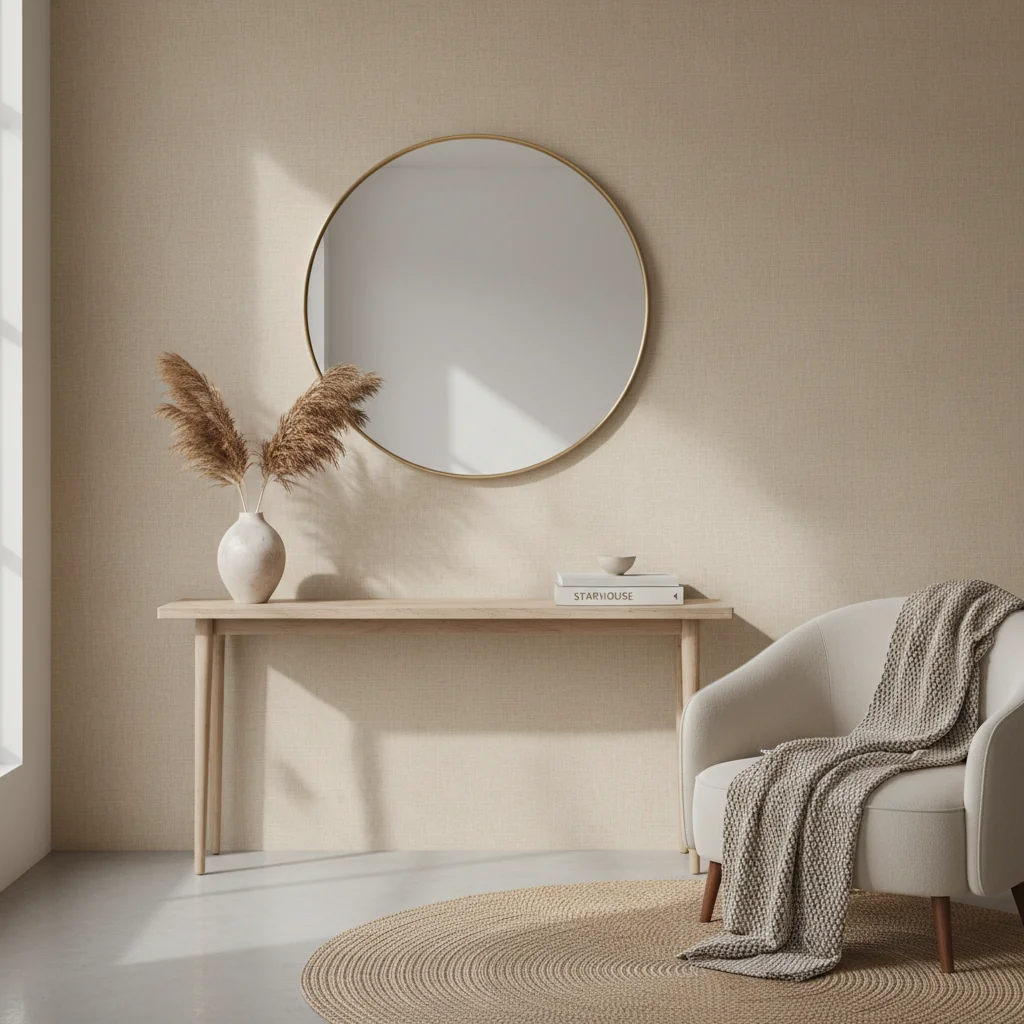
Textured wallpaper is a wall covering specifically engineered to provide a three-dimensional surface, creating a tactile and visual experience that surpasses the flat appearance of traditional printed wallpapers. This dimensionality is achieved through various manufacturing processes such as embossing, where patterns are raised from the surface, or by incorporating actual materials like natural fibers or flocking, which add a palpable quality to the wall.
The primary appeal of textured wallpaper lies in its ability to introduce depth and character to a room without necessarily relying on bold patterns or vibrant colors. Instead, it leverages the interplay of light and shadow across its relief to create subtle yet profound visual interest. This makes it an invaluable tool in interior design for adding sophistication, warmth, and a unique personality to any space.
Beyond Flat Patterns: The Appeal of Tactile Design
The human experience is inherently tactile, and incorporating texture into interior design speaks to this fundamental aspect. Flat patterns, while aesthetically pleasing, often remain two-dimensional. Textured wallpaper, conversely, engages both sight and touch, providing a richer, more immersive environment. The subtle variations in its surface catch and reflect light in unique ways, changing the room’s appearance throughout the day as natural and artificial light sources shift.
For instance, a finely embossed linen texture can evoke the soft drape of fabric, adding an understated elegance, while a deeply textured grasscloth introduces organic warmth and a connection to nature. This tactile quality contributes significantly to the overall comfort and perceived luxury of a space, making it feel more inviting and thoughtfully designed.
How Texture Enhances a Room’s Aesthetic
Textured wallpaper offers several distinct advantages in enhancing a room’s aesthetic:
- Adds Depth and Dimension: The raised surfaces create shadows and highlights, giving walls a dynamic, three-dimensional quality that flat surfaces cannot replicate. This depth can make a room feel more expansive or more intimate, depending on the scale and type of texture.
- Conceals Imperfections: One of the most practical benefits of textured wallpaper is its remarkable ability to camouflage minor wall imperfections, such as small cracks, bumps, or uneven plaster. The irregular surface distracts the eye, making minor flaws virtually invisible and saving significant time and expense on extensive wall preparation.
- Introduces Visual Interest without Overwhelm: Unlike heavily patterned wallpapers that can dominate a space, many textured designs offer visual intrigue through their surface structure rather than their motif. This allows for a sophisticated backdrop that supports furnishings and art without competing for attention.
- Enhances Acoustic Properties: Certain textured wallpapers, particularly those with a thicker profile or natural fiber components, can offer a marginal improvement in a room’s acoustics by absorbing sound waves. This contributes to a quieter, more serene environment, especially in larger or more open-plan spaces.
- Provides a Foundation for Layering: Textured walls serve as an excellent base for layering other design elements. They provide a subtle richness that allows furniture, textiles, and decorative objects to stand out and coalesce into a cohesive design scheme.
Embossing is a manufacturing process where a pattern is pressed into the wallpaper material, creating a raised or recessed design that adds physical texture and depth to the surface.
Understanding these foundational aspects of textured wallpaper reveals its power as a transformative design element, capable of elevating any interior from merely functional to truly inspiring.
Exploring the Diverse Types of Textured Wallpaper
The world of textured wallpaper is rich with variety, offering a multitude of options that cater to diverse aesthetic preferences and functional requirements. Each type utilizes distinct materials and manufacturing techniques to achieve its unique tactile and visual signature, ensuring there is a perfect textured solution for every design vision.
When selecting textured wallpaper, understanding the specific characteristics of each type is paramount. This knowledge allows for informed decisions that align with the desired ambiance, durability needs, and maintenance expectations of a given space. From classic embossed patterns to exotic natural fibers, the range of choices empowers designers and homeowners to create truly distinctive interiors.
Embossed Paper Wallpaper: Classic Depth and Versatility
Embossed paper wallpaper is a foundational category within textured wall coverings, characterized by patterns or designs that are physically pressed into the paper surface, creating a raised relief. This process gives the wallpaper a three-dimensional quality that adds subtle depth and sophistication to walls.
- Construction: Typically made from a paper substrate, which is then passed through rollers that press a design into its surface. Some variations may have a vinyl coating for enhanced durability.
- Appearance: Ranges from subtle, all-over textures mimicking fabric weaves (like linen or grasscloth) to more pronounced geometric or organic patterns. The texture is often monochromatic or subtly colored, allowing the relief to create visual interest through light and shadow.
- Versatility: Highly adaptable to various design styles, from traditional to contemporary. It can be left as is, or some types are designed to be painted, allowing for custom color schemes while retaining the underlying texture.
- Ideal Use: Living rooms, bedrooms, dining rooms, and hallways. Painted embossed wallpaper is excellent for high-traffic areas if a durable paint is applied.
Anaglypta and Lincrusta: Heritage Textures with Enduring Appeal
Anaglypta and Lincrusta are historical forms of deeply embossed wallpaper, renowned for their intricate patterns, remarkable durability, and ability to be painted. They represent a pinnacle of traditional textured wall coverings, often found in heritage properties but increasingly adapted for modern interiors seeking a touch of classic grandeur.
- Anaglypta: This type is made from paper pulp that is deeply embossed, often featuring Victorian-era patterns such as dados, friezes, and ceiling designs. It is lightweight, breathable, and specifically designed to be painted, allowing for customization and repair. Anaglypta provides significant texture that effectively masks wall imperfections.
- Lincrusta: A more robust and luxurious option, Lincrusta is made from a composite material of linseed oil, wood flour, and waxes, pressed onto a paper backing. It boasts exceptionally deep, sharp, and durable embossing, often mimicking carved wood, plasterwork, or leather. Lincrusta is highly resistant to wear and tear, waterproof once painted, and can last for decades, becoming more resilient over time. It is also designed for painting and can achieve stunning effects with glazes and washes.
- Ideal Use: Historical renovations, grand hallways, dining rooms, studies, and areas where a statement of enduring elegance is desired. Lincrusta is particularly suited for high-traffic or even commercial settings due to its extreme durability.
Grasscloth and Natural Fiber Wallpapers: Organic Sophistication
Grasscloth and other natural fiber wallpapers bring an unparalleled organic texture and warmth to interior spaces. These coverings are celebrated for their subtle variations in color and weave, which create a unique, artisanal aesthetic.
- Construction: Hand-woven fibers such as sea grass, jute, sisal, raffia, bamboo, or even cork are meticulously adhered to a paper backing. The weaving process results in slight irregularities and visible seams, which are considered part of their inherent charm.
- Appearance: Offers a sophisticated, earthy, and often minimalist look. The natural fibers introduce nuanced variations in shade and texture, creating a living surface that reacts beautifully to light. Colors are typically muted and natural, though dyed options are available.
- Benefits: Adds warmth, acoustic absorption, and a strong connection to nature. They are often breathable and environmentally friendly.
- Considerations: Generally more delicate than vinyl, susceptible to moisture damage, and can be more challenging to clean. Visible seams are characteristic and should be embraced as part of their natural beauty.
- Ideal Use: Bedrooms, living rooms, studies, or dining rooms where a serene, sophisticated, and organic atmosphere is desired. Not recommended for high-moisture areas like bathrooms or kitchens unless specifically treated.
Vinyl and Fabric-Backed Vinyl Wallpaper: Durability Meets Design
Vinyl and fabric-backed vinyl wallpapers are workhorses in the world of wall coverings, offering exceptional durability, washability, and versatility in texture and pattern. They are engineered to withstand demanding environments while providing a wide array of aesthetic options.
- Vinyl Wallpaper: Consists of a decorative vinyl layer laminated to a paper or non-woven backing. The vinyl layer can be deeply embossed to mimic almost any texture, from natural materials like wood, stone, and fabric to intricate geometric patterns. It is highly resistant to moisture, stains, and abrasion, making it easy to clean.
- Fabric-Backed Vinyl: This is a heavy-duty variant, often used in commercial settings but also valuable in high-traffic residential areas. It features a solid vinyl surface laminated to a durable fabric backing (e.g., woven polyester or cotton). This construction provides superior tear resistance and dimensional stability, making it extremely robust and long-lasting.
- Appearance: Can replicate a vast range of textures, including plaster, concrete, leather, silk, and many types of woven fabrics, with remarkable realism. They can also feature bold patterns or subtle, all-over textures.
- Benefits: Outstanding durability, superior washability, and moisture resistance. Many vinyl wallpapers are scrubbable, making them ideal for areas prone to spills and wear.
- Ideal Use: Kitchens, bathrooms, children’s rooms, hallways, commercial spaces, and any area requiring a highly durable and easy-to-maintain wall finish.
Flock Wallpaper: Luxurious Tactile Velvet
Flock wallpaper is a luxurious type of textured wall covering known for its velvety, raised patterns that add a sense of opulence and softness to a room.
- Construction: Created by applying fine, short fibers (flock) onto a pattern printed with adhesive on a paper or non-woven substrate. The flock fibers stand upright, giving the pattern a soft, fuzzy, three-dimensional feel.
- Appearance: Often features traditional damask, floral, or geometric patterns with a plush, velvety texture. The contrast between the flocked pattern and the background can be striking, creating a sophisticated and tactile design.
- Benefits: Adds warmth, luxury, and a soft touch to walls. It can absorb some sound, contributing to a quieter ambiance.
- Considerations: More delicate than vinyl, not typically washable, and can be prone to dust accumulation. Installation requires careful handling to avoid damaging the flock.
- Ideal Use: Bedrooms, formal living rooms, dining rooms, or powder rooms where a rich, elegant, and intimate atmosphere is desired.
Mica and Glass Bead Wallpapers: Glimmering Textures
Mica and glass bead wallpapers introduce a dazzling, shimmering texture that reflects light, adding glamour and sparkle to interior spaces.
- Mica Wallpaper: Features small, reflective mica flakes embedded into the surface, often on a non-woven or paper backing. The mica creates a subtle, natural shimmer that changes with the light.
- Glass Bead Wallpaper: Composed of tiny glass beads meticulously applied to the wallpaper surface, creating a sparkling, jewel-like texture. The beads catch and refract light, producing a dynamic and luxurious effect.
- Appearance: Both types offer a luxurious, often iridescent finish. Mica tends to be more understated, while glass beads provide a more dramatic, glittering effect.
- Benefits: Adds a touch of glamour, sophistication, and a unique reflective quality to walls.
- Considerations: Can be delicate and require careful installation. Cleaning is usually limited to gentle dusting. The reflective nature can be intense in direct sunlight, so placement should be considered.
- Ideal Use: Feature walls, powder rooms, bedrooms, or dining areas where a touch of sparkle and luxury is desired.
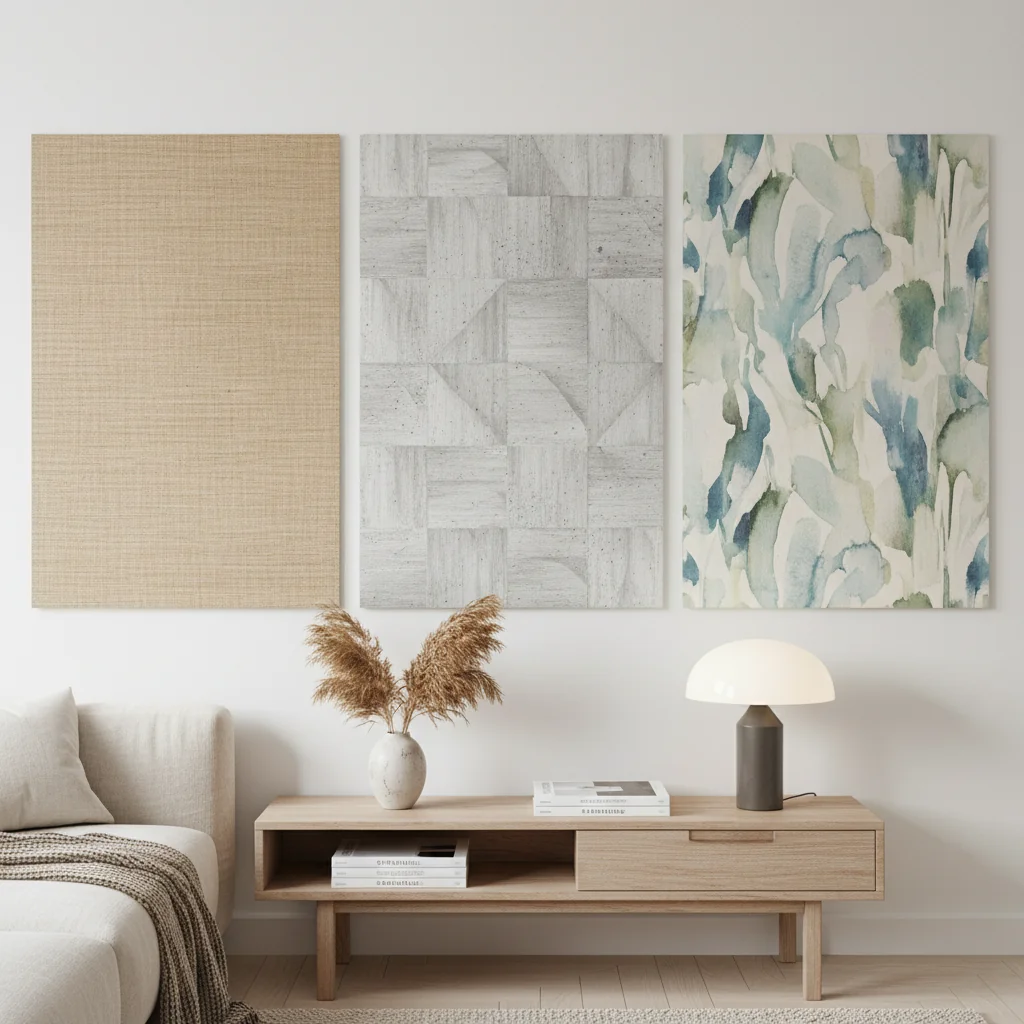
Each of these textured wallpaper types offers a distinct character and suitability for various applications. From the foundational elegance of embossed paper to the robust utility of vinyl and the exquisite luxury of natural fibers, understanding their individual attributes is key to making an informed design choice that perfectly complements your vision for a space.
Choosing the Right Textured Wallpaper for Your Space
Selecting the ideal textured wallpaper involves a careful consideration of several factors, ensuring that the chosen design not only enhances the aesthetic of your space but also aligns with its functional demands and your personal style. A thoughtful approach guarantees a harmonious and enduring result.
The decision-making process should encompass the room’s purpose, its existing elements, the quality of light, and the practical aspects of durability and maintenance. By systematically evaluating these criteria, you can confidently choose a textured wallpaper that truly transforms your home.
Room Function and Traffic Levels
The intended use of a room dictates many aspects of wallpaper selection, especially concerning durability and cleanability.
- High-Traffic Areas (Hallways, Entryways, Kids’ Rooms): These spaces require wallpapers that can withstand frequent contact, scuffs, and potential spills. Vinyl or fabric-backed vinyl wallpapers are excellent choices due to their superior durability, scrubbability, and resistance to wear. Embossed vinyls that mimic natural textures offer aesthetic appeal without compromising on resilience.
- Moisture-Prone Areas (Bathrooms, Kitchens, Laundry Rooms): Humidity and splashes are key concerns here. Solid vinyl or vinyl-coated wallpapers are highly recommended as they are water-resistant and easy to wipe clean. Avoid delicate materials like grasscloth or flock wallpaper in these environments, as they can be damaged by moisture.
- Low-Traffic Areas (Bedrooms, Formal Living Rooms, Dining Rooms, Studies): These spaces allow for greater freedom in material choice, as durability is less of a primary concern. Here, you can indulge in more delicate and luxurious options such as grasscloth, silk, flock, or finely embossed paper wallpapers that prioritize aesthetic richness and tactile appeal over robust functionality.
Desired Aesthetic and Design Style
The texture of wallpaper plays a significant role in defining the overall mood and style of a room. Consider the existing decor and the ambiance you wish to create.
- Modern/Minimalist: Opt for subtle, understated textures like fine linen weaves, brushed concrete effects, or minimalist geometric embossing. These add depth without introducing visual clutter, maintaining clean lines and a serene atmosphere.
- Traditional/Classic: Anaglypta or Lincrusta wallpapers with their intricate, deep embossing, often in damask or classical motifs, are perfect. Flock wallpapers can also evoke a sense of historical grandeur and luxury.
- Rustic/Bohemian: Natural fiber wallpapers such as grasscloth, jute, or cork are ideal for bringing an organic, earthy feel. Textures mimicking distressed wood or stone can also contribute to a rustic charm.
- Glamorous/Luxurious: Consider wallpapers with metallic sheens, mica flakes, or glass beads for a shimmering, opulent effect. Plush flock textures in rich colors also convey luxury and sophistication.
- Industrial: Textures that mimic raw concrete, exposed brick, or weathered metal finishes are perfect for achieving an industrial aesthetic.
Impact of Light Exposure
How light interacts with textured wallpaper is crucial. Texture enhances light and shadow play, and different textures respond uniquely to varying light conditions.
- Brightly Lit Rooms (Abundant Natural Light): In rooms with ample sunlight, deep textures will cast pronounced shadows, creating dramatic visual effects. Metallic or shimmering textures will reflect light beautifully, adding sparkle. However, very strong, direct sunlight can sometimes overwhelm highly reflective surfaces or fade delicate natural fibers over time.
- Dimly Lit Rooms (Limited Natural Light): In darker rooms, lighter-colored textures with a subtle sheen or fine embossing can help to brighten the space by reflecting what little light is available. Deep, dark textures might absorb too much light, making the room feel smaller or heavier, unless that is the desired intimate effect.
- Artificial Lighting: Consider how artificial lights (downlights, sconces, lamps) will interact with the texture. Up-lighting can dramatically highlight a textured wall, emphasizing its three-dimensionality. Experiment with samples under both natural and artificial light conditions.
Durability and Maintenance Requirements
The practical aspects of a wallpaper’s lifespan and upkeep are vital for long-term satisfaction.
- Washability: Wallpapers are classified by their washability.
- Wipeable: Can be gently wiped with a damp cloth.
- Washable: Can be cleaned with a damp sponge and mild detergent.
- Scrubbable: Can withstand scrubbing with a brush and detergent.
Vinyl wallpapers generally offer the highest levels of washability. Delicate materials like grasscloth or flock are often only wipeable or require dry cleaning.
- Longevity: High-quality vinyls and fabric-backed vinyls are built for longevity, often lasting 10-15 years or more. Paper-based wallpapers, while beautiful, may have a shorter lifespan in very active households. Lincrusta, when properly maintained, can last a lifetime.
- VOC Emissions: Volatile Organic Compounds (VOCs) are chemicals released into the air from various products, including some wallpapers and adhesives. It is important to choose wallpapers that meet low-VOC standards to maintain good indoor air quality. The eCFR (Electronic Code of Federal Regulations) Part 59 outlines national volatile organic compound emission standards for consumer and commercial products, including coatings and adhesives, providing a framework for manufacturers to adhere to healthier environmental standards. Starhouse prioritizes offering wallpapers that meet or exceed these stringent indoor air quality standards.
Considering Substrate Type
The backing material of the wallpaper influences ease of installation, removal, and overall performance.
- Paper Backing: Traditional, less expensive, but can be more challenging to install and remove. Requires paste-the-paper application.
- Non-Woven Backing: A blend of natural and synthetic fibers, offering excellent tear resistance and dimensional stability. It is often “paste-the-wall” and fully strippable, making it easier to install and remove without damaging walls. Highly breathable.
- Fabric Backing: Provides superior strength and durability, typically used for heavy-duty vinyls. Offers excellent adhesion and can be more forgiving during installation.
By meticulously weighing these factors, you can confidently select a textured wallpaper that not only fulfills your aesthetic desires but also performs optimally within the specific context of your home, ensuring lasting beauty and satisfaction.
Understanding Wallpaper Materials and Their Properties
Different wallpaper materials offer distinct properties that significantly impact their durability, appearance, installation process, and maintenance requirements. A precise understanding of these material characteristics is essential for making an informed selection that aligns with both aesthetic goals and practical considerations for any interior space.
From traditional paper to advanced vinyl compositions and delicate natural fibers, each material brings a unique set of benefits and limitations. Knowing these properties ensures that the chosen wallpaper will not only look exceptional but also perform optimally in its intended environment, providing long-term satisfaction and design integrity.
Traditional Paper Wallpaper: Breathable Elegance
Traditional paper wallpaper is the classic choice, offering a natural and breathable finish that has been a staple in interior design for centuries. Its inherent qualities make it suitable for specific applications.
- Composition: Made entirely from paper, often with a printed or embossed design on its surface.
- Characteristics:
- Breathability: Allows walls to breathe, which can be beneficial in older homes or areas where moisture regulation is important.
- Aesthetic: Offers a soft, matte finish that can feel very natural and sophisticated. Excellent for intricate prints and delicate textures.
- Durability: Generally less durable than vinyl options. It is prone to tearing and scuffing, and typically only wipeable, not washable or scrubbable.
- Installation: Requires paste-the-paper application, which can be more challenging for DIYers due to the need for booking time (allowing paste to soak in).
- Removal: Can be more difficult to remove in full sheets, often requiring steaming or soaking.
- Ideal Use: Bedrooms, formal living rooms, dining rooms, and other low-traffic areas where a delicate, traditional aesthetic is desired and high durability is not a primary concern.
Non-Woven Wallpaper: The Modern Standard
Non-woven wallpaper has emerged as a modern favorite due to its superior performance, ease of installation, and environmental considerations. It represents a significant advancement in wallpaper technology.
- Composition: A blend of natural and synthetic fibers (e.g., cellulose and polyester), bonded together to form a highly stable and tear-resistant sheet.
- Characteristics:
- Durability: Highly tear-resistant and dimensionally stable, meaning it won’t expand or contract significantly when wet.
- Ease of Installation: Often “paste-the-wall,” where adhesive is applied directly to the wall, making installation quicker and cleaner. It is also more forgiving, allowing for repositioning.
- Ease of Removal: Fully strippable in dry sheets without damaging the wall surface, making future redecoration much simpler.
- Breathability: Retains good breathability, similar to paper, which helps prevent mold and mildew.
- Washability: Typically washable or scrubbable, depending on the surface coating.
- Ideal Use: Versatile for almost any room, including bedrooms, living rooms, dining rooms, and even light-traffic bathrooms and kitchens, especially for busy households or those who anticipate redecorating in the future.
Vinyl Wallpaper: The Practical Powerhouse
Vinyl wallpaper is celebrated for its exceptional durability, ease of maintenance, and versatility in design, making it a highly practical choice for demanding environments.
- Composition: Features a polyvinyl chloride (PVC) layer laminated onto a paper or non-woven backing. The vinyl layer can be solid (Type I, II, III commercial grades) or coated over a paper backing.
- Characteristics:
- Durability: Extremely durable, resistant to scuffs, impacts, and abrasions. Solid vinyls are particularly robust.
- Washability: Highly washable and often scrubbable, making it ideal for areas prone to dirt and spills.
- Moisture Resistance: The vinyl surface is largely impervious to water, making it suitable for high-humidity environments.
- Design Versatility: The vinyl layer can be deeply embossed and printed to realistically mimic a wide array of textures and patterns, from wood grain and stone to fabric weaves and abstract designs.
- Installation: Varies by backing; paper-backed vinyl requires paste-the-paper, while non-woven-backed vinyl is paste-the-wall.
- Ideal Use: Kitchens, bathrooms, laundry rooms, children’s rooms, hallways, and commercial spaces where maximum durability and easy cleaning are paramount.
Fabric-Backed Vinyl Wallpaper: Commercial-Grade Resilience
Fabric-backed vinyl is the pinnacle of durability in residential and commercial wall coverings, designed for the most demanding applications where extreme wear and tear are expected.
- Composition: A heavy-duty solid vinyl surface laminated to a woven fabric backing, typically cotton or polyester.
- Characteristics:
- Extreme Durability: Offers superior tear strength, dimensional stability, and resistance to heavy impacts and abrasion. It is often rated for commercial use (Type II and Type III).
- Washability: Fully scrubbable and highly resistant to stains and moisture.
- Longevity: Designed for very long-term use, often exceeding 15 years in high-traffic environments.
- Installation: Requires heavy-duty adhesive and precise installation due to its weight and rigidity.
- Ideal Use: Commercial buildings (hotels, hospitals, offices), high-traffic residential areas like busy family rooms, entryways, and mudrooms where unparalleled resilience is needed.
Natural Fiber Wallpapers (Grasscloth, Cork, Jute): Organic Authenticity
Natural fiber wallpapers offer an authentic, organic aesthetic, bringing the beauty of the natural world indoors with unique textures and subtle variations.
- Composition: Hand-woven or adhered natural materials like sea grass, jute, sisal, cork, bamboo, or raffia, typically backed with paper for stability.
- Characteristics:
- Aesthetic: Provides a rich, tactile, and earthy texture with inherent variations in color and weave. Creates a warm, serene, and sophisticated ambiance. Visible seams are a natural characteristic.
- Breathability: Generally very breathable.
- Acoustics: Can offer some sound-absorbing qualities due to their fibrous nature.
- Durability: More delicate than synthetic options. Prone to unraveling if snagged and susceptible to moisture damage. Usually only wipeable, not washable.
- Installation: Requires careful handling due to delicate nature; some types are pre-trimmed, others require trimming on the wall.
- Ideal Use: Bedrooms, living rooms, dining rooms, studies, and other spaces where a sophisticated, organic, and tranquil atmosphere is desired. Not suitable for high-moisture or high-traffic areas.
Acrylic/Latex Coated Paper: Enhanced Protection
Acrylic or latex coated paper wallpapers offer a compromise between the aesthetic of traditional paper and the durability of vinyl, providing an enhanced level of protection.
- Composition: A paper substrate with a clear acrylic or latex coating applied to the surface.
- Characteristics:
- Protection: The coating provides a protective barrier, making the wallpaper more resistant to moisture, stains, and scuffs compared to uncoated paper.
- Washability: Typically washable, allowing for easier cleaning than traditional paper.
- Aesthetic: Retains much of the look and feel of paper, with the coating often adding a subtle sheen or a slight textural difference.
- Breathability: Generally less breathable than uncoated paper but more so than solid vinyl.
- Ideal Use: Bedrooms, living rooms, dining rooms, and light-traffic areas where a bit more durability and ease of cleaning are desired without moving to full vinyl.
Understanding the nuances of these materials is crucial for selecting a textured wallpaper that not only fulfills your design vision but also meets the practical demands of its environment. For detailed specifications and properties of various wallpaper types, resources like Brewster Home Fashions’ Wallpaper Specifications provide comprehensive information, including classifications for washability, lightfastness, and removal methods.
Design Your Dream Space with Starhouse
As you explore the rich possibilities of textured wallpaper, imagine how these exquisite materials could transform your home. At Starhouse, we are meticulously curating a collection that brings together the finest in wall coverings and home decor. We invite you to share your vision and tell us what you’re looking for in your next design project. By doing so, you’ll gain early access to our curated selections and be among the first to discover pieces that resonate with your unique style.
Your input is invaluable as we build a collection tailored to discerning tastes. Tell us what you’re looking for and help us shape the future of sophisticated home design.
| Material Type | Key Characteristics | Durability | Washability | Ideal Use |
|---|---|---|---|---|
| Paper (Embossed) | Breathable, natural feel, subtle texture. | Moderate; prone to tearing/scuffing. | Wipeable (gentle damp cloth). | Bedrooms, formal living rooms, low-traffic areas. |
| Non-Woven | Tear-resistant, dimensionally stable, breathable, easy install/remove. | Good; resistant to minor damage. | Washable to Scrubbable. | Versatile for most rooms, including light-traffic kitchens/baths. |
| Vinyl (Paper-backed) | Versatile textures, moisture-resistant surface. | Good; resistant to scuffs and moisture. | Washable to Scrubbable. | Kitchens, bathrooms, children’s rooms, hallways. |
| Fabric-Backed Vinyl | Heavy-duty, superior tear strength, extreme durability. | Excellent; commercial-grade resilience. | Scrubbable. | High-traffic areas, commercial spaces, mudrooms. |
| Natural Fiber (Grasscloth, Cork) | Organic, unique texture, visible seams, acoustic benefits. | Delicate; prone to snagging/moisture damage. | Dry dusting only (not washable). | Bedrooms, studies, formal dining/living rooms (low moisture). |
| Flock | Luxurious velvety, raised patterns, soft touch. | Delicate; prone to dust, not washable. | Dry dusting only. | Bedrooms, formal living rooms, powder rooms. |
| Acrylic/Latex Coated Paper | Enhanced protection over paper, retains paper feel. | Moderate to Good; more resistant than uncoated paper. | Washable. | Bedrooms, living rooms, dining rooms (enhanced durability needed). |
Mastering Measurement and Installation for Textured Wallpaper
Accurate measurement and meticulous installation are paramount to achieving a flawless and professional finish when working with textured wallpaper. Precise planning prevents material waste and ensures that the intricate details of the texture are beautifully showcased without unsightly seams or misalignments.
Even the most exquisite textured wallpaper can fall short of its potential if not properly measured, prepared, and applied. Adhering to established techniques for surface preparation, cutting, and hanging is essential for a lasting and aesthetically pleasing result.
Accurate Room Measurement: The Foundation of Success
Before purchasing any wallpaper, precise measurements of the room are non-negotiable. This step ensures you buy enough material without excessive waste.
- Measure Wall Height: Measure from the baseboard to the ceiling at several points around the room, as walls may not be perfectly uniform. Use the tallest measurement for cutting strips. Add an extra 4-6 inches to each strip for trimming allowance at the top and bottom.
- Measure Wall Width: Measure the total perimeter of the room. This will determine the number of strips needed.
- Calculate Square Footage: Multiply the total wall height by the total wall width (perimeter). This gives you the total square footage of the walls.
- Account for Openings: Subtract the square footage of windows and doors from the total wall area. While this helps determine the overall amount, remember that you still need full-length strips to go around these openings.
- Determine Rolls Needed:
- Consult the wallpaper roll’s coverage area (typically in square feet) provided by the manufacturer.
- Divide your adjusted room square footage by the roll coverage.
- Crucially, factor in pattern repeat: If your textured wallpaper has a repeating pattern, you will need extra material to match the design across strips. For large repeats (over 20 inches), add an additional 15-20% to your roll count. It is always safer to purchase one extra roll than to run short, especially since dye lots can vary between batches.
Surface Preparation: The Canvas for Your Texture
The quality of your wall surface directly impacts the final appearance and longevity of textured wallpaper. Proper preparation is non-negotiable.
- Clean Walls Thoroughly: Wash walls with a mild detergent solution (e.g., TSP substitute) to remove dirt, grease, and grime. Rinse thoroughly and allow to dry completely.
- Repair Imperfections: Fill any holes, cracks, or dents with spackle or joint compound. Sand smooth once dry. Textured wallpaper can conceal minor flaws, but significant imperfections will still show through.
- Remove Old Wallpaper: All existing wallpaper must be removed. New wallpaper will not adhere properly to old layers, and trapped moisture can cause issues.
- Prime Walls: Apply a high-quality wallpaper primer (often called a “sizing” or “wall-sizing” primer). Primer seals porous surfaces, promotes better adhesion, and makes future removal easier. It also provides a uniform surface for the wallpaper to adhere to, preventing paste from being absorbed unevenly. Allow primer to dry completely according to manufacturer instructions.
Understanding Adhesives and Application Methods
The type of adhesive and application method depend on your wallpaper’s backing.
- Pre-pasted Wallpaper: Has a dry adhesive already applied to its back. Activation usually involves dipping the strip in water or spraying the back with water.
- Paste-the-Paper Wallpaper: Requires applying adhesive directly to the back of the wallpaper strip. The strip then needs to “book” (fold pasted side to pasted side) for a few minutes to allow the paste to soak in before hanging. This method is common for traditional paper and some vinyl wallpapers.
- Paste-the-Wall Wallpaper: Adhesive is applied directly to the wall surface using a roller. The dry wallpaper strip is then hung onto the pasted wall. This method is typically used for non-woven wallpapers and is generally cleaner and easier for DIYers.
- Heavy-Duty Adhesives: For heavier wallpapers like fabric-backed vinyl or Lincrusta, a stronger, clay-based or clear heavy-duty adhesive is required to ensure proper adhesion.
Essential Tools for a Professional Finish
Having the right tools makes the installation process significantly smoother and ensures a professional result.
- Tape measure
- Pencil
- Long straightedge or level
- Plumb bob or laser level (essential for establishing a straight vertical line)
- Utility knife with plenty of fresh blades
- Smoothing tool (plastic smoother or wallpaper brush)
- Seam roller (for non-textured wallpapers; use sparingly or avoid on delicate textures to prevent flattening)
- Large sponge and clean water (for cleaning excess paste)
- Buckets (for water, paste)
- Drop cloths
- Stepladder
- Paste brush or roller (for paste-the-paper/wall)
Basic Installation Steps for Textured Wallpaper
While specific instructions vary by wallpaper type, these general steps apply:
- Establish Your Starting Point: Begin in an inconspicuous corner or next to a door frame. Use a plumb bob or laser level to draw a perfectly vertical line on the wall, one wallpaper strip width (minus about 1/2 inch) away from the corner or frame. This ensures your first strip is straight, which is critical for the rest of the installation.
- Cut Your First Strip: Measure the wall height, add your 4-6 inch trimming allowance, and cut the first strip. For patterned or textured wallpaper, ensure you cut from the same roll or sequential rolls to maintain consistent dye lots.
- Apply Paste (if not pre-pasted): If using paste-the-paper, apply an even layer of paste to the back of the strip, fold it (book it), and let it rest. If paste-the-wall, apply paste to the wall where the first strip will go.
- Hang the First Strip: Align the top edge of the wallpaper with your ceiling line, letting the excess overlap. Carefully align the side edge with your plumb line. Smooth the wallpaper onto the wall using your smoothing tool, working from the center outwards to remove air bubbles.
- Trim Excess: Once smoothed, use your utility knife and straightedge to carefully trim the excess wallpaper at the top (ceiling) and bottom (baseboard). Change blades frequently for clean cuts.
- Hang Subsequent Strips: For the next strip, align it carefully edge-to-edge with the previous one. For textured wallpapers, pay close attention to pattern matching if applicable, and ensure the texture aligns seamlessly. Smooth as before.
- Seam Management: For most textured wallpapers, a butt joint (edges touching perfectly) is preferred. Avoid overlapping, as it creates a visible ridge. For delicate textures, avoid using a seam roller vigorously, as it can flatten the texture. Instead, gently press seams with a clean cloth or a light pass with a rubber roller.
- Clean Up: Immediately wipe away any excess paste from the wallpaper surface and seams with a clean, damp sponge to prevent it from drying and leaving a residue.
Peel-and-Stick Textured Options: Simplicity and Flexibility
For those seeking an even simpler installation, peel-and-stick textured wallpapers offer a convenient alternative.
- Self-Adhesive: These wallpapers have an adhesive backing that is protected by a release liner. You simply peel off the liner and stick the wallpaper to the wall.
- Repositionable: Many peel-and-stick options are designed to be repositionable, allowing for adjustments during installation.
- Temporary: Often a good choice for renters or those who like to change their decor frequently, as they are generally easy to remove without damaging the wall.
- Considerations: While easier to install, the adhesive might not be as strong as traditional paste for very heavy textures, and careful surface preparation is still essential for best adhesion.
By following these detailed steps and understanding the nuances of measurement, preparation, and application, you can confidently install textured wallpaper, transforming your walls into sophisticated and visually engaging surfaces.
Popular Styles and Design Trends in Textured Wallpaper
Current design trends in textured wallpaper reflect a growing appreciation for tactile surfaces, natural elements, and subtle sophistication, moving away from overtly busy patterns towards more nuanced and sensory experiences. These evolving styles offer designers and homeowners innovative ways to add character and depth to interiors without overwhelming the space.
The emphasis is on creating environments that feel authentic, calming, and rich in sensory detail, with texture playing a pivotal role in achieving these aspirational aesthetics. From biophilic inspirations to refined industrial touches, textured wallpapers are at the forefront of contemporary interior design.
Biophilic Design: Connecting with Nature
Biophilic design, which integrates natural elements into the built environment, is a dominant trend, and textured wallpapers are instrumental in achieving this connection. These wallpapers bring the calming and invigorating qualities of nature indoors.
- Grasscloth and Natural Fibers: Always a classic, grasscloth (sea grass, jute, raffia, sisal) continues to be highly popular. Its inherent irregularities, subtle color variations, and organic texture provide a sophisticated, earthy backdrop. Cork wallpaper, with its unique pattern and warmth, also fits this trend.
- Botanical Textures: Wallpapers that feature embossed or subtly raised leaf patterns, delicate floral motifs, or abstract representations of organic forms contribute to a serene, nature-inspired ambiance.
- Wood Grain and Stone Effects: Realistic textured wallpapers mimicking reclaimed wood, weathered stone, or polished marble provide the visual and tactile essence of these materials without the weight or cost, adding a grounded, natural feel.
Industrial Chic: Raw and Refined Surfaces
The industrial aesthetic, characterized by raw and utilitarian elements, continues to evolve, with textured wallpapers offering a refined take on urban grit.
- Concrete and Plaster Textures: Wallpapers that replicate the subtle imperfections, aggregate patterns, and cool tones of concrete or the soft, chalky finish of plaster are highly sought after. These textures add a sense of understated modernism and urban sophistication.
- Distressed Metal Effects: Textured wallpapers mimicking oxidized copper, weathered steel, or brushed aluminum introduce a metallic sheen and an edgy, contemporary feel, often used in feature walls or commercial-inspired spaces.
- Exposed Brick: While classic, faux brick textures remain popular for adding an authentic industrial loft feel, especially when paired with modern furnishings.
Minimalist Textures: Understated Elegance
For those who favor simplicity and clean lines, minimalist textured wallpapers provide depth and interest without relying on bold patterns or colors. The focus is purely on the tactile quality and how light plays across the surface.
- Fine Linen and Woven Effects: Subtle textures that mimic the weave of natural fabrics like linen, silk, or raw cotton add a soft, sophisticated backdrop. These textures create a cozy yet refined atmosphere, perfect for bedrooms or serene living spaces.
- Subtle Geometric Embossing: Very fine, tone-on-tone geometric patterns that are felt more than seen offer a contemporary edge while maintaining a minimalist aesthetic.
- Smooth, Matte Textures: Wallpapers with a very fine, almost imperceptible texture that imparts a luxurious, soft-touch matte finish to the walls, often in neutral or muted color palettes.
Art Deco Revival: Glamour and Geometry
The enduring appeal of Art Deco design, with its emphasis on glamour, symmetry, and geometric forms, is finding new expression in textured wallpapers.
- Geometric Textures: Embossed wallpapers featuring stylized fan motifs, chevron patterns, or intricate interlocking geometrics in metallic or rich jewel tones.
- Metallic Accents: Textures with subtle gold, silver, or bronze flecks, or mica elements, that catch the light, adding a touch of Gatsby-esque luxury.
- Flocked Patterns: Plush flock wallpapers in bold, symmetrical designs, often in deep, saturated colors, evoke the opulence of the Art Deco era.
Maximalism and Bold Textures: Expressive Statements
In contrast to minimalism, maximalism embraces bold expression, and textured wallpapers are key to layering richness and personality into these spaces.
- Deeply Embossed Patterns: Rich, complex embossed designs, often in vibrant colors or with metallic overlays, create a sense of drama and luxury.
- Velvet and Flocked Designs: Large-scale flocked patterns or wallpapers that mimic the deep pile of velvet add significant tactile interest and a sense of indulgence.
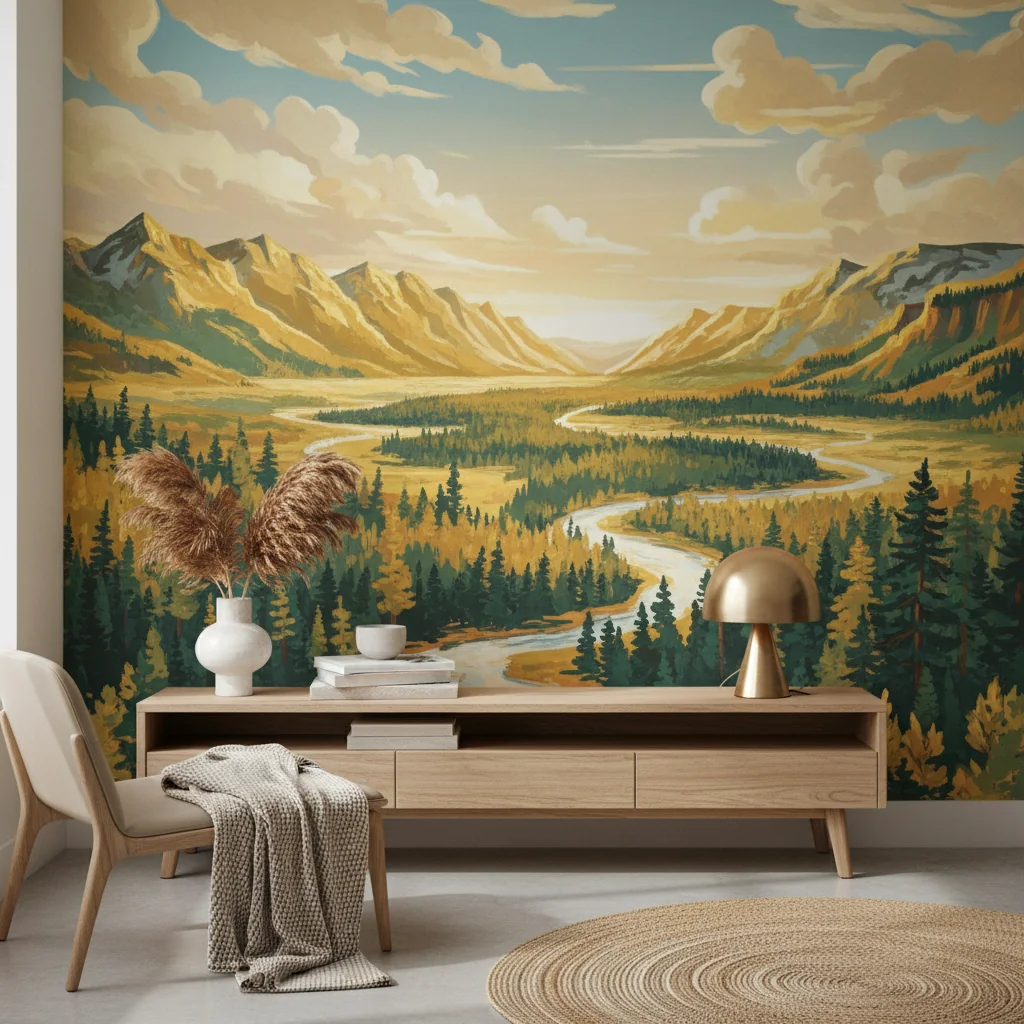
- Textured Murals: Wallpapers that combine large-scale imagery with an underlying texture, offering both visual and tactile depth for a truly immersive statement.
Color Trends Combined with Texture
Current color trends amplify the impact of textured wallpapers. Neutrals remain strong, but often with warm undertones (e.g., earthy browns, soft beiges, muted greens) that enhance natural textures. Deeper, saturated tones like forest green, navy blue, and terracotta are popular for creating moody, enveloping spaces, where textured surfaces add extra depth and sophistication to these rich hues.
These trends highlight textured wallpaper’s versatility as a design tool, capable of adapting to a wide range of aesthetic preferences while consistently delivering depth, character, and a sophisticated finish to any interior.
Caring for Your Textured Wallpaper
Proper care and maintenance are essential for preserving the beauty and extending the lifespan of your textured wallpaper. The specific cleaning regimen largely depends on the material composition of the wallpaper, as delicate natural fibers require a gentler approach than robust vinyl options.
Adhering to the manufacturer’s care instructions is always the most reliable method, but general guidelines can help you maintain the pristine condition of your textured walls, ensuring they continue to enhance your space for years to come.
General Dusting Techniques
Regular dusting is the first line of defense against dirt and grime buildup, especially for textured surfaces where dust can settle into the relief.
- Soft Brush or Microfiber Cloth: For most textured wallpapers, including delicate natural fibers and flock, a soft, dry brush (like a soft-bristled broom or a clean paintbrush) or a microfiber cloth is ideal. Gently brush downwards to dislodge dust particles.
- Vacuum with Brush Attachment: For deeply embossed or more robust textures, a vacuum cleaner with a soft brush attachment can effectively remove dust and cobwebs without damaging the surface. Move the attachment gently over the wallpaper, avoiding excessive pressure.
- Frequency: Dust textured wallpaper regularly, perhaps monthly or quarterly, depending on the room’s dust accumulation and traffic.
Cleaning Methods by Material Type
The washability rating of your wallpaper is critical in determining the appropriate cleaning method. Always test any cleaning solution on an inconspicuous area first.
- Wipeable Wallpapers (e.g., some paper-backed embossed, delicate vinyls):
- Use a clean, lightly damp (not wet) sponge or microfiber cloth.
- Wipe gently in a downward motion.
- Avoid rubbing vigorously, as this can damage the surface or push dirt deeper into the texture.
- Immediately follow with a dry cloth to absorb any remaining moisture.
- Washable Wallpapers (e.g., most non-woven, acrylic-coated paper, light-duty vinyls):
- Prepare a solution of mild soap (e.g., dish soap) and warm water.
- Dampen a sponge or soft cloth with the solution, wring out excess water thoroughly.
- Gently wipe the soiled area, working from the bottom up to prevent streaking.
- Rinse with a clean, damp cloth (water only) to remove soap residue.
- Dry immediately with a clean, dry cloth.
- Scrubbable Wallpapers (e.g., solid vinyl, fabric-backed vinyl):
- These are the most robust and can withstand more aggressive cleaning.
- Use a soft-bristled brush or sponge with a mild detergent solution.
- Gently scrub the soiled area.
- Rinse thoroughly with a clean, damp cloth.
- Dry with a clean cloth. For stubborn stains, a slightly stronger, non-abrasive cleaner designed for vinyl may be used, but always test first.
- Delicate Textures (e.g., Grasscloth, Silk, Flock, Mica):
- These materials are typically not washable and are highly susceptible to water damage and staining.
- Limit cleaning to dry dusting with a soft brush or vacuum attachment.
- For minor marks, a clean, dry art gum eraser can sometimes gently lift surface dirt.
- Professional dry cleaning may be an option for significant issues, but consult a specialist.
- Avoid any liquid cleaners or excessive moisture.
Spot Treatment for Stains
Address stains promptly to prevent them from setting. The method depends on the wallpaper type:
- For Washable/Scrubbable Wallpapers: Use the appropriate cleaning solution and method immediately. For grease stains, a small amount of rubbing alcohol on a cotton ball can sometimes work, followed by a water rinse, but test first.
- For Delicate Textures: Act quickly. For dry dirt, try to gently brush or vacuum it away. For liquid spills, blot immediately with a clean, dry cloth – do not rub. If a stain remains, professional help may be required.
Avoiding Harsh Chemicals and Abrasives
Never use harsh chemical cleaners, abrasive scrubs, steel wool, or highly acidic/alkaline solutions on any wallpaper. These can discolor, dissolve, or physically damage the wallpaper surface, especially delicate textures, coatings, or dyes. Stick to mild soaps and water unless otherwise specified by the manufacturer.
Addressing Common Issues
- Lifting Seams: For minor seam lifting, apply a small amount of seam adhesive (available at hardware stores) directly under the lifted edge using a fine-tipped applicator. Press firmly with a seam roller or clean cloth.
- Minor Damage (Tears, Scratches): For small tears or scratches on durable wallpapers, a repair kit or a small amount of matching paint (for paintable textures) can help. For delicate papers, a discreet patch cut from leftover wallpaper may be required.
- Mold/Mildew: If mold or mildew appears (often due to excessive humidity or inadequate wall preparation), it must be addressed promptly. For washable wallpapers, clean with a solution of diluted bleach (1 part bleach to 10 parts water) or a commercial mildew remover, then rinse and dry thoroughly. For delicate wallpapers, professional remediation may be necessary, and the underlying moisture issue must be resolved.
By implementing these care practices, your textured wallpaper will continue to be a stunning and enduring feature in your home, maintaining its visual and tactile appeal for years to come.
Styling and Pairing Textured Wallpaper with Your Decor
Textured wallpaper serves as a foundational design element that profoundly influences a room’s atmosphere, making it crucial to style and pair it thoughtfully with furnishings, lighting, and accessories. Its unique ability to add depth and character without overwhelming other decor elements allows for sophisticated layering and cohesive design schemes.
When integrated strategically, textured wallpaper can elevate the entire aesthetic of a space, acting as a silent partner that enhances every other design choice. The key is to consider how the texture interacts with different materials, colors, and forms within the room to create a balanced and engaging environment.
Feature Walls vs. Entire Room Application
The decision to apply textured wallpaper to a single feature wall or all four walls significantly impacts the room’s overall feel.
- Feature Wall: This is a powerful technique for highlighting architectural elements, defining zones, or simply adding a dramatic focal point. A bold texture, a rich color, or a wallpaper with a striking natural fiber (like grasscloth) works exceptionally well on a feature wall, drawing the eye and making a statement without overwhelming the entire space. This approach is ideal for introducing a complex texture or a darker hue into a smaller room.
- Entire Room: Applying textured wallpaper to all walls creates an enveloping, cohesive, and immersive experience. This works best with subtle, monochromatic textures (e.g., fine linen, plaster, subtle embossed patterns) that provide a consistent backdrop, adding warmth and depth without visual clutter. For larger rooms, or spaces where a serene and sophisticated ambiance is desired, full-room application with a nuanced texture can be breathtaking.
Complementing Furniture Styles
Textured wallpaper should harmonize with your furniture, creating a unified design narrative.
- Modern/Contemporary: Pair minimalist furniture with subtle textures like concrete, fine linen, or geometric embossing. These textures provide a quiet backdrop that allows the clean lines and forms of modern furniture to stand out.
- Traditional/Classic: Richly carved or upholstered traditional furniture pairs beautifully with Anaglypta, Lincrusta, or flock wallpapers, which echo classic elegance and depth. Damask patterns or intricate embossed designs enhance the grandeur of traditional pieces.
- Rustic/Bohemian: Natural wood furniture, woven rattan, and artisanal pieces find their perfect match with grasscloth, cork, or textured wallpapers mimicking distressed wood. These organic textures create a warm, inviting, and authentic atmosphere.
- Transitional: This style, blending traditional and modern, benefits from versatile textures like subtle woven patterns, understated grasscloths, or embossed designs that are neither overtly traditional nor starkly modern, providing a bridge between styles.
Integrating with Textiles: Rugs, Curtains, Upholstery
Textiles introduce another layer of texture and color, and their interplay with textured wallpaper is crucial for a cohesive design.
- Harmony and Contrast:
- Harmonious Pairing: If your wallpaper has a subtle texture, you can introduce more pronounced textures in your textiles (e.g., a plush velvet sofa against a fine linen-textured wall).
- Contrasting Pairing: If the wallpaper has a strong, dominant texture (e.g., deep grasscloth), opt for smoother, softer textiles (e.g., silk curtains, fine-gauge knit throws) to create balance and prevent the room from feeling too busy or heavy.
- Color Coordination: Ensure the color palette of your textiles complements or subtly contrasts with the wallpaper. Tonal variations of the same color family create a sophisticated, layered look.
- Pattern Play: If your textured wallpaper features a subtle pattern, choose textiles with larger, complementary patterns or solid colors to avoid visual competition. If the wallpaper is purely textural, you have more freedom to introduce patterned textiles.
Lighting Considerations: Highlighting the Texture
Lighting is perhaps the most critical element in showcasing textured wallpaper, as it dramatically enhances its three-dimensional qualities.
- Grazing Light: Position lighting fixtures (like wall sconces, picture lights, or LED strips) so that light grazes across the textured surface. This creates dramatic highlights and shadows, emphasizing the depth and relief of the texture.
- Up-lighting/Down-lighting: Using floor lamps that cast light upwards or ceiling spotlights that wash light downwards along a textured wall can create stunning effects, making the texture appear more dynamic and alive.
- Natural Light: Observe how natural light changes throughout the day. A textured wall near a window will look different in morning light versus afternoon sun, offering an ever-evolving visual experience.
- Avoid Flat Lighting: Direct, flat overhead lighting can diminish the impact of texture by minimizing shadows. Combine ambient lighting with accent lighting to truly make your textured walls sing.
Accessorizing: Mirrors, Artwork, Decorative Objects
Accessories should enhance, not detract from, the beauty of your textured walls.
- Mirrors: A large mirror can amplify the effect of textured wallpaper by reflecting it, adding depth and light to the room. Choose a frame that complements both the texture and your overall style.
- Artwork: When hanging art on textured wallpaper, consider the texture itself as part of the artwork’s backdrop.
- Subtle Textures: Allow bold or intricate artwork to shine against a quietly textured wall.
- Dominant Textures: Opt for simpler, less busy artwork or pieces with substantial frames that create a clear boundary, preventing the art from getting lost in the texture.
- Decorative Objects: Display objects that have their own interesting textures (e.g., ceramic vases, carved wood sculptures, metallic accents) to create a multi-layered sensory experience within the room. Ensure they are proportional to the scale of the wall and wallpaper texture.
By carefully considering these styling principles, textured wallpaper transforms from a mere wall covering into a sophisticated design statement, seamlessly integrated into your home’s decor and contributing significantly to its unique character and ambiance.
Common Mistakes to Avoid When Using Textured Wallpaper
While textured wallpaper offers immense potential for transforming a space, certain missteps can undermine its intended effect and lead to unsatisfactory results. Avoiding these common mistakes ensures a successful and enduring installation that truly elevates your interior design.
From inadequate preparation to mismatched aesthetics, being aware of potential pitfalls allows for more informed decisions, leading to a professional finish and a harmonious living environment that maximizes the beauty of your chosen texture.
Not Preparing Walls Properly
A pristine finish begins with a perfectly prepared substrate. Skipping or rushing wall preparation is a primary cause of wallpaper failure.
- Issue: Uneven surfaces, dirt, grease, old wallpaper residue, or unsealed porous walls can lead to poor adhesion, visible bumps, mold growth, or difficulty in removal later on.
- Solution: Always clean, repair, and prime walls thoroughly. Fill all holes and cracks, sand smooth, and apply a high-quality wallpaper primer (sizing) to create a uniform, adhesive-friendly surface. This is particularly crucial for delicate textures or light-colored wallpapers where imperfections are more visible.
Incorrect Measurements Leading to Insufficient Rolls
Underestimating the required amount of wallpaper is a common and frustrating error, especially with patterned or textured designs.
- Issue: Running out of wallpaper mid-project means ordering more, which can lead to delays, additional shipping costs, and a potential mismatch in dye lots (subtle color variations between batches).
- Solution: Measure meticulously. Calculate square footage, account for pattern repeat (adding 15-20% extra for larger repeats), and always purchase at least one extra roll than your calculations suggest. Keep the extra roll for future repairs.
Ignoring Pattern Repeat and Dye Lots
These technical details are vital for a seamless look, particularly with textured wallpapers that have specific patterns.
- Issue: Failing to account for pattern repeat results in misaligned designs and wasted material. Ignoring dye lots (batch numbers) can lead to noticeable color differences between rolls, creating unsightly vertical stripes on your wall.
- Solution: Always check the pattern repeat information on the roll label and factor it into your cutting plan. Before starting, ensure all rolls have the same dye lot number. If different dye lots are unavoidable, try to use them on separate, non-adjacent walls.
Choosing the Wrong Texture for the Room’s Function
Mismatched material properties with room requirements lead to premature wear and difficult maintenance.
- Issue: Using delicate grasscloth in a high-traffic hallway or a non-washable paper in a steamy bathroom will result in quick deterioration, stains, and frustration.
- Solution: Select wallpaper based on the room’s function. Opt for durable, washable vinyls or fabric-backed vinyls for kitchens, bathrooms, and high-traffic areas. Reserve delicate natural fibers or un-coated papers for low-traffic, dry spaces like bedrooms or formal living rooms.
Overwhelming a Small Space with Heavy Texture
While texture adds depth, too much can make a small room feel cramped or visually heavy.
- Issue: A very deep, large-scale, or dark textured wallpaper in a tiny powder room or a narrow hallway can make the space feel smaller, darker, and claustrophobic.
- Solution: In small spaces, choose subtle, fine textures in lighter colors (e.g., a pale linen weave, a soft plaster effect). Alternatively, use a more dramatic texture on a single feature wall to create impact without overwhelming the entire room.
Poor Lighting Choices That Diminish Texture
Lighting is the key to making texture shine; improper lighting can flatten its effect.
- Issue: Relying solely on direct overhead lighting can wash out the shadows and highlights that give textured wallpaper its dimension, making it appear flat and uninteresting.
- Solution: Incorporate accent lighting that grazes the textured wall. Wall sconces, picture lights, or recessed lighting positioned close to the wall will create dramatic shadows and highlights, emphasizing the texture’s depth and making it a focal point.
Neglecting Proper Care and Maintenance
Ignoring care instructions shortens the wallpaper’s lifespan and detracts from its appearance.
- Issue: Failing to dust regularly or using incorrect cleaning methods (e.g., scrubbing delicate grasscloth) can lead to dirt buildup, damage, or discoloration.
- Solution: Understand your wallpaper’s specific care requirements (wipeable, washable, scrubbable, or dry-only). Dust regularly and clean spills promptly using the recommended methods and gentle products.
By diligently avoiding these common mistakes, you can ensure your textured wallpaper installation is a resounding success, contributing significantly to the beauty and sophistication of your home.
Sources
Frequently Asked Questions
Is textured wallpaper difficult to install?
The difficulty of installing textured wallpaper varies significantly by its type and backing. Peel-and-stick and non-woven (paste-the-wall) textured wallpapers are generally easier for DIYers due to their repositionability and simpler adhesive application. Traditional paper-backed or heavy-duty textures like Lincrusta can be more challenging and may benefit from professional installation, requiring precise cutting, booking, and seam matching.
Can textured wallpaper hide wall imperfections?
Yes, one of the significant advantages of textured wallpaper is its ability to effectively conceal minor wall imperfections such as small cracks, bumps, or uneven plaster. The raised surface and dynamic play of light and shadow distract the eye, making minor flaws much less noticeable than on a flat, smooth wall, thus reducing the need for extensive wall preparation.
Is textured wallpaper durable?
The durability of textured wallpaper depends entirely on its material composition. Vinyl and fabric-backed vinyl wallpapers are exceptionally durable, resistant to scuffs, impacts, and moisture, making them ideal for high-traffic areas. Natural fiber wallpapers like grasscloth, while beautiful, are generally more delicate and suited for low-traffic spaces, requiring careful handling and maintenance.
How do I clean textured wallpaper?
Cleaning methods for textured wallpaper vary by its washability rating. For delicate textures like grasscloth or flock, use only a soft, dry brush or a vacuum with a brush attachment for dusting. Washable and scrubbable vinyl or non-woven wallpapers can be cleaned with a damp sponge and mild detergent, followed by rinsing and drying, but always test in an inconspicuous area first.
What rooms are best for textured wallpaper?
Textured wallpaper is suitable for almost any room, but material selection is key. Durable, washable vinyls are excellent for kitchens, bathrooms, and hallways. More delicate natural fibers or luxurious flocked papers are ideal for bedrooms, formal living rooms, or dining rooms where their aesthetic qualities can be fully appreciated without constant wear and tear. Subtle embossed textures work well in any space for added depth.
Can I paint over textured wallpaper?
Yes, certain types of textured wallpaper are specifically designed to be painted, most notably Anaglypta and Lincrusta. These wallpapers feature deep, robust textures that retain their dimension even after multiple coats of paint. Other embossed paper wallpapers can also be painted, but ensure the wallpaper is in good condition and firmly adhered to the wall before painting, and use a high-quality primer.
What’s the difference between embossed and Anaglypta wallpaper?
Embossed wallpaper is a general term for any wallpaper with a raised pattern pressed into its surface, offering varying degrees of texture. Anaglypta is a specific type of deeply embossed wallpaper, traditionally made from paper pulp, known for its very pronounced, often ornate patterns designed to be painted. Anaglypta offers a more significant, durable, and often historical texture compared to many standard embossed wallpapers.
Conclusion
Textured wallpaper, or “textura papel wallpaper,” is far more than a simple decorative covering; it is a sophisticated design tool capable of profoundly transforming an interior space. By introducing tangible depth, intricate visual interest, and a unique tactile experience, it elevates walls from mere surfaces to integral components of a room’s aesthetic and sensory appeal. From the subtle elegance of a linen-weave emboss to the organic warmth of grasscloth or the enduring grandeur of Anaglypta, the diverse world of textured wallpapers offers unparalleled opportunities to define character, conceal imperfections, and enhance the interplay of light and shadow.
At Starhouse, we understand the power of precision and the impact of quality in creating aspirational living environments. Our curated collection of wall coverings and home decor is being meticulously assembled to bring you the finest selections that embody sophistication and timeless design. As we prepare for our launch, we invite you to be part of our journey. Share your design aspirations, tell us what you envision for your home, and discover how Starhouse can help you realize your most refined interior dreams.
Your unique style is the inspiration behind our brand. Tell us what you’re looking for in your perfect space, and gain early access to a collection designed with discerning tastes in mind.