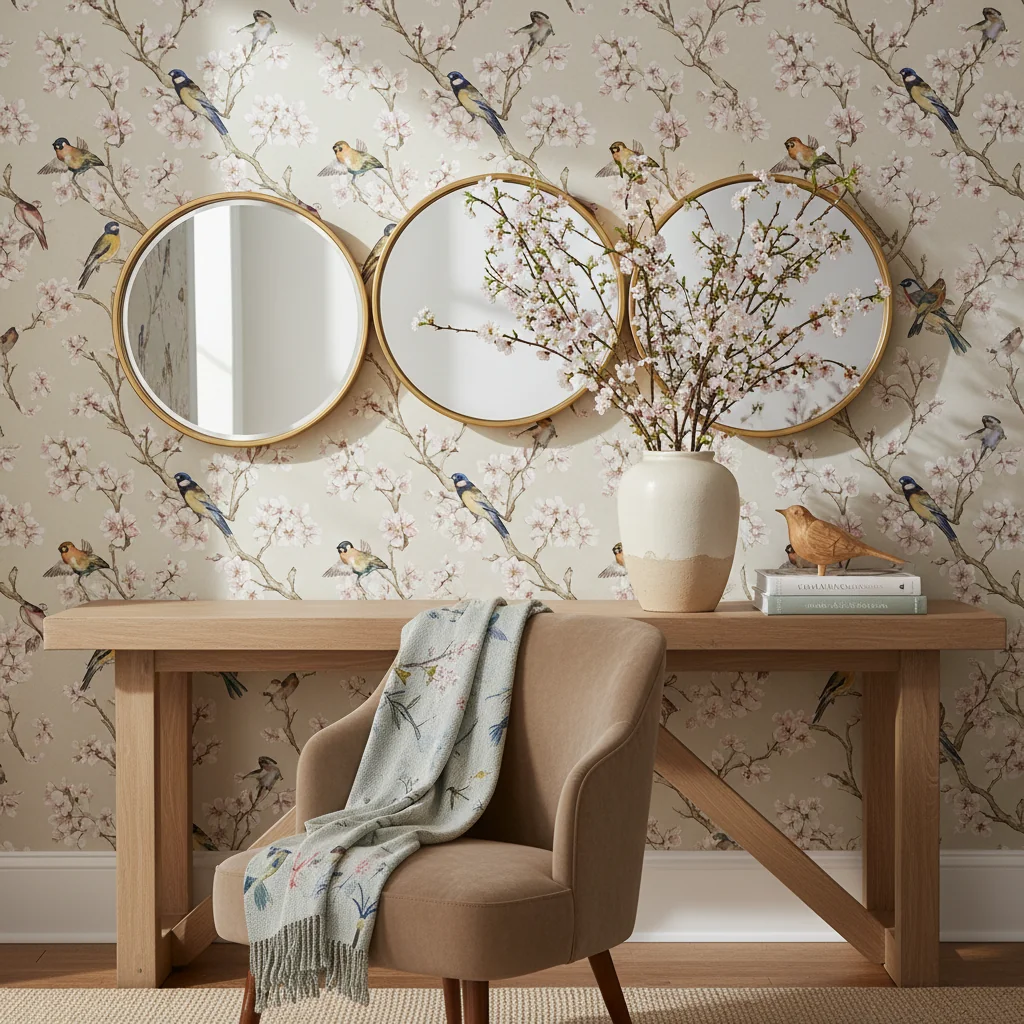
The “blossom and birds” motif, a timeless design element, seamlessly integrates the beauty of nature into interior spaces, offering a sophisticated aesthetic that resonates across diverse design sensibilities. This enduring theme, characterized by its delicate depiction of flora and fauna, transforms rooms into serene sanctuaries, creating a visual narrative that is both elegant and deeply personal. Its versatility allows for application across various mediums, from intricate wallcoverings to bespoke textiles, each bringing a unique texture and depth to the home environment.
Key Takeaways
- The “blossom and birds” motif is an enduring design theme that visually enriches interior spaces with natural elegance and symbolic depth.
- This motif transcends fleeting trends, drawing inspiration from historical art forms like Chinoiserie and contemporary biophilic design principles.
- Successful integration requires careful consideration of artistic style, scale, color palette, and the specific room’s function to achieve a harmonious aesthetic.
- Materials such as peel-and-stick wallpaper, traditional wallcoverings, bespoke textiles, and framed art offer diverse avenues for incorporating this design.
- Accurate measurement and precise installation are critical for wallpaper and murals, ensuring a professional and impactful display.
- The motif adapts to various interior design styles, from traditional and transitional to modern and bohemian, by adjusting its interpretation and accompanying elements.
The Enduring Appeal of Blossom and Birds in Home Decor
The “blossom and birds” motif consistently captivates interior design enthusiasts due to its innate ability to infuse spaces with tranquility, beauty, and a profound connection to the natural world. This enduring theme, characterized by its delicate portrayal of botanical elements alongside avian life, transcends fleeting trends by drawing upon universal aesthetic preferences and deep-seated cultural symbolism. Its pervasive presence in design history, from ancient tapestries to contemporary wallcoverings, underscores its timeless allure and adaptability to various stylistic interpretations.
At its core, the appeal of this motif lies in its capacity to evoke a sense of peace and optimism. Blossoms symbolize growth, renewal, and beauty, while birds often represent freedom, joy, and the delicate balance of ecosystems. Together, they create a harmonious tableau that can soften architectural lines and introduce organic fluidity into structured environments. This intrinsic connection to nature also aligns with principles of biophilic design, which posits that humans have an innate tendency to connect with nature and other living systems. Incorporating natural elements like this motif can demonstrably enhance well-being and reduce stress within a living space.
Historically, the motif has held significant cultural weight. In Asian art, for instance, specific birds and flowers carry intricate meanings. The crane often symbolizes longevity, while cherry blossoms represent the ephemeral beauty of life. European design, particularly during the Rococo and Chinoiserie periods, embraced these motifs for their exoticism and decorative richness. This rich heritage provides a profound depth to modern interpretations, allowing designers to choose patterns that not only appeal visually but also resonate with personal or cultural narratives. The motif’s versatility ensures that it remains a sophisticated choice for homes seeking both comfort and elevated style.
The visual language of blossom and birds is inherently graceful. The curving lines of branches, the soft petals of flowers, and the elegant posture of birds introduce a natural rhythm and movement that can enliven a static room. This dynamism, combined with often vibrant yet balanced color palettes, creates focal points that draw the eye and invite contemplation. Whether rendered in bold, expansive murals or subtle, repeating patterns, the motif offers an immediate sense of artistry and bespoke elegance. Starhouse curates designs that embody this timeless appeal, ensuring each piece contributes to an atmosphere of cultivated serenity.
Furthermore, the motif offers unparalleled versatility in application. It is not confined to a single medium or room. A grand mural featuring soaring birds among flowering branches can define a formal dining room, while a subtle repeating pattern on throw pillows can add a touch of whimsy to a casual living area. The ability to integrate this theme through various decor elements—from wallpaper and textiles to framed art and ceramic accents—allows for a cohesive design narrative that can be scaled and adapted to any space or personal preference. This adaptability is key to its enduring popularity and its capacity to remain fresh and relevant across generations of interior design.
Types of Blossom and Birds Motifs and Their Artistic Interpretations
Blossom and birds motifs manifest in a diverse array of artistic interpretations, each conveying a distinct mood and stylistic influence suitable for various interior aesthetics. These interpretations range from highly detailed, realistic depictions to abstract or stylized forms, drawing inspiration from historical art movements and contemporary design trends. Understanding these distinctions is crucial for selecting a motif that perfectly complements a room’s intended atmosphere and existing decor.
One of the most prominent interpretations is **Chinoiserie**, which emerged in 17th-century Europe as an emulation of Chinese and East Asian artistic traditions. Chinoiserie is a European interpretation of East Asian art, characterized by whimsical depictions of exotic landscapes, pagodas, human figures, and, most notably, ornate floral patterns with fantastical birds like pheasants and peacocks. These designs are often rendered with intricate detail, vibrant colors, and a sense of fantastical narrative, typically seen on wallpapers, fabrics, and ceramics. The style evokes luxury, romance, and a sophisticated, sometimes eclectic, charm, making it a powerful statement in grand entryways, formal dining rooms, or elegant bedrooms.
Conversely, **Botanical Illustrations** offer a more scientifically precise and realistic portrayal. These designs emphasize anatomical accuracy of flowers and birds, often presented with delicate lines and muted, naturalistic color palettes. They prioritize educational clarity and natural beauty, making them ideal for creating a refined, scholarly, or subtly elegant atmosphere. Botanical illustrations are frequently found in framed prints, providing a classic touch, or as subtle patterns on linens, lending a fresh, understated elegance to a space.
The **Art Nouveau** movement (late 19th to early 20th century) introduced a highly stylized and organic interpretation. Characterized by flowing, curvilinear lines, natural forms, and a rejection of industrial aesthetics, Art Nouveau blossom and birds motifs feature elongated stems, swirling leaves, and graceful birds in harmonious, often symmetrical, compositions. The palette tends to be subdued, featuring greens, golds, and muted jewel tones. This style imparts a sense of artistic sophistication and historical elegance, perfect for spaces aiming for a vintage or artisanal feel.
For a more contemporary approach, **Abstract and Stylized** interpretations simplify the forms of blossoms and birds into graphic shapes, bold colors, or minimalist outlines. These designs prioritize visual impact and modern sensibility over realism. They can range from geometric interpretations to painterly brushstrokes that merely suggest the forms. This style is particularly effective in modern or minimalist interiors, where it can introduce natural elements without disrupting a clean aesthetic, adding a pop of color or an interesting visual texture.
The **Japanese Aesthetic**, while influencing Chinoiserie, also stands on its own with distinct characteristics. It often emphasizes asymmetry, negative space, and a deep appreciation for nature’s transient beauty. Designs might feature a single, dramatic branch of cherry blossoms with a solitary bird, or a more subtle, sparse composition. The color palette is typically restrained, often featuring indigo, muted greens, and soft grays. This interpretation brings a sense of calm, balance, and meditative beauty to a space, aligning with minimalist or Zen-inspired decor.
Finally, **Traditional European Floral and Avian Patterns** draw from historical textiles and wallcoverings, often featuring dense, repeating motifs with a rich, classical feel. These designs are characterized by their intricate detailing, often symmetrical layouts, and a sense of grandeur. They are well-suited for traditional, classical, or grand-millennial interiors, providing a sense of heritage and opulent comfort. The palette can be rich and deep, featuring damask reds, forest greens, and deep blues.
Each of these artistic interpretations offers a unique way to integrate the blossom and birds motif into a home. The choice ultimately depends on the desired ambiance, the existing architectural features, and the personal style of the homeowner. Starhouse recognizes the breadth of these styles and curates collections that honor both historical integrity and contemporary relevance.
Key Elements: Blossoms, Birds, and Their Symbolic Meanings
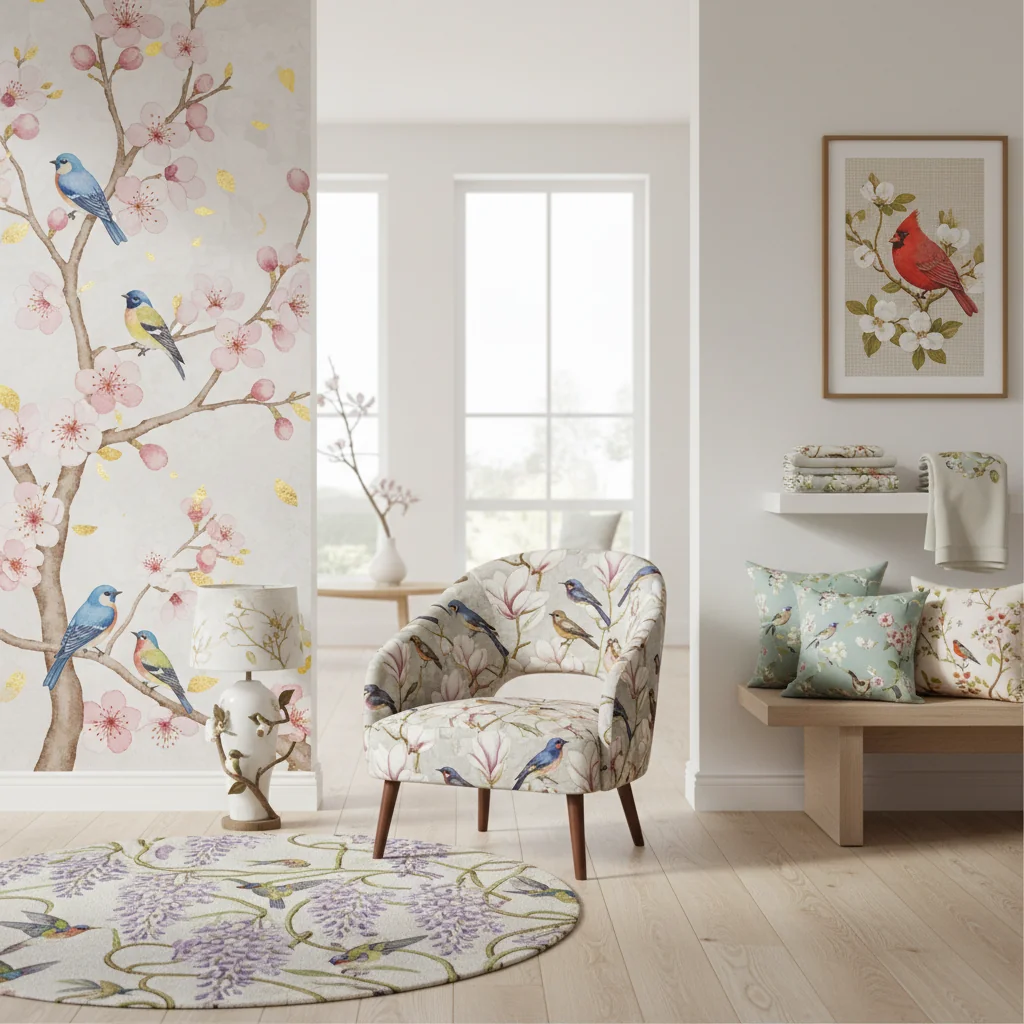
The profound impact of the blossom and birds motif in home decor stems not only from its visual appeal but also from the rich tapestry of symbolic meanings embedded within its constituent elements: specific types of blossoms and various bird species. Understanding these symbols allows for a more intentional and personalized design narrative, adding depth and resonance to any interior space. The careful selection of these elements can communicate themes ranging from renewal and prosperity to freedom and protection.
Blossoms, by their very nature, are powerful symbols of life, growth, and renewal. Each specific flower, however, carries its own unique connotations:
- Cherry Blossoms (Sakura): Predominantly associated with Japan, cherry blossoms symbolize the transient beauty of life, renewal, and the arrival of spring. Their delicate pink hues evoke a sense of peace and fleeting perfection. In decor, they often suggest a serene, contemplative, or romantically inspired atmosphere.
- Peonies: Revered in Chinese culture as the “King of Flowers,” peonies represent wealth, honor, prosperity, and good fortune. Their lush, full blooms convey opulence and grandeur. Incorporating peonies can elevate a space with a sense of luxury and abundance, often seen in more traditional or opulent settings.
- Magnolias: With their large, striking blooms, magnolias symbolize dignity, nobility, and perseverance. In the Southern United States, they are iconic, representing grace and enduring beauty. Their presence in decor suggests a classic, stately elegance, often with a touch of Southern charm.
- Orchids: These exotic and graceful flowers signify love, beauty, luxury, and strength. Their diverse forms and colors make them versatile symbols. In decor, orchids impart a sophisticated, elegant, and sometimes exotic flair, particularly in modern or transitional designs.
- Plum Blossoms: Especially significant in East Asian cultures, plum blossoms symbolize resilience, hope, and beauty amidst adversity, as they are among the first flowers to bloom in late winter. They convey strength of character and delicate beauty, often used in designs that evoke a sense of quiet fortitude.
Birds, equally diverse, contribute their own layer of symbolism to the motif:
- Cranes: Highly revered in many cultures, especially in East Asia, cranes symbolize longevity, peace, good fortune, and fidelity. Their majestic presence and graceful movements make them powerful decorative elements, often used in designs intended to convey serenity and enduring blessings.
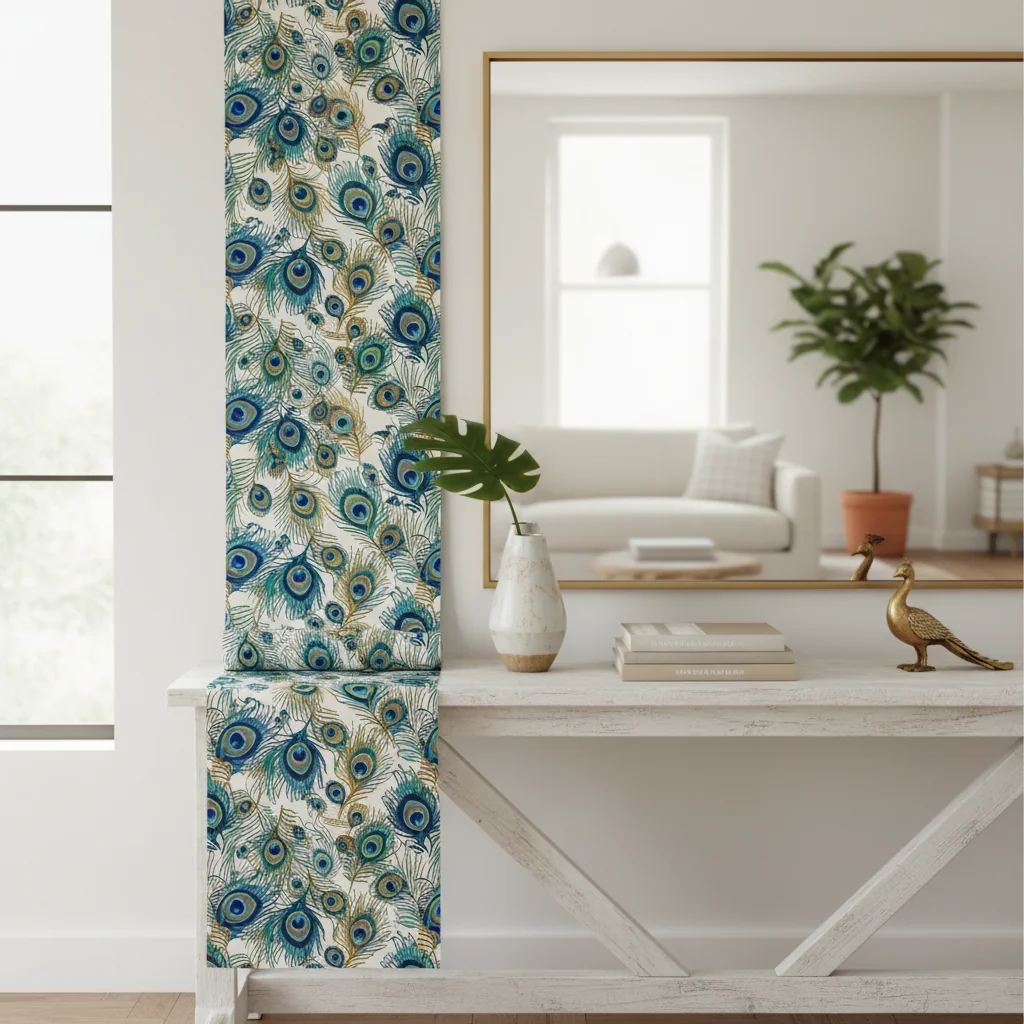
- Peacocks: Known for their flamboyant plumage, peacocks are symbols of beauty, royalty, immortality, and pride. Their iridescent feathers add a touch of exotic luxury and vibrant color to any design. In decor, they often create a dramatic and opulent statement.
- Hummingbirds: These tiny, agile birds symbolize joy, lightness of being, agility, and the ability to find sweetness in life. Their delicate forms and rapid movements make them charming additions, often suggesting a whimsical, lively, and positive atmosphere. Hummingbirds are known pollinators, actively participating in the ecosystem by feeding on nectar, a vital ecological role that connects them directly to the blossoms they visit. The U.S. Forest Service notes that hummingbirds are significant pollinators for a variety of plants, especially those with tubular flowers.
- Swallows: Traditionally associated with good luck, hope, freedom, and the safe return of travelers, swallows are often depicted in flight. Their elegant, streamlined forms bring a sense of movement and optimism to a design. They are particularly popular in vintage-inspired or eclectic decor.
- Songbirds (e.g., Finches, Sparrows): These smaller, common birds symbolize joy, happiness, communication, and the simple pleasures of life. Their presence adds a cheerful, approachable, and often rustic or cottage-core charm to a motif, evoking a sense of everyday beauty. The U.S. Fish & Wildlife Service highlights that many bird species, including various songbirds, contribute to pollination, underscoring their integral role in natural ecosystems and their symbolic connection to flourishing blossoms.
When selecting a blossom and birds design, consider the specific symbolism that resonates with your personal values or the desired atmosphere of the room. A design featuring cranes and plum blossoms might be chosen for a study to inspire perseverance and longevity, while peonies and peacocks could adorn a dining room to celebrate prosperity and beauty. This thoughtful approach elevates the motif beyond mere decoration, transforming it into a meaningful expression of style and sentiment.
Starhouse believes in the power of these symbols to create deeply personal and resonant spaces, offering designs that honor both the aesthetic and narrative richness of the blossom and birds motif.
Materials and Mediums: Bringing the Motif to Life
The blossom and birds motif finds expression across a rich variety of materials and mediums, each offering distinct textural qualities, visual impacts, and practical considerations for home decor. The choice of medium significantly influences how the motif integrates into a space, dictating its prominence, durability, and overall aesthetic contribution. From expansive wallcoverings to delicate textile patterns, the material selection is paramount in achieving the desired design outcome.
Wallcoverings are perhaps the most impactful medium for this motif, capable of transforming an entire room or creating a dramatic focal point. Starhouse specializes in a range of wall decor options:
- Peel-and-Stick Wallpaper: This innovative option offers ease of application and removal, making it ideal for renters, temporary installations, or those who enjoy frequently updating their decor. It is typically printed on a self-adhesive vinyl or fabric material, requiring no messy paste. While generally durable for light to moderate traffic areas, its longevity can vary.
- Traditional Wallpaper: Requiring paste for installation, traditional wallpaper provides a more permanent and often more luxurious finish. It comes in various substrates like non-woven, paper-backed vinyl, or solid sheet vinyl, offering superior durability, washability, and a wide range of embossed textures and finishes. Its permanence makes it a long-term investment for a refined aesthetic.
- Murals: These large-scale, often custom-sized wallcoverings create immersive scenes. A blossom and birds mural can transform a wall into a captivating landscape, offering an unparalleled sense of depth and artistry. Murals are typically printed on a durable material and require precise installation to ensure a seamless, high-impact display.
Textiles provide a softer, more tactile way to introduce the motif, offering flexibility and comfort. Fabrics allow the motif to be integrated through various elements:
- Curtains and Drapes: Large fabric panels can frame windows with elegant floral and avian designs, controlling light while adding a layer of pattern and color. The choice of fabric (e.g., linen for a light, airy feel; velvet for opulence) influences the overall effect.
- Upholstery: Chairs, sofas, or accent benches upholstered in blossom and birds fabric become statement pieces, bringing the motif into the functional heart of a room. Durability and fabric type (e.g., cotton, polyester blends, silk) are crucial considerations for longevity and maintenance.
- Throw Pillows and Blankets: These smaller textile accents offer an easy and cost-effective way to introduce or reiterate the motif. They can add pops of color, texture, and pattern, allowing for seasonal updates or flexible styling.
Art and Accessories offer versatile ways to incorporate the motif, from subtle touches to prominent displays:
- Framed Art Prints: Individual prints or gallery walls featuring botanical illustrations or stylized bird art can serve as focal points or complement other decor elements. They provide a refined way to appreciate the motif’s artistic interpretations.
- Ceramics and Porcelain: Vases, decorative plates, and figurines adorned with blossom and birds designs add a classic touch. These pieces often draw from historical traditions like Chinese porcelain or Delftware, bringing a sense of heritage and craftsmanship.
- Lighting Fixtures: Lampshades, pendant lights, or chandeliers with etched glass or fabric shades featuring the motif can cast beautiful patterns and add an unexpected layer of design.
Here’s a comparison of common wallpaper types for incorporating the blossom and birds motif:
| Type of Wallpaper | Application Method | Durability & Longevity | Ease of Removal | Ideal Use Cases |
|---|---|---|---|---|
| Peel-and-Stick | Self-adhesive backing; simply peel and stick to a clean, smooth wall. | Moderate; typically lasts 3-5 years, suitable for low-traffic areas. Prone to minor lifting on textured walls. | Very easy; peels off cleanly without damaging walls, making it renter-friendly. | Temporary decor, accent walls, nurseries, rental properties, DIY projects. |
| Traditional (Pre-pasted) | Pre-coated with adhesive, activated by water. Requires some skill for alignment. | Good; typically lasts 10-15 years with proper installation. Generally washable. | Moderate; can be removed in strips, but may leave residue or require more effort than peel-and-stick. | Bedrooms, living rooms, hallways, areas where a semi-permanent solution is desired. |
| Traditional (Unpasted) | Requires separate application of wallpaper paste to the wall or paper. Professional installation often recommended. | Excellent; can last 15+ years, highly durable and often scrubbable depending on material. | Challenging; often requires steaming or special tools for full removal, can damage drywall if not done carefully. | High-traffic areas, bathrooms, kitchens, luxury installations, historical renovations, long-term design commitments. |
| Mural (Custom-sized) | Often unpasted, requiring professional installation for seamless, large-scale imagery. | Excellent; designed for long-term display, often on robust, high-quality substrates. | Varies by material; similar to traditional unpasted wallpaper, can be challenging to remove. | Feature walls, large open spaces, commercial interiors, creating immersive artistic statements. |
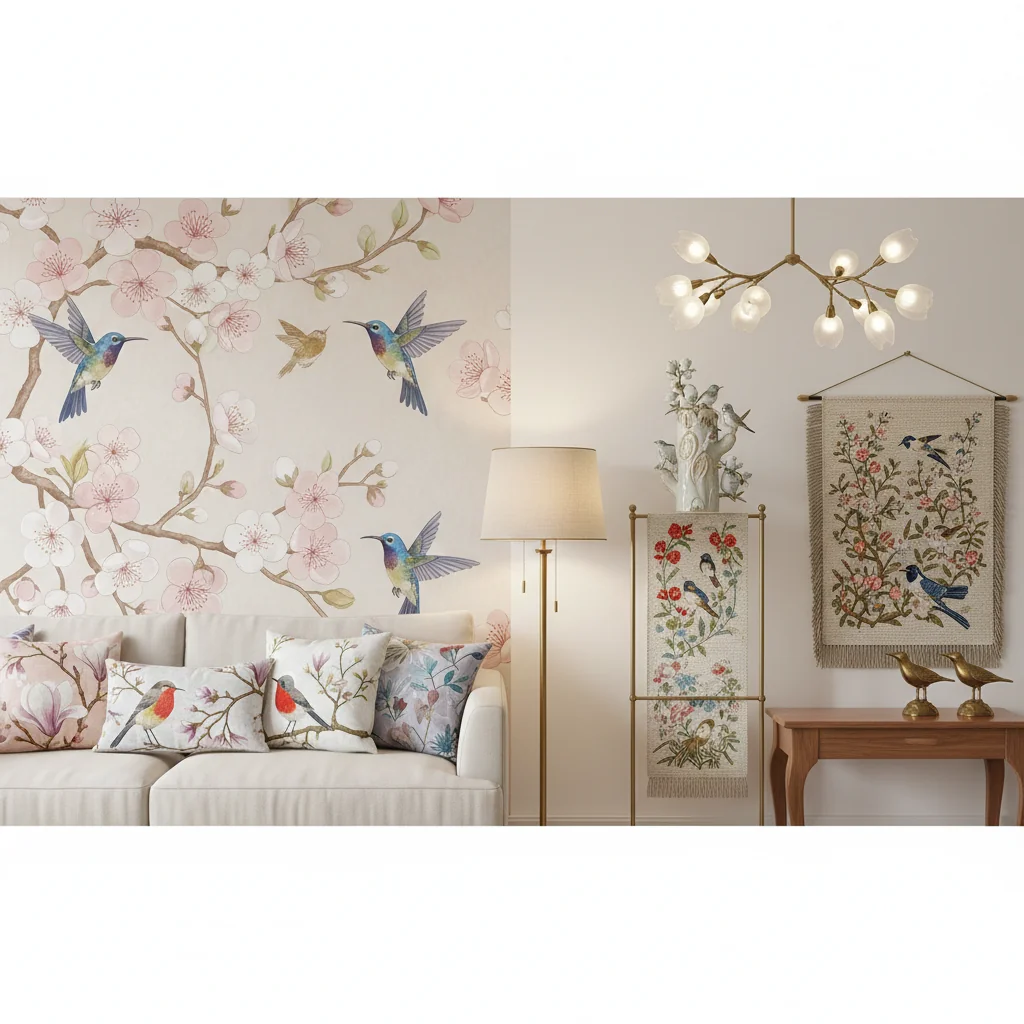
When selecting a medium, consider the room’s function, the desired level of visual impact, and practical aspects like maintenance and durability. A bathroom might benefit from a washable traditional wallpaper, while a child’s room could feature a playful peel-and-stick mural for easy updates. Starhouse provides a curated selection across these mediums, ensuring both aesthetic excellence and functional suitability for every home.
Choosing the Right Blossom and Birds Design for Your Space
Selecting the ideal blossom and birds design for your home requires a thoughtful evaluation of several key factors to ensure harmony, balance, and a cohesive aesthetic. The right design will enhance your space, reflect your personal style, and contribute to the desired atmosphere without overwhelming the senses. Considerations include the room’s function, existing decor, the scale of the pattern, and the chosen color palette.
First, consider the **room’s function and overall ambiance**. In a bedroom, a serene design with soft, muted tones and delicate motifs (like cherry blossoms and small songbirds) can promote relaxation and tranquility. For a dining room or entryway, a more dramatic and expansive mural featuring vibrant peacocks and lush peonies might create a grand, welcoming statement. A kitchen or bathroom might benefit from a design with a cleaner background and stylized elements that are easy to maintain and visually refreshing. The intended mood of the room should guide the motif’s intensity and complexity.
Next, assess your **existing decor and architectural style**. A home with traditional furnishings and classic architectural details will likely harmonize with Chinoiserie or classic botanical illustrations. Conversely, a modern or minimalist interior might be better served by stylized, abstract, or Japanese-inspired designs that emphasize clean lines and negative space. The goal is to select a motif that complements, rather than clashes with, the established design language of your home. Consider the existing color scheme, furniture styles, and other decorative accents.
The **scale of the pattern** is a critical design element. In a smaller room or on an accent wall, a large-scale mural or a bold, expansive pattern can create depth and visual interest, making the space feel more significant. However, in an already busy room, a smaller, more intricate repeating pattern might be more appropriate to avoid visual clutter. Conversely, a grand room can accommodate larger, more dramatic patterns without being overwhelmed. As a general guideline, larger patterns work well in larger rooms or as a single focal point, while smaller, more delicate patterns are versatile for various spaces or for covering entire walls.
The **color palette** of the design significantly impacts the room’s mood and how it integrates with other elements. Soft pastels and muted greens can create a calming, ethereal atmosphere. Rich jewel tones (e.g., emerald, sapphire, ruby) with gold accents convey luxury and drama. Monochromatic or duotone designs offer a sophisticated, understated elegance, particularly effective in modern or transitional spaces. Consider how the motif’s colors interact with your wall paint, upholstery, and accessories. A good rule is to pick out one or two colors from the motif and echo them in other elements around the room for a cohesive look.
Finally, think about the **level of detail and artistic style**. Do you prefer the intricate realism of botanical art, the whimsical narrative of Chinoiserie, or the clean lines of a stylized contemporary design? The artistic interpretation should align with your personal aesthetic preferences and the overall sophistication level you aim to achieve. A highly detailed design demands attention, while a more abstract one offers a subtle background texture.
By meticulously evaluating these factors—room function, existing decor, pattern scale, color palette, and artistic style—you can confidently select a blossom and birds design that not only beautifies your space but also feels authentically yours. Starhouse is dedicated to helping you discover the perfect motif that speaks to your unique vision.
As you envision the ideal blossom and birds motif for your home, consider what truly resonates with your style and aspirations. Starhouse is curating a collection that promises to inspire, and we invite you to tell us what you’re looking for to get early access to our exclusive selections.
Sizing, Placement, and Measuring for Impact
Accurate sizing, strategic placement, and precise measurement are fundamental to successfully incorporating blossom and birds motifs, particularly with wallcoverings, ensuring a professional finish and maximum visual impact. Incorrect measurements or thoughtless placement can detract from even the most beautiful design, while careful planning elevates the entire aesthetic. This meticulous approach is essential for a polished and sophisticated outcome.
Sizing the Motif: The scale of the blossom and birds motif must be proportionate to the size of the room and the wall it adorns. A grand, large-scale mural featuring expansive branches and oversized birds can make a dramatic statement in a spacious living room or a high-ceilinged entryway, creating an immersive experience. In contrast, a smaller, more intricate repeating pattern is often better suited for a powder room, a cozy reading nook, or to cover all four walls of a moderate-sized bedroom without overwhelming the space. Consider the visual weight of the pattern; dense, dark patterns appear heavier than light, sparse ones. If the motif is too small for a large wall, it can look lost; if too large for a small wall, it can feel cramped and distorted.
Strategic Placement: Deciding where to apply the motif is as crucial as the motif itself. A single accent wall behind a bed, sofa, or dining table can become a powerful focal point, drawing the eye and defining the area. In an open-concept living space, a mural on a prominent wall can help delineate zones without physical barriers. For a more enveloping effect, covering all four walls can transform a room into an immersive sanctuary, particularly effective with softer, more ethereal designs. Consider the room’s natural light; a wall with ample light will showcase the motif’s colors and details more vividly, while a darker wall might require a lighter pattern to brighten the space. Avoid placing busy patterns directly behind televisions or large pieces of artwork that would compete for attention.
Precise Measurement for Wallcoverings: Accurate measurement is non-negotiable for wallcoverings, preventing costly mistakes and ensuring a seamless installation. Here’s a step-by-step guide:
- Measure Wall Dimensions: Measure the height of the wall from baseboard to ceiling, and the width of the wall. If multiple walls are being covered, measure each wall individually. For rooms with varying ceiling heights, measure at several points and use the tallest measurement.
- Account for Obstructions: Measure around windows, doors, and built-in shelving. While you won’t cover these areas, you still need to factor in the surrounding wall space and ensure enough material for cuts and pattern matching.
- Calculate Square Footage: Multiply the total height by the total width for each wall to get the square footage. Sum these for the total area.
- Consider Pattern Repeat: This is critical for designs with a distinct motif. The pattern repeat (the vertical distance before the pattern repeats) determines how much extra material you need to align the design across strips. Add 10-20% to your total square footage for waste, especially with large pattern repeats. Always purchase a little extra to account for cutting errors or future repairs.
- Consult Manufacturer Guidelines: Different wallcoverings have specific installation instructions and recommendations for calculating quantity. Always refer to the product’s specifications for the most accurate guidance.
- Professional Consultation: For complex murals or large installations, consulting with a professional installer for measurements and installation is highly recommended to ensure a flawless finish. They often have specialized tools and experience that guarantee precision.
By meticulously addressing sizing, placement, and measurement, you ensure that your chosen blossom and birds motif not only fits perfectly but also becomes a captivating and integral part of your home’s design narrative. This attention to detail transforms a simple decorative choice into a sophisticated design statement.
Integrating Blossom and Birds into Diverse Interior Design Styles
The “blossom and birds” motif possesses remarkable adaptability, allowing it to seamlessly integrate into and elevate a wide spectrum of interior design styles, from the classically traditional to the starkly modern. The key to successful integration lies in selecting the appropriate interpretation of the motif—its artistic style, color palette, and scale—and pairing it harmoniously with existing furnishings, textures, and architectural elements. This versatility ensures that the motif is not confined to a single aesthetic but can enrich any design vision.
For a **Traditional or Classical** interior, rich Chinoiserie patterns featuring vibrant peacocks, cranes, and lush peonies against deep, saturated backgrounds are ideal. These elaborate designs complement antique furniture, ornate moldings, and classic textiles like damask or velvet. The motif can be introduced through a grand wallpaper mural in a dining room, intricately embroidered fabrics on accent chairs, or a collection of hand-painted porcelain vases. The emphasis is on detailed craftsmanship and a sense of enduring elegance.
In a **Transitional** space, which blends traditional elegance with contemporary simplicity, a more refined interpretation of the motif works best. Opt for designs with a slightly simplified aesthetic, perhaps a monochromatic Chinoiserie or botanical illustrations with a cleaner background. A large-scale, soft-hued floral and avian wallpaper on an accent wall can provide a focal point without overwhelming the balanced lines of transitional furniture. Textiles with subtle, repeating patterns in neutral tones or soft blues and greens can also tie the look together.
For **Modern and Contemporary** interiors, the motif needs to be abstracted, stylized, or minimalist to align with the clean lines and often monochromatic palettes. Consider graphic interpretations of birds and blossoms, perhaps in bold, contrasting colors or subtle metallic finishes. A single, dramatic branch of stylized cherry blossoms with a single geometric bird on a large canvas, or a wallpaper with an abstract, painterly rendition, can introduce organic forms without sacrificing modernity. The key is restraint and an emphasis on artistic expression over literal representation.
A **Bohemian or Eclectic** design style welcomes a more free-spirited and globally inspired interpretation. Hand-drawn, folk-art-inspired patterns, designs with vibrant colors, or motifs that evoke exotic locales are excellent choices. Mix and match different patterns and textures; a blossom and birds wallpaper can be paired with global textiles, natural wood furniture, and an array of collected treasures. Hummingbirds, colorful parrots, and tropical blossoms can bring a joyful, wanderlust-filled energy to the space.
**Farmhouse or Rustic** aesthetics can also incorporate the motif, focusing on naturalistic, slightly weathered, or vintage-inspired designs. Think of simple botanical prints, illustrations of native birds (like sparrows or finches) perched on branches with wildflowers, or patterns with a hand-painted, slightly imperfect quality. These designs can be used on throw pillows, framed art, or even as a subtle wallpaper in a powder room, adding a touch of pastoral charm and connection to the outdoors without feeling overly formal.
Finally, for **Biophilic Design**, which emphasizes connecting occupants to nature, the blossom and birds motif is a natural fit. Prioritize realistic or semi-realistic depictions of local flora and fauna, rendered in naturalistic color palettes. A large mural depicting a lush garden scene with native birds as suggested by the EPA for landscaping, can create an immersive, calming environment. The goal is to bring the calming and invigorating effects of nature indoors, fostering a sense of well-being and connection to the wider ecosystem.
Regardless of the chosen style, successful integration hinges on thoughtful curation. By aligning the motif’s specific characteristics with the overarching design principles of your space, the blossom and birds theme transforms from a decorative element into an integral part of your home’s unique narrative. Starhouse is dedicated to providing diverse interpretations that empower designers and homeowners to achieve this sophisticated integration.
Current Trends and Future Directions in Blossom and Birds Decor
The blossom and birds motif, while timeless, continually evolves through contemporary reinterpretations, reflecting current design sensibilities and an increasing emphasis on sustainability and connection to nature. Current trends lean towards more nuanced applications, sophisticated color palettes, and innovative material choices, ensuring the motif remains fresh and relevant in modern interiors. Future directions will likely deepen the integration of technology and eco-conscious practices, further enhancing its appeal.
One prominent trend is the rise of **Biophilic Design**, which prioritizes human connection to nature within built environments. Biophilic design is an approach that connects building occupants more closely to nature, using direct nature, indirect nature, and space and place conditions. This often translates into blossom and birds motifs that are highly realistic, featuring native plant species and local birdlife, rendered in natural, muted tones. The aim is to create serene, calming spaces that mimic the restorative qualities of the outdoors, often seen in large-scale murals that wrap entire rooms or accent walls, blurring the lines between interior and exterior.
Another significant trend is the move towards **Maximalism with a Refined Twist**. While minimalism dominated for years, there’s a resurgence of layered, rich interiors. Blossom and birds motifs are perfect for this, appearing in bold, vibrant Chinoiserie patterns, often with metallic accents, or in dense, repeating patterns on luxurious textiles. The “refined twist” comes from carefully curated pairings and a thoughtful balance, preventing visual clutter and ensuring an elevated aesthetic rather than chaotic excess. This often involves a sophisticated color palette that is rich but not overwhelming.
The demand for **Sustainable and Eco-Conscious Materials** is also shaping the future of this motif. Consumers are increasingly seeking wallpapers made from recycled content, FSC-certified papers, or those printed with non-toxic, water-based inks. Textiles are moving towards organic cotton, linen, or innovative recycled fabrics. This ensures that the beauty of nature depicted in the motif is honored by the materials it’s printed on, aligning aesthetic values with environmental responsibility. Brands like Starhouse are actively exploring and curating products that meet these evolving standards.
**Digital Artistry and Customization** are opening new avenues. Advancements in digital printing allow for incredibly detailed, high-resolution murals that can be custom-sized to any wall, featuring bespoke arrangements of blossoms and birds. This level of customization means homeowners can create truly unique, personalized environments, selecting specific flora and fauna, adjusting colorways, and even incorporating personal narrative elements. The ability to render a motif with photographic realism or highly stylized graphics offers unparalleled creative freedom.
In terms of color, while traditional greens and pinks endure, current trends favor **Muted Jewel Tones and Earthy Palettes**. Think deep forest greens, sapphire blues, terracotta, and soft ochres, often accented with gold or bronze. These palettes offer a sophisticated richness that feels grounded and luxurious, moving away from overly bright or saccharine depictions. There’s also a strong presence of monochromatic or duotone designs, using shades of a single color or simple black and white for a graphic, modern impact.
Looking ahead, we anticipate a continued blend of technology and tradition. **Interactive and Augmented Reality (AR) applications** could allow users to preview how a blossom and birds mural would look in their exact space before purchase, enhancing decision-making. The motif might also inspire **3D textured wallcoverings** or sculptural art pieces that bring the elements into a tactile, three-dimensional realm. The emphasis will remain on creating immersive, meaningful, and personalized environments that celebrate nature’s beauty while adhering to sustainable practices.
The enduring appeal of blossom and birds ensures its continuous evolution, making it a dynamic and ever-relevant choice for sophisticated home decor. Starhouse remains at the forefront of these trends, curating designs that embody both timeless elegance and contemporary innovation.
Styling and Pairing: Creating a Harmonious Aesthetic
Creating a harmonious aesthetic with the blossom and birds motif involves thoughtful styling and strategic pairing with complementary colors, textures, furniture, and lighting. The goal is to integrate the motif seamlessly into the overall room design, allowing it to enhance the space without overwhelming other elements. This meticulous approach ensures a cohesive and sophisticated interior that feels both curated and inviting.
Color Palette Coordination: The most crucial aspect of pairing is aligning the motif’s color palette with the rest of the room. Identify the dominant and accent colors within your chosen blossom and birds design. Echo these colors in your textiles, paint choices, and accessories. For example, if your wallpaper features soft pink cherry blossoms and muted green leaves, incorporate throw pillows in blush tones and add plants in ceramic pots that pick up the green. Neutral backgrounds in the motif allow for more flexibility with bolder furniture or accent colors. Conversely, a vibrant motif might require more subdued surrounding elements to maintain balance.
Texture and Material Contrast: Introduce varied textures to add depth and interest. If your blossom and birds motif is on a smooth wallpaper, pair it with tactile fabrics like linen, velvet, or woven wool in your upholstery and drapery. Natural materials such as rattan, wicker, and unfinished wood complement the organic nature of the motif, reinforcing the connection to the outdoors. Metallic accents in brass, gold, or brushed nickel can add a touch of glamour and sophistication, particularly with Chinoiserie or more opulent floral designs. The interplay of soft and hard, smooth and rough, creates a rich sensory experience.
Furniture Selection: The style and scale of your furniture should complement the artistic interpretation of the motif. For traditional or Chinoiserie patterns, classic furniture pieces with elegant curves, dark wood finishes, or ornate detailing work beautifully. In a modern setting, sleek, minimalist furniture with clean lines allows a stylized or abstract blossom and birds motif to stand out as an artistic statement. For a bohemian look, eclectic, globally-inspired pieces or natural wood furniture can create a relaxed, collected feel. Ensure that furniture does not obstruct key elements of a mural or large-scale pattern, allowing the motif to be fully appreciated.
Lighting to Enhance the Motif: Strategic lighting can dramatically enhance the visual impact of your blossom and birds decor. Uplighting or picture lights can illuminate a wallpaper mural, highlighting its details and colors, making it a true focal point. Natural light, especially from windows adjacent to the motif, can bring out its vibrancy. Consider the mood you want to create: warm, diffused lighting can soften a dramatic pattern, while brighter, more direct light can emphasize its sharpness and detail. Lamps with shades that echo the motif’s colors or patterns can further tie the room together.
Complementary Accessories: Thoughtfully chosen accessories can complete the look without competing with the main motif. Simple, elegant vases filled with fresh flowers (mimicking the blossoms in the design), decorative bird figurines, or botanical-themed books can reinforce the theme. Mirrors with ornate or natural-inspired frames can reflect the motif, expanding its presence. Keep accessories proportionate to the scale of the room and the motif; a few well-chosen pieces are more impactful than an abundance of clutter.
By meticulously considering these elements—color, texture, furniture, lighting, and accessories—you can craft an interior that not only features the blossom and birds motif but also celebrates it within a cohesive, harmonious, and sophisticated design narrative. This careful curation ensures that your space is a true reflection of refined taste and a profound appreciation for natural beauty.
Care and Maintenance for Blossom and Birds Decor
Proper care and maintenance are essential for preserving the beauty and longevity of blossom and birds decor, particularly for wallcoverings and textiles, ensuring they remain vibrant and pristine for years. Different materials require specific cleaning methods, and understanding these distinctions prevents damage and maintains the integrity of the design. Regular, gentle cleaning is always preferable to infrequent, aggressive treatments.
For Wallcoverings (Wallpaper and Murals):
- Identify Material Type: The first step is to determine if your wallpaper is washable, scrubbable, or delicate. Most modern wallpapers, especially vinyl or vinyl-coated, are washable. Non-woven wallpapers are often wipeable. Traditional paper-based or specialty wallcoverings (like silk or grasscloth) may be delicate and require very specific, gentle care. Always refer to the manufacturer’s care instructions, usually found on the roll’s label or product information.
- Dust Regularly: Use a soft, dry cloth, a microfiber duster, or a vacuum cleaner with a brush attachment on a low setting to gently remove dust and cobwebs. This prevents dirt buildup that can become harder to remove later.
- Spot Cleaning: For washable wallpapers, address spills or marks immediately. Use a soft sponge or cloth lightly dampened with plain water or a mild, non-abrasive soap solution (e.g., a few drops of dish soap in water). Gently blot the stain; do not rub vigorously, as this can damage the surface or spread the stain. Always test the cleaning solution on an inconspicuous area first to ensure it doesn’t cause discoloration or damage.
- Avoid Harsh Chemicals: Never use abrasive cleaners, bleach, or strong chemical solvents, as these can strip colors, damage finishes, or degrade the material of your wallcovering.
- Humidity Control: In areas with high humidity, such as bathrooms, ensure good ventilation to prevent moisture buildup, which can lead to peeling or mold growth, especially with paper-based wallpapers.
For Textiles (Upholstery, Curtains, Throw Pillows):
- Check Fabric Labels: Fabric care labels provide critical instructions (e.g., “dry clean only,” “machine wash cold,” “spot clean”). Adhering to these guidelines is paramount for preserving the fabric’s color, texture, and integrity.
- Regular Vacuuming/Dusting: For upholstery and curtains, regular vacuuming with an upholstery attachment helps remove dust, dirt, and pet dander, preventing them from embedding in the fibers.
- Spot Treatment for Stains: Address spills on textiles immediately. Blot (do not rub) with a clean, white cloth. Use a fabric-specific stain remover, following its instructions, and always test on an inconspicuous area first. For delicate fabrics like silk, professional cleaning is often the safest option.
- Washing Removable Covers: For throw pillows or cushion covers with blossom and birds motifs, if machine washable, use a gentle cycle with cold water and a mild detergent. Air drying or tumble drying on low heat is generally recommended to prevent shrinkage or color fading.
- Professional Cleaning: For large items like upholstered furniture or draperies that cannot be easily removed or are labeled “dry clean only,” enlist professional cleaning services every 1-2 years or as needed.
For Framed Art and Accessories:
- Dusting: Gently dust framed art, ceramic vases, and figurines with a soft, dry cloth or a feather duster.
- Glass Cleaning: For framed art with glass, spray glass cleaner onto a cloth, not directly onto the glass, to prevent liquid from seeping under the frame and damaging the artwork.
- Ceramics: Wash ceramic items with a mild soap and water solution, rinsing thoroughly and drying immediately to prevent water spots.
Consistent, gentle care significantly extends the life and beauty of your blossom and birds decor, allowing these captivating motifs to continue enhancing your home’s aesthetic for many years.
Common Mistakes to Avoid When Decorating with Blossom and Birds
While the blossom and birds motif offers immense decorative potential, certain common mistakes can undermine its sophisticated appeal and lead to an unbalanced or overwhelming interior. Awareness of these pitfalls allows for more intentional and successful design choices, ensuring the motif enhances rather than detracts from your space. Avoiding these errors is crucial for achieving a polished and harmonious aesthetic.
-
Overwhelming the Space with Too Many Patterns: A frequent mistake is applying the motif too liberally, combining a busy wallpaper with equally busy textiles and art. This creates visual clutter and makes the room feel chaotic rather than serene.
- Correction: Choose one dominant element for the motif (e.g., a wallpaper accent wall) and complement it with solid colors or subtle textures in other elements. If using multiple patterns, ensure they vary significantly in scale and complexity, with some acting as background and others as accents.
-
Ignoring Scale and Proportion: Using a large-scale, dramatic pattern in a tiny powder room or a minuscule pattern on a vast wall can look awkward and disproportionate.
- Correction: Match the scale of the motif to the size of the room and the wall it occupies. Large, expansive patterns are best for larger walls or as a single focal point, while smaller, more intricate patterns suit smaller spaces or full-room coverage.
-
Clashing Color Palettes: Introducing a blossom and birds motif whose colors conflict with the existing room palette can create dissonance and an uninviting atmosphere.
- Correction: Carefully analyze the motif’s color scheme and ensure it harmonizes with your current paint, furniture, and textile colors. If necessary, adjust accent colors in the room to complement the motif, or opt for a motif with a more neutral background.
-
Neglecting the Room’s Function: Placing a delicate, non-washable paper wallpaper in a high-traffic area like a bustling entryway or a humid bathroom is impractical and will lead to rapid deterioration.
- Correction: Always consider the practical demands of the room. Choose durable, washable wallcoverings for high-use areas and moisture-resistant options for bathrooms. Reserve delicate materials for low-traffic, protected spaces.
-
Underestimating Installation Complexity: Attempting to install a large-scale mural or complex traditional wallpaper without proper tools, experience, or assistance can result in misaligned patterns, bubbles, or damaged material.
- Correction: For intricate or large-format wallcoverings, consider hiring a professional installer. For DIY projects, choose peel-and-stick options, meticulously follow instructions, and ensure you have all necessary tools and ample time.
-
Failing to Balance with Solid Elements: A room entirely covered in pattern, even a beautiful one, can feel overwhelming and lack visual resting points.
- Correction: Incorporate solid-colored furniture, plain drapery, and ample negative space on other walls or in furniture arrangements. These solid elements provide balance and allow the blossom and birds motif to truly shine without creating sensory overload.
-
Ignoring the Motif’s Artistic Style: Pairing a whimsical, cartoonish bird motif with formal, antique furniture or a highly realistic botanical print with ultra-modern, abstract art creates a stylistic disconnect.
- Correction: Ensure the artistic interpretation of the blossom and birds motif aligns with the overall design style of your home (e.g., Chinoiserie for traditional, stylized for modern, botanical for classic/transitional).
By consciously avoiding these common decorating pitfalls, you can confidently integrate the blossom and birds motif, creating a sophisticated, balanced, and truly captivating interior that reflects refined taste and thoughtful design.
Sources
- Bird Pollination | U.S. Forest Service
- Bird Pollinators | U.S. Fish & Wildlife Service
- Greenacres: Landscaping with Native Plants | Great Lakes | US EPA
Frequently Asked Questions About Blossom and Birds Decor
What is the “blossom and birds” motif in home decor?
The “blossom and birds” motif is a classic design theme featuring intricate depictions of flowering plants and various avian species, often used in wallcoverings, textiles, and art to bring a natural, elegant, and serene aesthetic to interior spaces.
How can I incorporate the blossom and birds motif without making my space feel outdated?
To keep the motif feeling contemporary, choose modern interpretations such as stylized or abstract designs, opt for fresh color palettes (e.g., muted jewel tones, monochrome), or use it strategically as an accent on a single wall or in smaller decor elements rather than covering an entire room in a traditional pattern.
Is blossom and birds wallpaper suitable for small rooms?
Yes, blossom and birds wallpaper can be suitable for small rooms. For smaller spaces, consider designs with a lighter background, a smaller repeating pattern, or a large-scale mural on a single accent wall to create depth and visual interest without overwhelming the room. Avoid overly dense or dark patterns on all walls.
What are the most popular artistic styles for blossom and birds motifs?
The most popular artistic styles include Chinoiserie (ornate, fantastical East Asian-inspired scenes), botanical illustrations (realistic, scientific depictions), Art Nouveau (organic, flowing lines), and contemporary stylized or abstract interpretations.
What types of materials are commonly used for blossom and birds decor?
Common materials include various types of wallcoverings (peel-and-stick, traditional, murals), textiles (cotton, linen, silk for upholstery, curtains, pillows), framed art prints, and ceramic or porcelain accessories like vases and decorative plates.
How do I properly measure for blossom and birds wallpaper or a mural?
To properly measure, determine the height and width of each wall section, calculate the total square footage, and crucially, account for the pattern repeat by adding 10-20% extra material. Always consult the manufacturer’s specific guidelines and consider professional assistance for complex installations.
What symbolic meanings are associated with specific blossoms and birds in decor?
Specific symbols include cherry blossoms for transient beauty, peonies for prosperity, cranes for longevity, and hummingbirds for joy. These meanings enrich the aesthetic and allow for personalized design narratives, adding depth beyond mere visual appeal.
Conclusion
The blossom and birds motif stands as a testament to nature’s profound influence on interior design, offering an enduring aesthetic that marries timeless elegance with versatile artistic expression. From the intricate narratives of Chinoiserie to the serene simplicity of modern botanical interpretations, this motif consistently enriches residential spaces with its inherent beauty, symbolic depth, and calming presence. Its adaptability across various materials, scales, and design styles ensures its continued relevance, allowing homeowners to craft environments that are both aspirational and deeply personal.
Successful integration of this motif hinges on thoughtful selection—considering the room’s function, existing decor, and the motif’s scale and color—along with meticulous execution, particularly in the precise measurement and installation of wallcoverings. By avoiding common pitfalls and embracing complementary textures, furnishings, and lighting, the blossom and birds motif transforms a room into a curated sanctuary, reflecting a sophisticated appreciation for natural artistry and refined living. It is more than just a pattern; it is an invitation to bring the tranquility and vibrancy of the natural world indoors, creating a harmonious backdrop for everyday life.
As you embark on your design journey, envisioning how the delicate dance of blossoms and birds can transform your personal sanctuary, Starhouse is dedicated to curating exceptional pieces that align with your unique vision. We are building a collection that celebrates this timeless motif in all its forms. We invite you to tell us what you’re looking for, and be among the first to explore our forthcoming selections designed to inspire and elevate your home.