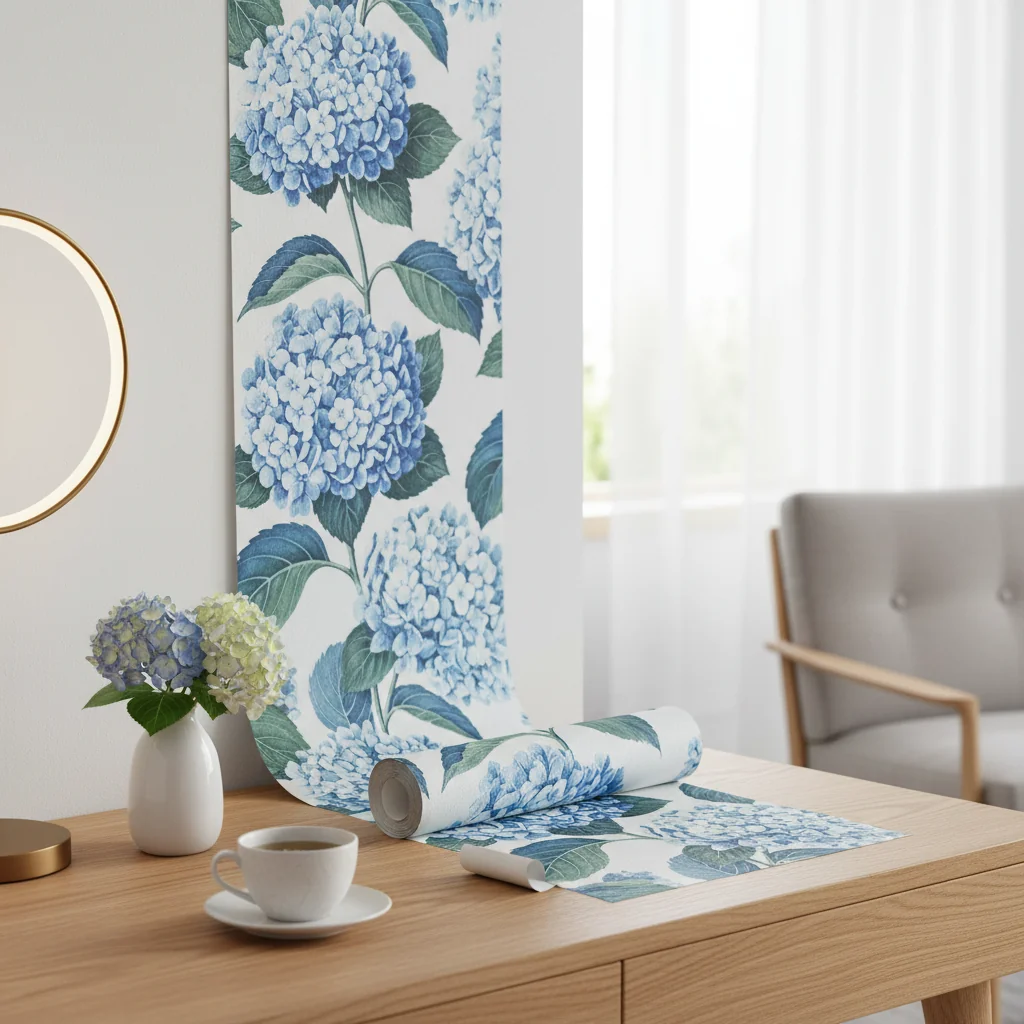
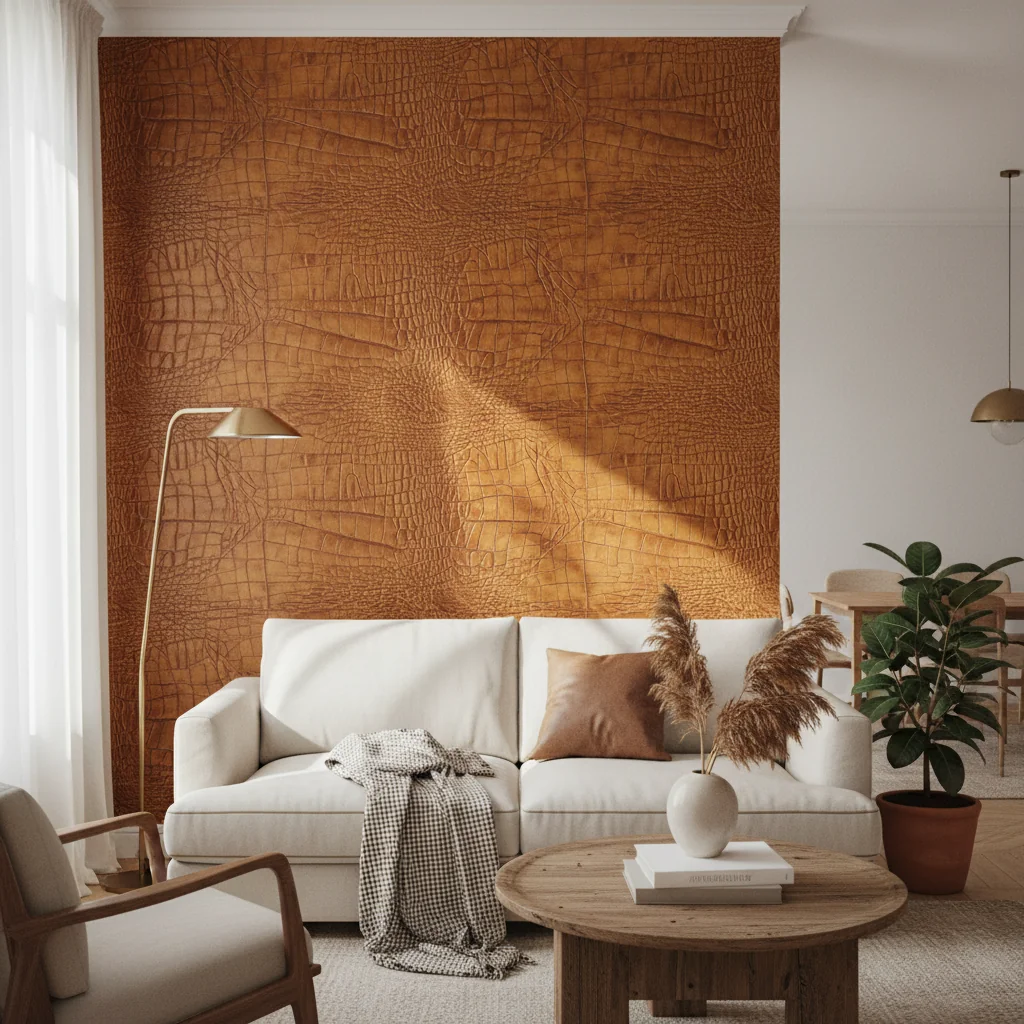
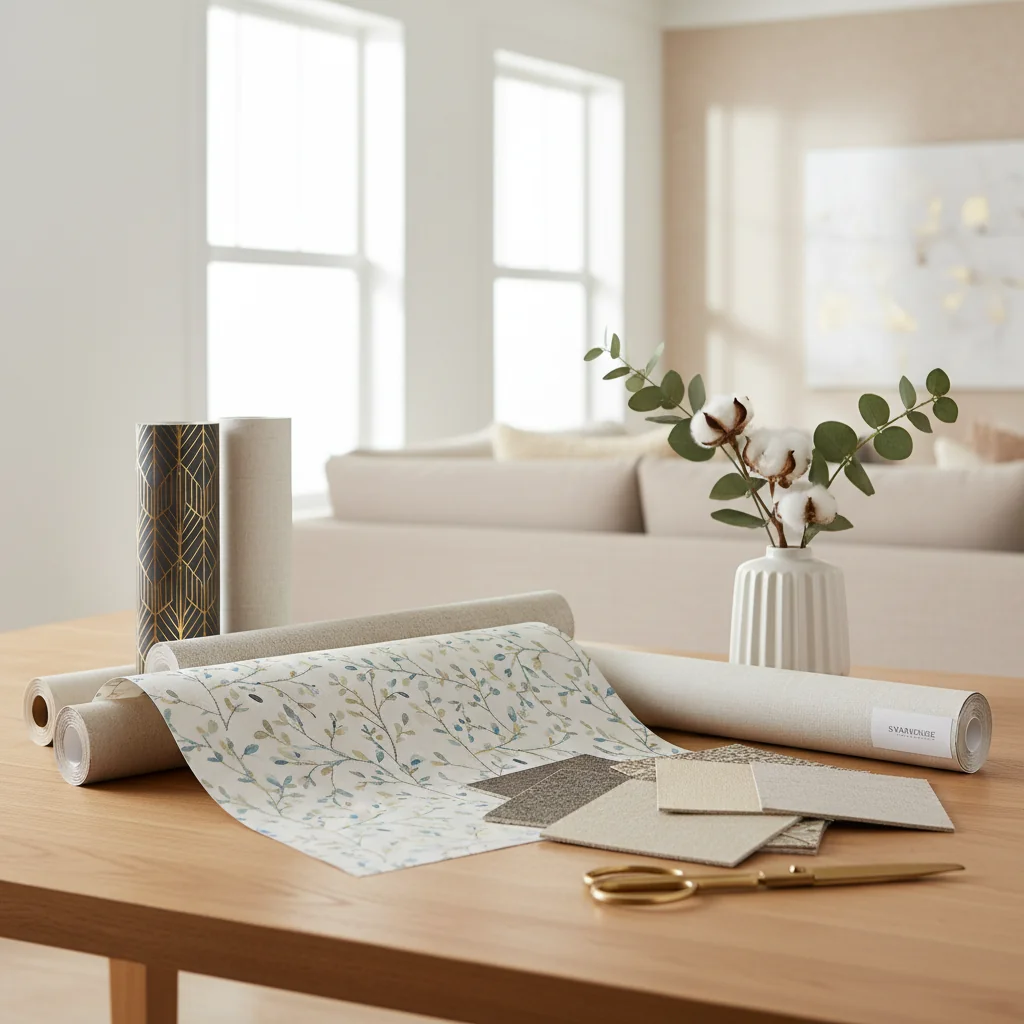
Country wallpapers embody a timeless charm, offering a versatile aesthetic that transforms any space into a welcoming retreat. Characterized by motifs inspired by nature, pastoral life, and traditional textiles, these wallcoverings provide a foundational layer of warmth and character, ranging from the rustic simplicity of a farmhouse to the refined elegance of a European countryside estate. This comprehensive guide from Starhouse delves into the intricate world of country wallpapers, exploring their diverse types, suitable materials, precise selection and measurement techniques, current trends, and essential care, ensuring you can confidently choose and integrate the perfect design into your home.
Key Takeaways
- Country wallpapers encompass a broad spectrum of styles, from rustic farmhouse to elegant French provincial, all rooted in natural motifs and traditional patterns.
- Material choice is critical for durability and aesthetic; vinyl offers resilience for high-traffic areas, while non-woven provides breathability and ease of installation.
- Accurate measurement, including accounting for pattern repeat and waste factor, is essential for a seamless installation and to ensure sufficient material.
- Styling country wallpaper involves harmonizing patterns, textures, and furniture to create a cohesive and inviting atmosphere that reflects personal taste.
- Proper care, tailored to the wallpaper’s material, extends its lifespan and maintains its visual integrity, protecting your investment.
- Modern interpretations of country wallpaper integrate contemporary elements like muted color palettes and abstract natural forms, blending tradition with current design trends.
What Are Country Wallpapers? Defining the Aesthetic
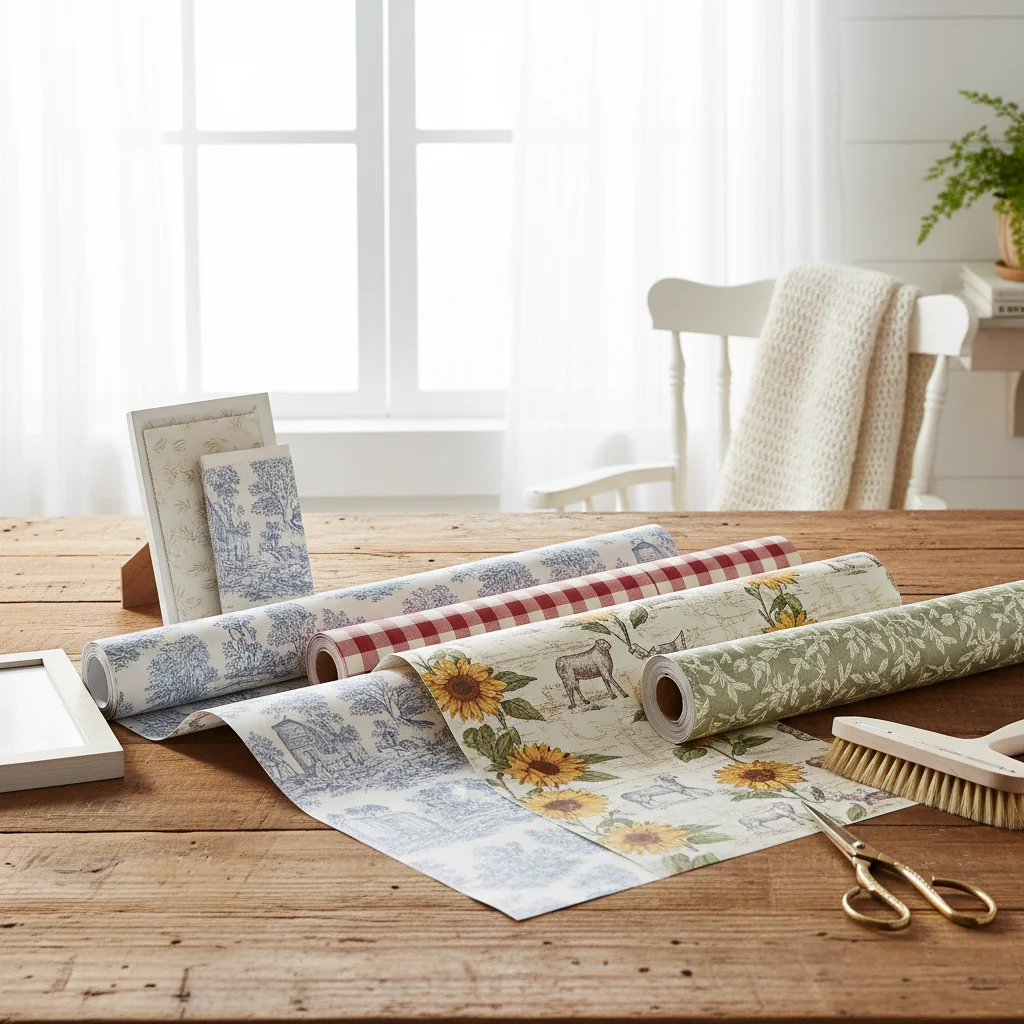
Country wallpapers are wallcoverings characterized by designs that evoke the rustic charm, natural beauty, and traditional sensibilities of rural living. They draw inspiration from agrarian landscapes, vintage textiles, pastoral scenes, and the comforting simplicity found in country homes across various regions, from American farmhouses to European cottages. This aesthetic is defined by its embrace of natural elements, handcrafted appeal, and a sense of history and comfort, creating interiors that feel both grounded and inviting.
The core appeal of country style lies in its ability to foster a sense of tranquility and connection to nature within a home. It prioritizes comfort, practicality, and authenticity, often featuring motifs that are inherently familiar and soothing. Unlike minimalist or ultra-modern aesthetics, country design celebrates imperfections, natural textures, and patterns that tell a story, making a space feel lived-in and genuinely welcoming.
The Enduring Appeal of Country Style
The enduring appeal of country style transcends fleeting trends because it taps into a universal desire for comfort, nostalgia, and a connection to simpler times. It is not merely a decorative choice but a lifestyle aesthetic that values warmth, family, and a slower pace of life. This style manifests differently across cultures and eras, giving rise to distinct sub-styles that all share a common thread of rustic elegance and a reverence for the natural world.
At its heart, country design emphasizes natural materials, such as wood, stone, linen, and cotton, and patterns that mimic flora, fauna, and traditional crafts. Wallpaper plays a pivotal role in this aesthetic, often serving as the backdrop that unifies disparate elements and reinforces the desired ambiance. It can introduce color, texture, and pattern in a way that paint alone cannot, instantly transforming a room into a cozy haven or a vibrant, nature-inspired sanctuary.
Key Elements Defining Country Wallpaper Aesthetics
- Natural Motifs: Flowers, leaves, trees, birds, farm animals, and pastoral landscapes are ubiquitous. These patterns bring the outdoors in, fostering a sense of calm and organic beauty.
- Traditional Patterns: Gingham, plaid, stripes, toile, and chintz are classic choices that have stood the test of time, lending a timeless, handcrafted feel.
- Muted and Earthy Color Palettes: Soft greens, blues, creams, whites, and warm grays, often accented by deeper tones like barn red or forest green, create a soothing and natural environment.
- Texture and Depth: Wallpapers often mimic natural textures such as wood grain, stone, linen, or distressed finishes, adding tactile interest and dimension.
- Nostalgia and Heritage: Designs frequently draw from historical patterns or vintage illustrations, imbuing spaces with a sense of history and cherished memories.
- Handcrafted Look: Many country wallpapers feature designs that appear hand-painted, block-printed, or embroidered, emphasizing artisan quality and uniqueness.
Country style is not monolithic; it encompasses a spectrum of interpretations. From the uncluttered, functional beauty of American Farmhouse to the romantic, ornate patterns of French Country, each variation offers a unique expression of rural charm. Understanding these fundamental characteristics is the first step in selecting a country wallpaper that authentically reflects your personal aesthetic and enhances your living space.
Exploring the Diverse Types of Country Wallpaper Patterns
Country wallpaper patterns encompass a wide range of motifs and designs, each contributing a distinct character to an interior while maintaining the overarching theme of rustic charm and natural beauty. These patterns are carefully curated to evoke specific moods and regional aesthetics, providing homeowners with extensive options to personalize their spaces. The selection of a particular pattern establishes the foundational visual narrative for a room.
Floral and Botanical Patterns
Floral and botanical patterns are arguably the most iconic category within country wallpapers, celebrating the beauty of the natural world. These designs vary significantly in their depiction, from delicate and understated to bold and vibrant.
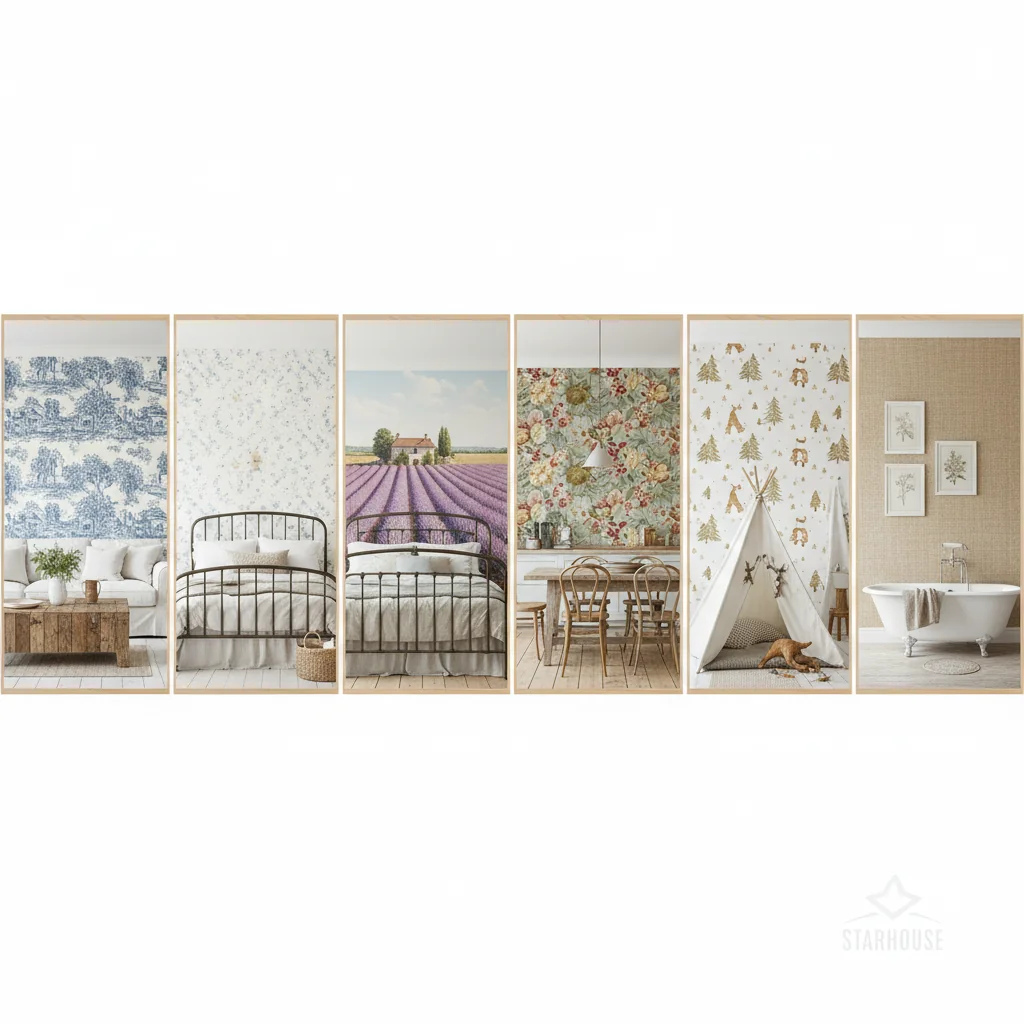
- Chintz: Chintz is characterized by large, often brightly colored floral patterns, typically on a light background. Historically, chintz was a glazed cotton fabric, and its wallpaper counterpart mimics this lush, abundant feel. It evokes a romantic, English cottage garden aesthetic, bringing a sense of opulence and freshness to bedrooms or living rooms. The patterns are usually dense, with intertwined leaves and blossoms, creating a visually rich surface.
- Wildflower & Meadow: These patterns feature smaller, more scattered representations of wildflowers, grasses, and subtle foliage, creating a less formal, more naturalistic look. They often have a softer color palette, reflecting a serene meadow or forest floor. Wildflower patterns are ideal for creating a gentle, airy ambiance in a sunroom, nursery, or a light-filled dining area, fostering a connection to untouched nature.
- Trailing Vines & Leaves: Designs that feature continuous, flowing patterns of vines, ivy, or individual leaves offer a sense of movement and organic growth. These can be intricate or simplified, providing a subtle backdrop that adds texture without overwhelming the space. They are particularly effective in hallways or as an accent wall, guiding the eye and adding a touch of understated elegance.
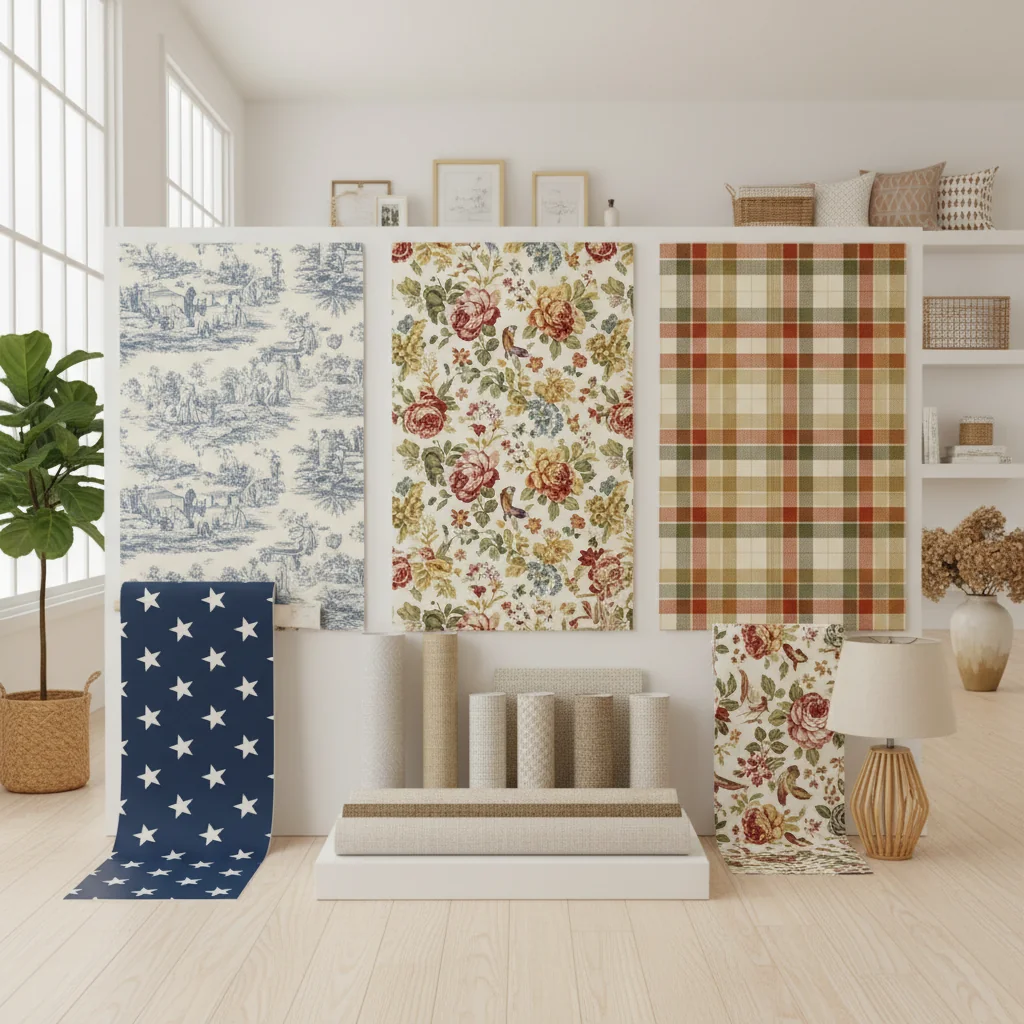
- Toile de Jouy (often botanical scenes): While Toile can feature various scenes, botanical and pastoral landscapes are common. These intricate, single-color illustrations on a contrasting light background depict idyllic rural life, often with detailed foliage and garden elements. Toile adds a sophisticated, historical depth, perfect for a classic French country aesthetic in a master bedroom or formal living space.
Plaids and Stripes
Plaids and stripes offer geometric precision and a sense of order, contrasting with the organic flow of florals while still maintaining a distinctly country feel. They are often associated with textiles and traditional craftsmanship.
- Gingham: Gingham is a classic checked pattern, typically white paired with a single color like red, blue, or green. Its simple, repetitive squares evoke a nostalgic, homespun charm, reminiscent of picnic blankets and country kitchens. Gingham wallpaper is excellent for creating a cheerful, informal atmosphere in kitchens, breakfast nooks, or children’s rooms.
- Tartan & Plaid: Tartan patterns are more complex, featuring crisscrossing horizontal and vertical bands in multiple colors, often associated with Scottish heritage. Broader plaid patterns offer a similar, cozy, and robust feel. These wallpapers bring a sense of warmth, tradition, and a hint of rustic masculinity to studies, dens, or country living rooms.
- Ticking Stripe: Ticking stripe features narrow, closely spaced stripes, historically found on mattress covers. Its understated elegance and simplicity make it a versatile choice for a refined country or coastal farmhouse look. It adds subtle texture and a clean, crisp line to walls without dominating the room, suitable for bedrooms, bathrooms, or laundries.
Toile de Jouy
Toile de Jouy, often simply called Toile, is a distinctive wallpaper pattern that originated in 18th-century France. Toile de Jouy is a type of decorative pattern consisting of a repeated design depicting a relatively complex pastoral scene, often of people or animals, in a single color on a lighter background. These monochromatic scenes typically illustrate bucolic landscapes, mythological figures, historical events, or romantic vignettes. Its intricate detailing and narrative quality provide a sophisticated and historical depth to any room. Toile is ideal for creating a focal point in a dining room, adding elegance to a powder room, or imbuing a bedroom with a romantic, vintage ambiance. The single-color palette ensures it remains classic and versatile, despite its detailed imagery.
Farmhouse and Rustic Patterns
Farmhouse and rustic patterns emphasize raw textures, natural materials, and the utilitarian beauty of rural architecture, creating a grounded and authentic atmosphere.
- Shiplap & Wood Grain: Wallpapers that mimic the look of shiplap paneling or natural wood planks are central to the modern farmhouse aesthetic. They introduce architectural interest and a sense of sturdy, handcrafted construction without the cost or permanence of real wood. These patterns are perfect for adding character to an accent wall, a cozy bedroom, or even a full room to achieve a genuine rustic feel.
- Brick & Stone: Faux brick or stone wallpapers offer the industrial-chic appeal of exposed masonry with the ease of wallpaper installation. These designs can transform an ordinary wall into a feature that suggests historical depth and robust construction, ideal for a country kitchen, basement, or a living room seeking an urban farmhouse edge.
- Distressed Textures: Wallpapers with distressed finishes, such as faded plaster, worn paint, or aged concrete, create an impression of history and character. These patterns add visual texture and a sense of lived-in authenticity, perfect for industrial farmhouse or shabby chic interiors, providing a subtle backdrop that complements vintage furnishings.
Animal and Nature Motifs
Beyond specific floral or landscape scenes, animal and broader nature motifs bring a playful or sophisticated connection to the wild.
- Woodland Creatures: Patterns featuring deer, foxes, rabbits, owls, or squirrels in natural settings add a whimsical and charming touch. These are particularly popular in nurseries, children’s rooms, or cozy reading nooks, invoking a storybook quality.
- Pastoral Scenes: Depictions of sheep grazing, cows in fields, or traditional farm life offer a serene and idyllic backdrop. These patterns often have a soothing effect, ideal for creating a tranquil atmosphere in a living room or sunroom.
- Bird & Aviary Designs: Elegant birds perched on branches, flying, or within ornate cages provide a delicate and graceful element. These can range from realistic illustrations to stylized silhouettes, adding a touch of sophistication and natural beauty.
Geometric and Folk Art Patterns
While often associated with modernity, simple geometric and folk art patterns have a long history in country design, reflecting traditional crafts and regional styles.
- Simple Geometrics: Subtle geometric patterns, such as small diamonds, dots, or simple trellises, can add a structured yet understated elegance. These are often used as background patterns, providing visual interest without competing with other design elements.
- Folk Art & Quilt-Inspired: Patterns drawing from traditional folk art, regional embroidery, or quilt designs introduce a handcrafted, artistic element. These often feature simplified forms, bold colors, and a charming naiveté, perfect for adding a unique, cultural touch to a country interior.
Novelty and Whimsical Patterns
Novelty patterns inject personality and a sense of fun into country interiors, often drawing from vintage themes or charming illustrations.
The vast array of country wallpaper patterns ensures that there is a design for every taste and every room, each capable of transforming a space into a personalized reflection of rustic elegance and comfort.
Understanding Wallpaper Materials and Their Suitability for Country Styles
The material composition of country wallpapers significantly influences their durability, texture, ease of installation, and maintenance requirements, making material selection as crucial as pattern choice. Different materials offer distinct advantages and aesthetic qualities that align with various country sub-styles and practical needs. Understanding these differences ensures the wallpaper performs optimally in its intended environment and maintains its visual integrity over time.
Wallpaper material is the substrate on which the design is printed, determining its physical properties, such as cleanability, durability, and method of application. The choice of material impacts how the wallpaper interacts with its environment, from humidity levels in a bathroom to the amount of traffic in a hallway.
Comparison of Common Wallpaper Materials
At Starhouse, we understand that the right material is paramount for both aesthetics and longevity. Here is a breakdown of common wallpaper materials and their characteristics:
| Material Type | Description & Key Characteristics | Durability & Care | Ideal Country Style Use | Installation & Removal |
|---|---|---|---|---|
| Traditional Paper | Made purely from paper pulp; classic, matte finish. Offers a soft, authentic look for intricate patterns like Toile or delicate florals. | Moderate durability; generally not washable, only gently wipeable. Susceptible to moisture damage. | Bedrooms, formal living rooms, dining rooms (where moisture is minimal). Best for classic French Country, traditional English Cottage. | Requires paste application (professional recommended). Can be difficult to remove cleanly, often requiring steaming or soaking. |
| Non-Woven | A blend of natural and synthetic fibers. Breathable, dimensionally stable, and often FSC-certified. Known for ease of application and removal. | High durability; often washable and resistant to tearing. Maintains integrity in varying humidity. | Versatile for all rooms, including bathrooms and kitchens (with good ventilation). Excellent for Modern Farmhouse, Cottagecore, contemporary country. | “Paste the wall” application, making it easier for DIY. Strips off cleanly in full sheets without damage to walls. |
| Solid Vinyl | A solid layer of vinyl, often textured. Highly durable and resistant to moisture and abrasion. Can mimic natural textures effectively. | Very high durability; fully scrubbable and waterproof. Excellent for high-traffic or high-moisture areas. | Kitchens, bathrooms, mudrooms, hallways. Ideal for rustic farmhouse (wood, brick textures), utility-focused country. | Requires paste application. Can be challenging to remove, often peels in layers, leaving a backing. |
| Fabric-Backed Vinyl | A vinyl surface laminated to a fabric backing (e.g., cotton, polyester). Offers enhanced strength and durability, often with richer textures. | Extremely high durability; highly scrubbable and resistant to impact. Ideal for commercial-grade applications or very high-traffic residential areas. | Commercial spaces, busy family rooms, entryways. Excellent for robust rustic, industrial country, where longevity is paramount. | Requires heavy-duty paste application (professional recommended). Removal can be labor-intensive. |
| Peel-and-Stick (Removable) | Often a vinyl or non-woven material with an adhesive backing. Designed for easy DIY application and damage-free removal. | Moderate to high durability; often wipeable. Best for temporary applications or those who change decor frequently. | Accent walls, rental properties, children’s rooms. Suitable for all country styles depending on the pattern, especially for low-commitment design. | Self-adhesive, simply peel off the backing and apply. Removes cleanly without residue. |
| Grasscloth | Made from natural fibers (grasses, jute, sisal) woven onto a paper backing. Highly textured, adds organic depth and warmth. | Moderate durability; not washable, only vacuum or gently dust. Susceptible to staining and moisture. | Living rooms, dining rooms, bedrooms (low-traffic, dry areas). Perfect for adding organic texture to any country style, especially coastal or natural rustic. | Requires specialized paste and installation techniques (professional recommended). Seams are often visible due to natural material. |
Detailed Material Considerations for Country Wallpapers
Traditional Paper Wallpaper
Traditional paper wallpaper is a wallcovering made entirely from paper pulp, offering a classic, often matte finish that excels at reproducing fine details and intricate patterns. It provides a soft, authentic aesthetic that is perfect for historical or deeply traditional country styles. While it offers a beautiful, breathable finish, its vulnerability to moisture and limited washability make it best suited for low-traffic areas such as bedrooms, formal dining rooms, or guest rooms where it is unlikely to encounter splashes or heavy wear. Its delicate nature means installation often requires a skilled hand to prevent tearing or stretching.
Non-Woven Wallpaper
Non-woven wallpaper represents a significant advancement in wallpaper technology. It combines natural and synthetic fibers, creating a material that is both breathable and dimensionally stable. This stability means it resists expansion and contraction, making it incredibly easy to install using the “paste the wall” method and equally simple to remove in full sheets without damaging the underlying surface. Non-woven wallpapers are often washable, highly durable, and resistant to tearing, making them a versatile choice for almost any room, including kitchens and bathrooms where some moisture exposure is expected. Their robust nature makes them an excellent choice for modern farmhouse or contemporary country designs that require both style and practicality.
Vinyl Wallpapers (Solid Vinyl & Fabric-Backed Vinyl)
Vinyl wallpapers are prized for their exceptional durability and ease of maintenance.
- Solid Vinyl: This material consists of a solid vinyl layer that is typically textured to mimic natural materials like wood, brick, or stucco. It is completely waterproof and scrubbable, making it an ideal choice for high-moisture environments like bathrooms, laundry rooms, or kitchens, as well as high-traffic areas such as mudrooms and hallways. Patterns like shiplap, faux brick, or distressed wood grain in solid vinyl provide the rustic look of natural materials with superior resilience.
- Fabric-Backed Vinyl: Offering even greater strength, fabric-backed vinyl features a vinyl surface laminated onto a woven fabric backing. This construction makes it incredibly resistant to impact and abrasion, often specified for commercial settings but increasingly popular in residential applications where extreme durability is required. It can withstand rigorous cleaning and is an excellent option for busy family rooms, entryways, or anywhere a robust, long-lasting solution is needed for a country aesthetic.
Peel-and-Stick (Removable) Wallpaper
Peel-and-stick wallpaper, often made from vinyl or a non-woven blend, features a pre-applied adhesive backing protected by a removable liner. This innovation has democratized wallpaper installation, making it accessible to DIY enthusiasts and renters. It requires no additional paste, can be repositioned during installation, and removes cleanly without damaging walls or leaving residue. While generally less durable than traditional pasted vinyl, modern peel-and-stick options offer good washability and scratch resistance. They are perfect for accent walls, temporary decor updates, or for those who enjoy changing their interiors frequently, allowing for experimentation with various country patterns without long-term commitment.
Grasscloth Wallpaper
Grasscloth wallpaper is a luxury natural wallcovering made from hand-woven fibers like jute, sisal, or arrowroot grass, adhered to a paper backing. It offers unparalleled texture, depth, and organic beauty, bringing a sophisticated, earthy element to any country interior. Each roll is unique due to the natural variations in the fibers, creating a bespoke feel. However, grasscloth is delicate; it is not washable, susceptible to staining, and should only be installed in low-traffic, dry areas like living rooms, dining rooms, or bedrooms. Installation can be challenging, often requiring professional expertise, and visible seams are a characteristic feature, adding to its natural charm.
When selecting country wallpaper, consider the specific demands of the room, your lifestyle, and the desired level of maintenance. A precise understanding of these material characteristics ensures a beautiful and enduring result that perfectly complements your chosen country aesthetic.
How to Select the Perfect Country Wallpaper for Your Home
Selecting the ideal country wallpaper requires considering a confluence of factors, including the room’s function, existing decor, desired mood, and the scale of the pattern relative to the space. This methodical approach ensures the chosen wallpaper not only aligns with the country aesthetic but also harmoniously integrates into your home, enhancing its overall design and functionality. A thoughtful selection process prevents costly mistakes and leads to a cohesive, inviting interior.
Assessing Room Function and Traffic
The intended use and traffic level of a room are primary determinants for wallpaper material and pattern durability.
- Kitchens and Bathrooms: These high-moisture, high-splatter areas demand wallpapers that are highly durable and washable. Vinyl (solid or fabric-backed) and certain non-woven varieties are excellent choices for their resistance to humidity, grease, and cleaning. Consider patterns like classic gingham, subtle shiplap, or charming fruit/vegetable motifs that can withstand daily wear.
- Entryways and Hallways: As high-traffic zones, these areas benefit from robust, scrubbable materials that can endure frequent contact and potential scuffs. Durable non-wovens or vinyls are recommended. Patterns with a subtle texture or a small-scale repeat can help disguise minor imperfections over time.
- Bedrooms and Living Rooms: These are typically lower-traffic, more intimate spaces, allowing for a wider range of material choices, including traditional paper or delicate grasscloth. Focus here on patterns that foster relaxation and comfort, such as soft florals, tranquil pastoral scenes, or understated stripes.
- Children’s Rooms and Nurseries: Durability and cleanability are key, alongside playful and inspiring patterns. Washable vinyl or non-woven options with whimsical woodland creatures, simple checks, or charming botanical prints are ideal.
Harmonizing with Existing Decor and Color Palette
The wallpaper should complement, not clash with, your current furnishings, textiles, and paint colors.
- Identify Your Core Colors: Note the dominant colors in your furniture, rugs, and artwork. Choose a wallpaper that incorporates these colors or introduces complementary shades. For instance, if your living room features soft blues and creams, a toile pattern in a similar palette would integrate seamlessly.
- Consider Undertones: Pay attention to warm or cool undertones. A wallpaper with warm, earthy tones will enhance a room with existing wood furniture and cream fabrics, while cool grays and blues will complement a more coastal or modern country aesthetic.
- Balance Patterns: If you have patterned upholstery or rugs, select a wallpaper with a simpler, smaller-scale pattern or a subtle texture to avoid visual overload. Conversely, if your room is largely solid-colored, a bolder floral or narrative toile can become a striking focal point.
Defining the Desired Mood and Ambiance
Wallpaper is a powerful tool for setting the emotional tone of a room.
- Cozy and Intimate: Darker, richer patterns, larger-scale florals, or textured wallpapers (like faux wood or grasscloth) can create a snug, enveloping feeling.
- Light and Airy: Lighter backgrounds, delicate floral motifs, soft pastels, or simple ticking stripes contribute to an open, serene, and spacious ambiance.
- Elegant and Refined: Toile de Jouy, detailed botanical prints, or subtle damask-inspired patterns in sophisticated colorways elevate the room’s formality.
- Playful and Whimsical: Wallpapers with charming animal motifs, folk art designs, or vintage illustrations infuse a space with personality and lightheartedness.
Matching Scale of Pattern to Room Size
The size of the pattern must be proportionate to the dimensions of the room to achieve visual balance.
- Small Rooms: In compact spaces like powder rooms or small bedrooms, opt for small-scale patterns, delicate prints, or subtle textures. Overly large patterns can overwhelm a small room, making it feel even smaller. A small-check gingham or a scattered wildflower print works well.
- Large Rooms: Expansive rooms can accommodate and benefit from larger, bolder patterns. A grand floral, a sweeping pastoral scene, or a chunky plaid can define zones and add visual impact without feeling crowded. Large patterns can also make a vast room feel more intimate.
- Ceiling Height: Vertical stripes can visually elongate walls, making ceilings appear higher. Horizontal patterns can make a narrow room seem wider.
Considering Light Exposure
The amount of natural and artificial light a room receives significantly impacts how wallpaper colors and patterns appear.
- North-Facing Rooms: These rooms tend to receive cooler, indirect light. Warm-toned wallpapers (creams, yellows, soft reds) can counteract the coolness and make the room feel more inviting.
- South-Facing Rooms: Benefiting from abundant, warm light, these rooms can handle a wider range of colors, including cooler blues and greens, or deeper, saturated hues without feeling dark.
- Rooms with Limited Light: Lighter wallpaper colors and reflective surfaces (subtle metallic accents in the pattern) can help brighten a dim room. Avoid heavy, dark patterns that absorb light.
Interpreting Your Personal Style within Country Aesthetics
Country style is not a monolith; it encompasses several distinct sub-styles. Identify which resonates most with you:
- American Farmhouse: Emphasizes simplicity, practicality, and natural elements. Think shiplap, wood grain, gingham, and neutral palettes with pops of barn red or navy.
- French Country: Characterized by rustic elegance, ornate details, and a blend of refined and natural elements. Toile de Jouy, delicate florals, and muted blues, yellows, and greens are common.
- English Cottage: Focuses on cozy comfort, abundant florals, and a slightly whimsical, lived-in feel. Chintz, botanical prints, and soft, warm colors are prevalent.
- Coastal Country: Blends rustic elements with a seaside palette. Light blues, greens, whites, natural textures, and subtle nautical or shell motifs.
- Modern Country: A contemporary take, often featuring cleaner lines, less clutter, and a mix of traditional patterns with updated color schemes or geometric interpretations.
Peel-and-Stick vs. Traditional Paste Wallpaper
The choice between peel-and-stick and traditional paste wallpaper depends on your installation comfort level, commitment, and the desired longevity.
- Peel-and-Stick: Ideal for DIYers, renters, accent walls, or those who enjoy frequent decor changes. It’s forgiving, easy to install and remove, and generally less permanent. However, it may not offer the same range of luxurious textures or commercial-grade durability as traditional options.
- Traditional Paste: Offers a wider selection of materials (including grasscloth, heavy-duty vinyl, and traditional paper), textures, and often a more professional, seamless finish. It’s a more permanent solution and may require professional installation, especially for complex patterns or delicate materials.
By systematically evaluating these factors, you can confidently navigate the extensive options for country wallpapers and select a design that not only enhances your home’s aesthetic but also reflects your unique style and functional requirements.
Essential Sizing and Measuring for Flawless Wallpaper Installation
Accurate sizing and precise measuring are foundational to a successful wallpaper installation, ensuring you purchase the correct quantity of rolls and achieve a seamless, professional finish. Underestimating these steps can lead to frustrating delays, mismatched patterns, and costly reorders. A meticulous approach to measurement accounts for pattern repeats, openings, and potential waste, guaranteeing that every wall is covered perfectly.
Tools Required for Accurate Measurement
Before beginning, gather the necessary tools to ensure accuracy:
- Steel Tape Measure: A retractable tape measure, preferably 25 feet or longer, is essential for measuring walls.
- Pencil: For marking measurements and calculations.
- Level or Plumb Line: To establish true vertical lines, especially important for starting the first strip.
- Step Ladder or Stool: To reach high points of walls.
- Calculator: For precise calculations of area and rolls needed.
Step-by-Step Wall Measurement
Follow these steps to accurately measure each wall you intend to wallpaper:
- Measure Wall Height: Measure the height of each wall from the baseboard to the ceiling. Take at least three measurements across the width of the wall (left, center, right) in case the ceiling or floor is uneven. Use the tallest measurement for your calculations to ensure full coverage.
- Measure Wall Width: Measure the width of each wall horizontally.
- Calculate Total Square Footage: For each wall, multiply its average height by its width to get the square footage. Sum these totals to find the total square footage of all surfaces to be covered.
- Account for Openings (Doors and Windows): Measure the height and width of all doors and windows. Calculate their individual square footage. If an opening is less than 20 sq ft, it is generally easier and safer to include it in your total wall area calculation, as the small amount of saved material is often offset by the need for extra cuts and pattern matching. For larger openings (over 20 sq ft), you may subtract their area from the total, but always err on the side of caution and consider potential waste.
- Measure Repeat Pattern: Locate the pattern repeat information on the wallpaper roll label. The pattern repeat is the vertical distance between one point on a pattern and the identical point directly above or below it. This measurement is crucial for matching strips and impacts how much extra wallpaper you need. For example, a 24-inch pattern repeat means every strip must align perfectly every 24 inches.
Calculating Rolls Needed: Understanding Roll Dimensions and Waste
Wallpaper is typically sold in double or triple rolls in the U.S., but packaging may still refer to “single rolls” for calculation purposes. Always refer to the square footage coverage listed on the specific roll.
Standard U.S. wallpaper rolls are commonly 20.5 inches or 27 inches wide, and approximately 33 feet long for a single roll, providing about 56 square feet (for 20.5-inch width) or 74 square feet (for 27-inch width) of coverage. Double rolls are simply twice this length. Always confirm the exact dimensions and square footage yield on your chosen wallpaper’s label.
To calculate the number of rolls:
-
Determine Strips Per Roll: Divide the length of one full roll (e.g., 33 feet for a single roll, or 66 feet for a double roll) by your wall height (plus the pattern repeat, and a few extra inches for trimming). This gives you the number of full strips you can cut from one roll.
Example: If your wall height is 8 feet (96 inches) and pattern repeat is 24 inches:
Length per strip needed = 96 inches (wall height) + 24 inches (pattern repeat) + 4 inches (trim allowance) = 124 inches.
A double roll is 66 feet = 792 inches.
Number of strips per double roll = 792 inches / 124 inches ≈ 6.38. You can get 6 full strips from this roll. -
Determine Total Strips Needed: Divide the total width of your walls by the width of one wallpaper strip (e.g., 20.5 inches or 27 inches).
Example: If your total wall width is 20 feet (240 inches) and wallpaper width is 20.5 inches:
Number of strips needed = 240 inches / 20.5 inches ≈ 11.7. You need 12 strips. -
Calculate Total Rolls: Divide the total strips needed by the number of strips per roll.
Example: 12 strips needed / 6 strips per double roll = 2 double rolls. - Add for Waste Factor: Always order at least 15-20% extra to account for pattern matching, trimming, mistakes, and future repairs. For complex patterns or unusually shaped rooms, increase this to 25%. It is far better to have a leftover roll than to run short and risk color or dye lot discrepancies with a new order.
Important Note on Dye Lots: Wallpaper is produced in batches, and slight color variations can occur between batches (known as dye lots or run numbers). Always order all the wallpaper you need for a single project at once to ensure all rolls come from the same dye lot. This prevents noticeable color differences on your walls. The dye lot number is printed on the label of each roll.
Professional vs. DIY Installation Considerations
While peel-and-stick options have made wallpapering more accessible for DIY enthusiasts, certain situations warrant professional installation:
- Complex Patterns: Large, intricate patterns with significant repeats require precise alignment, which can be challenging for inexperienced installers.
- Delicate Materials: Grasscloth, silk, or heavily textured wallpapers are often more delicate and require specialized techniques to avoid damage during installation.
- Irregular Walls or High Ceilings: Rooms with many angles, dormers, or very tall ceilings (over 10 feet) present difficulties that professionals are equipped to handle safely and efficiently.
- Time Constraints: Professional installers can complete the job much faster and with greater precision, especially for larger projects.
Even if you plan to DIY, purchasing an extra roll or two is a wise investment to cover any miscuts or future damage. Precise measurements are the cornerstone of a beautiful and lasting wallpaper installation, transforming your country-inspired vision into a tangible reality.
Current Trends and Enduring Classics in Country Wallpaper Design
While country wallpaper inherently evokes timeless charm, contemporary interpretations continuously evolve, blending traditional motifs with updated color palettes, textures, and design sensibilities. This dynamic ensures that country style remains relevant and fresh, appealing to both purists and those seeking a modern twist on classic aesthetics. Understanding both enduring classics and emerging trends allows for informed design choices that feel both current and rooted in heritage.
Emerging Trends in Country Wallpaper
- Modern Farmhouse: This trend refines traditional farmhouse elements with cleaner lines, neutral color palettes, and a focus on functionality. Wallpapers often mimic shiplap, reclaimed wood, or subtle textured linen. Patterns are typically understated, such as small-scale gingham in gray or black and white, or minimalist botanical outlines. It embraces a less cluttered, more sophisticated rustic look.
- Cottagecore: A romantic and idealized vision of rural life, Cottagecore wallpapers feature abundant, often whimsical, floral and botanical patterns. Think delicate wildflowers, rambling roses, fruit orchards, or charming woodland creatures, all rendered in soft pastels or muted, earthy tones. The aesthetic is dreamy, nostalgic, and celebrates handmade beauty.
- Grandmillennial: This trend embraces traditional design elements often associated with grandmothers’ homes, but with a fresh, curated perspective. Wallpapers feature classic chintz, toile, damasks, and intricate floral patterns, often in bolder or unexpected color combinations. It’s about celebrating heritage patterns without being stuffy, often mixing them with modern furniture for a playful contrast.
- Japandi-Country Fusion: A serene blend of Japanese minimalism and Scandinavian warmth, infused with country naturalism. Wallpapers in this style feature simple, organic patterns like subtle bamboo textures, abstract botanicals, or muted landscapes. The color palette is calming, focusing on earthy neutrals, soft grays, and natural wood tones, emphasizing tranquility and natural materials.
- Abstracted Nature: Moving beyond literal depictions, this trend features nature-inspired patterns that are more artistic and less defined. Think blurred botanical prints, abstract leaf motifs, or textural patterns that evoke natural elements without being overtly illustrative. This offers a sophisticated and contemporary take on bringing the outdoors in.
Classic Country Wallpaper Styles That Endure
Certain country wallpaper patterns have transcended generations, remaining beloved for their timeless appeal and ability to instantly evoke a sense of heritage and comfort.
- Toile de Jouy: As discussed, Toile’s intricate monochromatic scenes of pastoral life, mythology, or historical events offer a sophisticated, historical depth. Its enduring popularity stems from its narrative quality and ability to create a focal point of refined elegance, particularly in French Country or traditional settings.
- Chinoiserie-Inspired Botanicals: While not exclusively “country,” Chinoiserie patterns, with their delicate depictions of oriental flora, fauna, and pagodas, have long graced country estates and formal rooms. They add an exotic yet classic touch, often in soft blues, greens, or vibrant multi-colors on light backgrounds, bringing a sense of cultivated garden beauty.
- Gingham and Checks: The simple, repetitive squares of gingham and other check patterns are quintessential country. They evoke a homespun, cheerful, and approachable charm, perfect for kitchens, informal dining areas, or children’s rooms. Their timelessness lies in their simplicity and versatility.
- Traditional Botanical Prints: Detailed and realistic depictions of flowers, herbs, or trees, often in a repeating grid or scattered arrangement, remain a staple. These patterns provide an authentic connection to nature, suitable for English cottage, traditional American country, or even a subtle backdrop in a modern farmhouse.
- Ticking Stripes: The understated elegance of narrow, closely spaced stripes adds a crisp, clean line to any country interior. Its textile origins lend a familiar comfort, making it a versatile classic for bedrooms, bathrooms, or laundries, offering a refined backdrop that complements various styles.
Evolving Color Palettes in Country Wallpaper
Color plays a significant role in defining both classic and trending country styles.
- Muted and Earthy Tones: Soft greens (sage, olive), muted blues (dusty blue, slate), warm grays, creams, and off-whites remain foundational, providing a serene and natural backdrop. These colors create a calming atmosphere and allow other decor elements to stand out.
- Soft Pastels: For Cottagecore and some French Country aesthetics, delicate pinks, lavenders, light yellows, and baby blues are prevalent, adding a gentle, romantic, and airy feel.
- Deep Jewel Tones (as accents): While less common for overall coverage, rich accent colors like deep forest green, burgundy, or mustard yellow are appearing in Grandmillennial patterns or as subtle elements within more elaborate designs, providing depth and a touch of sophistication.
- Black and White: Especially popular in Modern Farmhouse, black and white patterns (gingham, ticking stripe, abstract botanicals) offer a crisp, contemporary contrast while retaining rustic charm.
Textural Innovations
Beyond visual patterns, advancements in wallpaper printing allow for increasingly realistic textural effects, enhancing the country aesthetic.
- Embossed Finishes: Wallpapers with raised patterns that mimic the feel of linen, plaster, or wood grain add tactile depth, making walls more engaging.
- Metallic Accents: Subtle metallic inks, particularly in gold, silver, or bronze, can be integrated into traditional patterns (like Chinoiserie or damask) to add a touch of understated luxury and reflectivity, brightening a room.
- Faux Natural Materials: Highly realistic prints of brick, stone, concrete, and various wood species continue to be popular, offering the look of architectural elements without the structural commitment.
The world of country wallpaper is rich with history and innovation. By understanding both its enduring classics and its evolving trends, you can choose a wallpaper that not only reflects your personal taste but also creates a home that is both stylish and comforting for years to come.
Care and Maintenance for Longevity of Your Country Wallpaper
Proper care and maintenance are essential for preserving the beauty and extending the lifespan of your country wallpaper, protecting your investment and ensuring your walls remain a stunning feature. The specific care routine depends heavily on the wallpaper’s material, as different substrates respond uniquely to cleaning agents and moisture. Adhering to manufacturer guidelines for your specific wallpaper is paramount for preventing damage and maintaining its pristine condition.
General Cleaning Guidelines
Regardless of material, some general practices apply to all wallpaper types to minimize wear and tear:
- Regular Dusting: Use a soft, dry cloth, a feather duster, or a vacuum cleaner with a brush attachment on a low setting to gently remove dust and cobwebs. This prevents buildup that can dull the pattern over time. Perform this regularly, perhaps weekly or bi-weekly.
- Act Quickly on Spills: Address spills and splatters immediately. The longer a substance sits on the wallpaper, the harder it is to remove and the greater the risk of permanent staining.
- Test in an Inconspicuous Area: Before applying any cleaning solution to a visible area, always test it on a small, hidden section of the wallpaper (e.g., behind a door, under a piece of furniture, or on a leftover scrap). This confirms the solution will not damage or discolor the material.
- Avoid Abrasive Cleaners: Never use harsh chemicals, abrasive scrubbers, or bleach-based products, regardless of the wallpaper material, as these can strip colors, damage textures, or degrade the material.
Material-Specific Care Instructions
Care instructions vary significantly by material:
Traditional Paper Wallpaper
Traditional paper wallpaper is the most delicate type.
- Cleaning: It is generally not washable. For light dirt or smudges, use a very soft, barely damp cloth, blotting gently rather than rubbing. A wallpaper dough or art gum eraser can sometimes lift dry dirt without moisture. Avoid excessive moisture, which can cause the paper to warp, tear, or stain.
- Moisture: Protect from high humidity and direct water exposure. Not suitable for bathrooms or kitchens.
Non-Woven Wallpaper
Non-woven wallpapers are more robust and user-friendly.
- Cleaning: Most non-woven wallpapers are washable. Use a soft sponge or cloth dampened with a mild soap solution (like dish soap diluted in water). Gently wipe the stained area, then wipe with a clean, damp cloth to remove any soap residue. Finish by drying with a clean, dry cloth.
- Durability: Resistant to tearing and dimensionally stable, making them suitable for moderate-traffic areas and rooms with some humidity.
Vinyl Wallpapers (Solid Vinyl & Fabric-Backed Vinyl)
Vinyl wallpapers are exceptionally durable and easy to clean.
- Cleaning: Solid vinyl and fabric-backed vinyl are often labeled as “scrubbable” or “washable.” They can withstand thorough cleaning with a soft brush or sponge and a mild detergent solution. For stubborn stains, a slightly stronger, non-abrasive cleaner might be used, but always test first. Rinse thoroughly with clean water and dry.
- Moisture: Highly resistant to moisture, making them ideal for kitchens, bathrooms, and other high-humidity or high-traffic areas.
Peel-and-Stick (Removable) Wallpaper
Care for peel-and-stick largely depends on its base material, often vinyl or non-woven.
- Cleaning: Most peel-and-stick wallpapers are wipeable. Use a soft, damp cloth with a small amount of mild soap for general cleaning. Avoid excessive scrubbing, especially near seams, as this can lift the adhesive.
- Durability: While generally durable for temporary applications, they may not withstand the same rigorous cleaning or heavy wear as traditional pasted vinyl.
Grasscloth Wallpaper
Grasscloth is a natural material and requires specialized, delicate care.
- Cleaning: Do NOT use water or liquid cleaners, as this can cause staining, discoloration, or shrinkage. Grasscloth is NOT washable. For dust, use a vacuum cleaner with a soft brush attachment or a dry, lint-free cloth. For dry dirt, a gentle art gum eraser might work, but proceed with extreme caution.
- Moisture: Extremely susceptible to moisture and humidity. Avoid installation in bathrooms, kitchens, or basements.
- Stains: Most stains on grasscloth are permanent. Prevention is key.
For any specific care questions, referring to the manufacturer’s care label or website is the most authoritative source of information. York Wallcoverings, for example, provides detailed care instructions for their various wallpaper types, ensuring proper maintenance for their products York Wallcoverings.
Addressing Common Issues
- Seam Lifting: Over time, seams can sometimes lift. For traditional or non-woven papers, use a seam roller and a small amount of wallpaper seam adhesive to re-secure them. For peel-and-stick, gently press the seam back down, ensuring the wall is clean.
- Bubbles: Small air bubbles can sometimes appear. For traditional or non-woven papers, you can often gently push the air out with a smoothing tool towards the nearest edge. For stubborn bubbles, a small pinprick can release the air, then smooth down.
- Stains: Depending on the material, immediate action is crucial. For washable materials, a mild detergent and gentle wiping often suffice. For non-washable materials, specific stain removers designed for wallpaper (always test first) or professional cleaning might be necessary.
- Fading: Prolonged direct sunlight can cause wallpaper colors to fade, especially on traditional paper types. Consider using UV-protective window films or blinds/curtains in rooms with intense sun exposure.
Preventative Measures for Longevity
- Humidity Control: Maintain consistent humidity levels in your home, especially in rooms with traditional paper or grasscloth wallpaper. Excessive humidity can cause paper to peel or mold, while overly dry conditions can cause shrinkage and cracking.
- UV Protection: Use window treatments or UV-filtering glass to protect wallpaper from direct, intense sunlight, which can cause colors to fade over time.
- Proper Ventilation: Ensure good ventilation in kitchens and bathrooms to minimize moisture buildup, even with washable vinyl wallpapers.
- Gentle Handling: When moving furniture or objects near wallpapered walls, exercise caution to prevent scuffs, tears, or punctures.
By implementing these care and maintenance practices, your country wallpaper will continue to provide a beautiful and inviting backdrop to your home for many years, retaining its charm and character.
Styling and Pairing Country Wallpapers with Your Interior Elements
Successfully styling country wallpaper involves harmonizing its patterns, colors, and textures with your existing furniture, fabrics, lighting, and accessories to create a cohesive and inviting atmosphere. The wallpaper acts as a foundational design element, setting the tone for the entire room, and requires thoughtful integration with other decor components to achieve a balanced and aesthetically pleasing country aesthetic. Strategic pairing ensures that each element enhances the overall design narrative.
Harmonizing with Furniture and Fabrics
The interplay between your wallpaper and soft furnishings is crucial for a unified country look.
-
Complementary Materials:
- Wood: Country wallpapers, especially those with natural motifs or rustic textures, pair beautifully with natural wood furniture. Light-toned woods (pine, birch) complement airy, light-colored botanicals or ticking stripes, while darker, richer woods (oak, cherry) enhance more traditional florals or Toile.
- Linen and Cotton: These natural fabrics, with their soft textures and breathable qualities, are ideal for upholstery, curtains, and bedding in a country setting. They provide a tactile contrast to the wallpaper while maintaining an organic feel. Solid linens can ground a busy floral wallpaper, while subtle striped or checked cottons can echo patterns in a more understated way.
- Wrought Iron/Metal: For a rustic or industrial country touch, wrought iron bed frames, tables, or shelving units can add an appealing contrast to softer wallpaper patterns.
-
Pattern Mixing:
- Vary Scale: Combine a large-scale wallpaper pattern (e.g., a bold floral) with smaller patterns on upholstery or cushions (e.g., a delicate stripe or small check).
- Mix Motifs: Pair a floral wallpaper with geometric patterns (like a subtle plaid or gingham) on throw pillows or window treatments. Ensure there’s a unifying color palette or a common element to tie them together.
- Introduce Solids: Balance patterned wallpaper with solid-colored furniture and textiles to provide visual resting points and prevent the room from feeling too busy.
Enhancing the Mood with Lighting
Lighting fixtures and their warmth can significantly impact the perception of your country wallpaper and the overall room ambiance.
- Warm Light: Opt for light bulbs with a warmer color temperature (around 2700K-3000K) to enhance the cozy, inviting feel of country wallpapers. Cool-toned lighting can make patterns appear stark or unwelcoming.
- Vintage Fixtures: Incorporate lighting fixtures that align with the country aesthetic, such as wrought iron chandeliers, distressed metal lanterns, ceramic lamps with fabric shades, or antique-style sconces. These fixtures act as decorative elements that complement the wallpaper’s style.
- Layered Lighting: Combine ambient (general room light), task (reading lamps), and accent lighting (spotlighting artwork or architectural features) to create depth and highlight specific areas or textures of the wallpaper.
Curating Accessories and Art
Accessories and artwork are the finishing touches that bring personality and completeness to a country-inspired space.
- Antiques and Vintage Finds: Displaying antique pottery, vintage signs, wooden crates, or heirloom pieces reinforces the sense of history and lived-in charm that is central to country style. These items should complement the wallpaper’s era and motif.
- Framed Botanical Prints: Echo the natural themes of many country wallpapers by hanging framed botanical illustrations, pressed flowers, or landscape paintings. Simple, distressed wood frames or antique gold frames can enhance the country aesthetic.
- Mirrors: A strategically placed mirror can reflect light and expand the perception of space, especially in rooms with darker or busier wallpaper patterns. Choose mirrors with rustic wood, distressed metal, or ornate vintage frames.
- Natural Elements: Incorporate fresh flowers, potted herbs, woven baskets, and stoneware to further connect the interior with the natural world and enhance the organic feel of country wallpaper.
Choosing Complementary Floor Coverings
The floor beneath your country wallpaper should provide a harmonious base.
- Wood Floors: Hardwood floors (especially reclaimed, distressed, or wide-plank varieties) are a classic pairing for country wallpaper, offering warmth and authenticity.
- Rugs: Area rugs can define zones and add softness, texture, and additional pattern. Consider braided rugs, natural fiber rugs (jute, sisal), or traditional oriental/Persian rugs with muted colors for a sophisticated country look. For a more rustic feel, sheepskin or cowhide rugs can work.
- Tile: In kitchens or bathrooms, ceramic or porcelain tiles that mimic natural stone or have a distressed finish can complement country wallpapers beautifully.
Creating Focal Points and Visual Flow
Wallpaper can be used strategically to highlight architectural features or create a dramatic impact.
- Accent Walls: If a bold pattern feels too overwhelming for an entire room, use it on a single accent wall (e.g., behind a bed, fireplace, or sofa) to create a striking focal point. Paint the remaining walls in a complementary solid color pulled from the wallpaper’s palette.
- Defined Zones: In open-concept spaces, different country wallpapers (or a wallpaper paired with paint) can subtly delineate functional areas without resorting to physical barriers.
- Flow and Cohesion: Ensure a consistent color story or a recurring motif (e.g., florals, checks) throughout your home to create a sense of flow, even if different country wallpaper patterns are used in various rooms.
By thoughtfully considering how each element interacts with your chosen country wallpaper, you can craft an interior that is not only visually appealing but also deeply comfortable, personal, and reflective of the timeless country aesthetic.
Common Mistakes to Avoid When Choosing and Installing Country Wallpaper
Avoiding common pitfalls ensures a more successful and aesthetically pleasing outcome when selecting and installing country wallpaper, preventing frustration and costly rework. Many issues arise from overlooking crucial details in planning, measurement, and material compatibility. Being aware of these frequent errors allows for proactive measures, leading to a professional-looking and durable installation that genuinely enhances your home.
Underestimating Pattern Repeat and Waste
One of the most frequent and impactful mistakes is failing to adequately account for the wallpaper’s pattern repeat when calculating the number of rolls needed.
- The Mistake: Simply calculating square footage without adding extra length for matching the design across strips. This results in running out of wallpaper before the project is complete, especially with large, intricate patterns.
- The Solution: Always factor in the pattern repeat (e.g., 20-24 inches for many country designs) for each strip cut. Add at least 15-20% extra to your total roll count for waste due to trimming, pattern matching, and potential errors. For complex or large-scale patterns, increase this to 25%.
Incorrect or Insufficient Measurements
Inaccurate measurements are a primary cause of either purchasing too little or too much wallpaper.
- The Mistake: Measuring only once, rounding measurements, or neglecting to account for architectural features like doors, windows, and angled ceilings. This leads to gaps, mismatched seams, or an excess of expensive leftover rolls.
- The Solution: Measure each wall’s height and width in multiple places. Use the highest and widest measurements to ensure full coverage. Carefully calculate the square footage and, as mentioned, account for openings cautiously. Double-check all calculations before ordering.
Ignoring Room Scale and Pattern Proportion
Choosing a wallpaper pattern whose scale is inappropriate for the room’s size can dramatically alter its perceived dimensions and mood.
- The Mistake: Using a large, bold floral or Toile pattern in a small powder room, making the space feel cramped and overwhelming. Conversely, selecting a tiny, understated print for an expansive living room that fails to make an impact.
- The Solution: For small rooms, opt for small-scale, delicate patterns or subtle textures. In larger rooms, embrace grander patterns that can fill the space and create visual interest without feeling crowded. Always consider how the pattern will repeat and cover the entire wall, not just a small sample.
Poor Surface Preparation
The quality of the wall surface beneath the wallpaper is critical for a smooth, lasting finish.
- The Mistake: Applying wallpaper over dirty, dusty, uneven, or improperly primed walls. This can lead to poor adhesion, visible imperfections (bumps, cracks), peeling seams, or mold growth.
- The Solution: Ensure walls are clean, dry, smooth, and free of debris. Fill any holes or cracks, sand rough patches, and apply a high-quality wallpaper primer (like a “sizing” primer) that promotes adhesion and allows for easier repositioning and future removal.
Overlooking Material Suitability for the Environment
Choosing the wrong wallpaper material for a room’s specific conditions can lead to premature wear, damage, or difficult maintenance.
- The Mistake: Installing delicate traditional paper or grasscloth in a high-humidity bathroom or a high-traffic kitchen. This results in peeling, staining, or mildew.
- The Solution: Always match the wallpaper material to the room’s function. Use scrubbable vinyl or durable non-woven options for kitchens, bathrooms, laundry rooms, and high-traffic areas. Reserve delicate materials for low-moisture, low-traffic spaces like bedrooms or formal dining rooms.
Neglecting Professional Installation for Complex Patterns or Materials
While DIY wallpapering is appealing, some projects truly benefit from expert hands.
- The Mistake: Attempting to install intricate patterns (e.g., large-scale murals, detailed Toile with complex repeats) or delicate materials (e.g., grasscloth, silk) without prior experience. This often results in wasted material, visible seams, bubbles, or a generally unprofessional finish.
- The Solution: For challenging patterns, high-value materials, or rooms with many architectural quirks, invest in a professional wallpaper installer. Their expertise saves time, reduces waste, and guarantees a flawless, long-lasting result.
Failing to Order Enough Rolls from the Same Dye Lot
Wallpaper is produced in batches, and slight color variations can occur between these batches.
- The Mistake: Ordering wallpaper in multiple batches or running out and needing to reorder, only to find the new rolls are from a different dye lot. This can result in noticeable color discrepancies on the wall, creating a patchy appearance.
- The Solution: Calculate your needs meticulously and order all required rolls for a single project at the same time. Always check that all rolls received have the same dye lot number (also called run number or batch number) printed on the label. Order an extra roll as a contingency.
By carefully considering these common mistakes, you can approach your country wallpaper project with confidence and achieve a beautiful, enduring transformation of your living space.
Sources
Frequently Asked Questions
What is the most durable type of country wallpaper?
The most durable type of country wallpaper is typically solid vinyl or fabric-backed vinyl, due to their robust construction and high resistance to moisture, abrasion, and scrubbing. These materials are ideal for high-traffic areas like kitchens, bathrooms, and entryways where longevity and easy maintenance are priorities.
Can I use country wallpaper in a modern home?
Yes, country wallpaper can absolutely be integrated into a modern home to create a sophisticated “modern country” or “modern farmhouse” aesthetic. This is achieved by selecting country patterns with updated color palettes (e.g., black and white gingham, muted botanical prints), cleaner lines, or by using a classic country pattern on an accent wall to contrast with contemporary furnishings, adding warmth and character.
How do I choose the right country wallpaper pattern for a small room?
For a small room, choose country wallpaper patterns with a small scale, delicate prints, or subtle textures to prevent the space from feeling overwhelmed. Examples include small-check gingham, scattered wildflower motifs, or fine ticking stripes. Lighter backgrounds and colors can also help to make a small room feel more expansive and airy.
Is peel-and-stick country wallpaper a good option for beginners?
Yes, peel-and-stick country wallpaper is an excellent option for beginners and DIY enthusiasts due to its self-adhesive backing and ease of installation and removal. It allows for repositioning during application and removes cleanly without damaging walls, making it a forgiving choice for those new to wallpapering or for temporary decor updates.
How do I clean grasscloth country wallpaper?
Grasscloth country wallpaper is not washable and should never be cleaned with water or liquid solutions, as this can cause staining or damage to the natural fibers. For cleaning, use a vacuum cleaner with a soft brush attachment to gently remove dust and cobwebs, or a dry, lint-free cloth for light surface dirt. Spot cleaning for stains is generally not recommended, making prevention key.
What is a pattern repeat in wallpaper, and why is it important?
A pattern repeat is the vertical distance on a wallpaper roll where the design begins to repeat itself. It is crucial for installation because every subsequent strip of wallpaper must be aligned to match this pattern repeat, ensuring a continuous and seamless design across the wall. Accounting for the pattern repeat is essential when calculating the number of rolls needed, as it adds to the length required per strip and contributes to material waste.
Can country wallpaper make a room feel too busy?
Country wallpaper can make a room feel too busy if the pattern scale is too large for the space, if too many competing patterns are used in the decor, or if the color palette is overly vibrant without balancing neutrals. To avoid this, select patterns appropriate for room size, balance busy wallpapers with solid-colored furnishings, and choose cohesive color schemes. Using a bold country pattern on an accent wall rather than all four walls can also prevent an overwhelming effect.
Conclusion
Country wallpapers offer an unparalleled opportunity to infuse your home with warmth, character, and a deep connection to natural beauty and heritage. From the rustic simplicity of a farmhouse shiplap to the refined elegance of a French Toile, these wallcoverings provide a versatile foundation for creating spaces that feel both aspirational and deeply comforting. Our exploration of diverse types, suitable materials, precise measurement techniques, evolving trends, and essential care underscores the thoughtful approach required to achieve a truly harmonious interior. By making informed choices, you ensure your country wallpaper not only reflects your personal aesthetic but also stands as a durable and captivating design element for years to come.
At Starhouse, we are dedicated to curating collections that blend timeless design with modern living, helping you craft a home that tells your unique story. As we prepare to launch our full catalog, we invite you to share your vision for your space. Tell us what you’re looking for, and get early access to our meticulously selected range of wall decor, furnishings, and accents. Tell us what you’re looking for.