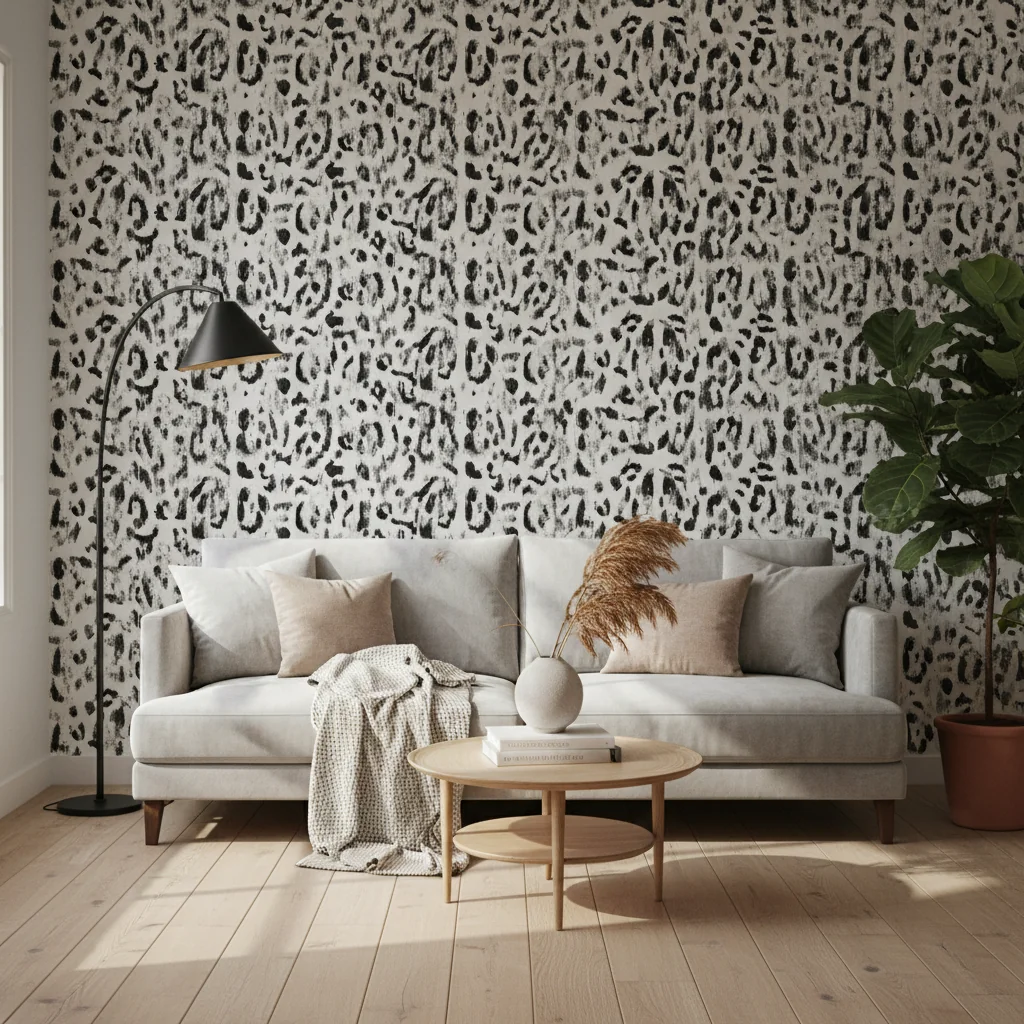
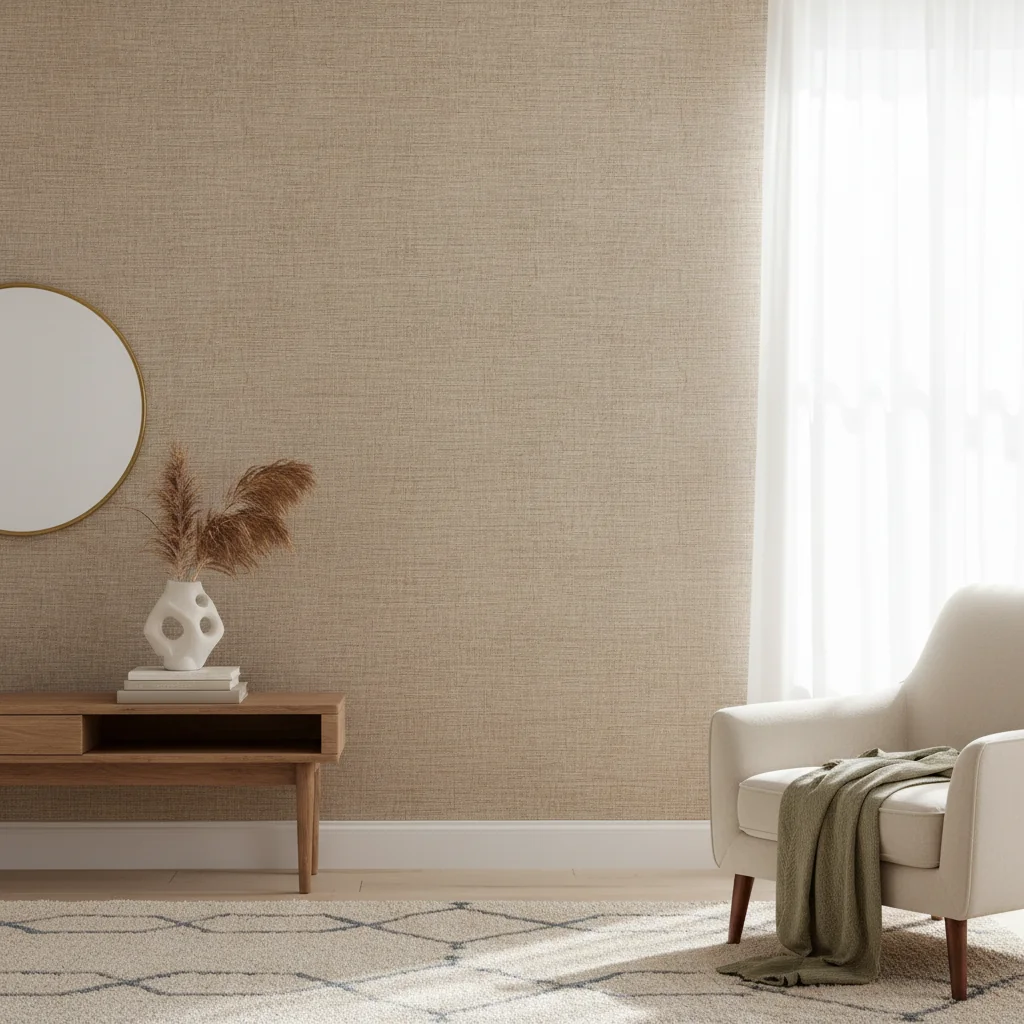
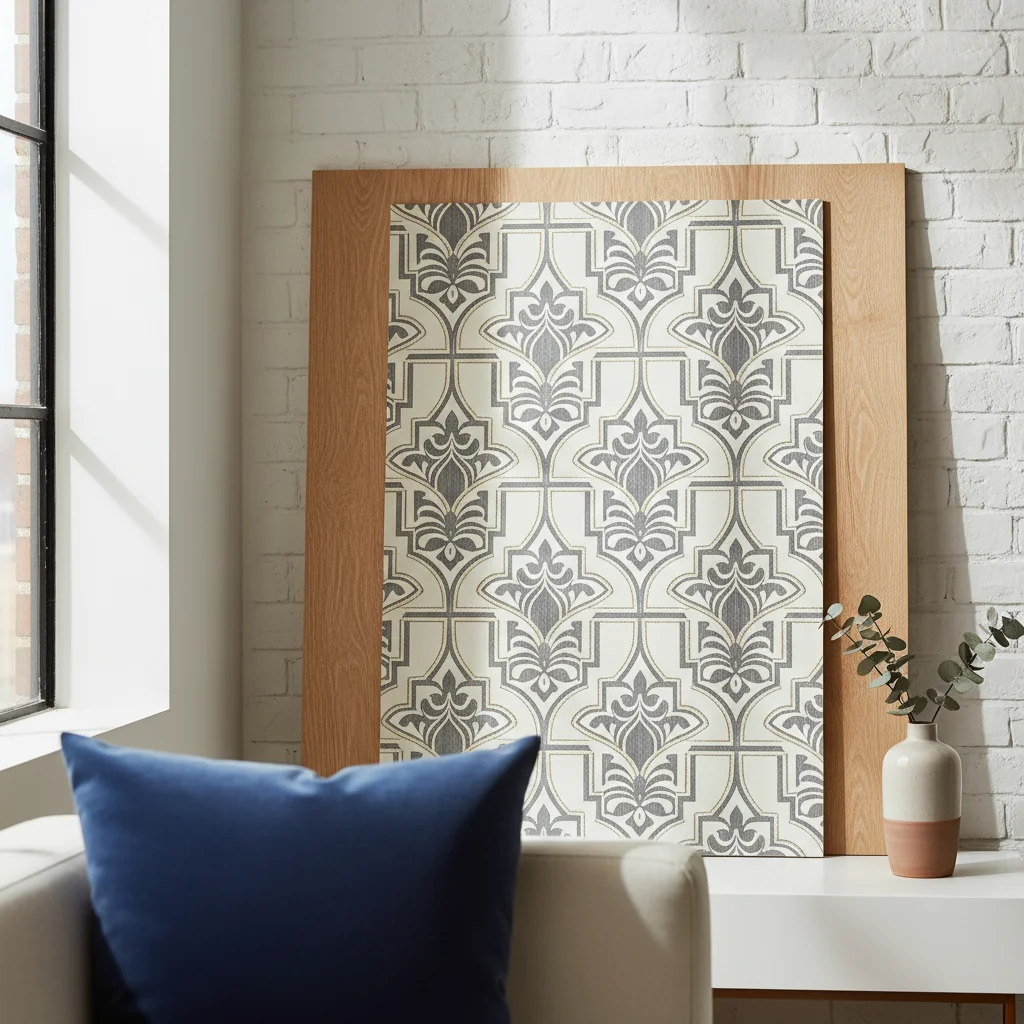
Chevron wallpaper, with its distinctive V-shaped pattern, offers a dynamic and sophisticated design element that can dramatically transform any interior space. This versatile wallcovering is characterized by a series of inverted V-shapes, or zigzags, that repeat continuously, creating a visual rhythm and sense of movement that instantly elevates a room’s aesthetic. From subtle, tonal variations to bold, contrasting hues, chevron patterns provide an opportunity to introduce geometric precision and contemporary flair, serving as an impactful accent or a cohesive backdrop that unifies diverse design elements.
At Starhouse, we understand that selecting the perfect wall décor is paramount to defining your home’s character. Our curated approach focuses on providing comprehensive insights into every aspect of design, ensuring you make informed choices that align with your vision. This guide delves into the multifaceted world of chevron wallpaper, exploring its history, diverse types, optimal styling techniques, and essential care, equipping you with the authoritative knowledge needed to confidently integrate this enduring pattern into your U.S. home. We specify the nuances of its application, from material considerations to precise measurement and installation, ensuring your design journey is both seamless and successful.
Key Takeaways
- Chevron wallpaper features a repeating V-shaped zigzag pattern, offering dynamic visual interest and a sense of movement to interior spaces.
- Available in diverse materials like non-woven, vinyl, and grasscloth, and installation types including peel-and-stick, pre-pasted, and unpasted, catering to various preferences and skill levels.
- Choosing the correct scale, color, and texture is crucial for successful integration, impacting a room’s perceived size and ambiance.
- Accurate measurement and meticulous installation are essential for a flawless finish, particularly for pattern matching across seams.
- Modern chevron trends include subtle textures, metallic accents, and large-scale patterns, moving beyond traditional high-contrast designs.
- Proper care, determined by the wallpaper’s material, ensures longevity and preserves the aesthetic integrity of the installation.
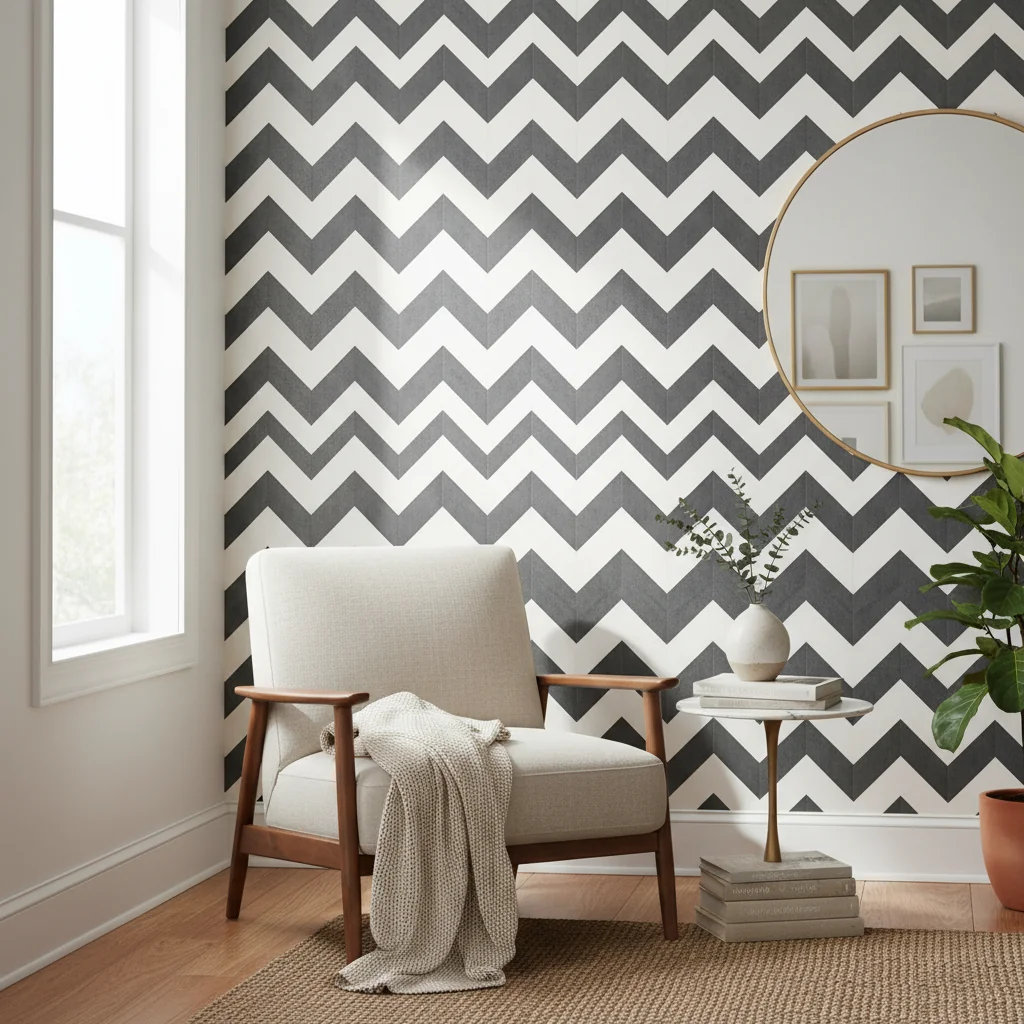
What is Chevron Wallpaper? A Definitive Overview
Chevron wallpaper features a distinctive V-shaped pattern, typically arranged in a repeating zigzag across the surface, providing a dynamic visual rhythm to any room. It is characterized by its continuous, inverted V-shapes that run parallel, creating a sense of movement and direction that can significantly impact the perception of a space. This geometric pattern is celebrated for its versatility, seamlessly adapting to various design aesthetics from classic to ultra-modern.
The fundamental characteristic of a chevron pattern is its unbroken, pointed zigzag, which distinguishes it from similar patterns like herringbone. While both feature V-shapes, herringbone patterns present broken or staggered V’s, creating a more woven or braided appearance. Chevron, by contrast, maintains a clean, continuous line, offering a bolder and often more contemporary feel. This precise geometric structure allows chevron wallpaper to introduce both visual interest and a sense of order.
Historically, the chevron motif has roots in ancient art and architecture, evolving into a prominent design element in heraldry and textiles. Its modern resurgence in home décor highlights its timeless appeal and adaptability. When applied to wallpaper, the chevron pattern can range from subtle, tone-on-tone designs that add texture and depth, to high-contrast, multi-color iterations that serve as a dramatic focal point. The scale of the pattern also varies widely, from delicate, narrow zigzags to expansive, bold Vs, each imparting a different mood and visual effect on the room.
Choosing chevron wallpaper allows homeowners and designers to infuse a space with energy and sophistication. It can elongate a wall, make a ceiling appear higher, or simply add a playful, graphic element. The pattern’s inherent dynamism means it draws the eye, making it an excellent choice for accent walls in living rooms, bedrooms, or even powder rooms. Its structured nature also lends itself well to creating a sense of balance and harmony when paired with softer furnishings or organic textures. Starhouse curates options that exemplify this balance, ensuring a polished and cohesive outcome.
The technical execution of chevron wallpaper involves precise printing and often, advanced material compositions. Modern manufacturing techniques ensure that the pattern alignment is consistent across rolls, which is crucial for a seamless installation. Materials can range from traditional paper-backed vinyl to more contemporary non-woven substrates, each offering specific benefits in terms of durability, washability, and ease of removal. Understanding these foundational aspects is the first step in harnessing the transformative power of chevron wallpaper in your interior design project.
The Enduring Appeal of the Chevron Pattern: History and Evolution
The chevron pattern boasts a rich history dating back to ancient art and architecture, evolving from heraldic symbols to a staple in modern interior design, demonstrating its remarkable and enduring appeal. Its geometric precision and inherent adaptability have allowed it to seamlessly transition through various cultural and design eras, maintaining its relevance and aesthetic impact across centuries. This pattern’s visual strength and clean lines contribute to its continuous popularity, offering a sense of order and dynamic movement.
Ancient Origins and Early Significance
The earliest appearances of the chevron pattern can be traced back to prehistoric cave paintings, suggesting a primal human appreciation for repetitive, geometric forms. More concretely, ancient Greek and Roman art and architecture frequently employed variations of the chevron, often seen in friezes, mosaics, and pottery. These early uses established the pattern as a symbol of strength, stability, and visual rhythm. In medieval Europe, the chevron became a prominent motif in heraldry, particularly on coats of arms, where it represented military rank or achievement. A “chevron” in heraldry is an inverted V-shape, often symbolizing the rafters of a house, signifying protection or faithful service. This historical weight imbued the pattern with a sense of dignity and tradition.
Renaissance to Industrial Era Revivals
During the Renaissance, the chevron saw a resurgence in decorative arts and architecture, integrated into intricate parquet flooring, textile designs, and ornamental carvings. Its structured nature complemented the era’s emphasis on proportion and classical aesthetics. The Industrial Revolution brought about new manufacturing capabilities, making it easier to produce patterned textiles and wallpapers. While other patterns like damask and toile dominated, the chevron maintained a subtle presence, often appearing in more subdued, textural forms. The pattern’s simplicity allowed it to be incorporated into various functional and decorative contexts without overwhelming other design elements.
20th Century Modernism and Pop Culture Influence
The 20th century marked a significant turning point for the chevron pattern. It was embraced by the Art Deco movement of the 1920s and 30s, which celebrated geometric forms, symmetry, and luxurious materials. Here, chevron appeared in bold, angular designs, often in metallic or high-contrast color schemes, adorning everything from skyscrapers to fashion. The mid-century modern movement also found appeal in its clean lines, using it in textiles, furniture, and graphic design.
The pattern experienced a major pop culture moment in the late 2000s and early 2010s, becoming ubiquitous in fashion, home décor, and stationery. This era popularized high-contrast, often brightly colored chevron patterns, moving it from a niche design element to a mainstream trend. While some aspects of this trend have evolved, the core appeal of the chevron pattern has remained, prompting designers to explore new interpretations.
Contemporary Relevance and Future Adaptations
Today, the chevron pattern continues to be a powerful design tool. Its enduring appeal lies in its ability to be both classic and contemporary, depending on its execution. Modern interpretations often feature larger scales, softer color palettes, and varied textures, moving away from the stark, high-contrast versions of the past decade. Designers are using chevron in subtle ways to add architectural interest, or in bold, graphic statements to create a dramatic focal point. The pattern’s adaptability to various materials, from intricate weaves to digital prints, ensures its continued presence in interior design. Its capacity to add both energy and sophistication makes it a cherished element in the Starhouse collection, reflecting a timeless design principle that transcends fleeting trends. The enduring appeal of chevron patterns is recognized across the industry, with leading brands showcasing its diverse applications in contemporary homes (Elle Decor).
Types of Chevron Wallpaper: Exploring Materials and Installation
Chevron wallpaper is available in a diverse array of materials, each offering distinct aesthetic and functional properties, and comes in various installation methods to suit different project needs and skill levels. These types include traditional paste-the-wall, pre-pasted, and peel-and-stick options, providing flexibility for homeowners and designers seeking to integrate this dynamic pattern into their U.S. homes. Understanding these distinctions is crucial for selecting the optimal product for your specific application and desired longevity.
Common Materials for Chevron Wallpaper
The material composition of chevron wallpaper significantly influences its durability, texture, visual appeal, and ease of maintenance. Starhouse curates options across these categories to ensure quality and performance.
- Non-Woven Wallpaper: Non-woven wallpaper is a popular choice due to its ease of installation and removal. Made from a blend of natural and synthetic fibers, it is breathable, tear-resistant, and dimensionally stable, meaning it resists shrinking or expanding when wet. This material is often considered the most user-friendly for DIY projects. It is also washable and typically strippable, making future updates simpler.
- Vinyl Wallpaper: Vinyl wallpaper is highly durable and moisture-resistant, making it an excellent choice for high-traffic areas like hallways, kitchens, and bathrooms. It consists of a PVC (polyvinyl chloride) layer applied over a paper or fabric backing. Vinyl can be scrubbable and offers superior longevity, often lasting 10-15 years or more. It is available in various finishes, including textured options that can add depth to a chevron pattern.
- Paper-Backed Vinyl: This type combines the aesthetic versatility of paper with the durability of a vinyl top layer. It offers good washability and resistance to wear, though it may not be as robust as solid vinyl. It is generally more affordable than pure vinyl or non-woven options.
- Solid Sheet Vinyl: This is a highly durable and washable option, where the pattern is printed directly onto a solid vinyl sheet. It is particularly resistant to moisture and abrasion, making it suitable for commercial applications or extremely high-traffic residential areas.
- Fabric-Backed Vinyl: Offering superior durability and often a more luxurious feel, fabric-backed vinyl is ideal for demanding environments. The fabric backing provides extra strength, making it resistant to tearing and punctures.
- Grasscloth and Natural Fiber Wallpaper: For a tactile and organic approach to chevron, grasscloth offers unique texture and depth. Made from natural materials like woven grasses, reeds, or jute, these wallpapers introduce an earthy elegance. While stunning, they are typically less durable and harder to clean than synthetic options and require specialized installation. The chevron pattern in grasscloth is usually achieved through the weave itself, offering a subtle, sophisticated interpretation.
- Textile Wallpaper: Made from natural fibers like linen, cotton, or silk, textile wallpapers offer a luxurious, soft finish. They can feature woven chevron patterns or printed designs on a textile base. These are generally more delicate and require professional installation and careful maintenance.
Installation Methods
The method of installation impacts both the difficulty of the project and the long-term performance of the wallpaper. We recommend evaluating your comfort level and the project’s demands before selecting an installation type.
| Installation Type | Description | Ideal Use | Installation Difficulty | Removal Process | Approx. Cost (per roll, USD) |
|---|---|---|---|---|---|
| Peel-and-Stick (Self-Adhesive) | Features an adhesive backing, protected by a liner, that is peeled away during application. No external paste required. | Rentals, temporary décor, accent walls, DIY beginners, furniture upcycling. | Easy to Moderate (precision needed for pattern matching) | Generally easy, peels off without damaging walls. | $30 – $100+ |
| Pre-pasted (Water-Activated) | Has a dry adhesive applied to the back that is activated by dipping the strip in water or spraying with a mist. | DIY enthusiasts, medium-term décor, whole room applications. | Moderate (requires soaking time, can be messy) | Often strippable or peelable, depending on backing. | $25 – $80+ |
| Unpasted (Requires Paste) | Requires separate application of wallpaper paste to the back of the paper or directly to the wall. | Permanent installations, professional projects, high-quality finishes, specialty materials. | Moderate to Difficult (requires precise paste application, booking time) | Can be more challenging, often needs steaming or chemical removers. | $20 – $150+ |
Peel-and-Stick: This self-adhesive option is a revolutionary development in wall décor, offering unparalleled ease of application and removal. Peel-and-stick chevron wallpaper is ideal for renters, temporary design updates, or for those who enjoy changing their décor frequently. It requires no messy paste and can often be repositioned during installation, making it forgiving for DIYers. However, precise alignment is still essential, especially with a geometric pattern like chevron, to ensure the pattern flows seamlessly.
Pre-pasted: Pre-pasted chevron wallpaper comes with a dry adhesive already applied to its backing. To activate the adhesive, you simply cut the strips to size, then dip them in a water tray or spray the back with water. This method eliminates the need for separate paste, simplifying the process compared to unpasted options. It’s a good middle-ground for those comfortable with a bit more commitment than peel-and-stick but still prefer a relatively straightforward installation. Many pre-pasted wallpapers are designed for easy removal later. For instance, York Wallcoverings offers prepasted, Easy-Walls wallpaper that measures 20.5 inches wide by 33 feet long (York Wallcoverings).
Unpasted: This is the traditional method, requiring you to apply wallpaper paste to the back of the paper before hanging, or directly to the wall if it’s a “paste the wall” product. Unpasted wallpaper often comes in a wider range of materials and finishes, including many high-end, specialty options. While it demands more time and skill for installation, it generally offers the most durable and long-lasting bond. Professionals often prefer unpasted options for their superior finish and longevity.
The choice among these types depends on your project goals, budget, and experience level. Starhouse advises considering not only the aesthetic but also the practical aspects of each material and installation method to ensure a successful and satisfying outcome.
Styling with Chevron: Design Principles and Room-Specific Applications
Styling with chevron wallpaper involves understanding its inherent visual energy and balancing it with other elements in a room to create a cohesive and sophisticated aesthetic. This pattern can serve as a bold focal point or a subtle textural backdrop, depending on its scale, color, and placement within a space, making it a highly versatile tool in interior design. The key is to leverage its dynamic nature without allowing it to overwhelm the room.
Fundamental Design Principles for Chevron
The success of chevron wallpaper in a design scheme hinges on several core principles:
- Balance is Key: Chevron is a strong pattern. To prevent visual overload, balance its intensity with simpler furnishings, solid colors, and softer textures elsewhere in the room. If your chevron is bold, opt for understated furniture and accessories.
- Scale Matters: The size of the chevron pattern should correspond to the size of the room. Large, wide chevrons work well in spacious rooms or on expansive accent walls, creating drama. Smaller, tighter chevrons can add subtle texture and depth to smaller rooms or more intimate spaces without feeling too busy.
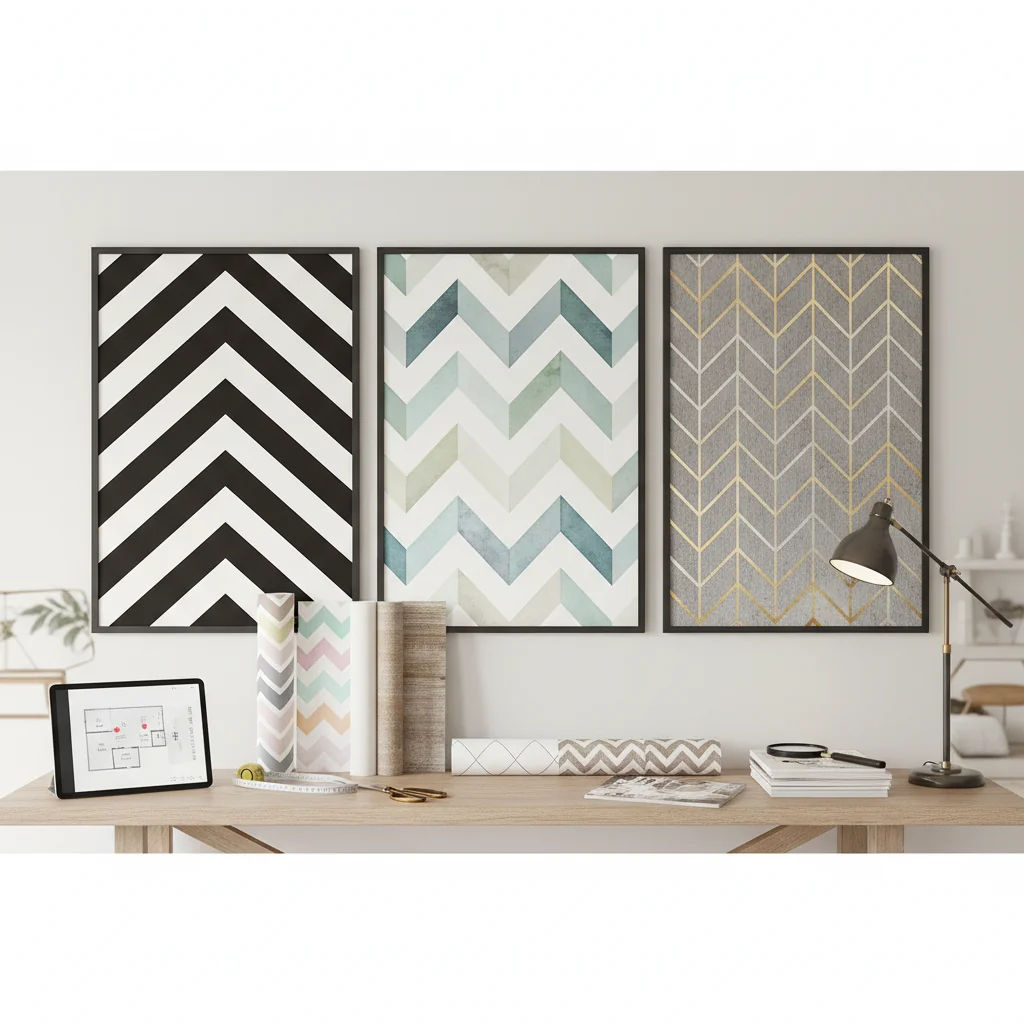
- Color Palette Integration: Consider the color scheme of the chevron wallpaper in relation to your existing décor. High-contrast chevrons (e.g., black and white) are inherently more dramatic and modern. Softer, tonal chevrons (e.g., beige and cream, or shades of gray) provide a more understated, sophisticated backdrop that blends seamlessly (York Wallcoverings). Ensure the colors complement or subtly contrast with your furniture, textiles, and wall paint.
- Directional Impact: The V-shape of chevron naturally draws the eye. Consider whether you want the pattern to lead the eye upwards (making ceilings appear higher) or horizontally (making a room feel wider). This directional quality can be used strategically to manipulate perceived space.
- Texture and Material Harmony: Pairing chevron wallpaper with complementary textures enhances the overall design. Smooth, metallic chevrons might pair well with sleek, contemporary furniture, while a grasscloth chevron could be stunning alongside natural wood and linen textiles.
Room-Specific Applications for Chevron Wallpaper
Chevron’s adaptability allows it to enhance virtually any room in the house, given the right application.
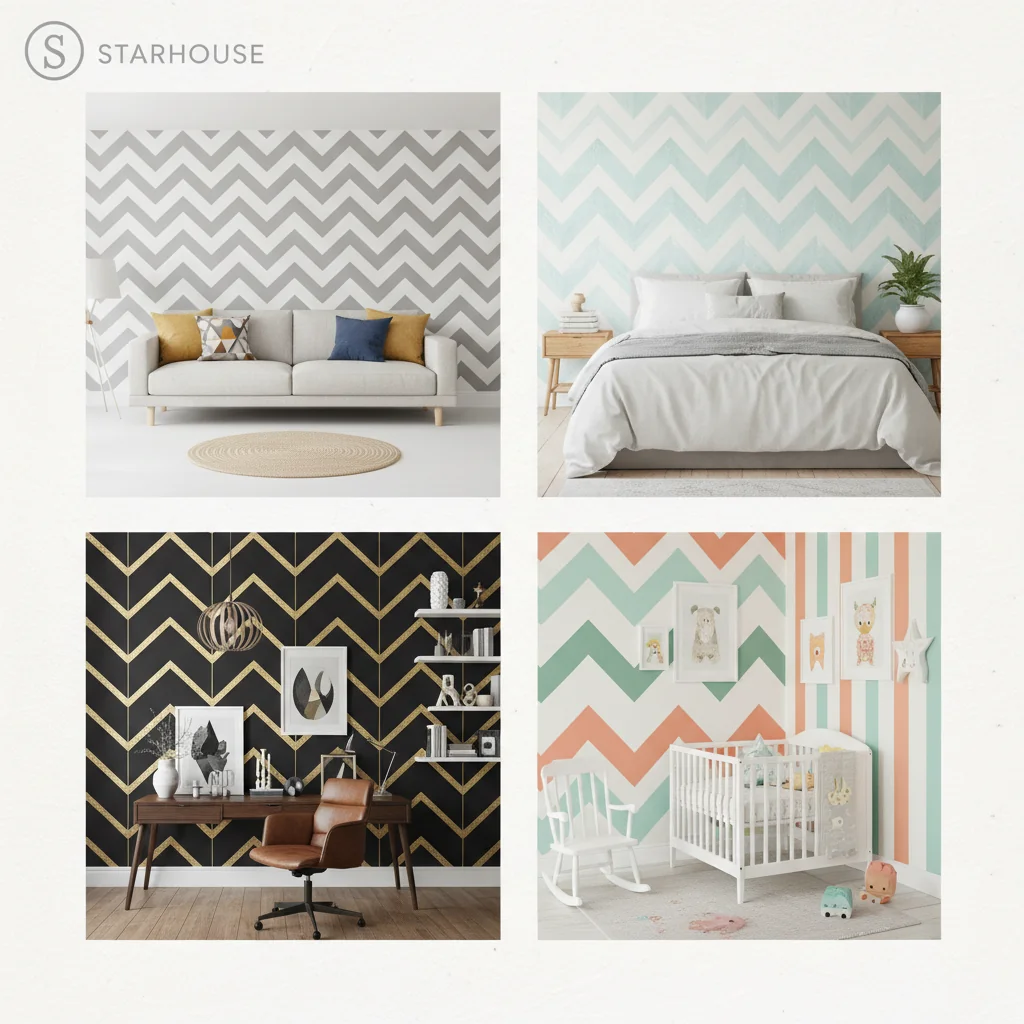
- Living Room: In a living room, chevron wallpaper often shines as an accent wall behind a sofa or fireplace. A large-scale, muted chevron in a neutral palette (grays, creams, soft blues) can add architectural interest without overwhelming the space. For a bolder statement, consider a high-contrast chevron on a single wall, complemented by solid-colored upholstery and metallic accents. This creates a sophisticated focal point, drawing attention to a specific area.
- Bedroom: For bedrooms, chevron wallpaper can create a serene yet stylish retreat. A subtle, tonal chevron on the wall behind the headboard adds depth and texture, enhancing a sense of calm. Consider soft pastel chevrons or metallic gold/silver chevrons on a light background for a touch of understated luxury. We recommend balancing the pattern with plush bedding and simple furniture to maintain a restful atmosphere.
- Dining Room: A dining room offers an excellent opportunity for a more dramatic chevron application. A bold chevron on all walls can create an immersive, energetic atmosphere, especially in a vibrant color. Alternatively, a metallic chevron wallpaper can add glamour and reflect light, making the room feel more expansive and inviting for entertaining. Pair with classic dining furniture for an elegant contrast.
- Home Office/Study: In a home office, chevron wallpaper can inspire creativity and focus. A medium-scale chevron in a sophisticated color like navy, charcoal, or deep green can provide a professional yet dynamic backdrop for video calls and focused work. It introduces visual interest without being too distracting, especially when used on a single wall.
- Powder Room/Bathroom: Small spaces like powder rooms are ideal for experimenting with bold patterns. A vibrant, high-contrast chevron on all walls can create a memorable jewel-box effect. The pattern adds an unexpected design element and can make a small room feel more intentional and stylized. Ensure the wallpaper material is suitable for high-humidity environments, such as vinyl options.
- Nursery/Children’s Room: Chevron is a popular choice for nurseries and children’s rooms due to its playful yet structured nature. Soft, pastel chevrons can create a whimsical backdrop, while brighter, multi-colored versions can stimulate visual development. Consider using it on an accent wall to define a specific zone, such as behind the crib or changing table.
- Hallways and Entryways: A narrow hallway can benefit from a chevron pattern, especially if the V’s point in the direction of travel, subtly guiding the eye and creating a sense of flow. A vertical chevron can make ceilings appear higher, while a horizontal one can visually widen a narrow space. Keep the color palette relatively neutral to avoid overwhelming a constricted area.
Starhouse advises a thoughtful approach to integrating chevron wallpaper, considering both the pattern’s inherent characteristics and the specific needs of each room. By applying these design principles, you can create spaces that are both stylish and uniquely yours, leveraging the dynamic elegance of chevron to its fullest potential.
Choosing the Right Chevron Wallpaper: Scale, Color, and Texture
Selecting the ideal chevron wallpaper requires careful consideration of scale, color, and texture to ensure it complements the room’s dimensions, existing palette, and desired ambiance. The pattern’s size, hue, and tactile quality profoundly influence the overall visual impact and perceived spaciousness of a space, making these choices critical for a successful design outcome. We recommend evaluating each of these elements in conjunction with your specific interior design goals.
Understanding Scale: The Impact of Pattern Size
The scale of the chevron pattern refers to the size of the individual V-shapes and their repetition. This is perhaps the most critical factor in determining how the wallpaper will feel in a room.
-
Large-Scale Chevron: Features wide, bold V-shapes that command attention.
- Ideal for: Large rooms, expansive accent walls, spaces with high ceilings, or when aiming for a dramatic, modern statement.
- Effect: Creates a strong focal point, can make a large room feel more intimate, and adds a sense of grandeur. However, in small spaces, it can feel overwhelming and make the room appear even smaller.
-
Medium-Scale Chevron: Offers a balanced approach with V-shapes that are noticeable but not overly dominant.
- Ideal for: Most average-sized rooms, hallways, or as a backdrop that adds interest without being the sole focus.
- Effect: Versatile and adaptable, it provides visual rhythm without overwhelming other design elements. It’s a safe and stylish choice for many applications.
-
Small-Scale Chevron: Characterized by tight, narrow V-shapes that create a more subtle, textural effect from a distance.
- Ideal for: Smaller rooms, powder rooms, or when you want to add a sophisticated texture rather than a bold pattern.
- Effect: Adds depth and intricacy without making the space feel busy. It can create a refined, understated elegance and works well in conjunction with other patterns or detailed furnishings.
Always consider the overall dimensions of your room and the amount of furniture present. A room with many architectural features or a lot of furniture might benefit from a smaller, more subdued chevron, while a minimalist space can handle a larger, bolder pattern.
Color Palette: Setting the Mood and Tone
The color of your chevron wallpaper profoundly impacts the mood and perceived temperature of a room.
-
High-Contrast Chevrons (e.g., Black & White, Navy & White):
- Effect: Creates a striking, modern, and often dramatic look. It adds energy and a bold graphic statement.
- Best for: Contemporary spaces, accent walls, or rooms where you want to make a strong design impact. Pair with solid, neutral furnishings to let the wallpaper be the star.
-
Tonal or Low-Contrast Chevrons (e.g., Beige & Cream, Gray & White, Shades of Blue):
- Effect: Offers a softer, more sophisticated, and understated aesthetic. It adds texture and subtle interest without overwhelming the space.
- Best for: Bedrooms, living rooms, or any space where you desire a calming, elegant, or cohesive backdrop. These options blend well with a variety of furniture styles and colors.
-
Vibrant or Multi-Color Chevrons:
- Effect: Infuses a room with playfulness, energy, and personality. It can be a vibrant expression of style.
- Best for: Children’s rooms, creative spaces, or as a bold accent in an otherwise neutral room. Use sparingly to avoid visual fatigue.
-
Metallic or Textured Chevrons:
- Effect: Adds a layer of luxury and sophistication. Metallic elements reflect light, brightening a room, while textured options add tactile depth.
- Best for: Dining rooms, powder rooms, or spaces where you want to introduce a touch of glamour or refined elegance.
Consider the existing color scheme of your room, including paint, furniture, and textiles. The wallpaper should either complement these colors or provide a deliberate contrast that enhances the overall design. Brewster Home Fashions highlights the variety of patterns, colors, and textures available, emphasizing how they suit diverse decor styles (Brewster Home Fashions).
Exploring Texture: Adding Depth and Dimension
Texture in wallpaper refers to its tactile quality and how it interacts with light. Even a flat-printed chevron can have a perceived texture, but actual textured wallpapers add significant depth.
- Smooth/Flat Finish: The most common type, offering a crisp, clean look. Best for highlighting the graphic nature of the chevron pattern.
- Embossed/Raised Texture: Features a raised pattern that adds a three-dimensional quality, creating visual interest even in a single color. This can make the chevron feel more luxurious and sophisticated.
- Faux Textures (e.g., Faux Grasscloth, Linen): These wallpapers mimic the look and feel of natural materials, adding warmth and organic appeal to the chevron pattern. They offer the aesthetic benefits of natural fibers with greater durability and ease of maintenance.
- Metallic or Glitter Accents: Incorporated into the chevron design, these elements catch and reflect light, adding sparkle and glamour, particularly effective in dimly lit spaces or when aiming for a high-end look.
When combining chevron wallpaper with other elements, consider how the textures will interact. A textured chevron might pair beautifully with smooth, modern furniture, or it could complement other natural textures like a wool rug or wooden accents. Starhouse recommends obtaining samples whenever possible to view the wallpaper in your specific lighting conditions and alongside your existing furnishings. This crucial step ensures that the chosen chevron wallpaper perfectly harmonizes with your space, achieving the desired aesthetic and functional outcome.
Measuring and Installation: A Precise Approach for Flawless Results
Accurate measuring and meticulous installation are crucial steps for achieving a professional and seamless finish with chevron wallpaper, preventing common issues like pattern misalignment or insufficient material. We recommend thorough preparation and precise execution to ensure the pattern flows correctly across your walls, delivering the sophisticated aesthetic you envision. Even with peel-and-stick options, precision is paramount for a high-quality outcome.
Step 1: Accurate Measurement for Material Calculation
Before purchasing, precisely measure your room to determine the number of wallpaper rolls needed.
- Measure Wall Height and Width: Use a tape measure to determine the height and width of each wall you intend to wallpaper. Measure from the baseboard to the ceiling and across the entire width. For irregular walls, measure the longest and widest points.
- Calculate Total Square Footage: Multiply the height by the width for each wall, then sum these values to get the total square footage to be covered.
- Account for Openings: Subtract the square footage of windows, doors, and large architectural openings from the total, but only if they are significantly large (e.g., more than 20 sq ft). For smaller openings, it’s safer to include them in your total, as the cut-offs can be used for other areas.
- Check Roll Coverage: Wallpaper rolls vary in size. Typical U.S. rolls are approximately 20.5 inches wide by 33 feet long, covering about 56.4 square feet per roll (York Wallcoverings). Always check the specific dimensions and coverage listed on your chosen wallpaper.
- Factor in Pattern Repeat: This is especially critical for chevron. The pattern repeat is the vertical distance before the pattern repeats itself. You must add the pattern repeat length to each strip’s height to ensure perfect alignment across seams. This means you will need more material than simply the wall height.
- Add Waste Factor: Always purchase an extra roll or 15-20% more than your calculated requirement to account for pattern matching, trimming, mistakes, and future repairs. Running out of a specific dye lot mid-project can be disastrous.
Step 2: Essential Tools and Wall Preparation
Proper preparation ensures optimal adhesion and a smooth finish.
- Tools: Tape measure, level, plumb line, pencil, utility knife with fresh blades, smoothing tool/smoother, seam roller, sponge, bucket, wallpaper paste (for unpasted), primer (optional but recommended), step ladder, drop cloths.
-
Wall Preparation:
- Clean: Walls must be clean, dry, and free of dust, grease, or mildew. Wash with a mild detergent solution if necessary, then rinse thoroughly.
- Repair: Fill any holes or cracks with spackle, sand smooth, and wipe clean.
- Prime: Apply a high-quality wallpaper primer (like a “sizing” or “prep coat”) to seal porous surfaces, promote adhesion, and make future removal easier. This is especially important for dark walls or if wallpapering over paint that might bleed. Allow adequate drying time.
- Remove Obstacles: Take off switch plates, outlet covers, and any wall fixtures.
Step 3: Installation Techniques for Chevron Wallpaper
The precision of chevron demands careful attention during hanging.
- Establish a Plumb Line: Do NOT rely on the corner of the room, as walls are rarely perfectly plumb. Measure out from your starting corner (typically near a door or window frame) the width of your wallpaper roll minus about 1/2 inch. Use a level or plumb bob to draw a perfectly vertical line down the wall. This is your guide for the first strip, which dictates the alignment of all subsequent strips.
- Cut Strips: Measure your wall height and add the pattern repeat (e.g., if wall is 96 inches and repeat is 24 inches, cut strips to 120 inches). Cut your first strip, then lay it out and cut subsequent strips, aligning the pattern carefully. Number the back of each strip in the order they will be hung.
-
Apply Paste (for unpasted) or Activate Adhesive (for pre-pasted):
- Unpasted: Apply a consistent layer of paste to the back of the wallpaper strip (or directly to the wall if “paste the wall”). “Book” the paper (fold paste-to-paste) and let it rest for the recommended time.
- Pre-pasted: Dip the rolled strip into a water tray or spray the back with water until thoroughly wet. Allow to “relax” for a few minutes.
- Hang the First Strip: Align the edge of your first strip with your plumb line, leaving an inch or two of overlap at the ceiling and baseboard for trimming. Smooth the paper onto the wall from the center outwards, working out air bubbles with your smoothing tool.
- Match the Pattern: This is the most critical step for chevron. For the second strip, carefully align the chevron pattern with the first strip before smoothing it down. The V-shapes must meet perfectly at the seam. This may require small adjustments. Use a seam roller to gently press down the seam, but avoid excessive pressure that could squeeze out adhesive.
- Trim Excess: Once a strip is smoothed and adhered, use a sharp utility knife and a straightedge (like a wide putty knife) to trim excess paper at the ceiling, baseboard, and around windows/doors. Change blades frequently for clean cuts.
- Clean Up: Wipe away any excess paste immediately with a damp sponge. Allow the wallpaper to dry completely, which can take 24-48 hours, before replacing outlet covers or hanging décor.
For peel-and-stick chevron, the process is similar but without paste. Peel a few inches of the backing at the top, align, stick, and slowly peel down the backing while smoothing the paper onto the wall. This method is more forgiving for repositioning but still demands careful pattern matching. Starhouse emphasizes that patience and precision are your best allies in achieving a truly professional and stunning chevron wallpaper installation.
Current Trends in Chevron Wallpaper: Modern Interpretations and Innovations
Current trends in chevron wallpaper showcase a departure from purely traditional applications, embracing innovative color palettes, varied textures, and sophisticated material combinations to redefine its contemporary relevance. Designers are reinterpreting this classic pattern through metallic accents, subtle tonal variations, and large-scale motifs to align with modern design sensibilities, proving its enduring versatility. These innovations ensure chevron remains a fresh and impactful choice for contemporary interiors.
Subtle Sophistication: Tonal and Textured Chevrons
The bold, high-contrast chevron that dominated the early 2010s has evolved into more refined iterations. Today’s trends lean towards subtle, tone-on-tone or low-contrast chevron patterns.
- Muted Color Palettes: Think soft grays, warm beiges, creamy whites, and muted blues or greens. These palettes allow the chevron pattern to add texture and depth without overwhelming the space. They create a serene backdrop that can complement a variety of furnishing styles, from Scandinavian minimalist to classic contemporary.
- Textural Emphasis: Rather than relying solely on color contrast, contemporary chevron wallpaper often incorporates tactile textures. This includes embossed designs, faux grasscloth chevrons, or patterns printed on linen-look or woven substrates. These textures add a luxurious, handcrafted feel, making the pattern less about a stark graphic and more about a sophisticated surface.
- Watercolor and Ombré Effects: Some modern chevron designs feature soft, blurred edges or ombré transitions within the V-shapes, creating a softer, more artistic interpretation of the pattern. This approach softens the geometric sharpness, lending an ethereal quality to the design.
Glamorous Touches: Metallics and Shimmer
Metallic finishes continue to be a strong trend, and chevron wallpaper is no exception. Incorporating elements of gold, silver, bronze, or rose gold adds a touch of luxury and glamor.
- Metallic Accents: Chevron patterns with subtle metallic lines or segments catch the light, adding a shimmering effect that elevates the entire room. This works beautifully in dining rooms, powder rooms, or master bedrooms where a refined, opulent feel is desired.
- Iridescent and Pearlescent Finishes: Beyond traditional metallics, wallpapers with iridescent or pearlescent sheens offer a subtle shimmer that changes with the light, adding a dynamic and sophisticated dimension to the chevron pattern.
Scale Play: Oversized and Micro Chevrons
The scale of the chevron pattern is being played with in new and exciting ways.
- Oversized Chevrons: Large, expansive V-shapes create a dramatic, architectural statement. These are particularly effective in spacious rooms or on a single accent wall, where they can define a zone or highlight a specific feature without making the space feel busy. They offer a modern, simplified take on the classic pattern.
- Micro Chevrons: At the other end of the spectrum, very small, tightly packed chevrons create a detailed, almost textural effect. From a distance, they might appear as a solid color with subtle depth, revealing their intricate pattern upon closer inspection. These are ideal for adding sophisticated detail in smaller spaces or for a refined backdrop.
Geometric Pairings and Mixed Patterns
Contemporary design often embraces mixing patterns, and chevron is increasingly being seen in conjunction with other geometric or organic motifs.
- Layering Geometrics: Pairing chevron wallpaper with textiles or artwork featuring complementary geometric shapes (e.g., stripes, hexagons, or abstract forms) can create a rich, layered aesthetic. The key is to vary the scale and color intensity of the patterns to maintain balance.
- Organic Contrast: Using chevron wallpaper as a structured backdrop for furnishings with organic shapes, natural materials, or botanical prints creates an interesting tension and visual harmony. This juxtaposition of geometric and organic elements is a hallmark of modern eclectic design.
Starhouse observes that these trends highlight chevron wallpaper’s adaptability. It is no longer just a bold statement but a versatile design element that can be tailored to evoke a range of moods, from understated elegance to dramatic luxury. By exploring these modern interpretations, homeowners can confidently integrate chevron into their spaces, creating interiors that are both current and timeless.
Care and Maintenance for Longevity: Preserving Your Chevron Wallpaper
Proper care and maintenance are essential for preserving the beauty and extending the lifespan of your chevron wallpaper, ensuring its vibrant appearance remains intact for years. We recommend following specific cleaning guidelines based on the wallpaper’s material to prevent damage and discoloration, as different types require distinct approaches. Consistent and gentle care will protect your investment and maintain your home’s aesthetic appeal.
General Maintenance Principles
Regardless of the wallpaper type, certain general practices contribute to its longevity:
- Regular Dusting: Dust can accumulate on wallpaper, dulling its appearance. Use a soft, dry cloth, a feather duster, or a vacuum cleaner with a brush attachment to gently remove dust and cobwebs weekly or bi-weekly.
- Avoid Harsh Cleaners: Never use abrasive cleaners, strong detergents, or solvents on any wallpaper unless specifically instructed by the manufacturer. These can strip finishes, fade colors, or damage the material.
- Address Stains Promptly: The sooner a spill or mark is addressed, the easier it is to remove. Blot, don’t rub, to prevent spreading the stain or damaging the paper.
- Protect from Direct Sunlight: Prolonged exposure to direct sunlight can cause wallpaper colors to fade over time. Use blinds, curtains, or UV-filtering window films to protect your wallpaper, especially in south-facing rooms.
- Control Humidity: Excessive humidity can cause wallpaper to peel, bubble, or develop mildew. Ensure proper ventilation in bathrooms and kitchens, and consider using a dehumidifier in humid climates.
Material-Specific Cleaning Guidelines
The cleaning method for your chevron wallpaper is strictly dictated by its material. Always refer to the manufacturer’s instructions for the most accurate care advice. The following are general guidelines:
-
Non-Woven Wallpaper:
- Cleaning Code: Often “washable” or “scrubbable.”
- Method: Gently wipe with a soft, damp cloth and a mild, non-abrasive detergent solution (e.g., a few drops of dish soap in warm water). Rinse the cloth frequently and wring it out well to avoid excess moisture. Wipe dry with a clean, soft cloth.
- Stains: For tougher stains, a diluted all-purpose cleaner might be used, but test in an inconspicuous area first.
-
Vinyl Wallpaper (Paper-Backed, Solid Sheet, Fabric-Backed):
- Cleaning Code: Generally “washable” to “scrubbable,” some are “highly scrubbable.”
- Method: Vinyl is very durable and can withstand more rigorous cleaning. Use a soft sponge or cloth with a mild soap and warm water solution. For stubborn marks, a soft brush can be used gently. Rinse thoroughly with a clean, damp cloth to remove soap residue, then dry.
- Grease Stains: For grease, a diluted degreaser or rubbing alcohol (test first) can be effective.
-
Traditional Paper Wallpaper:
- Cleaning Code: Often “wipeable” or “delicate.”
- Method: This type is the most delicate. Use a dry, soft cloth or a special wallpaper dough/eraser to gently lift marks. Avoid water or liquid cleaners as they can cause watermarks, bubbling, or tearing.
- Stains: For minor, dry marks, a clean art eraser can sometimes work. Professional cleaning may be required for significant stains.
-
Grasscloth and Natural Fiber Wallpaper:
- Cleaning Code: Typically “non-washable” or “delicate.”
- Method: These materials are highly sensitive to moisture. Dust regularly with a soft, dry cloth or a vacuum with a brush attachment. For spills, blot immediately with a clean, dry cloth. Avoid rubbing, which can damage the fibers.
- Stains: Liquid stains are extremely difficult to remove from natural fibers and often require professional intervention.
-
Textile Wallpaper:
- Cleaning Code: Varies; often “delicate” or “wipeable.”
- Method: Similar to natural fibers, textile wallpapers require gentle care. Dust regularly. For minor marks, a dry, soft cloth or a very lightly damp (almost dry) cloth can be used with extreme caution. Test first.
- Stains: Consult a professional wallpaper cleaner for any significant spills or stains.
-
Peel-and-Stick Wallpaper:
- Cleaning Code: Varies by specific product, but most are “wipeable” or “washable.”
- Method: Generally, a soft, damp cloth with mild soap is sufficient. Wipe gently and dry immediately. Avoid excessive scrubbing, which could lift the edges or damage the print.
Starhouse emphasizes that consistent, gentle care will significantly extend the life and beauty of your chevron wallpaper. By understanding the specific needs of your chosen material, you can ensure your dynamic design remains a stunning feature in your home for many years to come.
Common Mistakes to Avoid When Using Chevron Wallpaper
Avoiding common mistakes, such as choosing an inappropriate scale for the room or overlooking pattern matching during installation, is critical for achieving a polished and aesthetically pleasing result with chevron wallpaper. Careful planning and attention to detail prevent design missteps that can detract from the pattern’s intended impact, ensuring your investment enhances your home’s aesthetic. We specify these pitfalls to guide you toward a flawless application.
1. Incorrect Scale for the Room
One of the most frequent errors is selecting a chevron pattern that is either too large or too small for the space.
- Too Large: An oversized chevron in a small room can feel overwhelming, making the space appear cramped and busy. It can also disrupt the visual flow and make other design elements seem out of proportion.
- Too Small: A tiny, intricate chevron in a very large room might get lost, appearing as a generic texture rather than a distinct pattern. It fails to make the intended statement and can lack visual impact.
Correction: Always consider the room’s dimensions and the amount of natural light. For smaller rooms or accent walls, a medium to small scale chevron often works best. For expansive walls and larger rooms, a larger, bolder chevron can create the desired drama.
2. Neglecting Pattern Repeat and Waste Factor
Underestimating the amount of wallpaper needed is a costly and frustrating mistake, particularly with a geometric pattern like chevron.
- Insufficient Material: Failing to account for the pattern repeat means you won’t have enough paper to align the V-shapes perfectly across strips, leading to mismatched seams or running out of paper before the project is complete. Dye lots can vary, making it difficult to get an exact match if you need to reorder.
Correction: Always add 15-20% extra to your calculated square footage to account for pattern matching, trimming, and potential mistakes. Carefully note the pattern repeat on the wallpaper specifications and factor it into your strip cutting.
3. Poor Wall Preparation
Skipping or rushing wall preparation can lead to adhesion issues and a flawed finish.
- Uneven or Dirty Walls: Dust, grease, old adhesive, or uneven surfaces will prevent the wallpaper from adhering properly, leading to bubbles, wrinkles, or peeling edges. Any imperfections on the wall will show through the wallpaper, especially with thinner materials.
- Lack of Primer: Not priming porous walls can cause the wallpaper to absorb moisture unevenly, affecting adhesion and making future removal difficult. Dark walls may also bleed through lighter wallpaper if not properly primed.
Correction: Clean walls thoroughly, patch and sand any imperfections, and apply a high-quality wallpaper primer. Allow adequate drying time before installation.
4. Inaccurate Plumb Line
Starting your first strip without a perfectly vertical guide can throw off the entire installation, making chevron’s precise pattern appear crooked.
- Crooked Installation: If the first strip is not perfectly plumb, subsequent strips will also be off, resulting in a visibly skewed pattern that is extremely difficult to correct.
Correction: Always use a level or a plumb bob to draw a precise vertical line for your first strip. Do not assume corners are perfectly straight.
5. Over-Patterning or Clashing with Other Elements
While chevron is versatile, using too much of it or pairing it with conflicting patterns can create a chaotic and overwhelming space.
- Visual Overload: Applying a bold, high-contrast chevron on all four walls of a small room, especially when combined with patterned furniture or rugs, can make the space feel busy and uncomfortable.
- Clashing Patterns: Pairing chevron with other strong, equally dominant patterns (e.g., large florals, busy geometrics) without careful consideration of scale and color can create visual discord.
Correction: For bold chevrons, consider using them on an accent wall. If wallpapering an entire room, opt for a more subdued, tonal, or textured chevron. When mixing patterns, vary their scale and ensure a cohesive color palette. Use solid-colored furnishings and textiles to balance the pattern.
6. Forgetting the Seam Roller
Properly securing seams is crucial for a smooth, professional finish, especially with geometric patterns.
- Visible Seams: Not using a seam roller (or using it incorrectly) can leave visible seams where the wallpaper strips meet, disrupting the continuous flow of the chevron pattern.
Correction: Gently roll over all seams with a clean seam roller immediately after hanging each strip to ensure a tight bond. Avoid excessive pressure, which can squeeze out too much adhesive.
7. Rushing the Process
Wallpapering, especially with a detailed pattern like chevron, requires patience. Rushing leads to mistakes.
- Common Errors: Rushing can lead to misalignments, bubbles, wrinkles, insufficient paste application, or incorrect trimming.
Correction: Allocate ample time for preparation and installation. Work slowly and meticulously, checking your alignment and smoothing frequently. Take breaks if needed.
By being mindful of these common pitfalls, you can confidently approach your chevron wallpaper project, ensuring a stunning and durable result that enhances the elegance and style of your Starhouse.
As you consider these detailed elements for your perfect space, we invite you to share your vision with us. Starhouse is meticulously curating its collection to meet the highest standards of design and quality. Tell us what you’re looking for, and gain early access to our exclusive offerings tailored to your unique style.
Sources
- York Wallcoverings. Chevron Wallpaper | York Wallcoverings | yorkwallcoverings.com
- Brewster Home Fashions. Chevron Wallpaper – Shop Chevron Wallpaper Designs | brewsterwallcovering.com
- Elle Decor. 20 Best Chevron Wallpapers – Cute Ideas for Chevron Wallpaper to Buy Now | elledecor.com
Frequently Asked Questions About Chevron Wallpaper
Is chevron wallpaper still in style in 2026?
Yes, chevron wallpaper remains a relevant and stylish choice in 2026, having evolved beyond its earlier high-contrast trend. Modern interpretations feature more sophisticated, subtle tonal variations, rich textures, and large-scale patterns, positioning it as a versatile design element rather than a fleeting trend. Its enduring geometric appeal ensures its place in contemporary interior design.
How do I choose the right scale of chevron for my room?
Choosing the right scale depends on your room’s size and desired impact. For large rooms or dramatic accent walls, a large-scale chevron (wide V-shapes) creates a bold statement. In average-sized rooms, a medium-scale chevron offers versatility. For smaller spaces or a subtle textural effect, opt for a small-scale chevron (tight, narrow V-shapes) to avoid overwhelming the room. Always consider the amount of existing furniture and architectural details.
What types of chevron wallpaper are easiest to install for DIYers?
Peel-and-stick (self-adhesive) chevron wallpaper is generally the easiest to install for DIYers, as it requires no messy paste and can often be repositioned during application. Pre-pasted (water-activated) wallpaper is also relatively user-friendly, requiring only water to activate the adhesive. Non-woven materials across all installation types are typically more forgiving due to their tear resistance and dimensional stability.
Can chevron wallpaper make a room look bigger or smaller?
Yes, chevron wallpaper can influence the perceived size of a room. Vertical chevron patterns can draw the eye upwards, making ceilings appear higher and the room feel taller. Conversely, if the V-shapes are oriented horizontally, they can make a narrow room feel wider. Using large-scale, light-colored chevrons can create a sense of expansiveness, while dark, small-scale, or high-contrast patterns can make a room feel more intimate or smaller.
How do I clean and maintain chevron wallpaper?
Cleaning and maintenance depend on the wallpaper’s material. Most non-woven and vinyl chevron wallpapers are washable; gently wipe with a soft, damp cloth and mild soap, then dry. Traditional paper or natural fiber chevrons are more delicate and typically require only dry dusting or specialized cleaning. Always refer to the manufacturer’s specific cleaning instructions and test any cleaning solution in an inconspicuous area first.
What is the difference between chevron and herringbone patterns?
The primary difference lies in the continuity of the zigzag. A chevron pattern features continuous, unbroken V-shapes that meet at a sharp point, creating a clean, seamless zigzag. A herringbone pattern, while also V-shaped, consists of broken or staggered V-shapes, where the individual rectangles are laid at an angle to create a more woven or braided appearance. Chevron is often perceived as bolder and more modern, while herringbone offers a more traditional, intricate look.
Can I use chevron wallpaper in a bathroom or kitchen?
Yes, you can use chevron wallpaper in bathrooms and kitchens, but it is imperative to select a material specifically designed for high-humidity and high-traffic environments. Vinyl wallpaper (solid sheet or fabric-backed) is an excellent choice due to its durability, moisture resistance, and scrubbable nature. Avoid delicate materials like traditional paper or natural grasscloth in these areas, as they are prone to moisture damage and difficult to clean.
Conclusion: Embrace the Dynamic Elegance of Chevron
Chevron wallpaper stands as a testament to the enduring power of geometric design, offering a unique blend of historical richness and contemporary flair. Its dynamic V-shaped pattern provides an unparalleled ability to inject movement, sophistication, and a distinctive character into any interior space. From the subtle textures that add understated elegance to the bold contrasts that command attention, chevron wallpaper is a versatile design tool capable of transforming rooms across your U.S. home.
We have explored its intricate history, dissected the various material and installation types, provided precise guidance on scale, color, and texture selection, and outlined the meticulous steps for measuring and installation. Our deep dive into current trends reveals a pattern that continues to evolve, adapting to modern sensibilities with refined palettes, metallic accents, and nuanced textures. With proper care, your chosen chevron wallpaper will remain a vibrant and cherished element of your home’s décor for years to come.
At Starhouse, our mission is to curate exceptional home & décor elements that empower you to create spaces that truly reflect your personal style and aspirations. We are committed to providing authoritative insights and meticulously selected offerings that meet the highest standards of design and quality. As you consider the transformative potential of chevron wallpaper, we invite you to be part of our journey.
Starhouse is meticulously curating its collection to bring you the finest in home furnishings, textiles, lighting, and wall décor. We value your unique aesthetic and vision. Tell us what you’re looking for, and gain early access to our exclusive selections, tailored to inspire and elevate your living spaces.