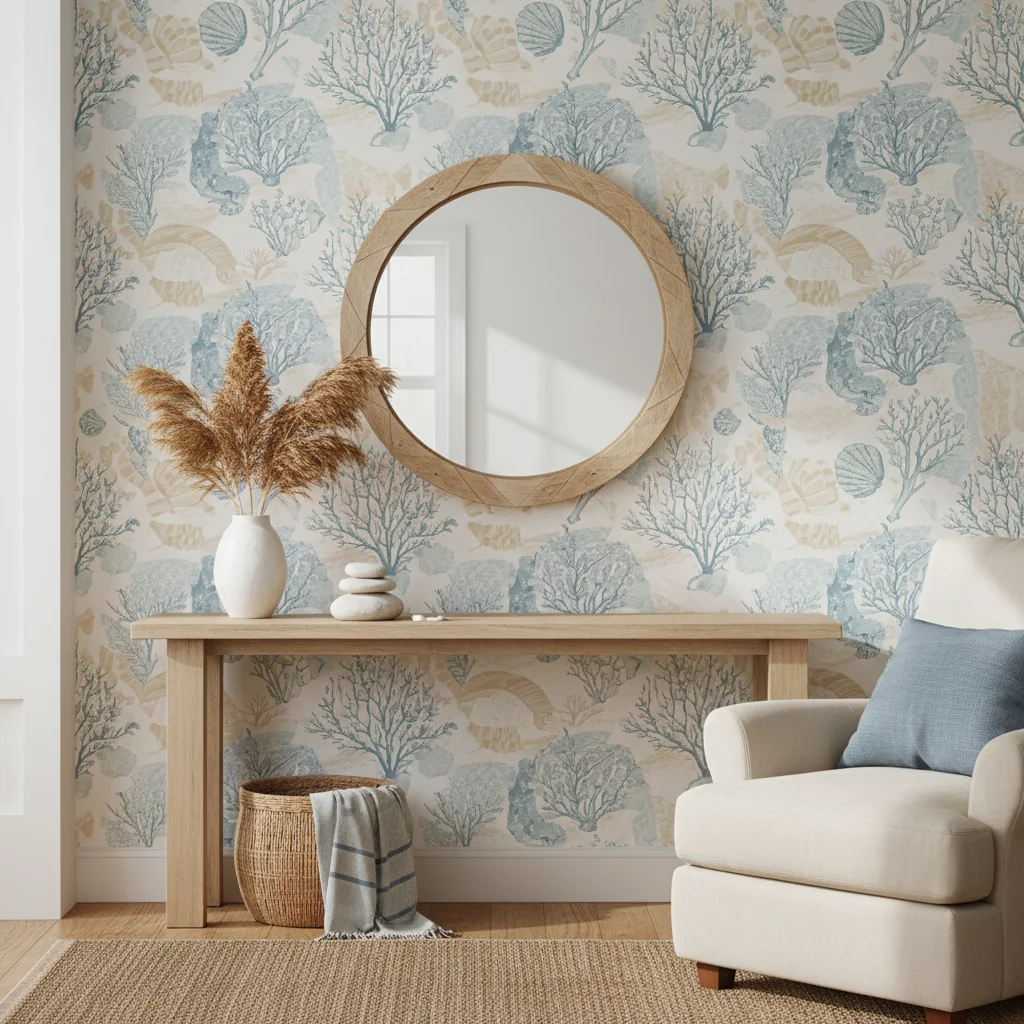
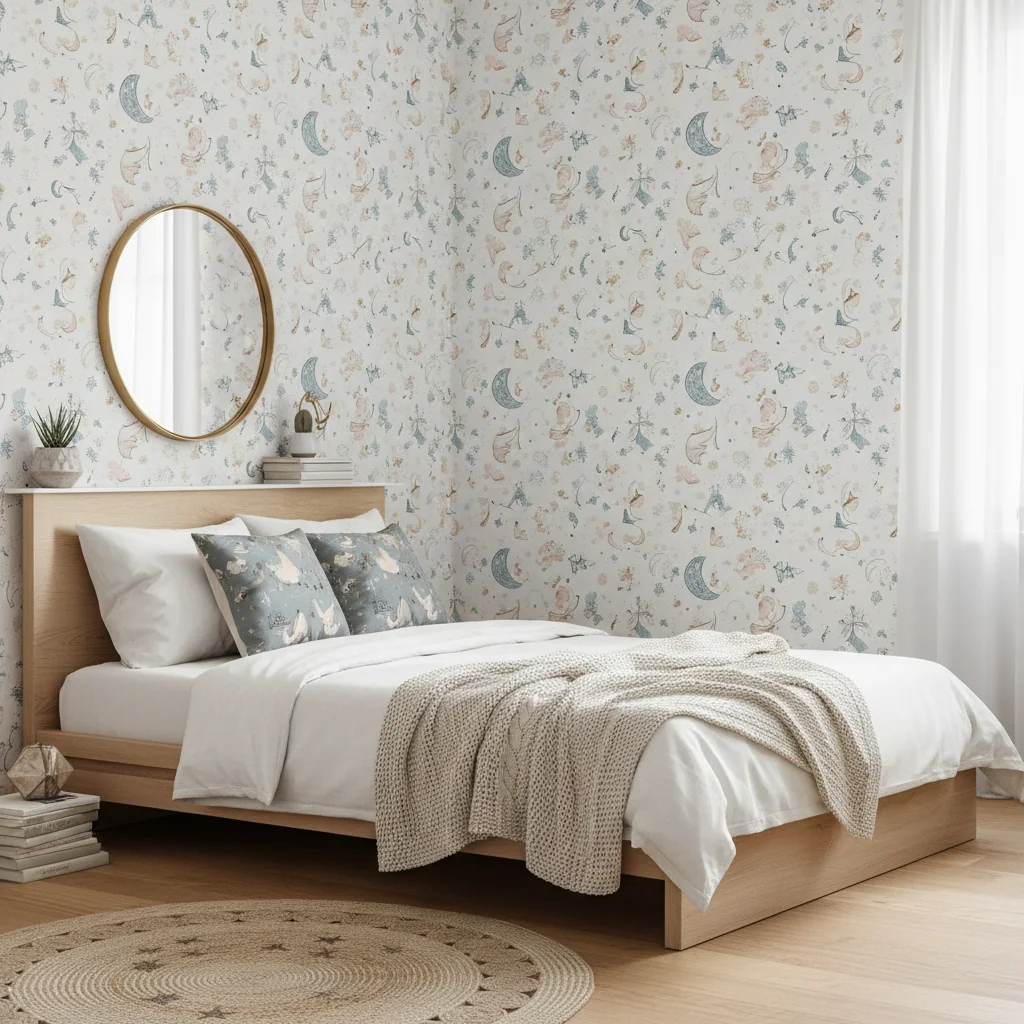
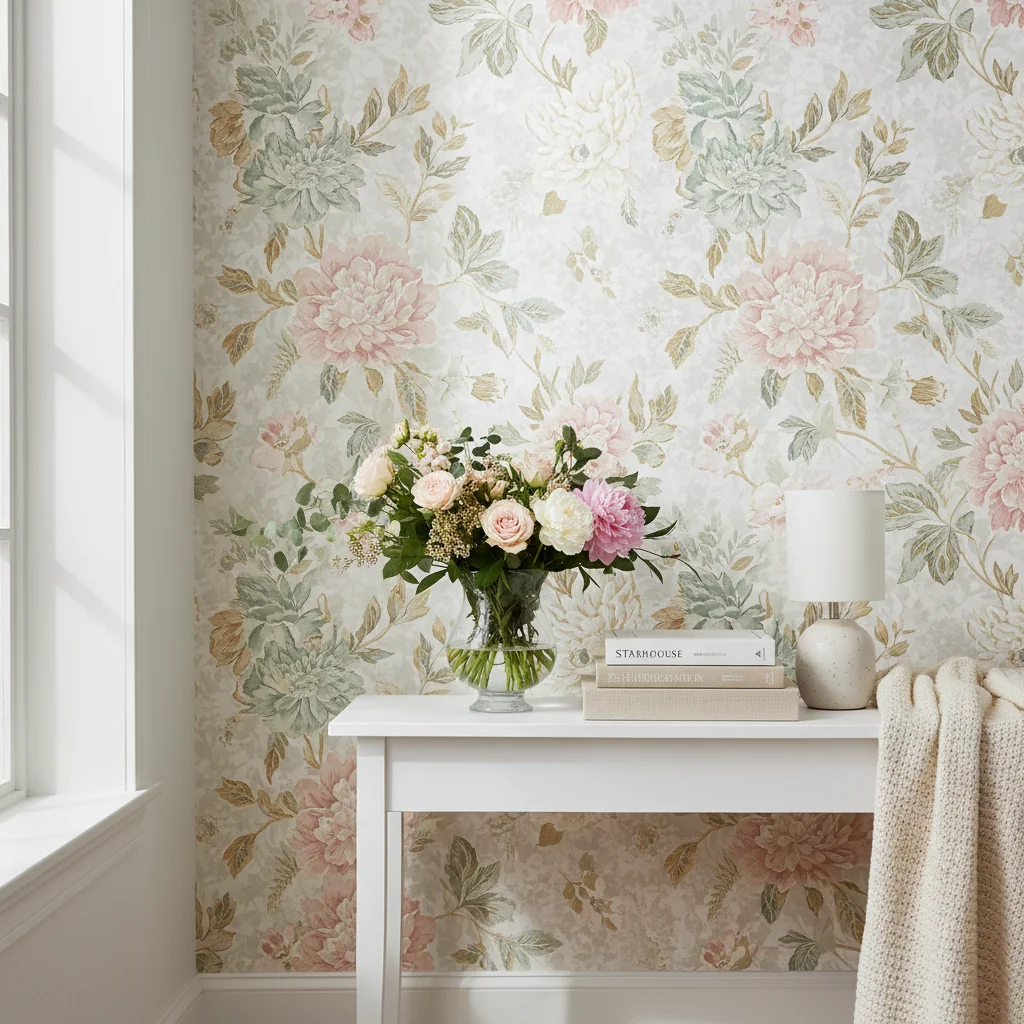
York Wallcoverings stands as the preeminent American manufacturer of wallcoverings, a distinction earned through over a century of continuous operation from its historic factory in the picturesque Susquehanna Valley of Pennsylvania. This venerable brand is renowned for its commitment to quality, innovative design, and diverse product portfolio, offering residential wallpaper, commercial wallcoverings, and wall decals that adorn spaces in more than 85 countries worldwide. At Starhouse, we recognize York Wallcoverings not merely as a product, but as a foundational element in sophisticated interior design, providing the canvas upon which truly exceptional homes are built.
Key takeaways
- York Wallcoverings is the oldest and largest wallcovering producer in the United States, operating from its original Pennsylvania factory since 1895.
- The brand offers an expansive range of wallcovering types, including traditional, pre-pasted, and peel-and-stick options, catering to diverse installation preferences.
- Materials span from durable vinyl and non-woven options to luxurious grasscloth and Mylar, each offering distinct aesthetic and performance characteristics.
- Choosing the optimal York Wallcovering involves considering room function, existing decor, natural light, and the desired atmospheric impact.
- Proper measurement and surface preparation are critical for successful installation, ensuring a professional and lasting finish.
- York Wallcoverings is committed to environmental stewardship, utilizing water-based inks and sustainable practices in its manufacturing processes.
- Strategic styling and pairing with furnishings, textiles, and lighting transform a room, elevating the wallcovering from a surface treatment to a focal design element.
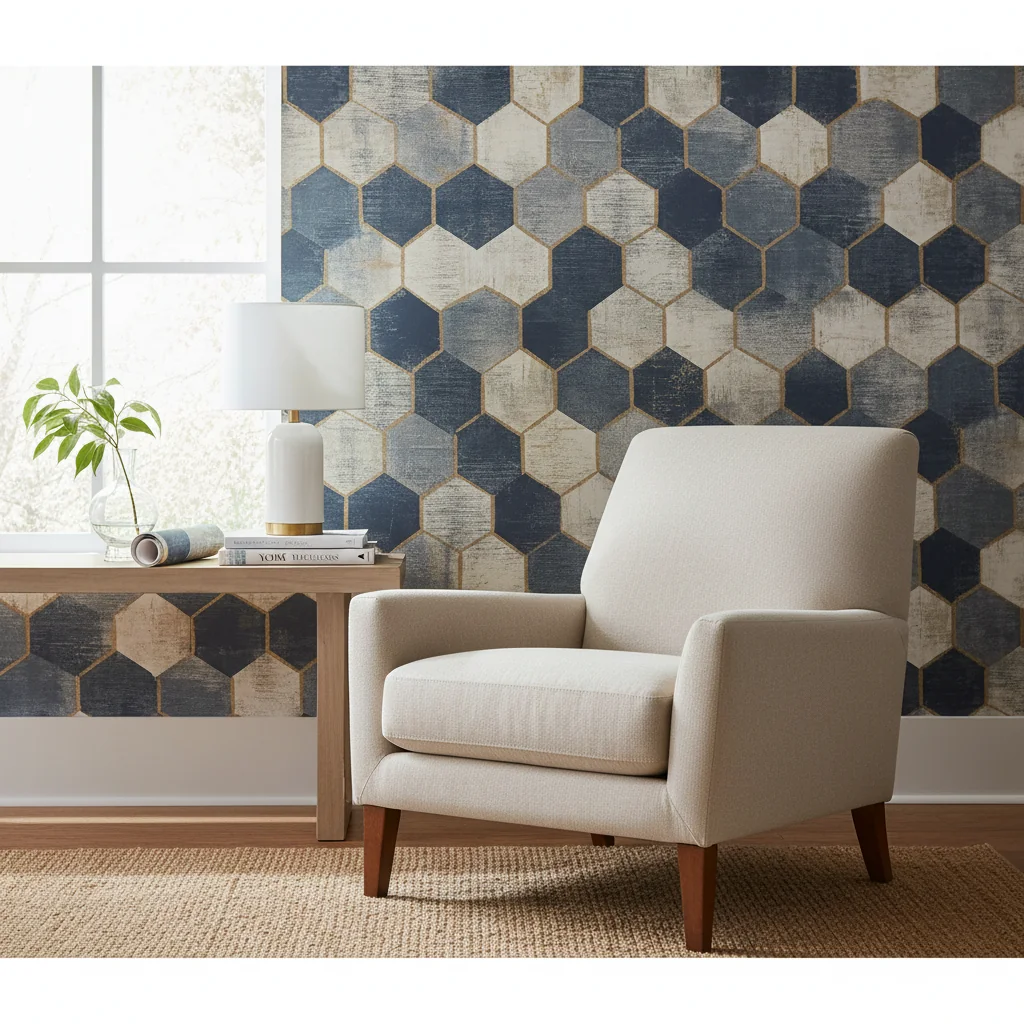
Understanding York Wallcoverings: A Legacy of Design Excellence
York Wallcoverings represents a pinnacle of American manufacturing and design, tracing its origins back to 1895 in York, Pennsylvania. It is the oldest and largest wallcovering producer in the United States, maintaining its original factory location in the historic Susquehanna Valley. This enduring legacy is built upon a foundation of unwavering quality, meticulous craftsmanship, and a relentless pursuit of design innovation, making York Wallcoverings a trusted name for homeowners and interior designers alike.
The company’s commitment extends beyond mere aesthetics; it embraces advanced manufacturing techniques and a dedication to environmental responsibility. York Wallcoverings utilizes water-based inks and sustainable practices throughout its production cycle, demonstrating a holistic approach to creating beautiful and responsible products. This blend of heritage, innovation, and ethical production ensures that each roll of York Wallcovering not only transforms a space but also upholds a standard of excellence recognized globally.
From residential settings to commercial environments, York Wallcoverings offers a vast array of options designed to inspire. Their extensive catalog includes everything from intricate traditional patterns to bold contemporary graphics, ensuring a perfect match for any interior design vision. The brand’s global presence, reaching 85 countries, underscores its universal appeal and the timeless quality of its offerings.
The Diverse World of York Wallcoverings: Types and Materials
York Wallcoverings offers an extensive spectrum of wallcovering types and materials, each engineered for specific aesthetic and functional requirements. Understanding these distinctions is crucial for selecting the ideal product that aligns with your design vision and the practical demands of your space. The primary classifications are based on installation method and core material composition, influencing durability, texture, and overall appearance.
Choosing the right type and material ensures longevity, ease of maintenance, and the desired visual impact. Starhouse curates options that embody the best of York’s innovation and traditional craftsmanship, providing solutions for every room and design sensibility.
Wallcovering Types by Installation Method
The method of application significantly impacts the user experience, from DIY friendliness to professional installation. York Wallcoverings provides options suitable for various skill levels and project scopes.
-
Traditional (Non-Pasted) Wallcovering: This type requires the application of a separate adhesive to the back of the wallpaper before hanging.
Traditional wallcoverings are revered for their classic application method, offering robust adhesion and a wide array of luxurious materials and finishes. They provide exceptional durability and are often favored for patterns with intricate details or heavy textures. Professional installation is frequently recommended due to the precision required for pasting and hanging.
-
Pre-Pasted Wallcovering: This wallpaper comes with a dry adhesive applied to its backing that is activated by wetting.
Pre-pasted wallcoverings simplify the installation process significantly, making them a popular choice for confident DIY enthusiasts. The pre-applied adhesive eliminates the need for separate pasting tables and glues, requiring only water for activation. This type balances ease of application with a secure, long-lasting bond.
-
Peel-and-Stick Wallcovering: Also known as self-adhesive or removable wallpaper, this type features an adhesive backing protected by a removable liner.
Peel-and-stick wallcoverings offer the ultimate in convenience and flexibility, ideal for renters, temporary installations, or those who enjoy frequently updating their decor. They are designed for easy application and removal without damaging the underlying surface, providing a low-commitment way to introduce pattern and texture. While generally less durable than traditional options, their versatility is unmatched.
Wallcovering Materials and Their Characteristics
The material composition dictates the texture, washability, durability, and overall aesthetic of the wallcovering. York Wallcoverings utilizes a diverse range of high-quality materials to achieve various effects.
-
Vinyl Wallcoverings: Vinyl is a highly durable and versatile material, making it one of the most popular choices for wallcoverings.
York offers vinyl in various forms, including solid vinyl and fabric-backed vinyl. Solid vinyl is impervious to moisture and highly scrubbable, making it ideal for high-traffic areas like kitchens, bathrooms, and commercial spaces. Fabric-backed vinyl provides added strength and dimensional stability, often used for heavier textures and patterns that require greater resilience. Both types are excellent for busy households due to their ease of cleaning and resistance to wear.
-
Non-Woven Wallcoverings: Non-woven wallcoverings are composed of a blend of natural and synthetic fibers, offering breathability and tear resistance.
This material is celebrated for its “paste the wall” application, simplifying installation and removal. Non-woven wallpapers are dimensionally stable, meaning they won’t expand or contract when wet, leading to seamless joins. They are also breathable, which can help prevent mold and mildew growth in humid environments. Their ease of removal, often coming off in full sheets, makes them a favored option for those who anticipate future design changes.
-
Paper Wallcoverings: Traditional paper wallcoverings are crafted from natural paper fibers, offering a classic and refined aesthetic.
These wallpapers are known for their exquisite print quality and ability to capture fine details and subtle color variations. While less durable than vinyl, paper wallcoverings provide a luxurious, tactile finish that adds warmth and sophistication to formal living areas, dining rooms, and bedrooms. They typically require careful handling during installation and are best suited for areas with low moisture and traffic.
-
Grasscloth Wallcoverings: Grasscloth is a natural fiber wallcovering made from woven strands of natural grasses, reeds, or hemp, typically backed with paper.
This material imparts a distinctive, organic texture and a warm, inviting ambiance. Each roll of grasscloth is unique, with natural variations in color and weave that contribute to its artisanal charm. It is a luxurious choice for creating a serene, earthy, or coastal aesthetic. Due to its natural composition, grasscloth is more delicate, susceptible to moisture, and requires professional installation to minimize visible seams and protect the material.
-
Mylar Wallcoverings: Mylar wallcoverings feature a reflective polyester film laminated to a paper or non-woven backing.
Known for their metallic sheen and highly reflective surfaces, Mylar wallpapers introduce a dramatic, glamorous, and contemporary feel to a space. They can brighten a room by reflecting light, creating an illusion of expanded space. Mylar is durable and washable, making it suitable for various applications where a bold statement is desired. Precise surface preparation is essential as Mylar’s reflective quality can highlight wall imperfections.
-
Flock Wallcoverings: Flock wallpaper is characterized by a raised, velvety pattern created by adhering tiny fibers (flock) onto the surface of the paper or vinyl.
This opulent material offers a tactile and visually rich texture, reminiscent of damask or velvet fabrics. Flock designs add a sense of luxury and depth, often found in traditional or Art Deco-inspired interiors. While striking, flock wallcoverings require gentle cleaning and are best suited for areas where they will not be subjected to heavy abrasion.
-
Textile Wallcoverings: These wallcoverings feature natural or synthetic fabric fibers laminated to a paper or non-woven backing.
Textile wallpapers provide unparalleled texture, warmth, and sound-absorbing qualities. Materials can range from linen and silk blends to jute and synthetic weaves, offering a sophisticated, bespoke look. They are often used in bedrooms, living rooms, and studies to create an enveloping, luxurious atmosphere. Due to their delicate nature and potential for visible seams, professional installation is highly recommended.
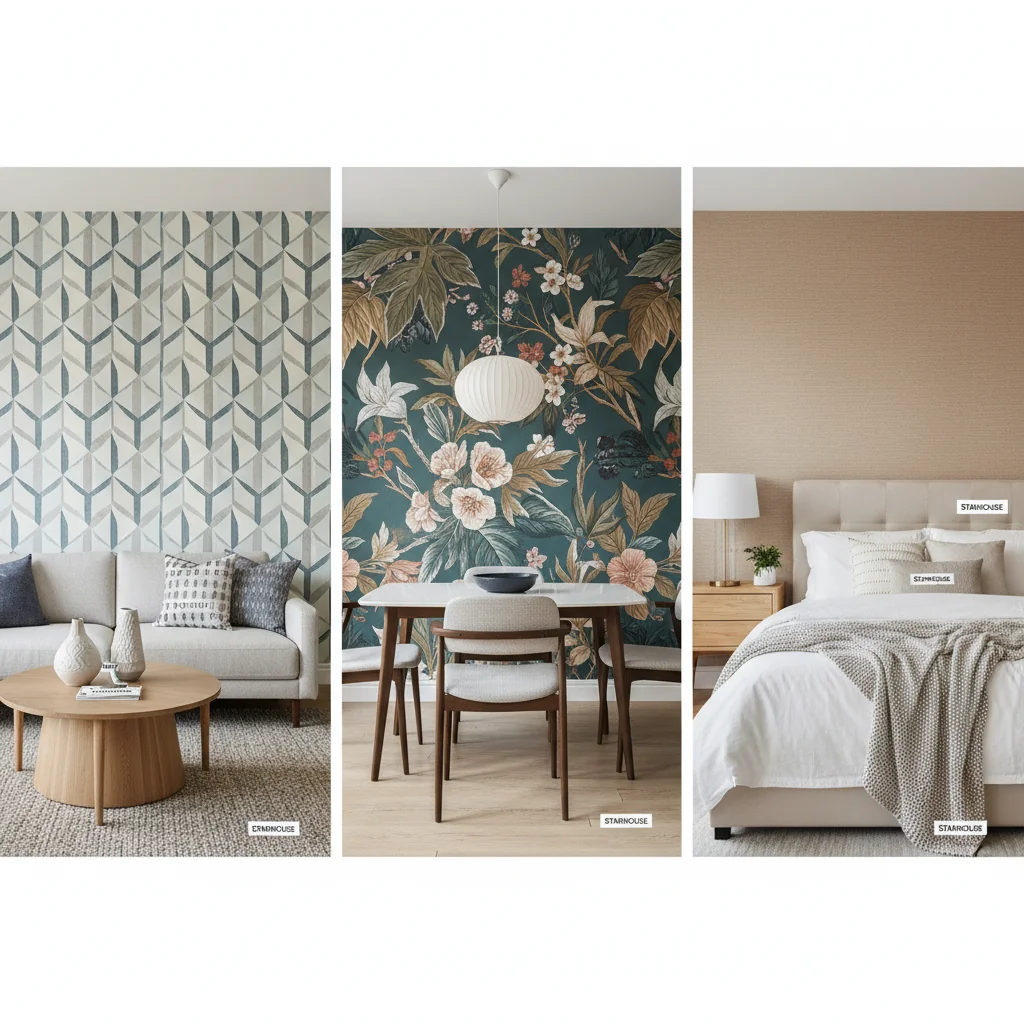
Comparison of Popular York Wallcovering Materials
To aid in your selection, this table provides a comparative overview of some key York Wallcovering materials, highlighting their primary characteristics, typical durability, and ideal applications.
| Material Type | Key Characteristics | Durability & Washability | Ideal Use Cases | Installation Notes |
|---|---|---|---|---|
| Vinyl (Solid/Fabric-Backed) | Highly durable, extensive patterns, often embossed, moisture-resistant. | Excellent; scrubbable, resistant to tears and scuffs. | Kitchens, bathrooms, high-traffic areas, commercial spaces. | Requires paste; solid vinyl can be stiff, fabric-backed more flexible. |
| Non-Woven | Breathable, dimensionally stable, smooth or textured finishes, “paste the wall” application. | Good; washable, tear-resistant, easy to remove in full sheets. | Bedrooms, living rooms, dining rooms, hallways. | Paste the wall; easier DIY, less mess. |
| Paper | Fine print quality, subtle textures, classic aesthetics, natural feel. | Moderate; wipeable (some types), can tear if not handled carefully, sensitive to moisture. | Formal living rooms, dining rooms, bedrooms, low-traffic areas. | Requires paste; careful handling, often needs professional touch. |
| Grasscloth | Natural woven fibers, unique organic texture, subtle color variations, sound-absorbing. | Delicate; non-washable, susceptible to moisture and staining. | Bedrooms, studies, formal living rooms, accent walls. | Requires paste; professional installation recommended due to visible seams and delicacy. |
| Mylar | Reflective, metallic sheen, bold and glamorous, smooth surface. | Good; washable, durable against abrasion. | Accent walls, powder rooms, contemporary spaces, areas needing light reflection. | Requires paste; excellent surface prep crucial for flawless finish. |
| Textile | Rich texture, luxurious feel, sound-absorbing, wide range of fabric looks. | Moderate to Good; depending on fabric, often non-washable or spot-clean only. | Bedrooms, living rooms, dining rooms, studies, creating warmth. | Requires paste; professional installation highly recommended for best results. |
Styles and Aesthetics: Curating Your Vision with York
York Wallcoverings offers an unparalleled breadth of styles and patterns, enabling designers and homeowners to define any aesthetic, from timeless elegance to cutting-edge contemporary. The brand’s designers meticulously craft collections that capture current trends while honoring classic design principles, ensuring that there is a York pattern to complement every interior vision. This diversity allows for precise curation, transforming walls into integral components of a cohesive design narrative.
The ability to precisely match a wallcovering to a desired aesthetic is a hallmark of York’s extensive catalog. Whether you seek to evoke a sense of history, embrace modern minimalism, or inject vibrant energy, York provides the design tools to achieve your specific vision with confidence and sophistication.
Defining Your Design Language with York Patterns
York Wallcoverings categorizes its designs into broad stylistic families, each offering a distinct mood and visual impact:
- Traditional and Classic: These designs draw inspiration from historical periods, featuring intricate damasks, elegant florals, toile patterns, and classic stripes. They evoke a sense of heritage, formality, and enduring beauty, often rendered in muted or rich color palettes. Traditional York patterns are ideal for formal living rooms, dining rooms, and studies, creating a refined and stately atmosphere.
- Contemporary and Modern: Characterized by clean lines, geometric shapes, abstract motifs, and often a minimalist approach, contemporary York wallcoverings reflect current design sensibilities. They frequently incorporate metallic accents, bold graphics, and a sophisticated color range, including neutrals, stark contrasts, and vibrant pops. These styles are perfect for urban apartments, modern homes, and spaces seeking a fresh, forward-thinking aesthetic.
- Transitional: Bridging the gap between traditional and contemporary, transitional designs offer a balanced aesthetic that combines classic comfort with modern freshness. York’s transitional patterns often feature simplified traditional motifs, subtle textures, and a harmonious blend of old and new elements. They are exceptionally versatile, suitable for almost any room where a sophisticated yet approachable style is desired.
- Farmhouse and Rustic: Inspired by natural materials, distressed finishes, and comfortable living, York’s farmhouse and rustic collections include patterns like shiplap, exposed brick, reclaimed wood, and understated plaids. These designs create a warm, inviting, and unpretentious atmosphere, perfect for kitchens, family rooms, and bedrooms seeking a cozy, country-inspired charm.
- Coastal and Nautical: Evoking the tranquility and beauty of the sea, coastal patterns feature motifs such as seashells, coral, anchors, stripes, and subtle wave textures. York’s interpretations often use serene blues, greens, sandy neutrals, and crisp whites to create a light, airy, and relaxed ambiance. These are ideal for beach houses, bathrooms, and any space where a refreshing, seaside feel is desired.
- Art Deco and Glamour: For those seeking luxury and dramatic flair, York offers Art Deco-inspired geometric patterns, metallic finishes, and bold, symmetrical designs reminiscent of the roaring twenties. These wallcoverings often feature gold, silver, and black accents, creating a sophisticated and opulent statement. They are perfect for accent walls, powder rooms, and spaces designed for entertainment.
- Botanical and Nature-Inspired: From lush tropical leaves to delicate floral sprays and intricate trellises, botanical patterns bring the beauty of the natural world indoors. York’s collections range from realistic depictions to stylized interpretations, offering a refreshing and vibrant touch. These designs are well-suited for bedrooms, sunrooms, and living areas, fostering a sense of calm and connection to nature.
- Geometric: Abstract and repetitive patterns formed by lines, shapes, and angles, geometric wallcoverings add dynamism and structure to a room. York provides a wide array of geometric designs, from subtle tessellations to bold, graphic statements. These patterns can be used to create visual interest, define zones, or add a contemporary edge to any space.
- Textural and Faux Effects: Mimicking the look and feel of other materials, these wallcoverings provide depth and tactile interest without the cost or complexity of actual materials. York excels in faux effects such as grasscloth, linen, concrete, marble, and cork, offering realistic textures that add sophistication and warmth. They are versatile and can be used in almost any room to introduce subtle elegance or a dramatic material illusion.
Choosing the Right York Wallcovering for Your Space
Selecting the ideal York Wallcovering involves a thoughtful evaluation of several key factors, ensuring that the chosen pattern, material, and color not only align with your aesthetic preferences but also meet the functional demands of the specific room. A systematic approach to this decision-making process guarantees a successful and harmonious outcome, transforming your space with precision and confidence.
At Starhouse, we guide our customers through this process, emphasizing that the best choice balances visual appeal with practical considerations. Careful consideration at this stage prevents potential disappointments and ensures enduring satisfaction with your selected wallcovering.
Key Considerations for Selection
-
Assess the Room’s Function and Traffic:
The purpose of the room dictates the necessary durability and washability of the wallcovering. For high-traffic areas like hallways, children’s rooms, or commercial spaces, highly durable and scrubbable vinyl or fabric-backed non-woven options are recommended. In kitchens and bathrooms, moisture-resistant materials like solid vinyl are paramount to withstand humidity and splashes. For formal living rooms, dining rooms, or bedrooms with low traffic, more delicate materials like paper or grasscloth can be considered for their aesthetic richness.
-
Evaluate Existing Decor and Furnishings:
The wallcovering should complement, not compete with, your existing furniture, textiles, and accessories. Consider the color palette, style (e.g., modern, traditional, eclectic), and scale of patterns already present in the room. If your furniture is ornate, a simpler, textured wallcovering might be more appropriate. Conversely, if your furnishings are minimalist, a bold pattern can serve as a focal point.
-
Consider the Room’s Size and Natural Light:
Darker, large-scale patterns can make a small room feel enclosed, while lighter colors and smaller patterns tend to expand a space. Rooms with abundant natural light can accommodate a wider range of colors and patterns, including darker hues. In dimly lit rooms, metallic or reflective wallcoverings (like Mylar) can help bounce light around, brightening the space. Textured patterns can add depth without overwhelming.
-
Define the Desired Mood and Atmosphere:
Wallcoverings are powerful tools for setting a room’s mood. Warm colors (reds, oranges, yellows) create an inviting, energetic atmosphere, while cool colors (blues, greens, purples) evoke calmness and serenity. Large, bold patterns inject drama and personality, whereas subtle textures and tone-on-tone designs offer sophistication and tranquility. Decide if you want the wallcovering to be a subtle backdrop or a dominant design statement.
-
Understand Pattern Repeat and Scale:
Pattern repeat refers to the vertical distance between identical points in a pattern. A larger pattern repeat means more waste during installation to match seams, requiring more rolls. Consider the scale of the pattern relative to the room’s size; a large pattern in a small room can feel overwhelming, while a tiny pattern in a vast room might get lost.
-
Request Samples:
Always order samples of your preferred York Wallcoverings. View them in the actual room under different lighting conditions (daylight, evening, artificial light) and at various times of day. This allows you to see how the colors, textures, and patterns interact with your existing decor and the room’s unique light. The appearance of a wallcovering can vary significantly between a small swatch and an entire wall.
-
Consider Installation Method and DIY Comfort Level:
If you plan to install the wallcovering yourself, peel-and-stick or pre-pasted options are generally more forgiving for DIYers. Traditional (non-pasted) wallcoverings and delicate materials like grasscloth or textile often benefit from professional installation, ensuring a flawless finish and preventing damage to the material. Factor in the complexity of the pattern match and the material’s handling requirements.
-
Adherence to Brand Standards:
York Wallcoverings maintains stringent quality standards across all its collections. This means you can be confident in the durability and print quality of any product you select from their range. The brand’s commitment to sustainable practices also ensures that your choice aligns with environmentally conscious values.
Mastering Installation: Sizing, Measuring, and Application Essentials
Achieving a professional and lasting finish with York Wallcoverings hinges on meticulous preparation, accurate measurement, and precise application. While peel-and-stick options simplify the process, even they benefit from careful planning. Mastering these essentials ensures your wallcovering looks its best, preventing common pitfalls and enhancing the overall aesthetic impact of your space.
Proper installation is an investment in the longevity and beauty of your chosen wallcovering. Starhouse advocates for a thorough approach, whether you embark on a DIY project or engage a professional.
Step-by-Step Guide to Wallcovering Installation
1. Accurate Measurement and Roll Calculation
This is the most critical first step to avoid running short on material or over-ordering.
- Measure Wall Dimensions: Measure the height of your walls from baseboard to ceiling in several places, and the total perimeter (width) of the room. For walls with varying heights (e.g., sloped ceilings), measure the highest point.
- Calculate Square Footage: Multiply the total width by the average height of the walls to get the total square footage to be covered. Subtract areas for large openings like windows and doors (e.g., a standard 3 ft x 7 ft door is 21 sq ft).
- Determine Roll Coverage: York Wallcoverings typically come in double rolls (or bolts) measuring 20.5 inches or 27 inches wide. A standard double roll of 20.5-inch wide wallpaper often covers approximately 56 square feet, while a 27-inch wide roll covers about 70 square feet. Always check the specific product specifications for exact roll dimensions and coverage.
-
Account for Pattern Repeat and Waste:
Pattern repeat is the vertical distance before a pattern repeats itself. Add this measurement to your wall height for each strip, as you will need to trim to match the pattern. For rolls with a large pattern repeat (e.g., 20 inches or more), you will experience more waste.
Rule of thumb: Add 15-20% extra to your calculated square footage to account for pattern matching, trimming, and potential mistakes. If your pattern repeat is very large, consider adding up to 25%. It is always better to have one extra roll than to run short and risk color variations between dye lots.
- Order from the Same Dye Lot: Ensure all rolls ordered are from the same dye lot (batch number) to prevent subtle color discrepancies that can become noticeable on the wall. This information is usually printed on the roll label.
2. Essential Tools and Materials
Having the right tools on hand streamlines the installation process and ensures a professional finish.
- Tape measure and pencil
- Level or plumb bob
- Smoothing tool/wallpaper brush
- Utility knife with fresh blades
- Seam roller (for traditional/pre-pasted)
- Large sponge and clean water buckets
- Drop cloths
- Step ladder
- Wallpaper paste (for non-pasted) or water tray (for pre-pasted)
- Primer (acrylic-based, specific for wallpaper)
3. Surface Preparation
Proper wall preparation is paramount for successful adhesion and a smooth finish.
- Clean Walls: Wash walls with a mild detergent solution (e.g., TSP substitute) to remove dirt, grease, and grime. Rinse thoroughly with clean water and allow to dry completely.
- Repair Imperfections: Fill any holes or cracks with spackle, sand smooth, and wipe away dust. Wallcoverings, especially those with a sheen or thin material, can highlight imperfections.
- Prime Walls: Apply a high-quality, acrylic-based wallpaper primer (also known as a “sizing” or “wallcovering primer”). This seals the wall, promotes adhesion, and facilitates easier removal in the future. Allow the primer to dry completely according to manufacturer instructions, typically 24 hours. Do not skip this step, especially for peel-and-stick applications, as it provides a stable, uniform surface.
- Remove Obstacles: Turn off power and remove switch plates, outlet covers, and light fixtures.
4. Installation Steps (General)
While specific instructions vary by wallcovering type, the general sequence remains consistent. Always refer to York Wallcoverings’ specific instructions provided with your product.
- Draw a Plumb Line: Starting from a corner or a less conspicuous area, measure out a distance slightly less than the width of your wallcovering roll (e.g., 19 inches for a 20.5-inch roll) and draw a perfectly vertical plumb line using a level. This ensures your first strip is straight, which is crucial for all subsequent strips.
- Cut Strips: Unroll your first roll and measure the wall height, adding 4-6 inches for trimming at the top and bottom. Cut the first strip. For subsequent strips, align the pattern carefully with the previous strip’s design before cutting, ensuring pattern match and adding the necessary trim allowance. Number the back of each strip lightly with a pencil at the top.
-
Apply Paste or Activate Adhesive:
- Non-Pasted: Apply a thin, even coat of wallpaper paste to the back of the strip using a roller or brush. “Book” the paper (fold each end towards the middle, paste to paste, without creasing) and let it relax for 5-10 minutes (refer to paste instructions).
- Pre-Pasted: Submerge the cut strip in a water tray for the recommended time (typically 15-30 seconds), then “book” it and let it relax.
- Peel-and-Stick: Peel back a few inches of the liner from the top of the strip.
- Hang the First Strip: Align the top edge of the wallcovering with the ceiling line and the side edge with your plumb line, leaving excess at the top and bottom. Smooth the paper onto the wall using a smoothing tool or wallpaper brush, working from the center outwards to remove air bubbles.
- Match and Hang Subsequent Strips: For the next strip, align the pattern precisely with the edge of the previous strip. Butt the edges tightly together; do not overlap unless specified. Smooth out bubbles.
- Trim Excess: Once a strip is fully smoothed, use a sharp utility knife and a straightedge (or wide smoothing tool) to carefully trim the excess wallcovering at the ceiling and baseboard. Change blades frequently for clean cuts.
- Clean Up: Gently wipe away any excess paste from the surface of the wallcovering and seams with a clean, damp sponge. Ensure no paste remains on the surface, as it can dry to a sheen.
- Seam Rolling (Traditional/Pre-Pasted): For traditional and pre-pasted wallcoverings, use a seam roller to gently press down the seams, ensuring a secure bond. Avoid excessive pressure, especially on textured papers, which could flatten the texture.
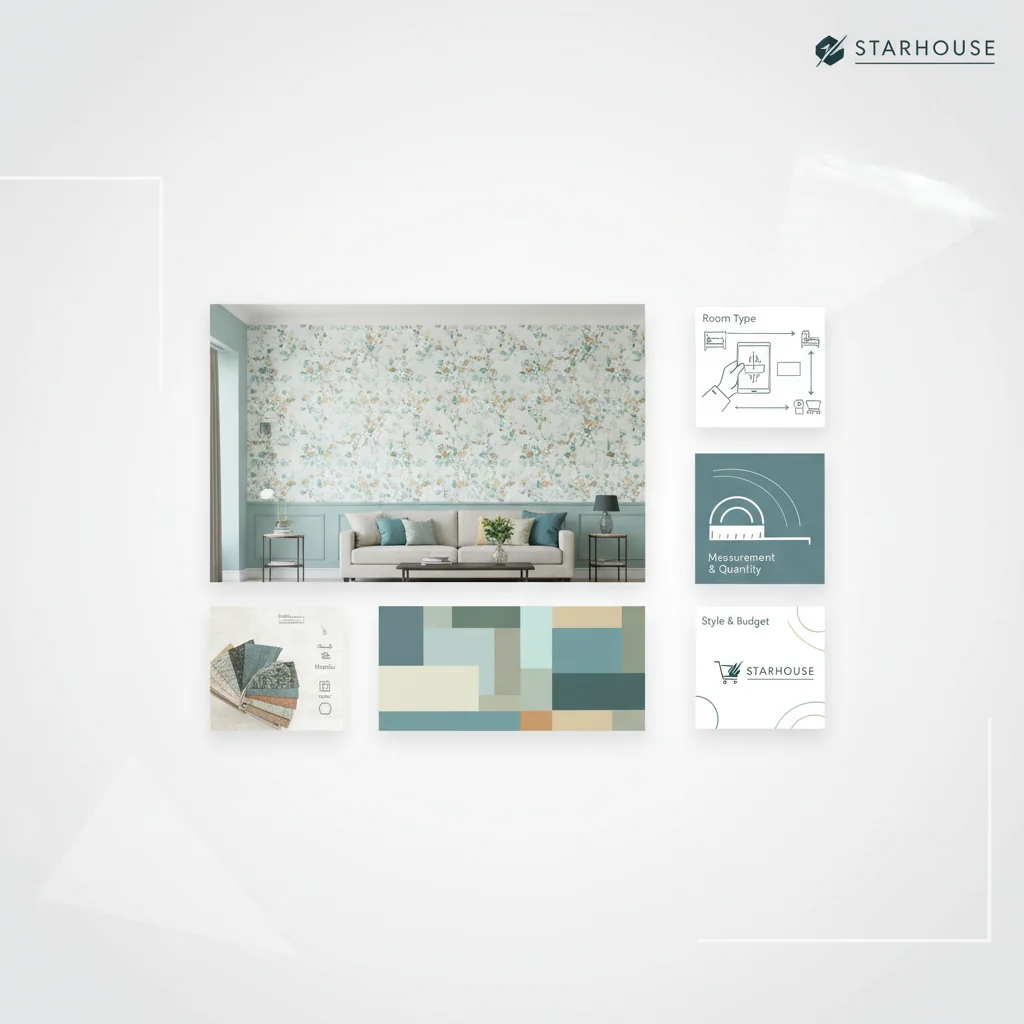
Specific Considerations for Peel-and-Stick
Peel-and-stick wallcoverings offer a simplified installation, but precision is still key.
- Gradual Peeling: Peel the backing slowly as you apply, working downwards. Do not remove the entire backing at once.
- Repositioning: Peel-and-stick allows for repositioning, which is a major advantage. If a bubble or misalignment occurs, gently peel back the section and reapply.
- Smooth Tools: Use a felt-edge squeegee to smooth out bubbles and ensure firm adhesion.
- Surface Compatibility: Ensure your walls are smooth, clean, and primed. Textured walls are generally not suitable for peel-and-stick as the adhesive needs full contact.
For complex installations, delicate materials, or if you simply prefer professional assurance, Starhouse recommends engaging an experienced wallcovering installer. Their expertise guarantees a flawless application and the longevity of your beautiful York Wallcoverings.
Elevating Interiors: Styling and Pairing York Wallcoverings
York Wallcoverings are not merely decorative surfaces; they are foundational design elements capable of transforming the ambiance and character of an entire room. Strategic styling and thoughtful pairing with furnishings, textiles, lighting, and accessories are essential to harness the full potential of your chosen wallcovering. This integrative approach ensures that the wallcovering becomes a cohesive part of a larger, sophisticated design narrative, rather than an isolated feature.
At Starhouse, we emphasize that successful interior design is about creating harmony. By considering how your York Wallcovering interacts with every other element in the room, you can achieve a truly elevated and personalized space.
Strategies for Harmonious Integration
-
Complementary Color Palettes:
Identify the dominant and accent colors within your York Wallcovering. Use these colors, or shades that complement them, in your furniture, textiles (cushions, throws, rugs), and decorative objects. For a serene look, choose monochromatic or analogous color schemes. For a dynamic space, introduce a contrasting accent color found in the wallpaper. For example, a blue botanical print might be paired with natural wood tones and touches of coral in accessories.
-
Balancing Patterns and Textures:
If your wallcovering features a bold pattern, balance it with solid-colored or subtly textured furnishings and textiles. Conversely, if the wallcovering is a subtle texture or a tone-on-tone design, you can introduce more patterned elements in your upholstery or throw pillows. Mix different textures (e.g., a smooth Mylar wallcovering with a plush velvet sofa, or a grasscloth with sleek metal accents) to add depth and tactile interest to the room.
-
Scale and Proportion:
Consider the scale of the wallcovering pattern relative to the room and your furniture. A large-scale botanical or geometric pattern can be striking on an accent wall, but might overwhelm if used on all four walls in a small room. In such cases, opt for smaller patterns or subtle textures. Ensure furniture pieces are appropriately scaled to the room and don’t get lost against a busy pattern or overpower a delicate one.
-
Lighting as an Enhancer:
Lighting plays a crucial role in how a wallcovering is perceived. Up-lighting or strategically placed picture lights can highlight textured or metallic wallcoverings, emphasizing their depth and sheen. Dimmers allow you to adjust the mood, showcasing the wallcovering’s nuances under different light intensities. Ensure light fixtures themselves complement the style of the wallcovering; a modern pendant light with a geometric York pattern, or a classic chandelier with a damask.
-
Art and Mirrors:
Artwork and mirrors can be successfully layered over wallcoverings. For a busy pattern, choose art with simple frames and ample matting to create visual breathing room. Large mirrors can reflect the wallcovering, amplifying its impact and expanding the perception of space. Ensure the style of the art complements the wallcovering; abstract art with a contemporary geometric, or botanical prints with a floral wallpaper.
-
Architectural Details:
Use the wallcovering to highlight or enhance architectural features like crown molding, wainscoting, or built-in shelving. A bold pattern can draw attention to a feature wall, while a subtle texture can provide a sophisticated backdrop for intricate millwork. York Wallcoverings often offers complementary borders or coordinates that can be used to delineate different sections of a wall.
-
Creating Zones and Focal Points:
Wallcoverings are excellent for defining functional zones within an open-concept space or creating a strong focal point. Apply a captivating York pattern to an accent wall behind a bed, sofa, or dining table to anchor the space and draw the eye. In a larger room, different, yet harmonious, wallcoverings can delineate areas like a reading nook or a home office corner.
-
Accessorizing with Intention:
The final layer of styling involves accessories. Vases, sculptures, books, and decorative objects should echo the colors, textures, or themes found in your York Wallcovering. For example, if you have a tropical botanical wallpaper, introduce natural elements like rattan, bamboo, or pottery. If it’s a sleek geometric, opt for metallic or glass accents.
By approaching your York Wallcovering as a central design element and carefully curating its surrounding components, you can achieve a truly cohesive, sophisticated, and personal interior that reflects your unique style.
Maintaining Your Investment: Care and Longevity of York Wallcoverings
Proper care and maintenance are essential for preserving the beauty and extending the lifespan of your York Wallcoverings. Different materials require specific cleaning methods, and understanding these distinctions is crucial to avoid damage and ensure your investment remains pristine for years to come. Adhering to the manufacturer’s guidelines for cleaning and minor repairs will safeguard the aesthetic integrity of your walls.
At Starhouse, we advocate for proactive care, recognizing that well-maintained wallcoverings contribute significantly to the enduring elegance of your home. A little attention goes a long way in protecting your design choice.
General Care Guidelines and Material-Specific Instructions
General Best Practices:
- Dust Regularly: Use a soft, dry cloth, a feather duster, or a vacuum cleaner with a brush attachment to gently remove dust and cobwebs from your wallcoverings. This prevents build-up that can dull the appearance.
- Act Quickly on Spills: Address spills or marks immediately. The longer a stain sits, the harder it is to remove, especially on non-washable materials.
- Test in an Inconspicuous Area: Before applying any cleaning solution to a visible area, always test it on a hidden spot (e.g., behind furniture or a door) to ensure it doesn’t cause discoloration or damage.
- Avoid Harsh Chemicals: Never use abrasive cleaners, strong detergents, solvents, or steel wool, as these can damage the surface, remove color, or compromise the material’s integrity.
- Ventilate Rooms: Ensure proper ventilation in bathrooms and kitchens to minimize humidity, which can affect adhesion and promote mold growth, particularly for less breathable wallcoverings.
Material-Specific Cleaning Instructions:
York Wallcoverings typically categorizes its products by their washability, indicated by symbols on the product label. These are the most common classifications:
-
Scrubbable (e.g., many Vinyl Wallcoverings):
These are the most durable and easiest to clean. Use a soft sponge or cloth dampened with a mild soap and water solution (e.g., dish soap). Gently wipe the soiled area, then rinse with a clean, damp cloth to remove any soap residue. Pat dry with a soft towel. These materials can withstand more vigorous cleaning without damage.
-
Washable (e.g., most Non-Woven and some Coated Paper Wallcoverings):
Washable wallcoverings can be cleaned with a damp sponge or cloth using plain water or a very mild, diluted soap solution. Wipe gently, avoiding excessive scrubbing. Rinse and pat dry promptly to prevent water marks. They are suitable for light soiling but not heavy stains.
-
Wipeable (e.g., some Paper and Delicate Coated Wallcoverings):
These materials are more delicate and should only be wiped with a barely damp, soft cloth. Use plain water and avoid any soap or chemicals. This is primarily for removing light dust or very minor, fresh marks. Do not rub vigorously.
-
Non-Washable / Delicate (e.g., Grasscloth, Textile, Flock Wallcoverings):
These materials require the most gentle care. They are generally only suitable for dry cleaning methods. Use a soft, dry cloth, a feather duster, or a vacuum cleaner with a soft brush attachment. For any spills or marks, professional cleaning is often recommended. Avoid any moisture, as it can stain, warp, or damage the fibers. For flock, avoid rubbing, which can flatten the raised fibers.
-
Peel-and-Stick Wallcoverings:
The cleanability of peel-and-stick depends on its surface material. Most are vinyl-based and are therefore washable or scrubbable. Follow the guidelines for vinyl or non-woven, using a mild soap and water solution and gentle wiping. Ensure no water gets behind the adhesive edge.
Addressing Minor Damage:
- Loose Seams: If a seam begins to lift, apply a small amount of clear vinyl-to-vinyl adhesive (or a dedicated wallpaper seam adhesive) directly under the loose edge. Press firmly with a seam roller or a clean, soft cloth. Wipe away any excess adhesive immediately.
- Small Tears or Bubbles: For small tears, carefully apply a tiny amount of wallpaper adhesive to the back of the torn piece and press it back into place. For persistent bubbles, you can use a small, sharp utility knife to make a tiny slit in the center of the bubble, then gently smooth out the air and inject a small amount of adhesive if needed, pressing firmly.
- Stains on Non-Washable Materials: For delicate materials like grasscloth, professional intervention is often the best course for stain removal. Attempting to clean these yourself can worsen the damage.
By following these detailed care instructions, you can ensure your York Wallcoverings retain their original beauty and contribute to the sophisticated ambiance of your home for many years to come.
Current Trends and Enduring Classics in York Wallcoverings
York Wallcoverings consistently leads the industry by blending timeless design principles with cutting-edge trends, offering collections that are both fashion-forward and enduring. While certain patterns and motifs remain perpetually popular, the brand also innovates with colors, textures, and digital printing techniques to reflect contemporary interior design movements. This dual approach ensures that York provides options for every design sensibility, from those seeking a fresh, modern update to those desiring a classic, sophisticated aesthetic.
Understanding the interplay between current trends and enduring classics allows for informed design choices that will resonate for years to come. Starhouse observes these shifts to curate selections that empower homeowners to create spaces that are both stylish and timeless.
Evolving Aesthetics and Persistent Favorites
Current Trends:
- Biophilic Design: A strong emphasis on bringing nature indoors continues to dominate. York offers an abundance of large-scale botanical prints, lush tropical motifs, and subtle organic textures (like faux grasscloth or linen) that connect spaces to the natural world, promoting well-being and serenity.
- Textural Immersion: Beyond visual patterns, tactile experiences are paramount. Wallcoverings that mimic the look and feel of raw materials such as concrete, plaster, distressed wood, cork, or woven fabrics are highly popular. These add depth and sensory richness without overwhelming a space with color or bold patterns.
- Geometric Abstraction: Contemporary geometrics, ranging from subtle line work to bold, interlocking shapes, are on-trend. These often feature metallic accents (gold, silver, bronze) or contrasting matte and gloss finishes, adding a sophisticated, architectural quality to walls. Art Deco-inspired patterns are also experiencing a resurgence.
- Mural-Style Wallcoverings: The use of expansive, narrative murals that cover an entire wall or room is a significant trend. York offers stunning scenic landscapes, abstract art, and oversized floral designs that create dramatic focal points and immersive environments.
- Earthy and Muted Color Palettes: While vibrant colors have their place, current trends lean towards soothing, earthy tones. Sage greens, dusty blues, warm terracotta, soft grays, and creamy neutrals provide a calming backdrop, allowing texture and subtle pattern to take center stage.
- Metallics and Sheen: Metallic inks and Mylar finishes continue to be popular, adding a touch of glamour and light reflection. These are often integrated into geometric patterns, subtle textures, or as a background sheen to more intricate designs, providing a luxurious shimmer.
- Sustainable and Natural Materials: With growing environmental consciousness, wallcoverings made from natural fibers (like grasscloth) or those produced with eco-friendly processes (like York’s commitment to water-based inks and recycled content where possible) are increasingly sought after. York Wallcoverings emphasizes its environmental promise, aligning with this demand.
Enduring Classics:
- Damasks and Traditional Florals: These intricate, often symmetrical patterns have graced interiors for centuries and remain a cornerstone of classic design. York’s damasks and traditional florals, often in tone-on-tone or elegant multi-color palettes, continue to convey sophistication and timeless elegance in formal settings.
- Stripes and Plaids: From crisp vertical stripes that elongate a room to subtle horizontal bands that broaden it, stripes are perennially popular for their versatility and ability to create visual order. Plaids offer a cozy, traditional, or rustic charm, depending on their scale and colorway.
- Toile de Jouy: This classic French pattern, typically featuring pastoral scenes in a single color on a light background, evokes a romantic and nostalgic ambiance. York’s toile collections offer a range of traditional and updated interpretations, perfect for bedrooms, nurseries, or charming living spaces.
- Subtle Textures (Faux Linen, Grasscloth, Stucco): While also trending, these textures have an enduring quality that makes them classics. They provide visual interest and depth without a dominant pattern, serving as sophisticated backdrops that work with a wide range of furniture and decor styles. York’s mastery of these faux finishes makes them highly versatile.
- Geometric Patterns (Classic): Beyond current trends, classic geometric patterns like quatrefoils, trellises, and small-scale diamonds have a timeless appeal. They add structure and visual rhythm without becoming dated, suitable for both traditional and transitional interiors.
- Solid or Tone-on-Tone Wallcoverings: These are the ultimate classics. Offering rich color, subtle texture, and depth that paint cannot achieve, solid wallcoverings provide a sophisticated foundation for any room. Tone-on-tone patterns add a layer of subtle interest while maintaining a minimalist aesthetic.
York Wallcoverings consistently demonstrates its ability to both honor its rich heritage of classic designs and embrace the evolving landscape of contemporary aesthetics. This balance ensures that their collections remain relevant and inspiring for every design project.
Common Mistakes to Avoid When Working with Wallcoverings
Even with the highest quality materials like York Wallcoverings, certain missteps during selection or installation can compromise the final aesthetic and longevity of your project. Being aware of these common pitfalls is crucial for ensuring a flawless and satisfying outcome. Avoiding these mistakes saves time, money, and frustration, guaranteeing that your wallcovering investment truly enhances your space.
Starhouse emphasizes that preparation and attention to detail are paramount. Proactive avoidance of these errors will lead to a professional-grade finish and enduring beauty.
Pitfalls to Sidestep for a Flawless Finish
-
Inadequate Wall Preparation:
Failing to properly clean, repair, and prime walls is the most common and detrimental mistake. Dirt, grease, or loose paint will prevent proper adhesion. Unfilled holes or cracks will show through, especially with thinner or reflective wallcoverings. Skipping primer can lead to poor adhesion, difficulty in repositioning, and damage to the wall upon removal. Always ensure walls are smooth, clean, dry, and primed.
-
Under-Ordering Wallcovering Rolls:
Miscalculating the number of rolls needed is a frequent error. Not accounting for pattern repeat, windows, doors, or potential mistakes can leave you short. Ordering additional rolls later risks receiving a different dye lot, resulting in noticeable color variations. Always over-order by 15-20% and ensure all rolls are from the same dye lot.
-
Ignoring Pattern Repeat and Match:
Failing to correctly align patterns at the seams is a clear sign of amateur installation. This requires careful measurement and cutting each strip to ensure the design flows seamlessly across the wall. Different patterns have different match types (e.g., straight match, drop match), and understanding these is critical.
-
Starting Crooked:
If your first strip of wallcovering isn’t perfectly plumb (vertical), every subsequent strip will be off-kilter, leading to noticeable diagonal lines and unevenness. Always use a level or plumb bob to draw a precise vertical guideline for your first strip.
-
Overlapping Seams (Unless Specified):
Most modern wallcoverings are designed for “butt” seams, where the edges meet precisely without overlapping. Overlapping creates a raised ridge that is visually unappealing and can peel over time. Only overlap if the product instructions specifically state to do so (rare for residential wallcoverings).
-
Not Smoothing Out Air Bubbles:
Trapped air bubbles beneath the surface will dry to create unsightly bumps and blisters. Always use a smoothing tool or wallpaper brush to work from the center of the strip outwards, pushing all air towards the edges.
-
Using Incorrect Adhesive or Too Much Paste:
Using an incompatible adhesive for non-pasted wallcoverings can lead to poor adhesion or staining. For pre-pasted papers, not fully activating the adhesive can cause issues. Applying too much paste can result in oozing at the seams, which, if not cleaned immediately, can leave a shiny residue or attract dirt.
-
Rushing the Process:
Wallpaper installation requires patience and precision. Rushing leads to mistakes like misaligned patterns, trapped bubbles, or improper trimming. Take your time, especially during prep and the initial strip hanging.
-
Neglecting to Clean Up Excess Paste:
Any paste left on the surface of the wallcovering, especially at the seams, will dry clear but often with a sheen. This can create visible marks or attract dust. Always wipe down the surface and seams with a clean, damp sponge immediately after hanging each strip.
-
Ignoring Manufacturer’s Instructions:
Every York Wallcoverings product comes with specific installation and care instructions. These are tailored to the material and type of wallcovering. Failing to read and follow these guidelines can lead to product failure or damage.
By being mindful of these common errors, you can approach your wallcovering project with confidence, ensuring a beautiful and professional finish that reflects the quality of York Wallcoverings.
Sources
Frequently Asked Questions About York Wallcoverings
What makes York Wallcoverings a leading brand in the industry?
York Wallcoverings is a leading brand due to its century-long legacy as the oldest and largest wallcovering producer in the U.S., its commitment to manufacturing in its original Pennsylvania factory, and its extensive collection of high-quality, diverse designs that cater to both residential and commercial markets globally.
Are York Wallcoverings suitable for bathrooms and kitchens?
Yes, many York Wallcoverings are suitable for bathrooms and kitchens, particularly their solid vinyl and fabric-backed vinyl options which are highly durable, moisture-resistant, and scrubbable. Always check the specific product’s washability rating and material composition to ensure it can withstand the humidity and potential splashes of these environments.
Can I install York Wallcoverings myself, or should I hire a professional?
The feasibility of DIY installation depends on the wallcovering type and your skill level. Peel-and-stick and pre-pasted York Wallcoverings are generally more DIY-friendly. Traditional (non-pasted) wallcoverings, large-scale patterns with complex repeats, or delicate materials like grasscloth often benefit significantly from professional installation to ensure a flawless finish and prevent material damage.
How do I calculate how many rolls of York Wallcovering I need?
To calculate rolls, measure the total square footage of your walls (height x width, subtracting large openings). Then, divide this by the square footage covered by a single roll (found in product specifications, e.g., 56 sq ft for a 20.5-inch double roll). Crucially, add 15-20% extra to this number to account for pattern repeat, trimming, and potential waste. Always round up to the nearest whole roll.
Are York Wallcoverings environmentally friendly?
York Wallcoverings is committed to environmental stewardship. They utilize water-based inks and sustainable manufacturing practices, including recycling process waste and using responsibly sourced materials where possible. Their “Our Environmental Promise” outlines these commitments, aligning with eco-conscious design principles.
How do I remove York Peel-and-Stick Wallcoverings?
York Peel-and-Stick Wallcoverings are designed for easy removal without damaging properly prepared walls. To remove, simply start at a corner and slowly peel the material away from the wall at a 45-degree angle. If resistance is met, try warming the paper gently with a hairdryer to soften the adhesive, making it easier to peel off in full sheets.
What is the difference between non-pasted, pre-pasted, and peel-and-stick wallcoverings?
Non-pasted wallcoverings require you to apply adhesive to the back of the paper. Pre-pasted wallcoverings have a dry adhesive on the back that is activated by wetting the paper. Peel-and-stick wallcoverings feature a self-adhesive backing protected by a liner, allowing for easy application and removal without additional paste or water.
Conclusion: Define Your Space with Starhouse and York Wallcoverings
York Wallcoverings represents a confluence of American heritage, uncompromising quality, and visionary design. For over a century, their commitment to producing exceptional wallcoverings has transformed countless interiors, offering an unparalleled array of types, materials, and styles to suit every aesthetic. From the enduring elegance of traditional damasks to the bold statements of contemporary murals, York provides the foundational elements for truly distinguished spaces.
At Starhouse, we are dedicated to curating the finest home décor, and our selection of wallcoverings reflects this pursuit of excellence. We understand that choosing a wallcovering is a deeply personal decision, one that defines the character and mood of your home. By embracing the precision of measurement, the art of installation, and the nuance of styling, you can unlock the full potential of York Wallcoverings to create an environment that is both aspirational and uniquely yours.
As we continue to build our curated collection, we invite you to share your vision with us. Your insights help shape the offerings that will empower every Starhouse customer to design their dream home. Tell us what you’re looking for, and get early access to our meticulously curated selections that will elevate your space to new heights of sophistication and style. We are excited to help you embark on your next design journey.
Discover how Starhouse can help you curate your perfect space. Tell us what you’re looking for and get early access to our exclusive collection.