Updated: June 2026
Textured wallpaper transcends flat design, introducing a tactile dimension and visual depth that transforms ordinary walls into captivating focal points. It is a sophisticated wall covering solution that adds character, warmth, and an unparalleled sense of luxury to any interior, effectively disguising minor wall imperfections while enhancing a room’s aesthetic appeal through its intricate patterns and three-dimensional surfaces.
At Starhouse, we understand that true design sophistication lies in the details. Our curated selection of textured wallpapers offers an expansive palette of possibilities, from subtle weaves that whisper elegance to bold patterns that make a definitive statement. This comprehensive guide delves into every facet of textured wallpaper, empowering you to make informed decisions and elevate your home with confidence and style.
Key takeaways
- Textured wallpaper adds significant visual depth and tactile interest, enhancing a room’s perceived warmth and luxury.
- It effectively conceals minor wall imperfections, providing a polished finish where paint alone might fall short.
- A wide array of types, including Anaglypta, grasscloth, and embossed vinyl, offers diverse aesthetic and functional benefits for various design schemes.
- Proper measurement and material selection are critical for successful installation and long-term durability.
- Modern trends favor natural fibers, metallic accents, and large-scale geometric textures that integrate seamlessly with contemporary interiors.
- Care requirements vary significantly by material, ranging from simple wiping for vinyl to delicate handling for natural fibers.
Introduction to Textured Wallpaper
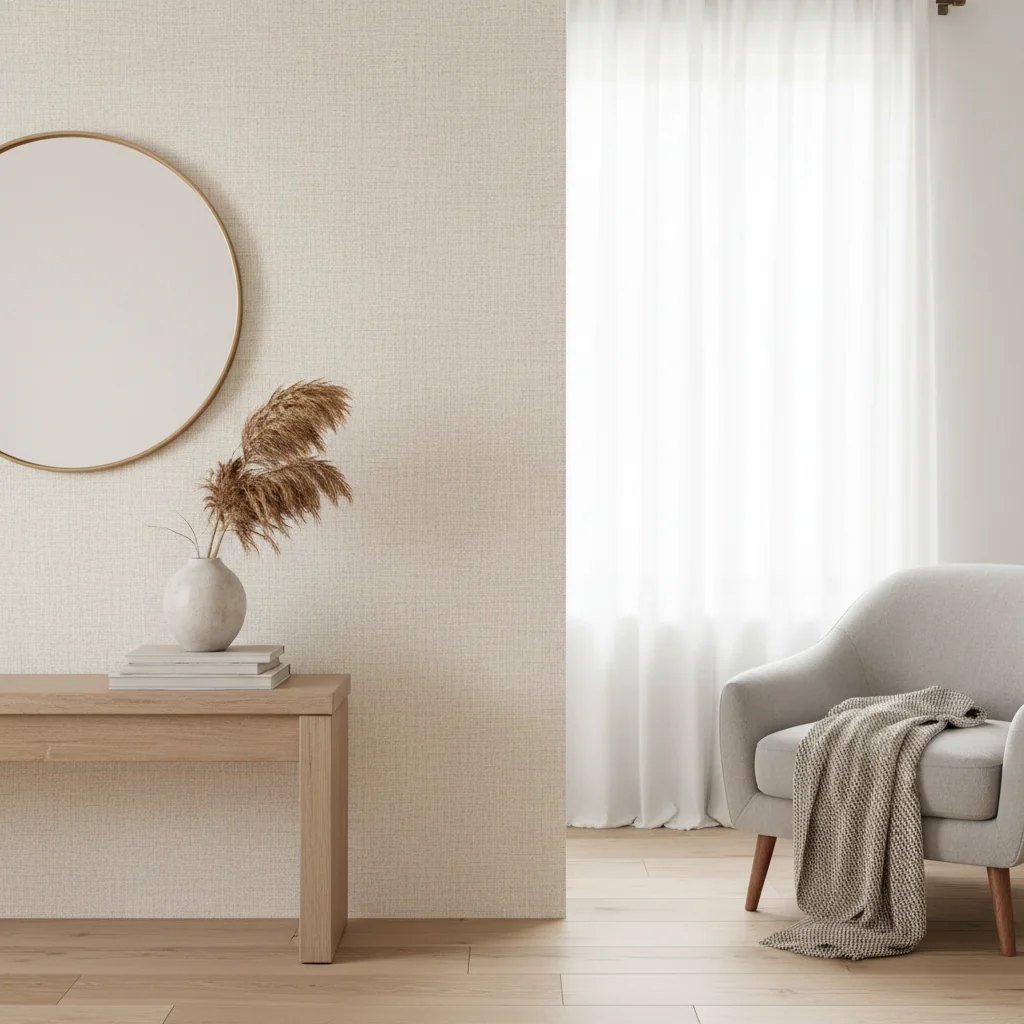
Textured wallpaper is a wall covering material characterized by its three-dimensional surface, which adds tactile interest and visual depth to an interior space. Unlike flat wallpapers that rely solely on color and pattern, textured options engage an additional sense, creating an immersive and dynamic environment that paint alone cannot achieve. This distinctive quality allows textured wallpaper to introduce a sophisticated layer of design, transforming walls from mere boundaries into integral elements of a room’s aesthetic narrative.
The strategic application of textured wallpaper can dramatically influence a room’s atmosphere, making a space feel warmer, more intimate, or grander, depending on the chosen texture and pattern. It is an exceptionally versatile design tool, capable of complementing virtually any décor style, from minimalist modern to opulent traditional. The inherent ability of textured wallpaper to conceal minor wall imperfections, such as hairline cracks or uneven plaster, further solidifies its position as a preferred choice for discerning homeowners and designers seeking both beauty and practicality.
Understanding the nuances of textured wallpaper—its types, materials, and applications—is essential for harnessing its full potential. This guide provides the foundational knowledge necessary to navigate the vast world of textured wall coverings, ensuring that your selection not only meets your aesthetic desires but also performs optimally within your specific environment.
The Enduring Appeal of Textured Wallpaper: Beyond Flat Surfaces
Textured wallpaper offers a unique combination of aesthetic enhancement and practical benefits that ensure its lasting popularity in interior design. Its ability to introduce tactile interest, visual depth, and a sense of luxury elevates a room’s character in ways that flat surfaces cannot replicate. The inherent three-dimensionality of these wall coverings creates dynamic interplay with light, casting subtle shadows and highlights that shift throughout the day, imbuing spaces with a living, evolving quality.
Beyond its undeniable visual impact, textured wallpaper provides tangible advantages. It excels at camouflaging minor wall imperfections, such as small cracks, dents, or uneven plaster, offering a smoother, more refined finish than multiple coats of paint might achieve. This makes it an ideal solution for older homes or spaces where perfect wall conditions are challenging to maintain. Furthermore, certain textured wallpapers can contribute to improved acoustic properties within a room by absorbing sound, thereby reducing echo and creating a quieter, more comfortable environment. The diversity of textures—from the subtle undulations of grasscloth to the pronounced relief of Anaglypta—allows for unparalleled personalization, ensuring that every design vision, from understated elegance to bold statement, can be realized with precision and style.
Types of Textured Wallpaper: A Comprehensive Guide
Textured wallpaper encompasses a diverse range of styles and constructions, each offering distinct aesthetic qualities and functional attributes. Understanding these types is crucial for selecting the ideal wall covering to achieve your desired design outcome and performance requirements. From deeply embossed patterns to delicate natural weaves, the variety ensures a perfect match for any interior design vision.
Embossed and Anaglypta Wallpaper
Embossed wallpaper features patterns pressed into the paper during manufacturing, creating a raised, three-dimensional surface. Anaglypta wallpaper is a specific type of deeply embossed wallpaper, typically made from paper pulp or paper-backed vinyl, designed to be painted after installation. This characteristic makes Anaglypta exceptionally versatile, allowing for complete customization of color to match any décor scheme. It is highly effective at concealing significant wall imperfections due to its robust texture and thickness. Anaglypta patterns often mimic architectural details such as tin ceilings, plasterwork, or fabric weaves, providing a classic and sophisticated look that can be refreshed with new paint colors over time.
Lincrusta Wallpaper
Lincrusta wallpaper is a highly durable, deeply embossed wall covering made from a unique blend of linseed oil, wood flour, and resins on a paper backing. Invented in 1877, it is renowned for its exceptional longevity and intricate, architectural patterns that often replicate carved wood, stamped leather, or ornate plasterwork. Lincrusta offers a luxurious, permanent finish, ideal for high-traffic areas or spaces where a grand, historic aesthetic is desired. Like Anaglypta, it is designed to be painted, allowing for personalized color schemes and finishes, including faux effects like gilding or distressing. Its substantial thickness provides superior insulation and sound dampening properties.
Grasscloth and Natural Fiber Wallpaper
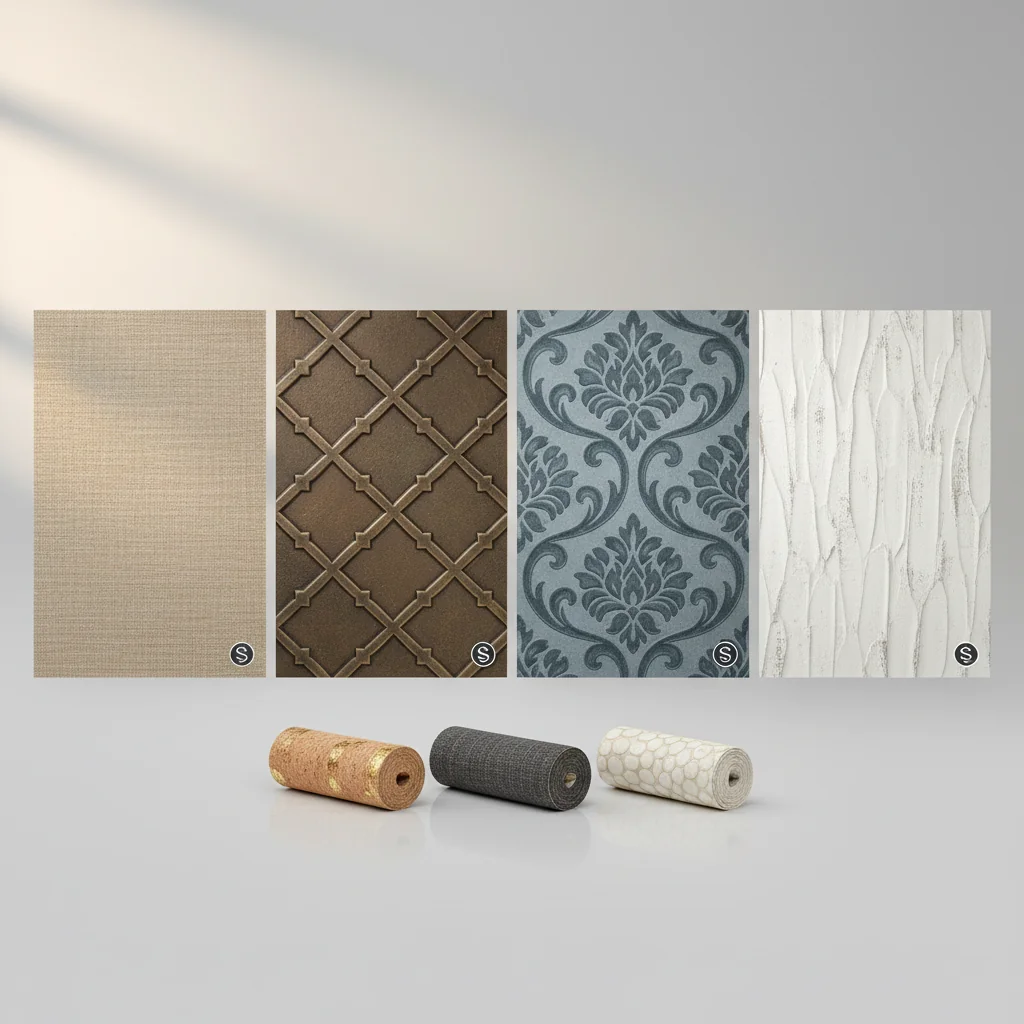
Grasscloth wallpaper is crafted from woven natural fibers, such as jute, sisal, seagrass, or bamboo, adhered to a paper backing. This type of textured wallpaper introduces organic warmth, subtle variations in color, and an exquisite natural texture that instantly elevates a space. Each roll is unique due to the inherent variations in natural materials, creating a bespoke, handcrafted feel. Grasscloth is particularly popular in serene, minimalist, or bohemian interiors, providing a tranquil backdrop that connects with nature. It is important to note that natural fiber wallpapers are typically more delicate than vinyl options and require specialized installation and care, as they are not usually washable.
Flock Wallpaper
Flock wallpaper features a pattern created by applying tiny fibers, typically rayon or nylon, onto a paper or vinyl backing, giving it a velvety, raised texture. This opulent wall covering dates back centuries and is synonymous with luxury and grandeur. Flock patterns often include damasks, brocades, or intricate floral motifs, lending a regal and tactile dimension to walls. It is frequently used in formal dining rooms, master bedrooms, or accent walls to create a dramatic and sophisticated statement. Due to its delicate surface, flock wallpaper requires careful handling during installation and gentle cleaning.
Embossed Vinyl Wallpaper
Embossed vinyl wallpaper combines the durability and washability of vinyl with textured patterns. This type is manufactured by printing a pattern onto a vinyl surface and then embossing it to create a raised, tactile effect. It can mimic a wide array of textures, including fabric weaves, stucco, leather, wood grain, or even abstract geometric designs. Embossed vinyl is highly practical, resistant to moisture, and easy to clean, making it an excellent choice for bathrooms, kitchens, and high-traffic areas. Its versatility in design and robust performance make it a popular option for both residential and commercial applications.
Faux Finish Textured Wallpaper
Faux finish textured wallpaper is designed to replicate the look and feel of other materials, offering a cost-effective and often more durable alternative to the real thing. This category includes:
- Faux Brick: Mimics the rough, uneven texture and mortar lines of exposed brick, adding an industrial or rustic charm.
- Faux Wood: Replicates the grain, knots, and sometimes even the distressed feel of various wood species, from reclaimed barn wood to polished hardwoods.
- Faux Concrete/Stone: Captures the cool, raw aesthetic of concrete or the rugged beauty of natural stone, ideal for modern or industrial designs.
- Faux Fabric/Textile: Reproduces the weave of linen, silk, tweed, or burlap, adding a soft, inviting texture without the fragility of actual fabric.
- Faux Plaster/Stucco: Creates the appearance of hand-troweled plaster or stucco, offering a Mediterranean or artisanal vibe.
These wallpapers provide significant visual impact and textural interest while being generally easier to install and maintain than their natural counterparts.
Paintable Textured Wallpaper
Similar to Anaglypta, paintable textured wallpaper is specifically designed to be painted after installation. It features embossed or raised patterns, often geometric, floral, or abstract, that provide a textural base for color. This allows for complete creative control over the final look, as the wallpaper can be painted any desired shade, and even repainted to update a room’s aesthetic without removing the wallpaper. It is an excellent choice for concealing wall imperfections and adding architectural interest where a custom color is paramount.
Peel-and-Stick Textured Wallpaper
Peel-and-stick textured wallpaper offers the ultimate in convenience and flexibility. This innovative type features an adhesive backing that is protected by a removable liner, making installation straightforward and often achievable for DIY enthusiasts. It is designed for temporary or semi-permanent applications, as it can be easily removed without damaging the underlying wall surface, leaving no residue. While many peel-and-stick options focus on printed patterns, a growing selection now includes subtle textures, embossed effects, or faux finishes, providing both visual and tactile interest with the added benefit of easy application and removal. This is particularly popular for renters, accent walls, or those who enjoy frequently updating their decor.
| Wallpaper Type | Primary Material | Texture Depth | Durability & Washability | Ideal Aesthetic & Use | Key Characteristic |
|---|---|---|---|---|---|
| Anaglypta | Paper pulp, paper-backed vinyl | Deeply embossed | High durability, paintable for washability | Classic, traditional, architectural; excellent for concealing imperfections. | Designed to be painted; highly customizable. |
| Lincrusta | Linseed oil, wood flour, resins on paper | Extremely deep, sculptural | Exceptional durability, very long-lasting, paintable. | Grand, historic, opulent; high-traffic areas, feature walls. | Permanent, architectural, requires professional installation. |
| Grasscloth | Natural fibers (jute, sisal, seagrass) | Subtle to moderate, organic | Moderate durability, not typically washable; delicate. | Bohemian, natural, serene, minimalist; living rooms, bedrooms. | Unique, organic variations; introduces natural warmth. |
| Flock | Rayon or nylon fibers on paper/vinyl | Soft, velvety raised pattern | Moderate durability, not easily washable; delicate. | Luxurious, traditional, dramatic; formal dining rooms, accent walls. | Tactile, plush surface; creates a rich, opulent feel. |
| Embossed Vinyl | Vinyl | Variable, from subtle to pronounced | High durability, highly washable, moisture-resistant. | Versatile; kitchens, bathrooms, high-traffic areas, commercial. | Mimics various textures; practical and robust. |
| Faux Finish (e.g., Brick, Wood) | Vinyl, non-woven, paper | Mimics the texture of the material | Varies by material, often durable and washable. | Industrial, rustic, modern; accent walls, specific thematic rooms. | Replicates natural materials convincingly. |
| Peel-and-Stick Textured | Vinyl, non-woven with adhesive | Subtle to moderate embossed or printed texture | Moderate durability, often wipeable; temporary. | Temporary, accent walls, DIY projects, renters. | Easy to install and remove; no paste required. |
Materials and Construction: Understanding the Foundation
The material composition of textured wallpaper significantly impacts its appearance, durability, installation method, and maintenance requirements. A clear understanding of these foundational elements is essential for making an informed choice that aligns with both your design vision and practical needs. Each material offers a unique set of properties, from the inherent strength of vinyl to the delicate beauty of natural fibers.
Vinyl Wallpaper
Vinyl wallpaper is one of the most popular and versatile options for textured wall coverings due to its exceptional durability and practical benefits. It typically consists of a vinyl layer laminated to a paper or fabric backing. The texture can be embossed into the vinyl surface, creating a wide array of patterns that mimic natural materials like wood, stone, or fabric, or abstract designs. Vinyl wallpapers are highly resistant to moisture, stains, and abrasions, making them ideal for high-traffic areas such such as hallways, kitchens, and bathrooms. They are also exceptionally easy to clean, often requiring just a damp cloth and mild detergent. The robust nature of vinyl makes it a long-lasting and low-maintenance choice for both residential and commercial settings.
Non-Woven Wallpaper
Non-woven wallpaper is a technologically advanced wall covering made from a blend of natural and synthetic fibers, often cellulose and polyester, bonded together to create a durable, breathable, and tear-resistant material. This construction allows for easy installation and, crucially, easy removal in full dry strips without damaging the wall, making it an excellent choice for those who anticipate future design changes. Non-woven wallpapers are dimensionally stable, meaning they resist shrinking or expanding, which helps prevent seam separation. They are also breathable, which can help prevent mold and mildew growth in humid environments. While they can feature embossed textures, they are also frequently used for digitally printed designs that incorporate visual texture. Many peel-and-stick wallpapers utilize a non-woven base for their ease of use.
Paper-Backed Wallpaper
Traditional paper-backed wallpaper features a decorative front layer (which may be textured, printed, or coated) adhered to a paper backing. While generally less durable and washable than vinyl or non-woven options, paper-backed wallpapers offer a classic aesthetic and can be more environmentally friendly if made from recycled content. Their textures often involve embossed patterns, subtle flocking, or delicate weaves. Installation typically requires pasting the paper itself, and removal can be more challenging, often requiring soaking and scraping. They are best suited for low-traffic areas where durability and washability are not primary concerns, such as formal living rooms or bedrooms.
Fabric-Backed Wallpaper
Fabric-backed wallpaper, also known as textile wallpaper, features a decorative fabric face (such as silk, linen, cotton, or jute) laminated to a paper or non-woven backing. This construction offers a luxurious, soft, and warm tactile experience, bringing a rich, sophisticated dimension to walls. The textures are often inherent to the weave of the fabric, creating subtle variations and a bespoke feel. Fabric-backed wallpapers are generally more delicate and require professional installation and specialized care, as they are not typically washable. They are ideal for creating elegant, intimate spaces like master suites, studies, or formal reception areas where a premium, soft aesthetic is desired.
Natural Fiber Wallpaper
Natural fiber wallpaper, often referred to as grasscloth, is made from raw plant materials like jute, sisal, bamboo, or seagrass, meticulously woven and laminated onto a paper backing. Each strand and weave contributes to a unique, organic texture that adds warmth, depth, and a connection to nature. The beauty of natural fiber wallpaper lies in its inherent imperfections and variations, which create a subtle, sophisticated visual interest. These wallpapers are generally delicate, non-washable, and require careful handling during installation, often necessitating a professional installer. They are highly prized for their eco-friendly appeal and ability to create serene, earthy, and luxurious environments.
Understanding these material compositions allows you to align your choice with the specific demands of your space, ensuring that your textured wallpaper not only looks exceptional but also performs effectively for years to come.
Choosing the Right Textured Wallpaper for Your Space
Selecting the ideal textured wallpaper involves a thoughtful assessment of several key factors, including the room’s function, existing décor, desired aesthetic, and practical considerations like durability and maintenance. A strategic approach ensures the chosen wallpaper enhances the space harmoniously and meets all functional requirements. The right choice can elevate a room from merely functional to truly inspiring.
Consider the Room’s Function and Traffic
The intended use of a room dictates the practical requirements for your wallpaper. For high-traffic areas like hallways, entryways, or children’s rooms, prioritize durable and washable options such as embossed vinyl or heavy-duty non-woven textures. These materials resist scuffs, stains, and are easy to clean, ensuring longevity. In contrast, for low-traffic or formal spaces like a master bedroom, dining room, or study, you have greater flexibility to explore more delicate, luxurious options such as flock, grasscloth, or fabric-backed wallpapers, where tactile softness and intricate detail take precedence over extreme durability.
Evaluate Existing Décor and Architectural Style
Your textured wallpaper should complement, not compete with, your home’s existing architectural style and furnishings. For traditional or historic homes, Anaglypta, Lincrusta, or classic flock patterns can enhance architectural details and add a sense of grandeur. Modern or contemporary spaces often benefit from subtle geometric textures, faux concrete, or minimalist grasscloth that introduces warmth without overwhelming clean lines. Consider the color palette of your furniture, flooring, and accessories; choose a wallpaper that integrates seamlessly, either by matching tones or providing a sophisticated contrast. For instance, a neutral grasscloth can soften a minimalist room, while a bold metallic texture can add an edgy accent to an industrial aesthetic.
Determine the Desired Aesthetic and Mood
Texture profoundly influences a room’s mood. A rough, organic texture like faux brick or natural grasscloth can evoke a rustic, earthy, or bohemian feel, creating a cozy and inviting atmosphere. Smooth, subtle textures, such as fine linen weaves or understated geometric patterns, lend themselves to a more refined, contemporary, or serene ambiance. Deeply embossed patterns, like those found in Anaglypta or Lincrusta, project a sense of formality and timeless elegance. Consider whether you want the texture to be a subtle backdrop or a dramatic focal point. Lighter textures tend to expand a space, while darker, more pronounced textures can make a large room feel more intimate.
Assess Light Conditions and Room Size
The way light interacts with texture is crucial. In rooms with abundant natural light, pronounced textures will cast more defined shadows, enhancing their three-dimensional effect. In dimly lit spaces, opt for textures with a subtle sheen or metallic accents to help reflect light and brighten the room. For small rooms, generally avoid overly busy or large-scale textures that can make the space feel cramped; instead, choose fine, understated textures or vertical patterns that draw the eye upward. In large rooms, you have the freedom to experiment with bolder, larger-scale textures or patterns that can add visual interest and break up expansive wall surfaces.
Budget and Installation Considerations
Textured wallpapers vary widely in price, from budget-friendly embossed vinyl to premium Lincrusta or hand-woven grasscloth. Factor in not only the cost of the wallpaper per roll but also the potential cost of professional installation, especially for delicate materials like grasscloth or intricate patterns that require precise matching. Peel-and-stick textured options offer a DIY-friendly and often more affordable solution for temporary updates or accent walls. Always purchase a little extra wallpaper (typically 10-15% more than calculated) to account for pattern repeats, trimming, and potential future repairs.
By carefully considering these factors, you can confidently select a textured wallpaper that not only transforms your walls but also perfectly aligns with your lifestyle and design aspirations. Should you be seeking inspiration or wish to explore a curated selection that speaks to your specific vision, we invite you to tell us what you’re looking for. Your input helps us refine our collection to better serve your unique design needs.
Sizing and Measurement: Precision for a Flawless Finish
Accurate measurement is the cornerstone of a successful wallpaper installation, ensuring you purchase the correct quantity and minimize waste. Underestimating can lead to costly delays and color inconsistencies between different dye lots, while overestimating results in unnecessary expense. Precision in these initial steps guarantees a seamless and professional-looking result for your textured wallpaper project.
Understanding Wallpaper Roll Dimensions
Wallpaper rolls come in various standard widths and lengths, which can vary significantly by manufacturer and region. In the U.S., common widths for residential wallpaper include 20.5 inches, 21 inches, 27 inches, and 36 inches. Roll lengths typically range from 16.5 feet (a single roll equivalent) to 33 feet (a double roll equivalent). Always check the specific dimensions listed on the product packaging or specifications, as these will directly impact your calculations.
Calculating Wall Surface Area
Follow these steps for accurate measurement:
- Measure Wall Height: Measure the height of each wall from the baseboard to the ceiling. If you have varying ceiling heights or architectural features, measure each section individually. Round up to the nearest inch.
- Measure Wall Width: Measure the width of each wall.
- Calculate Individual Wall Area: Multiply the height by the width for each wall to get its square footage.
- Calculate Total Room Area: Add the square footage of all walls together.
- Subtract Openings: Deduct the square footage of large openings such as windows and doors. For typical residential doors (3 ft x 7 ft = 21 sq ft) and windows, subtract their area. Do not subtract for smaller openings or features if they are less than 20 square feet, as the waste generated from pattern matching often exceeds the material saved.
- Consider Pattern Repeat: This is a crucial factor for textured wallpapers, especially those with a defined pattern. The pattern repeat measurement (often listed in inches on the roll) indicates how much extra material is needed to align the pattern from one strip to the next. For every strip of wallpaper you cut, you may need to add the pattern repeat length to its height to ensure proper alignment.
Estimating Number of Rolls Needed
Once you have the total adjusted square footage and understand the pattern repeat, you can estimate the number of rolls:
- Determine Usable Square Footage Per Roll:
- For a standard U.S. single roll (approx. 20.5 inches wide x 16.5 feet long), the total square footage is about 28 sq ft.
- For a standard U.S. double roll (approx. 20.5 inches wide x 33 feet long), the total square footage is about 56 sq ft.
- For wider rolls (e.g., 27 inches wide x 27 feet long), the total square footage is about 60.75 sq ft.
However, the *usable* square footage is less due to trimming and pattern repeats. A general rule of thumb is to reduce the listed square footage by 15-20% for pattern repeats and waste. For a 20.5-inch wide double roll, assume approximately 45-50 usable square feet.
- Divide Total Room Area by Usable Roll Area: Divide your total adjusted wall square footage by the usable square footage of one roll to get an estimated number of rolls.
- Add for Waste and Future Repairs: Always add an additional 10-15% to your final roll count for waste, pattern matching, and potential future repairs. This buffer is especially important for complex patterns or delicate materials. For example, if your calculation suggests 8 rolls, purchase 9 or 10.
Tips for Accurate Measurement:
- Use a steel tape measure for accuracy, not a cloth one.
- Measure twice, cut once – or in this case, measure twice, order once.
- Account for any architectural features, such as sloped ceilings, built-in shelving, or intricate trim, which may require extra material for precise cuts.
- If unsure, consult with a professional installer or a knowledgeable wallpaper specialist at Starhouse. Providing them with your exact measurements and the wallpaper’s specifications will allow them to assist in calculating the precise quantity needed.
By investing time in precise measurement, you ensure a smoother installation process and a more polished final result, allowing the beauty of your textured wallpaper to shine unimpeded.
Installation Techniques: From DIY to Professional Application
The successful installation of textured wallpaper is crucial for achieving a polished and lasting finish, requiring careful preparation, precise application, and attention to detail. While some types of textured wallpaper are suitable for experienced DIY enthusiasts, others demand the expertise of a professional installer to ensure optimal results. Understanding the nuances of each method will guide your decision and prevent common pitfalls.
Wall Preparation: The Foundation of Success
Regardless of the wallpaper type or installer, thorough wall preparation is non-negotiable. This step ensures proper adhesion, prevents imperfections from showing through, and facilitates easier removal in the future.
- Clean Walls: All surfaces must be clean, dry, and free of dust, grease, and grime. Wash walls with a mild detergent solution, rinse thoroughly, and allow to dry completely.
- Repair Imperfections: Fill any holes, cracks, or dents with spackle, sand smooth, and wipe away dust. Textured wallpaper can hide minor flaws, but significant imperfections will still be visible.
- Remove Old Wallpaper: If existing wallpaper is present, it must be fully removed. Residual adhesive or loose edges will compromise the new installation.
- Prime Walls: Apply a high-quality wallpaper primer, often called a “sizing” or “wall-covering primer.” This seals porous surfaces, promotes better adhesion, and makes future removal easier. For dark walls under light wallpaper, consider a tinted primer to prevent show-through. Allow primer to dry completely according to manufacturer instructions, typically 24 hours.
DIY Installation: Peel-and-Stick and Pre-Pasted
For those comfortable with DIY projects, peel-and-stick and pre-pasted textured wallpapers offer the most accessible installation methods. These are excellent choices for accent walls, smaller rooms, or temporary applications.
- Peel-and-Stick: This method is the simplest. The wallpaper comes with an adhesive backing protected by a release liner.
- Measure and cut strips to length, adding a few inches for trimming.
- Peel back a few inches of the liner from the top.
- Align the strip to your plumb line (a vertical guide drawn on the wall).
- Slowly peel down the liner while smoothing the wallpaper onto the wall with a smoothing tool or squeegee, working from the center outwards to eliminate air bubbles.
- Trim excess at the top and bottom with a utility knife.
Peel-and-stick is forgiving, allowing for repositioning during installation.
- Pre-Pasted: These wallpapers have a dried adhesive coating on the back that is activated by water.
- Measure and cut strips to length.
- Roll the cut strip loosely with the paste side out, then submerge it in a water tray for the time specified by the manufacturer (usually 30-60 seconds).
- “Book” the wallpaper by folding the pasted ends towards the center, paste-to-paste, allowing it to relax for a few minutes (this activates the paste and prevents stretching).
- Unfold the top half and align with your plumb line, smoothing it onto the wall.
- Unfold the bottom half and continue smoothing, removing air bubbles.
- Trim excess.
Work quickly and cleanly, wiping away excess paste immediately.
Traditional Paste-the-Wall or Paste-the-Paper Techniques
Many textured wallpapers, particularly non-woven and vinyl, often use the “paste-the-wall” method, while traditional paper-backed or heavy-duty textures like Lincrusta may require “paste-the-paper.”
- Paste-the-Wall (Non-Woven): This method is favored for non-woven wallpapers because the adhesive is applied directly to the wall, not the wallpaper itself.
- Measure and cut strips to length.
- Apply a uniform layer of wallpaper paste directly to the wall section where the first strip will go, slightly wider than the strip itself.
- Carefully align the dry wallpaper strip to the plumb line at the top of the wall.
- Smooth the strip downwards and outwards with a smoothing tool, ensuring no air bubbles.
- Butt joint the next strip tightly against the previous one, ensuring pattern alignment.
- Trim excess.
This method is generally cleaner and faster than paste-the-paper.
- Paste-the-Paper (Heavy Duty/Traditional): This method involves applying paste directly to the back of the wallpaper strips.
- Measure and cut strips.
- Lay a strip face down on a clean pasting table.
- Apply a generous, even layer of paste to the back of the strip, working from the center outwards to the edges.
- “Book” the strip (fold pasted end to center, paste-to-paste) and let it “relax” for the manufacturer-specified time, typically 5-10 minutes. This allows the paper to expand and prevents bubbles.
- Carefully unfold the top half, align, and apply to the wall, smoothing downwards.
- Unfold the bottom half, smooth, and butt joint the next strip.
- Trim excess.
This method requires more space and can be messier, but is essential for certain materials.
When to Hire a Professional Installer
While DIY can be rewarding, certain situations strongly warrant professional installation:
- Delicate or Expensive Materials: Grasscloth, silk, Lincrusta, or other high-end natural fiber wallpapers are prone to damage if mishandled and often require specialized adhesives and techniques.
- Complex Patterns: Large-scale patterns, intricate murals, or patterns with very large repeats demand meticulous alignment across multiple strips, which can be challenging for an amateur.
- Difficult Rooms: Rooms with many windows, doors, angles, or architectural features (e.g., crown molding, built-in shelving) increase the complexity of cuts and pattern matching.
- Time Constraints: Professionals work efficiently and can complete large projects much faster than a DIY approach.
- Guaranteed Results: A professional installer offers a guarantee on their work, providing peace of mind and ensuring a flawless, long-lasting finish.
For intricate textured wallpapers or large projects, the investment in a professional ensures the beauty and longevity of your chosen design are fully realized.
Styling and Pairing: Integrating Texture into Your Design Scheme
Integrating textured wallpaper into your design scheme is an art that requires thoughtful consideration of balance, contrast, and cohesion. When paired effectively, textured walls can anchor a room, add sophisticated depth, and create a harmonious environment that reflects your personal style. The key lies in understanding how different textures interact with other elements in a space, from furniture to lighting.
Creating Focal Points and Accent Walls
Textured wallpaper excels at defining a focal point within a room. An accent wall behind a bed, sofa, or dining table can dramatically elevate the space, drawing the eye and adding architectural interest. For this purpose, consider bold textures like faux brick, dramatic geometric patterns, or luxurious flock wallpaper. When creating an accent wall, ensure the chosen texture complements the surrounding wall colors and furnishings, rather than overpowering them. A strong textured statement wall often pairs best with simpler, solid-colored furniture and accessories, allowing the wallpaper to truly shine.
Balancing with Furniture and Textiles
The interplay between your textured walls and your furniture and textiles is crucial for a balanced design. If your wallpaper features a prominent, rough texture (e.g., faux concrete or heavily embossed patterns), balance it with softer, smoother fabrics like velvet, silk, or plush chenille on upholstery and drapery. Conversely, if your textured wallpaper is subtle and refined (e.g., a fine grasscloth or a delicate linen weave), you can introduce more pronounced textures through throw pillows, rugs, or furniture with visible grain, such as reclaimed wood tables or woven rattan chairs. Aim for a mix of hard and soft, smooth and rough, to create a multi-layered and inviting space.
Enhancing with Lighting
Lighting plays a pivotal role in showcasing the beauty of textured wallpaper. Direct light, such as from recessed spotlights or wall sconces, will highlight the three-dimensional qualities of the texture, creating dramatic shadows and accentuating the relief. Grazing light—light that washes down or up a wall—is particularly effective at emphasizing deep textures like Anaglypta or Lincrusta, making patterns appear more pronounced. In contrast, diffused ambient lighting will soften the texture, creating a more subtle and understated effect. Experiment with different light sources and positions to discover how they transform your textured walls throughout the day and evening, enhancing their depth and character.
Color Palette and Pattern Integration
When selecting textured wallpaper, consider its color and how it integrates with your room’s overall palette. Neutral textured wallpapers (grays, beiges, creams) are incredibly versatile, providing depth and warmth without introducing competing colors. They serve as an excellent backdrop for colorful furniture or artwork. If opting for a colored textured wallpaper, ensure it harmonizes with existing hues. For patterns, consider the scale: large-scale textures can make a statement in spacious rooms, while smaller, more intricate textures are better suited for intimate settings or when you desire a subtle background. Avoid pairing a heavily patterned textured wallpaper with overly busy patterns in other textiles; instead, opt for solid colors or very subtle prints to maintain visual harmony.
Layering Textures for Depth
Sophisticated design often involves layering various textures. Beyond your walls, incorporate texture through other elements: a chunky knit throw on a smooth sofa, a polished metal lamp beside a rough-hewn wooden table, or a plush rug on a sleek floor. Textured wallpaper becomes one component in this layered approach, contributing to a rich, multi-sensory environment. For example, a grasscloth wall can be paired with a linen sofa, a wool rug, and ceramic accessories to create a cohesive, natural, and inviting atmosphere. The goal is to create visual and tactile interest at every turn, making the room feel thoughtfully designed and deeply comfortable.
Care and Maintenance: Preserving Your Investment
Proper care and maintenance are essential for preserving the beauty and longevity of your textured wallpaper, protecting your investment and ensuring it continues to enhance your home for years. The specific cleaning regimen depends heavily on the wallpaper’s material and construction, as different textures and finishes react uniquely to moisture and cleaning agents. Understanding these distinctions is key to preventing damage and maintaining its pristine condition.
Identifying Your Wallpaper’s Washability
Before attempting any cleaning, identify the washability rating of your specific textured wallpaper. This information is typically found on the product label or specifications. Wallpaper washability is categorized as follows:
- Non-Washable: These are the most delicate wallpapers, often natural fibers like grasscloth, flock, or very delicate paper-backed designs. They should only be dusted gently or vacuumed with a soft brush attachment. Moisture can cause permanent damage, staining, or lifting.
- Wipeable: These can withstand light wiping with a slightly damp cloth, but not scrubbing or excessive moisture. This category often includes some paper-backed vinyls or certain non-woven types. Use plain water or a very mild, diluted soap solution.
- Washable: These wallpapers can be gently cleaned with a damp sponge and a mild detergent solution. Most embossed vinyl and some durable non-woven wallpapers fall into this category. Avoid abrasive cleaners or harsh scrubbing.
- Scrubbable: Designed for high durability and frequent cleaning, these can withstand moderate scrubbing with a sponge or soft brush and a mild detergent. Heavy-duty vinyl wallpapers are typically scrubbable and ideal for kitchens, bathrooms, or commercial spaces.
General Dusting and Light Cleaning
For all types of textured wallpaper, regular dusting is the first line of defense against dirt buildup. Use a soft, dry cloth, a feather duster, or a vacuum cleaner with a soft brush attachment. Work from top to bottom to ensure dust is removed, not just redistributed. For non-washable wallpapers, this is often the only permissible cleaning method.
Spot Cleaning for Stains
Address spills and stains immediately to prevent them from setting. For wipeable, washable, and scrubbable wallpapers:
- Test in an Inconspicuous Area: Always test your cleaning solution on a small, hidden section of the wallpaper first to ensure it does not cause discoloration or damage.
- Use a Mild Solution: Mix a small amount of mild dish soap with lukewarm water. Do not use abrasive cleaners, harsh chemicals, or solvents, as these can strip finishes, dissolve adhesives, or bleach colors.
- Damp Cloth Technique: Lightly dampen a clean, soft cloth with the cleaning solution. Do not saturate the cloth.
- Blot, Don’t Rub: Gently blot the stain, working from the outside in to prevent spreading. Avoid harsh rubbing, especially on textured surfaces, as this can damage the relief or fibers.
- Rinse (if applicable): For washable and scrubbable wallpapers, follow with a clean, damp cloth moistened with plain water to remove any soap residue.
- Dry Thoroughly: Pat the area dry with a clean, dry cloth. Ensure the wallpaper is completely dry to prevent moisture damage or mold growth.
Specific Care for Delicate Textures
- Grasscloth and Natural Fibers: These are highly susceptible to water damage and staining. Avoid all liquids. Dust regularly with a soft, dry cloth or vacuum. If a stain occurs, professional cleaning may be the only option, but success is not guaranteed.
- Flock Wallpaper: The velvety surface of flock wallpaper is delicate. Dust with a soft brush or vacuum with a brush attachment. For minor marks, try gently dabbing with a dry, lint-free cloth. Avoid water, which can flatten the flock.
- Anaglypta and Lincrusta (Painted): Once painted, their care depends on the type of paint used. Generally, they can be wiped or gently washed with a mild detergent, similar to painted walls. Regularly dusting is still recommended to prevent dirt buildup in the crevices.
Preventative Measures
- Ventilation: In bathrooms and kitchens, ensure adequate ventilation to minimize humidity and prevent moisture from damaging wallpaper, especially non-vinyl types.
- Protect from Direct Sunlight: Prolonged exposure to direct sunlight can cause wallpaper colors to fade. Use blinds, curtains, or UV-protective window films to mitigate this.
- Handle with Care: Avoid bumping or scraping walls, particularly in high-traffic areas, to prevent damage to the textured surface.
By adhering to these care guidelines, your textured wallpaper will retain its beauty and continue to be a stunning feature in your home for many years to come.
Common Mistakes to Avoid with Textured Wallpaper
Successfully installing and living with textured wallpaper requires careful planning and execution; however, several common pitfalls can compromise the final look and longevity of your investment. Avoiding these mistakes ensures a smooth process and a stunning, enduring result. From inadequate preparation to improper care, awareness of these errors empowers you to achieve a professional finish.
1. Inadequate Wall Preparation
The most frequent and detrimental mistake is skipping or rushing wall preparation. Walls must be clean, dry, smooth, and primed. Failing to fill holes, sand rough patches, or remove old wallpaper residue will result in visible imperfections beneath the new textured surface. Applying wallpaper over unprimed walls can lead to poor adhesion, bubbling, and difficulty during future removal. Always prime with a quality wall-covering primer to seal porous surfaces and ensure optimal adhesion.
2. Incorrect Measurement and Under-Ordering
Underestimating the amount of wallpaper needed is a common and frustrating error. Running short mid-project means ordering additional rolls, which may come from a different dye lot, leading to noticeable color variations. This is particularly critical for textured wallpapers where subtle color shifts can be amplified by light and shadow. Always meticulously measure wall height and width, account for pattern repeats, and add an extra 10-15% for waste, trimming, and future repairs.
3. Neglecting Pattern Repeat Alignment
For textured wallpapers with a distinct pattern, failing to properly align the repeat between strips can ruin the aesthetic. This requires careful cutting and precise positioning. Many beginners rush this step, resulting in misaligned patterns that disrupt the visual flow. Always refer to the manufacturer’s pattern repeat instructions and dry-lay strips if necessary to visualize the alignment before pasting.
4. Improper Adhesive Selection or Application
Using the wrong type of adhesive or applying it incorrectly can lead to wallpaper lifting, bubbling, or failing to adhere. Different wallpaper materials (e.g., non-woven, heavy vinyl, natural fibers) require specific types of paste. Ensure the adhesive is compatible with your wallpaper and apply it evenly and thoroughly, without excessive globs or dry spots. For paste-the-wall types, ensure the wall is fully covered; for paste-the-paper, allow adequate booking time.
5. Overlooking Room Environment
Ignoring the environmental conditions of a room can lead to premature wallpaper failure. In high-humidity areas like bathrooms, selecting non-washable or non-vinyl textured wallpaper can result in mold, mildew, or peeling. For rooms with direct, intense sunlight, choosing wallpapers not rated for UV resistance can lead to significant fading over time. Always match the wallpaper’s properties to the room’s specific conditions.
6. Improper Tools and Techniques
Attempting to install wallpaper without the right tools (e.g., a plumb line, smoothing brush/squeegee, sharp utility knife, seam roller) or using incorrect techniques can lead to frustrating results. Rushing the process, forcing seams, or using blunt blades can damage the textured surface, create visible seams, or tear the wallpaper. Invest in quality tools and take your time to learn proper application techniques, especially for delicate or complex textures.
7. Incorrect Cleaning and Maintenance
Cleaning textured wallpaper with harsh chemicals, abrasive scrubbers, or excessive moisture (especially on non-washable types) can cause irreversible damage. The textured surface can trap dirt, but aggressive cleaning can flatten the texture, discolor the material, or cause it to lift. Always identify your wallpaper’s washability rating and adhere strictly to the recommended care instructions, opting for gentle dusting or spot cleaning as appropriate.
8. Ignoring Test Patches
Before committing to a large installation or cleaning a visible stain, always perform a test. Apply a small, inconspicuous patch of wallpaper to ensure proper adhesion and appearance. Test cleaning solutions on a hidden area to confirm they don’t cause discoloration or damage. This simple step can prevent costly and visible mistakes on your main walls.
Trends in Textured Wallpaper for 2026 and Beyond
Textured wallpaper continues to evolve as a dynamic element in interior design, with emerging trends reflecting a broader shift towards organic aesthetics, personalized luxury, and sustainable practices. For 2026 and beyond, designers are embracing textures that evoke comfort, connect with nature, and offer subtle yet impactful visual interest. These trends highlight wallpaper’s role not just as decoration, but as a foundational layer that enhances a room’s overall sensory experience.
Biophilic Design and Natural Textures
The integration of biophilic design principles is a dominant trend, bringing the calming and restorative qualities of nature indoors. This translates into a strong preference for natural fiber wallpapers like grasscloth, jute, and sisal, which offer authentic, organic textures and inherent variations. Faux textures mimicking raw concrete, exposed brick, natural wood grains, and woven linen are also highly sought after, providing the visual and tactile appeal of natural materials with added durability and ease of maintenance. These textures create serene, earthy backdrops that pair beautifully with indoor plants, natural wood furniture, and soft, neutral color palettes.
Subtle Metallics and Luminous Finishes
Metallic accents are being reinterpreted in textured wallpapers, moving away from overt glitter towards subtle luminosity. Trends favor textured wallpapers with a delicate metallic sheen woven into the pattern, or understated metallic accents that catch the light. Gold, silver, copper, and bronze tones are applied in sophisticated ways, adding a touch of glamour and reflective quality without being ostentatious. These luminous textures work particularly well in modern and contemporary settings, adding depth and a sense of refined luxury, especially when combined with strategic lighting that highlights their reflective properties.
Large-Scale Geometrics and Abstract Forms
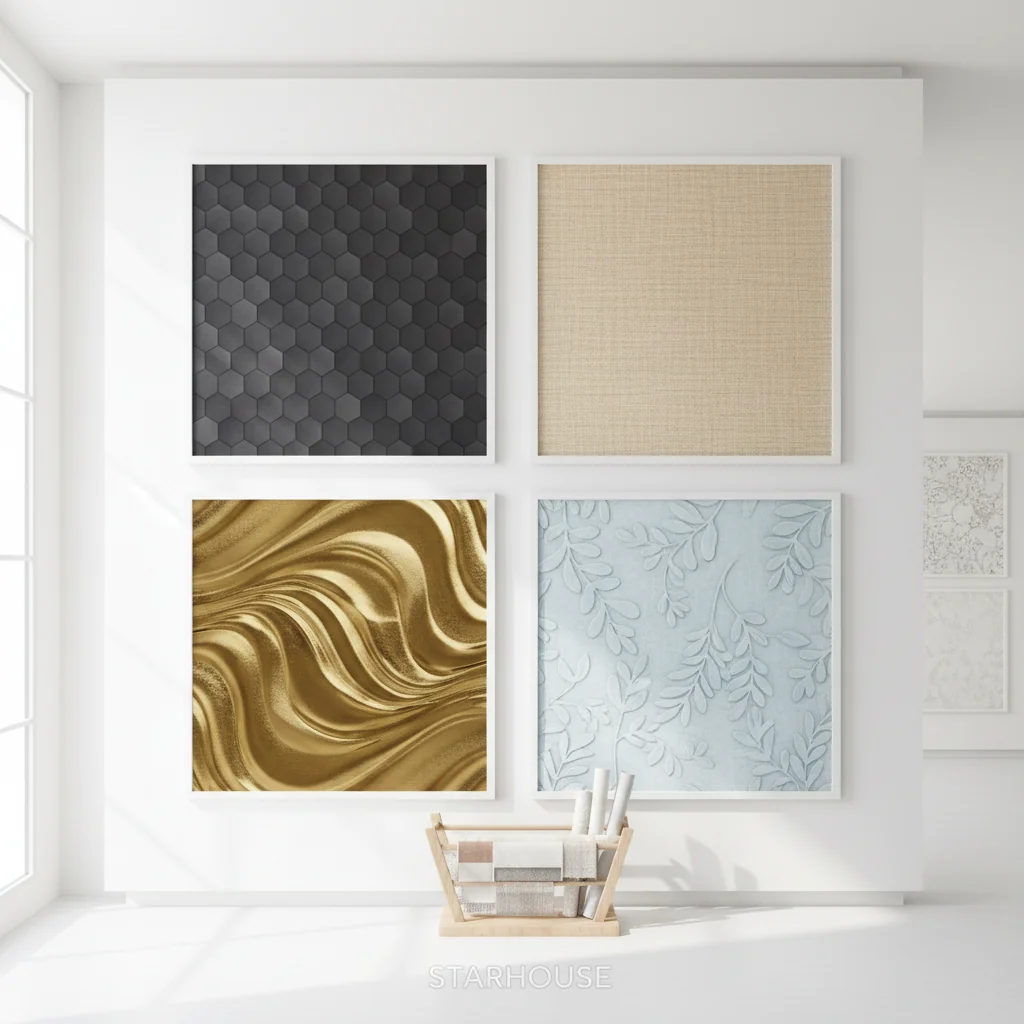
While traditional patterns persist, contemporary trends lean towards large-scale geometric designs and abstract forms in textured wallpapers. These patterns offer a modern edge, creating dynamic focal points without overwhelming a space. Think oversized hexagons, undulating waves, or abstract brushstroke textures that add movement and artistic flair. The texture itself can be embossed, raised, or created through variations in material, providing depth to these bold graphic statements. This trend often utilizes a monochromatic or limited color palette to keep the focus on the textural interplay.
Tactile Comfort and Soft Textures
As homes increasingly become sanctuaries, there’s a growing desire for tactile comfort. This is reflected in textured wallpapers that offer a soft, inviting feel. Plush flock wallpapers, faux suede, and intricate fabric weaves create a sense of warmth and coziness. These textures are ideal for bedrooms, living rooms, and cozy nooks, promoting relaxation and a luxurious, sensory experience. Colors often lean towards muted tones, pastels, and rich jewel tones that enhance the soft feel of the material.
Sustainable and Eco-Friendly Options
Sustainability continues to be a crucial consideration in design. The market is seeing an increased demand for textured wallpapers made from recycled materials, sustainably sourced natural fibers, or those produced with environmentally conscious manufacturing processes. Non-woven wallpapers, known for their easy removal and often PVC-free composition, align with this trend. Consumers are actively seeking products that are not only beautiful but also responsible, contributing to healthier indoor environments and a reduced ecological footprint.
Customization and Personalization
The ability to customize and personalize spaces remains a strong trend. Paintable textured wallpapers, like Anaglypta, offer homeowners the freedom to choose any color, allowing for bespoke finishes that perfectly match their vision. This trend also extends to digitally printed textured wallpapers that can be custom-designed with unique patterns or even photo murals that incorporate subtle textures for added depth. The emphasis is on creating spaces that are truly unique and reflective of individual taste, moving away from mass-produced uniformity.
Frequently Asked Questions
Direct, complete answer with a concrete fact.
What is the main benefit of textured wallpaper compared to flat wallpaper?
The main benefit of textured wallpaper is its ability to add significant visual depth and tactile interest to a room, creating a more dynamic and engaging environment than flat wallpaper. It also effectively conceals minor wall imperfections such as small cracks or uneven plaster, providing a smoother, more refined finish.
Can textured wallpaper be used in bathrooms and kitchens?
Yes, textured wallpaper can be used in bathrooms and kitchens, provided you select options specifically designed for high-humidity and high-traffic areas. Embossed vinyl wallpapers are highly recommended for these spaces due to their superior moisture resistance, durability, and washability, making them ideal for areas prone to splashes and steam.
Is textured wallpaper difficult to install?
The difficulty of installing textured wallpaper varies by type. Peel-and-stick and pre-pasted non-woven options are generally considered DIY-friendly due to their ease of application and repositioning. More delicate materials like grasscloth or heavy, deeply embossed wallpapers such as Lincrusta often require professional installation to ensure a flawless finish and prevent damage.
How do I clean textured wallpaper?
Cleaning textured wallpaper depends on its washability rating. Non-washable types (e.g., natural fibers, flock) should only be gently dusted or vacuumed. Wipeable, washable, and scrubbable vinyl or non-woven options can be cleaned with a damp cloth and mild detergent, always testing in an inconspicuous area first. Avoid harsh chemicals or excessive moisture on any type of textured wallpaper.
Can I paint over textured wallpaper?
Yes, certain types of textured wallpaper are specifically designed to be painted, such as Anaglypta and other paintable textured wallpapers. These types allow for complete color customization and can be repainted to refresh a room’s aesthetic. Ensure the wallpaper is clean and properly primed before painting for optimal results.
Does textured wallpaper make a room look smaller?
Textured wallpaper does not inherently make a room look smaller; its effect depends on the pattern, color, and depth of the texture. Lighter colors and subtle textures can visually expand a space, while large, bold, or very dark textures might make a small room feel more intimate. Vertical textures can draw the eye upward, enhancing perceived ceiling height.
What is the difference between Anaglypta and Lincrusta wallpaper?
Anaglypta and Lincrusta are both deeply embossed, paintable wallpapers, but Lincrusta is significantly more durable and features a deeper, more sculptural relief. Anaglypta is typically made from paper pulp or paper-backed vinyl, while Lincrusta is made from a heavier blend of linseed oil, wood flour, and resins, making it exceptionally robust and long-lasting, often considered a permanent wall finish.
Conclusion
Textured wallpaper offers an unparalleled opportunity to infuse your home with character, depth, and a bespoke sense of style. From the subtle elegance of grasscloth to the architectural grandeur of Lincrusta, each type presents a unique narrative, transforming flat walls into captivating canvases. This comprehensive guide has illuminated the diverse world of textured wall coverings, equipping you with the knowledge to navigate materials, understand installation nuances, and master the art of styling.
At Starhouse, we are dedicated to curating a collection that embodies sophisticated design and enduring quality, ensuring your home reflects your distinct aesthetic vision. We believe that the right textured wallpaper can elevate a space from merely decorated to truly designed, creating environments that are both beautiful and deeply personal. As we meticulously build our collection, your insights are invaluable. We invite you to tell us what you’re looking for in your next design endeavor, allowing us to tailor our offerings to your precise aspirations and grant you early access to our exclusive selections.
Embrace the power of texture to define your space, create ambiance, and express your unique design sensibility. With the right choice, your walls will not merely contain your life, but actively enhance it, becoming integral elements of your home’s story.