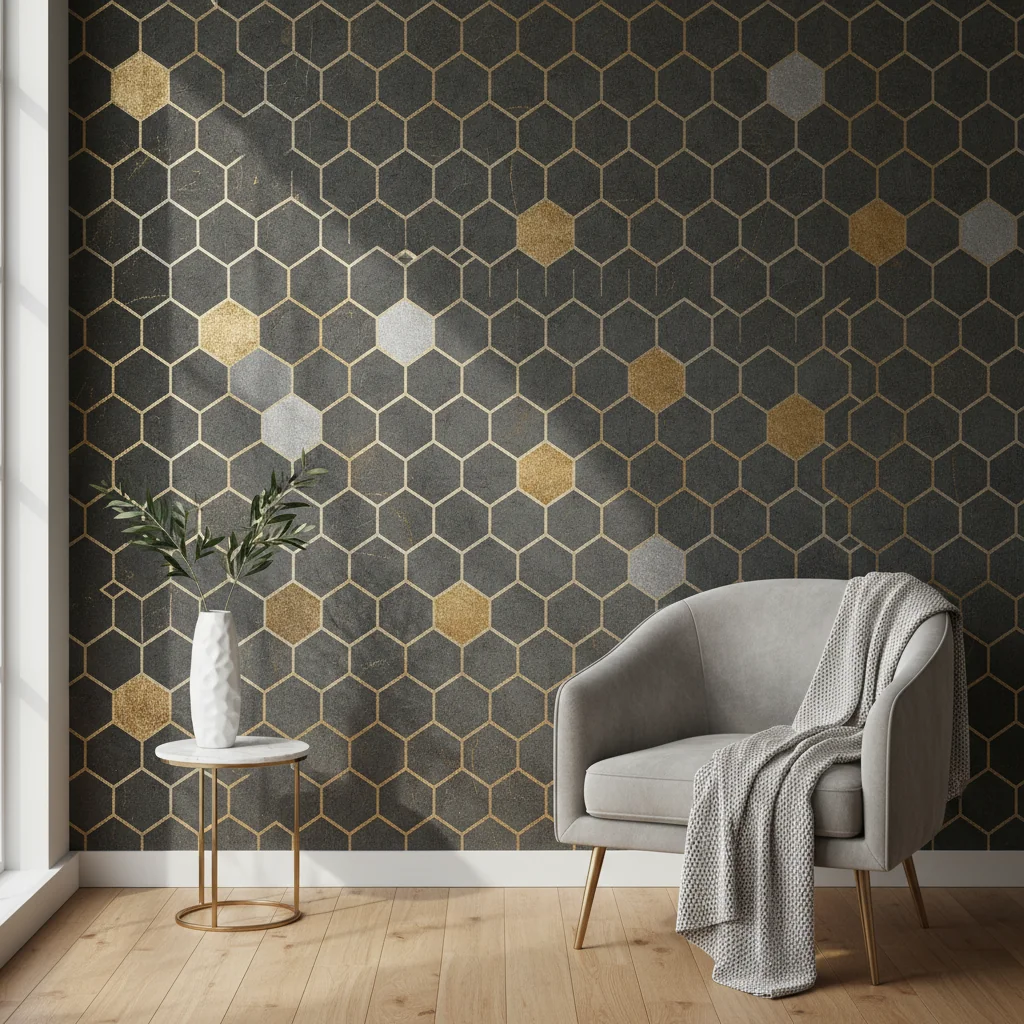
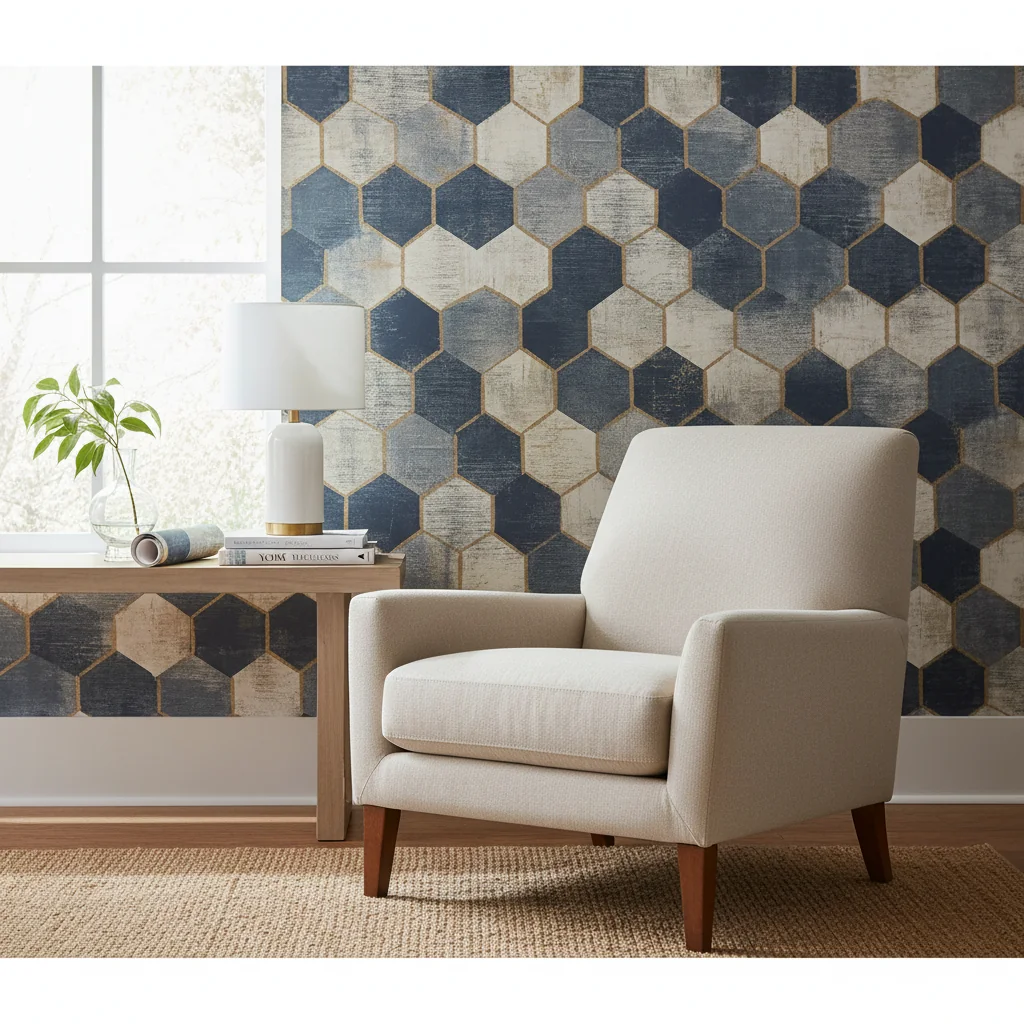
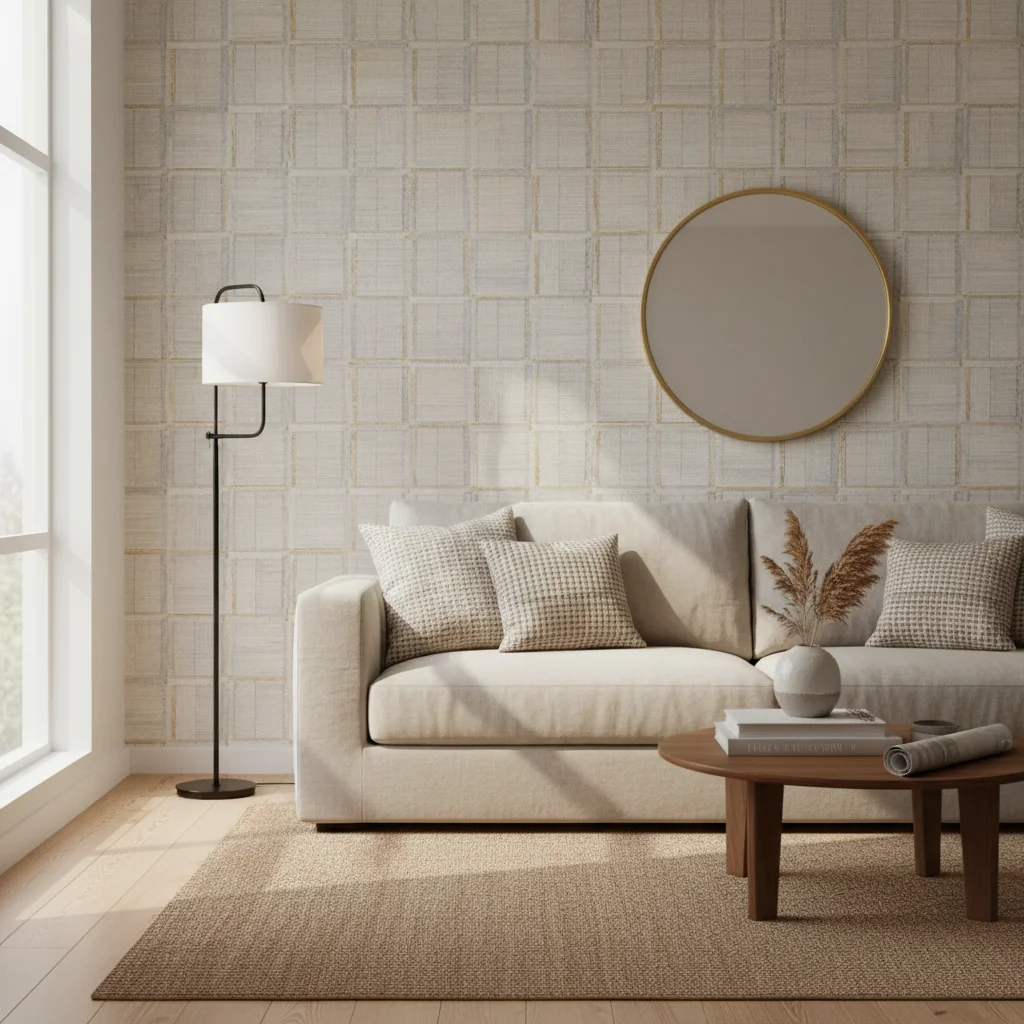
Acoustic wallpaper is a specialized wall covering engineered to absorb sound waves, thereby significantly improving a room’s acoustics and reducing noise reverberation. Unlike traditional wallpaper that primarily serves decorative purposes, acoustic wallpaper integrates advanced materials and structural designs to mitigate unwanted noise, creating a calmer, more comfortable, and acoustically balanced environment within residential and commercial spaces. This innovative solution merges high-performance sound absorption with sophisticated design aesthetics, offering a dual benefit of functional noise control and elevated interior style.
Key Takeaways
- Acoustic wallpaper actively absorbs sound waves, reducing reverberation and improving a room’s sonic quality, unlike standard decorative coverings.
- Its effectiveness is quantified by the Noise Reduction Coefficient (NRC) and Sound Absorption Average (SAA), with higher values indicating superior performance.
- Key types include felt-backed, fabric-backed, perforated, and textured designs, each offering distinct aesthetic and acoustic properties.
- Selection requires considering room size, noise sources, desired NRC, material composition, and aesthetic integration to achieve optimal results.
- Proper measurement, surface preparation, and often professional installation are crucial for maximizing both acoustic performance and visual appeal.
- Acoustic wallpaper is a design-forward solution that enhances comfort and functionality in homes, offices, and public spaces, blending seamlessly with diverse interior styles.
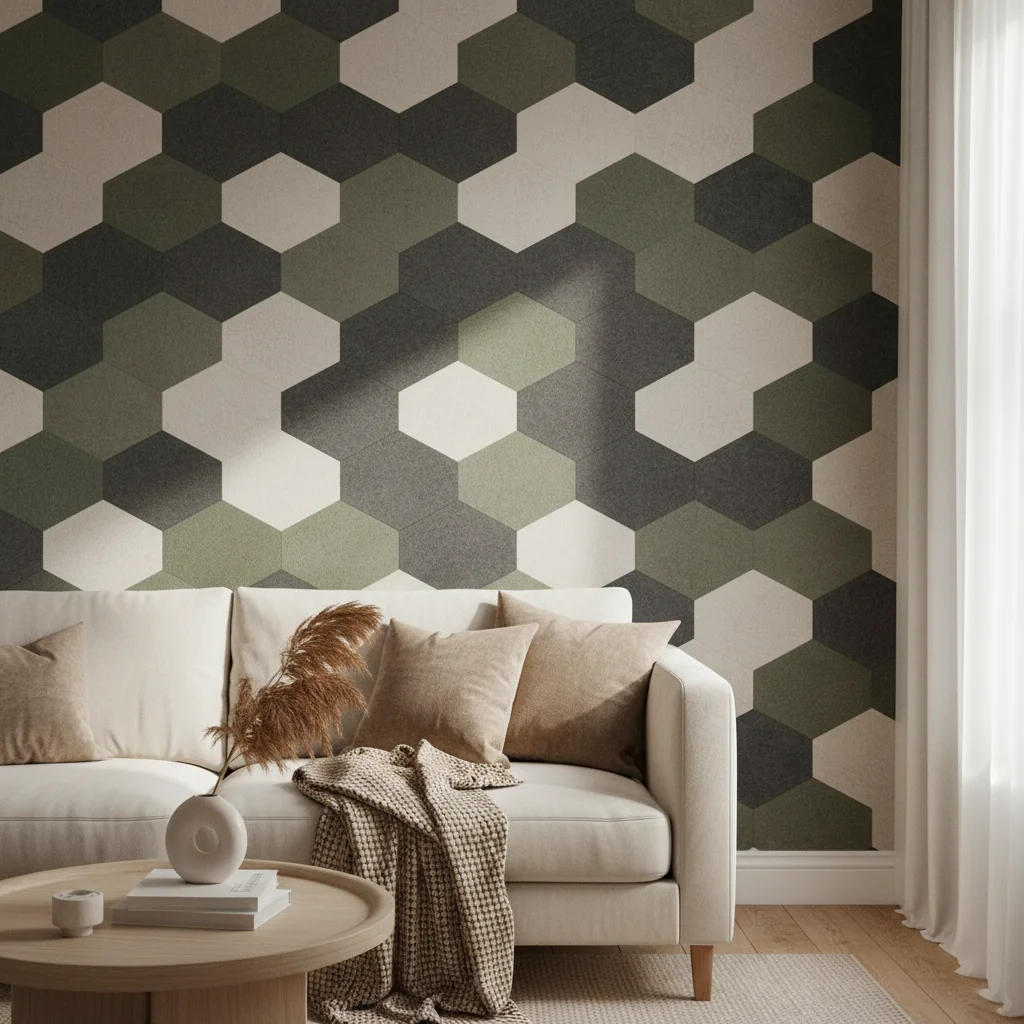
What is Acoustic Wallpaper?
Acoustic wallpaper is a sophisticated wall covering designed specifically to absorb sound waves and mitigate noise within an interior environment, effectively reducing echo and reverberation. Unlike conventional decorative wallpapers, its primary function extends beyond aesthetics to actively enhance the acoustic comfort of a space by minimizing sound reflections off hard surfaces. This specialized treatment transforms walls into functional sound-absorbing elements, making conversations clearer, music more enjoyable, and overall environments significantly quieter.
The fundamental principle behind acoustic wallpaper lies in its ability to convert sound energy into minimal heat through friction within its porous or structured materials. Sound waves, upon striking the surface, penetrate the material’s fibers or cavities, where their energy is dissipated rather than reflected. This process effectively dampens echoes and reduces the overall ambient noise level, leading to a more serene and functional space.
This innovative solution is particularly beneficial in rooms with high ceilings, large open-plan layouts, or those furnished with numerous hard, reflective surfaces such as glass, tile, or bare walls. These environments often suffer from excessive reverberation, making communication difficult and contributing to auditory fatigue. Acoustic wallpaper offers a targeted remedy, enhancing speech intelligibility and creating a more comfortable listening experience without compromising on visual appeal.
Starhouse recognizes the increasing demand for interiors that are as acoustically harmonious as they are visually appealing. Our curated selection of acoustic wallpapers embodies this philosophy, offering designs that integrate seamlessly into any sophisticated décor while delivering measurable improvements in sound quality. We prioritize materials that are not only effective at sound absorption but also durable, easy to maintain, and environmentally conscious.
The application of acoustic wallpaper extends across various residential and commercial settings. In homes, it can transform a lively living room into a serene sanctuary, improve the clarity of home theater audio, or create a focused atmosphere in a home office. For commercial spaces, it is invaluable in conference rooms, open-plan offices, restaurants, and educational institutions, where noise control directly impacts productivity, customer experience, and learning outcomes.
Selecting the right acoustic wallpaper involves considering both its acoustic properties, typically measured by its Noise Reduction Coefficient (NRC), and its design elements. Modern acoustic wallpapers come in a vast array of textures, patterns, and colors, allowing them to serve as a prominent design feature or blend discreetly into the background. This fusion of advanced acoustic engineering with contemporary design principles positions acoustic wallpaper as a vital component in crafting truly balanced and luxurious interiors.
The Science of Sound Absorption: NRC and SAA Explained
Understanding the effectiveness of acoustic wallpaper requires familiarity with key scientific metrics: the Noise Reduction Coefficient (NRC) and the Sound Absorption Average (SAA). These standardized ratings quantify a material’s ability to absorb sound, providing a precise measure of its acoustic performance. A higher NRC or SAA value indicates that a material is more effective at absorbing sound, which is crucial for making informed decisions about acoustic treatments.
Noise Reduction Coefficient (NRC) is a single-number rating that represents the average sound absorption performance of a material over a range of four specific sound frequencies (250 Hz, 500 Hz, 1000 Hz, and 2000 Hz). These frequencies are particularly relevant to human speech. The NRC value ranges from 0.00 to 1.00, where 0.00 signifies perfect reflection of sound (no absorption) and 1.00 indicates perfect absorption (all sound energy is absorbed). For instance, an acoustic wallpaper with an NRC of 0.40 absorbs 40% of the sound energy that strikes its surface across the tested frequency range.
An NRC rating is derived from laboratory tests conducted according to ASTM C423 standards, where a material sample is placed in a reverberation chamber, and its sound absorption coefficients at various frequencies are measured. The average of these coefficients at the specified human speech frequencies provides the NRC value. Materials with an NRC of 0.40 or higher are generally considered effective sound absorbers, making them suitable for improving acoustics in most interior spaces.
Sound Absorption Average (SAA) is another single-number rating that provides a broader average of a material’s sound absorption performance across 12 one-third octave bands from 200 Hz to 2500 Hz. While similar to NRC, SAA offers a slightly more comprehensive representation of a material’s absorption capabilities across a wider frequency spectrum, providing a more refined average. Like NRC, SAA values range from 0.00 to 1.00, with higher numbers indicating greater absorption.
SAA was introduced as a more detailed metric to complement NRC, offering a more precise reflection of how a material performs across a broader auditory range. For practical purposes in selecting acoustic wallpaper, both NRC and SAA serve as reliable indicators. When comparing products, it is essential to look for these specifications to ensure the chosen wallpaper meets the desired acoustic performance goals for your specific environment.
The choice of acoustic wallpaper with a particular NRC or SAA depends significantly on the specific acoustic challenges of a room. For spaces primarily affected by speech clarity issues, such as living rooms or offices, an NRC focusing on mid-range frequencies is highly relevant. In environments where a broader range of sounds, including music or ambient noise, needs to be addressed, considering the SAA might offer a more accurate assessment of overall performance.
At Starhouse, we understand that achieving optimal acoustics is a delicate balance. We recommend aiming for acoustic wallpapers with an NRC between 0.40 and 0.70 for most residential and light commercial applications. For spaces with severe noise issues or specific requirements, such as home theaters or recording studios, materials with an NRC exceeding 0.70 may be more appropriate. Our expert guidance ensures you select a product that not only elevates your interior design but also delivers the precise acoustic performance you require.
It is also important to note that the total acoustic performance of a room is not solely determined by the wallpaper. Other elements like soft furnishings, carpets, drapes, and even the room’s geometry play a significant role. Acoustic wallpaper acts as a foundational element in a holistic acoustic treatment strategy, contributing substantially to creating a balanced and comfortable soundscape.
Types of Acoustic Wallpaper: Form Meets Function
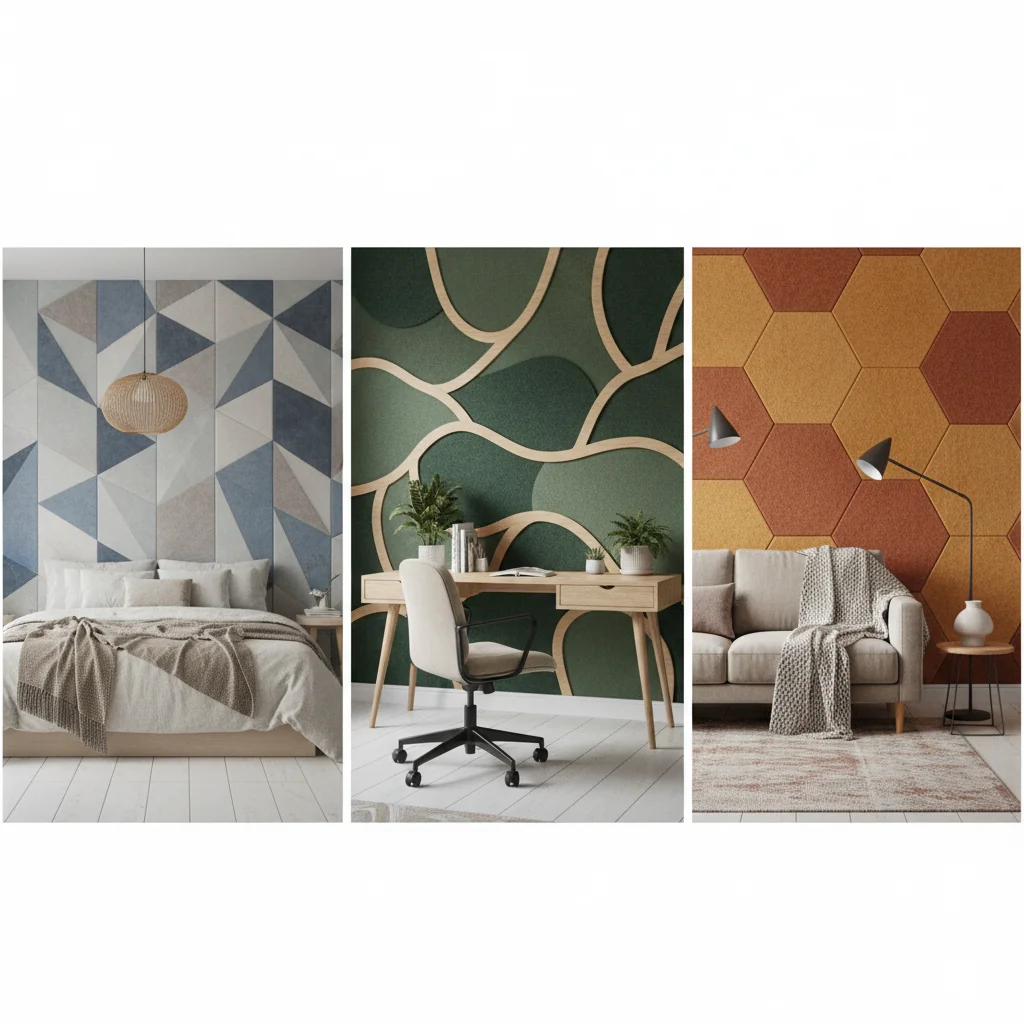
Acoustic wallpaper encompasses a variety of designs and constructions, each offering distinct acoustic properties, aesthetic finishes, and installation methods to suit diverse interior design needs. These variations allow for tailored solutions that address specific sound absorption requirements while seamlessly integrating with a space’s visual theme. Understanding the different types is crucial for selecting the most appropriate option for your project.
Felt-Backed Acoustic Wallpaper
Felt-backed acoustic wallpaper is a popular choice, characterized by a dense felt layer adhered to a decorative surface, providing substantial sound absorption. The felt, typically made from recycled PET fibers or natural wool, creates a porous structure that effectively traps and dissipates sound waves. This type often features a textile or vinyl face, offering a wide range of textures and patterns. Felt-backed options generally boast good NRC ratings, making them highly effective for reducing echoes in living rooms, bedrooms, and offices. Their installation typically involves traditional wallpaper paste, requiring careful alignment and smoothing.
Fabric-Backed Acoustic Wallpaper
Fabric-backed acoustic wallpaper utilizes a woven or non-woven fabric layer, often made from polyester, linen, or blends, which is then laminated onto an absorbent core or directly designed with inherent sound-absorbing properties. This type offers a luxurious, tactile finish, bringing warmth and sophistication to a space. The fabric surface itself contributes to sound diffusion and absorption, while an underlying porous layer enhances its acoustic performance. Fabric-backed options are ideal for creating a soft, inviting atmosphere in dining rooms, studies, or high-end commercial settings where both aesthetics and acoustics are paramount. Installation can be more delicate than vinyl, often requiring professional expertise.
Perforated or Micro-Perforated Acoustic Wallpaper
Perforated or micro-perforated acoustic wallpaper features a surface with numerous tiny, strategically placed holes that allow sound waves to pass through into an absorbent layer beneath. The perforations are often so small they are barely visible, maintaining a smooth or patterned appearance. This design principle, known as a Helmholtz resonator effect, is highly effective at absorbing specific frequency ranges, particularly mid-to-high frequencies. These wallpapers are excellent for contemporary spaces where a sleek, minimalist look is desired alongside effective sound control. They are frequently used in modern offices, galleries, and public spaces to control reverberation without visual interruption.
Textured and 3D Acoustic Wallpaper
Textured and 3D acoustic wallpaper uses raised patterns, geometric shapes, or sculptural elements to create a surface that both diffuses and absorbs sound. The irregular surface scatters sound waves in multiple directions, preventing direct reflections, while the material itself absorbs a portion of the sound energy. These designs add significant visual interest and depth to a wall, acting as a focal point. They are available in various materials, including molded felt, recycled plastics, or composite foams, often designed for modular installation. Textured options are perfect for accent walls in living areas, creative studios, or commercial lobbies, combining artistic expression with acoustic functionality.
Modular Acoustic Panels Disguised as Wallpaper
While not strictly “wallpaper” in the traditional roll format, modular acoustic panels are often designed to mimic wallpaper’s aesthetic, offering superior sound absorption. These systems consist of individual panels, typically made from high-density polyester fiber or mineral wool, which are then covered with a decorative fabric or printed surface. They are installed side-by-side to cover an entire wall or specific sections, creating a seamless, wallpaper-like appearance. These panels offer the highest NRC ratings among acoustic wall treatments and are ideal for spaces requiring maximum sound control, such as home theaters, recording studios, or large commercial venues. Their installation is generally more involved than traditional wallpaper but offers unparalleled acoustic benefits.
Peel-and-Stick Acoustic Wallpaper
Peel-and-stick acoustic wallpaper offers a convenient, DIY-friendly option for sound absorption, particularly for smaller projects or renters. This type features a self-adhesive backing, making installation straightforward: simply peel off the backing and adhere to a clean, smooth wall. While generally offering moderate sound absorption compared to professionally installed options, they can still significantly reduce echoes and improve comfort in less demanding environments. They often incorporate a felt or foam layer for acoustic performance and come in a variety of patterns and textures. Peel-and-stick acoustic wallpapers are excellent for nurseries, children’s rooms, or temporary office spaces where flexibility and ease of application are key.
Starhouse curates a selection that spans these diverse types, ensuring that whether your priority is subtle aesthetic integration, maximum sound absorption, or easy installation, you will find a solution that perfectly aligns with your vision. Our commitment is to provide options that marry cutting-edge acoustic technology with the refined design sensibilities expected from a premium home & décor brand.
Key Materials and Their Acoustic Properties
The effectiveness of acoustic wallpaper is fundamentally determined by the materials used in its construction, each contributing unique properties that dictate its sound-absorbing capabilities and aesthetic appeal. Understanding these materials is essential for appreciating the science behind acoustic performance and making an informed selection for your space. High-performance acoustic wallpapers leverage specific material characteristics to maximize sound wave dissipation.
Polyester Fiber (PET)
Polyester fiber, particularly recycled polyethylene terephthalate (PET), is a cornerstone material in modern acoustic wallpaper and panels. Its inherent properties make it an excellent sound absorber: it is non-toxic, non-allergenic, resistant to moisture and mildew, and highly durable. The fibers are often compressed or thermally bonded to create a porous, open-cell structure that effectively traps sound waves, converting acoustic energy into minimal thermal energy. PET felt, a common form, can achieve impressive NRC ratings, often ranging from 0.40 to 0.80 depending on density and thickness. Its versatility allows it to be molded into various shapes and dyed in a wide spectrum of colors, making it a design-friendly choice.
Wool Felt
Natural wool felt is another premium material utilized for its exceptional acoustic and aesthetic qualities. Wool fibers possess a natural crimp and elasticity, creating a dense yet porous material that excels at absorbing sound across a broad frequency range. Beyond its acoustic performance, wool felt offers a luxurious, soft texture and is naturally flame-resistant, breathable, and biodegradable. It contributes to a sophisticated, organic aesthetic, often found in high-end acoustic wallpapers and panels. Wool felt products typically exhibit high NRC values, often comparable to or exceeding synthetic alternatives, while also offering thermal insulation benefits.
Acoustic Foam (Polyurethane or Melamine)
Acoustic foams, primarily made from polyurethane or melamine, are widely recognized for their excellent sound absorption capabilities, especially at mid-to-high frequencies. Polyurethane foam is lightweight, flexible, and can be easily cut and shaped, making it suitable as a core layer in some acoustic wallpapers or as a backing for fabric surfaces. Melamine foam, known for its open-cell structure and lightweight nature, offers superior fire resistance and a higher NRC than many polyurethane foams, making it ideal for commercial applications. While not typically the decorative surface, these foams are crucial underlying components in many high-performance acoustic wallpaper systems, acting as the primary sound-absorbing layer.
Textile Fabrics (Polyester, Linen, Blends)
Various textile fabrics serve as the decorative face for acoustic wallpapers, often backed by a more absorbent core. While the fabric itself contributes to some sound diffusion and minimal absorption, its primary role is aesthetic. However, certain weaves and materials, such as heavier polyester blends or textured linens, can enhance overall acoustic performance by increasing surface area and creating small air pockets. When combined with a high-NRC backing material, these fabrics allow for a vast array of visual and tactile finishes, from smooth and subtle to richly textured and patterned. They offer durability and can often be treated for stain resistance, making them practical for various environments.
Perforated Substrates (MDF, Plywood, Metal)
For perforated acoustic wallpaper systems, the underlying substrate is often a rigid board material like medium-density fiberboard (MDF), plywood, or even thin metal sheets. These substrates are precisely drilled or laser-cut with micro-perforations. The perforations allow sound waves to pass through into an air cavity or an absorbent material (like mineral wool or acoustic foam) behind the panel. This design creates a Helmholtz resonator effect, targeting specific frequencies for absorption. The decorative surface applied over these perforated substrates can vary widely, offering robust and highly effective acoustic solutions that are often custom-engineered for specific performance requirements.
Starhouse meticulously selects materials for our acoustic wallpaper collections, prioritizing both their sound-absorbing efficacy and their aesthetic integrity. We ensure that our offerings are crafted from high-quality, durable, and often sustainable materials, providing solutions that not only transform the acoustic landscape of a room but also elevate its design. Our commitment is to deliver products where material science meets design artistry, creating truly exceptional interior environments.
Aesthetic Styles and Design Versatility
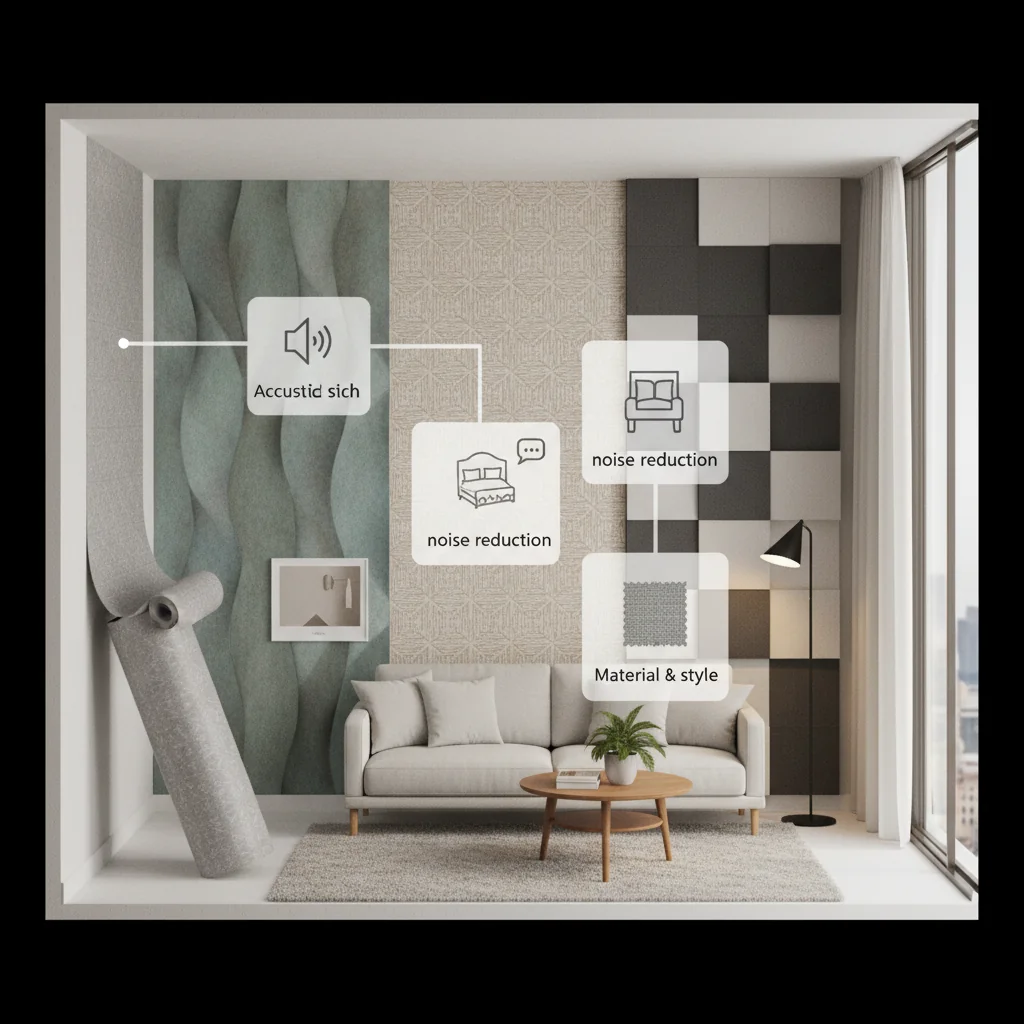
Acoustic wallpaper has evolved far beyond purely functional, utilitarian panels, now offering an expansive range of aesthetic styles and design versatility that allows it to seamlessly integrate into any interior design scheme. This fusion of advanced acoustic engineering with sophisticated visual appeal ensures that sound absorption can be a celebrated element of design, rather than a hidden necessity. From minimalist textures to bold patterns, acoustic wallpaper can enhance a space’s visual narrative while significantly improving its sonic comfort.
Minimalist and Textured Finishes
For contemporary and minimalist interiors, acoustic wallpaper offers a refined solution with subtle textures and understated colors. Designs often feature fine weaves, delicate embossments, or smooth, matte finishes in neutral palettes like grays, whites, and muted earth tones. These options provide sophisticated depth and tactile interest without overwhelming the visual space. They are ideal for creating a serene backdrop in modern living rooms, executive offices, or bedrooms, where the emphasis is on clean lines and a tranquil atmosphere. The texture itself contributes to sound diffusion, adding another layer of acoustic benefit.
Geometric and Abstract Patterns
Geometric and abstract patterns introduce dynamic visual interest, making the acoustic wallpaper a focal point of the room. From repeating hexagons and interlocking squares to organic, free-form motifs, these designs can inject energy and a sense of movement into a space. They are particularly effective in creating accent walls in open-plan areas, creative studios, or commercial lobbies, where a statement piece is desired. The varying angles and depths of some geometric designs can also enhance sound diffusion, further improving acoustic performance.
Biophilic and Nature-Inspired Designs
Embracing the growing trend of biophilic design, acoustic wallpapers now feature patterns inspired by nature, such as subtle leaf motifs, wood grain textures, or abstract representations of natural landscapes. These designs connect occupants with the natural world, fostering a sense of calm and well-being. Coupled with their sound-absorbing properties, biophilic acoustic wallpapers create restorative environments, perfect for wellness spaces, residential retreats, or any area where a connection to nature is desired. They often come in soothing greens, blues, and natural wood tones.
Custom Prints and Digital Murals
The advent of advanced printing technologies has opened the door to custom prints and digital murals on acoustic wallpaper substrates. This allows for unparalleled personalization, enabling designers and homeowners to translate any image, artwork, or bespoke pattern onto a sound-absorbing surface. From large-scale photographic landscapes to intricate brand logos in commercial settings, custom prints ensure that the acoustic treatment is entirely unique and perfectly aligned with the design vision. This option is particularly compelling for projects demanding a high degree of individuality and artistic expression.
Textile-Look and Fabric-Wrapped Styles
Many acoustic wallpapers are designed to emulate the rich texture and warmth of textiles, such as linen, tweed, or felt. These fabric-wrapped styles bring a luxurious, tactile quality to walls, softening the visual and acoustic edges of a room. They are excellent for creating an inviting and comfortable ambiance in formal living rooms, libraries, or boutique hotels. The inherent texture of these textile-look wallpapers often enhances their sound-absorbing properties, contributing to a more enveloping and intimate atmosphere.
Panelized and Modular Systems with Wallpaper Aesthetics
For superior acoustic performance, some systems offer modular acoustic panels that are designed to look like continuous wallpaper once installed. These panels can feature various finishes, from digitally printed patterns to fabric textures, and are installed side-by-side to create a seamless wall covering. This approach provides the highest level of sound absorption while maintaining a sophisticated, integrated aesthetic, ideal for home theaters, conference rooms, or any space where premium acoustic control is paramount.
At Starhouse, we understand that design is paramount. Our curated collection of acoustic wallpaper showcases this versatility, offering solutions that not only meet stringent acoustic performance standards but also inspire and elevate interior aesthetics. We empower our clients to create spaces that are both visually stunning and acoustically serene, proving that functional design can be utterly beautiful.
Choosing the Right Acoustic Wallpaper for Your Space
Selecting the appropriate acoustic wallpaper involves a deliberate consideration of several critical factors, ensuring that the chosen solution effectively addresses your specific acoustic challenges while harmonizing with your interior design vision. A systematic approach to evaluation will yield the best results, balancing performance, aesthetics, and practical considerations. The right choice transforms a space into an acoustically balanced and visually appealing environment.
Assess Your Acoustic Needs
Begin by identifying the primary acoustic issues in your space. Are you dealing with excessive echo and reverberation, making conversations difficult? Is there external noise intrusion from adjacent rooms or outdoors? Or perhaps you need to improve speech clarity for a home office or reduce sound bleed from a home theater. Understanding the nature and intensity of your noise problem will help determine the required Noise Reduction Coefficient (NRC) or Sound Absorption Average (SAA) for your wallpaper. For general echo reduction in a living room, an NRC of 0.40-0.60 might suffice. For more demanding environments like a media room, aim for an NRC of 0.60-0.80 or higher.
Consider the Room’s Size and Materials
The size and existing materials of your room significantly impact sound behavior. Larger rooms with high ceilings and numerous hard, reflective surfaces (e.g., bare walls, glass, tile, hardwood floors) will experience more reverberation and require more aggressive acoustic treatment. Conversely, smaller rooms with ample soft furnishings may need less intervention. Measure the dimensions of the walls you intend to cover and consider the overall surface area of hard materials in the room. This helps in calculating the amount of acoustic wallpaper needed and estimating the potential impact on overall room acoustics.
Evaluate Material Composition and Performance
Different materials offer varying levels of sound absorption and durability. Polyester felt, natural wool felt, and fabric-backed systems often provide excellent NRC ratings and come with additional benefits like fire resistance or moisture resistance. Perforated options are effective for specific frequency ranges and offer a sleek aesthetic. Consider the material’s thickness and density, as these directly correlate with its sound-absorbing capacity. Ensure the material is suitable for the room’s function – for example, a durable, easily cleanable option for high-traffic areas or a moisture-resistant material for potentially humid spaces (though dedicated acoustic solutions for high-humidity areas are often specific panels, not traditional wallpaper).
Harmonize with Your Interior Design
Acoustic wallpaper is a design element, not just a functional one. Select a style, color, and texture that complements your existing décor. Consider whether you want the wallpaper to be a subtle backdrop or a striking focal point. Options range from minimalist, solid colors and fine textures to bold geometric patterns, biophilic designs, or even custom-printed murals. The goal is to integrate the acoustic solution seamlessly, enhancing the room’s aesthetic while improving its sound quality. Starhouse offers a diverse range of styles to ensure aesthetic integration is effortless.
Installation Method and Practicality
Consider the installation process. Traditional paste-and-apply wallpapers require careful application and often professional installation, especially for large areas or complex patterns. Peel-and-stick options offer a simpler, DIY-friendly approach, ideal for temporary solutions or smaller accents. Modular panel systems, while offering superior performance, typically involve a more involved installation process. Factor in your comfort level with DIY projects and whether professional installation aligns with your budget and timeline.
Budget Considerations
Acoustic wallpaper varies in price based on material, complexity of design, and acoustic performance. Establish a realistic budget for your project, remembering that investing in higher quality materials often yields superior acoustic benefits and greater durability. While the initial cost may be higher than standard decorative wallpaper, the long-term benefits of improved comfort, productivity, and aesthetic appeal often outweigh the expense.
Environmental and Health Factors
Prioritize materials that are low in VOCs (Volatile Organic Compounds) and are certified for indoor air quality. Many modern acoustic wallpapers utilize recycled content (e.g., recycled PET) and are designed to be hypoallergenic and non-toxic. These considerations are particularly important for bedrooms, children’s rooms, or commercial spaces where occupant well-being is a priority.
To help illustrate the differences and aid in your decision-making, consider the following comparison table:
| Type | Primary Material | Typical NRC Range | Aesthetic Appeal | Installation Complexity | Ideal Use Case |
|---|---|---|---|---|---|
| Felt-Backed | Polyester felt, wool felt with textile/vinyl face | 0.40 – 0.65 | Wide range of textures, patterns, and colors; warm, tactile feel. | Moderate (paste required, careful alignment) | Living rooms, bedrooms, home offices, general echo reduction. |
| Fabric-Backed | Woven fabric (polyester, linen) with absorbent core | 0.35 – 0.60 | Luxurious, sophisticated textile look; soft and inviting. | Moderate to High (often professional, delicate material) | Dining rooms, studies, high-end residential, boutique commercial. |
| Perforated | Micro-perforated vinyl, wood, or metal over absorbent layer | 0.45 – 0.75 | Sleek, modern, often subtle or patterned; can be virtually invisible. | Moderate to High (precise alignment, specific adhesives) | Contemporary offices, galleries, public spaces, targeted frequency absorption. |
| Textured/3D | Molded felt, recycled plastics, composite foams | 0.30 – 0.55 (also diffuses sound) | Sculptural, artistic, adds visual depth and focal point. | Moderate (may involve modular pieces, specific adhesives) | Accent walls, creative studios, lobbies, where visual impact is key. |
| Modular (Wallpaper Aesthetic) | High-density polyester fiber, mineral wool with fabric/print face | 0.60 – 0.90+ | Seamless, integrated look; can replicate wallpaper patterns. | High (panel-based, often professional installation) | Home theaters, recording studios, conference rooms, maximum absorption. |
| Peel-and-Stick | Felt or foam layer with self-adhesive backing | 0.20 – 0.40 | Variety of patterns and textures; easy to update. | Low (DIY-friendly, temporary) | Nurseries, children’s rooms, small offices, temporary solutions, renters. |
By systematically evaluating these factors, you can confidently select an acoustic wallpaper that not only meets your aesthetic aspirations but also profoundly enhances the auditory comfort and functionality of your space. Starhouse is dedicated to guiding you through this selection process, offering expert advice and a curated collection designed to exceed your expectations.
Measuring and Sizing for Flawless Installation
Accurate measurement and precise sizing are foundational to a flawless acoustic wallpaper installation, preventing material waste, ensuring pattern alignment, and achieving a professional finish. Meticulous planning in this stage is non-negotiable for a successful outcome, whether you are undertaking a DIY project or preparing for professional installers. Proper measurements ensure that you order the correct quantity and avoid costly delays or aesthetic compromises.
Step 1: Gather Your Tools
Before you begin, ensure you have the right tools: a metal tape measure (at least 25 feet long), a pencil, a notepad, and a step stool or ladder for reaching high areas. A laser measure can also be highly beneficial for larger or irregularly shaped rooms, offering greater precision.
Step 2: Measure Wall Height
Measure the height of each wall from the baseboard to the ceiling. Take at least three measurements across the width of the wall (left, center, right) as walls are rarely perfectly uniform. Use the tallest measurement for your calculations to ensure sufficient length for each strip, allowing for trimming at the top and bottom. Record this measurement in inches.
Step 3: Measure Wall Width
Measure the total width of each wall you intend to cover. Measure from corner to corner, or from the edge of one architectural feature (like a door frame) to another. Record this measurement in inches.
Step 4: Account for Doors, Windows, and Obstacles
Do not subtract the area of doors, windows, or other obstacles (e.g., built-in shelving, large wall-mounted TVs) from your total wall area calculation at this stage. You will wallpaper over these areas and trim them out later. This ensures proper pattern matching and adequate material for cuts. However, do measure the dimensions of these obstacles separately, as this information will be useful for estimating waste and planning cuts.
Step 5: Calculate Number of Strips
Acoustic wallpaper typically comes in rolls of a specific width (e.g., 20.5 inches, 27 inches, 54 inches). Divide the total width of your wall(s) (in inches) by the width of your chosen wallpaper roll (in inches) to determine the number of vertical strips required. Round up to the nearest whole number. For example, if a wall is 144 inches wide and the wallpaper is 27 inches wide, you will need 144 / 27 = 5.33, so 6 strips.
Step 6: Determine Strip Length with Repeat and Waste
For each strip, you need the wall height plus an allowance for trimming and pattern repeat.
- Trimming Allowance: Add 4-6 inches to your tallest wall height measurement. This provides 2-3 inches at the top and bottom for precise trimming.
- Pattern Repeat: If your wallpaper has a repeating pattern, you must add the pattern repeat length (specified by the manufacturer, e.g., 20.5 inches, 25.25 inches) to your strip length calculation for each strip. This ensures the pattern aligns seamlessly across strips. For example, if your wall is 96 inches tall and the pattern repeat is 20 inches, each strip might need to be cut to 96 + 6 (trim) + 20 (repeat) = 122 inches for the first strip, then carefully matching subsequent strips. Some manufacturers recommend adding one full pattern repeat to *each* cut length for maximum flexibility, especially for large, complex patterns. Always consult the manufacturer’s specific guidance.
For solid colors or non-repeating textures, you only need to account for the trimming allowance.
Step 7: Calculate Total Roll Quantity
Multiply the number of strips you need by the required length per strip (including trim and repeat). This gives you the total linear footage of wallpaper needed. Divide this total linear footage by the linear footage per roll (e.g., a 27-inch wide roll that is 30 feet long contains 360 inches of length). Round up to the nearest whole number to determine the total number of rolls to purchase.
Example Calculation:
- Wall Height: 9 feet (108 inches)
- Wall Width: 12 feet (144 inches)
- Wallpaper Width: 27 inches
- Wallpaper Roll Length: 30 feet (360 inches)
- Pattern Repeat: 20.5 inches
- Strips needed: 144 inches / 27 inches = 5.33 → 6 strips
- Length per strip (with trim and repeat): 108 inches (height) + 6 inches (trim) + 20.5 inches (repeat) = 134.5 inches.
- Total linear footage needed: 6 strips * 134.5 inches/strip = 807 inches.
- Rolls needed: 807 inches / 360 inches/roll = 2.24 → 3 rolls.
Step 8: Order an Extra Roll
Always order at least one extra roll (or 10-15% extra material for large projects) than your calculations indicate. This “attic stock” is crucial for future repairs, mistakes during installation, or accounting for unforeseen issues. Ensuring dye lots match is also important; ordering all rolls at once from the same batch minimizes color variations.
By following these detailed steps, you ensure that you acquire the precise amount of acoustic wallpaper required for a seamless and professional installation, maximizing its aesthetic and acoustic benefits. Starhouse emphasizes the importance of these foundational steps for achieving the sophisticated finish your space deserves.
Installation Guide: From Prep to Perfection
The successful installation of acoustic wallpaper is a meticulous process that demands careful preparation, precise execution, and attention to detail, ensuring both its aesthetic appeal and optimal sound-absorbing performance. While some peel-and-stick options are suitable for DIY enthusiasts, many high-performance acoustic wallpapers, particularly those with complex patterns or specific materials, benefit significantly from professional installation. Proper installation is crucial for maximizing the lifespan and effectiveness of your investment.
Phase 1: Preparation is Paramount
Thorough preparation of your walls is the most critical step, impacting adhesion, finish, and longevity.
- Clear the Room: Remove all furniture, wall hangings, and electrical outlet/switch plates from the working area. Cover floors and adjacent items with drop cloths to protect them from adhesive or debris.
- Inspect Walls: Examine walls for any imperfections such as cracks, holes, bumps, or peeling paint. These must be addressed before installation.
- Repair and Smooth: Fill any holes or cracks with spackle or joint compound. Sand down all patched areas and any rough spots until the wall surface is completely smooth. Any texture or imperfection on the wall will show through the wallpaper, especially with thinner acoustic materials.
- Clean Walls Thoroughly: Wash walls with a mild detergent solution (e.g., TSP substitute) to remove dirt, grease, and grime. Rinse thoroughly with clean water and allow the walls to dry completely, typically 24 hours. A clean surface is essential for proper adhesion.
- Prime the Walls: Apply a high-quality wallpaper primer (often an acrylic-based, pigmented primer-sealer) to all surfaces. Primer creates a uniform, slightly porous surface that promotes better adhesion, allows for easier repositioning during installation, and makes future removal simpler. Allow the primer to dry according to manufacturer instructions, usually 24 hours.
- Acclimate Wallpaper: Unroll the wallpaper and allow it to acclimate to the room’s temperature and humidity for at least 24-48 hours. This prevents shrinking or stretching after installation.
Phase 2: Precise Application (Paste-the-Wall or Paste-the-Paper)
The application method depends on your specific acoustic wallpaper. Always follow the manufacturer’s instructions precisely.
- Establish a Plumb Line: Using a level and pencil, draw a perfectly vertical plumb line about 1-2 inches less than the width of your wallpaper roll from a corner. This ensures your first strip is straight, which is crucial for subsequent alignment.
- Cut Strips: Cut your wallpaper strips according to your measurements from the sizing section, adding 4-6 inches for top/bottom trimming and accounting for pattern repeat. Label the back of each strip with its sequence number (1, 2, 3…) and top direction.
- Apply Adhesive (Paste-the-Wall): If your wallpaper is a non-woven “paste-the-wall” type, apply a high-quality, pre-mixed wallpaper adhesive directly to the wall section where the first strip will go, slightly wider than the strip itself. Use a roller or brush for even coverage.
- Apply Adhesive (Paste-the-Paper): If your wallpaper is a “paste-the-paper” type, lay the first strip face down on a clean pasting table. Apply adhesive evenly to the back of the strip, ensuring edges are fully covered. “Book” the strip (fold both ends towards the middle, paste-to-paste) and let it rest for the manufacturer-recommended “booking time” (usually 5-10 minutes). This allows the paper to relax and expand.
- Hang the First Strip: Carefully align the first strip with your plumb line, starting from the top. Press it firmly against the wall, allowing for excess at the top and bottom.
- Smooth Out: Use a wallpaper smoothing tool (like a plastic smoother or brush) to gently smooth the strip from the center outwards, removing air bubbles and ensuring full contact with the wall. Do not overwork the material, especially with delicate acoustic fabrics.
- Trim Excess: Using a sharp utility knife and a straightedge, carefully trim the excess wallpaper at the ceiling and baseboard. Change blades frequently for clean cuts.
- Hang Subsequent Strips: For each subsequent strip, butt the edge tightly against the previous strip, ensuring pattern alignment. Repeat the adhesive application, hanging, smoothing, and trimming process. For acoustic wallpapers, avoid overlapping unless specifically instructed by the manufacturer, as overlaps can compromise acoustic performance and appearance.
- Address Corners: For inside corners, hang a strip that wraps around the corner by about 1 inch. Cut the next strip to overlap the wrapped portion and ensure it is plumb. For outside corners, wrap the strip around the corner by 0.5-1 inch.
- Cut Around Obstacles: For outlets and switches, carefully cut an “X” over the opening. Trim around the edges, leaving enough material to tuck behind the cover plate.
- Clean Up: Immediately wipe away any excess adhesive from the wallpaper surface or surrounding areas with a damp, clean sponge.
Phase 3: Peel-and-Stick Specifics
Peel-and-stick acoustic wallpaper offers a simpler installation but still requires meticulous attention.
- Prep Walls: As with traditional wallpaper, walls must be clean, smooth, dry, and primed.
- Establish Plumb Line: Crucial for ensuring straight strips.
- Peel and Stick: Slowly peel back a few inches of the backing paper from the top of the first strip. Align the exposed adhesive edge with your plumb line and the ceiling.
- Smooth Down: Press the wallpaper firmly to the wall, gradually peeling away more of the backing paper as you work your way down the strip. Use a smoothing tool to eliminate air bubbles, working from the center outwards.
- Trim: Trim excess at the top, bottom, and around obstacles using a sharp utility knife.
Starhouse recommends professional installation for any acoustic wallpaper project where optimal performance, seamless finish, and long-term durability are paramount. Our curated collections are designed for discerning clients who expect excellence in both aesthetics and functionality, and professional installation ensures these standards are met.
Maintenance and Care for Lasting Performance
Proper maintenance and care are essential for preserving the aesthetic appeal and acoustic efficacy of your acoustic wallpaper over its lifespan. While designed for durability, these specialized wall coverings require specific cleaning and handling practices to ensure they continue to perform optimally and look their best. Adhering to manufacturer guidelines is paramount, as different materials may have distinct care requirements.
General Care Guidelines
Regular, gentle maintenance is the best approach to keeping acoustic wallpaper in pristine condition.
- Dust Regularly: Use a soft, dry cloth, a feather duster, or a vacuum cleaner with a brush attachment on a low setting to gently remove dust and cobwebs. This prevents dirt buildup that can dull the surface and potentially impede sound absorption over time.
- Avoid Harsh Chemicals: Never use abrasive cleaners, strong detergents, or solvents on acoustic wallpaper. These can damage the material, alter its color, or compromise its acoustic properties.
- Test in an Inconspicuous Area: Before applying any cleaning solution to a visible area, always test it on a small, hidden spot (e.g., behind furniture or in a closet) to ensure it does not cause discoloration or damage.
- Address Stains Promptly: The quicker you address a spill or stain, the higher the chance of successful removal.
Specific Cleaning Instructions by Material Type
Care instructions can vary significantly based on the acoustic wallpaper’s primary material.
Felt-Backed and Fabric-Backed Acoustic Wallpaper
These types often require more delicate care due to their textile surfaces.
- Spot Cleaning: For light stains, gently blot the area with a clean, white cloth dampened with lukewarm water and a very mild, pH-neutral soap (e.g., a small amount of dish soap diluted in water). Do not rub vigorously, as this can damage fibers or spread the stain.
- Rinsing: After cleaning, blot the area with a clean cloth dampened with plain water to remove any soap residue.
- Drying: Allow the area to air dry completely. Avoid using heat, as it can set stains or damage the material. For faster drying, you may gently blot with a dry towel.
- Vacuuming: For deeper cleaning or embedded dust, a vacuum cleaner with an upholstery attachment can be used on a low suction setting.
Vinyl or Coated Acoustic Wallpaper (e.g., Perforated Vinyl)
These are generally more durable and easier to clean.
- Wipe Down: For general cleaning, wipe the surface with a soft cloth dampened with warm water and a mild, non-abrasive household cleaner.
- Stubborn Stains: For more persistent marks, a specialized vinyl wallpaper cleaner may be used, but always test first.
- Rinse and Dry: Wipe with a clean, damp cloth to remove cleaner residue, then dry with a clean, soft towel to prevent water spots.
Textured and 3D Acoustic Wallpaper
These can accumulate dust in their crevices.
- Dusting: Regular dusting with a soft brush or a vacuum cleaner with a soft brush attachment is crucial to prevent dust buildup in the three-dimensional elements.
- Spot Cleaning: Follow the spot cleaning instructions based on the underlying material (e.g., felt, plastic composite). Be gentle around raised elements to avoid damage.
Preventative Measures
Taking proactive steps can minimize the need for intensive cleaning.
- Control Humidity: Maintain consistent indoor humidity levels (ideally between 30-50%) to prevent material expansion/contraction, which can lead to seams separating or wallpaper lifting.
- Protect from Direct Sunlight: Prolonged exposure to direct sunlight can cause fading over time. Consider UV-filtering window treatments for walls that receive intense sun.
- Avoid Abrasion: Position furniture carefully to prevent rubbing or scraping against the wallpaper surface.
By adhering to these comprehensive care guidelines, your acoustic wallpaper will continue to provide both exceptional aesthetic beauty and effective sound absorption for many years. Starhouse is committed to providing products that are not only stunning but also enduring, and proper care is integral to realizing their full potential. Always refer to the specific manufacturer’s care instructions provided with your Starhouse acoustic wallpaper for the most accurate and detailed guidance.
Integrating Acoustic Wallpaper into Your Design Scheme
Integrating acoustic wallpaper into an interior design scheme elevates a space from merely visually appealing to truly holistic, harmonizing both aesthetics and auditory comfort. This strategic approach ensures that sound absorption becomes an intrinsic part of the design narrative, enhancing functionality without compromising on style. Successful integration requires thoughtful consideration of color, texture, pattern, and how the wallpaper interacts with other design elements.
Harmonizing with Color Palettes
Acoustic wallpaper offers a vast spectrum of colors, allowing it to seamlessly blend with or boldly complement your existing color palette. For a serene and cohesive look, choose colors that are already present in your furniture, textiles, or artwork. Neutral tones like soft grays, warm beiges, and muted blues are excellent choices for creating a calming backdrop that enhances tranquility. Alternatively, a richly saturated color on an accent wall can serve as a dramatic focal point, absorbing sound while adding a powerful visual statement. Consider the emotional impact of color; cool tones often evoke calmness, while warm tones create a sense of intimacy.
Leveraging Texture for Depth and Interest
The tactile quality of acoustic wallpaper is a significant design asset. Materials like felt, woven fabrics, or three-dimensional designs introduce palpable depth and visual interest that flat paint cannot achieve. Use texture to add sophistication and warmth, especially in minimalist spaces. For example, a deeply textured felt acoustic wallpaper can soften the hard lines of modern furniture, creating a more inviting environment. Varying textures within a room also contribute to acoustic diffusion, further improving sound quality. Pair a subtly textured wall with smooth upholstery or a bold, sculptural wallpaper with sleek, reflective surfaces to create dynamic contrast.
Strategic Pattern Placement
Patterns on acoustic wallpaper can define zones, create focal points, or add playful energy. Large-scale geometric patterns or abstract designs work well on accent walls in open-plan living areas or large commercial spaces, drawing the eye and making a statement. Smaller, repeating patterns can provide a more subtle background, adding visual rhythm without overwhelming the space. Consider the scale of the pattern in relation to the room size; a large pattern might feel overwhelming in a small room, while a tiny pattern might get lost in a grand space. Utilize patterns to reinforce a specific design theme, whether it’s classic, contemporary, or eclectic.
Pairing with Furnishings and Textiles
Acoustic wallpaper should not exist in isolation but rather as part of a cohesive design ecosystem. Pair it with complementary furnishings and textiles to amplify both aesthetic and acoustic benefits.
- Soft Furnishings: Rugs, carpets, heavy drapes, and upholstered furniture are natural allies to acoustic wallpaper. They absorb sound, reducing reflections and enhancing the overall acoustic treatment. Choose textiles with rich textures and generous proportions to maximize their sound-absorbing capabilities.
- Furniture: Consider how the wallpaper’s style interacts with your furniture. A sleek, modern acoustic wallpaper might complement contemporary pieces, while a textured, natural-fiber option could enhance a rustic or Scandinavian-inspired interior.
- Art and Decor: Integrate artwork and decorative objects that enhance the wallpaper’s theme. For example, metallic accents can add sparkle against a deeply textured acoustic wall, or botanical prints can reinforce a biophilic design.
Creating Zoned Acoustics and Visual Interest
In open-plan layouts, acoustic wallpaper can be strategically applied to define different functional zones. Use a distinct pattern or color on the wall of a dining area to visually separate it from a living space, while simultaneously controlling sound reverberation within that zone. In a home office, applying acoustic wallpaper behind the desk can create a focused work environment, minimizing distractions and improving concentration. This dual-purpose application of zoning (visual and acoustic) maximizes the functionality and aesthetic appeal of versatile spaces.
Lighting Considerations
Lighting plays a crucial role in highlighting the texture and color of acoustic wallpaper. Uplighting or downlighting can emphasize three-dimensional patterns, creating dramatic shadows and enhancing the tactile quality of the surface. Natural light can also interact beautifully with textured wallpapers, revealing subtle nuances throughout the day. Consider how different light sources will affect the perceived color and depth of the wallpaper, ensuring it looks stunning under all conditions.
Starhouse believes that truly exceptional design creates environments that engage all senses. Our acoustic wallpaper collections are curated to provide designers and homeowners with the tools to craft spaces that are not only visually captivating but also profoundly comfortable and acoustically balanced. We empower you to define your space with unparalleled sophistication and serenity.
We invite you to explore the possibilities of creating a space that looks and feels precisely right. Tell us what you’re looking for, and let Starhouse help you curate the perfect acoustic wallpaper solution for your home or project. Get early access to our exclusive collections and expert design guidance by visiting starhouseusa.online.
Common Mistakes to Avoid When Selecting and Installing Acoustic Wallpaper
While acoustic wallpaper offers transformative benefits, certain pitfalls can compromise its effectiveness and aesthetic appeal. Awareness of these common mistakes is crucial for ensuring a successful project that delivers both optimal sound absorption and a polished finish. Avoiding these errors will save time, resources, and ensure your investment yields the desired sophisticated outcome.
1. Underestimating Acoustic Needs
A frequent mistake is selecting acoustic wallpaper without adequately assessing the specific noise issues in a room. Simply choosing a product labeled “acoustic” without understanding its Noise Reduction Coefficient (NRC) or Sound Absorption Average (SAA) for your particular problem (e.g., speech clarity, bass absorption) can lead to disappointing results.
Correction: Conduct a thorough acoustic assessment. Identify primary noise sources and desired improvements. Consult NRC/SAA ratings and choose a wallpaper with performance characteristics that directly address your room’s specific acoustic challenges. Don’t assume all acoustic wallpapers perform identically.
2. Ignoring Pattern Repeat and Waste
Failing to account for pattern repeat when measuring and cutting strips is a critical error, leading to insufficient material and misaligned designs. This often results in costly reorders and delays.
Correction: Always add the full pattern repeat length to each strip calculation, plus a few inches for trimming. Purchase at least one extra roll (or 10-15% overage) to accommodate errors, future repairs, and ensure consistent dye lots.
3. Poor Wall Preparation
Skipping or rushing wall preparation (cleaning, repairing, priming) is a major cause of installation failures, including poor adhesion, visible imperfections, and premature peeling.
Correction: Dedicate ample time to properly prepare walls. Ensure surfaces are clean, dry, smooth, and primed with a high-quality wallpaper primer. This creates the ideal foundation for lasting adhesion and a professional finish.
4. Improper Adhesive Choice or Application
Using the wrong type of adhesive or applying it incorrectly can lead to wallpaper bubbling, lifting, or falling off the wall. Acoustic wallpapers, particularly heavier types, often require specific, robust adhesives.
Correction: Always use the adhesive recommended by the acoustic wallpaper manufacturer. Follow application instructions meticulously, ensuring even coverage and proper “booking” time if required. For peel-and-stick, ensure the wall surface is entirely suitable for self-adhesive products.
5. Misalignment of Strips
Failing to establish a true plumb line for the first strip or rushing subsequent strip placement can result in crooked patterns and unsightly seams that detract from the overall aesthetic.
Correction: Begin every installation by drawing a perfectly vertical plumb line. Take your time aligning each strip, ensuring edges are butted tightly (not overlapped, unless specified) and patterns match precisely. Use a level frequently to check verticality.
6. Neglecting Room-Wide Acoustic Strategy
Believing that acoustic wallpaper alone will solve all noise problems without considering other sound-absorbing elements is a common oversight.
Correction: View acoustic wallpaper as one component of a holistic acoustic strategy. Complement it with other soft furnishings like thick rugs, heavy drapes, upholstered furniture, and ceiling treatments. This multi-layered approach ensures comprehensive sound control.
7. Overlooking Environmental Factors
Ignoring humidity levels or direct sunlight exposure can lead to wallpaper degradation, including peeling, warping, or fading.
Correction: Maintain stable indoor humidity (30-50%) and consider UV-filtering window treatments for walls exposed to intense sunlight. Select materials specifically rated for the environment if the room experiences unusual conditions.
8. DIY for Complex Installations
Attempting to install high-end, heavy, or intricately patterned acoustic wallpaper without prior experience can lead to frustration, wasted material, and a subpar finish.
Correction: For complex or high-value acoustic wallpapers, invest in professional installation. Experienced installers possess the tools, techniques, and expertise to ensure a flawless application, maximizing both aesthetic and acoustic benefits.
By being mindful of these common pitfalls, you can approach your acoustic wallpaper project with confidence, ensuring a result that is both acoustically superior and visually impeccable. Starhouse advocates for informed decisions and meticulous execution to achieve the sophisticated interiors our clients expect.
Emerging Trends in Acoustic Wallpaper Design
The landscape of acoustic wallpaper is continuously evolving, driven by innovations in material science, sustainable design principles, and a growing demand for spaces that prioritize well-being and functionality. Staying abreast of these emerging trends allows designers and homeowners to create cutting-edge interiors that are not only acoustically optimized but also visually forward-thinking. These trends highlight a shift towards more integrated, personalized, and environmentally conscious acoustic solutions.
1. Sustainable and Recycled Materials
A dominant trend focuses on eco-conscious materials, with a significant rise in acoustic wallpapers made from recycled content, particularly recycled PET (polyethylene terephthalate) fibers. These materials offer excellent sound absorption while reducing environmental impact. Expect to see more natural fibers like wool, cork, and even agricultural waste products being ingeniously transformed into high-performance acoustic surfaces. This trend aligns with a broader industry movement towards sustainable building and interior design.
2. Biophilic Design Integration
The desire to connect interiors with the natural world is stronger than ever. Acoustic wallpaper is embracing biophilic design through patterns, textures, and colors that evoke nature. Think subtle leaf motifs, organic textures reminiscent of tree bark or moss, and color palettes inspired by forests, oceans, and deserts. These designs not only absorb sound but also contribute to a sense of calm and well-being, fostering environments that reduce stress and enhance productivity.
3. Sculptural and Three-Dimensional Forms
Acoustic wallpaper is moving beyond flat surfaces to embrace sculptural and three-dimensional forms. These designs create dramatic visual interest through raised patterns, geometric modules, or undulating textures that protrude from the wall. Beyond their aesthetic appeal, these 3D forms enhance sound diffusion, scattering sound waves in multiple directions, which further improves acoustic quality. They transform walls into artistic installations that are both functional and visually captivating.
4. Customization and Digital Printing
The ability to personalize acoustic wallpaper is a rapidly expanding trend. Advanced digital printing technology allows for bespoke designs, custom colors, and even large-scale murals to be printed directly onto sound-absorbing substrates. This offers unparalleled flexibility for designers to create truly unique spaces, from corporate branding in offices to personalized artwork in residential settings, ensuring the acoustic treatment is perfectly integrated with the overall design vision.
5. Integrated Smart Features
While still nascent, the integration of smart technology into wall coverings is an exciting future trend. Imagine acoustic wallpaper with embedded sensors for air quality monitoring, subtle LED lighting, or even conductive elements for invisible power delivery to wall-mounted devices. This convergence of design, acoustics, and smart technology promises to create highly functional and interactive interior environments.
6. Textile-Inspired Aesthetics
There’s a growing preference for the warmth and softness of textiles on walls. Acoustic wallpapers that mimic the look and feel of woven fabrics like linen, tweed, or felt are gaining popularity. These designs add a luxurious, tactile quality to a room, softening hard edges and contributing to a cozy, inviting atmosphere, while simultaneously providing effective sound absorption.
7. Panelized Systems with Wallpaper Aesthetics
For areas requiring superior acoustic performance without sacrificing style, modular acoustic panels designed to seamlessly mimic continuous wallpaper are becoming more sophisticated. These systems offer higher NRC ratings and are available in a vast array of finishes, allowing for a high-performance acoustic solution that integrates flawlessly into any upscale interior.
Starhouse remains at the forefront of these innovations, continually curating collections that reflect the latest advancements in acoustic technology and design. Our commitment is to provide discerning clients with access to the most sophisticated and effective acoustic wallpaper solutions, enabling them to create spaces that are not only visually stunning but also acoustically perfect for modern living and working.
Frequently Asked Questions About Acoustic Wallpaper
Is acoustic wallpaper truly effective at reducing noise?
Yes, acoustic wallpaper is genuinely effective at reducing noise by absorbing sound waves, thereby significantly decreasing echo and reverberation within a room. Its effectiveness is quantified by its Noise Reduction Coefficient (NRC) or Sound Absorption Average (SAA), with higher values (typically 0.40 and above) indicating superior performance in improving a room’s acoustic quality.
What is the main difference between soundproofing and sound absorption?
Sound absorption focuses on improving the acoustics *within* a room by reducing echoes and reverberation, making the space sound clearer and more comfortable. Soundproofing, conversely, aims to block sound from *entering or leaving* a room, typically by increasing the mass and sealing air gaps in walls, floors, and ceilings. Acoustic wallpaper primarily provides sound absorption, not soundproofing.
Can I install acoustic wallpaper myself, or do I need a professional?
The feasibility of DIY installation depends on the type of acoustic wallpaper and your experience level. Peel-and-stick acoustic wallpapers are generally DIY-friendly. However, heavier, paste-required, or intricately patterned acoustic wallpapers, especially those with high NRC ratings, often benefit significantly from professional installation to ensure flawless pattern matching, proper adhesion, and optimal acoustic performance.
How do I clean and maintain acoustic wallpaper?
Cleaning and maintaining acoustic wallpaper typically involves regular dusting with a soft cloth or vacuum brush attachment. For spills or stains, gently spot clean with a clean, white cloth dampened with lukewarm water and a very mild, pH-neutral soap. Always test in an inconspicuous area first, avoid harsh chemicals, and blot rather than rub. Specific care instructions may vary by material, so always refer to the manufacturer’s guidelines.
Is acoustic wallpaper suitable for all rooms, including kitchens or bathrooms?
Acoustic wallpaper is highly suitable for most dry interior spaces like living rooms, bedrooms, offices, and dining areas. However, its use in high-humidity environments like kitchens or bathrooms requires caution. While some acoustic wallpapers may offer moisture resistance, prolonged exposure to high humidity can compromise their adhesive and material integrity. Specialized moisture-resistant acoustic panels are often a more robust solution for these areas.
How much does acoustic wallpaper typically cost per square foot?
The cost of acoustic wallpaper varies significantly based on material, design complexity, acoustic performance (NRC rating), and brand. Generally, you can expect to pay anywhere from $5 to $25 per square foot for the material itself, with higher-performance or custom options potentially exceeding this range. This does not include installation costs, which can add an additional $3 to $10+ per square foot depending on complexity and location.
Can acoustic wallpaper be painted?
Most acoustic wallpapers are designed to be a finished surface and are not intended for painting. Painting can clog the porous structure of the material, significantly reducing or eliminating its sound-absorbing properties. If you desire a specific color, it is recommended to select an acoustic wallpaper that comes in that color or offers a custom print option, rather than attempting to paint it.
Conclusion
Acoustic wallpaper stands as a testament to the evolving synergy between advanced functionality and sophisticated design in contemporary interiors. It offers a powerful, dual-purpose solution that not only elevates the aesthetic appeal of a space but profoundly enhances its auditory comfort and clarity. By transforming reflective surfaces into sound-absorbing canvases, acoustic wallpaper mitigates unwanted noise, reduces reverberation, and fosters environments conducive to relaxation, concentration, and clear communication.
From understanding the crucial metrics of NRC and SAA to navigating the diverse range of materials, styles, and installation methods, selecting the right acoustic wallpaper is an investment in the long-term quality of your living or working environment. Its versatility allows for seamless integration into any design scheme, becoming either a subtle, textural backdrop or a bold, artistic statement. As design continues to prioritize well-being and multi-sensory experiences, acoustic wallpaper emerges as an indispensable element for crafting truly balanced and luxurious spaces.
At Starhouse, we are dedicated to curating a collection that embodies this philosophy, offering acoustic wallpapers that meet the highest standards of performance, durability, and exquisite design. We believe that every surface in your home holds the potential to contribute to a more harmonious and beautiful life.
As we prepare to launch our full catalog, we are actively seeking insights from discerning homeowners and designers like you. We invite you to share your vision for the perfect space and tell us what you’re looking for in exceptional home décor. By doing so, you’ll gain early access to our exclusive collections and be among the first to experience the Starhouse difference. Visit starhouseusa.online today to connect with us and help shape the future of sophisticated interior design.
Updated: June 2026