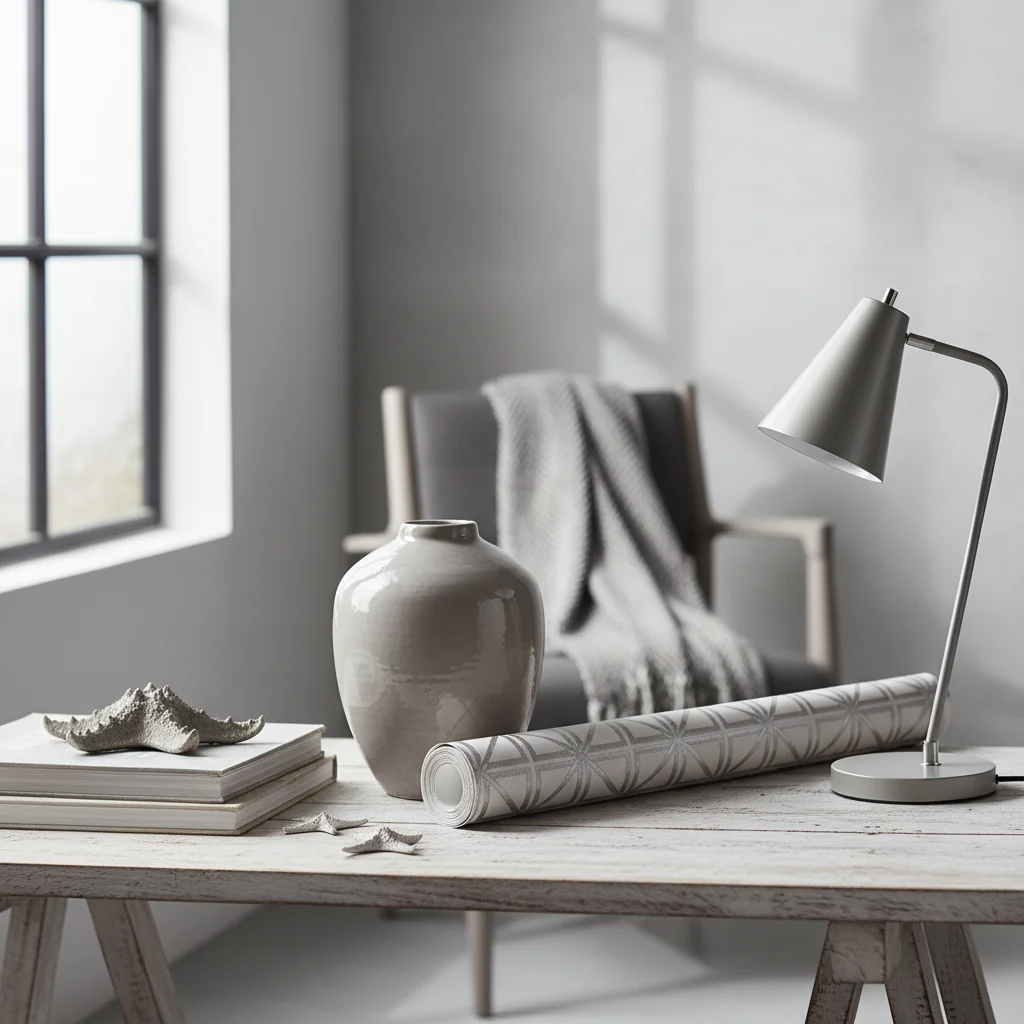
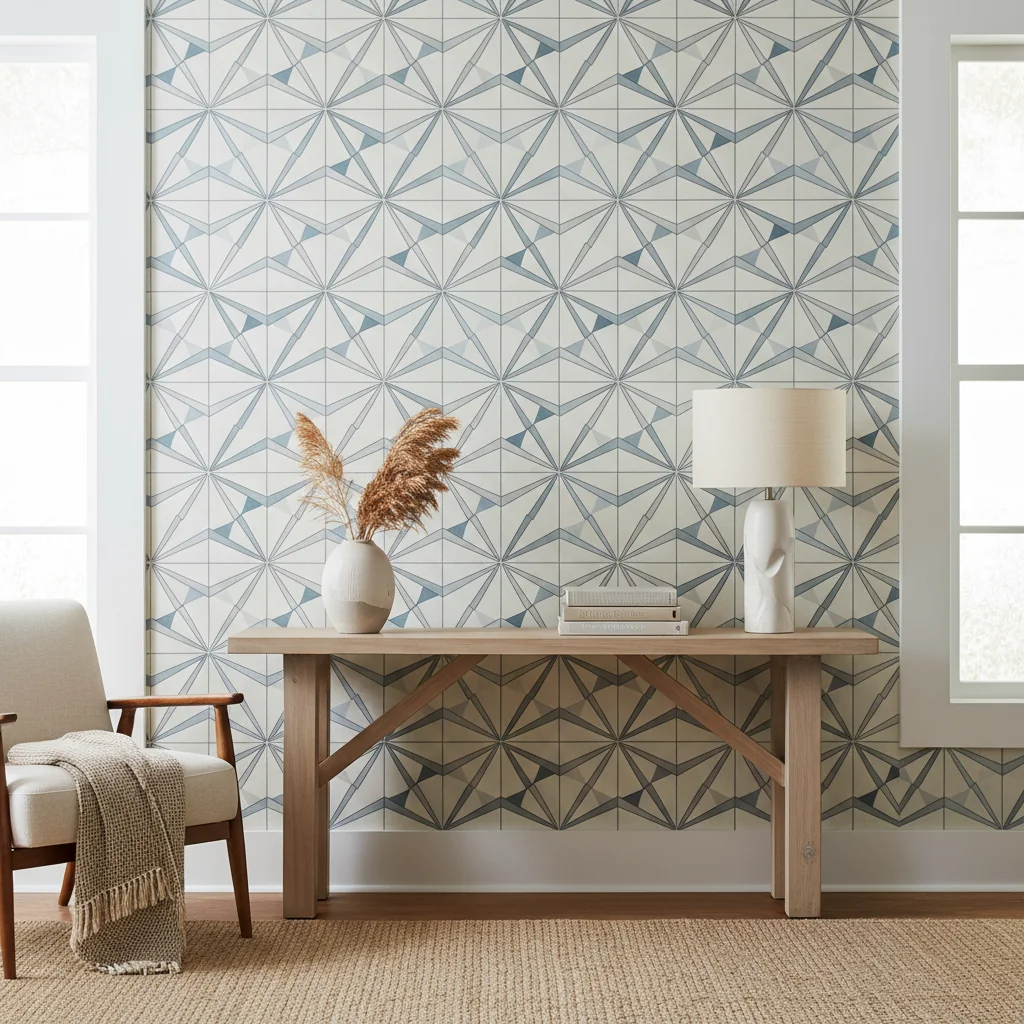
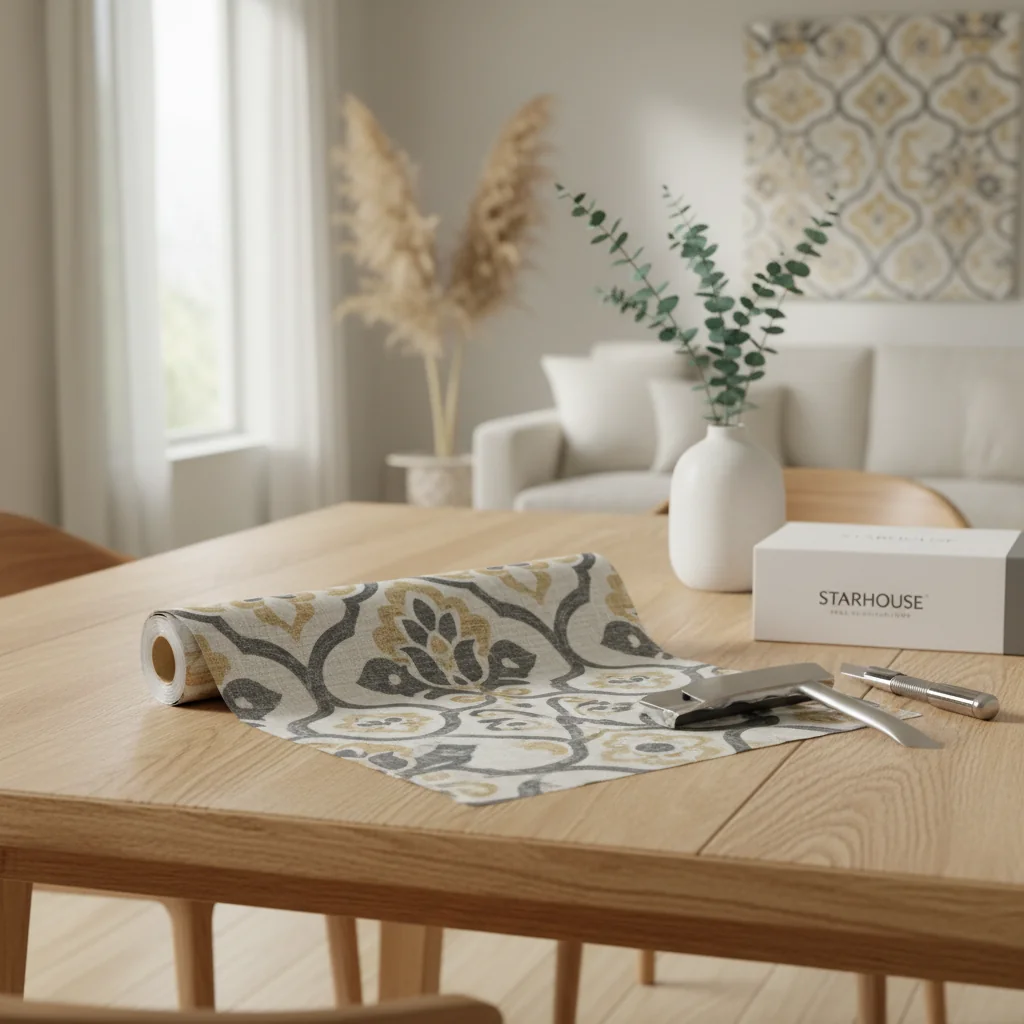
Gray wallpaper is a design cornerstone, offering unparalleled versatility and sophistication to any interior, serving as a neutral yet impactful backdrop that can transform a room’s aesthetic. Its inherent ability to adapt to diverse design schemes, from minimalist modern to classic traditional, makes it a perennially popular choice for homeowners and designers across the United States seeking to create refined and cohesive spaces. At Starhouse, we understand that gray is far from a singular shade; it represents a vast spectrum of tones, textures, and patterns, each capable of evoking a distinct mood and enhancing a room’s unique character.
This comprehensive guide delves into the nuanced world of gray wallpaper, providing a definitive resource for selecting, installing, and styling this enduring design element. We will explore its myriad types, dissect its stylistic applications, offer precise guidance on measurement and care, and illuminate current trends, ensuring you possess the authoritative knowledge to integrate gray wallpaper seamlessly into your home.
Key takeaways
- Gray wallpaper offers unmatched versatility, adapting to diverse design aesthetics from modern to traditional with its broad spectrum of shades and undertones.
- Material choice significantly impacts durability, ease of installation, and maintenance, with options ranging from breathable non-woven to highly resilient vinyl and luxurious grasscloth.
- Successful gray wallpaper application hinges on meticulous measurement, proper wall preparation, and considering a room’s natural light and existing color palette.
- Styling gray wallpaper involves strategic pairing with complementary colors, diverse furniture styles, and layered lighting to achieve a cohesive and sophisticated interior.
- Current trends for 2026 emphasize textural grays, subtle biophilic patterns, and the innovative use of gray on accent ceilings, moving towards sophisticated, layered aesthetics.
- Adhering to specific care instructions based on the wallpaper’s material ensures its longevity and preserves its visual appeal for years.
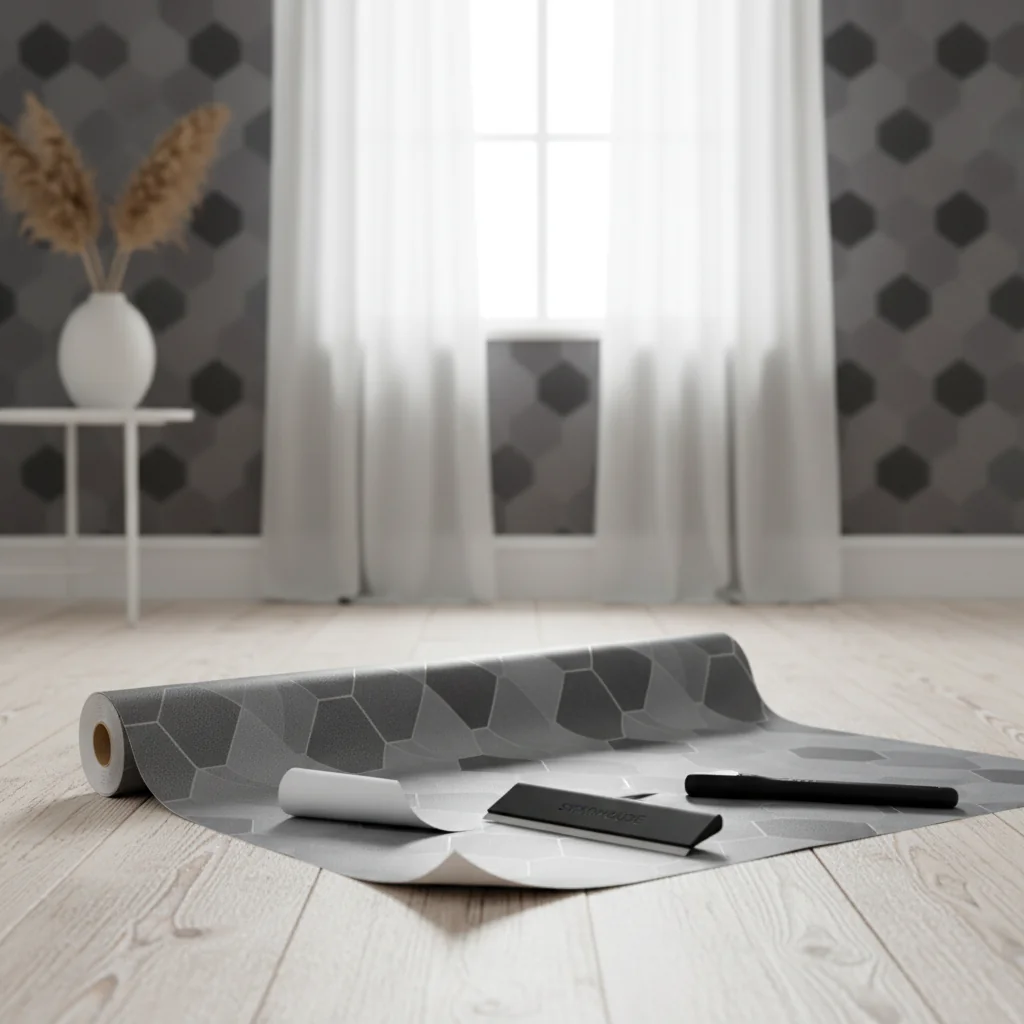
Why Choose Gray Wallpaper?
Gray wallpaper is a foundational design element because it offers unparalleled versatility and sophistication, acting as a powerful yet understated backdrop that enhances rather than competes with a room’s other features. Its enduring popularity stems from its unique ability to bridge various design aesthetics, providing a calming and adaptable canvas for almost any interior vision.
The fundamental appeal of gray lies in its neutrality. Unlike bolder colors, gray does not demand attention but rather provides a stable, balanced foundation upon which other design elements can shine. This characteristic makes it an excellent choice for creating a serene atmosphere in bedrooms, a professional ambiance in home offices, or a welcoming elegance in living areas. Gray can absorb or reflect light depending on its undertones and finish, influencing the perceived size and brightness of a room.
The Power of Neutrality and Adaptability
Gray’s neutrality is its greatest asset. It functions as a sophisticated complement to virtually any color palette, from vibrant jewel tones to muted pastels. This adaptability means that furniture, artwork, and textiles can be easily updated or swapped without necessitating a complete wall overhaul. For homeowners who appreciate evolving their decor, gray wallpaper provides a timeless base that remains relevant through changing trends. It avoids the visual fatigue that can sometimes accompany more saturated wall treatments, offering a sense of calm and permanence.
Creating Depth and Dimension
Far from being monotonous, gray wallpaper, especially those with texture or subtle patterns, introduces significant depth and dimension to a space. A solid gray wall can feel flat, but a gray wallpaper with a linen texture, a faint geometric repeat, or a metallic sheen adds visual interest without overwhelming the room. These textural elements play with light and shadow, creating a dynamic surface that changes throughout the day. This nuanced approach to wall decor elevates a room from merely functional to artfully designed.
Enhancing Other Design Elements
Gray wallpaper excels at highlighting other focal points within a room. When paired with vibrant artwork, the gray recedes, allowing the colors in the art to pop with greater intensity. Against a gray backdrop, rich wood tones in furniture appear warmer and more inviting, while metallic accents like brass or chrome gleam with enhanced brilliance. It provides a sophisticated contrast that makes individual pieces stand out, contributing to a curated and cohesive aesthetic. This symbiotic relationship ensures that every element in the room contributes to the overall design narrative.
Timeless Appeal and Market Value
Gray is a color that transcends fleeting trends, offering an enduring aesthetic that contributes positively to a home’s perceived value. Its association with sophistication and modern elegance ensures that gray wallpaper remains a desirable feature for years, appealing to a broad spectrum of tastes. Investing in a quality gray wallpaper provides a lasting foundation that will not quickly become dated, making it a sound choice for long-term home design. This timelessness underscores its position as a wise and stylish selection for any interior project.
Understanding the Spectrum of Gray Wallpaper
Gray wallpaper encompasses a vast spectrum of shades, undertones, and finishes, each influencing a room’s mood, perceived size, and the way it interacts with light and other colors. Recognizing these nuances is critical for selecting a gray that perfectly complements your space and desired aesthetic.
The perception of gray is highly subjective and depends heavily on context, including natural light, artificial lighting, and surrounding colors. A gray that appears cool in one room might read as warmer in another, making sample testing an indispensable step in the selection process.
Cool Grays: Serene and Modern
Cool grays are characterized by blue, green, or sometimes purple undertones. These shades tend to evoke a serene, crisp, and modern atmosphere, making them ideal for spaces where a sense of calm and clarity is desired.
- Blue-Grays: These grays have a distinct blue tint, ranging from soft sky blues to deep navy-grays. They create a calming, expansive feel, often used in bathrooms, bedrooms, and coastal-inspired interiors. Blue-grays pair beautifully with crisp whites, natural wood tones, and silver accents.
- Green-Grays: With subtle green undertones, these grays bring a natural, earthy, and organic feel to a space. They are excellent for creating a tranquil and grounded environment, often seen in biophilic designs or rooms aiming for a connection to nature. Green-grays harmonize well with warm woods, cream, and deeper forest greens.
- Violet-Grays (Greige-Purples): Less common but highly sophisticated, these grays feature a hint of purple or violet. They add a luxurious and slightly mysterious depth, working well in elegant dining rooms or sophisticated bedrooms. Pair them with rich jewel tones or deep charcoals for a dramatic effect.
Cool grays often work best in rooms with ample natural light, especially those facing south or west, as the cool tones can help balance the warmth of the sun. In dimly lit rooms, they can sometimes appear stark or cold if not balanced with warm lighting and textures.
Warm Grays: Inviting and Cozy
Warm grays incorporate brown, beige, or sometimes yellow undertones, creating a more inviting, cozy, and grounded ambiance. These grays prevent a room from feeling sterile and add a subtle warmth that is highly desirable in residential settings.
- Greige (Gray-Beige): Greige is a harmonious blend of gray and beige, offering the best of both worlds. It provides the sophistication of gray with the inviting warmth of beige, making it incredibly versatile. Greige is particularly popular in open-concept living spaces and transitional designs, pairing effortlessly with both cool and warm color palettes, from whites and creams to deep browns and muted greens.
- Brown-Grays: These grays have a noticeable brown undertone, lending a rich, earthy, and comforting feel. They are excellent for creating a cozy, rustic, or industrial aesthetic, often complementing exposed brick, leather, and natural wood furniture.
- Taupe (Gray-Brown with Red/Pink undertones): Taupe is a sophisticated warm gray, often with subtle reddish or pinkish-brown undertones. It creates a soft, elegant, and timeless look, frequently used in traditional or classic contemporary interiors. Taupe pairs well with cream, blush pink, and muted gold accents.
Warm grays are particularly effective in rooms that receive less natural light, such as north-facing rooms, as their inherent warmth can counteract any coolness from the light. They also provide a comforting feel in bedrooms and living rooms.
True Grays: Balanced and Pure
True grays, often referred to as “neutral grays,” have minimal discernible undertones, appearing as a pure blend of black and white. These grays offer a clean, crisp, and balanced aesthetic.
- Charcoal Gray: A deep, rich gray, almost black, charcoal gray adds drama, sophistication, and a sense of enclosure. It works exceptionally well in accent walls, formal living rooms, or moody bedrooms. When used thoughtfully, it can make a space feel incredibly luxurious.
- Medium Gray: A balanced gray that is neither too light nor too dark, medium gray offers excellent versatility. It provides a strong neutral base without overwhelming the space and can be easily dressed up or down with accessories.
- Light Gray/Dove Gray: These soft, airy grays are close to white, creating a bright, expansive, and subtle backdrop. They are perfect for small spaces, minimalist designs, or rooms where a gentle touch of color is desired without compromising brightness.
True grays are highly adaptable and can be influenced by the colors around them. They offer a pristine canvas for showcasing vibrant art or furniture, allowing those elements to truly pop.
The Impact of Finish and Texture
Beyond undertones, the finish and texture of gray wallpaper profoundly affect its appearance.
- Matte Finish: Absorbs light, creating a soft, understated, and sophisticated look. It can make a room feel cozier and hides imperfections well.
- Satin/Eggshell Finish: Offers a subtle sheen that reflects a small amount of light, adding a touch of elegance and making the surface easier to clean.
- Gloss/Metallic Finish: Highly reflective, these finishes add glamour, brightness, and can make a room feel larger. They are often used in contemporary or Art Deco designs, catching and bouncing light beautifully.
- Textured Finish: Embossed patterns, grasscloth, linen-look, or faux concrete textures add tactile and visual depth, preventing gray from appearing flat. These textures create subtle shadows and highlights, enhancing the overall richness of the wall.
Understanding these various aspects of gray wallpaper allows for a more informed and precise selection, ensuring the chosen shade and finish perfectly align with the room’s specific requirements and your personal design vision.
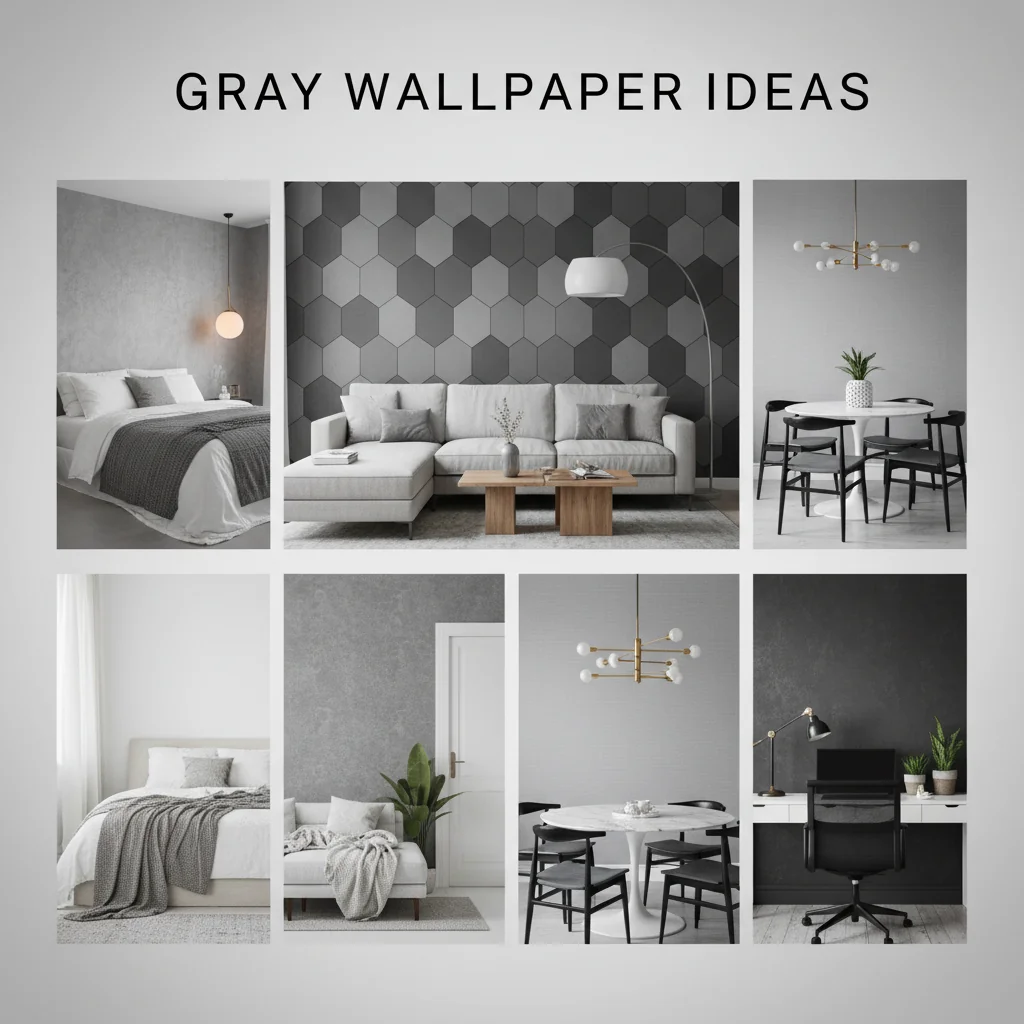
Types of Gray Wallpaper by Material and Construction
The material and construction of gray wallpaper dictate its durability, texture, ease of installation, and maintenance requirements, making material choice a critical factor in both aesthetic and practical considerations. At Starhouse, we curate a wide array of options to suit every need, from high-traffic areas to temporary decorative accents.
Wallpaper, at its core, is a decorative material applied to walls, typically composed of a backing layer and a decorative surface layer. The combination of these layers defines its properties and suitability for different environments.
1. Non-Woven Wallpaper
Non-woven wallpaper is a modern innovation made from a blend of natural and synthetic fibers, making it one of the most user-friendly and environmentally conscious options available. This material is highly breathable, preventing moisture entrapment behind the paper, which significantly reduces the risk of mold and mildew growth, contributing to a healthier indoor environment. According to the US EPA, improving your indoor environment involves controlling moisture, and breathable wall coverings contribute to this goal. Its primary advantage lies in its “paste-the-wall” application method, where adhesive is applied directly to the wall rather than the paper, simplifying the installation process and making it easier for DIY enthusiasts. Non-woven wallpaper is also exceptionally durable, tear-resistant, and fully strippable when dry, leaving no residue and making removal a straightforward task. It is generally washable, though specific cleaning instructions vary by manufacturer.
2. Vinyl Wallpaper
Vinyl wallpaper is renowned for its exceptional durability, washability, and moisture resistance, making it an ideal choice for high-traffic areas and moisture-prone rooms like kitchens and bathrooms. Vinyl wallpaper is a type with a PVC (polyvinyl chloride) coating applied over a paper or fabric backing, which provides its robust characteristics. This protective layer makes it highly resistant to stains, scuffs, and humidity, ensuring longevity even in demanding environments.
- Paper-Backed Vinyl: This common type features a decorative vinyl surface laminated to a traditional paper backing. It offers good durability and washability, making it suitable for many residential applications. Installation typically involves pasting the paper.
- Solid Sheet Vinyl: Composed entirely of vinyl, this is the most durable and water-resistant vinyl option. It is exceptionally resilient and often used in commercial settings or areas requiring maximum protection. It can be heavy and requires a strong adhesive.
- Fabric-Backed Vinyl: Also known as commercial vinyl, this type has a woven fabric backing that provides superior strength and tear resistance. It is designed for heavy-duty use and often found in hotels, hospitals, and other institutional settings, offering extreme durability and ease of cleaning.
While highly practical, vinyl wallpaper can sometimes lack the breathability of non-woven options. High-quality vinyl wallpapers, however, are now often designed with micro-perforations to improve breathability.
3. Peel-and-Stick (Removable) Wallpaper
Peel-and-stick wallpaper, also known as removable or temporary wallpaper, has revolutionized DIY decor with its user-friendly application and non-permanent nature. This innovative type features an adhesive backing that is protected by a removable liner; simply peel off the liner and stick the wallpaper directly to a smooth, clean wall. Made typically from vinyl or a polyester fabric blend, peel-and-stick options are designed for easy repositioning during installation and clean removal, leaving no sticky residue or damage to the underlying wall surface. This makes it perfect for renters, commitment-phobes, or for adding a temporary decorative accent. While generally less durable than traditional pasted wallpapers, its convenience and flexibility are unmatched for low-traffic areas or for refreshing a look frequently.
4. Grasscloth Wallpaper
Grasscloth wallpaper is a luxurious and eco-friendly option crafted from natural fibers such as jute, sisal, seagrass, or bamboo, woven onto a paper backing. Its distinctive texture and subtle variations in color create an organic, sophisticated aesthetic that adds warmth and depth to any room. Grasscloth is celebrated for its natural beauty and ability to introduce a tactile element to walls, reflecting light uniquely and adding an unparalleled sense of handcrafted elegance. However, it is less durable than vinyl, can be delicate to install (seams may be visible, and it cannot be easily repositioned), and is not washable, making it unsuitable for high-moisture or high-traffic areas. It is best suited for living rooms, dining rooms, or bedrooms where its natural charm can be appreciated without risk of damage.
5. Flocked Wallpaper
Flocked wallpaper features a raised, velvet-like pattern created by applying tiny fibers onto the paper’s surface, offering a unique tactile and visual experience. This technique adds an opulent, three-dimensional quality, reminiscent of historical textiles. Flocked wallpapers are inherently luxurious and typically used to create a formal or dramatic ambiance in spaces like dining rooms, powder rooms, or master bedrooms. They require careful handling during installation and are generally not washable, needing gentle care to preserve their delicate texture.
6. Mylar/Foil Wallpaper
Mylar or foil wallpaper consists of a thin metallic film laminated onto a paper or non-woven backing, providing a highly reflective and often shimmering surface. These wallpapers introduce a glamorous, contemporary, or Art Deco aesthetic, bouncing light around a room and making it feel brighter and more expansive. Available in various metallic finishes like silver, gold, copper, or bronze, they add a touch of luxury and drama. Installation requires meticulous attention to wall preparation, as the reflective surface can highlight any imperfections beneath. They are generally wipeable but should be cleaned with care to avoid scratching the metallic surface.
7. Embossed Wallpaper
Embossed wallpaper features raised patterns created by pressing the paper between rollers, resulting in a three-dimensional effect. This adds subtle texture and architectural interest to walls, even in solid colors, making it a sophisticated choice for adding depth without introducing a busy pattern. Embossed wallpapers can mimic various textures, such as plaster, stucco, anaglypta, or even intricate decorative motifs. They are often paintable, allowing for customization of color while retaining the textural element. Durability and washability depend on the base material (e.g., paper or vinyl).
Comparison of Gray Wallpaper Materials
Choosing the right gray wallpaper involves balancing aesthetic appeal with practical considerations like durability, maintenance, and installation method. This table provides a comparative overview of common wallpaper materials.
| Material Type | Durability | Maintenance | Installation Method | Ideal Use | Approx. Price Range (Relative) |
|---|---|---|---|---|---|
| Non-Woven | High; tear-resistant | Washable (check specific product) | Paste-the-Wall | Living rooms, bedrooms, hallways; general use | Mid-range |
| Paper-Backed Vinyl | Good; scuff-resistant | Washable | Paste-the-Paper | Bedrooms, living rooms, moderate traffic areas | Entry-level to Mid-range |
| Solid Sheet Vinyl | Very High; highly resistant to moisture/scuffs | Scrubbable | Paste-the-Paper/Wall (heavy-duty adhesive) | Kitchens, bathrooms, commercial, high-traffic areas | Mid-range to Premium |
| Peel-and-Stick | Moderate; temporary | Wipeable | Self-Adhesive (Peel & Stick) | Rentals, temporary decor, accent walls, low-traffic areas | Entry-level to Mid-range |
| Grasscloth | Low; delicate, not water-resistant | Vacuum/dust only; not washable | Paste-the-Paper (special adhesive) | Living rooms, dining rooms, bedrooms (low moisture/traffic) | Premium |
| Flocked | Moderate; delicate texture | Vacuum/dust only; not washable | Paste-the-Paper | Formal living rooms, dining rooms, powder rooms | Premium |
| Mylar/Foil | Moderate; can scratch | Wipeable (gently) | Paste-the-Paper (special adhesive) | Accent walls, powder rooms, contemporary spaces | Mid-range to Premium |
| Embossed (Paintable) | Varies by base; generally good | Washable (if painted with washable paint) | Paste-the-Paper/Wall | Any room, especially for architectural interest or to hide wall imperfections | Entry-level to Mid-range |
Exploring Gray Wallpaper Styles and Patterns
Gray wallpaper patterns and styles are incredibly diverse, ranging from subtle textures to bold geometrics, each capable of defining a room’s aesthetic and contributing to its overall character. The choice of pattern can dramatically alter the perception of space, light, and mood within an interior.
A well-chosen pattern can introduce visual interest, create a focal point, or subtly enhance the existing design elements without overwhelming the space. The key is to consider the scale of the pattern in relation to the room size and the desired impact.
1. Solid and Textured Grays
Solid gray wallpaper provides a clean, minimalist backdrop, while textured gray wallpaper introduces depth and tactile appeal without a distinct repeating motif. These options are ideal for creating a serene and sophisticated foundation.
- Faux Linen/Fabric Texture: Mimics the subtle weave of natural linen or other fabrics, adding warmth and a soft, inviting feel. This is particularly effective in bedrooms or living rooms where a cozy yet refined atmosphere is desired.
- Grasscloth/Woven Textures: As discussed, natural grasscloth offers unparalleled organic texture and visual interest. Faux grasscloth wallpapers provide a similar look with enhanced durability and easier maintenance.
- Faux Concrete/Plaster: These patterns replicate the raw, industrial aesthetic of concrete or the subtle, imperfect beauty of Venetian plaster. They are excellent for urban lofts, contemporary spaces, or creating a minimalist, Wabi-Sabi inspired interior.
- Subtle Embossed Patterns: Tone-on-tone embossed designs, such as a raised damask or geometric motif in the same shade of gray, add a luxurious, architectural detail that catches light beautifully without appearing busy.
These textured options prevent a solid gray wall from feeling flat, adding a sophisticated layer of visual interest that evolves with changing light conditions.
2. Geometric Patterns
Geometric gray wallpapers feature repetitive shapes and lines, offering a clean, structured, and often modern aesthetic. They can be bold and dramatic or subtle and understated, depending on the scale and contrast.
- Art Deco: Characterized by bold, symmetrical shapes, fan motifs, and metallic accents, Art Deco gray patterns evoke glamour and luxury. Think silver-gray with gold or black geometric lines.
- Mid-Century Modern: Featuring organic curves, abstract shapes, and sometimes a playful quality, these patterns often combine gray with muted secondary colors like mustard yellow or teal.
- Abstract Geometrics: Contemporary designs with irregular shapes, overlapping forms, or fragmented patterns, adding a dynamic and artistic flair. These are perfect for creating a focal point in a modern living space.
- Classic Geometrics: Think subtle trellises, herringbone, chevron, or small-scale repetitive patterns that add understated elegance without overwhelming the room.
3. Floral and Botanical Designs
Gray floral and botanical wallpapers offer a sophisticated take on nature-inspired motifs, moving beyond traditional vibrant colors to create elegant and often dramatic statements.
- Large-Scale Botanicals: Oversized floral or leaf patterns in shades of gray, often with white or metallic accents, create a dramatic and artistic statement. These are perfect for accent walls in bedrooms or dining rooms.
- Subtle Toile or Damask: Traditional patterns like toile (featuring scenic vignettes) or damask (ornate, repetitive motifs) rendered in gray offer a classic, refined look. These are ideal for formal living rooms, dining rooms, or elegant bedrooms.
- Tropical Grays: Palm fronds or exotic leaf patterns in various shades of gray create a sophisticated, resort-like feel without the overt vibrancy of traditional tropical prints.
- Watercolor Florals: Soft, diffused floral patterns in gray and white or muted pastels evoke a delicate, romantic, and artistic ambiance.
4. Stripes and Metallics
Striped gray wallpapers can manipulate the perception of space, while metallic grays introduce glamour and reflectivity.
- Vertical Stripes: Elongate walls and make ceilings appear higher, creating a sense of grandeur and formality. Gray stripes can range from subtle pinstripes to bold, wide bands.
- Horizontal Stripes: Can make a room feel wider and more expansive, adding a contemporary edge.
- Metallic Grays: Incorporating silver, gold, or copper tones, metallic gray wallpapers add a luxurious sheen that reflects light beautifully. This can be in a solid metallic finish, or as metallic accents within a pattern, adding a touch of glamour and sophistication.
5. Murals and Scenic Designs
Gray murals and scenic wallpapers transform an entire wall into a captivating work of art, creating immersive environments. These are often large-scale, non-repeating designs.
- Architectural Scenes: Depictions of cityscapes, historical buildings, or abstract architectural forms in monochromatic gray palettes.
- Nature Scenes: Forests, mountains, or seascapes rendered in various shades of gray, creating a tranquil and expansive backdrop.
- Abstract Art: Large-scale abstract patterns or artistic compositions in gray tones, acting as a statement piece.
When selecting a pattern, consider the scale of the room. Large, bold patterns work best in spacious rooms to avoid overwhelming the space, while smaller, more delicate patterns are often better suited for intimate settings or to add subtle interest. The direction of the pattern also plays a role; vertical patterns add height, while horizontal patterns add width.
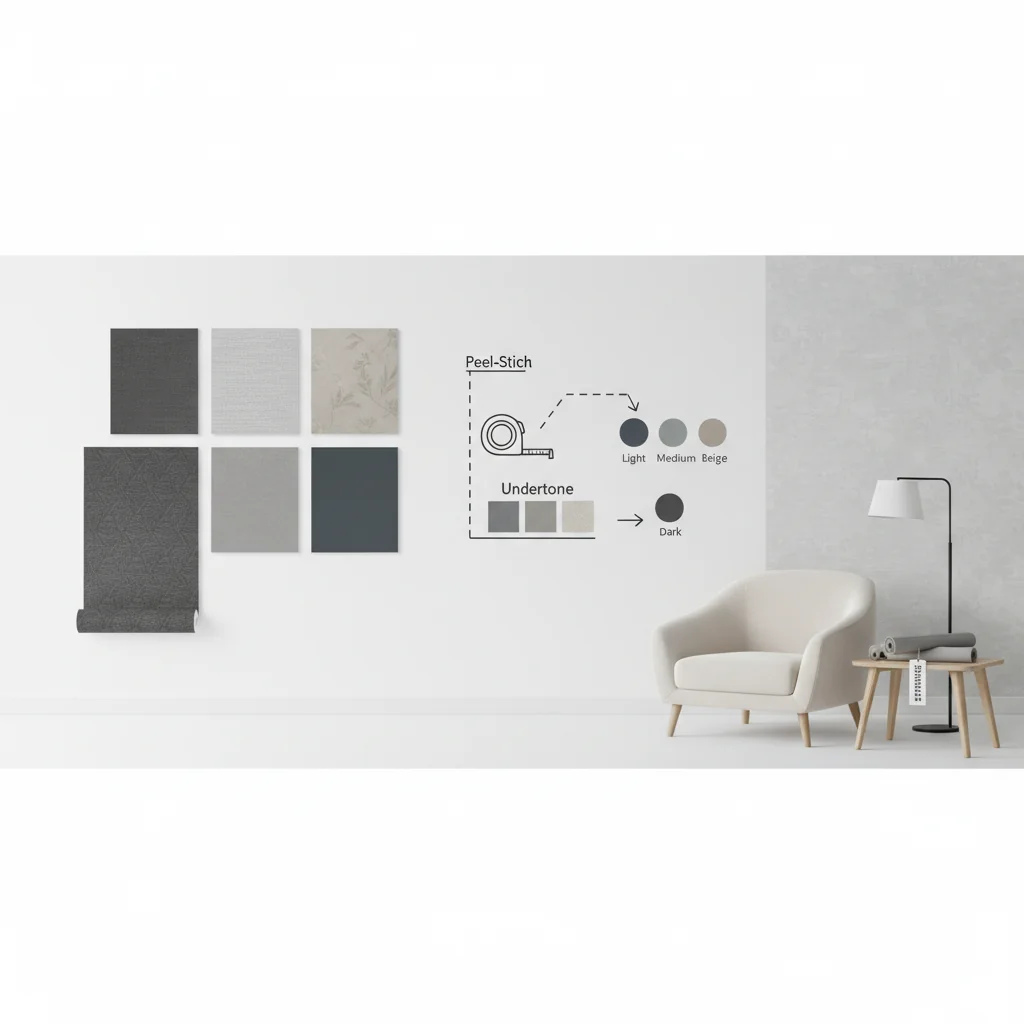
How to Choose the Perfect Gray Wallpaper for Your Space
Selecting the ideal gray wallpaper involves a meticulous consideration of the room’s function, its natural light exposure, existing furnishings, and the desired aesthetic impact, ensuring a cohesive and harmonious design. A thoughtful approach prevents missteps and guarantees the chosen wallpaper enhances the space effectively.
The versatility of gray means that while it is often a safe choice, precise selection is paramount to unlock its full potential and avoid a flat or uninspired outcome.
1. Assess Room Function and Traffic
The purpose of the room heavily influences the most practical and aesthetically appropriate gray wallpaper choice.
- Living Rooms and Dining Rooms: These social spaces can accommodate a wide range of styles. Consider more elaborate patterns like large-scale botanicals, geometric designs, or luxurious textured grays (grasscloth, flocked) to create a focal point or a sophisticated ambiance. Durability is important but less critical than in high-traffic areas.
- Bedrooms: Aim for tranquility and comfort. Soft, muted grays with subtle textures (linen-look, tone-on-tone patterns) or delicate floral motifs are excellent choices. Peel-and-stick is also viable for a headboard accent wall.
- Kitchens and Bathrooms: High moisture and potential for splashes demand highly durable and washable materials. Vinyl wallpaper (solid sheet or paper-backed vinyl) is the most practical choice due to its superior moisture resistance and scrubbability. Avoid natural materials like grasscloth.
- Hallways and Entryways: These are high-traffic areas prone to scuffs and marks. Opt for resilient, washable gray wallpapers, such as durable vinyl or non-woven options, with patterns that can help mask minor imperfections.
- Home Offices: A calm and focused environment benefits from sophisticated yet understated gray patterns. Textured grays, subtle geometrics, or a sophisticated solid gray can promote concentration without distraction.
- Children’s Rooms: Peel-and-stick wallpaper offers flexibility for changing tastes, while washable vinyl is practical for inevitable spills and marks. Consider playful patterns in light grays.
2. Evaluate Natural Light Exposure
Natural light profoundly impacts how gray wallpaper appears throughout the day, influencing its perceived warmth, coolness, and intensity.
- North-Facing Rooms: These rooms receive cooler, indirect light. To prevent the space from feeling cold, opt for warm grays (greige, taupe, grays with brown/yellow undertones). Consider lighter shades to maximize brightness.
- South-Facing Rooms: Bathed in warm, direct light, these rooms can handle cooler grays (blue-gray, green-gray) to balance the intensity of the sunlight. Deeper shades can also be used without making the room feel dim.
- East-Facing Rooms: Receive warm morning light and cooler afternoon light. Versatile medium grays or a balanced mix of warm and cool undertones can work well.
- West-Facing Rooms: Get intense, warm afternoon light. Similar to south-facing rooms, cooler grays can help balance the warmth, or embrace the warmth with deeper, richer grays.
Always observe wallpaper samples in the room at different times of day to see how the light interacts with the color and pattern.
3. Consider Room Size and Ceiling Height
The scale of the gray wallpaper pattern should be proportionate to the size of the room to avoid overwhelming or underwhelming the space.
- Small Rooms: Light grays, subtle textures, or small-scale patterns can make a small room feel more expansive and airy. Avoid large, busy patterns that can make the space feel cramped.
- Large Rooms: Can comfortably accommodate larger, bolder patterns, dramatic murals, or deeper shades of gray without feeling overwhelmed. These can create a grand statement or a cozy enclosure.
- Low Ceilings: Vertical stripes or patterns with a strong upward movement in gray can visually lift the ceiling, making the room feel taller.
- High Ceilings: Can handle horizontal patterns to visually widen the room, or embrace depth with darker grays or large-scale patterns.
4. Harmonize with Existing Color Palette and Furnishings
Your gray wallpaper should complement, not clash with, the colors and styles already present in your room.
- Existing Colors: If your room has warm-toned furniture or textiles (e.g., beige sofa, wooden accents), a warm gray wallpaper (greige, taupe) will create a harmonious flow. If cool tones dominate (e.g., blue accents, chrome fixtures), a cool gray (blue-gray, charcoal) will integrate seamlessly.
- Furniture Style:
- Modern/Minimalist: Solid grays, subtle textures, or clean geometric patterns.
- Traditional/Classic: Damask, toile, or embossed patterns in softer grays.
- Farmhouse/Rustic: Textured grays like faux linen or subtle plaid patterns.
- Industrial: Faux concrete, metallic grays, or darker, true grays.
- Artwork and Accessories: Consider how the gray wallpaper will serve as a backdrop. A busy pattern might detract from intricate artwork, whereas a subtle texture can enhance it.
5. Define Your Desired Mood or Atmosphere
Gray wallpaper is a powerful tool for setting the emotional tone of a room.
- Calm and Serene: Light, cool grays, or soft textured grays.
- Sophisticated and Elegant: Medium to dark grays, damask, flocked, or metallic patterns.
- Modern and Edgy: Charcoal grays, bold geometrics, or faux concrete.
- Warm and Inviting: Greige, taupe, or grays with subtle brown undertones.
- Dramatic and Luxurious: Deep charcoal, metallic grays, large-scale patterns, or murals.
6. The Crucial Step: Sample Testing
Never finalize your choice without testing samples. Order large swatches (at least 12×12 inches) and affix them to your walls in different locations. Observe them throughout the day and night under various lighting conditions. This step is indispensable, as the gray’s undertones, perceived shade, and how it interacts with your existing decor can look significantly different in your home than in a showroom or online image.
By systematically evaluating these factors, you can confidently select a gray wallpaper that not only meets your aesthetic preferences but also performs optimally within your specific living environment, ensuring a beautiful and lasting impact.
As Starhouse curates its collection, we’re keenly interested in what homeowners like you envision for their perfect space. We invite you to tell us what you’re looking for, and get early access to our upcoming selections that embody these principles of thoughtful design.
Sizing, Measuring, and Installation Best Practices
Accurate measurement and meticulous surface preparation are crucial for successful gray wallpaper installation, ensuring a professional, seamless, and lasting finish. Proper technique minimizes waste and prevents common issues like bubbling or peeling, underscoring the importance of precision at every stage.
Even the most beautiful gray wallpaper can look subpar if not installed correctly, making this foundational stage as important as the selection itself.
1. Understanding Wallpaper Roll Sizes
Wallpaper rolls come in various standard sizes, but the most common for residential use in the U.S. is typically 20.5 inches wide by 33 feet long. This yields approximately 56 square feet of material per roll. However, it’s crucial to check the specific dimensions of your chosen wallpaper, as European and commercial rolls can differ significantly.
Another critical factor is the “pattern repeat.” This is the vertical distance at which the pattern repeats itself on the wallpaper. A larger pattern repeat means you will need more wallpaper to ensure the pattern aligns seamlessly across strips, leading to more waste.
2. Precise Measurement for Accurate Roll Calculation
Accurate measurement is the cornerstone of a successful wallpaper project.
- Measure Wall Height: Measure the height of each wall from the baseboard to the ceiling. If there are variations, use the greatest height for your calculations. Account for any crown molding or wainscoting by measuring only the area to be papered.
- Measure Wall Width: Measure the total width of all walls you intend to wallpaper.
- Calculate Total Square Footage: Multiply the total width by the greatest height to get the total square footage of the area.
- Account for Openings: Subtract the square footage of large windows, doors, and other significant openings (e.g., large built-in shelves). Do not subtract for small openings like light switches.
- Determine Number of Strips: Divide the total width of your walls by the width of one wallpaper roll (e.g., 20.5 inches). This gives you the number of strips needed.
- Calculate Length per Strip (with repeat): Add the pattern repeat (if applicable) to your wall height measurement. Then add an extra 4-6 inches for trimming at the top and bottom of each strip. This is your effective length per strip.
- Calculate Total Roll Requirements: Multiply the number of strips by the effective length per strip. Divide this total length by the length of one roll (e.g., 33 feet). Round up to the nearest whole number.
- Add for Waste and Future Repairs: Always purchase at least one extra roll, especially for patterns with large repeats. This accounts for cutting errors, pattern matching, and provides a spare for future repairs if the pattern is discontinued.
Definition: Pattern Repeat is the vertical distance on a wallpaper roll where the design starts over, requiring careful alignment between adjacent strips to maintain visual continuity.
3. Essential Surface Preparation
Proper wall preparation is non-negotiable for a smooth, long-lasting wallpaper application.
- Clean Walls Thoroughly: Wash walls with a mild detergent solution (e.g., TSP substitute) to remove dirt, grease, and grime. Rinse thoroughly with clean water and allow to dry completely.
- Repair Imperfections: Patch any holes, cracks, or dents with spackle or joint compound. Sand smooth until the surface is perfectly flush with the wall. Wallpaper, especially those with a sheen or thin material, will highlight imperfections.
- Remove Old Wallpaper: If existing wallpaper is present, it must be removed. Layering new wallpaper over old can lead to adhesion issues, bubbling, and an uneven finish.
- Prime Walls: Apply a high-quality wallpaper primer/sealer (e.g., a “sizing” primer) to all surfaces. This step is critical as it serves multiple functions:
- It creates a consistent surface for the adhesive to bond to.
- It seals porous surfaces (like new drywall) to prevent adhesive from soaking in too quickly.
- It provides a “slip” that allows for easier repositioning of the wallpaper during installation.
- It makes future wallpaper removal much easier, protecting the drywall.
Ensure the primer is completely dry before beginning installation, typically 24 hours.
4. Installation Methods Overview
The method of installation depends on the type of gray wallpaper you choose.
- Paste-the-Wall: Common for non-woven wallpapers. Adhesive is applied directly to the wall with a roller, then the dry wallpaper strip is positioned. This method is generally cleaner and easier for DIYers as the paper doesn’t need to be “booked” (folded to allow paste to soak).
- Pre-Pasted: These wallpapers have a dry adhesive already applied to the back. You activate it by moistening the backing, typically by submerging it in a water tray or spraying with water. After activation, the paper needs to “book” for a few minutes before application.
- Paste-the-Paper: Traditional method where adhesive is applied directly to the back of the wallpaper strip. The pasted strip is then “booked” (folded paste-to-paste) for a specified time to allow the adhesive to soften the paper and prevent bubbling. This method requires a clean, flat surface for pasting.
- Peel-and-Stick: As discussed, this self-adhesive wallpaper requires no external paste. Simply peel off the backing and apply. It’s the most beginner-friendly and forgiving method for temporary applications.
Regardless of the method, essential tools include a smoothing brush or plastic smoother, a utility knife with sharp blades, a straightedge, a plumb line or level, a measuring tape, and a seam roller. Always start in an inconspicuous corner or near a door frame, and work your way around the room, ensuring each strip is plumb and patterns are perfectly matched. Overlapping seams are generally not recommended for modern wallpapers; instead, aim for butt joints where edges meet precisely.
Styling and Pairing Gray Wallpaper with Furnishings and Colors
Gray wallpaper provides a versatile and sophisticated backdrop that can be elegantly paired with a wide array of furniture styles, textiles, and color palettes to create cohesive and visually compelling interiors. Its adaptability allows it to serve as either a subtle supporting player or a quiet anchor for more vibrant design elements.
The key to successful styling lies in understanding gray’s inherent neutrality and leveraging its undertones to build a harmonious and intentional aesthetic.
1. Strategic Color Pairings with Gray Wallpaper
Gray’s chameleon-like quality means it can beautifully complement almost any color, creating vastly different moods depending on the chosen partner.
- Crisp White: A classic pairing, white against gray creates a clean, fresh, and modern aesthetic. It enhances brightness and offers a stark, sophisticated contrast, particularly with charcoal or medium grays. Use white trim, bedding, or minimalist furniture.
- Bold Black: For a dramatic and luxurious statement, pair gray with black. This combination is inherently chic and works well in contemporary or Art Deco-inspired spaces. Consider black accents, furniture, or sleek lighting fixtures.
- Deep Navy or Royal Blue: Blue and gray are a natural, calming combination. Navy adds depth and sophistication, while royal blue injects a vibrant yet elegant energy. This pairing is excellent for creating a serene bedroom or a refined living area.
- Blush Pink or Rose Gold: To introduce softness and warmth, pair cool grays with blush pink or rose gold. This combination is romantic, feminine, and subtly glamorous, ideal for bedrooms, nurseries, or elegant powder rooms.
- Mustard Yellow or Gold: For a pop of vibrant energy and warmth, yellow or gold accents against gray wallpaper are striking. Mustard yellow adds a retro or eclectic touch, while gold brings opulence and sophistication. This pairing works well in living rooms or studies.
- Emerald Green or Sage Green: Greens, from deep emerald to muted sage, create a harmonious and organic feel when paired with gray. Emerald green adds richness, while sage green promotes tranquility. This combination is perfect for a biophilic or natural-inspired aesthetic.
- Warm Wood Tones: Natural wood in shades from light oak to rich walnut instantly adds warmth and texture to a gray space. The earthy tones of wood beautifully ground the coolness of some grays, creating a balanced and inviting environment.
- Metallics (Silver, Gold, Brass, Copper): Gray serves as an exquisite backdrop for metallic accents. Silver and chrome enhance cool grays, while gold and brass bring warmth and luxury to both warm and cool grays. Copper offers a unique, earthy metallic touch.
2. Harmonizing with Diverse Furniture Styles
The adaptability of gray wallpaper means it can seamlessly integrate with a wide range of furniture aesthetics, enhancing the character of each.
- Mid-Century Modern: Gray wallpaper with subtle geometric patterns or textured solids provides a perfect backdrop for the clean lines, organic shapes, and rich wood tones characteristic of Mid-Century Modern furniture.
- Modern Farmhouse: Greige or warm gray textured wallpaper (like faux linen or subtle plaid) complements distressed wood furniture, rustic accents, and comfortable upholstered pieces, creating a cozy yet refined farmhouse feel.
- Industrial: Darker grays, faux concrete textures, or metallic gray wallpapers are ideal for pairing with raw wood, metal, and leather furniture typical of industrial design.
- Scandinavian: Light, cool grays or subtle textured grays enhance the minimalist, functional, and light-filled aesthetic of Scandinavian interiors, pairing well with light wood and simple, clean-lined furniture.
- Traditional and Classic: Elegant gray damask, toile, or embossed patterns provide a sophisticated setting for classic upholstered furniture, dark wood pieces, and ornate details, lending a timeless grandeur.
- Contemporary: Solid grays, abstract patterns, or large-scale murals in gray tones beautifully frame sleek, sculptural furniture and avant-garde pieces, embodying a modern aesthetic.
3. Integrating Textiles and Textures
Layering textiles and incorporating varied textures is crucial for adding warmth, comfort, and visual interest to a gray-wallpapered room, preventing it from feeling flat or sterile.
- Velvet: Introduces a luxurious, soft texture that catches light beautifully, adding depth and opulence to gray spaces.
- Linen and Cotton: Offer a natural, breathable, and relaxed feel, perfect for balancing sophisticated gray wallpaper with casual comfort.
- Wool and Knit: Provide warmth, coziness, and tactile appeal, particularly in throws, rugs, or upholstery, softening the edges of a modern gray scheme.
- Silk and Satin: Bring a subtle sheen and elegance, often used in curtains, pillows, or decorative accents to elevate the sophistication.
- Faux Fur and Sheepskin: Add an element of plush luxury and comfort, particularly effective in bedrooms or cozy reading nooks.
- Rugs: A well-chosen rug can anchor the room, introduce color, and add another layer of texture, defining zones within an open-plan space.
4. The Role of Lighting
Lighting is paramount in a gray-themed room, as it significantly impacts how the gray is perceived, influencing its warmth, coolness, and depth.
- Layered Lighting: Combine ambient (general room illumination), task (for specific activities), and accent lighting (to highlight features). This allows for flexibility in mood and functionality.
- Warm vs. Cool Light Bulbs: Use warmer light temperatures (2700K-3000K) to enhance the coziness of warm grays or to soften cool grays. Cooler light temperatures (3500K-5000K) can emphasize the crispness of cool grays but should be used sparingly to avoid a sterile feel.
- Architectural Lighting: Wall sconces, recessed lighting, or picture lights can highlight the texture or pattern of gray wallpaper, creating dramatic shadows and enhancing visual interest.
5. Incorporating Art and Accessories
Gray wallpaper creates an ideal gallery-like backdrop for showcasing artwork and carefully selected accessories.
- Artwork: Vibrant, colorful art pops against a neutral gray wall. Black and white photography or abstract pieces in complementary tones also create a sophisticated, curated look.
- Mirrors: Large mirrors with decorative frames reflect light and the wallpaper pattern, making the room feel larger and brighter while adding a touch of elegance.
- Greenery: Indoor plants introduce natural color, texture, and life, providing a refreshing contrast to gray tones and contributing to a healthier indoor environment.
- Decorative Objects: Sculptural pieces, vases, and books in complementary colors or metallic finishes can add personality and complete the room’s aesthetic.
By thoughtfully combining these elements, gray wallpaper transforms from a simple wall covering into an integral component of a sophisticated, personalized, and inviting interior design.
Care and Maintenance for Lasting Beauty
Proper care and maintenance are essential for preserving the aesthetic integrity and longevity of gray wallpaper, with specific cleaning protocols varying significantly based on its material and finish. Adhering to manufacturer guidelines ensures the wallpaper remains vibrant and free from damage for years.
Neglecting appropriate cleaning methods can lead to discoloration, damage, or premature wear, diminishing the investment and overall appearance of your space.
1. General Cleaning Guidelines
Regardless of the wallpaper type, regular, gentle cleaning is the first line of defense against dust and grime accumulation.
- Dusting: Periodically dust wallpaper with a soft, clean cloth, a microfiber duster, or a vacuum cleaner brush attachment. This prevents dust from embedding into the surface or becoming sticky over time.
- Gentle Wiping: For most washable wallpapers, a light wipe with a damp (not wet) sponge or cloth can remove surface dirt. Always use clean, distilled water if possible, to avoid mineral streaks.
- Avoid Harsh Chemicals: Never use abrasive cleaners, bleach, or harsh chemical solvents, as these can damage the wallpaper’s finish, strip its color, or degrade its material. Stick to mild, pH-neutral soap if water alone is insufficient.
- Test in an Inconspicuous Area: Before cleaning a visible area, always test your chosen cleaning method and solution on a small, hidden spot (e.g., behind a door or a piece of furniture) to ensure it does not cause discoloration or damage.
2. Spot Cleaning Techniques
Addressing spills and marks promptly is crucial to prevent them from setting.
- Immediate Action: Blot (do not rub) spills immediately with a clean, dry cloth to absorb as much liquid as possible.
- Mild Soap Solution: For more stubborn marks on washable wallpapers, prepare a solution of lukewarm water and a few drops of mild dish soap. Dampen a clean sponge or cloth with this solution, wring it out thoroughly, and gently wipe the affected area.
- Rinse and Dry: Follow with a clean, damp cloth (water only) to rinse off any soap residue, then gently pat the area dry with a soft, clean towel.
- Grease Stains: For grease marks on vinyl wallpaper, a small amount of rubbing alcohol on a cotton swab can sometimes be effective, but test first. For non-washable types, a dry cleaning sponge (often called a “soot sponge”) can gently lift surface dirt.
3. Material-Specific Care Instructions
Different wallpaper materials demand distinct care approaches due to their inherent properties. According to Brewster Home Fashions’ Wallpaper Specifications, the washability rating is a key indicator of appropriate maintenance.
- Vinyl Wallpaper (Paper-Backed, Solid Sheet, Fabric-Backed):
- Durability: Highly durable, moisture-resistant, and typically “scrubbable” or “washable.”
- Cleaning: Can withstand more rigorous cleaning. Use a damp cloth with a mild soap solution for general cleaning and spot treatment. For heavy-duty vinyl, a soft brush can be used for scrubbing, followed by rinsing and drying.
- Cautions: Avoid harsh abrasives that can scratch the vinyl surface.
- Non-Woven Wallpaper:
- Durability: Durable and often “washable” or “wipeable.”
- Cleaning: Generally can be wiped with a damp cloth and mild soap solution. Check manufacturer’s instructions for specific washability ratings.
- Cautions: While tear-resistant, avoid excessive scrubbing or harsh chemicals.
- Peel-and-Stick Wallpaper:
- Durability: Moderate, designed for temporary use. Typically “wipeable.”
- Cleaning: Use a soft, damp cloth to gently wipe surfaces. Avoid saturating with water or harsh scrubbing, which can lift edges or damage the print.
- Cautions: Excessive moisture can compromise the adhesive.
- Grasscloth Wallpaper:
- Durability: Delicate, not washable, and highly susceptible to moisture damage.
- Cleaning: Exclusively dry cleaning. Use a soft brush attachment on a vacuum cleaner or a dry, soft cloth to gently dust. For minor marks, a gum eraser or a dry cleaning sponge can sometimes be used with extreme care.
- Cautions: Never use water or liquid cleaners. Avoid direct sunlight which can cause fading.
- Flocked Wallpaper:
- Durability: Delicate due to raised fibers, not washable.
- Cleaning: Dry cleaning only. Use a soft brush attachment on a vacuum or a lint roller to remove dust and debris.
- Cautions: Avoid rubbing or scrubbing, which can crush or remove the flocking.
- Mylar/Foil Wallpaper:
- Durability: Moderate, can scratch easily. Typically “wipeable.”
- Cleaning: Gently wipe with a soft, damp cloth and mild soap. Rinse with a clean, damp cloth and dry immediately to prevent water spots.
- Cautions: Avoid abrasive cleaners or cloths that can scratch the metallic surface.
4. Humidity and Environmental Control
Controlling indoor humidity is vital for the longevity of all wallpaper types. Excessive humidity can lead to peeling, bubbling, and the growth of mold or mildew, especially with non-breathable materials. Conversely, excessively dry conditions can cause wallpaper to shrink and crack. Maintain a consistent indoor humidity level, ideally between 30% and 50%, using dehumidifiers or humidifiers as needed. Good ventilation, particularly in kitchens and bathrooms, also helps mitigate moisture buildup, aligning with recommendations from the US EPA for improving indoor air quality.
By following these detailed care and maintenance guidelines specific to your gray wallpaper’s material, you ensure its aesthetic appeal and structural integrity are preserved for many years, enhancing the beauty of your home.
Current Trends in Gray Wallpaper for 2026
Contemporary gray wallpaper trends for 2026 emphasize texture, subtle patterns, and the integration of natural elements, moving towards sophisticated, layered aesthetics that prioritize comfort and individuality. Designers are leveraging gray’s versatility to create nuanced backdrops that feel both timeless and current.
These trends reflect a broader shift in interior design towards authentic materials, personalized spaces, and a greater connection to nature, even within urban environments.
1. The Rise of Textural Grays
The most dominant trend in gray wallpaper for 2026 is the emphasis on texture over overt pattern. Homeowners are seeking depth and tactile appeal, moving away from flat surfaces to embrace walls that invite touch and create visual interest through their inherent structure.
- Faux Concrete and Plaster Effects: These wallpapers mimic the raw, organic beauty of concrete, microcement, or Venetian plaster. They offer an urban-chic, minimalist, or wabi-sabi aesthetic, adding an industrial edge or a serene, earthy feel without the complexities of actual plaster work.
- Subtle Linen and Weave Textures: Gray wallpapers that replicate the look and feel of natural fabrics like linen, jute, or tweed are gaining immense popularity. These add a soft, inviting warmth and a sophisticated, understated elegance, perfect for creating cozy yet refined spaces.
- Embossed and Raised Patterns: Tone-on-tone embossed designs, where the pattern is created by a raised surface rather than contrasting colors, provide architectural interest and play with light and shadow, offering a luxurious and subtle visual depth.
2. Biophilic and Natural Motifs in Gray
Connecting with nature remains a powerful design driver, and gray wallpaper is integrating biophilic elements in sophisticated, understated ways.
- Muted Botanical Prints: Instead of vibrant greens, botanical patterns in shades of gray, often with white or soft sage accents, create a serene and elegant interpretation of nature. Think large-scale palm fronds, delicate fern patterns, or abstract floral motifs in monochromatic gray.
- Wood Grain and Stone Effects: Gray wallpapers that convincingly mimic natural wood grains (weathered gray oak, bleached driftwood) or stone textures (marble veining, slate) bring the outdoors in, grounding the space with organic elements.
3. Subtle Metallic Sheens and Pearlescent Finishes
Gray wallpaper is embracing a touch of glamour through subtle metallic or pearlescent finishes, adding a sophisticated shimmer without being overtly flashy.
- Silver and Platinum Accents: Delicate metallic threads woven into patterns, or a soft silver sheen over a gray base, reflect light beautifully, adding a luminous quality and a sense of luxury.
- Pearlescent Grays: These finishes offer a soft, iridescent glow, creating a gentle play of light that changes with the viewing angle, adding an ethereal and refined touch.
4. Large-Scale Abstracts and Artistic Murals
Gray is being utilized in large-format artistic expressions, turning walls into captivating canvases.
- Abstract Art Murals: Expansive, non-repeating designs featuring abstract brushstrokes, watercolor effects, or geometric compositions in varying shades of gray create a dramatic focal point and a gallery-like atmosphere.
- Architectural and Landscape Murals: Monochromatic gray murals depicting urban cityscapes, serene mountain ranges, or misty forests offer immersive visual experiences, expanding the perceived depth of a room.
5. The Accent Ceiling Trend
Moving beyond just walls, gray wallpaper is increasingly being applied to ceilings, transforming the “fifth wall” into an unexpected design feature. As noted by House Beautiful, designers are now focusing on accent ceilings as a sophisticated alternative to accent walls. A textured gray wallpaper or a subtle gray pattern on the ceiling can add depth, define zones, and create a cozy, enveloping feel, especially in bedrooms or dining rooms.
6. Sustainable and Eco-Friendly Options
The demand for environmentally conscious products extends to wallpaper. Gray wallpapers made from recycled materials, sustainably sourced fibers (like FSC-certified non-woven), or printed with water-based, VOC-free inks are becoming increasingly prevalent. These options align with a growing consumer desire for responsible luxury.
These trends highlight gray wallpaper’s evolution from a simple neutral to a dynamic design tool capable of creating rich, layered, and personalized interiors. As Elle Decor confirms for 2026, wallpaper is moving towards more textural and sophisticated applications, with gray at the forefront of this transformation.
Common Mistakes to Avoid When Using Gray Wallpaper
Avoiding common pitfalls like neglecting undertones, overcomplicating patterns, or improper installation ensures a cohesive, polished, and long-lasting gray wallpaper application. Awareness of these mistakes is crucial for achieving a professional and satisfying result.
Even with gray’s versatility, specific errors can undermine its potential and lead to a less-than-ideal outcome.
1. Ignoring Gray’s Undertones
One of the most frequent mistakes is treating gray as a monolithic color without recognizing its inherent undertones. A gray with blue undertones will clash with warm-toned furnishings, just as a greige with yellow undertones might feel off-balance in a room dominated by cool blues.
- Consequence: The room can feel discordant, cold, or simply “off,” failing to achieve the desired harmonious aesthetic.
- Solution: Always identify the undertones of your chosen gray wallpaper (cool, warm, or true neutral) and ensure they complement the existing or planned color palette of your furnishings, flooring, and lighting.
2. Overlooking Room Lighting
The amount and type of natural and artificial light in a room dramatically alter how gray wallpaper is perceived. A beautiful charcoal gray might feel oppressive in a dimly lit room, while a light blue-gray could appear stark and sterile in a bright, south-facing room.
- Consequence: The wallpaper can appear darker or lighter than expected, or its undertones can be exaggerated or muted in an undesirable way.
- Solution: Test large wallpaper samples on your walls and observe them at different times of day and night under various lighting conditions (natural light, overhead lights, lamps). Adjust your choice based on these observations.
3. Incorrect Measurement and Under-Ordering
Underestimating the amount of wallpaper needed is a common and costly error, especially with patterned designs. Running out of wallpaper mid-project means ordering more from a different dye lot, which can result in noticeable color variations.
- Consequence: Project delays, mismatched colors, and additional expenses.
- Solution: Meticulously measure your walls, account for pattern repeats, and always order at least one extra roll to cover waste, cutting errors, and potential future repairs.
4. Skipping Wall Preparation
Attempting to wallpaper over dirty, uneven, or unprimed walls is a recipe for disaster. Imperfections will show through, and the wallpaper may not adhere properly or will be difficult to remove in the future.
- Consequence: Bubbles, wrinkles, visible wall imperfections, peeling seams, and damage to drywall upon removal.
- Solution: Thoroughly clean, patch, sand, and prime all walls before installation. A high-quality wallpaper primer (sizing) is essential for proper adhesion and future removal.
5. Over-Patterning a Small Space
While patterns add interest, a large, busy gray pattern in a small room can overwhelm the space, making it feel cramped and visually chaotic.
- Consequence: The room feels smaller, busier, and less serene than intended.
- Solution: In small rooms, opt for lighter grays, subtle textures, or small-scale, delicate patterns. Reserve large, bold patterns or murals for accent walls or more expansive spaces.
6. Neglecting Material Suitability for Room Function
Choosing a delicate, non-washable gray grasscloth for a high-traffic hallway or a moisture-prone bathroom will inevitably lead to premature damage and dissatisfaction.
- Consequence: The wallpaper quickly deteriorates, becomes stained, or develops mold/mildew, requiring costly replacement.
- Solution: Always match the wallpaper material’s durability and maintenance characteristics to the room’s function and expected wear. Use washable vinyl for kitchens and bathrooms, and more delicate materials for low-traffic, dry areas.
7. Poor Pattern Matching
For patterned gray wallpapers, especially those with large repeats, failing to meticulously align the pattern across each strip will result in a disjointed and unprofessional appearance.
- Consequence: Visible, mismatched seams and an overall amateurish look.
- Solution: Take your time during installation. Dry-lay strips if necessary to understand the pattern repeat. Use a plumb line to ensure the first strip is perfectly vertical, as all subsequent strips will be aligned to it.
By being mindful of these common mistakes and implementing best practices, you can confidently select and install gray wallpaper that elevates your home’s design with enduring beauty and sophistication.
Sources
- Improving Your Indoor Environment | US EPA
- Wallpaper Specifications | Properties of Wallpaper | Brewster Home Fashions
- Accent Walls Are Making Your Home Feel Dated—Here’s What Designers Are Doing Instead | House Beautiful
- These Are the Wallpaper Trends Taking Over in 2026, According to Experts | Elle Decor
Frequently Asked Questions About Gray Wallpaper
Is gray wallpaper still in style for 2026?
Yes, gray wallpaper remains a prominent and highly stylish choice for 2026, evolving beyond basic solids to embrace rich textures, subtle patterns, and sophisticated metallic or biophilic motifs, as noted by leading design experts. Its enduring versatility ensures its continued relevance in contemporary interiors.
What colors pair best with gray wallpaper?
Gray wallpaper pairs exceptionally well with a wide range of colors, including crisp whites, bold blacks, deep navy blues, blush pinks, mustard yellows, emerald greens, and all metallic tones. The best pairing depends on the gray’s undertone (warm or cool) and the desired mood of the room.
Can gray wallpaper make a room feel smaller?
Darker shades of gray wallpaper, particularly those in rooms with limited natural light, can make a space feel more intimate or enclosed, but not necessarily smaller. Lighter grays, especially those with reflective finishes or subtle textures, can actually make a room feel more expansive and brighter.
Is peel-and-stick gray wallpaper durable enough for kitchens?
Peel-and-stick gray wallpaper offers moderate durability and is generally wipeable, making it suitable for low-splash kitchen areas or temporary accents. However, for high-moisture or high-traffic kitchen zones, a traditional vinyl wallpaper provides superior durability, scrubbability, and moisture resistance.
How do I clean gray wallpaper?
Cleaning gray wallpaper depends on its material; washable types like vinyl can be gently wiped with a damp cloth and mild soap solution, while delicate materials like grasscloth require only dry dusting or vacuuming. Always test cleaning methods in an inconspicuous area first and follow manufacturer guidelines to prevent damage.
What kind of gray wallpaper works best in a north-facing room?
For a north-facing room, which receives cooler, indirect light, warm gray wallpaper (such as greige, taupe, or grays with subtle brown or yellow undertones) works best. These warm grays counteract the cool light, preventing the room from feeling cold and instead creating a cozy and inviting atmosphere.
Can I use gray wallpaper on an accent ceiling?
Yes, using gray wallpaper on an accent ceiling is a sophisticated and growing trend for 2026, offering an elegant alternative to traditional accent walls. A textured gray or a subtle gray pattern on the ceiling can add depth, define the space, and create a unique, enveloping feel.
Conclusion: The Enduring Elegance of Gray Wallpaper
Gray wallpaper stands as an enduring testament to sophisticated design, offering a versatile canvas that effortlessly adapts to and elevates any interior aesthetic. From the subtle nuances of its undertones to the rich textures and dynamic patterns available, gray provides a foundation of calm elegance that allows other design elements to flourish. Its capacity to be both a quiet backdrop and a statement piece ensures its continued relevance in the ever-evolving world of home decor.
By understanding the diverse types, styles, and practical considerations of gray wallpaper, you are equipped with the authoritative knowledge to make informed decisions that transform your space. Whether you aim for a serene retreat, a dramatic statement, or a modern minimalist haven, the perfect gray wallpaper awaits to bring your vision to life.
At Starhouse, we are passionate about curating pieces that resonate with your unique style and enhance the beauty of your home. We’re building a collection that reflects the precision and aspiration detailed in this guide. We invite you to tell us what you’re looking for in your next design project and gain early access to our meticulously selected offerings. Your dream space begins with a vision, and we’re here to help you articulate it.
Updated: June 2026