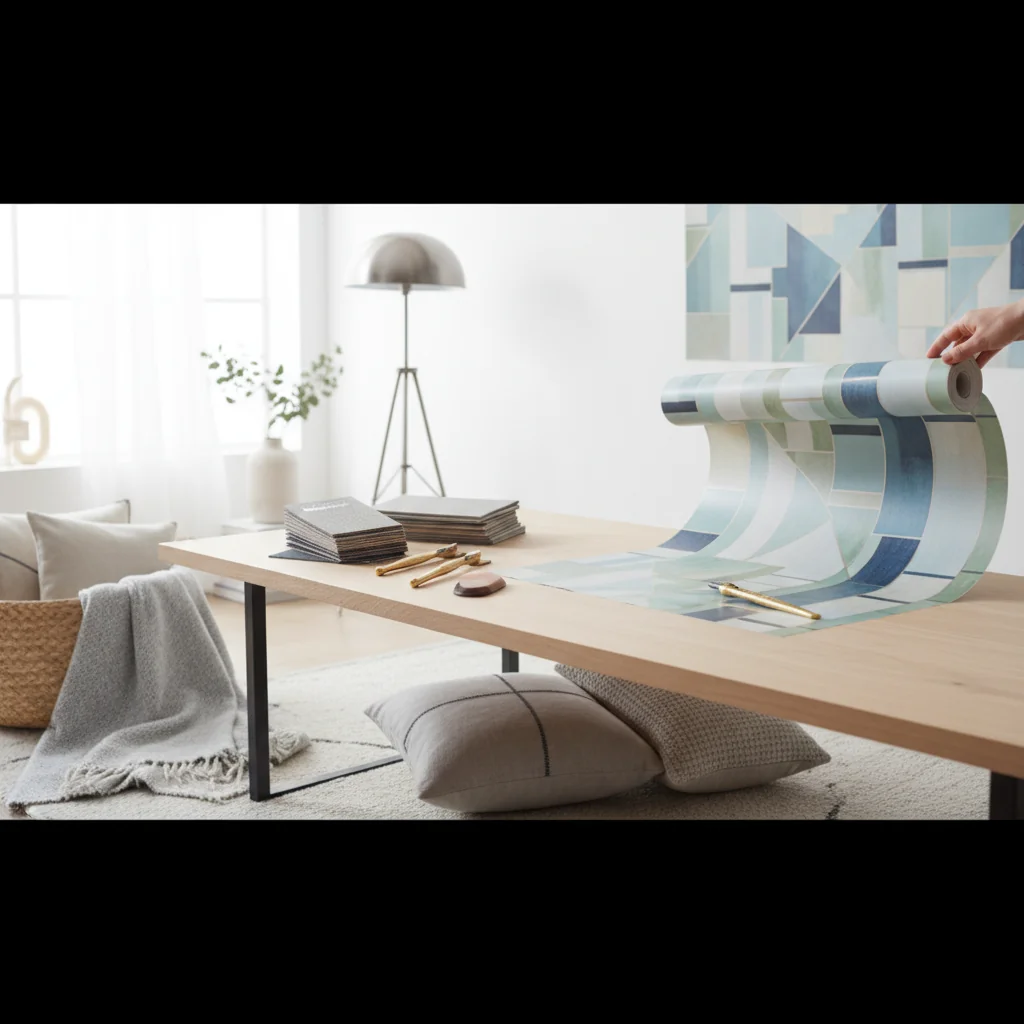
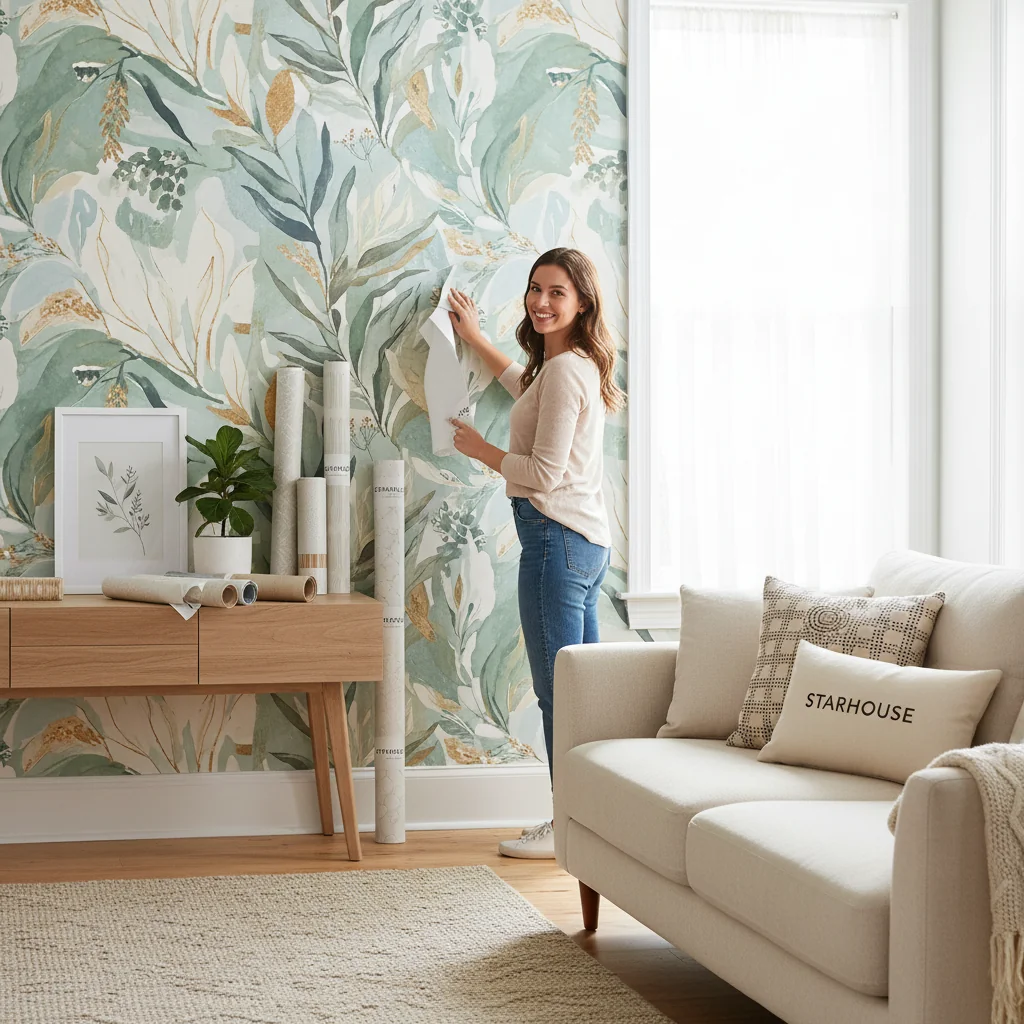
Paintable wallpaper offers a transformative design solution, combining the textured elegance of traditional wallcoverings with the versatile customization of paint, allowing homeowners and designers to achieve a bespoke aesthetic that conceals imperfections while adding architectural interest. This innovative wall treatment provides a durable, customizable surface that can be painted and repainted to match any evolving décor, making it an exceptionally flexible choice for enhancing interior spaces. Its unique construction, often featuring embossed patterns or subtle textures, creates a dynamic interplay of light and shadow, elevating a room from merely painted walls to a sophisticated, tactile environment.
Key Takeaways
- Paintable wallpaper is a versatile wallcovering designed with embossed textures or patterns that can be painted over, offering unique customization.
- It effectively conceals minor wall imperfections, such as hairline cracks or uneven surfaces, providing a smooth, finished look.
- Available in various materials including paper, non-woven, vinyl, and fiberglass, each offering distinct durability and application benefits.
- Proper surface preparation, accurate measurement, and appropriate adhesive selection are critical for a successful, long-lasting installation.
- This wallcovering allows for infinite color changes, ensuring your walls can evolve with your design preferences without requiring complete re-wallpapering.
- Starhouse emphasizes precise measurement and careful installation to maximize the aesthetic and functional benefits of paintable wallpaper in any home.
Understanding Paintable Wallpaper: Types and Materials
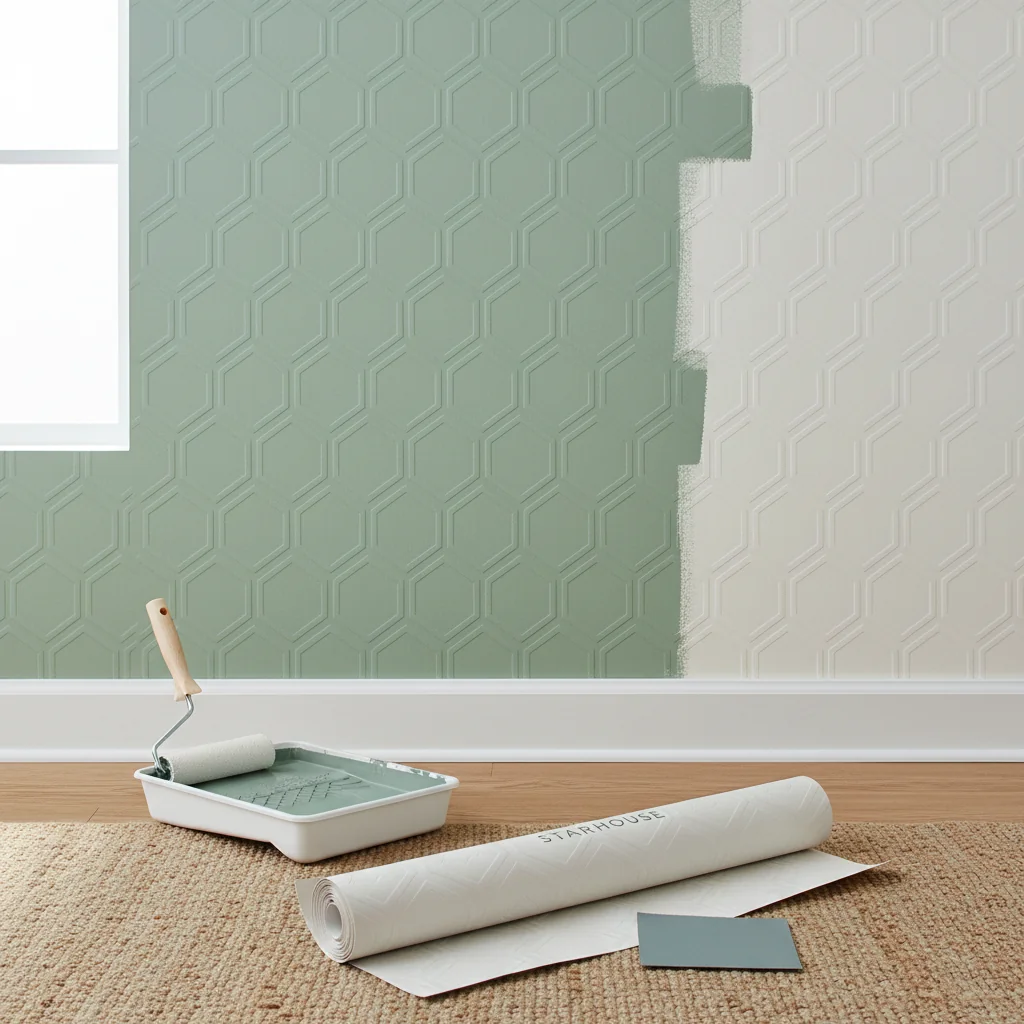
Paintable wallpaper is a specialized wallcovering designed with embossed textures or patterns that are intended to be painted over, offering a unique blend of decorative relief and customizable color. These materials are engineered to withstand the application of paint while maintaining their dimensional integrity, providing a more dynamic and personalized finish than flat painted walls. The primary types of paintable wallpaper include paper-backed, non-woven, solid vinyl, expanded vinyl, and fiberglass, each offering distinct characteristics in terms of durability, texture, and ease of installation.
The choice of material significantly impacts the final look, feel, and performance of your paintable wallpaper. Understanding these differences is crucial for selecting the optimal product for your specific design vision and functional requirements. Each material type brings its own set of advantages, from traditional aesthetics to enhanced durability and moisture resistance.
Paper-Backed Paintable Wallpaper
Paper-backed paintable wallpaper, often referred to simply as paper wallpaper, features a paper base layer with an embossed or textured surface designed to hold paint effectively. This traditional option is generally more breathable than vinyl alternatives and offers a classic, refined finish, making it suitable for living rooms, dining rooms, and bedrooms where a delicate texture is desired. While offering a beautiful surface, it is less resistant to moisture and abrasion compared to synthetic options.
- Composition: Typically a cellulose paper base with a raised pattern.
- Texture: Ranges from subtle linen weaves to more pronounced geometric or floral designs.
- Application: Usually unpasted, requiring separate adhesive application.
- Best for: Low-traffic areas, formal rooms, and spaces where breathability is a priority.
Non-Woven Paintable Wallpaper
Non-woven paintable wallpaper is crafted from a blend of natural and synthetic fibers, creating a highly durable, breathable, and tear-resistant material that is celebrated for its ease of installation and removal. This modern option is dimensionally stable, meaning it resists shrinking or expanding, which contributes to seamless installation and a long-lasting finish. Its superior strength and breathability make it an excellent choice for a wide range of applications, including high-traffic areas and rooms prone to humidity.
- Composition: A blend of pulp and synthetic fibers, creating a fabric-like texture.
- Texture: Often features fine textures, subtle patterns, or smooth surfaces ready for paint.
- Application: Known as “paste the wall” wallpaper, where adhesive is applied directly to the wall.
- Best for: Almost any room, including kitchens and bathrooms, due to its durability and moisture resistance. It is also a preferred choice for DIY installers due to its ease of handling.
Solid Vinyl and Expanded Vinyl Paintable Wallpaper
Solid vinyl paintable wallpaper consists of a solid layer of vinyl, often laminated to a paper or fabric backing, providing exceptional durability, washability, and moisture resistance. Expanded vinyl, a variation, features a thicker, foamed vinyl layer that creates deeply embossed, three-dimensional textures, offering significant visual and tactile depth. Both types are highly practical for demanding environments due to their robust nature.
- Composition: PVC vinyl layer on a paper or fabric backing. Expanded vinyl uses a foamed PVC for texture.
- Texture: Solid vinyl often has subtle textures; expanded vinyl boasts deep, pronounced patterns like brick, stucco, or wood grain.
- Application: Can be pre-pasted or require separate adhesive.
- Best for: High-traffic areas, children’s rooms, kitchens, bathrooms, and commercial spaces where durability and easy cleaning are paramount. Expanded vinyl is particularly effective at camouflaging wall imperfections.
Fiberglass Paintable Wallpaper
Fiberglass paintable wallpaper, also known as glass fiber wallpaper or fiberglass wallcovering, is an extremely robust and fire-resistant material made from woven glass fibers, offering exceptional strength, stability, and resistance to impact, moisture, and mildew. This highly technical wallcovering is ideal for environments demanding superior durability and safety, such as commercial buildings, hospitals, and high-traffic residential areas. Its inherent strength also makes it highly effective at reinforcing walls and bridging minor cracks.
- Composition: Woven glass fibers, often treated with a binder.
- Texture: Typically fine, textile-like weaves (e.g., herringbone, plain weave) that become more pronounced when painted.
- Application: Requires a specialized, heavy-duty adhesive designed for fiberglass.
- Best for: Areas requiring maximum durability, fire resistance, and mold/mildew resistance. Excellent for reinforcing plaster walls or surfaces prone to cracking.
Anaglypta and Lincrusta: Historic and Highly Textured Options
Beyond the primary material types, two historically significant and highly textured paintable wallpapers offer distinct aesthetic and performance qualities.
Anaglypta is a type of embossed paintable wallpaper made from paper pulp, often combined with cotton or other fibers, creating raised patterns that mimic plasterwork, decorative ceilings, or wood carvings. Introduced in England in the late 19th century, Anaglypta provides a classic, opulent look and is excellent for concealing minor wall imperfections. Its deep textures create a dramatic effect when painted, especially with gloss or semi-gloss finishes that highlight the relief.
Lincrusta is a deeply embossed, highly durable wallcovering made from a gelled linseed oil and wood flour mixture, pressed onto a paper backing to create intricate, sculptural patterns. Patented in 1877, Lincrusta is renowned for its exceptional longevity, resistance to wear and tear, and ability to be painted and repainted multiple times. Its robust nature and rich, three-dimensional designs make it suitable for grand, historical interiors or for adding significant architectural detail to contemporary spaces. Lincrusta is notably heavier and more rigid than other wallpapers, requiring specific installation techniques.
Here’s a comparative overview of common paintable wallpaper materials:
| Material Type | Key Characteristics | Durability | Ease of Installation | Ideal Use Cases |
|---|---|---|---|---|
| Paper-Backed | Breathable, traditional feel, classic patterns. | Moderate; susceptible to moisture damage. | Moderate; requires careful handling when wet. | Formal living rooms, bedrooms, low-traffic areas. |
| Non-Woven | Tear-resistant, breathable, dimensionally stable, “paste the wall” application. | High; good for general wear and tear. | High; easy to handle, remove. | Most rooms, including kitchens and bathrooms; DIY-friendly. |
| Solid Vinyl | Highly washable, moisture-resistant, good for high-traffic. | Very High; excellent resistance to abrasion. | Moderate; can be heavier to work with. | Kitchens, bathrooms, hallways, commercial spaces. |
| Expanded Vinyl | Deeply embossed, excellent for concealing imperfections, highly durable. | Very High; robust and impact-resistant. | Moderate; can be bulky, requires careful pattern matching. | High-traffic areas, to hide wall flaws, dramatic textural effects. |
| Fiberglass | Exceptional strength, fire-resistant, mold/mildew resistant, reinforces walls. | Extremely High; industrial-grade durability. | Low to Moderate; requires specialized adhesive and handling. | Commercial settings, high-abuse areas, problem walls, fire safety zones. |
| Anaglypta | Deeply embossed paper, classic plaster-like patterns, excellent for hiding flaws. | Moderate to High; durable once painted. | Moderate; requires careful handling, less flexible than non-woven. | Historic homes, formal rooms, ceilings, to add architectural detail. |
| Lincrusta | Sculptural, extremely durable, made from linseed oil and wood flour, very long-lasting. | Exceptional; resists significant wear and tear, lasts for decades. | Low; heavy, rigid, requires specific adhesives and installation expertise. | Grand foyers, historic restorations, high-impact areas, feature walls. |
Why Choose Paintable Wallpaper? Benefits and Advantages
Choosing paintable wallpaper offers a compelling array of benefits that extend far beyond mere surface decoration, providing both aesthetic versatility and practical advantages for homeowners and designers. Its unique construction allows for complete color customization while adding significant textural depth and dimension to walls that traditional paint alone cannot achieve. This combination makes it an ideal solution for those seeking a highly personalized and durable finish.
The primary appeal of paintable wallpaper lies in its dual functionality: it acts as both a decorative element and a practical surface treatment. This duality addresses common design challenges and offers creative opportunities that are otherwise difficult or expensive to achieve. From concealing imperfections to enhancing architectural character, its advantages are numerous and impactful.
Unparalleled Customization and Design Flexibility
Paintable wallpaper delivers limitless color customization, allowing you to achieve any shade or hue to perfectly match your décor scheme, and can be repainted multiple times as tastes evolve. This flexibility ensures that your walls can always be updated without the arduous process of wallpaper removal and reinstallation, offering a cost-effective and convenient way to refresh a space. The ability to choose any paint color means the wallpaper seamlessly integrates with existing furnishings and design elements, creating a cohesive and personalized environment.
Effective Concealment of Wall Imperfections
One of the most significant practical advantages of paintable wallpaper is its ability to effectively conceal minor wall imperfections, such as hairline cracks, uneven plaster, or minor dents. The embossed textures and patterns create a visual distraction and physical barrier that smooths out the appearance of an imperfect surface, saving time and expense on extensive wall preparation. This makes it an invaluable solution for older homes or walls that are not perfectly pristine, offering a polished finish without the need for costly skim coating or repairs.
Enhanced Durability and Longevity
Many types of paintable wallpaper, particularly non-woven, vinyl, and fiberglass varieties, offer enhanced durability and resistance to wear and tear compared to standard painted walls. Once painted with a high-quality paint, the surface becomes more robust, resisting scuffs, scratches, and impacts, making it ideal for high-traffic areas like hallways, children’s rooms, and commercial spaces. This increased resilience translates to a longer lifespan for your wall treatment, reducing the frequency of maintenance and repainting.
Adding Texture and Dimension to Any Room
Paintable wallpaper introduces a tactile and visual texture to walls that cannot be replicated by flat paint, creating a dynamic interplay of light and shadow that adds depth and sophistication to a space. Whether you choose a subtle linen texture, a bold geometric pattern, or a classic Anaglypta design, the three-dimensional quality of the wallpaper elevates the room’s aesthetic. This textural element can transform a plain wall into a focal point, adding architectural interest and a custom, high-end feel.
Cost-Effectiveness Over Time
While the initial investment in paintable wallpaper and paint might seem comparable to or slightly higher than premium paint alone, its long-term cost-effectiveness is a significant advantage. Its durability means less frequent repainting or repair, and the ability to simply repaint the existing wallpaper rather than remove and rehang it saves substantial labor and material costs over the years. For covering imperfect walls, it can also be more economical than extensive plastering or drywall repair.
Versatility in Design Application
Paintable wallpaper is incredibly versatile, suitable for a wide range of design applications beyond full wall coverage. It can be used to create accent walls, define architectural features like wainscoting or paneling, or even cover ceilings to add an unexpected element of design. Its adaptability allows for creative expression in diverse spaces, from traditional to contemporary interiors, offering a unique canvas for personal style.
Selecting the Right Paintable Wallpaper for Your Space
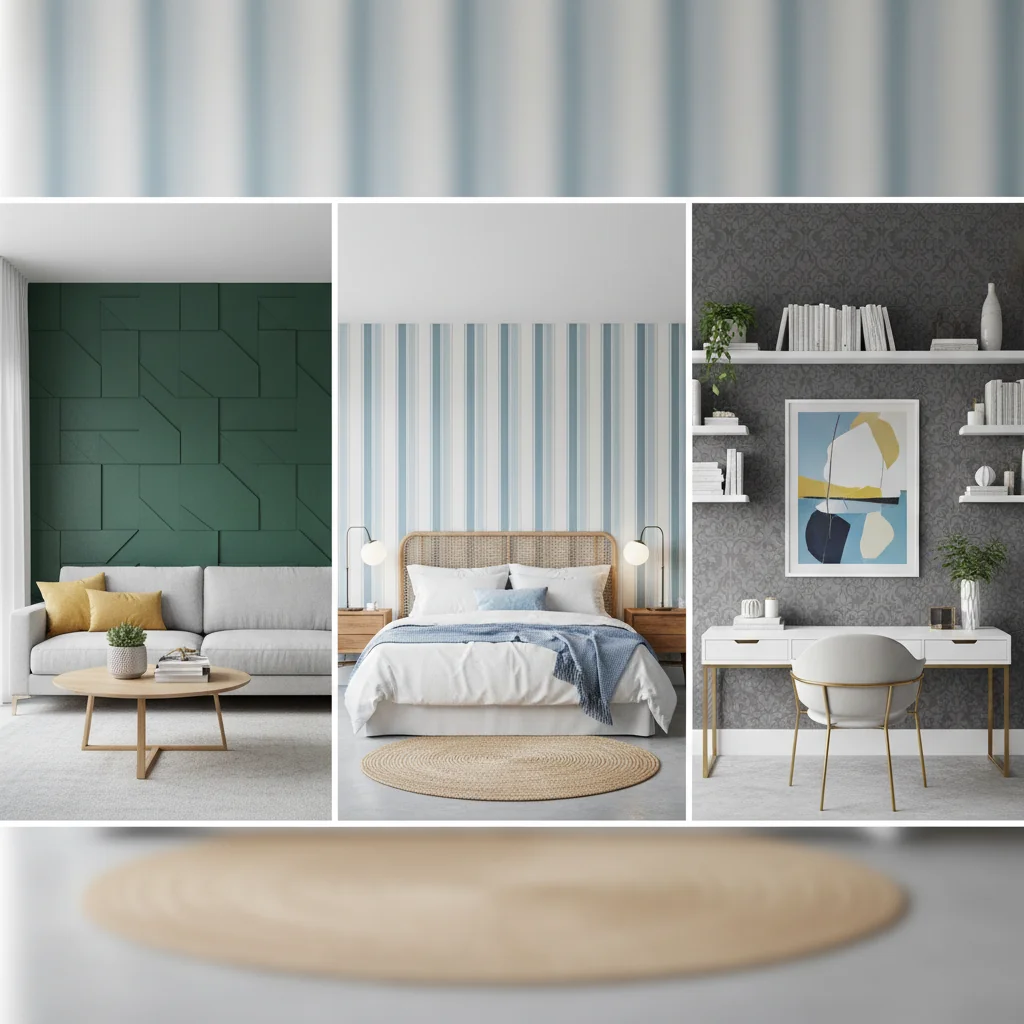
Selecting the right paintable wallpaper involves carefully considering the specific characteristics of your room, your desired aesthetic, and the functional demands placed upon the wall surface. The optimal choice will harmonize with the room’s purpose, withstand its environmental conditions, and contribute meaningfully to your overall design vision. This thoughtful selection process ensures both aesthetic satisfaction and long-term performance.
Before making a decision, evaluate the room’s traffic level, moisture exposure, existing architectural features, and the style you wish to cultivate. Each of these factors plays a crucial role in determining the most appropriate type and pattern of paintable wallpaper.
Considering Room Type and Traffic
The type of room and its expected level of traffic are critical factors in determining the durability requirements for your paintable wallpaper. High-traffic areas, such as hallways, entryways, and children’s rooms, demand robust and easily cleanable materials that can withstand frequent contact and potential scuffs. Conversely, low-traffic areas like formal dining rooms or guest bedrooms allow for more delicate or intricate patterns.
- High-Traffic Areas (Hallways, Entryways, Kids’ Rooms): Opt for highly durable options like solid vinyl, expanded vinyl, or fiberglass wallpaper. These materials are resistant to impact, scuffs, and are typically washable, ensuring longevity and easy maintenance.
- Moisture-Prone Areas (Kitchens, Bathrooms, Laundry Rooms): Non-woven and vinyl wallpapers are excellent choices due to their resistance to humidity and ability to be wiped clean. Fiberglass also performs exceptionally well in these environments, offering superior mold and mildew resistance.
- Low-Traffic/Formal Areas (Bedrooms, Living Rooms, Dining Rooms): Paper-backed, Anaglypta, or non-woven wallpapers with more intricate or subtle textures are suitable. These spaces allow for greater focus on aesthetic detail over extreme durability.
Matching Style and Aesthetic
The texture and pattern of the paintable wallpaper should align with your desired interior design style, enhancing the room’s aesthetic without overwhelming it. Consider the existing furnishings, architectural elements, and overall mood you wish to create. The wallpaper acts as a foundational layer, and its pattern will be accentuated by the chosen paint color and finish.
- Traditional and Classic Styles: Anaglypta and Lincrusta are perfect for creating an authentic, period look, mimicking plasterwork, tin ceilings, or carved wood. Subtle damasks, florals, or classic geometric patterns in paper-backed or non-woven materials also complement these styles.
- Modern and Contemporary Designs: Look for paintable wallpapers with clean lines, subtle geometric patterns, or minimalist textures that add depth without visual clutter. Fine linen textures or abstract patterns in non-woven or expanded vinyl can achieve a sophisticated, understated effect.
- Rustic and Farmhouse Aesthetics: Expanded vinyl patterns that mimic brick, shiplap, or distressed wood can perfectly capture a rustic charm. Subtle woven textures in natural tones also work well to create a cozy, inviting atmosphere.
- Transitional Spaces: Non-woven wallpapers with versatile textures, such as grasscloth imitations or subtle abstract designs, bridge the gap between traditional and modern, offering adaptable backdrops.
Texture and Pattern Considerations
The texture and pattern of paintable wallpaper are its defining features, adding tactile interest and visual depth that flat paint cannot. Consider how the pattern will interact with light and shadow, and how it will contribute to the overall ambiance of the room.
- Subtle Textures: Fine weaves, linen textures, or subtle stippling add a sophisticated backdrop without competing with other design elements. These are ideal for creating a serene atmosphere or for rooms with busy furnishings.
- Geometric Patterns: Stripes, diamonds, or interlocking shapes introduce a sense of order and modernity. The scale of the pattern should be proportionate to the room size; larger patterns can make a small room feel overwhelming.
- Organic and Floral Patterns: These designs bring a natural, soft aesthetic. Consider whether you want a bold, repeating floral or a more understated, leafy texture.
- Architectural Relief: Patterns mimicking tin tiles, wainscoting, or brick provide significant architectural character, especially effective on accent walls or ceilings.
- Hiding Imperfections: Deeper, more pronounced textures and patterns, like those found in expanded vinyl or Anaglypta, are exceptionally effective at camouflaging minor wall flaws.
Pre-Pasted vs. Unpasted Wallpaper
The method of adhesive application is another practical consideration, influencing the ease and speed of installation. Your choice between pre-pasted and unpasted wallpaper impacts the preparation steps required before hanging.
- Pre-Pasted Wallpaper: This type comes with a layer of dried adhesive on the back that is activated by wetting it with water, typically by submerging it in a water tray or using a spray bottle. Pre-pasted options are generally considered more convenient for DIY installers as they eliminate the need to apply separate paste. However, the paste can sometimes be less robust than a separately applied adhesive, and careful wetting is crucial for proper activation.
- Unpasted Wallpaper: This wallpaper requires you to apply a separate wallpaper adhesive to its back (or directly to the wall for “paste the wall” types) before hanging. While it adds a step to the process, it offers greater control over the adhesive type and quantity, often resulting in a stronger, more reliable bond. This is particularly beneficial for heavier wallpapers or in high-humidity environments.
Starhouse recommends carefully evaluating all these factors to ensure your selected paintable wallpaper not only looks stunning but also performs optimally in your unique home environment. We believe in empowering our customers to make informed choices that lead to lasting satisfaction.
Sizing and Measuring for Flawless Installation
Accurate sizing and meticulous measurement are the foundational steps for any successful paintable wallpaper installation, directly impacting the aesthetic outcome and preventing costly material waste. Precise calculations ensure you purchase the correct number of rolls and allow for seamless pattern matching across your walls. Inaccurate measurements invariably lead to frustration, visible seams, and potentially needing to reorder materials, delaying your project.
This process requires careful attention to detail, accounting for wall dimensions, door and window openings, and the specific pattern repeat of your chosen wallpaper. By following a systematic approach, you can confidently determine your material needs.
Accurate Wall Measurements
To determine the total square footage requiring wallpaper, you must accurately measure the height and width of each wall section that will be covered. Do not assume all walls are perfectly square or uniform; measure multiple points and use the largest dimensions for each section to ensure adequate material. Always round up your measurements to the nearest whole inch or foot to provide a small buffer.
- Measure Wall Height: Measure from the baseboard to the ceiling at several points along the wall. Use the tallest measurement as your working height.
- Measure Wall Width: Measure the width of each wall section. For walls with doors or windows, measure the total width of the wall as if there were no openings, and then measure the dimensions of the openings separately.
- Calculate Total Square Footage: Multiply the height by the width for each wall section to get its square footage. Sum these values to get the total square footage of all areas to be covered.
- Account for Openings: For doors and windows, calculate their square footage and subtract it from the total. However, do not subtract more than 15-20 sq ft for any single opening, as you will still need wallpaper for cuts around the frames.
Understanding Pattern Repeat and Waste
Pattern repeat is the vertical distance on a wallpaper roll before the design begins to repeat itself, and it is a crucial factor in calculating how much wallpaper you need. This dimension dictates how much extra material you must account for to ensure the pattern aligns perfectly from one strip to the next. Ignoring pattern repeat will result in misaligned designs and visible breaks in your chosen texture.
- Straight Match: The pattern matches at the same height on adjacent strips. This is the most straightforward repeat.
- Drop Match (Half Drop or Offset Match): The pattern matches on adjacent strips, but one strip is dropped (or raised) by a certain distance relative to the other. This requires more careful cutting and typically generates more waste.
- Random Match: There is no specific pattern to match, allowing strips to be hung side-by-side without alignment concerns. This type minimizes waste.
For wallpapers with a pattern repeat, you must add extra length to each strip to accommodate matching the design. A general rule of thumb is to add one full pattern repeat to the height of each strip, or more for complex drop matches, and then calculate the number of strips per roll. This extra material is essential for achieving a professional, seamless finish.
Calculating Rolls Needed
Once you have your wall dimensions and understand the pattern repeat, you can calculate the number of wallpaper rolls required. Wallpaper rolls are typically sold in standard sizes, with common dimensions being 20.5 inches or 27 inches wide, and 16.5 feet or 33 feet long.
Here’s a step-by-step method for calculating rolls:
- Determine the Number of Strips per Roll:
- Measure your wall height (H) in inches.
- Add the pattern repeat (PR) in inches to the wall height (H + PR). This is your required strip length.
- Divide the total length of one roll (L, in inches) by the required strip length. Round down to the nearest whole number. This gives you the number of full strips you can get from one roll.
Number of Strips per Roll = Floor(Roll Length / (Wall Height + Pattern Repeat))
- Determine the Number of Strips Needed for Your Walls:
- Measure the total width of all walls to be covered (W) in inches.
- Divide the total wall width by the width of one wallpaper strip (SW, in inches). Round up to the nearest whole number. This gives you the total number of strips required for your project.
Total Strips Needed = Ceil(Total Wall Width / Strip Width)
- Calculate Total Rolls:
- Divide the total strips needed by the number of strips you can get from one roll. Round up to the nearest whole number. This is the total number of rolls you should purchase.
Total Rolls = Ceil(Total Strips Needed / Number of Strips per Roll)
- Divide the total strips needed by the number of strips you can get from one roll. Round up to the nearest whole number. This is the total number of rolls you should purchase.
Example:
Wall Height: 96 inches
Total Wall Width: 240 inches
Wallpaper Roll Width: 20.5 inches
Wallpaper Roll Length: 33 feet (396 inches)
Pattern Repeat: 21 inches
1. Strips per Roll: 396 inches / (96 inches + 21 inches) = 396 / 117 = 3.38. Round down to 3 strips per roll.
2. Total Strips Needed: 240 inches / 20.5 inches = 11.7. Round up to 12 strips.
3. Total Rolls: 12 strips / 3 strips per roll = 4 rolls.
Always purchase an extra roll beyond your calculated needs to account for errors, future repairs, or pattern matching challenges. Wallpaper dye lots can vary slightly, so having an extra roll from the same batch ensures color consistency. This small investment can save significant headaches later.
Installation Guide: From Prep to Perfection
A flawless paintable wallpaper installation hinges on meticulous surface preparation, the use of appropriate tools, and adherence to precise hanging techniques. Proper preparation ensures optimal adhesion and a smooth, long-lasting finish, directly influencing how well the wallpaper performs and looks over time. Skimping on these initial steps inevitably leads to bubbling, peeling, or visible imperfections that detract from the final aesthetic.
This comprehensive guide walks you through each stage, from readying your walls to applying the final coat of paint, ensuring a professional-quality result. Each step is critical for success, building upon the last to create a durable and beautiful wall treatment.
Surface Preparation: The Foundation of Success
Proper wall preparation is the most critical step in wallpaper installation, as it directly impacts adhesion and the final appearance of your paintable wallpaper. A clean, smooth, and properly primed surface is essential for preventing common issues like bubbles, peeling, and visible seams.
- Clean the Walls: Thoroughly wash walls with a mild detergent (like TSP substitute) and water to remove dirt, grease, and grime. Rinse completely with clean water and allow to dry fully.
- Repair Imperfections: Fill any holes, cracks, or dents with spackle or joint compound. Sand these areas smooth once dry, ensuring no raised edges. Paintable wallpaper can hide minor imperfections, but larger flaws will still show through.
- Remove Old Wallpaper (If Applicable): If old wallpaper is present, it must be completely removed. Residual adhesive or loose edges will compromise the new wallpaper’s adhesion.
- Prime the Walls: Apply a high-quality wallpaper primer, often referred to as a “sizing” or “wallcovering primer.” This creates a uniform surface for adhesion, seals porous walls, and makes future wallpaper removal easier. Allow the primer to dry completely according to manufacturer instructions, typically 24 hours. For newly painted walls, ensure the paint is fully cured (usually 2-4 weeks) before priming and wallpapering.
Essential Tools and Supplies
Having the right tools on hand streamlines the installation process and helps achieve a professional finish. Gather all necessary items before you begin to avoid interruptions.
- Tape measure and pencil
- Straightedge or level
- Utility knife with fresh blades
- Smoothing brush or plastic smoother
- Seam roller (for traditional wallpapers)
- Wallpaper paste (if unpasted wallpaper)
- Paste brush or roller (if unpasted wallpaper)
- Water tray or spray bottle (if pre-pasted wallpaper)
- Clean sponges and buckets of water
- Drop cloths
- Ladder or step stool
- Scissors
- Paint (latex or acrylic recommended)
- Paint rollers, brushes, and paint tray
Hanging Techniques: Pre-Pasted vs. Unpasted
The hanging technique varies slightly depending on whether your paintable wallpaper is pre-pasted or unpasted. Always refer to the specific instructions provided by the wallpaper manufacturer, as variations exist.
For Pre-Pasted Wallpaper:
- Cut Strips: Measure and cut your first strip, adding 4-6 inches to the top and bottom for trimming. For subsequent strips, align the pattern and cut, maintaining the extra length.
- Activate Paste: Roll the cut strip loosely with the paste-side inward, or fold it in an accordion style, and submerge it in a water tray for the recommended time (usually 30-60 seconds). Alternatively, mist the back thoroughly with a spray bottle.
- Book the Wallpaper: Remove the strip from the water, fold it gently paste-to-paste (called “booking”), and let it rest for 5-10 minutes. This allows the adhesive to fully activate.
- Hang the First Strip: Start in an inconspicuous corner or near a door frame. Draw a plumb line (a vertical line using a level) from the ceiling down to the baseboard to ensure your first strip is perfectly straight. Align the edge of the booked strip with this plumb line, starting from the top.
- Smooth and Trim: Use a smoothing brush or plastic smoother to work out bubbles and wrinkles, moving from the center outwards. Trim excess wallpaper at the ceiling and baseboard with a utility knife and straightedge.
- Repeat for Subsequent Strips: For the next strip, align the pattern carefully with the previous strip, butt the edges tightly (do not overlap unless specified), and smooth it onto the wall. Use a seam roller for paper-backed wallpapers to ensure tight seams.
For Unpasted Wallpaper:
- Cut Strips: Measure and cut strips as described for pre-pasted wallpaper, accounting for pattern repeat and trim.
- Apply Adhesive to Wallpaper (or Wall):
- Paste the Paper: Lay the strip face down on a clean drop cloth or pasting table. Apply an even, generous layer of wallpaper paste to the back of the strip using a paste brush or roller. Work from the center outwards to the edges.
- Paste the Wall (for non-woven): Apply wallpaper adhesive directly to the wall section where the first strip will be hung, covering an area slightly wider than the wallpaper strip.
- Book the Wallpaper (if pasting the paper): Fold the pasted strip gently paste-to-paste and let it rest for the manufacturer’s recommended time (usually 5-10 minutes). This allows the adhesive to become tacky.
- Hang and Smooth: Follow steps 4-6 from the pre-pasted instructions, ensuring a plumb line for the first strip and carefully matching patterns for subsequent strips. Clean any excess paste from seams immediately with a damp sponge.
Brewster Wallcovering offers detailed guidance on how to hang prepasted wallpaper, reinforcing the importance of proper booking and smoothing techniques for a professional finish. Their instructions emphasize careful handling to prevent damage and ensure optimal adhesion.
Painting the Wallpaper
Once your paintable wallpaper is fully installed and the adhesive has completely dried (typically 24-48 hours, or as recommended by the manufacturer), it is ready for paint. Ensure the room is well-ventilated.
- Choose Your Paint: Select a high-quality latex or acrylic paint. For areas requiring durability and washability, eggshell, satin, or semi-gloss finishes are excellent. Matte or flat finishes will emphasize the texture more subtly.
- Apply Primer (Optional but Recommended): While paintable wallpaper is designed to be painted, a coat of latex primer can improve paint adhesion, ensure color uniformity, and reduce the number of paint coats needed, especially if you’re making a drastic color change. Allow primer to dry.
- Paint the Wallpaper: Use a roller for large areas and a brush for edges, corners, and intricate textures. Apply paint evenly, ensuring it penetrates all the embossed details without pooling. Two coats are usually recommended for full color saturation and durability.
- Allow to Cure: Let the paint fully cure according to the paint manufacturer’s instructions before subjecting the walls to heavy use or cleaning.
With careful attention to each of these steps, your paintable wallpaper installation will not only be successful but will also provide a beautiful, textured, and customized finish that enhances your home for years to come.
Styling and Pairing Paintable Wallpaper with Your Décor
Styling paintable wallpaper effectively involves a thoughtful integration of color, texture, and pattern with your existing furnishings and overall room aesthetic, transforming walls into dynamic design elements. The wallpaper serves as a foundational layer, offering an opportunity to create depth and visual interest that complements and enhances other decorative choices. Successful pairing ensures a cohesive and harmonious interior that reflects your personal style.
The beauty of paintable wallpaper lies in its versatility; it can be a subtle backdrop or a bold statement, depending on your chosen paint color and the wallpaper’s inherent texture. Considering how it interacts with light, furniture, textiles, and architectural features is key to achieving a polished result.
Color Psychology and Selection
The paint color you choose for your paintable wallpaper has a profound impact on the room’s mood, perceived size, and overall aesthetic. Understanding color psychology can guide your selection, ensuring the painted texture contributes to the desired atmosphere.
- Warm Colors (Reds, Oranges, Yellows): These colors create a vibrant, energetic, and inviting atmosphere, making a room feel cozier and more intimate. They can stimulate conversation and are ideal for living rooms, dining rooms, or entryways where you want to make a bold statement.
- Cool Colors (Blues, Greens, Purples): Cool tones evoke a sense of calm, serenity, and spaciousness. They are perfect for bedrooms, bathrooms, or home offices where relaxation and focus are desired. Lighter cool colors can make a room feel larger and more open.
- Neutrals (Grays, Beiges, Whites): Neutrals provide a versatile and timeless backdrop that allows other design elements, such as furniture, art, and accessories, to stand out. They create a sophisticated and understated elegance, suitable for almost any room. The texture of paintable wallpaper prevents neutrals from feeling bland.
- Dark Colors (Navy, Charcoal, Deep Green): Used strategically, dark colors can add drama, luxury, and intimacy to a space. They work well in smaller rooms, accent walls, or for creating a moody, sophisticated ambiance in a den or powder room. The texture of paintable wallpaper prevents dark colors from appearing flat.
Consider the room’s natural light; a well-lit room can handle darker shades, while a dimly lit room benefits from lighter colors to maximize brightness. Test paint samples on a small section of the wallpaper to see how the color interacts with the texture and light before committing.
Complementing Furniture and Textiles
The texture and color of your paintable wallpaper should complement, rather than compete with, your furniture and textiles. Aim for a balanced design where each element supports the others, creating a harmonious visual flow.
- Harmonious Pairing: If your furniture and textiles feature bold patterns or vibrant colors, select a paintable wallpaper with a subtle texture and a neutral or complementary paint color. This allows the furniture to be the focal point while the walls add depth.
- Contrasting Elements: For rooms with minimalist furniture or solid-colored textiles, a paintable wallpaper with a more pronounced pattern or a richer, contrasting paint color can inject visual interest and personality. For example, a deeply textured Anaglypta painted in a jewel tone can create a dramatic backdrop for sleek, modern furnishings.
- Textural Play: Combine soft, plush textiles (velvet, wool) with a wallpaper that has a crisp, geometric texture to create a dynamic contrast. Conversely, if your textiles are smooth and contemporary (silk, leather), a wallpaper with an organic or rustic texture (like a faux brick or stucco) can add warmth and tactile appeal.
Layering Textures for Depth
Layering various textures is a hallmark of sophisticated interior design, and paintable wallpaper is an excellent tool for achieving this. By introducing a tactile surface to your walls, you immediately add a layer of complexity and richness to the room.
- Subtle Texture Play: Combine a paintable wallpaper with a fine linen or subtle woven texture, painted in a matte finish, with other soft textures like a woven rug, knit throws, and natural wood furniture. This creates a serene, organic, and inviting space.
- Bold Textural Statements: Use an expanded vinyl wallpaper mimicking brick or stone, painted in a contrasting color, as an accent wall. Pair this with sleek metallic accents, smooth leather, and glass elements to create an urban industrial or modern rustic aesthetic. The juxtaposition of rough and smooth textures creates visual drama.
- Architectural Detail: Leverage patterns that mimic wainscoting, paneling, or crown molding. Painting these in a semi-gloss finish will highlight their architectural relief, adding a traditional elegance. This can be effectively paired with classic furniture styles and rich fabrics.
Accentuating Architectural Features
Paintable wallpaper can be strategically used to highlight or create architectural interest, transforming plain walls or ceilings into focal points. It provides an opportunity to add character where none existed or to enhance existing features.
- Accent Walls: Apply a paintable wallpaper with a distinctive pattern or texture to a single wall to create a feature wall. This draws the eye and defines a specific area within an open-concept space. Painting it in a bolder color than the surrounding walls will further enhance its impact.
- Ceiling Applications: Don’t overlook the “fifth wall.” Paintable wallpaper on the ceiling can add unexpected elegance and a sense of luxury, especially patterns that mimic tin tiles, plasterwork, or subtle geometric designs. Painting it a lighter color than the walls can make the ceiling feel higher, while a darker shade can create intimacy.
- Faux Paneling or Wainscoting: Use paintable wallpaper with a paneling or wainscoting pattern to create the illusion of architectural millwork without the cost and complexity of actual wood installation. Paint the “panels” in a contrasting or complementary color to the wall above for a classic look.
- Highlighting Niches and Alcoves: Small architectural features can be brought to life with paintable wallpaper. A textured pattern painted in a contrasting shade within a niche can turn it into a captivating display area.
By thoughtfully integrating paintable wallpaper into your overall design, you can achieve a highly personalized, sophisticated, and visually rich interior that truly reflects your unique style and enhances the character of your home.
Care and Maintenance for Long-Lasting Beauty
Proper care and maintenance are essential for preserving the aesthetic appeal and extending the lifespan of your paintable wallpaper, ensuring it remains a vibrant and integral part of your home décor. Regular cleaning and prompt attention to minor damages prevent the accumulation of dirt and wear, which can otherwise diminish its textured beauty. Adhering to specific cleaning guidelines for painted surfaces is crucial to protect both the paint finish and the underlying wallpaper material.
The durability of paintable wallpaper, especially when coated with high-quality paint, makes it relatively easy to maintain. However, understanding the correct techniques for cleaning and minor repairs will keep your walls looking fresh and new for many years.
Cleaning Painted Surfaces
The method for cleaning paintable wallpaper largely depends on the type of paint used and its finish. Generally, painted surfaces are more resilient than unpainted wallpaper, but abrasive cleaners or harsh scrubbing can damage the paint film and potentially the wallpaper beneath.
- Dust Regularly: Use a soft, dry cloth, a feather duster, or a vacuum cleaner with a brush attachment to gently remove surface dust and cobwebs. This prevents dirt from building up and becoming ingrained in the textured surface.
- Spot Clean Spills Immediately: For spills or marks, blot the area gently with a clean, damp cloth as soon as possible. Avoid rubbing vigorously, which can spread the stain or damage the paint.
- General Cleaning for Washable Paints (Eggshell, Satin, Semi-Gloss): For more thorough cleaning, use a soft cloth or sponge dampened with a solution of mild soap (like dish soap) and warm water. Gently wipe the surface, working from the bottom up to prevent streaks. Rinse the cloth frequently with clean water and wipe down the walls to remove any soap residue. Pat dry with a clean, dry cloth.
- Caution with Matte or Flat Paints: These finishes are generally less washable and more prone to showing marks from cleaning. For matte surfaces, try a “dry sponge” (a chemical sponge designed for dry cleaning) first. If wet cleaning is necessary, use minimal moisture and test in an inconspicuous area.
- Avoid Harsh Chemicals: Never use abrasive cleaners, scouring pads, ammonia-based products, or strong chemical solvents, as these will damage the paint finish and potentially the wallpaper.
Repairing Minor Damage
Despite its durability, paintable wallpaper can occasionally suffer minor damage. Prompt and correct repairs can seamlessly restore its appearance without the need for extensive re-wallpapering.
- Small Tears or Peeling Seams: For minor tears or edges that have begun to peel, apply a small amount of wallpaper adhesive directly to the back of the loose section using a fine brush or syringe. Press the wallpaper firmly back into place, wiping away any excess adhesive with a damp sponge. Allow to dry completely.
- Scuffs and Scratches: For light scuffs on washable paint, a gentle wipe with a damp cloth may suffice. For deeper scratches or areas where the paint has been removed, carefully touch up the area with the original paint color using a small artist’s brush. Ensure you have leftover paint from the original application for a perfect color match.
- Dents or Gouges: For minor dents that haven’t torn the wallpaper, sometimes a gentle application of steam (from an iron held near but not touching the wall) can help the embossed texture to slightly expand and reduce the appearance of the dent. For gouges where the wallpaper material is damaged, a small patch may be necessary. Cut a piece of matching wallpaper slightly larger than the damaged area, align the pattern, and adhere it over the damage. Once dry, carefully paint the patch to blend.
Long-Term Preservation Tips
Beyond routine cleaning and minor repairs, certain practices contribute to the long-term preservation of your paintable wallpaper.
- Maintain Consistent Humidity: Extreme fluctuations in humidity can cause wallpaper to expand and contract, potentially leading to seam separation or bubbling. Using a humidifier or dehumidifier to maintain a stable indoor environment (ideally between 30-50% humidity) can help.
- Protect from Direct Sunlight: Prolonged exposure to direct sunlight can cause paint colors to fade over time. Use blinds, curtains, or UV-filtering window films to protect walls in sun-drenched rooms.
- Store Leftover Materials: Keep any leftover rolls of wallpaper and cans of paint in a cool, dry place. This ensures you have matching materials for future repairs or touch-ups, which is crucial for maintaining a uniform appearance. Always label paint cans with the room and date of application.
- Avoid Heavy Objects: Refrain from leaning heavy furniture or objects against wallpapered walls, as this can cause permanent indentations or damage to the textured surface.
By integrating these care and maintenance practices into your routine, your paintable wallpaper will continue to provide a beautiful, textured, and customized backdrop for your home for many years, reflecting the quality and attention to detail you invested in its selection and installation.
Common Mistakes to Avoid with Paintable Wallpaper
Avoiding common pitfalls during the selection and installation of paintable wallpaper is crucial for achieving a professional, long-lasting, and aesthetically pleasing result. Many issues that arise, such as peeling seams, visible bubbles, or an uneven finish, can be directly attributed to overlooked details or improper techniques during the preparation and hanging stages. Awareness of these frequent errors allows for proactive prevention, ensuring your project’s success.
Careful planning and execution are paramount. By understanding where others often falter, you can navigate your paintable wallpaper journey with greater confidence and precision, leading to a superior outcome that enhances your home’s design.
Inadequate Surface Preparation
Failing to properly prepare your walls is the single most common mistake and the leading cause of wallpaper installation failures. A dirty, uneven, or unprimed surface will inevitably lead to poor adhesion, visible imperfections, and ultimately, a disappointing finish.
- Not Cleaning Walls Thoroughly: Grease, dust, and grime prevent adhesive from bonding properly, leading to peeling. Always wash walls thoroughly with a TSP substitute and rinse completely.
- Ignoring Wall Imperfections: While paintable wallpaper can hide minor flaws, significant holes, cracks, or bumps will telegraph through the wallpaper, creating an unsightly finish. Spackle and sand all imperfections smooth.
- Skipping Primer: Primer (or sizing) is essential. It seals porous surfaces, promotes consistent adhesion, and makes future removal easier. Without it, wallpaper can bond too strongly to the drywall, or not strongly enough to painted surfaces, leading to damage or peeling.
Incorrect Adhesive Application or Type
Using the wrong type or amount of adhesive can compromise the entire installation, leading to various issues from poor adhesion to visible bubbling.
- Using the Wrong Adhesive: Different wallpapers require specific adhesives. Heavy-duty wallpapers (like fiberglass or Lincrusta) need stronger pastes than standard paper-backed or non-woven types. Always match the adhesive to the wallpaper material.
- Insufficient Adhesive: Not applying enough paste, especially to edges, results in seams lifting and peeling. Ensure even, generous coverage, particularly on the perimeter of the strip.
- Excessive Adhesive: Too much paste can squeeze out at the seams, creating mess and potential staining, especially if not wiped away immediately. It can also cause wallpaper to slip or bubble.
- Improper Activation (for Pre-Pasted): Not allowing pre-pasted wallpaper to soak or “book” for the recommended time prevents the adhesive from fully activating, leading to poor tack and adhesion.
Rushing the Installation Process
Attempting to complete the project too quickly often leads to sloppy work, misalignments, and overlooked details that are difficult to correct later. Patience is a virtue in wallpaper installation.
- Not Using a Plumb Line: Starting the first strip without a perfectly vertical plumb line will cause all subsequent strips to be crooked, resulting in misaligned patterns and visible gaps.
- Improper Pattern Matching: For patterned wallpapers, failing to carefully align the pattern repeat between strips creates a disjointed and unprofessional look. Take the time to dry-fit and match before applying paste.
- Ignoring Booking Time: For pre-pasted or pasted wallpaper, skipping the “booking” step (folding the pasted paper onto itself) prevents the adhesive from relaxing the paper and becoming fully tacky, leading to bubbles and difficulty smoothing.
- Not Smoothing Properly: Trapped air bubbles or wrinkles will remain visible, especially after painting. Use a smoothing tool to firmly and consistently work out all air pockets from the center outwards.
Choosing the Wrong Paint or Applying Too Soon
While designed to be painted, the type of paint and timing of application significantly impact the final result and durability.
- Painting Before Adhesive Dries: Applying paint before the wallpaper adhesive has fully cured (typically 24-48 hours) can trap moisture, causing bubbles, blistering, or preventing proper paint adhesion.
- Using Incompatible Paint: While most latex or acrylic paints work well, using oil-based paints on certain wallpapers can cause issues. Always ensure the paint is suitable for wallcoverings.
- Using Low-Quality Paint: Cheap paint may require more coats to cover, potentially saturating the wallpaper too much, or may not provide the desired durability and washability, especially in high-traffic areas.
- Over-Saturating with Paint: Applying excessively thick coats of paint can obscure the fine details of the wallpaper’s texture or cause the paper to swell and bubble. Apply thin, even coats.
Neglecting to Purchase an Extra Roll
Underestimating material needs is a common and easily avoidable mistake that can cause significant delays and frustration.
- Running Out Mid-Project: Not purchasing an extra roll for mistakes, future repairs, or pattern matching can leave you short of material.
- Dye Lot Differences: If you need to purchase an additional roll later, there’s a risk it will come from a different dye lot, resulting in a subtle but noticeable color variation once painted. Always buy all rolls from the same dye lot initially.
By being mindful of these common mistakes, you can approach your paintable wallpaper project with a clear strategy, ensuring a smooth installation and a stunning, long-lasting finish that elevates your home’s aesthetic.
Current Trends in Paintable Wallpaper Design
Current trends in paintable wallpaper design reflect a growing desire for personalized, tactile, and architecturally rich interiors, moving beyond flat surfaces to embrace depth and character. Designers and homeowners are increasingly seeking ways to add bespoke elements to their spaces, and paintable wallpaper offers an ideal canvas for achieving these sophisticated effects. The emphasis is on texture, subtle patterns, and innovative applications that enhance a room’s unique identity.
These trends highlight the versatility of paintable wallpaper, showcasing its ability to adapt to various design aesthetics while providing a durable and customizable finish. From understated elegance to bold statements, there is a trend to suit every design vision.
Geometric Patterns with Subtle Relief
Geometric patterns remain a strong trend, but with paintable wallpaper, they take on a new dimension through subtle relief rather than bold color contrasts. Think understated diamonds, interlocking squares, or delicate linear designs that create a sophisticated, architectural backdrop. When painted in a single, muted color, these patterns offer a contemporary feel that is both dynamic and refined. This approach adds visual interest without overwhelming the space, perfect for modern and transitional interiors.
- Popular motifs: Herringbone, subtle chevrons, interlocking hexagons, abstract linear designs.
- Ideal for: Accent walls in living rooms, home offices, or for adding a modern touch to a bedroom.
- Styling tip: Paint in a matte or eggshell finish to emphasize the texture; use a semi-gloss for a more reflective, dynamic effect.
Embracing Organic and Biophilic Textures
The biophilic design movement, which emphasizes connection to nature, is strongly influencing paintable wallpaper trends. Patterns mimicking natural elements like grasscloth, woven linen, subtle bark textures, or even flowing organic lines are highly sought after. These textures bring a sense of calm, warmth, and natural beauty into the home, creating serene and grounding environments. When painted in earthy tones, soft greens, or muted blues, they enhance the biophilic aesthetic.
- Popular textures: Faux grasscloth, woven linen, subtle wood grain, abstract organic swirls, leaf motifs.
- Ideal for: Bedrooms, bathrooms, living rooms, or any space where a connection to nature and tranquility is desired.
- Styling tip: Pair with natural wood furniture, plants, and soft, natural fiber textiles for a cohesive look.
Architectural Replication and Historical Revival
There’s a resurgence in using paintable wallpaper to replicate historical architectural details, such as wainscoting, decorative plasterwork, or tin ceiling tiles. Anaglypta and Lincrusta, with their deeply embossed, intricate patterns, are particularly popular for this trend, allowing homeowners to infuse their spaces with classic elegance and grandeur without the cost of custom millwork. This trend is about adding character and a sense of history, even in new constructions.
- Popular patterns: Classic damasks, ornate medallions, faux tin tile, paneling, and wainscoting designs.
- Ideal for: Dining rooms, formal living areas, entryways, or to add drama to a powder room or ceiling.
- Styling tip: Paint wainscoting patterns in a contrasting color or a semi-gloss finish to mimic traditional wood trim. For ceilings, paint in a crisp white or a metallic shade for a stunning effect.
Subtle Metallic Accents and Sheen
While the wallpaper itself is paintable, incorporating subtle metallic paints or paints with a slight sheen is a growing trend. After the base color is applied, a delicate metallic glaze or a paint with a pearlized finish can be brushed or rolled over the embossed texture, catching the light and adding a touch of glamour and sophistication. This technique highlights the three-dimensional quality of the wallpaper, making it shimmer subtly as light shifts.
- Popular applications: Over geometric patterns, organic textures, or even classic Anaglypta designs.
- Ideal for: Accent walls, powder rooms, or ceilings where a touch of luxury is desired.
- Styling tip: Choose metallic paints in understated tones like champagne, soft gold, or brushed silver to avoid an overly opulent look.
Textured Ceilings and “Fifth Wall” Focus
The “fifth wall” (the ceiling) is increasingly becoming a focal point in interior design, and paintable wallpaper is a prime tool for this. Instead of plain white, ceilings are being adorned with textured wallpaper patterns, often geometric or historical, painted in a color that complements the walls. This adds an unexpected layer of design, drawing the eye upward and creating a more immersive and complete aesthetic. This trend is particularly effective in rooms with high ceilings or in smaller spaces where a vertical design element can create an illusion of height.
- Popular patterns: Subtle geometric, faux tin tile, or fine plaster-like textures.
- Ideal for: Dining rooms, bedrooms, or living rooms to add architectural interest.
- Styling tip: Paint the ceiling wallpaper in a slightly lighter shade than the walls for a harmonious effect, or in a contrasting color for a dramatic statement.
These trends underscore the enduring appeal of paintable wallpaper as a versatile and sophisticated design element. By embracing texture and color in innovative ways, homeowners can create truly unique and personalized interiors that stand the test of time.
Sources
Frequently Asked Questions
Can paintable wallpaper be removed easily?
The ease of removal for paintable wallpaper depends significantly on the type of wallpaper material and whether the wall was properly primed before installation. Non-woven paintable wallpaper is generally the easiest to remove, often peeling off in full sheets without damaging the wall, especially if a wallcovering primer was used. Paper-backed or vinyl types may require more effort, often needing to be scored and soaked with a wallpaper remover solution.
What kind of paint should I use on paintable wallpaper?
You should use high-quality latex or acrylic interior paint on paintable wallpaper for best results. These water-based paints are flexible, durable, and allow the wallpaper to breathe. For areas requiring high durability and washability, such as kitchens or bathrooms, choose an eggshell, satin, or semi-gloss finish. For a more subtle, sophisticated look that emphasizes the texture, a matte or flat finish is appropriate for low-traffic areas.
How long does paintable wallpaper last?
Paintable wallpaper, when properly installed and maintained, can last for 10 to 15 years or even longer. Its longevity is influenced by the quality of the wallpaper material (e.g., fiberglass and vinyl types are extremely durable), the quality of the adhesive, proper wall preparation, and the type of paint used. The ability to repaint it multiple times also extends its functional lifespan, as you can refresh its appearance without replacing the underlying material.
Can paintable wallpaper hide major wall imperfections?
Paintable wallpaper is highly effective at concealing minor wall imperfections such as hairline cracks, small dents, and slightly uneven surfaces due to its embossed texture. However, it cannot hide major flaws like deep holes, large cracks, or significant unevenness. These larger imperfections will likely show through the wallpaper, so it is crucial to repair and smooth out any substantial damage before installation for the best results.
Is paintable wallpaper suitable for bathrooms or kitchens?
Yes, certain types of paintable wallpaper are highly suitable for bathrooms and kitchens, particularly those made from vinyl, expanded vinyl, or non-woven materials. These types offer superior moisture resistance, durability, and are often washable, making them ideal for environments prone to humidity, splashes, and frequent cleaning. Ensure proper ventilation is in place and use a paint with a satin or semi-gloss finish for added protection against moisture.
Can I install paintable wallpaper myself, or do I need a professional?
Many homeowners with moderate DIY experience can successfully install paintable wallpaper, especially non-woven or pre-pasted varieties, which are generally more forgiving. However, for complex patterns, heavy materials like Lincrusta, or large/high-ceilinged rooms, hiring a professional installer ensures a flawless finish and avoids common installation errors. Proper surface preparation, precise measurement, and careful handling are critical for a successful DIY project.
Does paintable wallpaper add insulation to walls?
While paintable wallpaper, particularly thicker varieties like expanded vinyl or Lincrusta, adds a slight insulating layer to walls, its primary function is not thermal insulation. Any thermal benefit is minimal compared to dedicated insulation materials. Its main advantages are aesthetic enhancement, durability, and the ability to conceal minor wall imperfections, rather than significant energy savings.
Conclusion
Paintable wallpaper stands as a remarkably versatile and sophisticated design solution, offering an unparalleled blend of textural elegance and customizable color that elevates any interior space. From concealing minor wall imperfections to introducing architectural depth and character, its functional and aesthetic advantages are profound. By understanding the various types, meticulously preparing surfaces, and applying precise installation techniques, homeowners and designers can unlock its full potential, creating truly personalized and enduring environments.
The journey of selecting, installing, and styling paintable wallpaper is one of thoughtful design and meticulous execution, culminating in a finished space that reflects individuality and refined taste. Its ability to adapt to evolving trends through simple repainting underscores its long-term value, making it a wise investment in the beauty and durability of your home. Starhouse is dedicated to curating exceptional elements for every room, and we believe paintable wallpaper offers a unique canvas for your design aspirations.
As Starhouse prepares to launch its curated collection of home & décor essentials, we invite you to be part of our journey. Share your vision and help us understand the unique elements that will transform your space. Tell us what you’re looking for, and gain early access to our exclusive offerings. Visit https://starhouseusa.online/ to connect with us and shape the future of sophisticated home design.