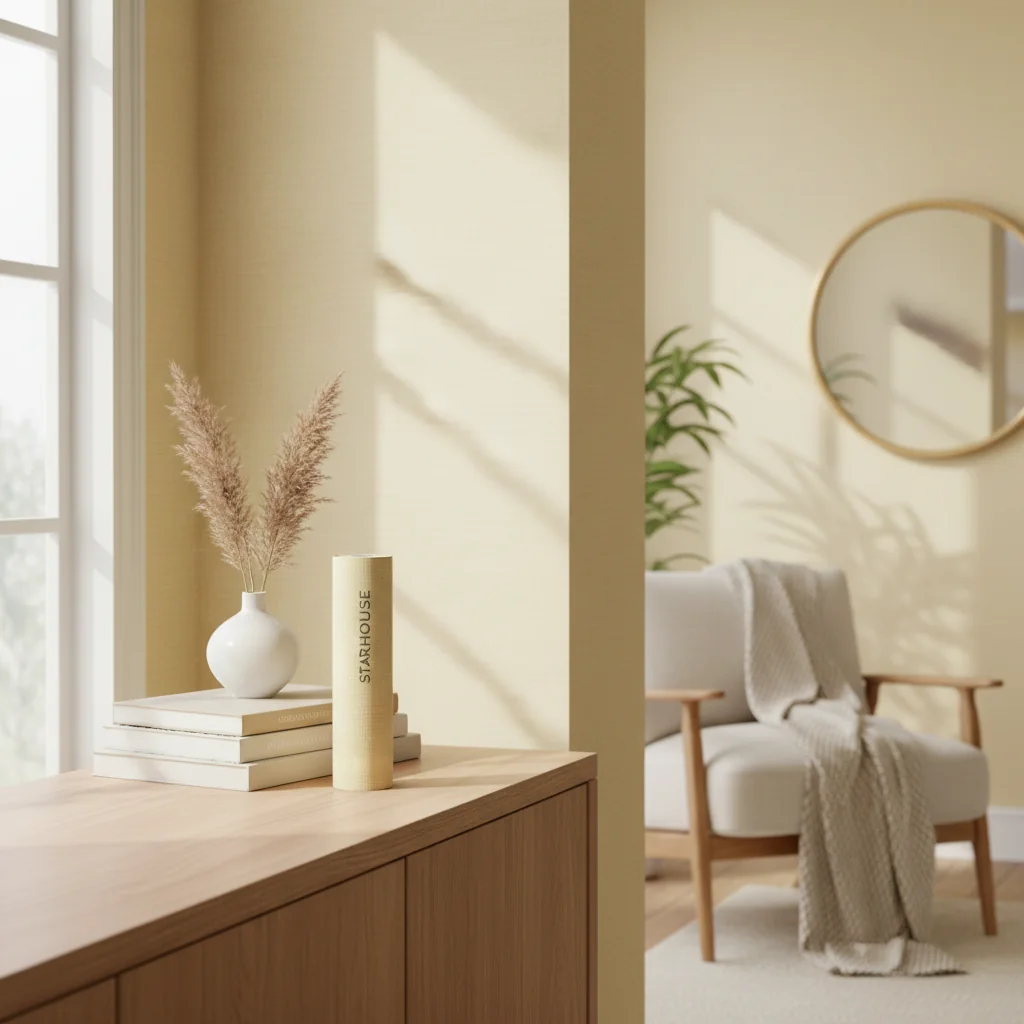
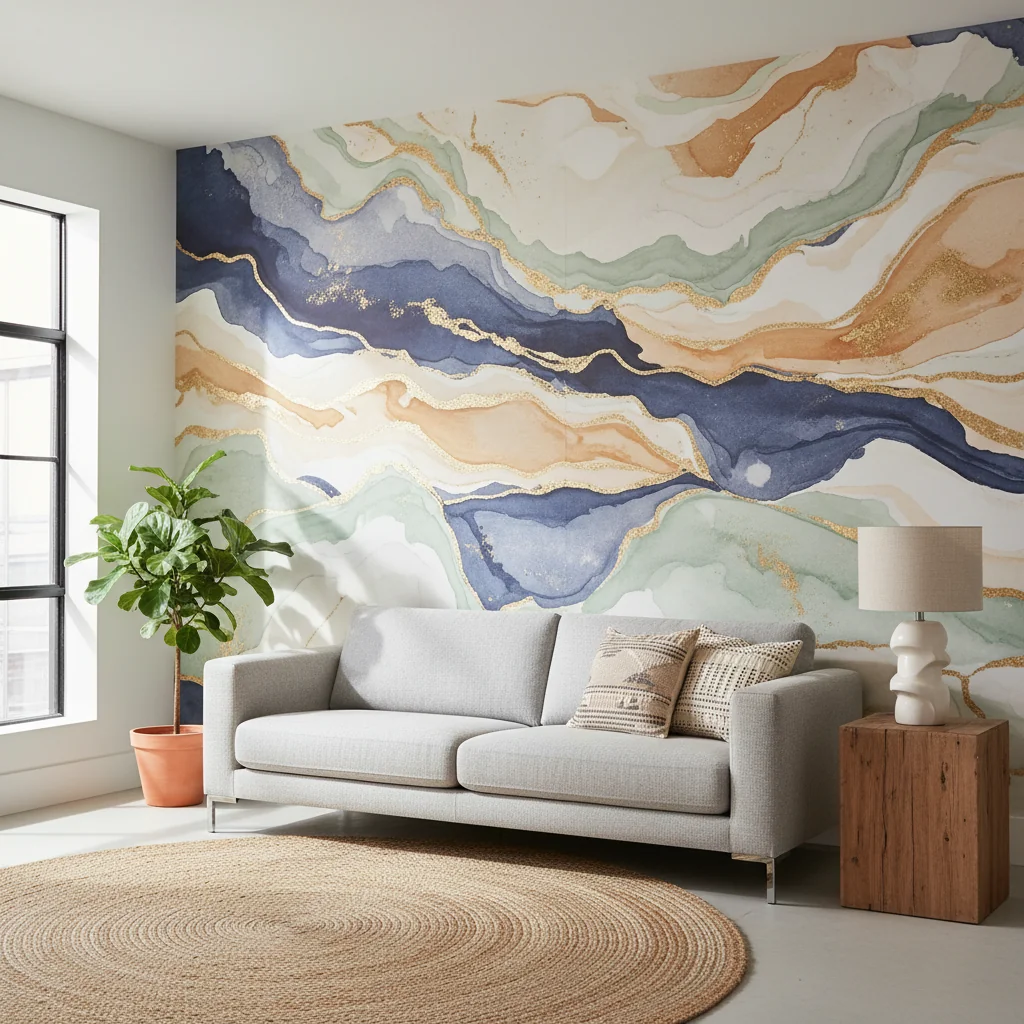
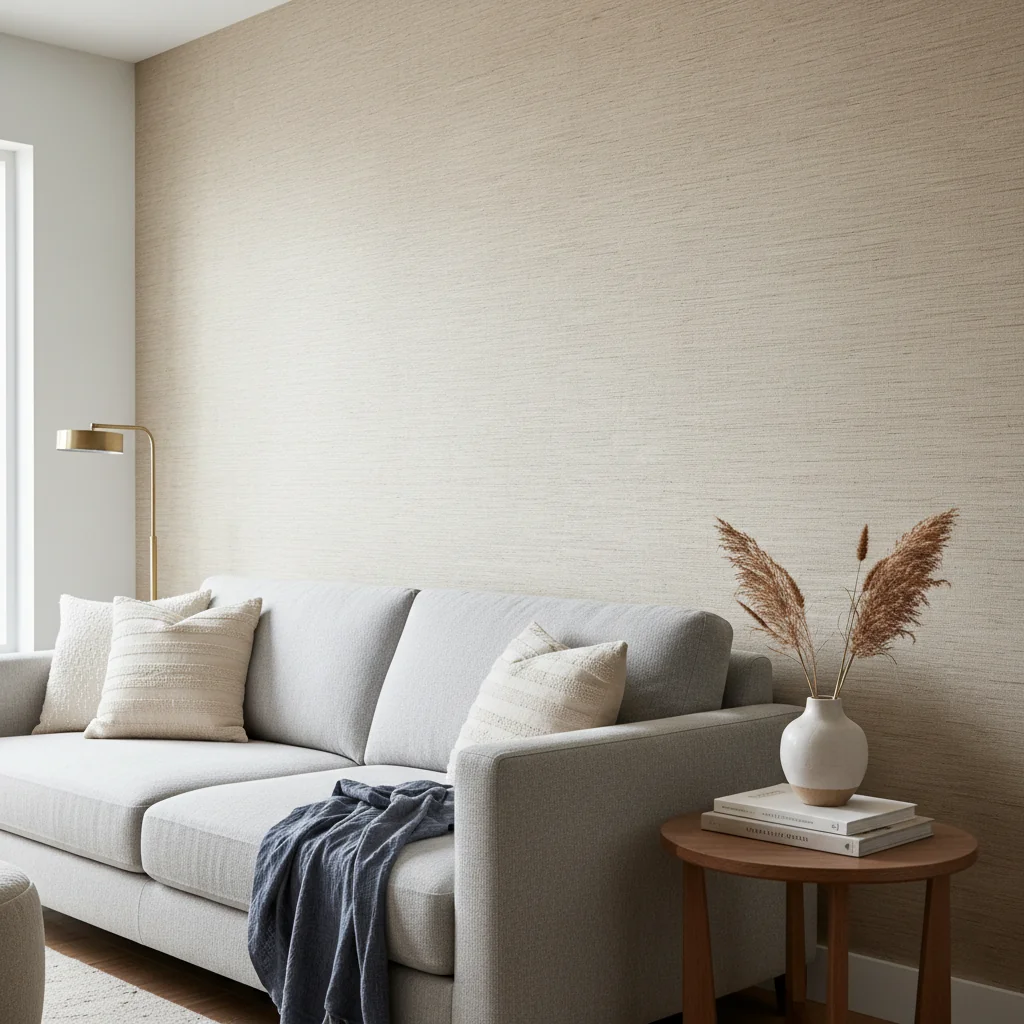
Suede wallpaper is a distinguished wallcovering renowned for its unparalleled tactile and visual depth, designed to emulate the luxurious, soft texture of genuine suede leather. This unique material transforms interior spaces by introducing a sophisticated sensory experience, moving beyond mere visual appeal to offer a palpable sense of warmth and opulence. At Starhouse, we understand that true design elevates a space through every detail, and suede wallpaper stands as a testament to this philosophy, providing an immediate and impactful upgrade to any room. Its construction typically involves fine fibers, such as rayon or nylon, flocked onto a durable backing, creating a plush, velvety surface that interacts with light in captivating ways. This interaction highlights its inherent texture, making walls appear softer, richer, and more inviting. Choosing suede wallpaper is not merely a decorative decision; it is an investment in an atmosphere of refined elegance and understated luxury, offering a distinctive alternative to traditional flat wall finishes. It is a favored choice for designers seeking to infuse a space with an immediate sense of comfort, warmth, and high-end sophistication, making it a cornerstone of aspirational home décor.
Key takeaways
- Suede wallpaper offers a unique tactile and visual experience, emulating the soft, luxurious texture of genuine suede leather.
- It is primarily available as flocked suede (fibers on backing) or faux suede (textured vinyl), each with distinct durability and maintenance profiles.
- Sizing and measuring require precision, accounting for roll dimensions, pattern repeats, and potential waste (add 10-15% to calculated area).
- Proper care involves gentle dusting and immediate, careful spot cleaning to preserve its delicate texture and prevent damage.
- Suede wallpaper enhances a wide range of design aesthetics, from classic to contemporary, by adding depth, warmth, and a sophisticated touch.
- Professional installation is highly recommended due to the material’s weight, texture, and specific handling requirements.
What is Suede Wallpaper? Unpacking its Unique Appeal
Suede wallpaper is a luxurious wallcovering designed to emulate the soft, velvety texture of suede leather, offering unparalleled tactile and visual depth to interior spaces. This distinctive material elevates a room beyond flat surfaces, introducing a three-dimensional quality that absorbs light and creates a nuanced, sophisticated ambiance. Its inherent appeal lies in this sensory richness, providing both a visual feast and a comforting touch that transforms ordinary walls into focal points of refined design.
At its core, suede wallpaper is distinguished by its fibrous surface. Unlike traditional wallpapers that offer a printed pattern or a smooth finish, suede varieties feature a raised, plush pile that mimics the nap of genuine suede. This texture is not merely decorative; it actively engages with ambient light, creating subtle shifts in color and shadow throughout the day. A wall adorned with suede wallpaper appears to possess a natural softness, inviting touch and imbuing the space with an immediate sense of warmth and luxury. This unique interaction with light and touch is what sets suede wallpaper apart from other wallcovering options, positioning it as a premium choice for those seeking to create truly exceptional interiors.
The manufacturing process for most suede wallpapers involves a technique called flocking. In this method, tiny, densely packed fibers—typically rayon, nylon, or sometimes polyester—are electrostatically charged and then adhered to a pre-printed or plain backing material, which is usually non-woven paper or a fabric blend. The electrostatic charge ensures that the fibers stand upright and evenly distributed, creating the characteristic velvety feel. The length and density of these fibers determine the specific texture, ranging from a short, dense pile that feels like brushed suede to a longer, more plush finish akin to velvet. This meticulous process is crucial for achieving the consistent, high-quality finish that defines genuine suede wallpaper.
Beyond its tactile qualities, suede wallpaper offers significant aesthetic advantages. Its textured surface can soften architectural lines and reduce the harshness of a room, fostering a more inviting and intimate atmosphere. The depth of color achieved with suede is also remarkable; the fibrous nap allows colors to appear richer and more saturated than on a flat surface, with variations in tone depending on the viewing angle and light source. This dynamic quality means the wallcovering itself becomes a living element within the design, subtly shifting its character throughout the day. It provides a luxurious backdrop that can either stand as a bold statement or serve as a sophisticated, unifying element for a diverse range of furnishings and décor.
The choice of suede wallpaper signifies a commitment to elevated design and a preference for materials that offer more than just visual appeal. It speaks to an appreciation for craftsmanship and a desire to create spaces that are not only beautiful but also deeply comforting and engaging on a sensory level. Starhouse curates wallcoverings that embody this philosophy, offering selections that promise to transform your home into a sanctuary of style and comfort. Suede wallpaper, in particular, is a testament to this commitment, providing a unique blend of elegance, texture, and warmth that is difficult to replicate with any other material.
In essence, suede wallpaper is a premium decorative finish that brings a distinct blend of elegance, sensory richness, and visual depth to any room. It is a material that demands attention not through overt patterns, but through its subtle yet profound textural presence, making it a sophisticated choice for discerning homeowners and designers alike. Its ability to absorb sound also contributes to a quieter, more tranquil environment, further enhancing its appeal in residential settings. When considering a wallcovering that offers both a luxurious aesthetic and a tangible sense of comfort, suede wallpaper stands as an exemplary option, defining spaces with its unique and enduring charm.
The Diverse World of Suede Wallpaper: Types and Materials
Suede wallpaper encompasses various types, primarily distinguished by their manufacturing process and material composition, including flocked suede, faux suede, and true suede, each offering distinct aesthetic and performance characteristics. Understanding these distinctions is crucial for selecting the appropriate wallcovering that aligns with your design vision, budget, and practical requirements for durability and maintenance.
The most prevalent and accessible form of suede wallpaper is flocked suede. This type is created by adhering short, fine fibers—typically rayon, nylon, or sometimes polyester—onto a backing material using an electrostatic process. The fibers are charged, causing them to stand upright and embed themselves into an adhesive-coated backing, resulting in a plush, velvety surface. Flocked suede wallpaper is highly versatile, available in an extensive range of colors, from rich jewel tones to muted neutrals, and can incorporate subtle patterns or embossed designs. Its primary advantage is its authentic tactile resemblance to genuine suede at a more manageable price point. It offers good sound absorption and insulation properties, contributing to a quieter and more comfortable room. However, it is generally less resistant to moisture and abrasion compared to faux suede, requiring careful handling and maintenance.
Faux suede wallpaper, also known as vinyl suede or simulated suede, represents a more durable and often more practical alternative. This type is typically constructed from vinyl or a heavy-duty non-woven material that is embossed or printed with a texture designed to mimic the look and feel of suede. While it may not possess the exact same deep, soft nap as flocked varieties, modern manufacturing techniques have made faux suede incredibly convincing. Its key benefits include superior durability, enhanced washability, and greater resistance to moisture and stains, making it suitable for higher-traffic areas or spaces where occasional cleaning is necessary. Faux suede is often easier to install and remove than flocked versions, and its robust nature makes it a popular choice for both residential and commercial applications. It offers the aesthetic appeal of suede with added functional advantages.
While rare and exceptionally luxurious, true suede wallpaper does exist, though it is not widely available through conventional channels. This exclusive type involves thin sheets of genuine suede leather or leather fibers laminated onto a backing. Its authenticity provides an unparalleled level of luxury and texture, but it comes with a significantly higher cost, extreme delicacy, and demanding maintenance requirements. True suede wallpaper is reserved for the most opulent and specialized design projects, where budget and practicality are secondary to achieving an ultimate level of material authenticity. Its care is similar to that of fine leather, requiring specific cleaning agents and protection from moisture and direct sunlight.
Beyond these primary categories, variations exist that combine elements to create unique effects:
- Embossed Suede Wallpaper: This type, often a flocked or faux suede, features raised patterns or designs pressed into the surface during manufacturing. The embossing adds another layer of visual and tactile interest, creating intricate motifs like damasks, geometrics, or abstract textures that catch the light beautifully.
- Metallic Suede Wallpaper: Some suede wallpapers incorporate metallic threads or finishes within the flocked fibers or as a subtle undertone. This infusion adds a touch of glamour and shimmer, making the wallcovering even more dynamic as it reflects light, ideal for spaces aiming for an Art Deco or contemporary chic aesthetic.
- Printed Suede Wallpaper: While suede’s appeal is often its solid color and texture, some designs feature subtle patterns printed onto the flocked surface. These patterns are usually understated to avoid detracting from the texture, often appearing as tone-on-tone motifs that add depth without overwhelming the eye.
The backing material is another critical component that influences both installation and performance. Non-woven backings are popular for their stability, ease of installation (paste-the-wall method), and relatively easy removal. Paper backings are more traditional and can be more delicate when wet, while fabric backings offer enhanced durability and a premium feel, often found in higher-end flocked or true suede options. The choice of backing impacts how the wallpaper hangs, its resistance to tearing, and its long-term stability on the wall.
Understanding these material distinctions allows for an informed selection that balances aesthetic desire with practical considerations. At Starhouse, we emphasize the importance of matching the wallpaper’s characteristics to the specific demands of your space, ensuring both beauty and enduring functionality.
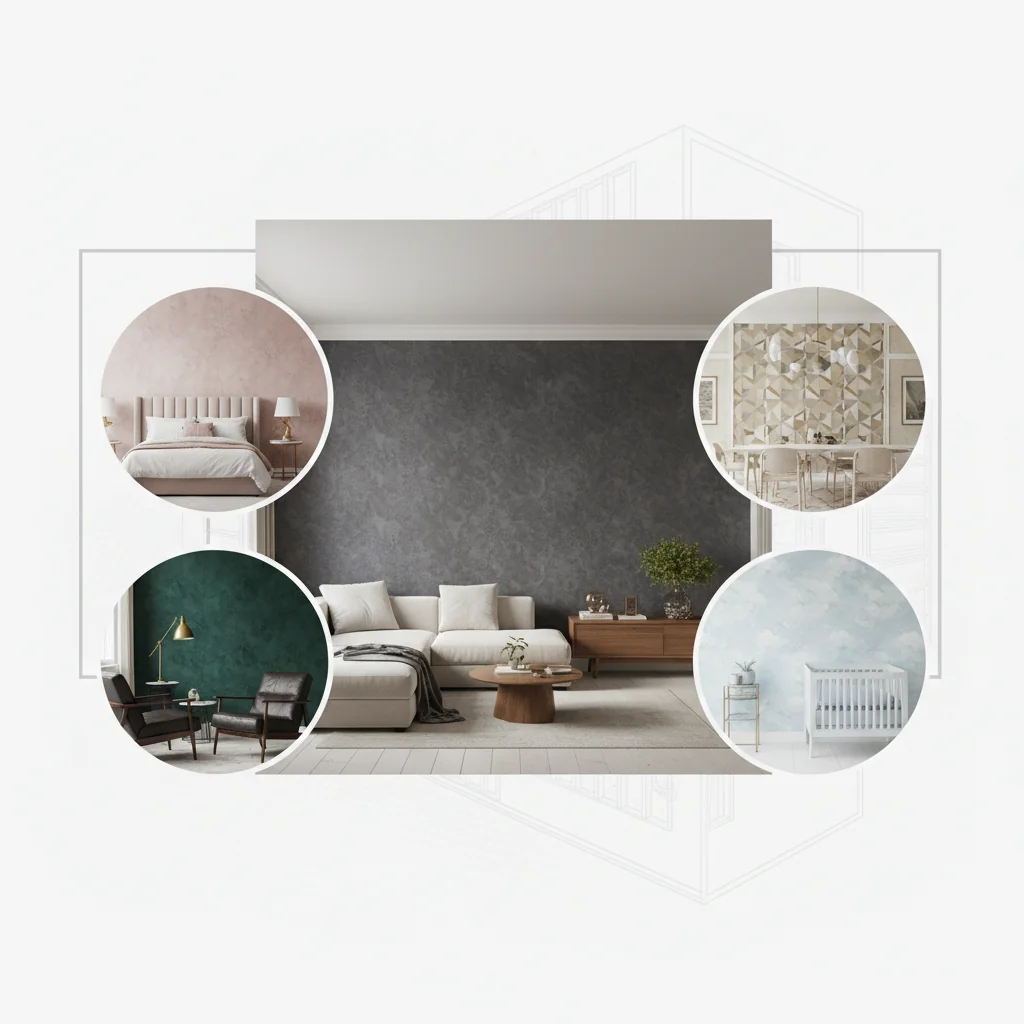
Comparison: Flocked Suede vs. Faux Suede Wallpaper
Choosing between flocked suede and faux suede wallpaper involves weighing their distinct advantages and limitations. This comparison clarifies their key differences.
- Flocked Suede: Offers a deeper, more authentic velvety texture and superior sound absorption. It tends to be more delicate, less washable, and requires professional installation to maintain its pristine appearance. Ideal for low-traffic areas like bedrooms or formal living rooms where luxury and sensory experience are paramount.
- Faux Suede: Provides excellent durability, is generally washable, and is more resistant to moisture and wear. While its texture is highly convincing, it may lack the exact depth of a true flocked surface. It is a more practical choice for higher-traffic zones, commercial settings, or homes with children and pets, offering a balance of aesthetics and resilience.
Ultimately, the decision hinges on the specific needs of the room, your lifestyle, and the level of maintenance you are prepared to undertake. Both options deliver a sophisticated and tactile finish that dramatically enhances an interior, but their functional profiles cater to different demands.
Stylistic Versatility: Integrating Suede Wallpaper into Any Design Aesthetic
Suede wallpaper’s inherent textural richness and diverse color palette allow it to seamlessly integrate into a broad spectrum of interior design aesthetics, from classic elegance to contemporary minimalism. Its unique ability to add depth, warmth, and a sophisticated tactile element makes it an exceptionally versatile design tool, capable of transforming a room’s character while complementing existing décor.
For Traditional and Classic interiors, suede wallpaper is a natural fit. Deep, saturated hues like emerald green, sapphire blue, burgundy, or charcoal gray, often in a solid or subtly patterned flocked finish, can evoke the grandeur of historical estates and libraries. Paired with dark wood furniture, ornate moldings, and classic artwork, suede wallpaper provides a luxurious, understated backdrop that enhances the room’s formal elegance without overpowering it. Damask or subtle floral patterns embossed into the suede can further reinforce a traditional aesthetic, adding layers of visual interest and historical charm. The texture itself contributes to a sense of timeless sophistication, making it an ideal choice for creating a refined and stately atmosphere.
In Modern and Contemporary spaces, suede wallpaper often takes on a different persona. Here, solid colors in neutral tones such as warm grays, taupes, creams, or even crisp whites are preferred. The focus shifts from intricate patterns to the pure, unadulterated texture of the suede itself, which becomes the primary design element. Paired with minimalist furniture, clean lines, and metallic accents, suede wallpaper adds a soft, organic counterpoint to the often starkness of modern design. It introduces warmth and visual interest without clutter, creating a sophisticated and inviting environment. Subtle geometric patterns or abstract textures in a monochromatic scheme can also work beautifully, providing depth while maintaining a sleek, contemporary edge. The tactile quality prevents the space from feeling cold or impersonal, grounding it with an element of comfort.
The opulent nature of suede wallpaper also makes it perfectly suited for Art Deco and Glam aesthetics. Rich, jewel-toned suede, especially those with a slight sheen or metallic flecks, can perfectly capture the extravagance of the roaring twenties. Consider bold colors like deep teal, ruby red, or lustrous gold, used on an accent wall or throughout a room. Paired with mirrored furniture, polished chrome, velvet upholstery, and geometric patterns, suede wallpaper amplifies the sense of luxury and drama. Its plush texture complements the sumptuous fabrics and reflective surfaces characteristic of these styles, creating an environment that is both decadent and visually striking. The way light plays across the suede’s nap enhances the overall sparkle and allure of a glam interior.
For Transitional designs, which blend elements of both traditional and modern styles, suede wallpaper serves as an excellent bridge. A medium-toned gray or a muted blue-green suede can provide a sophisticated backdrop that harmonizes traditional furniture with contemporary art. The texture adds warmth and depth without committing to a strictly ornate or minimalist look. It allows for a balanced approach, where classic comfort meets modern simplicity. The inherent versatility of suede allows it to adapt to various furniture styles and decorative accents, creating a cohesive and elegant space that feels both current and timeless.
Even in more relaxed styles like Bohemian or Eclectic interiors, suede wallpaper can find its place. Earthy tones, such as terracotta, olive green, or sandy beige, can provide a rich, organic foundation. The texture layers beautifully with other natural materials like woven textiles, macramé, and distressed wood. While less common than in more formal settings, suede can add an unexpected touch of luxury and depth, grounding an eclectic mix of patterns and objects. It creates a cozy and inviting backdrop that enhances the lived-in, global feel of bohemian décor, preventing it from appearing overly chaotic.
The key to successful integration lies in judicious color and pattern selection. Solid suede wallpapers in a carefully chosen hue can act as a unifying element, providing a rich textural foundation upon which the rest of the design can be built. Alternatively, a patterned or embossed suede can become a striking focal point, drawing the eye and adding architectural interest. The decision often depends on the desired impact: a subtle, enveloping warmth or a dramatic, luxurious statement. Regardless of the aesthetic, suede wallpaper consistently introduces a level of sophistication and sensory appeal that elevates the overall design, making it a valuable asset in any interior designer’s repertoire.
Choosing Your Suede Statement: Factors to Consider for the Perfect Fit
Selecting the ideal suede wallpaper involves a careful evaluation of several critical factors, including the room’s function, desired aesthetic, durability requirements, and budget, ensuring the chosen wallcovering aligns perfectly with your design vision and practical needs. A thoughtful approach to these considerations guarantees a choice that not only looks exquisite but also performs optimally in its intended environment.
First and foremost, consider the room’s function and traffic level. For high-traffic areas like hallways, entryways, or family rooms, durability and ease of cleaning are paramount. In these spaces, faux suede wallpaper, often made from vinyl or heavy-duty non-woven materials, is the superior choice. Its robust nature and washability can withstand more wear and tear, making it a practical option without sacrificing aesthetic appeal. Conversely, for low-traffic, intimate spaces such as bedrooms, formal living rooms, or home offices, flocked suede wallpaper can be an exquisite choice. Its delicate, deep pile offers a luxurious feel and superior sound absorption, creating a serene and opulent atmosphere where its vulnerability to heavy contact is less of a concern.
The amount of natural and artificial light exposure in the room significantly impacts how suede wallpaper appears. Darker suede colors absorb light, making a large room feel cozier and more intimate, while potentially making smaller rooms feel enclosed. Lighter suede colors, on the other hand, reflect light, helping to brighten and expand a space. The textured surface of suede interacts uniquely with light, creating subtle shadows and highlights that add depth. Consider swatches in the actual room at different times of day to observe how the color and texture shift under varying light conditions. Artificial lighting, such as accent lights, can be strategically used to highlight the texture and enhance the wallcovering’s luxurious appeal.
Existing décor and color palette are crucial for ensuring a cohesive design. Suede wallpaper should complement your furniture, flooring, window treatments, and other accessories. If your room features bold patterns elsewhere, a solid-colored suede wallpaper can provide a necessary visual anchor. If your furnishings are more understated, a subtly patterned or richly colored suede can become the room’s focal point. Consider the undertones of your existing colors – warm grays with warm wood tones, cool blues with silver accents – to create a harmonious scheme. Suede’s textural richness allows it to pair beautifully with a wide array of materials, from polished wood and gleaming metals to soft velvets and crisp linens.
The scale and pattern of the suede wallpaper are essential for visual balance. In smaller rooms, solid colors or very subtle, small-scale textures are often more effective, as large, bold patterns can overwhelm the space and make it feel cramped. For expansive walls or larger rooms, a larger pattern or a more dramatic color can make a striking statement without feeling imposing. When selecting patterned suede, consider the pattern repeat; a larger repeat means more waste during installation, which impacts the quantity you need to purchase. The goal is to choose a pattern and scale that enhances the room’s dimensions and creates a sense of equilibrium.
Durability and cleanability are practical considerations that cannot be overlooked. As mentioned, faux suede offers greater washability and resistance to stains compared to flocked suede. If you have children, pets, or frequently entertain, a washable faux suede is a more sensible choice. Always check the manufacturer’s specifications for cleaning instructions. Some flocked suedes are strictly dry-dust only, while others may tolerate very gentle, damp blotting. Prioritizing these features ensures your investment remains beautiful and functional for years to come.
Finally, your budget will play a significant role in your selection. Suede wallpaper, particularly flocked and true suede varieties, can be a premium product. Prices vary widely based on material, brand, and design complexity. Faux suede options generally offer a more budget-friendly entry point without compromising significantly on aesthetics. Remember to factor in not only the cost of the wallpaper itself but also professional installation, which is highly recommended for suede wallcoverings, as well as any necessary wall preparation materials like primer. Investing in quality materials and installation ensures a long-lasting and satisfying result.
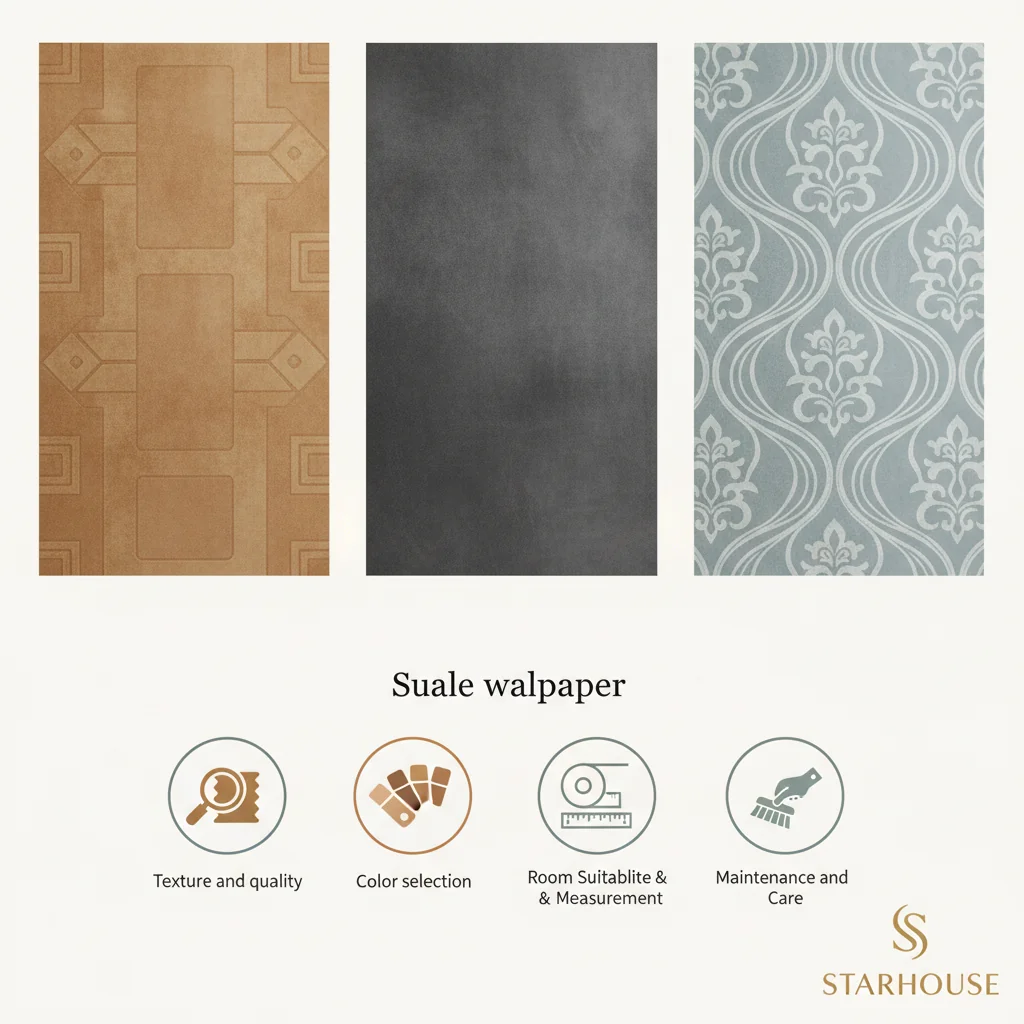
At Starhouse, we empower you to make informed decisions for your home. By meticulously considering these factors, you can confidently select a suede wallpaper that perfectly complements your style, meets your functional needs, and enhances the overall elegance of your living space.
| Feature | Flocked Suede Wallpaper | Faux Suede Wallpaper | True Suede Wallpaper |
|---|---|---|---|
| Material Composition | Rayon, nylon, or polyester fibers flocked onto a non-woven or paper backing. | Vinyl or heavy-duty non-woven material with embossed or printed suede texture. | Thin sheets of genuine suede leather or leather fibers laminated onto a backing. |
| Tactile Feel | Deep, soft, velvety nap; authentic suede feel. | Highly convincing textured feel, often softer than standard vinyl, but typically less deep than flocked. | Unparalleled natural softness and unique texture of genuine leather. |
| Durability | Moderate; susceptible to abrasion, moisture, and crushing of nap. | High; resistant to scratches, moisture, and general wear and tear. | Low to moderate; delicate, easily stained, sensitive to moisture and direct sunlight. |
| Cleanability | Generally dry dusting only; spot clean with extreme care (blotting, not rubbing). | Washable; can be wiped with a damp cloth and mild soap. | Requires specialized leather cleaning products and professional care. |
| Moisture Resistance | Low; not suitable for high-humidity areas. | High; suitable for most rooms, including powder rooms (with good ventilation). | Very Low; highly susceptible to water damage and staining. |
| Approx. Price Range (per roll) | $100 – $350+ | $70 – $250+ | $400 – $1000+ (highly specialized) |
| Ideal Use | Bedrooms, formal living rooms, dining rooms, accent walls in low-traffic areas. | Hallways, family rooms, offices, commercial spaces, bathrooms (with ventilation). | Exclusive, high-end residential projects, executive offices where ultimate luxury is desired. |
| Installation Complexity | High; requires professional expertise due to weight and delicate surface. | Moderate; easier to handle than flocked, but precision is still key. | Very High; specialized installers with leather-handling experience. |
Precision Planning: Sizing, Measuring, and Installation Considerations
Accurate sizing and meticulous measuring are fundamental to a successful suede wallpaper installation, preventing material waste and ensuring a seamless, professional finish that enhances the room’s aesthetic. Given the premium nature and often delicate texture of suede wallpaper, precise planning is not merely advisable but essential for achieving a flawless result.
The first step in planning is to accurately measure your walls. You will need a tape measure, a pencil, and a notepad. For each wall you intend to cover, measure the height from the baseboard to the ceiling, and the width from corner to corner. If your room has varying ceiling heights or architectural features, measure the tallest point and the widest point. Once you have these dimensions, calculate the square footage for each wall by multiplying its height by its width. Sum these square footages to get the total area to be covered. Remember to account for any doors, windows, or large architectural openings by subtracting their square footage from the total, although it’s often safer to include a small buffer around these cutouts.
Understanding standard roll dimensions and coverage is critical. In the U.S., wallpaper rolls typically come in two standard widths: single rolls are usually 20.5 inches wide by 16.5 feet long (covering approximately 28 square feet), and double rolls are 20.5 inches wide by 33 feet long (covering approximately 56 square feet). However, European wallpapers often come in wider widths, such as 27 inches, and varying lengths. Always check the specific roll dimensions and stated coverage area for the suede wallpaper you intend to purchase, as these can vary significantly by manufacturer and collection.
A crucial factor, especially for patterned suede wallpaper, is the pattern repeat. This refers to the vertical distance on the wallpaper at which the pattern begins to repeat itself. To ensure a continuous, unbroken design across your wall, you must align each strip, which often means cutting off excess material to match the pattern. For rolls with a pattern repeat, you must add an additional 10-15% to your total calculated square footage to account for this necessary waste. For very large or intricate patterns, this percentage might need to be slightly higher. For solid suede wallpapers, the waste factor is minimal, typically only 5-10% for trimming and minor errors.
When calculating the number of rolls needed, divide your total required square footage (including the waste factor for pattern repeats) by the square footage covered by a single roll. Always round up to the nearest whole roll. It is always better to have a little extra than to run short, especially with premium materials like suede. An extra roll can be invaluable for future repairs or for correcting installation errors.
The concept of “dye lot” is paramount when ordering wallpaper. A dye lot (or batch number) refers to a specific production run of wallpaper. Slight color variations can occur between different dye lots, even if the pattern is identical. To ensure a perfectly uniform color across your walls, it is imperative to order all the rolls you need for a single project from the same dye lot. Verify this information with your supplier before purchasing. Mixing dye lots can result in noticeable color discrepancies that detract from the luxurious finish of suede wallpaper.
For suede wallpaper, professional installation is strongly recommended. While some experienced DIYers might tackle standard wallpapers, suede presents unique challenges. Its weight, often heavier than traditional papers, requires specific handling to prevent tearing or creasing. The delicate flocked surface can be easily marred or crushed if not handled with extreme care, and the absorption properties of the fibers can make adhesive application tricky. A professional installer possesses the specialized tools, expertise, and experience to handle the material correctly, ensure precise pattern matching, minimize seams, and achieve a flawless, long-lasting finish. The investment in professional installation protects your investment in the wallpaper itself.
Surface preparation is another non-negotiable step. Walls must be perfectly smooth, clean, dry, and primed before suede wallpaper can be applied. Any imperfections on the wall surface – nail holes, cracks, uneven texture – will be magnified by the light-catching texture of suede. Fill and sand all imperfections, then clean the walls thoroughly to remove dust and grease. Apply a high-quality wallpaper primer, specifically designed to prepare the surface for wallpaper adhesion and to ensure easier removal in the future. The primer creates a consistent surface for the adhesive to bond to and prevents the wall from absorbing the paste too quickly, which can affect adhesion and prevent proper sliding for alignment.
Finally, the type of adhesive used is crucial. Suede wallpapers, particularly those with non-woven or fabric backings, often require a heavy-duty, clear, non-staining wallpaper paste. Always consult the manufacturer’s recommendations for the specific adhesive type. Using the wrong adhesive can lead to poor adhesion, staining, or damage to the wallpaper, especially given the delicate nature of the flocked surface. Some suedes may even be “paste-the-wall” applications, where the adhesive is applied directly to the wall rather than the paper, simplifying the process and reducing the risk of damaging the paper during handling.
By adhering to these detailed planning and installation considerations, you ensure that your suede wallpaper project achieves the elevated, sophisticated result it promises, transforming your space with enduring beauty and precision.
Caring for Your Investment: Maintenance and Longevity of Suede Wallpaper
Proper care and diligent maintenance are essential for preserving the luxurious appearance and extending the lifespan of suede wallpaper, safeguarding your investment and ensuring its lasting beauty. Due to its unique textural properties, suede wallpaper requires a more specific and gentle approach to cleaning and upkeep than conventional wallcoverings.
For general cleaning and routine maintenance, the primary method is gentle dusting. The delicate nap of flocked suede can easily trap dust and lint. Use a soft, clean, dry cloth, a feather duster, or a vacuum cleaner equipped with a soft brush attachment. When using a vacuum, ensure the brush attachment is clean and move it gently over the surface in a downward motion, avoiding excessive pressure that could crush the fibers. Regular dusting prevents dust buildup from becoming embedded in the texture, which can dull the appearance and make deeper cleaning more challenging. Perform this routine at least once a month, or more frequently in dust-prone environments.
Spot cleaning for spills or stains requires immediate and careful action. The key is to blot, not rub. Rubbing can damage the delicate fibers, spread the stain, or create a noticeable worn spot. For most non-greasy spills, gently blot the affected area with a clean, white, slightly damp (not wet) cloth. Use distilled water if possible, as tap water can sometimes leave mineral marks. If a mild cleaning agent is necessary, choose a pH-neutral, non-abrasive soap specifically designed for delicate fabrics or upholstery. Apply a tiny amount to the cloth, not directly to the wallpaper, and test it in an inconspicuous area first to ensure it does not cause discoloration or damage. Blot the stain from the outside in to prevent spreading, then follow with a clean, damp cloth to remove any soap residue, and finally, blot dry with a fresh, dry cloth. Allow the area to air dry completely.
For oil-based stains, a small amount of cornstarch or talcum powder can be gently applied to absorb the oil, left for several hours, and then carefully vacuumed away with a soft brush attachment. This method helps draw out the grease without harsh rubbing. For stubborn or unknown stains, or if you are unsure about the cleaning process, it is always best to consult a professional wallpaper cleaner or a specialist in delicate textile cleaning to avoid irreparable damage.
Preventative measures are crucial for prolonging the life and beauty of suede wallpaper. Avoiding direct sunlight is paramount, as prolonged exposure can cause the color to fade unevenly over time, especially in darker hues. Consider using UV-filtering window treatments, such as blinds, shades, or drapes, in rooms with significant sun exposure. Similarly, protect the wallpaper from excessive moisture and humidity. While faux suede offers better moisture resistance, flocked suede is particularly vulnerable. Avoid installing it in high-humidity areas like poorly ventilated bathrooms or kitchens where steam and splashes are common. If installed in a powder room, ensure adequate ventilation.
Exercise caution to prevent physical damage. Suede wallpaper can be susceptible to crushing or matting of its nap if constantly rubbed or pressed against. Position furniture away from the walls to prevent constant contact. Be mindful of sharp objects, pet claws, or children’s toys that could scratch or tear the surface. The delicate nature of the fibers means that deep scratches or tears are often difficult to repair seamlessly.
The care requirements for flocked suede vs. faux suede differ significantly. Flocked suede, with its genuine fibrous texture, demands the most delicate approach, typically limiting cleaning to dry dusting and very gentle spot blotting. Faux suede, being more robust, is generally washable and can withstand more frequent wiping with a damp cloth, making it a more practical choice for active households. Always refer to the manufacturer’s specific care instructions provided with your wallpaper, as formulations can vary.
By committing to these careful maintenance practices, your suede wallpaper will continue to provide a luxurious and sophisticated backdrop to your home for many years, preserving its unique texture and rich aesthetic appeal. Treating this wallcovering as the investment it is will ensure its enduring elegance.
Styling with Suede: Elevating Your Interiors with Thoughtful Pairings
Styling suede wallpaper effectively involves thoughtful pairings with complementary furnishings, textiles, lighting, and accessories, creating a cohesive and visually rich interior that maximizes its inherent luxury. The goal is to leverage suede’s unique texture and depth to enhance the overall ambiance, ensuring every element contributes to a harmonious and sophisticated design narrative.
When selecting furniture, consider both contrast and complement. Suede wallpaper, with its soft and matte finish, pairs exquisitely with furniture featuring smooth, polished surfaces. Think sleek, lacquered wood tables, gleaming metallic accents in brass or chrome, or glass coffee tables. These contrasting textures create visual interest and highlight the distinct qualities of each material. Alternatively, for a more enveloping and plush environment, pair suede walls with upholstered furniture in luxurious fabrics like velvet, chenille, or even leather. A deep-tufted velvet sofa against a charcoal suede wall creates an irresistible sense of comfort and opulence, inviting relaxation and conversation. The key is to balance textures; if your walls are highly textured, choose simpler furniture silhouettes, and vice versa.
Textiles are another powerful tool for layering texture and reinforcing the luxurious feel. Incorporate throw pillows and blankets in a variety of materials such as silk, linen, faux fur, or chunky knits. A silk pillow adds a smooth, reflective counterpoint to the matte suede, while a faux fur throw amplifies the cozy, tactile appeal. Drapery in rich fabrics like velvet or heavy linen can frame windows beautifully, extending the sense of luxury. Avoid overwhelming the space with too many competing textures; instead, select a few key pieces that enhance the suede’s presence without detracting from it.
Lighting plays a crucial role in showcasing suede wallpaper. The fibrous nap of suede interacts uniquely with light, creating subtle shifts in color and shadow. Utilize accent lighting, such as wall sconces, picture lights, or strategically placed floor lamps, to graze the wall and highlight its texture, bringing it to life. Warm-toned lighting (around 2700K-3000K) tends to enhance the richness and depth of suede colors, creating a cozy and inviting glow. Overhead lighting should be diffused to avoid harsh reflections. Consider dimmer switches to adjust the ambiance, allowing the suede to transform with the mood of the room.
Accessories should be chosen to complement, not compete with, the wallcovering. Metallic accents in gold, silver, or bronze can add a touch of glamour and sophistication. Glass vases, ceramic sculptures, or decorative trays with a polished finish provide smooth, reflective surfaces that contrast with the suede’s matte texture. Artwork should be selected thoughtfully; simple, elegant frames allow the art to stand out without clashing with the textured wall. For a cohesive look, choose accessories within a complementary color palette, perhaps picking up a subtle undertone from the suede wallpaper.
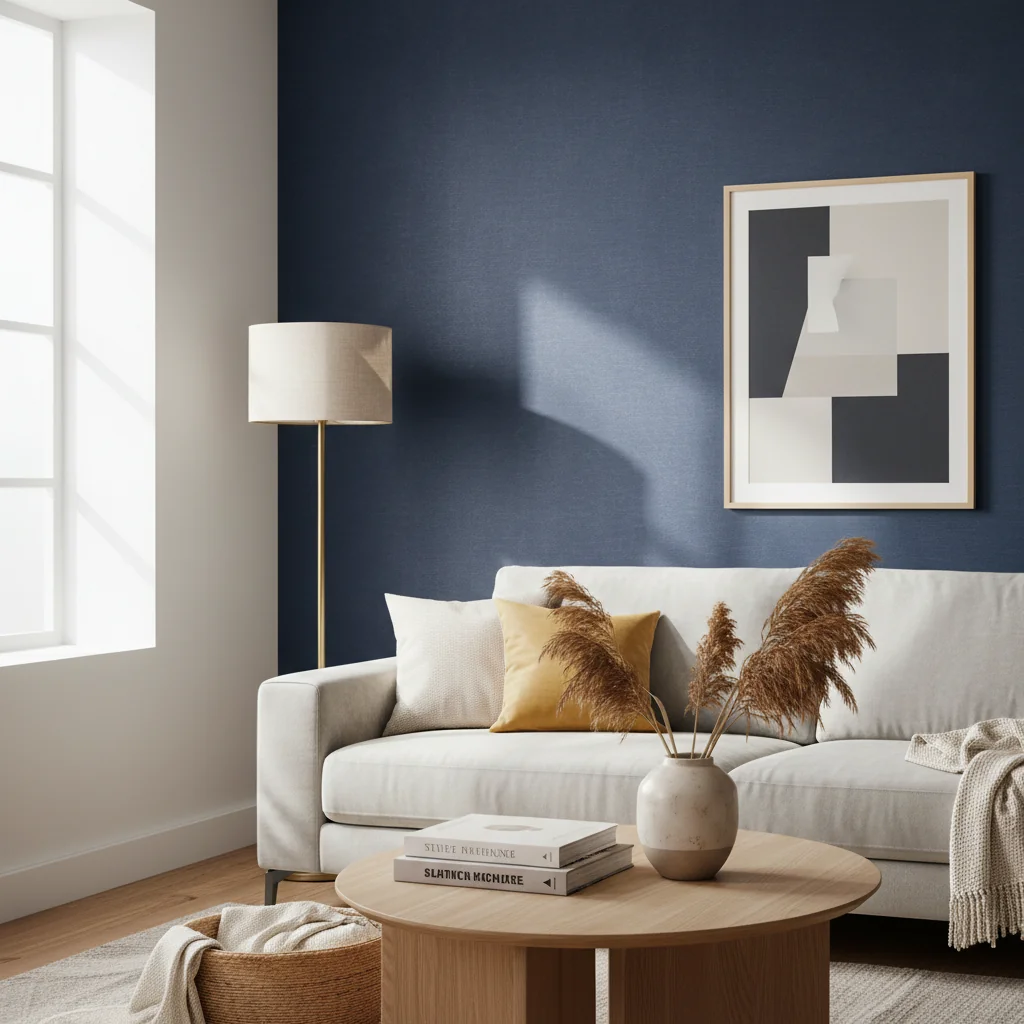
Developing a harmonious color palette is essential. Suede wallpaper excels in monochromatic or analogous color schemes, where variations in tone and texture create depth without relying on stark contrasts. For example, a deep navy suede wall can be paired with lighter blues, grays, and creams in furniture and textiles for a serene and sophisticated look. Alternatively, a richly colored suede can serve as a bold accent wall, contrasted with neutral tones on other walls and furnishings. Consider how the chosen color of the suede influences the mood of the room—warm tones for coziness, cool tones for tranquility.
Here are some room-by-room ideas for styling suede wallpaper:
- Living Room: Create a luxurious feature wall behind a sofa or fireplace in a deep charcoal or emerald green suede. Pair with a cream sectional, polished brass lamps, and textured throw pillows to establish an inviting, high-end ambiance.
- Bedroom: Use a soft, neutral-toned suede (e.g., warm gray, taupe, or blush) on the wall behind the headboard to create a serene and opulent retreat. Complement with crisp white linens, a plush area rug, and soft, indirect lighting for ultimate comfort.
- Dining Room: A rich, jewel-toned suede wallpaper can provide a sophisticated backdrop for entertaining. Consider a deep burgundy or sapphire blue suede paired with a dark wood dining table, elegant chairs, and a statement chandelier to elevate the dining experience.
- Home Office/Study: A solid, medium-toned suede in a color like forest green or deep brown can create an executive feel, promoting focus and sophistication. The texture helps absorb sound, contributing to a quieter workspace, while reducing glare often associated with smooth, reflective walls.
As you envision these transformative possibilities for your space, we invite you to share your design aspirations with Starhouse. Tell us what you’re looking for in your ideal home décor, and get early access to our curated collection designed to bring your vision to life. Visit starhouseusa.online to connect with us.
Thoughtful styling ensures that suede wallpaper doesn’t just adorn a wall but becomes an integral part of a meticulously designed interior, contributing significantly to its character, comfort, and luxurious appeal.
Common Pitfalls to Avoid When Working with Suede Wallpaper
Avoiding common mistakes is crucial for a successful suede wallpaper project, preventing costly errors, ensuring a pristine finish, and preserving the material’s luxurious integrity. The delicate nature and premium cost of suede wallpaper demand a higher degree of precision and care compared to standard wallcoverings.
One of the most significant pitfalls is inadequate surface preparation. Applying suede wallpaper to walls that are not perfectly smooth, clean, dry, and properly primed is a recipe for disaster. Any bumps, dents, or textures on the wall will be magnified through the suede’s surface, creating an unsightly finish. Failure to prime can lead to poor adhesion, making the wallpaper difficult to hang and potentially causing it to peel prematurely. Moreover, an unprimed wall can absorb adhesive unevenly, leading to inconsistencies in the wallpaper’s appearance or even staining. Always ensure walls are thoroughly patched, sanded, cleaned, and primed with a high-quality wallpaper primer designed to create a consistent, absorbent surface.
Improper measuring and under-ordering is another frequent and costly error. Running out of wallpaper mid-project, especially if you cannot find rolls from the same dye lot, can result in noticeable color discrepancies or significant delays. Not accounting for pattern repeats, waste from trimming, or miscalculations of total square footage will leave you short. Always measure meticulously, add the recommended 10-15% for waste (more for large pattern repeats), and round up to the nearest full roll. Double-check your calculations and verify the dye lot when ordering to ensure all rolls match perfectly.
Using the wrong type or amount of adhesive can severely compromise the installation. Suede wallpaper, particularly heavier flocked or fabric-backed varieties, requires a strong, heavy-duty, clear, non-staining adhesive. Using a standard, light-duty paste may not provide sufficient bond, leading to bubbling or peeling. Conversely, applying too much adhesive can cause it to ooze out at the seams, potentially staining the delicate suede surface. Always follow the wallpaper manufacturer’s specific adhesive recommendations and application instructions precisely. Some suede wallpapers are “paste-the-wall,” meaning the adhesive is applied directly to the wall, which differs from traditional “paste-the-paper” methods.
Poor installation technique, particularly when attempting a DIY installation without sufficient experience, often leads to unsatisfactory results. Suede wallpaper is delicate and unforgiving. Common errors include:
- Overlapping seams: Unlike some wallpapers where a slight overlap is acceptable, suede wallpaper typically requires a butt joint, where edges meet precisely without overlapping. Overlapping creates a noticeable ridge that detracts from the smooth, luxurious finish.
- Bubbles and creases: These can occur from improper smoothing, insufficient adhesive, or applying the paper incorrectly. Once a crease forms in suede, it is often permanent.
- Damaging the nap: Rubbing the surface too vigorously with a smoothing tool or cloth can crush the delicate fibers, creating shiny spots or altering the texture. Use only soft, specialized tools and apply gentle, even pressure.
- Misaligned patterns: Failing to precisely match the pattern repeat between strips results in a disjointed and amateurish look.
For these reasons, professional installation is highly recommended for suede wallpaper.
Ignoring dye lots, as previously mentioned, is a critical mistake. If rolls from different dye lots are used on the same wall or in the same room, even subtle color variations will become glaringly obvious once the paper is installed, ruining the seamless aesthetic. Always verify that all rolls share the identical dye lot number before starting the project.
Using harsh cleaning products or aggressive scrubbing for maintenance will inevitably damage suede wallpaper. The delicate fibers of flocked suede are not designed to withstand abrasive cleaners, excessive moisture, or vigorous rubbing. This can lead to discoloration, matting, permanent alteration of the texture, or even removal of the flocking. Stick strictly to the manufacturer’s cleaning instructions, which typically involve gentle dusting and careful blotting for spot cleaning, using only approved, mild solutions.
Finally, insufficient or inappropriate lighting can diminish the impact of suede wallpaper. Its beauty lies in its interaction with light, which highlights its texture and depth. If a room is poorly lit, or if the lighting is too harsh or direct, the unique qualities of the suede may not be properly showcased. Plan your lighting scheme to include ambient, task, and accent lighting, ensuring that some light sources graze the wall to reveal its tactile richness. Warm-toned lights often enhance the luxurious feel.
By being aware of these common pitfalls and taking proactive steps to avoid them, you can ensure your suede wallpaper project is a resounding success, culminating in a beautiful, long-lasting, and truly luxurious interior.
Frequently Asked Questions About Suede Wallpaper
Is suede wallpaper durable?
The durability of suede wallpaper varies significantly by type; faux suede (vinyl-based) is highly durable and resistant to wear, while flocked suede is more delicate and susceptible to abrasion and moisture. Flocked suede requires careful handling and is best suited for low-traffic areas, whereas faux suede offers greater resilience for active spaces.
Can I install suede wallpaper myself?
While it is technically possible for an experienced DIY enthusiast, professional installation is highly recommended for suede wallpaper due to its weight, delicate surface, and the precision required for pattern matching and seamless application. Improper handling can easily damage the material or result in an unsatisfactory finish.
Is suede wallpaper washable?
Most flocked suede wallpapers are not fully washable; they typically require dry dusting and extremely gentle spot cleaning with a barely damp cloth, if at all. Faux suede wallpaper, however, is generally washable and can be wiped down with a damp cloth and mild soap, offering easier maintenance for spills and marks.
What’s the difference between flocked and faux suede wallpaper?
Flocked suede wallpaper features actual textile fibers (like rayon or nylon) electrostatically adhered to a backing, creating a deep, authentic velvety nap. Faux suede wallpaper is typically a vinyl or non-woven material embossed or printed to mimic the appearance and texture of suede, offering greater durability and washability but sometimes with less depth of texture.
Is suede wallpaper suitable for bathrooms?
Faux suede wallpaper can be suitable for well-ventilated bathrooms, particularly powder rooms, due to its moisture resistance. However, flocked suede wallpaper is generally not recommended for full bathrooms or high-humidity areas, as moisture can damage its delicate fibers and backing, leading to peeling or mildew.
How do I remove suede wallpaper?
Removal methods depend on the backing type and adhesive used; non-woven backed suede wallpaper is often strippable, allowing it to be peeled off in full sheets. Paper-backed or older installations may require steaming or soaking with a wallpaper remover solution. Always consult the manufacturer’s guidelines for specific removal instructions to avoid damaging the wall surface.
What is the typical cost of suede wallpaper per roll?
The typical cost of suede wallpaper per double roll in the U.S. generally ranges from $70 for basic faux suede options to $350 or more for premium flocked designs. Specialized true suede wallpaper can exceed $400-$1000 per roll, reflecting its exclusive material and craftsmanship. Prices vary based on brand, material composition, and design complexity.
Conclusion: The Enduring Allure of Suede Wallpaper
Suede wallpaper stands as a testament to the transformative power of texture in interior design, offering an unparalleled blend of visual richness and tactile luxury that elevates any space. Its ability to absorb light, soften architectural lines, and introduce a profound sense of warmth and sophistication makes it a distinguished choice for discerning homeowners and designers alike. From the authentic velvety nap of flocked suede to the durable practicality of faux suede, this wallcovering category provides diverse options to suit various design aesthetics, functional demands, and budget considerations.
At Starhouse, we recognize that the home is a sanctuary, a reflection of individual style and aspiration. We believe that every element, from foundational wallcoverings to the finest accessories, contributes to creating an environment that is both beautiful and deeply personal. Suede wallpaper embodies this philosophy, offering a tangible connection to luxury and comfort that transcends fleeting trends, establishing an enduring foundation of elegance in your home.
The journey of selecting and integrating suede wallpaper into your space is an investment in creating an atmosphere of refined beauty. By understanding its types, carefully planning for installation, and committing to proper maintenance, you ensure that this exquisite material retains its allure for years to come. It is a decision that speaks to a sophisticated appreciation for detail, quality, and the sensory experience of living well.
As Starhouse curates its collection to bring you the finest in home décor, we are eager to understand what truly resonates with your unique vision. We invite you to share what you’re looking for to complete your ideal space and get early access to our meticulously selected offerings. Your insights help us shape a collection that truly meets the desires of those who seek to create exceptionally beautiful and comfortable homes. Connect with us and tell us what you’re looking for at starhouseusa.online.