Blue wallpaper offers an unparalleled versatility and enduring appeal, serving as a powerful design element capable of transforming any space from serene and sophisticated to bold and dramatic. This foundational design choice immediately establishes a room’s atmosphere, leveraging blue’s inherent psychological associations with tranquility, stability, and depth, while also providing a durable, easily maintainable surface that can withstand daily wear when properly selected and installed.
Key Takeaways
- Blue wallpaper offers extensive versatility, ranging from calming light blues to sophisticated deep navies, suitable for any room and aesthetic.
- Selecting the ideal blue wallpaper requires careful consideration of wallpaper type (e.g., peel-and-stick, traditional), material (e.g., vinyl, non-woven), pattern scale, and room function.
- Accurate measurement and calculation are crucial for a seamless installation, accounting for pattern repeat and waste to ensure sufficient material.
- Proper surface preparation is paramount for wallpaper longevity, preventing issues like bubbling, peeling, and visible seams.
- Styling blue wallpaper involves coordinating with furniture, textiles, lighting, and accessories to create a cohesive and personalized design narrative.
- Modern blue wallpaper trends emphasize sustainability, tactile textures, and sophisticated patterns, moving towards biophilic designs and abstract art.
Introduction to Blue Wallpaper
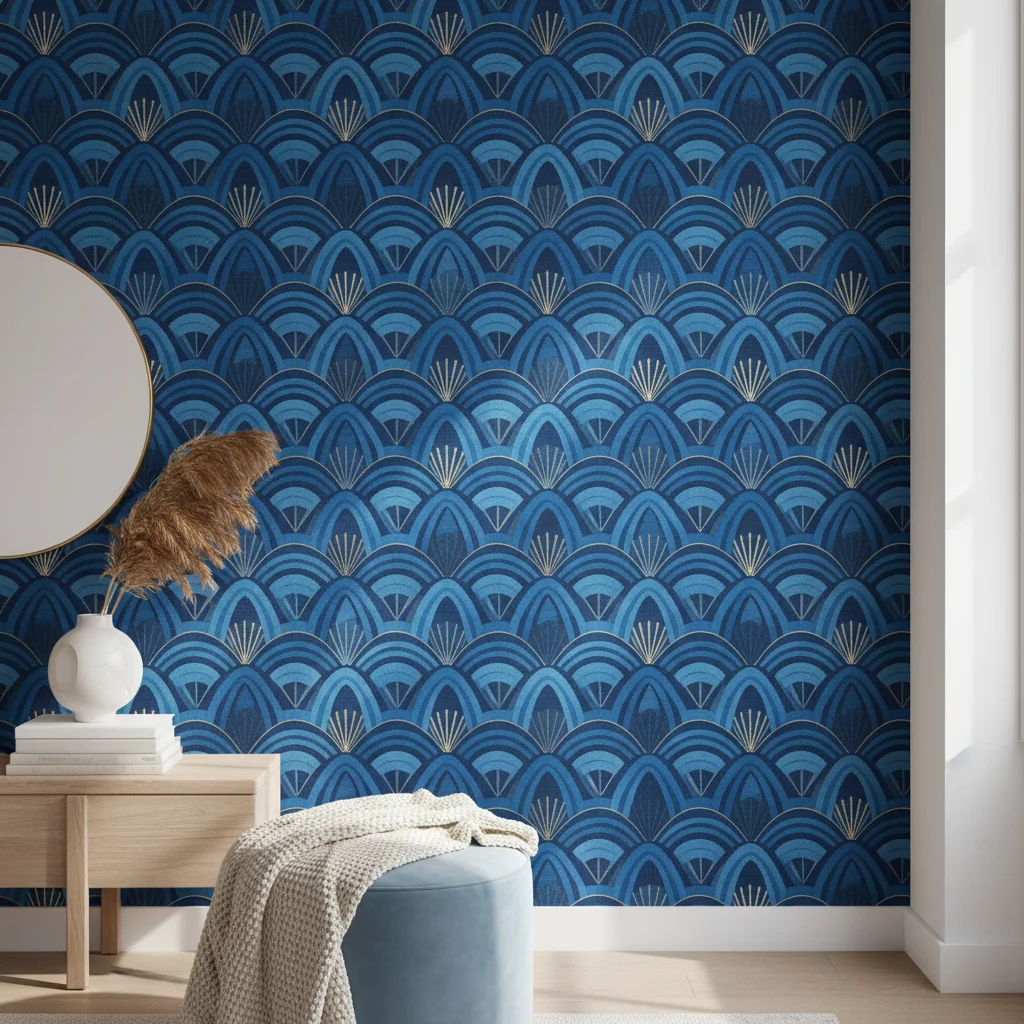
Blue wallpaper stands as a timeless and dynamic choice in interior design, offering a vast palette of hues and patterns that can profoundly influence the ambiance of any room. Its adaptability allows it to create environments ranging from tranquil retreats to vibrant, energetic spaces, making it a staple for designers seeking both aesthetic appeal and functional durability.
The strategic application of blue wallpaper can significantly enhance a room’s perceived size and light, with lighter shades expanding a space and deeper tones adding intimacy and drama. Beyond its visual impact, modern wallpaper options often provide practical benefits, including enhanced insulation and sound dampening, contributing to a more comfortable and functional living environment. At Starhouse, we understand the transformative power of this versatile element, curating collections that speak to both classic elegance and contemporary innovation.
This comprehensive guide delves into every facet of blue wallpaper, from its inherent psychological effects to the practicalities of selection, measurement, and maintenance. We explore the myriad types, styles, and materials available, offering precise insights to empower informed design decisions. Our aim is to provide a definitive resource for homeowners and designers alike, ensuring that your choice of blue wallpaper not only beautifies your space but also aligns perfectly with your lifestyle and aesthetic aspirations.
The Enduring Appeal of Blue in Design
Blue possesses an inherent psychological resonance that makes it a consistently popular and effective color in interior design, evoking feelings of calm, stability, and sophistication. Its broad spectrum, from sky blue to deep navy, allows for diverse applications that can dramatically alter a room’s mood and perceived dimensions.
Historically, blue has been associated with royalty, divinity, and vast expanses like the sky and ocean, imbuing it with a sense of grandeur and serenity. In contemporary design, these associations translate into spaces that promote relaxation, focus, and a sense of well-being. Unlike more overtly stimulating colors, blue tends to recede, making rooms feel more spacious and open, particularly when lighter shades are employed.
The versatility of blue also extends to its ability to pair seamlessly with a wide array of other colors and materials. It acts as a neutral backdrop for vibrant accents, or a sophisticated anchor for more muted palettes. Whether aiming for a coastal aesthetic, a classic traditional look, or a sleek modern design, blue wallpaper provides a foundational element that is both timeless and adaptable. Its capacity to be both refreshing and grounding ensures its enduring presence in home décor, reflecting a desire for spaces that are both beautiful and emotionally resonant.
Furthermore, blue’s appeal is often linked to its perceived connection with nature, specifically water and sky. This biophilic connection can contribute to a sense of peace and comfort, making blue an ideal choice for bedrooms, bathrooms, and living areas where relaxation is paramount. The color blue also has a unique ability to adapt to different lighting conditions, appearing crisp and cool in bright daylight and rich and inviting under warmer evening lights. This dynamic quality adds another layer to its enduring appeal, allowing spaces to evolve throughout the day.
The strategic use of blue, particularly in wallpaper, allows for an immersive experience. A deep indigo can create a dramatic, enveloping atmosphere in a dining room or study, fostering intimacy and focus. Conversely, a delicate robin’s egg blue can infuse a nursery or sunroom with lightness and joy. The pattern and texture of the blue wallpaper further modulate its effect, from the subtle shimmer of a silk-blend to the tactile depth of a grasscloth, each offering a distinct sensory experience. This nuanced interplay of color, pattern, and texture ensures that blue wallpaper remains a go-to choice for creating interiors that are not only visually striking but also deeply comforting and inspiring.
Understanding the Spectrum of Blue Hues
The effectiveness of blue wallpaper in a design scheme hinges significantly on understanding the vast spectrum of blue hues available, each carrying distinct psychological and aesthetic implications. From the palest pastels to the deepest indigos, every shade of blue offers a unique contribution to a room’s atmosphere and overall design narrative.
Lighter blues, such as sky blue, powder blue, and periwinkle, are inherently airy and expansive, making them excellent choices for smaller rooms or spaces where a sense of openness is desired. These shades reflect light effectively, contributing to a brighter environment and often evoking feelings of tranquility and calm. They are particularly effective in bedrooms, bathrooms, and nurseries, promoting relaxation and a gentle aesthetic.
Mid-tone blues, including azure, sapphire, and cerulean, strike a balance between lightness and depth, offering a vibrant yet stable presence. These hues are versatile, capable of bringing energy to a living room or providing a refreshing backdrop in a home office. They are often associated with clarity and communication, making them suitable for active common areas. Mid-blues can also introduce a playful element, especially when paired with complementary colors like coral or yellow.
Deep blues, such as navy, indigo, and midnight blue, exude sophistication, drama, and a profound sense of depth. These rich tones are ideal for creating intimate, luxurious, and grounded spaces, often lending themselves to formal dining rooms, studies, or accent walls in larger living areas. Deep blues absorb light, making a room feel cozier and more enveloping, and they pair beautifully with metallic accents, dark woods, and crisp whites for a classic, elegant look. They also provide a strong anchor, allowing other design elements to pop without overwhelming the space.
Beyond these broad categories, the undertones within each blue hue further define its character. Blues with green undertones, like teal or turquoise, introduce an organic, refreshing quality, reminiscent of tropical waters, and can be particularly invigorating. Blues with purple undertones, such as periwinkle or some indigos, add a touch of regality and mystery, creating a more complex and nuanced ambiance. Understanding these subtle differences is crucial for selecting a blue wallpaper that perfectly aligns with the desired mood and existing décor of a space.
The choice of hue also impacts how a room feels in different lighting conditions. A light blue may appear almost white in bright sunlight, while a deep blue might appear almost black in low light. Testing samples in situ, observing them throughout the day, is a critical step to ensure the chosen blue wallpaper delivers the intended visual impact. This meticulous consideration of blue’s vast spectrum allows for highly personalized and effective design outcomes, leveraging the full potential of this magnificent color.
Types of Blue Wallpaper: A Comprehensive Guide
Choosing the right type of blue wallpaper is as crucial as selecting the perfect hue and pattern, as each type offers distinct characteristics regarding installation, durability, and aesthetic finish. Understanding these differences empowers designers to select a product that best suits the room’s function, traffic level, and desired longevity.
Peel-and-Stick Wallpaper
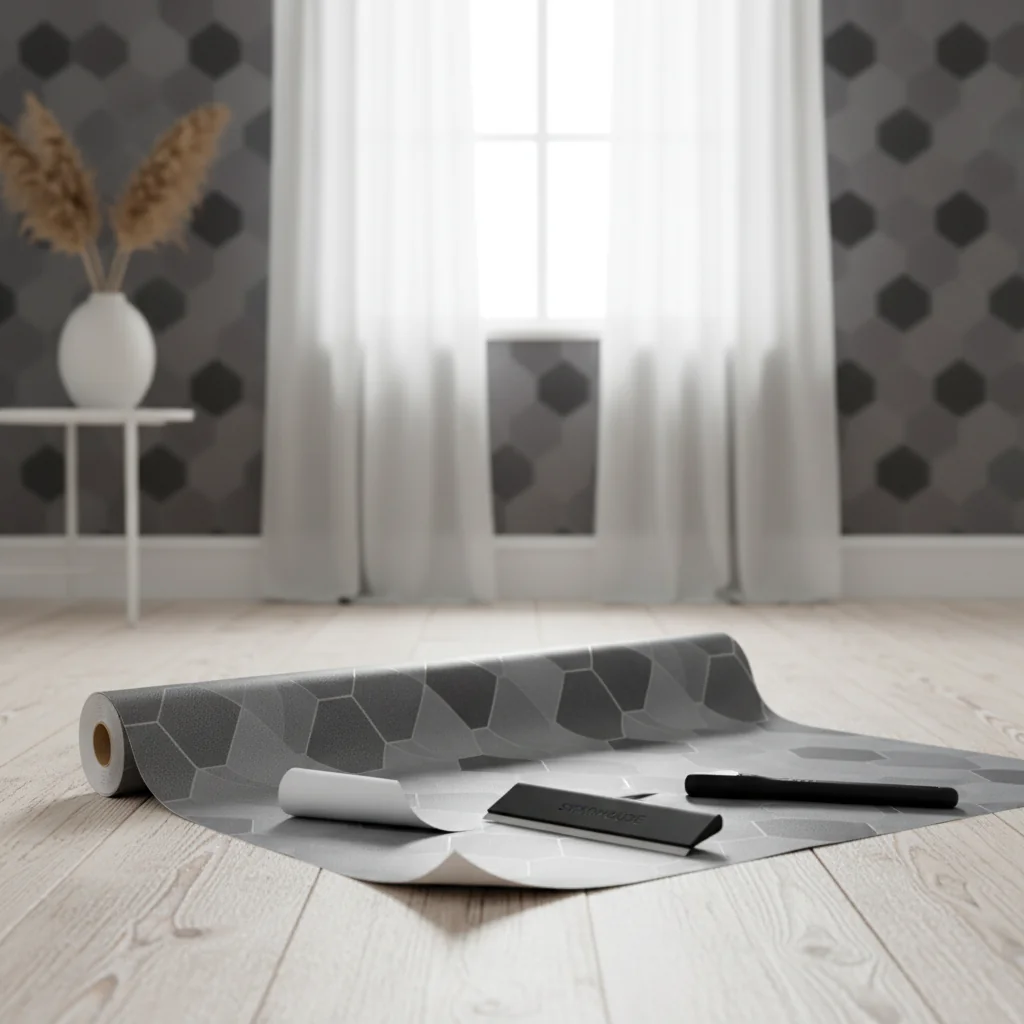
Peel-and-stick wallpaper, also known as removable or self-adhesive wallpaper, is a revolutionary option favored for its ease of installation and temporary nature. It features an adhesive backing that is activated by simply peeling off a liner, allowing for direct application to a smooth, clean wall surface. This type is highly forgiving, as it can be repositioned multiple times during installation, making it ideal for DIY enthusiasts and renters.
- Installation: Exceptionally simple, requiring no messy glues or professional tools. Panels can be aligned and smoothed with a squeegee.
- Durability: Generally made from vinyl or fabric, offering good resistance to moisture and wear, though less durable than some traditional options.
- Ideal Use: Perfect for accent walls, temporary decor updates, rental properties, or children’s rooms where tastes may change frequently.
- Removal: Designed for clean removal without damaging walls or leaving sticky residue, making it a flexible choice for evolving interiors.
Traditional (Non-Pasted) Wallpaper
Traditional wallpaper requires the application of a separate adhesive (paste) to its back before hanging. This classic method offers a wide array of material choices and often boasts superior durability and a more permanent finish. Installation typically requires more skill and specialized tools, often benefiting from professional expertise.
- Installation: More involved, requiring careful pasting, booking (folding pasted strips to allow paste to activate), and precise alignment.
- Durability: Highly durable, especially vinyl-coated or solid vinyl options, offering excellent longevity and resistance to fading.
- Ideal Use: Long-term installations in high-traffic areas, formal living spaces, or wherever a premium, lasting finish is desired.
- Removal: Can be more challenging to remove, often requiring steaming or soaking, and may leave residue or damage drywall if not done carefully.
Pre-Pasted Wallpaper
Pre-pasted wallpaper combines some of the convenience of peel-and-stick with the traditional hanging method. The adhesive is already applied to the back of the paper and is activated by simply dipping the cut strips in water, eliminating the need for separate paste. This streamlines the installation process compared to non-pasted options.
- Installation: Easier than non-pasted, as it eliminates the need for separate paste, but still requires careful handling and smoothing.
- Durability: Varies by material, but generally durable and long-lasting, similar to traditional wallpapers.
- Ideal Use: For DIYers comfortable with wallpapering but wanting to avoid the mess of separate paste, suitable for various rooms.
- Removal: Often strippable or peelable, meaning it can be removed in full sheets or layers, making it less labor-intensive than traditional non-pasted options.
Liquid Wallpaper
Liquid wallpaper, a lesser-known but innovative option, is a fiber-based wall coating applied like paint, creating a seamless, textured finish. It typically consists of natural fibers (like cotton or silk), mineral chips, and binders, mixed with water before application. This unique type offers a soft, tactile surface and excellent insulation properties.
- Installation: Applied with a trowel or sprayer, similar to plaster, creating a seamless finish without visible seams.
- Durability: Highly durable, resistant to cracking, and can often be repaired locally by re-wetting and smoothing. Offers good sound and thermal insulation.
- Ideal Use: Rooms requiring a seamless, textured, and insulated finish, or spaces where traditional wallpaper seams are undesirable.
- Removal: Can be re-wet and scraped off, offering a relatively straightforward removal process.
Fabric-Backed Vinyl Wallpaper
Fabric-backed vinyl wallpaper combines a durable vinyl surface with a fabric substrate, offering exceptional strength and dimensional stability. This construction makes it highly resistant to tearing and provides a robust finish, often chosen for commercial applications or high-traffic residential areas.
- Installation: Typically hung with a heavy-duty adhesive, requiring precise alignment and careful handling due to its weight and rigidity.
- Durability: Excellent, offering superior resistance to scratches, scuffs, and moisture. It is often washable and highly resilient.
- Ideal Use: Commercial spaces, hallways, kitchens, bathrooms, or any area demanding maximum durability and easy maintenance.
- Removal: Generally strippable, allowing for removal in full sheets, but may require more effort due to the strong adhesive used.
Non-Woven Wallpaper
Non-woven wallpaper is crafted from a blend of natural and synthetic fibers, making it one of the most user-friendly and environmentally conscious options available. It is breathable, dimensionally stable, and known for its “paste-the-wall” application method, which simplifies installation significantly.
- Installation: Revolutionary “paste-the-wall” method where adhesive is applied directly to the wall, not the paper, making it cleaner and faster.
- Durability: Extremely durable, resistant to tearing, and often washable. It is also breathable, which helps prevent mold and mildew.
- Ideal Use: Versatile for almost any room, including bathrooms and kitchens, due to its moisture resistance and ease of installation.
- Removal: Typically “dry strippable,” meaning it can be peeled off in full sheets without steaming or soaking, leaving the wall intact.
Each type of blue wallpaper offers unique advantages and considerations. At Starhouse, we advocate for selecting a type that not only aligns with your aesthetic vision but also meets the practical demands of your space, ensuring both beauty and lasting performance.
Exploring Styles and Patterns in Blue Wallpaper
The style and pattern of blue wallpaper profoundly dictate the aesthetic and mood of a room, ranging from subtle textures that add depth to bold motifs that serve as a focal point. Careful consideration of these elements ensures the wallpaper harmonizes with the overall design narrative and architectural style of the space.
Geometric Patterns
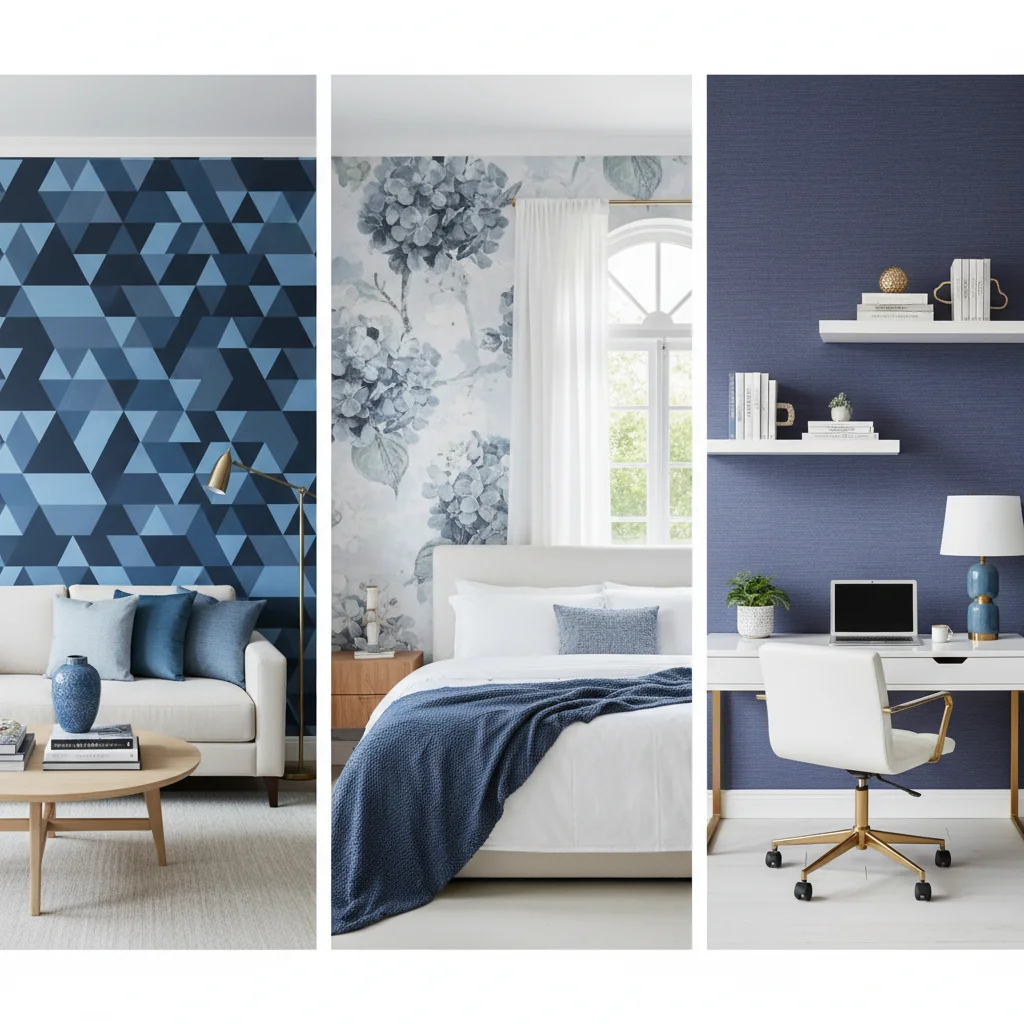
Geometric blue wallpapers feature repeating shapes such as stripes, chevrons, circles, or abstract angular designs. These patterns introduce structure, rhythm, and a contemporary edge to a room. They can range from minimalist and subtle to bold and graphic, influencing the perceived size and orientation of a space. Vertical stripes can visually heighten a ceiling, while horizontal stripes can widen a room. Geometric patterns are particularly effective in modern, mid-century, or industrial-inspired interiors, providing a clean, architectural feel. A deep navy geometric print can add sophistication to a study, while a light blue chevron might energize a child’s playroom.
Floral and Botanical Patterns
Blue floral and botanical wallpapers bring the beauty of nature indoors, offering designs from delicate, intricate blooms to large-scale, dramatic foliage. These patterns can evoke a sense of romance, tranquility, or vibrant energy depending on their scale, detail, and the specific blue hue. Smaller, daintier florals in pale blue create a cottage-core or traditional aesthetic, perfect for bedrooms or sunrooms. Large-scale botanical prints, featuring deep indigo leaves or vibrant teal blossoms, make a striking statement in living rooms or dining areas, connecting the interior to the natural world. They are adaptable to traditional, transitional, and even eclectic design schemes.
Abstract and Artistic Patterns
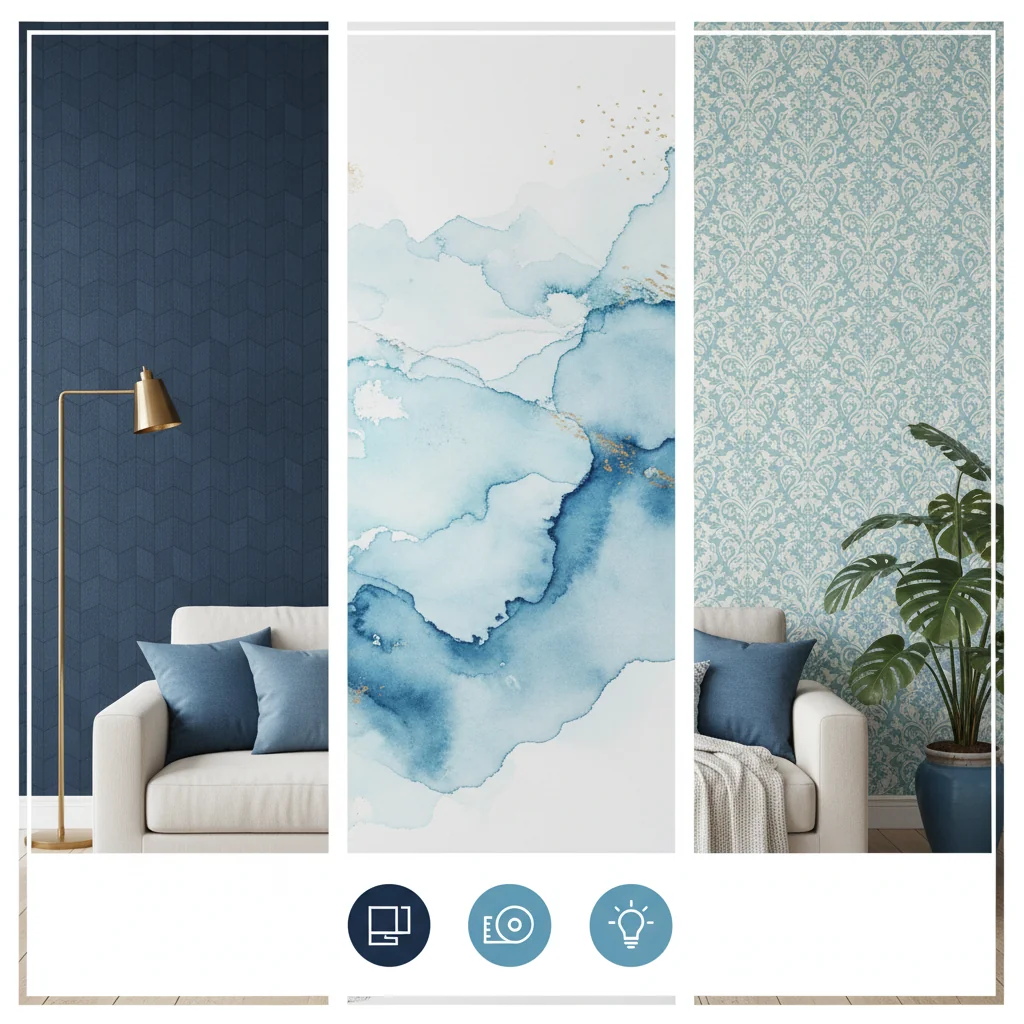
Abstract blue wallpapers transcend literal representation, offering designs that prioritize form, color, and texture to create an artistic statement. These patterns can feature painterly washes, fluid lines, or fragmented shapes, inviting interpretation and adding a unique, contemporary flair. Abstract blue designs are perfect for creating a gallery-like atmosphere, serving as a conversation starter in an entryway or a backdrop in a modern living space. They allow for significant artistic expression and can be particularly impactful when paired with minimalist furniture and decor, letting the walls truly shine as art.
Damask and Traditional Patterns
Damask patterns, characterized by their ornate, often symmetrical, and recurring motifs, exude classic elegance and historical grandeur. While traditionally featuring a single color in a woven effect, blue damask wallpapers offer a sophisticated take on this timeless design. They are ideal for formal dining rooms, master bedrooms, or elegant living spaces where a sense of luxury and tradition is desired. Beyond damask, other traditional blue patterns include toile (featuring pastoral scenes), intricate medallions, and classical architectural motifs, all contributing to a refined and established aesthetic.
Textured and Solid Blue Wallpapers
For those who prefer subtlety over overt patterns, textured and solid blue wallpapers provide depth and character without visual distraction. Textured options mimic the look and feel of natural materials like grasscloth, linen, or plaster, adding tactile interest and a sense of warmth. Solid blue wallpapers, while appearing simple, can be immensely powerful, especially in rich, deep hues. They create a seamless backdrop that allows furniture, artwork, and accessories to take center stage. Textured and solid blue wallpapers are versatile, suitable for almost any room, and are particularly effective in minimalist, Scandinavian, or contemporary designs where understated elegance is preferred.
The choice of style and pattern should always consider the room’s function, the scale of the space, and the existing furniture and decor. A large, bold pattern in a small room can feel overwhelming, while a too-small pattern in a vast space might get lost. Starhouse encourages a thoughtful approach to pattern selection, ensuring the blue wallpaper not only looks beautiful but also enhances the overall harmony of your home.
Wallpaper Materials and Their Impact on Performance
The material composition of blue wallpaper significantly influences its durability, ease of maintenance, and suitability for various environments, making material selection a critical aspect of the design process. Different materials offer distinct textures, finishes, and practical benefits that directly impact the longevity and aesthetic of your walls.
Paper Wallpaper
Paper wallpaper is the most traditional and often the most affordable option. It typically features a printed design on a paper base. While offering a vast range of aesthetic possibilities, from matte to slightly glossy finishes, it is generally less durable than other materials. Paper wallpaper is prone to tearing during installation, can be challenging to clean, and is not recommended for high-moisture areas like bathrooms or kitchens. Its breathability, however, makes it suitable for spaces where air circulation behind the wall covering is a concern.
Vinyl Wallpaper
Vinyl wallpaper is highly popular due to its exceptional durability, moisture resistance, and ease of cleaning. It consists of a paper or fabric backing coated with a layer of vinyl (polyvinyl chloride, or PVC). This construction makes it washable, scrubbable, and resistant to stains and grease. Vinyl wallpaper is an excellent choice for high-traffic areas, kitchens, bathrooms, and children’s rooms where longevity and low maintenance are priorities. It comes in various textures, from smooth to embossed, mimicking other materials like fabric or plaster. However, vinyl is less breathable than paper or non-woven options, which can sometimes trap moisture if not installed correctly in very humid environments.
Non-Woven Wallpaper
Non-woven wallpaper is considered a modern, high-performance material, made from a blend of natural and synthetic fibers. Its key advantages include superior tear resistance, breathability, and dimensional stability, meaning it won’t shrink or expand when wet. This material is renowned for its “paste-the-wall” application method, simplifying installation. Non-woven wallpaper is also typically washable and dry-strippable, making both installation and removal remarkably easy. It is an environmentally friendlier option, often free of PVC and VOCs, making it suitable for almost any room, including those with higher humidity.
Grasscloth Wallpaper
Grasscloth wallpaper is a natural, eco-friendly option made from woven natural fibers such as jute, sisal, or bamboo, adhered to a paper backing. It offers a unique, organic texture and visual depth that synthetic materials cannot replicate. Grasscloth introduces warmth, sophistication, and a tactile element to a room, often with subtle variations in color and texture that add character. However, it is delicate, not washable, and susceptible to moisture and humidity, making it unsuitable for bathrooms or kitchens. Installation requires expertise, as seams can be visible, and the material can be fragile. It is best suited for low-traffic areas like bedrooms, dining rooms, or studies where its natural beauty can be appreciated.
Fabric Wallpaper
Fabric wallpaper features a fabric face (e.g., silk, linen, cotton, or synthetic blends) laminated to a paper or non-woven backing. This luxurious option provides unparalleled texture, warmth, and acoustic benefits, often found in high-end designs. Fabric wallpapers can add a rich, opulent feel to a room, enhancing its perceived value. They are, however, among the most expensive types, challenging to install (often requiring professional help), and generally not washable. They are best reserved for low-traffic, dry areas where their delicate beauty can be preserved, such as master bedrooms, formal living rooms, or libraries.
Mica or Metallic Wallpaper
Mica or metallic wallpapers incorporate small flakes of mica or metallic pigments into their surface, creating a shimmering, reflective effect. These materials add glamour and sophistication, playing with light to create dynamic visual interest. Metallic wallpapers can make a room feel larger and brighter by reflecting ambient light. They are often durable and washable, depending on the base material. These are excellent for accent walls, powder rooms, or any space where a touch of elegance and sparkle is desired.
Each material presents a distinct balance of aesthetic appeal, performance, and maintenance requirements. Starhouse recommends evaluating the specific needs of your space—considering factors like humidity, traffic levels, and desired longevity—to select a blue wallpaper material that not only looks exquisite but also performs optimally for years to come. The National Institute of Standards and Technology (NIST) provides comprehensive standards and testing methodologies for material properties, which underpin the quality and performance benchmarks for various construction and interior design products, including aspects of wallpaper durability and safety.
Choosing the Right Blue Wallpaper for Your Space
Selecting the ideal blue wallpaper involves a thoughtful process that integrates aesthetic preferences with practical considerations, ensuring the chosen design harmonizes with the room’s function, lighting, and existing decor. A precise assessment of these factors prevents design discord and guarantees long-term satisfaction.
Assess the Room’s Function and Mood
The primary function of a room dictates the most suitable blue hue and pattern. For bedrooms, tranquil shades like sky blue or dusty blue with subtle patterns promote relaxation and sleep. In a home office, a medium blue can foster focus and productivity, while a more vibrant blue might energize a playroom. For living rooms, a sophisticated navy or teal can create an inviting and elegant atmosphere. Consider the desired mood: do you want a calming retreat, a dynamic workspace, or an opulent entertaining area? Blue wallpaper can deliver on all these fronts.
Consider Natural and Artificial Lighting
Lighting significantly impacts how blue wallpaper appears throughout the day. Rooms with abundant natural light can handle deeper, richer blue tones without feeling dim, as the light will bring out their vibrancy. Conversely, rooms with limited natural light benefit from lighter blues or those with a slight sheen, which reflect light and make the space feel brighter and more expansive. Always test a large sample of your chosen blue wallpaper on the wall, observing it at different times of day and under various artificial lighting conditions to ensure it achieves the desired effect.
Evaluate Existing Decor and Color Palette
Blue wallpaper should complement, not clash with, your existing furniture, textiles, flooring, and artwork. Identify the dominant colors and undertones already present in the room. Cool blues pair well with grays, whites, and other cool tones, creating a serene and cohesive scheme. Warmer blues, such as teal or turquoise, can introduce a refreshing contrast to earthy tones or complement vibrant accents. Consider the style of your furniture; a modern geometric blue wallpaper might clash with ornate traditional pieces, while a classic damask might feel out of place in a minimalist setting. Aim for balance and visual harmony.
Determine Pattern Scale and Room Size
The scale of the wallpaper pattern is critical for visual balance. In smaller rooms or those with many architectural features (windows, doors, built-ins), smaller, more intricate patterns or solid textures often work best, preventing the space from feeling overwhelmed. Large-scale patterns, such as oversized florals or bold geometrics, are best reserved for larger rooms or as a dramatic accent on a single wall, where they can be fully appreciated without feeling claustrophobic. Vertical patterns can make ceilings appear higher, while horizontal patterns can make rooms feel wider. A precise understanding of pattern repeat is also essential for accurate ordering and seamless installation.
Consider Durability and Maintenance
The material of the blue wallpaper directly impacts its durability and care requirements. For high-traffic areas like hallways, kitchens, or children’s rooms, opt for durable, washable materials like vinyl or non-woven wallpaper. In more formal or low-traffic areas like a dining room or master bedroom, delicate materials such as grasscloth or fabric wallpaper can introduce luxurious texture, provided you are prepared for their specific maintenance needs. Always check the manufacturer’s cleaning instructions before purchase to ensure the wallpaper aligns with your lifestyle.
Table: Comparing Wallpaper Types for Selection
| Wallpaper Type | Installation Difficulty | Durability & Washability | Ideal Use Cases | Typical Aesthetic |
|---|---|---|---|---|
| Peel-and-Stick | Easy (DIY friendly) | Moderate, often wipeable | Rentals, accent walls, temporary decor, children’s rooms | Modern, playful, flexible |
| Pre-Pasted | Medium (DIY possible) | Good, often washable | Bedrooms, living rooms, dining rooms (general use) | Versatile, traditional, transitional |
| Non-Pasted (Traditional) | Hard (professional recommended) | Excellent, often scrubbable (vinyl-coated) | High-traffic areas, long-term installations, formal spaces | Classic, luxurious, permanent |
| Non-Woven | Medium (paste-the-wall, DIY friendly) | Excellent, breathable, washable, dry-strippable | Almost any room, including bathrooms & kitchens | Modern, clean, practical |
| Vinyl (Fabric-Backed) | Hard (professional recommended) | Superior, highly washable & scrubbable | Commercial, kitchens, bathrooms, high-traffic hallways | Robust, functional, modern |
| Grasscloth | Hard (professional recommended) | Delicate, not washable, natural variations | Low-traffic areas, studies, bedrooms, accent walls | Organic, textured, sophisticated |
By systematically addressing these considerations, you can confidently select a blue wallpaper that not only transforms your space visually but also functions seamlessly within your home. Starhouse is dedicated to providing the resources and inspiration you need to make these choices with precision and confidence.
Precise Sizing and Measuring for Flawless Installation
Accurate sizing and meticulous measurement are foundational for a successful blue wallpaper installation, preventing material shortages, visible seams, and pattern misalignment. This critical preparatory step ensures a professional finish and minimizes waste, ultimately saving time and resources.
Step 1: Gather Your Tools
Before you begin, assemble the necessary tools: a metal tape measure (at least 25 feet long), a pencil, a notepad, and a calculator. Ensuring your tape measure is accurate is paramount for precise calculations.
Step 2: Measure Wall Dimensions
Measure the height and width of each wall you intend to wallpaper. For height, measure from the baseboard to the ceiling. For width, measure horizontally along the wall. It is crucial to measure each wall individually, even if they appear to be the same size, as subtle variations are common. Take at least three measurements for both height and width on each wall (e.g., left, middle, right for height; top, middle, bottom for width) and use the largest measurement to ensure you have enough material for any inconsistencies.
Example: A wall is 9 feet tall and 12 feet wide.
Step 3: Calculate Total Square Footage
Multiply the height of each wall by its width to determine its square footage. Sum the square footages of all walls to get the total area to be covered. Do not subtract for doors or windows at this stage; it is better to overestimate slightly to account for pattern matching and trimming.
Formula: (Wall Height in feet) x (Wall Width in feet) = Square Footage
Example: 9 ft (height) x 12 ft (width) = 108 sq ft.
If you have multiple walls, repeat this for each and add them together. For instance, four walls of this size would be 4 x 10⁸ sq ft = 432 sq ft.
Step 4: Understand Wallpaper Roll Dimensions
Wallpaper rolls are typically sold in standard dimensions. Common widths for residential wallpaper are 20.5 inches, 21 inches, 27 inches, or 36 inches. Roll lengths vary, but a standard single roll often covers approximately 56 square feet (e.g., 20.5 inches wide x 33 feet long). Double rolls are also common, offering twice the square footage, typically around 112 square feet (e.g., 20.5 inches wide x 66 feet long).
Always check the specific square footage yield printed on your chosen blue wallpaper’s label, as this can vary by manufacturer and pattern. This information is critical for accurate ordering.
Step 5: Account for Pattern Repeat
Pattern repeat is the vertical distance between one point in a pattern and the identical point directly above or below it on the wallpaper strip. This measurement is crucial for aligning patterns seamlessly across strips. If your blue wallpaper has a pattern repeat, you must add this length to each strip you cut, except the very first one, to ensure proper alignment. This inevitably leads to some material waste, which must be factored into your calculations.
Types of Pattern Match:
- Random Match: No specific pattern repeat; strips can be hung side-by-side without matching. Minimal waste.
- Straight Match: The pattern matches across strips at the same height. Simple to calculate, minimal waste.
- Drop Match (Half Drop or Multiple Drop): The pattern matches on alternating strips, or every third strip, requiring more complex alignment and resulting in significant waste. This is where most overestimation is needed.
For a pattern with a large repeat (e.g., 24 inches), you might need an extra 2 feet for every strip beyond the first. If your wall height is 9 feet, and the pattern repeat is 2 feet, each strip needs to be cut to 11 feet to allow for matching and trimming.
Step 6: Calculate Number of Strips per Roll
Divide the usable length of a roll by the height of your wall (plus pattern repeat, if applicable) to determine how many full strips you can get from one roll.
Formula: (Roll Length in inches) / (Wall Height in inches + Pattern Repeat in inches) = Number of Strips per Roll
Example: For a 9 ft (108 inch) wall with a 24 inch pattern repeat, and a standard roll length of 33 ft (396 inches):
396 inches / (108 inches + 24 inches) = 396 inches / 132 inches = 3 strips per roll
Step 7: Calculate Total Number of Strips Needed
Divide the total width of your walls by the width of one wallpaper strip to find the total number of strips required.
Formula: (Total Wall Width in inches) / (Wallpaper Width in inches) = Total Number of Strips
Example: For a 12 ft (144 inch) wide wall and 20.5 inch wide wallpaper:
144 inches / 20.5 inches = 7.02 strips. Round up to 8 strips.
If you have multiple walls, sum their widths before dividing by the wallpaper width.
Step 8: Determine Total Rolls Needed
Divide the total number of strips needed by the number of strips you can get from one roll.
Formula: (Total Number of Strips) / (Strips per Roll) = Total Rolls Needed
Example: 8 strips needed / 3 strips per roll = 2.67 rolls. Round up to 3 rolls.
Step 9: Add for Waste and Contingency
Always add an additional 10-15% to your final roll count for trimming, pattern matching, and potential mistakes or future repairs. This is particularly important for patterns with large repeats or for first-time installers.
Example: 3 rolls + 15% (0.45 rolls) = 3.45 rolls. Round up to 4 rolls.
It is always better to have an extra roll than to run short, as dye lots can vary between batches, making it difficult to match later. At Starhouse, we emphasize the importance of these meticulous calculations to ensure a seamless and stunning blue wallpaper installation in your home.
Current Trends in Blue Wallpaper Design
Contemporary blue wallpaper trends reflect a dynamic interplay between a desire for tranquility and a demand for bold, personal expression, encompassing a range of styles from sophisticated biophilic motifs to impactful abstract designs. These trends emphasize texture, sustainability, and unique artistic statements, moving beyond mere color to embrace the experiential aspect of design.
Biophilic Blue Designs
The integration of nature into interior spaces, known as biophilic design, is a dominant trend. Blue wallpapers featuring botanical prints—think lush tropical leaves in deep teal, delicate wildflowers in dusty blue, or abstract patterns reminiscent of water and sky—are incredibly popular. These designs foster a sense of calm and connection to the outdoors, promoting well-being within the home. They often incorporate subtle textures or metallic accents that catch the light, enhancing the organic feel.
Textural Depth and Tactile Finishes
Beyond visual patterns, designers are increasingly prioritizing tactile experiences. Blue wallpapers with embossed textures, grasscloth effects, or woven finishes add depth and sensory interest to walls. These materials create a sophisticated backdrop that feels luxurious to the touch and adds a subtle dimension to the room, even in solid blue hues. Think of deep navy linen-textured wallpaper or a light denim-blue with a subtle slub effect, providing understated elegance.
Dramatic Murals and Panoramas
Moving away from repeating patterns, large-scale blue murals and panoramic wallpapers are gaining traction. These designs transform an entire wall into a piece of art, depicting serene seascapes, stylized city skylines in shades of blue, or expansive abstract compositions. They serve as a powerful focal point, creating an immersive experience and a unique narrative within a room. This trend is particularly effective in larger living spaces or as a statement wall in a bedroom.
Abstract and Artistic Expressions
Blue wallpapers featuring abstract brushstrokes, watercolor effects, or geometric deconstructions are on the rise. These artistic patterns offer a modern, gallery-like feel, allowing homeowners to infuse their spaces with personal style and creativity. They often play with varying shades of blue, from soft ombrés to bold, contrasting tones, creating visual movement and dynamic energy. This trend appeals to those seeking a contemporary aesthetic that feels unique and avant-garde.
Sustainable and Eco-Friendly Options
As environmental consciousness grows, sustainable blue wallpaper options are becoming increasingly sought after. This includes wallpapers made from recycled materials, natural fibers like grasscloth or cork, or those produced with non-toxic, water-based inks and adhesives. Brands are also focusing on PVC-free and VOC-free options, ensuring healthier indoor air quality. This trend aligns with a broader movement towards responsible consumption and creating healthier living environments.
Classic Blue with a Modern Twist
Timeless blue styles, such as damask and toile, are being reimagined with modern color palettes or unexpected scale. A traditional damask in a vibrant teal or a subtle two-tone navy blue offers a fresh take on a classic. Similarly, toile patterns might feature contemporary scenes or be rendered in monochromatic blue, blending historical charm with modern sensibility. This trend allows for a harmonious blend of old and new, appealing to those who appreciate heritage designs but desire a contemporary edge.
These trends highlight blue wallpaper’s capacity to be both deeply personal and universally appealing. At Starhouse, we continuously curate collections that embody these contemporary directions, ensuring our offerings provide sophisticated and current design solutions for every home.
Expert Care and Maintenance for Blue Wallpaper
Proper care and routine maintenance are essential for preserving the beauty and longevity of your blue wallpaper, protecting your investment and ensuring its vibrant appearance for years. The specific cleaning methods depend heavily on the wallpaper’s material, requiring a precise approach to avoid damage.
General Principles for All Wallpaper Types
Regardless of the material, always address spills or marks immediately to prevent permanent staining. Use a soft, clean, white cloth or sponge to avoid transferring dyes or scratching the surface. Always test any cleaning solution or method on an inconspicuous area, such as behind a door or a small corner, to ensure it does not cause discoloration or damage.
Cleaning Specific Wallpaper Materials
Different wallpaper materials require distinct care protocols:
- Vinyl and Non-Woven Wallpaper: These are generally the most durable and easiest to clean.
Cleaning Method: Wipe gently with a soft sponge or cloth dampened with warm water and a mild, non-abrasive household cleaner. For tougher stains, a diluted solution of dish soap can be used. Rinse the area with a clean, damp cloth to remove any soap residue, then dry thoroughly with a soft, dry towel. Avoid harsh chemicals or abrasive scrubbers, which can damage the vinyl coating.
- Pre-Pasted and Some Traditional Wallpapers (Washable): Check the manufacturer’s label for “washable” or “scrubbable” designations.
Cleaning Method: For washable wallpapers, use a slightly damp sponge with plain water to wipe down the surface. For scrubbable options, a very mild soap solution can be used, but always test first. Blot stains rather than rubbing vigorously. Dry immediately with a soft cloth.
- Paper Wallpaper: This material is the most delicate and typically not washable.
Cleaning Method: For light dust, use a soft, dry microfiber cloth or a feather duster. For smudges or pencil marks, a dry kneaded eraser can be carefully used. Water or liquid cleaners will likely stain or damage paper wallpaper, so avoid them entirely. Professional cleaning may be an option for significant issues, but it is often not recommended due to the delicate nature of the material.
- Grasscloth and Fabric Wallpaper: These natural and luxurious materials are highly susceptible to moisture and staining.
Cleaning Method: Dust regularly with a soft, dry cloth or a vacuum cleaner with a brush attachment on a low setting. For any spills, blot immediately with a clean, dry cloth; do not rub. Liquid cleaners are strictly forbidden as they can cause watermarks, discoloration, or damage to the fibers. Professional dry cleaning services specializing in delicate wall coverings may be necessary for significant issues.
Addressing Common Issues
Even with proper care, issues can arise:
- Bubbles or Blisters: If small bubbles appear after installation, they can often be gently smoothed out with a wallpaper brush or squeegee. For stubborn bubbles, a small incision with a utility knife can release trapped air, then re-adhere the paper with a small amount of wallpaper paste injected underneath.
- Lifting Seams: If seams begin to lift, apply a small amount of seam adhesive (available at hardware stores) directly under the lifting edge. Press firmly with a seam roller and wipe away excess adhesive immediately with a damp cloth.
- Fading: Blue wallpaper, especially in direct sunlight, can fade over time. Consider using UV-protective window films or blinds to minimize sun exposure in areas with intense light.
By adhering to these expert care and maintenance guidelines, you can ensure your blue wallpaper remains a stunning and integral part of your home’s design for many years, reflecting the quality and sophistication that Starhouse represents.
Curating your home’s aesthetic involves not just selecting exquisite pieces but also ensuring their longevity. If you’re pondering the perfect blue wallpaper and how to maintain its pristine condition, we invite you to share your design aspirations with Starhouse. Tell us what you’re looking for and get early access to our curated collections, designed to inspire and endure.
Styling and Pairing Blue Wallpaper for Impact
Styling blue wallpaper effectively involves a thoughtful orchestration of complementary furnishings, textiles, lighting, and accessories, ensuring a cohesive and impactful design narrative. The inherent versatility of blue allows for a wide range of aesthetic outcomes, from tranquil retreats to vibrant, sophisticated spaces, when paired strategically.
Furniture Selection
The choice of furniture should complement the specific blue hue and pattern of your wallpaper. For deep navy or indigo wallpapers, consider light-colored furniture (creams, whites, light grays) to create a striking contrast and prevent the room from feeling too heavy. Alternatively, dark wood furniture (walnut, mahogany) can enhance the richness and traditional elegance of a deep blue. With lighter blues like sky or powder blue, natural wood tones (oak, maple) or white-painted furniture can reinforce a fresh, airy, or coastal aesthetic. Sleek, minimalist furniture works well with geometric or abstract blue patterns, while upholstered pieces with classic lines suit damask or floral designs.
Textiles and Fabrics
Textiles—curtains, rugs, throw pillows, and upholstery—are crucial for adding layers of comfort, texture, and color.
- Complementary Colors: For a harmonious look, pair blue with analogous colors like greens or purples. For a bolder, more energetic scheme, consider complementary colors such as oranges, yellows, or corals.
- Neutrals: Whites, creams, grays, and beiges provide a calming balance to any shade of blue, allowing the wallpaper to be the star.
- Texture: Introduce various textures through textiles—velvet for luxury, linen for natural elegance, chunky knits for coziness. These tactile elements prevent a blue-heavy room from feeling flat.
- Patterns: Mix and match patterns, ensuring they vary in scale. For instance, pair a subtle striped blue wallpaper with a large-scale floral rug or geometric throw pillows, ensuring there’s a dominant pattern and supporting smaller ones.
Lighting Design
Lighting is paramount in enhancing blue wallpaper.
- Natural Light: Maximize natural light to reveal the subtle nuances of blue hues and patterns. Sheer curtains or minimal window treatments prevent obstruction.
- Layered Artificial Lighting: Combine ambient (general room illumination), task (for specific activities), and accent lighting (to highlight features).
- Warm vs. Cool Tones: Warmer light (2700K-3000K) can make blues appear richer and more inviting, especially deep blues. Cooler light (3500K-4000K) can make blues feel crisper and more vibrant, particularly lighter shades.
- Fixture Styles: Metallic fixtures (brass, gold, chrome) can beautifully complement blue wallpaper, adding a touch of glamour or modern sophistication.
Accessories and Artwork
Accessories are the finishing touches that personalize a space with blue wallpaper.
- Metallic Accents: Gold, brass, silver, or copper accessories (vases, picture frames, decorative objects) pop against blue, adding sparkle and luxury.
- Natural Elements: Incorporate plants, wooden bowls, or stone sculptures to enhance a biophilic blue wallpaper or to introduce organic warmth to a more formal blue.
- Artwork: Choose artwork that either complements the blue wallpaper (e.g., abstract art with blue tones) or provides a striking contrast (e.g., vibrant reds or yellows against a navy backdrop). Frame artwork in colors that either blend with the wallpaper or stand out intentionally.
- Mirrors: Mirrors can amplify light and expand the perceived size of a room, especially effective when reflecting a beautiful blue wallpaper design.
Creating a Cohesive Narrative
Ultimately, successful styling revolves around creating a cohesive narrative. If your blue wallpaper is a serene watercolor, extend that fluidity through soft textiles and organic forms. If it’s a bold geometric, echo that structure with clean-lined furniture and minimalist decor. Each element should contribute to the overall story you wish to tell with your blue-infused space, creating a harmonious and impactful environment that reflects your personal style.
Common Mistakes to Avoid with Blue Wallpaper
Even with its versatility, applying blue wallpaper can present pitfalls that compromise the final aesthetic and durability of your design. Recognizing and avoiding these common mistakes ensures a professional, lasting, and visually appealing result that truly elevates your space.
1. Underestimating Surface Preparation
One of the most critical errors is neglecting proper wall preparation. Wallpaper, especially thinner types, will highlight every imperfection—cracks, holes, bumps, and even uneven paint finishes.
- Solution: Ensure walls are thoroughly cleaned, smooth, dry, and primed. Fill all holes and cracks, sand rough patches, and apply a high-quality wallpaper primer. Primer seals the surface, promotes adhesion, and makes future removal easier.
2. Incorrectly Measuring and Ordering
Running out of wallpaper mid-project or having too much waste due to miscalculations is a frustrating and costly mistake. Forgetting to account for pattern repeat is a primary culprit.
- Solution: Follow precise measuring guidelines, calculating total square footage and then accounting for pattern repeat, windows, and doors. Always add an extra 10-15% for trimming, mistakes, and future repairs. Order all rolls from the same dye lot to prevent subtle color variations.
3. Ignoring Room Scale and Pattern Size
Using a large, bold blue pattern in a small room can make it feel cramped and overwhelming, while a tiny, intricate pattern in a vast room can disappear.
- Solution: Match the pattern scale to the room’s dimensions. Small patterns or subtle textures suit smaller spaces. Large patterns are best for expansive walls or as a dramatic accent. Consider how busy the pattern is; a busy pattern in a high-traffic area might create visual clutter.
4. Improper Adhesive Application
Too little adhesive leads to peeling edges and bubbles, while too much can cause oozing, staining, and difficulty smoothing. Using the wrong type of adhesive for your blue wallpaper material is also a common error.
- Solution: Use the adhesive specifically recommended by the wallpaper manufacturer for your chosen material (e.g., heavy-duty for fabric-backed vinyl, specific paste for non-woven). Apply paste evenly and consistently, following instructions for booking time if applicable.
5. Overlooking Lighting Conditions
The same blue wallpaper can look dramatically different under natural daylight versus artificial evening light. Ignoring this can lead to an unexpected outcome.
- Solution: Test large samples of your blue wallpaper on the actual wall, observing them at various times throughout the day and under both natural and artificial light sources. Consider the light’s temperature (warm vs. cool) and how it interacts with the blue hue.
6. Neglecting Pattern Match and Alignment
Visible seams and misaligned patterns detract significantly from a professional finish. This is especially true for intricate blue patterns.
- Solution: Take your time aligning each strip. Use a plumb line to ensure the first strip is perfectly vertical, as this sets the standard for all subsequent strips. Carefully match the pattern repeat, trimming excess only after alignment is perfect.
7. Choosing the Wrong Wallpaper Type for the Environment
Installing delicate paper or grasscloth wallpaper in a high-moisture bathroom or a high-traffic hallway leads to premature wear, damage, and frustration.
- Solution: Select a blue wallpaper material appropriate for the room’s conditions. Vinyl or non-woven options are ideal for kitchens and bathrooms due to their moisture resistance and durability. For low-traffic, dry areas, more delicate materials can be considered.
8. Rushing the Installation Process
Wallpapering requires patience and precision. Rushing can lead to mistakes like air bubbles, wrinkles, misalignment, and damage to the wallpaper.
- Solution: Allocate ample time for the project, including preparation. Work methodically, smoothing each strip carefully and ensuring proper adhesion before moving to the next. If you are unsure, consider hiring a professional installer.
By being aware of these common pitfalls, you can approach your blue wallpaper project with confidence, ensuring a beautiful, long-lasting, and impactful transformation of your space, consistent with the high standards championed by Starhouse.
Sources
- National Institute of Standards and Technology. (https://www.nist.gov/)
Frequently Asked Questions About Blue Wallpaper
Is blue wallpaper suitable for small rooms?
Yes, blue wallpaper is highly suitable for small rooms, particularly lighter shades like sky blue, powder blue, or periwinkle, which reflect light and create an illusion of spaciousness and openness. Opt for small, subtle patterns or solid textures to avoid overwhelming the space.
How long does blue wallpaper typically last?
The longevity of blue wallpaper varies significantly by material and installation quality, but high-quality wallpaper can last anywhere from 10 to 15 years, or even longer. Vinyl and non-woven wallpapers are among the most durable, while delicate paper or grasscloth may have a shorter lifespan in high-traffic areas.
Can I install blue wallpaper myself, or should I hire a professional?
Many types of blue wallpaper, especially peel-and-stick and non-woven (paste-the-wall) options, are designed for DIY installation with proper preparation and patience. However, complex patterns, delicate materials like grasscloth, or traditional non-pasted wallpapers often benefit from professional installation to ensure a flawless, long-lasting finish.
What colors pair best with blue wallpaper?
Blue wallpaper pairs exceptionally well with a broad range of colors. Neutrals like white, cream, gray, and beige create a serene and sophisticated backdrop. For vibrant accents, consider complementary colors such as yellow, orange, or coral. Analogous colors like green or purple can create a harmonious, nature-inspired palette.
Is blue wallpaper easy to remove?
The ease of removing blue wallpaper depends entirely on its type. Peel-and-stick and non-woven wallpapers are typically dry-strippable or peelable, designed for clean removal without damaging walls. Traditional non-pasted wallpapers, especially older varieties, may require steaming or soaking for removal, which can be more labor-intensive.
Can blue wallpaper be used in bathrooms or kitchens?
Yes, blue wallpaper can be used in bathrooms and kitchens, but it is crucial to select a material specifically designed for high-moisture environments. Vinyl and non-woven wallpapers are excellent choices due to their moisture resistance, durability, and ease of cleaning, preventing issues like peeling or mold growth.
How do I choose the right shade of blue for my room?
Choosing the right shade of blue involves considering the room’s natural light, its function (e.g., calming bedroom vs. energetic living room), and your desired mood. Lighter blues create an airy feel, mid-tones offer balance, and deep blues add drama and sophistication. Always test large samples on your wall to observe how the color appears throughout the day under different lighting conditions.
Conclusion
Blue wallpaper offers an extraordinary canvas for personal expression and sophisticated design, capable of transforming any interior into a reflection of tranquility, energy, or refined elegance. Its enduring appeal lies in its unparalleled versatility, from the serene whisper of a pale sky blue to the commanding presence of a deep navy, each hue and pattern contributing a distinct narrative to your home.
As we have explored, the journey to selecting the perfect blue wallpaper is a meticulous one, requiring careful consideration of type, material, pattern, and the unique characteristics of your space. From precise measurements to understanding the nuances of installation and maintenance, every detail contributes to a flawless and lasting finish. By embracing the rich spectrum of blue and adhering to expert guidance, you can create an environment that is not only visually stunning but also deeply resonant with your personal style and needs.
At Starhouse, we believe that your home should be a sanctuary of beauty and comfort, meticulously curated to inspire. We are dedicated to bringing you the finest selection of home décor, including an exquisite array of blue wallpapers, designed to elevate every room. We are actively curating our upcoming collection to meet the discerning tastes of homeowners like you.
We invite you to be part of our journey as we build a collection that truly speaks to the art of living beautifully. Tell us what you’re looking for in your dream space and get exclusive early access to our new arrivals. Let Starhouse help you define your home’s next chapter with confidence and unparalleled style.