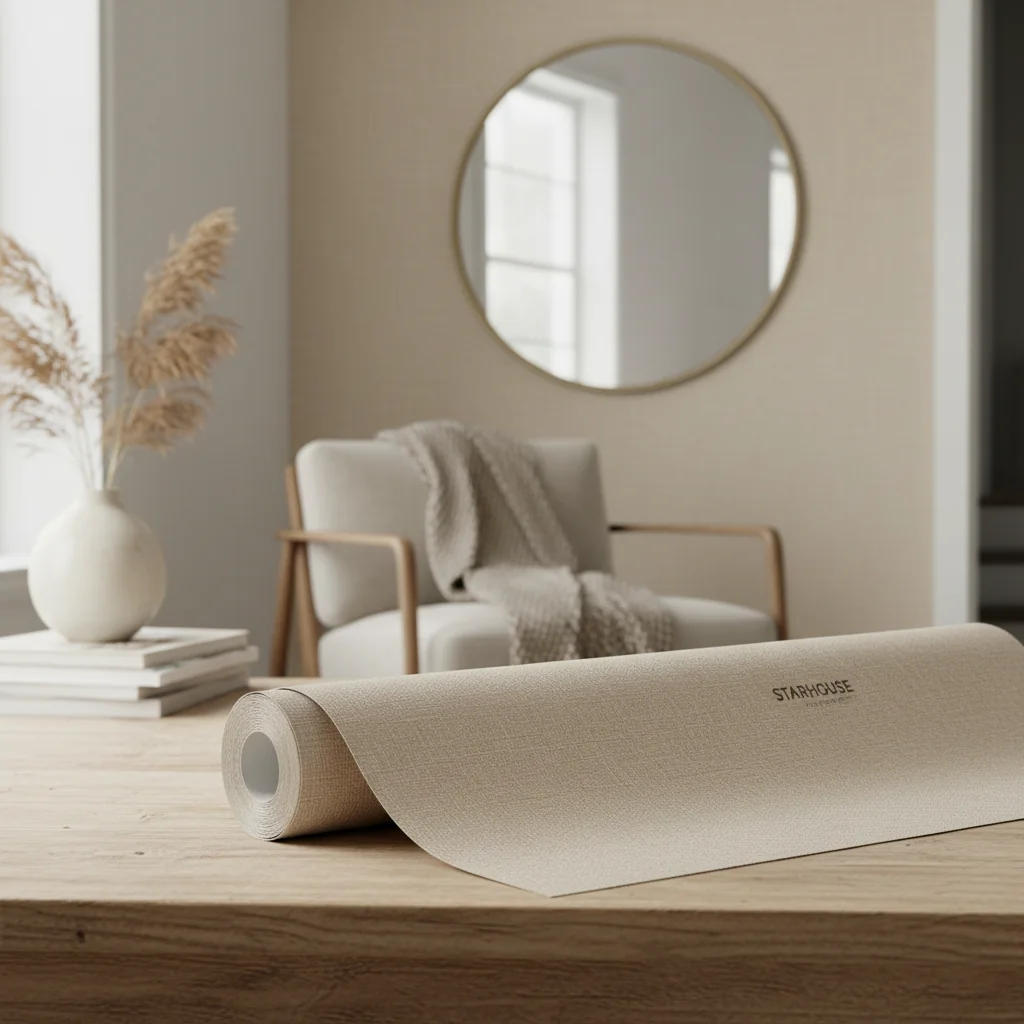
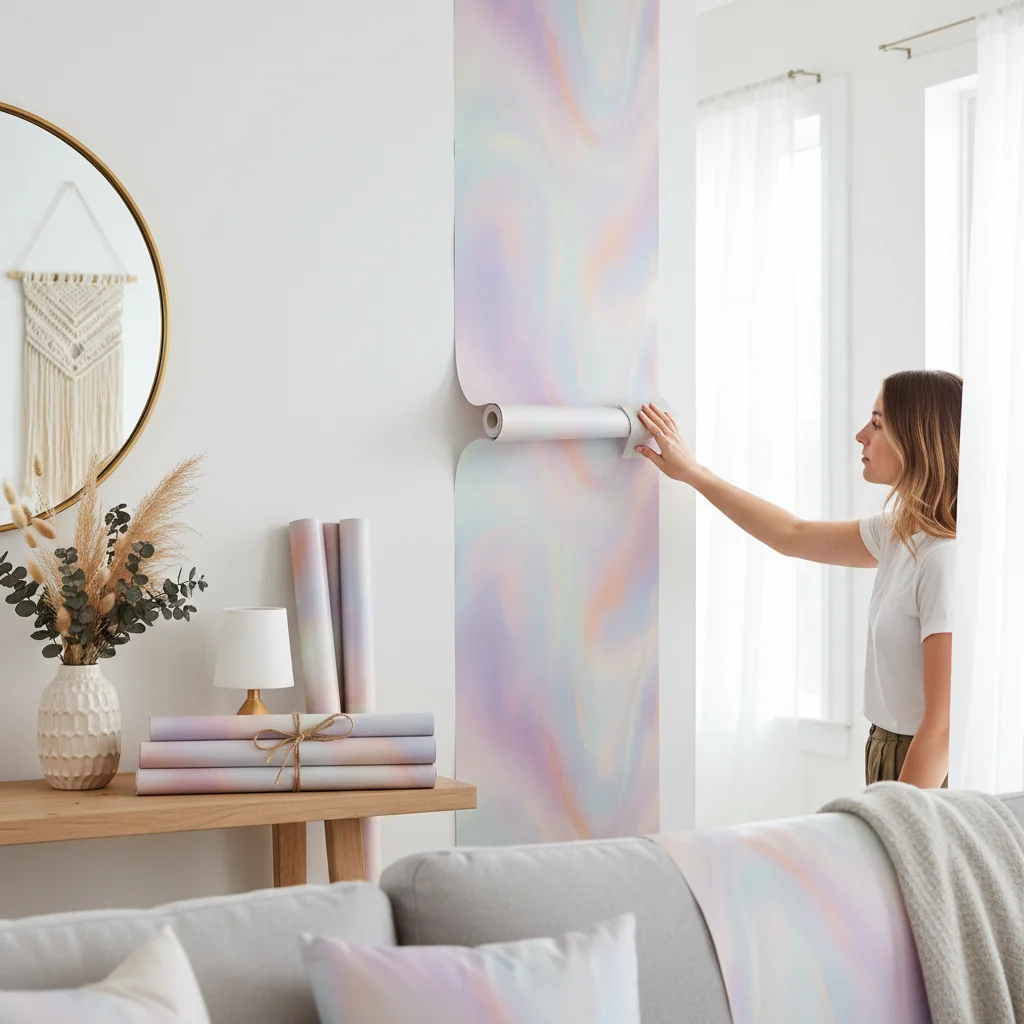
Texture wallcoverings are sophisticated surface treatments that introduce tactile depth and visual interest to interior spaces, distinguishing themselves from flat wallpapers by their three-dimensional qualities and inherent material variations. These materials transform a wall from a mere boundary into a focal point, imbuing rooms with character, warmth, and a refined sense of luxury. At Starhouse, we understand that selecting the right wallcovering is a pivotal design decision, influencing not only the aesthetic but also the sensory experience of a home. This comprehensive guide, informed by the latest design insights and material science, delves into every facet of texture wallcoverings, equipping you with the precise knowledge to elevate your interiors. We will explore the diverse types, materials, and styles available, provide authoritative guidance on selection, measurement, and care, and illuminate current trends that are shaping contemporary design. Our aim is to empower you to make informed choices that reflect your personal style and enhance the intrinsic beauty of your living environment, ensuring a timeless appeal that resonates with sophisticated elegance.
Key Takeaways
- Texture wallcoverings introduce tactile depth and visual interest, elevating a room’s aesthetic beyond flat surfaces.
- A diverse range exists, from natural fibers like grasscloth and cork to engineered options like embossed vinyl and faux textures, each offering unique benefits.
- Material composition dictates durability, maintenance, and suitable application areas, with options ranging from delicate silks to highly resilient vinyls.
- Accurate measurement and understanding installation requirements are critical for a flawless finish, whether opting for professional or DIY application.
- Successful integration involves considering the room’s function, existing décor, lighting conditions, and desired mood to achieve a cohesive design.
- Proper care, tailored to the specific material, is essential for preserving the beauty and longevity of texture wallcoverings.
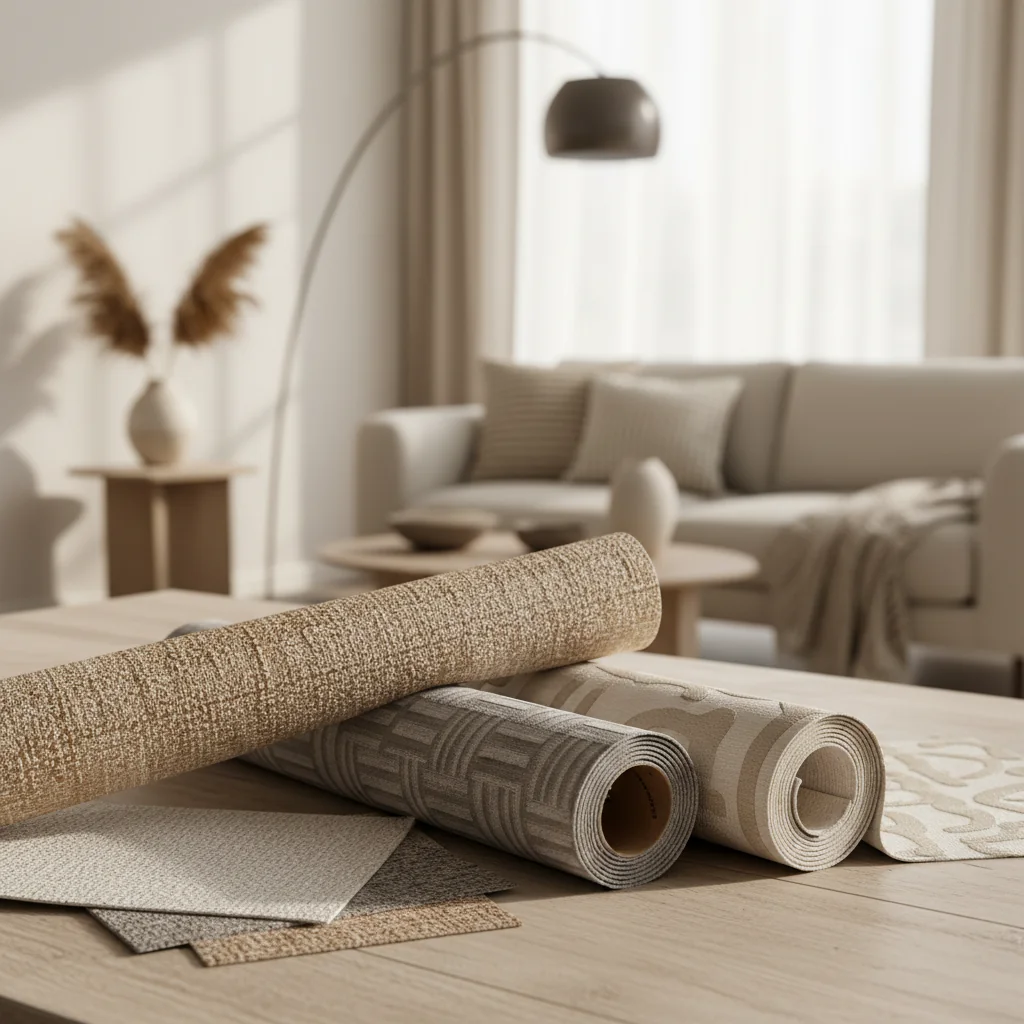
What Are Texture Wallcoverings? An Essential Definition
Texture wallcoverings are decorative wall finishes characterized by a three-dimensional surface that imparts tactile and visual depth, distinguishing them significantly from flat-printed wallpapers. These materials are engineered to replicate or create a physical sensation under touch, adding a layer of sensory richness to interior spaces. Unlike conventional wallpapers that rely solely on printed patterns or colors for aesthetic impact, texture wallcoverings engage both sight and touch, contributing to a more immersive and sophisticated design.
The primary purpose of a texture wallcovering is to introduce a palpable dimension to walls, transforming them from passive backdrops into active design elements. This can involve natural fibers woven with inherent irregularities, embossed patterns that raise the surface, or specialty finishes that mimic materials like stone, fabric, or cork. The tactile quality of these wallcoverings absorbs and reflects light differently than flat surfaces, creating subtle shadows and highlights that shift throughout the day, enhancing the perceived depth and complexity of a room. For instance, a grasscloth wallcovering, woven from natural fibers, presents an organic, uneven surface that adds immediate warmth and an artisanal touch.
Texture wallcoverings offer a powerful tool for interior designers to manipulate perception within a space. They can soften harsh lines, introduce a sense of coziness, or lend an air of understated luxury. Their ability to subtly alter light dynamics means they can make a room feel larger or more intimate, depending on the chosen material and pattern. This material category encompasses a vast array of options, from delicate, hand-woven textiles to durable, embossed vinyls, each designed to serve specific aesthetic and functional requirements. Their application extends beyond mere decoration; they are integral to shaping the mood and character of any residential or commercial environment, providing a tangible connection to the materials that define a space.
The Enduring Appeal of Texture in Interior Design
The enduring appeal of texture in interior design stems from its profound ability to engage multiple senses, creating spaces that are not only visually captivating but also tactilely inviting and emotionally resonant. Texture adds depth, warmth, and sophistication, transforming two-dimensional surfaces into dynamic elements that contribute significantly to a room’s overall ambiance. It is the silent language of design, communicating comfort, luxury, or rugged authenticity without uttering a single word.
From a sensory perspective, texture wallcoverings offer a rich experience. The natural unevenness of a grasscloth, the soft resilience of a fabric-backed textile, or the subtle relief of an embossed pattern invites touch, fostering a deeper connection with the environment. This tactile engagement is crucial for creating truly livable and comfortable spaces. Humans inherently respond to varied surfaces; smooth, polished walls can feel cold or sterile, while textured walls provide an organic, grounding presence. This sensory layering is a hallmark of sophisticated design, preventing a room from appearing flat or one-dimensional.
Visually, texture introduces a critical element of depth. Even in a monochromatic scheme, varying textures prevent monotony by creating subtle shifts in shadow and light. A matte, deeply textured wall, for instance, absorbs light, making a room feel cozier and more intimate, while a subtly reflective texture can bounce light, enhancing brightness and perceived spaciousness. This interplay of light and shadow highlights the intricate details of the wallcovering, adding a dynamic quality that evolves throughout the day as natural light changes. This dynamic visual interest contributes to a sense of luxury and bespoke craftsmanship that cannot be achieved with flat paint or basic wallpaper.
Furthermore, texture wallcoverings are instrumental in establishing a room’s mood and character. A rough, organic texture like sisal can evoke a rustic or coastal aesthetic, promoting a feeling of relaxed naturalism. Conversely, a smooth, subtly patterned silk wallcovering exudes formality and elegance, ideal for a refined dining room or master suite. The choice of texture is a powerful determinant of the emotional response a space elicits, allowing designers and homeowners to craft environments that feel serene, energetic, or opulent as desired. This versatility in mood-setting is a core reason for texture’s sustained relevance in design.
Finally, the addition of texture contributes to the perceived quality and bespoke nature of an interior. Textured surfaces often suggest craftsmanship, natural materials, and attention to detail, elevating the entire space. They provide a foundational layer upon which other design elements—furniture, textiles, lighting, and accessories—can be built, creating a cohesive and harmonious scheme. A room rich in varied textures feels curated and considered, reflecting a high level of design sophistication. This ability to enhance both the aesthetic and sensory dimensions of a space ensures that texture wallcoverings remain an indispensable tool in the designer’s repertoire, transforming ordinary walls into extraordinary design statements.
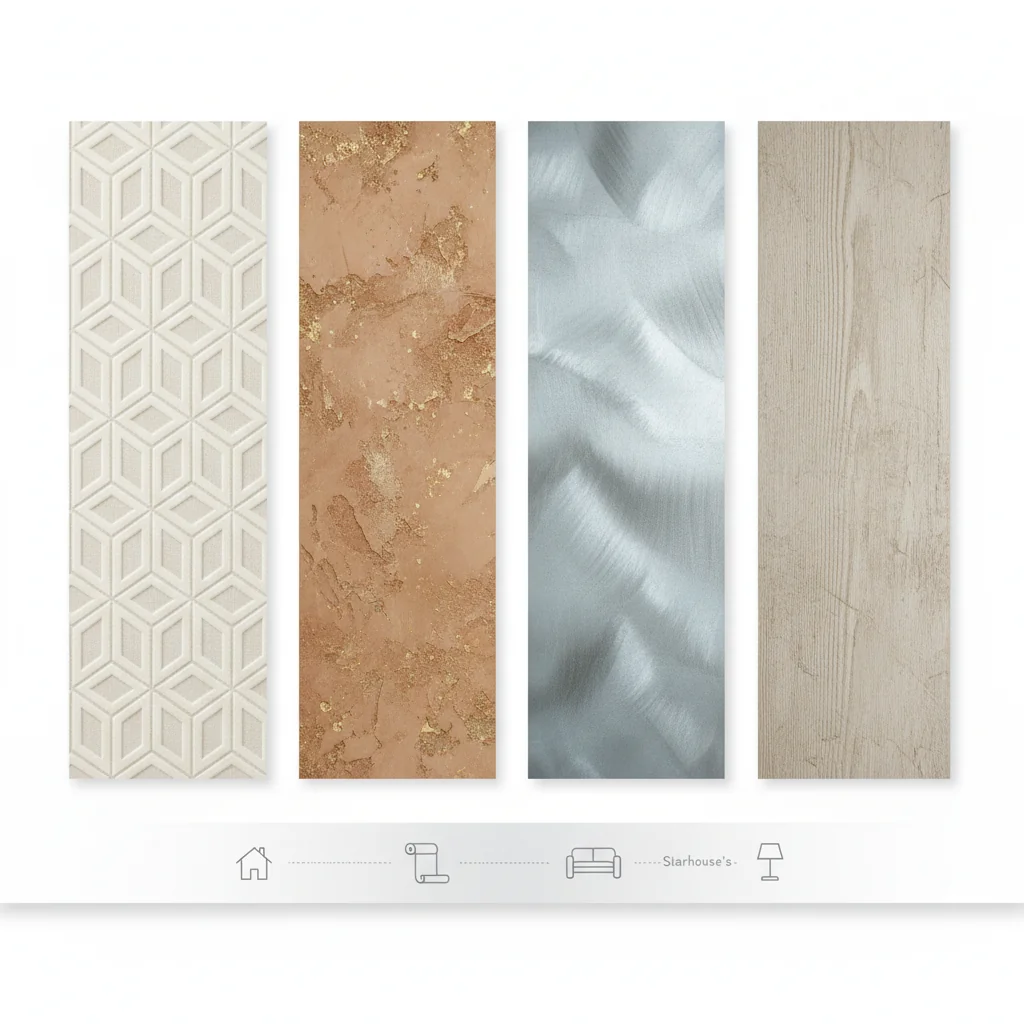
Exploring the Diverse Types of Texture Wallcoverings
The world of texture wallcoverings is remarkably diverse, offering an extensive array of materials and finishes that cater to virtually any design aesthetic and functional requirement. These various types are broadly categorized by their material composition and manufacturing process, each providing distinct tactile and visual qualities that can dramatically alter the perception of a space. Understanding these categories is essential for making an informed selection that aligns with your design vision.
Natural Fiber Wallcoverings
Natural fiber wallcoverings are celebrated for their organic beauty, sustainability, and unique tactile qualities. They introduce an authentic, earthy elegance to any room, often with subtle variations in color and weave that highlight their natural origins. These wallcoverings are typically hand-woven onto a paper backing, making each roll unique.
- Grasscloth: Grasscloth is a classic texture wallcovering woven from natural grasses like jute, sisal, arrowroot, and bamboo. It is renowned for its subtle sheen, visible knots, and inherent irregularities, which create a rich, organic texture. Grasscloth adds warmth, depth, and a tranquil ambiance, making it ideal for living rooms, bedrooms, and dining areas. It is generally delicate and requires careful installation and maintenance.
- Sisal: Derived from the agave plant, sisal offers a slightly coarser, more structured texture than grasscloth. Its fibers are strong and durable, providing a robust, natural look. Sisal wallcoverings are excellent for creating a grounded, earthy feel and can withstand more wear than finer natural fibers, though they still require gentle care.
- Jute: Similar to sisal but often with a softer, more pliable feel, jute wallcoverings provide a warm, rustic texture. They are typically woven into various patterns, from fine weaves to chunky, basket-like textures, adding significant visual interest and warmth.
- Linen and Silk: These textile wallcoverings offer a luxurious, refined texture. Linen provides a crisp, natural texture with subtle slubs, ideal for a tailored yet relaxed look. Silk wallcoverings, often backed for stability, exude opulence with their soft sheen and smooth, delicate feel. Both require professional installation and are best suited for low-traffic areas due to their delicate nature.
- Cork: Cork wallcoverings are made from the bark of cork oak trees, offering a unique, porous texture that is naturally insulating and sound-absorbing. Available in various patterns, from fine grain to chunky, rustic styles, cork adds a distinctive organic feel and is an environmentally friendly option. Its natural resilience makes it moderately durable.
- Wood Veneer: Thin slices of real wood, often applied to a paper or non-woven backing, create a sophisticated and genuinely natural wallcovering. These offer the grain and warmth of wood without the bulk of paneling, providing a modern, organic, or even minimalist aesthetic depending on the wood type and finish.
Embossed and Raised Texture Wallcoverings
These wallcoverings feature patterns or designs that are physically raised from the surface, creating a pronounced three-dimensional effect. They are often made from durable materials, making them suitable for various applications.
- Anaglypta and Lincrusta: These are historical types of embossed wallcoverings. Anaglypta, made from paper pulp, is paintable, allowing for custom color schemes while retaining its intricate raised patterns. Lincrusta, made from a gelled linseed oil and wood flour compound, is even more durable and deeply embossed, mimicking plasterwork or carved wood. Both are excellent for adding architectural detail and historic charm.
- Blown Vinyl Wallcoverings: Created by heating vinyl to create a raised, foamed effect, blown vinyl offers a soft, spongy texture. These are often paintable and can mimic various finishes, from stucco to plaster. They are durable, washable, and effective at masking minor wall imperfections, making them a practical choice for high-traffic areas.
Faux Texture Wallcoverings
Faux texture wallcoverings are designed to replicate the look and feel of other materials, often with greater durability, ease of maintenance, or lower cost than their natural counterparts. Modern printing and embossing techniques allow for highly realistic reproductions.
- Faux Grasscloth: These vinyl or non-woven wallcoverings mimic the appearance of natural grasscloth, often with subtle embossing to simulate the weave. They offer the aesthetic benefits of grasscloth but with enhanced durability, washability, and resistance to humidity, making them suitable for bathrooms and kitchens.
- Faux Leather: Designed to imitate the rich texture and appearance of leather, these wallcoverings can add a luxurious, masculine, or contemporary feel. They are typically made from vinyl and are durable and easy to clean, ideal for accent walls or studies.
- Faux Concrete/Stone: These wallcoverings replicate the raw, industrial look of concrete or the rugged beauty of natural stone. They are perfect for achieving a modern, minimalist, or urban aesthetic without the weight or cost of actual concrete or stone.
- Faux Fabric: Mimicking woven textiles like tweed, burlap, or linen, these wallcoverings provide the soft, inviting look of fabric with the practical benefits of a wallcovering, often made from vinyl or non-woven materials.
Textile Wallcoverings
True textile wallcoverings are made from woven fabrics, often with a backing for stability. They offer unparalleled softness, warmth, and sound absorption, creating a truly luxurious environment.
- Woven Fabrics: These can range from fine silks and velvets to coarser tweeds and chenilles. They are often treated for stain resistance and backed to facilitate installation. Textile wallcoverings are highly decorative and best suited for areas where their delicate nature will not be compromised, such as bedrooms or formal living spaces. They significantly enhance acoustic properties of a room.
Specialty Texture Wallcoverings
This category includes innovative and unique wallcoverings that use various materials and techniques to create distinctive textures and effects.
- Flocked Wallcoverings: These feature raised patterns created by applying tiny fibers (flock) onto a surface, resulting in a soft, velvety texture. Historically associated with opulent designs, modern flocked papers offer both traditional and contemporary patterns.
- Beaded Wallcoverings: Tiny glass beads are adhered to the surface, creating a sparkling, iridescent texture that catches and reflects light beautifully. These are often used for accent walls or to add a touch of glamour.
- Metallic Wallcoverings: While often featuring a smooth or subtly embossed surface, metallic wallcoverings are included here because their reflective quality dramatically alters the perception of texture and light. They can range from brushed metals to highly polished foils, adding a contemporary or glamorous edge.
- Glass Bead Wallcoverings: Similar to beaded, but often with a finer, more uniform application of glass beads, creating a shimmering, almost glittering effect that adds a sophisticated sparkle to a room.
Each type of texture wallcovering offers a distinct set of aesthetic and functional attributes. The selection process involves careful consideration of the desired ambiance, the practical demands of the space, and the specific characteristics of the material to ensure a harmonious and lasting design solution.
Materials and Their Unique Characteristics
The material composition of a texture wallcovering is the primary determinant of its aesthetic, durability, maintenance requirements, and overall suitability for a given space. Understanding the unique characteristics of each material type is crucial for making an informed selection that meets both design aspirations and practical needs. From delicate natural fibers to robust synthetic blends, each material offers distinct advantages and considerations.
Natural Fiber Materials
Natural fiber wallcoverings are prized for their organic appeal, sustainable sourcing, and ability to introduce unique tactile qualities. They often exhibit slight imperfections and variations, which contribute to their inherent charm and authenticity.
-
Grasscloth (Jute, Sisal, Arrowroot, Bamboo):
- Aesthetic: Organic, earthy, subtle sheen, visible knots and irregularities, creating a rich, hand-woven look. Ranges from fine, delicate weaves to coarser, more pronounced textures.
- Durability: Moderate. Prone to unraveling if snagged, susceptible to moisture and staining. Not recommended for high-traffic or high-humidity areas.
- Maintenance: Delicate. Spot clean with a dry cloth or gentle vacuum attachment. Avoid water or harsh chemicals, as they can cause discoloration or damage.
- Ideal Use: Living rooms, dining rooms, bedrooms, studies – areas with low traffic and stable humidity. Excellent for creating a tranquil, sophisticated accent wall.
-
Cork:
- Aesthetic: Distinctive porous texture, warm, earthy tones. Available in various patterns, from fine grain to chunky, rustic styles. Naturally insulating and sound-absorbing.
- Durability: Moderate to High. Resilient and flexible, resistant to cracking. Can be susceptible to scratching or denting if impacted sharply.
- Maintenance: Easy. Wipe with a damp cloth and mild detergent. Some varieties are sealed for enhanced durability and moisture resistance.
- Ideal Use: Living areas, studies, bedrooms, accent walls. Good for spaces where sound absorption is desired.
-
Wood Veneer:
- Aesthetic: Authentic wood grain, warmth, and natural variations. Offers the sophisticated look of wood paneling in a thinner, more flexible format. Can be stained or finished.
- Durability: Moderate. Durable against light abrasion, but can be susceptible to scratching, moisture damage, and fading in direct sunlight.
- Maintenance: Moderate. Dust regularly. Wipe with a damp cloth; avoid excessive moisture. Specific care depends on the veneer’s finish.
- Ideal Use: Feature walls, studies, formal dining rooms. Creates a luxurious, modern, or rustic ambiance.
-
Silk/Linen (Textile Wallcoverings):
- Aesthetic: Luxurious, refined. Silk offers a soft sheen and smooth drape; linen provides a crisp, natural texture with subtle slubs. Adds unparalleled softness and warmth.
- Durability: Low to Moderate. Highly delicate, prone to staining, fading, and damage from abrasion. Requires careful handling.
- Maintenance: Very delicate. Professional cleaning recommended. Spot clean with extreme care using specialized textile cleaners if necessary.
- Ideal Use: Formal living rooms, master bedrooms, powder rooms – areas with minimal traffic and environmental exposure.
Engineered and Synthetic Materials
These materials offer enhanced durability, versatility, and ease of maintenance, often replicating the look of natural textures with superior performance.
-
Vinyl (Solid Sheet Vinyl, Fabric-Backed Vinyl, Paper-Backed Vinyl):
- Aesthetic: Highly versatile. Can replicate virtually any texture, from faux grasscloth and wood grain to concrete and intricate embossed patterns. Available in a vast array of colors and finishes.
- Durability: High to Very High. Extremely durable, resistant to scratches, tears, and moisture. Commercial-grade vinyl can withstand heavy traffic and frequent cleaning.
- Maintenance: Easy. Most vinyl wallcoverings are washable; wipe clean with a damp cloth and mild soap. Some are scrubbable.
- Ideal Use: High-traffic areas (hallways, commercial spaces), bathrooms, kitchens, children’s rooms. Excellent for replicating delicate textures with practical benefits.
-
Non-Woven:
- Aesthetic: Smooth, matte finish or subtly textured. Often used as a base for printed designs, but can also have inherent subtle textures. Known for its “paste-the-wall” installation ease.
- Durability: Moderate to High. Tear-resistant and dimensionally stable. Breathable, which helps prevent mold and mildew.
- Maintenance: Easy. Generally washable and strippable (removes in full sheets without damage to the wall).
- Ideal Use: Bedrooms, living rooms, dining rooms. A good choice for DIY enthusiasts due to ease of installation and removal.
-
Embossed/Blown Vinyl:
- Aesthetic: Features raised, three-dimensional patterns that can mimic stucco, plaster, or intricate designs. Often paintable, allowing for custom color integration while retaining texture.
- Durability: High. Durable, washable, and effective at covering minor wall imperfections due to its thickness.
- Maintenance: Easy. Wipe clean with a damp cloth and mild detergent.
- Ideal Use: High-traffic areas, hallways, kitchens, bathrooms, or any space where added architectural detail and durability are desired.
Specialty and Hybrid Materials
These categories include unique compositions designed for specific effects or enhanced performance.
-
Flocked:
- Aesthetic: Soft, velvety, raised patterns, adding a luxurious and often opulent feel. Creates a tactile experience unique to textile applications.
- Durability: Low to Moderate. Delicate, can be prone to crushing or staining if not cared for properly.
- Maintenance: Delicate. Requires dry cleaning or very careful spot cleaning with specialized products.
- Ideal Use: Formal living rooms, master bedrooms, powder rooms, accent walls where a touch of lavishness is desired.
-
Beaded/Glass Bead:
- Aesthetic: Shimmering, iridescent, sparkling. Tiny glass beads create a glamorous, light-catching surface.
- Durability: Low to Moderate. Beads can be dislodged with abrasion. Not suitable for high-traffic or frequently touched areas.
- Maintenance: Delicate. Gently dust with a soft, dry cloth. Avoid rubbing or using liquids.
- Ideal Use: Accent walls, powder rooms, formal spaces where a dramatic, sparkling effect is desired.
When selecting a texture wallcovering, it is paramount to consider not only the visual appeal but also the practical implications of the material. For instance, while natural grasscloth offers unparalleled organic beauty, its delicate nature makes it unsuitable for a bustling family kitchen. Conversely, a durable faux grasscloth vinyl can provide a similar aesthetic with superior performance in such an environment. Understanding these material characteristics ensures that your chosen wallcovering will not only look stunning but also perform optimally for years to come, aligning with the functional demands of your lifestyle and home.
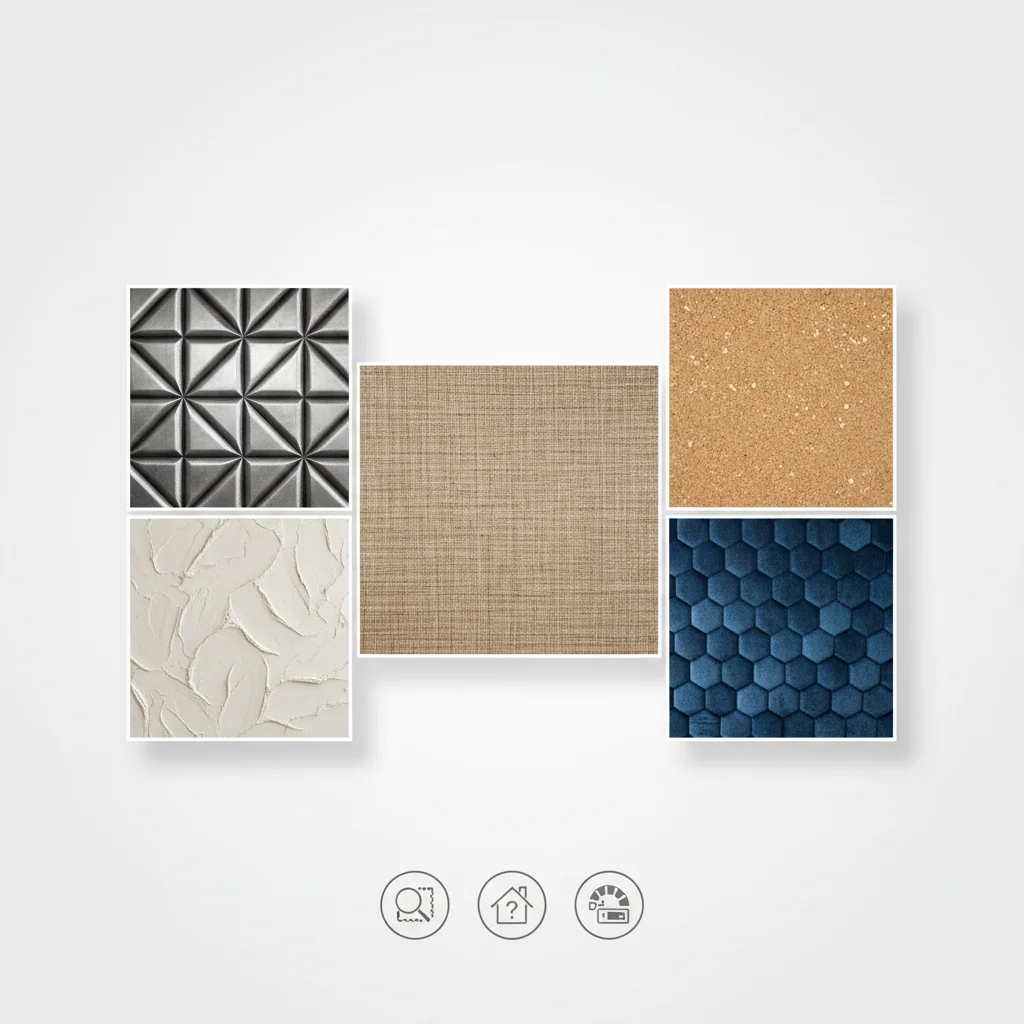
Choosing the Right Texture Wallcovering for Your Space
Selecting the ideal texture wallcovering involves a strategic assessment of several key factors, ensuring that the chosen material harmonizes with your existing décor, suits the room’s function, and fulfills your aesthetic aspirations. A well-chosen wallcovering can transform a space, while an inappropriate one can disrupt the balance. We recommend a systematic approach to make this pivotal design decision with confidence and precision.
Consider the Room’s Function and Traffic
The primary use of a room dictates the necessary durability and maintenance level of your wallcovering. High-traffic areas demand robust materials, while delicate textures are best reserved for more intimate spaces.
- High-Traffic Areas (Hallways, Entryways, Kitchens, Kids’ Rooms): Opt for highly durable and washable materials like solid vinyl, fabric-backed vinyl, or embossed vinyl. These materials resist scuffs, tears, and can be easily cleaned with a damp cloth and mild soap. They are engineered to withstand frequent contact and potential splashes.
- Moderate-Traffic Areas (Living Rooms, Dining Rooms, Home Offices): Non-woven wallcoverings, cork, or durable faux textures are excellent choices. They offer a balance of aesthetic appeal and reasonable durability, standing up to everyday wear without requiring excessive maintenance.
- Low-Traffic/Formal Areas (Bedrooms, Formal Living Rooms, Powder Rooms): This is where more delicate and luxurious textures can shine. Natural grasscloth, silk, linen, flocked, or beaded wallcoverings add unparalleled sophistication and tactile richness. Their delicate nature is protected in spaces with minimal physical interaction.
- High-Humidity Areas (Bathrooms, Laundry Rooms): Moisture resistance is paramount. Vinyl wallcoverings (especially solid sheet vinyl) are the most suitable due to their impermeability and washability, preventing mold and mildew. Natural fibers and paper-backed options are generally unsuitable for these environments.
Assess Existing Décor and Desired Mood
The wallcovering should complement your current furnishings, color palette, and the overall mood you wish to create. It acts as a foundational layer, either blending seamlessly or serving as a captivating focal point.
- Modern/Minimalist: Look for subtle, uniform textures like fine woven sisal, sleek faux concrete, or understated metallic finishes. These choices add depth without overwhelming clean lines and simple forms.
- Traditional/Classic: Embossed vinyl mimicking plaster, rich silk, or finely woven grasscloth in muted tones can enhance a classic aesthetic. Anaglypta is excellent for historical accuracy and paintability.
- Rustic/Bohemian: Coarser natural fibers like jute, chunky grasscloth, or textured cork lend an organic, earthy feel. These textures pair well with natural wood, rattan, and artisanal elements.
- Glamorous/Luxurious: Beaded, flocked, or metallic wallcoverings create a dramatic, opulent effect. Silk wallcoverings in jewel tones also contribute to an elevated sense of luxury.
- Biophilic/Nature-Inspired: Cork, wood veneer, and natural grasscloth are ideal for bringing the outdoors in, promoting a sense of calm and connection to nature.
Consider Light and Room Size
The interaction of light with texture significantly impacts the perception of space. This is a critical aspect often overlooked.
- Small Rooms: Lighter colors and subtle textures can make a small room feel more expansive. Overly busy or dark, heavy textures can shrink the perceived size. Textured wallcoverings with a slight sheen can also help reflect light, brightening the space.
- Large Rooms: Larger rooms can accommodate bolder textures and darker colors. Deeply embossed patterns or rich, coarse natural fibers can add intimacy and prevent a large space from feeling cavernous. They help to define zones and create focal points.
- Natural Light: Rooms with abundant natural light can handle a wider range of textures. The changing light throughout the day will highlight the texture’s nuances.
- Low Light: In dimly lit rooms, choose textures that have a slight reflectivity or are in lighter shades to maximize available light. Avoid very dark or matte, heavy textures that can absorb light and make the room feel gloomy.
Budget Considerations
Texture wallcoverings span a wide price range, from budget-friendly faux textures to high-end natural and specialty materials. Establish a clear budget early in the selection process.
Generally, vinyl and non-woven faux textures are more economical, offering excellent value and durability. Natural fibers like grasscloth and cork fall into a mid-to-high price range due to their material and artisanal production. Specialty wallcoverings such as silk, beaded, or custom-designed options represent the premium tier, reflecting their unique materials and intricate craftsmanship. Remember to factor in installation costs, which can vary significantly depending on the material’s complexity and the need for professional expertise.
Ordering Samples is Imperative
Never commit to a wallcovering without first ordering samples. A small swatch viewed online or in a showroom cannot fully convey the texture, color, and light interaction in your specific home environment. Place samples on your wall and observe them throughout the day under different lighting conditions—natural daylight, evening lamps, and overhead fixtures. This allows you to assess how the texture truly appears and feels within your space, ensuring your final selection is perfect.
By meticulously evaluating these factors, you can confidently choose a texture wallcovering that not only enhances the aesthetic appeal of your home but also aligns perfectly with your lifestyle and functional requirements, creating a space that is both beautiful and enduring.
Sizing, Measuring, and Installation Considerations
Accurate sizing and meticulous measurement are the foundational steps for any successful wallcovering project, directly impacting both the aesthetic outcome and cost efficiency. Improper measurements lead to either insufficient material or excessive waste, complicating installation and potentially delaying your project. This section provides precise guidance on how to measure your space, calculate the required number of rolls, and understand the various installation considerations.
Precise Measurement of Your Walls
Before purchasing any wallcovering, you must obtain precise dimensions of the areas you intend to cover. Use a steel tape measure for accuracy, and take measurements in inches for consistency.
- Measure Wall Height: Measure the height of each wall from the baseboard to the ceiling line. Take at least three measurements across the width of the wall (left, center, right) to account for any variations. Use the tallest measurement for calculation.
- Measure Wall Width: Measure the total width of each wall. For walls with windows or doors, measure the entire width as if no openings exist. You will subtract the areas of openings later.
- Calculate Total Square Footage: For each wall, multiply the wall height by the wall width (e.g., 96 inches height x 144 inches width = 13,824 sq inches). Convert to square feet by dividing by 144 (13,824 / 144 = 96 sq ft). Sum the square footage for all walls to get your total square footage to be covered.
- Measure Openings (Windows, Doors, Built-ins): For each window, door, or built-in fixture, measure its height and width. Calculate its square footage (height x width, then divide by 144 for sq ft).
- Subtract Openings: Subtract the total square footage of all openings from the total wall square footage. While you subtract these areas, it’s customary in wallcovering calculation to typically only subtract openings larger than 20 square feet. Smaller openings may still require material to cut around, so it’s safer to include them in the overall calculation or only subtract very large ones.
- Add Waste Factor: Always add a waste factor to your total calculated square footage. A standard recommendation is to add 15-20% for pattern repeat, trimming, and potential errors. For large patterns or complex installations, add up to 25%.
Example Calculation:
- Room dimensions: 10 feet high x 12 feet wide x 15 feet long.
- Two walls: 10 ft x 12 ft = 120 sq ft each (240 sq ft total)
- Two walls: 10 ft x 15 ft = 150 sq ft each (300 sq ft total)
- Total wall area: 240 + 300 = 540 sq ft.
- Assume one door: 3 ft x 7 ft = 21 sq ft. (Subtract if larger than 20 sq ft, so 540 – 21 = 519 sq ft).
- Assume two windows: 4 ft x 4 ft = 16 sq ft each (32 sq ft total). (Do not subtract if under 20 sq ft per opening, as material is needed to cut around them).
- Total area to cover (approx.): 540 sq ft.
- Add 20% waste: 540 sq ft * 1.20 = 648 sq ft. This is your target coverage.
Understanding Roll Sizing and Pattern Repeat
Wallcoverings are sold in rolls, but their dimensions vary significantly by manufacturer and region. In the U.S., a “single roll” typically measures 27 inches wide by 13.5 feet long (approximately 30.375 sq ft). However, they are often packaged as “double rolls” (27 inches wide by 27 feet long, approx. 60.75 sq ft) or “triple rolls” to simplify ordering and reduce waste. Always confirm the exact dimensions (width and linear feet per roll) and square footage coverage specified by the manufacturer.
Pattern Repeat: This is the vertical distance between one point on a pattern and the identical point directly above or below it.
- No Repeat (Random Match): Easiest to install, minimal waste.
- Straight Match: The pattern matches across the seams at the same height.
- Drop Match (Half-Drop or Quarter-Drop): The pattern matches across the seams but drops down by a certain distance on alternating strips. This creates the most waste, often requiring 20% or more extra material.
When calculating rolls, divide your total required square footage (including waste) by the square footage per roll provided by the manufacturer. Always round up to the nearest whole roll. It is always better to have an extra roll than to run short, as dye lots can vary, making it impossible to match later.
Installation Methods
The installation method depends on the type of wallcovering and its backing. Professional installation is often recommended for complex patterns, delicate materials, or large projects to ensure a flawless finish.
- Pre-Pasted Wallcoverings: These rolls have a dry adhesive applied to the backing. To activate, simply submerge the cut strip in water for a specified time. This method is generally considered DIY-friendly.
- Non-Pasted (Paste-the-Wall): These wallcoverings require you to apply adhesive directly to the wall before hanging the dry strip. This is a popular method, especially for non-woven materials, as it allows for easier repositioning and clean removal. It is generally less messy than paste-the-paper.
- Non-Pasted (Paste-the-Paper): Adhesive is applied directly to the back of the wallcovering strip, which then “books” (folds in on itself) for a short period to allow the paste to absorb before hanging. This method is traditional and common for paper-backed vinyl and some natural fibers.
- Peel-and-Stick (Self-Adhesive): These wallcoverings come with an adhesive backing protected by a release liner. You simply peel off the liner and stick the material to the wall. This is the most DIY-friendly option, ideal for temporary applications or those new to wallcovering. It is typically made from vinyl or fabric.
Surface Preparation is Critical
Regardless of the wallcovering type or installation method, proper wall preparation is paramount for a professional and lasting result. The wall surface must be clean, smooth, dry, and free of dust, grease, and loose paint.
- Patch and Sand: Fill any holes or cracks with spackle and sand smooth.
- Clean: Wash walls with a mild detergent and rinse thoroughly. Allow to dry completely.
- Prime: Apply a high-quality wallcovering primer (often called a “sizing” primer). This seals the wall, promotes adhesion, and allows for easier repositioning and future removal. It is particularly crucial for porous surfaces or when covering dark paint with a light wallcovering.
For delicate natural wallcoverings like grasscloth, it is recommended to use a tinted primer that matches the background color of the wallcovering. This prevents the wall color from showing through any minor gaps in the natural weave. Furthermore, for these materials, a professional installer often utilizes a clear, non-staining adhesive and takes extreme care to avoid getting paste on the face of the material, as it can be impossible to remove without damage.
Professional vs. DIY Installation
While peel-and-stick and pre-pasted options are designed for the confident DIYer, many texture wallcoverings, especially natural fibers, large-scale patterns, or delicate materials, benefit significantly from professional installation. A professional installer possesses the tools, experience, and techniques to handle complex pattern repeats, difficult corners, and ensure a seamless, bubble-free finish. Their expertise minimizes waste and guarantees longevity, ultimately saving you time and potential frustration. For investment-grade wallcoverings, professional installation is a wise decision to protect your aesthetic and financial investment.
By adhering to these precise measurement and installation guidelines, you set the stage for a stunning and enduring transformation of your space with texture wallcoverings.
Current Trends in Texture Wallcoverings
The landscape of interior design is in constant evolution, and texture wallcoverings are at the forefront of innovation, reflecting broader shifts in aesthetic preferences and environmental consciousness. Current trends emphasize biophilic design, sustainable materials, dramatic scale, and sophisticated color palettes, all while harnessing the inherent tactile qualities that define this category. These trends offer exciting opportunities to infuse modern spaces with character and a sense of curated artistry.
Biophilic Design and Natural Materials
A dominant trend is the integration of biophilic design principles, which seek to connect occupants with nature. This manifests strongly in the preference for natural fiber wallcoverings.
- Elevated Grasscloth and Woven Textures: Beyond traditional grasscloth, designers are embracing more intricate weaves in sisal, jute, and linen. These are often presented in sophisticated, muted tones or with subtle metallic threads woven in for a touch of contemporary glamor. The appeal lies in their raw, imperfect beauty and the sense of calm they impart.
- Cork and Wood Veneer: The use of cork, with its inherent sound-absorbing and insulating properties, is growing. It’s available in innovative patterns and finishes, moving beyond its traditional role. Similarly, thin wood veneers offer the warmth and grain of timber in a flexible format, often used to create feature walls with a sophisticated, organic feel.
- Botanical and Organic Motifs: While not strictly textured, many wallcoverings feature patterns that mimic natural forms—leaves, branches, geological strata—often with a subtle textural overlay or embossed finish to enhance their organic appeal.
Large-Scale Textures and Architectural Depth
Designers are increasingly utilizing wallcoverings to create architectural interest and a sense of grandeur, often with textures that mimic structural elements or provide dramatic scale.
- Faux Concrete and Plaster Effects: The industrial-chic aesthetic continues to evolve, with faux concrete, limewash, and plaster-effect wallcoverings offering a sophisticated, raw texture. These are often rendered in muted grays, warm whites, and earthy tones, providing a minimalist yet impactful backdrop.
- Embossed Geometric and Abstract Patterns: Wallcoverings with deeply embossed, large-scale geometric patterns or abstract reliefs create a sculptural effect. These are particularly effective in contemporary settings, adding depth and shadow play without introducing complex colors.
- Textured Panels and Murals: Moving beyond traditional rolls, some wallcoverings are designed as large panels or murals that feature continuous, expansive textures, creating a seamless, immersive experience.
Sophisticated Metallics and Subtle Sheen
Metallic accents and subtle sheens are being integrated into textured wallcoverings to add a touch of luxury and reflectivity, enhancing the interplay of light in a room.
- Brushed Metallics: Wallcoverings with a brushed metallic finish (gold, silver, bronze) or those with metallic threads woven into natural fibers are popular. These add a refined shimmer that catches the light, making rooms feel more expansive and glamorous without being overtly flashy.
- Iridescent and Pearlescent Finishes: Subtle iridescent or pearlescent coatings applied over textured surfaces create a soft glow and a shifting color effect, adding an ethereal quality to walls.
Tactile Luxury and Sensory Experience
The emphasis on creating a rich sensory environment means wallcoverings that invite touch are highly sought after.
- Velvet and Flocked Textures: While always luxurious, velvet and flocked wallcoverings are seeing a resurgence in modern interpretations, often in bold, saturated colors or abstract patterns. They provide unparalleled softness and depth.
- Faux Suede and Leather: High-quality faux suede and leather wallcoverings are used to introduce a sense of warmth, sophistication, and a masculine edge to studies, bedrooms, and accent walls.
Sustainable and Eco-Friendly Options
With a growing focus on environmental responsibility, sustainable texture wallcoverings are gaining significant traction.
- Recycled Content: Many manufacturers are developing wallcoverings made from recycled paper, plastics, or textiles.
- Natural and Renewable Resources: Materials like cork, bamboo, and FSC-certified wood veneers are celebrated for their renewability and low environmental impact.
- Low VOC and Non-Toxic Adhesives: The demand for products with low volatile organic compounds (VOCs) and non-toxic formulations is increasing, ensuring healthier indoor air quality. This aligns with consumer information requirements that may be influenced by federal guidelines such as those discussed by agencies like reginfo.gov regarding consumer information for residential housing.
Bold Colors and Moody Tones
While natural tones remain popular, there’s a strong trend towards using texture wallcoverings in rich, saturated colors and moody hues. Deep greens, blues, charcoals, and plum tones, especially with a textural finish, create dramatic, enveloping spaces that feel intimate and luxurious. The texture prevents these bold colors from feeling flat, adding depth and visual interest.
These trends highlight the transformative power of texture wallcoverings, moving them beyond simple decorative elements to integral components of sophisticated, sensory-rich, and environmentally conscious interior design. They offer endless possibilities for creating unique and personal spaces that resonate with contemporary style.
Care and Maintenance for Longevity
Proper care and maintenance are crucial for preserving the beauty and extending the lifespan of your texture wallcoverings, protecting your investment and ensuring they remain a stunning feature in your home for years. Different materials require distinct care approaches; a universal cleaning method is not applicable and can cause irreversible damage. We provide precise guidelines tailored to common wallcovering types.
General Guidelines for All Wallcoverings
Adhering to these overarching principles will minimize wear and prevent common issues, regardless of the specific material.
- Read Manufacturer’s Instructions: Always consult the specific care instructions provided by the wallcovering manufacturer. These are tailored to the exact composition of your product and supersede general advice.
- Act Promptly on Spills: Address spills and stains immediately. The longer a substance sits, the harder it is to remove, and it increases the risk of permanent damage or discoloration.
- Test in an Inconspicuous Area: Before applying any cleaning solution or method to a visible area, always test it on a hidden spot (e.g., behind furniture, in a closet) to ensure it does not cause discoloration or damage.
- Avoid Harsh Chemicals: Never use abrasive cleaners, scouring pads, or strong chemical solvents unless explicitly recommended by the manufacturer. These can strip finishes, degrade materials, or cause permanent staining.
- Control Environmental Factors: Maintain stable indoor humidity and temperature. Extreme fluctuations can cause wallcoverings to lift, shrink, or crack. Protect wallcoverings from prolonged direct sunlight, which can cause fading, especially for natural fibers and certain dyes.
- Gentle Dusting: Regularly dust your wallcoverings using a soft, dry cloth or a vacuum cleaner with a brush attachment. This prevents dust buildup from embedding into textures.
Specific Care for Different Material Types
Natural Fiber Wallcoverings (Grasscloth, Sisal, Jute, Cork, Wood Veneer)
These materials are delicate and require the most gentle care due to their organic composition and susceptibility to moisture.
- Cleaning:
- Grasscloth, Sisal, Jute: Use a soft, dry cloth or a feather duster for regular dusting. For minor spots, very gently blot with a barely damp (not wet) white cloth, using only water. Avoid rubbing, which can unravel fibers or spread stains. Do NOT use liquid cleaners or excessive moisture; they can cause watermarks, shrinkage, or discoloration.
- Cork: Gently wipe with a soft, damp cloth and a very mild, pH-neutral soap solution if needed. Rinse the cloth thoroughly and wipe again with plain water. Dry immediately with a clean, dry cloth. Some cork wallcoverings are sealed and more resistant to moisture, but always verify.
- Wood Veneer: Dust with a soft, dry cloth. For smudges, wipe gently with a slightly damp cloth, then immediately dry. Avoid abrasive cleaners or excessive moisture, which can damage the wood finish.
- Repair: Small snags in grasscloth or sisal may be carefully trimmed with sharp scissors. For larger damage, professional repair or replacement of a panel may be necessary.
- Protection: Consider applying a clear, non-yellowing protective sealant specifically designed for natural fibers, but always test first and ensure it won’t alter the finish or texture. Keep furniture and sharp objects away from walls to prevent snags and abrasions.
Vinyl Wallcoverings (Solid Vinyl, Fabric-Backed Vinyl, Embossed Vinyl, Faux Textures)
Vinyl is renowned for its durability and ease of maintenance, making it suitable for active households.
- Cleaning:
- Washable Vinyl: For most vinyl wallcoverings, wipe clean with a soft cloth or sponge dampened with warm water and a mild, non-abrasive detergent (e.g., dish soap). Rinse the cloth and wipe again with clean water to remove soap residue. Pat dry with a clean towel.
- Scrubbable Vinyl: These can withstand more vigorous cleaning. Use a soft brush or sponge with a mild detergent. Always test in an inconspicuous area first.
- Stain Removal: For tougher stains, a diluted solution of bleach (1 part bleach to 10 parts water) can be used on white or light-colored vinyl, but always test first and rinse thoroughly.
- Repair: Small tears can often be repaired with a wallcovering repair adhesive. For larger damage, a patch from a remnant roll can be seamlessly installed by a professional.
- Protection: While durable, avoid sharp objects and excessive friction to prevent punctures or scuffs.
Textile Wallcoverings (Silk, Linen, Flocked, Beaded)
These luxurious materials are often the most delicate and require specialized care.
- Cleaning:
- Silk, Linen: Professional dry cleaning is often recommended. For minor dust, a very gentle vacuuming with a soft brush attachment is acceptable. Spot cleaning should be avoided if possible, as it can leave watermarks or discolored areas. If absolutely necessary, consult a textile cleaning specialist for specific advice.
- Flocked Wallcoverings: Gently dust with a soft, dry cloth or a very light vacuum with a brush attachment. Avoid rubbing or getting wet, as flocking can be dislodged or matted. Professional cleaning may be an option for deeper cleaning.
- Beaded/Glass Bead Wallcoverings: Dust very gently with a soft, dry cloth. Avoid any rubbing or liquid cleaners, as beads can be dislodged or lose their luster.
- Repair: Due to their delicate nature, professional repair is almost always necessary for any significant damage.
- Protection: Best used in low-traffic areas. Keep away from sources of moisture, direct sunlight, and physical abrasion.
By understanding the specific needs of your texture wallcovering material and following these precise care guidelines, you ensure that your walls remain a source of beauty and elegance for years to come, maintaining their tactile richness and visual appeal.
Styling and Pairing Texture Wallcoverings
Styling and pairing texture wallcoverings effectively is an art that elevates a room from merely decorated to truly designed, creating a cohesive and sensory-rich environment. The strategic selection and placement of textured surfaces can define the room’s character, enhance its perceived size, and harmonize with other design elements. It’s about creating a dialogue between the wallcovering and its surroundings, ensuring every component contributes to a unified aesthetic.
Creating Focal Points and Defining Zones
Texture wallcoverings are exceptionally potent tools for establishing focal points and subtly delineating different functional zones within an open-concept space or a large room.
- Accent Walls: A single accent wall covered in a bold texture—such as a deep grasscloth, a shimmering beaded pattern, or an embossed geometric—can draw the eye and anchor a specific area. In a living room, this might be the wall behind the sofa or a fireplace. In a bedroom, it’s often the wall behind the headboard, creating a luxurious backdrop.
- Defining Zones: In an open-plan living and dining area, using a distinct texture wallcovering on the dining wall can subtly separate it from the living space without the need for physical partitions. A rich cork or a textured faux concrete could delineate a home office nook within a larger room.
- Architectural Interest: Use texture wallcoverings to highlight architectural features like alcoves, soffits, or recessed panels, giving them prominence and depth that paint alone cannot achieve.
Layering Textures for Depth and Warmth
One of the most sophisticated styling techniques is layering various textures throughout a room. This adds visual and tactile depth, preventing a space from feeling flat and creating a sense of warmth and richness.
- Wallcovering as Foundation: Let your texture wallcovering be the foundational layer. For example, a natural grasscloth provides an organic, earthy backdrop.
- Complementary Textiles: Introduce textiles that offer contrasting or complementary textures. With grasscloth, pair it with a plush velvet sofa, a chunky knit throw, linen curtains, and a wool rug. The combination of soft, smooth, coarse, and natural textures creates a harmonious and inviting sensory experience.
- Furniture Finishes: Consider the texture of your furniture. A sleek, polished wood table provides a contrast to a rustic wallcovering, while a distressed wood piece would complement it. Metal accents (brushed brass, matte black) introduce another tactile dimension.
- Lighting and Accessories: Even lighting fixtures (e.g., a woven pendant light, a ceramic lamp base) and decorative accessories (e.g., a smooth marble sculpture, a rough pottery vase) contribute to the overall textural composition of the room.
Color Theory with Texture
Texture adds a critical dimension to color, influencing how hues are perceived and how they interact with light. A textured surface can make a color appear richer, deeper, or more nuanced than a flat application.
- Monochromatic Schemes: In a monochromatic palette (e.g., shades of gray), texture is paramount. A smooth gray paint might feel sterile, but a textured gray wallcovering (like faux concrete or an embossed pattern) adds depth and sophistication, preventing the room from feeling flat.
- Enhancing Saturated Hues: A bold color like deep emerald green or navy blue gains immense richness when applied as a textured wallcovering. The texture absorbs and reflects light in varying ways, making the color appear more complex and luxurious.
- Softening Brights: A highly textured wallcovering can subtly mute or soften an otherwise bright color, making it more livable and less overwhelming, as the texture breaks up the uniform intensity.
- Warm vs. Cool Tones: Pair warm-toned textures (e.g., golden grasscloth, terracotta cork) with other warm elements, or use them to balance cool-toned furnishings. Conversely, cool-toned textures (e.g., gray faux concrete, silvery metallics) can create a serene atmosphere or provide a crisp contrast.
Harmonizing with Furniture and Art
The texture wallcovering should act as a supportive element to your furniture and artwork, not compete with it.
- Complementary Styles: Ensure the style of the wallcovering complements your furniture. A highly ornate, flocked wallcovering might clash with minimalist furniture but would perfectly suit antique or traditional pieces.
- Background for Art: For displaying artwork, a subtle, uniform texture like a fine grasscloth or a plain linen wallcovering provides an elegant, non-distracting backdrop that allows the art to shine. Avoid overly busy or strongly patterned textures behind significant artwork.
- Scale and Proportion: Consider the scale of the texture in relation to the size of the room and your furniture. A large-scale, dramatic texture can overwhelm a small room or delicate furniture, while a subtle texture might get lost in a grand space.
By thoughtfully integrating texture wallcoverings with your room’s existing elements, you create an environment that is not only visually stunning but also deeply resonant and uniquely tailored to your sense of style. The interplay of tactile surfaces, colors, and light transforms a house into a home, reflecting a sophisticated understanding of interior design.
As you envision these transformative possibilities for your own home, consider what truly inspires you. Starhouse is passionately curating a collection that embodies these principles of sophisticated design. We invite you to tell us what you’re looking for in texture wallcoverings and other home essentials, and gain early access to our upcoming launch.
Common Mistakes to Avoid When Selecting and Installing
Even with the best intentions, several common pitfalls can compromise the success of a texture wallcovering project, leading to aesthetic disappointment or costly rework. Being aware of these mistakes, from selection errors to installation missteps, allows you to proactively avoid them and ensure a flawless, enduring result. Precision and foresight are your greatest allies in this endeavor.
1. Underestimating the Impact of Texture
A frequent error is to view texture wallcoverings merely as patterned wallpaper, overlooking their profound three-dimensional and tactile impact. Texture adds significant visual weight and sensory presence.
- Mistake: Choosing a texture that is too bold or overwhelming for the room’s size, existing décor, or desired mood. A heavily textured, dark wallcovering can make a small room feel claustrophobic or too formal.
- Correction: Always consider the scale of the texture in relation to the room. For smaller spaces, opt for finer, more subtle textures in lighter hues. For larger rooms, bolder textures can add intimacy and definition. Order samples and observe them in your space under various lighting conditions to truly understand their impact.
2. Neglecting Room Function and Durability Needs
Selecting a wallcovering solely based on aesthetics without considering the practical demands of the space is a common misjudgment that leads to premature wear and dissatisfaction.
- Mistake: Installing delicate natural fibers (like grasscloth or silk) in high-traffic areas, bathrooms, or kitchens where they are prone to snags, moisture damage, and staining.
- Correction: Match the wallcovering’s durability and maintenance requirements to the room’s function. For busy areas, choose robust, washable vinyls or faux textures. Reserve delicate, luxurious materials for low-traffic, formal spaces like master bedrooms or powder rooms.
3. Improper Wall Preparation
The foundation for any successful wallcovering installation is a meticulously prepared wall. Cutting corners here will inevitably lead to visible imperfections and adhesion issues.
- Mistake: Applying wallcovering over uneven surfaces, unprimed walls, or walls with dark, contrasting paint colors. This can result in bubbles, visible seams, telegraphing imperfections, or the underlying color showing through.
- Correction: Ensure walls are clean, smooth, dry, and primed with a high-quality wallcovering primer (sizing). Patch all holes and cracks, sand smooth, and remove any loose paint or debris. For natural fibers, use a tinted primer that matches the wallcovering’s undertone to prevent show-through.
4. Inaccurate Measurement and Insufficient Material
Underestimating the required quantity of wallcovering is a costly mistake that can lead to delays and mismatched dye lots.
- Mistake: Failing to account for pattern repeat, windows, doors, and a necessary waste factor when calculating the number of rolls. This often results in running out of material mid-project or having to purchase an extra roll from a different dye lot, leading to noticeable color variations.
- Correction: Follow precise measurement guidelines, calculating total square footage to cover. Always add a minimum of 15-20% (up to 25% for complex patterns) for waste, trimming, and pattern matching. Round up to the nearest whole roll. Purchase all rolls from the same dye lot to ensure color consistency.
5. Overlooking Pattern Repeat and Direction
For patterned or directional textures, ignoring the repeat or hanging strips incorrectly can ruin the aesthetic coherence of the wall.
- Mistake: Not aligning pattern repeats correctly at the seams, or hanging strips upside down (common with certain textures or directional prints).
- Correction: Carefully identify the pattern repeat and understand the match type (straight, drop, random). Lay out strips before cutting to ensure correct alignment. Always check for directional arrows on the backing paper and ensure all strips are hung in the same orientation.
6. DIY Installation of Complex Materials
While some wallcoverings are DIY-friendly, attempting to install delicate or intricate materials without proper experience can lead to costly damage and a subpar finish.
- Mistake: Trying to install natural grasscloth, large-scale murals, or heavily embossed wallcoverings as a novice. These materials are often delicate, require specific adhesives, and demand advanced techniques for seamless application.
- Correction: For high-value, delicate, or complex texture wallcoverings, invest in professional installation. An experienced installer possesses the tools, expertise, and precision to handle these materials, ensuring a flawless and long-lasting result that protects your investment.
7. Poor Lighting Assessment
How light interacts with texture is fundamental. Failing to consider this can lead to an unexpected visual outcome.
- Mistake: Choosing a texture wallcovering without observing how it appears under different lighting conditions (natural daylight, artificial lighting, time of day). A texture that looks subtle in bright daylight might cast harsh shadows under evening spotlights, or a reflective texture might create unwanted glare.
- Correction: Always test samples on your wall for a full 24-hour cycle. Observe how the texture changes with varying natural light and under all artificial light sources in the room. This ensures the texture enhances the space in all conditions.
By diligently avoiding these common mistakes, you ensure that your texture wallcovering project is executed with precision and yields a stunning, long-lasting transformation for your home.
Sources
Frequently Asked Questions About Texture Wallcoverings
What is the main difference between texture wallcoverings and traditional wallpaper?
The main difference is that texture wallcoverings possess a physical, three-dimensional surface that imparts tactile depth and visual interest, whereas traditional wallpaper primarily relies on printed patterns and colors on a flat surface. Texture wallcoverings engage both sight and touch, creating a more immersive sensory experience.
Are texture wallcoverings suitable for bathrooms or kitchens?
Texture wallcoverings can be suitable for bathrooms and kitchens, but the choice of material is crucial. Highly durable and moisture-resistant options like solid vinyl or fabric-backed vinyl are excellent choices for these high-humidity and high-traffic areas, as they resist moisture, steam, and are easily washable. Delicate natural fibers like grasscloth or silk are generally not recommended for such environments due to their susceptibility to moisture damage and staining.
How do I clean a texture wallcovering?
Cleaning methods vary significantly by material. For durable vinyl wallcoverings, use a soft cloth dampened with warm water and mild soap, then wipe dry. For delicate natural fibers like grasscloth or silk, use only a soft, dry cloth or a vacuum with a brush attachment for dusting; avoid liquids and harsh chemicals, which can cause irreparable damage. Always consult the manufacturer’s specific care instructions.
Can I install texture wallcoverings myself, or should I hire a professional?
The decision depends on the wallcovering type and your experience level. Peel-and-stick and pre-pasted non-woven options are generally DIY-friendly. However, for delicate natural fibers, large-scale patterns, or complex installations, professional installation is strongly recommended. Professionals possess the specialized tools, expertise, and techniques to ensure a seamless, bubble-free, and long-lasting finish, minimizing waste and protecting your investment.
Do texture wallcoverings hide wall imperfections?
Yes, many texture wallcoverings are effective at concealing minor wall imperfections. Thicker, deeply embossed, or heavily textured materials like blown vinyl or certain natural fibers can mask small cracks, bumps, or uneven surfaces better than flat paint or smooth wallpaper. However, significant imperfections still require patching and sanding for the best results, as some textures may telegraph underlying flaws.
What is pattern repeat, and why is it important for texture wallcoverings?
Pattern repeat is the vertical distance at which a wallcovering’s design repeats itself. It is crucial for ensuring that the pattern aligns seamlessly across adjacent strips, creating a cohesive visual flow. Understanding the pattern repeat (e.g., straight match, drop match) is vital for accurate material calculation, as complex repeats require more material to accommodate cuts and matching, increasing waste by 15-25%.
Are texture wallcoverings environmentally friendly?
Many texture wallcoverings offer environmentally friendly options. Natural materials like cork, bamboo, and FSC-certified wood veneers are renewable resources. Additionally, manufacturers are increasingly producing wallcoverings from recycled content, using water-based inks, and formulating products with low volatile organic compounds (VOCs) to ensure better indoor air quality. Always look for specific certifications or product descriptions when seeking eco-conscious choices.
Elevate Your Walls: The Enduring Art of Texture Wallcoverings
Texture wallcoverings are more than just a decorative finish; they are a profound design statement, imbuing spaces with depth, character, and an unparalleled sensory richness. From the organic elegance of natural grasscloth to the sophisticated resilience of embossed vinyl, each material offers a unique narrative, transforming ordinary walls into captivating canvases. We have meticulously explored the diverse types, detailed their unique material characteristics, and provided precise guidance on selection, measurement, and care, ensuring you possess the authoritative knowledge to make informed decisions for your home.
The strategic integration of texture wallcoverings allows for the creation of focal points, the layering of sensory experiences, and the harmonization of color, light, and form, culminating in interiors that are both aspirational and deeply personal. By understanding the nuances of durability, installation, and maintenance, you are empowered to choose a solution that not only meets your aesthetic desires but also aligns with the functional demands of your lifestyle. The current trends, from biophilic designs to sophisticated metallics, underscore the enduring relevance and innovative spirit of this transformative design element, offering endless possibilities for personal expression.
At Starhouse, we believe your home should be a reflection of your unique style and a sanctuary of curated beauty. As we prepare to launch our exquisite collection of home & décor essentials, including a discerning selection of texture wallcoverings, we are eager to understand what truly resonates with you. Your vision helps us refine our offerings to perfectly match the discerning tastes of homeowners across the United States. We invite you to share your aspirations for your space and be among the first to experience our curated collection. Tell us what you’re looking for, and gain early access to a world of sophisticated design.