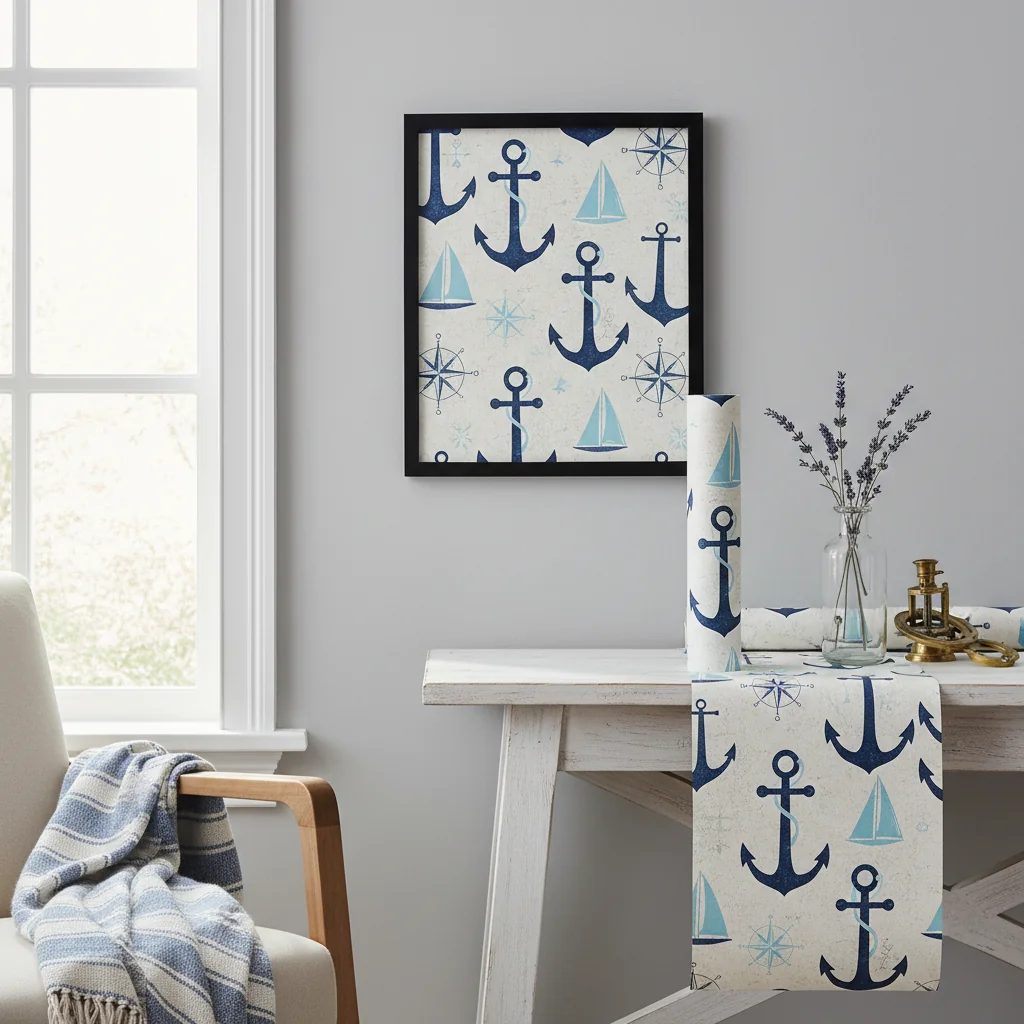
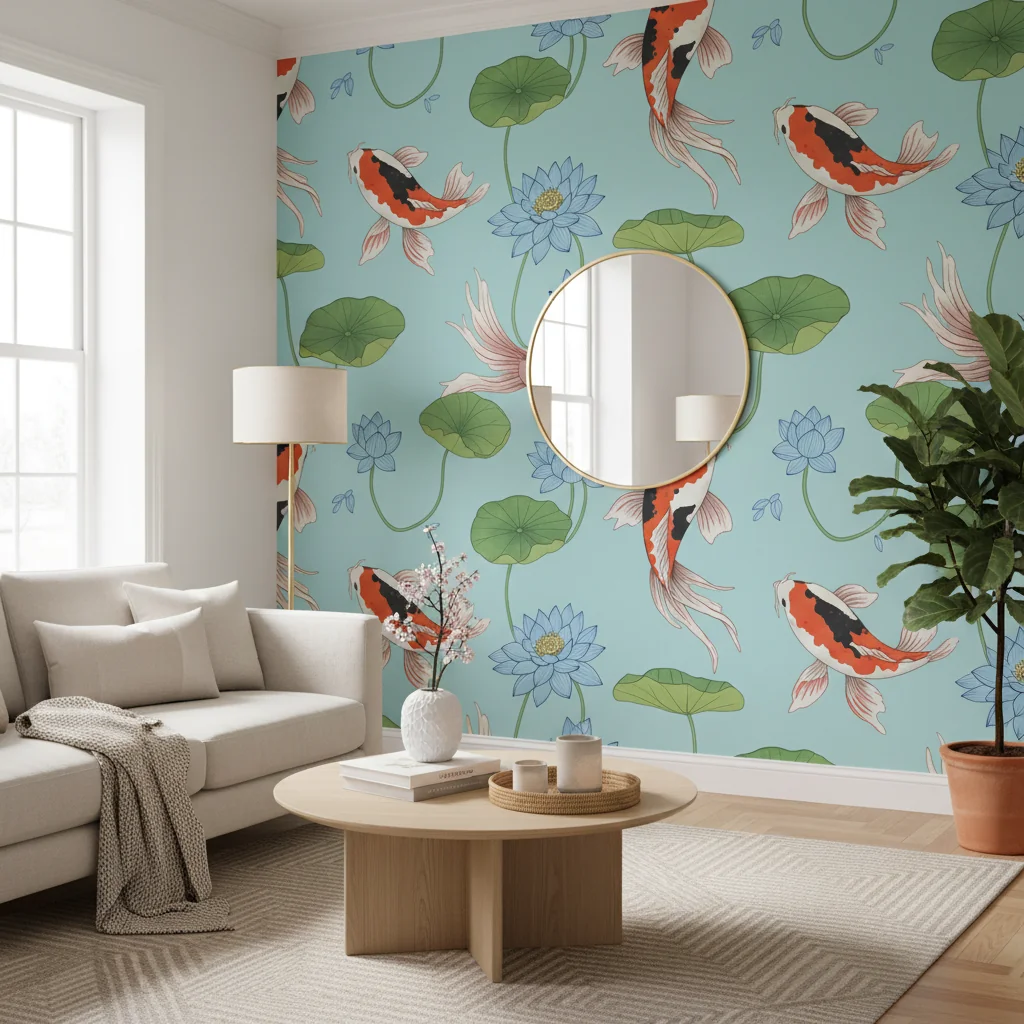
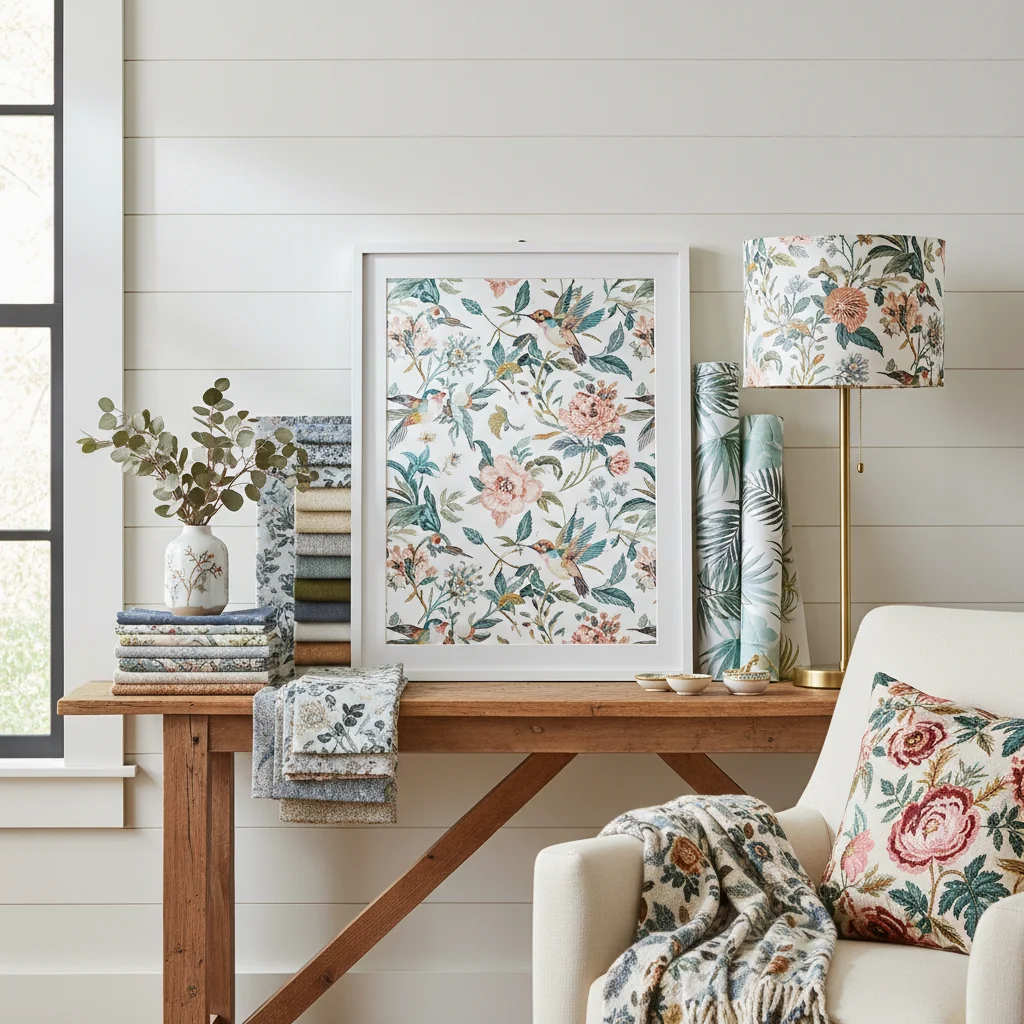
A wallpaper outlet offers an exceptional opportunity to acquire premium wallcoverings at significantly reduced prices, typically comprising discontinued lines, overstock, or slight imperfections that do not compromise aesthetic or structural integrity. These establishments provide a strategic avenue for discerning homeowners and designers to achieve sophisticated interior transformations without exceeding budgetary constraints, making high-quality design accessible to a broader audience.
Key Takeaways
- Wallpaper outlets provide access to high-quality, designer wallcoverings at substantial discounts, often featuring discontinued patterns or overstock.
- Successful outlet shopping requires precise measurement, understanding dye lots, and careful inspection of inventory to ensure consistency and suitability.
- Peel-and-stick, traditional, and non-woven wallpapers are commonly found, each offering distinct installation and durability characteristics.
- Proper preparation of walls and adherence to installation guidelines are critical for a professional finish, regardless of the wallpaper’s origin.
- Outlets are excellent for discovering unique patterns and textures that can elevate a space, offering both classic and contemporary design options.
- Starhouse curates a distinguished collection of wall décor, furnishings, and accessories, inviting you to share your design aspirations for early access.
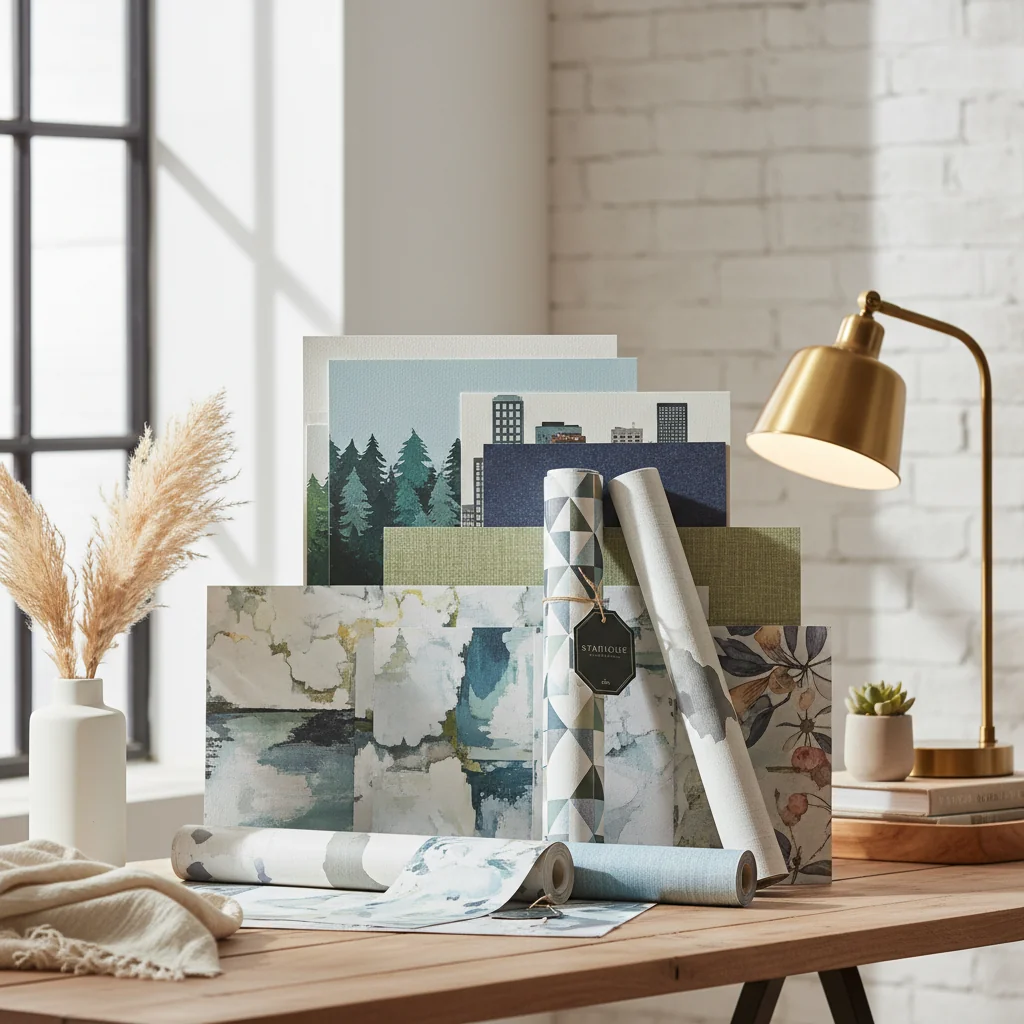
What is a Wallpaper Outlet?
A wallpaper outlet is a specialized retail venue, often online, that offers discounted wallcoverings from various manufacturers, typically featuring products that are overstock, discontinued, or part of a clearance event. These outlets provide an invaluable resource for securing high-quality, visually striking wallpapers at a fraction of their original retail price, making sophisticated design more attainable for a broad spectrum of projects.
The primary function of a wallpaper outlet is to efficiently move inventory that is no longer part of a current collection or that represents surplus stock. This operational model benefits consumers directly by presenting opportunities to acquire premium designs, often from renowned brands, at significantly reduced costs. Unlike standard retail channels that focus on the latest collections, outlets curate a dynamic inventory that changes frequently, encouraging a ‘treasure hunt’ approach to design acquisition.
Customers exploring wallpaper outlets can anticipate finding a diverse range of patterns, textures, and material types. The inventory typically includes an array of design aesthetics, from timeless traditional motifs to cutting-edge contemporary patterns. While the selection is often vast, the availability of specific patterns or large quantities can be limited, necessitating prompt decision-making once a desirable product is identified. This characteristic distinguishes outlet shopping from purchasing directly from a current product line, where consistent availability for large-scale projects is generally assured.
The appeal of an outlet extends beyond mere cost savings; it also lies in the potential to discover unique and distinctive designs that may no longer be widely available. This exclusivity can contribute to creating truly bespoke interiors that stand apart from mass-market trends. For interior designers and homeowners with an eye for value and originality, a wallpaper outlet represents a strategic starting point for wall décor selection.
At Starhouse, we understand the desire for both quality and value in home décor. Our curated approach ensures that even when seeking discounted options, the standard of design and material integrity remains paramount. An outlet experience, whether physical or virtual, should always uphold the promise of enhancing your living space with beauty and distinction.
The Unrivaled Benefits of Shopping at a Wallpaper Outlet
Shopping at a wallpaper outlet offers distinct advantages that extend beyond simple cost savings, providing access to unique designs, promoting sustainable practices, and empowering creative freedom for budget-conscious projects. These benefits collectively make outlets a compelling choice for anyone looking to elevate their interior spaces with high-quality wallcoverings.
The most immediate and apparent benefit is the significant financial savings. Outlet prices are often 30% to 70% lower than original retail prices, allowing homeowners and designers to invest in higher-quality materials or more elaborate patterns than their budget might otherwise permit. This enables the realization of aspirational design schemes without financial strain, making premium aesthetics accessible.
Beyond the cost, wallpaper outlets are a treasure trove of distinctive and often discontinued designs. This means you can find patterns that are no longer mass-produced, lending an exclusive and personalized touch to your home. Discovering a unique pattern that perfectly complements your vision can transform a room into a truly bespoke environment, setting it apart from more common design choices.
From an environmental perspective, purchasing from an outlet supports sustainability by reducing waste. These products, whether overstock or discontinued, are perfectly functional and aesthetically pleasing. By giving them a second life in your home, you contribute to minimizing landfill waste and reducing the environmental footprint associated with manufacturing new goods. This aligns with a conscious consumer approach to home décor.
The dynamic and ever-changing inventory of an outlet fosters creativity and adaptability. While you might not find an exact match for a specific vision, the breadth of available options often sparks new design ideas and encourages experimentation. This can lead to unexpected and delightful design outcomes, pushing boundaries and personalizing spaces in unforeseen ways.
Finally, the quality of products found in outlets typically matches that of full-price retail. These are not ‘seconds’ in the sense of being damaged or defective; they are simply surplus or past-season items. This ensures that you are investing in durable, well-manufactured wallcoverings that will stand the test of time, offering long-term value alongside immediate savings.
- Significant Cost Savings: Access high-end designs at a fraction of the original price, typically 30-70% off.
- Exclusive and Unique Designs: Discover discontinued patterns and limited-edition runs that add a distinctive character to your space.
- Environmental Sustainability: Reduce waste by utilizing existing inventory, contributing to a more eco-friendly approach to decorating.
- Design Flexibility and Inspiration: The diverse and rotating inventory encourages creative exploration and innovative design solutions.
- Undiminished Quality: Acquire the same premium-grade materials and craftsmanship found in current retail collections.
Understanding the Types of Wallpaper Available in Outlets
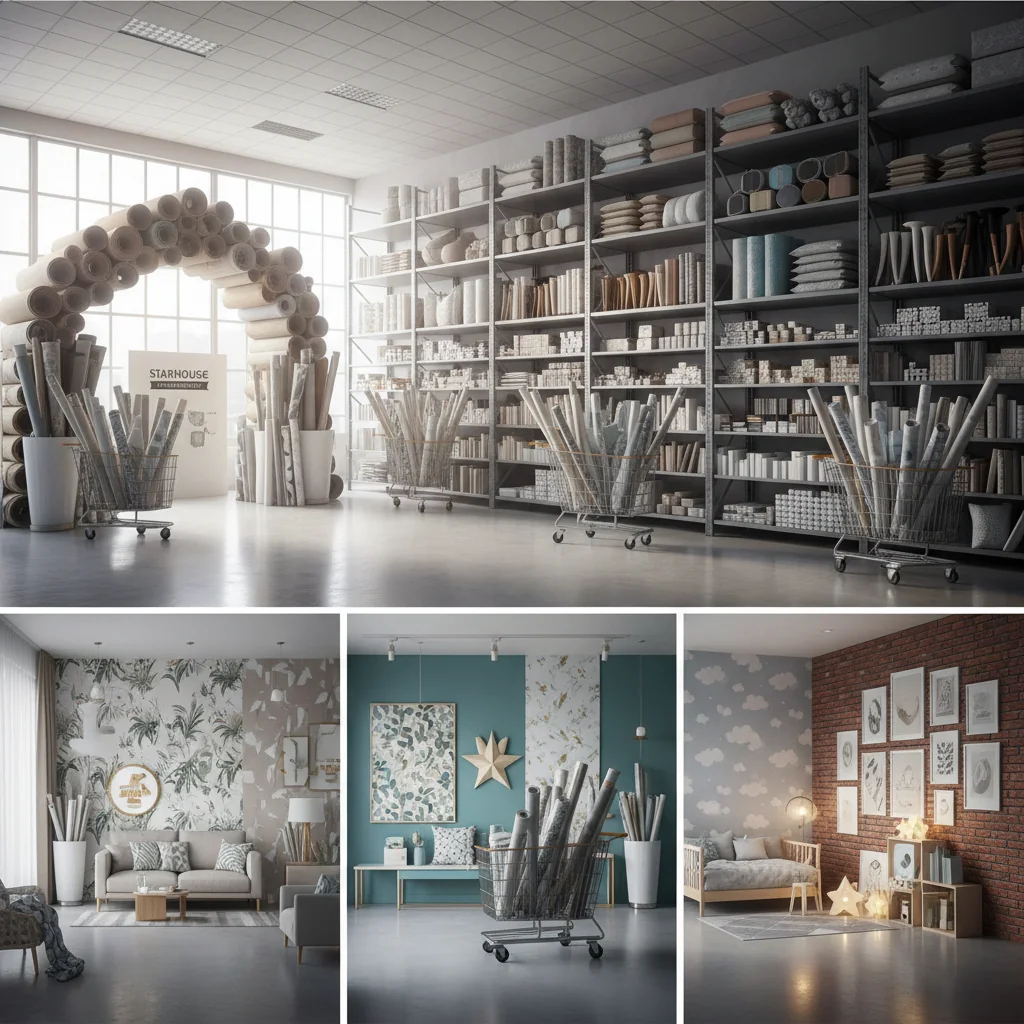
Wallpaper outlets feature a broad spectrum of wallcovering types, encompassing various materials, installation methods, and durability levels, ensuring that a suitable option exists for nearly any design preference or functional requirement. Identifying the characteristics of each type is crucial for making an informed decision, especially when navigating the diverse inventory of an outlet.
One of the most popular and user-friendly options often found is Peel-and-Stick Wallpaper. This type features an adhesive backing, making installation straightforward and often repositionable, ideal for renters or those who enjoy frequent design updates. It eliminates the need for messy paste and specialized tools, appealing to DIY enthusiasts. While typically made from vinyl or non-woven materials, their durability can vary, so checking the product specifications is important.
Traditional Wallpaper, requiring separate adhesive application, represents a classic choice. These can range from delicate paper-backed varieties to more robust fabric-backed options. The installation process is more involved, often requiring professional assistance for optimal results, but it offers a timeless aesthetic and can be highly durable when properly installed. Outlets often carry traditional patterns that evoke historical elegance or classic charm.
Non-Woven Wallpaper is highly regarded for its ease of installation and removal. Made from a blend of natural and synthetic fibers, it is breathable, tear-resistant, and often strippable, meaning it comes off the wall in full sheets without damaging the underlying surface. This type is increasingly popular and frequently appears in outlet inventories due to its versatility and modern appeal. It is also dimensionally stable, making pattern matching easier.
Vinyl Wallpaper, known for its exceptional durability and washability, is a pragmatic choice for high-traffic areas like kitchens, bathrooms, or children’s rooms. It typically has a paper or fabric backing with a vinyl surface, making it resistant to moisture and stains. Outlets often stock a variety of vinyl patterns, from solid textures to intricate designs, offering robust solutions for demanding environments.
Grasscloth and Natural Fiber Wallcoverings provide organic texture and warmth, though they are often found in more limited quantities at outlets due to their artisanal nature and higher original price point. These materials, such as jute, sisal, or bamboo, offer a sophisticated, earthy aesthetic. They require specialized installation and are generally less washable than vinyl, making them best suited for low-traffic areas.
Fabric-Backed Vinyl, a commercial-grade wallcovering, offers superior durability and tear resistance, making it suitable for both residential and light commercial applications. It often features a textile backing for added strength and dimensional stability. While less common, finding this type in an outlet can be a significant value for areas requiring maximum resilience.
Murals and Large-Scale Prints, often available as single large panels or multiple panels forming a continuous image, can also appear in outlet selections. These are excellent for creating a dramatic focal point or an immersive environment. When purchasing murals from an outlet, it is particularly crucial to ensure all panels are present and from the same dye lot.
When exploring an outlet’s offerings, always review the product description for material composition, installation method, and care instructions. This due diligence ensures that the chosen wallpaper not only aligns with your aesthetic preferences but also with the practical requirements of your space.
Essential Materials and Construction: What to Look For
Understanding the essential materials and construction of wallpaper is paramount for selecting a product that not only meets your aesthetic desires but also performs reliably in its intended environment. The composition of a wallcovering directly influences its durability, cleanability, and ease of installation, critical factors to evaluate when browsing an outlet’s varied inventory.
Vinyl Wallpaper is a highly prevalent and practical choice, known for its exceptional durability and resistance to moisture and stains. It typically consists of a decorative vinyl surface layer bonded to a paper or fabric backing. Solid vinyl is the most robust, making it ideal for high-traffic areas like hallways, kitchens, and bathrooms. Paper-backed vinyl offers a slightly softer feel but retains good washability. When selecting vinyl from an outlet, verify the thickness and backing material, as these indicate its longevity and ease of maintenance.
Non-Woven Wallpaper represents a significant advancement in wallcovering technology, characterized by its blend of natural and synthetic fibers. This construction makes it breathable, allowing walls to “breathe” and reducing the risk of mold and mildew. Critically, non-woven wallpaper is dimensionally stable, meaning it resists shrinking or expanding, which simplifies pattern matching during installation. It is also strippable, allowing for easy removal in full sheets without damaging the wall, making it an excellent choice for those who anticipate future redecoration. This material is a premium find in an outlet due to its user-friendly properties.
Paper Wallpaper, while traditional and offering a classic matte finish, is generally the least durable and washable type. It is made entirely of paper and is susceptible to tearing and moisture damage. While it can provide a sophisticated, understated look, it is best suited for low-traffic areas and requires careful handling during installation. Outlet paper wallpapers can be incredibly beautiful, but their functional limitations must be acknowledged.
Natural Fiber Wallcoverings, such as grasscloth, jute, or sisal, are crafted from woven plant fibers, offering unique textures and an organic aesthetic. These materials are inherently delicate, often requiring specialized adhesive and installation techniques. They are not washable and can be prone to damage from moisture and abrasion, making them ideal for accent walls or low-traffic, formal spaces. Discovering these in an outlet can be a rare and luxurious find, but their care requirements are stringent.
Fabric-Backed Vinyl (Type II Commercial Wallcovering) is engineered for heavy-duty performance. It features a woven fabric backing that provides superior strength, tear resistance, and dimensional stability, coupled with a durable vinyl surface. This makes it suitable for demanding residential environments and light commercial applications. If found in an outlet, it represents exceptional value for areas requiring maximum resilience and longevity.
Mylar Wallpaper, characterized by its reflective, metallic sheen, is made from a polyester film laminated to a paper backing. It creates a striking, glamorous effect and is generally wipeable. However, its highly reflective surface can highlight wall imperfections, necessitating meticulous wall preparation. Outlet Mylar patterns can add a dramatic flair to a room.
When assessing wallpaper at an outlet, always inquire about the specific material composition and backing type. These details are instrumental in determining the product’s suitability for your project, ensuring that your selection is both beautiful and functional for years to come.
At Starhouse, we are curating a collection that blends quality, style, and value. We invite you to be part of our journey. Tell us what you’re looking for in home décor and get early access to our exclusive offerings.
How to Choose the Right Wallpaper Outlet Product for Your Space
Choosing the right wallpaper from an outlet involves a strategic combination of aesthetic preference, practical considerations for your specific space, and a keen understanding of the product’s characteristics. Since outlet inventory is often unique and limited, making an informed decision quickly is essential to secure the perfect find for your home.
First, thoroughly assess the Room’s Function and Environment. For high-traffic areas like hallways or children’s rooms, prioritize durability and washability; vinyl or fabric-backed vinyl are excellent choices. In moisture-prone areas like bathrooms or kitchens, opt for moisture-resistant materials. For bedrooms or living rooms where ambiance is key, you have more flexibility with delicate textures or intricate patterns, such as non-woven or even paper, provided it’s a low-traffic zone.
Consider the Natural Light and Room Size. Dark patterns or large motifs can make a small room feel even cozier, while lighter colors and subtle patterns tend to expand a space. Highly reflective wallpapers (like Mylar) can amplify light, making a room brighter. Always obtain a sample if possible, or at least view the roll in various lighting conditions, to understand how the color and pattern will appear in your home.
Harmonize the wallpaper with your Existing Décor and Furniture. The chosen pattern should complement, not clash with, your current furnishings, textiles, and paint colors. If your furniture is contemporary, a geometric or abstract pattern might be suitable. For traditional settings, damasks or classic florals could be ideal. Use the wallpaper as a unifying element or a striking focal point, ensuring it integrates seamlessly into your overall design scheme.
Evaluate the Pattern Repeat and Scale. A large pattern repeat requires more wallpaper to ensure proper alignment, which is particularly important when buying from an outlet with limited stock. Consider how the scale of the pattern will look on your walls; a large pattern might overwhelm a small room, while a tiny print could get lost in a vast space. Visualize the pattern across an entire wall, not just a small swatch.
Crucially, verify the Dye Lot. A dye lot is a batch of wallpaper produced at the same time, ensuring consistent color and tone across all rolls. When purchasing multiple rolls, ensure they all come from the same dye lot to avoid noticeable color variations once installed. This is one of the most critical checks when buying from an outlet, as mixed dye lots are a common issue with clearance items.
Finally, factor in Your Installation Expertise. If you plan to DIY, peel-and-stick or non-woven wallpapers are generally more forgiving. Traditional pasted wallpapers or delicate natural fibers may require professional installation, adding to the overall project cost. Be realistic about your skills and tools available.
By meticulously considering these factors, you can confidently select an outlet wallpaper that not only captivates aesthetically but also functions impeccably within your unique living environment.
Mastering Sizing and Measuring for Outlet Wallpaper
Mastering sizing and measuring for outlet wallpaper is a critical step that ensures sufficient material for your project and avoids costly shortages, especially given the often-limited and non-replenishable stock found in clearance environments. Precise calculations are fundamental to a successful wallpaper installation, preventing mismatched patterns or incomplete walls.
Begin by accurately measuring the Height and Width of Each Wall you intend to paper. Use a steel tape measure for accuracy, recording measurements in feet and inches. For walls with architectural features like windows or doors, measure the total wall dimensions first, then measure the dimensions of these openings. While you subtract the area of openings from the total, you must still account for the full height of the wall when calculating the number of strips needed for each roll.
Calculate the Total Square Footage of the area to be covered. Multiply the height of each wall by its width, then sum these figures for all walls. Most standard wallpaper rolls cover approximately 56 square feet, but this can vary. Always check the specific roll dimensions and coverage area listed on the product label. It is crucial to understand that the stated square footage coverage does not account for pattern repeat or waste.
Account for the Pattern Repeat. A pattern repeat is the vertical distance on a wallpaper roll before the pattern begins to repeat itself. This measurement is essential for ensuring that the design aligns seamlessly from one strip to the next. Add the pattern repeat distance to the height of each strip you cut. For example, if your wall is 8 feet high and the pattern repeat is 21 inches, each strip should be cut to 8 feet + 21 inches to allow for matching and trimming. This additional length significantly impacts the total number of rolls required.
Determine the Number of Strips per Roll. Divide the length of one full roll (typically 33 feet) by the length of each cut strip (wall height + pattern repeat). This will tell you how many complete strips you can get from a single roll. Round down to the nearest whole number, as you cannot use partial strips for matching.
Calculate the Total Number of Rolls Needed. Divide the total width of all walls by the width of one wallpaper strip (usually 20.5 or 27 inches) to find the total number of strips required. Then, divide the total strips needed by the number of strips per roll to ascertain the minimum number of rolls. Always add an extra roll (or at least 15-20% extra) for waste, mistakes, and future repairs. This buffer is especially critical when purchasing from an outlet where reordering the same dye lot may be impossible.
- Measure Wall Dimensions: Accurately record height and width of all walls.
- Calculate Total Square Footage: Sum the area of all walls to be covered.
- Identify Pattern Repeat: Note the vertical repeat distance on the wallpaper label.
- Determine Strip Length: Add pattern repeat to wall height for each strip.
- Calculate Strips per Roll: Divide total roll length by calculated strip length.
- Estimate Total Rolls: Divide total strips needed by strips per roll, then add 15-20% for waste and future repairs.
When dealing with outlet inventory, always buy more than you think you need if possible, especially if the pattern is unique or the quantity is limited. It is far better to have an extra roll from the correct dye lot than to discover you are short mid-project with no way to acquire more.
Installation Techniques for Outlet Wallpaper
Successful installation of outlet wallpaper relies on meticulous preparation and adherence to proper techniques, ensuring a professional, long-lasting finish regardless of the wallcovering’s origin. Whether working with traditional pasted paper or modern peel-and-stick options, a systematic approach is key to transforming your space flawlessly.
Wall Preparation is Paramount: Begin by ensuring your walls are clean, smooth, and dry. Remove old wallpaper, patch any holes or cracks, and sand down rough areas. For best adhesion and to prevent stains from bleeding through, apply a high-quality primer-sealer designed for wallpaper. This step is non-negotiable for traditional wallpapers and highly recommended for peel-and-stick to ensure optimal grip and future removal.
For Traditional Pasted Wallpaper, precise marking and adhesive application are crucial. Draw a vertical plumb line on your wall, typically 20-21 inches from a corner, using a level, to guide your first strip. Apply a high-quality wallpaper paste evenly to the back of the cut strips (booking them if required by the manufacturer) or directly to the wall for “paste-the-wall” non-woven types. Carefully position the first strip along your plumb line, smoothing it from the center outwards with a wallpaper brush or smoother to eliminate air bubbles. Subsequent strips are butted tightly against the previous one, ensuring pattern alignment. Trim excess at the ceiling and baseboard with a sharp utility knife.
Peel-and-Stick Wallpaper offers a more forgiving installation process, making it popular for DIY projects. After preparing the wall, start at the top corner, peeling back a few inches of the backing paper. Align the wallpaper with your plumb line (or ceiling line if you’re confident in your levelness) and press it firmly onto the wall. Slowly peel away the remaining backing paper while simultaneously smoothing the wallpaper downwards and outwards with a squeegee to prevent bubbles. If a mistake occurs, peel it back gently and reposition. Trim edges as with traditional wallpaper.
When wallpapering around obstacles such as electrical outlets or light switches, careful execution is required. First, turn off the power to the circuit at the breaker box for safety. Remove the cover plate. Apply the wallpaper over the outlet opening, then use a sharp utility knife to cut an ‘X’ shape from corner to corner over the opening. Carefully trim the excess wallpaper around the edges of the box, ensuring it fits snugly. Replace the cover plate only after the wallpaper has fully dried. For detailed guidance on this specific task, authoritative sources such as Brewster Wallcovering provide comprehensive instructions.
- Safety First: Always turn off power at the breaker before working near electrical outlets.
- Clean and Dry Walls: Ensure surfaces are free from dust, grease, and moisture.
- Prime Your Walls: Use a wallpaper-specific primer for optimal adhesion and future removal.
- Establish a Plumb Line: Use a level to draw a vertical guide for your first strip.
- Smooth Systematically: Work from the center outwards to eliminate air bubbles.
- Trim Precisely: Use a sharp utility knife for clean cuts at edges and around obstacles.
Regardless of the wallpaper type, meticulous attention to detail during preparation and application will yield a professional finish that enhances your home’s aesthetic for years to come.
Current Trends in Wallpaper Design and How to Find Them in Outlets
Current trends in wallpaper design embrace a rich tapestry of textures, patterns, and themes, focusing on bringing nature indoors, celebrating maximalism, and incorporating sophisticated geometric forms. While outlets primarily feature discontinued or overstock items, astute shoppers can still discover designs that align perfectly with these prevailing aesthetic movements, offering a cost-effective way to update interiors.
Biophilic Designs continue to dominate, reflecting a desire to connect with nature within our living spaces. Look for wallpapers featuring large-scale botanical prints, lush tropical foliage, subtle leaf patterns, or abstract interpretations of natural elements. Outlet inventories often include these themes as manufacturers frequently update their collections with new interpretations of nature-inspired motifs. Shades of deep green, earthy browns, and muted blues are particularly popular.
The resurgence of Maximalism encourages bold expression and a ‘more is more’ philosophy. This trend translates into wallpapers with intricate patterns, vibrant color palettes, and often a mix of different motifs within a single design. Think large floral patterns, Chinoiserie, or scenic murals that create a dramatic focal point. Outlets are prime locations to find these statement pieces, as their unique and diverse stock often includes designs that push conventional boundaries.
Geometric Patterns remain a timeless choice, but current iterations lean towards softer curves, art deco influences, and three-dimensional effects. Hexagons, arches, and abstract shapes in metallic or contrasting matte finishes are particularly sought after. These can add a sophisticated, architectural feel to a room. Outlet selections often include a range of geometric styles, from subtle tone-on-tone to bold, graphic statements.
Textural Wallpapers are highly valued for adding depth and warmth without overwhelming a space. This includes faux finishes like grasscloth, linen, concrete, or subtle woven patterns. These provide a tactile element that enhances sensory experience. While genuine natural fiber wallpapers might be rarer in outlets, high-quality vinyl or non-woven alternatives that mimic these textures are frequently available and offer excellent durability and ease of care.
Murals and Panoramic Scenes are increasingly popular for creating immersive environments or dramatic accent walls. These can depict anything from serene landscapes and cityscapes to abstract art. While finding a specific mural in an outlet might be challenging, large-scale scenic patterns that can be pieced together to form a broader image are often present, offering a similar impact.
Dark and Moody Hues, such as deep charcoals, forest greens, navy blues, and rich plums, are trending, creating intimate and sophisticated atmospheres. Wallpapers in these colors, especially those with subtle patterns or textures, can be found in outlets and are perfect for bedrooms, studies, or dining rooms where a sense of drama is desired.
To successfully find trending designs at an outlet, approach your search with an open mind. Instead of seeking an exact match, look for patterns that embody the *spirit* of a trend. A botanical print might not be the exact one from a current magazine, but if it captures the essence of biophilic design, it’s a valuable find. Similarly, an intricate damask in a bold color can fulfill the maximalist aesthetic. The key is to recognize the underlying design principles within the varied offerings.
Caring for Your Wallpaper Investment
Proper care and maintenance are essential for preserving the beauty and longevity of your wallpaper investment, regardless of whether it was acquired from a premium retail collection or a cost-effective outlet. Adhering to specific cleaning guidelines for your wallpaper’s material type will ensure its pristine appearance for years to come.
The first and most crucial step in caring for wallpaper is to understand its Washability Rating. This information is typically found on the product label or manufacturer’s specifications. Ratings range from ‘spongeable’ (can be lightly wiped with a damp sponge) to ‘scrubbable’ (can withstand more vigorous cleaning with mild detergent). Natural fiber wallpapers, such as grasscloth, are generally not washable and require dry cleaning or gentle vacuuming.
For most vinyl and non-woven wallpapers, which are often found in outlets, routine cleaning involves a simple process. Use a soft, dry cloth or a duster with a soft brush attachment to gently remove surface dust weekly or bi-weekly. This prevents dust buildup from embedding into the texture of the wallpaper, which can be harder to remove later.
For more substantial cleaning or to address minor stains on washable wallpapers, prepare a solution of mild soap (like dish soap) and warm water. Dampen a clean, soft sponge or cloth with the solution, ensuring it is not saturated, and gently wipe the affected area. Always test the cleaning solution on an inconspicuous spot first to ensure it does not cause discoloration or damage. Rinse the area with a clean, damp cloth and then dry thoroughly with a soft towel to prevent water spots.
Avoid Harsh Cleaners and Abrasive Tools: Never use abrasive scrubbers, harsh chemical cleaners, or solvents on wallpaper, as these can strip the finish, fade the color, or damage the material. Even for scrubbable wallpapers, gentle cleaning is always preferred over aggressive methods.
For Natural Fiber Wallpapers, which are delicate and not washable, cleaning requires a different approach. Use a vacuum cleaner with a brush attachment on its lowest setting to gently remove dust. For minor spots, a dry white eraser can sometimes lift marks, but proceed with extreme caution. Always consult specific manufacturer instructions for these specialized materials.
Addressing Damage and Repairs: Small tears or lifted seams can often be repaired with a high-quality wallpaper adhesive. Apply a small amount of adhesive to the back of the torn piece or under the lifted seam, press firmly, and wipe away any excess. For larger damage, if you wisely purchased extra rolls from the same dye lot, you can cut a patch from the spare wallpaper, matching the pattern, and adhere it over the damaged area. This is a significant advantage of having extra material from an outlet purchase.
Protect your wallpaper from direct, prolonged sunlight, which can cause fading over time. Use blinds, curtains, or UV-protective window films in rooms exposed to intense sun. Maintaining consistent indoor humidity levels can also prevent issues like peeling or warping, especially in older homes or with traditional paper wallpapers.
By integrating these simple care practices into your home maintenance routine, your outlet wallpaper will continue to be a source of aesthetic pleasure and a testament to clever design sourcing.
Styling and Pairing Outlet Wallpaper for a Cohesive Look
Styling and pairing outlet wallpaper effectively involves integrating its unique pattern, color, and texture with your existing furnishings, textiles, and lighting to create a cohesive and harmonious interior design. The key is to treat the wallpaper as a foundational element that informs and elevates the entire room’s aesthetic, rather than an isolated decorative choice.
Begin by identifying the dominant colors and undertones within your chosen wallpaper. These colors can then be echoed in your Textiles, such as throw pillows, curtains, rugs, or upholstery. If the wallpaper features a bold pattern, opt for solid-colored textiles in complementary shades to avoid visual clutter. Conversely, if the wallpaper is subtle or textured, patterned textiles can add an extra layer of interest.
When selecting Furniture, consider the scale and style of your wallpaper. For a wallpaper with a large, intricate pattern, simpler, streamlined furniture pieces will allow the wallcovering to be the star. If your wallpaper is a muted texture or a small-scale geometric, more elaborate or richly upholstered furniture can provide a pleasing contrast and focal point. Ensure the furniture’s finish (wood, metal, painted) complements the wallpaper’s aesthetic; for instance, a rustic wood might pair well with a natural fiber-look wallpaper, while sleek chrome could enhance a modern geometric.
Lighting plays a crucial role in highlighting your wallpaper’s beauty. Wallpapers with metallic accents or textured surfaces will shimmer and cast interesting shadows under strategic lighting. Use dimmers to adjust the mood. Wall sconces can draw attention to a feature wall, while ambient overhead lighting provides overall illumination. Ensure light fixtures themselves complement the wallpaper’s style – a vintage chandelier for a traditional damask, or a minimalist pendant for a contemporary print.
Integrate Accessories and Wall Art thoughtfully. If the wallpaper is visually busy, choose minimal, understated accessories that do not compete with the pattern. Simple frames, mirrors, or sculptural objects can provide balance. For subtle wallpapers, you have more freedom to introduce bold artwork or decorative objects that stand out against the backdrop. Consider the placement of art; sometimes, a bold wallpaper is art in itself, and walls can be left unadorned to maximize its impact.
Consider Layering Patterns if you are confident in your design skills. This involves combining different patterns that share a common color palette or theme. For example, a large-scale botanical wallpaper could be paired with a small-scale geometric rug in coordinating colors. The key to successful pattern layering is varying the scale and complexity of each pattern to create visual harmony rather than chaos.
Finally, remember that outlet wallpaper, by its nature, often offers unique patterns that might not be part of a current collection. Embrace this individuality. Use the wallpaper as a springboard for creative expression, allowing its distinct character to inspire a truly personalized and cohesive interior that reflects your unique taste.
Common Mistakes to Avoid When Shopping and Installing Outlet Wallpaper
Navigating the world of wallpaper outlets and undertaking installation can be rewarding, but certain common mistakes can undermine even the most promising projects. Awareness of these pitfalls is crucial for a successful and satisfying outcome, particularly when dealing with the unique characteristics of outlet inventory.
One of the most significant errors is Not Accounting for Dye Lots. As previously defined, a dye lot ensures color consistency. Outlet wallpaper often comes from various production batches. Failing to verify that all rolls for a single project are from the same dye lot will almost certainly result in noticeable color discrepancies on your wall, leading to a patchy and unprofessional appearance. Always double-check the dye lot numbers on every roll before purchase.
Another frequent mistake is Underestimating the Required Quantity. It is tempting to buy the exact calculated amount, especially when dealing with limited outlet stock. However, not adding an extra 15-20% for pattern repeat, mistakes during cutting or installation, or future repairs is a critical oversight. Running short on a discontinued pattern means your project could be stalled or incomplete, or you might have to compromise with a different, mismatched wallpaper.
Neglecting Wall Preparation is a foundational error. Applying wallpaper over dirty, uneven, or unprimed walls will lead to poor adhesion, visible imperfections, and potential issues like bubbling, peeling, or mold growth. Proper cleaning, patching, sanding, and priming are non-negotiable steps that ensure a smooth, durable finish and facilitate future removal.
Impulse Buying Without a Clear Plan is common at outlets due to the ‘treasure hunt’ appeal. While spontaneity can be fun, purchasing wallpaper solely based on an attractive pattern without considering your room’s existing décor, lighting, or the wallpaper’s material suitability often leads to buyer’s remorse. Always visualize the pattern in your space, ideally with a sample, and ensure it aligns with your overall design vision.
Ignoring Pattern Repeat During Measurement will result in insufficient material or mismatched seams. The pattern repeat adds significant length to each strip of wallpaper. Failing to factor this into your roll calculations means you will inevitably run short, requiring more rolls than anticipated to achieve seamless alignment.
Using the Wrong Adhesive or Installation Method for the specific wallpaper type can ruin the project. Traditional pasted wallpapers require appropriate paste, while peel-and-stick is self-adhesive. Applying traditional paste to a peel-and-stick, or vice-versa, will lead to disastrous results. Always follow the manufacturer’s recommended installation instructions for the specific product you purchased.
Finally, Rushing the Installation Process often leads to bubbles, wrinkles, and misalignment. Wallpapering requires patience and precision. Take your time with each strip, ensuring it is level, smooth, and perfectly aligned with the previous one. A rushed job will result in a finish that looks amateurish and detracts from the beauty of your chosen design.
By being mindful of these common pitfalls, you can navigate the exciting world of wallpaper outlets with confidence and achieve a stunning, professional result in your home.
Wallpaper Type Comparison for Outlet Shoppers
Understanding the distinct characteristics of various wallpaper types is essential for making an informed decision, especially when considering the diverse offerings of an outlet. This comparison table highlights key attributes to guide your selection.
| Wallpaper Type | Material Composition | Installation Method | Durability & Washability | Typical Outlet Price Range (per single roll, USD) | Ideal Use Cases |
|---|---|---|---|---|---|
| Peel-and-Stick | Vinyl or Non-Woven with adhesive backing | Self-adhesive, peel backing, apply directly | Moderate to High; Wipeable (check specific product) | $20 – $60 | Rentals, accent walls, DIY projects, temporary decor, low-to-medium traffic areas. |
| Traditional (Paper-backed) | Paper with printed design | Requires separate paste application (paste wallpaper) | Low to Moderate; Spongeable (delicate) | $15 – $50 | Low-traffic areas, formal rooms, bedrooms, classic aesthetics. |
| Non-Woven | Blend of natural & synthetic fibers | Paste-the-wall (adhesive applied to wall) | High; Washable & strippable for easy removal | $30 – $80 | Versatile for most rooms, high-traffic areas, easy redecoration, DIY-friendly. |
| Solid Vinyl | Solid vinyl surface with paper or fabric backing | Requires separate paste application (paste wallpaper) | Very High; Highly scrubbable & moisture-resistant | $25 – $70 | Kitchens, bathrooms, hallways, high-traffic commercial-grade residential. |
| Natural Fiber (e.g., Grasscloth) | Woven natural fibers (jute, sisal) on paper backing | Specialized paste, careful handling (paste wallpaper) | Low; Not washable (dry brush/vacuum only) | $40 – $100+ | Accent walls, formal living areas, bedrooms (where texture is prioritized over durability). |
Sources
Frequently Asked Questions (FAQ)
Is wallpaper from an outlet lower quality than full-price wallpaper?
No, wallpaper from an outlet is typically not lower quality; it consists of overstock, discontinued lines, or end-of-roll batches from reputable manufacturers, offering the same premium materials and craftsmanship as full-price products. The reduced cost reflects inventory management rather than a compromise in product standard.
How do I ensure I buy enough wallpaper from an outlet?
To ensure you buy enough, accurately measure your walls and calculate the total square footage, then add an additional 15-20% for pattern repeat, waste, and future repairs. It is critical to purchase all necessary rolls from the same dye lot, as outlet stock is often limited and cannot be reordered.
Can I return wallpaper purchased from an outlet?
Return policies for wallpaper outlets vary significantly; many operate with a “final sale” or “as-is” policy due to the discounted and clearance nature of their inventory. Always inquire about the specific return policy before making a purchase to understand your options.
What is a ‘dye lot’ and why is it important for outlet wallpaper?
A dye lot is a specific batch of wallpaper produced at one time, guaranteeing consistent color and tone. It is crucial for outlet wallpaper because purchasing rolls from different dye lots can result in noticeable color variations on your wall, compromising the aesthetic uniformity of your installation.
Are there specific types of wallpaper that are better suited for outlet purchases?
Peel-and-stick and non-woven wallpapers are often excellent outlet purchases due to their ease of installation and removal, making them forgiving for DIYers and suitable for projects with limited quantities. Durable vinyl wallpapers are also great finds for high-traffic areas, offering significant value.
How do I handle installation if I find an older or less common wallpaper type at an outlet?
For older or less common wallpaper types found at an outlet, always consult the manufacturer’s instructions if available. If not, research the specific material (e.g., untrimmed, pre-pasted, or specialty paper) and consider hiring a professional installer experienced with diverse wallcovering types to ensure proper application and longevity.
Conclusion
The strategic pursuit of wallpaper through an outlet offers a compelling pathway to achieve sophisticated and distinctive interiors without the premium price tag. By understanding the nuances of inventory, mastering precise measurement, and adhering to meticulous installation techniques, homeowners and designers can unlock a world of unique patterns, textures, and materials that elevate any space. The inherent value found in discontinued lines and overstock allows for creative freedom and the realization of aspirational designs, all while contributing to a more sustainable approach to home décor.
At Starhouse, we are dedicated to curating a collection that embodies exceptional design, quality, and enduring style across all facets of home décor, from wallcoverings to furnishings and accessories. We believe that every home deserves to be a sanctuary of personal expression and refined taste. As we thoughtfully build our catalog, we invite you to be an integral part of this exciting journey. Share your vision and help us shape offerings that truly resonate with your design aspirations.
Discover the potential of your home with Starhouse. We invite you to tell us what you’re looking for in elevating your space, and gain early access to our meticulously curated collection designed to inspire and transform.