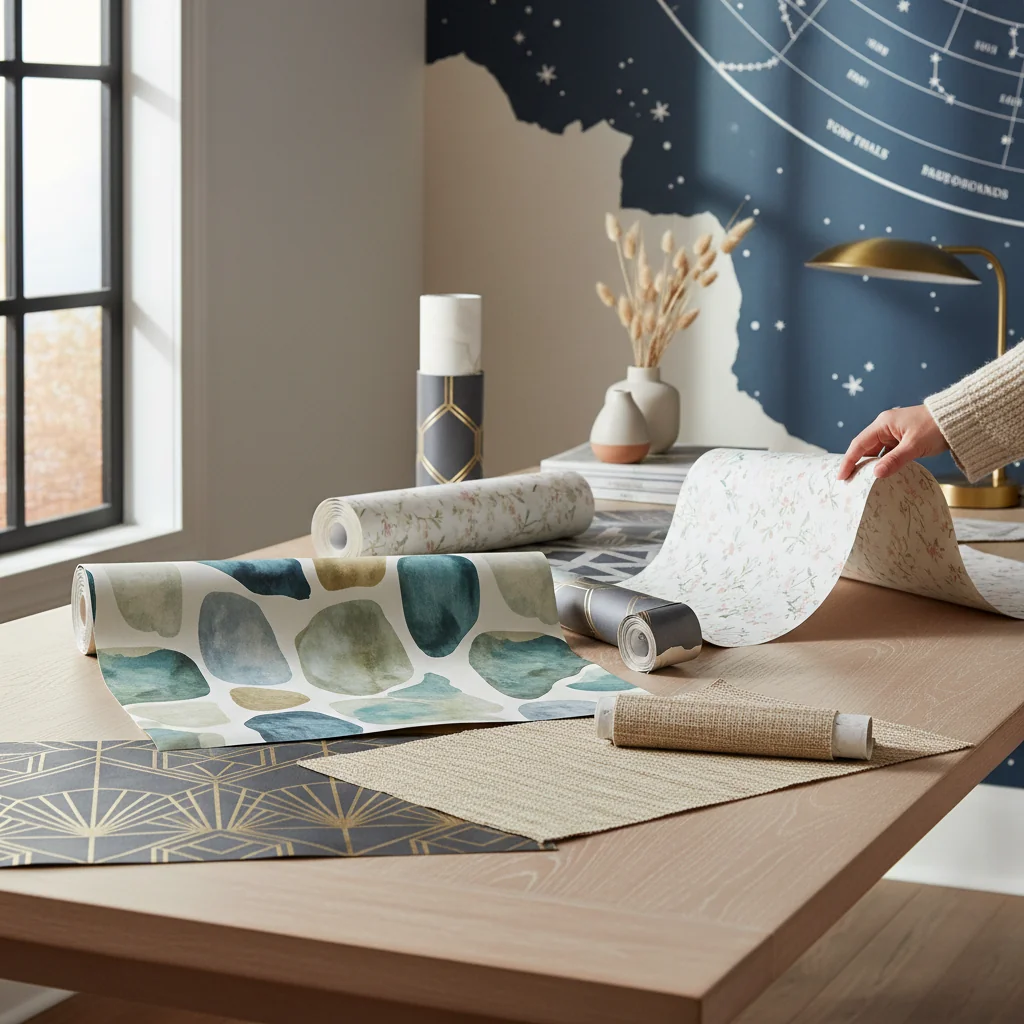
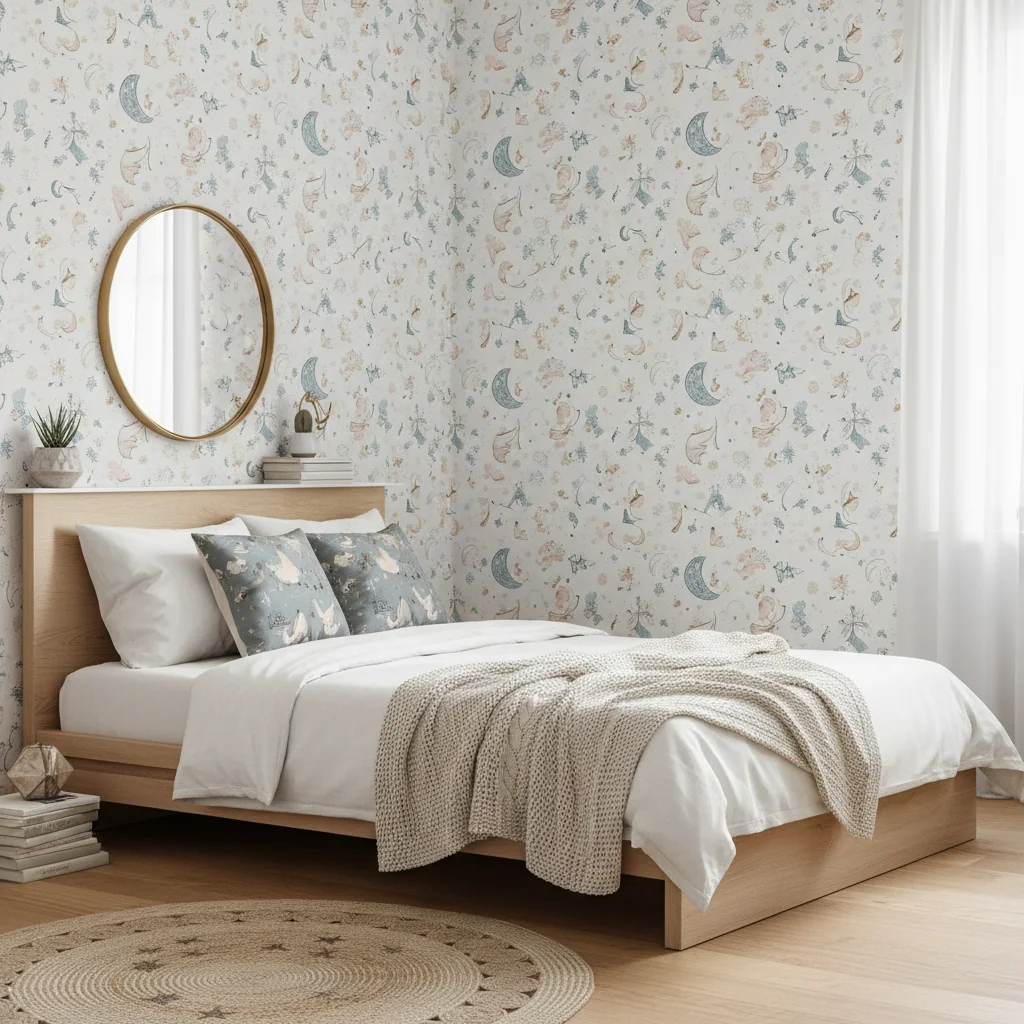
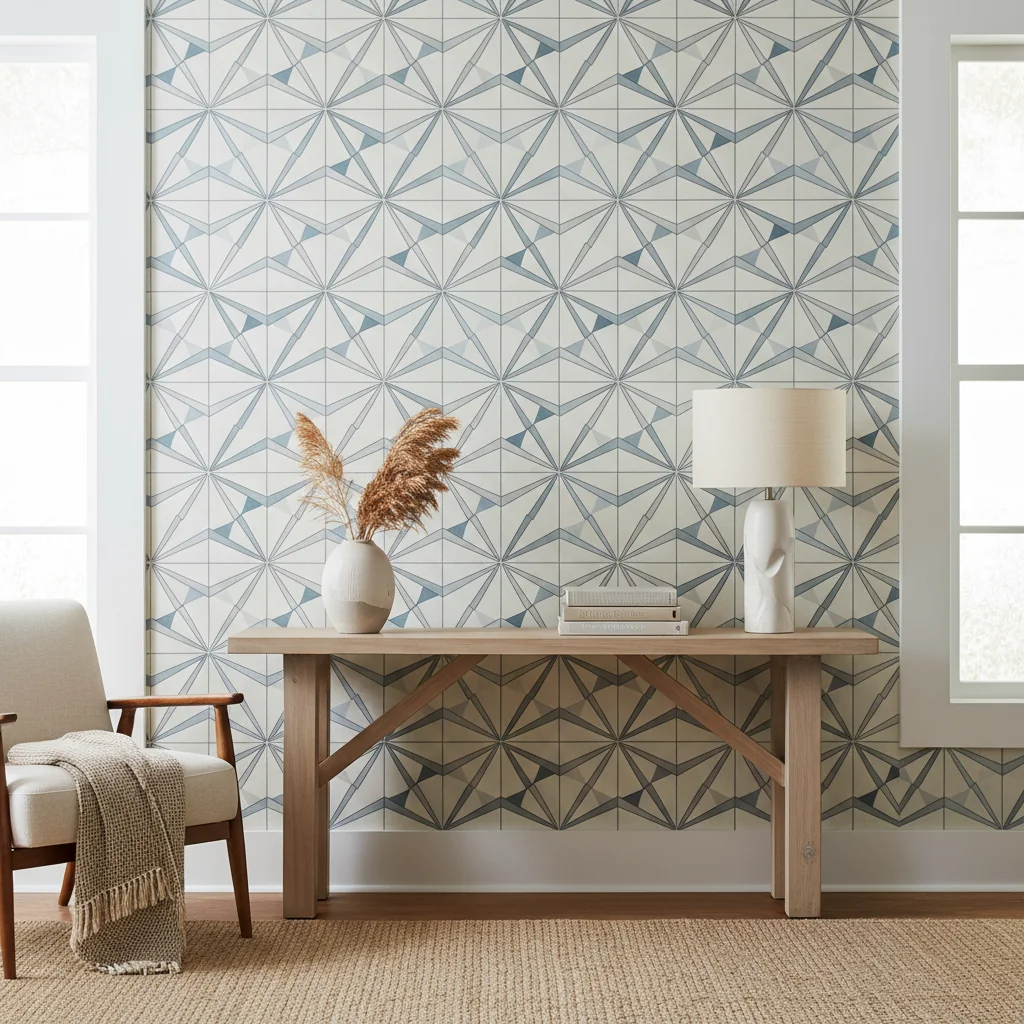
Rifle Paper Company stands as a distinguished American lifestyle brand celebrated for its distinctive hand-painted illustrations and vibrant, whimsical aesthetic that permeates stationery, home decor, and various lifestyle products. Founded in 2009 by husband-and-wife team Anna and Nathan Bond, the brand has cultivated a globally recognized style characterized by intricate floral patterns, botanical motifs, and a nostalgic charm, often featuring sophisticated color palettes and metallic accents. This comprehensive guide from Starhouse delves into the world of Rifle Paper Co., exploring its diverse product categories, signature design elements, and practical applications for integrating its unique appeal into any home, offering precise insights into selection, sizing, care, and styling.
Key Takeaways
- Rifle Paper Company is a prominent American lifestyle brand renowned for its hand-painted, whimsical, and botanical illustrations applied across stationery, home decor, and lifestyle products.
- The brand’s aesthetic is defined by vibrant florals, sophisticated color palettes, and a nostalgic charm, making its designs instantly recognizable and highly sought after.
- Rifle Paper Co. offers a diverse range of home decor items, including peel-and-stick and traditional wallpapers, fabrics, rugs, art prints, and a furniture collection launched in 2022.
- Selecting Rifle Paper Co. designs requires careful consideration of pattern scale, color harmony, material durability, and room function to ensure cohesive and impactful integration.
- Proper measuring, surface preparation, and adherence to care instructions are crucial for the successful installation and longevity of Rifle Paper Co. wallpapers and textiles.
- The brand’s versatile patterns can enhance various interior design styles, from modern farmhouse and bohemian to traditional and maximalist, through thoughtful pairing and layering.
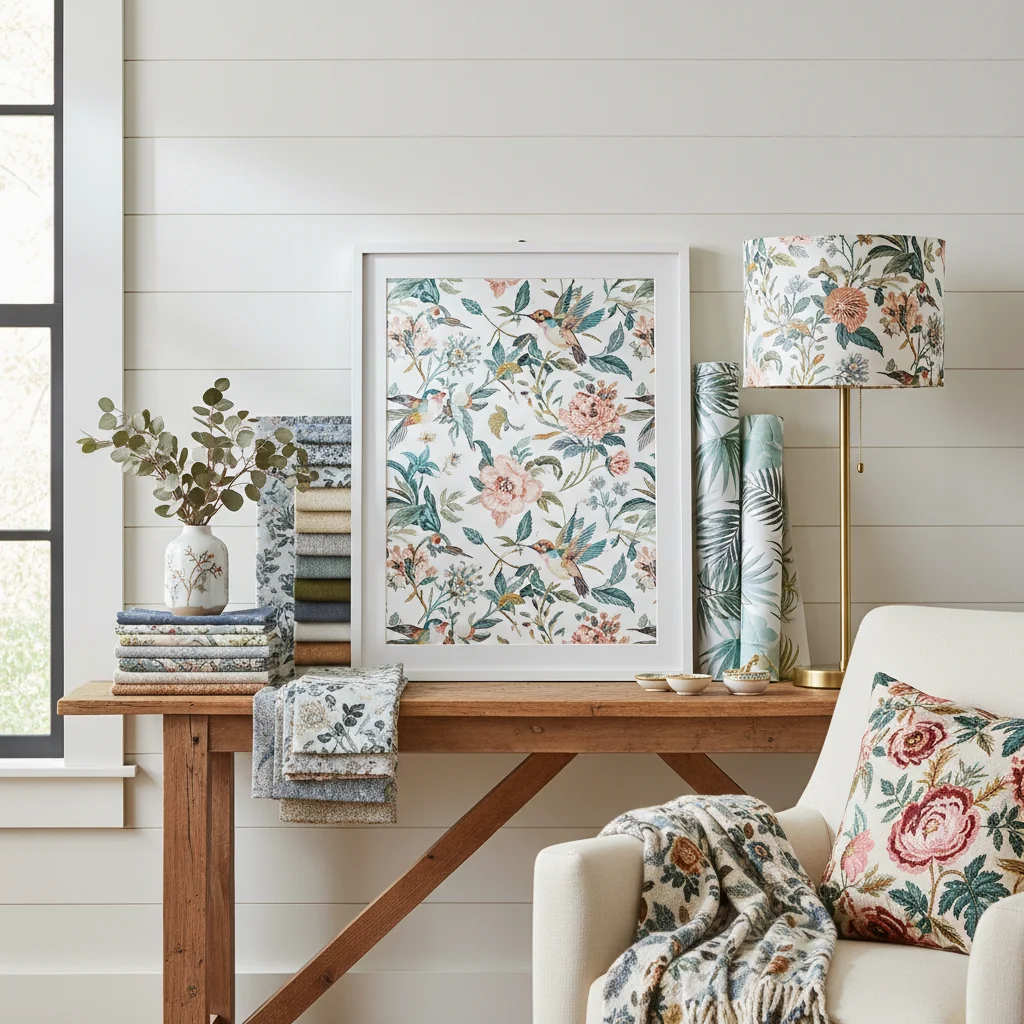
What is Rifle Paper Company and Its Signature Aesthetic?
Rifle Paper Company is an American lifestyle brand founded in 2009 by the husband-and-wife team Anna and Nathan Bond, distinguished by its unique hand-painted illustrations and vibrant, whimsical design aesthetic that has captured global attention. The brand’s core philosophy centers on creating beautiful, functional products that bring joy and sophistication to everyday life, spanning from stationery and paper goods to an expansive range of home decor items.
Anna Bond, the chief creative officer, began by designing wedding invitations, quickly establishing a signature style characterized by intricate floral patterns, botanical motifs, and a nostalgic charm reminiscent of vintage storybooks. This distinctive artistic approach, combined with a sophisticated color palette often featuring rich jewel tones, soft pastels, and metallic gold accents, defines the Rifle Paper Co. brand identity.
The brand’s influence extends beyond its direct product lines, inspiring a broader movement towards illustrative and pattern-rich interiors. Rifle Paper Co.’s designs are often described as:
- Whimsical: Featuring playful elements and imaginative motifs that evoke a sense of wonder.
- Botanical: Heavily reliant on detailed depictions of flowers, leaves, fruits, and natural elements.
- Illustrative: Possessing a hand-drawn quality that makes each pattern feel like a piece of art.
- Nostalgic: Drawing inspiration from vintage aesthetics, classic literature, and historical design movements, yet feeling fresh and contemporary.
- Vibrant: Utilizing a bold and often unexpected combination of colors that create visual interest and energy.
From its initial focus on paper products, Rifle Paper Co. has strategically expanded into a comprehensive lifestyle brand, translating its iconic patterns across diverse mediums. This expansion ensures that the distinctive Rifle Paper Co. aesthetic can be integrated into nearly every aspect of home design, from a feature wall to subtle textile accents. The brand’s commitment to quality and timeless design has solidified its position as a leading voice in the home decor industry, offering products that are both aspirational and accessible for creating uniquely charming spaces.
The consistent application of Anna Bond’s artistic vision across all product categories ensures a cohesive brand experience. This means that a customer selecting a Rifle Paper Co. wallpaper can expect the same level of detailed artistry and color sophistication found in their stationery or fabric collections. This dedication to a singular, recognizable aesthetic is a cornerstone of the brand’s success and appeal.
Ultimately, Rifle Paper Co. offers more than just products; it offers a curated aesthetic that transforms living spaces into environments rich with character, color, and a touch of enchanted elegance. Its designs are not merely patterns but visual narratives that evoke beauty and warmth, making them highly desirable for those seeking to infuse their homes with unique personality and refined charm.
Exploring the Diverse Product Categories of Rifle Paper Co.
Rifle Paper Company has expanded its distinctive aesthetic far beyond its initial stationery offerings, now encompassing a comprehensive range of home decor products that allow for complete stylistic integration within any interior design scheme. This diverse product portfolio includes everything from intricate wallcoverings to bespoke furniture pieces, all unified by the brand’s signature hand-painted style and vibrant color palettes.
The brand’s commitment to translating its unique artistry across various mediums means that consumers can curate entire rooms or simply add thoughtful accents using Rifle Paper Co. products. Here are the primary home decor categories:
Wallpaper and Wall Decor
Rifle Paper Co.’s wallpaper collections are arguably one of its most recognizable home decor offerings, serving as a foundational element for many interior design projects. The brand collaborates with industry leaders like York Wallcoverings to produce high-quality, durable wallcoverings that maintain the integrity of Anna Bond’s original artwork.
- Peel-and-Stick Wallpaper: This removable option is ideal for renters, temporary installations, or those who enjoy frequently updating their decor. It typically features a self-adhesive backing, making installation straightforward and removal clean, without damaging walls. Materials often include durable vinyl or non-woven substrates, offering good washability.
- Traditional Wallpaper: Requiring paste for application, traditional wallpapers from Rifle Paper Co. are designed for permanent installations and offer a more robust, long-lasting finish. These are typically non-woven or paper-backed vinyl, providing excellent durability and often a more textural feel.
- Murals: For a grander statement, Rifle Paper Co. offers large-scale wall murals that transform an entire wall into a singular, expansive art piece. These are often custom-sized and feature intricate, panoramic botanical or scenic designs, creating a focal point that defines the room’s aesthetic.
- Art Prints and Framed Art: Beyond wallpaper, the brand offers a wide selection of art prints, both framed and unframed, allowing customers to incorporate smaller doses of their signature designs. These prints range from individual botanicals to illustrative cityscapes and abstract patterns, suitable for gallery walls or standalone statements.
Fabric and Textiles
The transition of Rifle Paper Co.’s patterns to textiles allows for a soft, layered approach to incorporating their aesthetic into a home. These fabrics are suitable for a myriad of applications, from upholstery to window treatments.
- Upholstery Fabrics: Durable and visually appealing, these fabrics are designed for furniture, offering a way to introduce bold patterns and colors on sofas, chairs, and ottomans. They are often made from cotton-linen blends or performance fabrics for longevity.
- Drapery and Home Decor Fabrics: Lighter-weight fabrics are available for custom curtains, roman shades, throw pillows, and other decorative accents. These allow for a cohesive look when paired with wallpapers or as standalone elements.
- Bedding: Duvet covers, sheets, and pillow shams featuring Rifle Paper Co. patterns bring their signature style directly into the bedroom, creating a serene yet vibrant sleeping environment.
- Throw Pillows and Blankets: Pre-made decorative pillows and cozy throws are an easy way to add pops of color and pattern to sofas, chairs, or beds without a major commitment.
Furniture
In a significant expansion, Rifle Paper Co. launched its first-ever furniture collection in collaboration with Cloth & Company in 2022. This collection marked a new chapter for the brand, offering fully upholstered furniture pieces directly featuring their iconic patterns. According to House Beautiful, Rifle Paper Co. released its first-ever furniture collection, which includes sofas, chairs, ottomans, and headboards, allowing customers to integrate their beloved patterns into larger, functional pieces. This venture underscored the brand’s ambition to provide a holistic design experience.
The furniture pieces often combine classic silhouettes with contemporary comfort, upholstered in bespoke Rifle Paper Co. fabrics. This allows for a seamless integration of their whimsical patterns into foundational elements of a room, creating statement pieces that are both functional and artistic.
Rugs and Floor Coverings
Collaborations with renowned rug manufacturers like Loloi have brought Rifle Paper Co.’s designs to floor coverings. These rugs serve as anchors for a room’s design, grounding the space with color and pattern.
- Hand-Tufted Rugs: Offering plush textures and intricate detailing, often made from wool or wool blends, providing durability and a luxurious feel.
- Power-Loomed Rugs: More budget-friendly options that still feature the brand’s vibrant designs, typically made from synthetic fibers like polypropylene, known for stain resistance and ease of care.
- Flatweave Rugs: Versatile and reversible, these are often thinner and suitable for layering or high-traffic areas, offering a more casual aesthetic.
Home Accessories and Decor
Complementing the larger items, Rifle Paper Co. offers a charming array of smaller home accessories that tie a space together.
- Candles and Diffusers: Featuring custom fragrances and beautifully illustrated packaging, these add sensory appeal and visual charm.
- Ceramics and Tableware: Mugs, plates, and decorative bowls adorned with their signature patterns make everyday items feel special.
- Trays and Storage: Functional yet decorative pieces that help organize spaces while adding a touch of elegance.
- Notebooks and Desk Accessories: Maintaining their roots in paper goods, these items bring their aesthetic to home offices and creative spaces.
The extensive range of Rifle Paper Co. products allows designers and homeowners to create cohesive, layered interiors that reflect a singular, joyful aesthetic. Whether through a dramatic wallpaper statement, a patterned upholstered sofa, or a collection of botanical art prints, the brand provides ample opportunity to infuse a home with its distinct, hand-painted charm.
Decoding Rifle Paper Co. Wallpaper: Types, Materials, and Finishes
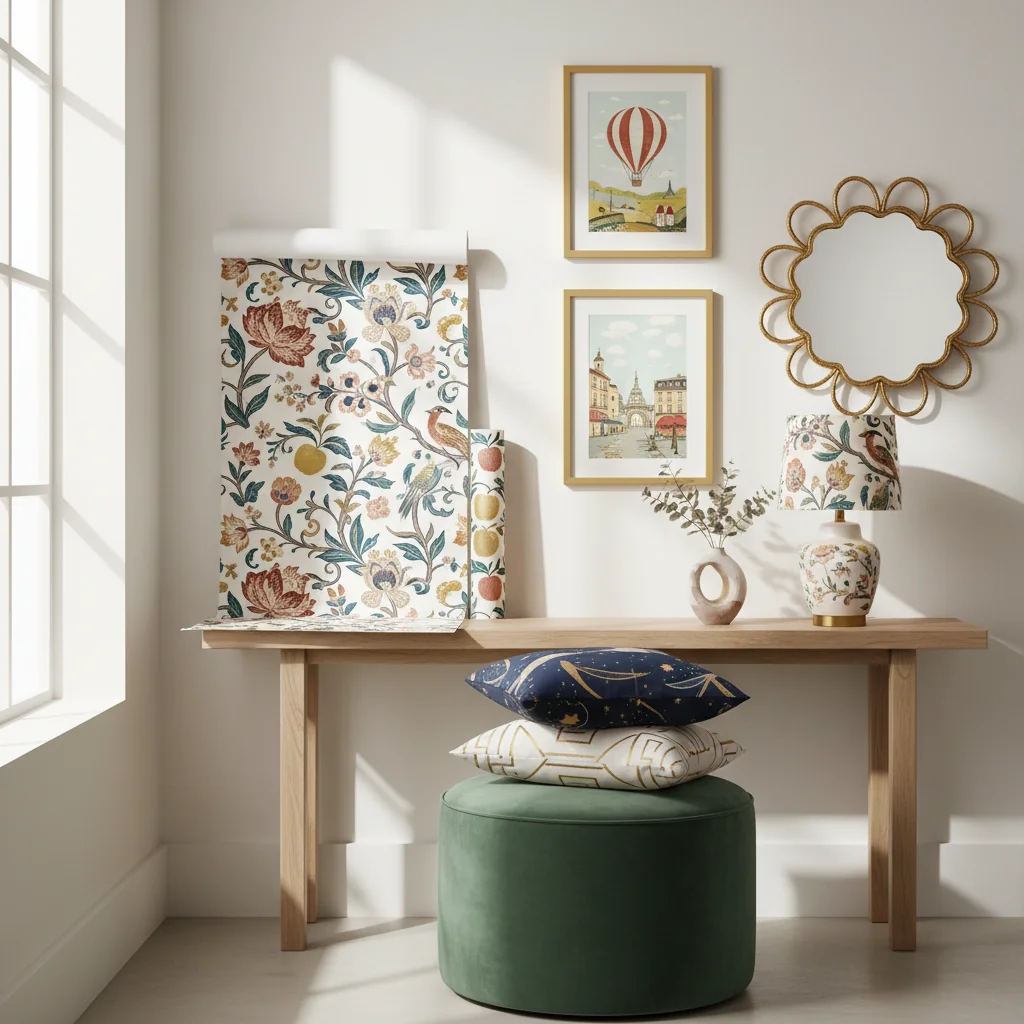
Rifle Paper Company’s wallpaper collections are a cornerstone of its home decor offerings, providing an impactful way to introduce its signature aesthetic into any room. Understanding the various types, materials, and finishes available is crucial for selecting the right wallpaper that not only embodies the desired style but also meets the functional demands of its intended space.
Starhouse curates wallpapers that prioritize both aesthetic appeal and practical performance, aligning with Rifle Paper Co.’s commitment to quality and design. Here, we break down the specifics of their wallpaper offerings.
Types of Rifle Paper Co. Wallpaper
Rifle Paper Co. primarily offers two main types of wallpaper, catering to different installation preferences and permanence requirements:
- Peel-and-Stick Wallpaper: Peel-and-stick wallpaper is a self-adhesive, removable wallcovering that requires no additional paste, making it an ideal choice for temporary installations, renters, or DIY enthusiasts seeking an easy application and removal process. This type of wallpaper is typically constructed from a durable vinyl or non-woven material with an adhesive backing that becomes active once the protective liner is peeled away. Its primary advantages include ease of installation, clean removal without residue or damage to walls, and repositionability during application, which minimizes error. It is highly suitable for accent walls, furniture facelifts, or spaces that may undergo frequent design changes, such as children’s rooms or home offices.
- Traditional (Unpasted) Wallpaper: Traditional wallpaper requires a separate wallpaper paste for installation, offering a more permanent and often more luxurious finish compared to peel-and-stick options. These wallpapers typically come in rolls that need to be cut, pasted, and then applied to the wall. The materials used, such as non-woven or paper-backed vinyl, provide enhanced durability, a more substantial feel, and often superior longevity. Traditional wallpaper is generally recommended for long-term installations in primary living spaces, dining rooms, or bedrooms where a lasting impact is desired. While installation is more involved, requiring precise alignment and careful handling, it results in a highly professional and robust finish that can withstand years of wear.
- Wallpaper Murals: Wallpaper murals are large-format, multi-panel designs that cover an entire wall, creating a singular, expansive image or pattern rather than a repeating motif. Rifle Paper Co. murals often feature breathtaking botanical scenes or illustrative landscapes that transform a wall into a dramatic focal point. These are typically printed on high-quality non-woven material and require paste for installation, similar to traditional wallpaper. Murals are ideal for creating a statement wall in larger rooms, adding depth and narrative to a space, and are custom-sized to fit specific wall dimensions for a seamless look.
Materials Used in Rifle Paper Co. Wallpaper
The choice of material significantly impacts the wallpaper’s texture, durability, and suitability for different environments:
- Non-Woven Wallpaper: Non-woven material is a blend of natural and synthetic fibers, making it exceptionally durable, breathable, and dimensionally stable. It is resistant to tearing and shrinking, which simplifies installation as it does not expand when wet. This material is also “strippable,” meaning it can often be peeled off the wall in full sheets when dry, making removal easier than traditional paper-backed options. Non-woven wallpapers are a popular choice for both traditional and peel-and-stick options due to their robust nature and ease of handling. They are also considered environmentally friendly as they are often PVC-free.
- Vinyl Wallpaper (Paper-Backed or Solid Vinyl): Vinyl wallpapers are highly durable and moisture-resistant, making them excellent for high-traffic areas or rooms prone to humidity, such as bathrooms and kitchens. They are typically easy to clean, often washable with a damp cloth and mild detergent. Rifle Paper Co. may utilize vinyl in its peel-and-stick options for enhanced durability and moisture resistance. While highly practical, some solid vinyl wallpapers may lack the breathability of non-woven materials.
- Paper Wallpaper: While less common in modern collections due to advancements in non-woven and vinyl technologies, traditional paper-backed wallpapers offer a classic look and feel. They are generally less durable and more susceptible to moisture damage and tearing during installation. However, they can provide a beautiful, matte finish that enhances the hand-painted quality of Rifle Paper Co.’s designs. Starhouse primarily focuses on more resilient and user-friendly options, making non-woven and vinyl more prevalent.
Finishes of Rifle Paper Co. Wallpaper
The finish of a wallpaper affects how light interacts with its surface and contributes to the overall aesthetic:
- Matte Finish: A matte finish absorbs light rather than reflecting it, resulting in a soft, non-glossy appearance that enhances the depth and texture of the hand-painted illustrations. This finish is excellent for concealing minor wall imperfections and provides a sophisticated, understated elegance. Most of Rifle Paper Co.’s traditional and peel-and-stick wallpapers feature a matte finish to preserve the artistic integrity of the original artwork.
- Satin or Semi-Gloss Finish: Less common for the primary print area but sometimes used for specific elements, a satin finish offers a subtle sheen that reflects a small amount of light. This can add a touch of luxury and make colors appear more vibrant. It also tends to be easier to clean than a purely matte surface.
- Metallic Accents: A signature element in many Rifle Paper Co. designs, metallic gold or silver accents are often incorporated into the patterns. These are typically applied as a subtle overlay or within specific design elements, adding a luxurious shimmer and catching the light, which elevates the pattern’s sophistication without overwhelming the overall matte finish. These accents are usually integrated into the printing process and are durable.
Considerations for Specific Rooms
When selecting Rifle Paper Co. wallpaper, consider the functional requirements of each room:
- Bathrooms & Kitchens: Opt for vinyl or non-woven peel-and-stick options due to their moisture resistance and ease of cleaning. Ensure adequate ventilation to prevent excessive humidity buildup, which can affect any wallpaper.
- High-Traffic Areas (Hallways, Entryways): Non-woven traditional wallpapers are ideal for their durability and resistance to wear and tear. Their robust nature makes them suitable for areas that experience frequent contact.
- Bedrooms & Living Rooms: Both traditional non-woven and peel-and-stick options are suitable. The choice often comes down to permanence and desired texture. Matte finishes enhance the serene or sophisticated atmosphere.
By carefully considering the type, material, and finish, homeowners can confidently select a Rifle Paper Co. wallpaper that not only elevates their interior aesthetic but also performs optimally for years to come, reflecting Starhouse’s commitment to informed design choices.
Signature Patterns and Collections: A Style Guide
Rifle Paper Company’s distinctive aesthetic is largely defined by its signature patterns and collections, which consistently feature intricate botanical illustrations, vibrant color palettes, and a whimsical, nostalgic charm. These patterns are the heart of the brand, instantly recognizable and highly influential in contemporary home decor. Understanding these core design motifs is key to effectively integrating Rifle Paper Co.’s style into any living space.
Anna Bond’s artistic vision translates into a cohesive yet diverse range of patterns, ensuring there’s a Rifle Paper Co. design for various tastes and applications. Here are some of the most prominent signature patterns and thematic collections:
Key Thematic Pattern Categories
-
Lush Florals: This is the most iconic category, characterized by abundant, detailed depictions of flowers, often in full bloom and arranged in dense, repeating patterns.
- Garden Party: Perhaps the most famous, featuring an explosion of brightly colored flowers and foliage against a dark or light background, creating a celebratory and luxurious feel. It is known for its dense composition and rich color variations.
- Wildwood: A slightly more subdued floral, often incorporating various types of wildflowers and leaves, evoking a sense of an enchanted forest or meadow. It tends to have a more organic flow and diverse botanical elements.
- Juniper: Characterized by delicate branches of juniper berries and leaves, often with subtle bird motifs, offering a more refined and elegant floral design with a touch of nature’s simplicity.
- Camont: Inspired by French gardens, featuring classic floral arrangements, sometimes with architectural elements or trellises, giving it a sophisticated, European garden aesthetic.
- Hydrangea: Focuses on the large, rounded blooms of hydrangeas, often in soft blues, purples, and greens, creating a serene and classic floral pattern.
-
Vibrant Botanicals: While overlapping with florals, this category often includes a broader range of plant life, such as citrus fruits, herbs, or more abstract foliage arrangements.
- Citrus Floral: Combines bright citrus fruits (lemons, oranges) with delicate floral accents and leaves, resulting in a fresh, energetic, and often Mediterranean-inspired pattern.
- Herbarium: Features scientific-style illustrations of various plants and herbs, often with a more educational or vintage botanical print aesthetic, perfect for a refined study or kitchen.
- Lively Floral: A general term for patterns that are vibrant and dynamic, often incorporating movement and a wide array of bloom types, creating an uplifting atmosphere.
-
Whimsical and Illustrative: These patterns often include elements beyond pure botanicals, incorporating animals, cityscapes, or narrative elements that add a storytelling quality.
- Peacock: Features stylized peacock motifs amidst rich floral and foliage designs, creating a luxurious and exotic pattern often with metallic gold accents. It embodies opulence and intricate detail.
- Travel-Inspired Collections: Patterns depicting famous landmarks, cityscapes, or map-like illustrations, often with a charming, vintage postcard feel, perfect for adding a personal touch for travel enthusiasts.
- Geometric and Abstract Accents: While less dominant, Rifle Paper Co. also incorporates subtle geometric patterns or abstract textures that complement their primary illustrative designs, often used in smaller accessories or as background elements. These provide balance and a contemporary edge.
Color Palettes and Signature Elements
Beyond the motifs, Rifle Paper Co.’s distinctive use of color is paramount:
- Rich Jewel Tones: Deep emerald greens, sapphire blues, ruby reds, and amethyst purples create a luxurious and sophisticated feel, often used as backgrounds or primary colors in dense floral patterns.
- Soft Pastels: Muted pinks, mint greens, sky blues, and creamy yellows offer a more delicate and serene aesthetic, often found in more airy floral designs or children’s collections.
- Earthy Neutrals: Warm beiges, soft grays, and natural linen tones provide a grounding base for patterns, ensuring versatility and allowing the vibrant colors to pop without overwhelming a space.
- Metallic Gold Accents: A hallmark of the brand, subtle gold foil or metallic ink is frequently integrated into patterns, adding a touch of glamour, sophistication, and light reflection. This elevates the perceived value and artistry of the designs.
Collaborations and Expanded Collections
Rifle Paper Co. frequently collaborates with other brands, bringing its aesthetic to new product categories and expanding its reach:
- York Wallcoverings: A long-standing partnership ensuring high-quality production of their peel-and-stick and traditional wallpapers.
- Loloi Rugs: Translating their intricate patterns into durable and beautiful area rugs, offering a soft furnishing option.
- Keds: Footwear collaborations featuring iconic floral patterns.
- Corkcicle: Insulated drinkware adorned with their vibrant designs.
- Hygge & West: Early wallpaper collaborations that helped establish their presence in the home decor market.
These collaborations demonstrate the versatility and enduring appeal of Rifle Paper Co.’s design language, proving its ability to adapt across various product forms while maintaining its core identity. When selecting a pattern, consider the mood you wish to create: a bold Garden Party for a dramatic dining room, a serene Juniper for a peaceful bedroom, or a playful Citrus Floral for a bright kitchen. Each pattern tells a story and contributes uniquely to the overall ambiance of a space.
How to Choose Rifle Paper Co. Designs for Your Home
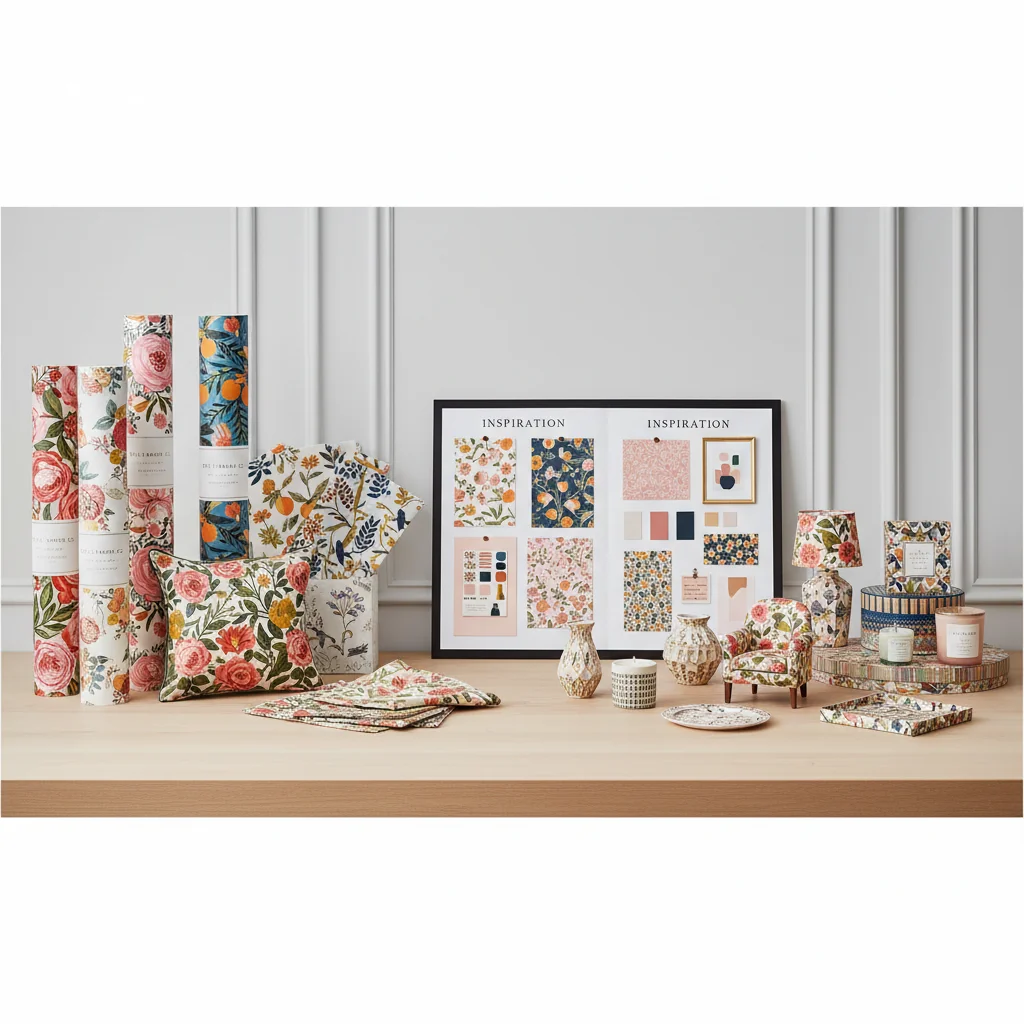
Choosing the right Rifle Paper Company designs for your home involves a thoughtful process that balances aesthetic preferences with practical considerations, ensuring the patterns and products enhance your space effectively. The key is to create a cohesive and harmonious environment that reflects your personal style while leveraging the unique charm of Rifle Paper Co.’s offerings.
Starhouse advocates for a methodical approach to design selection, emphasizing precision and informed decision-making to achieve a sophisticated outcome. Here’s a step-by-step guide to help you navigate the selection process:
Step 1: Define Your Vision and Room Function
Before selecting any specific pattern, clarify the overall mood and function of the room you are decorating. A vibrant, large-scale floral wallpaper might be perfect for an energetic dining room, while a more subdued botanical print could create a serene atmosphere in a bedroom. Consider:
- Room Purpose: Is it a high-traffic area, a relaxing sanctuary, or a formal entertaining space?
- Existing Style: Does your home lean modern, traditional, bohemian, or eclectic? Rifle Paper Co. patterns can complement various styles, but understanding your base helps in selection.
- Desired Mood: Do you want the space to feel lively, calm, sophisticated, or playful?
Step 2: Consider Pattern Scale and Repeat
The scale of a pattern significantly impacts how it reads in a room. A large-scale pattern can make a dramatic statement, but it may overwhelm a small space or feel too busy if not used strategically. Conversely, a small-scale, intricate pattern can add texture and depth without dominating the room.
- Large Patterns: Best for accent walls, larger rooms, or areas where you want a bold focal point. Ensure the pattern repeat is visible and appreciated, not cut off awkwardly.
- Small Patterns: Suitable for all-over application in smaller rooms, powder rooms, or as a subtle backdrop for other decor elements. They provide visual interest without feeling overwhelming.
- Pattern Repeat: Be aware of the repeat size, especially for wallpaper. A larger repeat means more waste during installation but often a more impactful design.
Step 3: Harmonize with Your Color Palette
Rifle Paper Co. is known for its rich and varied color palettes. When choosing a design, consider how its colors will interact with existing elements in your room, such as paint colors, furniture upholstery, and art. The goal is to create a harmonious scheme, not a clash.
- Complementary Colors: Select patterns that feature colors complementary to your existing scheme. For example, if your room has warm neutrals, a pattern with deep greens and subtle golds can add richness.
- Focal Point: If using a bold pattern as a focal point (e.g., wallpaper on one wall), ensure other elements in the room are more subdued to allow the pattern to shine.
- Undertones: Pay attention to warm or cool undertones in your existing colors and choose patterns that align.
Step 4: Evaluate Material and Durability Needs
Different Rifle Paper Co. products come in various materials, each with specific durability and maintenance requirements. Match the material to the functional demands of the space.
- Wallpaper: For high-moisture areas like bathrooms or kitchens, opt for vinyl or durable non-woven options. For high-traffic areas, non-woven traditional wallpaper offers greater resilience.
- Fabrics: For upholstery, choose durable cotton-linen blends or performance fabrics. For drapery, lighter-weight fabrics are suitable.
- Rugs: Consider the traffic level. Wool rugs offer durability and luxury for living areas, while synthetic blends might be more practical for entryways or areas prone to spills.
Step 5: Sample Before Committing
Always order samples of wallpaper, fabric swatches, or rug snippets before making a final decision. Colors and patterns can appear differently on a screen than in person, and light conditions in your home can significantly alter their appearance.
- Live with Samples: Tape wallpaper samples to your wall and observe them at different times of day. Place fabric swatches next to existing furniture.
- Feel the Texture: Samples allow you to assess the material quality and texture, which is crucial for textiles and rugs.
Step 6: Balance and Layering
Successfully integrating Rifle Paper Co. designs often involves a balance between bold patterns and solid textures. Avoid overwhelming a space by using too many competing patterns.
- Mix Patterns and Solids: If you have a bold floral wallpaper, pair it with solid-colored furniture and textiles, or introduce a complementary subtle stripe or geometric pattern on a small accent piece.
- Layer Textures: Combine patterned elements with varied textures like linen, velvet, wood, or metal to add depth and sophistication without introducing more patterns.
- Negative Space: Ensure there is enough “breathing room” or negative space around patterned elements to prevent the room from feeling cluttered.
At Starhouse, we are meticulously curating a collection that embodies sophisticated design and enduring quality. We invite you to share your vision and preferences with us, helping to shape our upcoming catalog. Tell us what you’re looking for in your next home decor refresh and get early access to our exclusive selections.
Table: Choosing Rifle Paper Co. Wallpaper by Room
| Room | Recommended Wallpaper Type | Pattern Considerations | Material Notes | Ideal Mood/Style |
|---|---|---|---|---|
| Living Room | Traditional (Non-Woven), Murals, Peel-and-Stick (Accent) | Large-scale florals (e.g., Garden Party, Wildwood) for focal walls; smaller botanicals for all-over application. | Non-woven for durability and breathability. Matte finish for sophistication. | Elegant, inviting, artistic, statement-making. |
| Bedroom | Peel-and-Stick, Traditional (Non-Woven) | Softer, more delicate florals (e.g., Juniper, Hydrangea) or tranquil botanical scenes. Consider subtle patterns for all four walls. | Non-woven for breathability and a soft matte appearance. Peel-and-stick for easy updates. | Serene, romantic, calming, personal sanctuary. |
| Dining Room | Traditional (Non-Woven), Murals | Bold, celebratory patterns (e.g., Garden Party, Peacock) or dramatic botanical murals to create a luxurious and engaging atmosphere. | Durable non-woven, especially if entertaining frequently. Metallic accents add glamour. | Formal, opulent, vibrant, conversation-starting. |
| Kitchen | Peel-and-Stick (Vinyl), Traditional (Vinyl-Coated Non-Woven) | Fresh, cheerful patterns (e.g., Citrus Floral, Herbarium) or smaller, repeating botanicals. Avoid overly intricate designs that may feel cluttered. | Vinyl or vinyl-coated for moisture resistance and easy cleaning. | Bright, energetic, charming, practical. |
| Bathroom/Powder Room | Peel-and-Stick (Vinyl), Traditional (Vinyl-Coated Non-Woven) | Bold, unexpected patterns in small doses. Dark backgrounds can create drama in a small space. | High moisture resistance is critical. Vinyl is preferred. Ensure proper ventilation. | Dramatic, whimsical, jewel-box effect, unexpected. |
| Nursery/Kids’ Room | Peel-and-Stick (Non-Woven/Vinyl) | Playful, whimsical patterns (e.g., illustrated animals, softer florals) that can grow with the child. | Removable peel-and-stick for easy changes as tastes evolve. Durable and washable. | Charming, imaginative, calming, adaptable. |
| Home Office/Study | Traditional (Non-Woven), Peel-and-Stick | Sophisticated botanicals (e.g., Herbarium) or subtle, intricate patterns that inspire focus without distraction. | Non-woven for a refined look. Matte finish to reduce glare. | Inspiring, refined, focused, sophisticated. |
By following these guidelines, you can confidently select Rifle Paper Co. designs that not only beautify your home but also reflect a discerning eye for quality and style, creating spaces that are both functional and visually captivating.
Sizing, Measuring, and Installation Best Practices
Accurate sizing, precise measuring, and adherence to best installation practices are paramount for achieving a professional and enduring finish when working with Rifle Paper Company products, particularly wallpaper and textiles. Improper measurements can lead to costly material shortages or excess, while poor installation compromises both aesthetics and longevity. Starhouse emphasizes a meticulous approach to these crucial steps to ensure a flawless integration of these exquisite designs into your home.
Measuring for Wallpaper
Calculating the correct amount of wallpaper requires careful measurement and accounting for pattern repeat.
- Tools Needed: A reliable tape measure (preferably a metal one for accuracy), a pencil, a notepad, and a step ladder if ceilings are high.
- Measure Height and Width: Measure the height of each wall from ceiling to baseboard. Measure the total width of each wall. For walls with varying heights (e.g., sloped ceilings), measure at the highest point.
- Calculate Square Footage: Multiply the height by the width for each wall to get its square footage. Sum these totals for the room’s total square footage.
- Account for Openings: While you don’t typically subtract the exact square footage of doors and windows, it’s good to note their dimensions. For smaller openings (under 20 sq ft), it’s often simpler to include them in your total as the waste from cutting around them typically offsets the material saved. For larger openings, you may subtract half their area.
-
Consider Pattern Repeat: This is critical. Pattern repeat is the vertical distance between where the pattern exactly repeats itself. You must ensure that each strip of wallpaper aligns horizontally with the previous one.
- Divide your wall height by the pattern repeat. Round up to the nearest whole number. This gives you the number of repeats per strip.
- Multiply this by the pattern repeat to get the effective length needed per strip, accounting for alignment.
- For example, if your wall is 96 inches high and the pattern repeat is 24 inches, you need 4 repeats per strip (96/24 = 4). Each strip will be 96 inches long.
- If your wall is 98 inches high and the pattern repeat is 24 inches, you need 4.08 repeats. Round up to 5 repeats. Each strip will be 5 * 24 = 120 inches long to allow for trimming and alignment.
- Add Buffer for Waste: Always add a minimum of 10-15% extra material to your total calculated square footage. This accounts for trimming, pattern matching, mistakes, and future repairs. For complex patterns or unusually shaped rooms, add closer to 20%.
- Roll Coverage: Check the square footage coverage per roll provided by the manufacturer (e.g., Rifle Paper Co. via York Wallcoverings). Divide your total required square footage (including waste) by the roll coverage to determine the number of rolls needed. Always round up to the nearest whole roll.
Measuring for Rugs
Rugs define zones and add warmth. Correct sizing ensures they complement furniture and room dimensions.
- Room Size: Measure the length and width of the room. A general rule is to leave 12-24 inches of bare floor around the rug’s perimeter, depending on room size (more for larger rooms).
-
Furniture Placement:
- Living Room: All front legs of major upholstered pieces (sofa, armchairs) should sit on the rug. For larger rooms, all furniture legs can be on the rug. Common sizes are 8×10 feet or 9×12 feet.
- Dining Room: The rug should be large enough so that when chairs are pulled out, all four legs remain on the rug. Measure your dining table and add at least 24-30 inches on all sides for chair pull-out. A 8×10 or 9×12 rug is often suitable for a standard 6-8 person dining table.
- Bedroom: For a queen bed, an 8×10 or 9×12 rug works well, extending at least 18-24 inches beyond the sides and foot of the bed. For a king, a 9×12 or larger is usually needed. Alternatively, two smaller 3×5 or 2×8 runners can flank the bed.
- Traffic Flow: Ensure the rug does not obstruct doorways or create tripping hazards.
Measuring for Fabric and Drapery
Precise measurements are vital for custom window treatments or upholstery projects.
-
Window Drapery:
- Width: Measure the width of your window, including any trim. For a fuller look, multiply this by 1.5 to 2.5 times for the total fabric width needed. Add extra for side hems (typically 2-4 inches per panel).
- Length: Measure from where the rod will be installed (typically 4-6 inches above the window frame) to your desired endpoint (sill, apron, or floor). Add 8-12 inches for top and bottom hems.
- Upholstery: This is highly specific to the furniture piece. It’s often best to consult with an upholsterer who can provide precise yardage requirements based on the furniture’s dimensions and pattern repeat.
Wallpaper Installation Best Practices
Proper installation ensures durability and a beautiful finish.
-
Surface Preparation is Key:
- Clean: Walls must be clean, dry, and free of dust, grease, or mildew. Wash walls with a mild detergent solution and rinse thoroughly.
- Smooth: Fill any holes or cracks with spackle, sand smooth, and wipe clean. Rough surfaces will show through the wallpaper.
- Prime: Apply a high-quality wallpaper primer (e.g., a “sizing” primer) to all walls. Primer creates a uniform surface for adhesion, helps with repositioning, and ensures easier removal in the future. For dark walls, a white primer is essential to prevent the underlying color from showing through lighter wallpaper.
- Paint Curing: If walls have been freshly painted, allow paint to cure for at least 2-4 weeks before wallpapering.
-
Gather Tools:
- Peel-and-Stick: Smoothing tool/squeegee, utility knife with fresh blades, tape measure, level, pencil.
- Traditional: Wallpaper paste, paste brush/roller, smoothing tool, utility knife, plumb bob/laser level, seam roller, sponge, bucket of clean water.
- Start Point: For patterned wallpaper, it’s often best to start in an inconspicuous corner or near the main focal point of the room to ensure pattern alignment is consistent and any cuts are less noticeable. Use a plumb bob or laser level to draw a perfectly vertical line as your starting guide.
- Pattern Matching: Carefully align each strip to the previous one, ensuring the pattern flows seamlessly. Dry-fit strips if possible before applying paste or peeling the backing.
- Smoothing: Work from the center of the strip outwards, using a smoothing tool to remove air bubbles and creases.
- Trimming: Use a sharp utility knife and a straight edge (like a metal ruler) to trim excess wallpaper at the ceiling, baseboards, and around windows/doors. Change blades frequently for clean cuts.
- Clean Up: For traditional wallpaper, immediately wipe off any excess paste from the wallpaper surface or adjacent walls with a damp sponge. For peel-and-stick, ensure all edges are firmly adhered.
- Professional Installation: For complex patterns, murals, or if you lack confidence in DIY skills, hiring a professional wallpaper installer is recommended. Their expertise ensures a flawless, long-lasting result and can save time and prevent material waste.
By meticulously following these sizing, measuring, and installation guidelines, you ensure that your Rifle Paper Co. products are beautifully displayed and contribute to the enduring elegance of your Starhouse-designed space.
Integrating Rifle Paper Co. into Various Design Styles
Rifle Paper Company’s versatile designs, characterized by their botanical motifs, vibrant colors, and whimsical charm, can be seamlessly integrated into a wide array of interior design styles, from the rustic appeal of modern farmhouse to the rich layers of maximalism. The key to successful integration lies in understanding how to balance their distinctive patterns with the core elements of each style, ensuring a cohesive and sophisticated outcome. Starhouse emphasizes thoughtful pairing and strategic placement to maximize the impact of these unique pieces.
1. Modern Farmhouse
The modern farmhouse aesthetic blends rustic charm with contemporary clean lines. Rifle Paper Co. designs can add a touch of refined whimsy without detracting from the style’s inherent warmth.
- Approach: Use botanical prints with a muted or earthy color palette. Think patterns like Juniper or subtle Wildwood.
- Application: A feature wall in a bedroom or powder room, throw pillows on a linen sofa, or framed botanical prints in a gallery wall.
- Pairing: Combine with natural wood tones, shiplap, neutral textiles (linen, cotton), industrial accents (black metal), and simple, functional furniture. The contrast between the intricate pattern and the rustic simplicity creates visual interest.
2. Bohemian (Boho)
Bohemian style embraces a free-spirited, eclectic mix of patterns, textures, and global influences. Rifle Paper Co.’s rich florals and illustrative patterns are a natural fit.
- Approach: Embrace vibrant, dense floral patterns like Garden Party or Peacock, and layer them with other textiles.
- Application: Wallpaper an entire room, use patterned fabrics for custom drapery or upholstery, or incorporate a large Rifle Paper Co. rug.
- Pairing: Combine with woven textures (macrame, rattan), eclectic furniture, global textiles (kilim, mud cloth), an abundance of plants, and layered lighting. The brand’s patterns add a sophisticated, artistic layer to the inherently relaxed boho vibe.
3. Traditional/Transitional
Traditional design favors classic elegance and symmetry, while transitional blends traditional with modern elements. Rifle Paper Co. designs can introduce freshness and personality while respecting classic sensibilities.
- Approach: Select patterns with a more classic floral arrangement, such as Camont, or those with refined bird motifs. Opt for sophisticated colorways that complement traditional furniture.
- Application: A wallpapered dining room, upholstered accent chairs, or elegant fabric for custom window treatments.
- Pairing: Integrate with dark wood furniture, upholstered pieces in solid velvets or silks, antique mirrors, and classic lighting fixtures. The intricate details of Rifle Paper Co. patterns resonate with the craftsmanship often found in traditional decor, adding a contemporary twist in transitional spaces.
4. Eclectic
Eclectic style is all about mixing and matching different eras, styles, and patterns to create a unique, personalized space. Rifle Paper Co. patterns thrive in this environment.
- Approach: Feel free to mix and match different Rifle Paper Co. patterns (e.g., a floral wallpaper with a geometric fabric on an accent pillow) or combine them with other patterned elements.
- Application: Use a bold wallpaper on an accent wall, feature a patterned rug, and incorporate various art prints.
- Pairing: Combine with furniture from different periods, art from various cultures, and a mix of textures. The key is to find a unifying element, often a consistent color palette or a shared sense of whimsy, to tie the diverse elements together.
5. Maximalist
Maximalism celebrates abundance, bold colors, multiple patterns, and rich textures. Rifle Paper Co. patterns are perfectly suited for this “more is more” philosophy.
- Approach: Embrace all-over wallpaper, multiple patterned textiles, and vibrant color combinations. Don’t shy away from layering different Rifle Paper Co. patterns or combining them with other bold prints.
- Application: Wallpaper all four walls of a room, use patterned fabrics for sofas and chairs, and incorporate multiple patterned rugs.
- Pairing: Combine with dramatic lighting, art-filled walls, collections of decorative objects, and rich, jewel-toned furniture. The intricate detail and vibrant hues of Rifle Paper Co. designs contribute significantly to the layered, opulent feel of a maximalist space.
6. Mid-Century Modern
Mid-century modern is characterized by clean lines, organic shapes, and a focus on functionality. Rifle Paper Co. can introduce warmth and pattern to this often minimalist aesthetic.
- Approach: Use patterns with a slightly more abstract or stylized botanical feel, or those with a subtle retro vibe. Opt for patterns with cleaner lines or a less dense composition.
- Application: A peel-and-stick wallpaper accent wall, a patterned throw blanket, or a few art prints.
- Pairing: Combine with iconic mid-century furniture (e.g., teak, walnut), clean-lined sofas, geometric accessories, and pops of bright, saturated colors. The botanical patterns can soften the angularity of mid-century pieces, adding an organic touch.
Styling Principles for Successful Integration
- Anchor with Solids: Even in maximalist spaces, ensure some solid elements (furniture, walls, flooring) to provide visual rest and prevent overwhelm.
- Vary Scale: When mixing patterns, vary their scale (large floral with a small stripe or dot) to create visual interest rather than competition.
- Unifying Color: A consistent color palette or a shared accent color can tie together disparate patterns and textures.
- Strategic Placement: Use bold patterns in areas where you want a focal point, and more subtle patterns for background or smaller accents.
- Personalize: Ultimately, the best integration reflects your personality. Experiment with samples and trust your aesthetic judgment.
By applying these principles, Rifle Paper Co. designs become more than just decorative elements; they become integral components that enhance and define the character of diverse interior design styles, creating spaces that are truly unique and sophisticated.
Care and Maintenance for Rifle Paper Co. Products
Proper care and maintenance are essential for preserving the beauty and longevity of your Rifle Paper Company products, ensuring their distinctive patterns and vibrant colors remain pristine for years. Each product category, from delicate wallpaper to durable rugs, requires specific attention to cleaning and upkeep. Starhouse recommends adhering to manufacturer guidelines and employing gentle, appropriate cleaning methods to protect your investment and maintain the sophisticated aesthetic of your home decor.
1. Wallpaper Care and Maintenance
The care routine for Rifle Paper Co. wallpaper depends on its material and finish.
-
Peel-and-Stick Wallpaper (Vinyl/Non-Woven):
- Cleaning: For light dust, gently wipe with a dry, soft cloth. For smudges or dirt, use a damp cloth with a small amount of mild, non-abrasive soap (e.g., dish soap diluted in water). Wipe gently, then follow with a clean, damp cloth to remove any soap residue.
- Avoid: Harsh chemical cleaners, abrasive scrubbers, or excessive moisture, which can damage the print or adhesive.
- Humidity: While some peel-and-stick options are moisture-resistant, avoid prolonged exposure to high humidity or direct water spray, especially in bathrooms, to prevent adhesive weakening.
-
Traditional Non-Woven Wallpaper:
- Cleaning: Most non-woven wallpapers are washable. Use a soft sponge or cloth dampened with a solution of mild soap and water. Gently wipe the soiled area, then rinse with a clean, damp sponge.
- Stains: Address stains promptly. For oil-based stains, a gentle degreaser formulated for wallpaper might be used, but always test in an inconspicuous area first.
- Avoid: Abrasive cleaners, wire brushes, or excessive scrubbing that can damage the surface or print.
- Wallpaper Murals: Care for murals follows the guidelines for their specific material (typically non-woven), prioritizing gentle cleaning to protect the large-scale artwork.
-
General Wallpaper Tips:
- Dusting: Periodically dust wallpaper with a soft, dry cloth or a duster attachment on a vacuum cleaner to prevent buildup.
- Sunlight: While modern wallpapers have UV protection, prolonged direct sunlight can still cause fading over many years. Consider window treatments in sun-drenched rooms.
2. Fabric and Textile Care
Rifle Paper Co. fabrics and textiles (upholstery, drapery, bedding, pillows) require careful attention to their specific care labels.
- Read Care Labels: Always refer to the specific care instructions provided by the manufacturer for each item. This is the most accurate guide.
-
Upholstery Fabrics:
- Spot Cleaning: For spills, blot immediately with a clean, dry cloth. For stains, use a mild fabric cleaner or a solution of mild soap and water, testing on an inconspicuous area first.
- Vacuuming: Regularly vacuum upholstered furniture with a brush attachment to remove dust and debris.
- Professional Cleaning: For deep cleaning or stubborn stains, professional upholstery cleaning is recommended every 12-24 months.
-
Drapery and Decorative Fabrics:
- Dusting: Lightly vacuum or dust drapes regularly.
- Cleaning: Many decorative fabrics are dry-clean only to maintain their shape and color. Some might be spot cleaned or gently hand-washed.
-
Bedding and Throw Pillows:
- Machine Washable: Many bedding items (sheets, duvet covers) are machine washable on a gentle cycle with cold water and a mild detergent. Tumble dry low or air dry.
- Pillow Covers: Check if covers are removable and machine washable. If not, spot clean or dry clean.
- Avoid: Harsh bleaching agents, excessive heat in drying, or machine washing items labeled “dry clean only,” which can cause shrinking, fading, or damage.
3. Rug Care and Maintenance
Rifle Paper Co. rugs, often made in collaboration with Loloi, require regular care to maintain their appearance and extend their life.
- Vacuuming: Regularly vacuum your rug (1-2 times per week for high-traffic areas) using a vacuum cleaner without a beater bar, or with the beater bar set to a high pile, to prevent damage to fibers.
- Rotate: Rotate your rug every 3-6 months to ensure even wear and exposure to light, preventing concentrated fading or wear patterns.
- Spot Cleaning: For spills, blot immediately with a clean, dry cloth. Avoid rubbing, which can spread the stain. For liquid spills, blot and then apply a small amount of water with a clean cloth, continuing to blot until the stain is gone. For solid debris, carefully scrape it up with a dull knife.
- Professional Cleaning: For deep cleaning or stubborn stains, consult a professional rug cleaner every 12-18 months. Avoid using harsh chemical cleaners or steam cleaners on delicate rug fibers.
- Rug Pads: Use a high-quality rug pad underneath to prevent slipping, protect your flooring, and extend the life of the rug by absorbing impact.
- Specific Materials: Wool rugs are naturally stain-resistant but should be cleaned with wool-safe products. Synthetic rugs (e.g., polypropylene) are generally more stain-resistant and easier to clean.
4. Furniture Care
Rifle Paper Co.’s upholstered furniture requires care similar to other high-quality upholstered pieces.
- Upholstery: Follow the fabric care guidelines above, including regular vacuuming and professional cleaning.
- Wood Elements: Dust regularly with a soft, dry cloth. For spills, wipe immediately. Use furniture polish or wax as needed, following product instructions, to protect and nourish the wood.
- Avoid: Placing furniture in direct sunlight for prolonged periods, which can cause upholstery fading or wood warping.
5. Art Prints and Wall Decor
Protecting art prints ensures their colors remain vibrant.
- Framing: Frame prints behind UV-protective glass to prevent fading from sunlight.
- Dusting: Gently dust framed art with a soft, dry cloth.
- Placement: Avoid hanging prints in areas of high humidity or direct, intense sunlight.
By adhering to these specific care and maintenance instructions, your Rifle Paper Co. products will continue to enhance your home with their enduring beauty and distinctive style, reflecting the meticulous curation philosophy of Starhouse.
Common Mistakes to Avoid When Decorating with Rifle Paper Co.
While Rifle Paper Company’s designs offer immense potential for creating beautiful and distinctive interiors, certain missteps can diminish their impact or lead to unsatisfactory results. Avoiding these common mistakes is crucial for achieving a sophisticated and cohesive aesthetic that truly showcases the brand’s unique charm. Starhouse advises careful planning and attention to detail to ensure your Rifle Paper Co. selections enhance, rather than overwhelm, your living space.
1. Overwhelming a Small Space with Large Patterns
Mistake: Applying a large-scale, dense floral wallpaper (like Garden Party) to all four walls of a small room, such as a powder room or a compact bedroom.
Solution: In smaller spaces, utilize large patterns strategically. Consider an accent wall, a wallpapered ceiling, or a smaller pattern repeat. Alternatively, use Rifle Paper Co. patterns on smaller items like throw pillows, art prints, or a single upholstered accent chair to inject personality without visual clutter. For all-over application in a small room, opt for patterns with a lighter background or a more open, airy design.
2. Ignoring Color Temperature and Undertones
Mistake: Introducing a Rifle Paper Co. pattern with cool undertones (e.g., blues, cool greens) into a room dominated by warm undertones (e.g., yellow-based beiges, orange woods) without a unifying element.
Solution: Pay close attention to the underlying color temperature of both the Rifle Paper Co. design and your existing decor. Strive for harmony. If mixing warm and cool, ensure there’s a bridging color or a neutral tone that ties them together. Always get samples and observe them in your room’s natural and artificial lighting.
3. Neglecting to Order Samples
Mistake: Purchasing full rolls of wallpaper or large pieces of fabric based solely on online images. Colors, scale, and texture can vary significantly in person.
Solution: Always order samples of wallpaper swatches, fabric cuts, and rug snippets. Live with them in your space for a few days, observing them under different lighting conditions. This allows you to assess the true color, pattern scale, and material feel in your specific environment before making a significant investment.
4. Improper Surface Preparation for Wallpaper
Mistake: Applying wallpaper directly over dirty, uneven, or unprimed walls, or over freshly painted walls that haven’t fully cured. This leads to poor adhesion, visible imperfections, and difficult removal.
Solution: Meticulously prepare your walls. Ensure they are clean, dry, smooth, and primed with a high-quality wallpaper primer. Allow new paint to cure for at least 2-4 weeks. Proper preparation is the single most critical factor for a successful and long-lasting wallpaper installation.
5. Underestimating Pattern Repeat and Waste
Mistake: Not accounting for the pattern repeat when calculating wallpaper yardage, leading to insufficient material or awkward pattern alignment.
Solution: Always factor in the pattern repeat when calculating wallpaper needs. Add an extra 10-15% (or more for large repeats/complex rooms) to your calculated square footage to accommodate trimming, matching, and potential errors. This ensures you have enough material to achieve a seamless, professional look.
6. Forgetting About Balance and Negative Space
Mistake: Filling every surface with patterns or bold colors, resulting in a cluttered and visually overwhelming space without any resting points for the eye.
Solution: Even with maximalist designs, balance is crucial. If you’re using a bold Rifle Paper Co. wallpaper, consider pairing it with solid-colored furniture, simpler textiles, or ample negative space on adjacent walls or within the room’s layout. Allow key patterned elements to stand out by giving them room to breathe.
7. Mismatching Scale of Patterns
Mistake: Combining multiple Rifle Paper Co. patterns (e.g., a floral wallpaper, a floral rug, and floral throw pillows) that are all of a similar scale, causing them to compete rather than complement.
Solution: When mixing patterns, vary their scale. Pair a large-scale floral wallpaper with a small-scale geometric rug or a solid-colored sofa with a medium-scale patterned throw pillow. This creates visual harmony and prevents the patterns from blurring into one another.
8. Overlooking the Impact of Lighting
Mistake: Choosing a dark, dense pattern for a room with limited natural light, making the space feel smaller and dimmer than desired.
Solution: Consider the natural light exposure of your room. In dimly lit spaces, lighter backgrounds and more open patterns can help brighten and expand the feel of the room. In well-lit rooms, darker, more dramatic patterns can create a cozy and sophisticated ambiance. Observe samples in your room throughout the day.
By consciously avoiding these common decorating pitfalls, you can ensure that your Rifle Paper Co. selections are not only beautiful but also thoughtfully integrated, creating a home that is both stylish and enduringly charming, a hallmark of Starhouse’s design philosophy.
Sources
Frequently Asked Questions About Rifle Paper Co.
Is Rifle Paper Co. wallpaper removable?
Yes, Rifle Paper Co. offers peel-and-stick wallpaper options that are designed to be fully removable and repositionable without damaging walls, making them ideal for renters or temporary decor updates. Their traditional (unpasted) non-woven wallpapers are also typically strippable, meaning they can be removed in full sheets when dry, which is easier than older paper-backed wallpapers.
Where is Rifle Paper Co. based?
Rifle Paper Company is based in Winter Park, Florida, where its headquarters and design studio are located. The brand was founded there by Anna and Nathan Bond in 2009.
What types of products does Rifle Paper Co. make for the home?
Rifle Paper Co. manufactures a wide range of home products, including peel-and-stick and traditional wallpapers, fabric by the yard, upholstered furniture (sofas, chairs, ottomans), area rugs, art prints, bedding, throw pillows, candles, ceramics, and various decorative accessories. Their offerings extend beyond stationery to curate a complete home aesthetic.
Can I use Rifle Paper Co. wallpaper in a bathroom?
Yes, you can use Rifle Paper Co. wallpaper in a bathroom, particularly their peel-and-stick options made from durable vinyl or their traditional non-woven wallpapers, which offer good moisture resistance and washability. It is crucial to ensure proper ventilation in the bathroom to manage humidity levels and extend the wallpaper’s longevity.
How do I clean Rifle Paper Co. wallpaper?
To clean Rifle Paper Co. wallpaper, gently wipe it with a soft, damp cloth using a mild, non-abrasive soap solution. For non-woven and vinyl types, this method effectively removes dust and light smudges. Avoid harsh chemical cleaners, abrasive scrubbers, or excessive moisture, which can damage the print or material. Always test a cleaning solution on an inconspicuous area first.
What is the “Garden Party” pattern?
The “Garden Party” pattern is one of Rifle Paper Co.’s most iconic and beloved designs, characterized by a dense, vibrant arrangement of various colorful flowers and lush foliage, often set against a dark or light background. It embodies a celebratory and luxurious floral aesthetic, making it a popular choice for statement walls and textiles due to its rich detail and striking visual impact.
How do I calculate how much Rifle Paper Co. wallpaper I need?
To calculate wallpaper needs, measure the height and total width of all walls to be covered, then calculate the total square footage. Crucially, account for the pattern repeat by dividing your wall height by the repeat length and rounding up to determine the necessary strip length. Add an extra 10-15% to your total square footage for waste, trimming, and pattern matching. Finally, divide this adjusted total by the square footage coverage per roll provided by the manufacturer, rounding up to the nearest whole roll.
Conclusion: Elevating Your Home with Rifle Paper Co. and Starhouse
Rifle Paper Company has undeniably carved a unique niche in the home decor landscape, offering a distinctive aesthetic characterized by its hand-painted illustrations, vibrant botanical motifs, and whimsical charm. From transformative wallpapers and luxurious fabrics to statement furniture pieces and elegant accessories, the brand provides a comprehensive suite of products designed to infuse any space with personality, sophistication, and a touch of nostalgic beauty. Understanding the nuances of its diverse product categories, signature patterns, and best practices for selection, measurement, and care is paramount to successfully integrating this beloved brand into your interior design.
Starhouse is committed to curating collections that embody timeless design and exceptional quality, and the principles that guide Rifle Paper Co.’s enduring appeal resonate deeply with our mission. By applying the precise guidelines outlined in this comprehensive guide—considering pattern scale, harmonizing color palettes, prioritizing material durability, and adhering to meticulous installation techniques—homeowners can confidently create spaces that are not only visually captivating but also meticulously crafted and enduringly cherished. The thoughtful integration of Rifle Paper Co.’s artistic vision into your home elevates everyday living, transforming rooms into vibrant narratives that reflect both aspirational style and personal charm.
As you embark on your journey to refresh or redefine your living spaces, remember that informed choices lead to the most impactful and satisfying results. Starhouse is dedicated to providing inspiration and precision in every aspect of home decor. We are currently curating an exquisite collection of home furnishings and decor, and we invite you to be a part of our journey. Share your design aspirations and preferences with us, and gain early access to our exclusive selections, tailored to bring your vision to life.