Updated: June 2026
York Wallcoverings stands as a venerable and innovative leader in the American wallcovering industry, renowned for its extensive collection of high-quality, design-forward wallcoverings that transform interiors across the United States. For over 125 years, this Pennsylvania-based manufacturer has consistently delivered exceptional products, ranging from intricate traditional patterns to bold contemporary designs, utilizing advanced printing techniques and a diverse array of materials to meet the exacting standards of both residential and commercial spaces.
Key Takeaways
- York Wallcoverings offers an unparalleled selection of wallcovering types, including traditional paper, durable vinyl, breathable non-woven, and natural grasscloth, each suited for distinct aesthetic and functional requirements.
- Selecting the ideal York wallcovering necessitates careful consideration of the room’s function, light exposure, existing decor, desired mood, and the material’s specific durability and maintenance characteristics.
- Accurate measurement is paramount for successful wallcovering installation, requiring precise calculations of wall dimensions, pattern repeats, and the inclusion of a 15-20% waste allowance to ensure sufficient material.
- York Wallcoverings are designed for long-term aesthetic appeal and durability, with specific care instructions varying by material type, emphasizing gentle cleaning and avoiding harsh chemicals.
- Current trends in wallcoverings lean towards biophilic designs, sophisticated textures, classic motifs reimagined, and strategic use of bold patterns to create focal points, all expertly addressed within York’s diverse collections.
- Proper wall preparation, adherence to manufacturer guidelines, and often professional installation are critical steps to prevent common issues such as bubbling, peeling, or visible seams, ensuring a flawless and lasting finish.
Introduction to York Wallcoverings
York Wallcoverings has established itself as an iconic American brand, providing exceptional wall decor solutions for over a century, consistently setting benchmarks for quality, design innovation, and manufacturing excellence within the industry. Headquartered in York, Pennsylvania, the company boasts a rich heritage, having been founded in 1895, and continues to operate one of the largest and oldest wallpaper manufacturing facilities in the world, utilizing both traditional rotary screen and modern digital printing technologies.
At Starhouse, we recognize York Wallcoverings as a cornerstone of sophisticated interior design, offering a vast portfolio that caters to virtually every aesthetic preference and functional requirement. Their commitment to craftsmanship is evident in every roll, from the tactile richness of their natural fiber collections to the intricate detail of their digitally printed murals. This dedication ensures that each product not only enhances the visual appeal of a space but also contributes to its overall character and longevity.
The brand’s comprehensive range includes an impressive array of materials, patterns, and textures, making it a go-to choice for designers and homeowners seeking to infuse their interiors with distinct personality and enduring style. Whether the goal is to create a dramatic focal point, add subtle texture, or introduce vibrant color, York provides solutions that are both aspirational and eminently practical. Their collections frequently feature collaborations with renowned designers and brands, further cementing their status as a trendsetter in the world of wall decor.
This authoritative guide delves into the multifaceted world of York Wallcoverings, exploring the diverse types, styles, and applications that define their esteemed catalog. We will provide precise insights into selecting, measuring, installing, and maintaining these exquisite wallcoverings, ensuring that your investment in sophisticated design yields lasting satisfaction. Our aim is to equip you with the comprehensive knowledge necessary to confidently choose and integrate York Wallcoverings into your home, transforming your living spaces into curated expressions of personal style and refined taste.
Types of York Wallcoverings: Materials and Construction
York Wallcoverings produces a comprehensive range of wallcovering types, each distinguished by its specific material composition and construction, offering unique aesthetic qualities, durability levels, and installation characteristics tailored for diverse applications. Understanding these distinctions is crucial for selecting a product that aligns perfectly with a room’s functional needs, desired visual impact, and maintenance expectations.
1. Paper-Backed Vinyl Wallcoverings
Paper-backed vinyl wallcoverings feature a decorative vinyl surface laminated to a paper substrate, providing a balance of design versatility and practical durability. This construction makes them generally washable and more resistant to wear than traditional paper wallpapers.
- Composition: A thin layer of solid vinyl or a vinyl coating applied over a paper base.
- Durability: Offers good resistance to scratches, scuffs, and moisture, making them suitable for moderate-traffic areas like living rooms, bedrooms, and dining rooms.
- Maintenance: Typically washable with a damp cloth and mild detergent, facilitating easy upkeep.
- Application: Requires traditional wallpaper paste; generally strippable when it’s time for removal, meaning the vinyl layer can be peeled off, leaving the paper backing for easier removal or re-papering.
2. Solid Vinyl Wallcoverings
Solid vinyl wallcoverings are constructed entirely from vinyl, making them exceptionally durable, washable, and resistant to moisture and stains, rendering them ideal for high-traffic or moisture-prone environments. These are often categorized as Type I or Type II commercial-grade wallcoverings, indicating their robust performance.
- Composition: 100% vinyl, often with a fabric or non-woven backing for stability.
- Durability: Highly resilient against abrasion, impact, and humidity, suitable for kitchens, bathrooms, hallways, and even light commercial settings.
- Maintenance: Can be scrubbed clean with soap and water, providing superior hygiene and ease of care.
- Application: Requires heavy-duty adhesive; generally peelable or strippable, depending on the backing, for easier removal.
3. Non-Woven Wallcoverings
Non-woven wallcoverings are crafted from a blend of natural and synthetic fibers, offering a superior balance of breathability, durability, and ease of installation and removal. Their inherent stability prevents expansion when wet, making them a preferred choice for many modern applications.
Definition: Non-woven wallpaper is a technologically advanced wallcovering material made from a mixture of natural and synthetic fibers, renowned for its breathability, dimensional stability, and ease of both installation (paste-the-wall) and removal (strippable in full sheets).
- Composition: A textile-like material, typically a blend of cellulose and polyester fibers.
- Durability: Strong, tear-resistant, and breathable, which helps prevent mold and mildew growth.
- Maintenance: Often washable or wipeable, depending on the surface treatment.
- Application: Known for “paste-the-wall” application, where adhesive is applied directly to the wall, simplifying the process. They are fully strippable dry, removing in complete sheets without damage to the underlying wall surface, making them excellent for renters or those who frequently redecorate.
4. Grasscloth and Natural Fiber Wallcoverings
Grasscloth wallcoverings are distinguished by their natural, textural beauty, handcrafted from woven natural fibers adhered to a paper backing, introducing organic warmth and subtle variation to any space. Each roll is unique due to the inherent characteristics of the natural materials.
- Composition: Hand-woven fibers such as seagrass, jute, sisal, or bamboo, meticulously adhered to a paper backing.
- Durability: Generally delicate and susceptible to moisture and staining; best suited for low-traffic areas and spaces where tactile texture is prioritized.
- Maintenance: Requires careful dusting or light vacuuming; not washable and susceptible to water damage. Any spills must be blotted immediately.
- Application: Requires specialized clear paste and careful handling during installation due to its delicate nature and the potential for visible seams. Professional installation is highly recommended.
5. Peel-and-Stick Wallcoverings (Temporary/Removable)
Peel-and-stick wallcoverings feature a self-adhesive backing, eliminating the need for traditional paste and making them an exceptionally convenient, temporary, and renter-friendly option for quick room transformations. York offers a range of designs in this format.
- Composition: Typically a vinyl or non-woven material with a pressure-sensitive adhesive on the back, protected by a removable liner.
- Durability: Durable enough for temporary use, resistant to some moisture, and generally wipeable.
- Maintenance: Easy to clean with a damp cloth.
- Application: Simple “peel and stick” application. Completely removable without damaging walls, leaving no residue, which is ideal for apartments, dorms, or seasonal decor changes.
6. Murals and Large-Scale Digital Prints
York Wallcoverings also offers stunning murals and large-scale digital prints, which are custom-sized or panelized designs that create immersive, expansive visual statements across an entire wall or section. These are often printed on non-woven or vinyl substrates.
- Composition: High-quality digital prints on various substrates, often non-woven for ease of installation or vinyl for durability.
- Durability: Varies by substrate, but generally designed to be durable and long-lasting for their intended application.
- Maintenance: Typically wipeable or washable, depending on the material.
- Application: Installed in panels, requiring precise alignment to form the complete image. Professional installation is often recommended for optimal results.
7. Specialty Wallcoverings (Flocked, Metallic, Beaded)
York’s specialty collections include wallcoverings with unique surface treatments such as flocking, metallic finishes, or beaded embellishments, designed to add luxurious texture, shimmer, and depth to a room. These are often used as accent pieces.
- Flocked: Features raised, velvet-like patterns created by applying fine fibers to an adhesive design, adding tactile dimension and opulence.
- Metallic: Incorporates metallic inks or foils to create reflective surfaces, adding glamour and light play to a space.
- Beaded: Embellished with tiny glass beads to create sparkling, three-dimensional effects, often used for high-impact accent walls.
- Durability & Maintenance: Varies greatly by specific material. Many specialty types are delicate and require very gentle care, often limited to dusting.
- Application: May require specialized adhesives and installation techniques due to their unique textures and weight.
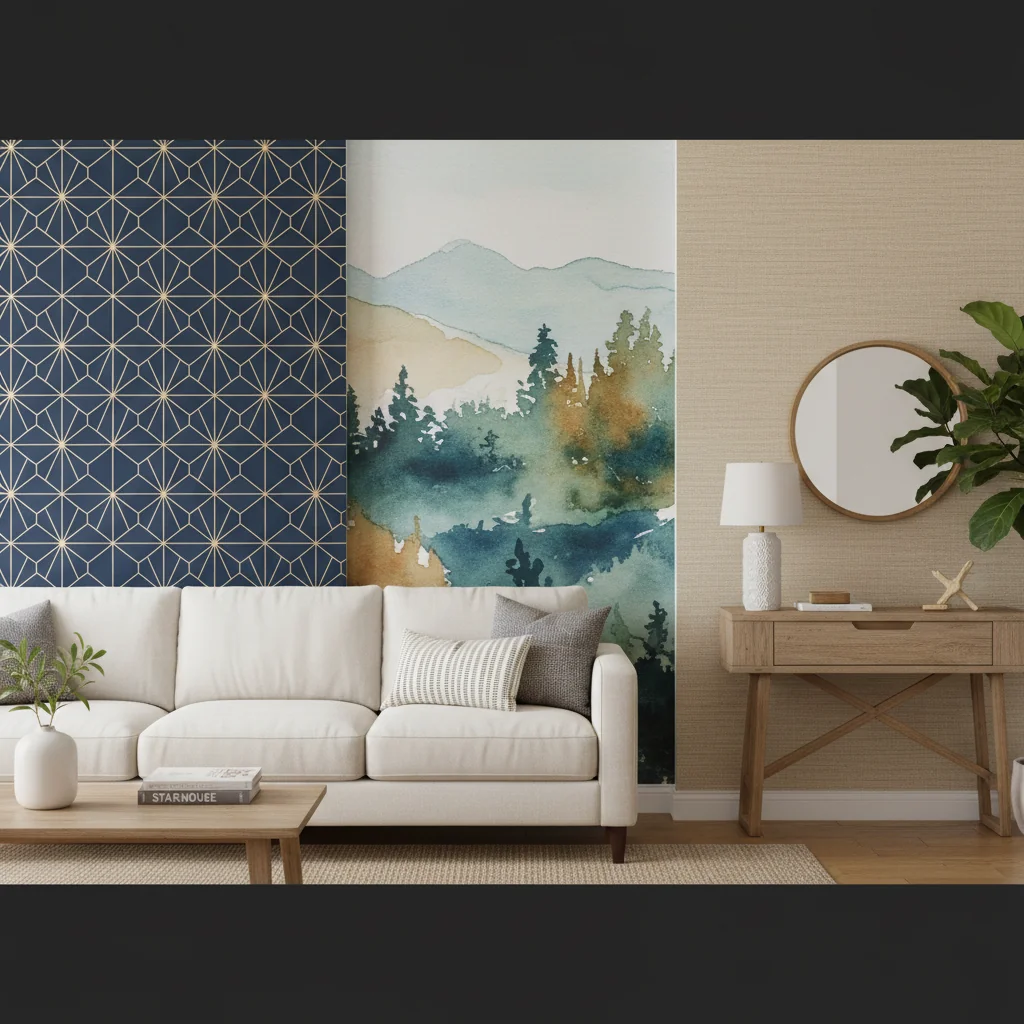
Styles and Aesthetics: Curating Your Vision with York
York Wallcoverings offers an extensive and diverse portfolio of styles and aesthetics, enabling homeowners and designers to curate precise visual narratives that reflect personal taste and architectural context. Their collections span the spectrum from timeless classics to cutting-edge contemporary designs, ensuring a perfect match for any interior vision.
1. Traditional and Classic Styles
Traditional York wallcoverings draw inspiration from historical design periods, featuring ornate patterns, damasks, toile, and botanical motifs that evoke a sense of timeless elegance and formality. These styles often incorporate rich color palettes and intricate detailing, perfect for creating sophisticated and established interiors.
- Key Elements: Damasks, florals, toile, stripes, trellises, medallions.
- Color Palettes: Deep jewel tones, muted historical colors, classic neutrals like cream, gold, and sage.
- Ideal Spaces: Formal dining rooms, living rooms, master bedrooms, studies, and entryways where a sense of grandeur and heritage is desired.
2. Modern and Contemporary Designs
York’s modern and contemporary collections are characterized by clean lines, geometric shapes, abstract patterns, and often a minimalist approach to color, reflecting current design trends and an emphasis on sleek sophistication. These designs often utilize metallic accents or subtle textures to add interest without overwhelming the space.
- Key Elements: Geometrics, abstract art, subtle textures, large-scale patterns, architectural motifs.
- Color Palettes: Monochromatic schemes, bold contrasts, sophisticated grays, whites, blacks, and pops of vibrant color.
- Ideal Spaces: Urban apartments, modern homes, home offices, and any space aiming for a chic, current, and uncluttered aesthetic.
3. Transitional Styles
Transitional wallcoverings from York skillfully blend elements of traditional and modern design, offering a harmonious aesthetic that is both classic and current. These styles often feature simplified traditional patterns or textured plains that bridge different design eras, creating a balanced and enduring look.
- Key Elements: Softened geometrics, refined damasks, subtle textures, tone-on-tone patterns.
- Color Palettes: Neutral bases (grays, beiges, creams) often paired with understated blues, greens, or metallics.
- Ideal Spaces: Living rooms, bedrooms, and dining areas that seek an elegant yet approachable feel, avoiding overly formal or starkly modern extremes.
4. Bohemian and Eclectic
York offers selections that cater to bohemian and eclectic tastes, featuring global-inspired patterns, intricate paisleys, vibrant florals, and often a rich mix of textures and colors. These designs celebrate individuality and a free-spirited approach to decor, inviting a sense of wanderlust and warmth.
- Key Elements: Ikat, mandala, global prints, lush botanicals, intricate paisleys, natural textures.
- Color Palettes: Earthy tones, saturated jewel tones, vibrant contrasts, and often a mix of warm and cool hues.
- Ideal Spaces: Creative living areas, bedrooms, and eclectic studios that embrace a layered, lived-in, and personalized aesthetic.
5. Farmhouse and Rustic
For those drawn to the charm of farmhouse and rustic aesthetics, York provides wallcoverings that mimic natural wood, exposed brick, shiplap, and distressed textures, alongside patterns like gingham or subtle florals. These designs create a cozy, inviting atmosphere reminiscent of rural living.
- Key Elements: Faux wood, brick, stone, shiplap, gingham, simple botanicals, distressed finishes.
- Color Palettes: Muted whites, grays, creams, natural wood tones, soft blues, and greens.
- Ideal Spaces: Kitchens, breakfast nooks, living rooms, and bedrooms in homes that favor a comfortable, down-to-earth, and charmingly antique feel.
6. Art Deco and Glamour
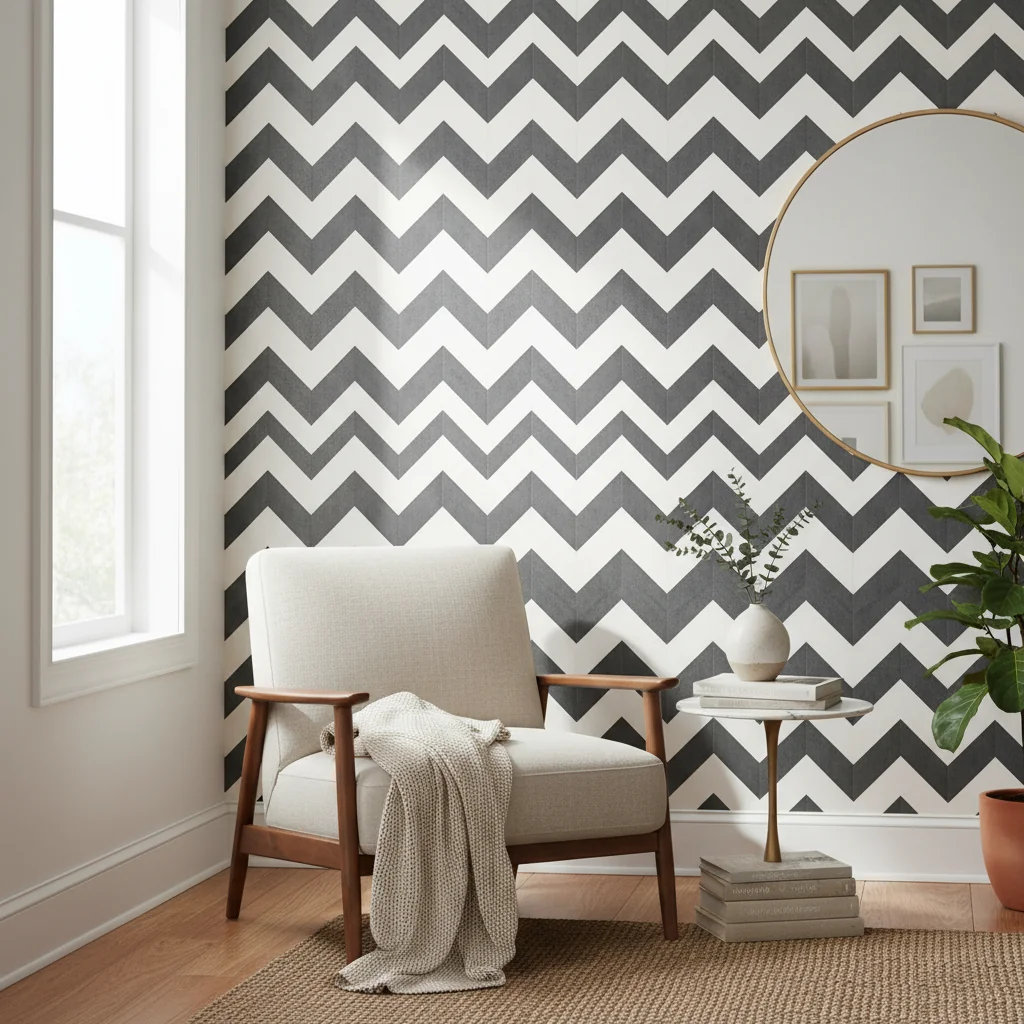
York’s Art Deco and glamorous wallcoverings feature bold geometric patterns, metallic finishes, fan motifs, and luxurious textures that exude sophistication and opulence. These designs are perfect for creating a dramatic statement and channeling the elegance of the Roaring Twenties.
- Key Elements: Geometric fan patterns, chevrons, sunbursts, metallic foils, intricate repeating motifs.
- Color Palettes: Gold, silver, black, deep blues, emerald green, ruby red, often with high contrast.
- Ideal Spaces: Accent walls in living rooms, powder rooms, bedrooms, and entryways where a touch of vintage luxury and dramatic flair is desired.
7. Scenic and Mural Designs
York’s collection of scenic and mural wallcoverings offers expansive designs that transform an entire wall into a captivating landscape, cityscape, or abstract art piece. These large-scale prints create immersive environments and serve as powerful focal points, often available in custom sizes.
- Key Elements: Panoramic landscapes, cityscapes, abstract art, large-scale botanicals, historical scenes.
- Color Palettes: Highly varied, from realistic photographic tones to stylized artistic interpretations.
- Ideal Spaces: Feature walls in living rooms, dining rooms, large bedrooms, or commercial spaces seeking a unique, immersive visual experience.
The breadth of York Wallcoverings’ stylistic offerings ensures that whether a project calls for subtle sophistication or a dramatic declaration, there is a design precisely suited to fulfill that vision. Starhouse carefully curates selections that represent the finest expressions of these diverse styles, empowering you to create spaces that are both beautiful and profoundly personal.
Choosing the Right York Wallcovering for Your Space
Selecting the optimal York wallcovering involves a strategic assessment of several key factors, ensuring that the chosen design not only enhances aesthetic appeal but also performs effectively within the specific conditions of your space. A thoughtful approach to these considerations guarantees both visual satisfaction and long-term durability.
1. Consider the Room’s Function and Traffic Level
The primary function and expected traffic level of a room dictate the necessary durability and washability of the wallcovering. High-traffic areas and rooms prone to moisture or grease require robust materials.
- Kitchens and Bathrooms: Opt for solid vinyl or scrubbable non-woven options. These materials withstand steam, splashes, and frequent cleaning, preventing mold and mildew. Avoid delicate materials like grasscloth.
- Entryways and Hallways: These areas experience frequent contact. Solid vinyl or heavy-duty non-woven wallcoverings are ideal for their resistance to scuffs and easy maintenance.
- Bedrooms and Living Rooms: Offer more flexibility. Paper-backed vinyl, non-woven, or even delicate natural fibers like grasscloth can be used, as these spaces generally see less wear.
- Children’s Rooms: Prioritize highly durable, washable, and preferably strippable options like solid vinyl or non-woven, allowing for easy cleaning and future redecoration.
2. Assess Light Exposure and Room Size
The amount of natural and artificial light a room receives, along with its dimensions, significantly influences how a wallcovering will appear and contribute to the overall ambiance.
- Small or Dark Rooms: Light-colored wallcoverings with subtle patterns, metallics, or reflective surfaces help to brighten and visually expand the space. Avoid large, dark, or busy patterns that can make a room feel smaller and more enclosed.
- Large or Bright Rooms: Can accommodate bolder, darker colors and larger patterns without feeling overwhelmed. Textured wallcoverings or deep hues can add warmth and intimacy to expansive areas.
- North-Facing Rooms: Often benefit from warm color palettes or designs that introduce a sense of light and cheerfulness.
- South-Facing Rooms: Can handle cooler tones and more saturated colors, as they receive ample natural light.
3. Complement Existing Decor and Architectural Style
The chosen wallcovering must harmonize with your existing furniture, textiles, flooring, and the inherent architectural style of your home to create a cohesive and polished interior. Consider the overall design narrative you wish to convey.
- Traditional Homes: Damasks, florals, toile, or classic stripes in muted or rich tones complement period furniture and architectural details.
- Modern Homes: Geometric patterns, abstract designs, subtle textures, or monochromatic schemes align with minimalist furniture and clean lines.
- Eclectic Interiors: Can embrace a wider range of patterns, from global-inspired prints to bold botanicals, as long as they contribute to a layered, curated look.
- Color Coordination: Pull colors from existing elements (e.g., upholstery, artwork) into the wallcovering, or choose a neutral wallcovering that allows other decor elements to stand out.
4. Define the Desired Mood and Visual Impact
Wallcoverings are powerful tools for establishing a specific mood and making a strong visual statement. Determine whether you want a subtle backdrop or a dramatic focal point.
- Calm and Serene: Soft, muted colors, delicate patterns, or subtle textures create a tranquil environment, ideal for bedrooms or relaxation spaces.
- Energetic and Playful: Bold colors, vibrant patterns, or whimsical designs can inject personality and dynamism, suitable for children’s rooms or creative spaces.
- Elegant and Luxurious: Flocked, metallic, or beaded wallcoverings, along with rich damasks or sophisticated geometrics, elevate the perceived value and grandeur of a room.
- Dramatic Focal Point: A large-scale mural, a bold geometric, or a deeply textured grasscloth on an accent wall can immediately draw the eye and define the room’s character.
5. Evaluate Maintenance and Longevity Requirements
The level of care you are willing to commit and the desired lifespan of the wallcovering should influence your material choice. Different materials have distinct maintenance needs.
- Easy Care: Solid vinyl and many non-woven options are highly washable and durable, requiring minimal effort to keep them looking fresh.
- Moderate Care: Paper-backed vinyl is generally wipeable but may require more gentle cleaning than solid vinyl.
- Delicate Care: Natural fibers like grasscloth or specialty finishes like flocking are not washable and require careful dusting or vacuuming. Consider these for areas with minimal contact.
- Longevity: While all York Wallcoverings are designed for quality, materials like solid vinyl offer superior long-term durability in demanding environments compared to more delicate options.
6. Consider Installation Complexity and Budget
While Starhouse does not provide specific pricing, the type of wallcovering and its installation method will impact the overall project cost and complexity. Some materials are more labor-intensive to install.
- DIY-Friendly: Peel-and-stick wallcoverings are the easiest for DIY enthusiasts, requiring no paste and being fully removable. Non-woven “paste-the-wall” options are also more manageable than traditional paste-the-paper methods.
- Professional Installation Recommended: Complex patterns, delicate materials like grasscloth, or large-scale murals often benefit significantly from professional installation to ensure a flawless finish and avoid costly mistakes.
- Material Cost vs. Longevity: While some specialty wallcoverings may have a higher initial cost per roll, their unique aesthetic and durability can offer excellent value over time, especially when considering the impact on a room’s design.
By systematically addressing these factors, you can confidently navigate the extensive offerings of York Wallcoverings to select a product that not only fulfills your design aspirations but also meets the practical demands of your home. Starhouse is dedicated to guiding you through this selection process, ensuring your chosen wallcovering is a perfect fit.
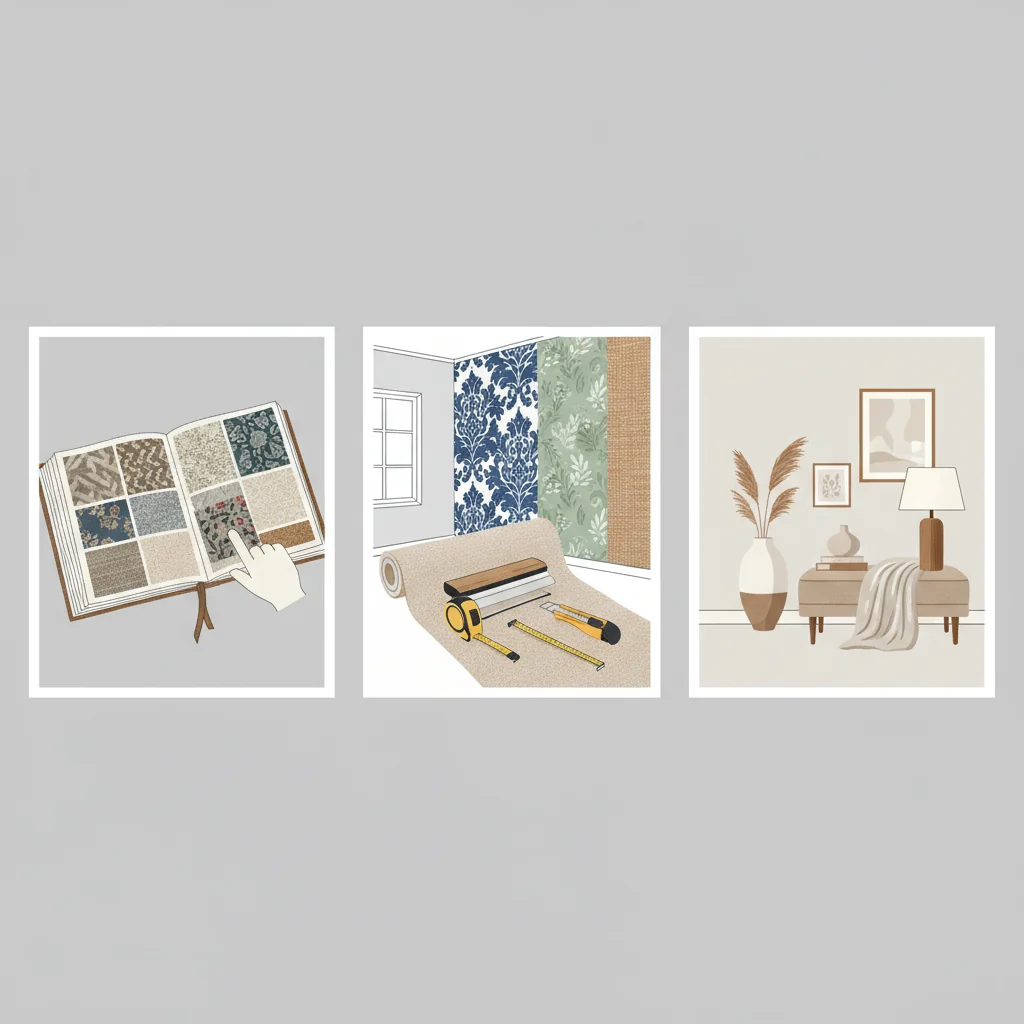
Sizing and Measuring for Flawless Installation
Accurate sizing and meticulous measurement are foundational steps for a successful wallcovering installation, directly impacting the aesthetic outcome and preventing material shortages or excessive waste. Precise calculations ensure seamless pattern matching and a professional finish across all surfaces.
1. Essential Tools for Measurement
Before beginning, gather the necessary tools to ensure accuracy:
- Measuring tape (a long, retractable metal tape measure is best)
- Pencil
- Paper or notepad
- Calculator
- Step stool or ladder (for reaching high points)
2. Measure Wall Height and Width
This is the starting point for all calculations. Measure each wall individually, even if they appear to be the same size, as slight variations are common.
- Measure Height: From the top of the baseboard to the ceiling line. Take at least three measurements across the width of the wall (left, center, right) and use the tallest measurement to account for uneven ceilings or floors. Record this in inches.
- Measure Width: From corner to corner along the baseboard or ceiling line. Record this in inches.
- Total Each Wall: Calculate the square footage for each wall (Height x Width, then divide by 144 for square feet). Sum the square footage of all walls to be covered.
3. Account for Windows, Doors, and Architectural Features
While you won’t cover these areas, the material used to cut around them still contributes to waste and must be factored into your total. Do not simply subtract their area from your total.
- Measure Openings: Measure the height and width of all windows, doors, and other large openings.
- General Rule: For most standard-sized windows and doors, you generally do not subtract their area from your total wallcovering calculation. The material cut away from these openings often serves as valuable waste for pattern matching above and below them, or for smaller cuts elsewhere.
- Large Openings (e.g., archways spanning entire walls): For exceptionally large openings that significantly reduce the wall area (e.g., an entire wall is mostly an archway), you may subtract up to half of their area from the wall’s total square footage. This is a guideline, not a strict rule, as pattern repeat can still consume significant material around such features.
4. Understand Pattern Repeat and Waste Allowance
Pattern repeat is a critical factor, as it dictates how much extra material is needed to align the design seamlessly across strips. York Wallcoverings explicitly states the pattern repeat (usually in inches) on their product specifications.
- Pattern Repeat: This is the vertical distance between where the pattern exactly duplicates itself. A larger pattern repeat requires more material for matching.
- Waste Allowance: Always add a minimum of 15% to 20% to your total square footage calculation. This accounts for pattern matching, trimming, minor errors, and future repairs. For large patterns (over 20 inches repeat) or unusually shaped rooms, increase this to 20-25%.
5. Calculate Rolls Needed: The “Double Roll” Standard
York Wallcoverings, like many U.S. manufacturers, typically sells wallcovering in “double rolls,” even though it appears as one continuous roll. The stated square footage on the product label refers to this double roll.
To calculate the number of rolls, follow these steps:
- Calculate Total Square Footage: Sum the square footage of all walls, without subtracting windows/doors, and then add your waste allowance (15-20%).
Example: Total wall area = 400 sq ft. Add 20% waste = 400 * 1.20 = 480 sq ft needed. - Determine Coverage Per Roll: Refer to the specific York Wallcoverings product specifications for the square footage covered by one double roll. This can vary, but a common figure is around 56-60 square feet per double roll for standard 20.5-inch wide wallcoverings with a moderate pattern repeat. For 27-inch wide papers, coverage is typically 70-75 sq ft per double roll. Always verify this on the product page or label.
- Divide Total Needed by Roll Coverage: Divide your total square footage needed (including waste) by the square footage covered by one double roll.
Example: 480 sq ft needed / 56 sq ft per double roll = 8.57. - Round Up: Always round up to the next whole number. You cannot buy partial rolls. In the example, you would need 9 double rolls.
For additional guidance on measuring and estimating, York Wallcoverings provides helpful resources directly. As they state, “The amount of wallpaper needed is determined by the dimensions of the room and the repeat of the pattern.” Consulting their product questions section or a professional installer ensures the most accurate estimation.
6. Consider Batch Numbers (Dye Lots)
Always order all necessary rolls at the same time to ensure they come from the same “dye lot” or “batch number.” Slight color variations can occur between different production runs, and using rolls from different batches on the same wall can result in noticeable color differences. Verify batch numbers on the labels upon receipt.
By diligently following these measuring and calculation guidelines, you ensure you have sufficient material with proper pattern alignment, leading to a professional and aesthetically pleasing result for your York Wallcoverings installation.
Installation Considerations: Achieving a Professional Finish
Achieving a professional and durable finish when installing York Wallcoverings hinges on meticulous surface preparation, the correct application of adhesive, and precise handling techniques. While some wallcoverings are DIY-friendly, others strongly benefit from the expertise of a seasoned professional.
1. Wall Preparation is Paramount
Proper wall preparation is the most critical step, directly influencing adhesion, appearance, and longevity. Neglecting this phase inevitably leads to imperfections such as bubbles, seams, or peeling.
- Cleanliness: Walls must be impeccably clean, free of dust, dirt, grease, and any residue. Wash walls with a mild detergent solution, rinse thoroughly, and allow to dry completely.
- Smoothness: All surfaces must be perfectly smooth. Fill any holes or cracks with spackle, sand smooth, and remove dust. Uneven surfaces will show through the wallcovering.
- Priming: Apply a high-quality, oil-based primer (or a specialized wallcovering primer) to all surfaces. Primer seals porous walls, provides a consistent surface for adhesion, and facilitates easier removal in the future. For dark walls being covered with light wallcovering, use a tinted primer to match the wallcovering’s base color to prevent show-through.
- Existing Wallcoverings: Remove old wallcoverings entirely. Do not wallpaper over existing wallpaper, as it can lead to peeling, bubbling, and an uneven finish.
2. Choosing the Right Adhesive
The type of adhesive used is dictated by the specific wallcovering material. Using an incorrect adhesive can compromise adhesion and damage the wallcovering.
- Pre-pasted Wallcoverings: These rolls have a dry adhesive on the back that is activated by water. Follow the manufacturer’s instructions for soaking or misting.
- Non-Pasted Wallcoverings: Require separate adhesive.
- Clear, Non-Staining Adhesives: Ideal for most paper-backed vinyl and non-woven wallcoverings.
- Heavy-Duty Clay-Based Adhesives: Necessary for heavier materials like solid vinyl or natural fibers (e.g., grasscloth).
- Specialty Adhesives: Some delicate or metallic wallcoverings may require specific clear, non-staining, non-strippable pastes.
- Peel-and-Stick: These are self-adhesive and require no additional paste. Ensure the wall is clean, smooth, and primed (if recommended by the product) for best adhesion.
3. Installation Techniques and Tools
Proper tools and techniques are essential for a smooth and bubble-free application.
- Plumb Line: Always start by drawing a plumb line (a perfectly vertical line) from the ceiling down, typically one roll width from a corner or door frame. This ensures your first strip is straight, which is crucial for subsequent strips.
- Cutting: Use a sharp utility knife with new blades for each cut to ensure clean edges and prevent tearing.
- Smoothing: A smoothing brush or plastic smoother (squeegee) is used to press the wallcovering onto the wall, working from the center outwards to remove air bubbles and excess adhesive.
- Seams: Most wallcoverings are installed with butt seams (edges touching without overlapping). Use a seam roller gently on vinyls, but avoid on delicate materials like grasscloth or flocked papers.
- Trimming: Trim excess material at the ceiling, baseboard, and around openings using a straightedge and a sharp knife.
4. Professional Installation: When to Consider It
While some homeowners confidently tackle DIY wallcovering projects, professional installation is often a wise investment for complex materials or challenging spaces.
- Complex Patterns: Large pattern repeats, intricate designs, or murals require exceptional precision for matching.
- Delicate Materials: Grasscloth, silk, flocked, or metallic wallcoverings are prone to damage and require specialized handling. Professional installers possess the expertise and tools to work with these materials without marring them.
- Difficult Spaces: Rooms with many angles, arches, or very high ceilings are challenging to measure and install correctly.
- Guaranteed Results: Professionals offer warranties on their work, providing peace of mind that the installation will be flawless and durable.
For optimal results and to preserve the integrity and beauty of your chosen York Wallcoverings, Starhouse strongly advocates for careful adherence to manufacturer guidelines and, for more intricate applications, engaging a certified wallcovering installer. This commitment to proper installation ensures your design vision is realized to its fullest potential.
Care and Maintenance for Lasting Beauty
Proper care and maintenance are essential for preserving the aesthetic integrity and extending the lifespan of your York Wallcoverings, ensuring they remain a vibrant and appealing element of your interior design for years. The specific cleaning regimen depends critically on the material composition of the wallcovering.
1. General Principles of Wallcovering Care
Adhering to a few universal guidelines helps prevent damage and maintain cleanliness across all wallcovering types.
- Regular Dusting: Dust accumulation can dull the appearance of any wallcovering. Use a soft, dry cloth, a feather duster, or a vacuum cleaner with a brush attachment to gently remove dust on a regular basis.
- Spot Cleaning Immediately: Address spills or marks as soon as they occur. Fresh stains are significantly easier to remove than those that have set.
- Test in an Inconspicuous Area: Before applying any cleaning solution to a visible area, always test it on a small, hidden section of the wallcovering (e.g., behind a furniture piece or inside a closet). This verifies that the cleaner does not cause discoloration or damage.
- Avoid Harsh Chemicals: Never use abrasive cleaners, strong detergents, solvents, or bleach, as these can permanently damage the wallcovering’s surface, color, or texture.
- Avoid Over-Wetting: Excessive moisture can weaken adhesives, cause seams to lift, or damage the wallcovering material itself, particularly for non-vinyl types.
2. Care Instructions by Material Type
Different York Wallcoverings materials possess distinct properties that necessitate specific cleaning approaches:
a. Solid Vinyl and Paper-Backed Vinyl
These are among the most durable and easiest to clean, making them ideal for high-traffic or moisture-prone areas.
- Cleaning: Use a soft sponge or cloth dampened with a solution of mild soap (like dish soap) and warm water. Gently wipe the surface from bottom to top to prevent streaks.
- Rinsing: Wipe again with a clean cloth dampened with plain water to remove any soap residue.
- Drying: Pat dry with a clean, soft towel to prevent water spots.
- Stains: For tougher stains, a diluted all-purpose cleaner (tested first) may be used, but always rinse thoroughly.
b. Non-Woven Wallcoverings
While durable and breathable, their cleaning instructions can vary depending on the specific surface finish.
- Cleaning: Many non-woven wallcoverings are washable or wipeable. Use a slightly damp cloth with mild soap and water.
- Caution: Always check the specific care symbols or instructions provided by York for the particular non-woven product, as some may be more delicate than others.
- Drying: Allow to air dry naturally or gently pat with a clean cloth.
c. Grasscloth and Natural Fiber Wallcoverings
These delicate materials require the most careful handling due to their natural, absorbent properties.
- Cleaning: Strictly limited to dry methods. Use a soft, dry cloth, a feather duster, or a vacuum cleaner with a soft brush attachment for regular dusting.
- Stains: Natural fibers are highly susceptible to moisture and staining. Liquid spills should be blotted immediately with a clean, dry cloth. Do NOT rub, as this can spread the stain or damage the fibers. Water can leave permanent marks.
- Avoid: Never use water, liquid cleaners, or abrasive tools on grasscloth or natural fiber wallcoverings.
d. Specialty Wallcoverings (Flocked, Metallic, Beaded)
These unique wallcoverings require specialized care to maintain their distinctive textures and finishes.
- Flocked: Use a soft, dry cloth, a feather duster, or a vacuum cleaner with a soft brush attachment. Avoid any moisture, as it can flatten or damage the flocking.
- Metallic: Generally wipeable with a very slightly damp, soft cloth. Avoid abrasive cleaners or excessive rubbing, which can dull or scratch the metallic surface.
- Beaded: Very delicate. Primarily dust with a soft, dry brush or a feather duster. Avoid rubbing or scrubbing, which can dislodge the beads.
- Consult Manufacturer: Always refer to the specific care instructions provided by York for these highly specialized products.
3. Addressing Common Issues
- Lifting Seams: If a seam begins to lift, re-adhere it promptly using a seam adhesive. Apply a small amount to the back of the seam, press firmly with a seam roller or clean cloth, and wipe away any excess adhesive.
- Mildew: In humid environments, mildew can be a concern. For washable wallcoverings, a solution of water and white vinegar (50/50) can be used, ensuring proper ventilation afterwards. For non-washable types, professional remediation may be necessary. Ensuring good ventilation and controlling humidity are preventative measures.
By diligently adhering to these care guidelines, your York Wallcoverings will continue to provide enduring beauty and sophistication, maintaining the curated aesthetic you’ve achieved with Starhouse.
Styling and Pairing York Wallcoverings with Your Decor
Effectively styling and pairing York Wallcoverings with existing decor elements is crucial for creating a cohesive, harmonious, and sophisticated interior design. The wallcovering serves as a foundational layer that can either unify disparate elements or introduce a dynamic focal point, transforming the entire ambiance of a room.
1. Creating a Focal Point
A strategically placed wallcovering can instantly define the room’s primary visual interest, drawing the eye and establishing a design narrative.
- Accent Wall: Choose a single wall to feature a bold pattern, a rich texture like grasscloth, a metallic design, or a large-scale mural. This wall should typically be the one you see upon entering the room or the one behind a significant piece of furniture, such as a bed, sofa, or fireplace.
- Complementary Elements: Keep other walls in a neutral, coordinating paint color to allow the accent wall to truly shine. Select furniture and accessories that echo colors or motifs from the wallcovering without competing with it.
- Architectural Features: Use wallcovering to highlight architectural elements like an alcove, a recessed panel, or the back of built-in shelving, adding depth and character.
2. Harmonizing Patterns and Textures
Balancing multiple patterns and textures within a space is an art that prevents visual clutter and promotes a sense of curated elegance.
- Vary Scale: If your wallcovering features a large-scale pattern, choose smaller, more subtle patterns for textiles (cushions, rugs) or vice versa. Avoid using too many patterns of the same scale.
- Mix Textures: Pair a smooth, graphic wallcovering with plush velvet upholstery, a woven rug, or a rough-hewn wooden table. If your wallcovering is highly textured (e.g., grasscloth), balance it with smoother fabrics and finishes elsewhere.
- Color Bridge: Ensure that all patterns and textures share at least one common color or fall within a complementary color palette to maintain cohesion.
3. Integrating Color Palettes
The color scheme of your wallcovering should inform or be informed by the overall room palette, creating a fluid transition between surfaces and objects.
- Primary Color: If the wallcovering features a dominant color, use this color sparingly in accents throughout the room to reinforce the scheme.
- Secondary Colors: Pull out secondary colors from the wallcovering pattern for larger elements like curtains, rugs, or an accent chair.
- Neutral Anchor: For bold wallcoverings, ground the room with neutral furniture (sofas, large tables) to prevent the space from feeling overwhelming. For subtle wallcoverings, introduce bolder colors in furniture or accessories.
- Monochromatic Schemes: Use textured wallcoverings in a similar color to the paint for a sophisticated, layered monochromatic look that adds depth without introducing new hues.
4. Furniture and Lighting Considerations
Furniture placement and lighting choices can either enhance or detract from the impact of your wallcovering.
- Furniture Scale: Ensure furniture pieces are appropriately scaled to the wallcovering. A delicate pattern might be overwhelmed by massive furniture, while a bold mural could dwarf small pieces.
- Visual Weight: If the wallcovering is busy, opt for simpler, streamlined furniture designs. If the wallcovering is subtle, furniture with more intricate details or bolder colors can stand out.
- Lighting: Lighting can dramatically alter how a wallcovering appears.
- Up-lighting: Can highlight textures (e.g., grasscloth, flocked) and create dramatic shadows.
- Metallic Wallcoverings: Benefit from strategic lighting that catches their reflective surfaces, enhancing their shimmer.
- Dimmers: Allow you to adjust the ambiance and how the wallcovering’s colors and patterns are perceived throughout the day.
5. Reflecting Your Personal Style
Ultimately, the pairing of your York Wallcoverings should be a reflection of your unique taste and the desired atmosphere of your home. Starhouse believes in creating spaces that resonate deeply with their inhabitants.
- Personal Expression: Don’t be afraid to mix and match styles if it feels authentic to you, ensuring there’s a unifying element (color, texture, theme).
- Trial and Error: Use large samples of wallcovering to see how they interact with your existing decor, light, and furniture before making a final decision.
- Layering: Think of wallcoverings as one layer in a rich tapestry. Add textiles, art, plants, and personal objects to build a truly unique and inviting space.
By thoughtfully considering these styling and pairing principles, you can maximize the transformative potential of York Wallcoverings, creating interiors that are not only beautiful but also deeply personal and reflective of refined design sensibilities. Starhouse is dedicated to helping you achieve these sophisticated outcomes.
Current Trends in York Wallcoverings
The world of interior design is constantly evolving, and York Wallcoverings consistently remains at the forefront, integrating contemporary aesthetics with their enduring commitment to quality and innovation. Current trends in wallcoverings emphasize a return to nature, sophisticated textures, reimagined classic motifs, and the strategic use of bold patterns to create impactful design statements.
1. Biophilic Design and Natural Elements
A significant trend focuses on bringing the tranquility and beauty of the natural world indoors. York’s collections feature an abundance of designs that foster a connection to nature.
- Botanical Prints: Lush, large-scale florals, intricate foliage, and verdant jungle motifs are popular, often in rich, saturated greens or muted, earthy tones.
- Faux Naturals: Wallcoverings mimicking the authentic textures of wood grains, natural stone, marble, or distressed concrete offer an organic feel with enhanced durability and ease of installation.
- Grasscloth and Woven Textures: The enduring appeal of natural fiber wallcoverings like grasscloth continues, celebrated for their unique tactile quality and ability to add warmth and subtle dimension.
2. Rich Textures and Tactile Surfaces
Beyond visual appeal, there is a growing appreciation for wallcoverings that engage the sense of touch, adding depth and a luxurious feel to interiors.
- Subtle Embossing: Wallcoverings with subtle raised patterns or textures create visual interest through light and shadow, adding sophistication without overwhelming the space.
- Flocked and Suede Finishes: These specialty wallcoverings introduce a soft, velvety touch and a sense of opulence, often used in accent areas or powder rooms.
- Metallic and Iridescent Accents: Shimmering finishes, often incorporated into geometric or abstract patterns, add glamour and reflect light, making spaces feel more expansive and luxurious.
3. Classic Motifs with a Modern Twist
Traditional patterns are being reimagined with fresh color palettes, simplified forms, or unexpected scales, bridging historical elegance with contemporary sensibilities.
- Updated Damasks: Classic damask patterns appear in monochromatic schemes, metallic finishes, or larger, bolder scales, giving them a contemporary edge.
- Refined Toile: Traditional toile de Jouy scenes are presented in unexpected colors (e.g., black and white, vibrant blues) or with a more artistic, hand-drawn feel.
- Geometric Reinterpretations: Art Deco-inspired geometrics and classic trellis patterns are given new life through modern printing techniques and sophisticated color combinations.
4. Bold Geometrics and Abstract Art
For those seeking to make a strong design statement, bold geometric patterns and abstract designs are increasingly popular, offering dynamic visual energy.
- Large-Scale Geometrics: Oversized patterns, often with a graphic quality, create immediate impact and can define the architectural feel of a room.
- Abstract Expressions: Wallcoverings featuring painterly strokes, watercolor effects, or organic abstract forms introduce an artistic and modern sensibility.
- Mid-Century Modern Influence: Designs drawing from the mid-century aesthetic, characterized by clean lines, organic shapes, and a playful use of color, remain highly sought after.
5. Sophisticated Neutrals and Earth Tones
While bold patterns are trending, there is also a strong movement towards sophisticated neutral palettes and grounding earth tones, providing a serene backdrop for curated furnishings.
- Warm Grays and Greiges: These versatile neutrals continue to dominate, offering a contemporary alternative to traditional beige while maintaining warmth.
- Earthy Hues: Terracotta, deep greens, dusty blues, and rich browns are gaining prominence, often paired with natural textures to create a calming, organic atmosphere.
- Monochromatic Texture: Using wallcoverings with subtle textures in a single, sophisticated neutral color adds depth and interest without introducing additional hues.
These trends highlight York Wallcoverings’ ability to blend timeless design principles with current aesthetic demands, offering choices that are both fashionable and enduring. At Starhouse, we are committed to curating collections that embody these leading trends, providing you with the finest and most current options for your home.
Common Mistakes to Avoid When Working with Wallcoverings
While wallcoverings offer immense potential for transforming a space, certain common errors can undermine the desired aesthetic and functional outcome. Awareness of these pitfalls allows for proactive avoidance, ensuring a professional and satisfying installation of your chosen York Wallcoverings.
1. Inadequate Wall Preparation
The most frequent and detrimental mistake is failing to properly prepare the wall surface before installation. This oversight directly leads to visible imperfections and adhesion failures.
- Issue: Uneven surfaces, dirt, grease, old adhesive residue, or unprimed porous walls cause bubbles, wrinkles, visible seams, and ultimately, peeling.
- Solution: Thoroughly clean, patch, sand smooth, and prime all walls. Ensure the surface is completely dry and free of any debris. Priming creates a uniform surface and aids in future removal.
2. Incorrect Measurements and Insufficient Material
Underestimating the required amount of wallcovering or failing to account for pattern repeat is a critical error that can halt a project and result in mismatched dye lots.
- Issue: Running out of material mid-project or having to purchase additional rolls from a different dye lot, leading to noticeable color discrepancies between strips.
- Solution: Measure meticulously, accounting for all wall dimensions. Factor in the pattern repeat and add a minimum of 15-20% extra for waste, trimming, and future repairs. Always purchase all rolls from the same dye lot at once.
3. Ignoring Pattern Match and Repeat
Overlooking the pattern repeat and failing to correctly align the design between strips results in a disjointed and unprofessional appearance.
- Issue: Misaligned patterns create jarring visual breaks, diminishing the overall aesthetic impact of the wallcovering.
- Solution: Carefully identify the pattern repeat before cutting. Dry-lay strips on the floor to visualize the match. Always cut from the same roll (or sequence of rolls) and ensure consecutive strips are perfectly aligned vertically and horizontally.
4. Using the Wrong Adhesive
Applying an adhesive that is incompatible with the specific type of wallcovering material can lead to poor adhesion or damage to the product.
- Issue: Adhesive that is too weak will cause peeling; adhesive that is too strong or incorrect for the material can damage delicate wallcoverings or make future removal extremely difficult.
- Solution: Always consult the York Wallcoverings product specifications for the recommended adhesive type. Use a heavy-duty paste for solid vinyls and natural fibers, and a clear, non-staining paste for most other non-pasted wallcoverings.
5. Rushing the Installation Process
Attempting to complete the installation too quickly often results in a multitude of errors, from uneven application to trapped air bubbles.
- Issue: Hasty work leads to crooked strips, un-smoothed air bubbles, visible seams, and damage to the wallcovering material.
- Solution: Allocate ample time for each step, particularly preparation. Work slowly and methodically, ensuring each strip is plumb, smoothed thoroughly, and properly trimmed before moving to the next. Patience is key to a flawless finish.
6. Neglecting Seam Care
Improper handling of seams can lead to lifting, gapping, or excessive adhesive squeeze-out, making them conspicuous.
- Issue: Visible or lifting seams detract from the seamless appearance of the wallcovering.
- Solution: Ensure strips are butt-joined precisely (edges touching, not overlapping). For washable vinyls, a seam roller can be used gently. For delicate materials, use a clean, soft cloth to press seams firmly. Immediately wipe away any excess adhesive from seams with a damp sponge.
7. Not Considering Environmental Factors
Ignoring room temperature and humidity during installation and curing can negatively impact adhesion.
- Issue: Extreme temperatures or humidity levels can affect the adhesive’s drying time and overall bond, leading to premature peeling or bubbling.
- Solution: Maintain a moderate room temperature (around 65-75°F or 18-24°C) and consistent humidity during installation and for several days afterward to allow the adhesive to cure properly.
By diligently avoiding these common mistakes, you ensure that your investment in York Wallcoverings yields a beautiful, durable, and professional-looking result that enhances your home’s aesthetic for years to come. Starhouse champions meticulous planning and execution for all design endeavors.
Sources
Frequently Asked Questions About York Wallcoverings
What types of materials does York Wallcoverings use?
York Wallcoverings utilizes a wide array of materials, including traditional paper-backed vinyl, highly durable solid vinyl, breathable non-woven fibers, natural materials like grasscloth, and specialty substrates for flocked, metallic, and beaded designs. These materials are chosen for their specific aesthetic qualities, durability, and ease of maintenance, catering to diverse design and functional needs.
Are York Wallcoverings durable and long-lasting?
Yes, York Wallcoverings are designed for exceptional durability and longevity, with many products engineered to withstand the rigors of residential and even commercial use. Their solid vinyl and heavy-duty non-woven options offer superior resistance to scratches, scuffs, and moisture, ensuring they maintain their aesthetic appeal for many years when properly installed and maintained.
Can I install York Wallcoverings myself, or should I hire a professional?
The feasibility of DIY installation depends on the specific product and your experience level. Peel-and-stick and non-woven (paste-the-wall) York Wallcoverings are generally more DIY-friendly. However, for complex patterns, delicate materials like grasscloth, large-scale murals, or rooms with many architectural challenges, hiring a professional installer is highly recommended to ensure a flawless finish and avoid costly mistakes. Professionals possess the specialized tools and expertise for optimal results.
How do I clean and maintain my York Wallcoverings?
Cleaning and maintenance vary significantly by material. Most vinyl and non-woven York Wallcoverings are washable and can be gently cleaned with a damp cloth and mild soap. Delicate materials like grasscloth or flocked designs, however, require dry dusting or light vacuuming only, as moisture can cause damage. Always refer to the specific care instructions provided with your chosen York Wallcoverings product for precise guidance.
Are York Wallcoverings environmentally friendly?
York Wallcoverings demonstrates a commitment to environmental responsibility through various initiatives, including the use of water-based inks and sustainable materials where possible. Many of their non-woven products are breathable and often contain recycled fibers, contributing to healthier indoor air quality. They continually strive to minimize their environmental footprint throughout their manufacturing processes. Specific product certifications should be checked for detailed environmental attributes.
Can York Wallcoverings be used in bathrooms or other high-humidity areas?
Yes, certain York Wallcoverings are exceptionally well-suited for high-humidity environments like bathrooms and kitchens. Solid vinyl wallcoverings are particularly recommended due to their superior moisture resistance, scrubbability, and durability. Non-woven options can also perform well, provided there is adequate ventilation. Delicate materials such as grasscloth are not suitable for these areas as they are susceptible to moisture damage.
How do I choose the right pattern and color for my room?
Choosing the right pattern and color involves considering the room’s size, light exposure, existing decor, and desired mood. Small or dark rooms benefit from lighter colors and subtle patterns, while large rooms can accommodate bolder designs. Always obtain samples to see how the wallcovering interacts with your room’s lighting and existing elements before making a final decision, ensuring it complements your space cohesively.
Conclusion: Elevate Your Home with Starhouse and York Wallcoverings
York Wallcoverings represents the pinnacle of American craftsmanship and design innovation in the realm of wall decor, offering an unparalleled selection that empowers homeowners and designers to realize their most sophisticated interior visions. From the tactile richness of natural fibers to the dynamic allure of modern geometrics, each product reflects over a century of dedication to quality, artistry, and enduring style. Understanding the diverse types, meticulous installation requirements, and specific care protocols ensures that your investment in these exquisite wallcoverings yields lasting beauty and satisfaction.
At Starhouse, we are deeply committed to curating a collection that embodies the very best of home & decor, and York Wallcoverings stands as a testament to this commitment. Our aspiration is to provide you with access to products that not only elevate your living spaces but also resonate with your personal aesthetic and functional needs. We believe that every wall has a story to tell, and with York’s extensive repertoire, those stories can be as unique and captivating as the spaces themselves.
As we meticulously build our curated catalog, we invite you to become an integral part of this exciting journey. Your insights are invaluable as we shape the offerings that will transform homes across the United States. Share your design aspirations and preferences, and let us know what you envision for your ideal living environment.
Don’t miss the opportunity to be among the first to explore our meticulously curated selections. Visit Starhouseusa.online to tell us what you’re looking for and gain early access to our forthcoming collections, including the exceptional range of York Wallcoverings and much more. Elevate your home with Starhouse, where design excellence meets unparalleled curation.