Damask wallpaper is a distinguished wallcovering characterized by its intricate, patterned motifs, typically featuring large, repeating floral, fruit, or abstract designs, rendered in a way that creates a luxurious, tactile effect through contrasting textures or sheens on a single-color background. This classic decorative element, rooted in ancient weaving traditions, instantly elevates any interior with its inherent sophistication and timeless elegance, making it a foundational choice for designers aiming for a refined aesthetic. Its enduring appeal lies in its ability to introduce a sense of depth and artistry to a room without overwhelming the space, often achieved through subtle tonal variations or the interplay of matte and lustrous finishes.
Key Takeaways
- Damask wallpaper features intricate, repeating patterns, typically floral or abstract, created through contrasting textures or sheens on a monochromatic background.
- Its origins trace back to Damascus, Syria, in the Middle Ages, with complex weaving techniques that produced luxurious fabrics, later inspiring wallpaper designs.
- Modern damask wallpapers offer diverse styles, from traditional opulent designs to contemporary geometric and metallic interpretations, fitting various aesthetic preferences.
- Choosing the right damask involves considering pattern scale, color palette, material durability (e.g., vinyl for high-traffic areas), and the room’s overall light and size.
- Accurate measurement, accounting for pattern repeat, is crucial for seamless installation, ensuring a professional and visually cohesive finish.
- Proper care, determined by the wallpaper’s material (e.g., wipeable vinyl, delicate flocked), preserves its beauty and longevity, maintaining its luxurious appearance for years.
What is Damask Wallpaper? A Definitive Overview
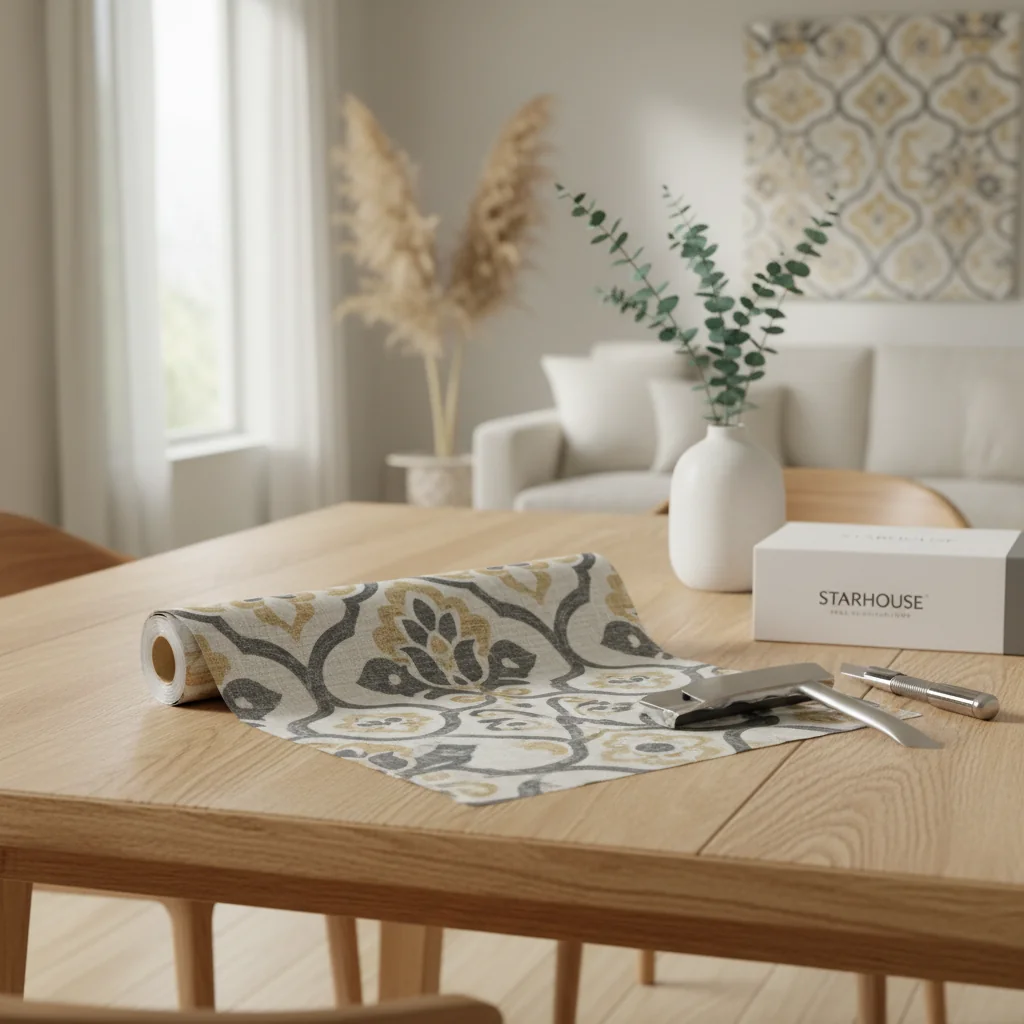
Damask wallpaper is a distinct category of wallcovering characterized by its intricate, symmetrical, and often large-scale patterns, typically rendered in a single color or in subtle tonal variations that create a sophisticated interplay of light and shadow. The defining feature of damask is its woven appearance, achieved through contrasting matte and lustrous textures or through raised, tactile elements, which impart a sense of depth and luxury to the design. This elegant pattern style draws its name and heritage from Damascus, Syria, where the highly skilled weaving technique for producing these elaborate textile designs originated in the Middle Ages.
The historical context of damask is deeply entwined with luxury textiles. Originally, damask referred to a reversible figured fabric, typically silk, woven on a Jacquard loom to create patterns that were visible on both sides, albeit with inverse colors. These patterns, characterized by stylized floral motifs, fruit designs, and elaborate scrollwork, were symbols of wealth and status, often adorning the homes of royalty and aristocracy across Europe and Asia. The transition of damask patterns from woven fabrics to wallcoverings allowed a broader audience to incorporate this opulence into their interiors, retaining the sophisticated aesthetic without the prohibitive cost of silk textiles.
A key characteristic of damask wallpaper is its inherent formality and grandeur. The patterns are typically large-scale, demanding attention and acting as a focal point in a room. While traditional damask often features highly ornate, curvilinear designs, modern interpretations have broadened the scope to include more abstract, geometric, or simplified motifs, adapting the classic elegance to contemporary aesthetics. The texture is paramount; whether it’s a subtle play of light on different sheens or a more pronounced flocking, the tactile quality distinguishes damask from flat, printed patterns. This textural depth contributes significantly to its luxurious feel and visual interest, making damask a powerful tool for adding character and sophistication to any interior.
What is damask?
Damask is a type of patterned fabric or wallcovering characterized by intricate, often symmetrical patterns woven or printed with contrasting matte and lustrous textures, typically in a single color or tone-on-tone, creating a rich, dimensional effect. Its name derives from Damascus, Syria, where the sophisticated weaving technique for these patterns originated.
The Enduring Appeal of Damask: Why It Remains a Design Staple
The enduring appeal of damask wallpaper stems from its unparalleled ability to imbue a space with a sense of history, luxury, and timeless elegance, making it a perennial favorite in interior design. Its sophisticated patterns transcend fleeting trends, offering a consistent standard of refined aesthetics that designers and homeowners consistently seek to achieve. This classic wallcovering effortlessly bridges the gap between historical grandeur and contemporary chic, proving its versatility across diverse design palettes.
One primary reason for its sustained popularity is its inherent versatility. While traditionally associated with opulent, formal settings, modern damask designs have evolved to suit a wide range of interior styles. From minimalist spaces seeking a touch of texture to maximalist rooms embracing rich patterns, damask adapts with remarkable ease. A tone-on-tone damask, for instance, can introduce subtle depth to a contemporary living room, while a bold, metallic damask can create a dramatic focal point in a powder room. This adaptability ensures that damask remains relevant, continually reinventing itself while retaining its core identity of sophistication.
Furthermore, damask patterns possess an inherent ability to add architectural interest and a sense of permanence to a room. Unlike simpler patterns, the intricate details and often large scale of damask motifs can define a space, giving it a distinguished character that feels both established and intentional. It speaks to a heritage of craftsmanship and attention to detail, qualities that resonate deeply with those who appreciate quality and enduring design. The visual and tactile richness of damask transforms flat walls into canvases of art, elevating the entire atmosphere of a home and providing a backdrop that feels both grand and inviting.
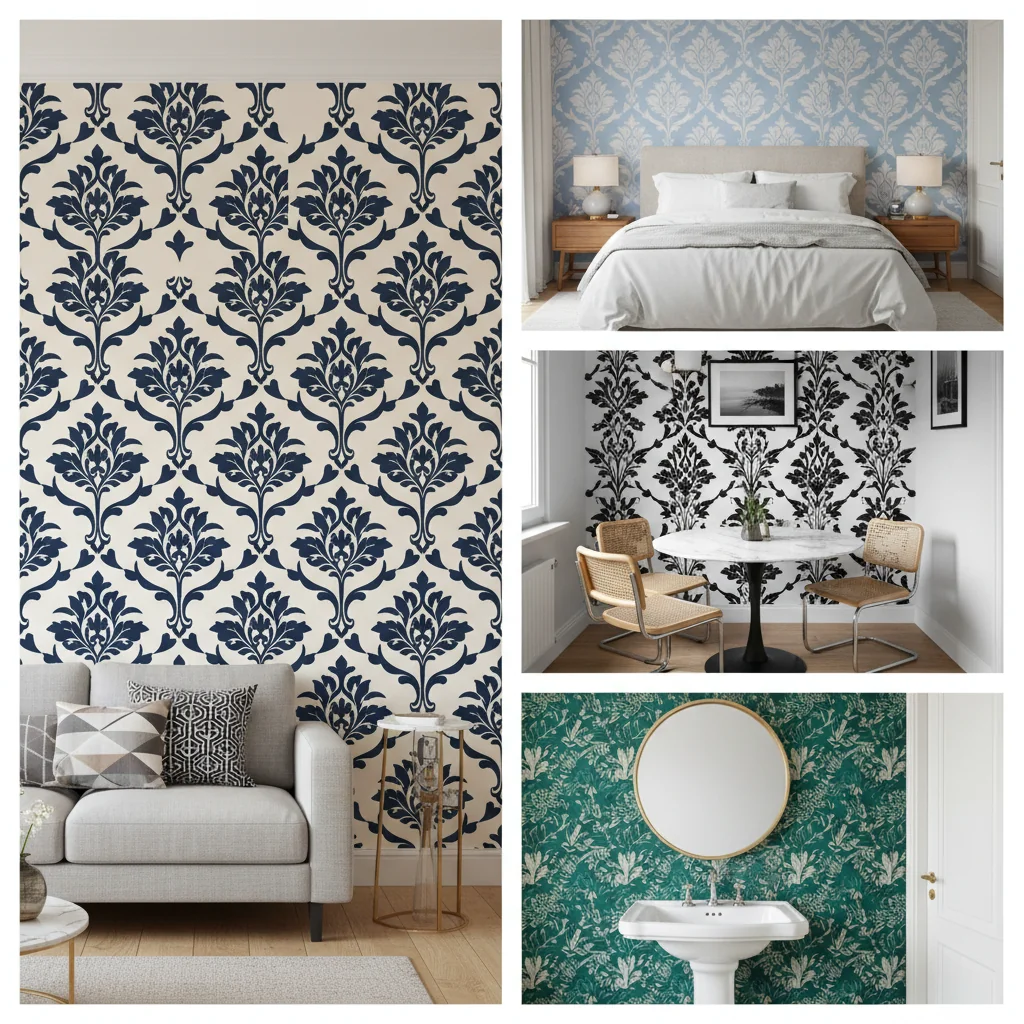
Exploring Types and Styles of Damask Wallpaper
Damask wallpaper encompasses a broad spectrum of types and styles, each offering a distinct aesthetic and tactile experience, allowing designers to precisely tailor the look and feel of any interior space. While the core characteristic of an intricate, repeating pattern remains constant, variations in motif, texture, and color palette give rise to diverse expressions of this classic design. Understanding these distinctions is crucial for selecting the perfect damask to complement your desired ambiance and existing décor.
Traditional Damask
Traditional damask wallpaper adheres closely to its historical roots, featuring classic motifs such as acanthus leaves, pomegranates, pineapples, and large floral sprays, often arranged in symmetrical, curvilinear patterns. These designs typically come in rich, deep color palettes—think crimson, gold, emerald green, or sapphire blue—or in elegant tone-on-tone variations that emphasize the pattern’s texture and sheen. Traditional damask is ideal for creating a formal, opulent, or regal atmosphere, perfectly suited for dining rooms, master bedrooms, or grand entryways that aim to evoke a sense of historical luxury.
Modern and Contemporary Damask
Modern damask wallpaper reinterprets the classic pattern with a fresh, updated sensibility, often simplifying motifs, expanding scale, or introducing new colorways and finishes. These contemporary versions might feature more abstract or geometric interpretations of traditional elements, or even merge damask patterns with other design styles. Color palettes tend to be more subdued, incorporating grays, taupes, crisp whites, or bold metallics. Modern damask is perfect for adding a sophisticated touch to contemporary interiors without overwhelming them with historical detail, making it suitable for living rooms, home offices, or even accent walls in minimalist bedrooms.
Flocked Damask
Flocked damask wallpaper stands out due to its distinctive raised, velvety texture, where a fine fiber (flock) is applied to the surface to create a tactile, three-dimensional pattern. This technique adds significant depth and a luxurious feel, making the pattern almost appear to float above the background. Flocked damask is particularly effective in creating a dramatic and opulent statement, offering both visual and tactile richness. It is an excellent choice for a feature wall in a bedroom or a sophisticated powder room, providing a decadent and immersive experience. The flocked texture also has subtle sound-dampening qualities, contributing to a more intimate atmosphere.
What is flocked wallpaper?
Flocked wallpaper features a raised, velvety pattern created by applying fine fibers (flock) onto the wallpaper surface, resulting in a tactile, three-dimensional design. This technique adds significant depth and a luxurious feel, often used for opulent and dramatic interior statements.
Metallic Damask
Metallic damask wallpaper incorporates reflective elements, such as gold, silver, bronze, or copper finishes, either as the background, the pattern itself, or subtle accents within the design. The metallic sheen adds glamour, catches the light, and creates a dynamic visual effect that changes throughout the day. This style is particularly effective in spaces that benefit from added luminosity and a touch of extravagance, such as entryways, dining rooms, or living areas where a sophisticated sparkle is desired. Metallic damask can range from subtly shimmering tone-on-tone designs to bold, high-contrast patterns that make a striking statement.
Faux Texture Damask
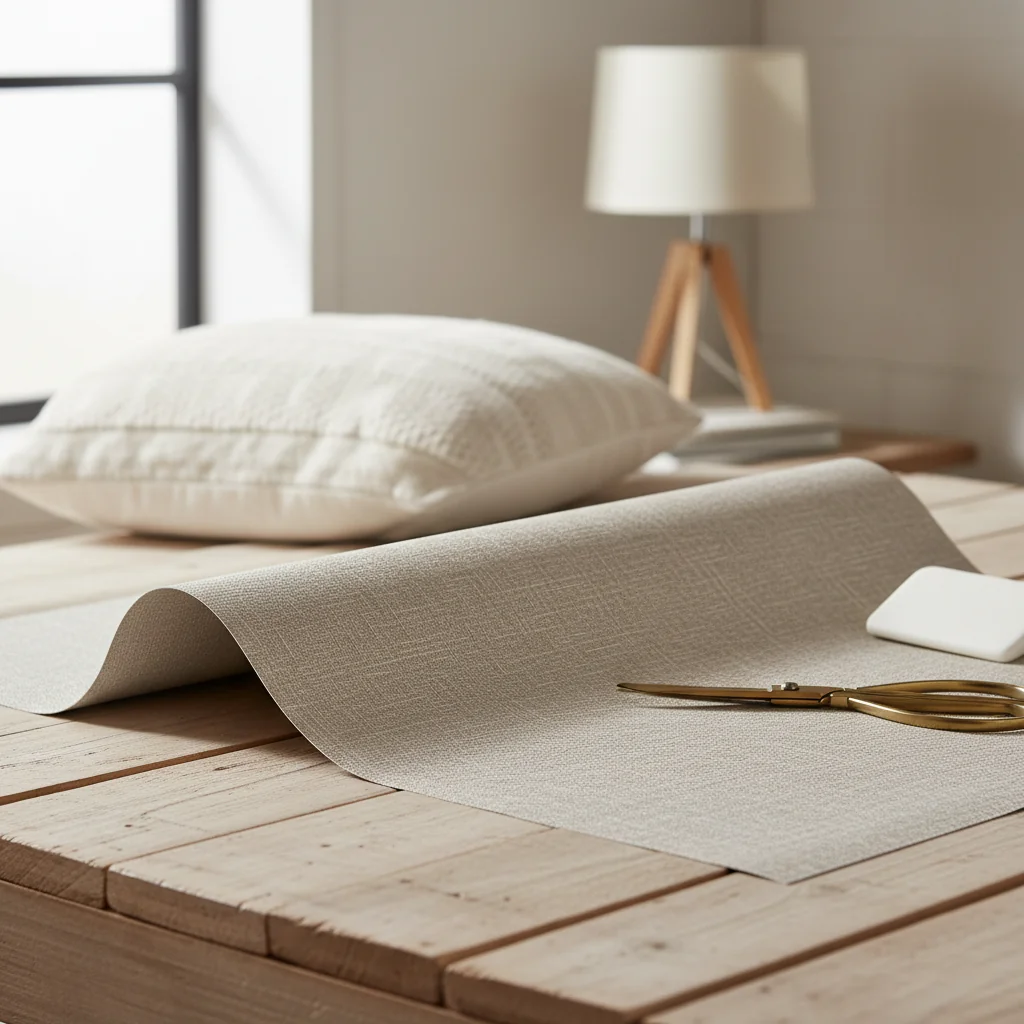
Faux texture damask wallpaper is designed to mimic the look of woven fabric, embossed surfaces, or even distressed plaster, adding another layer of visual interest to the classic damask pattern. These wallpapers often use printing techniques to create the illusion of texture, providing depth without the actual physical relief of flocked or heavily embossed papers. This type is ideal for achieving a sophisticated look with added visual complexity, often in more muted or neutral tones, allowing the subtle texture to enhance the damask motif without overwhelming the space. It offers a practical solution for achieving a rich, layered aesthetic with easier maintenance.
Geometric Damask
Geometric damask wallpaper blends the intricate nature of traditional damask patterns with more structured, angular, or abstract geometric forms. This contemporary approach maintains the elegance and repeating motifs characteristic of damask but introduces a modern edge through linear elements, sharp angles, or abstract shapes. It’s an excellent choice for those who appreciate the formality of damask but desire a cleaner, more architectural feel in their interiors. Geometric damask works well in urban apartments, contemporary homes, or any space where a blend of classic and modern design is sought, providing a sophisticated backdrop that is both intricate and crisp.
Materials and Construction: Understanding Your Damask Wallpaper Options
Understanding the various materials and construction methods used for damask wallpaper is essential for selecting a product that not only achieves your desired aesthetic but also meets practical considerations for durability, maintenance, and ease of installation. The substrate and surface finish significantly influence the wallpaper’s performance in different environments, from high-traffic areas to moisture-prone spaces. Starhouse curates a range of options to ensure every design need is met with precision and quality.
Vinyl Wallpaper
Vinyl wallpaper is exceptionally durable and highly resistant to moisture, making it an excellent choice for high-traffic areas like hallways, kitchens, and bathrooms. It consists of a paper or fabric backing coated with a layer of PVC (polyvinyl chloride), which can be embossed or printed with damask patterns. This material is typically scrubbable and washable, allowing for easy cleaning of spills and marks, thus ensuring its longevity and pristine appearance. Vinyl damask offers a practical solution for busy households or commercial settings that require both elegance and resilience.
Non-Woven Wallpaper
Non-woven wallpaper is celebrated for its ease of installation and removal, making it a favorite for both DIY enthusiasts and professionals. Composed of natural and synthetic fibers, it is breathable, tear-resistant, and dimensionally stable, meaning it won’t expand or contract when wet. This “paste the wall” application method simplifies the process, as adhesive is applied directly to the wall, not the paper. Non-woven damask is also often strippable, allowing for clean removal without damaging the underlying wall, which is ideal for those who like to update their décor periodically. It offers a refined look with superior practical benefits.
Paper Wallpaper
Traditional paper wallpaper, while less durable than vinyl or non-woven options, offers a classic, breathable finish that can create a truly authentic look for damask patterns. It is typically more delicate and less resistant to moisture and abrasion, making it best suited for low-traffic areas such as bedrooms, formal living rooms, or studies. Paper damask often features exquisite print quality and can be more environmentally friendly if sourced from sustainable forests. Its subtle texture and matte finish can lend a timeless, understated elegance to a space, appealing to those who prioritize traditional aesthetics.
Fabric-Backed Wallpaper
Fabric-backed wallpaper, often featuring a textile layer (such as cotton or linen) laminated to a paper backing, provides a luxurious, soft, and tactile surface. This material offers exceptional durability and a high-end feel, often chosen for premium installations where a rich, sensory experience is paramount. Fabric-backed damask can impart a warm, inviting atmosphere and is particularly effective in creating a sophisticated, tailored look. While it requires professional installation and is generally higher in cost, its superior quality and aesthetic impact are undeniable, making it suitable for master suites, elegant living rooms, or bespoke design projects.
Peel-and-Stick Wallpaper
Peel-and-stick damask wallpaper, also known as removable or self-adhesive wallpaper, is designed for ultimate convenience and flexibility. It features a damask pattern printed on a self-adhesive vinyl or fabric material that can be easily applied and removed without damaging the walls, making it ideal for renters, temporary installations, or those who frequently change their décor. While it may not offer the same level of intricate texture as traditional or flocked options, its ease of use and versatility make it a popular choice for accent walls, furniture revamps, or quick room transformations. Starhouse curates a selection of peel-and-stick damask options that combine style with unparalleled practicality.
Each material offers distinct advantages, influencing the damask wallpaper’s appearance, longevity, and suitability for specific environments. Careful consideration of these factors ensures that your chosen damask not only looks stunning but also performs effectively over time, maintaining its elegance and contributing to the overall beauty of your home.
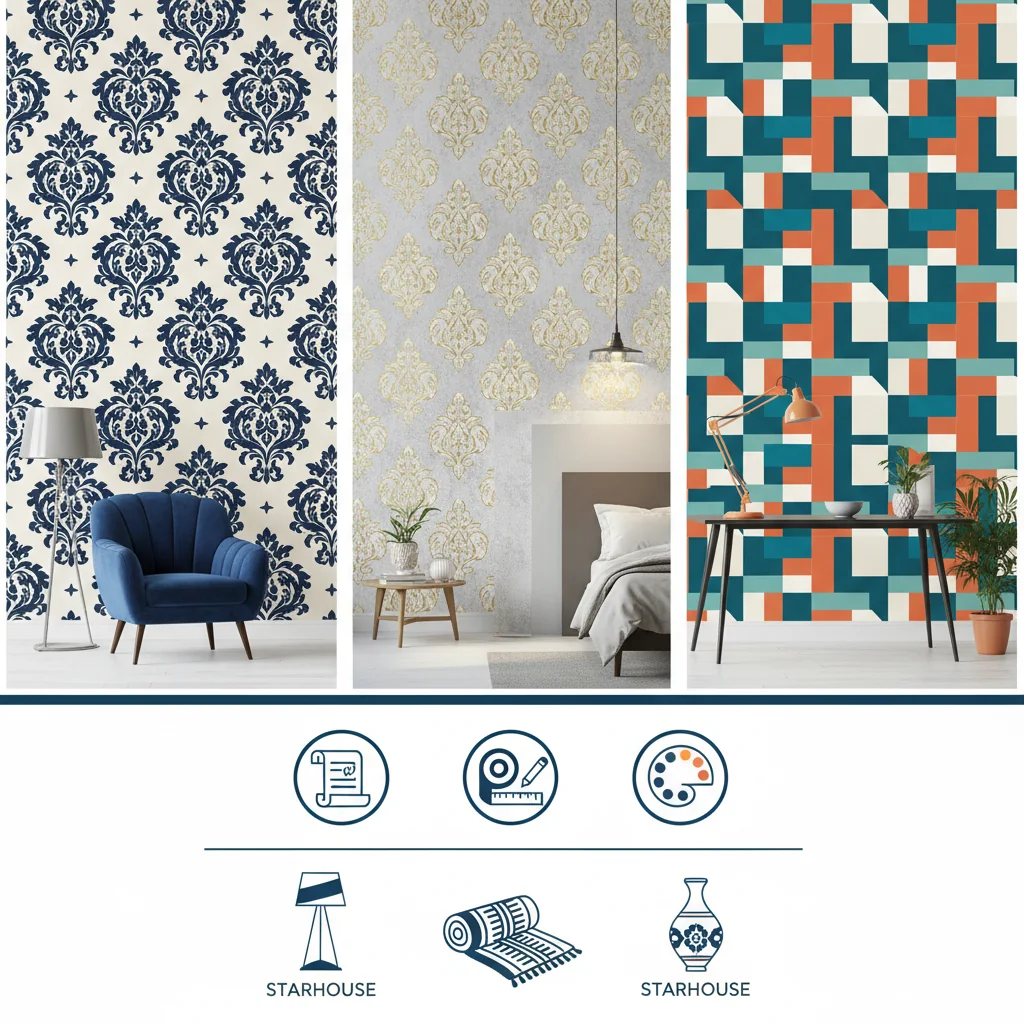
How to Choose the Perfect Damask Wallpaper for Your Space
Choosing the perfect damask wallpaper involves a thoughtful assessment of your room’s characteristics, your personal design preferences, and the functional requirements of the space to ensure a harmonious and impactful result. A well-selected damask can dramatically transform an interior, lending it character, sophistication, and a bespoke feel. Starhouse recommends a systematic approach to guide your decision, ensuring your choice aligns seamlessly with your vision.
Assess Room Size and Light
The scale of the damask pattern should correspond with the size of your room. In larger rooms with ample natural light, you can confidently choose large-scale, bold damask patterns or those with high contrast, as they will define the space without overwhelming it. Conversely, for smaller rooms or those with limited light, opt for smaller, more delicate damask motifs or tone-on-tone designs in lighter colors. These choices will create a sense of spaciousness and sophistication without making the room feel enclosed. Metallic or lustrous finishes can also enhance light reflection, brightening dimmer spaces.
Consider Your Color Palette
The color of your damask wallpaper is a critical factor in setting the mood and integrating with your existing décor. Traditional damask often comes in rich, jewel tones or classic neutrals like beige, cream, and gray. For a contemporary look, explore damasks in unexpected colors such as charcoal, deep teal, or even vibrant pastels. Consider how the wallpaper color will interact with your furniture, textiles, and flooring. A monochromatic damask offers subtle elegance, while a two-tone design can create more visual drama. Always obtain samples to see how the colors appear in your room’s unique lighting conditions before committing.
Determine Pattern Scale and Density
Beyond the overall motif, consider the density of the damask pattern. A densely packed, intricate pattern in high contrast can create a very formal and almost theatrical effect, best suited for grander spaces or accent walls. A more open, dispersed damask pattern, especially in a tone-on-tone application, offers a softer, more understated elegance that can work across an entire room without feeling overwhelming. The “pattern repeat” is also crucial; larger repeats often mean fewer full pattern iterations on a wall, impacting the visual flow. For a seamless look, ensure the pattern repeat size is compatible with your wall dimensions.
Evaluate Material and Durability
The material of the damask wallpaper directly affects its durability, maintenance, and suitability for specific areas. For high-traffic zones like hallways, children’s rooms, or kitchens, a washable and durable vinyl or non-woven wallpaper is the most practical choice. In formal living rooms or bedrooms where wear and tear are minimal, delicate paper-backed or flocked damasks can introduce a luxurious texture. Peel-and-stick options provide flexibility for temporary installations or renters. Always match the material’s properties to the functional demands of the room to ensure long-lasting beauty and performance.
Align with Your Personal Style and Existing Décor
Ultimately, your damask wallpaper choice should reflect your personal aesthetic and harmonize with the overall design narrative of your home. If your style is traditional, an ornate, classic damask will feel authentic. For a modern home, a stylized, geometric, or metallic damask can introduce sophistication without compromising a contemporary feel. Consider the other patterns and textures present in the room—furniture upholstery, curtains, rugs—and select a damask that either complements them or provides a sophisticated contrast. The goal is to create a cohesive and inviting space that truly feels like your own.
Sizing and Measuring: Ensuring a Flawless Damask Installation
Accurate sizing and meticulous measuring are paramount for a flawless damask wallpaper installation, preventing waste and ensuring a seamless, professional finish that highlights the pattern’s intricate beauty. Precise calculations are especially critical with damask due to its often large and repeating patterns, which require careful alignment across seams. Starhouse emphasizes the importance of these preliminary steps to achieve an impeccable result.
Step 1: Measure Wall Dimensions
Begin by measuring the height and width of each wall you intend to cover. Use a steel tape measure and record measurements in feet and inches. For height, measure from the baseboard to the ceiling at several points across the wall, as walls are rarely perfectly uniform; use the tallest measurement for your calculations. For width, measure the entire length of the wall. If there are windows or doors, measure their dimensions separately, but initially calculate the total wall area as if they weren’t there, then subtract their area later, if applicable, to avoid over-ordering, though it’s often safer to treat them as full sections for pattern matching.
Step 2: Calculate Total Square Footage
Multiply the height by the width of each wall to get its square footage. Sum the square footage of all walls to be covered to determine the total area. For example, a wall that is 8 feet high and 10 feet wide is 80 sq ft. If you have four such walls, your total area is 320 sq ft. This initial calculation provides a baseline for the amount of wallpaper needed.
Step 3: Understand Pattern Repeat
Damask wallpaper typically features a “pattern repeat,” which is the vertical distance before the pattern starts over. This measurement, usually indicated on the wallpaper roll’s label in inches, is crucial for matching the design seamlessly from one strip to the next. A larger pattern repeat means more waste per roll because you will need to cut each subsequent strip to align the pattern, often sacrificing several inches to achieve a perfect match. For instance, a 25-inch pattern repeat requires you to add 25 inches to each strip’s length calculation to account for trimming and matching.
What is pattern repeat in wallpaper?
Pattern repeat in wallpaper refers to the vertical distance between one point on a pattern and the identical point directly above or below it. This measurement is crucial for matching the design seamlessly across wallpaper strips during installation, as it dictates how much extra material must be cut and aligned.
Step 4: Determine Number of Strips Per Roll
Wallpaper rolls typically come in standard widths, commonly 20.5 inches or 27 inches, and lengths around 33 feet (400 inches) or 16.5 feet (200 inches). To find how many full strips you can get from one roll, divide the roll’s total usable length (e.g., 400 inches) by the height of your wall plus the pattern repeat (e.g., (96 inches wall height + 25 inches pattern repeat) = 121 inches). So, 400 inches / 121 inches ≈ 3.3 strips. You can only get 3 full strips per roll in this scenario.
Step 5: Calculate Total Rolls Needed
Divide the total width of your walls by the width of one wallpaper strip (e.g., 20.5 inches) to determine the total number of strips required. For instance, a 120-inch wide wall needs 120 / 20.5 ≈ 5.85 strips, so you’ll need 6 strips. If you determined you get 3 strips per roll, then you need 6 strips / 3 strips/roll = 2 rolls for that wall. Repeat this for all walls and sum the total. Always add an extra roll (approximately 15-20% extra) to account for mistakes, pattern matching, future repairs, and ensuring dye lot consistency. It is critical to order all rolls from the same dye lot to prevent subtle color variations, as emphasized by industry leaders like York Wallcoverings, who stress the importance of checking lot numbers.
Step 6: Account for Doors and Windows (Optional Refinement)
While you can subtract the square footage of doors and windows, it is often safer to err on the side of caution with damask, especially with large pattern repeats. Treating these areas as if they were full walls ensures you have enough material for complex pattern alignments around openings, which can require more cuts and precise matching. For very large openings, you may subtract their area, but still factor in enough for matching on either side. When in doubt, always round up the number of rolls.
By following these precise measuring and calculation steps, you guarantee that your damask wallpaper project progresses smoothly, resulting in a stunning and perfectly matched installation that truly elevates your home’s aesthetic.
Starhouse believes every home tells a unique story, and we’re curating a collection that speaks to diverse tastes and aspirations. Share your vision with us and be among the first to explore our exquisite offerings.
Current Trends in Damask Wallpaper Design (Updated June 2026)
As of June 2026, damask wallpaper continues to evolve, embracing contemporary aesthetics while honoring its rich heritage, reflecting a broader design movement towards personalized luxury and mindful living. The current trends showcase a fascinating interplay between classic motifs and innovative interpretations, ensuring damask remains a relevant and highly sought-after element in sophisticated interiors. Designers are pushing boundaries with scale, texture, and color, reimagining damask for the modern home.
Large-Scale and Deconstructed Motifs
A prominent trend in damask design is the adoption of significantly enlarged patterns, often extending across multiple wallpaper panels to create a dramatic mural-like effect. These oversized damasks deconstruct traditional elements, focusing on a single, expansive motif or a fragmented pattern that feels more abstract and artistic. This approach allows the intricate details of the damask to be appreciated on a grand scale, transforming a wall into a focal point without appearing cluttered. It’s particularly effective in spacious living areas or as a statement wall in a bedroom, offering a bold yet refined visual impact.
Muted and Earth-Toned Palettes
While traditional damask often features bold, rich colors, current trends lean towards more subdued and earthy palettes. Soft grays, warm taupes, sophisticated creams, and muted greens or blues are highly favored, allowing the intricate pattern to emerge through subtle shifts in texture and sheen rather than stark color contrast. This trend aligns with the growing preference for serene and calming interiors, where damask adds depth and elegance without overpowering the tranquil atmosphere. These softer tones also make damask more versatile, integrating seamlessly into minimalist, Scandinavian, or biophilic design schemes.
Textural Play and Embossed Finishes
Texture remains a cornerstone of damask’s appeal, and contemporary designs are amplifying this aspect through advanced embossing and printing techniques. Beyond traditional flocking, designers are incorporating subtle raised elements, delicate linen-like finishes, or even faux concrete and plaster textures beneath the damask pattern. This textural layering adds a sophisticated tactile dimension, inviting interaction and creating a sense of bespoke craftsmanship. These nuanced textures enhance the perceived quality and depth of the wallpaper, making it a luxurious addition to any room.
Metallic Accents and Iridescent Sheens
Metallic finishes continue to be a strong trend, with damask patterns often featuring subtle touches of gold, silver, bronze, or rose gold. These metallic elements can be incorporated into the pattern itself, providing a shimmering outline, or used as a lustrous background that catches and reflects light. Iridescent sheens, which shift in color depending on the viewing angle, also add a dynamic and ethereal quality. This trend injects glamour and contemporary sophistication, making damask suitable for spaces that demand a touch of modern luxury, such as sophisticated powder rooms, glamorous living areas, or chic bedrooms.
Sustainable and Eco-Conscious Materials
The demand for sustainable home décor extends to wallpaper, and damask designs are increasingly available on eco-friendly substrates. Non-woven materials made from natural fibers, papers sourced from responsibly managed forests, and wallpapers produced with water-based inks and low VOCs (Volatile Organic Compounds) are gaining traction. This trend reflects a commitment to environmental responsibility without compromising on style or quality, allowing homeowners to make aesthetically pleasing and ethically sound choices for their interiors. This focus on material provenance is becoming a standard expectation for discerning consumers.
Integration with Biophilic Design
Damask patterns are subtly integrating elements of biophilic design, drawing inspiration from nature to create a sense of connection to the outdoors. This might manifest as damasks featuring more organic, botanical motifs—stylized leaves, vines, or flora—rendered in natural color palettes. The aim is to introduce natural forms and a calming aesthetic into indoor spaces, fostering well-being and tranquility. This trend often sees damask used in conjunction with natural materials like wood and stone, and abundant plant life, creating a harmonious and restorative environment.
These evolving trends demonstrate damask wallpaper’s capacity for adaptation and reinvention, proving its status as a timeless design element that continues to inspire and elevate contemporary interiors. Starhouse remains at the forefront of these developments, curating collections that embody both classic elegance and modern innovation.
Care and Maintenance for Your Damask Wallpaper
Proper care and maintenance are essential for preserving the beauty, integrity, and longevity of your damask wallpaper, ensuring its intricate patterns and luxurious textures remain pristine for years. The specific cleaning methods depend significantly on the wallpaper’s material, as different substrates and finishes require tailored approaches. Adhering to manufacturer guidelines is crucial, but general principles apply across most damask types.
Identify Your Wallpaper Material
Before any cleaning, identify the material of your damask wallpaper. This information is typically found on the roll’s label or the manufacturer’s website. Common classifications include:
- Washable/Scrubbable Vinyl: Highly durable, resistant to moisture, and can withstand gentle scrubbing.
- Non-Woven: Generally wipeable and durable, but less resistant to aggressive scrubbing than vinyl.
- Paper-Backed: More delicate, usually only gently wipeable or not washable at all.
- Flocked: Features raised, velvety fibers that are highly susceptible to moisture and abrasion; often requires specialized dry cleaning.
- Peel-and-Stick: Typically a vinyl or fabric blend, often wipeable.
General Dusting and Light Cleaning
For all types of damask wallpaper, regular dusting is the first line of defense against dirt accumulation. Use a soft, dry cloth, a feather duster, or a vacuum cleaner with a brush attachment on a low setting to gently remove dust and cobwebs. For washable and non-woven damask, light surface dirt can often be removed with a clean, damp sponge or microfiber cloth. Use plain water or a very mild, non-abrasive detergent solution. Always wring out the cloth thoroughly to prevent excess moisture, and wipe gently in a downward motion, then immediately dry the area with a clean, dry cloth to prevent water marks.
Addressing Stains and Marks
For more stubborn stains on washable vinyl or non-woven damask, a mild soap solution (e.g., a few drops of dish soap in warm water) can be effective. Test the solution on an inconspicuous area first to ensure it does not affect the color or finish. Apply the solution with a soft sponge, gently blot the stain, and then rinse with a clean, damp cloth, immediately drying the area. Avoid harsh chemicals, abrasive cleaners, or stiff brushes, as these can damage the wallpaper’s surface, pattern, or texture.
Special Considerations for Flocked Damask
Flocked damask wallpaper requires particular care due to its delicate, raised fibers. It is generally not washable and should never be exposed to excessive moisture. For dusting, use a soft, dry brush or a vacuum cleaner with a very soft brush attachment on the lowest suction setting, gently moving across the surface. For minor marks, a clean, dry cloth or a kneaded eraser can sometimes be used with extreme caution. Professional wallpaper cleaners specializing in delicate materials may be necessary for deeper cleaning or stain removal on flocked damask, as improper cleaning can permanently damage the velvet-like texture.
Preventative Measures for Longevity
To extend the life of your damask wallpaper, consider these preventative measures:
- Control Humidity: Maintain stable humidity levels in your home to prevent wallpaper from peeling, bubbling, or developing mold.
- Avoid Direct Sunlight: Prolonged exposure to direct sunlight can cause colors to fade, especially in non-UV-resistant papers. Use blinds or curtains to protect walls in sun-drenched rooms.
- Protect from Abrasion: Place furniture slightly away from wallpapered walls to prevent scuffs and tears.
- Promptly Address Damage: Small tears or lifted seams should be repaired immediately with wallpaper adhesive to prevent further damage.
By investing a small amount of time in appropriate care, your damask wallpaper will continue to provide a sophisticated and elegant backdrop for your home for many years to come.
Styling and Pairing Damask Wallpaper in Every Room
Styling and pairing damask wallpaper effectively allows you to harness its inherent elegance and versatility, transforming any room into a sophisticated and inviting space. The key lies in understanding how to balance its strong visual presence with other design elements, ensuring a cohesive and harmonious aesthetic. Starhouse’s design philosophy emphasizes creating curated environments where every detail contributes to a distinguished atmosphere.
Living Rooms: Grandeur and Sophistication
In a living room, damask wallpaper can serve as a luxurious backdrop or a compelling focal point. For a classic, opulent look, apply a traditional large-scale damask in rich jewel tones or metallic finishes to all four walls. This creates an enveloping sense of grandeur. To temper the formality, pair it with transitional furniture, plush velvet upholstery, and elegant drapery. For a more contemporary approach, consider a single accent wall with a large-scale, deconstructed, or geometric damask in a muted color palette (e.g., charcoal gray or soft gold). This provides visual interest without overwhelming the space. Complement with modern minimalist furniture, abstract art, and strategic lighting to highlight the wallpaper’s texture and sheen.
Bedrooms: Serene Luxury and Romantic Ambiance
Damask wallpaper in a bedroom can evoke a sense of serene luxury and romantic charm. Opt for a tone-on-tone damask in soft, calming colors like pale blue, sage green, or warm beige for a tranquil and enveloping atmosphere. Apply it behind the headboard to create a focal point that frames the bed, or consider it on all walls for a more intimate, cocoon-like feel. Pair with sumptuous bedding, elegant lighting fixtures (like sconces or a chandelier), and classic upholstered furniture. For a touch of modern romance, a subtle metallic damask can add shimmer and depth without being overtly formal, especially when paired with clean-lined furniture and layered textures.
Dining Rooms: Formal Elegance and Dramatic Flair
Dining rooms are ideal spaces for showcasing the formal elegance of damask wallpaper. A rich, traditional damask in deep reds, golds, or blacks can create an atmosphere of refined sophistication, perfect for entertaining. Consider a flocked damask for added tactile luxury and a dramatic statement. Pair with a grand dining table, upholstered chairs, and a statement chandelier to complete the luxurious setting. If your dining space is more open-concept, using damask on one or two walls can help define the area and add a distinct sense of occasion without visually shrinking the space. The pattern naturally enhances the sense of occasion for gatherings.
Powder Rooms: Bold Statements in Small Spaces
Powder rooms offer a fantastic opportunity to experiment with bold and dramatic damask patterns. Their small size allows for high-impact designs without overwhelming the overall home aesthetic. Choose a metallic damask, a vibrant colored damask, or a striking flocked damask to create an unexpected jewel-box effect. The reflective qualities of metallic damask can also make a small space feel more expansive. Pair with a sleek pedestal sink, an ornate mirror, and sophisticated lighting to enhance the luxurious ambiance. This is a space where you can truly embrace maximalism with damask, making a memorable impression on guests.
Hallways and Entryways: A Welcoming Grandeur
In hallways and entryways, damask wallpaper provides an immediate sense of welcoming grandeur and continuity. A repeating damask pattern can visually guide the eye through the space, making long hallways feel more intentional and less utilitarian. Opt for durable vinyl or non-woven damask in these high-traffic areas. Lighter, brighter damasks can illuminate darker hallways, while a subtle tone-on-tone pattern can add texture and sophistication without overwhelming a narrow space. Pair with console tables, decorative mirrors, and tasteful lighting to create an elegant and inviting first impression of your home.
Pairing with Furniture, Textiles, and Accessories
When pairing damask wallpaper, consider the interplay of patterns, textures, and colors:
- Furniture: Balance the intricate pattern of damask with simpler, solid-colored furniture pieces. If using ornate furniture, choose a subtle, tone-on-tone damask to avoid visual overload.
- Textiles: Select curtains, rugs, and upholstery in solid colors or with very subtle textures that either match a color in the damask or provide a complementary contrast. Velvet, silk, and linen work beautifully with damask.
- Lighting: Use lighting to highlight the damask’s texture and sheen. Wall sconces can graze the surface, emphasizing its depth, while chandeliers add a touch of classic glamour.
- Accessories: Keep accessories refined and understated. Metallic accents, classic artwork, and fresh floral arrangements can enhance the sophisticated appeal without competing with the wallpaper.
By thoughtfully considering these styling principles, you can ensure your damask wallpaper becomes a cherished and impactful element in your home’s design, creating spaces that are both beautiful and uniquely yours.
Common Mistakes to Avoid When Using Damask Wallpaper
While damask wallpaper offers immense potential for elevating an interior, certain pitfalls can detract from its intended elegance and impact. Avoiding these common mistakes is crucial for achieving a sophisticated and cohesive design that truly enhances your home. Starhouse provides these insights to ensure your damask installation is as flawless as it is fashionable.
1. Overwhelming a Small Space with Large, Busy Patterns
One of the most frequent errors is selecting a large-scale, high-contrast damask pattern for a small room, which can make the space feel cramped, busy, and visually overwhelming. The intricate details of a grand damask require ample wall space to be appreciated. Instead, for smaller rooms or those with low ceilings, opt for damask with smaller motifs, a subtle tone-on-tone design, or a metallic finish that reflects light. These choices introduce sophistication without visually shrinking the area, maintaining an open and airy feel.
2. Ignoring Pattern Repeat During Measurement and Installation
Failing to account for the pattern repeat is a critical mistake that leads to mismatched seams, excessive waste, and a disjointed final appearance. Damask patterns, especially large ones, demand precise alignment. Always add the pattern repeat length to your wall height when calculating strip lengths, and ensure you purchase enough extra rolls (typically 15-20%) to accommodate for this waste and potential errors. Neglecting this step results in a visibly unprofessional finish, undermining the elegance of the damask itself.
3. Inadequate Wall Preparation
The beauty of damask wallpaper is highly dependent on the surface it adheres to. Installing damask over an improperly prepared wall—one that is uneven, dirty, or has residual adhesive—will lead to imperfections such as bubbles, visible seams, or peeling edges. Always ensure walls are clean, smooth, dry, and primed. For best results, especially with darker damasks, consider painting the wall a similar color to the wallpaper background before installation; this minimizes the appearance of any gaps at the seams.
4. Mismatching Style with Room Function or Overall Aesthetic
Damask wallpaper comes in a myriad of styles, from traditional opulent to modern geometric. A common mistake is to select a damask style that clashes with the room’s intended function or the home’s overall design aesthetic. For instance, a very formal, traditional damask might feel out of place in a contemporary, minimalist home. Conversely, an overly simplified damask might lack impact in a grand, classic interior. Carefully consider the architectural style of your home and the desired mood of the room, selecting a damask that complements, rather than conflicts with, these elements.
5. Overdoing It with Competing Patterns and Textures
Damask wallpaper is a strong design statement on its own. A mistake is to pair it with too many other bold patterns or textures in furniture, rugs, or drapes, leading to a visually chaotic and overwhelming space. When using damask, balance its intricate design with solid-colored or subtly textured fabrics for upholstery and window treatments. Opt for furniture with clean lines or classic, understated profiles. The goal is to allow the damask to be the star, creating a focal point without visual competition from other elements in the room. This approach ensures a sophisticated and cohesive interior.
6. Neglecting Proper Care and Maintenance
Ignoring the specific care instructions for your damask wallpaper material can lead to premature wear, fading, or damage. Using abrasive cleaners on delicate flocked damask, or allowing moisture to sit on non-washable paper, are common errors. Always refer to the manufacturer’s guidelines for cleaning and maintenance. Regular, gentle dusting and appropriate stain treatment based on the wallpaper type will preserve its beauty and extend its lifespan, protecting your investment in elegant wall décor.
By being mindful of these common pitfalls, you can confidently integrate damask wallpaper into your home, creating spaces that exude timeless elegance and refined style with enduring beauty.
| Material Type | Key Characteristics | Durability & Maintenance | Ease of Installation | Ideal Use Cases |
|---|---|---|---|---|
| Vinyl (Solid or Coated) | PVC surface, often embossed for texture. Wide range of finishes. | High durability, scrubbable, highly moisture-resistant. Excellent for high-traffic areas. | Moderate. Requires paste, can be heavy. | Kitchens, bathrooms, hallways, children’s rooms, commercial spaces. |
| Non-Woven | Blend of natural and synthetic fibers. Breathable, tear-resistant. | Good durability, wipeable, dimensionally stable. Less prone to shrinking/expanding. | Easy (“paste the wall”). Strippable for clean removal. | Living rooms, bedrooms, dining rooms, high-humidity areas (due to breathability). |
| Paper (Traditional) | Pure paper base, often with delicate prints. Can be uncoated or lightly coated. | Low durability, generally not washable (some wipeable). Prone to tears and moisture damage. | Moderate. Requires paste, can be delicate when wet. | Formal living rooms, bedrooms, studies, low-traffic areas where a classic look is desired. |
| Flocked | Raised, velvety fibers applied to a paper or fabric backing, creating a tactile pattern. | Moderate durability (delicate surface). Not washable, requires dry cleaning. Prone to crushing. | Complex. Requires professional installation due to delicate texture. | Feature walls, formal dining rooms, master bedrooms, powder rooms for a luxurious statement. |
| Peel-and-Stick (Removable) | Self-adhesive vinyl or fabric, no paste needed. | Good durability, often wipeable. Designed for temporary use. | Very Easy. Repositionable, removable without residue. | Rentals, accent walls, furniture upcycling, temporary décor changes. |
| Fabric-Backed | Textile layer (e.g., cotton, linen) laminated to a paper backing. | High durability, luxurious feel. Often requires professional cleaning. | Complex. Heavy and requires professional installation. | High-end residential, bespoke design projects, formal living areas, master suites. |
Sources
Frequently Asked Questions About Damask Wallpaper
Is damask wallpaper still in style?
Yes, damask wallpaper remains very much in style, continually evolving to fit contemporary aesthetics while retaining its classic appeal. Modern interpretations feature updated color palettes, larger scales, and abstract motifs, ensuring its relevance in sophisticated interiors as of June 2026.
Where should I use damask wallpaper in my home?
Damask wallpaper is versatile and can be used in various rooms: it adds grandeur to living and dining rooms, creates serene luxury in bedrooms, makes a dramatic statement in powder rooms, and provides a sophisticated welcome in hallways and entryways. The key is selecting the appropriate scale and style for the specific space.
How do I clean damask wallpaper?
Cleaning damask wallpaper depends on its material: vinyl and non-woven types are generally wipeable with a damp cloth and mild soap, while delicate paper-backed or flocked damask requires gentle dry dusting or professional cleaning to avoid damage. Always check the manufacturer’s care instructions first.
Can I use damask wallpaper in a small room?
Yes, you can use damask wallpaper in a small room, but it is best to choose smaller-scale patterns, tone-on-tone designs, or those with metallic finishes. These options add sophistication without overwhelming the space, helping to make the room feel more expansive and elegant.
What is the difference between traditional and modern damask?
Traditional damask features ornate, classic motifs like acanthus leaves and florals in rich, deep colors, creating a formal look. Modern damask reinterprets these patterns with simplified, abstract, or geometric designs, often in muted or metallic palettes, offering a contemporary and versatile aesthetic.
Is damask wallpaper difficult to install?
The difficulty of damask wallpaper installation varies by material and pattern repeat. Peel-and-stick is easiest, while traditional paper or flocked damask, especially with large, intricate repeats, can be challenging due to the need for precise pattern matching and delicate handling. Professional installation is often recommended for complex patterns.
What kind of patterns are typically found in damask wallpaper?
Damask wallpaper typically features intricate, repeating patterns that are often symmetrical. Common motifs include stylized florals (such as roses or lilies), acanthus leaves, pomegranates, pineapples, scrolling foliage, and various abstract or geometric interpretations. These patterns are usually rendered in a single color with contrasting textures or sheens.
Conclusion: Elevate Your Home with Starhouse
Damask wallpaper stands as a testament to enduring design, offering a unique blend of historical grandeur and contemporary sophistication that can profoundly transform any interior. Its intricate patterns, rich textures, and versatile styles provide an unparalleled opportunity to infuse your home with character, luxury, and a distinctive sense of place. From the subtle elegance of a tone-on-tone design to the dramatic statement of a flocked metallic motif, damask empowers you to craft spaces that resonate with your personal style and aspirational living. Understanding its history, types, and proper application ensures that your investment in this classic wallcovering yields lasting beauty and timeless appeal.
At Starhouse, we believe that every element in your home should reflect your unique vision and contribute to an atmosphere of curated elegance. Our commitment is to bring you a selection of wall décor and furnishings that inspire and elevate. As we meticulously curate our collection, we are dedicated to offering pieces that embody the precision, quality, and authoritative design principles you expect from a leading home & décor brand.
Your dream home begins with a vision. Starhouse is dedicated to bringing that vision to life with exceptional pieces that define your space. We are actively building our exquisite collection of wall décor, furnishings, textiles, and lighting, tailored for discerning homeowners across the United States. We invite you to be part of our journey and help us shape our offerings.
We are curating our collection with you in mind. Share your aspirations and tell us what you’re looking for to receive early access to Starhouse’s premiere offerings.