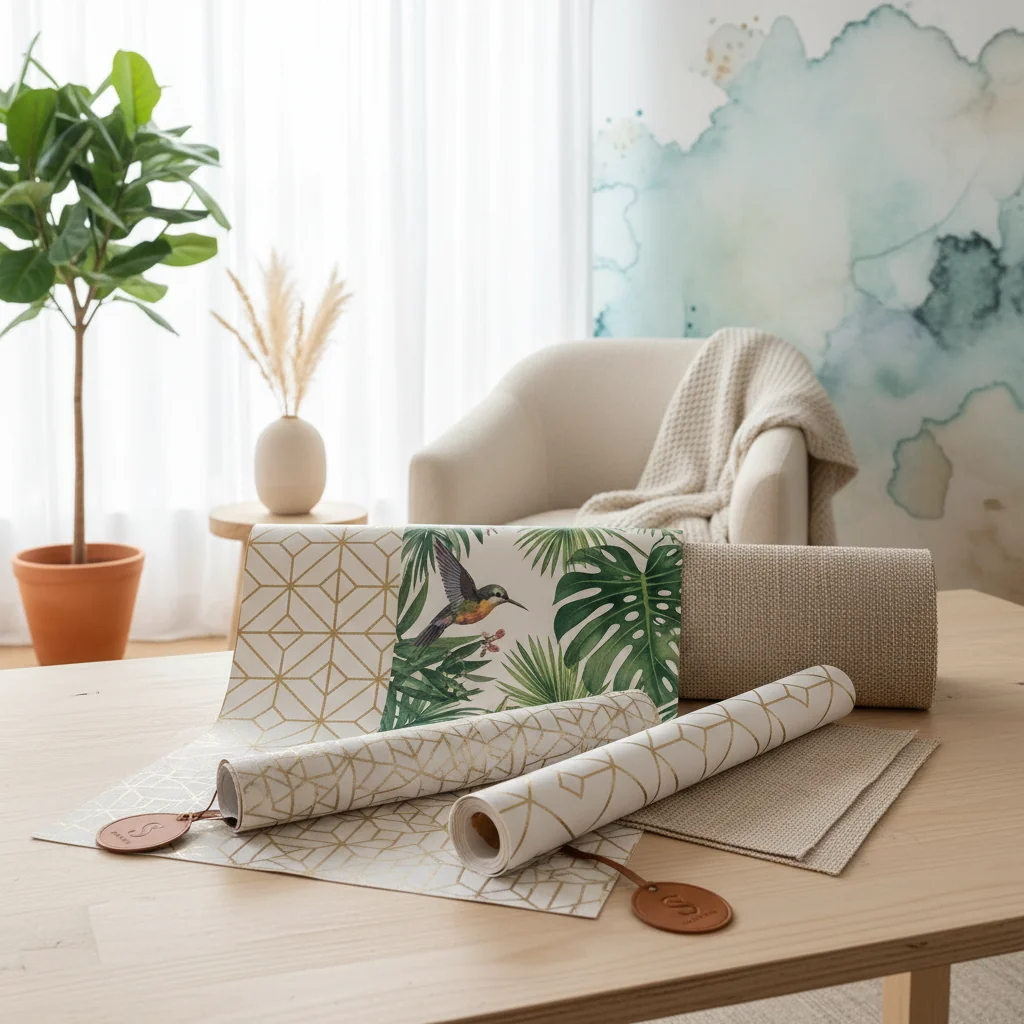
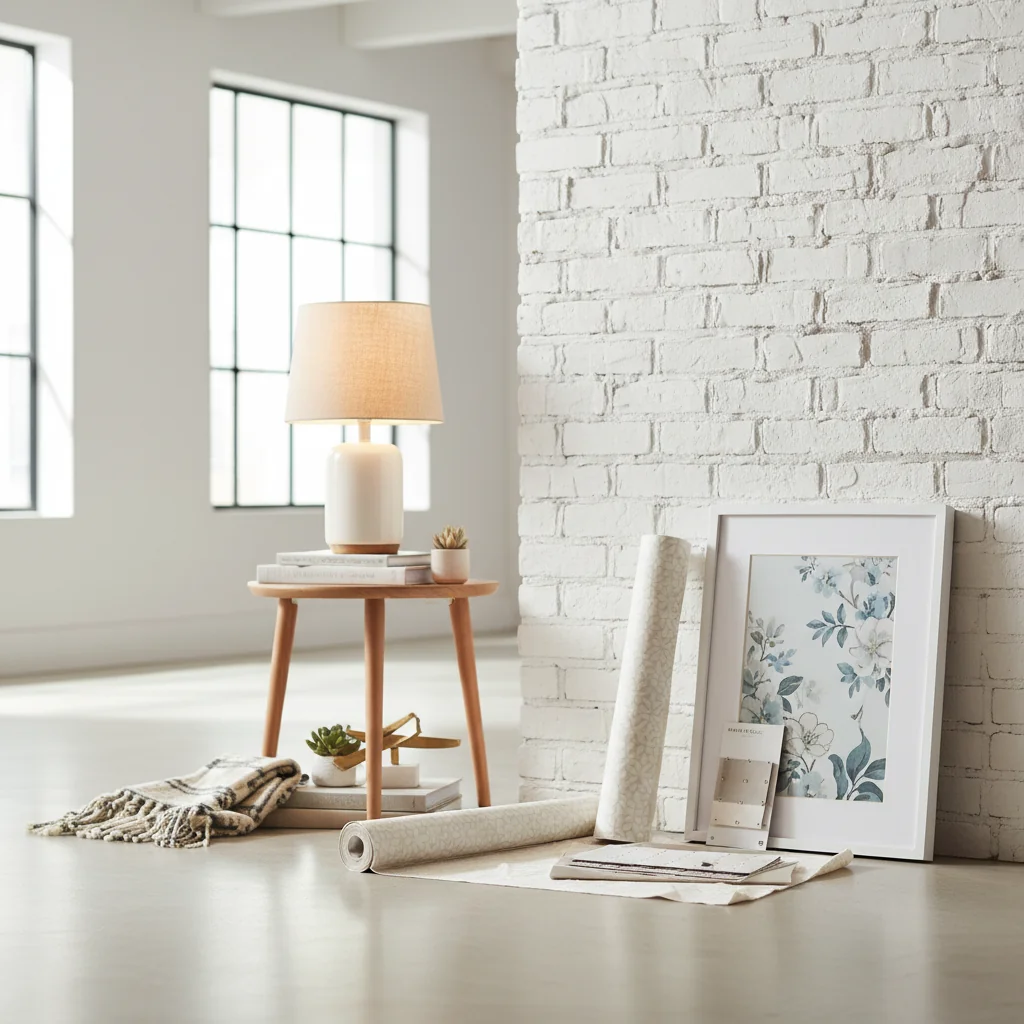
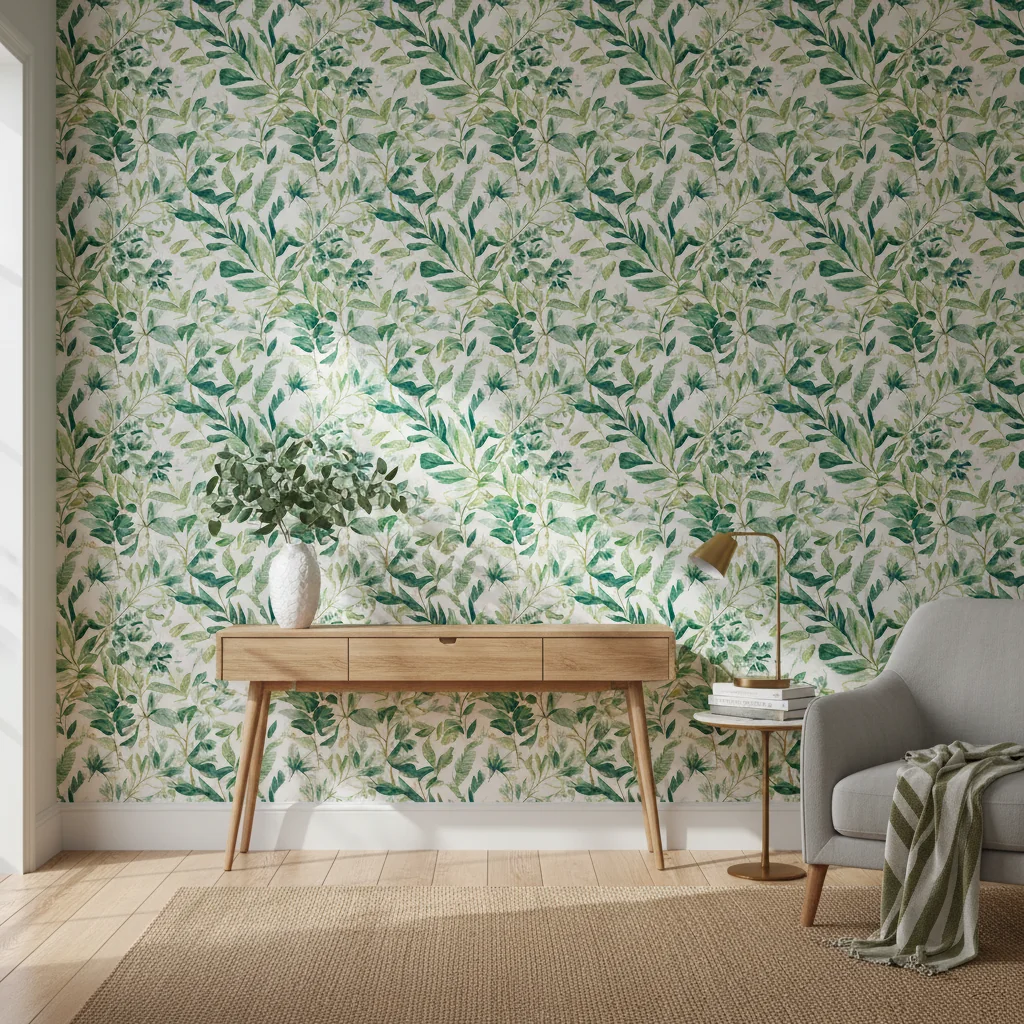
Insect wallpaper represents a sophisticated design choice, transforming interiors by bringing the intricate beauty of the natural world indoors. Far from simple patterns, contemporary insect wall coverings feature a diverse range of artistic interpretations, from hyper-realistic entomological studies to stylized, abstract motifs, often printed on advanced substrates like durable non-woven materials that offer superior ease of installation and longevity compared to traditional paper-backed options. This unique form of wall décor allows homeowners and designers to infuse spaces with character, narrative, and an unexpected touch of elegance, creating focal points that are both visually captivating and deeply personal.
Key Takeaways
- Insect wallpaper offers a unique and sophisticated way to introduce natural artistry and personality into any interior design scheme.
- A broad spectrum of styles exists, including realistic, stylized, abstract, and botanical-integrated designs, allowing for diverse aesthetic expressions.
- Material selection, from durable non-woven to luxurious grasscloth, dictates the wallpaper’s texture, longevity, and maintenance requirements.
- Precise measurement and careful consideration of pattern repeat are paramount for a seamless installation and to minimize material waste.
- Successful styling involves balancing the wallpaper’s motif with complementary furnishings, color palettes, and the overall room aesthetic to create a cohesive look.
- Proper care, tailored to the specific material, ensures the long-term vibrancy and structural integrity of the wall covering.
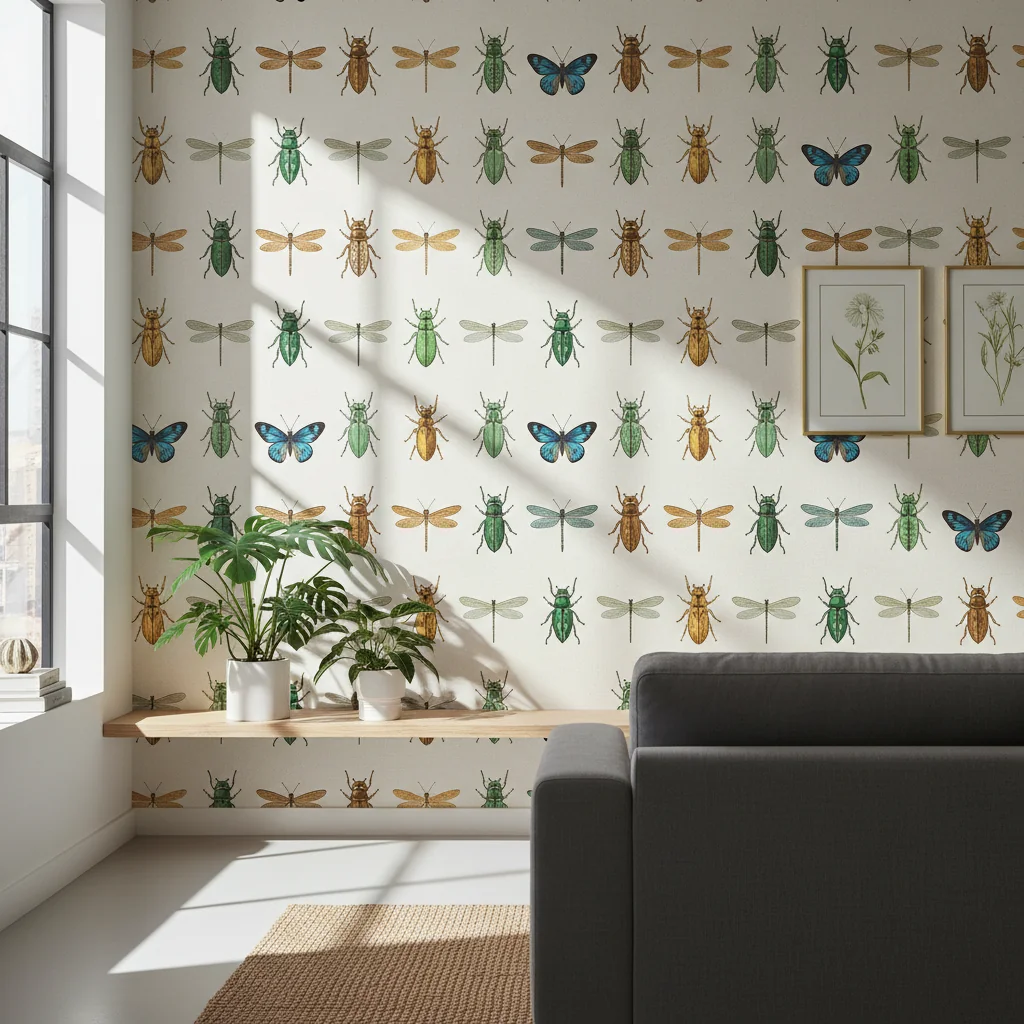
Introduction to Insect Wallpaper: A Design Statement
Insect wallpaper is a distinctive and increasingly popular choice in interior design, offering a unique blend of natural wonder and artistic expression that elevates any space. This category of wall covering moves beyond mere pattern to present intricate depictions of the entomological world, ranging from the delicate wings of a butterfly to the iridescent sheen of a beetle, each telling a story and invoking a specific mood. Modern manufacturing techniques ensure that these designs are not only visually stunning but also durable and practical, providing a long-lasting aesthetic impact that can anchor a room’s entire design scheme.
The appeal of insect motifs in décor dates back centuries, from ancient Egyptian scarabs symbolizing rebirth to Victorian-era fascination with natural history. Today, insect wallpaper revitalizes this tradition, allowing designers and homeowners to embrace biophilic design principles by bringing elements of the natural world indoors in an elegant and unexpected fashion. It serves as a conversation starter, a focal point, and a testament to a discerning aesthetic, transforming ordinary walls into captivating canvases.
The Allure of Entomological Elegance: Why Choose Insect Wallpaper?
Choosing insect wallpaper injects a space with unparalleled character and a profound connection to nature, offering a sophisticated alternative to more conventional patterns. The inherent diversity of insect forms, colors, and behaviors provides an inexhaustible wellspring for design, allowing for statements that can be subtle and serene or bold and dramatic. This design choice appeals to those who appreciate intricate details, natural beauty, and a touch of the unexpected, transforming a room into a curated experience rather than just a functional area.
Beyond aesthetics, insect wallpaper can evoke specific emotions and create distinct atmospheres. Delicate butterflies can instill a sense of calm and lightness, while bold beetles might suggest strength and a hint of exotic adventure. This versatility makes insect motifs suitable for a wide array of interior styles, from classic and traditional to modern and eclectic. Moreover, embracing biophilic design—the practice of integrating natural elements into built environments—has been shown to enhance well-being, reduce stress, and improve cognitive function, making insect wallpaper a choice that is both beautiful and beneficial.
While insect wallpaper celebrates the intricate beauty of the natural world, it is important to distinguish this artistic appreciation from the practical considerations of actual insect management. Maintaining a healthy and comfortable home environment involves addressing potential pest issues. For comprehensive guidance on managing real insects, particularly concerning health and safety, resources such as the U.S. Environmental Protection Agency (EPA) provide essential information on using insect repellents safely and effectively. This ensures that while your walls are adorned with beautiful entomological art, your living space remains free from unwanted visitors.
Exploring the Spectrum: Types of Insect Wallpaper
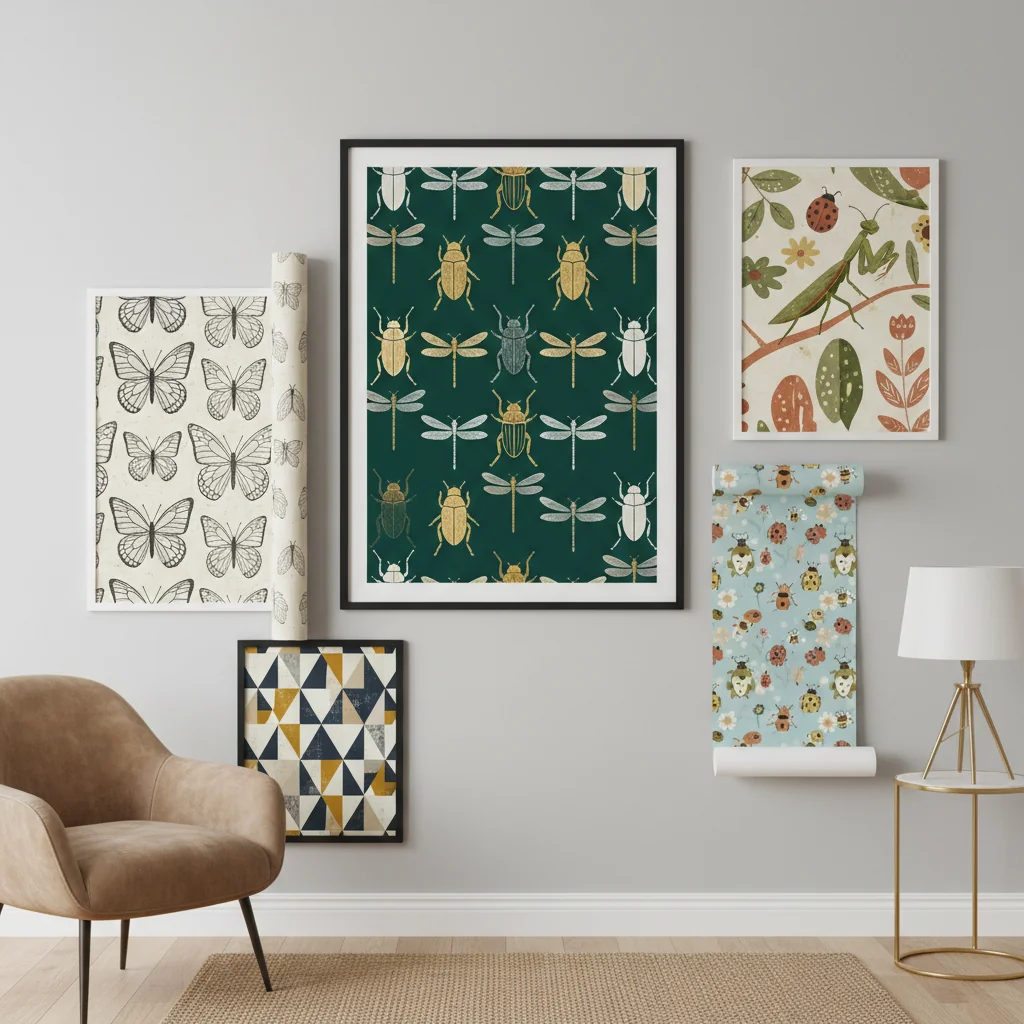
Insect wallpaper encompasses a vast array of artistic interpretations, ensuring there is a style to complement every design aesthetic, from scientific precision to whimsical abstraction. Understanding these different types is crucial for selecting a pattern that aligns perfectly with your vision for a space, dictating the mood and narrative the wallpaper will convey.
Realistic and Scientific Illustrations
Realistic insect wallpaper features highly detailed and often anatomically accurate depictions of insects, frequently rendered in a style reminiscent of antique scientific illustrations or natural history plates. These designs are characterized by their precision, showcasing the intricate textures of wings, the segmented bodies, and the delicate antennae with remarkable clarity. This type of wallpaper is ideal for creating a sophisticated, scholarly, or vintage aesthetic, often found in studies, libraries, or powder rooms where a sense of curiosity and refined detail is desired. The color palettes tend to be earthy and muted, emphasizing the natural hues of the insects themselves.
Stylized and Artistic Interpretations
Stylized insect wallpaper takes artistic liberties with insect forms, simplifying shapes, exaggerating features, or rendering them in a more graphic or illustrative manner. These designs might incorporate bold outlines, simplified color schemes, or imaginative compositions that prioritize aesthetic impact over strict biological accuracy. This category offers immense versatility, ranging from whimsical, cartoon-like insects perfect for children’s rooms to elegant, art deco-inspired motifs suitable for a chic living area. Stylized designs often allow for greater integration into contemporary décor schemes, providing a playful yet sophisticated touch.
Abstract and Geometric Patterns
Abstract insect wallpaper draws inspiration from insect forms, colors, or movements but translates them into non-representational patterns or geometric arrangements. The insects themselves might not be immediately recognizable; instead, their essence—a wing’s curve, a beetle’s iridescence, or a swarm’s movement—is distilled into an abstract design. These wallpapers are excellent for modern, minimalist, or avant-garde interiors, offering a subtle nod to nature without being overtly thematic. They provide texture, depth, and visual interest through repetition and form, making them a sophisticated choice for a contemporary space.
Botanical-Integrated Designs
Many insect wallpapers seamlessly integrate insect motifs with botanical elements, creating lush, vibrant scenes that depict insects within their natural habitats. These designs often feature insects perched on leaves, flitting among flowers, or nestled within verdant foliage. This combination enhances the biophilic appeal, creating a more complete and immersive natural tableau. Botanical-integrated wallpapers are particularly effective in bringing a sense of freshness and vitality to a room, perfect for sunrooms, bedrooms, or dining areas where a connection to the outdoors is cherished. The palettes can range from vibrant tropical to serene woodland, depending on the flora and fauna depicted.
Toile and Chinoiserie Motifs
Insect motifs also appear within classic design styles like Toile de Jouy and Chinoiserie. Toile patterns typically feature monochromatic, pastoral scenes, and sometimes include insects as part of the natural landscape, adding a subtle, narrative detail. Chinoiserie, inspired by East Asian art, often showcases exotic birds, flora, and intricate insect designs like butterflies and dragonflies amidst ornate landscapes, characterized by rich colors and delicate brushwork. These styles lend themselves to traditional, elegant, and grand interiors, offering a timeless appeal with a touch of historical charm.
Decoding the Materials: Wallpaper Substrates and Finishes
The material of insect wallpaper significantly influences its durability, texture, ease of installation, and maintenance requirements, making material selection as critical as pattern choice. Each substrate offers distinct advantages, impacting how the wallpaper looks, feels, and performs in various environments.
| Material Type | Key Properties | Durability | Installation | Maintenance | Ideal Use |
|---|---|---|---|---|---|
| Non-Woven | Breathable, tear-resistant, dimensionally stable, easy removal. | High | Paste-the-wall, DIY-friendly. | Wipeable, sometimes washable. | Living rooms, bedrooms, high-traffic areas. |
| Vinyl (Solid Sheet & Fabric-Backed) | Highly durable, moisture-resistant, washable, textured options. | Very High | Paste-the-wall or paste-the-paper. | Washable with mild soap. | Bathrooms, kitchens, commercial spaces, children’s rooms. |
| Traditional Paper | Eco-friendly, classic feel, good for intricate prints, less durable. | Moderate | Paste-the-paper, can be challenging for DIY. | Delicate, spot clean only. | Low-traffic areas, bedrooms, formal dining rooms. |
| Grasscloth / Natural Fiber | Unique texture, natural aesthetic, sound-absorbing. | Moderate to High | Specialized paste, professional installation recommended. | Vacuum or dry cloth, not washable. | Accent walls, living rooms, bedrooms, sophisticated spaces. |
| Peel-and-Stick | Repositionable, self-adhesive, renter-friendly, easy removal. | Moderate | DIY-friendly, no paste needed. | Wipeable, generally durable surface. | Temporary installations, apartments, accent walls, DIY projects. |
| Fabric-Backed (Textile) | Luxurious feel, rich texture, good for sound dampening. | High | Professional installation recommended, specialized adhesive. | Delicate, professional cleaning or light vacuuming. | High-end residential, formal areas, accent walls. |
Non-Woven Wallpaper
Non-woven wallpaper is a modern innovation, composed of a blend of natural and synthetic fibers, making it exceptionally durable, breathable, and tear-resistant. Its primary advantage is its “paste-the-wall” application method, where adhesive is applied directly to the wall rather than the paper, simplifying installation and making it easier to remove without damaging the wall. Non-woven materials are dimensionally stable, meaning they do not expand or contract when wet, which prevents seams from separating. This material is an excellent choice for most rooms, offering both aesthetic appeal and practical benefits.
Vinyl Wallpaper
Vinyl wallpaper is highly practical and durable, consisting of a paper or fabric backing coated with a layer of vinyl. This construction makes it highly resistant to moisture, stains, and wear, making it an ideal choice for high-traffic areas like kitchens, bathrooms, and hallways. Vinyl wallpapers are typically washable, allowing for easy cleaning with a damp cloth and mild detergent. They come in a wide range of textures and finishes, from smooth to embossed, providing versatile design options. Solid sheet vinyl offers maximum durability, while vinyl-coated paper is a more economical, yet still robust, option.
Traditional Paper Wallpaper
Traditional paper wallpaper offers a classic, smooth finish that allows for incredibly intricate and detailed insect designs. It is often favored for its authentic feel and ability to hold fine print quality. However, paper wallpaper is less durable than non-woven or vinyl options, being more susceptible to tearing and moisture damage. Installation requires applying paste to the paper itself, which can be more challenging for DIY enthusiasts as it requires “booking” time for the paste to absorb. Paper wallpaper is best suited for low-traffic areas or formal rooms where its delicate beauty can be preserved.
Grasscloth and Natural Fiber Wallpaper
Grasscloth wallpaper is a luxury option made from natural fibers like sisal, jute, or bamboo woven onto a paper backing. Its distinctive texture and organic aesthetic add warmth and sophistication to any room. Grasscloth is known for its subtle variations in color and texture, which contribute to its unique charm. It is, however, more delicate than synthetic options and requires careful handling during installation, often necessitating professional expertise. It is not washable and should be cleaned only with a dry cloth or light vacuuming. Grasscloth is perfect for creating an accent wall or adding a refined, natural element to living rooms, bedrooms, or dining areas.
Peel-and-Stick Wallpaper
Peel-and-stick wallpaper, also known as self-adhesive wallpaper, is a convenient and versatile option, particularly popular for temporary installations or for renters. It features a sticky backing protected by a liner, which is peeled away during application. This material is often made from vinyl or a synthetic blend, offering good durability and wipeability. Its main advantage is ease of installation and removal, as it can be repositioned multiple times without damaging the wall surface or leaving residue. While generally less durable than traditional pasted options, advancements in technology have improved its quality, making it suitable for accent walls, furniture facelifts, or quick room refreshes.
Fabric-Backed Wallpaper
Fabric-backed wallpaper, also known as textile wallpaper, features a woven fabric surface (such as silk, linen, or cotton) laminated onto a paper or non-woven backing. This material offers a luxurious, tactile finish and excellent sound-absorbing properties, making it ideal for creating an opulent and quiet environment. Due to its delicate nature and specialized installation requirements, professional application is highly recommended. Fabric-backed wallpapers are typically expensive and require careful maintenance, often limited to light vacuuming or professional cleaning. They are best reserved for formal living areas, master bedrooms, or high-end commercial spaces where their rich texture and sophisticated appearance can be fully appreciated.
Choosing Your Motif: Popular Insect Species and Their Symbolic Meanings
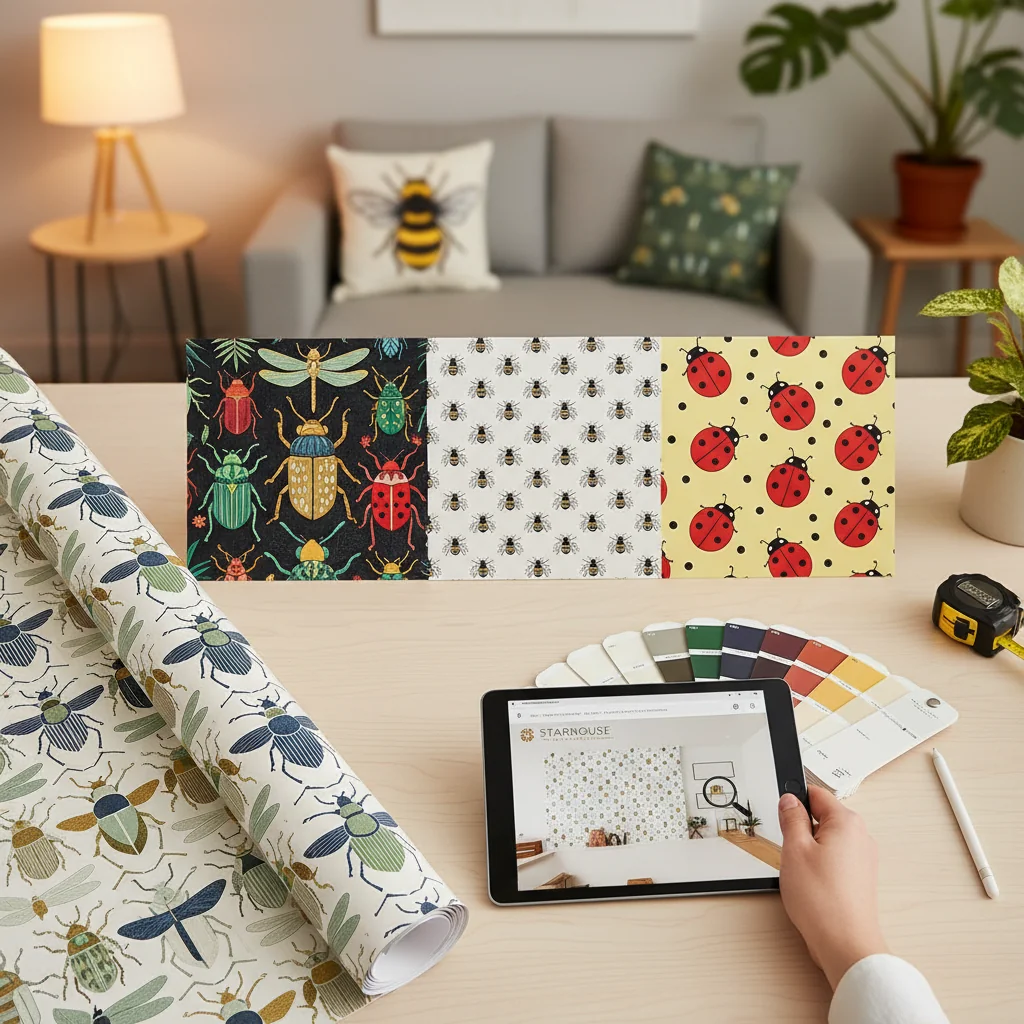
The choice of insect motif in wallpaper design carries significant symbolic weight, influencing the mood and narrative of a space far beyond its visual appeal. Each insect species, steeped in cultural lore and natural characteristics, can convey specific messages and evoke particular emotions, allowing for a deeply personalized design statement. Understanding these meanings empowers designers to select patterns that resonate with their intentions for a room.
Butterflies: Metamorphosis and Beauty
Butterflies are perhaps the most universally beloved insect motif, symbolizing transformation, hope, beauty, and renewal. Their life cycle, from caterpillar to chrysalis to winged adult, is a powerful metaphor for change and evolution. In design, butterflies often appear in delicate, vibrant patterns, suggesting lightness, joy, and freedom. They are ideal for bedrooms, nurseries, or spaces where a serene, uplifting, or whimsical atmosphere is desired. Their diverse colorations allow for extensive palette coordination, from subtle pastels to bold, jewel tones.
Bees: Industry and Community
Bees symbolize industry, diligence, community, and prosperity. Their intricate social structures and vital role in pollination make them emblems of hard work and collective effort. In décor, bee motifs often appear in geometric patterns, sometimes combined with honeycomb designs, reflecting their organized nature. They can lend a sophisticated, industrious, and even regal air to a space, particularly when rendered in gold or metallic accents. Bee wallpaper is suitable for studies, kitchens, or dining rooms, suggesting a productive and harmonious environment.
Dragonflies: Transformation and Adaptability
Dragonflies represent change, transformation, adaptability, and emotional maturity. Their iridescent wings and agile flight evoke a sense of lightness and grace, often associated with introspection and a connection to the spiritual realm. Dragonfly motifs in wallpaper frequently highlight their delicate, often translucent wings and slender bodies, rendered in ethereal or jewel-toned palettes. They are excellent for creating a serene, reflective, or subtly mystical ambiance in spaces like bathrooms, meditation rooms, or quiet reading nooks.
Beetles: Resilience and Mystique
Beetles, with their hard exoskeletons and often iridescent shells, symbolize resilience, protection, and mystique. In ancient cultures, scarabs were revered as symbols of rebirth and protection. Contemporary beetle motifs can range from realistic entomological studies that showcase their intricate forms to stylized, geometric interpretations that emphasize their metallic sheen. They introduce a bold, exotic, and sometimes masculine energy to a room. Beetle wallpaper can be a striking choice for an accent wall in a living room, a study, or a powder room, providing an unexpected touch of natural wonder and strength.
Moths: Intuition and Hidden Beauty
Often overlooked in favor of butterflies, moths carry their own profound symbolism, representing intuition, hidden beauty, vulnerability, and the allure of the nocturnal world. Their intricate patterns and often muted, earthy tones make them a sophisticated and understated choice. Moth wallpaper can create a dreamy, contemplative, or subtly mysterious atmosphere, perfect for bedrooms, dimly lit corridors, or spaces designed for quiet reflection. When paired with rich textures and subdued lighting, moth motifs add an element of quiet elegance.
Cicadas: Rebirth and Immortality
Cicadas are ancient symbols of rebirth, immortality, and eternal youth, particularly in East Asian cultures, due to their long life cycles and emergence from underground. Their distinctive forms, often depicted with prominent eyes and intricate wing venation, can create a powerful, primal connection to nature. Cicada wallpaper, whether in realistic or stylized forms, can be a bold statement, evoking a sense of enduring life and connection to ancient rhythms. It is suitable for spaces where a strong, grounding, and symbolic presence is desired, such as a formal dining room or a unique accent wall.
Sizing and Measuring: Precision for a Flawless Installation
Accurate sizing and meticulous measurement are the foundational steps for any successful wallpaper installation, ensuring a seamless finish and minimizing material waste. Precise calculations prevent costly errors and guarantee that the chosen insect motif aligns perfectly across the wall, preserving the intended aesthetic. A thorough understanding of your space and the wallpaper’s specifications is non-negotiable.
Calculating Rolls Needed
To determine the number of wallpaper rolls required, measure the height and width of each wall section you intend to cover in feet. Multiply the height by the width for each section to get the total square footage. Sum these square footages to obtain the total area. Standard U.S. wallpaper rolls typically cover approximately 56 square feet for a single roll (20.5 inches wide by 33 feet long) or 112 square feet for a double roll, though exact coverage varies by manufacturer. Divide your total wall area by the roll coverage, then add an additional 15-20% for waste due to pattern matching, trimming, and potential errors. Always round up to the nearest whole roll. For instance, if your wall is 8 feet high and 12 feet wide, the area is 96 sq ft. If a double roll covers 112 sq ft, you might need 1 roll, but with a complex pattern repeat, two rolls might be a safer bet to account for waste.
Understanding Pattern Repeat
Pattern repeat refers to the vertical distance between one point on a design and the identical point directly below it, dictating how much wallpaper must be aligned to create a continuous pattern. A larger pattern repeat means more waste per strip, as you must cut each strip to start at the exact point where the pattern aligns with the previous strip. For a seamless look, always factor in the pattern repeat when calculating material needs. For example, if a pattern has a 24-inch repeat, and your wall height is 96 inches (8 feet), each strip will likely consume a full repeat plus necessary trimming, potentially requiring more material than a random match pattern.
Essential Measuring Tools
Equipping yourself with the right tools ensures accuracy during the measuring process:
- Steel Tape Measure: A retractable, sturdy tape measure (at least 25 feet long) is essential for accurate wall dimensions.
- Pencil: For marking measurements directly on walls or diagrams.
- Level or Laser Level: Crucial for establishing a plumb line, ensuring the first strip is perfectly vertical, which then guides all subsequent strips.
- Step Ladder: Necessary for reaching the full height of walls safely.
- Calculator: For precise area and roll calculations.
- Diagram Paper: To sketch your room layout, noting doors, windows, and irregular features, which aids in planning cuts and estimating waste.
By meticulously following these guidelines, you ensure that your insect wallpaper installation will be visually stunning and professionally executed.
Installation Insights: Professional vs. DIY Approaches
The successful installation of insect wallpaper depends significantly on the chosen approach: a meticulous DIY effort or the precision of a professional. While DIY offers cost savings and personal satisfaction, professional installation guarantees a flawless finish, especially with complex patterns or delicate materials. The decision hinges on your experience level, the type of wallpaper, and the intricacy of the space.
DIY Preparation Steps
For those opting for a do-it-yourself installation, thorough preparation is non-negotiable to achieve a high-quality result:
- Surface Preparation: Ensure walls are clean, dry, smooth, and free of dust, grease, or old wallpaper. Fill any holes or cracks, sand smooth, and prime the walls with a high-quality acrylic primer. This creates a uniform, porous surface that allows the adhesive to bond effectively and prevents old wall colors from showing through.
- Gather Tools: Assemble all necessary tools: a sharp utility knife with plenty of fresh blades, a smoothing tool or wallpaper brush, a plumb bob or laser level, a tape measure, a bucket for paste (if not peel-and-stick), sponges, and clean cloths.
- Establish a Plumb Line: Use a plumb bob or laser level to draw a perfectly vertical line on the wall, approximately 20 inches from a corner (or slightly less than the width of your first strip). This line guides the placement of your first strip, ensuring all subsequent strips are straight.
- Cut and Match Strips: Measure your wall height and add 4-6 inches for trimming at the top and bottom. Cut your first strip. For subsequent strips, unroll the wallpaper and align the pattern with the previously cut strip before cutting, ensuring a continuous design. Number the back of each strip lightly to maintain order.
- Apply Paste (if applicable): For non-pasted wallpapers, apply a thin, even layer of appropriate wallpaper paste to the back of the paper or directly to the wall, depending on the wallpaper type. Ensure full coverage, especially at the edges.
- Hang the First Strip: Carefully align the first strip with your plumb line, pressing it onto the wall from top to bottom. Smooth out any air bubbles or wrinkles using your smoothing tool, working from the center outwards.
- Continue Hanging: Repeat the process for subsequent strips, carefully matching patterns at the seams. Butt the edges together without overlapping.
- Trim Excess: Once all strips are hung and smoothed, use a sharp utility knife and a straightedge to trim excess wallpaper at the ceiling, baseboards, and around windows or doors.
Benefits of Professional Installation
Engaging a professional wallpaper installer offers distinct advantages, particularly for intricate insect patterns or high-value materials:
- Expertise and Precision: Professionals possess specialized skills in pattern matching, handling delicate materials, and achieving seamless installations, especially around architectural features like windows, doors, and corners.
- Time-Saving: An experienced installer can complete the job much faster and more efficiently than a DIY enthusiast, minimizing disruption to your home.
- Minimized Waste: Professionals are adept at calculating material needs precisely and minimizing waste, which can be significant with large pattern repeats or expensive wallpapers.
- Flawless Finish: They ensure perfectly aligned seams, no air bubbles, and clean cuts, resulting in a polished, high-end look that enhances the wallpaper’s beauty.
- Guaranteed Work: Many professional installers offer guarantees on their work, providing peace of mind against installation flaws.
- Specialized Tools: Professionals come equipped with a full array of specialized tools and adhesives, ensuring the best possible outcome for your specific wallpaper type.
For complex installations or for those who prioritize a perfect finish, the investment in professional installation is often justified. Starhouse recommends considering a professional for delicate or high-end insect wallpaper selections to ensure the artistry is fully realized.
As Starhouse curates its exquisite collection of wall coverings, we are eager to understand what truly inspires your vision for a beautiful home. Share your design aspirations and tell us what you’re looking for, and gain early access to our forthcoming selections that promise to elevate your space.
Styling with Confidence: Integrating Insect Wallpaper into Your Decor
Integrating insect wallpaper successfully into your décor requires a thoughtful approach to ensure the space feels cohesive and elegant, rather than overwhelming. The key is to balance the wallpaper’s inherent boldness and detail with complementary elements, creating a harmonious environment that celebrates the chosen motif. Consider the interplay of color, texture, furniture, and lighting to achieve a sophisticated aesthetic.
Color Palette Harmony
Establish a cohesive color palette by drawing hues directly from the insect wallpaper. Use the dominant colors in the pattern for larger furniture pieces or drapes, and accent colors for decorative items like throw pillows, vases, or artwork. If the wallpaper is vibrant, opt for more neutral tones in the surrounding elements to allow the walls to be the star. Conversely, if the wallpaper features subtle, monochromatic insects, you can introduce bolder pops of color through accessories to create depth and interest.
Furniture Pairings
The style of furniture should complement the aesthetic of the insect motif. For realistic or vintage insect patterns, classic furniture pieces with rich wood tones, antique finishes, or upholstered in velvet or linen can enhance the sophisticated, timeless feel. For modern or abstract insect designs, sleek, minimalist furniture with clean lines and contemporary materials like metal, glass, or polished concrete will maintain a cohesive look. Avoid overly busy or ornate furniture that might compete with the wallpaper’s intricate details.
Lighting and Its Impact
Lighting plays a crucial role in highlighting the beauty of insect wallpaper. Ambient lighting, such as recessed lights or a statement chandelier, can illuminate the entire pattern. Accent lighting, like wall sconces or picture lights, can draw attention to specific details or a particularly striking insect motif. Consider the direction and warmth of the light; warm, diffused lighting can create a cozy, inviting atmosphere, while cooler, brighter light can emphasize crisp details and vibrant colors. Natural light will also interact with the wallpaper throughout the day, revealing different nuances of the design.
Textural Contrast
Introduce textural contrast to add depth and prevent the room from feeling flat. If your insect wallpaper has a smooth finish, pair it with tactile elements like a plush wool rug, velvet curtains, a rough-hewn wooden table, or woven baskets. For grasscloth or textured insect wallpapers, balance them with smoother surfaces such as polished metals, glass, or sleek leather. This interplay of textures creates a richer, more inviting sensory experience within the space.
Room-Specific Applications
- Living Room: Use insect wallpaper on an accent wall behind a sofa or fireplace to create a dramatic focal point. Balance with neutral upholstered furniture and natural wood elements.
- Bedroom: A delicate butterfly or moth pattern behind the headboard can create a serene, dreamy retreat. Pair with soft textiles and muted lighting.
- Powder Room: This is an ideal space for bold, unexpected insect wallpaper, as its small size allows for high impact without overwhelming. Consider a vibrant beetle or dragonfly motif with a statement mirror.
- Dining Room: A botanical-integrated insect pattern can add elegance and a connection to nature, especially if paired with a classic dining set and sophisticated lighting.
- Study/Office: Realistic entomological illustrations or bee motifs can enhance a scholarly, refined atmosphere, complemented by dark wood furniture and leather accents.
- Children’s Room: Whimsical, stylized insects in bright colors can create a playful and imaginative environment, paired with simple, durable furniture.
By thoughtfully considering these styling principles, your insect wallpaper will not only be a beautiful addition but a seamlessly integrated element of a sophisticated and personalized interior.
Care and Maintenance: Preserving the Beauty of Your Wall Covering
Proper care and routine maintenance are essential for preserving the aesthetic integrity and extending the lifespan of your insect wallpaper. The specific cleaning methods depend entirely on the wallpaper material, as different substrates react uniquely to moisture and cleaning agents. Adhering to manufacturer guidelines is paramount to prevent damage and maintain the vibrancy of the design.
Cleaning Based on Material
Non-Woven and Vinyl Wallpaper: These are generally the easiest to clean. For routine dusting, use a soft, dry cloth or a feather duster. For more stubborn marks, gently wipe the surface with a damp cloth lightly moistened with a solution of mild soap and water. Always test a small, inconspicuous area first. Avoid abrasive cleaners or scrubbing vigorously, as this can damage the print or surface finish. Ensure the wall is dried thoroughly afterward to prevent water spots or mildew.
Traditional Paper Wallpaper: Paper wallpaper is the most delicate and typically not washable. Dust regularly with a soft, dry cloth or a duster. For very light, non-greasy marks, a white art eraser can sometimes be used gently, but extreme caution is advised. Avoid all liquid cleaners, as they can cause water stains, color bleeding, or bubbling. Professional cleaning may be an option for significant stains, but it is often a last resort.
Grasscloth and Natural Fiber Wallpaper: These materials require specialized care due to their organic nature. They are not washable and should never be exposed to moisture, which can cause discoloration, mildew, or fiber damage. For daily maintenance, gently vacuum the surface using a brush attachment or dust with a soft, dry cloth. For deeper cleaning, professional dry cleaning services specializing in natural fibers may be necessary. Spot cleaning is generally not recommended as it can leave water rings or alter the texture.
Peel-and-Stick Wallpaper: Most peel-and-stick options, often made of vinyl or similar synthetic materials, are wipeable. Clean with a soft, damp cloth and mild soap, similar to non-woven or vinyl wallpapers. Avoid harsh chemicals or excessive moisture, especially near seams, as this could compromise the adhesive. Always ensure the surface is dry after cleaning.
Fabric-Backed (Textile) Wallpaper: These luxurious wall coverings are delicate and typically require dry cleaning methods. Light dusting with a soft cloth or gentle vacuuming with an upholstery attachment is suitable for routine care. For stains or deeper cleaning, consult a professional textile cleaner experienced with wall coverings, as incorrect methods can damage the fabric or backing.
Addressing Minor Damage
Tears or Peeling Seams: For small tears or lifting seams, use a high-quality wallpaper seam adhesive. Apply a small amount to the underside of the paper, press firmly, and wipe away any excess with a damp cloth. For larger tears, a patch cut from leftover wallpaper (ensuring pattern match) can be carefully applied.
Bubbles: Small air bubbles can often be smoothed out with a wallpaper brush or squeegee. For persistent bubbles, a tiny incision with a sharp utility knife can release trapped air, followed by gentle smoothing. For bubbles caused by inadequate paste, inject a small amount of wallpaper adhesive with a syringe before smoothing.
Environmental Considerations
Protect your insect wallpaper from direct, prolonged sunlight, which can cause fading over time, especially with darker or more vibrant colors. Use curtains, blinds, or UV-protective window films to mitigate sun exposure. Maintain consistent humidity levels in your home; extreme fluctuations can cause wallpaper to peel or buckle. A relative humidity between 30% and 50% is generally ideal for preserving wall coverings.
It is also prudent to consider the broader context of a healthy home environment. While decorative insect motifs are celebrated for their beauty, actual insects and arthropods can pose significant health risks as vectors for various diseases. The CDC’s Yellow Book provides comprehensive information on environmental hazards, including risks associated with mosquitoes, ticks, and other arthropods, highlighting the importance of proper home hygiene and pest control measures.
Common Mistakes to Avoid When Designing with Insect Wallpaper
Designing with insect wallpaper offers immense creative potential, but certain missteps can detract from its impact and overall aesthetic. Avoiding these common mistakes ensures your design choice elevates the space rather than overwhelming it, maximizing the wallpaper’s sophisticated appeal. Precision and thoughtful planning are key to a harmonious outcome.
- Overwhelming the Space: Applying a bold, large-scale insect pattern to every wall in a small room can make it feel cramped and busy. Reserve such patterns for an accent wall or a larger room to maintain balance. In smaller spaces, consider a more subtle, smaller-scale print or use the wallpaper only on the upper half of a wall.
- Ignoring Room Scale: A tiny, intricate insect pattern can get lost in a vast room, while a massive, oversized motif might dominate a small powder room negatively. Always consider the scale of the pattern in relation to the room’s dimensions and the viewing distance.
- Clashing with Existing Decor: Introducing insect wallpaper without considering existing furniture, textiles, and color schemes can lead to a disjointed look. Ensure the wallpaper’s colors and style harmonize with your current décor, or plan a complete room refresh around the wallpaper.
- Poor Pattern Matching: A misaligned pattern repeat immediately diminishes the professional look of the wallpaper. This is a common DIY mistake. Careful measurement, proper cutting, and patient alignment are crucial for a seamless, continuous design. For complex patterns, professional installation is often a worthwhile investment.
- Neglecting Wall Preparation: Applying wallpaper over uneven, dirty, or improperly primed walls will result in imperfections showing through, poor adhesion, and potential bubbling or peeling. Always ensure walls are clean, smooth, dry, and primed before installation.
- Insufficient Lighting: Beautiful insect details can be lost in poorly lit rooms. Ensure adequate lighting, both ambient and accent, to highlight the wallpaper’s intricate patterns and colors. Consider how natural light interacts with the design throughout the day.
- Forgetting the Ceiling: While insect wallpaper is typically for walls, sometimes a bold design can be too much when paired with a plain white ceiling. Consider painting the ceiling a complementary color pulled from the wallpaper to create a more cohesive and enveloping effect.
- Choosing the Wrong Material for the Environment: Using non-washable paper wallpaper in a high-moisture bathroom or a high-traffic children’s room will lead to premature wear and damage. Select durable, washable materials like vinyl or non-woven for demanding environments.
- Ignoring the Flow Between Rooms: If using insect wallpaper in an open-concept space or a room adjacent to another, consider how the design transitions. Ensure there’s a visual harmony or a deliberate contrast that feels intentional, rather than abrupt.
- Not Ordering Enough Material: Running out of wallpaper mid-project is frustrating and can lead to delays or color variations if ordering a new batch. Always factor in extra material for pattern repeats, trimming, and potential mistakes, adding 15-20% to your total square footage calculation.
By consciously avoiding these pitfalls, you can confidently integrate insect wallpaper into your design, creating a space that is both unique and impeccably styled.
Current Trends in Insect Wallpaper Design
Current trends in insect wallpaper design reflect a broader movement towards biophilic aesthetics, sustainability, and personalized expression, integrating natural elements with contemporary artistic sensibilities. Designers and homeowners are embracing diverse interpretations of entomological motifs, moving beyond traditional representations to explore new dimensions of pattern, color, and texture. These trends emphasize a deeper connection to nature while maintaining a sophisticated and modern edge.
- Maximalist Botanical-Insect Murals: There is a strong trend towards large-scale, immersive murals that depict lush botanical scenes teeming with oversized, vibrant insects. These designs often cover entire walls, transforming a room into an exotic garden or a fantastical natural landscape. The focus is on abundant detail, rich color palettes, and a sense of being enveloped by nature, aligning with the maximalist aesthetic.
- Subtle Metallic Accents: Insect motifs are frequently enhanced with metallic finishes—gold, silver, copper, or iridescent sheens—particularly on beetle wings, butterfly bodies, or dragonfly venation. These metallic details catch the light, adding a touch of luxury, depth, and dynamic visual interest to the wallpaper, elevating it from a simple pattern to a shimmering art piece.
- Artistic and Abstract Interpretations: Contemporary designs often feature highly stylized or abstract representations of insects, moving away from hyper-realism. This can include geometric patterns inspired by insect exoskeletons, watercolor illustrations that capture the ethereal quality of wings, or minimalist silhouettes. These artistic interpretations allow for greater integration into modern and minimalist interiors, offering a subtle nod to nature without being overtly thematic.
- Dark and Moody Palettes: While vibrant colors remain popular, there’s a growing trend for insect wallpaper in dark, rich, and moody color schemes—deep greens, navy blues, charcoal grays, and even black. These darker backgrounds make the insect motifs pop, creating a dramatic, sophisticated, and often mysterious atmosphere, particularly effective in powder rooms, dining rooms, or accent walls.
- Focus on Specific Species and Their Symbolism: Designers are increasingly curating specific insect motifs based on their symbolic meanings. For instance, bees representing community and industry, or dragonflies symbolizing transformation, are chosen not just for their beauty but for the narrative they bring to a space. This allows for a deeper, more personal connection to the design.
- Sustainable and Eco-Friendly Materials: Reflecting a broader industry shift, there is increased demand for insect wallpaper printed on eco-friendly substrates, such as FSC-certified non-woven papers, recycled materials, or those printed with water-based, non-toxic inks. This trend aligns with conscious consumer choices and a desire for healthier indoor environments.
- Textural Finishes: Beyond just visual patterns, wallpaper is incorporating more tactile elements. Embossed insect patterns, grasscloth with woven insect motifs, or designs with a slight raised texture add another layer of sensory experience, enhancing the perceived luxury and natural feel of the wall covering.
- Chinoiserie and Grandmillennial Revival: Classic styles like Chinoiserie, which often feature intricate insect and botanical designs, are experiencing a resurgence. This trend, often dubbed “Grandmillennial,” embraces traditional aesthetics with a fresh, modern twist, allowing for ornate and detailed insect patterns in elegant settings.
These trends highlight the evolving appreciation for insects as design elements, offering a rich tapestry of choices for those looking to infuse their homes with natural beauty and sophisticated artistry.
Sources
- Using Insect Repellents Safely and Effectively | US EPA
- HAN Archive – 00336 | Health Alert Network (HAN) | CDC
- Mosquitoes, Ticks, and Other Arthropods | Yellow Book | CDC
Frequently Asked Questions
Is insect wallpaper suitable for all rooms?
Insect wallpaper is suitable for most rooms, but the specific pattern and material should be chosen based on the room’s function and traffic. For high-moisture areas like bathrooms and kitchens, vinyl or non-woven options are recommended due to their durability and washability, whereas delicate paper or grasscloth is best reserved for low-traffic spaces like bedrooms or formal dining rooms.
How do I choose the right insect motif for my aesthetic?
Choosing the right insect motif involves considering the desired mood and existing décor. Butterflies and dragonflies offer lightness and elegance, while beetles or cicadas can provide a bolder, more exotic statement. Reflect on the symbolism of different insects and select a style (realistic, stylized, or abstract) that aligns with your personal taste and the room’s overall design intent.
Can I install insect wallpaper myself, or should I hire a professional?
DIY installation is feasible for experienced individuals, especially with peel-and-stick or paste-the-wall non-woven wallpapers. However, for complex patterns, delicate materials like grasscloth, or achieving a truly flawless finish, hiring a professional installer is strongly recommended. Professionals ensure precise pattern matching, seamless application, and minimal material waste.
How do I clean and maintain insect wallpaper?
Cleaning and maintenance depend on the wallpaper material. Non-woven and vinyl wallpapers are typically wipeable with a damp cloth and mild soap, while traditional paper wallpaper should only be dusted dry. Natural fiber wallpapers like grasscloth require gentle vacuuming or dry brushing and should never be exposed to moisture. Always refer to the manufacturer’s specific care instructions for the best results.
What is pattern repeat, and why is it important for wallpaper installation?
Pattern repeat is the vertical distance between identical points of a design on a wallpaper roll, typically measured in inches. It is crucial for installation because it dictates how much extra wallpaper you need to purchase to ensure the pattern aligns seamlessly from one strip to the next. A larger pattern repeat usually means more material waste, requiring a 15-20% overage in your roll calculation.
Does insect wallpaper attract real insects?
No, insect wallpaper does not attract real insects. The motifs are purely decorative and do not emit any scents or substances that would draw pests. The presence of actual insects in a home is typically due to environmental factors such as food sources, moisture, or entry points, not wall coverings. Maintaining a clean and sealed home environment is the most effective way to prevent insect infestations, as highlighted by public health advisories like the CDC’s Health Alert Network regarding various environmental health concerns.
Can insect wallpaper be removed easily?
The ease of removal varies significantly by wallpaper type. Peel-and-stick wallpapers are designed for easy, residue-free removal, making them ideal for temporary applications or rentals. Non-woven wallpapers are also generally “strippable,” meaning they can be dry-stripped from the wall in full sheets without damaging the surface. Traditional paper wallpapers, however, often require wetting and scraping for removal, which can be more labor-intensive and potentially cause minor wall damage.
Conclusion: Embrace the Artistry
Insect wallpaper offers an unparalleled opportunity to infuse your living spaces with character, sophistication, and a deep appreciation for the natural world. From the delicate flutter of butterflies to the bold iridescence of beetles, these wall coverings transcend mere decoration, becoming focal points that tell a story and evoke emotion. By carefully considering types, materials, motifs, and styling techniques, you can transform any room into a curated sanctuary that reflects your unique aesthetic and connection to nature’s intricate artistry.
At Starhouse, we believe that every home deserves a touch of elevated design, a reflection of the individuality and aspirations of those who dwell within. As we meticulously curate our forthcoming collection of exquisite home décor, including a diverse range of wall coverings, we invite you to be part of our journey. Share your vision, tell us what inspires you, and tell us what you’re looking for in your dream space. By joining our community, you’ll gain early access to our hand-picked selections, ensuring your home is among the first to experience the exceptional quality and design Starhouse is known for.
Updated: June 2026