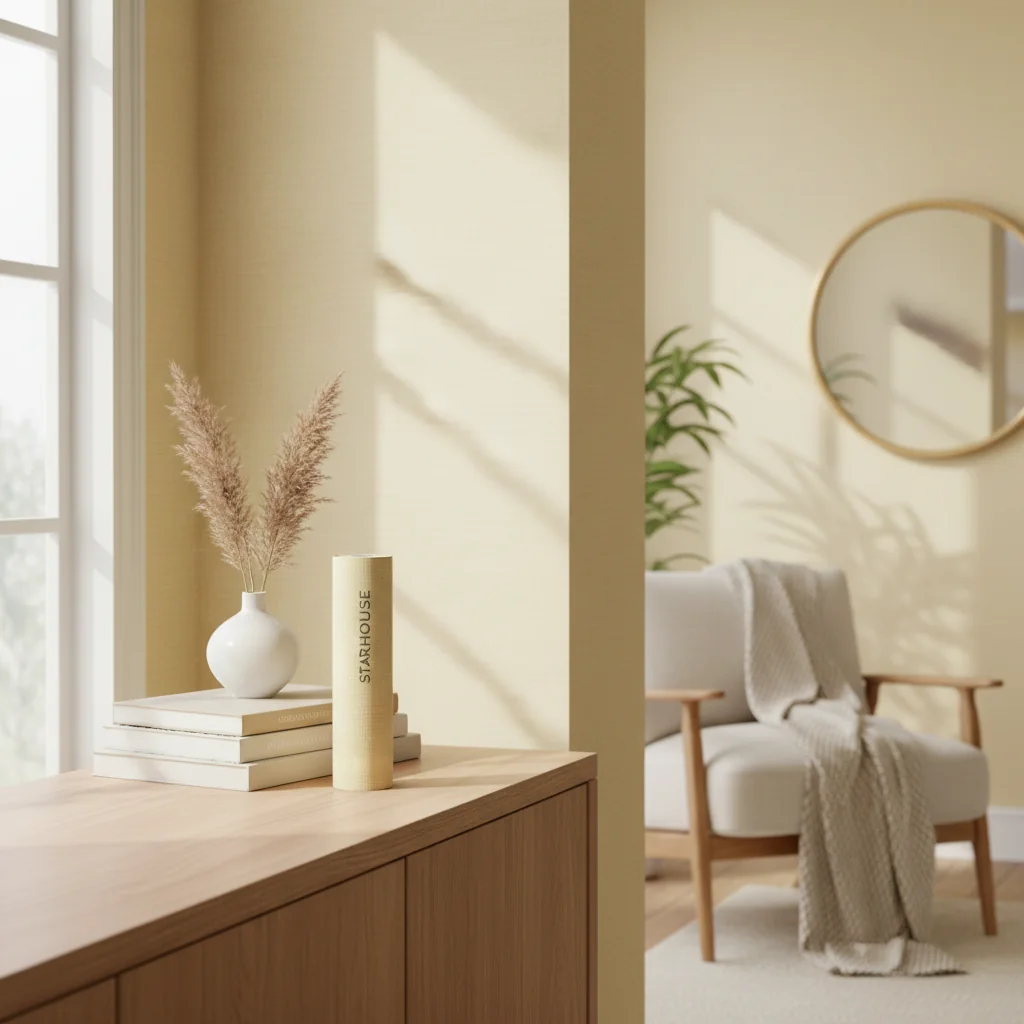
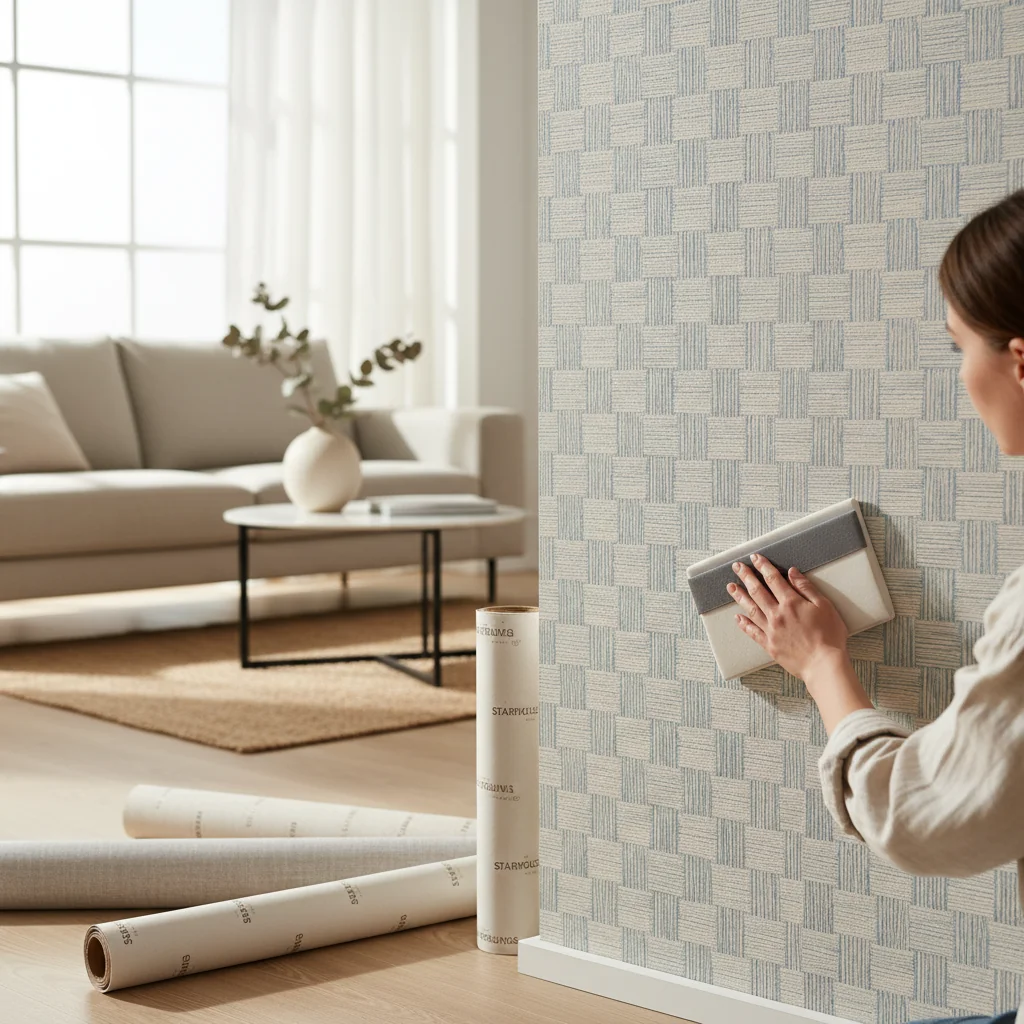
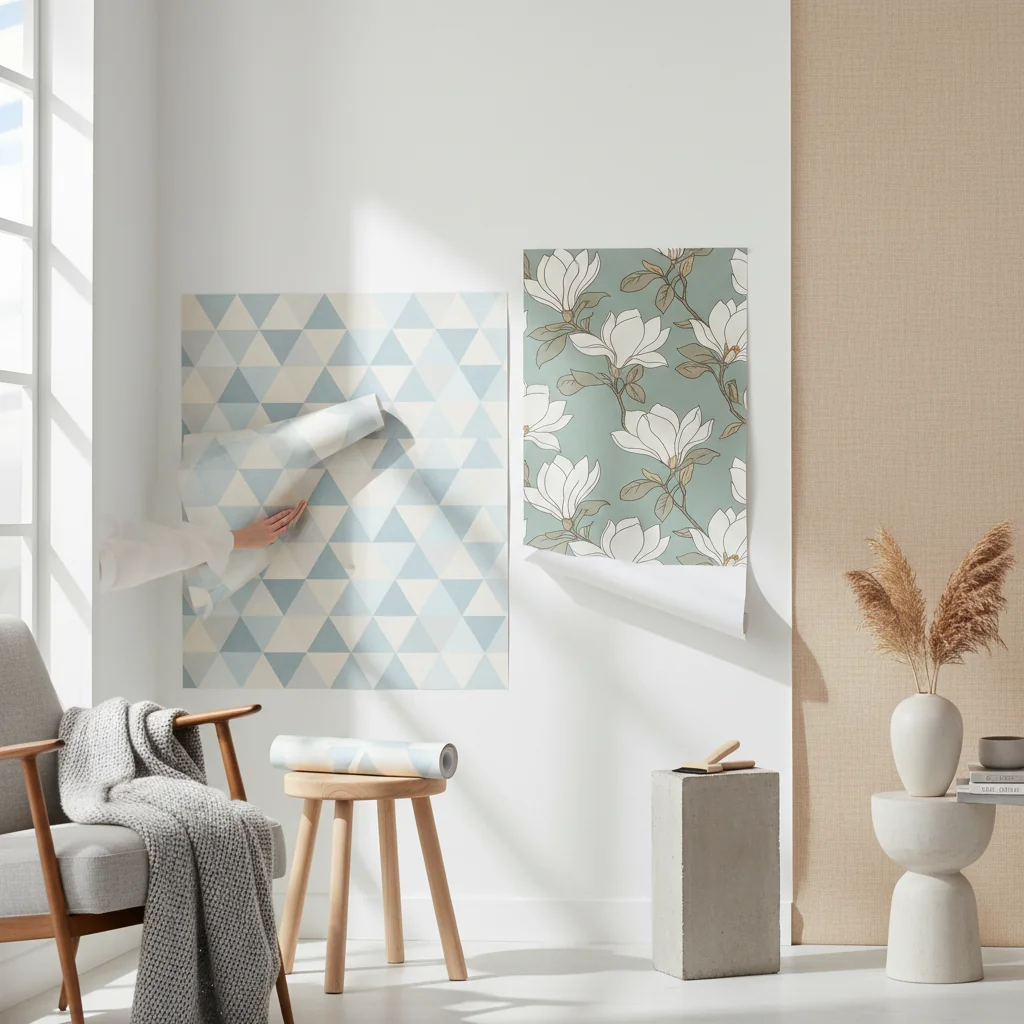
Stunning metallic pattern wallpaper transforms interiors with reflective elegance, introducing dimension and a sophisticated shimmer that elevates any design aesthetic. These wallpapers often feature a metallic ink or foil layer, meticulously applied to various substrates like non-woven or paper-backed vinyl, creating a dynamic interplay with light that can visually expand a space and imbue it with undeniable luxury. At Starhouse, we understand that the right wallcovering is more than just decoration; it is a fundamental element in crafting a home’s character and mood.
The allure of metallic patterns lies in their ability to catch and refract light, adding depth and movement to walls that static finishes simply cannot achieve. From subtle, whispered sheens to bold, mirror-like reflections, metallic wallpapers offer an unparalleled opportunity to infuse a room with glamour, drama, or understated sophistication. This comprehensive guide delves into every facet of selecting, installing, and maintaining metallic pattern wallpaper, ensuring you possess the knowledge to make an informed and inspired choice for your home.
We explore the diverse types and styles available, the critical considerations for choosing the perfect pattern, and the precise techniques for sizing and measuring. We also highlight current trends, provide essential care instructions, and offer expert advice on styling and pairing these luminous wallcoverings with your existing decor. Prepare to unlock the transformative power of metallic pattern wallpaper and envision spaces that truly shine.
Key Takeaways
- Metallic pattern wallpaper utilizes reflective inks or foils to add depth, dimension, and luxury to interior spaces.
- Choosing the right metallic wallpaper involves considering material type (e.g., non-woven, vinyl), pattern scale, and the desired level of reflectivity.
- Accurate measurement and understanding pattern repeats are crucial for successful installation and minimizing material waste.
- Proper care, typically involving gentle cleaning with a damp cloth, is essential to maintain the luster and longevity of metallic wallcoverings.
- Metallic wallpapers are versatile, complementing styles from Art Deco and Glam to modern and transitional, enhancing spaces through strategic styling and lighting.
- Adherence to industry standards, such as those from ASTM International, ensures the quality and performance of reputable metallic wallpaper products.
Understanding Metallic Pattern Wallpaper: A Glimmering Foundation
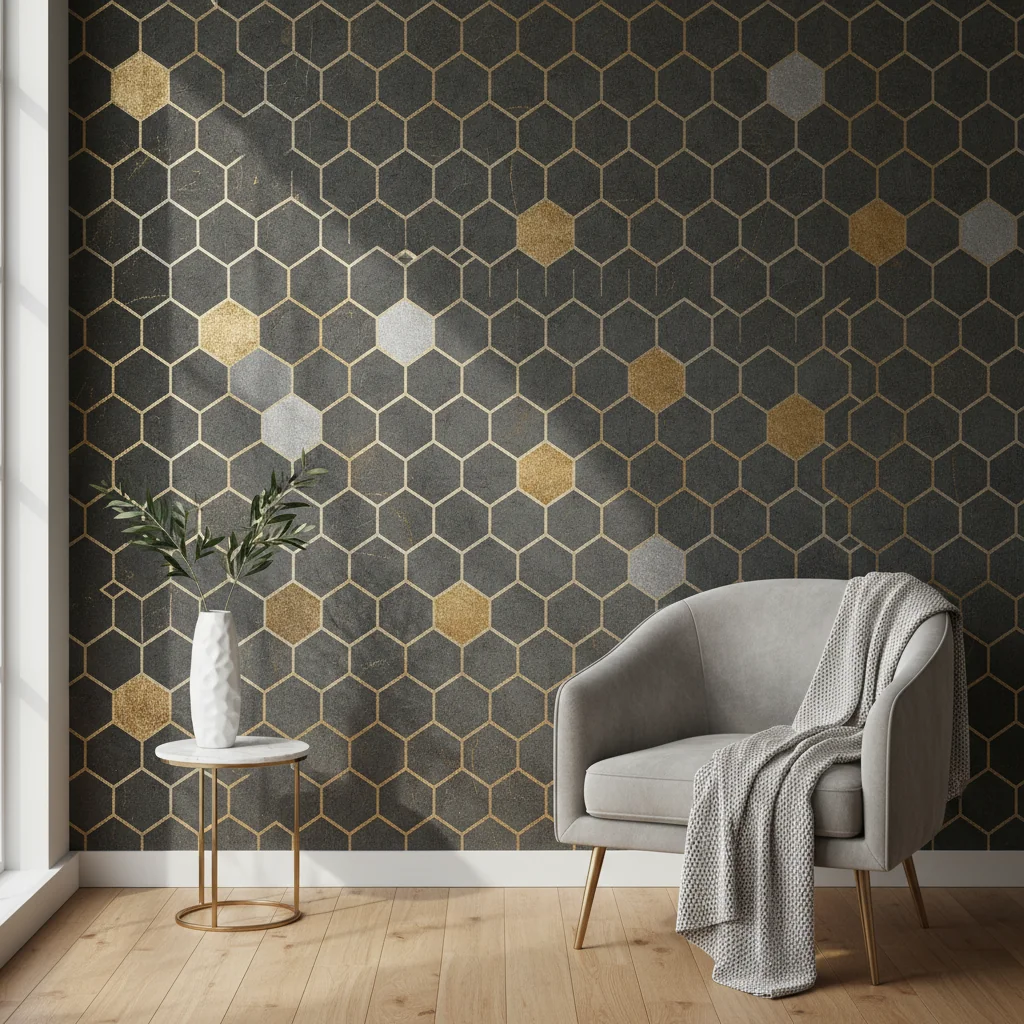
Metallic pattern wallpaper is a wallcovering product distinguished by its incorporation of reflective elements, typically metallic inks or foils, which create a lustrous finish and add significant visual depth to a surface. These materials are meticulously engineered to interact with light, producing dynamic effects that range from subtle sheens to highly reflective surfaces. The foundation of these sophisticated wallcoverings rests on their composition, which combines various metallic components with durable substrates.
The primary metallic components found in these wallpapers include aluminum, copper, and bronze, often ground into fine pigments or applied as thin foils. These elements are integrated into the wallpaper through several advanced manufacturing processes, ensuring both aesthetic appeal and longevity. The choice of metallic component directly influences the final look, from the warm glow of brass-toned metallics to the cool sophistication of silver or chrome finishes.
Types of Metallic Finishes
The metallic effect on wallpaper can be achieved through different methods, each offering distinct visual characteristics and tactile qualities. Understanding these distinctions is crucial for selecting the ideal aesthetic for your space.
- Metallic Ink: This is the most common method, where metallic pigments are mixed into an ink and printed onto the wallpaper substrate. Metallic inks provide a subtle, shimmering effect rather than a mirror-like reflection. They are versatile and can be used to highlight specific patterns or add an all-over soft glow. The finish can range from matte metallic to a soft luster, offering a refined elegance.
- Foil Wallpaper: Foil wallpapers feature a thin layer of metallic foil, usually aluminum, laminated onto the paper or non-woven backing. This technique creates a highly reflective, mirror-like surface that significantly brightens a room and adds a striking, glamorous effect. Foil wallpapers are known for their dramatic visual impact and can make a bold design statement.
- Mylar Wallpaper: Mylar is a polyester film that is metallized on one side and then laminated to a paper backing. Similar to foil, Mylar wallpapers offer a high-gloss, reflective finish but are often more durable and tear-resistant than traditional foil. They are excellent for creating a luxurious and expansive feel in a room.
Substrate Materials for Durability and Performance
The metallic finish is applied to a base material, or substrate, which dictates the wallpaper’s durability, ease of installation, and overall performance. Reputable manufacturers adhere to industry standards, such as those established by ASTM International, ensuring products meet specific criteria for durability, fire resistance, and material quality. The most common substrates include:
- Non-Woven Wallpaper: Non-woven wallpaper is a high-quality wallcovering made from a blend of natural and synthetic fibers, making it breathable, tear-resistant, and easy to install and remove. This material is highly durable and dimensionally stable, meaning it resists shrinking or expanding when wet. Its “paste the wall” application method simplifies installation, and it is often strippable, allowing for clean removal without damaging the underlying wall. Non-woven substrates are an excellent choice for longevity and ease of maintenance, especially for peel-and-stick variants.
- Paper-Backed Vinyl: This type features a decorative vinyl surface laminated to a paper backing. The vinyl layer offers excellent durability, washability, and resistance to moisture, making it suitable for high-traffic areas or spaces prone to splashes, such as bathrooms and kitchens. The paper backing requires paste application to the wallpaper itself before hanging.
- Solid Vinyl: Composed entirely of vinyl, these wallpapers are exceptionally durable, scrubbable, and highly resistant to moisture and stains. Solid vinyl is an ideal choice for commercial settings or residential areas demanding maximum resilience. While highly practical, its thickness can sometimes make installation slightly more challenging than non-woven options.
- Peel-and-Stick Wallpaper: This innovative type of wallpaper features an adhesive backing protected by a removable liner, allowing for easy application and repositioning. Often made with a non-woven or vinyl substrate, peel-and-stick metallic patterns are perfect for renters, DIY enthusiasts, or those who enjoy frequently updating their decor. They offer the same aesthetic benefits of traditional metallic wallpapers with added convenience.
Understanding these material compositions empowers you to select metallic pattern wallpaper that not only meets your aesthetic desires but also aligns with the functional requirements and traffic levels of your specific space. The combination of stunning metallic finishes and robust substrates ensures a wallcovering that is both beautiful and built to last.
The Art of Reflection: Styles and Aesthetics
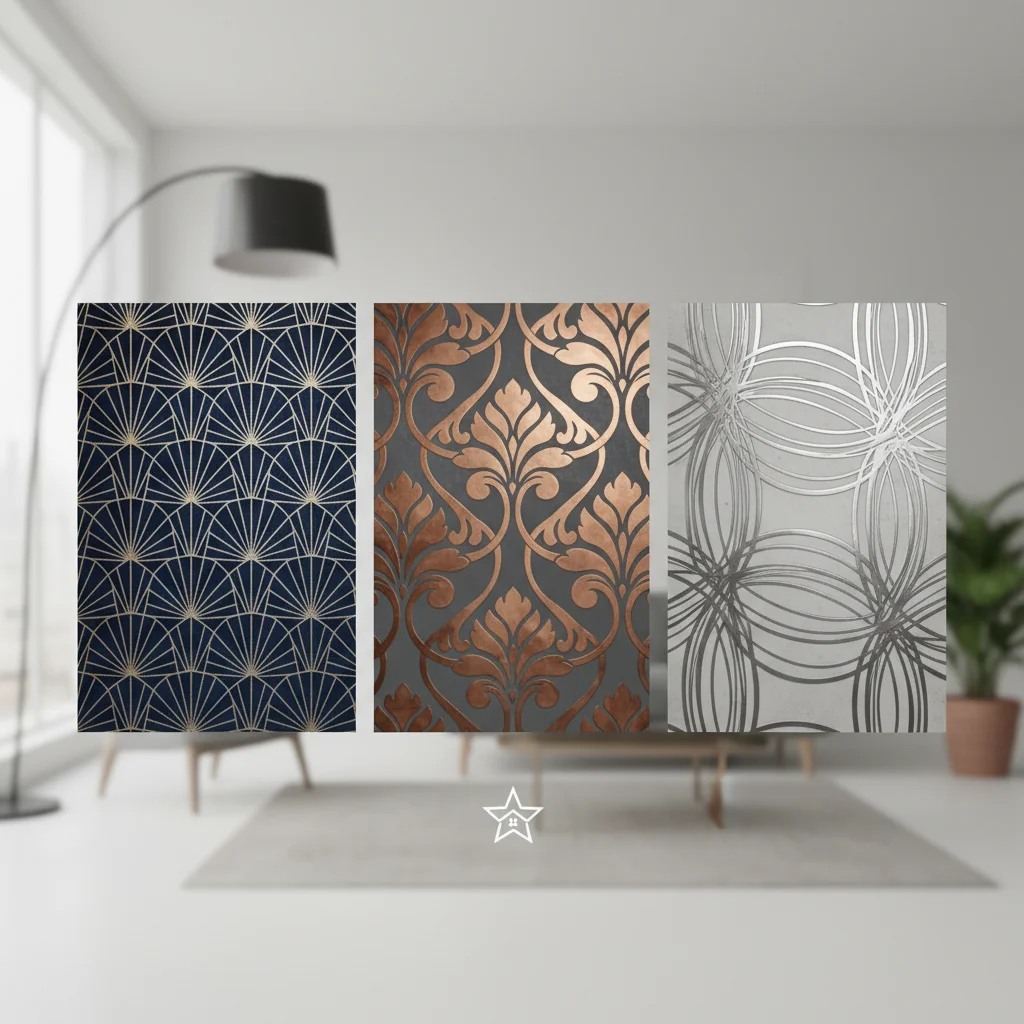
Metallic patterns enhance various interior design styles by introducing a dynamic interplay of light and texture, transforming ordinary walls into focal points of artistic expression. The reflective qualities of metallic wallpaper can visually expand a room, add warmth, or create a cool, sophisticated ambiance, depending on the specific metallic hue and pattern chosen. These wallcoverings are not merely decorative; they are integral to shaping the mood and perceived size of a space.
The strategic deployment of metallic wallpaper allows designers to manipulate light, drawing attention to architectural features or creating an illusion of greater depth. A room with metallic wallpaper can feel more expansive and open, as the reflective surface bounces light around, making the space appear brighter and airier. This makes it particularly effective in smaller rooms or those with limited natural light. Leading manufacturers, like York Wallcoverings, expertly craft metallic patterns that introduce significant dimension and a refined polish to interiors, showcasing the dynamic interplay of light and texture.
Integrating Metallic Patterns Across Design Styles
Metallic pattern wallpaper offers remarkable versatility, adapting seamlessly to a wide spectrum of interior design aesthetics. Its ability to convey luxury, modernity, or classic elegance makes it a powerful design tool.
- Art Deco Glamour: Metallic patterns are synonymous with the Art Deco era, characterized by geometric shapes, sunburst motifs, and opulent finishes. Silver, gold, and brass metallics in intricate, symmetrical designs evoke the sophisticated extravagance of the 1920s and 30s. Pair with velvet furnishings and polished chrome accents for an authentic look.
- Modern Minimalism: In minimalist designs, metallic patterns can introduce texture and subtle visual interest without overwhelming the clean lines and understated palette. Think of a muted silver geometric pattern on a cool gray background, adding a sophisticated edge. This approach uses metallic elements to provide depth rather than overt ornamentation.
- Industrial Chic: Raw and refined, industrial design benefits from metallic wallpapers that mimic aged metals, patinas, or distressed surfaces. Copper, steel, and oxidized bronze tones can be incorporated through abstract or textured metallic patterns, complementing exposed brick, concrete, and metal fixtures to create an urban loft aesthetic.
- Contemporary Elegance: Contemporary interiors often embrace bold statements and innovative textures. Metallic wallpapers with large-scale abstract designs, subtle ombre effects, or organic metallic swirls introduce a forward-thinking elegance. These patterns work well with sleek furniture, abstract art, and a sophisticated color scheme.
- Transitional Sophistication: Bridging traditional and contemporary styles, transitional design benefits from metallic patterns that blend classic motifs with modern finishes. A damask pattern rendered in a subtle metallic sheen, or a classic stripe with a metallic thread, adds a timeless yet fresh appeal. This style balances comfort with refined aesthetics.
- Eclectic Charm: For eclectic spaces, metallic wallpaper can serve as a unifying element or a dramatic backdrop. A bold metallic botanical print or a Moroccan-inspired metallic trellis pattern can introduce a global flair and a touch of unexpected luxury, harmonizing diverse elements within the room.
The key to successful integration lies in balancing the metallic element with other materials and textures in the room. A highly reflective metallic wallpaper might be best balanced with matte finishes in furniture or textiles, while a subtle metallic ink pattern can be layered with other reflective surfaces for a cohesive, glamorous effect. Considering the interplay of natural and artificial light sources will further enhance the dynamic beauty of metallic wallcoverings.
Choosing Your Luster: Selecting the Perfect Metallic Pattern
Selecting the perfect metallic pattern wallpaper requires careful consideration of several factors, including the room’s function, existing decor, the scale of the pattern, and the desired intensity of the metallic effect. An informed decision ensures the wallpaper harmonizes with your space, fulfilling both aesthetic and practical requirements. The goal is to achieve a cohesive design that feels both luxurious and inviting.
The choice is not merely about selecting a pattern; it involves envisioning how the metallic elements will interact with your home’s unique lighting conditions and existing color palette. A successful selection will elevate the room’s atmosphere, making it feel more sophisticated and thoughtfully designed. Consider how the pattern will look from various angles and at different times of day, as metallic finishes are highly responsive to light.
Key Considerations for Selection
Before committing to a specific metallic pattern, evaluate these critical aspects:
- Room Function and Traffic: For high-traffic areas like hallways or family rooms, opt for durable, washable substrates like vinyl or heavy-duty non-woven. In spaces like a formal dining room or bedroom, where wear and tear are less of a concern, more delicate foil or paper-backed options might be suitable. Consider the amount of light exposure the room receives; highly reflective metallics can be overwhelming in excessively bright, sun-drenched rooms, while they can significantly brighten darker spaces.
- Existing Decor and Style: The metallic wallpaper should complement your current furniture, textiles, and decorative accessories. If your home has a consistent design theme (e.g., mid-century modern, bohemian, traditional), choose a metallic pattern that aligns with that aesthetic. For instance, geometric metallics fit modern styles, while ornate damasks suit classical settings. Ensure the metallic tone (gold, silver, bronze) matches or enhances existing metal finishes in the room.
- Pattern Scale and Room Size: The size of the pattern should be proportionate to the size of the room.
- Large Patterns: Bold, large-scale metallic patterns make a dramatic statement and are best suited for expansive rooms or as an accent wall in smaller spaces. They can visually reduce the perceived size of a room if used on all walls in a confined area.
- Small Patterns: Delicate or small-scale metallic patterns work well in smaller rooms, providing subtle texture and shimmer without overwhelming the space. They can also add intricate detail to larger rooms when a more understated elegance is desired.
- Vertical Stripes: Metallic stripes can visually heighten a ceiling, making a room feel taller.
- Horizontal Patterns: Can make a room feel wider.
- Metallic Intensity and Reflectivity: Determine the level of shimmer you desire.
- Subtle Sheen: Metallic inks offer a gentle glow, ideal for creating an elegant backdrop without being overly ostentatious. These are perfect for entire rooms where a sophisticated, understated metallic effect is preferred.
- High Gloss/Mirror-like: Foil or Mylar wallpapers provide significant reflectivity, creating a bold, glamorous effect. These are best used for accent walls, powder rooms, or areas where a dramatic statement is desired. Their high reflectivity can be intense, so balance them with matte textures elsewhere.
- Color Palette Integration: Metallic patterns come in various base colors, from deep charcoals and navy blues to soft creams and whites, with metallic accents in gold, silver, bronze, or rose gold. Consider how these colors interact with your room’s existing palette. A warm gold metallic might enhance a room with earthy tones, while a cool silver metallic could complement blues and grays. Ensure there is a harmonious balance, avoiding clashes that could disrupt the room’s tranquility.
By meticulously evaluating these factors, you can confidently select a metallic pattern wallpaper that not only looks stunning but also functions beautifully within your home, creating a space that reflects your personal style and elevates your living experience.
Precision in Planning: Sizing and Measuring for Metallic Wallpaper
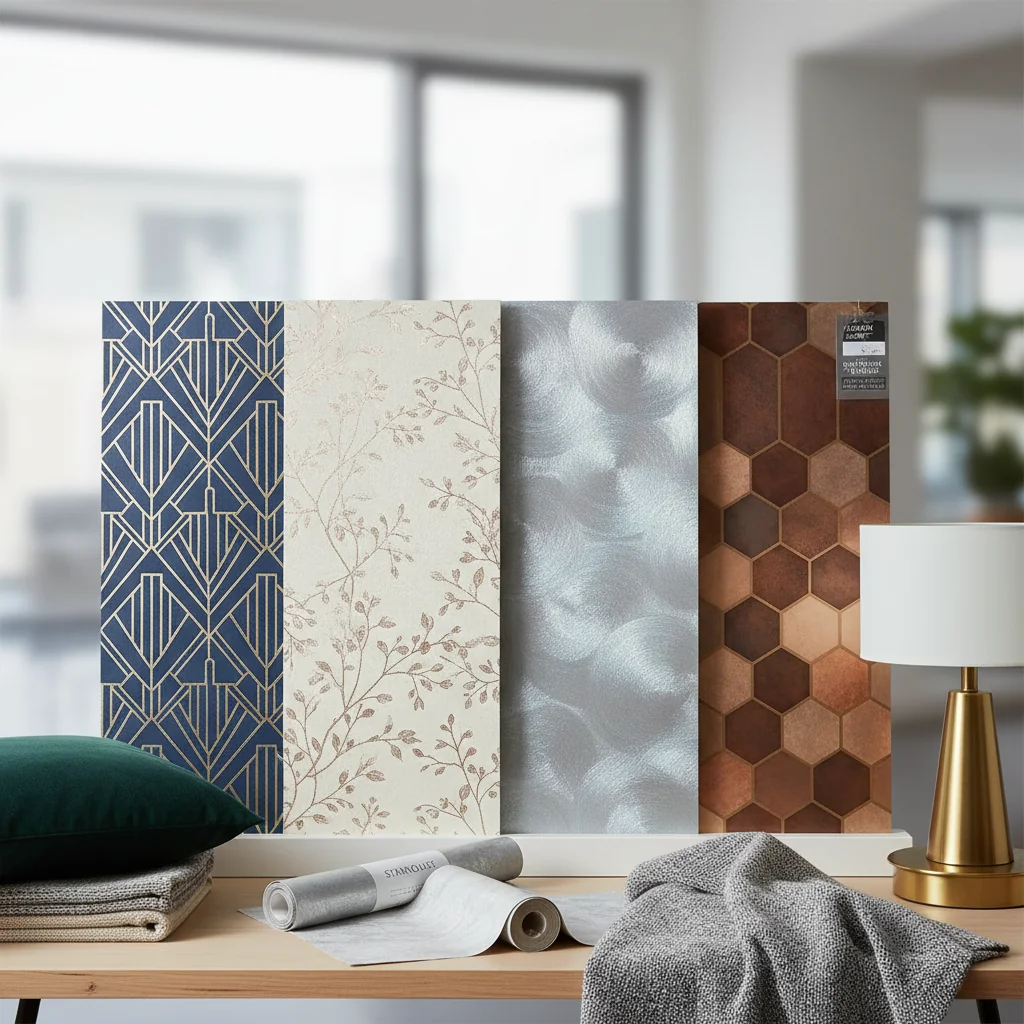
Accurate measurement and precise planning are crucial steps when preparing to install metallic pattern wallpaper, ensuring a seamless finish and minimizing material waste. Underestimating the importance of these initial stages can lead to frustrating installation challenges and unnecessary expenses. Correct measurements account for pattern repeats, wall irregularities, and cutting allowances, providing a reliable foundation for your project.
The inherent reflectivity of metallic wallpapers makes any imperfections or misalignments more noticeable, emphasizing the need for meticulous planning. A well-executed measurement strategy guarantees that you purchase the correct number of rolls and that each strip aligns perfectly, showcasing the pattern and metallic luster as intended. This precision is a hallmark of professional-grade installation and a prerequisite for achieving a truly stunning result.
Step-by-Step Measuring Guide
Follow these steps to accurately measure your walls for metallic pattern wallpaper:
- Measure Wall Dimensions: Using a steel tape measure, determine the height and width of each wall you intend to wallpaper. Measure the height from the top of the baseboard to the ceiling, and the width from corner to corner. For walls with architectural features like windows or doors, measure the overall wall dimensions first, then measure the dimensions of the openings. You will not subtract these openings from your initial roll count, as the excess paper around them will be needed for cutting and matching patterns.
- Calculate Total Square Footage: Multiply the height by the width for each wall to get its square footage. Sum these values for the total square footage of all walls to be covered.
- Understand Roll Coverage: Wallpaper rolls come in standard sizes, typically 20.5 inches or 27 inches wide, and between 16.5 feet and 33 feet long. A standard single roll (often sold as a “double roll” to meet minimum length for pattern matching) usually covers approximately 56 square feet for a 20.5-inch width or 70 square feet for a 27-inch width. Always check the manufacturer’s specified coverage for the specific wallpaper you intend to purchase, as this can vary.
- Account for Pattern Repeat: Pattern repeat is the vertical distance on a wallpaper roll before the pattern begins to repeat itself, requiring extra material to align adjacent strips. This is a critical factor for patterned wallpapers.
- Locate the pattern repeat measurement on the wallpaper label (e.g., 20.5 inches, 25.25 inches).
- Add the pattern repeat length to the height of each strip you cut. For example, if your wall height is 8 feet (96 inches) and the pattern repeat is 21 inches, each strip will need to be at least 117 inches long (96 + 21). This extra length allows for precise pattern matching at the seams.
- For very large patterns, you might need to add two pattern repeats, especially if the pattern is offset or half-drop. When in doubt, err on the side of caution and add more.
- Calculate Number of Strips per Roll: Divide the total usable length of a roll (after subtracting potential waste for imperfect cuts) by the adjusted height of each strip (wall height + pattern repeat). This gives you the number of full strips you can get from one roll.
- Determine Total Rolls Needed: Divide the total width of all walls by the width of one wallpaper strip (e.g., 20.5 inches). This gives you the total number of strips required. Then, divide the total number of strips by the number of strips you can get from one roll to determine the total number of rolls.
- Add for Waste and Future Repairs: Always purchase an extra roll (or 15-20% more than your calculation) to account for cutting errors, pattern matching waste, and potential future repairs. Wallpaper dye lots can vary, so having an extra roll from the same batch ensures perfect color matching if repairs are needed years down the line.
Comparison: Popular Wallpaper Types
Understanding the characteristics of different wallpaper types can further inform your selection, especially when considering metallic patterns.
| Wallpaper Type | Substrate | Durability | Installation | Removal | Ideal Use |
|---|---|---|---|---|---|
| Traditional (Pre-pasted) | Paper, Non-woven | Moderate | Wet backing to activate adhesive | Peelable or strippable (can leave residue) | Low-traffic areas, bedrooms, living rooms |
| Non-Woven (Paste-the-Wall) | Non-woven fibers | High | Apply paste directly to wall | Strippable (usually dry) | Most rooms, high-traffic areas, easy DIY |
| Vinyl (Paper-backed) | Vinyl surface, paper backing | Very High | Apply paste to wallpaper | Peelable (vinyl layer peels off, paper backing remains) | Kitchens, bathrooms, high-traffic, commercial |
| Solid Vinyl | Solid vinyl | Excellent | Apply paste to wallpaper | Strippable (can be difficult if not installed correctly) | Bathrooms, commercial, demanding environments |
| Peel-and-Stick | Vinyl, Non-woven (with adhesive) | Good to High (varies) | Self-adhesive, peel backing, apply | Fully removable, repositionable | Rentals, accent walls, DIY, temporary decor |
By following these precise measurement techniques and understanding the nuances of wallpaper types, you establish a solid foundation for a beautiful and lasting metallic pattern wallpaper installation. This meticulous preparation is invaluable for achieving a professional finish that truly elevates your space.
Currents of Chic: Emerging Trends in Metallic Pattern Wallpaper
Metallic patterns in wallpaper continuously evolve with broader interior design trends, offering fresh interpretations that keep this luxurious finish relevant and captivating. Contemporary trends often blend traditional metallic appeal with modern aesthetics, resulting in innovative designs that cater to diverse tastes. These evolving patterns reflect a growing desire for personalized spaces that combine functionality with distinct visual appeal.
The current landscape of metallic wallpaper design emphasizes versatility, allowing these wallcoverings to integrate seamlessly into various design narratives, from sophisticated urban lofts to serene suburban homes. Designers are increasingly using metallic elements to create focal points, add subtle texture, or imbue a room with a sense of refined opulence. This adaptability ensures that metallic pattern wallpaper remains a dynamic and stylish choice for homeowners and designers alike.
Key Trends Shaping Metallic Wallpaper Design
The world of metallic wallpaper is vibrant and dynamic, showcasing several compelling trends:
- Geometric Abstractions with Metallic Accents: Geometric patterns remain a strong trend, but with an added layer of sophistication through metallic detailing. Think interlocking lines, tessellations, and angular shapes highlighted with gold, silver, or bronze. These patterns create a sense of order and modernity, often used in contemporary living rooms or home offices to add visual structure and a subtle shimmer.
- Botanical and Nature-Inspired Metallics: Organic motifs, from delicate leaves and floral sprays to lush jungle scenes, are being reimagined with metallic touches. A soft gold outline on a botanical print or a silver sheen on a tropical leaf pattern adds an unexpected luxurious twist to natural elements. This trend brings the tranquility of nature indoors while elevating it with a touch of glamour, perfect for bedrooms or serene sitting areas.
- Textured Metallics and Subtle Patinas: Beyond flat patterns, metallic wallpapers are embracing texture. Designs that mimic brushed metal, hammered surfaces, or oxidized patinas offer a tactile dimension. These often feature muted metallic tones that catch the light in nuanced ways, providing depth and character without overwhelming the space. This trend aligns with the industrial chic and wabi-sabi aesthetics, celebrating imperfections and natural aging.
- Artisanal and Hand-Painted Effects: The appeal of handcrafted aesthetics is translating into metallic wallpapers with designs that resemble hand-painted murals or artisanal techniques. Irregular brushstrokes, abstract washes, and painterly patterns are given a metallic overlay, creating unique and artistic wall surfaces. These designs often feel bespoke and add a distinct personality to a room, functioning as large-scale art installations.
- Ombre and Graduated Metallics: Ombre effects, where colors or metallic intensities subtly transition from one shade to another, are gaining popularity. A wallpaper might transition from a deep matte tone to a shimmering metallic finish, or from a soft silver to a rich gold. This creates a captivating visual flow and adds a contemporary edge, often used to create a feature wall with a sense of movement and depth.
- Warm Metallics: While silver and chrome remain classic, warm metallics like brushed gold, rose gold, and copper are experiencing a resurgence. These tones bring warmth and richness to a space, pairing beautifully with earthy palettes, deep jewel tones, and natural wood finishes. They are particularly popular in creating cozy yet luxurious atmospheres in dining rooms and master bedrooms.
- Minimalist Metallics: This trend focuses on subtle metallic details within otherwise understated designs. Think of a solid color wallpaper with a barely-there metallic pinstripe, or a tone-on-tone pattern where the metallic element provides a delicate textural contrast. This approach offers a sophisticated way to incorporate metallics without overpowering a minimalist aesthetic.
These trends highlight the versatility of metallic pattern wallpaper as a medium for both bold statements and subtle enhancements. By staying attuned to these evolving styles, you can select a metallic wallcovering that not only reflects current design sensibilities but also imbues your home with a timeless sense of elegance and modernity.
Sustaining the Sparkle: Care and Maintenance for Metallic Wallpapers
Proper care and maintenance are essential to preserve the lustrous beauty and extend the lifespan of metallic pattern wallpapers, ensuring their reflective qualities remain vibrant for years. Neglecting routine cleaning or using inappropriate methods can dull the metallic finish, compromise the material integrity, or even damage the pattern. A consistent and gentle approach to care is fundamental to maintaining their pristine appearance.
The unique composition of metallic wallpapers, often involving delicate foils or inks, necessitates specific cleaning techniques that differ from those used for standard wallcoverings. Understanding these methods is key to protecting your investment and keeping your walls looking as stunning as the day they were installed. Always refer to the manufacturer’s specific care instructions, as materials and finishes can vary.
Routine Care and Cleaning
Adopt a gentle and proactive approach to keep your metallic wallpaper sparkling:
- Dust Regularly: Use a soft, dry microfiber cloth or a feather duster to gently remove dust and cobwebs from the wallpaper surface. This prevents dust buildup from dulling the metallic sheen and makes deeper cleaning less frequent. Avoid abrasive tools that could scratch the delicate metallic finish.
- Spot Cleaning for Minor Marks: For small, isolated marks or smudges, use a clean, soft cloth lightly dampened with plain water. Gently blot the affected area, avoiding rubbing, which can spread the stain or damage the metallic layer. Pat dry immediately with another clean, dry cloth. Always test this method on an inconspicuous area first to ensure it does not affect the finish.
- Addressing More Stubborn Stains: If water alone is insufficient, prepare a very mild solution of warm water and a small amount of gentle, non-abrasive soap (e.g., dish soap). Dampen a clean, soft cloth with this solution, wring it out thoroughly so it is barely damp, and gently wipe the stained area. Immediately follow with a cloth dampened with clean water to rinse, and then dry with a separate clean, dry cloth. Avoid harsh chemical cleaners, abrasive sponges, or strong detergents, as these will almost certainly damage the metallic finish.
- Avoid Excessive Moisture: Metallic wallpapers, especially those with foil or Mylar finishes, can be susceptible to water damage if over-saturated. Excessive moisture can cause the metallic layer to lift, bubble, or tarnish. Ensure cloths are only damp, not wet, and dry the surface promptly.
- Protect from Direct Sunlight: Prolonged exposure to intense, direct sunlight can fade the colors and potentially diminish the luster of some metallic finishes over time. Consider using UV-blocking window treatments in rooms with significant sun exposure to protect your wallpaper.
- Handle with Care During Installation and Repair: During installation, avoid creasing or scratching the metallic surface. If minor repairs are needed, such as re-adhering a lifting seam, use a minimal amount of appropriate adhesive and work gently to avoid damaging the finish. Always have a small amount of leftover wallpaper from the original batch for seamless repairs.
Specific Considerations for Different Metallic Finishes
- Foil and Mylar Wallpapers: These highly reflective finishes are more prone to showing scratches or creases. Handle them with extreme care during installation and cleaning. Their smooth surface means dust and fingerprints are more noticeable, requiring more frequent, gentle dusting.
- Metallic Ink Wallpapers: Generally more forgiving than foil, metallic inks are often integrated into the substrate, making them less prone to scratching or lifting. However, harsh chemicals can still dull their sheen, so stick to mild cleaning solutions.
- Textured Metallics: The textured surfaces can trap dust more readily. Use a soft brush attachment on a vacuum cleaner on its lowest setting, or a soft, dry cloth to gently dislodge dust from crevices before wiping.
By adhering to these careful maintenance practices, your stunning metallic pattern wallpaper will retain its brilliance and continue to be a captivating feature in your home for many years to come, reflecting your impeccable taste and dedication to quality.
Harmonizing Hues and Textures: Styling and Pairing Metallic Wallpaper
Metallic wallpaper serves as a powerful design element, capable of transforming a room’s aesthetic by adding depth, light, and undeniable sophistication. Its reflective qualities demand thoughtful consideration of complementary furniture, lighting, textiles, and color palettes to achieve a cohesive and harmonious interior. The goal is to create a balanced environment where the metallic accent enhances, rather than overwhelms, the overall design.
When styling with metallic wallpaper, consider it a key player in your room’s narrative, influencing the perceived size, mood, and luxury quotient of the space. Strategic pairing ensures that the metallic luster integrates seamlessly, creating an environment that feels both curated and comfortable. This involves a careful interplay of hard and soft elements, warm and cool tones, and varying textures.
Strategic Styling and Pairing Techniques
Maximize the impact of your metallic pattern wallpaper with these expert styling approaches:
- Furniture Selection:
- Contrast is Key: Pair highly reflective metallic wallpapers with furniture featuring matte or natural finishes, such as wood, linen, or velvet. This contrast prevents the room from feeling overly flashy and adds grounding texture.
- Complementary Metals: If your wallpaper features gold metallics, incorporate gold-toned hardware on furniture or light fixtures. Similarly, silver metallics pair beautifully with chrome or brushed nickel accents. Consistency in metal finishes creates a polished look.
- Modern Silhouettes: For contemporary metallic patterns, choose furniture with clean lines and minimalist designs to maintain a sleek aesthetic. For Art Deco metallics, opt for pieces with geometric forms and luxurious fabrics.
- Lighting Enhancement:
- Amplify Reflection: Position lighting fixtures strategically to highlight the metallic wallpaper. Uplighting or sconces can cast a soft glow that emphasizes the shimmer, while downlights can create dramatic shadows and depth.
- Layered Lighting: Combine ambient, task, and accent lighting to control the mood and bring out different aspects of the metallic pattern throughout the day. Metallic surfaces are highly responsive to light, making layered lighting particularly effective.
- Warm vs. Cool Tones: Warm-toned lighting (2700K-3000K) enhances gold and bronze metallics, creating a cozy and inviting atmosphere. Cool-toned lighting (3500K-5000K) accentuates silver and chrome, lending a crisp, modern feel.
- Textile Integration:
- Balance with Softness: Introduce soft textiles such as plush rugs, velvet cushions, silk drapes, or wool throws. These materials absorb sound and light, balancing the reflectivity of the wallpaper and adding comfort and warmth to the space.
- Texture Play: Experiment with varied textile textures – chunky knits, smooth satins, rough linens – to create visual interest and tactile depth that complements the metallic sheen without competing with it.
- Color Harmony: Choose textile colors that either match a subtle hue in the wallpaper pattern or provide a harmonious contrast. For example, a deep navy metallic wallpaper could be paired with cream or soft gray textiles.
- Color Palette Considerations:
- Neutral Base: Metallic wallpapers often shine brightest when paired with a neutral base palette (grays, whites, creams, beiges). This allows the metallic pattern to be the star, adding sparkle without overwhelming the senses.
- Bold Accents: If using a more subtle metallic wallpaper, introduce bold accent colors in smaller doses through artwork, decorative objects, or a single piece of furniture.
- Jewel Tones: Rich jewel tones like emerald green, sapphire blue, or ruby red pair exceptionally well with gold or bronze metallics, creating a luxurious and opulent environment, particularly in dining rooms or formal living spaces.
- Artwork and Accessories:
- Thoughtful Placement: When hanging artwork on a metallic wallpapered wall, ensure the frame and subject matter complement the pattern. Sometimes, the metallic wallpaper itself acts as the artwork, requiring minimal additional wall decor.
- Reflective Accessories: Incorporate small, reflective accessories like mirrored trays, crystal vases, or polished sculptures to echo the metallic theme without overdoing it.
- Room-Specific Applications:
- Living Room: An accent wall is a single wall in a room that is decorated differently from the others, often to create a focal point or add visual interest. A metallic pattern accent wall behind a sofa or media console can define the space and add elegance.
- Bedroom: A subtle metallic pattern behind the headboard can create a serene yet luxurious retreat.
- Dining Room: An all-over metallic pattern can make a dining room feel grand and sophisticated, especially under a chandelier.
- Powder Room: Small spaces are ideal for bold metallic patterns, allowing for a high-impact design without overwhelming. A highly reflective metallic can make a small powder room feel larger and more glamorous.
By carefully orchestrating these elements, you can transform a room with metallic pattern wallpaper into a sophisticated sanctuary that reflects both your personal style and an elevated sense of design. The key is to create balance and allow the metallic luster to enhance, rather than dominate, the overall aesthetic.
As Starhouse curates its collection of exquisite home décor, we invite you to tell us what you’re looking for in creating your ideal space. Share your vision with us and gain early access to our forthcoming selections at starhouseusa.online.
Avoiding Common Pitfalls: Ensuring a Flawless Metallic Finish
Awareness of common errors in the selection and installation of metallic pattern wallpaper prevents disappointment and ensures a flawless, long-lasting finish. Many issues arise from overlooking crucial preparatory steps or misjudging the material’s unique properties. Addressing these potential pitfalls proactively guarantees a professional-looking result that truly showcases the wallpaper’s stunning qualities.
The reflective nature of metallic wallpapers means that imperfections, such as uneven surfaces or misaligned patterns, are significantly more noticeable than with matte finishes. Therefore, meticulous attention to detail at every stage, from initial measurement to final installation, is paramount. Avoiding these common mistakes will save time, effort, and ultimately, ensure your investment in metallic wallpaper yields the desired luxurious outcome.
Key Mistakes to Avoid
Steer clear of these common errors for a successful metallic wallpaper project:
- Inadequate Wall Preparation:
- Mistake: Applying metallic wallpaper to uneven, dirty, or improperly primed walls.
- Solution: Ensure walls are perfectly smooth, clean, and dry. Fill any holes or cracks, sand rough patches, and clean thoroughly. Apply a high-quality wallpaper primer (especially a pigmented one for dark walls or to ensure uniform adhesion) to create a consistent surface for adhesion and to prevent stains from showing through. Metallic papers often highlight imperfections, so prep is critical.
- Underestimating Pattern Repeat and Waste:
- Mistake: Not accounting for the pattern repeat when calculating the number of rolls needed, leading to insufficient material or mismatched seams.
- Solution: Always add the pattern repeat length to your wall height measurement for each strip. Purchase an extra roll (15-20% more) to cover unexpected cuts, errors, and future repairs. This is particularly vital for large or complex metallic patterns.
- Incorrect Adhesive Application:
- Mistake: Using the wrong type of adhesive or applying it unevenly. Some metallic wallpapers (especially foil or Mylar) require specific non-staining, clear adhesives.
- Solution: Always follow the wallpaper manufacturer’s adhesive recommendations. For paste-the-wall types, apply paste evenly to the wall. For paste-the-paper types, ensure full and even coverage on the backing. Avoid getting adhesive on the metallic surface, as it can be difficult to remove without dulling the shine.
- Over-Metallizing a Space:
- Mistake: Using highly reflective metallic wallpaper on all walls in a small room or in a room with excessive natural light, creating an overwhelming or overly bright effect.
- Solution: Consider the intensity of the metallic finish. For high-gloss metallics, an accent wall often creates a more balanced and impactful statement. In larger rooms, or for an all-over application, opt for more subtle metallic inks or textured metallics that offer shimmer without intense reflection. Balance with matte finishes elsewhere in the room.
- Ignoring Dye Lots:
- Mistake: Purchasing rolls from different dye lots, resulting in slight color variations that become apparent on the wall.
- Solution: Always check that all rolls have the same dye lot number (also called batch number) before beginning installation. If you need additional rolls later, try to source them from the same dye lot.
- Improper Trimming and Seaming:
- Mistake: Using dull blades for trimming or failing to achieve tight, invisible seams.
- Solution: Use a very sharp utility knife or razor blade and change blades frequently (every 1-2 strips) to ensure clean cuts. Overlap strips slightly (if recommended by manufacturer) and then double-cut through both layers for a perfect butt joint seam. Use a wallpaper seam roller gently to secure seams, being careful not to press too hard on delicate metallic surfaces.
- Lack of Patience:
- Mistake: Rushing the installation process, leading to bubbles, wrinkles, or misaligned patterns.
- Solution: Wallpapering, especially with patterned and metallic finishes, requires patience. Take your time with each step: measuring, cutting, pasting, hanging, and smoothing. Work slowly and methodically, ensuring each strip is perfectly aligned before moving to the next.
By diligently avoiding these common pitfalls, you can ensure your metallic pattern wallpaper installation is a smooth process, resulting in a breathtaking and enduring design feature that truly elevates your home’s aesthetic.
Sources
Frequently Asked Questions About Metallic Pattern Wallpaper
Is metallic wallpaper durable?
Yes, metallic wallpaper can be highly durable, especially when constructed with robust substrates like non-woven or vinyl. Its durability depends on the specific material composition and the quality of the metallic finish. Many modern metallic wallpapers are designed to resist fading, scratching, and moisture, making them suitable for various residential and even some commercial applications.
Can I use metallic wallpaper in a bathroom?
Yes, you can use metallic wallpaper in a bathroom, particularly in a powder room or half-bath where moisture is less intense. For full bathrooms with high humidity, select metallic wallpapers with a vinyl or solid vinyl substrate, as these materials offer superior moisture resistance and are often scrubbable. Ensure proper ventilation to prevent excessive condensation.
How do I clean metallic wallpaper?
To clean metallic wallpaper, gently dust it regularly with a soft, dry microfiber cloth. For smudges or light stains, use a clean cloth lightly dampened with plain water, blotting the area gently. For more stubborn marks, a very mild solution of warm water and gentle soap can be used, ensuring the cloth is barely damp and the surface is dried immediately. Avoid abrasive cleaners or harsh chemicals, which can damage the metallic finish.
Is metallic wallpaper difficult to install?
Metallic wallpaper can be slightly more challenging to install than standard wallpaper due to its reflective nature, which highlights imperfections and requires precise pattern matching and seam alignment. However, non-woven metallic wallpapers (especially peel-and-stick variants) are generally easier to handle for DIY enthusiasts. Proper wall preparation, accurate measurements, and patience are crucial for a successful installation.
Does metallic wallpaper make a room look bigger?
Yes, metallic wallpaper can make a room look bigger by reflecting light, which visually expands the space and makes it feel brighter and airier. Highly reflective foil or Mylar finishes are particularly effective in creating this illusion, especially in smaller rooms or those with limited natural light. The strategic use of light-colored metallics can further enhance this effect.
What kind of lighting works best with metallic wallpaper?
Layered lighting works best with metallic wallpaper, combining ambient, task, and accent lighting to enhance its reflective qualities. Uplighting or sconces can cast a soft glow that emphasizes the shimmer, while downlights create dramatic depth. Warm-toned lighting (2700K-3000K) complements gold and bronze metallics, while cool-toned lighting (3500K-5000K) enhances silver and chrome, creating different moods.
Can metallic wallpaper be removed easily?
The ease of removal for metallic wallpaper depends on its substrate. Non-woven metallic wallpapers are typically “strippable,” meaning they can be dry-peeled from the wall in full sheets without damaging the surface. Peel-and-stick metallic options are designed for easy, residue-free removal. Paper-backed or solid vinyl metallic wallpapers may be peelable (top layer separates) or require soaking and scraping for removal.
Conclusion: Elevating Your Home with Metallic Pattern Wallpaper
Metallic pattern wallpaper stands as a testament to sophisticated design, offering an unparalleled opportunity to infuse your home with luxury, dimension, and a captivating interplay of light. From the subtle shimmer of metallic inks to the bold reflectivity of foil and Mylar, these wallcoverings are far more than mere decoration; they are transformative elements that define a space’s character and elevate its aesthetic appeal. By understanding the diverse types, styles, and essential care requirements, you are empowered to make choices that resonate with your personal style and enhance your living environment.
The journey to selecting and installing the perfect metallic pattern wallpaper is one that rewards precision and thoughtful consideration. Whether you aim to create a glamorous Art Deco statement, a sleek modern backdrop, or a subtly textured accent, the versatility of metallic patterns ensures a solution for every vision. With meticulous planning, careful installation, and diligent maintenance, your chosen metallic wallpaper will serve as an enduring source of beauty and elegance, reflecting your impeccable taste for years to come.
At Starhouse, we are dedicated to curating a collection that embodies quality, style, and transformative potential. As we meticulously select pieces that inspire and delight, we value your insights. We invite you to be a part of our journey in shaping the future of home décor. Tell us what you’re looking for in creating your ideal space and gain early access to our forthcoming selections. Share your vision with us at starhouseusa.online, and let’s build beautiful homes together.