High-end wallcoverings are distinguished by their superior materials, intricate craftsmanship, and often bespoke design, elevating interior spaces from merely decorated to truly curated and luxurious. They represent a significant investment in a room’s aesthetic and tactile experience, moving beyond mass-produced options to offer unparalleled depth, texture, and durability. Unlike standard wallpapers, these sophisticated coverings often feature natural fibers, metallic accents, or hand-painted details, providing a transformative impact that defines the character and sophistication of a space. At Starhouse, we understand that selecting a high-end wallcovering is not just a design choice; it is a declaration of style, reflecting a discerning eye for quality and an appreciation for enduring beauty. This comprehensive guide will navigate the intricate world of premium wallcoverings, from their diverse types and luxurious materials to the nuanced art of selection, installation, and care, empowering you to make informed decisions for your unique home.
Key Takeaways
- High-end wallcoverings are defined by premium materials, intricate craftsmanship, and often bespoke designs, offering superior durability and aesthetic depth compared to standard options.
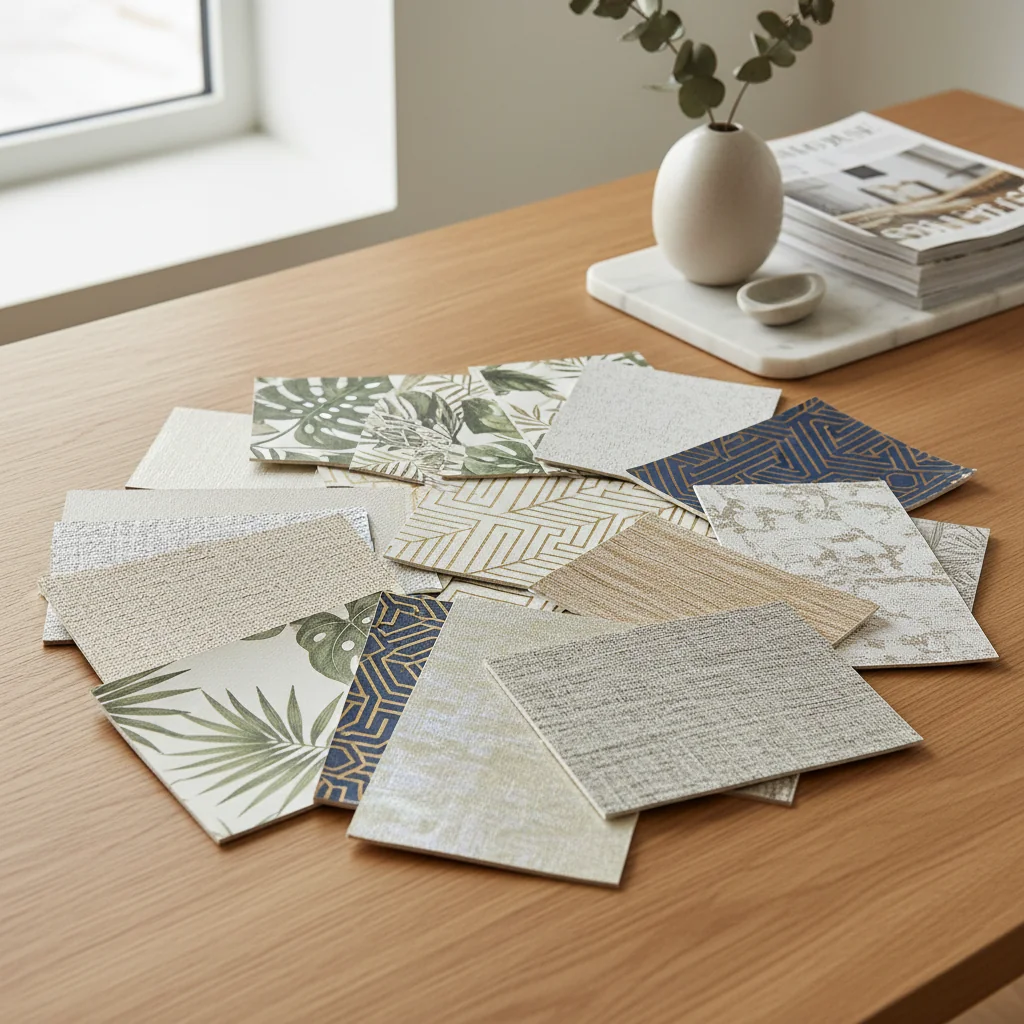
- A diverse range of types exists, including natural fibers like grasscloth and silk, durable vinyls, opulent metallics, and expansive digital murals, each offering unique visual and tactile properties.
- Selecting the right wallcovering requires careful consideration of room function, lighting, existing décor, pattern scale, and professional installation requirements to ensure optimal results.
- Accurate measurement and professional installation are paramount to achieving a flawless finish and maximizing the longevity of your investment.
- Proper, material-specific care and maintenance are essential for preserving the beauty and extending the lifespan of high-end wallcoverings.
- Emerging trends lean towards sustainable materials, large-scale artistry, and textured neutrals, while classics like damask and grasscloth maintain their timeless appeal.
What Defines High-End Wallcoverings?
High-end wallcoverings are distinguished by a confluence of factors that extend far beyond mere aesthetics, encompassing superior material quality, meticulous craftsmanship, often bespoke design, and exceptional durability. These attributes collectively position them as a premium investment designed to elevate and define an interior space with enduring elegance and performance. They are not merely decorative; they are foundational elements that contribute significantly to the architectural and emotional character of a room.
The hallmark of a high-end wallcovering begins with its constituent materials. Unlike conventional wallpapers that often rely on standard paper or basic vinyl, premium options integrate natural fibers such as silk, linen, grasscloth, or jute, alongside sophisticated synthetics like Type II commercial-grade vinyl, or specialty finishes like mica, cork, and metallic foils. These materials are chosen for their inherent beauty, tactile qualities, and often, their sustainable origins. The selection process prioritizes longevity and resistance to wear, ensuring that the wallcovering maintains its integrity and appearance over many years, even decades.
Craftsmanship is another critical differentiator. Many high-end wallcoverings are produced using specialized techniques, including hand-painting, hand-weaving, embroidery, or intricate embossing. This artisanal approach often results in subtle variations and unique textures that cannot be replicated by mass production, imbuing each roll with a distinct character. For instance, a hand-stitched grasscloth wallcovering exhibits a depth and authenticity that machine-made alternatives simply cannot achieve. This attention to detail ensures a flawless finish and a palpable sense of luxury.
Exclusivity and design originality also play a significant role. High-end wallcoverings frequently feature designs from renowned artists or studios, offering patterns and motifs that are unique and often custom-colorable or scalable. This allows for a truly personalized aesthetic that aligns perfectly with a homeowner’s vision. The patterns can be complex, multi-layered, and designed to interact dynamically with light, creating evolving visual interest throughout the day.
Performance and durability are inherent to the definition. Premium wallcoverings are engineered to withstand the rigors of daily life, offering enhanced resistance to fading, tearing, and abrasion. Many are also washable, scrubbable, or even antimicrobial, making them suitable for high-traffic areas or environments requiring rigorous hygiene. For example, a Type II vinyl wallcovering, often used in commercial settings, provides exceptional durability that translates perfectly into high-end residential applications like bustling hallways or active family rooms.
Finally, the installation process for high-end wallcoverings often requires specialized expertise. Their weight, delicate materials, and large pattern repeats demand precise handling and meticulous application, typically performed by professional installers. This ensures the integrity of the material is maintained and the final result is seamless and impeccable, maximizing the investment.
High-end wallcoverings are premium surface coverings for interior walls, characterized by superior materials, intricate craftsmanship, unique design, and exceptional durability, designed to provide a luxurious and lasting aesthetic impact. They are an investment in the long-term beauty and functionality of a space, offering a tactile and visual experience that standard options cannot replicate.
Exploring the Diverse Types of High-End Wallcoverings
High-end wallcoverings are categorized by their construction and application, offering a broad spectrum of choices from robust vinyls designed for durability to delicate natural fibers prized for their organic beauty, each type delivering distinct aesthetic and functional attributes. Understanding these classifications is crucial for selecting a wallcovering that aligns with both your design vision and the practical demands of your space.
Non-Woven Wallcoverings
Non-woven wallcoverings are constructed from a blend of natural and synthetic fibers, offering a highly durable, breathable, and tear-resistant substrate. This modern innovation is celebrated for its ease of installation and removal; it can often be dry-stripped from the wall without damaging the surface beneath, making it an excellent choice for homeowners who may wish to update their décor in the future. Non-woven materials are also dimensionally stable, meaning they resist shrinking or expanding during the paste application and drying process, leading to a smoother, more consistent finish. They are a versatile base for intricate patterns, digital prints, and various textures.
Vinyl Wallcoverings (Type I & Type II)
Vinyl wallcoverings are renowned for their exceptional durability, washability, and resistance to wear, making them ideal for high-traffic areas and humid environments.
- Type I (Light Duty) Vinyl: This type features a lighter vinyl surface, often laminated to a paper or fabric backing. It is durable and washable, suitable for residential spaces with moderate traffic, such as bedrooms or formal living rooms. Type I offers a wide range of aesthetic possibilities, including embossed textures and subtle patterns.
- Type II (Medium to Heavy Duty) Vinyl: The gold standard for durability, Type II vinyl wallcoverings are constructed with a heavier vinyl layer laminated to a fabric backing (typically polyester or cotton). This robust construction makes them highly resistant to abrasion, impact, and scrubbing. Type II vinyl is often used in commercial settings due to its resilience but is equally valuable in high-end residential applications like hallways, kitchens, bathrooms, and children’s rooms where longevity and ease of maintenance are paramount. They can mimic the look of natural textures like grasscloth or linen while offering superior performance.
Fabric-Backed Wallcoverings
Fabric-backed wallcoverings feature a decorative surface, often paper or a thin veneer, laminated to a fabric substrate. This construction provides enhanced strength and stability, preventing tearing during installation and making the material more forgiving on imperfect walls. The fabric backing also contributes to the dimensional stability of the wallcovering, reducing the likelihood of seams opening or material shrinking. This type is frequently used for luxurious finishes that might otherwise be too delicate on a paper backing.
Natural Fiber Wallcoverings
Natural fiber wallcoverings are highly prized for their organic textures, subtle variations, and inherent warmth, bringing an unmistakable connection to nature into interior spaces.
- Grasscloth: Grasscloth is a natural wallcovering made from hand-woven fibers such as sisal, jute, hemp, or seagrass, typically backed with paper. Each strand is unique, resulting in subtle variations in color and texture that create a dynamic, organic surface. Grasscloth adds depth, warmth, and a sophisticated, tactile dimension to walls. It is typically non-washable and requires careful installation, often displaying visible seams, which are considered part of its natural charm.
- Silk and Linen: These luxurious textile wallcoverings offer unparalleled softness, sheen, and drape. Silk wallcoverings can range from lustrous, finely woven plains to intricately embroidered patterns, reflecting light beautifully and adding an opulent touch. Linen wallcoverings provide a more understated elegance with their characteristic slubby texture and matte finish, perfect for creating a serene and sophisticated atmosphere. Both require professional handling and are generally best suited for low-traffic areas.
- Jute and Hemp: Similar to grasscloth, jute and hemp offer coarser, more rustic textures. They are durable and visually impactful, providing a strong natural aesthetic. These fibers are often used to introduce an earthy, grounded feel to a room, working well in both modern and traditional settings.
- Cork and Mica: These specialty natural wallcoverings offer unique visual and tactile experiences. Cork wallcoverings are made from thin sheets of natural cork, often backed with paper, providing excellent acoustic properties and a distinct, organic texture. Mica wallcoverings incorporate tiny, shimmering flakes of mica mineral, creating a subtle sparkle and depth that changes with the light.
Metallic and Mylar Wallcoverings
Metallic and Mylar wallcoverings are designed to introduce glamour, reflection, and a contemporary edge to a space. They feature a reflective surface that can range from high-gloss mirror-like finishes to brushed or antiqued metals.
- Metallic Foils: These wallcoverings feature a thin layer of metal (or a metallic-look material) often printed with patterns or textures. They reflect light dramatically, adding a sense of luxury and expanding the perceived size of a room. Gold, silver, copper, and bronze tones are common, providing a rich, opulent backdrop.
- Mylar: Mylar is a polyester film with a highly reflective surface, often printed with designs. It creates a bold, often retro-chic, look. Mylar can be plain, patterned, or textured, and its reflective quality makes it excellent for adding sparkle and light to a room. Both metallic and Mylar types require extremely smooth wall surfaces for installation, as any imperfections will be highlighted by the reflective finish.
Digital Murals and Custom Wallcoverings
Digital murals represent the pinnacle of personalized design, allowing for large-scale imagery, bespoke patterns, or photographic reproductions to cover an entire wall or room. These are often printed on high-quality non-woven or vinyl substrates, offering both visual impact and durability. Custom wallcoverings take personalization a step further, allowing for unique designs, colorways, or even materials to be developed specifically for a project. This option is ideal for creating truly one-of-a-kind spaces that perfectly encapsulate a homeowner’s vision.
Specialty Wallcoverings
Beyond these main categories, a variety of specialty wallcoverings exist, each offering unique characteristics:
- Flocked Wallcoverings: These feature raised, velvet-like patterns created by applying finely chopped fibers onto an adhesive-coated design. They add a tactile, luxurious dimension and are often associated with traditional or Art Deco styles.
- Beaded Wallcoverings: Tiny glass beads are adhered to the surface, creating a shimmering, textured effect that catches and refracts light, adding sparkle and glamour.
- Embossed Wallcoverings: Patterns are pressed into the surface of the wallcovering, creating a three-dimensional effect that adds depth and architectural interest. These can mimic plaster, leather, or other textures.
The diversity of high-end wallcoverings ensures that there is a perfect option for every design aesthetic and functional requirement, from the understated elegance of natural fibers to the bold statement of a custom digital mural.
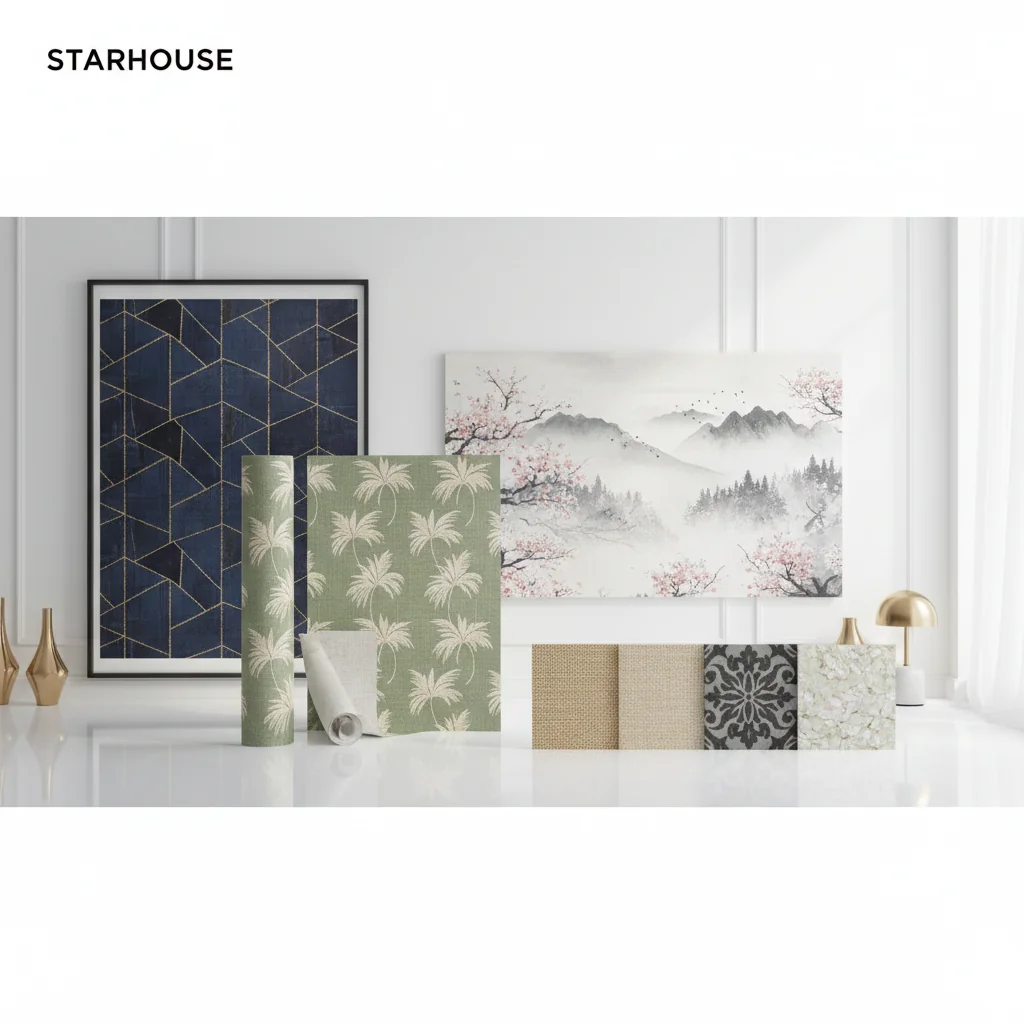
Unveiling the Materials and Textures
High-end wallcoverings utilize a spectrum of premium materials, from organic fibers to advanced synthetics, each offering distinct tactile and visual qualities that contribute significantly to the overall ambiance and sophistication of a room. The choice of material dictates not only the aesthetic but also the durability, maintenance requirements, and the way light interacts with the wall surface.
Natural Fiber Materials
Natural fibers are celebrated for their inherent beauty, unique textures, and the organic warmth they bring to an interior. They often feature subtle imperfections and variations that are part of their charm.
- Silk: Known for its luxurious sheen and smooth, soft texture, silk wallcoverings exude opulence. They can be woven into fine plains, damasks, or intricate patterns, reflecting light with a delicate luster. Silk is typically delicate and best suited for low-traffic, formal areas, requiring professional installation and careful maintenance.
- Linen: Offering a more understated elegance than silk, linen wallcoverings feature a characteristic slubby texture and a matte finish. They evoke a sense of natural comfort and sophistication, perfect for creating serene and inviting spaces. Linen is relatively durable but also requires careful handling and is generally not washable.
- Grasscloth (Sisal, Jute, Hemp, Seagrass): These hand-woven plant fibers create a richly textured, organic surface. Each strand is unique, resulting in subtle variations in color and weave that add depth and a connection to nature. Grasscloth is non-washable and often shows visible seams, which are considered an integral part of its natural aesthetic. It’s ideal for adding warmth and tactile interest.
- Cork: Sourced from the bark of cork oak trees, cork wallcoverings are thin sheets of natural cork, often laminated to a paper backing. They offer excellent acoustic properties, are naturally antimicrobial, and provide a unique, earthy texture. Cork is durable and sustainable, perfect for adding a natural, sound-dampening element.
- Mica: Mica wallcoverings incorporate flakes of the natural mica mineral, which shimmer and sparkle when they catch the light. This creates a subtle, ethereal glamour and depth, making a wall appear to glow. Mica can be combined with various backings and colors for diverse effects.
- Wood Veneer: Thin slices of real wood, such as birch, teak, or walnut, are applied to a backing. This offers the warmth and grain of natural wood in a flexible, wall-covering format, ideal for creating feature walls with architectural interest.
Synthetic and Hybrid Materials
These materials offer enhanced durability, versatility, and often cost-effectiveness, allowing for a broader range of textures and finishes while maintaining a high-end appeal.
- Vinyl (Type I & Type II): As discussed, vinyl offers exceptional durability, washability, and resistance to wear. High-end vinyl can be embossed to mimic natural textures like leather, fabric, or grasscloth, providing the look of natural materials with superior performance, especially in high-traffic or moisture-prone areas. Expanded vinyl creates a raised, tactile surface.
- Non-Woven: Composed of natural and synthetic fibers, non-woven substrates are breathable, dimensionally stable, and easy to install and remove. They serve as an excellent base for intricate prints, digital murals, and various applied textures, offering both durability and design flexibility.
- Mylar/Metallic Foils: These materials are designed for high impact and reflectivity. Mylar, a polyester film, and metallic foils (gold, silver, copper) create highly reflective surfaces that add glamour and light to a room. They can be plain, patterned, or textured, and are particularly effective in creating a dramatic, contemporary look.
Specialty Finishes and Textures
Beyond the core materials, various finishes and treatments contribute to the high-end appeal, creating unique tactile and visual effects.
- Embossing: This technique creates a raised pattern or texture on the surface of the wallcovering, adding a three-dimensional quality. Embossed vinyls can replicate the look of plaster, textile weaves, or intricate architectural details.
- Flocking: Fine textile fibers (rayon, nylon) are electrostatically applied to a patterned adhesive, creating a soft, velvet-like raised texture. Flocked wallcoverings are luxurious and tactile, often seen in traditional or glamorous designs.
- Beading/Glass Bead: Tiny glass beads are adhered to the wallcovering surface, creating a shimmering, sparkling effect that catches and reflects light. This adds a sophisticated glamour and a unique tactile experience.
- Digital Printing: High-resolution digital printing allows for intricate, photographic-quality designs and custom murals on various substrates, including non-woven and vinyl. This technology enables unparalleled design freedom and personalization.
- Hand-Painting/Hand-Finishing: Some of the most exclusive wallcoverings feature hand-painted details, subtle washes, or custom finishes applied by artisans. This ensures a truly unique, bespoke product with inherent variations that signify its handcrafted nature.
The interplay of these diverse materials and finishes allows for an extraordinary range of design possibilities. Whether seeking the earthy authenticity of grasscloth, the shimmering elegance of silk, or the robust performance of a textured vinyl, the material choice is fundamental to achieving the desired high-end aesthetic and functional longevity.
Navigating Design Styles and Aesthetic Impact
The aesthetic impact of high-end wallcoverings is profound, offering a curated palette of styles from classic damasks to contemporary geometrics, tailored to define any interior and evoke a specific mood or narrative. Wallcoverings are not merely background elements; they are powerful design tools that establish the character, scale, and emotional tone of a space.
Traditional Styles
Traditional wallcoverings draw inspiration from historical patterns and decorative arts, creating spaces that feel timeless, elegant, and often grand.
- Damask: Characterized by ornate, symmetrical patterns, often featuring florals, leaves, or architectural motifs, damask wallcoverings typically have a subtle sheen on the pattern against a matte background or vice versa. They evoke classical elegance and luxury, perfect for formal dining rooms, master bedrooms, or grand entryways.
- Toile: Originating in 18th-century France, Toile de Jouy features pastoral scenes, historical events, or floral vignettes, usually in a single color (blue, red, green) on a cream or white background. Toile creates a charming, romantic, and often whimsical atmosphere, suitable for bedrooms, nurseries, or quaint powder rooms.
- Chinoiserie: This style reflects European interpretations of Chinese and East Asian artistic traditions, often featuring intricate hand-painted scenes of pagodas, exotic birds, blossoming trees, and lush landscapes. Chinoiserie wallcoverings are inherently luxurious and detailed, adding a sense of exoticism and refined artistry to formal living areas or studies.
- Floral & Botanical: While encompassing a vast range, traditional florals often feature realistic or stylized depictions of flowers, vines, and leaves, arranged in repeating patterns. These can range from delicate, understated prints to bold, dramatic botanical murals, bringing a touch of nature’s beauty indoors.
Modern and Contemporary Styles
Modern wallcoverings embrace clean lines, abstract forms, and innovative textures, aligning with contemporary design principles of simplicity, functionality, and artistic expression.
- Geometric: Featuring repeating patterns of shapes like circles, squares, triangles, or abstract forms, geometric wallcoverings add structure, rhythm, and a contemporary edge. They can be bold and graphic or subtle and textural, suitable for creating dynamic accent walls or infusing a room with a mid-century modern or Art Deco vibe.
- Abstract: Abstract designs are non-representational, focusing on color, form, and texture to create visual interest. These can range from painterly washes and subtle ombrés to energetic splatters and organic shapes. Abstract wallcoverings are excellent for adding artistic flair and a unique, personal statement to a modern space.
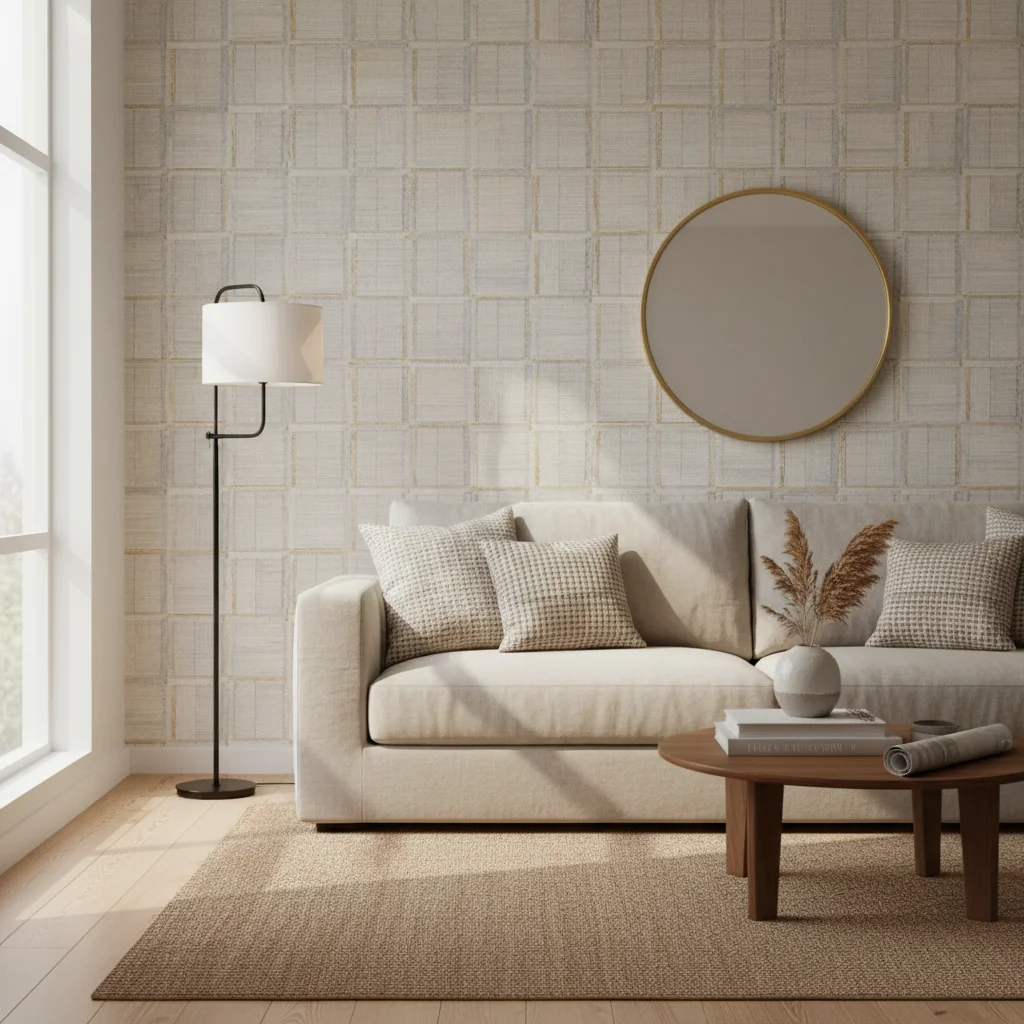
- Textural Plains: While seemingly simple, high-end textural plains are far from plain. They rely on the inherent beauty and tactile quality of materials like grasscloth, linen, cork, or subtly embossed vinyl to add depth and warmth without a discernible pattern. These are perfect for creating serene, sophisticated backdrops that allow furniture and art to shine.
Transitional and Eclectic Styles
Transitional styles bridge the gap between traditional and modern, offering a balanced aesthetic that is both classic and current. Eclectic styles, on the other hand, boldly mix elements from various periods and aesthetics.
- Transitional: These wallcoverings often feature classic motifs reinterpreted with a modern color palette or simplified lines. They offer versatility, complementing both traditional furnishings and contemporary pieces, creating a cohesive yet evolving look.
- Eclectic: For those who love to mix and match, eclectic wallcoverings can be a bold statement. This might involve a vibrant botanical print paired with antique furniture, or a graphic geometric in a room with global-inspired decor. The key is thoughtful curation to create a harmonious, personalized space.
Biophilic and Nature-Inspired Designs
Biophilic designs seek to connect occupants with nature, often featuring organic patterns, natural textures, and motifs inspired by flora and fauna. These designs promote well-being and a sense of calm.
- Botanical Murals: Large-scale depictions of lush foliage, oversized flowers, or serene forest scenes create immersive natural environments, turning a wall into a window to nature.
- Organic Textures: Materials like grasscloth, cork, or even wallcoverings with subtle leaf or wood grain patterns fall into this category, bringing natural textures indoors.
Maximalist and Minimalist Approaches
Wallcoverings can be instrumental in defining the scale of a design philosophy.
- Maximalist: This approach embraces bold patterns, rich colors, and intricate details, often layering different textures and motifs. High-end wallcoverings with dramatic florals, bold geometrics, or elaborate Chinoiserie are central to creating a maximalist space that is vibrant and full of personality.
- Minimalist: In contrast, minimalism favors simplicity, clean lines, and a restrained color palette. High-end wallcoverings in this style might include subtle textural plains, delicate tone-on-tone patterns, or understated geometric prints that add depth without overwhelming the space. The emphasis is on quality and the inherent beauty of the material.
The careful selection of a wallcovering style allows designers and homeowners to craft interiors that are not only visually stunning but also deeply resonant, reflecting personal taste and enhancing the functionality of each room.
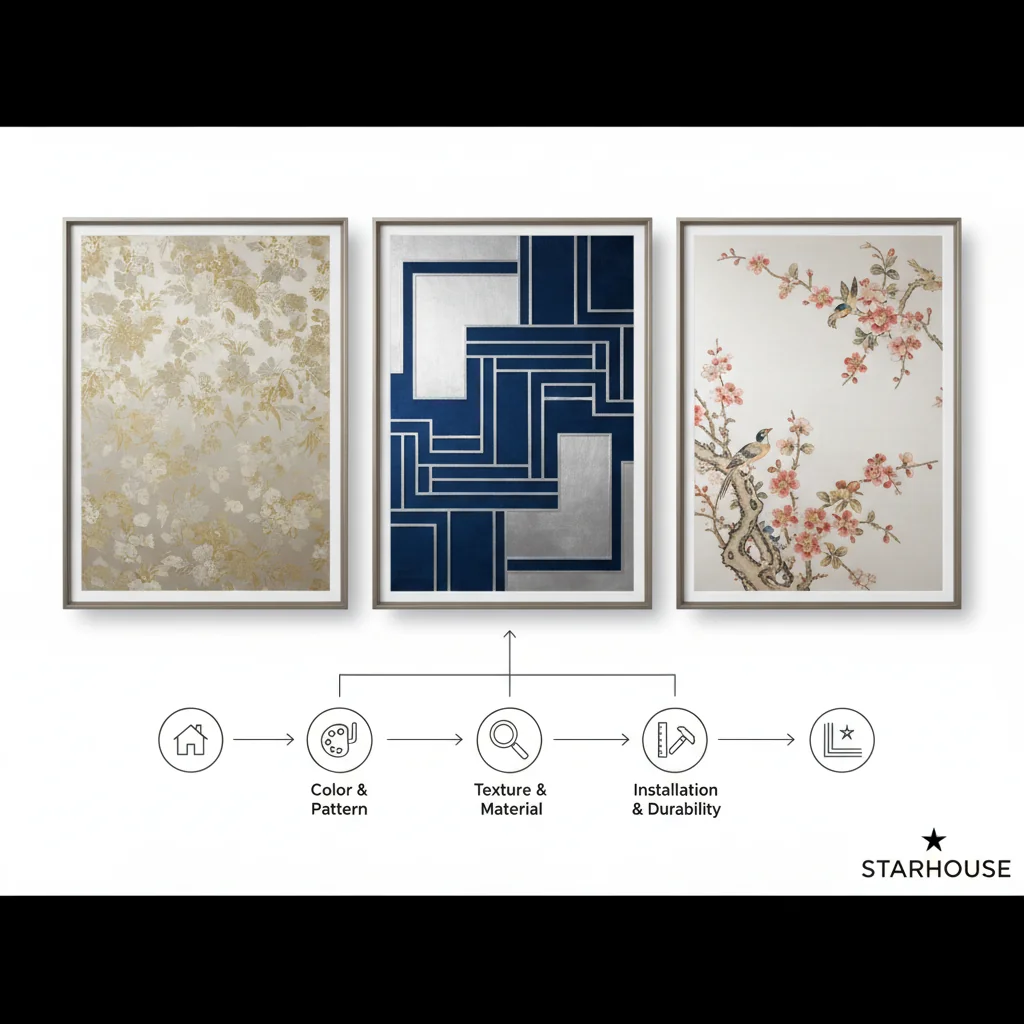
The Art of Selection: Choosing the Right Wallcovering
Selecting the ideal high-end wallcovering involves a strategic assessment of room function, desired aesthetic, light conditions, and practical considerations like durability and maintenance, ensuring the chosen design enhances the space both visually and functionally. This process requires a discerning eye and a methodical approach to ensure a successful and lasting investment.
1. Assess the Room’s Function and Traffic
The primary purpose of a room dictates the practical requirements of your wallcovering.
- High-Traffic Areas (Hallways, Entryways, Family Rooms): These spaces demand durability and washability. Type II vinyls, robust non-wovens, or heavily textured materials are excellent choices as they resist scuffs, tears, and can be easily cleaned. Avoid delicate natural fibers like silk or unsealed grasscloth in these areas.
- Moisture-Prone Areas (Bathrooms, Kitchens): Look for wallcoverings specifically designed for humidity and moisture resistance. Solid vinyls, certain non-wovens, and those with a scrubbable finish are ideal. Ensure proper ventilation is in place to prevent mold and mildew, regardless of the wallcovering type.
- Low-Traffic/Formal Areas (Formal Living Rooms, Dining Rooms, Master Bedrooms): Here, you have more freedom to indulge in luxurious and delicate materials such as silk, linen, grasscloth, or hand-painted papers. Aesthetic appeal and tactile quality take precedence over extreme durability.
- Kids’ Rooms/Playrooms: Durability and easy cleanability are paramount. Washable vinyls or highly durable non-wovens with fun, engaging patterns are recommended.
2. Consider Lighting Conditions
Light profoundly affects how a wallcovering appears.
- Natural Light: Rooms with abundant natural light can handle darker, richer colors and larger patterns without feeling overwhelming. Reflective surfaces like metallics or Mylar will sparkle and change throughout the day.
- Low Light: In dimly lit rooms, opt for lighter colors, subtle textures, or those with a slight sheen to help bounce light around the space. Avoid very dark or overly intricate patterns that can make the room feel smaller and more enclosed.
- Artificial Light: Consider the type of artificial lighting (warm vs. cool tones) and how it interacts with the wallcovering’s color and texture. Always view samples under both natural and artificial light conditions that mimic your home.
3. Harmonize with Existing Décor and Color Palette
The wallcovering should complement your furniture, flooring, textiles, and existing color scheme.
- Color: Choose colors that either match, contrast, or are harmonious with your current palette. Consider how the wallcovering color will affect the perceived temperature and mood of the room.
- Pattern Scale: Pattern repeat refers to the distance between identical points in a repeating design on a wallcovering, dictating how often a pattern is replicated vertically and horizontally. Large, bold patterns work best in spacious rooms with high ceilings, making a dramatic statement. Smaller, more intricate patterns suit cozier rooms, adding detail without overwhelming. In rooms with many patterns already (e.g., patterned rugs, upholstered furniture), a textured plain or a subtle geometric might be a better choice.
- Style Cohesion: Ensure the wallcovering’s style (e.g., traditional, modern, biophilic) aligns with the overall aesthetic you are trying to achieve. A contemporary geometric in a highly traditional room might feel jarring unless it’s a deliberate eclectic choice.
4. Order Samples
This step is non-negotiable for high-end wallcoverings. Colors and textures can look significantly different in person than on a screen or in a catalog. Order large samples (at least 8×10 inches, ideally larger) and tape them to your walls in different areas of the room. Observe them throughout the day and night to see how they react to varying light conditions. This prevents costly mistakes.
5. Consider Professional Installation
High-end wallcoverings, especially those with delicate materials, large pattern repeats, or complex textures, often require specialized installation techniques. Investing in a professional installer ensures a flawless finish, proper seam matching, and optimal longevity of your wallcovering, ultimately protecting your investment.
6. Budget and Long-Term Value
High-end wallcoverings represent a significant investment. While the upfront cost may be higher than paint or standard wallpaper, consider the long-term value: superior durability, timeless design, and a unique aesthetic impact that can increase the perceived value and sophistication of your home. Factor in installation costs when budgeting.
Key Considerations for Selection:
- Room Function: High-traffic, humid, formal, or casual.
- Lighting: Amount of natural light, type of artificial light.
- Existing Décor: Furniture, textiles, architectural features.
- Color Palette: Harmony or contrast with current colors.
- Pattern Scale: Large patterns for large rooms, small patterns for cozy spaces.
- Texture: Desired tactile and visual depth.
- Durability: Resistance to wear, tear, and moisture.
- Maintenance: Washable, scrubbable, or delicate care.
- Samples: Always order and review in your home.
- Professional Installation: Often essential for a flawless finish.
By meticulously evaluating these factors, you can confidently select a high-end wallcovering that not only transforms your space but also serves as an enduring testament to exquisite taste and quality.
Precision in Planning: Sizing, Measuring, and Estimation
Accurate sizing and measurement are paramount for high-end wallcovering projects, ensuring seamless installation and minimizing material waste, typically requiring precise calculations of wall area and careful consideration of pattern repeat. Unlike paint, wallcoverings are ordered in rolls, and improper measurement can lead to costly delays or insufficient material, compromising the final aesthetic.
1. Gather Your Tools
Before you begin, ensure you have:
- A reliable metal tape measure (at least 25 feet long).
- A pencil and notepad.
- A calculator.
- A step ladder or sturdy stool for reaching high areas.
2. Measure Each Wall Section
Do not assume walls are perfectly square or uniform. Measure each wall independently.
- Height: Measure the height of each wall from the floor to the ceiling. Take measurements in at least three places (left, center, right) and use the tallest measurement for that wall to ensure you have enough material.
- Width: Measure the width of each wall from corner to corner. Again, measure in at least three places (top, middle, bottom) and use the widest measurement.
- Account for Doors and Windows: While you will subtract the area of openings for the final square footage calculation, it is crucial to measure the full wall dimensions first. You will still need to cut around these openings, and the material covering them will become waste. For complex architectural features like arches or built-ins, consider consulting a professional installer or supplier for specialized measurement advice.
3. Calculate Total Square Footage
Once you have the dimensions for each wall section:
- Calculate Area Per Wall: Multiply the maximum height by the maximum width for each wall (e.g., Wall 1: 8 feet high x 12 feet wide = 96 sq ft).
- Sum Total Area: Add the square footage of all walls together to get the gross square footage.
- Subtract Openings (Optional but Recommended for Accuracy): For very large doors or windows, you can calculate their area (height x width) and subtract it from the gross total. However, many professionals recommend against subtracting openings smaller than 20 square feet, as the material cut from around them often serves as waste or for smaller patches. For high-end materials, it’s safer to overestimate slightly.
4. Understand Roll Dimensions and Coverage
Wallcoverings are typically sold in rolls, but these rolls come in various widths and lengths.
- Standard American Roll: Often referred to as a “single roll,” but usually sold as a “double roll” or “bolts” for commercial products. A standard American double roll is typically 20.5 inches wide and 33 feet long, covering approximately 56 square feet.
- European/Metric Roll: Commonly 21 inches wide and 33 feet long (approximately 57.75 sq ft), or 27 inches wide and 33 feet long (approximately 74.25 sq ft).
- Wider Rolls: Some designer wallcoverings come in wider formats, such as 36 inches or even 54 inches wide, often sold by the yard or linear foot, especially for natural fibers or commercial vinyls.
Always check the specific dimensions and stated coverage per roll for the wallcovering you are purchasing.
5. Account for Pattern Repeat
This is a critical factor for patterned wallcoverings and often the most overlooked by novices.
- Pattern Repeat: This is the vertical distance before the pattern repeats itself. It is listed in inches on the product specification.
- Waste Factor: For patterned wallcoverings, you must cut each strip to align the pattern across seams. This means you will have waste. The larger the pattern repeat, the more waste you will incur. A common rule of thumb is to add one full pattern repeat to the length of each strip needed.
- Calculating Strips Per Roll: Divide the roll length (in inches) by (wall height + pattern repeat allowance). This gives you the number of full strips you can get from one roll.
- Calculating Rolls Needed: Divide the total wall width (in inches) by the width of one strip (roll width). This gives you the number of strips needed. Then, divide the total number of strips needed by the number of strips you can get per roll. Round up to the nearest whole number.
For example: If your wall is 8 feet (96 inches) high and 12 feet (144 inches) wide, and your wallcovering has a 20-inch pattern repeat and comes in 20.5-inch wide rolls (33 feet or 396 inches long):
- Length per strip: 96 inches (wall height) + 20 inches (pattern repeat) = 116 inches.
- Number of strips per roll: 396 inches (roll length) / 116 inches (strip length) = 3.41. You can get 3 full strips per roll.
- Number of strips needed for wall width: 144 inches (wall width) / 20.5 inches (roll width) = 7.02. You need 8 strips (always round up).
- Total rolls needed: 8 strips / 3 strips per roll = 2.66. You need 3 rolls.
6. Add an Overlap/Contingency
Always order at least one extra roll, or 10-15% more than your calculated requirement, especially for high-end wallcoverings. This accounts for:
- Mistakes during cutting or installation.
- Damage to a roll.
- Future repairs.
- Dye lot variations: It is crucial to order all rolls from the same dye lot to ensure consistent color. An extra roll from the same lot ensures perfect matching if needed later.
7. Professional Consultation
For complex rooms, highly expensive wallcoverings, or if you feel uncertain, consult with a professional installer or a Starhouse design expert. They can accurately measure your space, account for all variables, and provide a precise estimate, ensuring a smooth and successful project. This investment in professional measurement can save significant time and money in the long run.
Installation, Care, and Longevity
Proper installation by a seasoned professional is crucial for high-end wallcoverings, directly impacting their aesthetic integrity and long-term durability, while specific, material-tailored care instructions ensure their lasting beauty. The investment in quality material demands an equally high standard in its application and ongoing maintenance to preserve its luxurious appearance for years to come.
Professional Installation: A Non-Negotiable Step
While DIY might be tempting for standard wallpaper, high-end wallcoverings unequivocally require professional installation. Here’s why:
- Expertise with Delicate Materials: Natural fibers like silk and grasscloth, metallics, and hand-painted papers are delicate and prone to damage if handled incorrectly. Professionals have the experience and tools to cut, paste, and hang these materials without tearing, creasing, or marring their surfaces.
- Seamless Matching: Large pattern repeats and intricate designs demand meticulous alignment. Professional installers are masters of pattern matching, ensuring seams are virtually invisible and the design flows continuously across the wall.
- Surface Preparation: A flawless finish begins with impeccable wall preparation. Professionals will assess your walls, sand imperfections, patch holes, and apply a suitable primer (often a specific type of wallcovering primer) to ensure optimal adhesion and a smooth substrate. They also know how to handle corners, outlets, and architectural features expertly.
- Specialized Adhesives: Different wallcoverings require specific types of paste. Professionals use the correct adhesive for each material, ensuring strong, lasting bonds and preventing issues like bubbling or peeling.
- Efficiency and Precision: Professional installers work efficiently, minimizing waste and completing the job with precision, saving you time and frustration.
Care and Maintenance for Longevity
The care regimen for your high-end wallcovering depends entirely on its material. Always refer to the manufacturer’s specific cleaning instructions, as incorrect methods can cause irreversible damage.
General Care Guidelines:
- Dust Regularly: Use a soft, dry cloth or a feather duster to gently remove dust from the surface. For textured wallcoverings like grasscloth, a vacuum cleaner with a brush attachment on a low setting can be effective.
- Avoid Harsh Chemicals: Never use abrasive cleaners, solvents, or bleach, as these can strip colors, damage textures, or degrade the material.
- Address Spills Immediately: Blot spills gently with a clean, white cloth. Do not rub, as this can spread the stain or damage the surface.
- Control Humidity: Maintain consistent indoor humidity levels. Excessive humidity can lead to mold, mildew, or adhesive failure, while extreme dryness can cause natural fibers to shrink or crack.
- Protect from Direct Sunlight: Prolonged exposure to direct UV rays can cause fading, especially with natural dyes or certain synthetic materials. Use blinds, curtains, or UV-filtering window treatments to protect your investment.
Material-Specific Care:
- Vinyl Wallcoverings (Type I & II): These are the most durable and easiest to clean. Most are washable or scrubbable. Use a soft sponge or cloth dampened with mild soap and water. Wipe gently, then rinse with a clean, damp cloth and dry.
- Non-Woven Wallcoverings: Many non-wovens are washable. Follow vinyl cleaning instructions for washable types. For non-washable varieties, dry dusting is generally the safest approach.
-
Natural Fiber Wallcoverings (Grasscloth, Jute, Silk, Linen, Cork): These are typically delicate and non-washable.
- Grasscloth/Jute/Hemp: Dry dust regularly. For stubborn dirt, a very lightly dampened cloth can be used with extreme caution on small, inconspicuous areas, but generally avoid moisture. Visible seams are part of its character; do not try to scrub them away.
- Silk/Linen: Dry dust only. For stains, professional cleaning may be required. Avoid any moisture.
- Cork: Dry dust. Cork is naturally resistant to mold, but avoid excessive moisture.
- Metallic and Mylar Wallcoverings: These can show fingerprints and smudges easily. Wipe gently with a soft, dry, lint-free cloth. For smudges, a very lightly dampened cloth with plain water can be used, followed by immediate drying. Avoid abrasive cloths that can scratch the reflective surface.
- Flocked/Beaded Wallcoverings: Dry dust very gently with a soft brush or feather duster. Avoid any moisture, as it can damage the flocking or dislodge beads. Professional cleaning is recommended for significant soiling.
Longevity of High-End Wallcoverings
With proper installation and diligent care, high-end wallcoverings are designed for exceptional longevity, often lasting 10-15 years or more, significantly outperforming paint which typically requires refreshing every 3-5 years. Factors influencing lifespan include:
- Material Quality: Superior materials inherently last longer.
- Installation Quality: Professional installation prevents premature peeling or damage.
- Environmental Conditions: Stable temperature and humidity, and protection from direct sunlight, extend life.
- Traffic and Use: Wallcoverings in high-traffic areas may show wear sooner than those in formal spaces.
- Maintenance: Regular, appropriate cleaning preserves the material’s integrity and appearance.
By adhering to these guidelines, your high-end wallcoverings will remain a stunning and durable feature of your home for many years, proving their value as a discerning investment.
At Starhouse, we are curating a collection that embodies these principles of quality, design, and longevity. If you’re seeking to define your space with the timeless elegance and robust performance of high-end wallcoverings, tell us what you’re looking for and get early access to our exclusive launch.
| Material Type | Durability | Maintenance | Approx. Cost Range (per double roll or equivalent) | Ideal Use |
|---|---|---|---|---|
| Non-Woven | Good to Excellent (Tear-resistant, dimensionally stable) | Washable (most types) | $70 – $200 USD | Versatile for all rooms, good for DIY-friendly options, bedrooms, living rooms. |
| Type I Vinyl | Good (Resistant to scuffs, washable) | Washable | $80 – $250 USD | Moderate traffic areas, bedrooms, dining rooms, formal living rooms. |
| Type II Vinyl | Excellent (Highly resistant to abrasion, impact, scrubbing) | Scrubbable | $100 – $400 USD | High-traffic areas, kitchens, bathrooms, hallways, commercial spaces. |
| Grasscloth / Jute / Hemp | Moderate (Durable but delicate, can snag) | Dry dust only (non-washable) | $150 – $600 USD | Low-traffic areas, feature walls, bedrooms, living rooms (adds texture, warmth). |
| Silk / Linen | Delicate (Prone to moisture damage, staining) | Dry dust only (professional cleaning for stains) | $200 – $800+ USD | Formal, low-traffic areas, master bedrooms, dining rooms (adds luxury, sheen). |
| Metallic / Mylar | Moderate (Can show fingerprints, prone to scratching if not careful) | Wipe gently with dry/slightly damp cloth | $150 – $500 USD | Feature walls, formal living rooms, powder rooms (adds glamour, reflectivity). |
| Cork / Mica | Good (Durable, sound-absorbing, unique texture) | Dry dust only | $180 – $600 USD | Feature walls, studies, bedrooms, living rooms (adds natural texture, acoustic benefits). |
| Digital Murals / Custom | Varies by substrate (often non-woven or Type II vinyl) | Varies by substrate | $20 – $100+ USD per sq ft | Feature walls, unique artistic statements, personalized spaces, commercial branding. |
Emerging Trends and Enduring Classics in High-End Wallcoverings
The landscape of high-end wallcoverings continually evolves with emerging trends embracing sustainable materials and large-scale artistry, yet it remains anchored by enduring classic designs that offer timeless sophistication. This dynamic interplay ensures that there is always a fresh perspective for contemporary interiors alongside the comforting familiarity of established elegance.
Emerging Trends:
Current trends in high-end wallcoverings reflect a desire for personalization, a connection to nature, and an emphasis on craftsmanship and sustainability.
- Biophilic Designs: A strong movement towards integrating natural elements, patterns, and textures into interiors. This includes large-scale botanical prints, lush jungle motifs, abstract organic forms, and realistic landscape murals. Materials like cork and natural grasscloth also align perfectly with this trend, bringing the outdoors in.
- Large-Scale Murals and Bespoke Artistry: Moving beyond repeating patterns, homeowners are increasingly opting for custom digital murals or hand-painted wallcoverings that cover an entire wall as a single, expansive piece of art. These can feature abstract painterly effects, photorealistic landscapes, or unique artistic compositions, creating a truly unique focal point.
- Textured Neutrals and Monochromatic Palettes: While color remains important, there’s a growing appreciation for sophisticated neutrals (creams, grays, taupes, muted greens) that rely on rich texture and subtle variations to create interest. Embossed patterns, woven textures, and subtly shimmering mica wallcoverings in a monochromatic scheme add depth and serenity without overwhelming.
- Metallic Accents and Iridescent Finishes: Gold, silver, copper, and bronze are being integrated in more nuanced ways, from subtle metallic threads woven into natural fibers to iridescent sheens that shift with the light. These add a touch of glamour and sophistication without being overtly flashy.
- Sustainable and Eco-Friendly Options: As environmental consciousness grows, there’s increased demand for wallcoverings made from recycled content, sustainably sourced natural fibers (like bamboo or cork), or produced with low-VOC (Volatile Organic Compound) inks and processes. Brands are responding with innovative, environmentally responsible collections.
- Tactile and Sensory Experiences: Beyond visual appeal, wallcoverings are increasingly chosen for their tactile quality. Flocked, beaded, deeply embossed, or woven textures invite touch, adding another layer of sensory engagement to a space.
Enduring Classics:
Certain wallcovering styles have transcended fleeting trends, establishing themselves as timeless classics that continue to define elegant interiors.
- Grasscloth: With its organic texture and inherent warmth, grasscloth remains a perennial favorite. Its subtle variations and natural appeal make it versatile for both traditional and contemporary settings, providing a sophisticated backdrop that complements a wide range of furnishings.
- Damask and Traditional Patterns: Ornate damasks, elegant toile, and intricate Chinoiserie continue to be staples for those seeking classic luxury. These patterns evoke a sense of history and grandeur, often found in formal living rooms, dining rooms, and master suites.
- Stripes: From delicate pinstripes to bold broad stripes, this classic pattern offers versatility and optical illusion. Vertical stripes can make ceilings appear higher, while horizontal stripes can make a room feel wider. They are timeless and adaptable to almost any style.
- Subtle Textural Plains: Wallcoverings that offer rich texture without a dominant pattern, such as fine linens, subtle woven effects, or expanded vinyls, continue to be popular. They provide a sophisticated backdrop that adds depth and warmth, allowing other design elements to take center stage.
- Faux Finishes: High-quality wallcoverings that convincingly mimic materials like leather, wood grain, or Venetian plaster offer the aesthetic appeal of these finishes with easier application and often better durability.
The beauty of high-end wallcoverings lies in this rich tapestry of options. Whether you are drawn to cutting-edge trends that push design boundaries or prefer the enduring elegance of established classics, there is a wallcovering to perfectly articulate your personal style and enhance your home’s unique narrative.
Common Mistakes to Avoid When Choosing High-End Wallcoverings
Avoiding common pitfalls like underestimating pattern repeat, neglecting surface preparation, or mismatching scale to room size is essential to a successful high-end wallcovering project, ensuring your investment yields the desired aesthetic and longevity. Awareness of these mistakes empowers homeowners to make informed decisions and achieve a truly professional result.
1. Underestimating the Impact of Pattern Repeat and Scale
A large pattern repeat means more material waste and requires careful planning for seamless alignment. Choosing a pattern scale that is too large for a small room can make the space feel cramped and overwhelming, while a tiny pattern in a vast room might get lost. Always consider the room’s dimensions and the pattern’s repeat when calculating material needs and visual impact.
2. Neglecting Wall Surface Preparation
High-end wallcoverings, especially those with sheen or delicate textures, will highlight every imperfection on the wall beneath. Skipping steps like patching holes, sanding rough spots, or applying a quality primer can lead to an uneven, unsightly finish, bubbles, or poor adhesion. Professional installers emphasize that proper prep work is 80% of a successful installation.
3. Forgetting to Order Samples (or Ordering Too Small)
Colors and textures can appear drastically different in person than on a screen or in a small swatch. Failing to order large samples and view them in your home’s actual lighting conditions (daylight and artificial light) is a common and costly mistake. What looks perfect online might clash with your existing decor or appear entirely different once on the wall.
4. Attempting DIY Installation for Complex Materials
While some non-woven wallpapers are designed for easier DIY, most high-end wallcoverings – particularly natural fibers, metallics, or those with large, intricate patterns – require the specialized skills of a professional installer. Attempting to install these yourself without experience can lead to ruined material, visible seams, bubbles, and a generally unprofessional finish, ultimately costing more in repairs or re-installation.
5. Ignoring Room Function and Durability Needs
Selecting a delicate silk wallcovering for a busy entryway or a bathroom without proper ventilation is a recipe for disappointment. Always match the wallcovering’s durability and cleanability to the room’s function and traffic levels. Vinyls or robust non-wovens are best for high-traffic or moisture-prone areas, while delicate materials are reserved for low-traffic, formal spaces.
6. Under-ordering Material (and Not Accounting for Dye Lots)
Running out of material mid-project is frustrating, but ordering a second batch from a different dye lot can result in noticeable color variations. Always over-order by at least 10-15% and ensure all rolls come from the same dye lot. This buffer accounts for mistakes, pattern matching waste, and future repairs, guaranteeing color consistency.
7. Overlooking Maintenance Requirements
Not all high-end wallcoverings are washable. Some, like grasscloth or silk, are dry-dust only. Choosing a beautiful but high-maintenance wallcovering for a messy environment without understanding its care needs can lead to premature damage or frustration. Always check the manufacturer’s cleaning instructions before purchasing.
8. Disregarding Existing Architectural Features
Wallcoverings can either enhance or detract from a room’s architectural elements like crown molding, wainscoting, or built-ins. Consider how the pattern will interact with these features. A busy pattern might overwhelm intricate trim, while a textured plain could beautifully highlight it. Plan for how the pattern will terminate at these points.
By being mindful of these common mistakes, you can navigate the selection and installation of high-end wallcoverings with confidence, ensuring your chosen design delivers lasting beauty and satisfaction.
Frequently Asked Questions (FAQ)
What makes a wallcovering “high-end”?
High-end wallcoverings are defined by superior materials (e.g., natural fibers, metallics), intricate craftsmanship (e.g., hand-weaving, bespoke printing), unique design, and exceptional durability, offering a luxurious and lasting aesthetic impact that surpasses standard options.
Can high-end wallcoverings be used in bathrooms?
Yes, high-end wallcoverings can be used in bathrooms, but it is crucial to select moisture-resistant types like Type II vinyl or scrubbable non-wovens, and ensure adequate ventilation to prevent issues like mold or peeling.
Is professional installation necessary for high-end wallcoverings?
Yes, professional installation is highly recommended and often necessary for high-end wallcoverings due to their delicate materials, intricate patterns, and specific adhesive requirements, ensuring a flawless finish and maximizing longevity.
How do I clean high-end wallcoverings?
Cleaning methods vary significantly by material; always refer to the manufacturer’s specific instructions. Generally, vinyls are washable with mild soap and water, while natural fibers like grasscloth or silk require dry dusting only to avoid damage.
What is the typical lifespan of a high-end wallcovering?
With proper professional installation and diligent care, high-end wallcoverings can last 10-15 years or more, significantly longer than standard paint, due to their superior materials and construction.
Are high-end wallcoverings sustainable?
Many high-end wallcoverings now offer sustainable options, including those made from recycled content, natural renewable fibers (like bamboo, cork, or grasscloth), or produced with low-VOC inks and environmentally conscious manufacturing processes.
How do I choose the right pattern scale for my room?
Choose pattern scale based on room size: large, bold patterns suit spacious rooms with high ceilings to make a statement, while smaller, intricate patterns are better for cozy spaces to add detail without overwhelming. Always test samples on your wall.
Conclusion
High-end wallcoverings offer an unparalleled opportunity to infuse your home with distinctive character, luxurious texture, and enduring style. Far more than a simple decorative element, they are a foundational design choice that elevates the entire aesthetic and tactile experience of a space. From the organic warmth of hand-woven grasscloth to the shimmering sophistication of metallic foils, and the immersive artistry of bespoke murals, the world of premium wallcoverings is rich with possibilities, each designed to make a profound statement.
At Starhouse, we are dedicated to curating a collection that embodies this commitment to quality, design integrity, and lasting beauty. We believe your home should be a reflection of your unique taste and aspirations, a sanctuary crafted with precision and passion. By understanding the diverse types, exquisite materials, intricate design styles, and the critical importance of professional installation and meticulous care, you are empowered to make choices that will transform your interiors into truly exceptional spaces. As you embark on this journey of design and discovery, remember that the right wallcovering not only adorns your walls but also defines the very essence of your home.
As Starhouse prepares to launch its curated collection of the finest home & décor elements, we invite you to be part of our journey. Share your vision and tell us what you’re looking for to create your dream space, and gain early access to our exclusive offerings.