For over a century, York Wallcoverings has stood as a pillar of American craftsmanship and design in the home décor industry. From its historic factory in the picturesque Susquehanna Valley of Pennsylvania, York has continuously manufactured wallcoverings that define and redefine interior aesthetics. This guide, curated by Starhouse, delves into the comprehensive world of York Wallcoverings, exploring their diverse offerings, unparalleled quality, and the transformative power they bring to any space. We will navigate the intricacies of their product lines, from traditional papers to innovative peel-and-stick options, providing you with the authoritative insights needed to select, install, and cherish the perfect wallcovering for your home.
Key Takeaways
- York Wallcoverings, established over a century ago in Pennsylvania, is the oldest and largest wallcovering producer in the United States, renowned for its heritage and innovation.
- Their extensive product range includes traditional paper, durable non-woven, versatile vinyl, and natural fiber options like grasscloth, catering to diverse aesthetic and functional needs.
- Proper measurement is critical: York Wallcoverings typically come in rolls such as 27 inches wide by 27 feet long, requiring careful calculation for pattern repeat and waste.
- Sustainability is a core tenet, with York actively pursuing environmentally responsible manufacturing practices and offering eco-friendly material options.
- Selecting the ideal wallcovering involves considering the room’s function, light exposure, existing décor, and desired mood, ensuring a cohesive and enduring design statement.
- Effective styling and pairing integrate wallcoverings seamlessly with furnishings, textiles, and lighting, transforming walls into integral components of a sophisticated interior narrative.
Introduction to York Wallcoverings: A Legacy of Design
York Wallcoverings represents a cornerstone of American interior design, with a heritage stretching back to 1895. This venerable manufacturer, based in York, Pennsylvania, has evolved from traditional wallpaper production to a global leader, offering an expansive portfolio of wallcoverings that blend historical artistry with contemporary innovation. Their commitment to quality, design integrity, and responsible manufacturing has cemented their reputation as an authoritative source for transforming interiors.
The brand’s longevity is a testament to its adaptability and unwavering dedication to craftsmanship. York Wallcoverings produces residential and commercial wallcoverings, alongside wall decals, which are distributed across 85 countries worldwide. This extensive reach underscores their universal appeal and the timelessness of their designs. From intricate damasks to minimalist textures, York’s offerings provide a sophisticated foundation for any design scheme, reflecting their motto: “Wallpaper Designed to Inspire.”
At Starhouse, we recognize the profound impact that a thoughtfully chosen wallcovering can have on a space. York Wallcoverings consistently delivers on this promise, providing durable, aesthetically rich, and often sustainable options for every room. Their manufacturing process, rooted in over a century of experience, ensures that each roll meets stringent quality standards, offering both beauty and resilience. Understanding the breadth of their collections is the first step in harnessing their transformative potential for your home.
Types of York Wallcoverings: Exploring the Range
York Wallcoverings offers a diverse array of product types, each designed with specific aesthetic and functional properties to suit various applications and design preferences. Their portfolio extends beyond conventional wallpaper to include specialized formats that address different installation needs and durability requirements. This comprehensive selection ensures that there is a York wallcovering perfectly suited for virtually any interior design vision.
Traditional Rolled Wallpaper
Traditional rolled wallpaper, often referred to simply as wallpaper, is the classic choice that York has perfected over generations. These products typically require a separate adhesive to be applied to the back of the paper or directly to the wall before hanging. York’s traditional wallpapers are celebrated for their rich textures, intricate patterns, and deep color saturation, offering a truly immersive design experience. They are available in various substrates, including paper and non-woven materials, each offering distinct characteristics in terms of durability and ease of removal.
- Paper-backed vinyl: This construction offers excellent durability and washability, making it suitable for high-traffic areas like kitchens and bathrooms. The vinyl surface provides a protective layer against moisture and stains.
- Solid vinyl: A highly durable option, solid vinyl wallcoverings are exceptionally resistant to moisture, tearing, and abrasion. They are ideal for commercial settings or residential areas demanding maximum resilience.
- Non-woven: A modern innovation, non-woven wallpapers are breathable, tear-resistant, and significantly easier to install and remove than traditional paper-backed options. They are often referred to as “paste-the-wall” products due to their simplified application.
Peel-and-Stick Wallcoverings (Temporary/Removable)
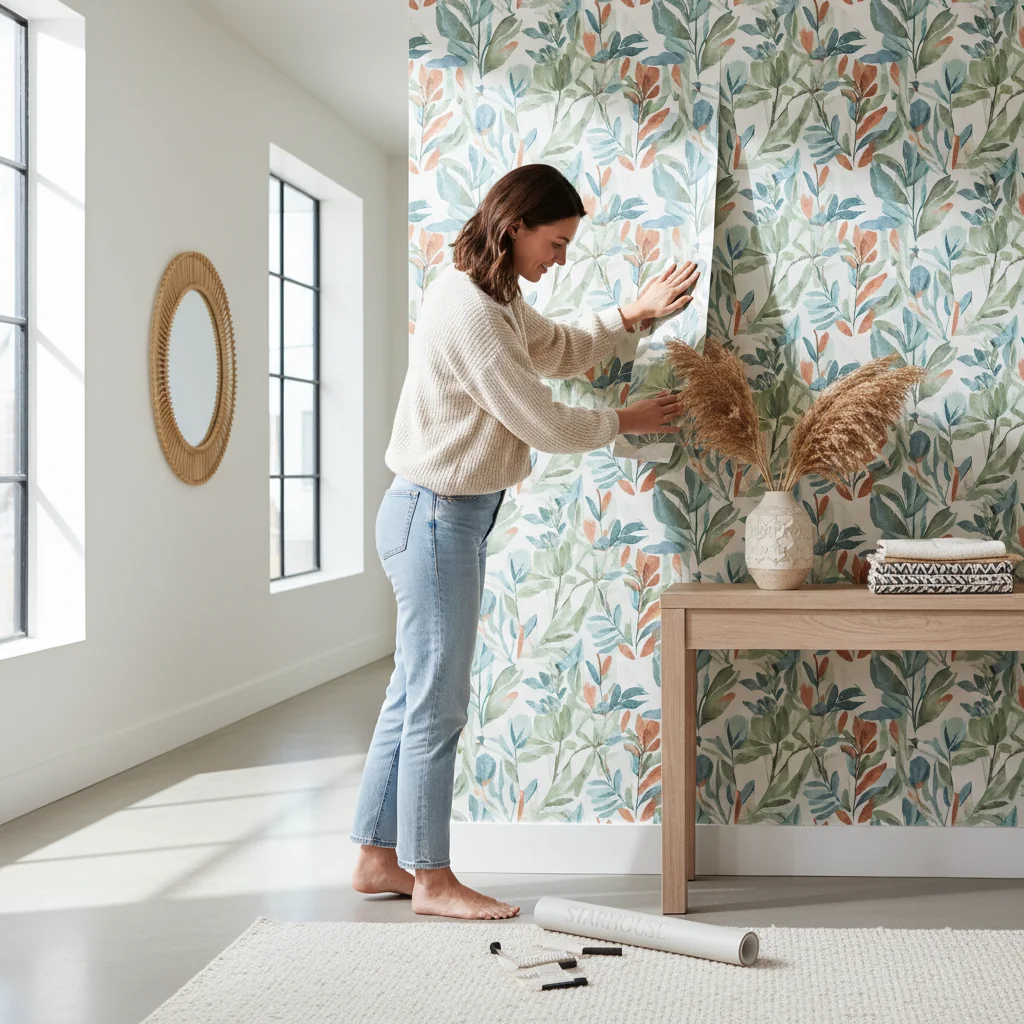
Peel-and-stick wallcoverings, also known as removable wallpaper, represent a contemporary solution for those seeking design flexibility and ease of application. These products feature an adhesive backing that is protected by a removable liner, eliminating the need for paste. York’s peel-and-stick collections are particularly popular for renters, DIY enthusiasts, and anyone who enjoys changing their décor frequently, as they can be removed cleanly without damaging the underlying wall surface.
The primary advantage of peel-and-stick is its low commitment. It allows for experimentation with bold patterns, vibrant colors, or intricate textures without the permanence of traditional wallpaper. York offers these in a wide range of designs, from geometric patterns and faux textures to botanical prints and abstract motifs. They are typically made from durable vinyl or polyester fabric, ensuring both ease of use and a quality finish.
Wall Murals
Wall murals from York Wallcoverings offer a dramatic and immersive design statement, transforming an entire wall into a singular, large-scale image or scene. Unlike repeating patterns, murals are designed to cover a specific wall area with a continuous graphic, creating a focal point or an expansive visual narrative. These can range from panoramic landscapes and architectural vistas to abstract art or oversized floral designs.
York’s murals are often printed on high-quality non-woven substrates, making them relatively easy to install in panels. They are a powerful tool for defining zones within open-plan spaces, adding depth to smaller rooms, or simply making a bold artistic statement. Murals are particularly effective in bedrooms, dining rooms, and expansive living areas where a grand visual impact is desired.
Textured Wallcoverings
Beyond printed patterns, York excels in creating textured wallcoverings that add tactile dimension and visual interest to walls. These products are designed to mimic natural materials or create a three-dimensional effect.
- Grasscloth: A premium, natural fiber wallcovering made from woven grasses, reeds, or jute. Grasscloth adds organic texture, warmth, and subtle variations in color, creating a sophisticated, earthy ambiance. Each roll is unique, showcasing the beauty of natural materials.
- Faux textures: York produces wallcoverings that convincingly replicate the look and feel of brick, wood, concrete, fabric, plaster, or even metallic finishes. These offer the aesthetic appeal of these materials without the cost, weight, or installation complexities of the genuine article.
- Embossed: Some wallcoverings feature raised patterns that add a tactile quality and shadow play to the design. Embossed wallpapers can enhance traditional damasks, create subtle geometric effects, or mimic the relief of architectural details.
Commercial Wallcoverings
York also manufactures a robust line of commercial wallcoverings designed for high-traffic environments such as hotels, hospitals, offices, and restaurants. These products are engineered for superior durability, cleanability, and fire safety, often meeting stringent industry standards (e.g., Type I or Type II commercial ratings). While prioritizing function, York ensures that these commercial options do not compromise on sophisticated design, offering a vast selection of patterns, textures, and colors suitable for professional settings.
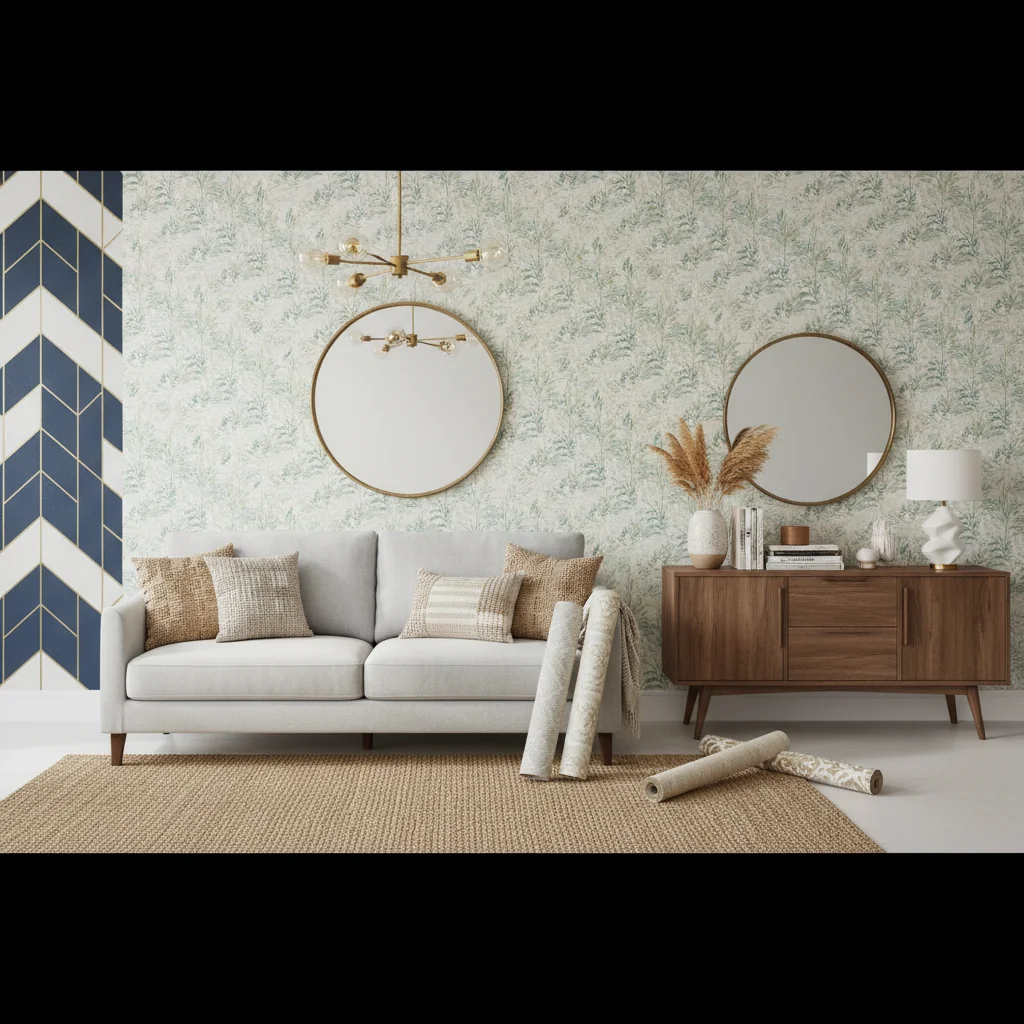
Materials and Construction: The Foundation of Quality
The choice of material and construction is fundamental to the performance, durability, and aesthetic of any wallcovering, and York Wallcoverings leverages a variety of premium substrates and manufacturing techniques. Each material offers distinct advantages in terms of resilience, ease of installation, and overall visual impact, allowing for tailored solutions to specific design challenges and functional needs. Understanding these differences is key to making an informed selection that aligns with your lifestyle and design aspirations.
Paper Wallcoverings
Paper wallcoverings are the traditional foundation of the industry, offering a classic aesthetic with a wide range of printing possibilities. York utilizes high-quality paper stocks that provide excellent color reproduction and a smooth finish. These wallcoverings are often celebrated for their breathability, making them suitable for spaces where natural air circulation is desired. While beautiful, traditional paper wallcoverings typically require careful handling during installation and are less resistant to moisture and abrasion than their vinyl counterparts. They often benefit from a protective clear coat in high-traffic areas.
Non-Woven Wallcoverings
Non-woven wallcoverings represent a significant advancement in wallpaper technology, offering enhanced durability and user-friendliness. Made from a blend of natural and synthetic fibers, these materials are tear-resistant, dimensionally stable (meaning they won’t shrink or expand when wet), and breathable. The primary advantage of non-woven is its “paste-the-wall” application method, where adhesive is applied directly to the wall, simplifying the installation process. Non-woven wallcoverings are also typically strippable, allowing for clean and easy removal without damaging the wall, making them an excellent choice for long-term versatility.
Vinyl Wallcoverings
Vinyl is a highly versatile and robust material, making it a popular choice for wallcoverings in both residential and commercial settings. York produces several types of vinyl wallcoverings, each with varying degrees of durability and flexibility.
- Paper-Backed Vinyl: This construction features a decorative vinyl surface laminated to a paper backing. It offers good washability and durability, making it suitable for kitchens, bathrooms, and children’s rooms. The vinyl layer provides a protective barrier against moisture and stains.
- Fabric-Backed Vinyl (Commercial Grade): Designed for heavy-duty applications, fabric-backed vinyl consists of a solid vinyl surface bonded to a fabric substrate. This construction provides superior strength, tear resistance, and dimensional stability. It is often Type II rated, indicating its suitability for commercial environments with high traffic and strict performance requirements. This material is highly resistant to impact, abrasion, and moisture, making it exceptionally long-lasting.
- Solid Vinyl: This is a pure vinyl product, offering maximum durability and moisture resistance. Solid vinyl wallcoverings are inherently robust and easy to clean, ideal for areas requiring exceptional performance and longevity.
Natural Fiber Wallcoverings (e.g., Grasscloth, Cork)
York Wallcoverings also curates exquisite collections of natural fiber wallcoverings, which bring organic texture, warmth, and unique character to a space.
- Grasscloth: Made from hand-woven natural fibers such as jute, sisal, or arrowroot, grasscloth wallcoverings offer unparalleled tactile beauty. The inherent variations in fiber thickness and color create a subtle, sophisticated texture that adds depth and an artisanal touch. Grasscloth is typically unpasted and requires careful installation; it is not washable and should be protected from moisture. Each roll is unique, contributing to a bespoke aesthetic.
- Cork: Cork wallcoverings are crafted from thin slices of natural cork bark, often laminated to a paper or non-woven backing. They provide a distinct, earthy texture and can also offer acoustic benefits. Cork is durable and naturally resistant to mold and mildew, making it an environmentally conscious choice.
Specialty Materials and Finishes
York frequently incorporates specialty materials and finishes to enhance their designs:
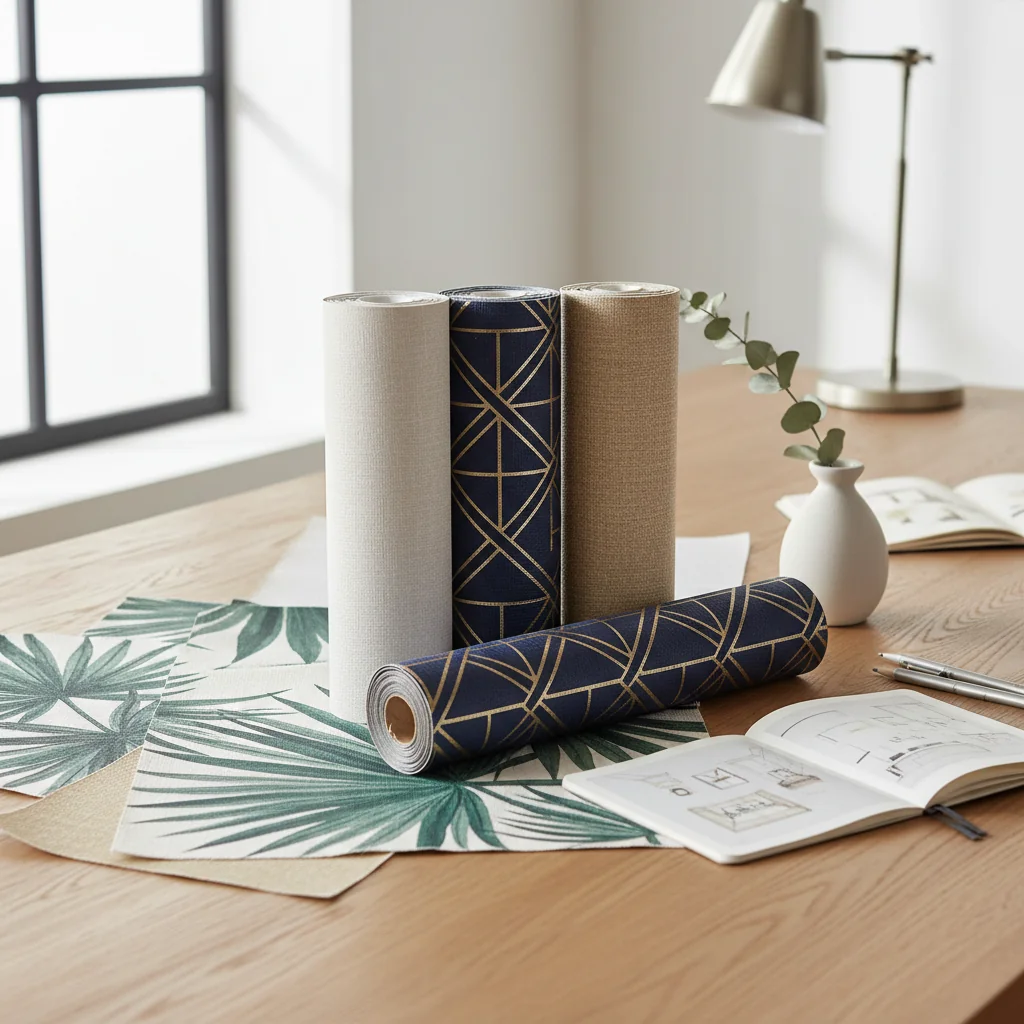
- Metallics: Wallcoverings featuring metallic inks or foil backings introduce shimmer, reflectivity, and a touch of glamour. These can range from subtle pearlescent sheens to bold, reflective gold, silver, or copper accents, adding sophistication and light play to a room.
- Flock: Flock wallcoverings feature raised, velvet-like patterns created by applying finely cut fibers onto an adhesive design. This technique adds luxurious texture and a rich, tactile dimension, often seen in classic or opulent designs.
- Embossed Textures: Through embossing, patterns are pressed into the surface of the wallcovering, creating a three-dimensional effect that mimics stucco, fabric weaves, or architectural details. This adds depth and visual interest without the need for complex patterns.
York Wallcoverings is also committed to environmental responsibility. Their dedication to sustainability is evident in their manufacturing processes and product development. According to York Wallcoverings, they “strive to minimize their environmental footprint by focusing on responsible sourcing, waste reduction, and energy efficiency.” York Wallcoverings’ Environmental Promise highlights their use of water-based inks, formaldehyde-free materials, and sustainable paper sources, ensuring that their beautiful products are also conscientiously produced.
Styles and Aesthetics: Curating Your Vision
York Wallcoverings excels in offering an unparalleled breadth of styles and aesthetics, ensuring that every design sensibility, from timeless traditional to cutting-edge contemporary, can find its perfect expression. Their extensive collections are meticulously curated to reflect current trends while honoring classic motifs, providing designers and homeowners with the tools to craft truly distinctive spaces. This diversity allows for precise tailoring of a room’s mood and character, transforming walls into integral elements of a cohesive design narrative.
Traditional and Classic
Traditional York wallcoverings draw inspiration from historical design periods, offering a sense of enduring elegance and formality.
- Damask: Characterized by ornate, symmetrical patterns, often in tone-on-tone or contrasting colors, damask designs evoke a sense of grandeur and luxury, ideal for formal living rooms, dining rooms, or master bedrooms.
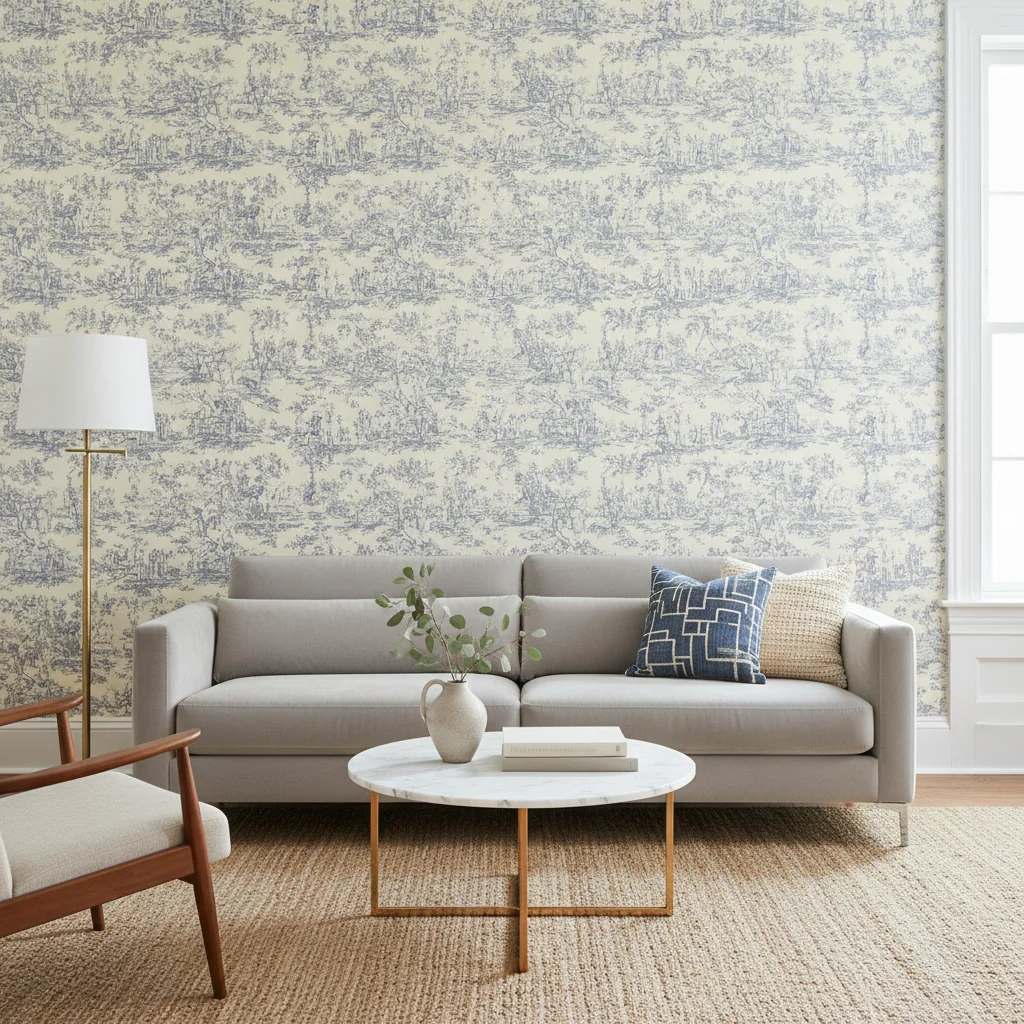
- Toile de Jouy: Featuring pastoral scenes, often in a single color against a light background, Toile de Jouy patterns bring a charming, romantic, and historically rich aesthetic, perfect for a French country or traditional setting.
- Stripe and Trellis: Classic stripes, from thin pinstripes to bold cabana stripes, offer timeless sophistication and can visually alter a room’s proportions. Trellis patterns, with their intersecting geometric lines, provide a subtle yet elegant structure.
- Floral and Botanical: While florals can be contemporary, traditional floral patterns often feature intricate, realistic depictions of flowers and foliage, sometimes in a chintz style, bringing a lush garden feel indoors.
Contemporary and Modern
York’s contemporary collections embrace clean lines, abstract forms, and often minimalist color palettes, aligning with modern design principles.
- Geometric: Bold and graphic, geometric patterns (e.g., chevrons, hexagons, interlocking shapes) add dynamic energy and a sense of order. These are frequently used to create focal walls or to reinforce a modern, architectural aesthetic.
- Abstract: Featuring fluid forms, painterly strokes, and non-representational designs, abstract wallcoverings introduce artistic flair and can evoke various moods, from serene to energetic. They often serve as art pieces themselves.
- Metallics and Textural: Modern designs frequently incorporate metallic sheens (silver, gold, rose gold) and subtle textures (faux concrete, linen, plaster) to add sophistication and tactile interest without relying on complex patterns.
Transitional
Transitional styles seamlessly blend elements of traditional and contemporary design, offering a balanced and sophisticated aesthetic that is neither too formal nor too stark. York’s transitional wallcoverings often feature classic motifs reinterpreted with modern colors, simplified lines, or updated textures, creating a harmonious and approachable elegance.
Farmhouse and Rustic
For those who gravitate towards warmth, comfort, and a connection to nature, York offers styles that embody the farmhouse and rustic aesthetic.
- Faux Wood and Brick: Realistic reproductions of weathered wood planks, shiplap, or exposed brick provide a cozy, authentic rustic backdrop without the structural modifications.
- Natural Textures: Grasscloth, woven textures, and subtle linen-look wallcoverings add organic warmth and a handcrafted feel, aligning perfectly with a natural, unpretentious design.
- Gingham and Plaid: Simple, classic patterns that evoke country charm and a sense of heritage, often used in kitchens, dining areas, or informal living spaces.
Maximalist and Eclectic
Embracing rich patterns, vibrant colors, and a “more is more” philosophy, maximalist and eclectic wallcoverings are about bold self-expression. York’s offerings in this category include large-scale florals, intricate chinoiserie, exotic animal prints, and highly detailed scenic designs, encouraging a layered and personalized approach to décor. These designs are perfect for creating unexpected moments and conversations starters in a space.
Biophilic Design
Biophilic design, which seeks to connect occupants with nature, is a prominent trend. York Wallcoverings responds with an abundance of patterns featuring lush botanicals, tropical leaves, delicate florals, and natural textures. These designs bring the calming and invigorating qualities of the outdoors inside, fostering a sense of well-being.
Art Deco and Mid-Century Modern
For lovers of retro glamour, York also offers styles reminiscent of the Art Deco era (geometric patterns, metallic accents, fan motifs) and Mid-Century Modern (organic shapes, vibrant color blocking, atomic starbursts). These designs add a touch of vintage sophistication and playful nostalgia.
Choosing the Right York Wallcovering for Your Space
Selecting the ideal York wallcovering involves a thoughtful process that considers both the aesthetic aspirations and practical requirements of your interior. A well-chosen wallcovering can dramatically enhance a room’s character, create focal points, and even influence the perception of space and light. We recommend a systematic approach to ensure your selection perfectly complements your home’s existing elements and your personal style.
Assess Room Function and Traffic
The primary function of the room is a critical determinant for wallcovering selection. High-traffic areas, such as hallways, entryways, and children’s rooms, demand durable and washable options like vinyl or paper-backed vinyl. Kitchens and bathrooms, prone to moisture and splashes, benefit from moisture-resistant materials like solid vinyl. In contrast, bedrooms, living rooms, and dining areas, which typically experience less wear, allow for a broader range of materials, including delicate paper or luxurious grasscloth.
- High-Traffic Areas (Hallways, Kids’ Rooms): Opt for durable, scrubbable materials such as solid vinyl or Type II commercial-grade wallcoverings.
- Moisture-Prone Areas (Kitchens, Bathrooms): Select moisture-resistant options like solid vinyl or paper-backed vinyl. Ensure proper ventilation.
- Low-Traffic Areas (Bedrooms, Formal Living Rooms): Allows for more delicate options like traditional paper, non-woven, or natural fibers such as grasscloth.
Consider Light Exposure and Room Size
The amount of natural and artificial light a room receives, along with its dimensions, significantly impacts how a wallcovering appears.
- Small Rooms: Light-colored wallcoverings with small, subtle patterns or delicate textures can make a small room feel more expansive and airy. Avoid large, busy patterns which can overwhelm the space.
- Large Rooms: Can accommodate bolder patterns, darker colors, and larger-scale designs without feeling cramped. A dramatic mural or a rich damask can create a luxurious, enveloping feel.
- Low Light Rooms: Wallcoverings with reflective qualities, such as metallic accents or pearlescent finishes, can help bounce light around the room, brightening the space. Lighter colors are generally preferred.
- Bright Rooms: Can handle a wider range of colors and patterns. Consider cooler tones to balance strong natural light or warmer tones to enhance coziness.
Harmonize with Existing Décor and Color Palette
Your chosen wallcovering should integrate seamlessly with your existing furniture, textiles, and overall color scheme.
- Complementary Colors: Select a wallcovering that features colors already present in your room or introduces harmonious new shades. Use a color wheel to identify complementary or analogous color schemes.
- Pattern Harmony: If your room already has patterned rugs or upholstery, opt for a wallcovering with a simpler pattern, a subtle texture, or a solid color to avoid visual clutter. Conversely, if your furnishings are mostly solid, a patterned wallcovering can inject much-needed energy.
- Style Cohesion: Ensure the wallcovering’s style aligns with your room’s aesthetic – whether it’s traditional, modern, transitional, or eclectic. A mismatch in styles can create a disjointed look.
Define Your Desired Mood and Aesthetic
Wallcoverings are powerful tools for setting a room’s mood.
- Calm and Serene: Opt for soft colors, subtle textures (like grasscloth or linen-look), and organic or minimalist patterns.
- Energetic and Playful: Choose vibrant colors, bold geometric patterns, or whimsical motifs.
- Luxurious and Formal: Consider damasks, flock patterns, rich textures, or metallic finishes in deep jewel tones or classic neutrals.
- Cozy and Inviting: Warm tones, faux wood or brick, and natural textures can create a welcoming atmosphere.
Consider Pattern Repeat and Scale
The pattern repeat refers to the vertical distance between one point in a pattern and the identical point directly below it. This is crucial for calculating how much wallpaper you need and for ensuring a seamless flow across your walls.
- Small Patterns: Generally easier to match and result in less waste. They add subtle detail without overpowering the room.
- Large Patterns: Require more careful matching and typically result in more waste due to the larger repeat. They make a bold statement and are ideal for larger walls or focal points.
- Random Match: No specific repeat to match, leading to minimal waste and easier installation. Often found in textures or very subtle patterns.
- Straight Match: The pattern matches straight across the seams at the same height.
- Drop Match: The pattern matches across the seams but is staggered, requiring more careful planning and potentially more waste.
Order Samples
Always order samples of your preferred York Wallcoverings. View them in your room at different times of day to see how the light affects the color and texture. Place them next to your furniture, flooring, and paint swatches to ensure complete harmony before committing to a full purchase. This step is indispensable for making a confident and satisfying choice.
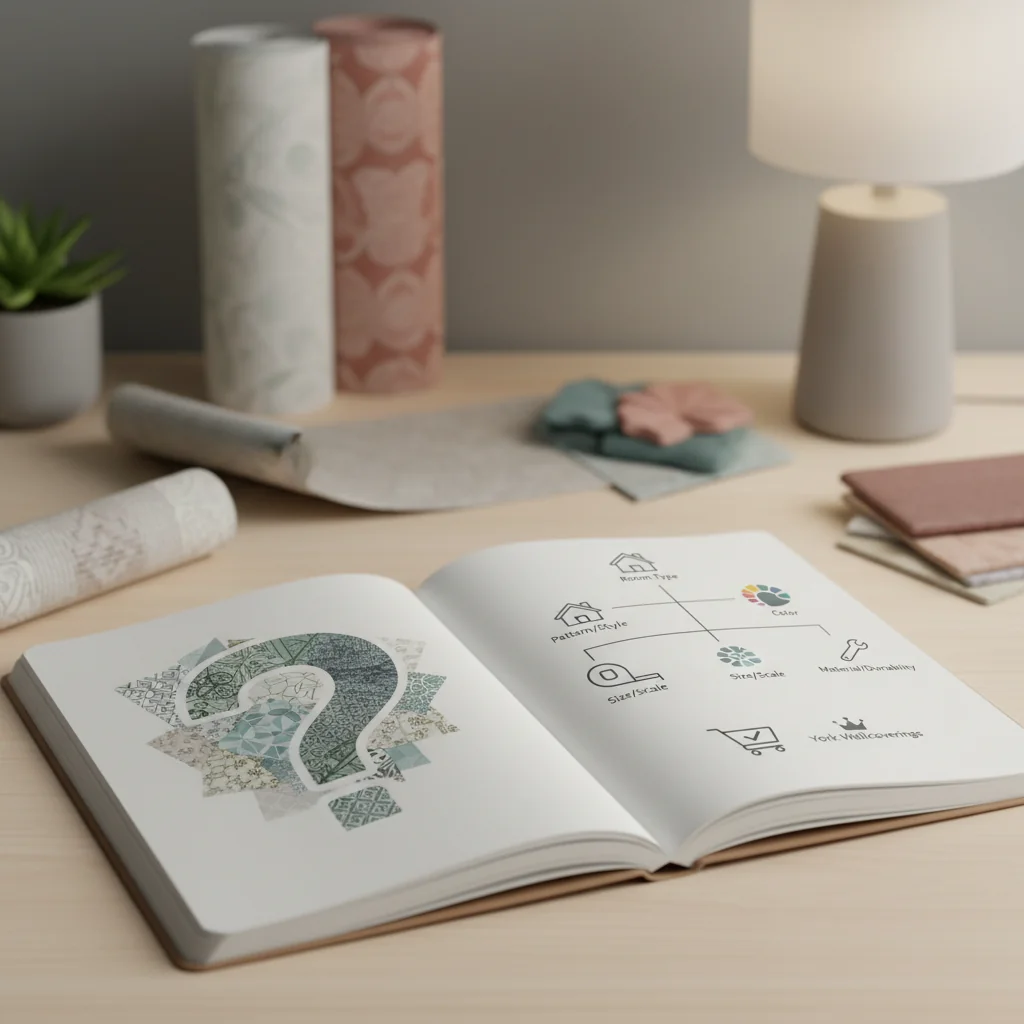
Sizing, Measuring, and Installation Considerations
Accurate sizing and meticulous measurement are paramount to a successful wallcovering project, ensuring a flawless finish and minimizing waste. York Wallcoverings typically adheres to standard industry dimensions, but understanding the specifics of roll size, pattern repeat, and proper installation techniques is crucial for achieving professional results. We provide a precise guide to navigate these essential practicalities, setting the foundation for a beautifully adorned space.
Standard York Roll Dimensions
While roll dimensions can vary slightly by collection and material, a common standard for residential York Wallcoverings is a roll that is 27 inches wide and 27 feet long. This yields approximately 60.75 square feet per single roll. However, wallcoverings are often sold in “double rolls” or “bolts,” which combine two single rolls into one continuous length, typically measuring 27 inches wide by 54 feet long, covering about 121.5 square feet. Always verify the specific dimensions on the product label, as natural fiber wallcoverings or specialty murals may have different specifications.
Accurate Wall Measurement
Precise measurement is the foundation of any successful wallcovering project. We recommend measuring each wall individually to account for irregularities and architectural features.
- Measure Wall Height: Measure from the top of the baseboard to the ceiling line. If there is no baseboard or crown molding, measure from floor to ceiling. Take several measurements across the wall and use the tallest measurement for your calculations to ensure full coverage.
- Measure Wall Width: Measure the total width of each wall.
- Calculate Total Square Footage: For each wall, multiply its height by its width to get the square footage. Sum these values for the total area to be covered.
- Account for Openings: Subtract the square footage of large windows and doors from your total. Do not subtract for small windows or doors, as the waste from cutting around them often equals the material saved.
Calculating Rolls Needed (Accounting for Pattern Repeat)
The pattern repeat is the vertical distance before a design repeats itself and is a critical factor in determining how many rolls to purchase. York Wallcoverings will clearly state the pattern repeat (e.g., 21 inches, 25.25 inches) on the product specifications.
- Determine Number of Strips per Roll: Divide the roll length (e.g., 27 feet or 324 inches for a single roll) by your wall height plus the pattern repeat. For example, if your wall is 8 feet (96 inches) tall and the pattern repeat is 21 inches, each strip needs to be 96 + 21 = 117 inches. A 324-inch roll yields 324 / 117 = 2.77 strips, so you get 2 usable strips per single roll.
- Determine Number of Strips per Wall: Divide the total width of your wall by the wallcovering width (e.g., 27 inches). For a 12-foot (144-inch) wide wall, you need 144 / 27 = 5.33 strips, so you need 6 strips.
- Calculate Total Rolls: Divide the total number of strips needed for all walls by the number of usable strips per roll. Always round up to the nearest whole number.
- Add for Waste and Future Repairs: We strongly recommend adding an extra 15-20% to your final roll count to account for trimming, pattern matching waste, and potential future repairs. It is always better to have an extra roll from the same dye lot than to run short.
For complex installations with many doors, windows, or architectural features, we advise consulting a professional installer or using an online wallpaper calculator for a more precise estimate.
Installation Considerations
Proper installation is as crucial as selection for the longevity and appearance of your York wallcovering.
- Surface Preparation: Walls must be clean, smooth, dry, and primed. Any imperfections will show through the wallcovering. Use a high-quality wallpaper primer/sealer, especially on new drywall or previously painted surfaces, to ensure proper adhesion and easier removal in the future.
- Tools: Essential tools include a smoothing brush or plastic smoother, utility knife with sharp blades, measuring tape, plumb line or laser level, seam roller, and a bucket for paste (for unpasted varieties).
- Adhesive: For unpasted wallcoverings, use a high-quality, clear, non-staining wallpaper adhesive recommended for your specific wallcovering type. Non-woven wallcoverings often use a “paste-the-wall” adhesive.
- Pattern Matching: Carefully align patterns at the seams. For drop match patterns, alternate strips may need to be cut from different parts of the roll to achieve the correct alignment.
- Professional Installation: For intricate patterns, delicate materials like grasscloth, or large-scale murals, professional installation is highly recommended. Experienced installers possess the expertise to handle pattern repeats, tricky corners, and achieve seamless results.
- Dye Lots: Wallcoverings are produced in batches called “dye lots.” Slight color variations can occur between different dye lots. Always ensure all rolls for a single project come from the same dye lot to guarantee color consistency. This information is typically printed on the roll label.
By meticulously addressing these sizing, measuring, and installation considerations, you ensure that your chosen York Wallcovering not only looks magnificent but also performs beautifully for years to come.
Current Trends in York Wallcoverings
The world of interior design is ever-evolving, and York Wallcoverings remains at the forefront, consistently introducing collections that reflect and often set the prevailing trends. Their ability to blend timeless appeal with contemporary aesthetics ensures that their offerings are always relevant, inspiring designers and homeowners to create spaces that are both current and enduring. Several key trends are prominently featured in York’s latest releases, shaping the direction of modern wall décor.
Biophilic Design and Nature-Inspired Motifs
The desire to connect with nature continues to be a dominant force in interior design, leading to a surge in biophilic wallcoverings. York’s collections abound with lush botanical prints, oversized tropical leaves, delicate floral patterns, and realistic depictions of natural landscapes. These designs bring the calming and invigorating essence of the outdoors into interior spaces, fostering a sense of well-being and tranquility. Expect to see rich greens, earthy browns, and vibrant floral hues.
Textural Richness and Tactile Surfaces
Beyond visual patterns, there’s a strong emphasis on tactile experiences. York Wallcoverings is responding with an increased focus on textured surfaces that invite touch and add depth to walls.
- Grasscloth and Woven Textures: These natural fiber wallcoverings remain highly sought after for their organic feel, subtle variations, and sophisticated warmth. They add an understated luxury and a handcrafted element.
- Faux Finishes: Realistic interpretations of concrete, plaster, linen, woven fabrics, and weathered wood continue to be popular, offering the aesthetic appeal of these materials with the ease and durability of wallcovering.
- Embossed and Raised Patterns: Wallcoverings with subtle raised patterns create shadow play and add a three-dimensional quality, enhancing traditional damasks or introducing modern geometric relief.
Maximalism and Bold Self-Expression
While minimalism has its place, the pendulum is swinging towards maximalism, encouraging bolder choices and personalized spaces. York’s maximalist offerings feature large-scale, intricate patterns, vibrant color palettes, and often a mix of diverse motifs. This trend is about celebrating individuality, layering patterns, and creating dramatic, immersive environments that tell a unique story. Think grand Chinoiserie murals, exotic animal prints, or highly detailed scenic designs.
Vintage Revival and Art Deco Glamour
A resurgence of interest in historical design periods, particularly the Art Deco era and Mid-Century Modernism, is evident. York’s collections often feature patterns inspired by these periods:
- Art Deco: Geometric motifs, fan patterns, stylized botanicals, and metallic accents in gold, silver, and brass evoke the glamour and sophistication of the 1920s and 30s.
- Mid-Century Modern: Organic shapes, atomic starbursts, abstract patterns, and a palette of muted and vibrant colors reminiscent of the 1950s and 60s.
Sustainable and Eco-Conscious Options
As environmental awareness grows, so does the demand for sustainable home décor. York Wallcoverings is committed to eco-friendly practices, offering options that align with this trend. This includes wallcoverings made from recycled content, natural fibers, or printed with water-based inks on sustainably sourced paper. Their Environmental Promise underscores their dedication to responsible manufacturing, making it easier for consumers to make environmentally sound choices without compromising on style or quality.
Earthy and Muted Color Palettes
Beyond vibrant maximalist statements, there’s a concurrent trend towards soothing, earthy, and muted color palettes. Think warm neutrals, sage greens, dusty blues, terracotta, and soft grays. These colors create a calming and sophisticated backdrop, allowing other design elements to shine or simply fostering a serene atmosphere.
Architectural and Geometric Faux Finishes
Wallcoverings that mimic architectural elements or simple geometric patterns are gaining traction. This includes designs that replicate the look of fluted panels, wainscoting, or subtle grid patterns, adding structure and sophistication without the cost or permanence of actual architectural modifications. These often come in neutral or monochromatic schemes for a refined effect.
York Wallcoverings continually innovates to bring these trends to life, ensuring that their collections offer both cutting-edge design and timeless appeal. By staying attuned to these evolving aesthetics, Starhouse curates options that empower you to create a home that is truly reflective of contemporary style and personal taste.
Care and Maintenance: Ensuring Longevity
Proper care and maintenance are essential for preserving the beauty and extending the lifespan of your York Wallcoverings. Different materials require specific cleaning and handling techniques, and understanding these nuances will ensure your investment remains pristine for years to come. Neglecting appropriate care can lead to premature wear, discoloration, or damage, diminishing the aesthetic appeal of your carefully chosen wallcovering.
General Care Guidelines
Regardless of the material, some general practices apply to all wallcoverings:
- Dust Regularly: Use a soft, dry cloth, a feather duster, or a vacuum cleaner with a brush attachment to gently remove dust and cobwebs. Regular dusting prevents buildup that can dull the wallcovering’s appearance.
- Avoid Abrasives: Never use abrasive cleaners, scouring pads, or harsh chemicals, as these can damage the surface, strip colors, or leave permanent marks.
- Test in an Inconspicuous Area: Before applying any cleaning solution to a visible area, always test it on a small, hidden spot (e.g., behind furniture or near a baseboard) to ensure it does not cause discoloration or damage.
- Address Stains Promptly: The sooner a spill or stain is addressed, the easier it is to remove.
- Protect from Direct Sunlight: Prolonged exposure to direct sunlight can cause fading over time, especially with darker colors or natural materials. Use blinds, curtains, or UV-filtering window films to protect your wallcoverings.
Specific Care by Wallcovering Type
Vinyl Wallcoverings (Solid Vinyl, Paper-Backed Vinyl)
Vinyl wallcoverings are among the most durable and easiest to maintain, making them ideal for high-traffic areas and moisture-prone rooms.
- Cleaning: Most vinyl wallcoverings are scrubbable or washable. Use a soft sponge or cloth dampened with a mild, non-abrasive soap solution (e.g., dish soap and water). Gently wipe the stained area, then rinse with a clean, damp cloth to remove any soap residue. Pat dry with a clean, soft towel.
- Stains: For tougher stains, a diluted all-purpose cleaner might be used, but always test first. Avoid harsh solvents or bleach.
Non-Woven Wallcoverings
Non-woven wallcoverings are generally washable and quite durable, offering a good balance of aesthetics and practicality.
- Cleaning: Similar to vinyl, use a soft, damp cloth with a mild soap solution. Gently wipe and rinse thoroughly. Non-woven materials are less prone to tearing when wet compared to traditional paper.
- Durability: While durable, they may not withstand repeated scrubbing as well as solid vinyl.
Traditional Paper Wallcoverings
Traditional paper wallcoverings are the most delicate and require the gentlest care.
- Cleaning: Most paper wallcoverings are considered “delicate” or “spongeable.” This means they can be lightly wiped with a barely damp, soft sponge or cloth, using only clear water. Avoid excessive moisture or scrubbing, as this can damage the paper or cause colors to bleed.
- Stains: For dry stains, a kneaded eraser can sometimes lift marks. For liquid stains, blot immediately with a clean, dry cloth. Professional cleaning may be required for stubborn stains.
- Protection: Consider applying a clear, matte, water-based protective topcoat (designed for wallpaper) in areas where more durability or washability is desired, but always test first.
Natural Fiber Wallcoverings (Grasscloth, Cork)
Natural fiber wallcoverings are beautiful but require specialized care due to their delicate and absorbent nature.
- Cleaning: These materials are typically “non-washable” or “wipeable” with a dry cloth only. Dust regularly with a soft brush or vacuum with a brush attachment.
- Moisture: Absolutely avoid water or liquid cleaners, as they can cause discoloration, staining, or damage to the natural fibers.
- Stains: For dry debris, gently brush or vacuum. For liquid spills, blot immediately with a clean, dry cloth. Do not rub. Professional cleaning for natural fibers may be an option for severe stains but is often difficult.
- Unique Characteristics: Natural fibers may show variations in color and texture, and slight fraying at seams is a normal characteristic, not a defect.
Peel-and-Stick Wallcoverings
York’s peel-and-stick options are generally quite durable and easy to clean, often made from vinyl or polyester fabric.
- Cleaning: Most are washable. Use a soft, damp cloth with mild soap and water. Wipe gently and rinse with a clean, damp cloth.
- Adhesive: Avoid excessive moisture near seams to prevent adhesive weakening, although modern peel-and-stick adhesives are quite robust.
Repairing Minor Damage
Minor damage, such as small tears or lifting seams, can often be repaired.
- Lifting Seams: Apply a small amount of seam adhesive (available at hardware stores) under the lifted edge, press firmly with a seam roller, and wipe away excess glue.
- Small Tears: If you have leftover wallcovering from the same dye lot, carefully cut a patch slightly larger than the tear. Apply adhesive to the back of the patch and align the pattern, pressing firmly.
By adhering to these specific care instructions, your York Wallcoverings will maintain their aesthetic integrity and continue to enhance your home’s interior for many years, reflecting the quality and beauty they were designed to provide.
Styling and Pairing: Integrating Wallcoverings into Your Design
Integrating York Wallcoverings into your overall interior design scheme is an art that transforms a room from merely decorated to truly curated. Wallcoverings are not isolated elements; they are foundational components that should harmonize with furnishings, textiles, lighting, and accessories to create a cohesive and impactful aesthetic. Thoughtful styling and pairing can amplify the wallcovering’s effect, establish mood, and define the character of a space.
Creating a Focal Point
A single accent wall adorned with a striking York wallcovering can serve as a powerful focal point in any room.
- Behind the Bed: A bold floral, geometric, or textured wallcovering behind the headboard elevates the bed into a central design feature, adding depth and luxury to a bedroom.
- In a Dining Nook: A vibrant botanical mural or an elegant damask can define the dining area, making it feel more intimate and special.
- Behind a Sofa: A large-scale pattern or a rich texture on the wall behind a main seating area draws the eye and anchors the furniture arrangement.
- Within Alcoves or Built-ins: Even small spaces can benefit from a wallcovering. Lining the back of a bookshelf or an open cabinet with a complementary pattern or texture adds unexpected detail and sophistication.
Harmonizing with Furniture
The style, scale, and color of your furniture should inform your wallcovering choice.
- Traditional Furniture: Pair with classic patterns like damasks, toile, or intricate florals. Rich textures like flock or grasscloth also complement antique or ornate pieces.
- Modern Furniture: Opt for clean geometric patterns, abstract designs, subtle textures, or metallic finishes. Keep lines simple and colors complementary.
- Rustic or Farmhouse Furniture: Faux wood, brick, natural grasscloth, or simple plaid patterns enhance the cozy, organic feel of rustic furnishings.
- Scale: Ensure the scale of the wallcovering pattern is proportionate to your furniture. Large patterns can overpower delicate furniture, while tiny patterns might get lost against bulky pieces.
Coordinating with Textiles
Textiles (curtains, rugs, throw pillows, upholstery) are excellent opportunities to echo or contrast the wallcovering.
- Color Echo: Pull one or two colors from the wallcovering pattern and repeat them in your textiles to create a cohesive color palette.
- Pattern Play: Mix patterns carefully. If your wallcovering is busy, choose solid or subtly textured textiles. If the wallcovering is a solid texture (like grasscloth), introduce patterned textiles to add interest. Vary the scale of patterns – a large-scale wallcovering can work with a small-scale geometric rug.
- Texture Contrast: Pair a smooth, glossy wallcovering with plush velvet upholstery or a rough-hewn grasscloth with soft linen curtains to add tactile diversity.
Enhancing with Lighting
Lighting can dramatically alter the appearance of your York Wallcoverings, highlighting textures and patterns.
- Uplighting/Downlighting: Strategically placed wall sconces or picture lights can accentuate textured wallcoverings, creating dramatic shadows and highlighting the relief.
- Metallic Finishes: Wallcoverings with metallic elements will shimmer and reflect light, adding glamour and brightness to a room, especially when paired with elegant fixtures.
- Natural Light: Consider how natural light hits the wallcovering throughout the day. A wallcovering with a subtle sheen might sparkle in morning light but appear subdued in the evening.
Accessorizing Thoughtfully
Accessories should complement, not compete with, your wallcovering.
- Art and Mirrors: Choose art pieces that stand out against the wallcovering. A bold pattern might call for simpler, framed artwork or a large mirror to break up the pattern. A textured or subtle wallcovering provides an excellent backdrop for intricate or colorful art.
- Shelving: Floating shelves can be used to display decorative objects, breaking up a large expanse of patterned wallcovering or adding functional beauty to a textured one.
- Plants: Greenery always complements natural and botanical wallcoverings, enhancing the biophilic connection.
Here is a comparison of how different York Wallcovering types pair with various design elements:
| Wallcovering Type | Ideal Furniture Style | Complementary Textiles | Recommended Lighting | Best for Room Mood |
|---|---|---|---|---|
| Traditional Damask | Ornate, classic, antique wood, velvet upholstery | Silk, brocade, solid velvets, subtle stripes | Chandeliers, sconces, ambient table lamps | Formal, elegant, luxurious |
| Geometric (Modern) | Sleek, minimalist, mid-century modern, metal accents | Solid cotton, linen, abstract patterns (different scale) | Recessed lighting, track lighting, sculptural fixtures | Dynamic, contemporary, structured |
| Grasscloth/Natural Fiber | Organic, Scandinavian, rustic, woven wood, natural linen | Linen, wool, cotton, subtle textured weaves | Warm, diffused lighting, natural light maximization | Calm, earthy, sophisticated, inviting |
| Botanical/Floral | Transitional, eclectic, rattan, painted wood, upholstered | Solid colors from pattern, small-scale checks, subtle stripes | Natural light, soft ambient lighting, task lighting | Fresh, vibrant, romantic, serene |
| Faux Brick/Wood | Industrial, farmhouse, urban loft, distressed wood, leather | Denim, canvas, chunky knits, plaid, solid neutrals | Exposed bulb fixtures, industrial pendants, task lighting | Cozy, authentic, rustic, edgy |
By considering these styling principles, you can ensure your York Wallcoverings not only adorn your walls but also actively contribute to a cohesive, thoughtfully designed, and inspiring living space.
At Starhouse, we are curating a collection that speaks to these design aspirations. We invite you to tell us what you’re looking for to help shape our offerings and get early access to our exclusive selections. Share your vision with us at https://starhouseusa.online/.
Common Mistakes to Avoid with York Wallcoverings
Even with the highest quality products like York Wallcoverings, certain missteps during selection, installation, or maintenance can compromise the final outcome and longevity of your design. Avoiding these common mistakes ensures a smoother project, a more satisfying aesthetic, and a durable finish. Precision and foresight are crucial when embarking on a wallcovering transformation.
1. Inadequate Surface Preparation
**Mistake:** Hanging wallcovering over unprepared walls (e.g., dirty, uneven, unprimed, or porous surfaces).
**Consequence:** Poor adhesion, visible imperfections (bumps, cracks, old paint lines), peeling seams, and difficulty in future removal.
**Solution:** Always ensure walls are clean, dry, smooth, and properly primed with a high-quality wallpaper primer/sealer. This creates a uniform, non-porous surface that allows the adhesive to bond correctly and facilitates easier removal down the line. Skim-coat any significant imperfections for a perfectly smooth canvas.
2. Insufficient Measurement and Under-ordering
**Mistake:** Not accurately measuring wall dimensions or failing to account for pattern repeat and waste.
**Consequence:** Running out of wallcovering mid-project, leading to delays, potential dye lot mismatches (color variations), and frustration.
**Solution:** Measure carefully, calculate square footage, and meticulously factor in the pattern repeat. Always add an extra 15-20% for waste, trimming, and potential future repairs. Purchase all rolls from the same dye lot to ensure color consistency.
3. Ignoring Pattern Repeat During Installation
**Mistake:** Failing to properly align the pattern repeat between strips.
**Consequence:** A disjointed, unprofessional-looking pattern that breaks the visual flow and detracts from the design.
**Solution:** Before cutting, understand whether your wallcovering has a straight match, drop match, or random match. Lay out strips and dry-fit them to ensure perfect pattern alignment, especially with drop matches which require staggering. Cut strips slightly longer than needed to allow for precise trimming.
4. Neglecting Dye Lot Consistency
**Mistake:** Mixing rolls from different dye lots within the same room.
**Consequence:** Noticeable color discrepancies between strips, especially under different lighting conditions, creating an uneven appearance.
**Solution:** Before starting, verify that all wallcovering rolls bear the same dye lot number (usually printed on the label). If purchasing additional rolls later, try to match the dye lot or use the new rolls in an inconspicuous area.
5. Improper Adhesive Selection or Application
**Mistake:** Using the wrong type of adhesive or applying it incorrectly (too much, too little, unevenly).
**Consequence:** Poor adhesion, bubbling, peeling seams, staining, or difficulty in removal.
**Solution:** Always use the adhesive recommended by York Wallcoverings for your specific product type (e.g., standard paste for paper, paste-the-wall for non-woven). Apply paste evenly and according to instructions. For peel-and-stick, ensure the wall is clean and smooth for optimal self-adhesive performance.
6. Overlooking Room Environment and Material Suitability
**Mistake:** Choosing a delicate wallcovering for a high-traffic or moisture-prone area.
**Consequence:** Premature wear, staining, water damage, and a short lifespan for the wallcovering.
**Solution:** Match the wallcovering material to the room’s function. Use durable, washable vinyl for kitchens, bathrooms, and kids’ rooms. Reserve delicate paper or natural fibers for low-traffic areas like bedrooms or formal living rooms.
7. Poor Seam Treatment
**Mistake:** Not properly smoothing seams or using excessive pressure with a seam roller.
**Consequence:** Visible seams, lifting edges, or damage to the wallcovering surface from too much pressure.
**Solution:** Gently roll seams with a soft seam roller to ensure a tight bond without flattening the pattern or pushing out adhesive. Wipe away any excess adhesive immediately with a clean, damp sponge.
8. Impatience During Installation
**Mistake:** Rushing the installation process, especially during crucial steps like drying time or pattern matching.
**Consequence:** Bubbles, wrinkles, misaligned patterns, or adhesive failures.
**Solution:** Take your time. Allow adequate “booking time” (if required for traditional papers) for the adhesive to activate. Smooth out bubbles and wrinkles meticulously as you go. Patience leads to a professional finish.
9. Neglecting Proper Ventilation
**Mistake:** Failing to ventilate the room during and after installation.
**Consequence:** Slow drying time, potential for mold or mildew in humid conditions, and prolonged odor from adhesives.
**Solution:** Open windows and use fans to ensure good air circulation during and for at least 24-48 hours after installation, especially in bathrooms or kitchens.
10. Improper Cleaning and Maintenance
**Mistake:** Using harsh cleaners, excessive water, or abrasive tools on delicate wallcoverings.
**Consequence:** Discoloration, damage to the surface, or complete ruin of the wallcovering.
**Solution:** Always refer to York Wallcoverings’ specific care instructions for your product. Understand if it’s “scrubbable,” “washable,” “delicate,” or “dry clean only.” Use only mild, recommended cleaners and soft cloths.
By being mindful of these common pitfalls, you can ensure your experience with York Wallcoverings is seamless and results in a stunning, long-lasting enhancement to your home.
Sources
Frequently Asked Questions About York Wallcoverings
Where are York Wallcoverings manufactured?
York Wallcoverings are manufactured from their factory location in the historic Susquehanna Valley of Pennsylvania, where they have been producing wallcoverings for over a century, making them the oldest and largest wallcovering producer in the United States.
Are York Wallcoverings easy to install for a DIY enthusiast?
York offers various wallcovering types, including peel-and-stick options which are designed for easy DIY installation and clean removal. Traditional unpasted and paste-the-wall (non-woven) options can also be installed by DIYers with careful surface preparation, proper tools, and adherence to instructions, though complex patterns or delicate materials may benefit from professional installation.
Can I use York Wallcoverings in bathrooms or kitchens?
Yes, York Wallcoverings offers specific product types suitable for high-moisture environments like bathrooms and kitchens. Solid vinyl or paper-backed vinyl wallcoverings are highly recommended for these areas due to their superior durability, washability, and resistance to moisture. Ensure proper ventilation is maintained in these spaces.
What is the typical size of a York Wallcoverings roll?
A common standard for residential York Wallcoverings is a roll that measures 27 inches wide by 27 feet long, often sold as a “single roll.” However, many are sold as “double rolls” or “bolts,” which are 27 inches wide by 54 feet long. Always check the specific dimensions on the product label as specialty items may vary.
How do I clean my York Wallcoverings?
Cleaning methods depend on the material. Most vinyl and non-woven York Wallcoverings are washable; use a soft, damp cloth with a mild soap solution and rinse with clear water. Traditional paper wallcoverings are more delicate and typically only “spongeable” with a barely damp cloth and clear water. Natural fiber wallcoverings like grasscloth are generally not washable and should only be dusted or dry-wiped. Always refer to the specific care instructions provided with your product.
Are York Wallcoverings environmentally friendly?
York Wallcoverings is committed to environmental responsibility, focusing on sustainable manufacturing practices. They utilize water-based inks, formaldehyde-free materials, and source paper from sustainably managed forests. Their Environmental Promise outlines their dedication to minimizing their ecological footprint.
Can I paint over York Wallcoverings?
While it is technically possible to paint over some wallcoverings, it is generally not recommended, especially for patterned or heavily textured options, as the pattern or texture will still be visible. For smooth, paintable wallcoverings, ensure the surface is clean, dull, and free of peeling seams, then prime with a high-quality oil-based primer before painting. However, the best practice is to remove wallcovering before painting for a truly smooth finish.
Conclusion: Elevating Your Space with York Wallcoverings
York Wallcoverings stands as a testament to enduring quality, innovative design, and a profound understanding of how to transform a house into a home. From their historic roots in Pennsylvania to their global presence, they have consistently delivered wallcoverings that inspire, captivate, and endure. As a discerning homeowner or design enthusiast, navigating their extensive collections—from the timeless elegance of traditional papers to the modern versatility of peel-and-stick and the organic beauty of natural fibers—empowers you to craft spaces that truly reflect your unique aesthetic.
The journey of selecting and integrating a York Wallcovering is one of thoughtful consideration: understanding materials, harmonizing styles, precise measurement, and meticulous care. By embracing these principles, you ensure that your walls become more than mere boundaries; they become canvases that express personality, define mood, and elevate the entire interior narrative. With York, you are not just choosing a product; you are investing in a century-old legacy of design excellence, bringing a piece of American craftsmanship into your everyday living.
At Starhouse, we are dedicated to curating the finest home décor elements, and York Wallcoverings exemplifies the quality and style we champion. As we prepare to launch our full catalog, we are eager to understand your vision for your home. We invite you to tell us what you’re looking for, share your design aspirations, and get early access to our carefully selected collections. Visit https://starhouseusa.online/ and let us help you transform your space into a sanctuary of sophisticated design.
Updated: June 2026