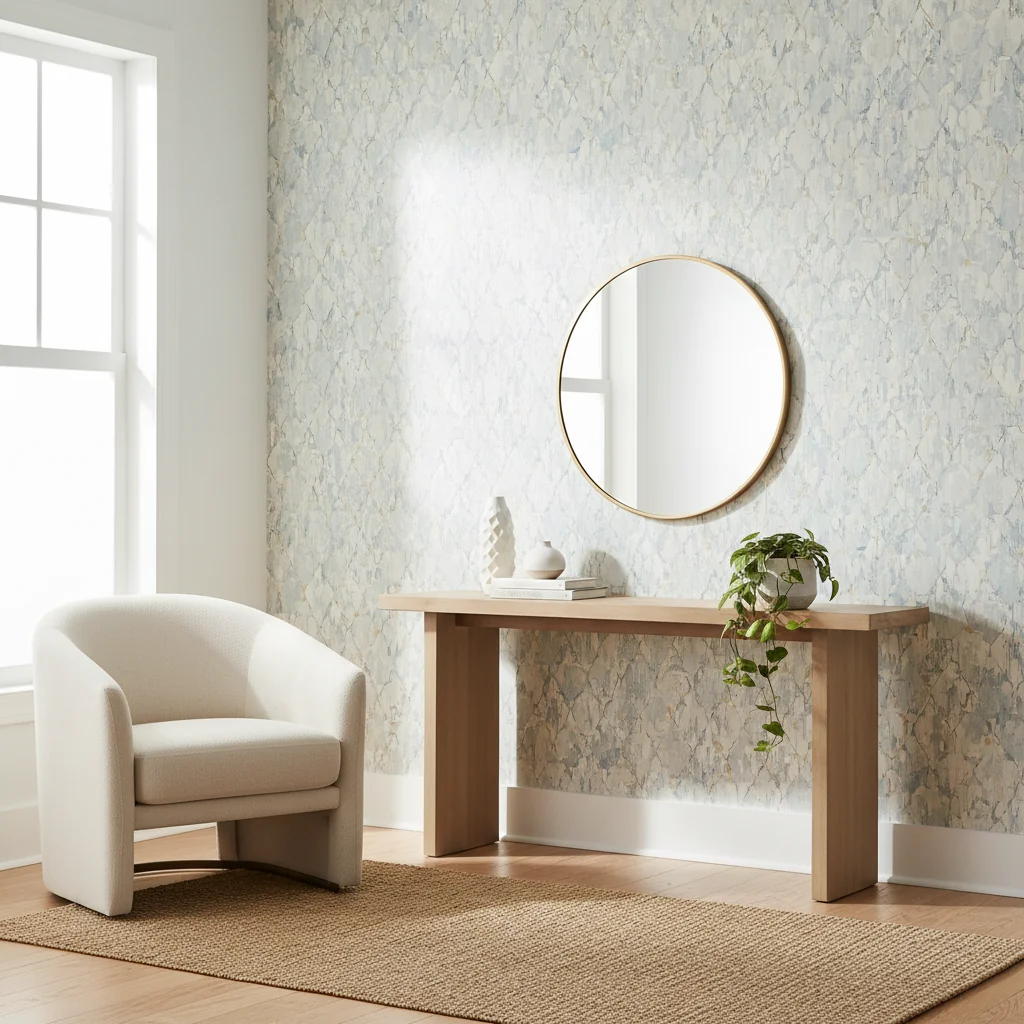
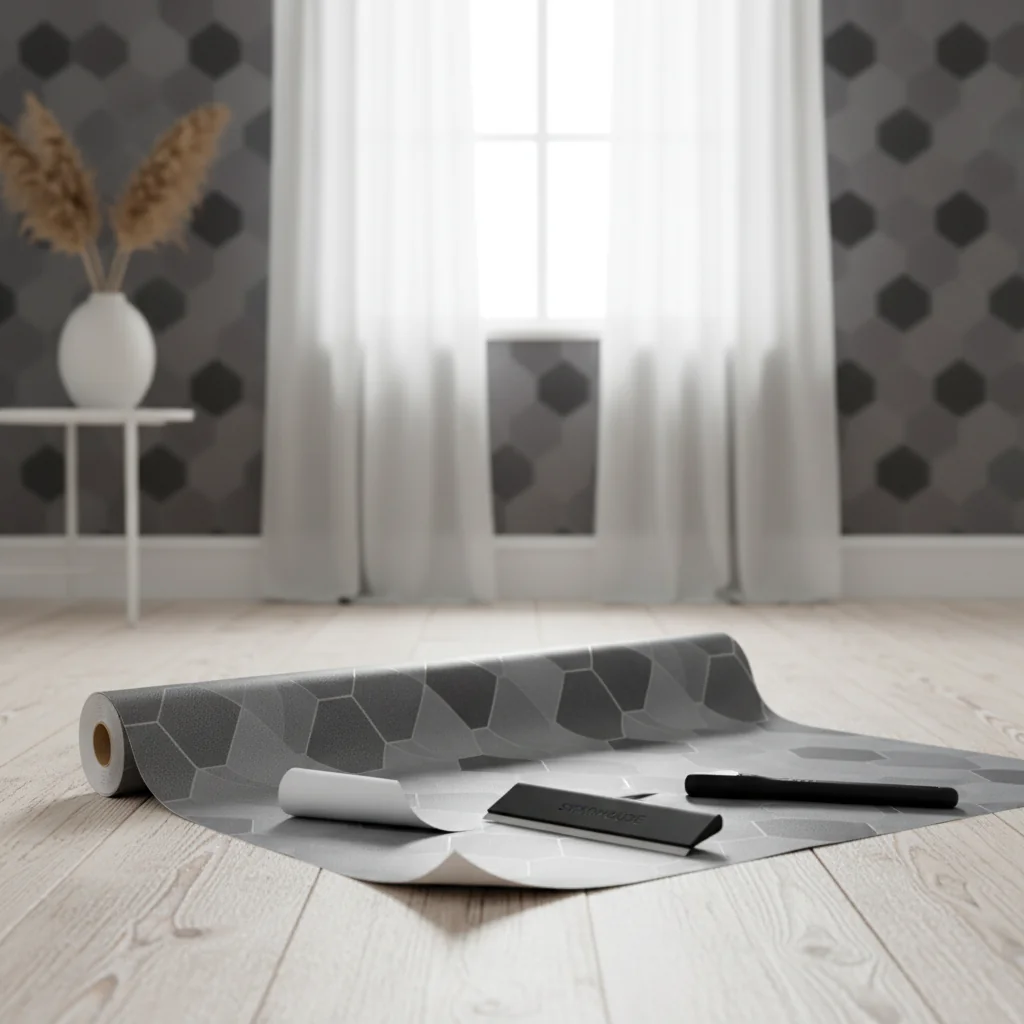
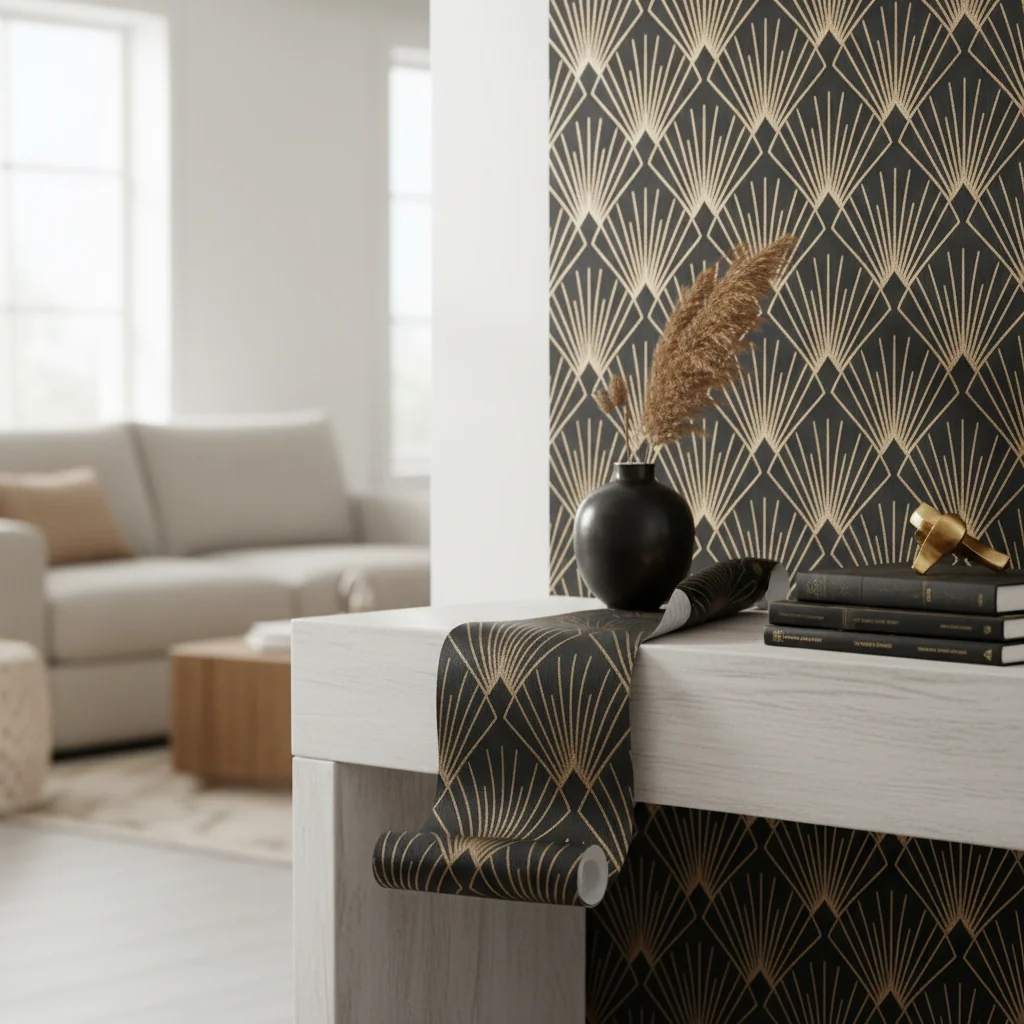
Country wallpaper offers a timeless and inviting aesthetic, transforming any space into a haven of warmth, comfort, and rustic elegance. It is characterized by patterns and motifs that evoke rural landscapes, traditional craftsmanship, and a sense of natural tranquility, ranging from subtle textures and delicate florals to bold plaids and pastoral scenes. This comprehensive guide from Starhouse provides a definitive exploration of country wallpaper, detailing its diverse types, styles, materials, and practical considerations for selection, installation, and long-term care, ensuring you can confidently choose the perfect design to complement your home’s unique character.
Key Takeaways
- Country wallpaper encompasses a broad spectrum of styles, including farmhouse, rustic, cottage, shabby chic, and traditional, each offering distinct visual characteristics and emotional resonance.
- Key pattern categories include florals, toile, plaids, stripes, pastoral scenes, and textured designs, often featuring motifs like botanicals, animals, and vintage elements.
- Material choices — such as non-woven, vinyl, paper, and peel-and-stick — significantly impact durability, ease of installation, and maintenance, dictating suitability for various rooms and lifestyles.
- Precise measurement is paramount for wallpaper projects, requiring careful calculation of wall dimensions, pattern repeat, and waste allowance to ensure sufficient material and a seamless finish.
- Proper care, including gentle cleaning and avoiding direct sunlight, is essential for maintaining the integrity and vibrant appearance of country wallpaper over time.
- Styling country wallpaper involves harmonizing it with appropriate furnishings, textiles, and lighting to create a cohesive and inviting interior that reflects your desired aesthetic.
Understanding Country Wallpaper: A Definitive Guide
Country wallpaper is a decorative wallcovering characterized by patterns, textures, and color palettes that evoke a sense of rural charm, historical warmth, and natural simplicity, providing a foundational element for creating inviting and character-rich interiors. This design category is not monolithic; rather, it encompasses a diverse array of styles and motifs that draw inspiration from various interpretations of country living, from pastoral European landscapes to American farmhouse aesthetics. Its enduring appeal lies in its ability to infuse a space with comfort and nostalgia, offering a retreat from the fast pace of modern life.
The essence of country wallpaper lies in its ability to tell a story, often through repeated patterns that feature elements found in nature or traditional domestic life. These can include delicate floral sprigs, robust plaids, quaint toile scenes, or textures mimicking natural materials like wood and linen. Unlike stark modern designs, country wallpaper prioritizes a lived-in, approachable feel, contributing significantly to the overall ambiance of a room. It serves as a visual anchor, helping to define the character and mood of an interior space by introducing color, pattern, and texture in a harmonious manner.
Defining Characteristics of Country Wallpaper
Country wallpaper is defined by several core characteristics that distinguish it from other design categories, all contributing to its signature aesthetic. These attributes ensure that the wallpaper consistently delivers a feeling of comfort and connection to tradition.
- Natural Motifs: Designs frequently feature elements from the natural world, such as leaves, blossoms, birds, farm animals, and pastoral landscapes. These motifs contribute to a serene and organic atmosphere.
- Muted Color Palettes: While variations exist, many country wallpapers utilize softer, more subdued color schemes. Think of creams, beiges, sage greens, dusty blues, warm reds, and earthy browns, which create a calming and harmonious environment.
- Traditional Patterns: Classic patterns like stripes, plaids (gingham, tartan), damasks, and intricate florals are staples. These patterns often have historical roots, lending an air of heritage and authenticity.
- Textural Qualities: Even smooth wallpapers can evoke texture through their printed designs, mimicking linen, burlap, wood grain, or distressed plaster. This adds depth and a tactile quality to the walls.
- Sense of History and Craftsmanship: Many country wallpaper designs reflect handcrafted artistry or historical aesthetics, contributing to a feeling of permanence and connection to the past.
The versatility of country wallpaper means it can be adapted to various rooms, from a cozy bedroom to a bustling kitchen or a welcoming entryway. Its foundational role in interior design allows it to set the tone, whether as a subtle backdrop or a vibrant focal point. At Starhouse, we understand that selecting the right wallpaper is about more than just aesthetics; it’s about curating an environment that truly feels like home, and country wallpaper excels at creating that profound connection.
The Enduring Allure of Country Wallpaper Styles
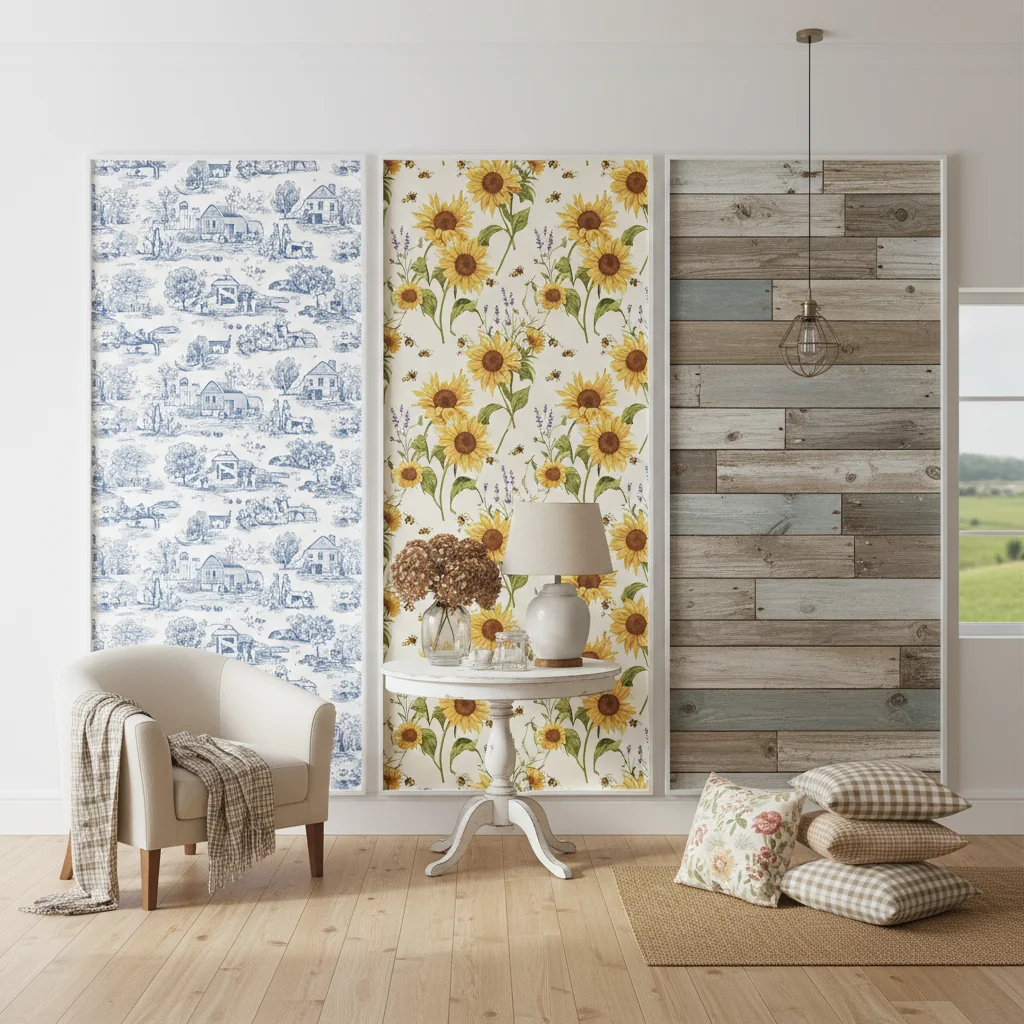
The enduring allure of country wallpaper stems from its diverse range of styles, each offering a distinct aesthetic that can transform a space into a personalized retreat, from the rustic charm of a farmhouse to the quaint elegance of a cottage. These styles, while sharing a common thread of warmth and natural inspiration, possess unique characteristics in their patterns, colors, and overall mood, allowing for precise design expression. Understanding these distinctions is crucial for selecting a wallpaper that authentically captures your desired country aesthetic.
Exploring Key Country Wallpaper Styles
The umbrella term “country” encompasses several distinct substyles, each with its own heritage and design language. We delineate the most prominent styles to guide your selection.
Farmhouse Country
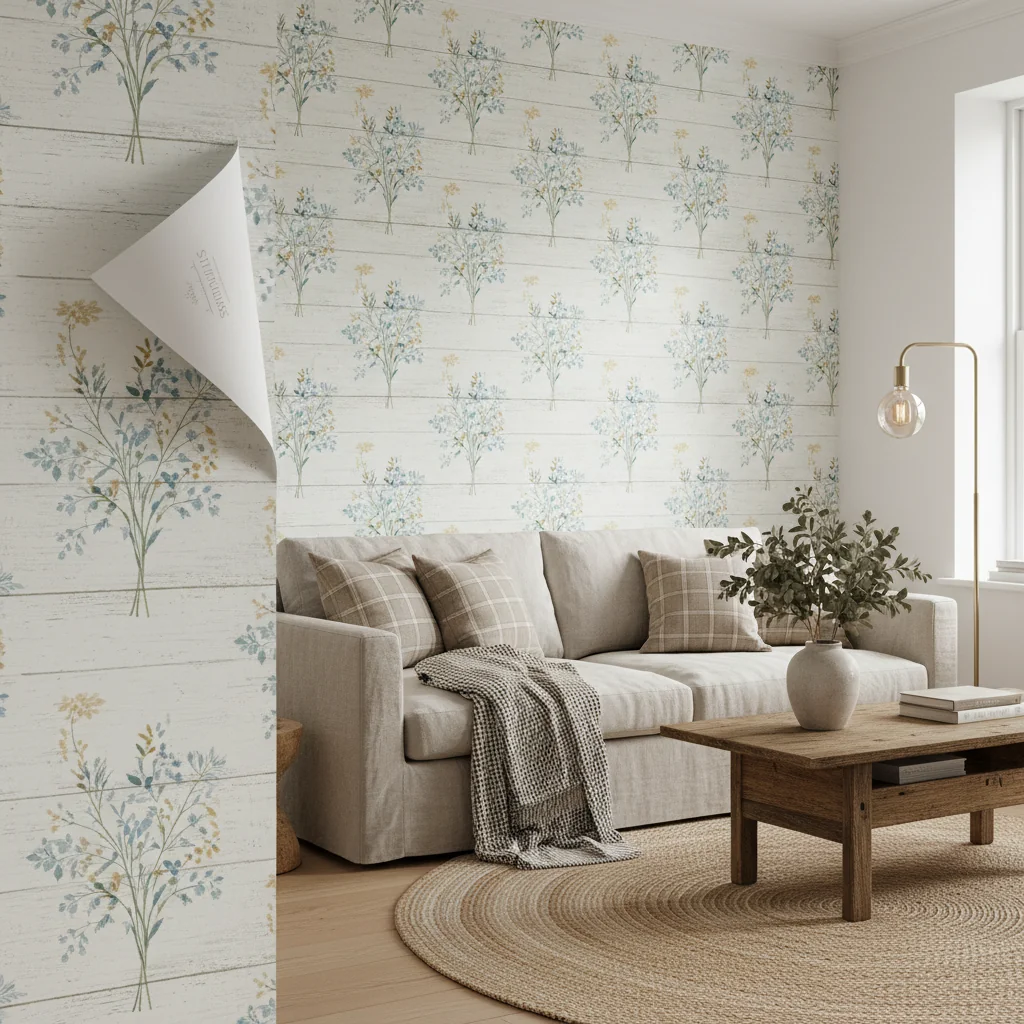
Farmhouse country wallpaper embodies the practical yet charming spirit of rural American homes, characterized by straightforward patterns, natural textures, and a warm, inviting color palette. This style often features shiplap, plank, or distressed wood patterns, gingham or buffalo check plaids, and simple floral motifs. Colors are typically muted whites, creams, grays, and earthy tones, sometimes accented with deep reds or blues. The goal is to create a comfortable, unpretentious atmosphere that feels both functional and welcoming. Farmhouse designs prioritize comfort and authenticity, avoiding overly ornate or fussy details.
Rustic Country
Rustic country wallpaper draws inspiration from untouched nature and rugged landscapes, emphasizing raw textures, organic patterns, and an earthy color scheme. Designs frequently mimic natural materials such as weathered wood, stone, brick, or even animal hides. Forest motifs, wildlife scenes, and distressed finishes are common. The palette leans heavily on browns, greens, grays, and deep ochres, reflecting the colors of the wilderness. This style creates a grounded, robust feel, often associated with cabins, lodges, or homes that embrace a strong connection to the outdoors.
Cottage Country
Cottage country wallpaper evokes the whimsical and cozy charm of small, often seaside or garden-adjacent, dwellings, characterized by delicate patterns, soft colors, and a romantic sensibility. Floral patterns, often small-scale and intricate, are paramount, alongside subtle stripes, polka dots, and pastoral scenes featuring quaint homes or garden elements. The color palette is typically light and airy, incorporating pastels such as pale blues, soft greens, blush pinks, and creamy whites. This style aims for an intimate, comforting, and slightly nostalgic atmosphere, perfect for creating a serene personal sanctuary.
Shabby Chic Country
Shabby Chic country wallpaper celebrates aged beauty and romantic imperfection, combining vintage-inspired patterns with a distressed, softened aesthetic. This style is characterized by faded floral prints, often roses or peonies, delicate toile, and sometimes subtle damasks, all rendered with a worn, antique effect. Colors are predominantly soft whites, creams, pale pinks, and muted blues or greens, creating a serene and somewhat ethereal feel. The emphasis is on gentle elegance and a sense of history, making a room feel cherished and comfortable rather than overtly new.
Traditional Country / European Country
Traditional or European country wallpaper draws from historical decorative arts and regional aesthetics, offering sophisticated patterns with a classic, enduring appeal. This can include French toile de Jouy depicting pastoral scenes, English chintz florals with rich botanical detail, or simpler folk-art inspired patterns. Colors tend to be richer than cottage or shabby chic, incorporating deeper blues, greens, golds, and reds, often on cream or off-white backgrounds. This style conveys a sense of refined heritage, elegance, and timelessness, providing a backdrop that feels both grand and approachable.
Modern Country
Modern country wallpaper blends the warmth and simplicity of traditional country aesthetics with clean lines and contemporary sensibilities. This style often features simplified versions of classic country patterns, such as enlarged plaids, abstract botanical motifs, or subtle textures that mimic natural materials. The color palette tends to be more restrained, incorporating grays, crisp whites, and deep charcoals alongside natural wood tones. Modern country designs create a fresh, uncluttered look that still feels inviting and connected to nature, proving that country charm can evolve without losing its essence.
Each of these styles offers a unique pathway to achieving a country aesthetic. By understanding their core elements, you can confidently select a wallpaper that not only beautifies your walls but also profoundly influences the mood and character of your entire home. At Starhouse, we believe in the power of these distinct styles to craft spaces that resonate deeply with individual preferences and lifestyles.
Expert Guidance: Choosing the Right Country Wallpaper for Your Home
Choosing the right country wallpaper for your home requires a thoughtful evaluation of your existing décor, the room’s function, and your personal aesthetic preferences, ensuring the selected pattern and material harmonize with your space and lifestyle. This process involves more than just visual appeal; it necessitates considering practical aspects such as durability, light exposure, and ease of maintenance to guarantee a successful and enduring design. Starhouse provides precise guidance to navigate these considerations effectively.
Step-by-Step Selection Process
A structured approach simplifies the selection of country wallpaper, leading to a confident and appropriate choice.
- Assess Your Current Interior Style:
Begin by analyzing the existing furniture, textiles, and overall architectural style of your home. If your space leans towards traditional, a classic toile or chintz floral might be appropriate. For a more modern farmhouse look, consider shiplap or geometric patterns in muted tones. The wallpaper should complement, not clash with, your established aesthetic. Consider the dominant materials (wood, metal, fabric) and color palette already present in the room.
- Define the Room’s Function and Traffic Level:
The purpose of the room dictates the required durability and maintenance level of the wallpaper. High-traffic areas like hallways, entryways, and children’s rooms benefit from highly durable, washable materials like vinyl or heavy-duty non-woven. Bathrooms and kitchens, prone to moisture and splashes, require water-resistant options like vinyl. For low-traffic areas like bedrooms or formal dining rooms, delicate paper-based wallpapers might be suitable where aesthetics take precedence over extreme resilience.
- Consider the Room’s Size and Light:
The scale of the pattern and the wallpaper’s color significantly impact the perception of space. In smaller rooms, opt for lighter colors and smaller-scale patterns to avoid overwhelming the space and to make it feel more expansive. Conversely, larger rooms can comfortably accommodate bolder patterns and darker hues, which can add intimacy and drama. Natural light exposure is also critical: a well-lit room can handle darker wallpapers, while a dimly lit room benefits from lighter colors and finishes that reflect light, such as satin or even subtle metallics, to brighten the space.
- Evaluate Pattern and Scale:
Country wallpaper offers a vast array of patterns, from intricate florals to bold plaids. Consider the pattern repeat — smaller repeats are less noticeable and can be easier to install, while larger repeats create a more dramatic statement but require more precision and potentially more material. The scale of the pattern should align with the room’s size; a large floral might be overwhelming in a powder room but stunning in a master bedroom. Test samples on your wall to see how the pattern interacts with the room’s dimensions and existing elements.
- Select Color Palette and Mood:
The color of your country wallpaper will profoundly influence the mood of the room. Warm tones (reds, yellows, oranges) create an inviting and energetic atmosphere, while cool tones (blues, greens, purples) evoke tranquility and serenity. Neutral palettes (grays, beiges, creams) offer versatility and a calming backdrop. Ensure the chosen colors harmonize with your existing furnishings and accessories. For a cohesive look, consider picking out a subtle color from the wallpaper pattern and repeating it in cushions, throws, or decorative accents.
- Request Samples and Test in Your Space:
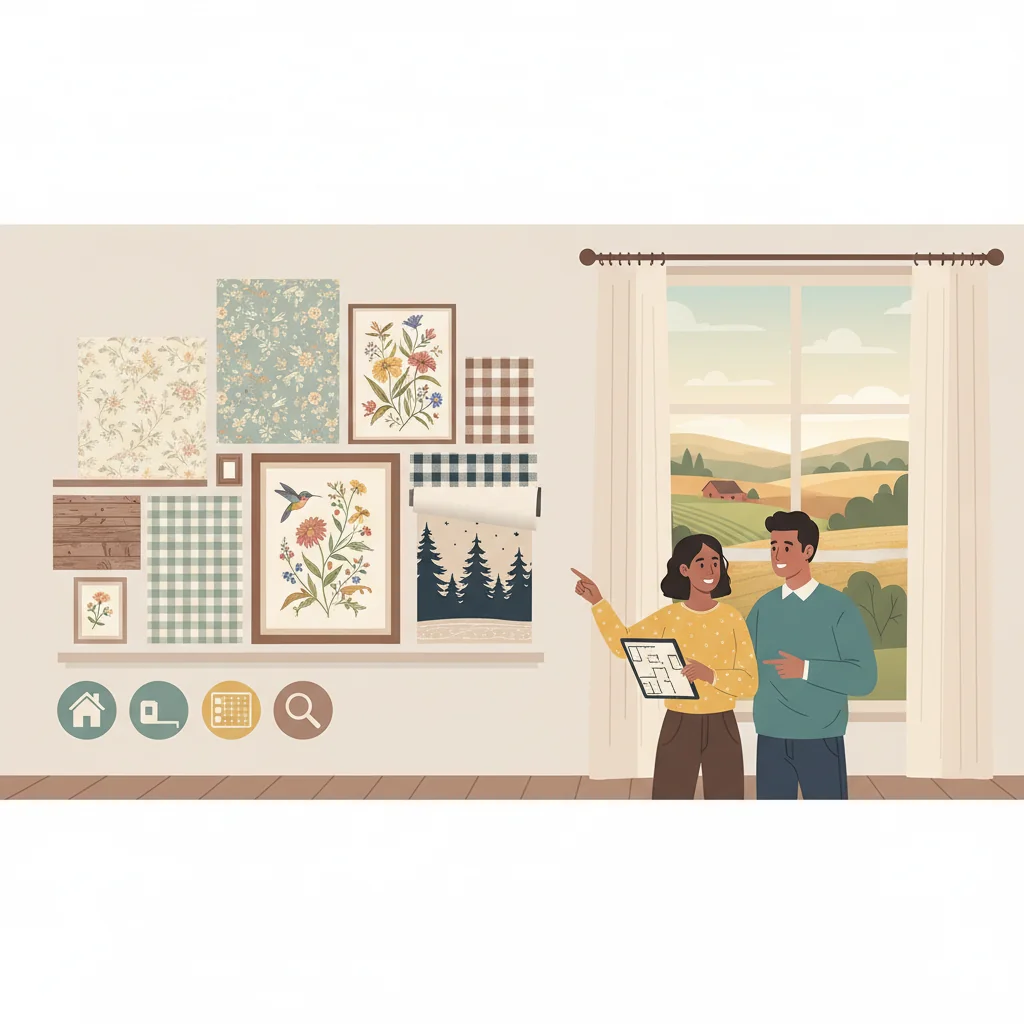
Never commit to a wallpaper without first ordering samples. Adhere samples to different walls in your room and observe them throughout the day under various lighting conditions, both natural and artificial. This critical step allows you to assess how the color, pattern, and texture truly appear in your unique environment and how they interact with your existing décor. What looks appealing online or in a showroom can appear entirely different in your home.
- Review Material and Installation Requirements:
Before finalizing your choice, confirm the material type (e.g., non-woven, vinyl, peel-and-stick) and its specific installation requirements. Understand if it’s pre-pasted, requires paste-the-wall application, or is self-adhesive. Consider your DIY comfort level or if professional installation is necessary. Also, verify its washability and care instructions to ensure it aligns with your lifestyle and maintenance expectations.
Definition: Pattern repeat is the vertical distance on a wallpaper roll before the design begins to repeat itself, a crucial measurement for matching adjacent strips during installation.
Comparison of Country Wallpaper Materials
This table provides a concise comparison of common wallpaper materials to aid in your selection process, highlighting their key attributes for specific applications.
| Material Type | Durability | Ease of Installation | Maintenance | Ideal Use Cases |
|---|---|---|---|---|
| Non-Woven | High (Tear-resistant, dimensionally stable) | Easy (Paste-the-wall, strippable) | Wipeable, breathable (mold/mildew resistant) | Living rooms, bedrooms, dining rooms, light-traffic hallways |
| Vinyl | Very High (Water-resistant, scrubbable) | Moderate (Pre-pasted or paste-the-wall options) | Highly washable, scrubbable | Kitchens, bathrooms, high-traffic areas, children’s rooms |
| Paper | Moderate (Less durable than non-woven/vinyl) | Challenging (Requires pasting, can tear easily) | Delicate (Wipe gently, not scrubbable) | Low-traffic areas, formal dining rooms, bedrooms (where aesthetic is primary) |
| Peel-and-Stick | Moderate to High (Depends on material, generally durable) | Very Easy (Self-adhesive, removable) | Wipeable, often washable | Accent walls, temporary decor, renters, DIY projects, testing designs |
| Fabric-Backed Vinyl | Exceptional (Commercial-grade, impact-resistant) | Challenging (Heavy, professional installation recommended) | Highly washable, scrubbable, extremely durable | Very high-traffic areas, commercial spaces, children’s playrooms |
By meticulously addressing these factors, you ensure that your chosen country wallpaper not only embodies the aesthetic you desire but also performs optimally within your home’s unique environment. Starhouse is committed to guiding you through this process, transforming your vision into a beautifully realized space.
Mastering Measurement and Installation for Country Wallpaper
Mastering the measurement and installation of country wallpaper is fundamental to achieving a professional, seamless finish, requiring meticulous preparation and precise execution to avoid waste and ensure pattern alignment. Accurate measurements are the cornerstone of any successful wallpaper project, dictating the quantity of rolls needed, while proper installation techniques prevent common issues like bubbling, tearing, or mismatched seams. Starhouse emphasizes that careful planning in these stages is as critical as the wallpaper selection itself.
Accurate Measurement: The Foundation of Success
Precise measurement ensures you purchase sufficient wallpaper and minimize waste.
- Measure Wall Dimensions:
Measure the height of each wall from the baseboard to the ceiling, and the width of each wall. For walls with varying heights, such as sloped ceilings or architectural features, measure the highest point. Record these measurements accurately in feet or inches.
- Calculate Total Square Footage:
Multiply the height by the width for each wall to get its square footage. Sum these figures to determine the total square footage of the area to be wallpapered. Do not deduct for windows or doors at this stage; this provides a safety margin for cuts and pattern matching. For instance, a wall 8 feet high and 10 feet wide is 80 sq ft.
- Account for Pattern Repeat:
Locate the pattern repeat measurement on the wallpaper roll label (e.g., 21 inches). This is the vertical distance before the pattern repeats. You must add this repeat length to the height of each strip to ensure the pattern matches seamlessly across panels. If your wall height is 8 feet (96 inches) and the pattern repeat is 21 inches, each strip needs to be cut to at least 96 + 21 = 117 inches, or 9 feet 9 inches.
- Determine Number of Strips Per Roll:
Standard wallpaper rolls are typically 20.5 inches or 27 inches wide and 33 feet long (approximately 56 sq ft usable area per single roll, or 100-110 sq ft per double roll). Divide the usable length of the roll (after accounting for pattern repeat) by the cut length of each strip to find how many full strips you can get from one roll.
- Calculate Total Rolls Needed:
Divide the total width of the walls by the width of one wallpaper strip to determine the total number of strips required. Then, divide the total number of strips by the number of strips you can get from one roll. Always round up to the nearest whole number. Add an additional 10-15% to your total roll count for waste, pattern matching, and future repairs. This overage is a critical buffer, especially for large patterns or irregular rooms.
Definition: Usable area refers to the effective square footage of wallpaper on a roll, considering manufacturing standards and typical waste factors, rather than the absolute physical dimensions.
Essential Installation Techniques for a Flawless Finish
Proper installation transforms a beautiful wallpaper into a stunning wall.
- Wall Preparation is Paramount:
Ensure walls are clean, smooth, and dry. Remove old wallpaper, fill holes and cracks, and sand any rough areas. For optimal adhesion and future removal, apply a high-quality wallpaper primer, especially over new drywall, painted surfaces, or walls with varying porosity. This creates a uniform surface for the adhesive.
- Gather the Right Tools:
You will need a measuring tape, pencil, level, plumb bob, utility knife with fresh blades, smoothing brush or plastic smoother, seam roller, wallpaper paste (if not pre-pasted), a bucket for paste, a sponge, and a drop cloth. Having the correct tools readily available streamlines the process.
- Establish a Plumb Line:
Do not rely on the ceiling or corner as a straight guide. Use a level or plumb bob to draw a perfectly vertical line about 20 inches (slightly less than the width of your wallpaper) from a corner. This line will guide your first strip, ensuring all subsequent strips are straight. Starting near a door or window frame can also be an effective strategy for establishing a straight edge.
- Cut and Prepare Strips:
Measure and cut your first strip, adding 4-6 inches extra to the top and bottom for trimming. For subsequent strips, unroll the paper and align the pattern repeat precisely with the previous strip before cutting. Number the back of each strip at the top to maintain correct order and orientation.
- Apply Paste (if unpasted):
If using unpasted wallpaper, apply an even layer of paste to the back of the first strip, ensuring full coverage to the edges. Fold the pasted strip (paste-to-paste, known as “booking”) and let it rest for the recommended time (usually 5-10 minutes) to allow the paste to activate and the paper to relax.
- Hang the First Strip:
Carefully position the first strip along your plumb line, allowing the excess at the top and bottom. Smooth the paper onto the wall using your smoothing brush, working from the center outwards to remove air bubbles. Once positioned, use a utility knife and a straight edge to trim the excess at the ceiling and baseboard.
- Match and Hang Subsequent Strips:
Align the pattern of the next strip precisely with the edge of the previous one. Butt the seams tightly together without overlapping. Continue smoothing and trimming. Use a seam roller gently along the seams to ensure good adhesion, but avoid excessive pressure that could squeeze out too much paste or damage the paper.
- Handle Corners and Obstacles:
For inside corners, hang the strip so it slightly overlaps into the next wall (about 1/2 inch), then cut a new strip for the next wall, overlapping the first by the same amount. For outside corners, wrap the paper around the corner by about 1/2 inch. For windows, doors, and outlets, hang the paper over the obstacle, then carefully cut away the excess with a sharp utility knife, leaving a clean edge.
- Clean Up:
Immediately wipe off any excess paste from the wallpaper surface and seams with a clean, damp sponge. Allow the wallpaper to dry completely, typically 24-48 hours, before moving furniture back or exposing it to high humidity.
By adhering to these detailed steps, both in measurement and installation, you ensure that your country wallpaper project results in a durable and visually stunning transformation. Starhouse provides these precise guidelines to empower you to achieve professional-grade results in your home.
Current Trends and Timeless Appeal in Country Wallpaper
Current trends in country wallpaper emphasize a sophisticated evolution of classic motifs, blending traditional charm with contemporary sensibilities, while its timeless appeal lies in its inherent ability to create warm, inviting, and character-rich spaces that transcend fleeting fads. While certain patterns or color palettes may experience renewed popularity, the core essence of country wallpaper — its connection to nature, comfort, and heritage — remains perpetually relevant. Starhouse observes these shifts, curating designs that honor both tradition and modernity.
Evolving Trends in Country Wallpaper
The country aesthetic is dynamic, constantly reinterpreting its roots through modern lenses.
- Elevated Botanicals: Beyond simple floral sprigs, current trends feature more artistic and detailed botanical illustrations. Think large-scale, slightly abstract florals, or intricate depictions of wildflowers and foliage in muted, sophisticated palettes, often with a hand-painted effect. These designs offer a fresh, organic feel without being overtly traditional.
- Subtle Textures and Natural Finishes: There is a strong movement towards wallpapers that mimic natural materials with refined subtlety. Distressed plaster effects, woven linen textures, nuanced wood grain patterns, and even subtle grasscloth imitations are popular. These provide depth and warmth without introducing overt patterns, allowing other décor elements to shine.
- Modernized Plaids and Checks: Traditional gingham and buffalo checks are being reinterpreted with larger scales, softer color combinations (e.g., charcoal and cream, sage and white), or incorporated into more complex geometric arrangements. This updates the classic pattern, making it suitable for modern farmhouse or transitional country interiors.
- Monochromatic Toile: While classic toile often features multiple colors, a current trend is monochromatic toile in sophisticated shades like deep blue on white, charcoal on off-white, or even tone-on-tone beige. This simplifies the intricate pattern, giving it a cleaner, more contemporary edge while retaining its historical charm.
- Darker, Moodier Hues: Moving beyond typical light and airy country palettes, there’s an increasing embrace of deeper, richer colors such as forest green, deep navy, terracotta, and even charcoal. These are often used with botanical or textured patterns to create a cozy, dramatic, and sophisticated country atmosphere, particularly in bedrooms or dining rooms.
- Global Country Influences: The country aesthetic is expanding to incorporate elements from international rural styles. This might include patterns reminiscent of Scandinavian folk art, Mediterranean tiles, or subtle Indian block prints, all adapted to fit a warm, earthy country sensibility.
The Timeless Appeal of Country Wallpaper
Despite evolving trends, certain characteristics ensure country wallpaper’s enduring popularity.
- Connection to Nature: Motifs like florals, leaves, animals, and landscapes inherently link interiors to the natural world, fostering a sense of calm and well-being. This intrinsic connection is a perennial draw for homeowners seeking tranquility.
- Sense of Comfort and Nostalgia: Country designs often evoke memories of simpler times, childhood homes, or idyllic rural settings. This nostalgic quality creates spaces that feel inherently comforting, safe, and familiar, a powerful antidote to modern life’s complexities.
- Versatility Across Sub-Styles: From the ruggedness of rustic to the delicacy of shabby chic, the broad spectrum of country styles means there’s a design to suit diverse tastes and architectural periods. This adaptability ensures its continued relevance.
- Foundation for Layered Design: Country wallpaper provides an excellent backdrop for layering other decorative elements. Its patterns and textures often serve as a quiet anchor, allowing textiles, antique furniture, and personal collections to be showcased effectively without competition.
- Authenticity and Character: Unlike sterile, minimalist designs, country wallpaper imbues a space with personality and a sense of history. It feels authentic and lived-in, contributing to a home that feels genuinely unique and curated over time.
- Warmth and Approachability: The color palettes and patterns typically associated with country wallpaper inherently create a warm, inviting atmosphere. This approachability makes guests feel welcome and homeowners feel relaxed, establishing a truly hospitable environment.
- Durability and Longevity: Many country wallpaper materials are designed for resilience, particularly vinyl and non-woven options. This practical aspect, combined with timeless designs, means the investment endures aesthetically and functionally for many years.
At Starhouse, we understand that while trends offer fresh interpretations, the fundamental appeal of country wallpaper remains constant. We curate collections that celebrate both the innovative and the everlasting, ensuring our offerings provide both contemporary relevance and enduring beauty for your home.
Caring for Your Country Wallpaper: Longevity and Luster
Proper care for country wallpaper is essential for maintaining its aesthetic integrity and extending its lifespan, requiring specific cleaning techniques and protective measures tailored to its material and finish. Neglecting proper maintenance can lead to premature fading, staining, or damage, diminishing the beauty and investment in your chosen design. Starhouse advocates for a proactive approach to care, ensuring your wallpaper retains its vibrant appearance for years.
General Care Guidelines for All Wallpaper Types
Adhering to these foundational principles helps preserve any wallpaper.
- Regular Dusting: Gently dust your wallpaper regularly using a soft, dry cloth, a feather duster, or a vacuum cleaner with a brush attachment. This prevents dust and cobwebs from accumulating and embedding into the surface, which can make cleaning more difficult later.
- Immediate Spot Cleaning: Address spills and marks immediately. The longer a stain sits, the harder it is to remove. Always test any cleaning solution on an inconspicuous area first to ensure it does not damage or discolor the wallpaper.
- Avoid Harsh Chemicals: Never use abrasive cleaners, scouring pads, or strong chemical solvents. These can strip the finish, fade the colors, or damage the wallpaper material. Stick to mild, pH-neutral cleaning agents.
- Protect from Direct Sunlight: Prolonged exposure to direct sunlight can cause wallpaper colors to fade over time. Use blinds, curtains, or UV-filtering window films to protect wallpaper on walls that receive intense sunlight.
- Maintain Room Humidity: Extreme fluctuations in humidity can affect wallpaper adhesion and integrity. Maintain a consistent indoor humidity level, ideally between 30% and 50%, using humidifiers or dehumidifiers as needed.
Material-Specific Cleaning Instructions
Cleaning methods vary significantly based on the wallpaper material.
Non-Woven Wallpaper
Non-woven wallpaper is generally quite durable and washable.
Cleaning: Use a soft sponge or cloth dampened with a solution of mild soap (like dish soap) and warm water. Gently wipe the affected area, then wipe again with a clean, damp cloth to remove any soap residue. Pat dry with a clean, soft towel. Avoid saturating the paper.
Vinyl Wallpaper
Vinyl wallpaper is the most resilient and washable, making it ideal for active areas.
Cleaning: Mix a small amount of mild detergent with warm water. Use a soft sponge or cloth to gently scrub the stained area. For tougher stains, a soft-bristled brush can be used carefully. Rinse thoroughly with a clean, damp cloth to remove all soap, then dry with a soft towel. Vinyl can withstand more rigorous cleaning than other types.
Paper Wallpaper
Traditional paper wallpaper is the most delicate and requires the gentlest touch.
Cleaning: Most paper wallpapers are not washable or only “wipeable.” For dust, use a dry, soft cloth or a very lightly damp (almost dry) sponge for minor, fresh marks. Do not rub vigorously or use any detergents, as this can cause the paper to tear, peel, or discolor. For significant stains, professional cleaning or replacement may be necessary.
Peel-and-Stick Wallpaper
Peel-and-stick wallpaper’s cleaning depends on its base material, often vinyl or fabric.
Cleaning: If vinyl-based, follow the instructions for vinyl wallpaper. If fabric-based, use a lightly damp cloth with mild soap, similar to non-woven, ensuring not to oversaturate the fabric. Always test in an inconspicuous area. Its removable nature means replacement is an option if stains are permanent.
Fabric-Backed Vinyl (Commercial Grade)
This heavy-duty material is built for maximum durability and cleaning.
Cleaning: Similar to standard vinyl, fabric-backed vinyl can withstand robust cleaning. Use a mild detergent and water solution with a sponge or soft brush. Rinse thoroughly and dry. Its construction prevents most stains from penetrating, making cleanup straightforward.
Definition: Washable wallpaper refers to wallpaper that can be gently cleaned with a damp cloth and mild soap to remove surface dirt and light stains without damaging the material or pattern.
Addressing Specific Issues
Fading: If fading occurs due to sunlight, repositioning furniture to block direct light can help prevent further damage. Unfortunately, faded wallpaper cannot be restored to its original color.
Bubbles: Small bubbles often disappear as the wallpaper dries. For persistent bubbles, you can carefully make a tiny slit with a utility knife, gently squeeze out the air, and then press the paper back down. For paste-based wallpapers, a small amount of adhesive can be injected with a syringe before smoothing.
Peeling Seams: For minor peeling, apply a small amount of wallpaper seam adhesive using a fine brush or syringe, press the seam firmly, and wipe away excess adhesive immediately.
By implementing these specific care instructions, you safeguard the beauty and longevity of your country wallpaper, ensuring it continues to contribute a warm and inviting atmosphere to your home for many years. Starhouse is dedicated to providing not only beautiful products but also the knowledge to maintain their splendor.
Styling and Pairing Country Wallpaper for Cohesive Interiors
Styling and pairing country wallpaper effectively involves harmonizing its patterns, colors, and textures with complementary furnishings, textiles, and lighting to create a cohesive and inviting interior that truly reflects a desired aesthetic. The wallpaper serves as a foundational design element, and its successful integration depends on thoughtful coordination with every other component in the room, from antique furniture to modern accents. Starhouse emphasizes that a balanced approach ensures a space feels both curated and comfortable.
Harmonizing with Furniture and Finishes
The furniture and permanent fixtures in a room are critical partners to country wallpaper.
- Wood Furniture: Country wallpaper pairs exceptionally well with natural wood furniture, whether it’s distressed pine for a rustic farmhouse look, painted antique pieces for shabby chic, or polished oak for a traditional European country feel. The warmth and texture of wood enhance the organic appeal of country patterns. Ensure the wood tone complements the wallpaper’s color palette; for instance, a light, airy floral might pair best with white-washed or light-toned woods, while a rich plaid could anchor a room with darker, heavier wood pieces.
- Upholstered Pieces: Select upholstered furniture in solid, neutral fabrics (linen, cotton, canvas) or patterns that subtly echo the wallpaper. For instance, if your wallpaper has a delicate floral, a sofa in a plain linen or a very subtle stripe can provide balance. Avoid competing patterns unless intentionally creating a maximalist look. Leather furniture can also introduce a rustic, durable element that complements many country styles.
- Metal Accents: Incorporate metals that align with the country aesthetic. Wrought iron, brushed bronze, antiqued brass, or matte black metals in lighting fixtures, hardware, or decorative items can add a touch of authenticity. Avoid overly shiny or contemporary metals unless you are specifically aiming for a modern country blend.
- Architectural Features: If your room has existing architectural details like wainscoting, crown molding, or exposed beams, ensure the wallpaper complements these elements. Wallpaper can be applied above wainscoting for a traditional look, or a plank-effect wallpaper can enhance existing beams. The goal is to integrate, not overwhelm, these features.
Integrating Textiles and Accessories
Textiles and accessories are the finishing touches that bring depth and comfort to a country interior.
- Curtains and Drapes: Choose curtains that complement the wallpaper without overpowering it. Solids in a color pulled from the wallpaper’s pattern, or subtle textures like linen or cotton, are excellent choices. For a more traditional country look, consider simple checks or stripes. Sheer curtains can maintain an airy feel, especially with delicate floral wallpapers.
- Rugs and Carpets: Area rugs can define zones and add warmth. Opt for natural fibers like wool or jute in patterns that resonate with the country style – braided rugs for farmhouse, oriental rugs for traditional, or faded patterns for shabby chic. Ensure the rug’s colors and patterns don’t clash with the wallcovering.
- Throw Pillows and Blankets: These are ideal for introducing additional color, texture, and subtle patterns. Mix and match solids, small checks, or simple botanical prints. Use materials like knitted wool, quilted cotton, or textured linen to enhance the cozy, inviting feel.
- Decorative Accessories: Curate accessories that reinforce the country theme. Think vintage finds, ceramic pottery, woven baskets, antique clocks, botanical prints in simple frames, or rustic wooden elements. Group items thoughtfully to create vignettes that tell a story. Avoid clutter; a few well-chosen pieces are more impactful.
- Lighting: Lighting fixtures play a crucial role in enhancing the country aesthetic. Consider lantern-style pendants, wrought iron chandeliers, ceramic table lamps, or lamps with fabric shades that cast a warm glow. The light itself should be warm-toned (2700K-3000K) to complement the inviting nature of country décor.
For additional inspiration on combining patterns and textures, you can consult reputable sources such as York Wallcoverings’ Country Wallpaper collection, which often showcases how different country styles integrate with various design elements.
Achieving Balance and Cohesion
The key to successful styling is achieving a harmonious balance.
- Vary Scale and Texture: If your wallpaper has a bold pattern, use smaller, simpler patterns or solid textures in your textiles and accessories. Conversely, a subtle wallpaper can be paired with more prominent patterns in fabrics. Varying textures (smooth, rough, soft) adds depth without visual clutter.
- Repeat Colors: Select 2-3 main colors from your wallpaper and repeat them throughout the room in your furniture, textiles, and accessories. This creates a visually cohesive and intentional look.
- Mix Old and New: Country style often thrives on a blend of vintage and contemporary elements. An antique dresser can sit comfortably against a modern country wallpaper, or a sleek, comfortable sofa can be adorned with vintage-inspired throws.
- Consider the Focal Point: Decide if the wallpaper is the primary focal point or a backdrop. If the wallpaper is bold, keep other elements more subdued. If it’s subtle, you can introduce a statement piece of furniture or art.
- Personalize: Ultimately, the most successful country interiors reflect the homeowner’s personality. Incorporate personal photographs, cherished collectibles, and items with sentimental value to make the space uniquely yours.
By meticulously considering these aspects of styling and pairing, you can transform a room with country wallpaper into a beautifully cohesive and deeply inviting sanctuary. Starhouse empowers you to craft spaces that resonate with personal comfort and timeless design principles.
Common Mistakes to Avoid When Selecting Country Wallpaper
Avoiding common mistakes when selecting country wallpaper is critical for achieving a successful and enduring interior design, preventing issues such as pattern overload, mismatched aesthetics, or impractical material choices. Many homeowners, eager to embrace the charm of country style, inadvertently make choices that undermine their design goals or lead to dissatisfaction down the line. Starhouse outlines these pitfalls to guide you toward informed and confident decisions.
Pitfalls in Pattern and Scale Selection
Mistakes related to pattern and scale are among the most frequent and visually impactful.
- Overlooking Pattern Repeat: Failing to account for pattern repeat during measurement and installation is a significant error. This leads to insufficient wallpaper, unsightly mismatched seams, or excessive waste. Always add the pattern repeat to your strip length calculations and purchase extra rolls as a buffer.
- Mismatching Pattern Scale to Room Size: Using an overly large, busy pattern in a small room can make the space feel cramped and overwhelming, while a tiny, delicate pattern in a vast room might get lost and appear monotonous. Match the scale of the pattern to the room’s dimensions for visual harmony.
- Mixing Too Many Competing Patterns: While layering patterns is a hallmark of country style, combining too many bold or disparate patterns (on wallpaper, upholstery, and curtains) creates visual chaos. Aim for a dominant pattern on the wall, then introduce smaller-scale, complementary patterns or solids in textiles to provide balance.
- Ignoring the Room’s Existing Features: Selecting a wallpaper that clashes with permanent fixtures like flooring, trim, or built-in cabinetry disrupts the overall aesthetic. Ensure the wallpaper’s colors and style harmonize with these existing elements, rather than fighting against them.
Errors in Material and Practical Considerations
Practical mistakes can compromise both the aesthetics and longevity of your wallpaper.
- Choosing the Wrong Material for the Room’s Function: Installing delicate paper wallpaper in a high-humidity bathroom or a high-traffic kitchen is a common error that leads to premature damage, peeling, and frustration. Always select materials (like vinyl or non-woven) that are appropriate for the room’s moisture levels and expected wear and tear.
- Neglecting Wall Preparation: Applying wallpaper over uneven, dirty, or improperly primed walls results in bubbles, visible imperfections, poor adhesion, and eventual peeling. Thorough wall preparation—cleaning, patching, sanding, and priming—is non-negotiable for a professional finish.
- Underestimating Installation Difficulty: Assuming all wallpaper is easy to install, especially for intricate patterns or traditional pasted papers, can lead to frustration and a subpar result. Be realistic about your DIY skills; complex installations might require professional assistance to ensure precision and a flawless outcome.
- Failing to Order Samples: Making a final wallpaper decision based solely on online images or small swatches is a critical mistake. Colors can appear different on screen, and patterns can look entirely distinct when viewed on a large scale in your home’s unique lighting. Always order large samples and test them on your walls before committing.
Color and Lighting Misjudgments
The interplay of color and light is paramount in wallpaper selection.
- Disregarding Natural and Artificial Light: The same wallpaper will look different in a north-facing room versus a south-facing one, or under warm incandescent light versus cool LED light. Colors can shift dramatically. Evaluate samples under all lighting conditions present in your room throughout the day and evening.
- Selecting an Incompatible Color Palette: Choosing wallpaper colors that clash with your existing furniture, art, or overall home palette creates a disjointed and uncomfortable space. Strive for color harmony, either by selecting a wallpaper that incorporates existing colors or by using the wallpaper as inspiration to introduce new, complementary hues.
- Ignoring the Long-Term Commitment: Wallpaper is a more permanent design choice than paint. While peel-and-stick offers flexibility, traditional wallpaper requires a greater commitment. Consider if the pattern and style are something you will genuinely love for several years, avoiding choices that are overly trendy or that you might quickly tire of.
By consciously avoiding these common errors, you can confidently select country wallpaper that not only enhances your home’s aesthetic but also provides lasting satisfaction and functional integrity. Starhouse is dedicated to guiding you through this process, ensuring your design choices are both beautiful and practical.
Sources
Frequently Asked Questions
What defines country wallpaper?
Country wallpaper is defined by patterns, textures, and color palettes that evoke rural charm, historical warmth, and natural simplicity, often featuring motifs like florals, plaids, pastoral scenes, or natural textures in muted or earthy tones.
Is country wallpaper still in style?
Yes, country wallpaper remains a timeless and popular choice, continuously evolving with modern interpretations such as elevated botanicals, subtle textures, and updated color palettes that blend traditional charm with contemporary sensibilities, ensuring its enduring appeal.
What types of patterns are common in country wallpaper?
Common patterns in country wallpaper include delicate florals (chintz, sprigs), classic plaids (gingham, buffalo check), scenic toile de Jouy, stripes, distressed wood or shiplap effects, and textured designs mimicking linen or plaster.
Which wallpaper material is best for a country kitchen?
For a country kitchen, vinyl wallpaper or fabric-backed vinyl is best due to its exceptional durability, water resistance, and ease of cleaning, capable of withstanding splashes and stains common in a kitchen environment.
How do I choose the right color palette for country wallpaper?
To choose the right color palette, consider the room’s natural light, existing furnishings, and desired mood; typically, country wallpaper favors muted whites, creams, sage greens, dusty blues, warm reds, and earthy browns to create a calming and harmonious environment.
Can I use peel-and-stick country wallpaper in a bathroom?
Yes, many peel-and-stick country wallpapers are made from vinyl-based materials that are water-resistant and suitable for bathrooms, provided the walls are properly prepared (clean, smooth, and primed) and the bathroom is well-ventilated to manage humidity.
How much extra wallpaper should I buy for pattern matching?
You should generally purchase an additional 10-15% of wallpaper beyond your calculated needs to account for pattern repeat, trimming, installation errors, and potential future repairs, especially for designs with large or complex pattern repeats.
Conclusion
Country wallpaper offers an unparalleled ability to infuse a home with warmth, character, and a timeless sense of comfort, transforming ordinary walls into evocative backdrops that tell a story of heritage and tranquility. From the robust charm of farmhouse shiplap to the delicate romance of cottage florals, and the sophisticated elegance of traditional European patterns, this diverse category provides a foundational element for creating deeply personal and inviting interiors. By understanding the nuances of styles, materials, and the critical steps of selection, measurement, and care, homeowners are empowered to make informed decisions that ensure both aesthetic appeal and lasting satisfaction.
At Starhouse, we recognize that the perfect country wallpaper is more than just a decorative choice; it is an expression of lifestyle and a commitment to creating a home that resonates with authenticity and enduring beauty. Our curated collection is designed to inspire and facilitate this vision, providing designs that harmonize with every interpretation of country living. We believe in crafting spaces that not only look exceptional but feel profoundly right, fostering environments where memories are made and cherished.
As Starhouse prepares to launch its comprehensive collection of wall décor, furnishings, textiles, and lighting, we invite you to be part of our journey. Your insights are invaluable as we curate pieces that truly speak to the desires of discerning homeowners across the United States. Share your vision and help us shape an offering that perfectly complements your dream space. Tell us what you’re looking for and gain early access to our exciting new arrivals by visiting starhouseusa.online today.