Nautical wallpaper is a decorative wall covering designed to infuse interior spaces with the aesthetic of the sea, maritime life, and coastal environments, leveraging specific motifs, color palettes, and textures to evoke a sense of calm, adventure, or classic seafaring charm. This versatile design element transforms ordinary walls into captivating vistas, from serene ocean horizons to bustling harbor scenes, offering a rich tapestry of visual narratives for any room. It is typically available in both traditional paste-the-wall and modern peel-and-stick formats, providing flexibility in application and permanence.
Key takeaways
- Nautical wallpaper encompasses diverse designs, from classic anchors and ropes to abstract ocean waves and sophisticated coastal textures, suitable for various interior styles.
- Choosing the right type involves assessing material composition (vinyl, non-woven, paper), application method (peel-and-stick, traditional), and durability requirements for specific room functions.
- Accurate wall measurement and meticulous calculation of wallpaper rolls, accounting for pattern repeat and waste, are critical for seamless installation and cost efficiency.
- Styling nautical wallpaper extends beyond literal marine accents, pairing effectively with modern, rustic, or minimalist furnishings and a complementary color palette.
- Proper care, dictated by the wallpaper’s material and washability rating, is essential for preserving its aesthetic integrity and ensuring long-term vibrancy.
- Current trends favor sustainable materials, large-scale murals, and abstract interpretations, offering refined and personalized maritime aesthetics for contemporary homes.
What is Nautical Wallpaper?
Nautical wallpaper is a decorative wall covering designed to infuse interior spaces with the aesthetic of the sea, maritime life, and coastal environments. It leverages specific motifs, color palettes, and textures to evoke a sense of calm, adventure, or classic seafaring charm, transforming an ordinary room into a captivating, themed escape. This category of wall décor draws inspiration from everything associated with the ocean, from the serene beauty of a beachfront to the adventurous spirit of deep-sea exploration.
The essence of nautical wallpaper lies in its ability to transport the viewer to a different setting, whether it’s a tranquil seaside cottage, a sophisticated Hamptons retreat, or the cabin of a grand sailing vessel. Its designs are often characterized by a specific visual language that includes elements such as seafaring vessels, marine life, navigational instruments, and coastal landscapes. The thematic depth allows for a wide range of interpretations, from literal depictions to abstract evocations of the sea.
Beyond its aesthetic appeal, nautical wallpaper serves as a powerful tool for interior designers to establish a distinct mood and atmosphere within a space. It can create a feeling of relaxation and serenity in a bedroom, inspire adventure and creativity in a child’s room, or add a sophisticated, worldly touch to a study or living area. The choice of pattern and color directly influences this psychological impact, allowing for highly personalized design outcomes.
The term “wallcovering” broadly refers to any material used to cover and decorate interior walls, providing both aesthetic appeal and often functional benefits like durability or insulation. Nautical wallpaper falls under this umbrella, specifically referring to wallcoverings that incorporate maritime themes. These materials are engineered to be durable and often washable, ensuring the long-term beauty of the design. Modern manufacturing techniques also allow for a significant range of textures and finishes, from smooth matte surfaces to embossed patterns that mimic woven fabrics or weathered wood, further enhancing the tactile experience of the wall.
The historical roots of nautical design in interiors can be traced back to the golden age of exploration and the romanticism associated with sea voyages. Wealthy merchants and naval officers would adorn their homes with maps, ship models, and artifacts from their travels, bringing the allure of the sea indoors. Nautical wallpaper carries forward this tradition, offering a more accessible and versatile way to integrate these timeless themes into contemporary living spaces. It is a design choice that speaks to a love for the ocean, a longing for escape, and an appreciation for classic aesthetics.
At Starhouse, we understand that a wallcovering is more than just a decorative layer; it is a statement, an emotional connection to a desired environment. Our curated selection aims to capture the authentic spirit of nautical design, providing options that are both aspirational and meticulously crafted. We focus on designs that resonate with the sophistication and precision expected of a high-quality home décor brand, ensuring that each pattern offers genuine utility and enduring style.
Types of Nautical Wallpaper
Nautical wallpaper is primarily categorized by its application method and construction, with peel-and-stick and traditional paste-the-wall options being the most prevalent choices for residential and commercial settings. Each type offers distinct benefits regarding installation ease, durability, and permanence, allowing homeowners and designers to select the most appropriate solution for their specific needs and desired longevity.
Peel-and-Stick Wallpaper (Removable)
Peel-and-stick wallpaper is a self-adhesive wallcovering backed with a protective layer that is peeled off during application, allowing for repositioning and easy removal without damaging walls. This modern innovation has democratized wallpaper installation, making it accessible to DIY enthusiasts and renters alike. It typically consists of a vinyl or fabric-based material with a pressure-sensitive adhesive on the back.
- Benefits:
- DIY-Friendly: Requires no messy paste, making installation straightforward and less time-consuming.
- Renter-Friendly: Designed for temporary use, it removes cleanly without leaving residue or damaging paint underneath, making it ideal for rented apartments or dorm rooms.
- Repositionable: Most varieties allow for multiple adjustments during installation, forgiving minor alignment errors.
- Versatile: Excellent for accent walls, furniture upcycling, or temporary design changes, offering flexibility for those who enjoy frequent décor updates.
- Clean Removal: Peels off in full sheets, simplifying the removal process significantly.
- Drawbacks:
- Adhesion Limitations: May not adhere effectively to heavily textured walls, walls painted with certain low-VOC or stain-resistant paints, or poorly prepared surfaces.
- Durability: While many vinyl peel-and-stick options are durable, some thinner varieties may be less robust than traditional wallcoverings for very high-traffic areas.
- Cost: Can sometimes be more expensive per square foot than basic traditional papers, though the saved installation costs often balance this.
- Ideal for: Rental properties, nurseries, accent walls, frequent redecorators, or temporary event décor where a nautical theme is desired without long-term commitment.
Traditional Wallpaper (Non-Pasted, Pre-Pasted)
Traditional wallpaper requires adhesive to be applied to the back of the paper (non-pasted) or is factory-coated with a water-activated adhesive (pre-pasted) for permanent installation. This classic method of wall décor provides a durable and long-lasting finish, often favored for its extensive range of materials, textures, and luxurious appearances.
- Benefits:
- High Durability: Generally more robust and long-lasting than peel-and-stick options, especially vinyl-coated varieties, making them suitable for high-traffic areas.
- Wide Range of Materials and Finishes: Available in a vast array of materials including vinyl, non-woven, paper, and textiles, offering diverse textures, sheen levels, and sophisticated designs.
- Better Adhesion: Provides superior, more permanent adhesion to a variety of wall surfaces, including slightly textured ones, when properly prepared and pasted.
- Longevity: Designed for permanent installation, capable of lasting for decades with proper care.
- Drawbacks:
- More Complex Installation: Requires specialized tools and techniques, such as paste application, booking time (for pre-pasted), and precise alignment, often necessitating professional installation.
- Messier Process: Involves wallpaper paste, which can be messy during application.
- Difficult to Remove: Removal can be more challenging and may require steaming or chemical solutions to strip, potentially causing minor wall damage if not done carefully.
- Ideal for: Permanent installations, high-traffic areas, luxurious finishes, or rooms where a long-term, high-quality aesthetic is paramount.
Wallpaper Murals
A wallpaper mural is a large-format image or design printed on several wallpaper panels that combine seamlessly to create a single, expansive piece of artwork on a wall. Murals offer an immersive and dramatic way to introduce a nautical theme, transforming an entire wall into a breathtaking seascape or an antique map.
- Benefits:
- Dramatic Visual Impact: Creates a stunning focal point and an immersive environment that can transport the viewer.
- Customization: Many suppliers offer custom sizing and even personalized designs, allowing for unique artistic expressions.
- Expansive Scenes: Ideal for depicting sweeping ocean vistas, detailed nautical charts, or stylized underwater worlds without repetitive patterns.
- Drawbacks:
- Precise Alignment Required: Installation demands meticulous precision to ensure panels align perfectly and the image appears seamless.
- Cost: Can be more expensive than standard rolls, especially for custom designs or high-quality prints.
- Limited Repositioning: Once installed, murals are generally not designed for easy repositioning or removal, especially traditional types.
- Ideal for: Feature walls in living rooms, dining rooms, studies, or children’s rooms where a grand statement and immersive experience are desired.
Textile Wallcoverings
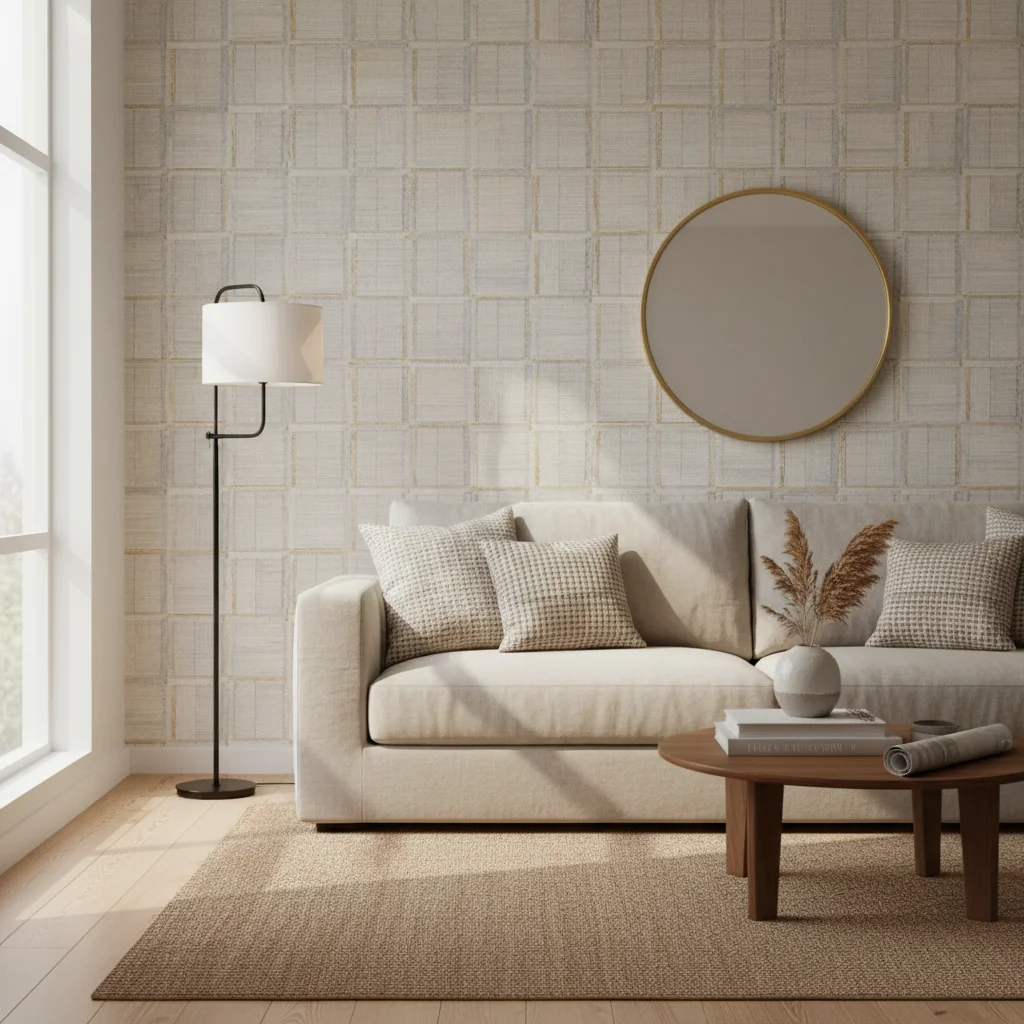
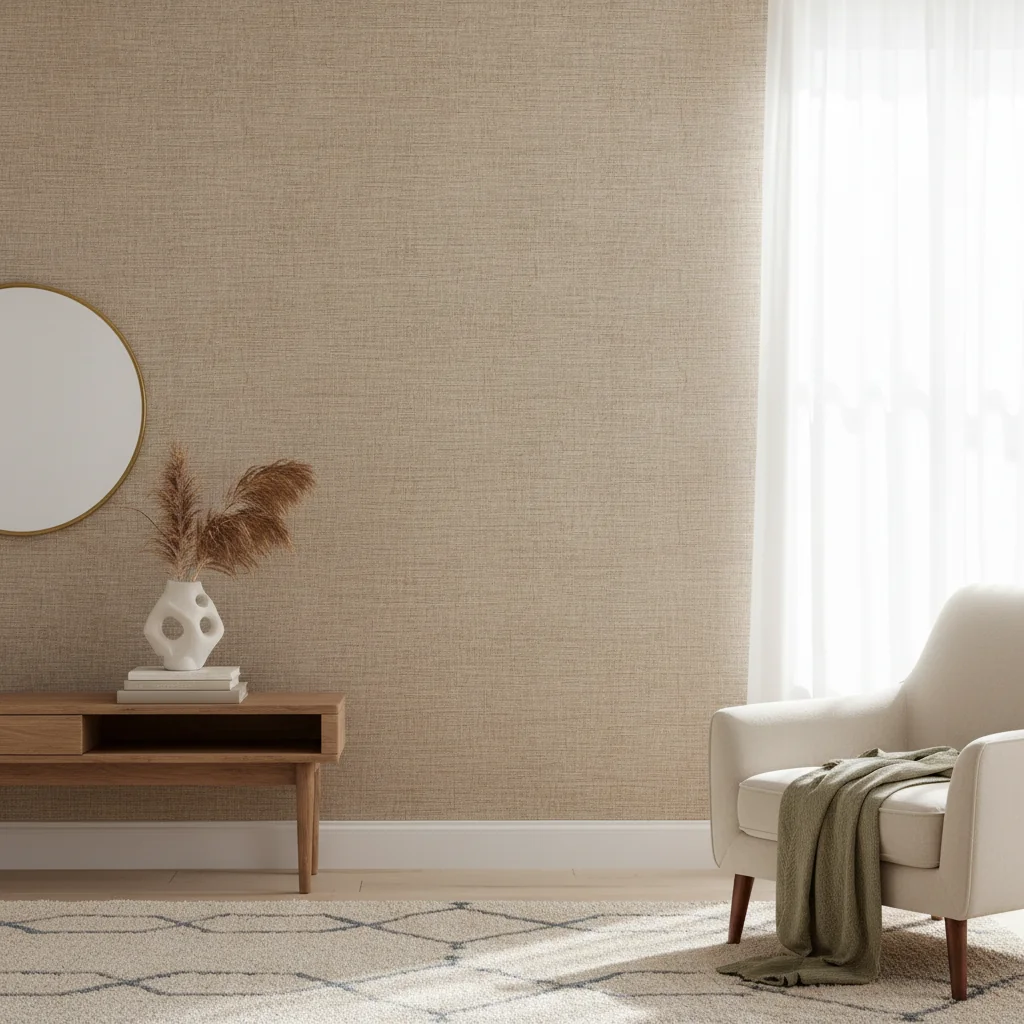
Textile wallcoverings are made from woven or non-woven fabrics, such as linen, silk, grasscloth, or jute, offering a luxurious, textured surface that adds significant depth and warmth to a room. While not exclusively nautical, many natural fiber textiles can contribute to a sophisticated coastal or organic maritime aesthetic.
- Benefits:
- Rich Texture: Provides a tactile dimension that paper or vinyl cannot replicate, adding a sense of luxury and sophistication.
- Sound Absorption: Fabric materials can help dampen sound, improving acoustics in a room.
- Natural Aesthetic: Grasscloth and linen options bring an organic, understated coastal feel, often with subtle variations in color and weave that add character.
- Drawbacks:
- High Cost: Generally among the most expensive types of wallcoverings.
- Delicate: Can be more susceptible to damage, tearing, or staining compared to vinyl.
- Difficult to Clean: Many textile wallcoverings are not washable and require specialized care or professional cleaning.
- Installation Complexity: Often requires expert installation due to the material’s delicate nature and weight.
- Ideal for: Luxury interiors, formal living rooms, master bedrooms, or studies where a sophisticated, textural, and understated nautical or coastal elegance is desired.
Popular Nautical Wallpaper Styles and Motifs
Nautical wallpaper styles encompass a broad spectrum, from classic maritime Americana to refined coastal chic and playful beach house aesthetics, each distinguished by specific motifs, color palettes, and overall design philosophies. This diversity allows for a personalized interpretation of the sea, ensuring a perfect match for any interior design vision.
Classic Nautical/Traditional Maritime
This style draws directly from historical seafaring traditions, evoking the grandeur of old sailing ships and naval aesthetics. It is precise, often formal, and rich in historical context.
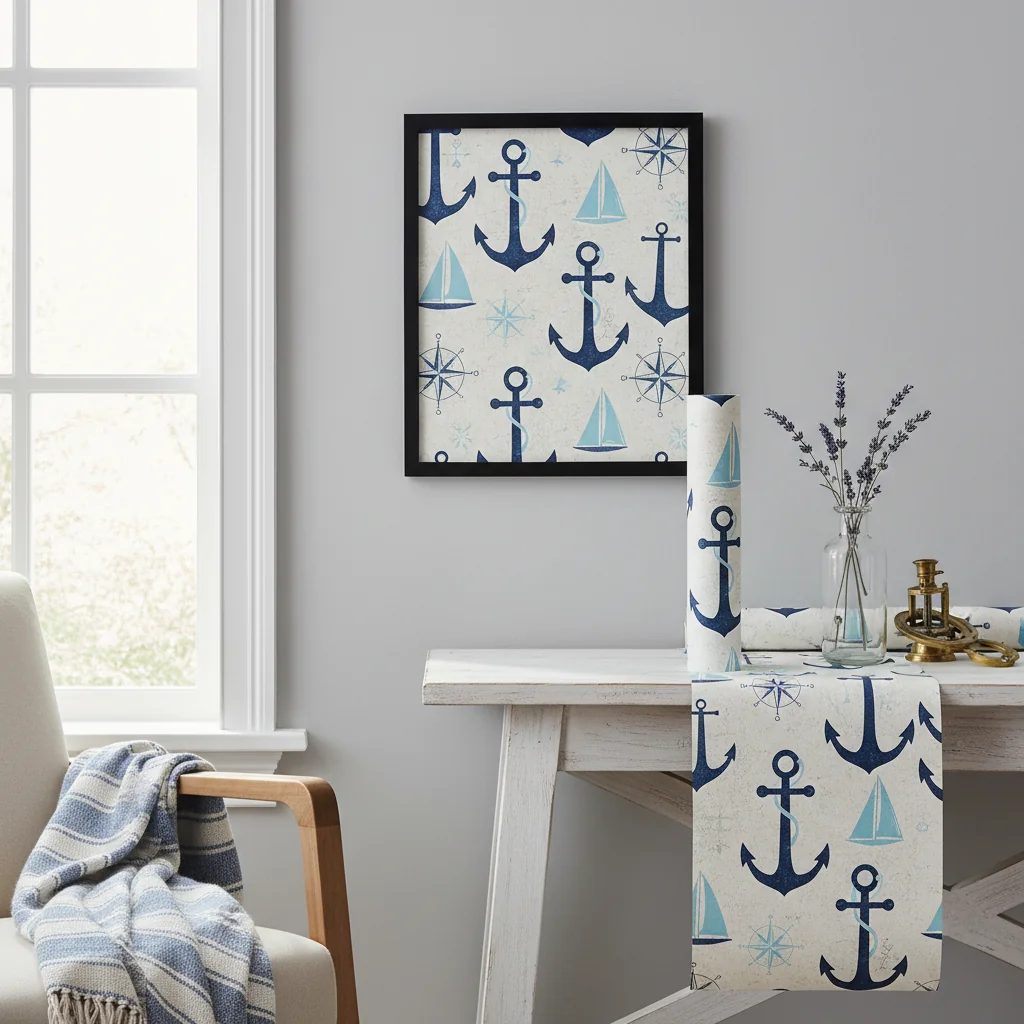
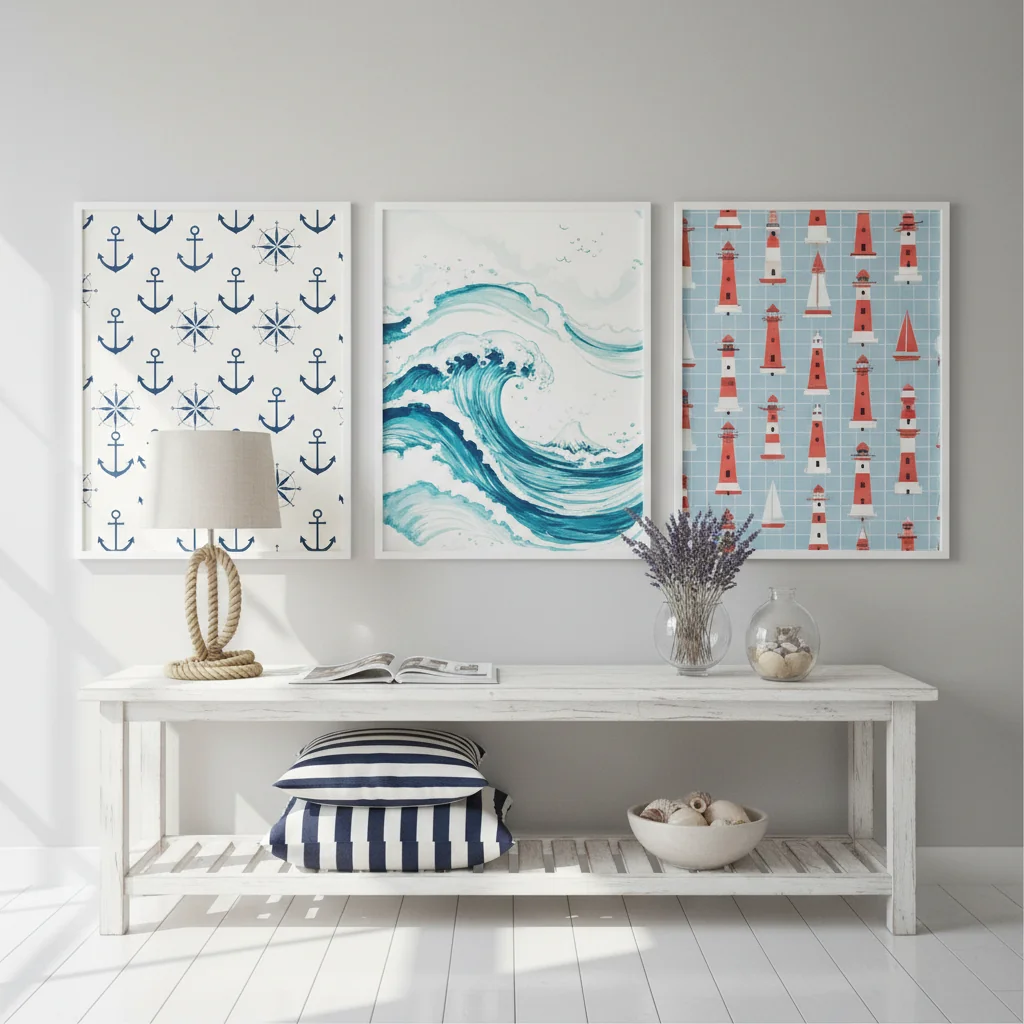
- Motifs: Anchors, ship’s wheels, lighthouses, tall-masted sailboats, intricate rope patterns (e.g., sailor’s knots), compass roses, signal flags, sextants, and antique maps.
- Colors: Dominated by a strong palette of navy blue, crisp white, crimson red, and often accented with gold or brass tones.
- Vibe: Historic, adventurous, formal, and often masculine. It speaks to a sense of heritage and exploration.
- Ideal for: Studies, libraries, formal dining rooms, or traditional living rooms where a sense of gravitas and timeless appeal is desired.
Coastal/Beach House
The Coastal style focuses on the serene, relaxed, and natural elements of the beach and shoreline, emphasizing comfort and an airy atmosphere. It’s less about seafaring and more about the tranquil beauty of the coast.
- Motifs: Seashells, coral, starfish, sand dollars, delicate driftwood, gentle undulating waves, sea grass, and beach pebbles.
- Colors: A soft, muted palette featuring various blues (sky blue, aqua, seafoam green), sandy beiges, pure whites, soft grays, and pale greens, reflecting natural elements.
- Vibe: Relaxed, airy, serene, natural, and inviting. It creates a sense of perpetual vacation.
- Ideal for: Bedrooms, bathrooms, sunrooms, or casual living spaces where a light, tranquil, and informal atmosphere is sought.
Hamptons/New England Chic
This sophisticated style blends the elegance of traditional design with the relaxed charm of coastal living, characterized by refined patterns and a polished aesthetic. It is an elevated interpretation of coastal design.
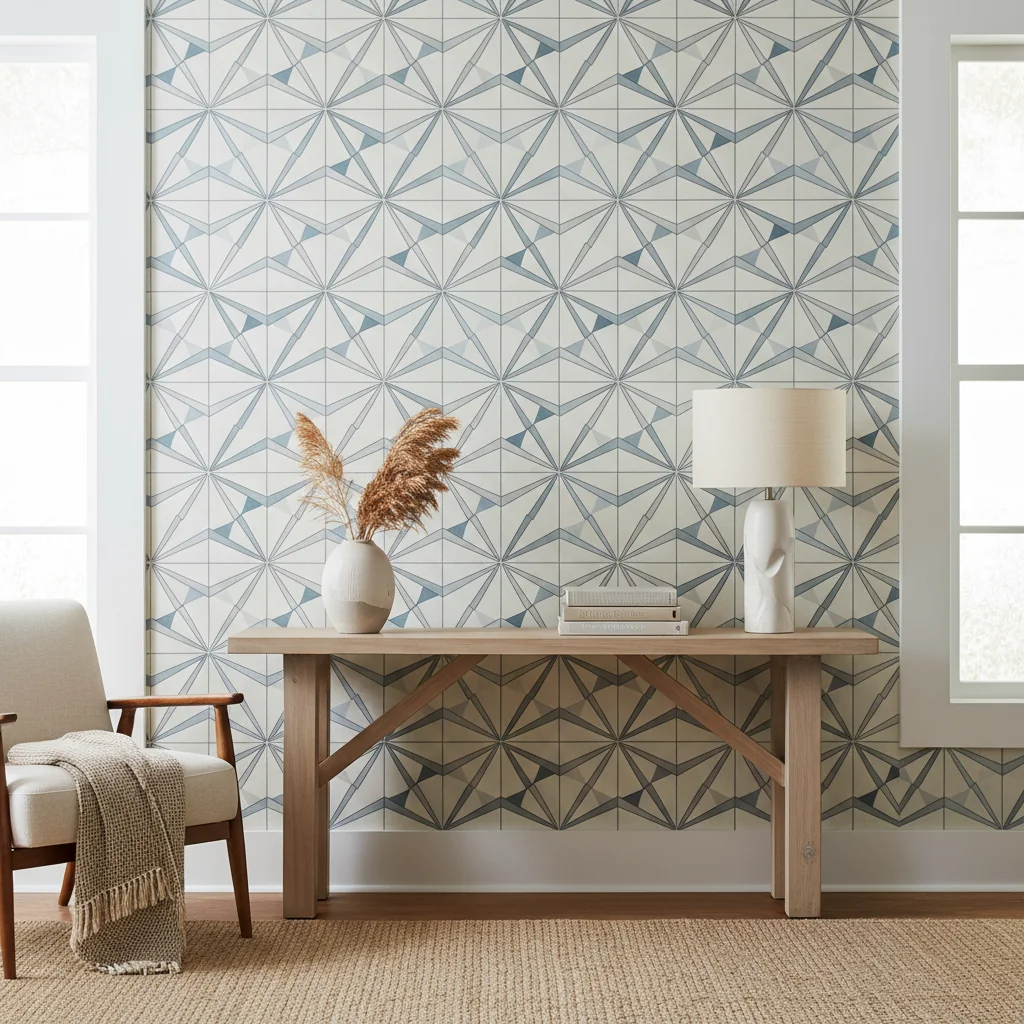
- Motifs: Subtle stripes (especially thin pinstripes or wider cabana stripes), geometric patterns inspired by navigational grids, stylized marine life (e.g., elegant coral silhouettes), delicate coastal flora, and sometimes chinoiserie patterns with a marine twist.
- Colors: A refined palette primarily featuring sophisticated navy, pure white, light gray, and often accented with touches of silver, polished chrome, or polished brass.
- Vibe: Elegant, refined, understated luxury, and timeless. It evokes a sense of aspirational coastal living.
- Ideal for: Formal living rooms, master bedrooms, sophisticated dining areas, or powder rooms that require a blend of classic elegance and coastal freshness.
Whimsical/Children’s Nautical
Designed to spark imagination and fun, this style uses playful and often stylized depictions of marine themes. It is vibrant, cheerful, and engaging for younger audiences.
- Motifs: Cartoon fish, friendly whales, playful octopuses, cute crabs, stylized treasure maps, pirate ships, mermaids, and bubbles.
- Colors: Brighter blues, sunny yellows, vibrant reds, lime greens, and pastels, creating a cheerful and energetic environment.
- Vibe: Fun, imaginative, vibrant, and playful. It encourages creativity and a sense of wonder.
- Ideal for: Children’s bedrooms, playrooms, or nurseries where a lively and engaging theme is desired.
Abstract Ocean/Modern Maritime
This contemporary style interprets nautical themes through abstract forms, textures, and minimalist designs, focusing on the essence of the ocean rather than literal representations. It appeals to a modern aesthetic that values subtlety and artistic expression.
- Motifs: Swirling currents, abstract wave patterns, textured surfaces mimicking sand or water, minimalist representations of sea creatures (e.g., stylized fish scales, geometric coral), and ombré effects that transition from deep ocean blues to light sky tones.
- Colors: Deep indigos, aquamarines, charcoal grays, muted teals, and often incorporating metallics (silver, gold) or monochromatic schemes for a sophisticated look.
- Vibe: Contemporary, artistic, minimalist, and tranquil. It offers a fresh, refined take on maritime inspiration.
- Ideal for: Modern living spaces, minimalist bedrooms, contemporary offices, or galleries where art and sophisticated design are prioritized.
Tropical Nautical
Combining the lushness of tropical environments with subtle oceanic elements, this style evokes exotic vacation destinations. It is vibrant, lively, and often features a blend of flora and marine life.
- Motifs: Palm trees swaying in a sea breeze, tropical fish, exotic coral, lush foliage, and subtle marine elements like stylized waves or distant islands.
- Colors: Vibrant greens, turquoise, coral, sunny yellows, and deep blues, creating a lively and colorful atmosphere.
- Vibe: Exotic, lively, vacation-like, and energetic. It brings the feel of a luxurious resort to the home.
- Ideal for: Sunrooms, guest bedrooms, or living areas where a vibrant, exotic, and welcoming ambiance is desired.
Materials and Construction
The material composition of nautical wallpaper significantly impacts its durability, texture, ease of cleaning, and overall aesthetic, with vinyl, non-woven, and paper-based options being the most common choices for various performance requirements. Understanding these differences is crucial for selecting a wallcovering that not only looks appealing but also performs optimally in its intended environment.
Vinyl Wallpaper
Vinyl wallpaper is constructed with a paper or fabric backing coated with a layer of polyvinyl chloride (PVC), making it one of the most practical and durable choices for wallcoverings. The vinyl layer provides a protective, washable surface that is highly resilient.
- Construction: A base layer (paper or non-woven fabric) is laminated with a solid vinyl film, which can be smooth, textured, or embossed to mimic other materials.
- Benefits:
- Extremely Durable: Resists tearing, scratching, and general wear and tear, making it ideal for high-traffic areas.
- Highly Washable: Most vinyl wallpapers are washable or scrubbable, allowing for easy cleaning of spills and marks with a damp cloth and mild soap.
- Moisture-Resistant: The vinyl layer acts as a barrier against humidity and moisture, preventing mold and mildew growth, which makes it excellent for bathrooms and kitchens.
- Fade-Resistant: The colors and patterns tend to resist fading from sunlight exposure over time.
- Drawbacks:
- Less Breathable: The impervious vinyl layer can trap moisture if the wall is not properly prepared, potentially leading to mildew underneath in extreme conditions.
- VOCs: Traditional PVC vinyl can off-gas Volatile Organic Compounds (VOCs), though many modern vinyl wallpapers are manufactured to be low-VOC for improved indoor air quality.
- Environmental Impact: PVC is not biodegradable, raising environmental concerns, though recycled and PVC-free vinyl alternatives are emerging.
- Types: Solid vinyl (most durable), vinyl-coated paper (less durable than solid vinyl but more than plain paper), fabric-backed vinyl (very heavy-duty, often for commercial use).
Non-Woven Wallpaper
Non-woven wallpaper is made from a blend of natural and synthetic fibers, often cellulose and polyester, compressed into a stable sheet. This composition provides a breathable and robust alternative to traditional paper-based wallcoverings.
- Construction: Fibers are bonded together without weaving, creating a strong, dimensionally stable material.
- Benefits:
- Easy to Install (Paste-the-Wall): The adhesive is applied directly to the wall, not the paper, making installation cleaner and simpler. The paper does not expand or contract when wet.
- Easy to Remove: Designed to be dry-strippable in full sheets, without leaving significant residue or damaging the wall, simplifying redecoration.
- Breathable: Allows walls to breathe, reducing the risk of moisture buildup and mildew.
- Dimensionally Stable: Resists shrinking or expanding, which helps maintain pattern alignment and prevents gaps between seams.
- Eco-Friendly Options: Many non-woven papers are PVC-free and use water-based inks, making them a more environmentally conscious choice.
- Drawbacks:
- Cost: Can be more expensive than basic paper or vinyl-coated paper options.
- Durability: While durable, it may not be as scrubbable or moisture-resistant as solid vinyl for the most demanding environments.
- Ideal for: Bedrooms, living rooms, hallways, and general residential use where durability, ease of installation, and environmental considerations are important.
Paper-Based Wallpaper
Paper-based wallpaper is the traditional form of wallcovering, with designs printed directly onto a paper substrate. It offers a classic aesthetic and a wide variety of design possibilities.
- Construction: Designs are printed onto a paper sheet, which may or may not have a protective coating.
- Benefits:
- Wide Range of Traditional Designs: Often features intricate patterns and delicate colorations that are well-suited to paper printing.
- Eco-Friendlier (Uncoated): Uncoated paper wallpapers are often made from renewable resources and are biodegradable.
- Affordable: Can be a more budget-friendly option compared to vinyl or non-woven types.
- Drawbacks:
- Less Durable: Prone to tearing, scratching, and scuffing, making it less suitable for high-traffic areas.
- Not Washable: Most paper wallpapers are not washable and can be easily damaged by moisture or aggressive cleaning.
- Difficult to Install and Remove: Paper can expand when wet with paste and contract when dry, making alignment tricky. Removal can be labor-intensive and potentially damaging to walls.
- Ideal for: Low-traffic areas like formal dining rooms, guest bedrooms, or areas where a classic, delicate aesthetic is prioritized over extreme durability.
Fabric/Textile Wallpaper
Fabric or textile wallpaper incorporates actual woven or non-woven fabrics, such as linen, silk, grasscloth, or jute, onto a paper backing. These wallcoverings are prized for their luxurious texture and unique sensory appeal.
- Construction: A layer of natural or synthetic fabric is laminated onto a paper or non-woven backing.
- Benefits:
- Luxurious Texture: Adds significant depth, warmth, and a tactile dimension to walls that cannot be replicated by printed patterns.
- Sound Dampening: The fabric material can help absorb sound, improving the acoustics of a room.
- Unique Aesthetic: Natural fiber options like grasscloth offer subtle variations and imperfections that create a bespoke, organic look.
- Drawbacks:
- High Cost: Generally the most expensive type of wallcovering due to material and manufacturing complexity.
- Delicate: Can be susceptible to snagging, staining, and damage; often not washable.
- Difficult to Clean: Requires specialized care; often only dustable or vacuumable, with professional cleaning recommended for stains.
- Installation Complexity: Due to weight and delicate nature, professional installation is highly recommended.
- Ideal for: Luxury interiors, formal living spaces, master bedrooms, or feature walls where a sophisticated, textural, and high-end finish is desired.
Mylar/Foil Wallpaper
Mylar or foil wallpaper features a metallic surface that offers a highly reflective and dramatic effect. It typically consists of a thin metallic foil or Mylar film laminated to a paper backing.
- Construction: A metallic film (often Mylar or aluminum foil) is adhered to a paper substrate.
- Benefits:
- Reflective Surface: Adds luminosity and can brighten a room by reflecting light.
- Dramatic Effect: Creates a bold, glamorous, or contemporary statement.
- Unique Texture: Can be embossed or printed with patterns that catch the light.
- Drawbacks:
- Shows Wall Imperfections: The reflective surface can highlight even minor bumps or unevenness on the wall beneath.
- Delicate: Can be prone to creasing or scratching during installation.
- Installation Complexity: Requires very smooth walls and careful handling during installation.
- Ideal for: Feature walls, powder rooms, or areas where a luxurious, light-enhancing, or contemporary nautical aesthetic is desired, such as stylized fish scales or abstract water reflections.
Eco-Friendly Options
The demand for sustainable home décor has led to the development of eco-friendly nautical wallpaper options. These products prioritize environmental responsibility throughout their lifecycle.
- Materials: Include papers made from recycled content, FSC-certified forests (ensuring responsible forestry), and materials like bamboo, cork, or grasscloth.
- Inks: Utilize water-based, non-toxic inks rather than solvent-based alternatives.
- Composition: PVC-free wallpapers (often non-woven or certain types of vinyl alternatives) and options with low or zero Volatile Organic Compounds (VOCs) for better indoor air quality.
- Benefits: Reduced environmental footprint, safer for indoor air quality, and often produced through ethical manufacturing processes.
How to Choose the Perfect Nautical Wallpaper
Selecting the ideal nautical wallpaper requires a methodical approach, beginning with an assessment of the room’s function and existing décor, followed by careful consideration of pattern scale, color palette, material suitability, and overall aesthetic impact. A precise evaluation of these elements ensures the chosen wallpaper integrates seamlessly and enhances the desired atmosphere.
1. Assess the Room’s Function and Traffic
The purpose of the room and the level of activity it experiences dictate the necessary durability and washability of your wallpaper. This is a foundational step in material selection.
- High-Traffic Areas (Hallways, Kids’ Rooms, Entryways): These spaces require wallcoverings that can withstand frequent contact, scuffs, and potential marks. Durable, washable vinyl or scrubbable non-woven options are essential for their resilience and ease of cleaning.
- Moisture-Prone Areas (Bathrooms, Kitchens, Laundry Rooms): High humidity and potential for splashes demand moisture-resistant materials. Solid vinyl wallpaper is the superior choice here, as it effectively repels water and prevents mold or mildew growth.
- Low-Traffic Areas (Bedrooms, Formal Dining Rooms, Studies): In spaces where contact with walls is minimal, more delicate options like paper-based or even luxurious textile wallpapers are suitable. Their aesthetic qualities can be prioritized over extreme durability.
2. Consider Existing Décor and Style
Your nautical wallpaper should complement, not clash with, the room’s current furnishings, textiles, and overall design aesthetic. It must feel like a natural extension of the existing environment.
- Match Existing Elements: If your room has a modern, minimalist feel, opt for abstract ocean patterns or subtle geometric nautical designs in muted tones. For a traditional space, classic motifs like anchors or lighthouses in navy and white would be appropriate.
- Harmonize with Furniture and Art: Ensure the wallpaper’s style and color scheme resonate with your furniture finishes (e.g., whitewashed wood, dark mahogany) and any existing artwork. The wallpaper should enhance, not compete with, these elements.
3. Evaluate Pattern Scale and Repeat
The size of the pattern significantly impacts the perceived size and feel of a room. Pattern repeat also affects installation and material requirements.
- Large Patterns: Bold, expansive patterns, such as large-scale ocean murals or oversized marine motifs, are best suited for spacious rooms or as a dramatic accent wall. They create a focal point and can make a grand statement.
- Small Patterns/Subtle Textures: For smaller rooms or when covering all walls, opt for smaller, repeating motifs (e.g., delicate coral, tiny anchors) or subtle textures (e.g., grasscloth-effect vinyl). These provide interest without overwhelming the space, making it feel more open.
- Pattern Repeat: This is the vertical distance between where the pattern exactly repeats. A larger pattern repeat means more waste during installation to align seams, requiring you to purchase more rolls. Consider this when budgeting and planning.
4. Select the Right Color Palette
Color profoundly influences mood, light, and perceived temperature within a room. The chosen palette should align with your desired atmosphere.
- Traditional Nautical: Navy blue, crisp white, and crimson red create a classic, bold, and energetic maritime feel.
- Coastal Serenity: Soft blues, sandy beiges, seafoam greens, and muted grays evoke a calm, airy, and relaxed beach house ambiance.
- Modern/Abstract: Deep indigos, charcoal grays, aquamarines, or even monochromatic schemes with metallic accents offer a sophisticated, contemporary take on ocean themes.
- Light and Mood: Lighter colors can brighten a dark room and make it feel more expansive, while darker, richer tones can add depth and coziness to a well-lit space.
5. Material Suitability
Beyond durability, consider the specific characteristics of each material type.
- Peel-and-Stick: Choose for ease of installation, temporary design, or if you are a renter. Its removability is a key advantage.
- Traditional (Non-Woven/Vinyl): Select for permanence, higher durability, and a wider range of textured or sophisticated finishes.
- Textured: Grasscloth or textured vinyl adds tactile depth and a luxurious feel, enhancing the sensory experience of the room.
6. Lighting and Room Orientation
Natural and artificial light sources interact with wallpaper, influencing its appearance throughout the day.
- Darker Rooms: In rooms with limited natural light, opt for lighter-colored nautical wallpapers with a slight sheen or reflective qualities (like subtle metallic accents) to maximize brightness.
- Bright Rooms: Spaces abundant in natural light can handle bolder, darker patterns without feeling heavy, as the light prevents the room from becoming too dim.
- Artificial Lighting: Consider how your lighting fixtures (e.g., warm LEDs, cool fluorescents) will affect the wallpaper’s colors and patterns in the evening.
7. Obtain Samples
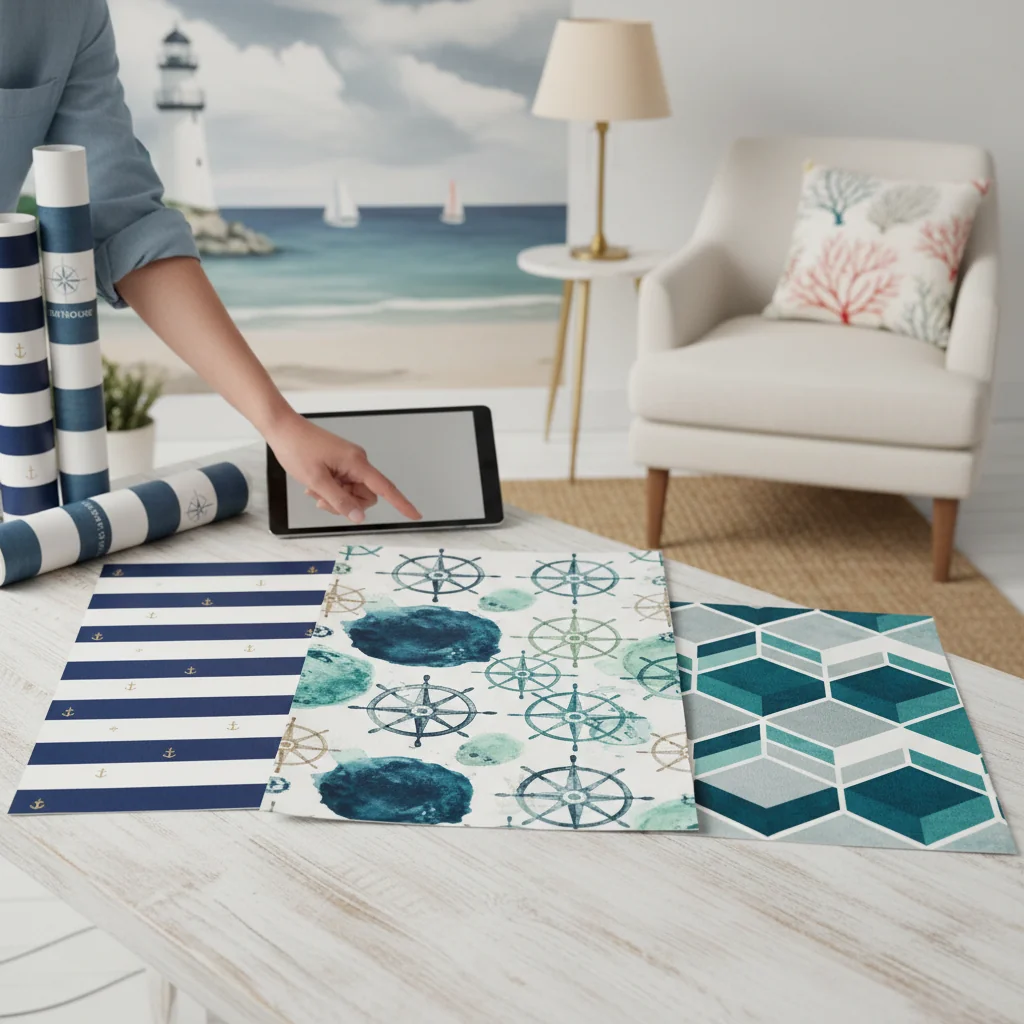
Always order samples of your preferred nautical wallpapers. Taping them to your wall for a few days allows you to observe how they appear under different lighting conditions (daylight, evening, artificial light) and against your existing décor. This crucial step prevents costly mistakes and ensures satisfaction with your final choice.
Comparison Table: Wallpaper Types at a Glance
| Type | Key Features | Durability | Ease of Installation | Ideal Use Cases | Approx. Price Range (per single roll, USD) |
|---|---|---|---|---|---|
| Peel-and-Stick Vinyl | Self-adhesive, removable, often repositionable, typically vinyl surface. | Moderate to High (depends on vinyl thickness and quality) | Very Easy (DIY-friendly, no paste required) | Rentals, accent walls, children’s rooms, temporary designs, furniture upcycling. | $30 – $80 |
| Traditional Non-Woven | Paste-the-wall application, breathable, dry-strippable, dimensionally stable. | High (resists tearing, good for general wear) | Moderate (DIY possible, professional recommended for complex patterns) | Bedrooms, living rooms, dining rooms, hallways; good for long-term use with easy removal. | $40 – $120 |
| Traditional Vinyl (Solid) | Highly durable, washable, moisture-resistant, often textured or embossed. | Very High (excellent for heavy wear and moisture) | Moderate to Difficult (requires paste, precise alignment; professional often recommended) | Bathrooms, kitchens, high-traffic areas, commercial spaces; where maximum resilience is needed. | $50 – $150 |
| Paper-Based | Classic feel, wide design range, often uncoated, traditional paste application. | Low to Moderate (fragile when wet, not washable, prone to tearing) | Moderate to Difficult (requires paste, careful handling; can expand/contract) | Low-traffic areas, formal dining rooms, bedrooms (where durability is less critical). | $25 – $70 |
| Textile/Fabric | Luxurious texture, sound-absorbing, natural or synthetic fibers, paper-backed. | Moderate (delicate, difficult to clean, can snag) | Difficult (professional installation highly recommended due to material characteristics) | Luxury interiors, formal spaces, feature walls; where tactile richness and sophistication are paramount. | $100 – $300+ |
Sizing, Measuring, and Installation Considerations
Accurate measurement of wall dimensions and meticulous calculation of wallpaper rolls, accounting for pattern repeat and waste, are fundamental steps to ensure a successful and aesthetically pleasing installation of any nautical wallcovering. Proper surface preparation and adherence to correct installation techniques are equally vital for a flawless and durable finish.
1. Measuring Your Walls
Precise measurements are the bedrock of a successful wallpaper project. Errors here can lead to insufficient material or excessive waste.
- Height and Width: Measure the height of each wall from baseboard to ceiling, and the width of each wall section. For walls with windows or doors, measure the total wall area first, then measure the dimensions of the openings. While you will subtract the area of large openings for total square footage, you generally do not subtract for individual rolls to account for trimming around these features.
- Irregularities: Account for architectural features such as sloped ceilings, alcoves, or built-in cabinetry by taking multiple measurements at different points. Always use the greatest height measurement for each wall section to ensure coverage.
- Total Square Footage: Calculate the total square footage by multiplying the height by the width for each wall section and summing them up. For example, a wall that is 8 feet high and 10 feet wide is 80 sq ft.
2. Calculating Rolls Needed
This step is critical for avoiding shortages or excessive surplus. Pattern repeat is a significant factor often overlooked.
- Standard Roll Dimensions (U.S.): A typical single roll of wallpaper in the U.S. is approximately 20.5 inches wide and 33 feet long, covering about 56 sq ft. Double rolls are generally 20.5 inches wide and 66 feet long, covering about 112 sq ft. Always verify the specific dimensions provided by the manufacturer, as these can vary.
- Pattern Repeat: This is the vertical distance at which the wallpaper pattern begins to repeat itself. If a pattern repeats every 21 inches, for example, you must cut each strip to align with the previous one, which often results in trimming away excess paper to match the design. This waste must be factored into your calculations.
- Calculation Formula: A common method is to take your Total Wall Square Footage, divide it by the square footage covered by one roll (e.g., 56 sq ft), and then add an additional 15-20% for waste, cuts, and pattern alignment. Always round up to the nearest whole roll. For complex or large-pattern designs, consider adding closer to 20-25%.
- Manufacturer’s Guide: Always consult the manufacturer’s specific coverage guidelines and recommendations for roll calculation, as they often provide a more precise method tailored to their product.
3. Surface Preparation
Proper wall preparation is non-negotiable for a professional-looking and long-lasting wallpaper installation. Skipping this step is a common cause of installation failure.
- Clean: Walls must be thoroughly clean, dry, and free of dust, grease, dirt, or mildew. Use a mild detergent solution to wash walls, then rinse and allow to dry completely.
- Smooth: Fill any holes, cracks, or imperfections with spackle or joint compound, then sand smooth. Wallpaper, especially those with a sheen, will highlight even minor wall flaws.
- Prime: Apply a high-quality wallpaper primer (also known as a “sizing” or “wall prep”) to all surfaces. Primer ensures proper adhesion, creates a consistent surface for the paste, and facilitates easier removal in the future. It is particularly important for new drywall, dark-painted walls, or porous surfaces.
4. Installation Method
The specific steps vary depending on the type of wallpaper, but core principles remain consistent.
- Peel-and-Stick: Begin by establishing a plumb line for your first strip. Align the first panel perfectly with this line, gradually peeling the backing paper downwards while smoothing the wallpaper onto the wall with a squeegee to remove air bubbles. Overlap edges slightly if recommended by the manufacturer.
- Traditional (Non-Pasted): Apply a high-quality wallpaper paste directly to the back of each cut strip of wallpaper. Allow the paper to “book” (fold paste-to-paste) for a few minutes to relax the paper before hanging.
- Traditional (Pre-Pasted): Submerge the cut strip of wallpaper in water to activate the factory-applied adhesive. Allow it to book briefly, then hang.
- Tools: Essential tools include a level or plumb line, a measuring tape, a sharp utility knife with plenty of spare blades, a smoothing tool or wallpaper squeegee, wallpaper paste (if non-pasted), a step ladder, and a seam roller (for traditional papers).
5. Pattern Alignment
Achieving seamless pattern alignment is crucial for the visual integrity of patterned nautical wallpaper.
- Starting Point: For patterned wallpaper, it is often best to start from a central point on a focal wall, or from the least conspicuous corner, working outwards. This ensures that any pattern discrepancies fall in less visible areas.
- Plumb Line: Always use a plumb line to establish a perfectly vertical first strip. This sets the standard for all subsequent strips and prevents patterns from appearing crooked.
- Matching: Carefully align the pattern of each new strip with the previous one at the seam before smoothing it down.
6. Trimming
Clean, sharp cuts are essential for a professional finish.
- Edges: Use a very sharp utility knife and a straight edge (like a wallpaper smoother or metal ruler) to trim excess wallpaper at the ceiling line, baseboards, and around windows, doors, and outlets.
- Blade Changes: Change your utility knife blade frequently, ideally after every few cuts, to ensure clean, crisp edges and prevent tearing the paper.
7. Professional Installation
While many types of nautical wallpaper are DIY-friendly, certain situations warrant professional expertise.
- Complex Patterns or Murals: Large-scale patterns, intricate repeats, or wallpaper murals require exceptional precision for perfect alignment.
- Delicate Materials: Textile or very expensive wallpapers benefit from the experience of a professional installer to avoid damage.
- Large Areas or Irregular Walls: Covering extensive areas or walls with numerous architectural challenges can be efficiently and flawlessly handled by a professional. Hiring an expert guarantees a polished, long-lasting finish and prevents costly errors.
Current Trends in Nautical Wallpaper Design
Contemporary nautical wallpaper trends emphasize sophisticated interpretations of classic themes, incorporating sustainable materials, large-scale murals, and personalized designs that blend seamlessly with modern interior aesthetics. Designers are moving beyond overt maritime clichés to offer nuanced and refined expressions of coastal and oceanic inspiration.
1. Sustainable Materials and Production
The increasing focus on environmental responsibility extends to wallcoverings, making eco-friendly nautical wallpaper a significant trend.
- Eco-Conscious Choices: There is a growing demand for wallpapers made from recycled content, paper sourced from FSC-certified forests (ensuring responsible management), and materials like bamboo or cork.
- Health and Safety: Consumers prioritize PVC-free options and those printed with water-based, low or zero Volatile Organic Compounds (VOC) inks, contributing to healthier indoor air quality.
- Ethical Manufacturing: Brands are increasingly transparent about their production processes, aligning with ethical and sustainable practices.
2. Large-Scale Murals and Panoramic Scenes
Wallpaper murals are gaining popularity for their ability to create immersive and dramatic statements, transforming entire walls into works of art.
- Immersive Designs: Full-wall murals depicting serene ocean vistas, detailed antique maritime maps, stylized underwater scenes with marine life, or abstract coastal landscapes are highly sought after.
- Statement Pieces: These murals serve as powerful focal points, transporting the viewer and adding significant depth and character to a room. They move beyond repetitive patterns to offer a continuous, expansive visual narrative.
3. Abstract and Artistic Interpretations
Modern nautical design often favors abstract and suggestive patterns over literal representations, offering a more artistic and sophisticated aesthetic.
- Less Literal, More Suggestive: Designs feature swirling currents, blurred coastal horizons, textured patterns mimicking sand or water ripples, or minimalist representations of sea creatures (e.g., stylized fish scales, geometric coral).
- Sophisticated Color Palettes: These trends often utilize deep indigos, muted teals, charcoal grays, and subtle metallic accents (silver, gold, copper) to create a refined and contemporary feel, moving away from traditional primary colors.
4. Textured and Tactile Designs
Adding a tactile dimension enhances the sensory experience of a room, creating warmth and depth.
- Sensory Richness: Wallpapers that mimic natural textures like grasscloth, woven linen, weathered wood, or embossed patterns resembling sand dunes or gentle waves are in vogue. These designs add visual interest and invite touch.
- Material Innovation: Advances in printing and material technology allow for vinyl or non-woven papers to realistically replicate the look and feel of natural fibers, offering durability with a sophisticated texture.
5. Biophilic Design Integration
The principle of connecting indoor spaces with nature is strongly influencing nautical wallpaper trends, promoting well-being and tranquility.
- Bringing Nature Indoors: Designs feature realistic depictions of marine flora and fauna, lush coastal vegetation, intricate coral reefs, or detailed botanical prints of seaside plants.
- Connection to Nature: These patterns aim to create a calming and restorative environment, fostering a sense of connection to the natural world and promoting mental well-being.
6. Global Nautical Influences
Nautical themes are being broadened to include diverse cultural interpretations of the sea, moving beyond traditional Western maritime aesthetics.
- Cultural Fusion: Trends incorporate elements like Japanese wave patterns (Ukiyo-e style), Mediterranean tile motifs with oceanic colors, or Polynesian tribal art subtly integrated with marine elements.
- Worldly Appeal: This approach adds an exotic and unique layer to nautical design, offering fresh perspectives and richer narratives.
7. Personalized and Custom Designs
The advent of advanced digital printing allows for unprecedented customization, enabling homeowners to create truly unique spaces.
- Bespoke Solutions: Clients can commission custom murals tailored to specific room dimensions, unique color schemes, or personal artistic visions, ensuring a one-of-a-kind design.
- Photographic Quality: High-resolution digital printing can reproduce photographic quality images of seascapes or maps, offering a highly personalized and realistic effect.
8. Subtle and Understated Patterns
For those who prefer a quieter elegance, understated nautical patterns provide a sophisticated backdrop without overwhelming the space.
- Quiet Luxury: Delicate wave textures, tone-on-tone patterns (e.g., a slightly darker blue wave on a lighter blue background), or small, repeating motifs that add interest without being overtly themed.
- Versatility: These subtle designs are highly versatile, easily paired with a wide range of furniture styles and décor elements, allowing for evolution over time.
9. Revival of Vintage Maps and Charts
A renewed appreciation for history and exploration brings vintage cartography back into focus.
- Historical Charm: Antique nautical charts, old world maps adorned with sea monsters, or celestial navigation maps add a sense of history, adventure, and intellectual curiosity to a space.
- Educational & Aesthetic: These designs are not only visually appealing but also offer a conversational piece and a subtle nod to global exploration.
Care and Maintenance for Longevity
Proper care and maintenance are crucial for preserving the aesthetic integrity and extending the lifespan of nautical wallpaper, with specific cleaning methods dependent on the material type and its washability rating. Adhering to these guidelines ensures your wallcovering remains vibrant and pristine for years to come.
1. Identify Wallpaper Type and Washability
Before any cleaning, it is imperative to know the specific type of wallpaper and its manufacturer-specified washability rating. This information is usually found on the roll’s label or the product’s description.
- Washable: This symbol (often a single wave) indicates that the wallpaper can be gently wiped with a damp cloth and a mild, non-abrasive soap. Most vinyl and some non-woven wallpapers fall into this category.
- Scrubbable: Represented by two or three waves, this rating means the wallpaper can withstand more vigorous cleaning with a soft brush or sponge and a mild detergent. Solid vinyl wallpapers are typically scrubbable and highly durable.
- Non-Washable: Indicated by a brush with a cross through it, these wallpapers (typically uncoated paper or delicate textiles) can only be dusted or gently vacuumed. Any liquid cleaning will damage them.
- Test First: Always test any cleaning method in an inconspicuous area (e.g., behind furniture or a door) to ensure it does not damage the wallpaper’s color or finish.
2. Regular Dusting
Routine dusting is the simplest yet most effective way to maintain your wallpaper’s appearance and prevent dirt buildup.
- Frequency: Dust your wallpaper weekly or bi-weekly.
- Method: Use a soft, dry microfiber cloth, a feather duster, or a vacuum cleaner equipped with a soft brush attachment. Gently wipe or vacuum the surface to remove accumulated dust and cobwebs. This prevents grime from becoming embedded in the paper and makes deeper cleaning less frequent.
3. Spot Cleaning
Address spills and marks immediately to prevent them from setting and becoming permanent stains.
- Immediate Action: Blot spills with a clean, dry cloth as soon as they occur. Do not rub, as this can spread the stain.
- Cleaning Solution: For washable papers, dampen a clean, soft sponge or cloth with warm water and a very small amount of mild, pH-neutral dish soap. Avoid harsh chemicals.
- Gentle Blotting: Gently blot the stained area. If necessary, use light, circular motions, but avoid aggressive scrubbing which can damage the surface or pattern.
- Rinse and Dry: Rinse the area with a clean, damp cloth to remove any soap residue, then immediately dry the area thoroughly with a soft, dry cloth to prevent watermarks or moisture damage.
4. Avoid Harsh Chemicals
Using inappropriate cleaning agents is a primary cause of wallpaper damage.
- Prohibited Cleaners: Never use abrasive cleaners, bleach, ammonia-based products, or solvent-based solutions. These chemicals can strip colors, dissolve finishes, cause discoloration, or degrade the wallpaper material.
- Color Fastness: Even for washable wallpapers, strong chemicals can affect color fastness over time. Stick to mild, gentle solutions.
5. Control Humidity
Excessive moisture is a common enemy of wallpaper, particularly in high-humidity environments like bathrooms.
- Ventilation: Ensure good ventilation in rooms prone to humidity. Use exhaust fans during and after showers, and consider opening windows when practical.
- Dehumidifiers: In consistently humid climates or rooms, a dehumidifier can help maintain optimal moisture levels, preventing wallpaper from peeling, bubbling, or developing mildew.
6. Protect from Direct Sunlight
Prolonged exposure to intense ultraviolet (UV) light can cause colors to fade over time, diminishing the vibrancy of your nautical design.
- Window Coverings: Use blinds, curtains, or shades to protect wallpaper in sun-drenched rooms, especially during peak daylight hours.
- UV-Filtering Films: Consider applying UV-filtering window films to windows that receive strong, direct sunlight.
7. Repair Minor Damages
Addressing small issues promptly can prevent them from escalating into larger, more noticeable problems.
- Lifted Seams or Bubbles: For small areas where seams have lifted or bubbles have formed, use a specialized wallpaper seam adhesive or a syringe to inject adhesive behind the bubble. Gently smooth the area with a roller or squeegee.
- Small Tears: If you have leftover wallpaper scraps, you can carefully patch small tears. Cut a patch slightly larger than the damaged area, align the pattern, and adhere it with wallpaper paste.
8. Professional Cleaning (for delicate materials)
For certain types of wallpaper, professional expertise is the safest and most effective option for deep cleaning or stain removal.
- Delicate Textiles: Fabric or very delicate paper-based wallpapers that are not washable may require consultation with a professional wallcovering cleaner specializing in delicate materials.
- Stubborn Stains: If a stain on a washable wallpaper proves difficult to remove with mild methods, a professional may have specialized techniques or products.
Recommended Cleaning Tools for Nautical Wallpaper
- Soft, dry microfiber cloths
- Feather duster or vacuum cleaner with a soft brush attachment
- Soft sponges
- Mild, pH-neutral dish soap (diluted in water)
- Clean water bucket (for rinsing cloths)
- Wallpaper seam adhesive (for minor repairs)
Styling and Pairing Nautical Wallpaper
Effectively styling nautical wallpaper involves harmonizing its maritime aesthetic with complementary furnishings, textiles, lighting, and accessories to create a cohesive and inviting interior design. This extends beyond literal marine motifs, embracing broader coastal influences and ensuring the wallpaper serves as an integrated element of the overall décor, not just an isolated statement.
1. Color Palette Cohesion
The existing color scheme of your room should guide your wallpaper choice, and vice versa, to create a unified look.
- Anchor Colors: Identify the primary colors present in your nautical wallpaper (e.g., navy blue, crisp white, sandy beige). These colors should serve as the foundation for your room’s overall palette, appearing in larger elements like sofas, rugs, or wall paint on adjacent walls.
- Accent Colors: Introduce secondary accent colors that complement the nautical theme without overpowering it. Consider pops of coral, seafoam green, soft yellow, or polished brass. These can appear in throw pillows, decorative objects, or smaller pieces of furniture.
- Neutrals: Balance bolder patterns or dominant colors with neutral furniture and textiles. Grays, creams, natural linen tones, and various shades of natural wood prevent the space from feeling overwhelmed and provide a calming counterpoint.
2. Furniture Selection
The style and material of your furniture significantly influence the overall nautical ambiance.
- Wood Tones: Light-colored woods like bleached oak, birch, or whitewashed finishes evoke a fresh, beachy, and relaxed coastal feel. For a more classic or traditional maritime look, darker woods such as mahogany, teak, or walnut can add a sense of ship-cabin elegance and gravitas.
- Upholstery: Opt for natural fabrics that are durable and have a relaxed texture, such as linen, cotton, or canvas. Solid colors or subtle patterns like a classic Breton stripe, ticking stripe, or small geometric can reinforce the theme without being overly literal.
- Rattan/Wicker: Introduce elements of rattan, wicker, or woven furniture (e.g., chairs, coffee tables, storage baskets) for texture and a relaxed, natural coastal vibe. These materials add an organic touch that grounds the space.
3. Textiles and Soft Furnishings
Textiles add comfort, warmth, and opportunities for subtle pattern and color repetition.
- Cushions and Throws: Select throw pillows with subtle nautical motifs (e.g., embroidered knots, abstract wave patterns, simplified anchor designs) or solid colors that echo the wallpaper’s palette. Layer with soft throws in complementary hues or natural textures.
- Rugs: Anchor the room with rugs made from natural fibers like jute, sisal, or wool. Choose options in natural tones, soft blues, or subtle geometric patterns that complement the wallpaper’s scale and color.
- Curtains and Drapes: Opt for light, airy fabrics like sheer linen, cotton, or voile in white, off-white, or soft blue. These allow natural light to filter through, maintaining an open, breezy feel. Avoid heavy, ornate drapes that can detract from the coastal lightness.
4. Lighting Fixtures
Lighting is crucial for setting the mood and enhancing the nautical aesthetic.
- Materials: Choose fixtures made from materials often found on ships or in coastal homes: brass, brushed nickel, polished chrome, rope, woven natural fibers, or industrial-inspired metals.
- Styles: Lantern-style pendants, industrial-inspired sconces, bulkhead lights, or lamps with natural linen or burlap shades enhance the theme. Consider clear glass globes for a classic maritime look.
- Ambiance: Layer your lighting (overhead, task, accent) to create warmth, depth, and mimic the natural light and glow of a coastal setting, avoiding harsh, single-source illumination.
5. Decorative Accessories
Thoughtfully chosen accessories complete the look, providing character without creating a kitschy feel.
- Subtle Touches: Avoid over-the-top, literal clichés. Instead, select a few key, high-quality pieces: a vintage ship model, a collection of unique seashells, a delicate coral sculpture, a framed piece of maritime art, or a simple glass buoy.
- Natural Elements: Incorporate natural elements like a piece of artfully arranged driftwood, smooth river stones in a glass vase, or potted greenery (e.g., ferns, palms) to bring the outdoors in.
- Books: Curate a small collection of travel books, oceanography texts, or classic literature with maritime themes on a bookshelf or coffee table.
- Mirrors: Round mirrors with a metallic or rope frame can cleverly evoke portholes, adding a subtle thematic touch.
6. Wall Art
Complementary wall art can reinforce the nautical theme and add visual interest.
- Harmonious Pieces: Choose abstract ocean paintings, black and white photographs of sailboats, coastal landscapes, or botanical prints of coastal plants. Ensure the art’s color palette and style align with the wallpaper.
- Gallery Walls: Create a curated gallery wall by combining framed antique maps, vintage postcards, small nautical illustrations, or pressed botanical specimens.
7. Room-Specific Applications
Tailor your styling to the function of each room for maximum impact and cohesion.
- Living Room: A feature wall with a large-scale ocean mural or an elegant striped wallpaper, paired with a comfortable sofa in a neutral tone, natural wood accents, and brass lighting.
- Bedroom: Soft, subtle wave patterns or delicate marine life wallpaper behind the headboard, complemented by linen bedding, muted color palettes, and brass or brushed nickel reading lamps.
- Bathroom: Durable vinyl wallpaper with a classic navy stripe or a whimsical seashell pattern, paired with white subway tile, chrome fixtures, and plush white towels.
- Kid’s Room: Playful wallpaper with cartoon sea creatures or pirate ships, combined with bright primary colors in toys, bedding, and fun, durable furniture.
- Study/Office: Traditional maritime wallpaper featuring antique maps or ship illustrations, paired with dark wood furniture, leather accents, and classic library lamps.
List of Key Styling Elements for Nautical Wallpaper
- Natural wood furniture (e.g., whitewashed, teak, oak, mahogany)
- Linen, cotton, or canvas textiles in solid colors or subtle stripes
- Rattan, wicker, or jute accents (baskets, chairs, rugs)
- Brass, brushed nickel, polished chrome, or rope lighting fixtures
- Subtle marine-themed decor (e.g., unique seashells, vintage ship models, compasses)
- Abstract ocean art or black & white coastal photography
- Potted plants, dried botanicals, or driftwood elements
- Mirrors (especially round ones reminiscent of portholes)
Common Mistakes to Avoid
Avoiding common pitfalls in selecting and installing nautical wallpaper ensures a successful and enduring design, encompassing errors in pattern scale, material choice, pattern matching, and crucial surface preparation. A meticulous approach to these details prevents costly rework and guarantees a polished, professional finish.
1. Ignoring Room Scale and Pattern Size
One of the most frequent errors is misjudging how a wallpaper pattern will appear in a specific room size, leading to an unbalanced aesthetic.
- Mistake: Using a large, busy pattern in a small room can make the space feel cramped, visually overwhelming, and even claustrophobic. Conversely, a tiny, intricate pattern in a vast room might disappear, failing to make any significant impact.
- Solution: Match the wallpaper’s pattern scale to the room’s dimensions. Reserve large, bold patterns or murals for spacious rooms