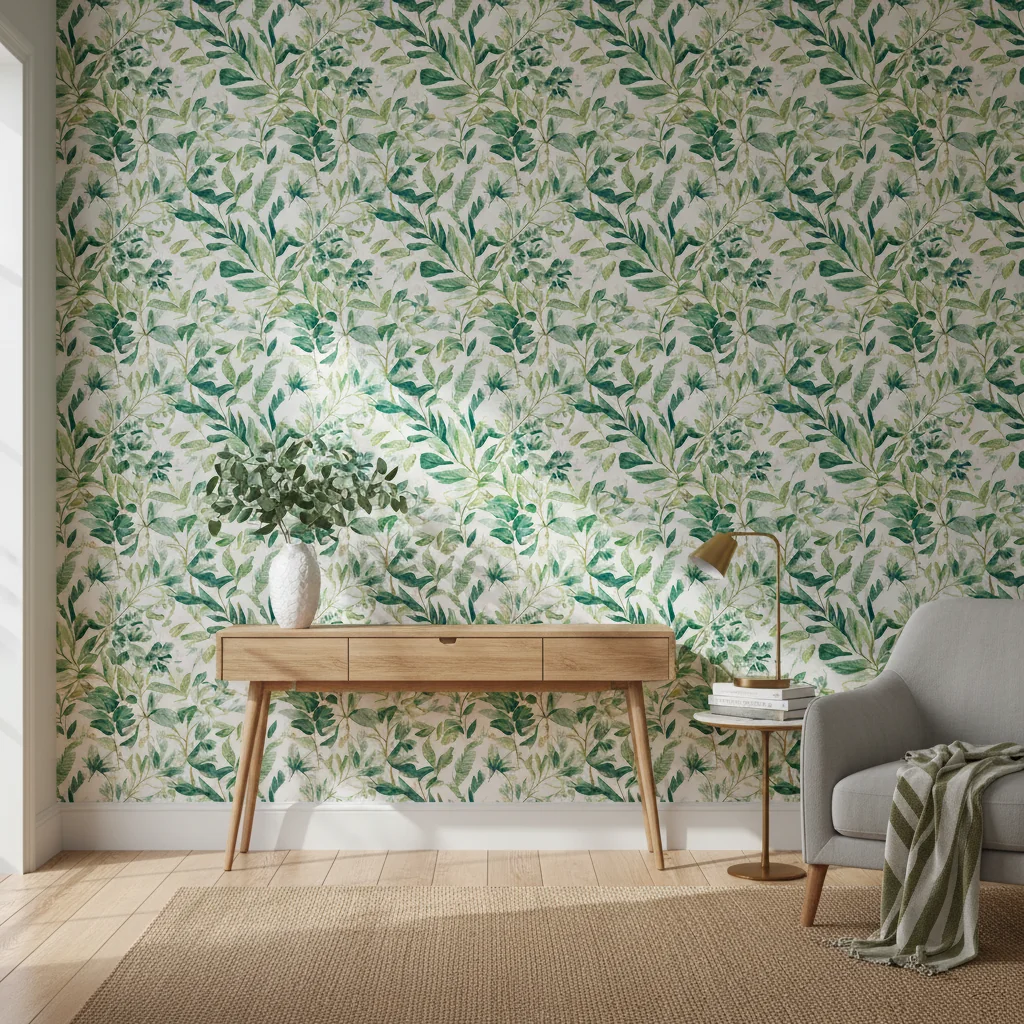
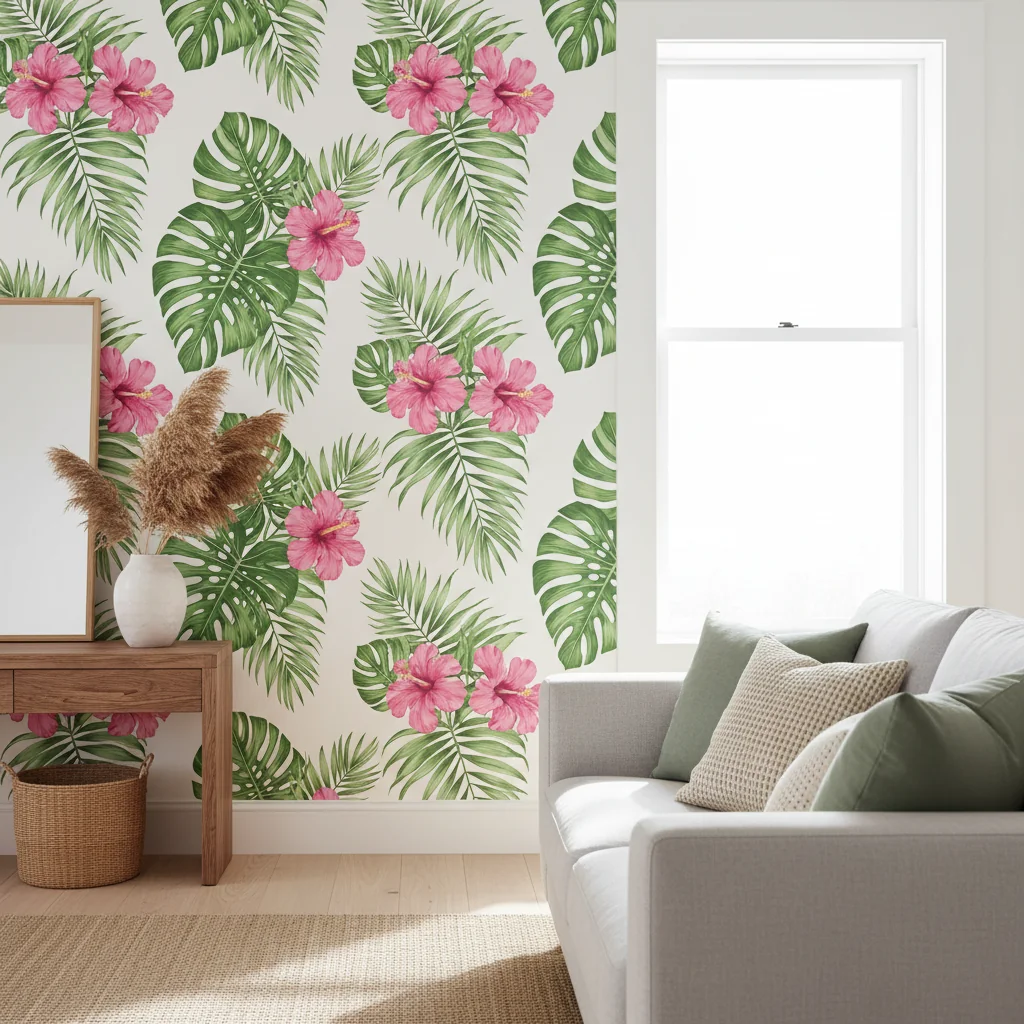
Peacock wallpaper is a decorative wallcovering featuring the elegant and vibrant imagery of the peacock, often incorporating its distinctive plumage, rich color palette, and sometimes botanical or fantastical elements, serving as a powerful focal point or sophisticated backdrop in interior design. This distinctive wall treatment, available in various materials such as non-woven paper or vinyl, offers a unique blend of historical artistry and contemporary flair, transforming spaces with unparalleled visual depth and narrative.
Key takeaways
- Peacock wallpaper provides a dramatic and sophisticated aesthetic, suitable for diverse interior design styles from traditional Chinoiserie to modern maximalism.
- Available in various types, including traditional paste-the-wall and convenient peel-and-stick options, allowing for flexibility in installation and commitment.
- Choosing the right design involves considering scale, color palette, room size, natural light, and existing decor to ensure harmonious integration.
- Accurate measurement and surface preparation are critical for a professional installation, regardless of the wallpaper type selected.
- Proper care and maintenance, tailored to the wallpaper’s material, ensure the longevity and enduring beauty of the design.
- Styling peacock wallpaper involves balancing its inherent visual dominance with complementary furnishings, textiles, and lighting to create a cohesive and aspirational environment.
What is Peacock Wallpaper? Defining its Essence and Visual Impact
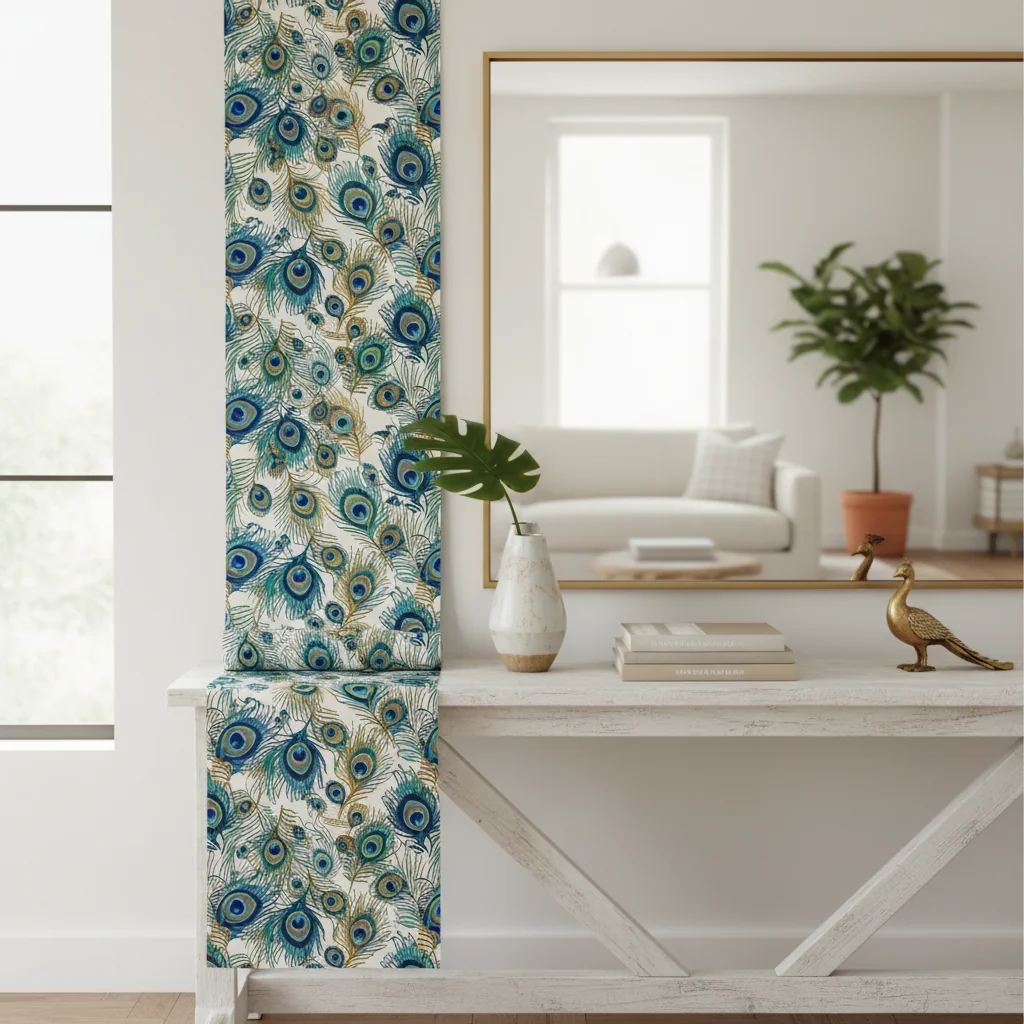
Peacock wallpaper is a distinctive category of wallcovering characterized by its depiction of the majestic peacock, often integrated into lush botanical scenes, intricate patterns, or abstract interpretations. This design choice immediately imbues a space with a sense of luxury, exoticism, and artistic sophistication, leveraging the bird’s inherent beauty and symbolic resonance to create a compelling visual narrative within an interior. The designs typically feature the peacock’s iridescent blue, green, and gold plumage, often complemented by rich jewel tones or set against serene, muted backgrounds.
Historically, the peacock motif has been revered across various cultures, symbolizing beauty, immortality, royalty, and renewal. When translated into wallpaper, these symbolic associations are carried into the home, elevating the ambiance beyond mere decoration. Modern manufacturing techniques allow for exceptional detail and texture, from subtly embossed feathers to vibrant, photorealistic murals, making peacock wallpaper a versatile option for diverse design aspirations. Its visual impact is profound, capable of transforming a plain wall into a captivating work of art, dictating the mood and style of an entire room.
Peacock wallpaper is a decorative wallcovering that showcases the elegant imagery of the peacock, frequently incorporating its distinctive feathers, rich color palette, and often intertwined with botanical or fantastical elements, thereby serving as a powerful focal point or sophisticated backdrop in interior design. It is available in various forms, including traditional non-woven and contemporary peel-and-stick options, offering both aesthetic versatility and practical application flexibility. The design’s ability to evoke opulence and natural beauty makes it a favored choice for those seeking to infuse their interiors with character and depth.
The intricate detailing often found in peacock wallpaper designs, from the delicate rendering of individual feathers to the expansive sweep of a peacock’s tail, contributes significantly to its luxurious appeal. These designs are not merely patterns; they are often narrative pieces, inviting closer inspection and contemplation. The scale of the motif can range from small, repetitive patterns suitable for an entire room to large-format murals that dominate a single wall, each offering a distinct aesthetic experience. Starhouse curates designs that exemplify this range, ensuring there is a peacock wallpaper to match every vision, from a subtle accent to a grand statement.
Beyond its aesthetic virtues, the technical advancements in wallpaper production mean that peacock wallpaper is not only beautiful but also durable and often easy to maintain. Many contemporary options are crafted from materials that resist fading, scuffing, and moisture, ensuring that the visual splendor endures for years. This combination of historical elegance, vibrant artistry, and practical resilience positions peacock wallpaper as a premier choice for discerning homeowners and designers seeking to create truly memorable spaces.
The Enduring Appeal of Peacock Motifs in Interior Design
The enduring appeal of peacock motifs in interior design stems from the bird’s intrinsic beauty, rich symbolism, and its versatile aesthetic adaptability across various cultural and historical design movements. Peacocks have captivated humanity for centuries, appearing in ancient myths, royal emblems, and elaborate artworks, making their integration into home decor a natural extension of this long-standing admiration. The creature’s opulent plumage, characterized by iridescent blues, greens, and golds, translates into a sophisticated color palette that designers frequently leverage to introduce drama and luxury.
Symbolically, the peacock is multifaceted, representing immortality, resurrection, royalty, beauty, and even spirituality across different civilizations. In Western cultures, it often signifies vanity and luxury, while in Eastern traditions, particularly in India and China, it is a symbol of protection, purity, and good fortune. These deep-seated associations infuse peacock wallpaper with a narrative richness that transcends mere pattern, allowing homeowners to imbue their spaces with layers of meaning and cultural resonance. The visual impact is immediate and profound, capable of elevating a room from ordinary to extraordinary.
From the intricate patterns of ancient Persian textiles to the elaborate designs of the Art Nouveau movement, the peacock has consistently served as an artistic muse. Its fan-like tail feathers provide a natural geometric and organic structure that artists and designers have interpreted in countless ways. This adaptability allows peacock wallpaper to seamlessly integrate into diverse design aesthetics, from the ornate and traditional to the sleek and contemporary. The motif’s inherent grandeur makes it an ideal choice for creating a focal point or adding a touch of exotic elegance.
In modern interiors, the peacock motif continues to thrive, often reinterpreted through contemporary lenses. Designers might feature highly stylized, abstract peacock patterns that focus on color and form, or opt for hyper-realistic murals that transport the viewer to an exotic landscape. The versatility extends to its application: a bold peacock mural can define a living room, while a subtle, repeating pattern might add character to a powder room or bedroom. The motif’s ability to evoke a sense of aspiration and refined taste ensures its continued relevance in the ever-evolving world of interior design.
The inherent drama and natural elegance of the peacock motif also provide a compelling counterpoint to minimalist trends. In an era where personal expression is highly valued in home decor, peacock wallpaper offers a powerful avenue for making a statement. It invites a sense of wonder and visual intrigue, transforming walls into dynamic canvases. Starhouse recognizes this enduring appeal, curating designs that honor the peacock’s historical significance while embracing modern artistic interpretations, ensuring that every selection contributes to a truly distinguished interior.
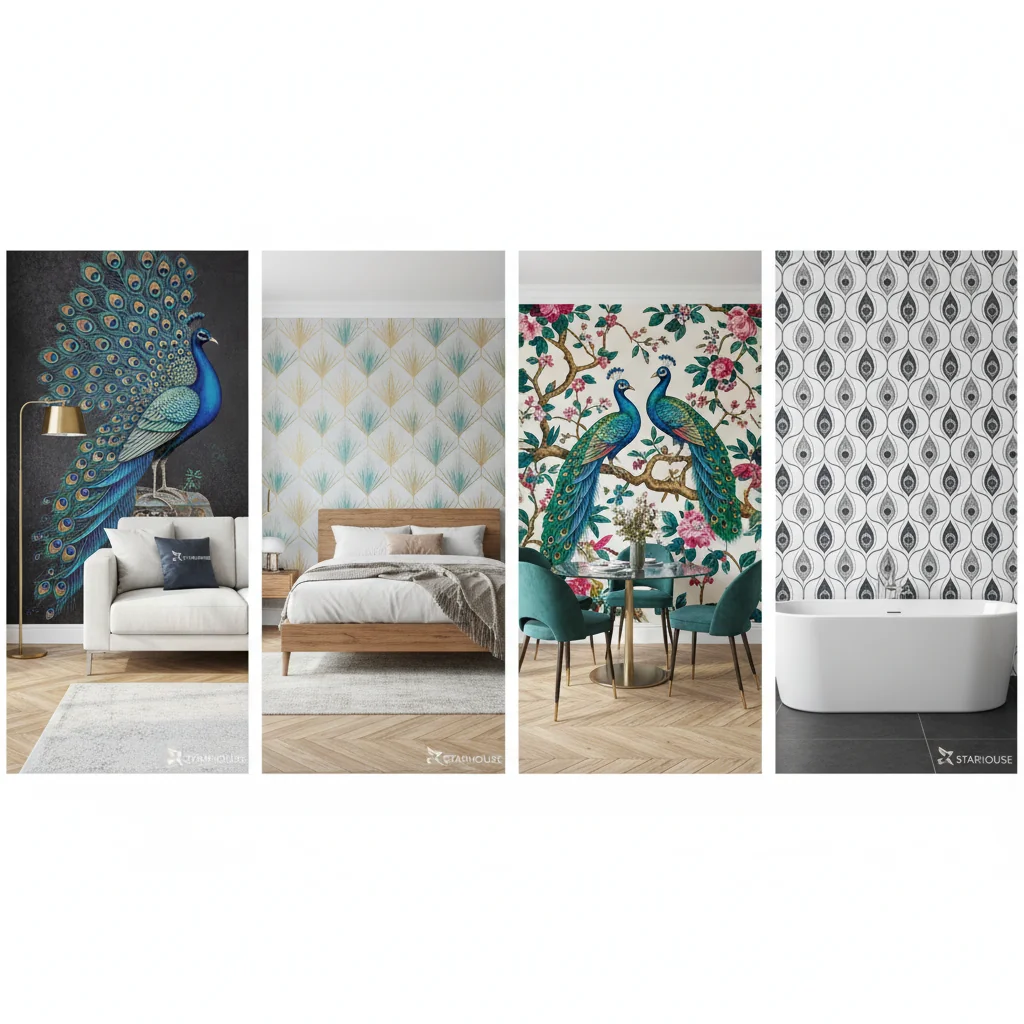
Types of Peacock Wallpaper: Material, Application, and Durability
Peacock wallpaper is available in a diverse array of materials and application methods, each offering distinct advantages in terms of durability, ease of installation, and aesthetic finish, allowing homeowners to select the perfect option for their specific needs and design vision. Understanding the differences in these types is crucial for making an informed decision that aligns with both the desired look and the practical requirements of a space. The primary categories generally include traditional paste-the-wall, convenient peel-and-stick, and specialized options like fabric-backed vinyl or grasscloth.
Traditional Wallpaper (Paste-the-Wall or Paste-the-Paper): This classic type requires a separate adhesive to be applied either to the wall or the back of the wallpaper before hanging. Traditional peacock wallpapers are often made from non-woven materials, which are a blend of natural and synthetic fibers, making them highly durable, breathable, and tear-resistant. They are known for their longevity and ability to withstand cleaning, and when properly installed, they offer a seamless, high-end finish. Installation can be more involved, often requiring professional assistance, but the result is a permanent and luxurious wall treatment. Many premium peacock designs, particularly those with intricate patterns or textured finishes, are offered in this format, providing a depth of color and detail that is unparalleled.
Peel-and-Stick Wallpaper: Also known as removable or self-adhesive wallpaper, this type features an adhesive backing protected by a removable liner, much like a giant sticker. Peel-and-stick peacock wallpaper is celebrated for its ease of installation and removal, making it an ideal choice for renters, DIY enthusiasts, or those who enjoy frequently updating their decor. It typically comprises vinyl or a similar synthetic material, which provides good durability and moisture resistance, making it suitable for bathrooms and kitchens. While generally less permanent than traditional options, advancements in adhesive technology have significantly improved its longevity and reusability. The vividness of peacock motifs is particularly striking on these smooth, often matte or semi-gloss, surfaces.
Fabric-Backed Vinyl Wallpaper: This robust option combines a durable vinyl surface with a fabric backing, offering superior strength and dimensional stability. Fabric-backed vinyl peacock wallpaper is exceptionally resistant to scratches, scuffs, and moisture, making it a preferred choice for high-traffic areas such as hallways, commercial spaces, or homes with children and pets. Its thickness helps to conceal minor wall imperfections, and it is highly washable, ensuring the vibrant peacock designs remain pristine. While installation requires a strong adhesive and often professional expertise, its long-term durability and performance justify the investment, providing a resilient and visually stunning finish.
Grasscloth Wallpaper: For a tactile and organic interpretation of the peacock motif, grasscloth wallpaper offers a unique aesthetic. Made from natural fibers like sisal, jute, or bamboo woven onto a paper backing, grasscloth adds texture and warmth to a room. Peacock designs on grasscloth are often embroidered, printed, or hand-painted, blending the natural texture with the elegant motif. While beautiful and environmentally friendly, grasscloth is generally less durable than vinyl and more susceptible to moisture and staining, making it best suited for low-traffic areas or as an accent. Installation is intricate and typically requires a professional due to its delicate nature and visible seams.
Non-Woven Wallpaper: As mentioned, non-woven materials are a common base for traditional wallpapers. They are a blend of synthetic and natural fibers, making them breathable, tear-resistant, and easy to remove in full sheets when dry. Non-woven peacock wallpapers are excellent for longevity and maintain their vibrant colors without fading. They are often paste-the-wall, simplifying the hanging process compared to paste-the-paper traditional types, as the adhesive is applied directly to the wall. This material is highly stable, minimizing expansion and contraction, which results in a smoother, more professional finish.
Solid Vinyl Wallpaper: This type features a solid layer of vinyl, making it extremely durable, washable, and resistant to moisture and stains. Solid vinyl peacock wallpapers are an excellent choice for kitchens, bathrooms, and other areas where cleanliness and resilience are paramount. While highly practical, they can sometimes lack the intricate texture or breathability of non-woven or natural fiber options. However, modern printing techniques allow for very sophisticated and detailed peacock imagery on vinyl, offering a practical yet stylish solution.
Here is a comparison of common peacock wallpaper types:
| Type | Primary Material | Application Method | Durability & Care | Ideal Use | Key Advantage |
|---|---|---|---|---|---|
| Traditional (Non-Woven) | Non-woven fibers (cellulose/synthetic blend) | Paste-the-wall | High; washable, breathable, tear-resistant. | Living rooms, bedrooms, dining rooms, high-end residential. | Premium finish, longevity, easy dry-stripping. |
| Peel-and-Stick | Vinyl or polyester fabric with adhesive backing | Self-adhesive (peel-and-stick) | Moderate; wipeable, generally temporary/removable. | Rentals, nurseries, accent walls, DIY projects, low-moisture bathrooms. | Easy installation, no paste, fully removable without damage. |
| Fabric-Backed Vinyl | Vinyl surface with fabric backing | Paste-the-wall/paper (heavy-duty adhesive) | Very High; highly scrubbable, impact-resistant, moisture-resistant. | High-traffic areas, commercial spaces, kitchens, bathrooms. | Exceptional durability, conceals wall imperfections, long-lasting. |
| Grasscloth | Natural fibers (jute, sisal) on paper backing | Paste-the-paper (specialized adhesive) | Moderate; delicate, not highly washable, susceptible to moisture. | Accent walls, formal dining rooms, bedrooms, low-traffic areas. | Unique natural texture, organic aesthetic. |
| Solid Vinyl | Solid vinyl layer | Paste-the-wall/paper | High; highly washable, moisture-resistant, stain-resistant. | Kitchens, bathrooms, utility rooms, commercial settings. | Excellent practicality, very easy to clean, robust. |
When selecting peacock wallpaper, consider the environment it will inhabit. For a busy family home or a high-humidity bathroom, a durable vinyl or fabric-backed vinyl option provides the necessary resilience. For a temporary refresh or a DIY project, peel-and-stick offers unparalleled convenience. For a luxurious, lasting statement in a formal living area, traditional non-woven or even grasscloth provides a sophisticated finish. Starhouse ensures a diverse selection, allowing you to match the perfect material to your design aspirations and lifestyle demands, guaranteeing both beauty and functionality.
Stylistic Interpretations: From Chinoiserie to Contemporary
Peacock wallpaper transcends a single aesthetic, offering a vast spectrum of stylistic interpretations that range from the historically rich and ornate Chinoiserie to sleek, modern, and abstract designs, ensuring there is a peacock motif for virtually every interior design preference. This versatility allows the majestic bird to be integrated into traditional, transitional, and contemporary spaces, adapting its form and presentation to suit the desired ambiance. The interpretation often dictates the overall mood of the room, from tranquil elegance to dramatic maximalism.
Chinoiserie Peacock Wallpaper
Chinoiserie is a European artistic style that emerged in the 17th century, characterized by its interpretation and imitation of Chinese and East Asian artistic traditions, particularly in decorative arts and garden design. In peacock wallpaper, Chinoiserie designs typically feature highly detailed, hand-painted or hand-drawn peacocks amidst lush, fantastical flora—cherry blossoms, magnolias, bamboo—and sometimes exotic birds and pagodas. These designs are often set against soft, muted backgrounds like silken cream, celadon green, or pale blue, evoking a sense of tranquil luxury and historical charm. The scale is frequently grand, with sprawling scenes that create a mural-like effect, reminiscent of antique silk panels. Chinoiserie peacock wallpaper is a hallmark of classic elegance, often found in formal dining rooms, master bedrooms, and refined living areas.
Art Deco Peacock Wallpaper
The Art Deco movement of the 1920s and 1930s embraced the peacock motif, reinterpreting it with geometric precision and opulent materials. Art Deco peacock wallpaper features stylized, symmetrical peacocks, often rendered with bold lines, fanning tail feathers resembling sunbursts, and metallic accents like gold, silver, or bronze. The color palettes are typically rich and sophisticated, incorporating deep jewel tones such as emerald green, sapphire blue, ruby red, and amethyst purple, often contrasted with black, white, or cream. These designs exude glamour, luxury, and a sense of sophisticated modernity, making them ideal for spaces that aim for a vintage yet timeless appeal, such as cocktail lounges, powder rooms, or statement walls.
Tropical and Botanical Peacock Wallpaper
Tropical and botanical interpretations place the peacock within vibrant, lush natural settings. These designs often feature peacocks nestled among oversized palm leaves, exotic flowers like hibiscus or orchids, and dense jungle foliage. The color schemes are typically bright and lively, incorporating verdant greens, sunny yellows, and vivid floral hues, often against deep, moody backgrounds that evoke the mystery of a rainforest. This style brings an element of exotic escapism and natural splendor into a room, perfect for creating a refreshing and invigorating atmosphere in sunrooms, bathrooms, or eclectic living spaces. It connects the interior with the vibrancy of the natural world.
Abstract and Geometric Peacock Wallpaper
Contemporary design often reinterprets the peacock through abstract and geometric forms, focusing on the bird’s iconic shapes and colors rather than a literal depiction. Abstract peacock wallpaper might feature fragmented feather patterns, concentric circles inspired by the “eyes” of the tail, or fluid, painterly strokes that evoke the bird’s movement and color transitions. Geometric interpretations can transform the peacock into a series of interlocking shapes, creating a modern, graphic effect. Color palettes can range from monochromatic schemes that highlight texture and form to bold, multi-hued compositions. These designs are ideal for minimalist interiors, modern art-inspired spaces, or rooms that require a dynamic yet refined contemporary touch.
Realistic and Illustrative Peacock Wallpaper
For those who appreciate detailed artistry, realistic and illustrative peacock wallpapers offer a lifelike portrayal of the bird. Realistic designs strive for photographic accuracy, capturing the intricate details of the peacock’s plumage and its natural grandeur, often presented as large-scale murals. Illustrative options, while not strictly photographic, offer highly detailed, artistic renderings that can range from whimsical storybook styles to sophisticated, fine-art interpretations. These wallpapers bring a sense of natural wonder and artistry to a space, making them powerful focal points in bedrooms, studies, or grand entryways. The precision in these designs often allows for a deeper appreciation of the peacock’s inherent beauty.
Art Nouveau Peacock Wallpaper
Emerging in the late 19th and early 20th centuries, Art Nouveau celebrated organic forms, flowing lines, and natural motifs, with the peacock being a prominent symbol. Art Nouveau peacock wallpaper features sinuous, curvilinear designs, often with peacocks integrated into intricate floral and vine patterns. The aesthetic emphasizes craftsmanship and natural beauty, often employing muted, earthy tones alongside iridescent accents, reflecting the period’s fascination with nature and decorative arts. This style brings a historical, artistic flair, perfect for period homes or spaces seeking a romantic, handcrafted feel.
Each stylistic interpretation of peacock wallpaper offers a unique narrative and visual experience. When selecting, consider the existing architecture, furniture, and overall mood you wish to cultivate. A Chinoiserie mural might demand traditional furnishings, while an abstract geometric pattern would thrive in a contemporary setting. Starhouse curates a diverse array of these stylistic interpretations, ensuring that you can find the perfect peacock wallpaper to articulate your unique design vision, transforming your walls into statements of personal style and aspiration.
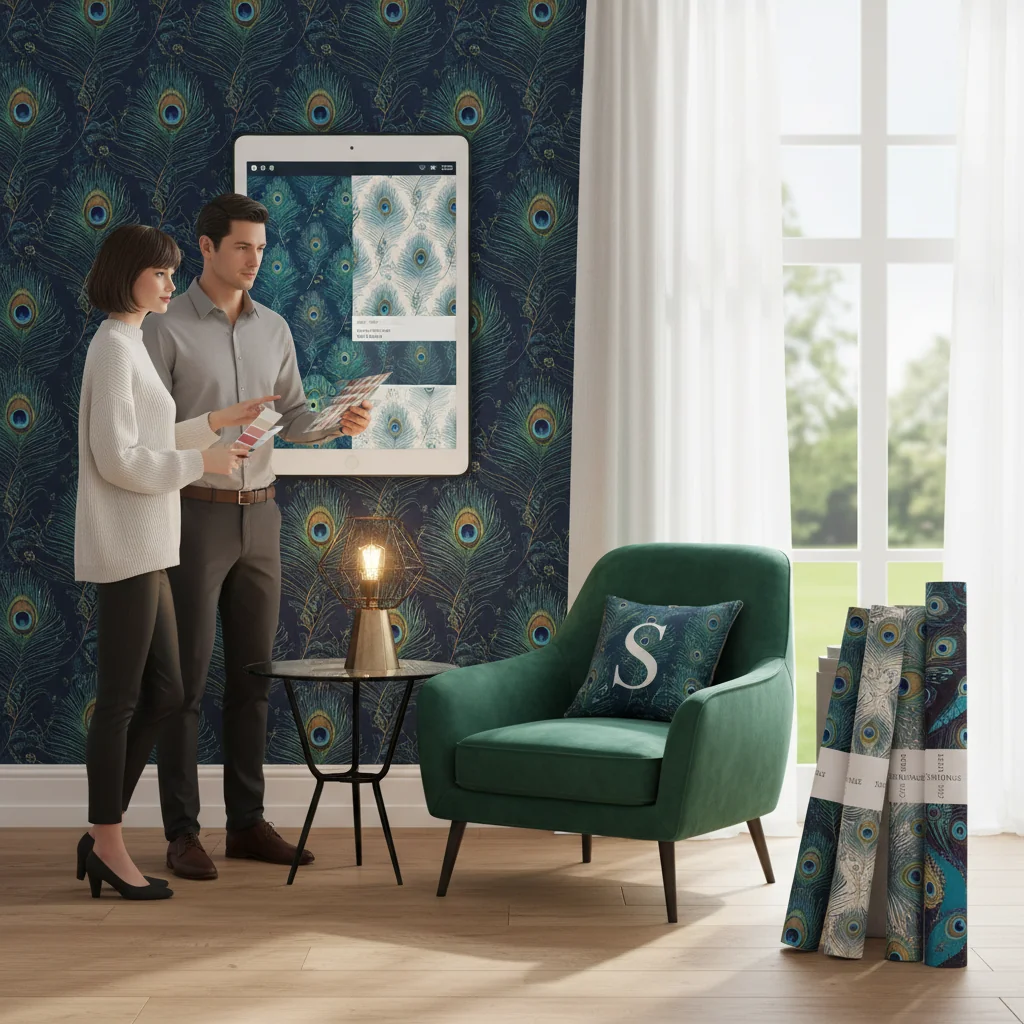
Choosing the Right Peacock Wallpaper for Your Space
Choosing the right peacock wallpaper involves a thoughtful consideration of several key factors, including the room’s size and natural light, your existing decor and desired aesthetic, the specific color palette of the design, and the scale and repeat of the pattern, ensuring a harmonious and impactful integration into your home. A well-selected peacock wallpaper can transform a room, while a mismatched one can overwhelm or detract from its potential. Precision in this selection process is paramount for achieving a cohesive and aspirational interior.
Consider Room Size and Natural Light
The dimensions of your room and the amount of natural light it receives are fundamental considerations. In smaller rooms or spaces with limited natural light, lighter backgrounds and smaller, more delicate peacock patterns can prevent the room from feeling cramped or dark. Conversely, large rooms with ample natural light can accommodate bolder, larger-scale peacock murals or patterns with darker, richer backgrounds, which will appear expansive and dramatic rather than overwhelming. For instance, a grand Chinoiserie mural with an expansive scene would thrive in a spacious dining room, while a subtle, repeating feather motif might be more appropriate for a cozy powder room. The modern wallpaper selections often highlighted by Dwell emphasize how crucial scale and light are to contemporary design.
Define Your Desired Aesthetic and Existing Decor
Peacock wallpaper is incredibly versatile, but its specific style must align with your overall design aesthetic. If your home leans traditional or classic, a Chinoiserie or Art Nouveau peacock design would be a natural fit. For modern or contemporary interiors, consider abstract, geometric, or highly stylized peacocks. Evaluate your existing furniture, textiles, and art. The wallpaper should complement, not compete with, these elements. For example, if your furniture is sleek and minimalist, an Art Deco or abstract peacock pattern would integrate more seamlessly than an ornate, realistic mural.
Evaluate Color Palette
The color palette of peacock wallpaper is often rich and vibrant, but variations exist. Consider how the blues, greens, golds, and other accent colors will interact with your room’s existing hues. Do you want the wallpaper to introduce new colors, or to echo those already present? A design with a dominant teal or emerald green might serve as a striking accent wall, while a more subdued pattern with metallic gold accents against a neutral background could be used throughout a room for sophisticated shimmer. Think about the mood you want to create: vibrant and energetic, serene and luxurious, or bold and dramatic.
Understand Pattern Scale and Repeat
The scale of the peacock motif and its pattern repeat significantly impact the visual effect. Large-scale motifs, especially in murals, create a dramatic focal point and are best suited for single accent walls or very large rooms. Smaller, more intricate repeating patterns can be used on all four walls of a room without overwhelming it, providing continuous visual interest. A pattern with a large repeat (e.g., 24 inches or more) will require more careful planning and additional rolls to ensure proper alignment and minimize waste during installation. Always check the pattern repeat specifications before purchasing.
Material and Durability Needs
As discussed in the previous section, the material of the wallpaper directly impacts its durability, care requirements, and suitability for different areas. For high-traffic zones like hallways or children’s rooms, opt for robust, washable materials like fabric-backed vinyl. For bathrooms or kitchens, moisture-resistant vinyl is ideal. In low-traffic areas like a formal living room or master bedroom, traditional non-woven or even delicate grasscloth can provide a luxurious finish. Starhouse offers a range of materials, ensuring you can match the aesthetic appeal of a peacock design with the practical demands of your lifestyle.
Ordering Samples
Before committing to a full purchase, always order samples of your preferred peacock wallpapers. This allows you to see the true colors, textures, and scale in your specific lighting conditions and against your existing decor. Hang samples on the wall for a few days to observe how they look at different times of day and under various lighting. This step is invaluable for preventing costly mistakes and ensuring your final choice perfectly complements your space.
By meticulously evaluating these factors, you can confidently select a peacock wallpaper that not only captivates with its beauty but also seamlessly integrates into and enhances your home’s unique character. Starhouse is dedicated to helping you navigate these choices, providing curated selections that meet the highest standards of design and quality.
Measuring and Sizing for a Flawless Installation
Accurate measuring and sizing are the most critical steps for a flawless peacock wallpaper installation, ensuring you purchase the correct quantity of rolls and minimize waste, thereby guaranteeing a professional and seamless finish. This precision prevents common issues such as running out of wallpaper mid-project, visible seams due to insufficient material, or the frustration of misaligned patterns. Even the most stunning peacock design will lose its impact if incorrectly measured and applied.
Essential Tools for Measuring
Before you begin, gather the necessary tools for precise measurement:
- Measuring Tape: A sturdy, retractable metal tape measure (at least 25 feet long) is essential.
- Pencil: For marking measurements.
- Notebook or Graph Paper: To sketch your room layout and record dimensions.
- Level or Laser Level: To ensure accurate vertical and horizontal lines, especially for patterned wallpaper.
- Step Ladder: To reach high areas safely.
Step-by-Step Measuring Process
Follow these steps to accurately measure your walls:
- Measure Wall Height: Measure the height of each wall from the baseboard to the ceiling. Take at least two measurements (e.g., left, center, right) for each wall, as walls can vary slightly in height. Use the tallest measurement for your calculations to ensure full coverage.
- Measure Wall Width: Measure the width of each wall. For walls with doors or windows, measure the total width first, then measure the width and height of the openings. You will typically wallpaper over these openings and trim later, but knowing their dimensions can help with pattern placement.
- Calculate Total Square Footage: For each wall, multiply its height by its width to get the square footage. Sum these values for all walls to get the total square footage of the area you intend to wallpaper.
- Account for Openings: While you often wallpaper over openings, for complex or very expensive patterns, you might subtract the square footage of large windows or doors (typically those larger than 20 sq ft) from your total to get a more accurate material estimate. However, it’s generally safer to include them for simpler patterns to ensure enough material for cuts and pattern matching.
Understanding Wallpaper Roll Dimensions and Pattern Repeat
Wallpaper rolls are not standardized in size; dimensions vary significantly by manufacturer and region. Always check the specific length and width of the rolls for your chosen peacock wallpaper. Common U.S. roll sizes might be:
- Single Roll: Approximately 20.5 inches wide x 16.5 feet long (30.5 sq ft).
- Double Roll: Approximately 20.5 inches wide x 33 feet long (56 sq ft) or 27 inches wide x 27 feet long (60.75 sq ft).
Most wallpapers, especially patterned ones like peacock designs, come in “double rolls” which are typically sold as a single unit, even if the packaging refers to “single rolls.” Always verify the total square footage covered by one purchased unit.
Pattern Repeat: This is the vertical distance between where the pattern exactly repeats itself. Peacock wallpapers, particularly those with large, intricate motifs, often have a significant pattern repeat (e.g., 21 inches, 25.25 inches, or even 36 inches+). You must factor this into your calculations to ensure seamless alignment of the design. A larger pattern repeat means more waste per strip, as you need to cut each subsequent strip to match the pattern at the top.
Calculating the Number of Rolls Needed
Use this method for patterned wallpaper, which accounts for pattern repeat and waste:
- Determine Number of Strips per Roll:
* Measure your wall height (e.g., 9 feet = 108 inches).
* Add the pattern repeat to the wall height for each strip (e.g., 108 inches + 25.25 inches = 133.25 inches). Add an additional 2-4 inches for trimming at the top and bottom. Let’s say 136 inches per strip.
* Divide the total length of one roll (e.g., 33 feet = 396 inches) by the length required per strip (396 inches / 136 inches ≈ 2.9 strips). Round *down* to the nearest whole number to find the number of full strips you can get from one roll (e.g., 2 strips). - Calculate Total Strips Needed:
* Measure the total perimeter of the room (or the width of the walls you are covering).
* Divide the total perimeter (in inches) by the width of one wallpaper strip (e.g., 20.5 inches). This gives you the total number of strips required to cover your walls.
* Example: Room perimeter 480 inches / 20.5 inches per strip ≈ 23.4 strips. Round *up* to 24 strips. - Calculate Total Rolls:
* Divide the total strips needed by the number of strips per roll (e.g., 24 strips / 2 strips per roll = 12 rolls). - Add for Contingency: Always add 10-15% extra for waste, mistakes, or future repairs. For a calculation of 12 rolls, consider ordering 13 or 14 rolls. This small buffer is invaluable, especially for intricate peacock patterns where matching is crucial.
For more complex layouts, or if you feel unsure, consulting a professional installer or using an online wallpaper calculator (if available from the manufacturer) is highly recommended. Starhouse prioritizes providing clear product specifications to assist you in this crucial step, ensuring your peacock wallpaper project begins with accuracy and confidence.
Installation Guide: A Seamless Application for Every Type
A seamless installation of peacock wallpaper is achievable with careful preparation, the right tools, and adherence to specific techniques tailored to the wallpaper type, ensuring the intricate designs are beautifully displayed without bubbles, wrinkles, or misalignments. Proper installation is as vital as the selection itself, transforming raw material into a stunning wall feature. The process varies slightly between peel-and-stick and traditional wallpapers, but foundational steps remain consistent.
General Preparation Steps (Applicable to All Types)
- Clean Your Walls: Thoroughly clean walls with a mild detergent and water solution to remove dirt, grease, and grime. Rinse with clean water and allow to dry completely, typically 24-48 hours.
- Repair Imperfections: Fill any holes, cracks, or dents with spackle or joint compound. Sand smooth once dry. Wallpaper will not hide significant imperfections; it will often highlight them.
- Prime Your Walls: Apply a high-quality primer, especially one designed for wallpaper (often called a “sizing” primer). This creates a consistent surface for adhesion, makes future removal easier, and prevents paste from absorbing too quickly into the drywall. For darker wallpapers, consider tinting your primer to a similar color to prevent white seams from showing. Allow primer to dry completely per manufacturer instructions.
- Gather Tools:
- Measuring tape
- Pencil
- Utility knife with fresh blades (essential for clean cuts)
- Smoothing tool (plastic smoother or wallpaper brush)
- Level or plumb bob
- Step ladder
- Damp sponge and clean cloths
- Seam roller (optional, but recommended for traditional wallpaper)
- Bucket and stir stick (for paste, if applicable)
- Layout and Pre-cut: Unroll your wallpaper and identify the pattern repeat. For patterned peacock wallpaper, dry-lay your strips on a clean floor to determine the best starting point and how the pattern will align across strips. Number the back of each strip lightly with a pencil in the order they will be hung. Cut strips to height, adding 2-4 inches extra at the top and bottom for trimming.
Installation for Traditional (Paste-the-Wall) Wallpaper
Traditional peacock wallpaper, often non-woven, is applied using a separate adhesive. This method provides a durable, long-lasting finish.
- Mix Adhesive: Prepare your wallpaper paste according to the manufacturer’s instructions. Consistency is key.
- Draw a Plumb Line: Using your level or plumb bob, draw a straight vertical line on your wall, typically about 20 inches from a corner (or the width of your wallpaper minus an inch or two). This ensures your first strip is perfectly vertical, which is critical for pattern alignment.
- Apply Paste to the Wall: Using a roller or brush, apply a generous, even layer of paste directly to the wall section where your first strip will go, extending slightly beyond the width of the strip.
- Hang the First Strip: Carefully align the first pre-cut strip with your plumb line, allowing the excess at the top and bottom. Press it gently to the pasted wall.
- Smooth Out Bubbles: Using your smoothing tool, work from the center of the strip outwards, and from top to bottom, to remove air bubbles and excess paste. Wipe away any excess paste immediately with a damp sponge.
- Trim Edges: Use your utility knife and a straightedge (like a wide putty knife or metal ruler) to carefully trim the excess wallpaper at the ceiling, baseboard, and around any windows or doors. Always use a fresh blade for each major cut to ensure clean edges.
- Match and Hang Subsequent Strips: Apply paste to the next section of the wall. Hang the second strip, carefully aligning its pattern with the first strip. Butt the edges tightly together; do not overlap. Smooth out and trim as before. Repeat for all remaining strips.
- Seam Rolling (Optional): For a truly professional finish, gently roll seams with a seam roller, being careful not to press too hard, especially on textured papers.
Installation for Peel-and-Stick Wallpaper
Peel-and-stick peacock wallpaper offers a simpler, often temporary, application process, ideal for DIY enthusiasts.
- Draw a Plumb Line: Just like traditional wallpaper, a plumb line is essential for the first strip to ensure straightness.
- Peel and Stick: Peel back only a few inches of the backing paper from the top of your first pre-cut strip. Align the exposed adhesive edge with your plumb line and the top of the wall, leaving an inch or two of overlap at the ceiling.
- Smooth as You Go: Slowly peel down more of the backing paper, simultaneously smoothing the wallpaper onto the wall with your smoothing tool. Work from the center outwards, pushing out any air bubbles as you go. Avoid stretching the material.
- Trim Edges: Once the entire strip is applied, use your utility knife and a straightedge to trim excess at the ceiling, baseboard, and around openings.
- Match and Hang Subsequent Strips: Align the next strip’s pattern precisely with the first. Gently butt the edges together without overlapping. Peel, stick, smooth, and trim as before.
- Troubleshooting: If a bubble appears, gently lift the wallpaper back to that point and re-smooth. For small, stubborn bubbles, a pinprick can release trapped air, then smooth flat.
Regardless of the type, patience and meticulous attention to detail are paramount. Rushing the process often leads to imperfections. For intricate peacock murals or large-scale projects, Starhouse recommends considering professional installation to ensure a truly flawless and long-lasting result. This investment guarantees that your chosen peacock wallpaper achieves its full visual potential, providing a luxurious and captivating backdrop for your home.
Care and Maintenance: Preserving the Beauty of Your Peacock Wallpaper
Proper care and maintenance are essential for preserving the vibrant beauty and structural integrity of your peacock wallpaper, extending its lifespan and ensuring its continuous aesthetic appeal within your home. The specific cleaning and maintenance regimen depends heavily on the material of the wallpaper, as different types possess varying levels of durability and water resistance. Adhering to manufacturer guidelines is paramount to avoid damage and maintain its pristine condition.
Understanding Wallpaper Washability Ratings
Wallpaper manufacturers typically provide washability ratings, which are crucial for determining the appropriate cleaning methods:
- Non-washable: Can only be dusted or lightly vacuumed. Avoid any moisture. Common for delicate materials like grasscloth or certain textile wallpapers.
- Spongeable: Can be gently wiped with a damp sponge or cloth, but without detergent.
- Washable: Can be cleaned with a damp cloth and mild detergent.
- Scrubbable: Can withstand more vigorous cleaning with a brush and detergent. Common for vinyl and fabric-backed vinyl.
- Highly Scrubbable: Extremely durable and resistant to scrubbing and strong cleaning agents. Often used in commercial settings.
Always check the product specifications for your specific peacock wallpaper. For instance, the Rifle Paper Co. Black Peacock Wallpaper from York Wallcoverings specifies its washability, guiding appropriate care.
General Care Tips for All Peacock Wallpaper Types
- Regular Dusting: Use a soft, dry cloth, a feather duster, or a vacuum cleaner with a brush attachment to gently remove dust and cobwebs on a regular basis. This prevents dirt buildup and keeps the colors vibrant.
- Avoid Direct Sunlight: Prolonged exposure to direct sunlight can cause wallpaper colors to fade over time, especially with darker or more vibrant peacock designs. Use curtains, blinds, or UV-filtering window films to protect your wallpaper in sun-exposed rooms.
- Address Stains Promptly: The quicker you address a stain, the higher the chance of successful removal. Blot, do not rub, fresh stains.
- Test Cleaning Solutions: Before applying any cleaning solution to a visible area, always test it on an inconspicuous spot (e.g., behind furniture or a leftover scrap) to ensure it does not cause discoloration or damage.
Specific Care for Different Wallpaper Materials
Traditional Non-Woven and Vinyl-Coated Paper
- Cleaning: These types are typically “washable” or “scrubbable.” Use a soft cloth or sponge dampened with warm water and a small amount of mild, non-abrasive detergent (e.g., dish soap). Gently wipe the surface, working from bottom to top to avoid streaks. Rinse the cloth frequently and wipe down the wallpaper with clean water to remove any soap residue. Finish by gently patting dry with a clean, soft cloth.
- Stains: For common household stains, a diluted solution of white vinegar and water can be effective. For greasy stains, a small amount of rubbing alcohol on a cotton ball may work, but always test first.
Peel-and-Stick Wallpaper
- Cleaning: Most peel-and-stick wallpapers are made of vinyl or polyester fabric and are “washable” or “spongeable.” Use a damp, soft cloth with plain water or a very mild detergent. Avoid harsh chemicals or abrasive scrubbers, which can damage the print or adhesive.
- Delicate Nature: While generally durable, be gentle during cleaning to avoid lifting edges or stretching the material.
Fabric-Backed Vinyl Wallpaper
- Cleaning: This is one of the most durable types, often “scrubbable” or “highly scrubbable.” It can withstand more rigorous cleaning. Use a soft brush or sponge with a mild detergent solution. You can often use a slightly stronger cleaning agent for tough stains, but always test first. Rinse thoroughly and pat dry.
- High-Traffic Areas: Its robust nature makes it ideal for areas that require frequent cleaning, ensuring your peacock design remains vibrant even with heavy use.
Grasscloth and Natural Fiber Wallpaper
- Cleaning: These are typically “non-washable” or “spongeable” at best. Avoid water or liquid cleaners as they can cause discoloration, staining, or damage to the natural fibers.
- Dusting Only: Primarily, clean by gentle dusting with a soft brush or vacuum with a soft brush attachment.
- Stains: For any spills, blot immediately with a clean, dry cloth. Professional cleaning may be required for significant stains, but success is not guaranteed due to the absorbent nature of the material.
By investing a small amount of time in understanding and implementing these care practices, your peacock wallpaper will continue to be a captivating and luxurious element in your home for many years, reflecting Starhouse’s commitment to enduring beauty and quality.
Styling and Pairing: Integrating Peacock Wallpaper into Your Home
Integrating peacock wallpaper into your home requires a strategic approach to styling and pairing with furnishings, textiles, lighting, and accessories to create a cohesive, balanced, and aspirational interior that maximizes its visual impact without overwhelming the space. The wallpaper, often a dominant visual element, should serve as a cornerstone around which the rest of the room’s design elements are carefully chosen to complement and enhance its inherent beauty. Precision in this coordination ensures a sophisticated and harmonious environment.
Complementary Color Palettes
The vibrant blues, greens, and golds of peacock plumage offer a rich starting point for a room’s color scheme. To create balance:
- Echo Key Colors: Select accent colors from the wallpaper for throw pillows, rugs, or decorative objects. For example, if your peacock wallpaper features deep emeralds and teals, incorporate these shades sparingly in soft furnishings.
- Introduce Neutrals: Balance the intensity of peacock wallpaper with grounding neutrals like cream, beige, warm gray, or even crisp white for walls not covered by wallpaper, or for larger furniture pieces. This provides visual rest and allows the wallpaper to truly shine.
- Strategic Contrasts: Consider complementary colors on the color wheel for bold accents. A touch of coral or deep magenta can provide a striking, yet harmonious, contrast to the blues and greens, particularly in Art Deco or maximalist settings.
Furniture Selection
The style of your peacock wallpaper should guide your furniture choices:
- Traditional and Chinoiserie: Pair with classic furniture pieces in dark woods (mahogany, walnut), upholstered in rich velvets or silks, or with elegant, carved details. Think antique-inspired chests, tufted sofas, or ornate dining chairs.
- Art Deco: Opt for sleek, geometric furniture with polished chrome, brass, or lacquered finishes. Velvet upholstery, mirrored surfaces, and streamlined forms will complement the glamour of Art Deco peacocks.
- Modern and Abstract: Choose clean-lined, minimalist furniture that won’t compete with the wallpaper. Mid-century modern pieces, contemporary sofas with simple silhouettes, or transparent acrylic furniture can work well, allowing the wall to be the art.
- Tropical and Botanical: Rattan, bamboo, natural wood, and light-colored upholstery will enhance the organic, exotic feel. Consider pieces with a relaxed, resort-like vibe.
Textiles and Fabrics
Fabrics play a crucial role in adding texture and warmth to a space with peacock wallpaper:
- Luxurious Textures: Velvets, silks, brocades, and damasks in solid colors or subtle patterns can elevate the opulent feel of peacock designs.
- Natural Fibers: Linen, cotton, and jute can introduce a grounding, organic element, especially with tropical or botanical peacock patterns.
- Patterns: If your wallpaper is a dominant pattern, opt for solid or subtly textured fabrics for large items like sofas. For smaller accents like throw pillows, consider patterns that echo the wallpaper’s motifs (e.g., a subtle feather pattern) or geometric designs that complement the wallpaper’s style.
Lighting Fixtures
Lighting can dramatically enhance the effect of peacock wallpaper:
- Accent Lighting: Use picture lights or wall sconces to highlight specific areas of a peacock mural or intricate pattern, drawing attention to its details.
- Glamorous Fixtures: Chandeliers with crystal or metallic accents, or pendant lights with unique forms, can complement opulent or Art Deco peacock designs.
- Natural Light: Ensure window treatments allow ample natural light to illuminate the wallpaper, showcasing its colors and textures throughout the day.
Accessories and Wall Art
Thoughtfully chosen accessories can tie the entire room together:
- Mirrors: A large, ornate mirror with a metallic frame can reflect the peacock wallpaper, expanding the sense of space and doubling its visual impact.
- Art: If the wallpaper is an accent wall, choose artwork for other walls that complements its colors or themes without directly competing. For a wallpapered room, consider minimal or no additional wall art on the wallpapered surfaces, letting the wallpaper be the art.
- Decorative Objects: Vases in jewel tones, metallic sculptures, ceramic pieces, or botanical arrangements can echo the wallpaper’s palette and motifs. Consider bringing in actual peacock feathers in a vase for a subtle, thematic touch.
- Greenery: Live plants, especially tall, leafy varieties, can complement botanical or tropical peacock designs, bringing a touch of nature indoors.
By carefully curating these elements, you transform a wall with peacock wallpaper into a fully realized design statement. Starhouse provides inspiration and guidance to help you master this art of integration, ensuring your space achieves a level of sophistication and personalized luxury that is both inviting and awe-inspiring.
We are meticulously curating our collection to bring you the finest in home decor, including an unparalleled selection of peacock wallpaper designs. If you’re envisioning a space transformed by the elegance of peacock motifs, we invite you to tell us what you’re looking for. Share your design aspirations and get early access to our upcoming collections, tailored to elevate your home.
Current Trends in Peacock Wallpaper Design
Current trends in peacock wallpaper design reflect a broader movement towards expressive, personalized interiors, incorporating bold colors, large-scale motifs, and luxurious textures, while also embracing sustainability and technological advancements in printing. Designers and homeowners are increasingly seeking wallpaper that tells a story and creates a distinct atmosphere, positioning peacock motifs as a perennial favorite with evolving interpretations. The emphasis is on designs that make a significant impact, blending historical reverence with contemporary flair.
Maximalist and Grand Scale Murals
One of the most prominent trends is the embrace of maximalism, where peacock wallpaper is celebrated for its inherent ability to create drama and visual richness. This translates into large-scale murals that cover entire walls, depicting expansive, narrative scenes of peacocks in lush landscapes. These murals often feature intricate details, vibrant colors, and a sense of depth, transforming a room into an immersive experience. The “4K” aspect mentioned in SERP data aligns with this, indicating a demand for high-resolution, detailed imagery that can be scaled up without losing clarity, making the peacock’s intricate plumage truly pop.
Rich Jewel Tones and Deep Hues
While the classic blues and greens remain popular, current trends see an intensification of these colors, often paired with deep, moody backgrounds. Think opulent emeralds, sapphire blues, and amethyst purples, frequently set against charcoal gray, midnight blue, or even black. This creates a sophisticated, luxurious, and often dramatic ambiance, particularly effective in dining rooms, studies, or accent walls in bedrooms. These rich palettes often feature metallic accents in gold or copper, adding to the sense of grandeur.
Textured and Embossed Finishes
Beyond visual patterns, tactile experience is gaining importance. Textured peacock wallpapers, often with embossed details that mimic the feel of feathers or woven fabrics, add a layer of sensory luxury. Materials like linen-look vinyl, subtle grasscloth weaves with printed motifs, or wallpapers with raised ink effects enhance the design’s depth and sophistication. These textures catch the light beautifully, adding dynamic interest to the peacock’s plumage.
Stylized and Abstract Interpretations
Moving away from purely realistic depictions, there’s a strong trend towards stylized and abstract peacock designs. These can range from Art Deco-inspired geometric patterns that hint at peacock feathers to fluid, artistic interpretations that focus on color gradients and organic shapes. This approach allows for a more modern and minimalist integration of the motif, appealing to those who desire the peacock’s elegance without a literal representation. The versatility of these designs allows them to complement contemporary furniture and art.
Metallic and Iridescent Accents
To amplify the peacock’s natural iridescence, metallic inks and finishes are widely used. Gold, silver, and copper accents can highlight feather details, add shimmer to backgrounds, or delineate geometric patterns. These metallic elements interact with light, creating a dynamic and luxurious effect that shifts throughout the day, adding depth and a touch of glamour to the wallpaper. This trend is particularly evident in Art Deco and contemporary interpretations.
Sustainable and Eco-Friendly Options
With increasing environmental consciousness, there’s a growing demand for sustainable wallpaper options. Manufacturers are responding with peacock wallpapers made from recycled materials, sustainably sourced paper, or printed with eco-friendly, water-based inks. These options allow homeowners to embrace luxurious design without compromising their commitment to environmental responsibility. Brands often highlight certifications such as FSC (Forest Stewardship Council) or low VOC (Volatile Organic Compound) content.
Peel-and-Stick for Flexibility
The continued popularity of peel-and-stick peacock wallpaper underscores a desire for flexibility and ease of application. Homeowners, particularly those in rentals or who enjoy frequent decor changes, appreciate the ability to install and remove wallpaper without professional help or damage to walls. This accessibility ensures that even temporary decor updates can feature the dramatic elegance of peacock motifs.
These trends demonstrate that peacock wallpaper is not a fleeting fad but a continually evolving design element. By embracing these contemporary interpretations, Starhouse ensures its curated collection remains at the forefront of interior design, offering options that are both timelessly elegant and perfectly aligned with modern aesthetic sensibilities for every U.S. home.
Common Mistakes to Avoid When Selecting and Installing Peacock Wallpaper
Avoiding common mistakes during the selection and installation of peacock wallpaper is crucial for achieving a professional, long-lasting, and aesthetically pleasing result, preventing costly errors and ensuring the design genuinely enhances your living space. Many pitfalls can be sidestepped with careful planning and attention to detail, transforming a potentially frustrating project into a rewarding design endeavor. Precision in these steps is key to realizing the full potential of your chosen design.
1. Ignoring Room Scale and Light Conditions
One of the most frequent errors is choosing a peacock wallpaper with a pattern scale that is inappropriate for the room size. A large, busy mural in a small, dimly lit powder room can feel overwhelming and make the space appear even smaller. Conversely, a tiny, delicate pattern might get lost in a vast living room. Always consider the room’s dimensions and the amount of natural light it receives. Large-scale patterns and dark backgrounds generally require ample space and light to truly shine, while lighter backgrounds and smaller motifs are better suited for cozier areas.
2. Neglecting Pattern Repeat in Calculations
Failing to account for the pattern repeat when calculating the number of rolls needed is a common and costly mistake. Peacock wallpapers, especially those with intricate designs, often have significant pattern repeats, meaning you need extra material to ensure the pattern aligns seamlessly across strips. Underestimating this can lead to running out of wallpaper mid-project or having visible, misaligned seams. Always add the pattern repeat to your strip length calculations and factor in at least 10-15% extra for waste.
3. Inadequate Wall Preparation
Skipping or rushing wall preparation is a recipe for disaster. Wallpaper will not hide imperfections; it will often highlight them. Bumps, cracks, and uneven surfaces will show through, detracting from the wallpaper’s beauty. Failure to clean and prime walls properly can lead to poor adhesion, resulting in bubbles, peeling edges, or difficulty with future removal. Always ensure walls are clean, smooth, dry, and properly primed with a high-quality wallpaper primer.
4. Choosing the Wrong Wallpaper Type for the Environment
Selecting a wallpaper material unsuitable for the room’s function or environmental conditions is another pitfall. For instance, using a non-washable grasscloth in a high-humidity bathroom or a high-traffic kitchen will lead to damage, discoloration, and rapid deterioration. Always match the wallpaper’s material and washability rating to the room’s demands – opting for moisture-resistant vinyl in bathrooms and durable, scrubbable options in busy areas.
5. Overlooking the Importance of a Plumb Line
Starting without a perfectly vertical plumb line is a fundamental error that can cascade throughout the entire installation. If your first strip is even slightly crooked, every subsequent strip will be off, leading to misaligned patterns and visible seams. Always use a level or plumb bob to draw a precise vertical guide line for your first strip, ensuring a straight foundation for the entire project.
6. Using Dull Blades for Trimming
A dull utility knife blade is a common culprit for jagged edges, torn wallpaper, and an unprofessional finish. Wallpaper materials can be tough, and a sharp blade is essential for clean, crisp cuts at the ceiling, baseboards, and around obstacles. Always use a fresh, sharp blade for each major cut or after every few strips to ensure precision and prevent frustration.
7. Rushing the Installation Process
Wallpaper installation, especially with patterned designs like peacocks, requires patience and meticulous attention to detail. Rushing through steps, such as smoothing out bubbles, aligning patterns, or trimming edges, often leads to mistakes that are difficult or impossible to correct. Take your time, work methodically, and allow yourself ample time for the project. If you feel overwhelmed, consider hiring a professional installer.
8. Not Ordering Samples
Deciding on a peacock wallpaper solely based on online images or small swatches can be misleading. Colors and textures can appear differently on a screen than in person, and the scale of the pattern can be hard to judge without seeing it on a larger surface. Always order samples and view them in your home’s lighting conditions and against your existing decor before committing to a full purchase. This small step can save significant disappointment and expense.
By consciously avoiding these common errors, you can ensure your peacock wallpaper project is a success, resulting in a beautiful, lasting, and truly transformative addition to your Starhouse home.
Sources
Frequently Asked Questions About Peacock Wallpaper
Is peacock wallpaper suitable for bathrooms or kitchens?
Yes, peacock wallpaper can be suitable for bathrooms and kitchens, provided you select a material specifically designed for high-humidity and high-traffic environments. We recommend using moisture-resistant vinyl or fabric-backed vinyl options, as these materials are durable, washable, and less susceptible to damage from steam and splashes, ensuring the longevity of your design.
Can I install peacock wallpaper myself, or do I need a professional?
The feasibility of DIY installation depends on the wallpaper type and your experience level. Peel-and-stick peacock wallpaper is generally designed for DIY application and is relatively easy to install and remove. Traditional paste-the-wall or fabric-backed vinyl wallpapers, especially those with large or intricate peacock patterns, often require a higher level of skill and precision for seamless pattern matching and bubble-free application, making professional installation highly recommended for optimal results.
How do I clean peacock wallpaper without damaging it?
Cleaning methods for peacock wallpaper vary by material. For most washable vinyl or non-woven types, gently wipe with a soft, damp cloth and a mild detergent solution, then rinse with clean water and pat dry. For delicate materials like grasscloth, only dust with a soft brush or vacuum. Always check the manufacturer’s washability rating and test any cleaning solution on an inconspicuous area first to prevent discoloration or damage.
Will peacock wallpaper make a small room feel smaller?
Not necessarily. While large, dark, or busy patterns can sometimes make a small room feel enclosed, choosing a peacock wallpaper with a lighter background, a smaller-scale motif, or a subtle, repeating pattern can actually add depth and character without overwhelming the space. Using it on a single accent wall can also create a focal point without visually shrinking the room. The key is to select a design that harmonizes with the room’s dimensions and natural light.
How much does peacock wallpaper typically cost?
The cost of peacock wallpaper varies widely based on material, design complexity, brand, and roll size. Basic peel-and-stick options can start around $0.50 to $1.50 per square foot, while premium traditional, hand-painted, or custom mural designs can range from $3.00 to $10.00+ per square foot. Always factor in the pattern repeat, which may require purchasing additional rolls, and consider the potential cost of professional installation, which can add $300 to $1,000+ per room depending on size and complexity.
Can peacock wallpaper be removed without damaging the walls?
Yes, many modern peacock wallpapers are designed for easy removal. Peel-and-stick wallpapers are typically fully removable and repositionable, often leaving no residue if the wall was properly prepared. Traditional non-woven wallpapers are often “dry-strippable,” meaning they can be peeled off in full sheets without steaming or soaking. However, older paper-backed wallpapers or those installed without proper priming may require more effort and could potentially cause minor wall damage upon removal.
What types of rooms are best suited for peacock wallpaper?
Peacock wallpaper is highly versatile and can enhance almost any room. It is particularly effective in spaces where a dramatic statement is desired, such as formal dining rooms, master bedrooms, living rooms, and powder rooms. Its luxurious aesthetic also makes it an excellent choice for creating a sophisticated accent wall in a home office or a vibrant, exotic feel in a sunroom. The key is selecting a style and scale that complements the room’s purpose and existing decor.
Conclusion
Peacock wallpaper stands as a testament to enduring elegance and artistic expression in interior design, offering an unparalleled opportunity to infuse your home with luxury, character, and a profound sense of natural beauty. From the historical richness of Chinoiserie murals to the sleek modernity of abstract patterns, and across a spectrum of materials from convenient peel-and-stick to robust fabric-backed vinyl, the versatility of peacock motifs ensures a perfect match for every aesthetic and functional need. This comprehensive guide has illuminated the critical considerations, from selecting the ideal style and material to mastering the nuances of measurement, installation, and long-term care, all designed to empower you to create a truly aspirational space.
By understanding the transformative power of this majestic motif and applying precise planning, you can confidently integrate peacock wallpaper into your home, crafting an environment that is both visually captivating and deeply personal. The choice of peacock wallpaper is more than a decorative decision; it is an affirmation of taste, a celebration of artistry, and a bold statement that elevates your walls from mere surfaces to canvases of inspired design. At Starhouse, we are dedicated to curating collections that embody this philosophy, bringing exceptional quality and design excellence to every home.
As Starhouse meticulously curates its inaugural collection, we are eager to understand what truly resonates with your unique vision for home decor. We invite you to tell us what you’re looking for in your ideal living space, particularly regarding distinctive wallcoverings like peacock wallpaper. Share your aspirations, and be among the first to receive early access to our meticulously selected ranges, designed to transform your house into a Starhouse home.
Updated: June 2026