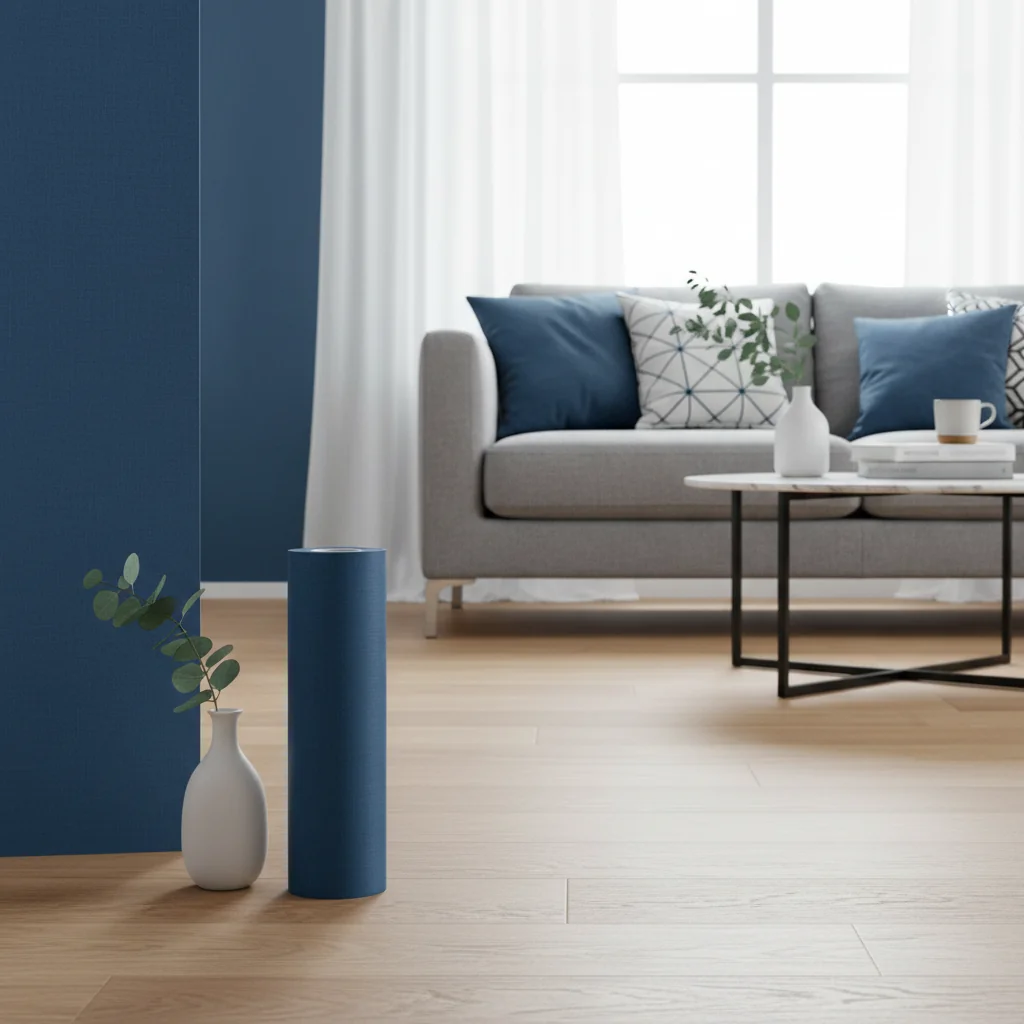
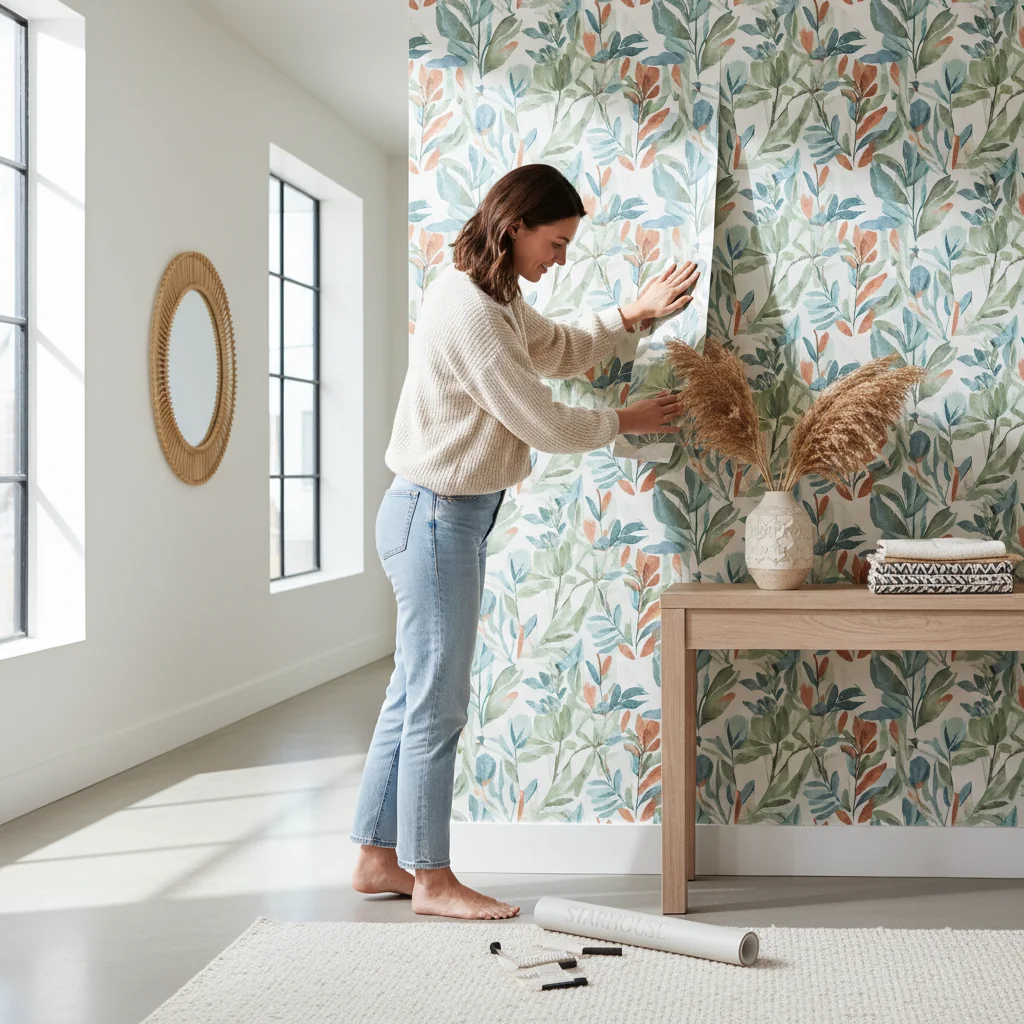
Grass cloth wallpaper is a distinguished natural wallcovering, meticulously crafted from the woven fibers of various plant materials, lending unparalleled texture, organic warmth, and sophisticated depth to interior spaces. This artisanal wall treatment, known for its subtle sheen and visible seams, transforms ordinary walls into canvases of natural artistry, embodying a timeless elegance that resonates across diverse design aesthetics. At Starhouse, we recognize grass cloth as a cornerstone of refined décor, offering a tactile dimension that synthetic alternatives simply cannot replicate. Its inherent variations in color and texture are not imperfections but hallmarks of its natural origin, contributing to a unique, handcrafted appeal that enriches any room with a sense of calm luxury and understated grandeur.
Key Takeaways
- Grass cloth wallpaper is a natural, hand-woven wallcovering made from plant fibers, providing unique texture and organic visual appeal.
- It introduces significant textural depth, warmth, and a sophisticated, biophilic element to interior design.
- Common fiber types include sisal, jute, hemp, reed, raffia, and bamboo, each offering distinct aesthetic and tactile qualities.
- Installation requires specialized techniques and often professional expertise due to its natural, less forgiving composition and visible seams.
- Proper care involves gentle dry cleaning and protection from moisture and direct sunlight to maintain its integrity and appearance.
- Grass cloth is a versatile design element, suitable for accent walls or entire rooms, harmonizing with a wide range of interior styles from modern to traditional.
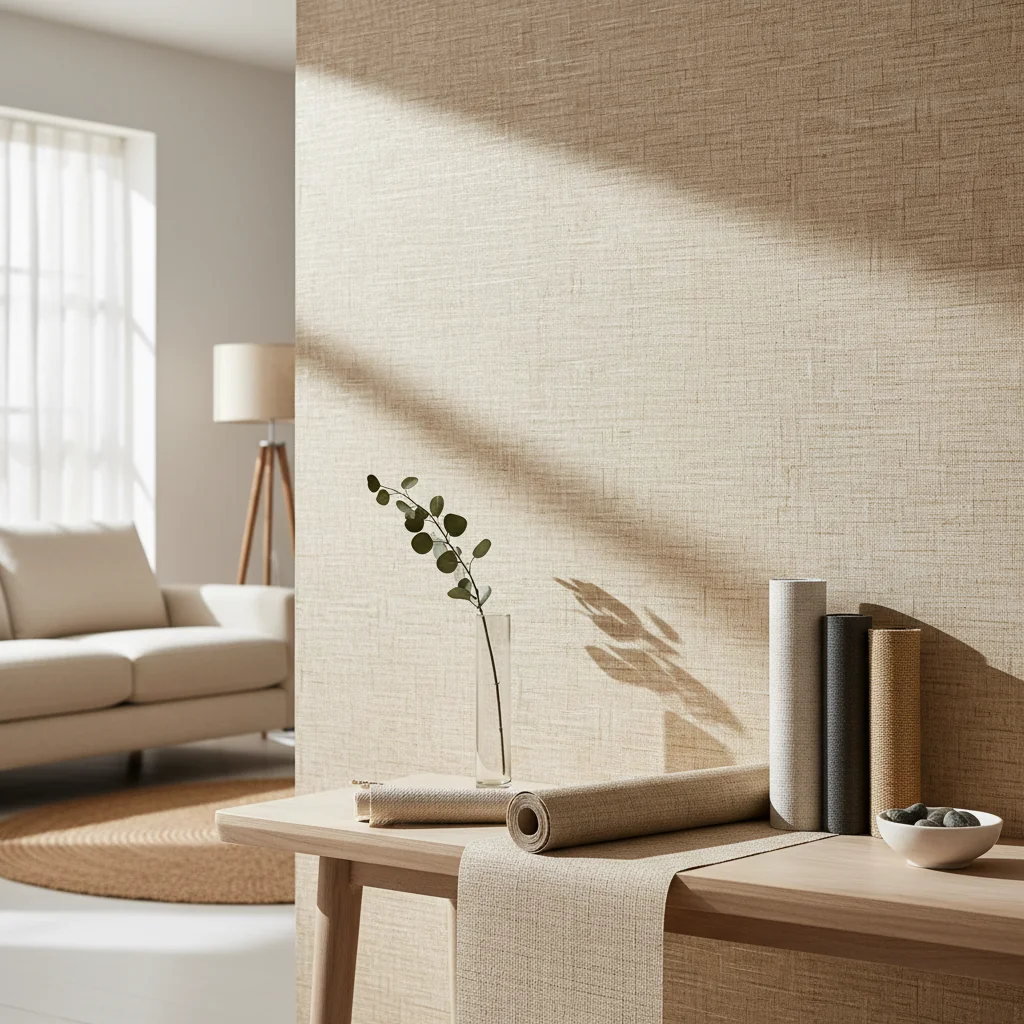
What is Grass Cloth Wallpaper?
Grass cloth wallpaper is a natural wallcovering crafted from meticulously woven plant fibers, typically backed with rice paper or a non-woven material for enhanced stability and ease of application. This distinctive wall treatment is celebrated for its rich, tactile surface and the inherent variations that arise from its organic composition, providing a depth and character that cannot be replicated by manufactured patterns. Each roll is a testament to natural artistry, bringing an authentic connection to the outdoors into interior spaces.
At its core, grass cloth wallpaper is defined as a wallcovering made from natural fibers, such as jute, sisal, reed, or hemp, that are hand-woven or machine-woven and then laminated onto a paper or non-woven backing. The weaving process creates subtle irregularities in texture and color, which are considered desirable attributes, distinguishing it from mass-produced wallpapers. The backing provides structural integrity, preventing fraying and allowing the material to be adhered to walls using traditional wallpaper paste. This construction ensures a durable yet inherently delicate finish that requires specific handling during both installation and maintenance.
The natural fibers used are often dyed before weaving, allowing for a broad spectrum of colors, though the most coveted grass cloths often retain their organic, earthy tones. The interplay of light across the woven surface highlights its dimensionality, creating a dynamic visual effect that shifts throughout the day. Unlike printed wallpapers, grass cloth offers a genuinely textured surface, imparting a sense of warmth, luxury, and a connection to natural elements that is highly sought after in sophisticated interior design. Its unique aesthetic makes it a preferred choice for designers aiming to introduce an organic, artisanal touch into residential and commercial environments.
The Enduring Appeal of Grass Cloth: Why Choose It?
Grass cloth wallpaper offers unparalleled texture, organic beauty, and a sophisticated aesthetic that instantly elevates any interior space, making it a perennial favorite among discerning homeowners and designers. Its unique characteristics provide both visual and tactile interest, contributing significantly to the overall ambiance of a room. The decision to incorporate grass cloth is often driven by a desire to introduce natural elements and a sense of refined luxury into the home.
One of the primary reasons for its enduring popularity is its exceptional textural quality. Unlike flat, printed wallpapers, grass cloth possesses a three-dimensional surface that catches and refracts light in intriguing ways, creating subtle shadows and highlights. This natural texture adds remarkable depth and visual interest, making walls feel more substantial and inviting. It can transform a stark room into a warm, cocoon-like retreat or imbue a formal space with understated elegance.
Furthermore, grass cloth inherently embraces biophilic design principles by bringing natural materials indoors. This connection to nature has been shown to enhance well-being, reduce stress, and foster a sense of calm and tranquility. The organic variations in each strand and weave pattern mean that no two installations are exactly alike, offering a bespoke feel that mass-produced alternatives cannot replicate. This uniqueness contributes to a highly personalized and luxurious environment.
Beyond aesthetics, grass cloth also offers practical benefits. Its woven structure can provide a subtle degree of acoustic dampening, helping to absorb sound within a room and create a quieter, more intimate atmosphere. It is also often considered a more sustainable choice compared to vinyl or synthetic wallpapers, as it is made from renewable plant resources. The natural fibers allow walls to breathe, which can be beneficial in certain climates.
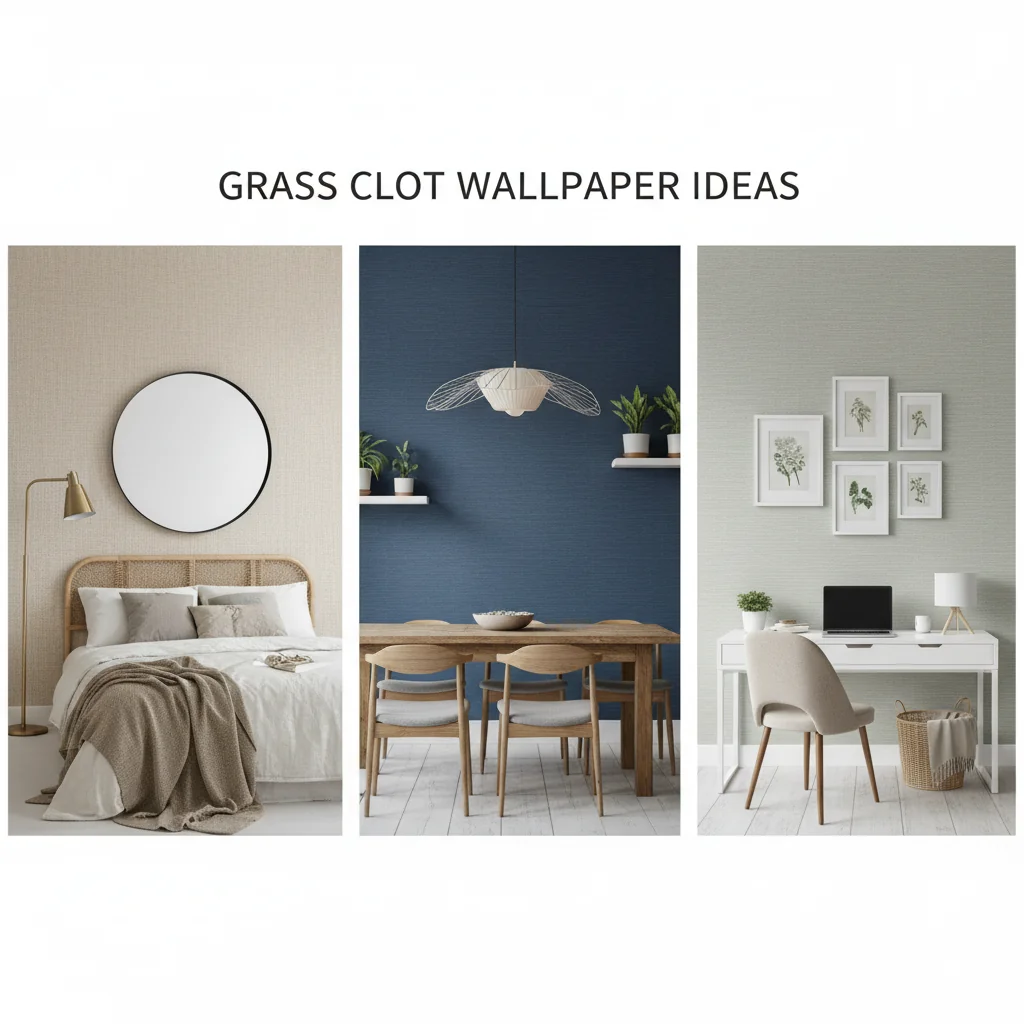
The versatility of grass cloth is another key factor in its appeal. While often associated with traditional or transitional styles, its organic texture and diverse color palette allow it to seamlessly integrate into modern, bohemian, coastal, or even minimalist designs. It serves as an exquisite backdrop for art, furnishings, and decorative accents, allowing other elements in the room to shine while providing a rich, foundational layer. Its timeless quality ensures that it remains relevant and stylish through changing design trends, offering a long-lasting investment in your home’s aesthetic.
Types of Grass Cloth Wallpaper: Materials and Construction
Grass cloth wallpaper encompasses a range of natural fibers, each offering distinct textures, appearances, and characteristics, commonly backed with rice paper or non-woven material for stability during installation. The choice of fiber directly influences the visual and tactile qualities of the finished wall, allowing for a diverse array of design possibilities within the natural wallcovering category. Understanding these material differences is crucial for selecting the ideal grass cloth for a specific design vision.
Common Fiber Types
- Sisal: Derived from the agave plant, sisal is known for its strong, coarse fibers. Sisal grass cloth typically features a tighter, more uniform weave than some other fibers, offering a clean, contemporary look with excellent durability. Its natural color ranges from off-white to light brown, and it readily accepts dyes, appearing in a vast spectrum of colors. Sisal is defined as a strong, stiff fiber derived from the leaves of the agave sisalana plant, primarily used in ropes, twine, and durable textiles like grass cloth wallpaper.
- Jute: Jute fibers are softer and more pliable than sisal, resulting in a slightly looser, more textured weave. Jute grass cloth often exhibits a beautiful, subtle sheen and a warm, earthy appeal. It is commonly used for its rustic yet refined aesthetic and ability to add significant warmth to a space.
- Hemp: Hemp fibers are strong and durable, similar to sisal but often with a slightly more irregular texture. Hemp grass cloth can range from fine to coarse weaves, offering a natural, resilient finish that is both aesthetically pleasing and environmentally conscious.
- Reed: Reed grass cloth is characterized by its slender, often flattened strands, which are typically woven in a parallel or basketweave pattern. This creates a highly textural, linear effect that can add a contemporary or architectural feel to a room. Reed can be more delicate than sisal or jute.
- Raffia: Sourced from the raffia palm, these fibers are soft, pliable, and often wider than other grass fibers. Raffia grass cloth tends to have a more pronounced, almost ribbon-like texture, creating a distinct, organic pattern that feels luxurious and relaxed.
- Bamboo: Bamboo grass cloth is made from thinly sliced or finely milled bamboo strips, which are then woven. This material offers a smooth, often lustrous surface with a distinct grain pattern, providing a sleek, Asian-inspired or modern organic aesthetic.
- Seagrass: As its name suggests, seagrass is derived from marine plants, offering a unique, often slightly glossy finish. Seagrass grass cloth is typically robust and can have a somewhat rustic appearance, adding a touch of coastal or natural charm.
- Silk Grass: This refers to grass fibers that are interwoven with fine silk threads, or sometimes a blend of synthetic fibers designed to mimic silk. Silk grass cloth combines the natural texture of grass with the subtle sheen and luxurious feel of silk, creating a highly refined and elegant wallcovering.
Construction and Backing
The construction of grass cloth wallpaper primarily involves the weaving of these natural fibers onto a backing material. This backing is crucial for several reasons:
- Stability: The backing provides structural integrity, preventing the delicate woven fibers from unraveling or stretching excessively during installation.
- Adhesion: It creates a stable surface for the adhesive to bond to, ensuring the wallpaper adheres smoothly and securely to the wall.
- Ease of Installation: A consistent backing makes the material easier to handle, cut, and position on the wall compared to unbacked woven fibers.
The most common backing materials are:
- Rice Paper Backing: This is traditional and widely used. Rice paper is thin, flexible, and porous, allowing for good adhesion and a relatively seamless finish. The natural, somewhat translucent quality of rice paper can also subtly enhance the organic feel of the grass cloth.
- Non-Woven Backing: Increasingly popular, non-woven backings are made from a blend of synthetic and natural fibers. They offer enhanced durability, dimensional stability, and are often easier to remove in the future. Non-woven backings can also be “paste the wall” applications, simplifying installation.
Lamination is defined as the process of bonding multiple layers of material together to create a composite that is stronger, more stable, or has improved properties. In grass cloth wallpaper, the natural fibers are laminated onto a paper or non-woven backing. This lamination process is critical for the product’s performance, ensuring the delicate woven fibers are securely attached and can withstand the rigors of installation and daily life. The quality of the lamination impacts the overall durability and ease of handling of the grass cloth.
Understanding Grass Cloth Styles and Textures
Grass cloth wallpaper presents a diverse array of styles and textures, from finely woven, almost uniform surfaces to boldly textured, chunky weaves, significantly influencing the visual weight and ambiance of a room. The specific fiber type, the weaving technique, and any subsequent treatments collectively determine the final aesthetic, offering a rich palette for interior designers. This textural variety allows grass cloth to adapt to a multitude of design schemes, from minimalist modern to richly traditional.
Weave Patterns and Textural Depth
The weave pattern is perhaps the most defining characteristic of a grass cloth’s style. These patterns dictate how light interacts with the surface and the overall tactile impression:
- Fine, Tight Weaves: These weaves, often found in sisal or finely milled bamboo, create a more subtle texture that reads as a sophisticated, almost uniform surface from a distance. Up close, the delicate threads are visible, offering a refined tactile experience. This style is excellent for creating a serene backdrop without overwhelming a space.
- Coarse, Open Weaves: Jute, certain types of reed, and some raffia varieties feature more pronounced, open weaves. These create a bolder texture with significant visual interest, casting deeper shadows and adding a rustic, organic feel. They are ideal for spaces where a strong textural statement is desired.
- Basketweave: A classic and robust pattern where fibers are interlaced to resemble a basket. This weave offers considerable depth and a traditional, handcrafted look, often seen with wider reed or raffia strands.
- Herringbone: This distinctive V-shaped pattern adds a geometric yet organic sophistication. It creates a sense of movement and can make a room feel more dynamic, often achieved with sisal or thin reed fibers.
- Parallel/Linear Weaves: Fibers are laid predominantly in one direction, creating a striped or linear effect. This can make walls appear taller or longer, depending on the orientation, and lends a contemporary edge.
- Irregular/Slubby Weaves: These weaves intentionally incorporate variations in fiber thickness and tension, resulting in a highly organic, imperfectly beautiful surface. This style emphasizes the natural origin of the material and is perfect for a bohemian or naturalistic aesthetic.
Color Variations and Treatments
While many grass cloths are celebrated for their natural, undyed hues—ranging from creamy whites and sandy beiges to rich browns and subtle greens—they are also available in a vast array of dyed colors. The dyeing process on natural fibers can result in unique color variations within a single roll, adding to its artisanal charm.
- Natural Tones: These embody the inherent beauty of the fibers, offering a calming, earthy palette that pairs effortlessly with a wide range of décor. They provide a neutral yet highly textured backdrop.
- Dyed Hues: Grass cloths are dyed in virtually every color imaginable, from soft pastels to vibrant jewel tones. The natural texture allows dyed colors to appear softer and more nuanced than on flat surfaces, creating a rich, saturated effect.
- Metallic Accents: Some contemporary grass cloths incorporate metallic threads or subtle metallic finishes over the fibers. This adds a hint of shimmer and glamour, elevating the natural material to a more luxurious, modern aesthetic.
- Printed Overlays: While less common for true grass cloth, some variations feature subtle patterns or motifs printed over the woven fibers. This combines the textural depth of grass cloth with the visual interest of a printed design.
Impact on Light and Ambiance
The style and texture of grass cloth significantly impact how light interacts with the wall and, consequently, the overall ambiance of the room. Finely woven, lighter-colored grass cloths can reflect light, making a room feel brighter and more expansive. Conversely, coarsely woven, darker grass cloths will absorb more light, creating a cozier, more intimate, and dramatic atmosphere. The interplay of light and shadow across the textured surface adds a dynamic element, ensuring the walls are never static or monotonous. This characteristic makes grass cloth an exceptional choice for adding architectural interest and a sense of bespoke craftsmanship to any interior.
| Fiber Type | Primary Characteristics | Texture/Appearance | Durability | Ideal Aesthetic Use |
|---|---|---|---|---|
| Sisal | Derived from agave plant; strong, stiff fibers. | Tightly woven, uniform, often subtle sheen. Clean, contemporary. | High; resistant to wear. | Modern, Transitional, Minimalist, Contemporary. |
| Jute | Softer, more pliable fibers; natural sheen. | Looser, more pronounced weave; warm, earthy. Subtle irregularities. | Moderate; softer than sisal, can fray if not handled carefully. | Bohemian, Rustic Chic, Natural, Transitional. |
| Reed | Slender, often flattened strands. | Linear, structured, can be delicate. Distinctive parallel or basketweave. | Moderate; can be brittle if mishandled. | Contemporary, Asian-inspired, Architectural. |
| Raffia | Soft, pliable, often wider fibers from palm. | Pronounced, almost ribbon-like texture. Luxurious, relaxed feel. | Moderate; can be prone to snagging. | Coastal, Bohemian, Eclectic, Luxe Natural. |
| Bamboo | Thinly sliced or milled bamboo strips. | Smooth, lustrous surface with distinct grain. Sleek and refined. | High; very durable and resilient. | Modern, Zen, Asian Contemporary. |
Choosing the Right Grass Cloth for Your Home
Selecting the appropriate grass cloth involves considering the room’s function, existing décor, desired aesthetic, and the practicalities of durability and maintenance for the chosen fiber. This meticulous selection process ensures the wallcovering not only enhances the visual appeal but also performs effectively within its intended environment. The right grass cloth can transform a space, while an ill-suited choice might lead to dissatisfaction.
Assess the Room’s Function and Environment
- Traffic Level: For high-traffic areas like hallways or children’s rooms, opt for more durable fibers like sisal or bamboo, which are more resistant to scuffs and impacts. Delicate raffia or open-weave jutes are better suited for low-traffic zones such as bedrooms or formal living rooms.
- Humidity: Grass cloth is a natural material and generally not recommended for high-humidity environments like bathrooms without excellent ventilation or direct splashes. Moisture can cause the fibers to expand, contract, or even warp, leading to buckling or mold. If used in a powder room, ensure proper ventilation and avoid direct water contact.
- Light Exposure: Direct, prolonged sunlight can cause natural fibers to fade or change color over time. If a wall receives significant direct sun, consider lighter, pre-dyed options that may show fading less noticeably, or opt for a location with indirect light.
Harmonize with Existing Décor and Desired Aesthetic
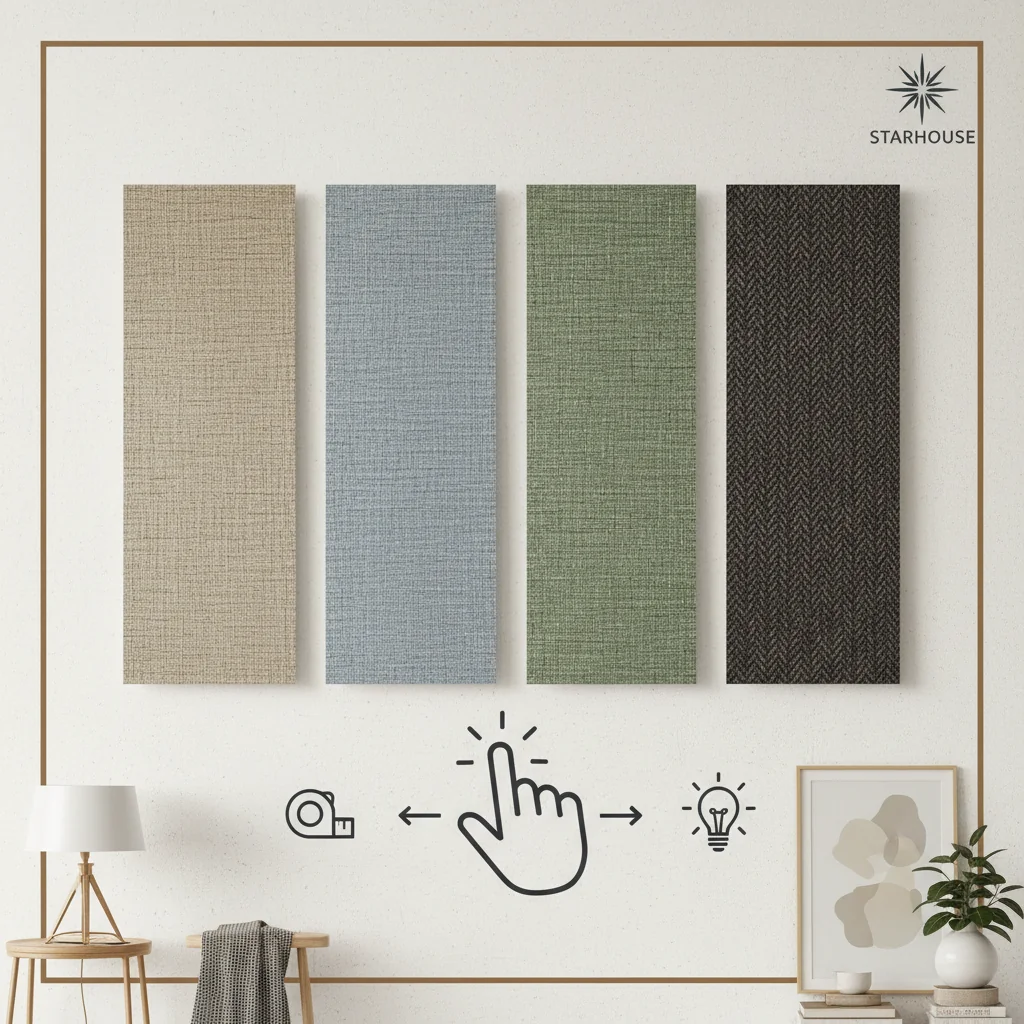
- Color Palette: Grass cloth comes in a vast range of natural and dyed colors. Choose a hue that complements your existing furniture, artwork, and textiles. For a subtle backdrop, natural tones or soft neutrals are ideal. For a bolder statement, consider a deep jewel tone or a rich earthy shade. Remember that natural variations in grass cloth mean the color will not be perfectly uniform.
-
Design Style:
- Modern/Minimalist: Look for fine, tight weaves in sisal or bamboo, often in cool grays, crisp whites, or muted earth tones.
- Bohemian/Coastal: Coarser weaves in jute, raffia, or seagrass, in natural, sandy, or muted blue/green tones, enhance these relaxed styles.
- Traditional/Transitional: Mid-range textures in sisal or hemp, often in classic neutrals, rich browns, or sophisticated dyed colors, blend seamlessly.
- Luxe/Glam: Consider grass cloths with metallic threads, subtle sheen, or deep, saturated colors like emerald green or navy.
- Scale of Texture: A large room can handle a bolder, more pronounced texture, while a smaller room might feel overwhelmed by it. Conversely, a subtle texture can add depth to a small space without visually shrinking it.
The Importance of Sampling
Always order samples of your preferred grass cloth options. View them on your wall at different times of day and under various lighting conditions (natural, artificial). This allows you to observe how the texture and color interact with your room’s unique light and existing elements. Grass cloth can look significantly different in person than in a catalog or online image, and its interaction with light is a crucial aspect of its appeal. Place samples both horizontally and vertically, as the weave direction can impact the visual effect.
Consider Professional Consultation
Given the investment and specific characteristics of grass cloth, consulting with an interior designer or a Starhouse design expert can be invaluable. They can offer insights into suitable fiber types, colors, and textures that align with your vision and practical requirements, ensuring a cohesive and stunning result. This expertise helps navigate the nuances of natural materials and guarantees a choice that will bring lasting satisfaction.
At Starhouse, we are curating a collection that embodies this timeless elegance and natural beauty. We invite you to tell us what you’re looking for in your ideal living space, and gain early access to our meticulously selected offerings. Share your vision with us today at starhouseusa.online.
Precise Measurement and Estimation for Grass Cloth Installation
Accurate measurement is critical for grass cloth installation to minimize waste and ensure sufficient material, typically requiring careful calculation of wall dimensions and meticulous attention to detail. Unlike patterned wallpapers with specific repeats, grass cloth’s natural variations mean that while there isn’t a pattern to match in the traditional sense, careful consideration of seam visibility and directional consistency is paramount. Underestimating material can lead to costly delays and difficulty sourcing matching dye lots.
Step-by-Step Measurement Process
- Measure Wall Height: Measure the height of each wall from the baseboard to the ceiling. Take measurements at several points across the width of the wall, as ceilings and floors are rarely perfectly level. Use the tallest measurement for your calculations to ensure full coverage. For walls with architectural features like crown molding or chair rails, measure each distinct section.
- Measure Wall Width: Measure the total width of each wall. Include the width of any doors or windows, as these areas still require material for cutting around.
- Calculate Square Footage: Multiply the total height by the total width for each wall to determine its square footage. Sum these values to get the total square footage requiring coverage.
- Account for Openings: While you measure the full wall, you will subtract the square footage of large openings like doors and windows from the total *after* calculating the initial material needed. However, when determining the number of strips, treat these as full sections for cutting purposes, as you’ll still need to cut around them.
- Determine the Number of Strips: Most grass cloth rolls are approximately 36 inches wide (1 yard). Divide the total width of each wall by the width of one roll to determine how many full strips you will need for that wall. Round up to the nearest whole number of strips. For example, a 12-foot wide wall (144 inches) divided by 36 inches per roll equals 4 strips.
- Calculate Total Strip Length: Multiply the number of strips by your determined maximum wall height. This gives you the total linear footage of grass cloth needed for the walls. For example, 4 strips x 9 feet (108 inches) high = 36 linear feet per wall.
Estimating Rolls and Waste Factor
Grass cloth is typically sold in single rolls, double rolls, or bolts, with specific dimensions. A standard single roll might be 36 inches wide by 24 feet long (approximately 72 sq ft), while a double roll would be 36 inches by 48 feet (approximately 144 sq ft). Always verify the exact dimensions of the specific grass cloth you are purchasing.
- Waste Factor: Unlike patterned wallpapers that require significant waste for pattern matching, grass cloth’s natural variations mean pattern repeat is generally not a concern. However, a waste factor is still essential for trimming, cutting around obstacles, and accounting for potential errors or minor imperfections in the natural material. A standard waste factor of 10-15% is recommended. For complex rooms with many windows, doors, or architectural features, consider increasing this to 20%.
-
Calculating Total Rolls:
- Calculate the total square footage of your walls (including waste factor).
- Divide this total by the square footage of one roll (e.g., 72 sq ft for a single roll).
- Round up to the nearest whole number to determine the total number of rolls to order.
- Consider Dye Lots: Natural materials, especially grass cloth, can exhibit slight color variations between different production batches, known as “dye lots.” It is absolutely critical to order all the rolls you need for a project at the same time to ensure they come from the same dye lot. Mixing dye lots can result in noticeable color discrepancies on the wall, which are impossible to correct once installed. Always check that all rolls received have the same dye lot number printed on the label.
When in doubt, it is always safer to order an extra roll. Unopened and undamaged rolls can often be returned, and having a spare eliminates the risk of needing to reorder from a different dye lot or facing delays if material runs short. Precise measurements and a sensible waste factor are the foundation for a successful and aesthetically pleasing grass cloth installation.
Installation Considerations and Best Practices
Proper installation of grass cloth wallpaper demands meticulous preparation, specialized adhesives, and a skilled hand, as its natural fibers are less forgiving than synthetic wallcoverings. Due to its unique composition and the inherent challenge of handling natural woven materials, professional installation is almost always recommended to achieve a flawless and durable finish. Attempting a DIY installation without prior experience can lead to frustrating results and wasted material.
Surface Preparation: The Foundation of Success
- Clean and Smooth Walls: The wall surface must be impeccably clean, dry, and smooth. Remove any old wallpaper, loose paint, dirt, grease, or debris. Fill any holes or cracks with spackle and sand smooth. Imperfections on the wall will telegraph through the grass cloth, becoming visible.
-
Priming is Non-Negotiable: Apply a high-quality, clear, acrylic-based wallpaper primer (also known as a “sizing” or “wall-covering primer”) to all walls. This primer serves multiple critical functions:
- It creates a consistent, non-porous surface, preventing the adhesive from being absorbed unevenly.
- It improves adhesion, allowing the grass cloth to bond securely.
- It facilitates easier future removal, should you decide to change your wallcovering.
- It helps prevent paste stains from showing through lighter grass cloths.
Allow the primer to dry completely according to the manufacturer’s instructions, typically 24 hours.
- Consistent Wall Color: For lighter grass cloths, it is advisable to paint the walls a neutral color similar to the grass cloth itself, especially along the edges or where seams will be. This minimizes the visibility of seams and prevents the underlying wall color from showing through the natural variations of the grass cloth.
Adhesive Selection and Application
The type of adhesive is crucial for grass cloth. Use a heavy-duty, clear, non-staining, clay-based wallpaper adhesive specifically formulated for natural fiber wallcoverings. Avoid all-purpose vinyl adhesives.
- Paste the Wall vs. Paste the Paper: Most grass cloths are “paste the paper,” meaning the adhesive is applied directly to the back of the grass cloth strip. Some newer non-woven backed grass cloths might be “paste the wall,” but always confirm with the manufacturer’s instructions.
- Consistent Application: Apply the adhesive evenly and thoroughly to the entire back of the grass cloth strip. Ensure edges are well-covered. Avoid getting adhesive on the face of the grass cloth, as it can be very difficult, if not impossible, to remove without damaging the fibers. If any paste gets on the face, blot it immediately with a clean, damp (not wet) sponge.
Handling and Installation Techniques
- Cutting: Cut strips to the exact height of your wall plus 4-6 inches for trimming at the top and bottom. Use a fresh, sharp utility knife blade for each cut to prevent snagging the fibers.
- Hanging Direction: Grass cloth typically has a subtle directional grain. Maintain a consistent hanging direction for all strips (e.g., always hang from the top of the roll down) to ensure uniformity.
- Butt Joints are Essential: Grass cloth strips are installed with butt joints, meaning edges are placed tightly next to each other without overlapping. Overlapping will create a visible, undesirable ridge.
- Visible Seams: Understand and communicate that visible seams are an inherent characteristic of grass cloth wallpaper, not a flaw. Due to the natural variations in fiber thickness, color, and weave, and the lack of a printed pattern to hide joints, seams will be discernible. This is part of its unique charm and artisanal appeal. Attempting to hide seams through overlapping or excessive trimming will likely damage the material or create a less appealing finish.
- Smoothing: Use a clean, soft wallpaper brush or a plastic smoother (avoid hard plastic or metal tools that can damage fibers) to gently smooth the grass cloth from the center outwards, removing air bubbles. Be gentle to avoid stretching or distorting the fibers.
- Trimming: Once a strip is smoothed, use a sharp utility knife and a straight edge (like a metal ruler) to carefully trim excess material at the ceiling and baseboard. Change blades frequently.
- Drying Time: Allow ample drying time, typically 24-48 hours, keeping the room at a consistent temperature and avoiding excessive humidity. Opening windows slightly can aid in ventilation but avoid drafts that could cause rapid drying and potential seam separation.
Given these complexities, investing in a professional installer experienced with natural fiber wallcoverings is highly recommended. Their expertise ensures correct preparation, precise cuts, seamless application, and proper handling, safeguarding your investment and delivering the exquisite finish grass cloth is known for.
Caring for Your Grass Cloth Wallcovering
Maintaining the beauty of grass cloth wallpaper requires specific care methods, primarily focused on gentle cleaning and protecting it from moisture and direct sunlight to preserve its natural integrity and extend its lifespan. Unlike vinyl wallpapers that can be scrubbed, grass cloth’s organic, woven nature necessitates a delicate approach to avoid damage. Proper care ensures its sophisticated texture and color remain vibrant for years.
Routine Cleaning and Dust Removal
The most frequent care for grass cloth involves removing dust and light debris.
- Dry Dusting: Regularly dust the surface with a soft, clean, dry cloth or a feather duster. This prevents dust accumulation from settling into the woven fibers.
- Vacuuming: For more thorough dust removal, use a vacuum cleaner with a soft brush attachment. Gently move the brush across the surface, ensuring the suction is not too strong to avoid pulling or damaging the fibers. Always vacuum in the direction of the weave.
Addressing Stains and Spills
Grass cloth is generally not washable, and water or liquid cleaners can cause discoloration, staining, or damage to the fibers and backing. Therefore, extreme caution is advised for any spills.
- Immediate Action: For liquid spills, blot immediately with a clean, dry white cloth or paper towel. Do not rub, as this can spread the stain or push it deeper into the fibers. Continue blotting until no more liquid is absorbed.
- Dry Cleaning Methods: For dry stains or marks, a kneaded eraser can sometimes gently lift marks without damaging the fibers. Test in an inconspicuous area first. For more persistent dry stains, professional cleaning specializing in natural fiber wallcoverings may be necessary.
- Avoid Liquid Cleaners: Never use abrasive cleaners, detergents, or excessive water on grass cloth. Bleach-based products will cause irreversible discoloration. Even “mild” cleaning solutions can leave watermarks or alter the natural appearance of the fibers.
Protection from Environmental Factors
- Moisture Control: Grass cloth is highly susceptible to moisture damage. Avoid installing it in areas with high humidity or direct water contact, such as unventilated bathrooms, kitchens near sinks, or laundry rooms. If used in a powder room, ensure excellent ventilation. Excessive humidity can cause the fibers to expand, leading to bubbling or warping, while direct water can cause permanent staining or mildew.
- Sunlight Exposure: Prolonged exposure to direct sunlight can cause natural fibers to fade or yellow over time. Consider using UV-filtering window treatments (sheer curtains, blinds, or shades) in rooms where grass cloth is installed on walls that receive intense, direct sun.
- Physical Damage: Protect grass cloth from physical abrasions. In high-traffic areas, consider adding chair rails or decorative trim to shield the lower portions of the wall. Be mindful of furniture placement to prevent rubbing or snagging.
Long-Term Preservation
With proper care, grass cloth wallpaper can maintain its beauty for many years. Regular, gentle maintenance is key. If significant damage or staining occurs, consult with a professional wallpaper restorer or a specialist in natural fiber care. Attempting to repair or extensively clean grass cloth without expert knowledge can often worsen the situation. Embrace the subtle aging and character that natural materials acquire over time, as this contributes to their unique charm and story within your home.
Styling with Grass Cloth: Design Integration
Integrating grass cloth wallpaper into a design scheme enhances warmth, texture, and organic sophistication, serving as a versatile backdrop for diverse furniture styles and color palettes. Its inherent natural beauty and subtle variations allow it to act as both a foundational element and a quiet statement piece, elevating the overall aesthetic of any room. The key to successful styling lies in understanding its unique characteristics and how it interacts with other design elements.
Creating Depth and Dimension
- Layered Textures: Grass cloth is a master at layering. Pair it with other tactile elements such as velvet upholstery, linen drapery, wool rugs, or polished wood furniture. The contrast between smooth and rough, soft and firm, enhances the sensory experience of the room, making it feel more luxurious and inviting.
- Accent Walls: While grass cloth excels when applied to an entire room, it also makes an impactful accent wall. In a bedroom, applying it behind the headboard creates a focal point and adds a serene, enveloping feel. In a dining room, an accent wall of grass cloth can highlight a sideboard or a piece of art, drawing the eye and adding sophisticated texture.
- Ceiling Application: For an unexpected and truly luxurious touch, consider applying grass cloth to the ceiling. This creates a “fifth wall” effect, adding incredible depth and warmth overhead, making the room feel more intimate and curated. Lighter, finer weaves are often preferred for ceilings.
Harmonizing with Furniture and Art
- Furniture Pairing: Grass cloth complements a wide array of furniture styles. Its organic texture provides a beautiful counterpoint to sleek, modern pieces, softening their lines. It enhances the richness of traditional wooden furniture and grounds the lighter aesthetic of coastal or bohemian designs. Consider how the texture of the grass cloth can highlight the form and material of your furniture.
- Art and Mirrors: The subtle, natural texture of grass cloth creates an ideal backdrop for artwork. It allows paintings, prints, or photography to stand out without competing for attention, providing a gallery-like setting. For mirrors, especially those with ornate frames, grass cloth amplifies their decorative impact by adding a rich, textural contrast. Ensure art is hung securely without damaging the grass cloth.
Lighting and Color Coordination
- Ambient Lighting: Grass cloth comes alive under various lighting conditions. Natural light will highlight its organic variations and sheen, while artificial lighting (especially warm, diffused light) can enhance its coziness and depth. Strategically placed sconces or picture lights can draw attention to its texture, creating dramatic shadows and highlights.
-
Color Palette:
- Neutrals: Natural-toned grass cloth provides a versatile foundation for almost any color scheme. It works beautifully with warm neutrals (creams, taupes), cool neutrals (grays, charcoals), and vibrant pops of color in accessories.
- Deep Hues: Darker or jewel-toned grass cloths (navy, emerald, charcoal) create a dramatic, luxurious atmosphere. Pair these with metallic accents (gold, brass) and rich textiles for a truly opulent feel.
- Monochromatic Schemes: Using grass cloth in a slightly varied shade from your existing paint or textiles can create a sophisticated monochromatic look, relying on texture rather than stark color contrast for interest.
Creating a Cohesive Narrative
Think of grass cloth as a character in your home’s story—it’s a natural, refined, and understated presence that brings warmth and authenticity. Whether used to define a cozy reading nook, elevate a formal dining room, or bring serenity to a bedroom, its integration should feel intentional and harmonious. The subtle imperfections and natural beauty of grass cloth invite a sense of calm and connection, making any space feel more grounded and thoughtfully designed. It’s a choice that speaks to an appreciation for craftsmanship, natural materials, and timeless elegance.
Current Trends in Grass Cloth Wallpaper
Contemporary trends in grass cloth wallpaper highlight broader applications, bolder textures, and innovative color treatments, moving beyond traditional neutrals to embrace sophisticated hues and subtle metallic accents. While its classic appeal remains steadfast, modern interpretations are pushing the boundaries of how this natural material can be integrated into diverse and evolving interior designs. Designers are continually discovering new ways to leverage its inherent qualities to create unique and impactful spaces.
Expanded Applications and Unexpected Placements
- Ceilings as a Fifth Wall: A notable trend is the application of grass cloth to ceilings. This creates an immersive, cocoon-like effect, adding unexpected texture and warmth overhead. It’s particularly popular in bedrooms, dining rooms, and studies, transforming the ceiling into a sophisticated design element rather than a forgotten surface.
- Architectural Accents: Beyond entire walls, grass cloth is being used to highlight specific architectural features. This includes wrapping columns, lining the backs of built-in bookshelves, or adorning recessed panels, adding a bespoke, tailored look to millwork.
- Furniture and Cabinetry Inlays: In a more custom approach, grass cloth is being incorporated as an inlay on furniture pieces, cabinet doors, or even headboards. This brings its unique texture to smaller, more intimate surfaces, creating a cohesive design narrative throughout the room.
Textural Innovation and Fiber Blends
- Bolder, More Pronounced Weaves: While fine weaves remain popular, there’s a growing appreciation for grass cloths with more substantial, tactile textures. Chunky jute, wide-reed basketweaves, and heavily slubbed sisal are favored for their ability to create dramatic visual and tactile interest.
- Mixed Fibers and Unique Compositions: Manufacturers are experimenting with blending different natural fibers (e.g., sisal and jute) or incorporating unexpected elements like metallic threads, abaca, or even subtle synthetic fibers. These blends create novel textures, enhanced durability, or a shimmering effect that catches the light.
- Embossed and Patterned Grass Cloth: While traditionally pattern-free, some modern grass cloths feature subtle embossed patterns or woven designs that add an extra layer of visual complexity without sacrificing the natural feel.
Sophisticated Color Palettes and Finishes
- Deep, Saturated Hues: Moving beyond classic neutrals, grass cloths in rich, saturated colors are gaining prominence. Deep navy, emerald green, charcoal gray, terracotta, and even black grass cloth offer a dramatic and luxurious backdrop, particularly effective in formal living rooms, dining rooms, or home offices.
- Metallic Sheen and Iridescence: Grass cloths with subtle metallic threads woven into the fibers or a delicate metallic finish applied to the surface are trending. These options add a contemporary shimmer and an element of glamour, enhancing the material’s inherent luxury.
- Hand-Painted and Artisanal Finishes: Some high-end grass cloths feature hand-painted details or unique artisanal finishes that give each roll a one-of-a-kind quality, further emphasizing the handcrafted nature of the material.
Focus on Sustainability and Biophilic Design
The inherent natural origin of grass cloth aligns perfectly with the growing demand for sustainable and eco-friendly materials in home décor. Consumers are increasingly seeking products that connect them to nature (biophilic design) and have a minimal environmental footprint. Grass cloth, being made from renewable plant fibers, is a natural fit for this trend, offering both aesthetic beauty and environmental consciousness. This focus reinforces grass cloth’s position as a timeless yet forward-thinking choice for sophisticated interiors.
Common Misconceptions and Mistakes with Grass Cloth
Avoiding common pitfalls with grass cloth wallpaper involves understanding its unique characteristics, such as visible seams, susceptibility to moisture, and the importance of professional installation. Many issues arise from treating grass cloth like conventional vinyl or printed wallpaper, which overlooks its delicate, natural composition. Awareness of these distinctions is crucial for a successful and satisfying outcome.
Misconception: Grass Cloth Should Have Seamless Appearance
Reality: Visible seams are an inherent and expected characteristic of grass cloth wallpaper. Due to the natural variations in fiber thickness, weave, and dye absorption, and the absence of a printed pattern to disguise joints, the vertical seams where one strip meets another will be discernible. This is not a defect but rather a hallmark of its authentic, handcrafted nature, contributing to its organic charm. Attempting to hide seams through overlapping or excessive trimming often leads to damage or an even more noticeable, unprofessional finish. Embrace the seams as part of the unique texture.
Mistake: Installing in High-Humidity or High-Moisture Areas
Reality: Grass cloth is a natural fiber and is highly susceptible to moisture damage. Installing it in bathrooms without adequate ventilation, directly above kitchen sinks, or in laundry rooms can lead to significant problems. Moisture can cause the fibers to expand, buckle, lift, or even develop mildew. Direct splashes will cause permanent staining and potentially ruin the material. It is best reserved for drier environments like bedrooms, living rooms, dining rooms, or powder rooms with excellent ventilation.
Mistake: Attempting DIY Installation Without Experience
Reality: While some experienced DIYers might tackle it, grass cloth installation is significantly more challenging than standard wallpaper. It is less forgiving: it can stretch, tear, or snag easily; paste showing on the face is often irreparable; and achieving precise butt joints requires considerable skill. Professional installers specialize in natural fiber wallcoverings and possess the expertise, tools, and patience required to achieve a clean, durable finish, safeguarding your investment. The cost of professional installation is often outweighed by the cost of wasted material and the frustration of a subpar DIY job.
Misconception: Grass Cloth is Impervious to Stains
Reality: Grass cloth is porous and absorbent, making it highly prone to staining, especially from liquids. Unlike vinyl, it cannot be easily wiped clean. Any liquid spill, even water, can leave a permanent mark or cause discoloration. This vulnerability reinforces the need for careful placement in the home and diligent protection from spills and splashes. Always blot spills immediately with a dry cloth; never rub or use liquid cleaners.
Mistake: Neglecting Proper Wall Preparation
Reality: As with any wallpaper, but especially with grass cloth, meticulous wall preparation is paramount. Any imperfections—holes, bumps, uneven paint, or dirt—will telegraph through the grass cloth’s textured yet often thin surface. Skipping priming or using the wrong type of primer can lead to poor adhesion, bubbling, or visible paste stains. Walls must be clean, dry, smooth, and uniformly primed with a clear acrylic wallpaper primer to ensure optimal adhesion and a professional finish.
Mistake: Underestimating Material Needs and Dye Lots
Reality: Due to natural variations, it is crucial to order all rolls for a project from the same dye lot to avoid noticeable color discrepancies on the wall. Underestimating the amount needed and having to reorder from a different dye lot is a common and costly mistake. Always calculate with a 10-15% waste factor and order a little extra; it’s better to have an unused roll than to face a mismatched or incomplete wall.
By understanding and avoiding these common misconceptions and mistakes, homeowners and designers can ensure their grass cloth investment yields the beautiful, sophisticated, and long-lasting result it is designed to deliver.
Frequently Asked Questions About Grass Cloth Wallpaper
Can grass cloth be installed in bathrooms?
Grass cloth wallpaper is generally not recommended for full bathrooms or areas with high humidity and direct water contact. Its natural fibers are susceptible to moisture, which can cause expansion, warping, staining, or mildew. It can, however, be used in well-ventilated powder rooms or half-baths where direct water exposure is minimal, provided proper care is taken.
Are seams visible with grass cloth?
Yes, visible seams are an inherent characteristic of grass cloth wallpaper and are considered part of its natural charm, not a flaw. Due to the organic variations in fiber thickness, weave, and dye absorption, and the absence of a printed pattern, the vertical joints between strips will be discernible. Professional installation focuses on achieving tight, clean butt joints to minimize their appearance while respecting this natural quality.
How do I clean grass cloth?
Grass cloth should be cleaned using dry methods only. Regularly dust the surface with a soft, clean, dry cloth or a feather duster. For deeper cleaning, use a vacuum cleaner with a soft brush attachment, moving gently in the direction of the weave. Avoid all liquid cleaners, detergents, or excessive water, as these can cause permanent staining, discoloration, or damage to the natural fibers.
Is grass cloth durable?
The durability of grass cloth varies by fiber type; for example, sisal and bamboo are known for their high tensile strength and resistance to wear, making them suitable for moderate traffic areas. However, all grass cloths are susceptible to physical snagging, moisture, and direct sunlight, requiring careful handling and placement compared to highly durable synthetic wallcoverings.
Can I paint over grass cloth?
Painting over grass cloth wallpaper is generally not recommended. The paint would obscure the unique texture that is its primary appeal, and the natural fibers may react unpredictably to moisture from the paint, potentially causing lifting, bubbling, or an uneven finish. If a color change is desired, it is best to remove the grass cloth and prepare the wall for painting or new wallcovering.
Is grass cloth environmentally friendly?
Many types of grass cloth wallpaper are considered environmentally friendly due to their composition from renewable natural plant fibers such as jute, sisal, or hemp. The sustainability profile can vary based on the specific fibers used, the manufacturing processes, and the type of backing and adhesives employed. Choosing products from reputable brands that prioritize sustainable sourcing and production practices enhances their eco-friendliness.
How much does grass cloth wallpaper cost?
The cost of grass cloth wallpaper varies widely, typically ranging from $100 to over $600 per single roll (approximately 72 square feet) in the United States. This price fluctuation depends significantly on the type of natural fiber, the complexity of the weave, the dyeing process, the brand’s reputation, and the backing material used. Premium fibers like silk grass or intricate weaves command higher prices, while simpler jute or sisal options may be more accessible.
Conclusion
Grass cloth wallpaper stands as a testament to the enduring beauty and sophisticated appeal of natural materials in interior design. Its unparalleled texture, organic warmth, and subtle variations offer a distinct aesthetic that elevates any space, creating environments that are both refined and deeply connected to nature. From the tactile richness of jute to the sleek elegance of bamboo, each fiber tells a unique story, inviting depth and character into your home. While its installation and care demand precision and an understanding of its natural properties, the transformative power of grass cloth is undeniable, offering a timeless investment in your home’s aesthetic.
At Starhouse, we are curating a collection that embodies this timeless elegance and natural beauty, ensuring each piece meets our rigorous standards for quality and design. We understand that your home is a reflection of your aspirations and unique style. We invite you to tell us what you’re looking for in your ideal living space, and gain early access to our meticulously selected offerings. Share your vision with us today at starhouseusa.online, and let us help you discover the perfect elements to craft your dream home.
Updated: June 2026